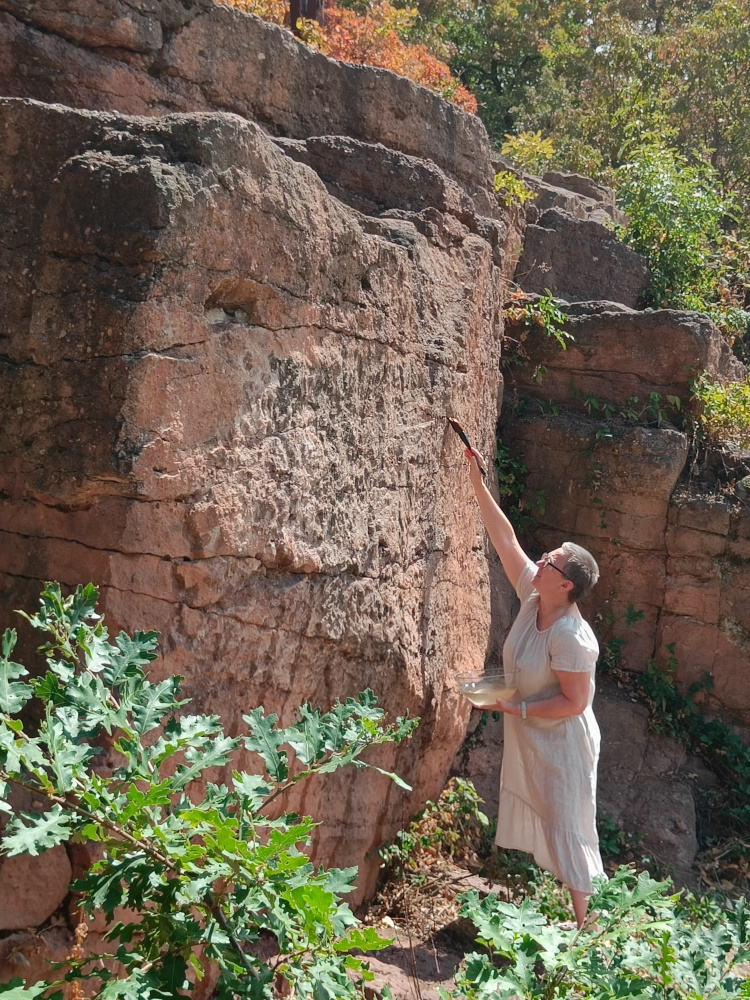
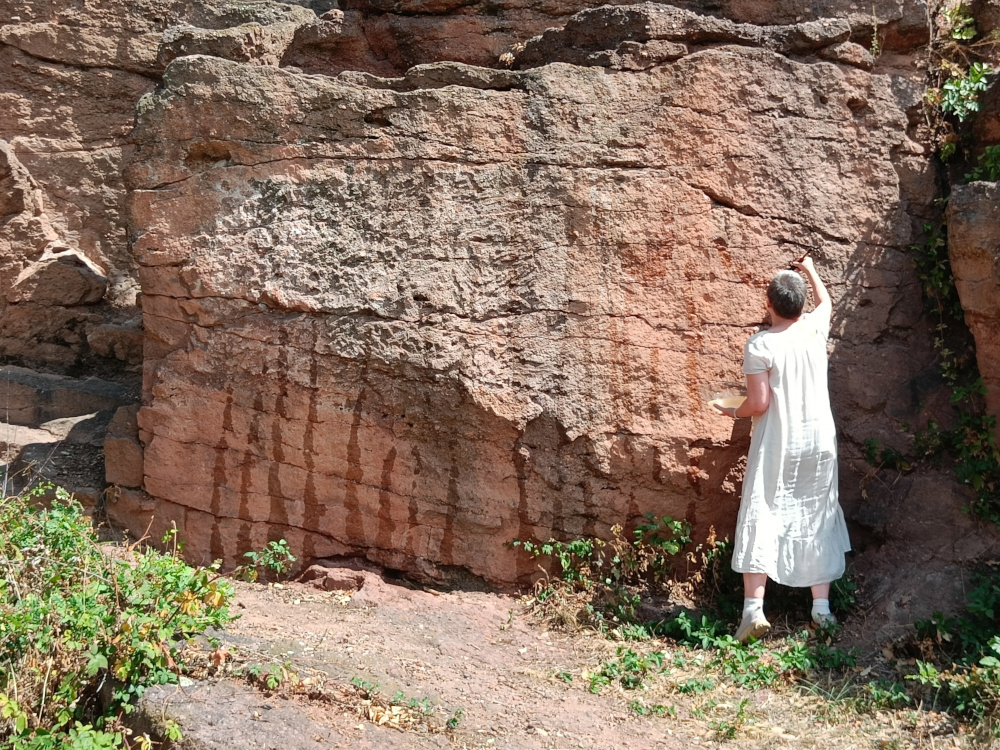
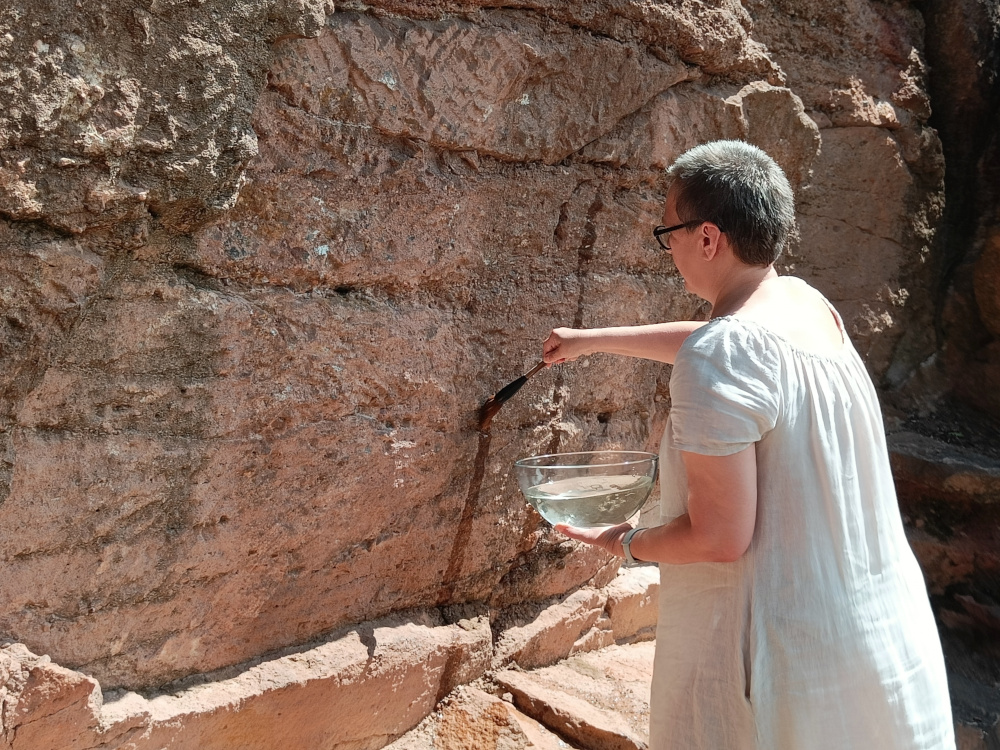
Anatomy of Cities is an ongoing artistic research into the city as a living, changing body.
Rather than describing the city, R² approaches it through shifts in attention — listening, looking, movement, colour, memory, and encounters with what usually remains unnoticed.
The city becomes a field of subtle discoveries. Perception is not simply a way of experiencing it, but the medium through which another city begins to appear.
Participants walk through the city with a simple task: to look for colour.
The same streets can look different when approached through this task. Buildings, walls, objects, vegetation, signs, surfaces, and small details become subjects for photography.
The project has taken the form of photo marathons, collective actions, and individual walks. There is no competition and no predetermined result. The route and the photographs depend on what each participant encounters.
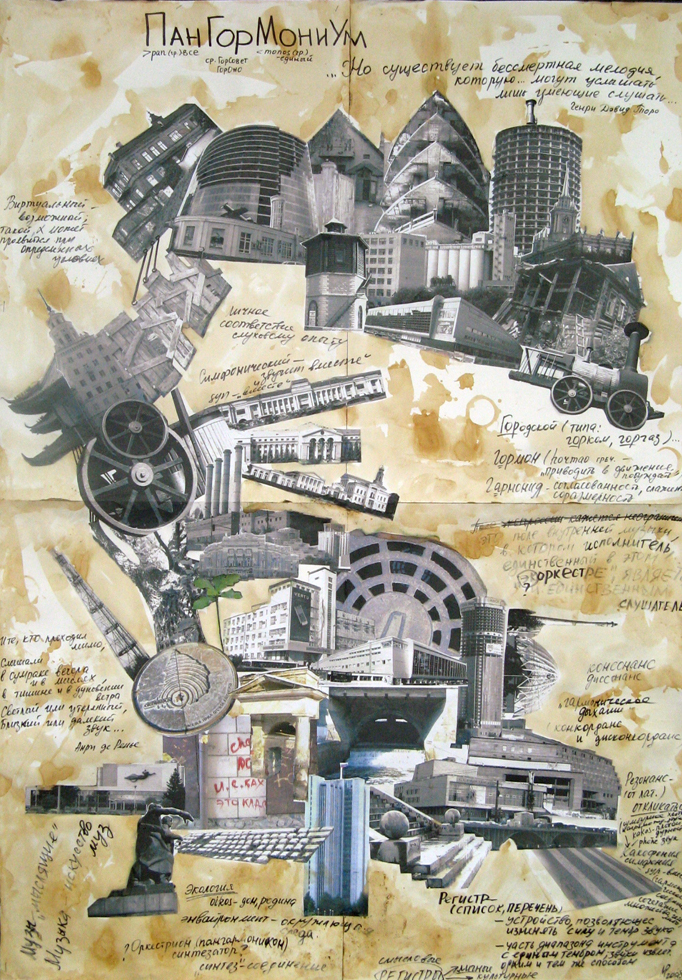
Within Anatomy of Cities, Shoot for Color is one way of working with the city through visual attention. PanGorMonium approaches the same question through listening.
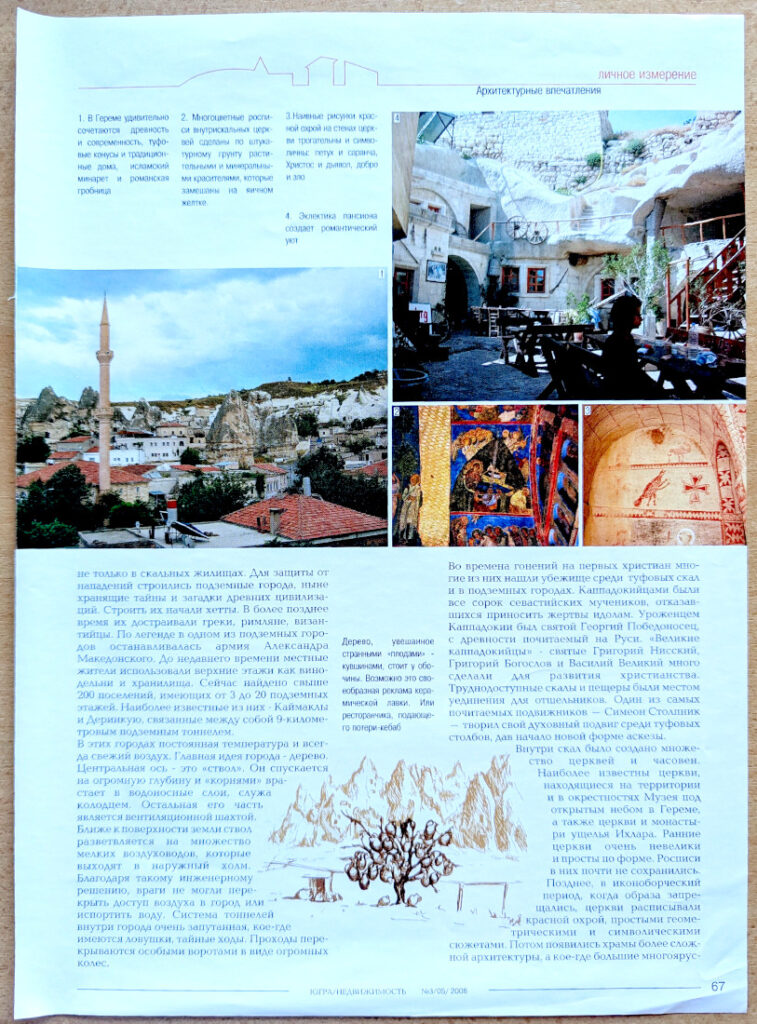
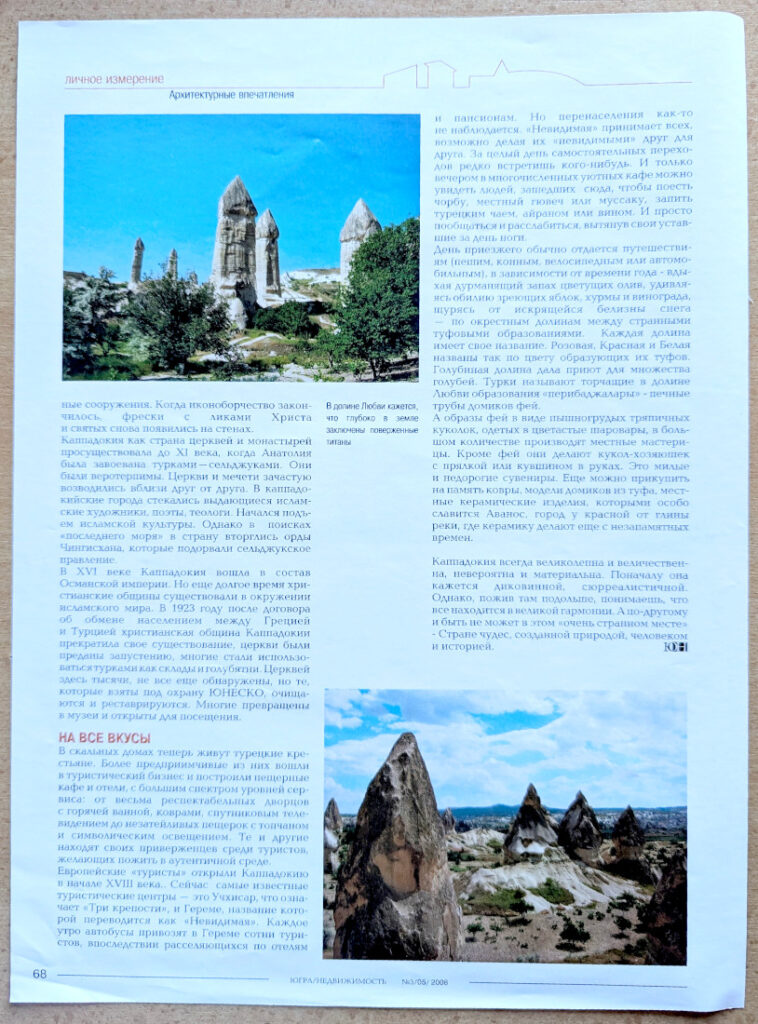
Published in “Yugra / Real Estate” Magazine, Issue 3, May 2008 Section: Architectural Impressions. Personal Dimension By Marina Razheva and Dmitry Razhev Photography by the authors
This early publication captures one of our first joint reflections on space, presence, and the surreal logic of landscapes. The article, though significantly edited and abridged by the publisher, offers a glimpse into the layered perception of place that would later evolve into our method of Betweenness. Cappadocia’s dreamlike terrain, full of voids, traces, and transformations prompted a personal and poetic response that blurred the lines between architecture, memory, and myth. This was one of our first attempts to “write from inside the landscape,” sensing the echoes beneath the surface.
The object remains the same. The perception does not.
THE STORY
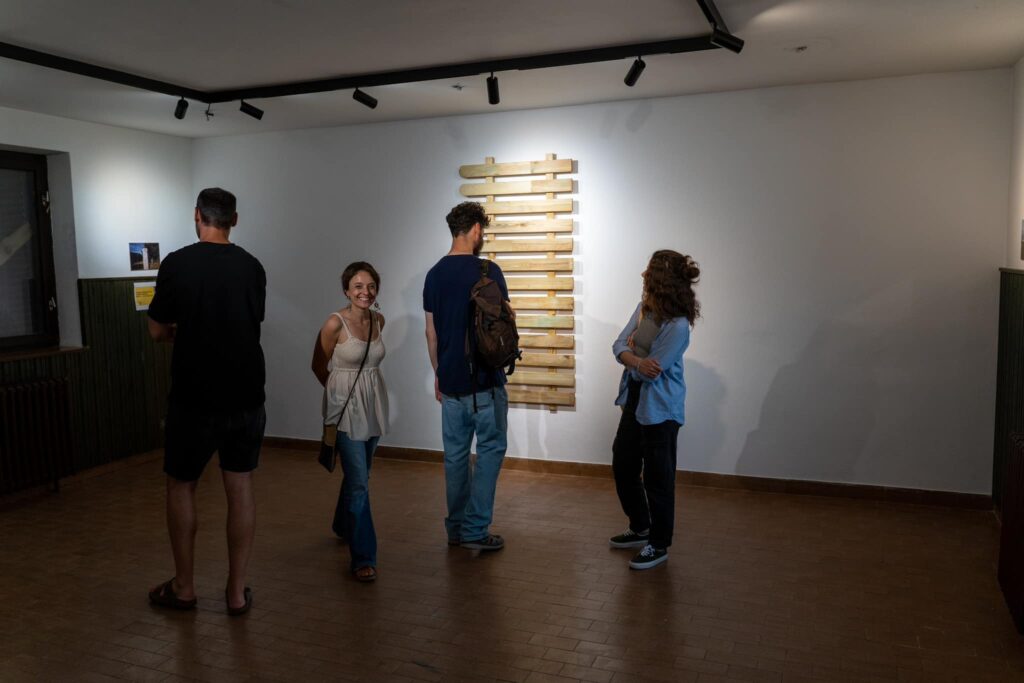
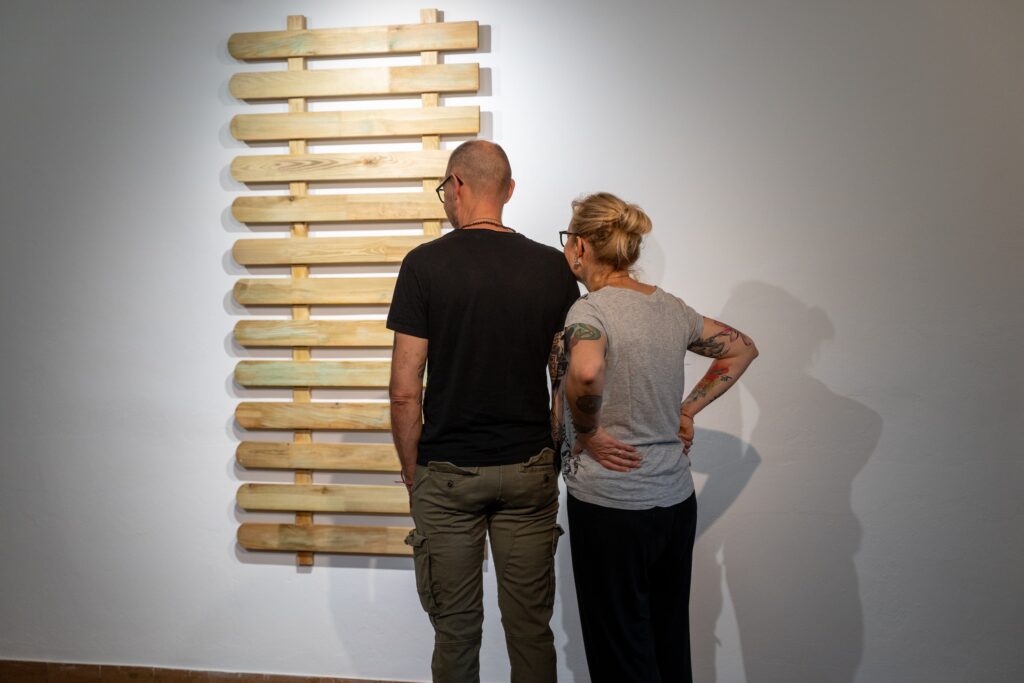
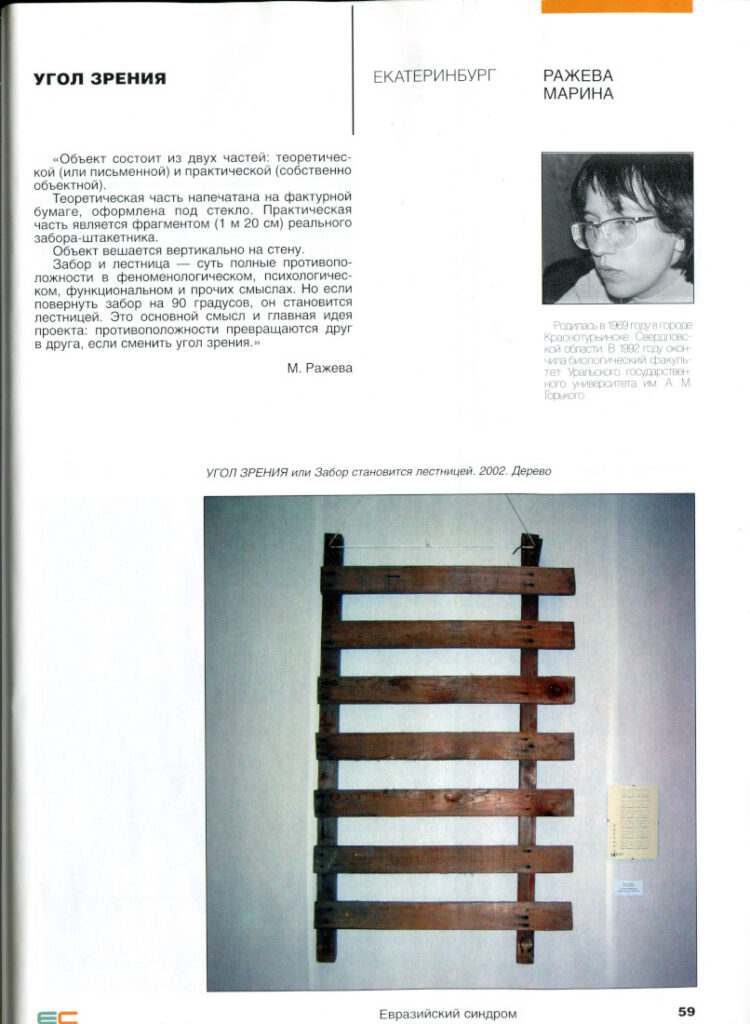
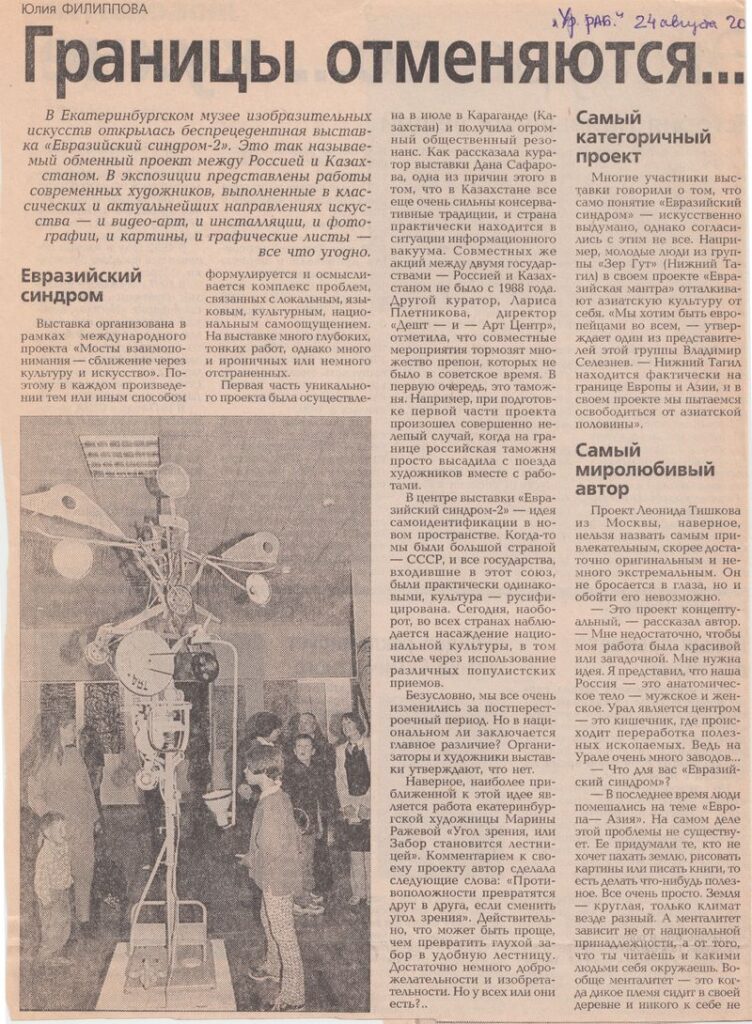
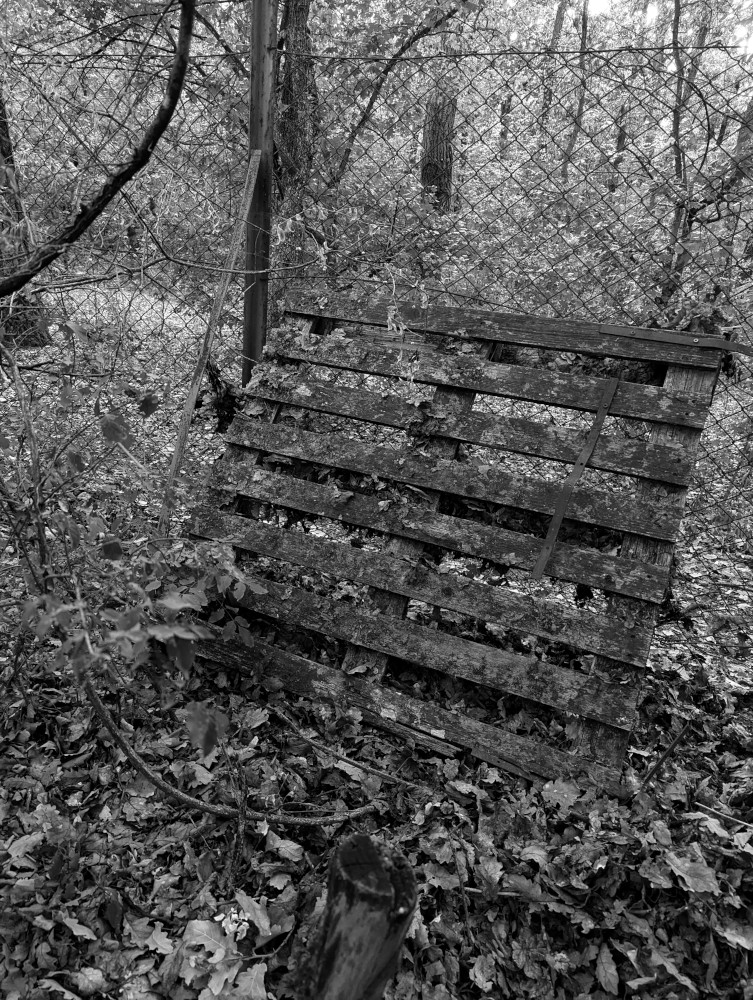
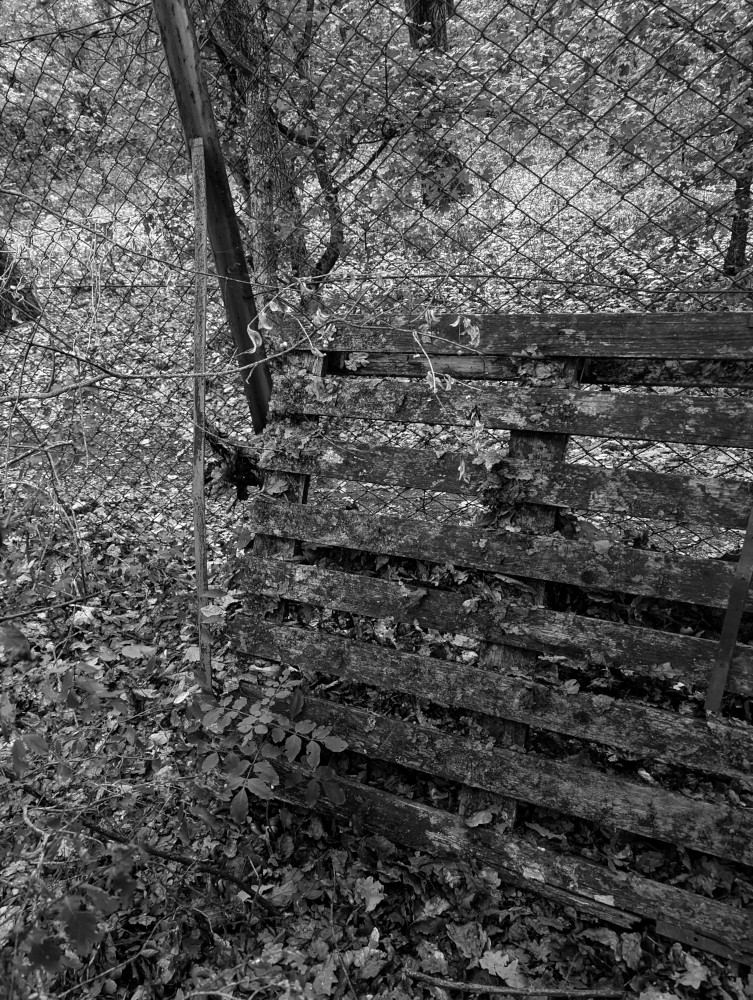
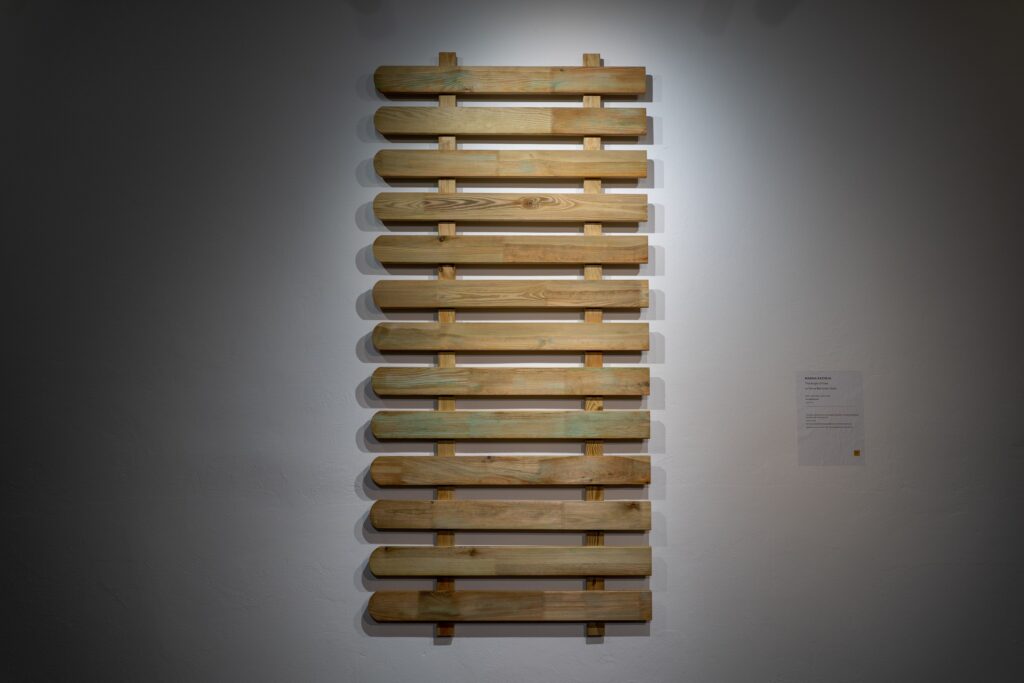
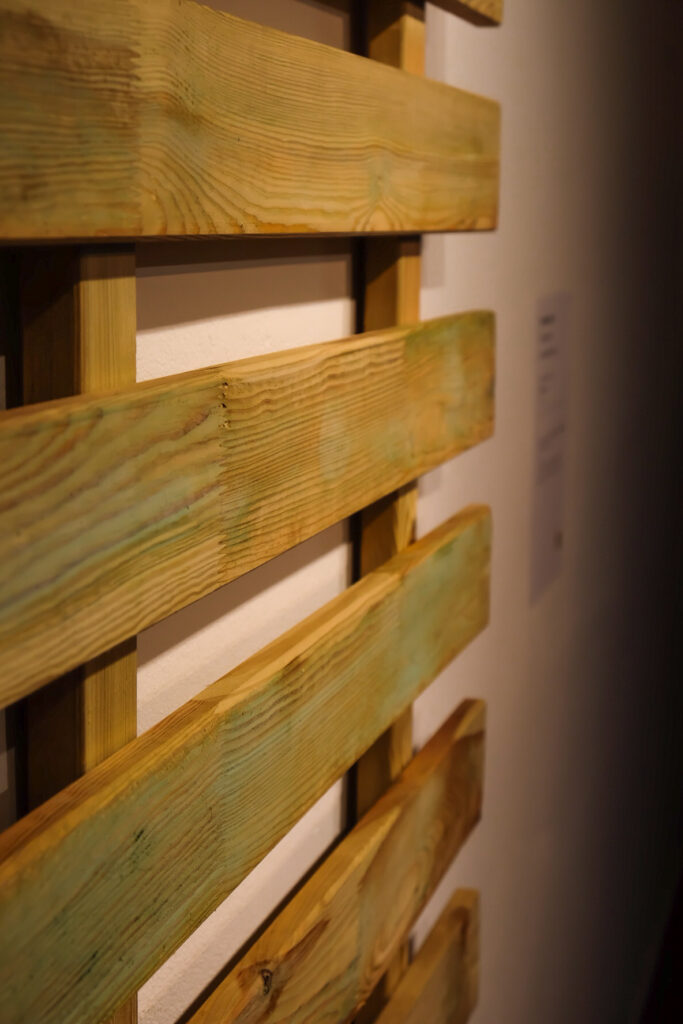
The work began in 2002, when I found a discarded piece of fence picket lying in the street in Yekaterinburg. I brought it home, washed and cleaned it, and took it to the exhibition Eurasian Syndrome 2 at the Museum of Fine Arts in Yekaterinburg. I realized that when a fence is turned 90 degrees, it can become a staircase: what normally stops movement can invite it.
The sentence “Fence becomes a staircase if the angle of view changes” stayed with me and gradually became a guiding principle in my work.
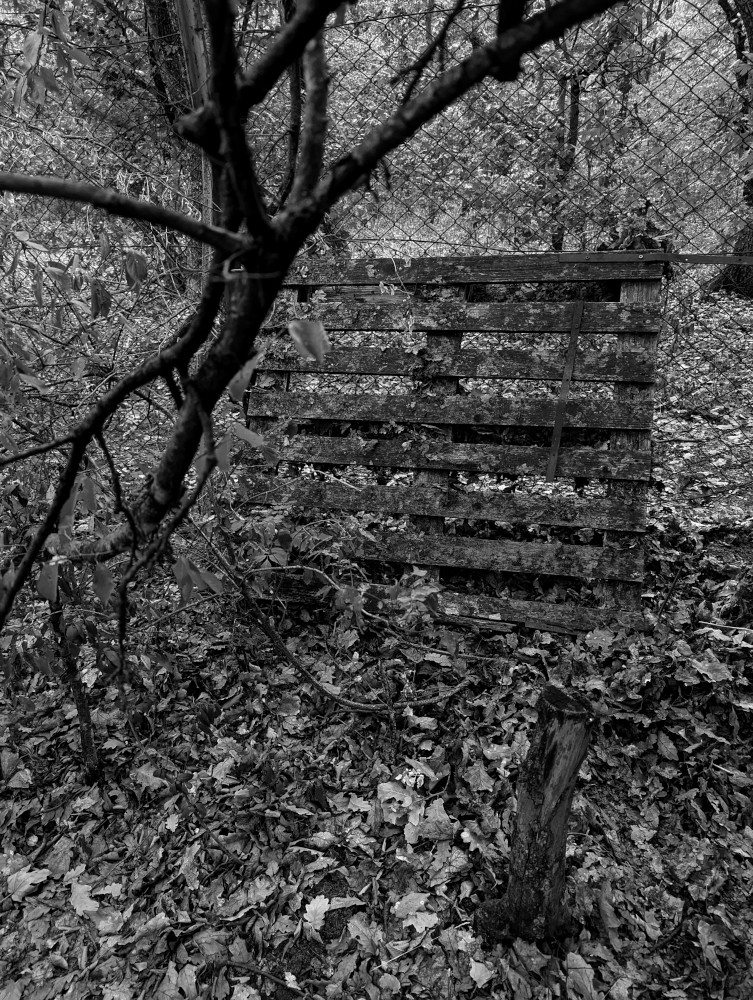
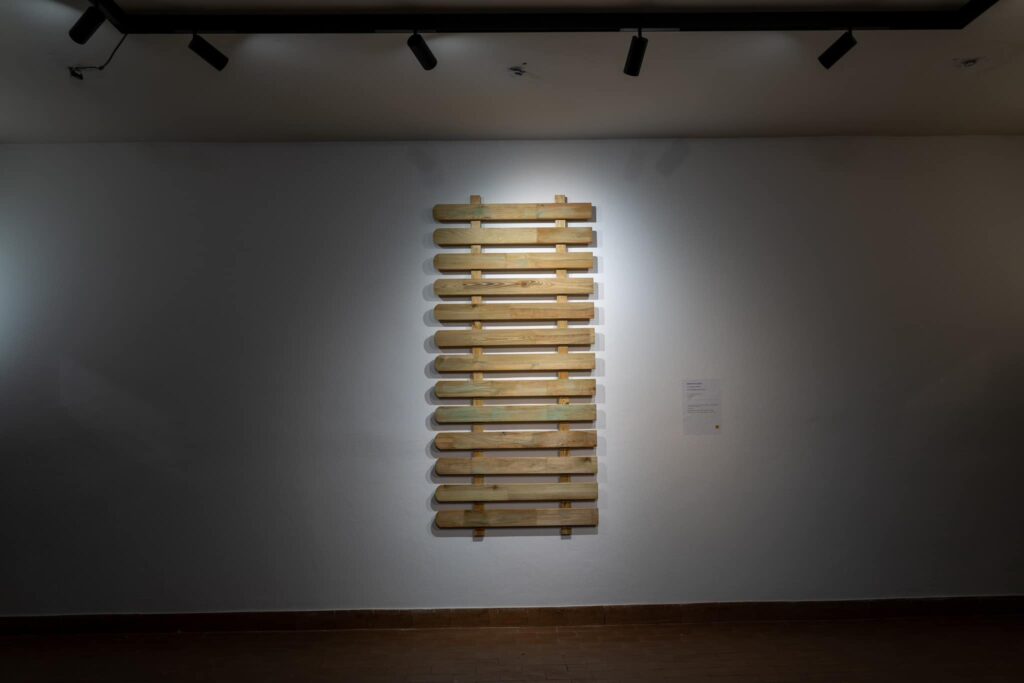
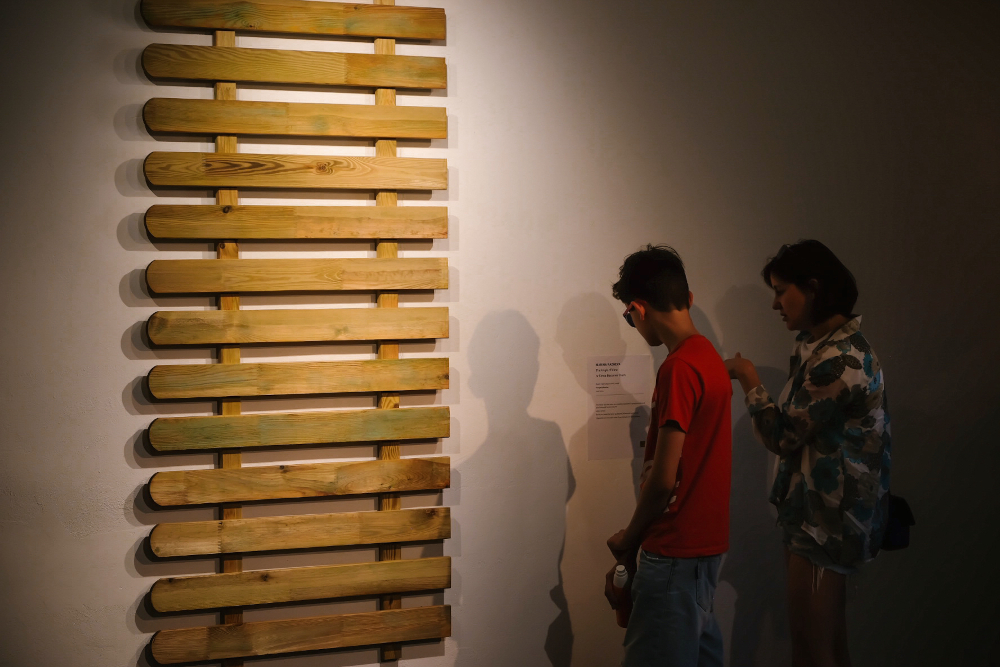
In 2024, the work continued in different ways. For Crossing Borders in Slovenia, a suitable fence could not be found in Hungary, so I bought a piece of fence at OBI and sent it to the exhibition. Later that year, at an art camp, I found a piece of fence lying on the ground, turned it as a staircase, and photographed it.
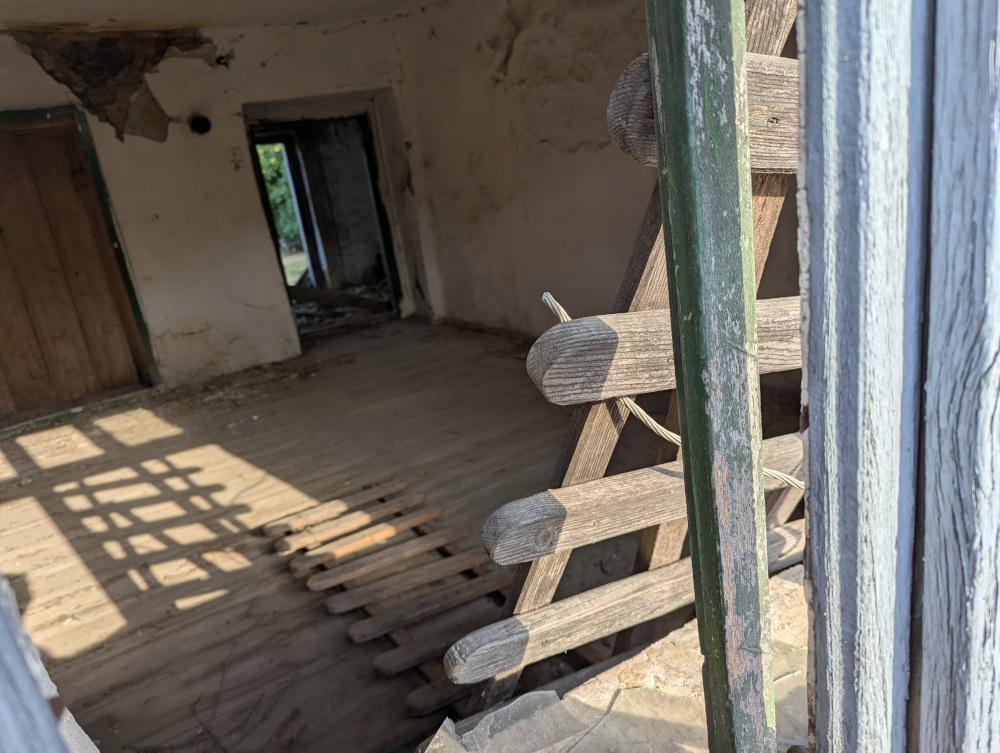
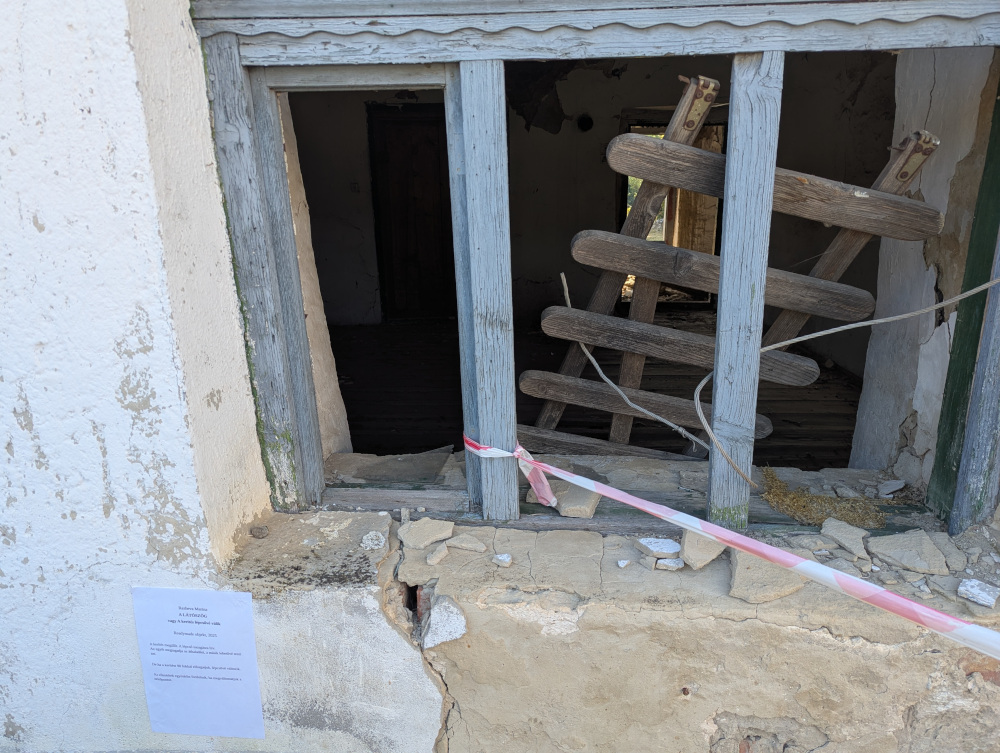
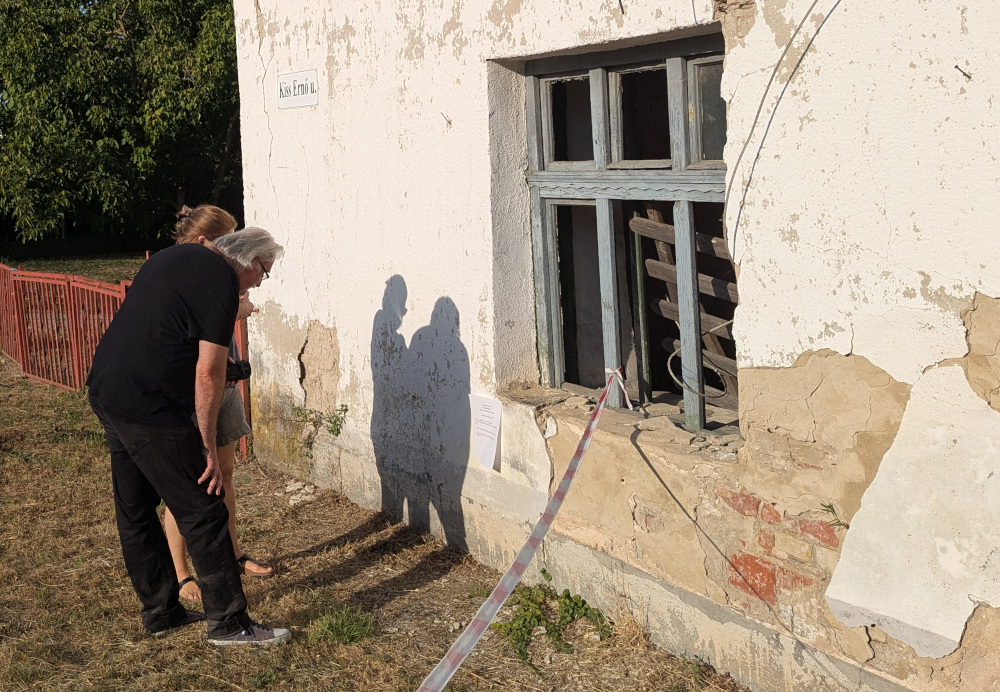
In 2025, in Rácalmás, Hungary, I saw an old piece of fence already positioned vertically inside an abandoned building. Nothing needed to be changed. I only placed the label beside it.
The work had reached a point where the transformation no longer needed to be made. It only needed to be recognized.
EXHIBITED – Crossing Borders, 2024, Beka 9, Slovenia – Eurasian Syndrome, 2002, Museum of Fine Arts, Yekaterinburg
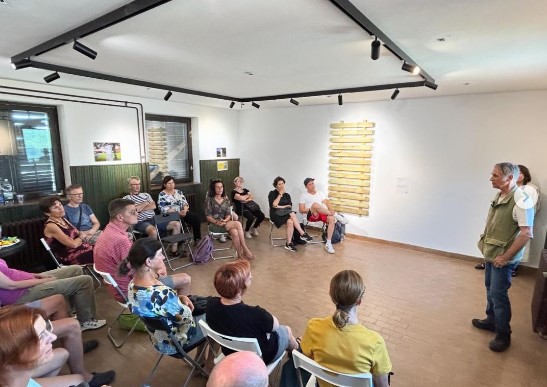
Crossing Borders, Slovenia, 2024
______________
“… What could be simpler than turning a solid fence into a staircase? (…)All it takes is a little goodwill and inventiveness. But do we all have that?..” — Yulia Filippova, Ural Worker, 2002
ARCHIVE
– Catalogue, Eurasian Syndrome, 2002 – Ural Worker, August 24, 2002 – Festival booklet, Crossing Borders, 2024
Catalogue page from “Eurasian Syndrome” Museum of Fine Arts, Yekaterinburg, 2002Ural Worker Newspaper, August 24, 2002Festival booklet featuring The Angle of View, Crossing Borders, 2024, Beka 9, Slovenia
Betweenness is an approach to transitional states — moments when one condition is giving way to another and perception becomes less certain.
It begins with experiences that resist being held in a fixed form: waking and sleeping, presence and absence, silence and sound, memory and forgetting, what has already happened and what is about to happen.
These moments are often brief. Something changes, but the change itself is difficult to grasp. Betweenness works with this instability, allowing transition to be experienced through atmosphere, duration, space, and sensory attention.
Rather than illustrating a state of transition, the practice creates conditions in which it can be encountered.
The Approach
Minimal intervention — Using subtle gestures and spatial shifts to make changes in perception possible. working with the moment when something is changing, but has not yet become something else.
Threshold states — Working with moments when familiar distinctions begin to shift.
Duration — Allowing waiting, repetition, and gradual change to shape the experience of a work.
Sensory attention — Working through movement, atmosphere, sound, light, material, and bodily presence.
Memory and forgetting — Exploring what remains, disappears, or changes as an experience passes.
Revealed Realism is a method of working with existing reality through close attention, research, and minimal intervention.
It begins with an encounter with a place, an object, a landscape, or a structure. Rather than imposing a predetermined meaning or form, the method investigates what is already there and what it may reveal through material evidence, fragments, absences, structures, movement, duration, and direct experience.
The method brings together different ways of reading a situation. Research establishes what can be known through evidence, while artistic practice tests what may become active through direct encounter and intervention. The two continually affect one another: evidence can constrain, redirect, or complicate artistic action, while artistic action can make another aspect of the evidence or situation newly active.
Interventions may be physical, temporary, textual, sonic, or embodied. They do not aim to transform an existing reality into something else, but to create conditions in which something already present can enter a new relation or become newly active.
Revealed Realism was developed collaboratively by artist Marina Razheva and researcher Dmitry Razhev through R².
The Approach
Revealing the existing — Allowing something already present, but not yet fully apparent or active, to enter the field of attention and action.
Attentive observation — Giving time to surfaces, structures, materials, atmosphere, movement, and subtle changes.
Research and evidence — Reading historical, archaeological, material, and contextual evidence alongside direct experience.
Minimal intervention — Introducing a limited action that tests a situation without replacing it.
Embodied encounter — Working through movement, presence, touch, sound, duration, and repeated return.
Design of Remembrance is a method of working with memory through collected traces, images, and objects.
It begins with the small things that remain from an experience: notes, tickets, wrappers, photographs, sketches, receipts, fragments, and other personal artifacts. Seemingly ordinary, these traces can carry the atmosphere and details of a journey or event long after it has passed.
The practice brings these fragments together through drawing, writing, collecting, arranging, and making. Their arrangement becomes a way of looking back at an experience while also discovering connections that were not visible at the time.
Design of Remembrance turns memories into tangible forms — travel books, postcards, collages, mnemonic objects, and other personal records.
The Approach
Collecting traces — Gathering small objects, images, notes, and fragments connected to an experience.
Mnemonic keys — Using words, images, objects, and personal signs that can reactivate a particular memory.
Drawing and writing — Recording details, impressions, and associations by hand.
Composition — Arranging visual and textual fragments to discover relationships and create a coherent form.
Making — Transforming collected material into books, postcards, collages, objects, and other tangible forms.
The method has also been explored through workshops, inviting participants to work with their own collected materials and create personal structures of memory.
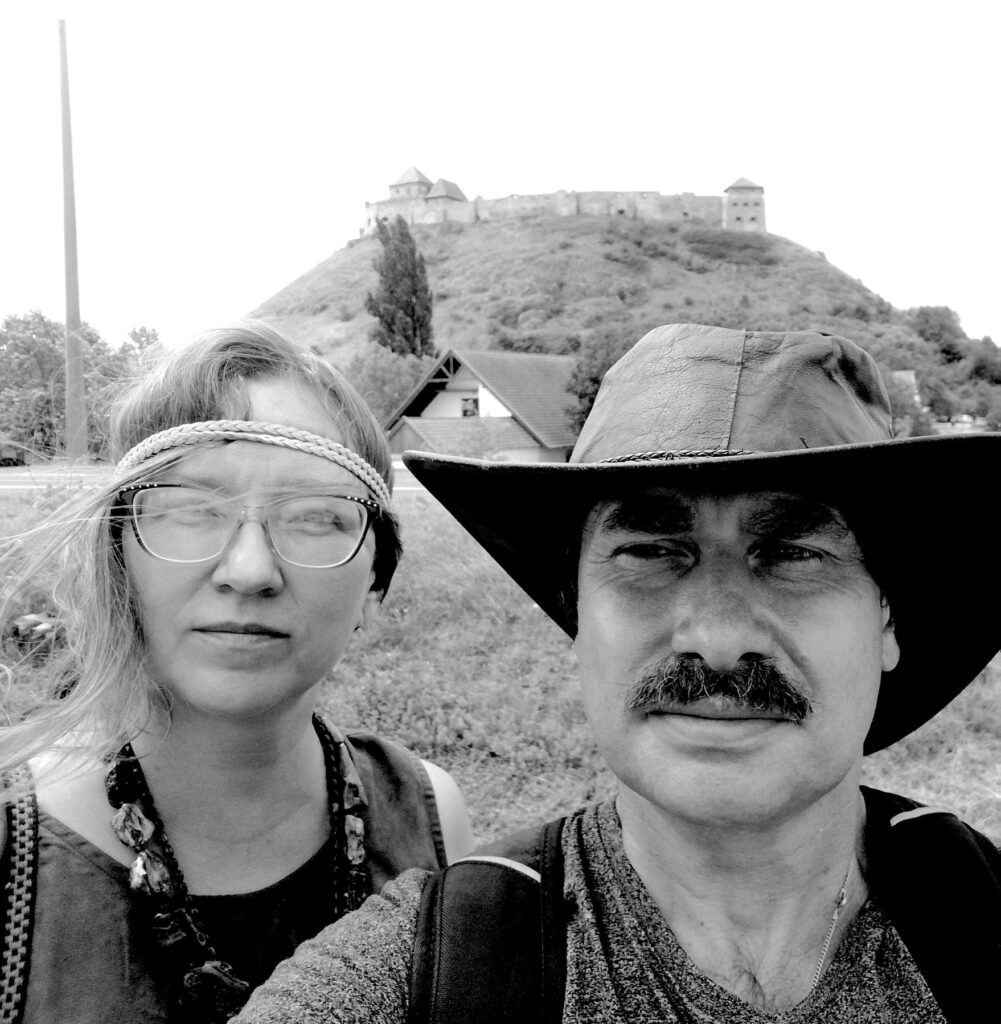
R² is a long-term collaboration between artist Marina Razheva and researcher Dmitry Razhev. They have worked together since 1989, exploring landscapes, cities, archives, and traces of human presence. Dmitry researches the history, geology and materials of a site. Marina and Dmitry decide together where and how to act.
Their work brings research and artistic practice into the same process. It begins with close attention to places, objects and situations, and with an investigation of what can be established through evidence and direct encounter.
Their different practices are not kept separate. Evidence can constrain, redirect or complicate the artistic action, while artistic action can make another aspect of the evidence or situation newly active. The work emerges from this ongoing exchange.
Over decades of working together, this practice has developed into Revealed Realism (RR), a method of working with reality through close attention and minimal intervention.