Self-residency in Istanbul
2025
Locations: Beyoğlu, Sultanahmet, Kadıköy, Galata Bridge
Medium / Format: Site-specific action, photography, ephemeral gesture
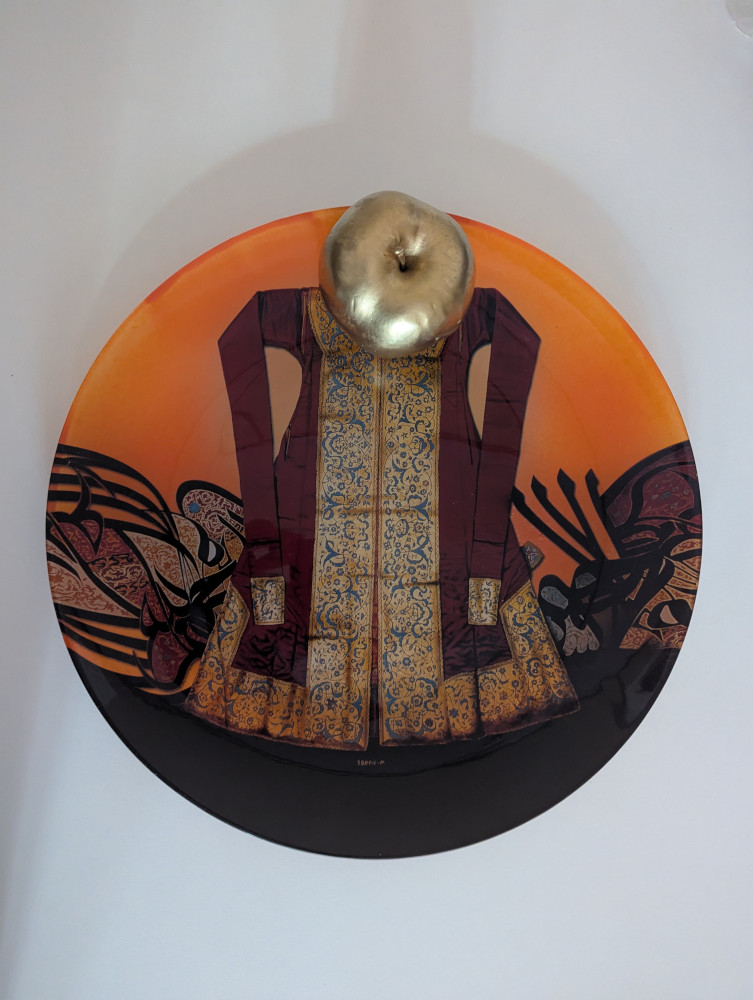
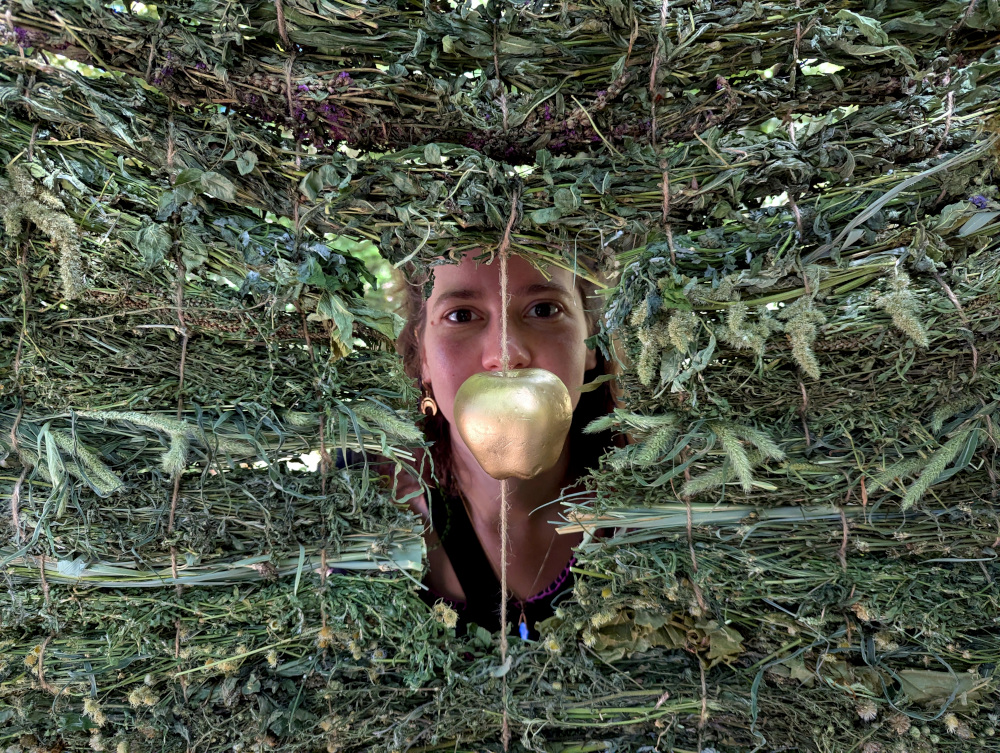
The Golden Apple of Istanbul is a site-specific project unfolding through photography and a performative gesture. It explores how symbols travel through cities, histories, and bodies, and how meaning shifts when an object moves from being held to being released.
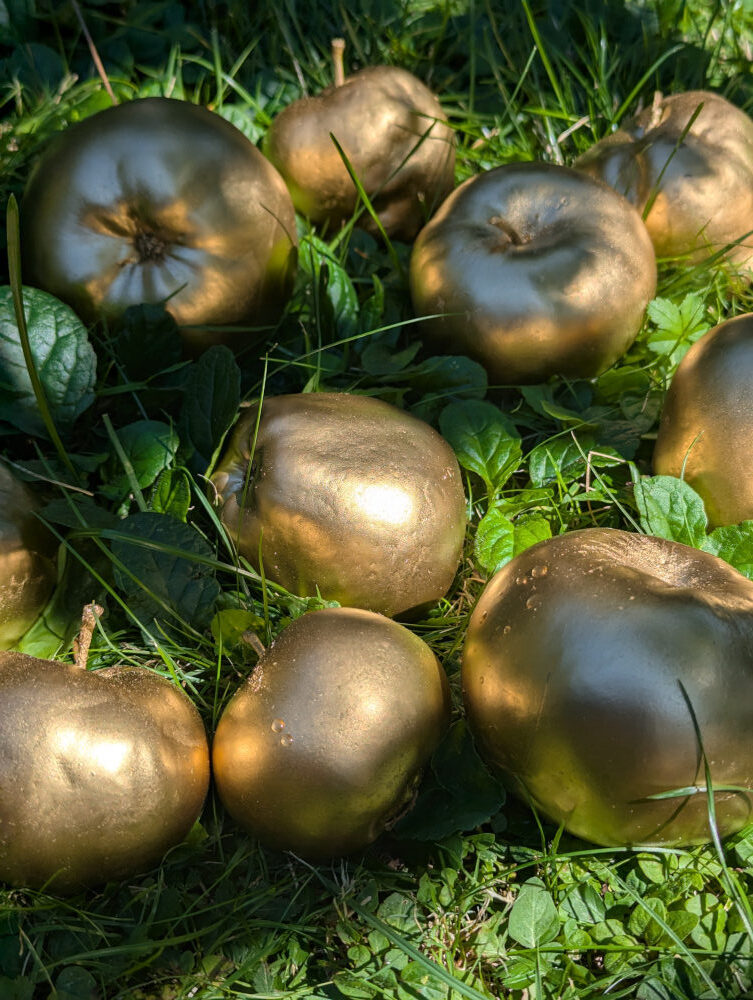
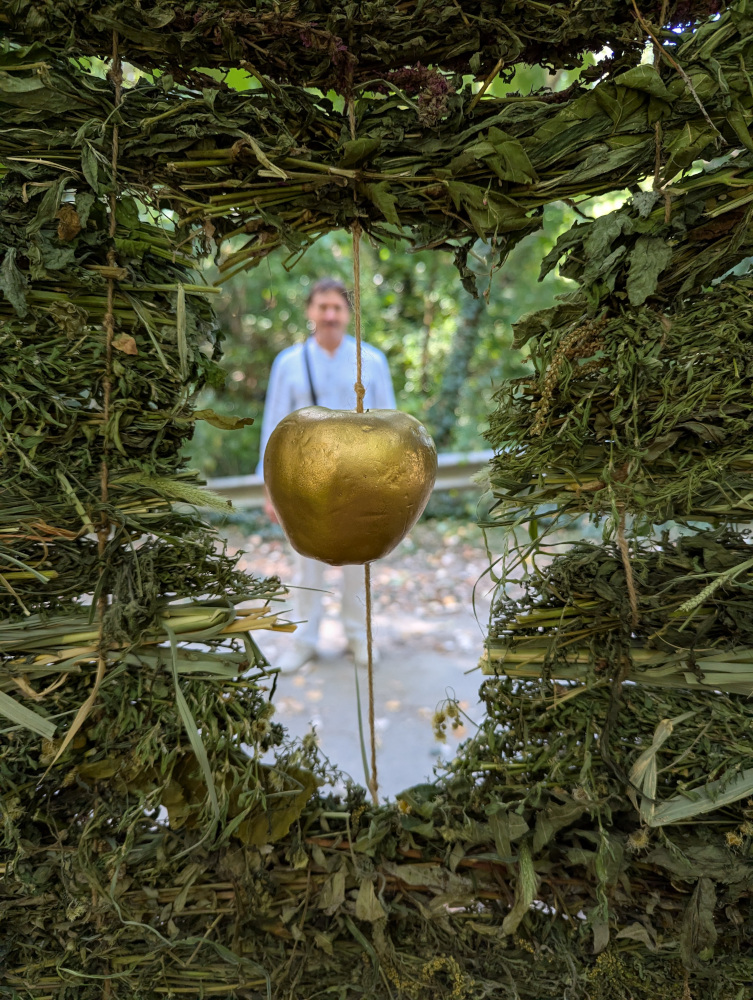
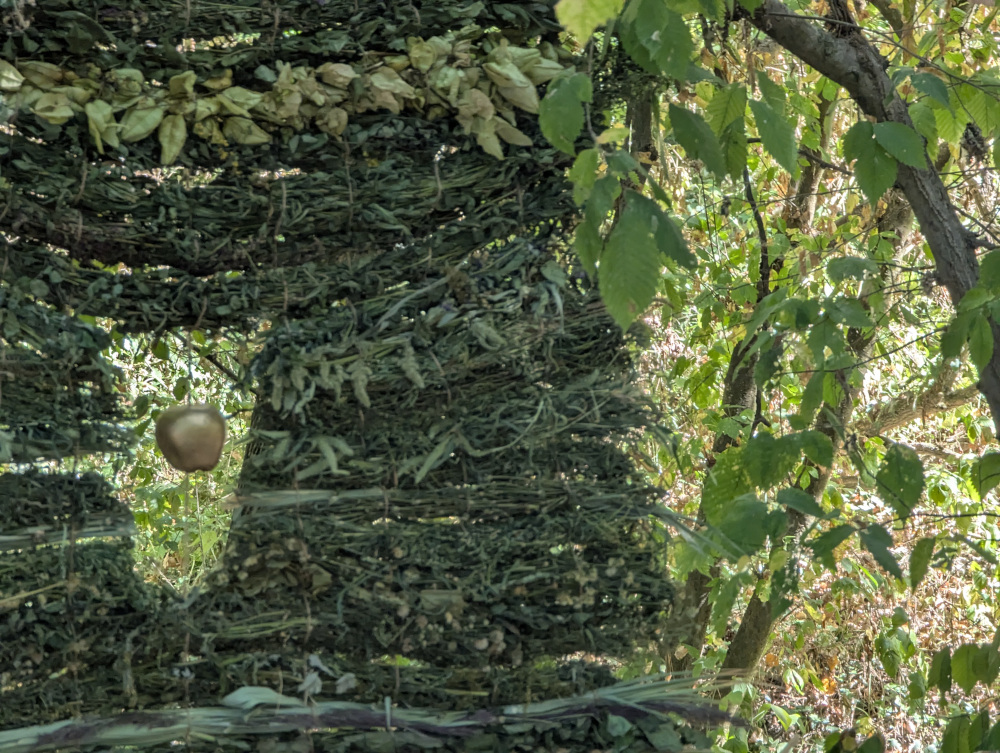
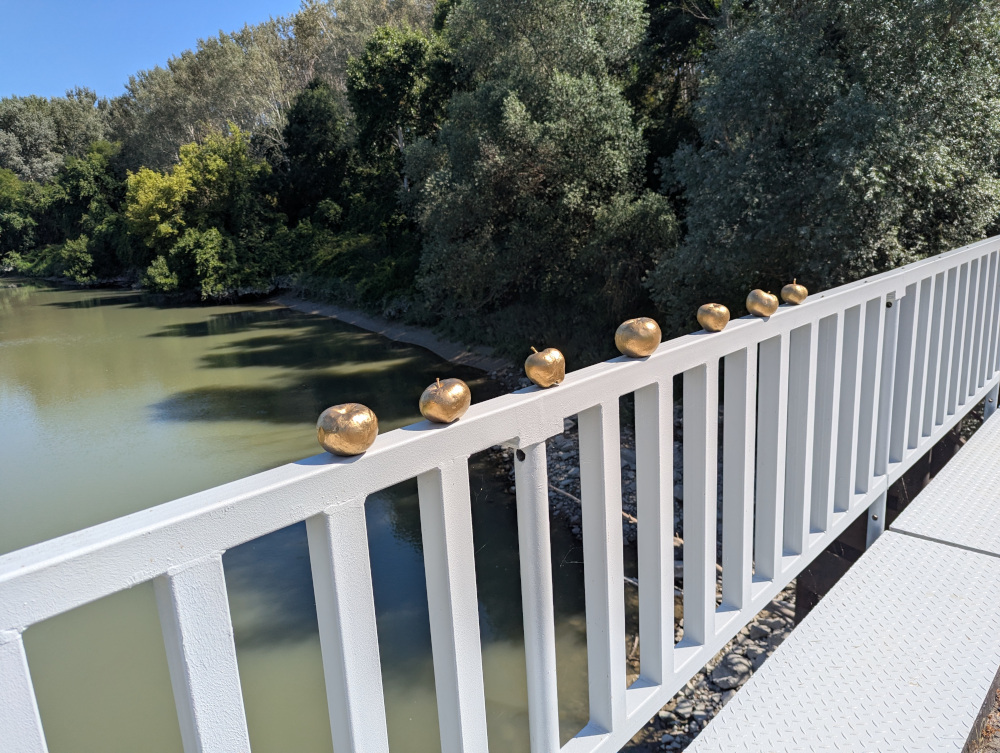
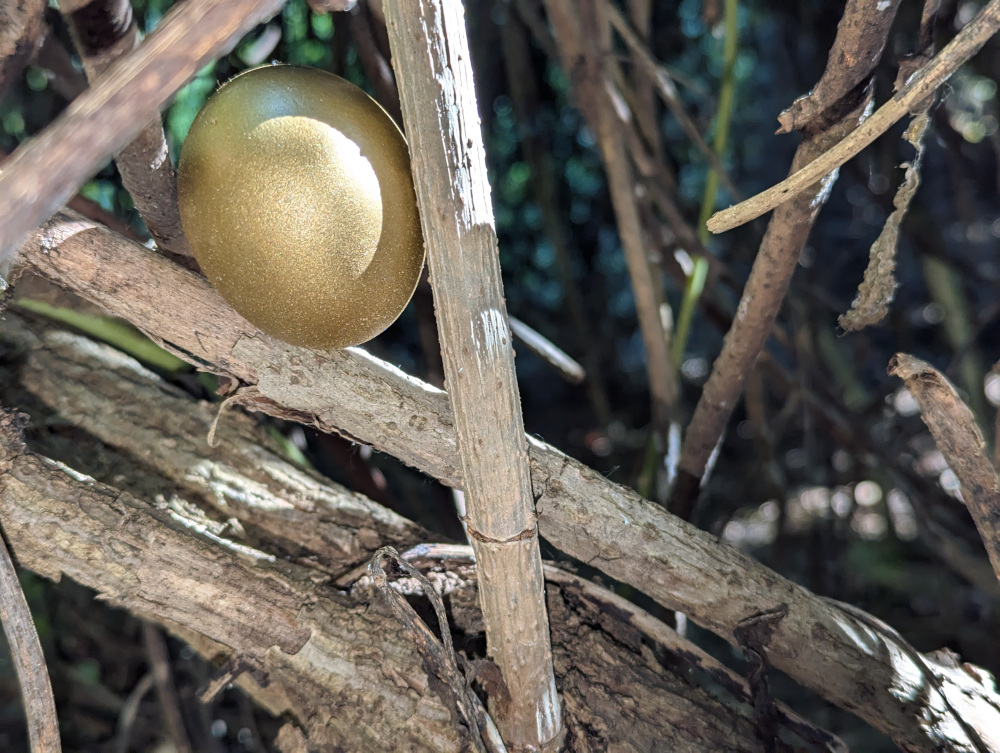
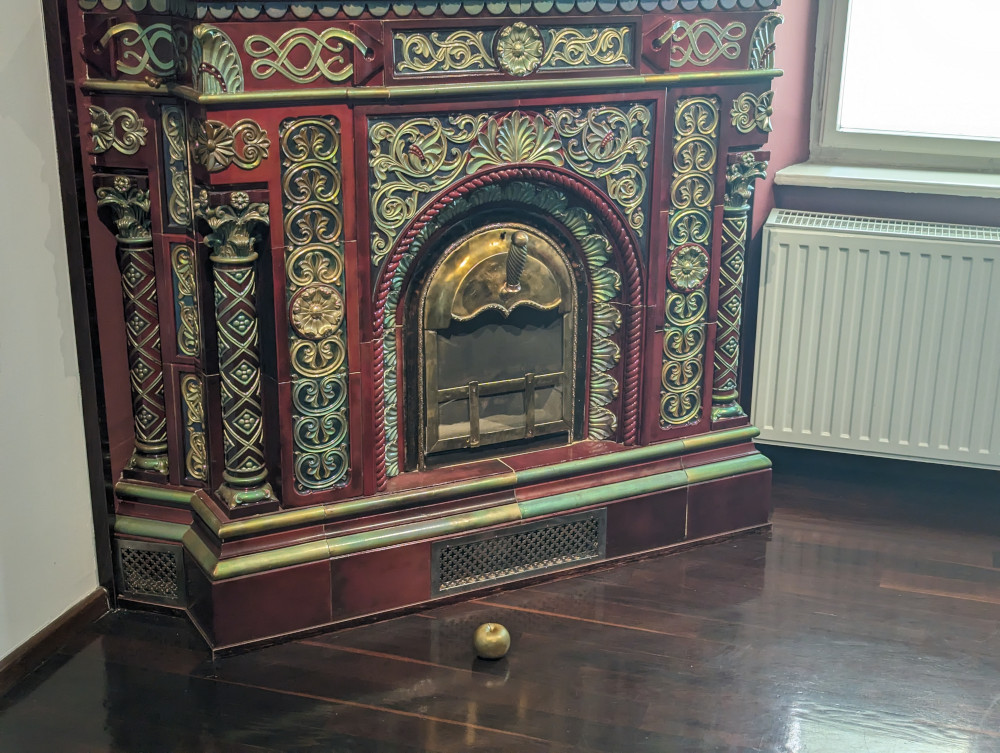
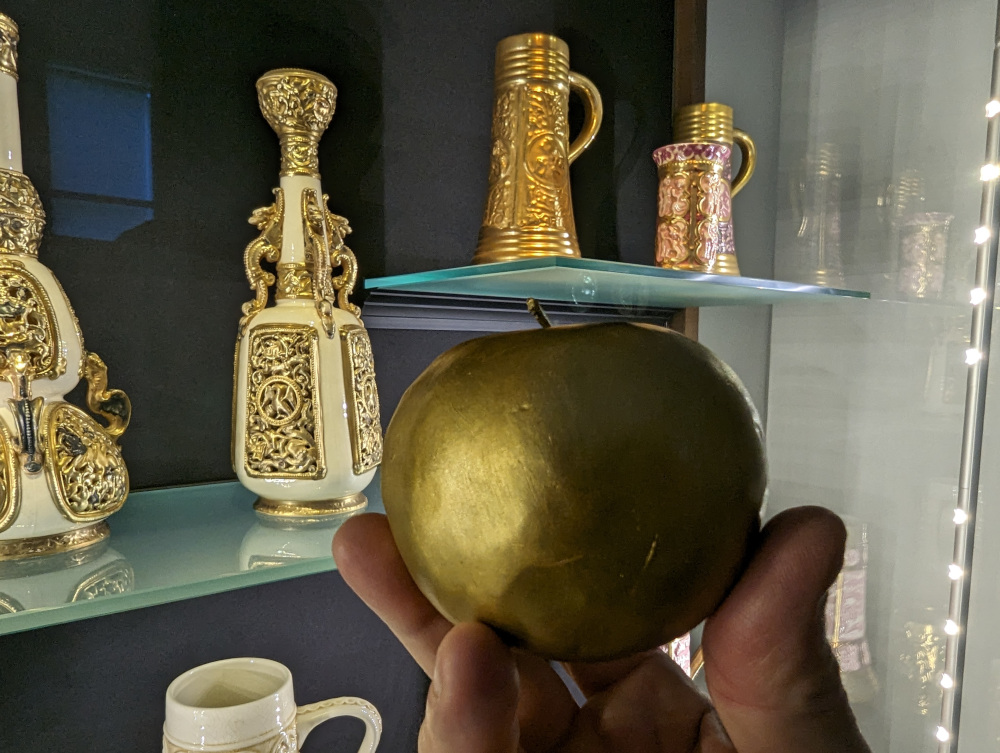
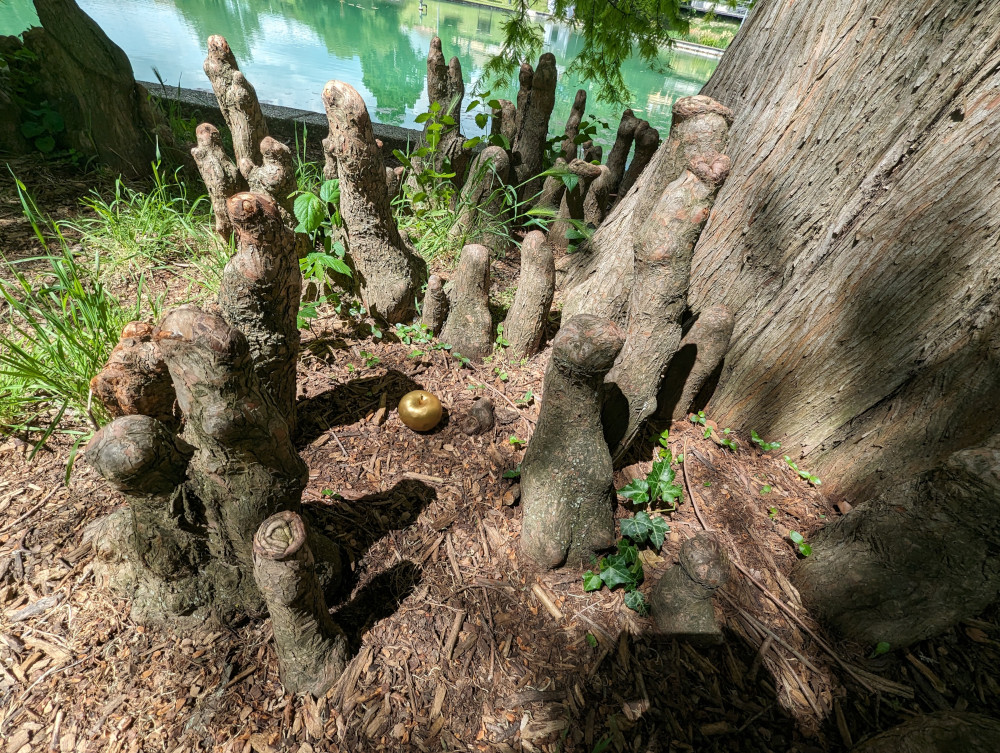
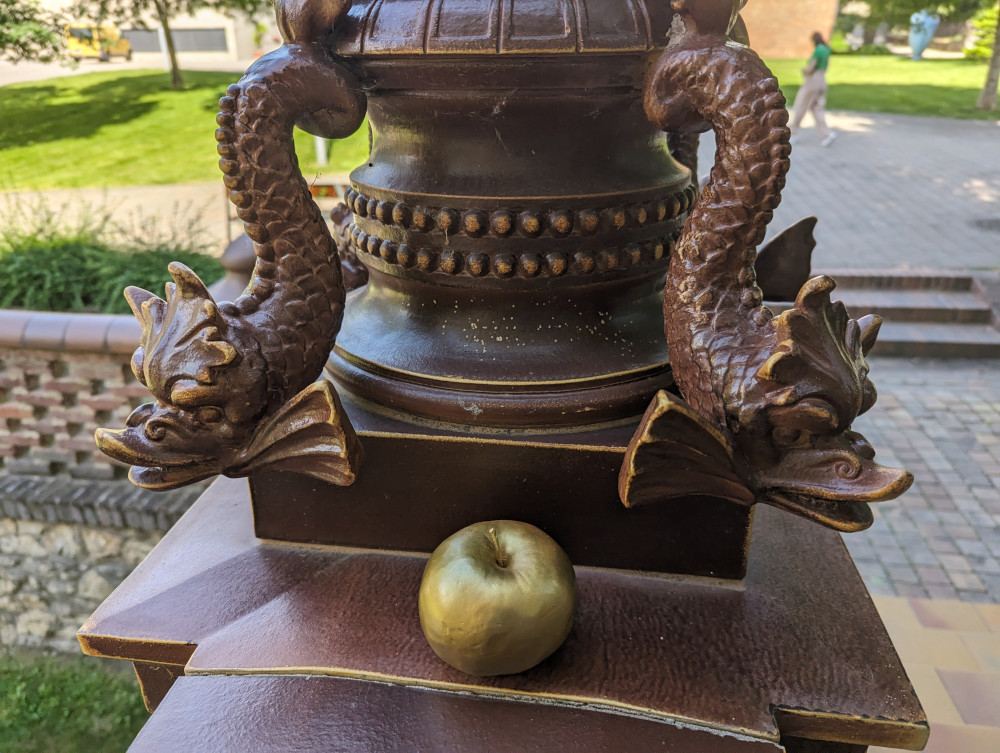
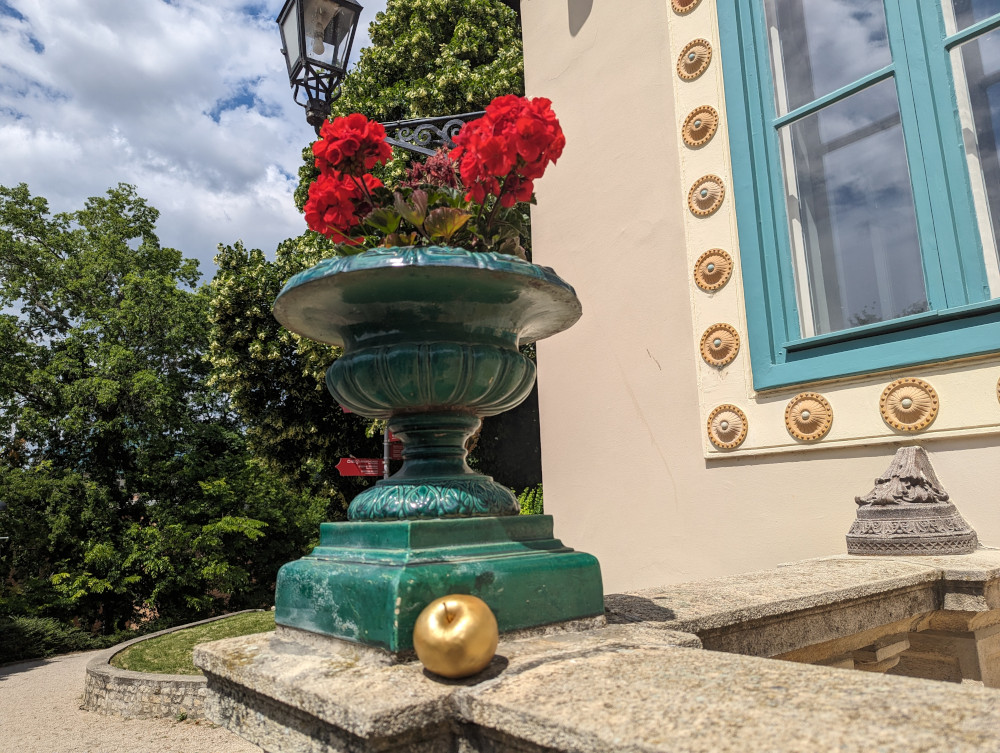
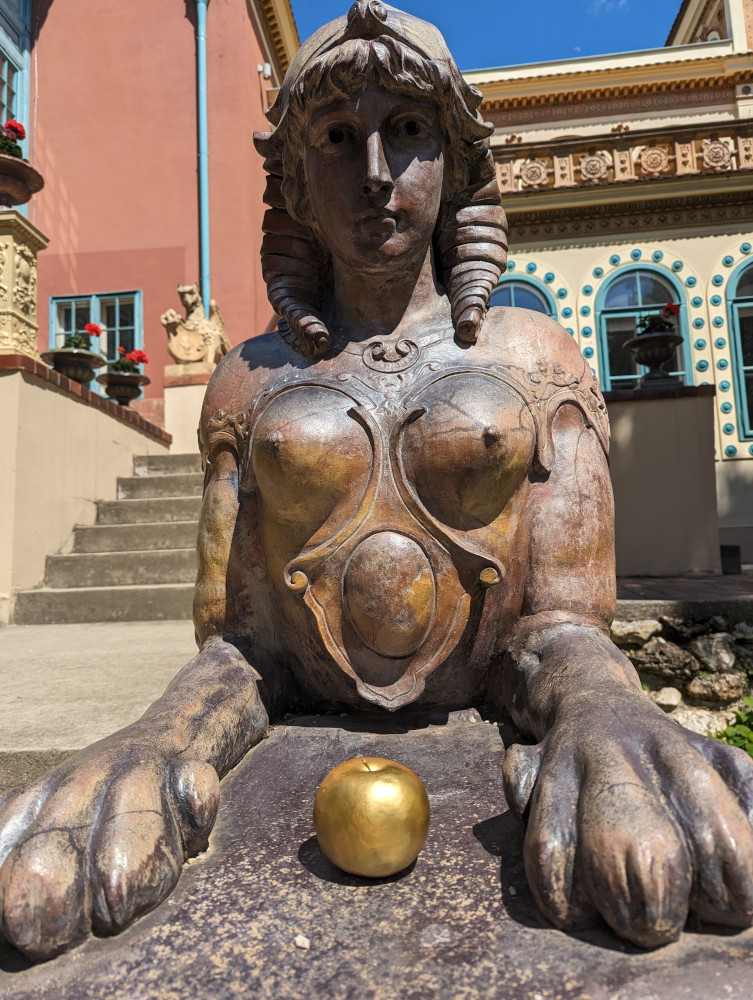
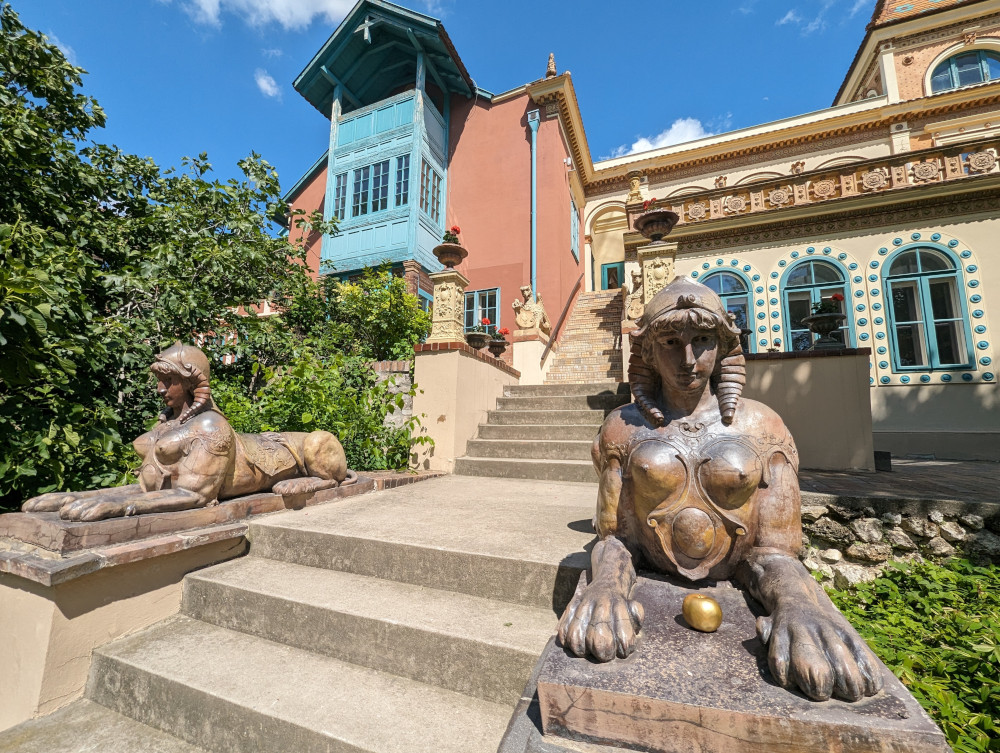
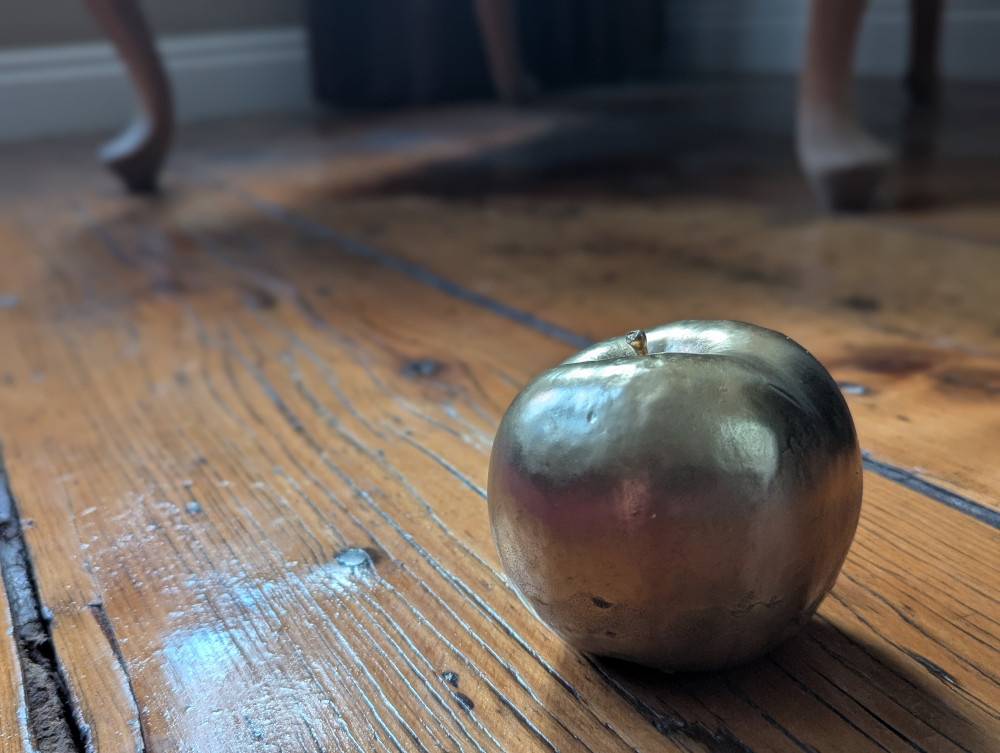
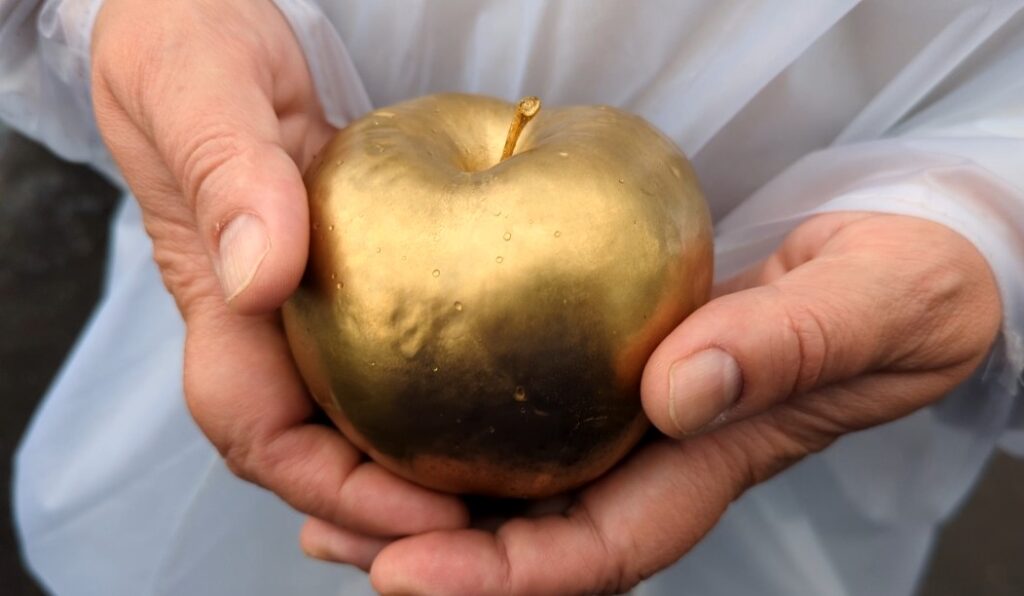
A real apple, coated in gold paint, appears across historical and everyday locations in Istanbul. Photographed against the textures of the city (streets, bridges, water, architecture), it becomes both an object and a mirror, reflecting ideas of power, desire, value, and transience.
Photographic exploration
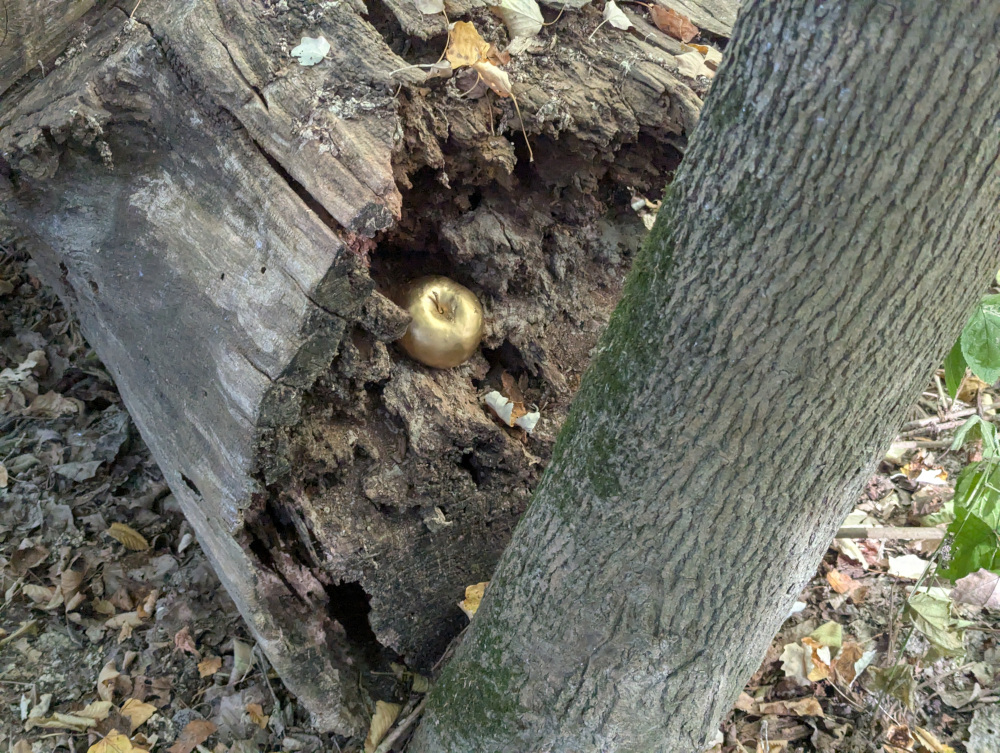
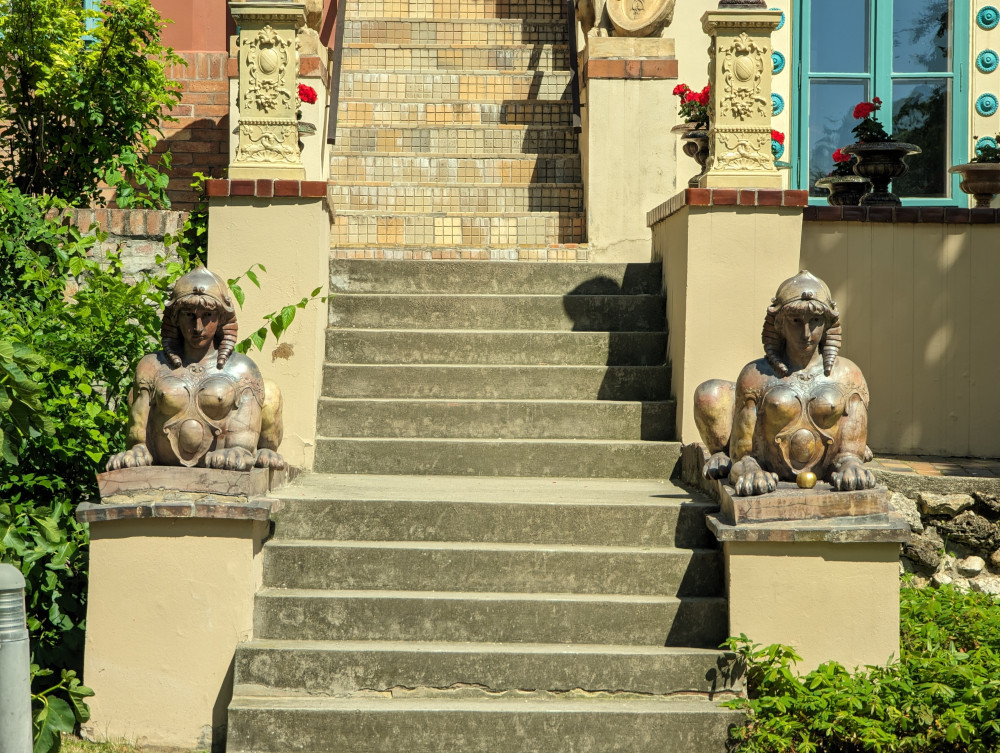
The first stage consists of a series of photographs made across different parts of the city. The golden apple is carried, held, placed, and framed within Istanbul’s layered urban landscape.
Neither staged nor theatrical, these images register quiet encounters between the object and the city, moments of pause, attention, and subtle displacement.
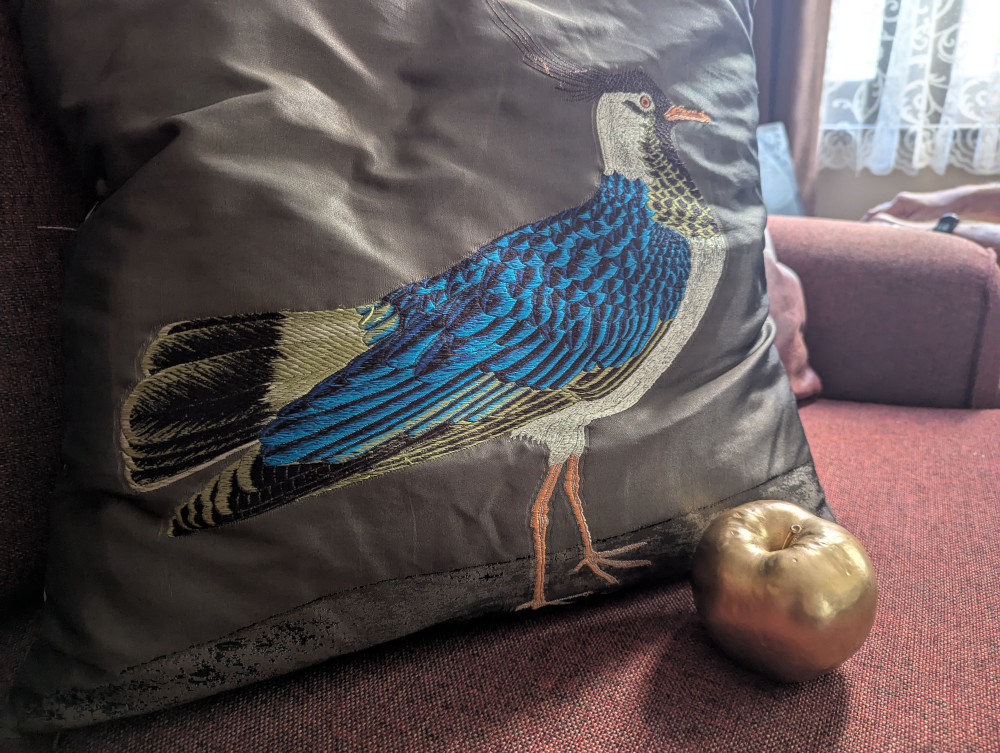
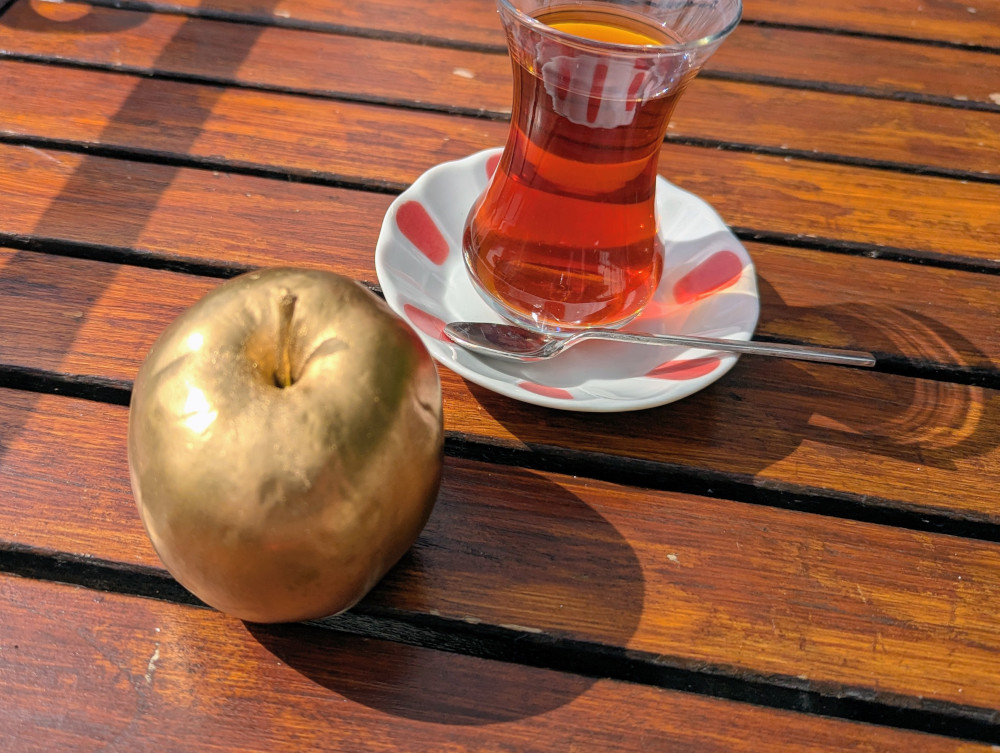
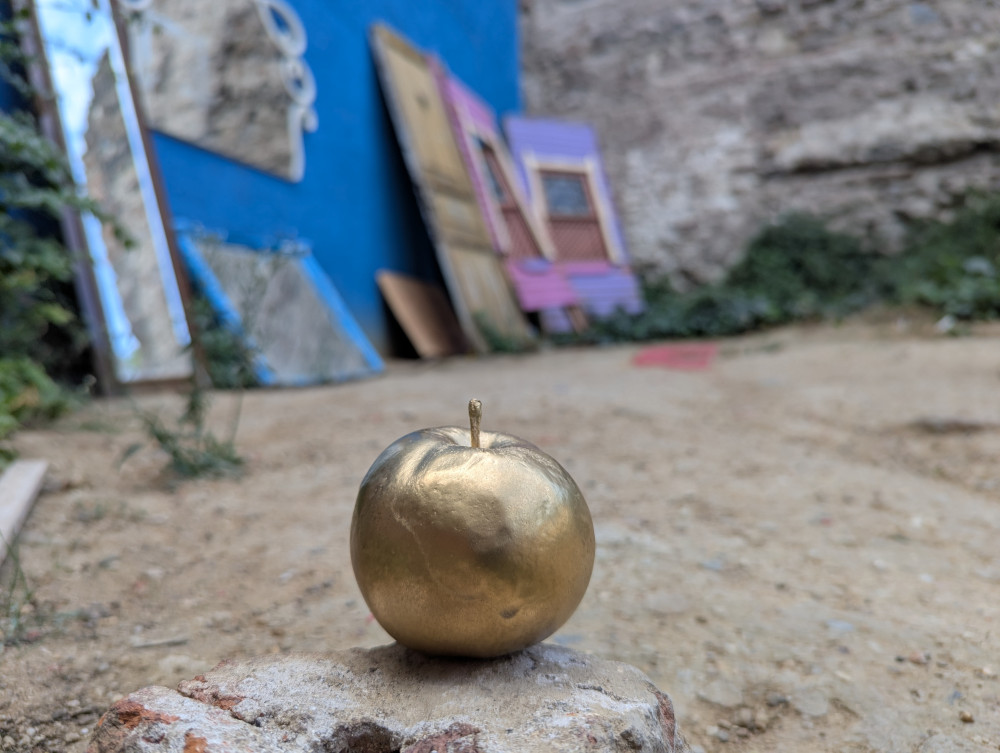
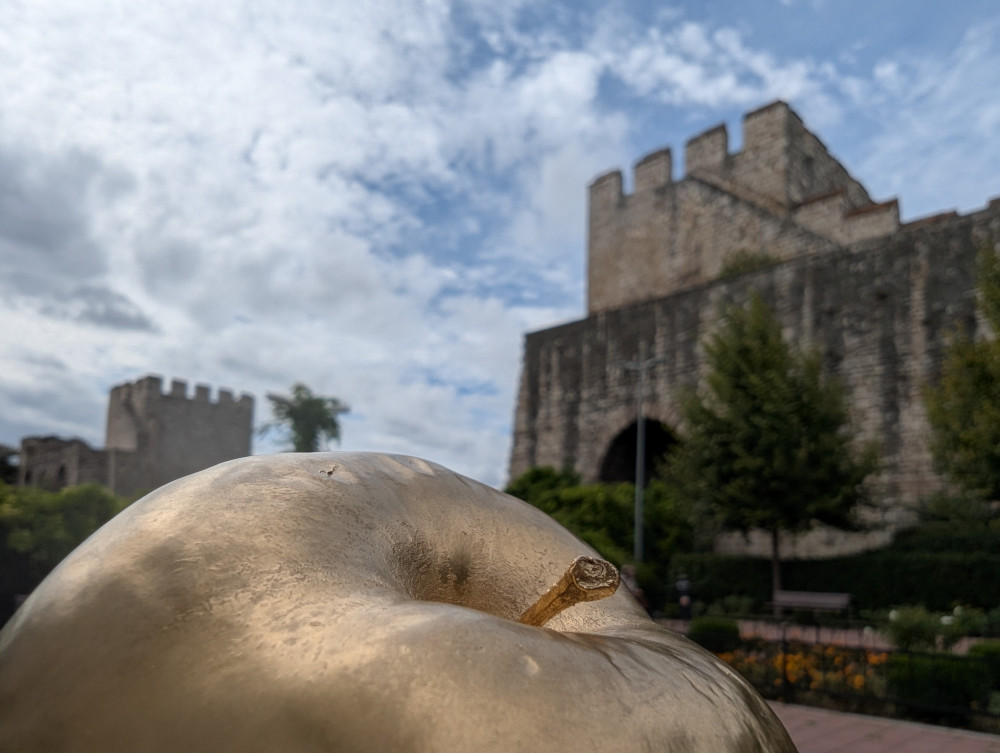
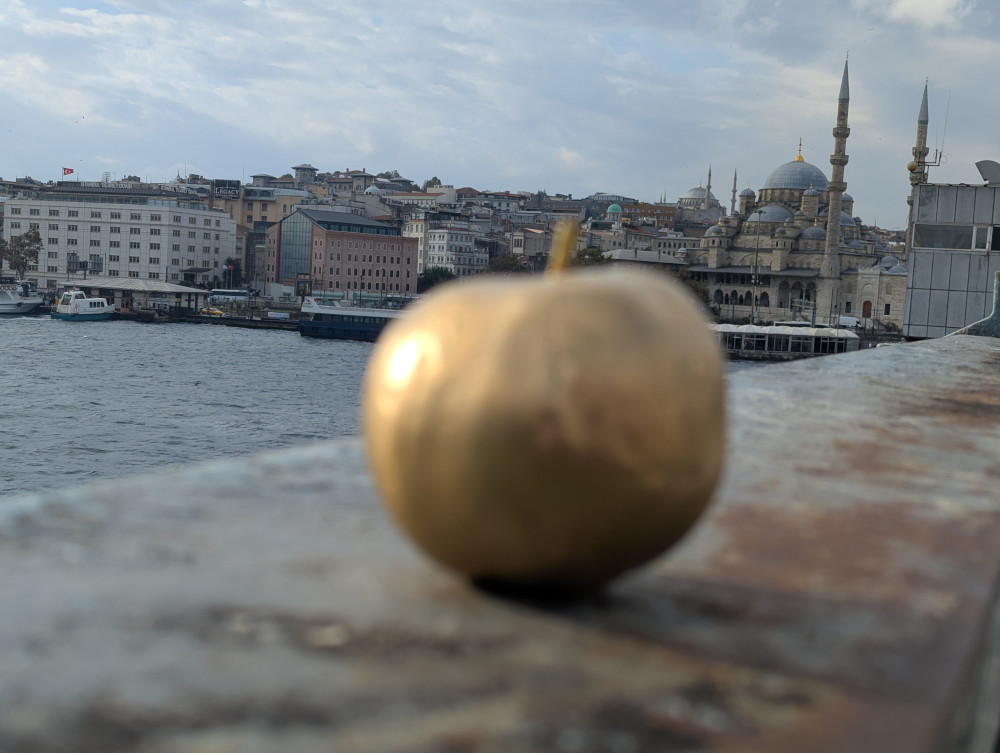
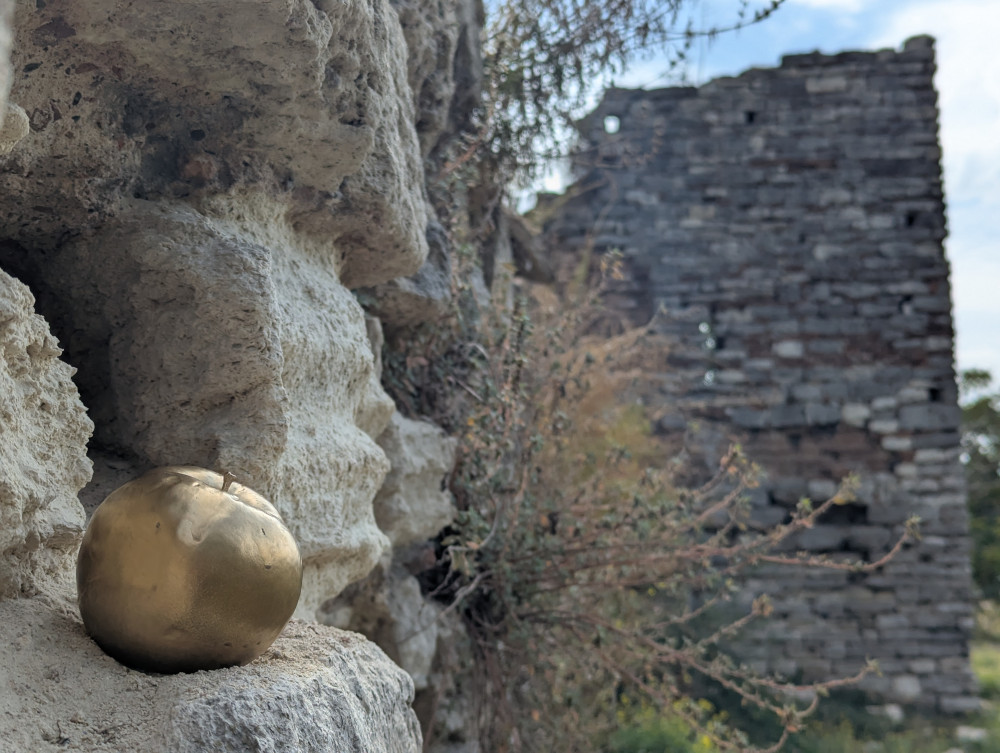
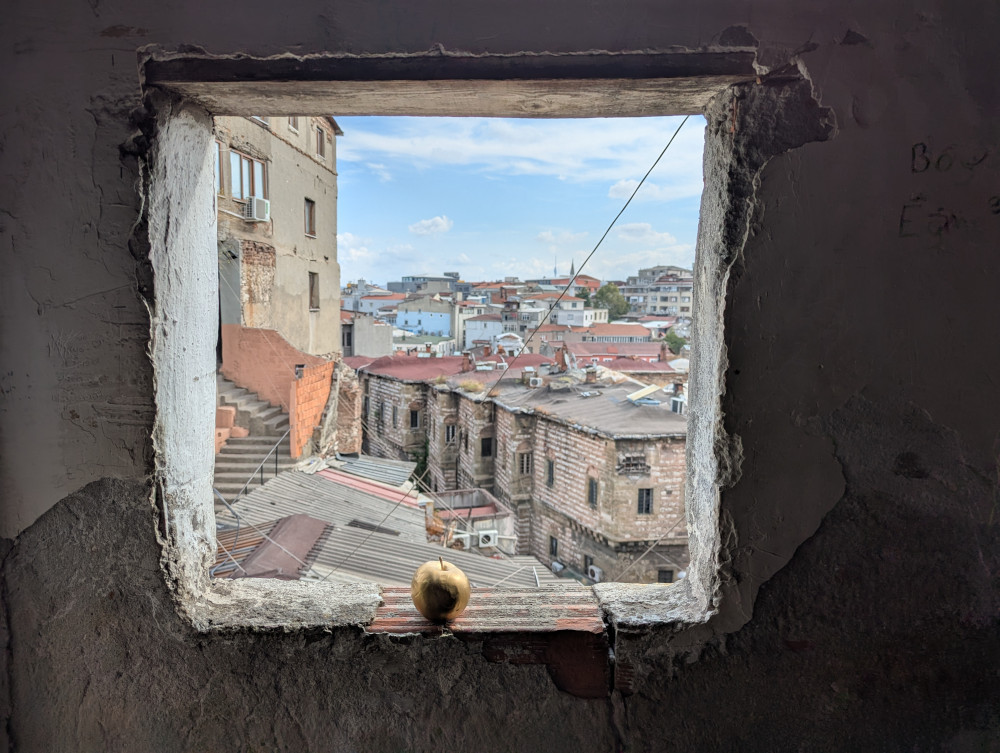
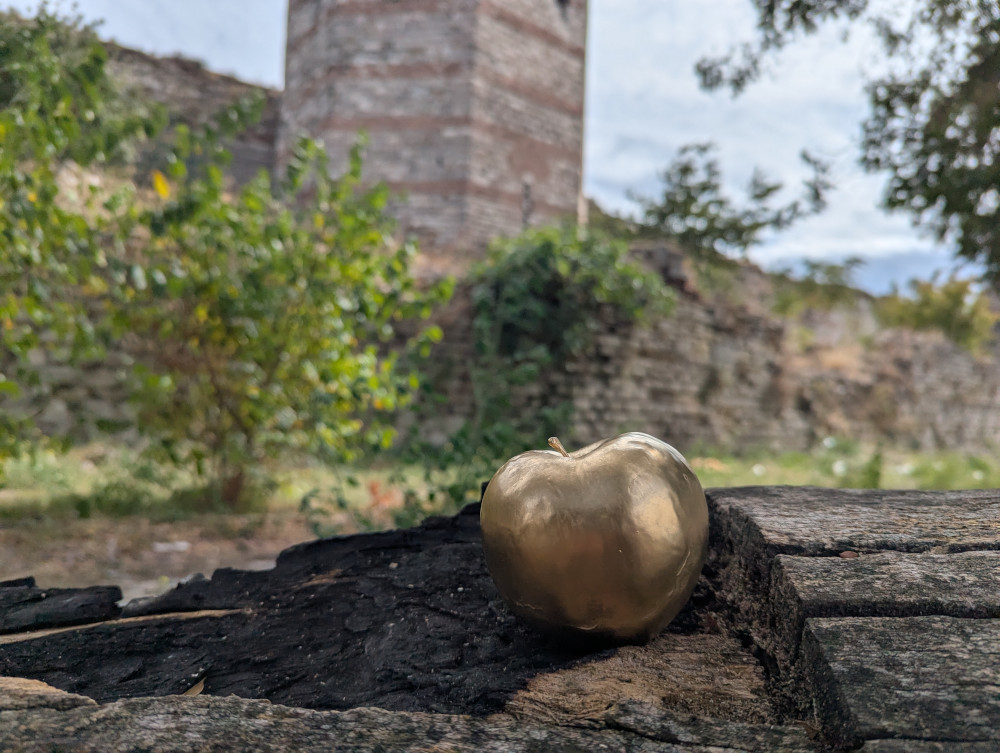
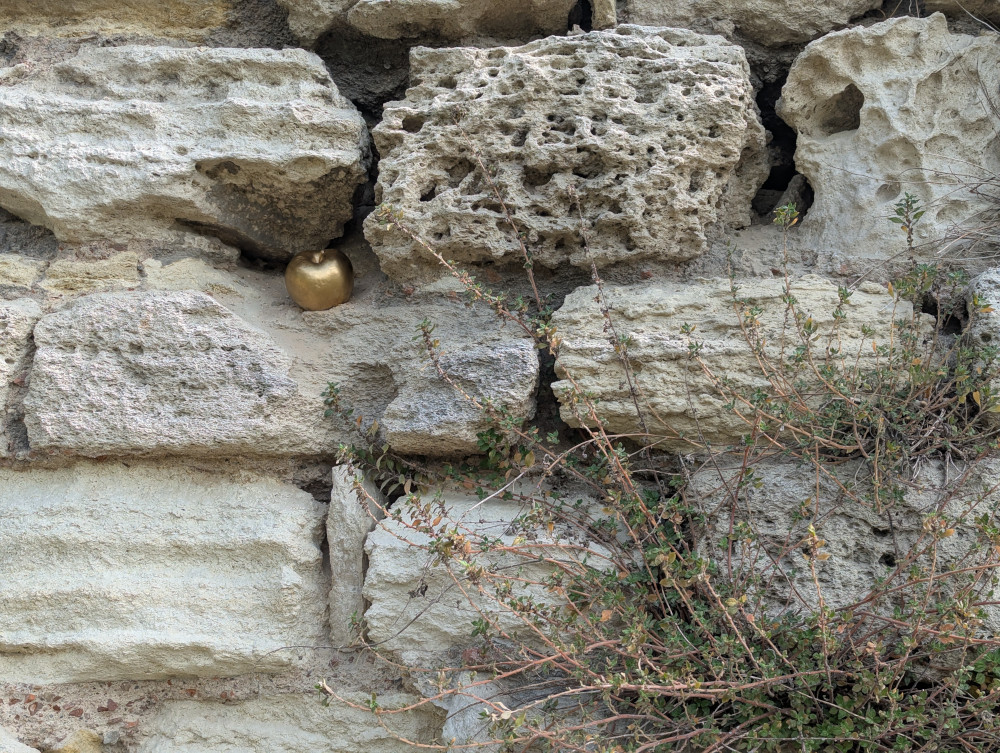
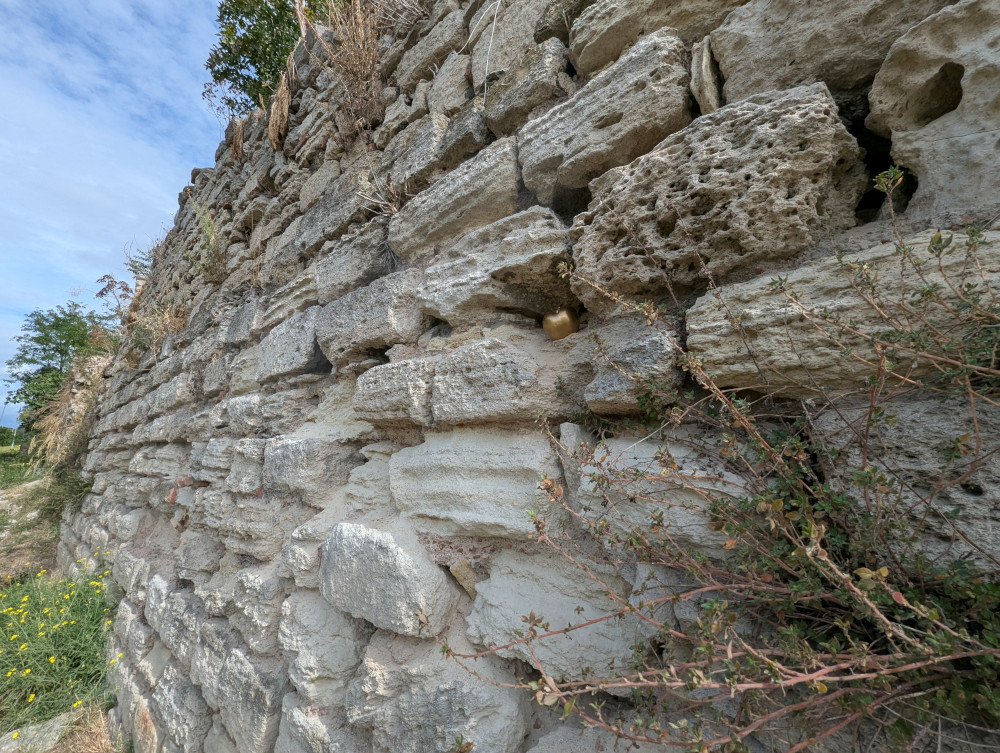
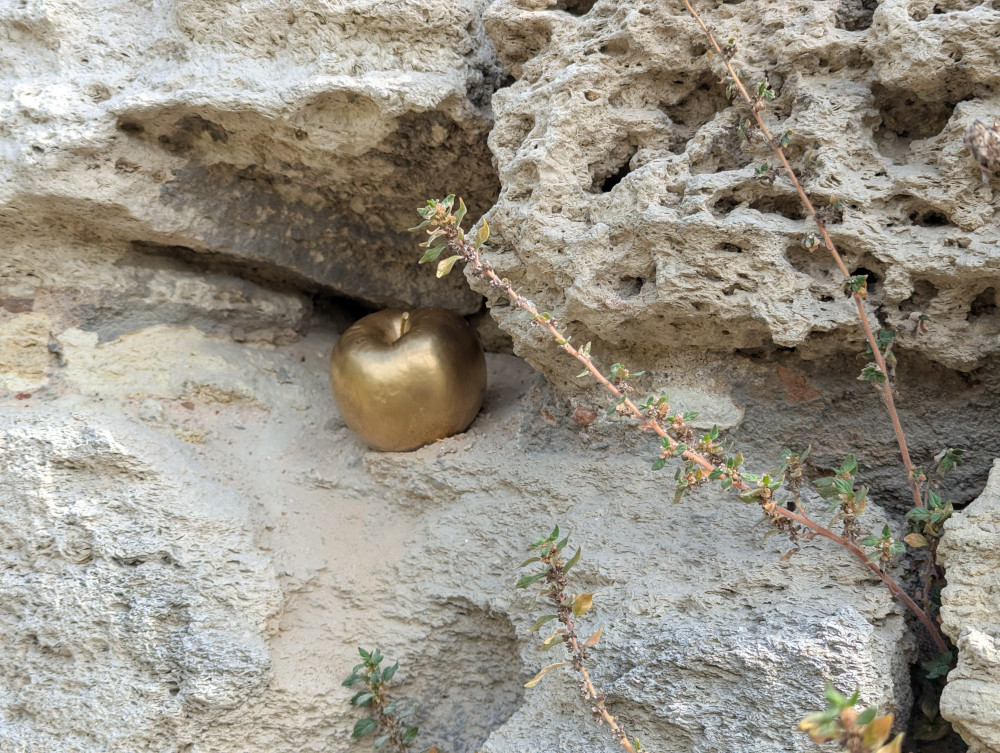
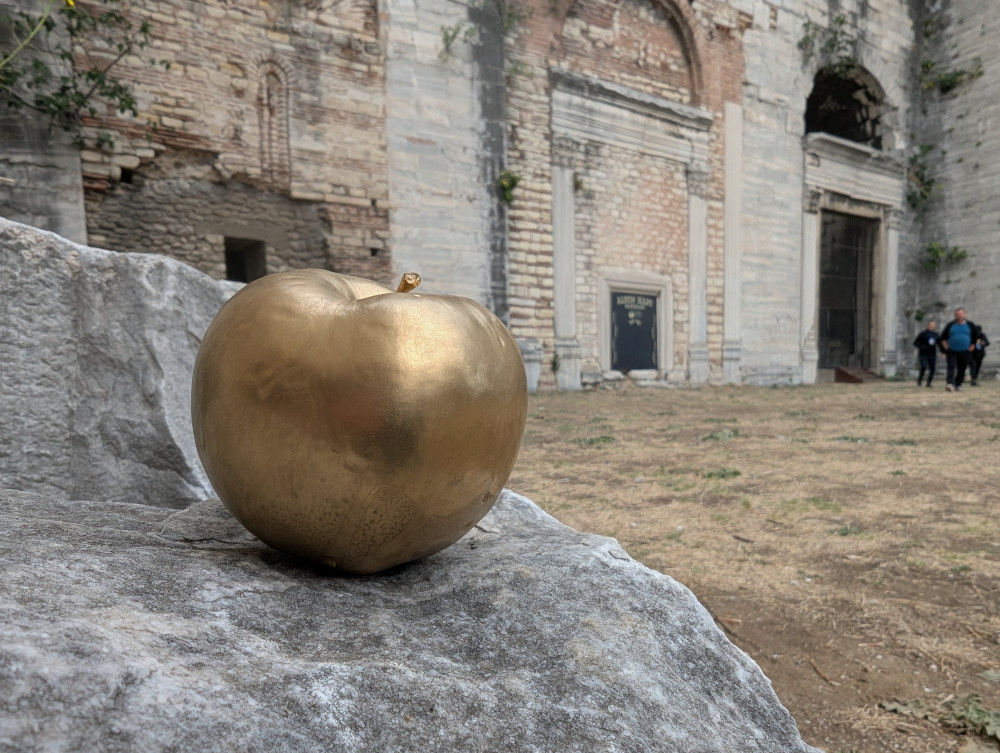
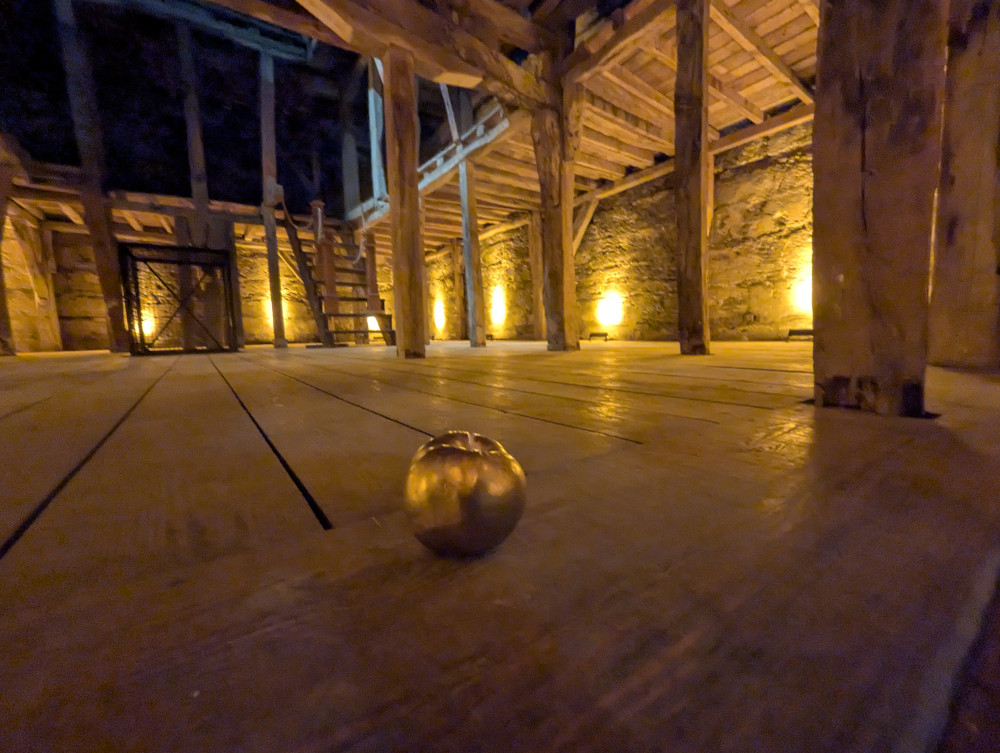
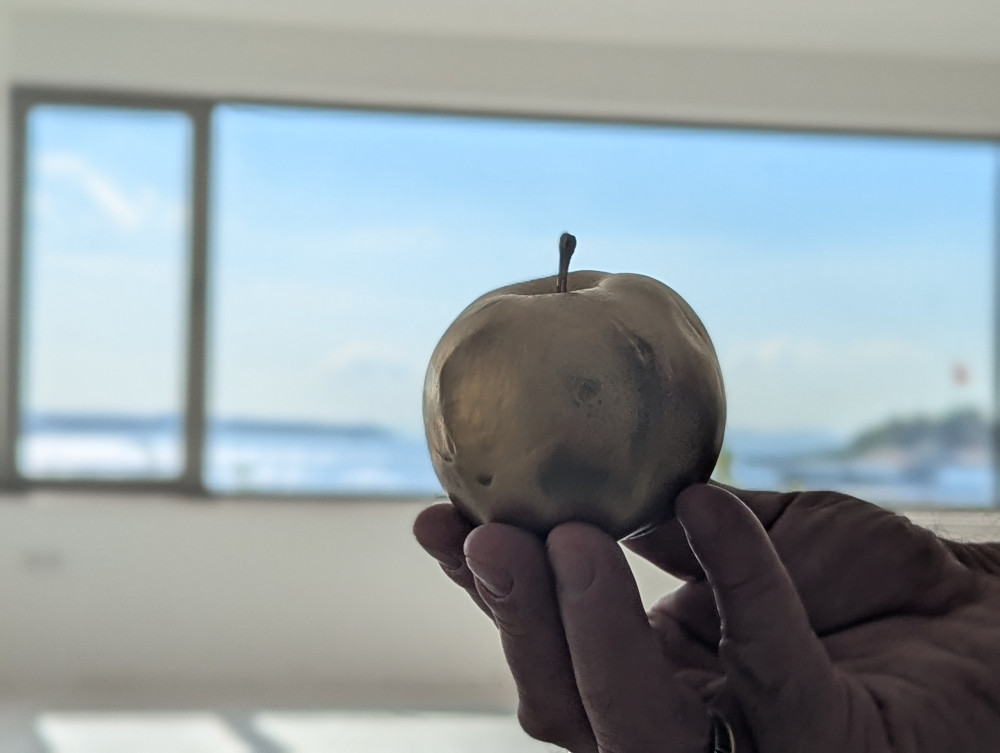
The apple functions here as a wandering symbol. Once associated with conquest, imperial ambition, and ultimate reward, it is reintroduced into everyday space as fragile, temporary, and exposed to weather, touch, and time.
Performative gesture
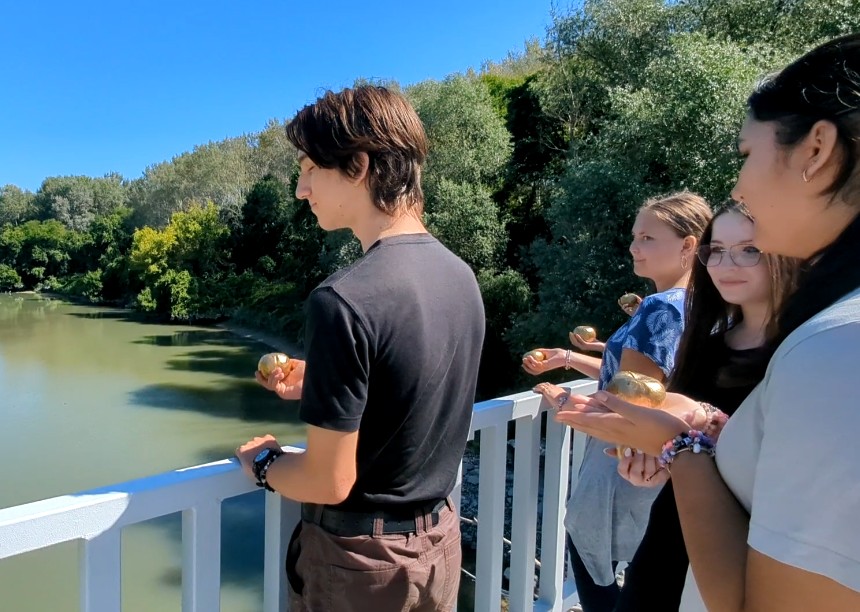
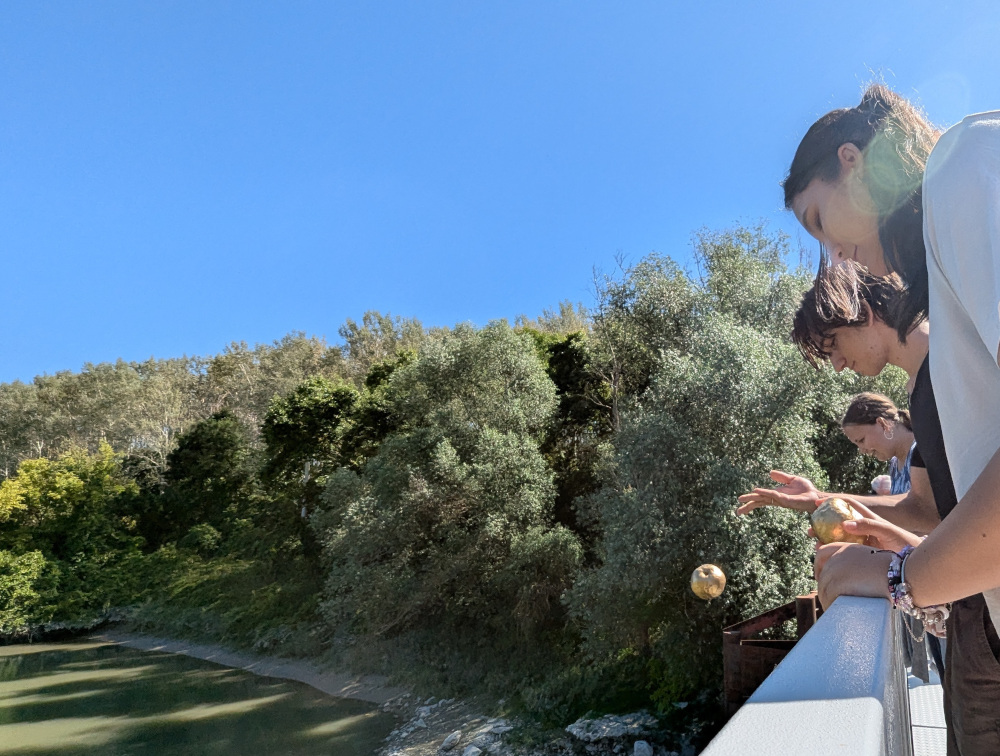
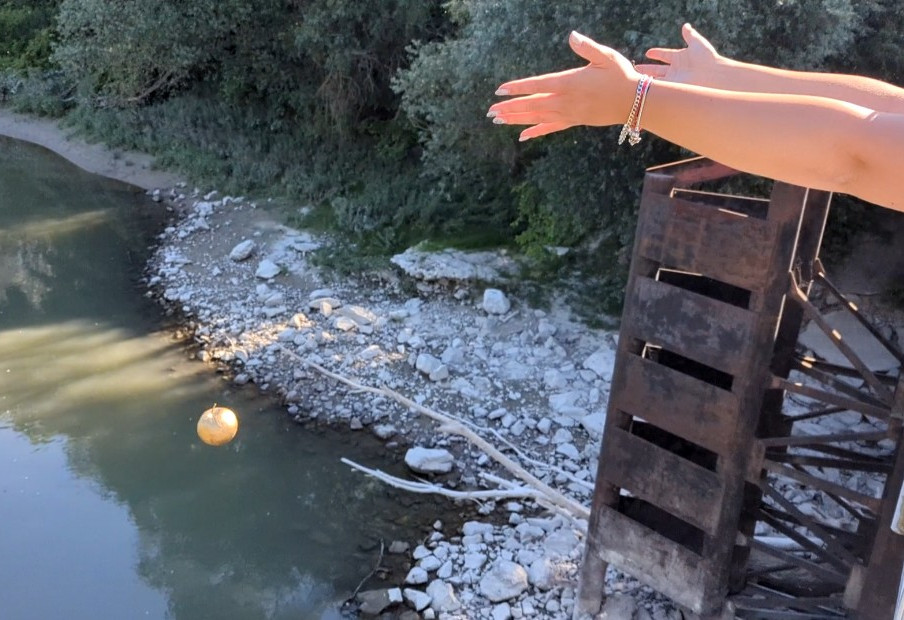
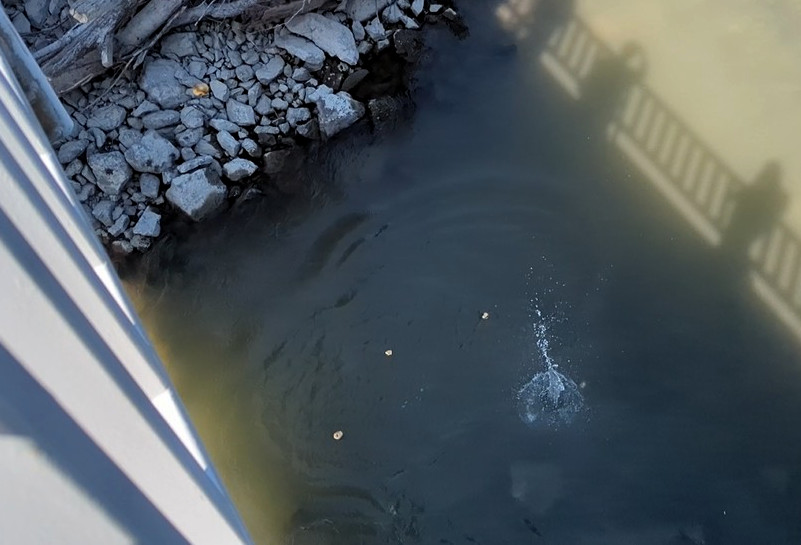
The photographic sequence culminates in a simple action. From the Galata Bridge, the golden apple is released into the Golden Horn.
This gesture transforms the apple from an image into an event. No longer possessed or displayed, it becomes an offering to the water, to the city, to history itself. Floating briefly among fishermen, boats, and passing gulls, the apple drifts without destination.
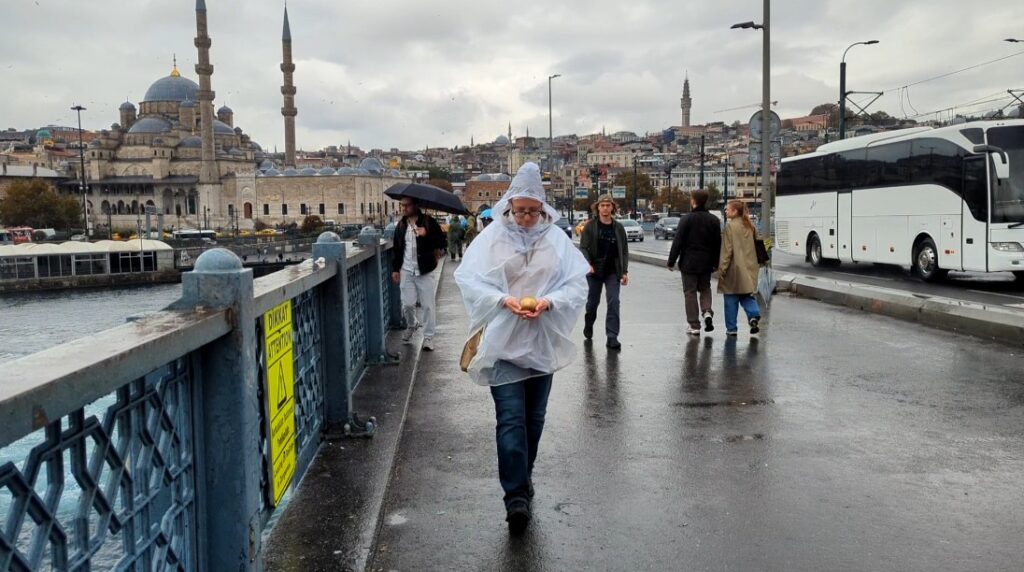
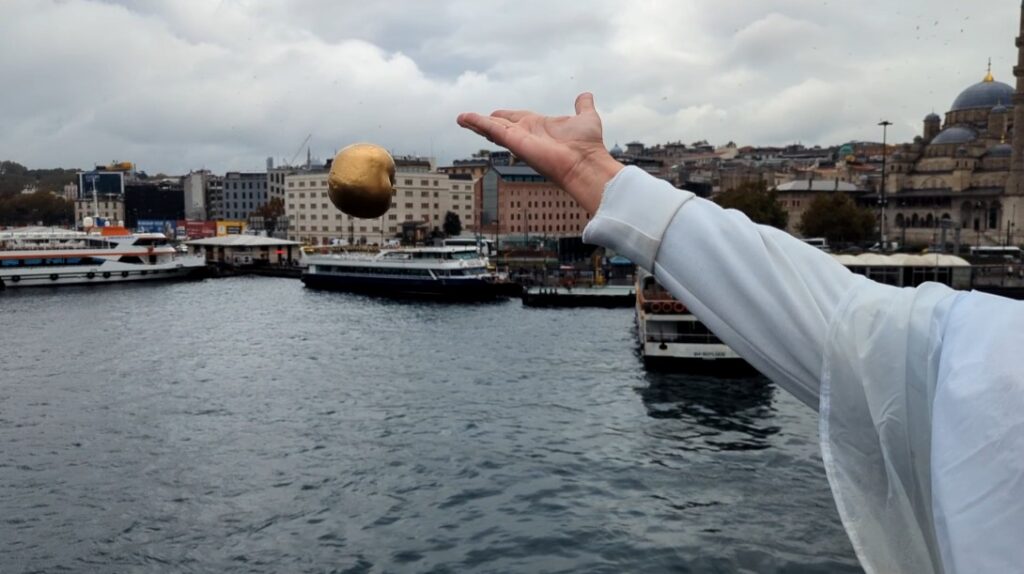
The act was carried out privately, without announcement, during a period of heightened artistic activity in the city, remaining outside any official framework. Passersby became incidental witnesses rather than an audience, encountering the action without explanation.
Conceptual context
Historically, Istanbul has been described as the “Golden Apple of the World”, a metaphor for power, desire, and the ultimate prize of empire. By releasing the apple into the Golden Horn, the project gently dismantles this image, shifting it from possession to passage, from monument to movement.
The golden apple ceases to function as a trophy. Instead, it becomes a message without an addressee, a symbol set free and allowed to drift, disappear, or transform.
Process and documentation
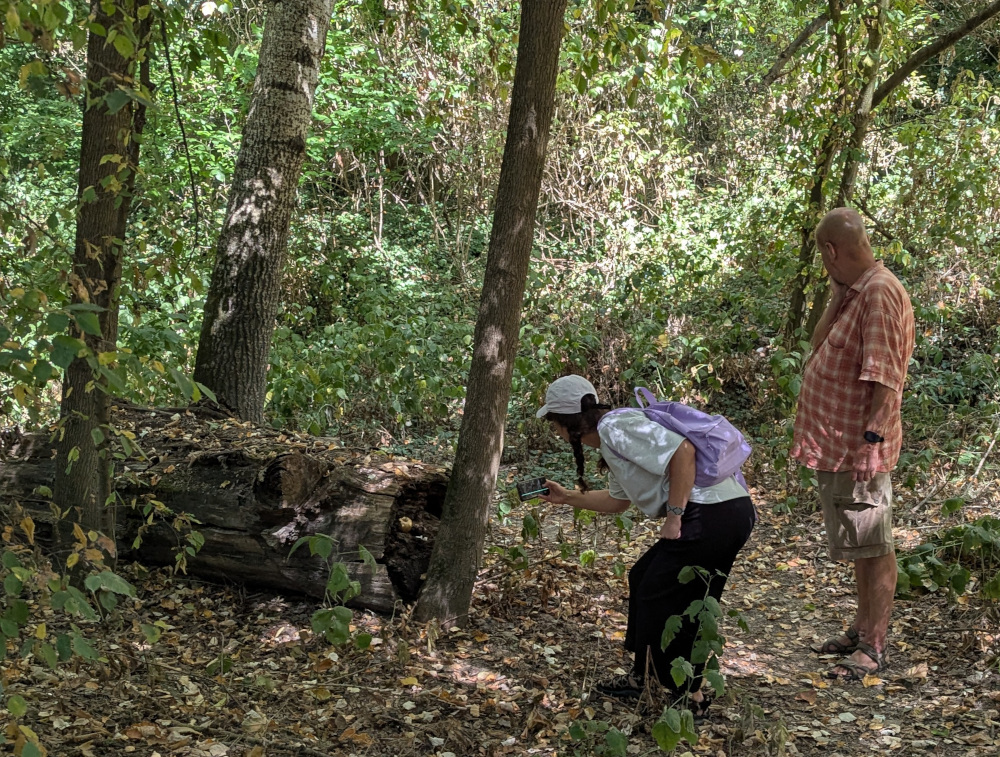
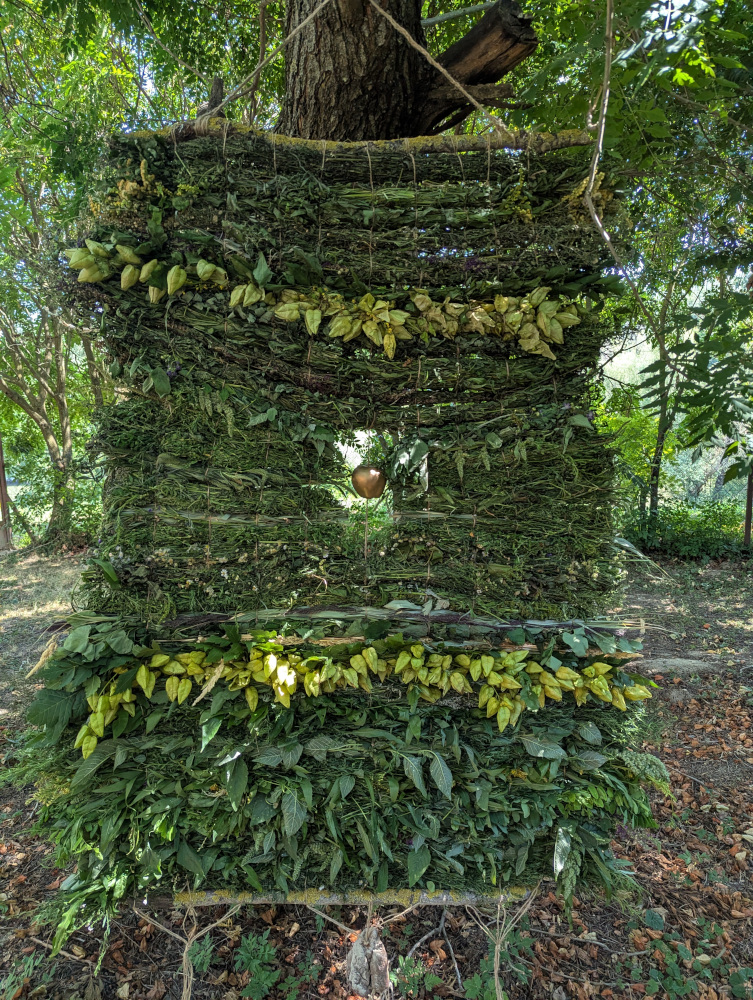
The project is documented through photography, preparatory images, and a series of photographs from the performative action. Video documentation will be added as an extension of the work. Together, these materials form a narrative that exists between image, gesture, and memory.
What remains is not the object itself, but the trace of its journey, a fleeting intervention connecting city and artist, myth and everyday life, holding and letting go.