The work was presented as documentation.
It continues through viewing, circulation, and memory.
Traces in perception
—
Documentation on view
—
Online traces: Instagram
___
The work was presented as documentation.
It continues through viewing, circulation, and memory.
Traces in perception
—
Documentation on view
—
Online traces: Instagram
___
Self-residency in Istanbul
2025
Locations: Beyoğlu, Sultanahmet, Kadıköy, Galata Bridge
Medium / Format: Site-specific action, photography, ephemeral gesture
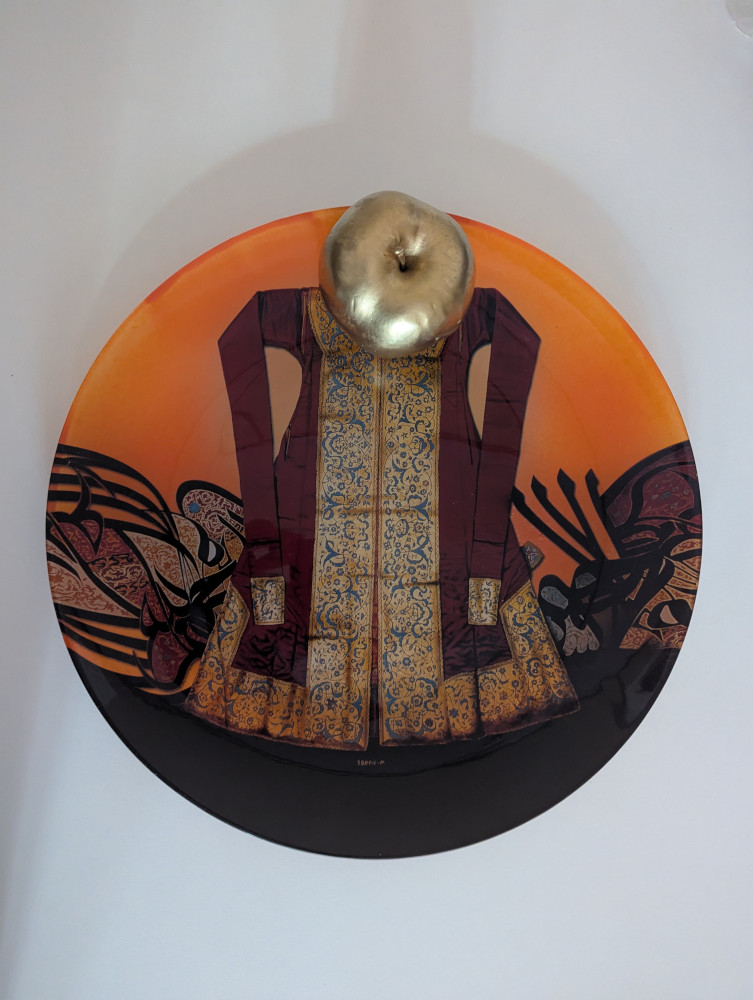
The Golden Apple of Istanbul is a site-specific project unfolding through photography and a performative gesture. It explores how symbols travel through cities, histories, and bodies, and how meaning shifts when an object moves from being held to being released.
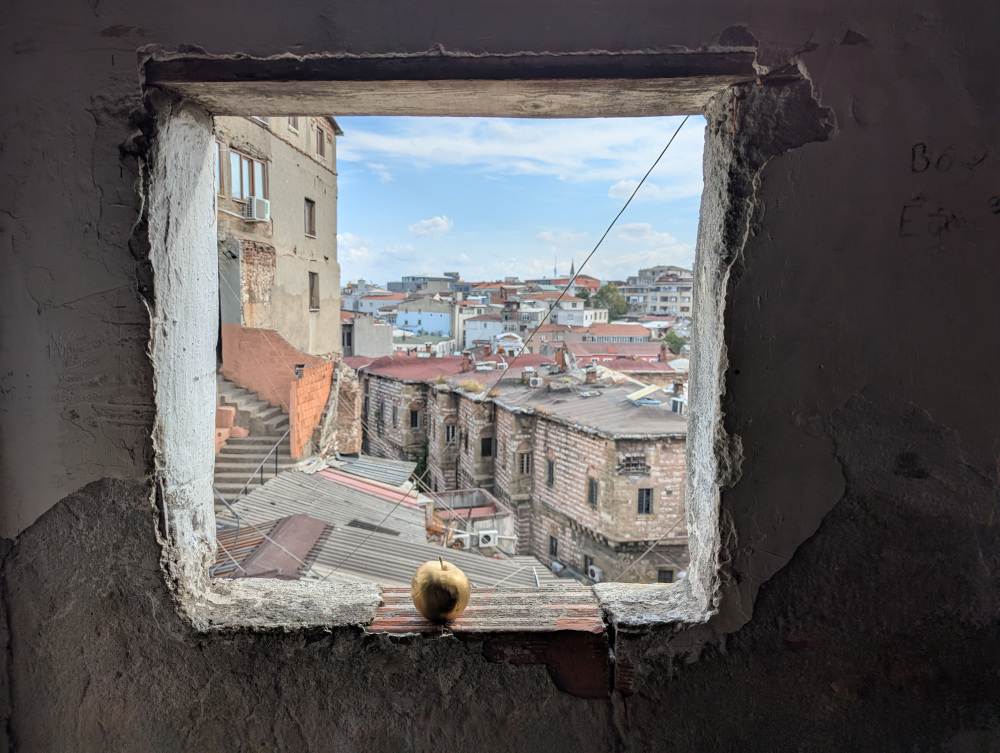
A real apple, coated in gold paint, appears across historical and everyday locations in Istanbul. Photographed against the textures of the city (streets, bridges, water, architecture), it becomes both an object and a mirror, reflecting ideas of power, desire, value, and transience.
Photographic exploration
The first stage consists of a series of photographs made across different parts of the city. The golden apple is carried, held, placed, and framed within Istanbul’s layered urban landscape.
Neither staged nor theatrical, these images register quiet encounters between the object and the city, moments of pause, attention, and subtle displacement.
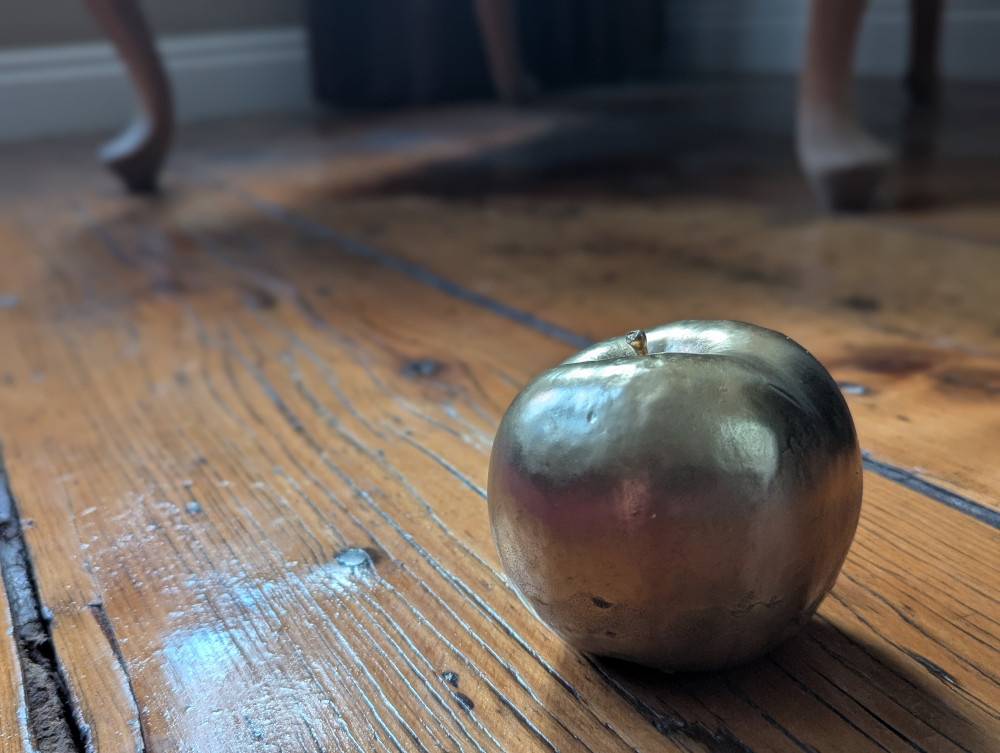
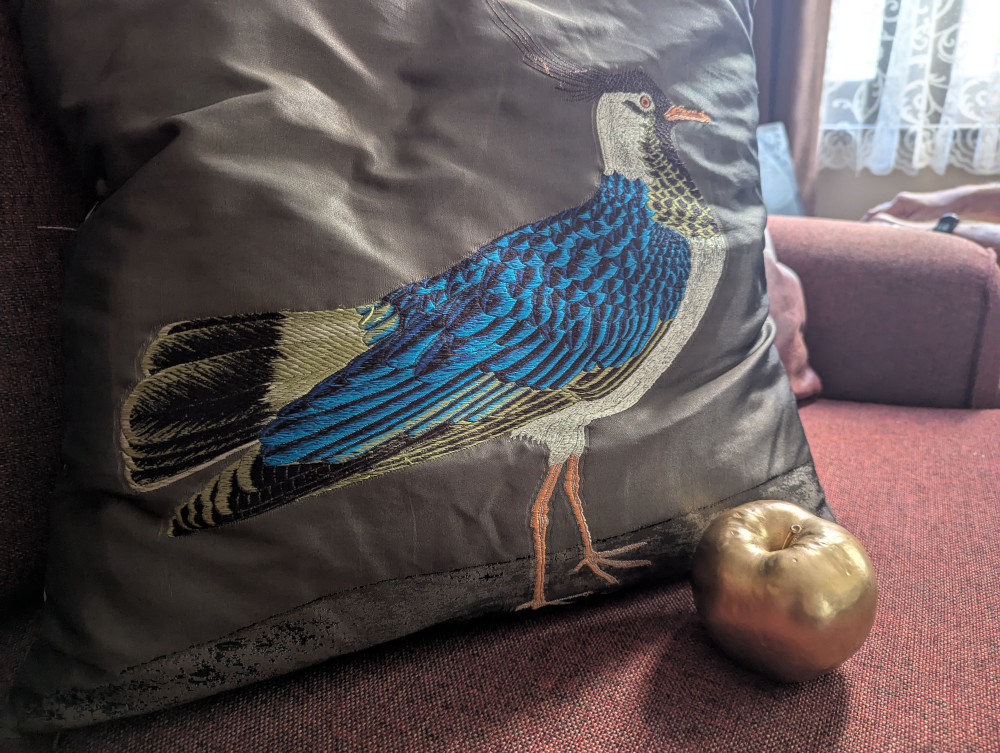
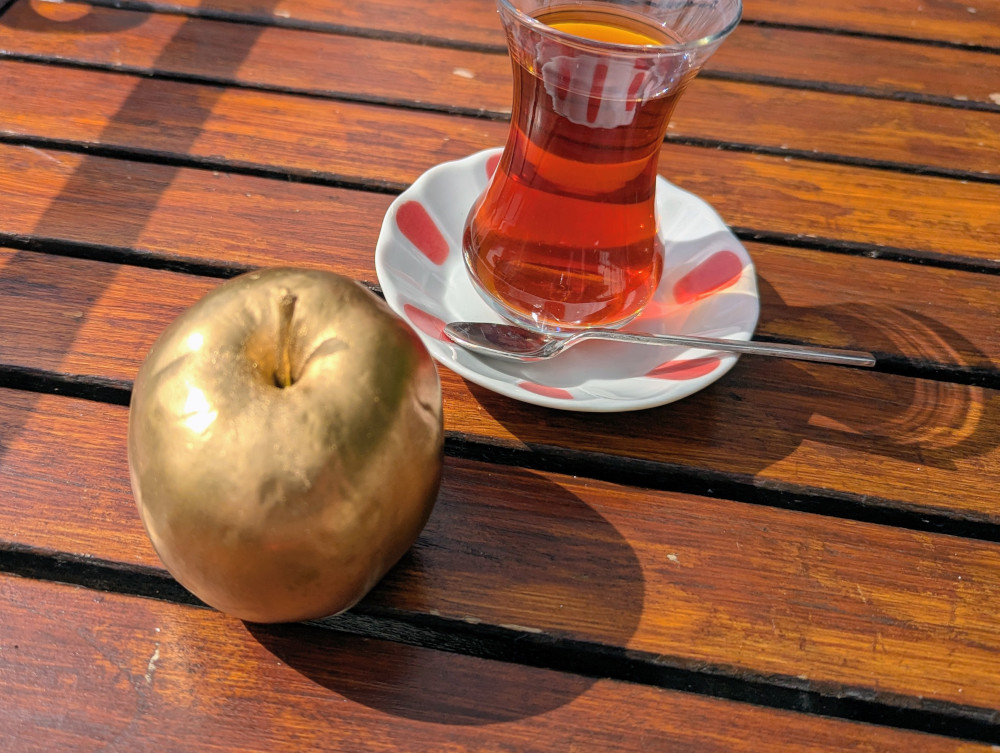
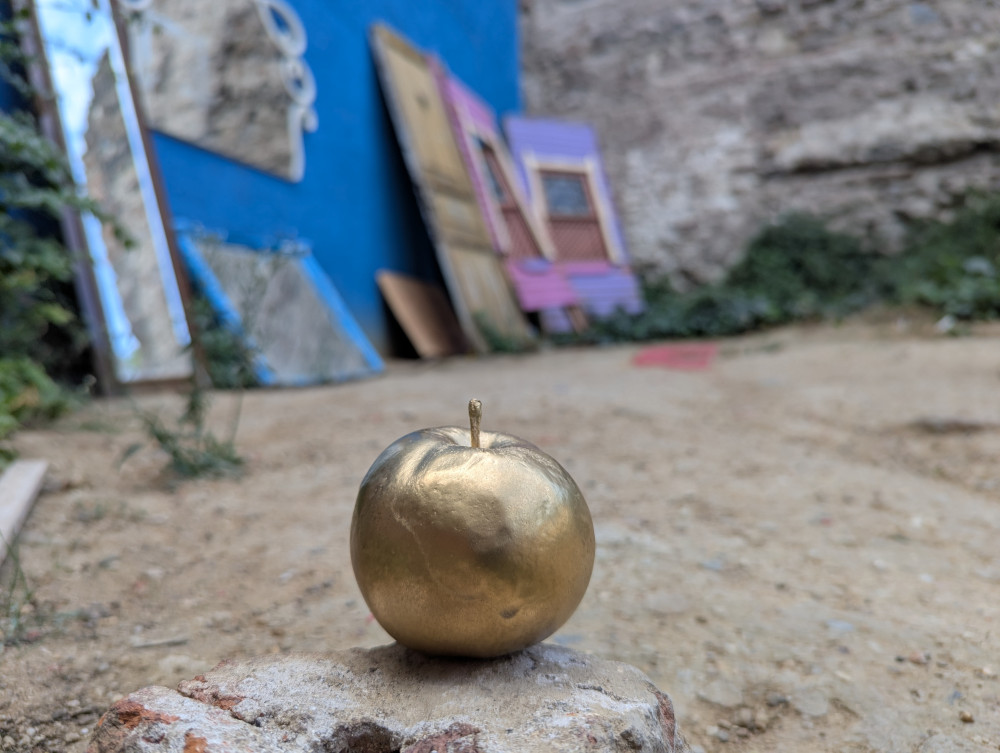
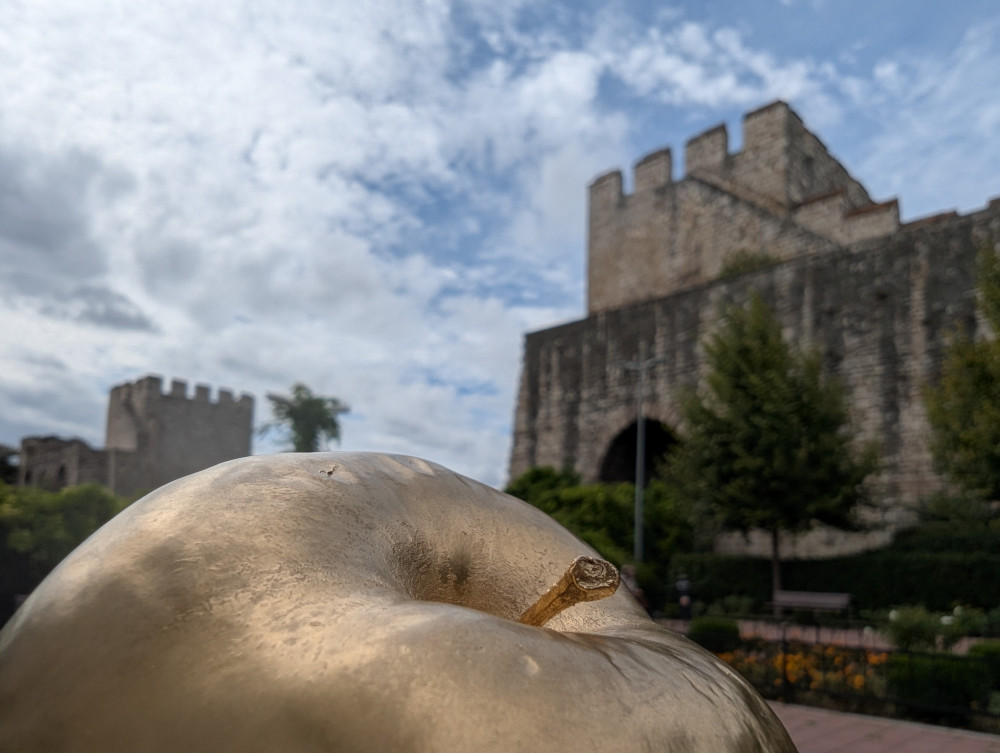
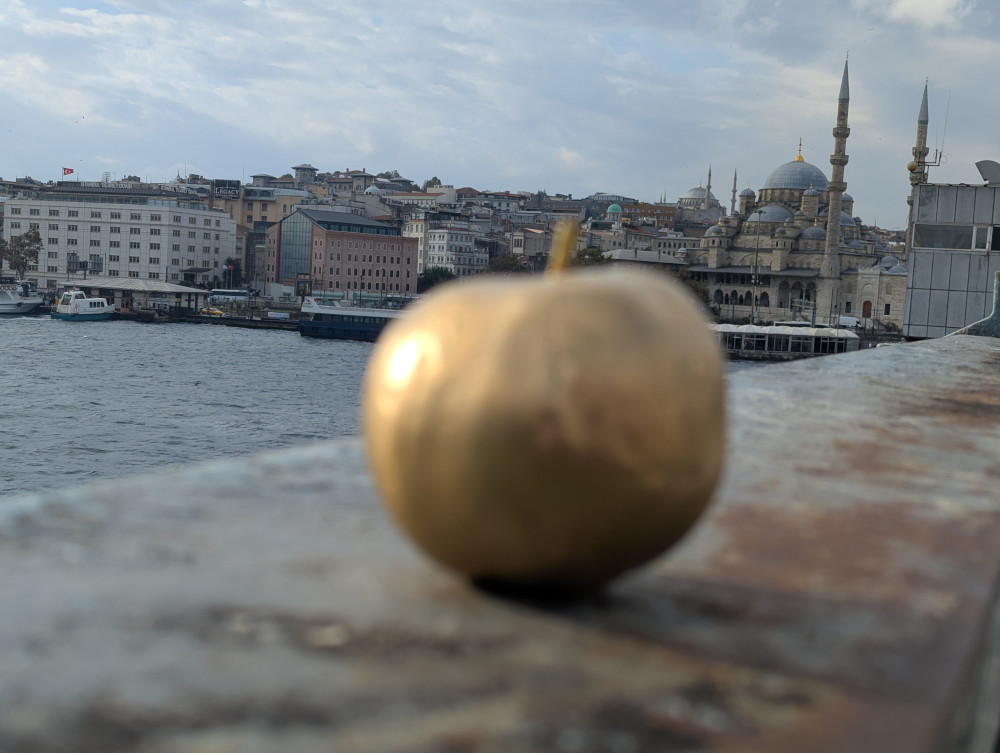
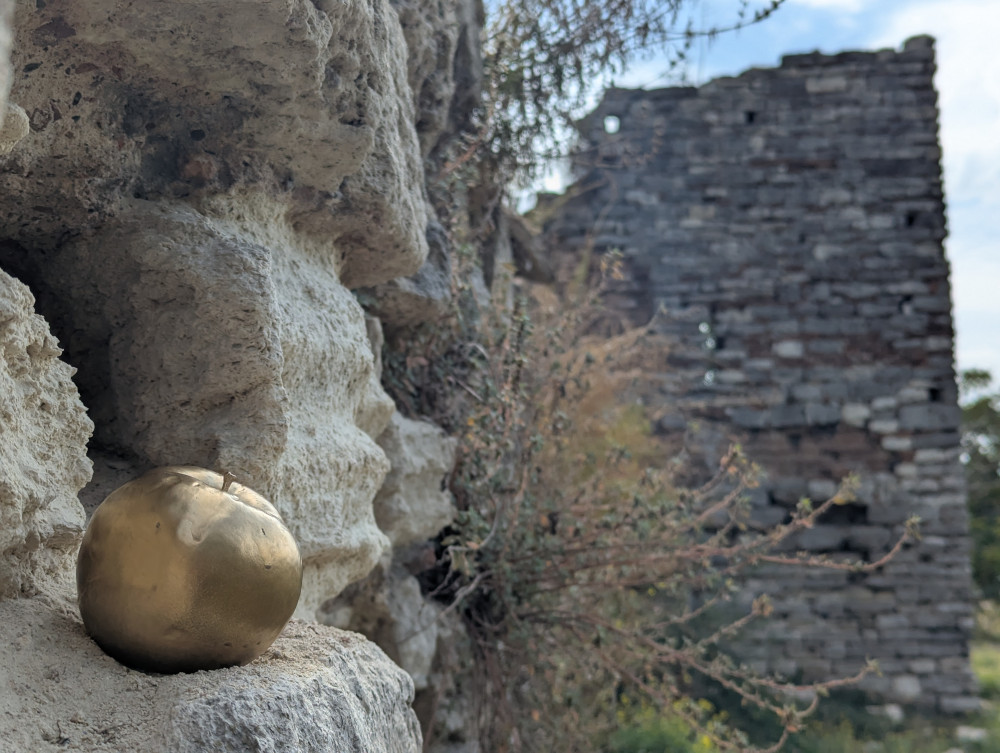
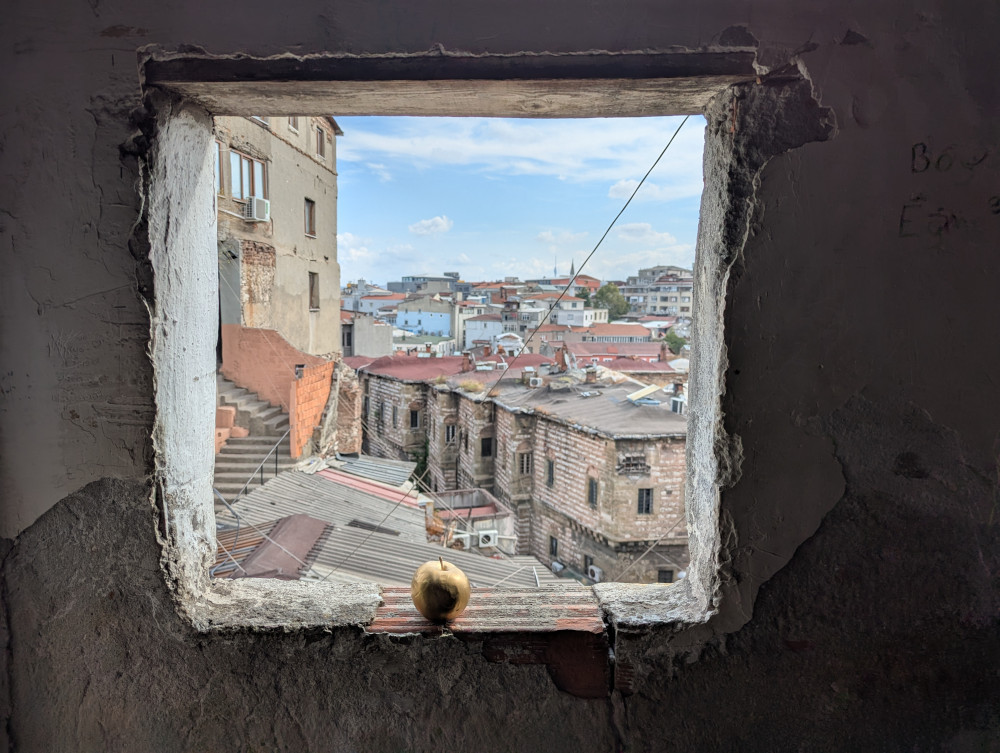
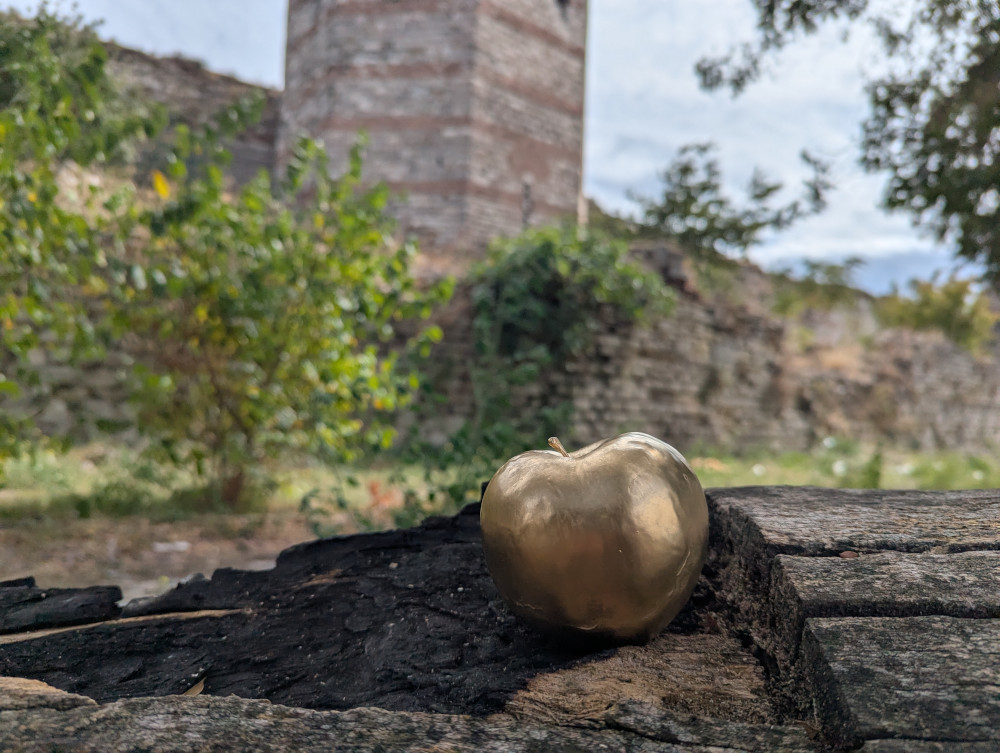
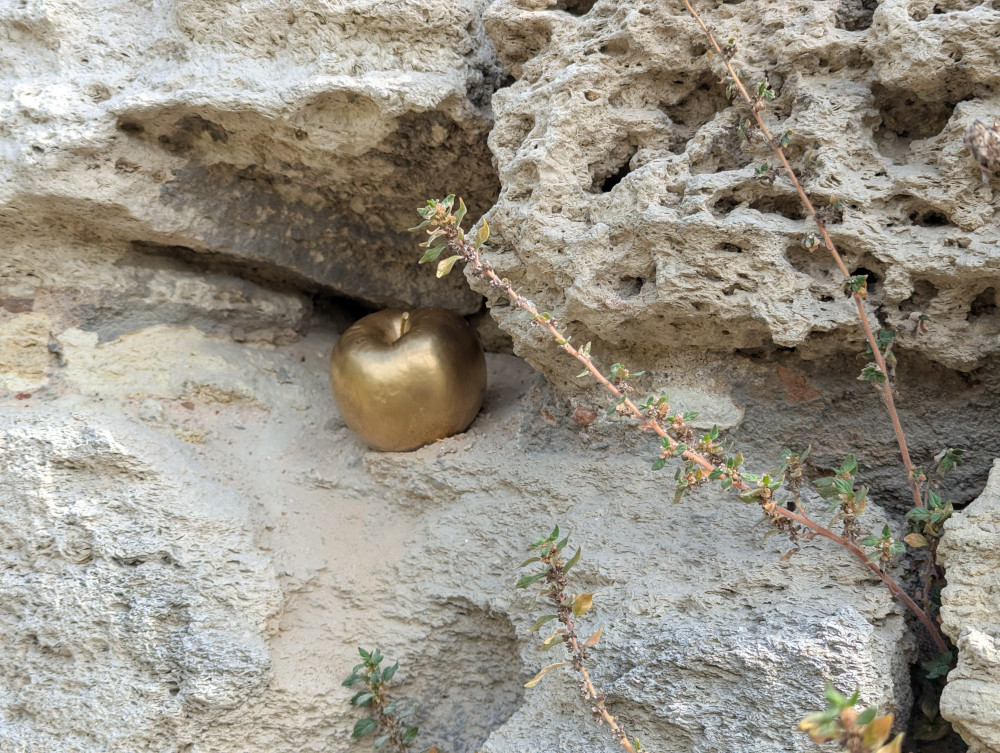
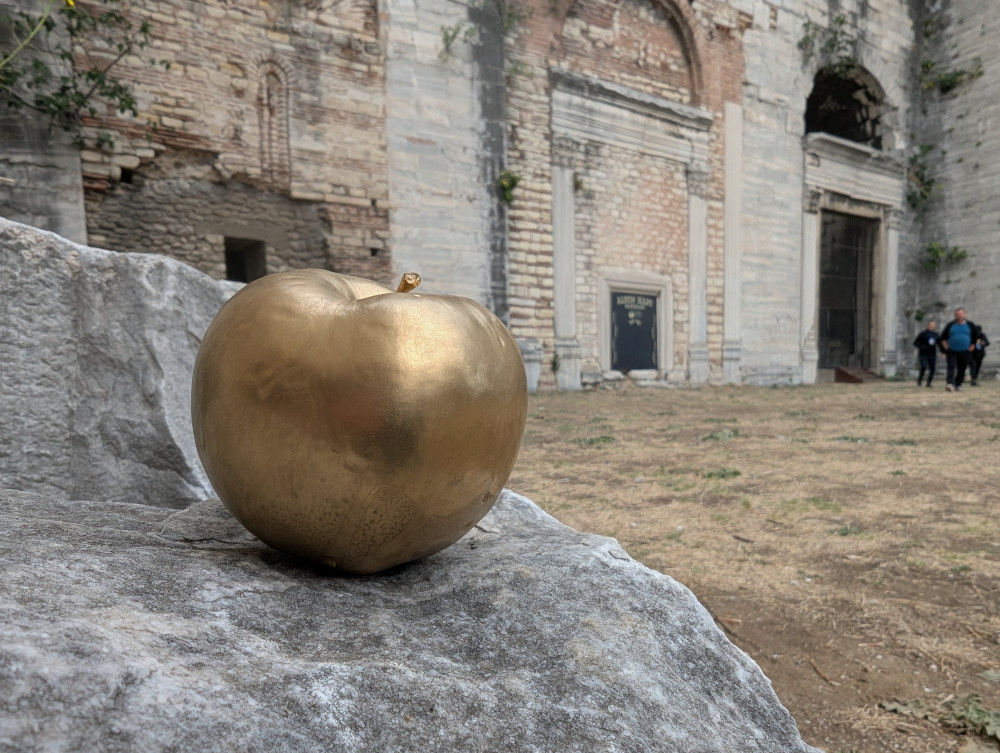
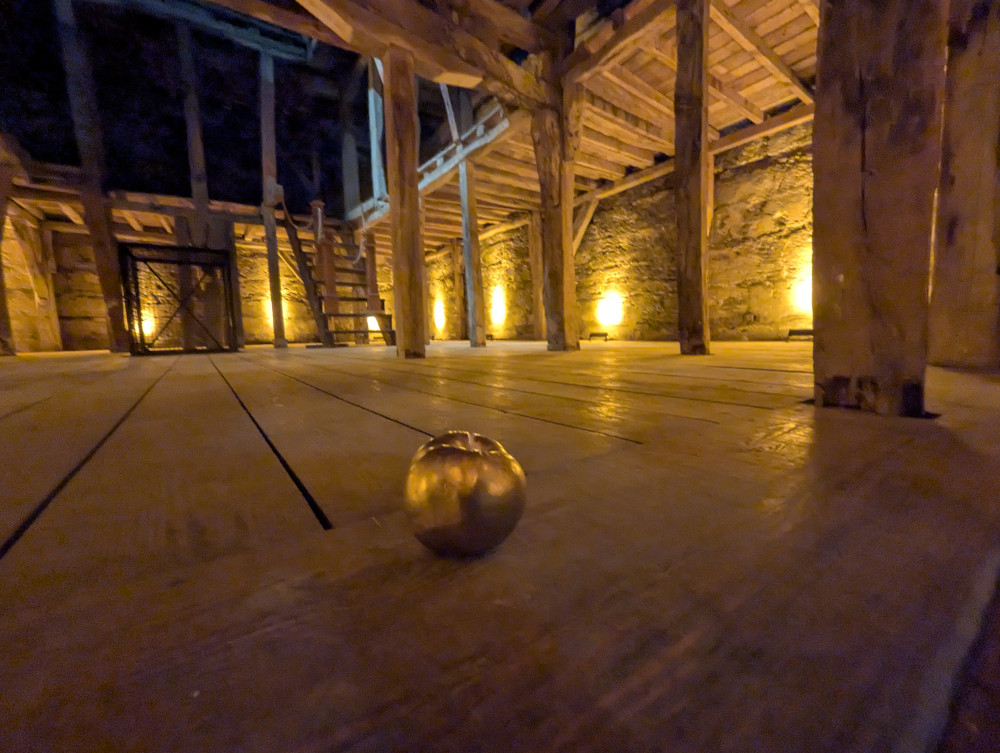
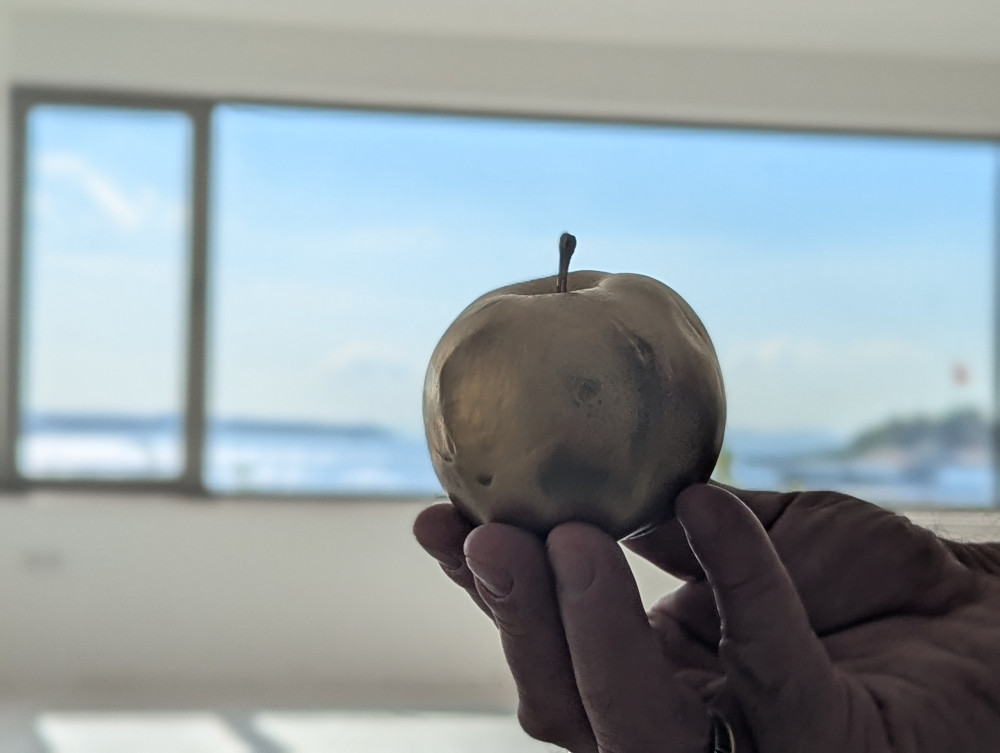
The apple functions here as a wandering symbol. Once associated with conquest, imperial ambition, and ultimate reward, it is reintroduced into everyday space as fragile, temporary, and exposed to weather, touch, and time.
Performative gesture
The photographic sequence culminates in a simple action. From the Galata Bridge, the golden apple is released into the Golden Horn.
This gesture transforms the apple from an image into an event. No longer possessed or displayed, it becomes an offering to the water, to the city, to history itself. Floating briefly among fishermen, boats, and passing gulls, the apple drifts without destination.
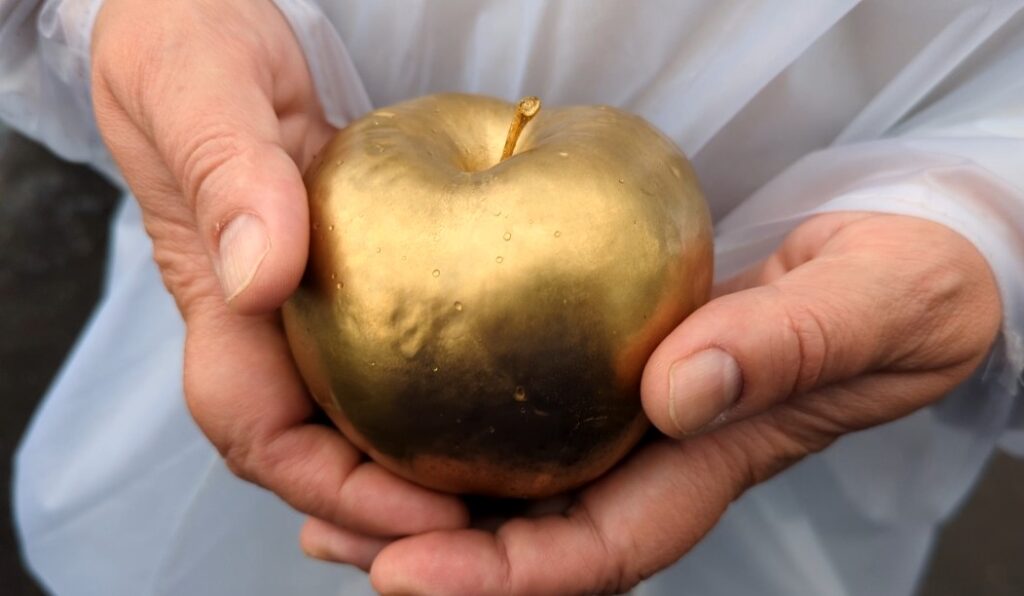
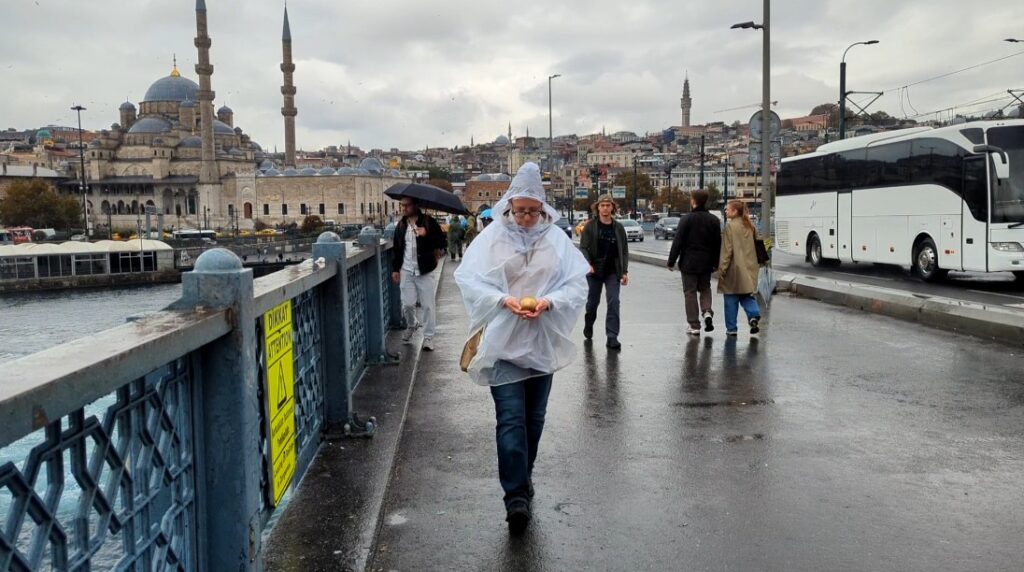
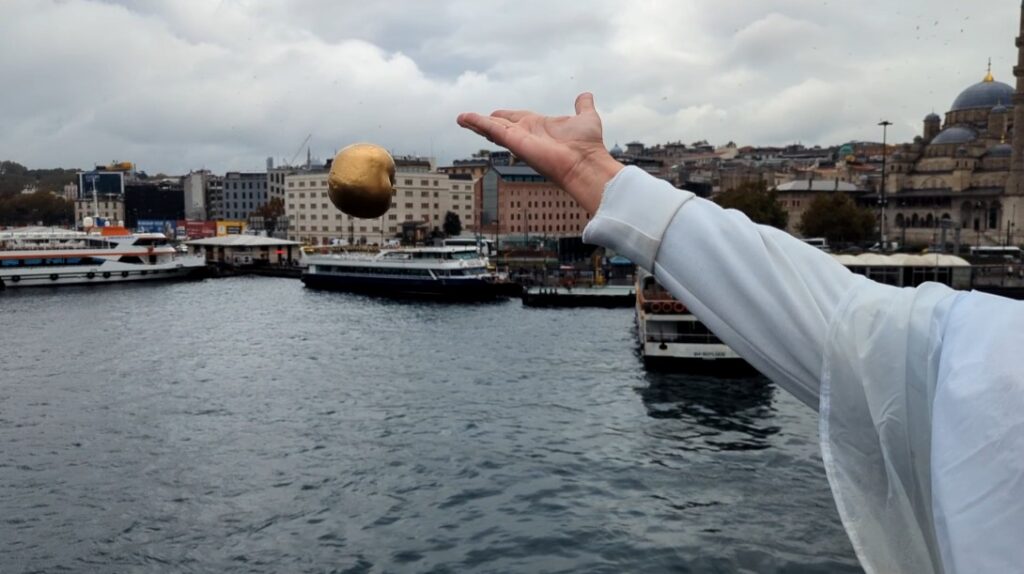
The act was carried out privately, without announcement, during a period of heightened artistic activity in the city, remaining outside any official framework. Passersby became incidental witnesses rather than an audience, encountering the action without explanation.
Conceptual context
Historically, Istanbul has been described as the “Golden Apple of the World”, a metaphor for power, desire, and the ultimate prize of empire. By releasing the apple into the Golden Horn, the project gently dismantles this image, shifting it from possession to passage, from monument to movement.
The golden apple ceases to function as a trophy. Instead, it becomes a message without an addressee, a symbol set free and allowed to drift, disappear, or transform.
Process and documentation
The project is documented through photography, preparatory images, and a series of photographs from the performative action. Video documentation will be added as an extension of the work. Together, these materials form a narrative that exists between image, gesture, and memory.
What remains is not the object itself, but the trace of its journey, a fleeting intervention connecting city and artist, myth and everyday life, holding and letting go.
Golden Apples: a visual poem in five episodes
Created for the 5th International Symposium of Land Art, 2025 | Rácalmás, Hungary
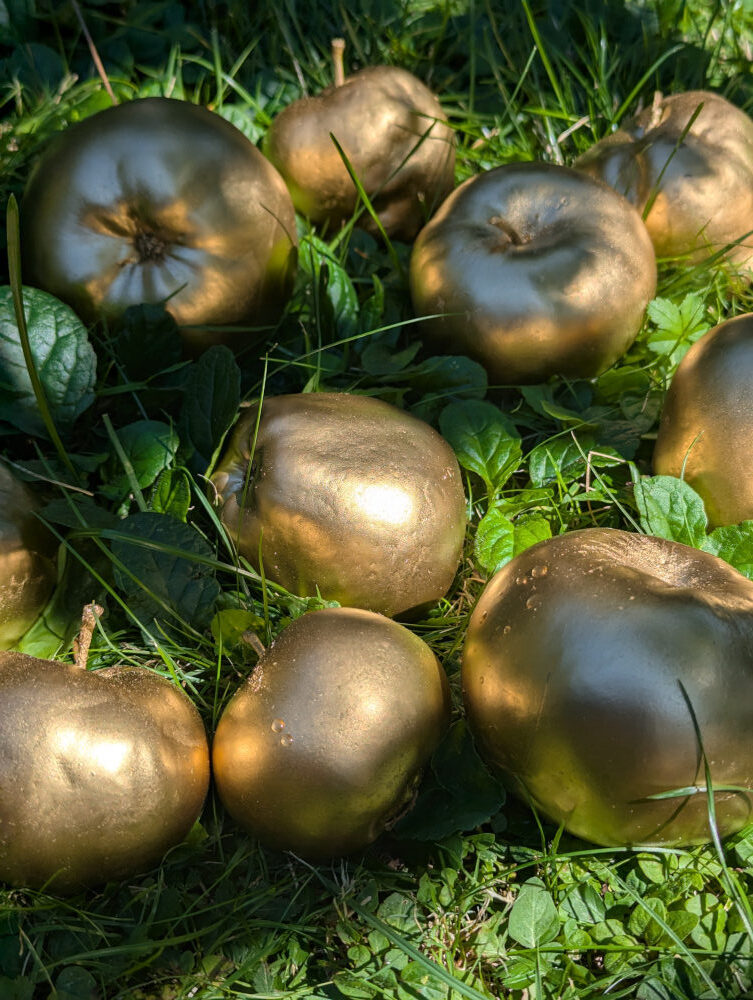
About the project
Aranyalmás Rácalmás (Golden Apple Rácalmás) is a site-specific visual poem exploring memory, dreams, and transience. The project’s name plays with Hungarian words: Rácalmás is a town whose name contains the word “apple,” and Aranyalmás adds the image of a “golden apple,” a rare fruit symbolizing the uniqueness and value of the place.
The series unfolds in five episodes, where golden apples guide the visitor through questions of presence, attention, and letting go. Each episode combines objects, gestures, participatory actions, and photography to create ephemeral narratives across the island and the bridge.
Prologue
On the island, among trees and grasses, the promise of paradise appears both evident and hidden.
Every apple becomes a question, a memory, a dream, and a treasure.
Some apples embark on a journey along the water, carried by currents of life and time; others remain, waiting to be discovered.
This project is about transience, choice, and transformation, and how we preserve and reshape memories.
Episodes Overview
Episode 1. Almák-Álmok / Apples-Dreams
Apples are the fruits of nature. Dreams are the hidden fruits of the soul.
Golden apples are hidden on the island among roots and driftwood. To those who find them – joy.
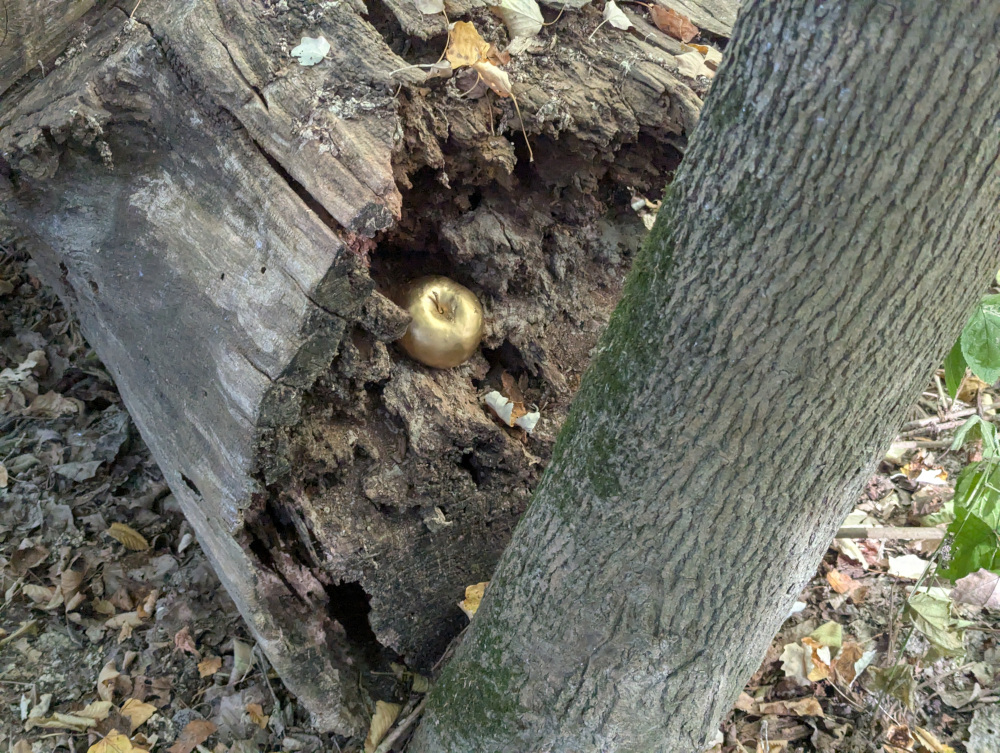
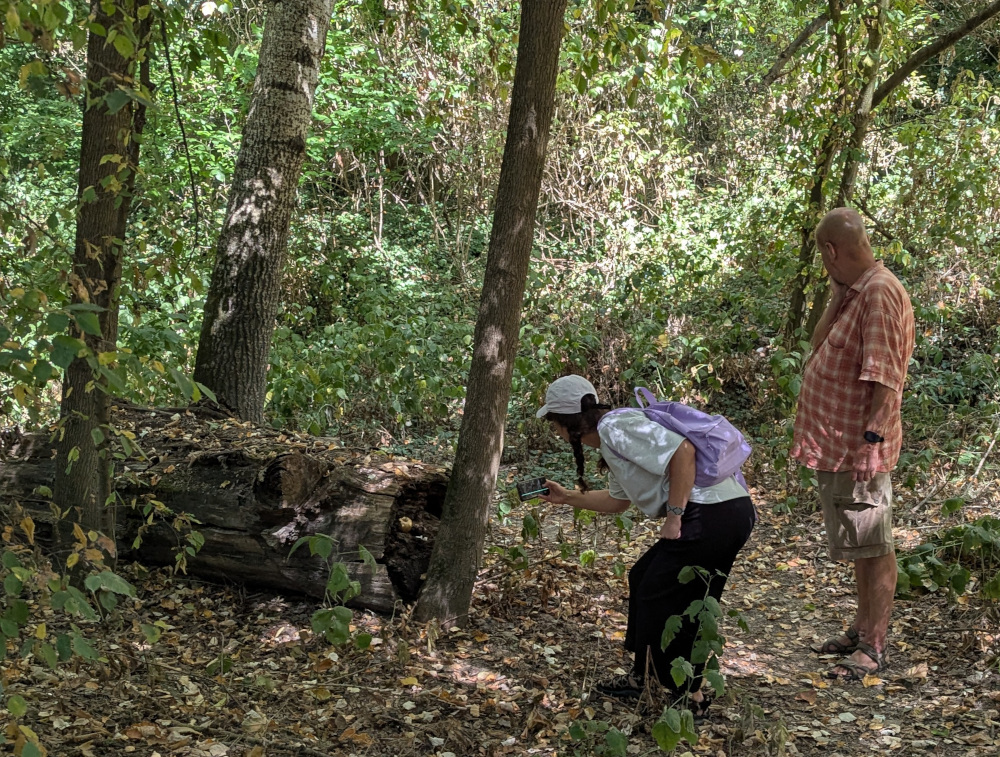
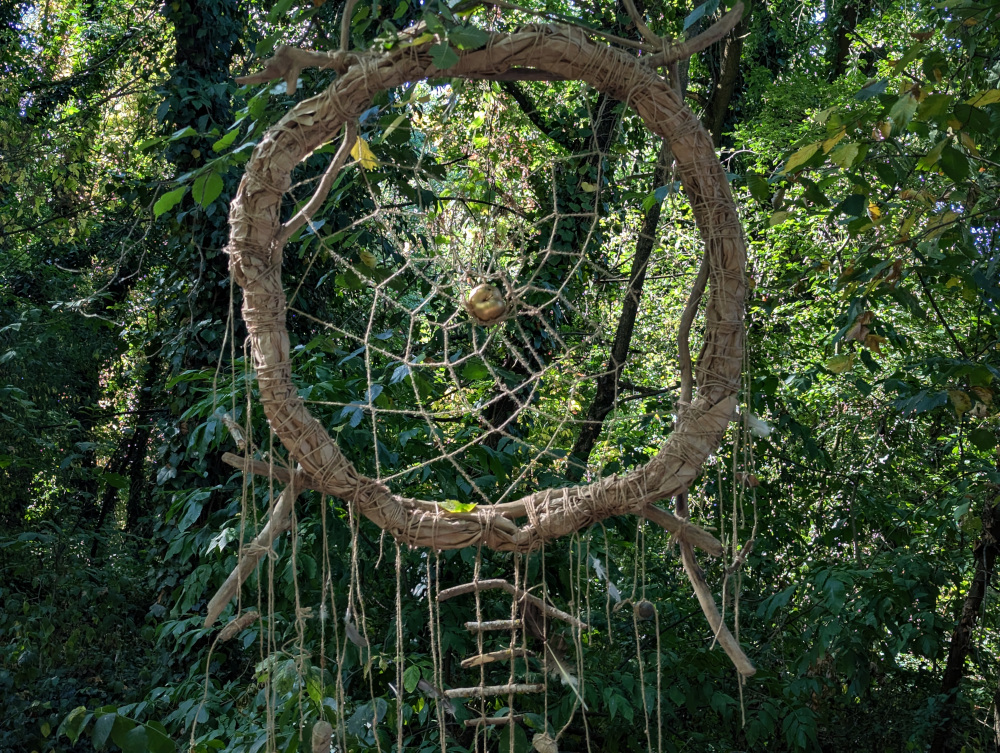
Episode 2. Álomfogó – Almafogó / Dreamcatcher – Apple Catcher
A special catcher gathers dreams and wishes. Visitors can tie pebbles, feathers, or knots to its threads, leaving traces of their own stories.
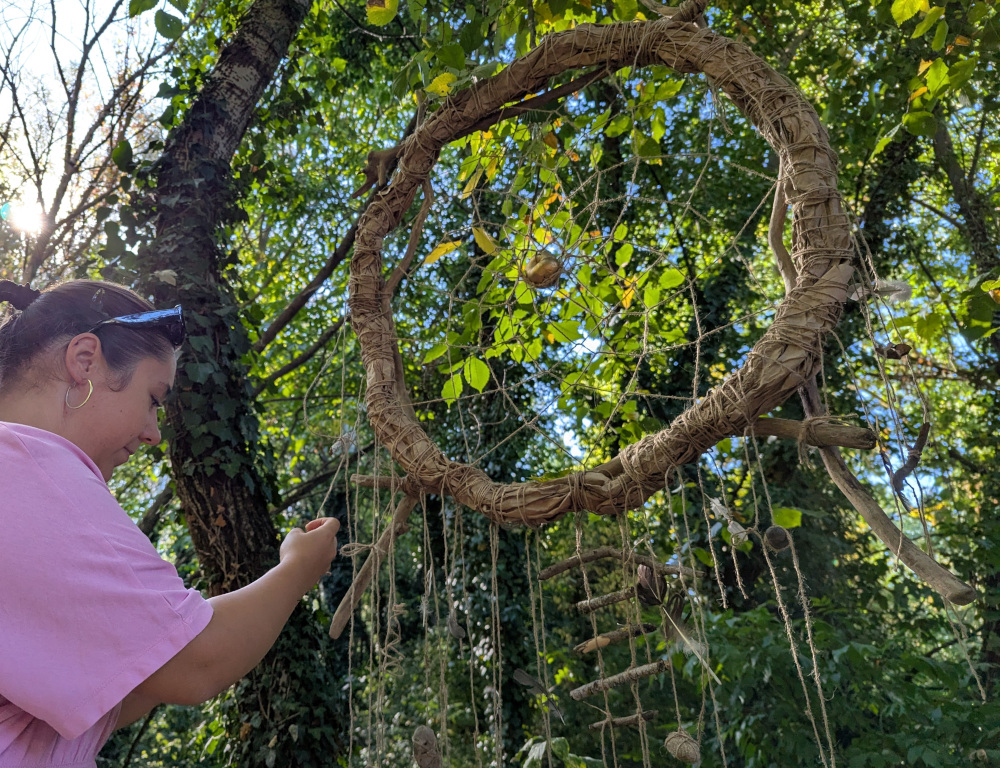
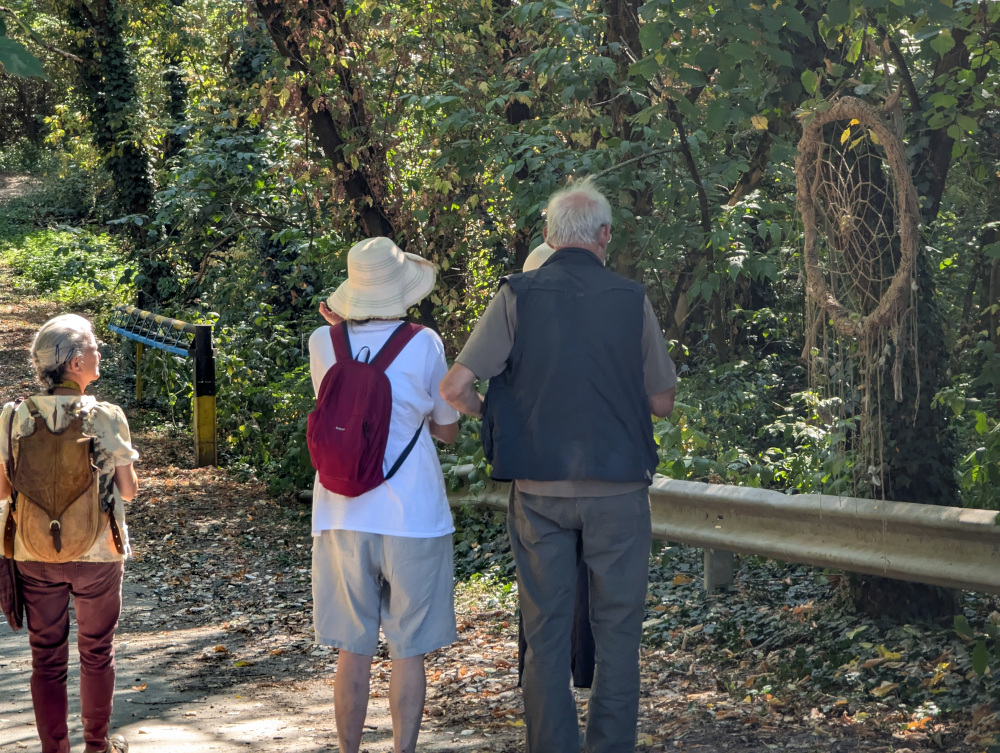
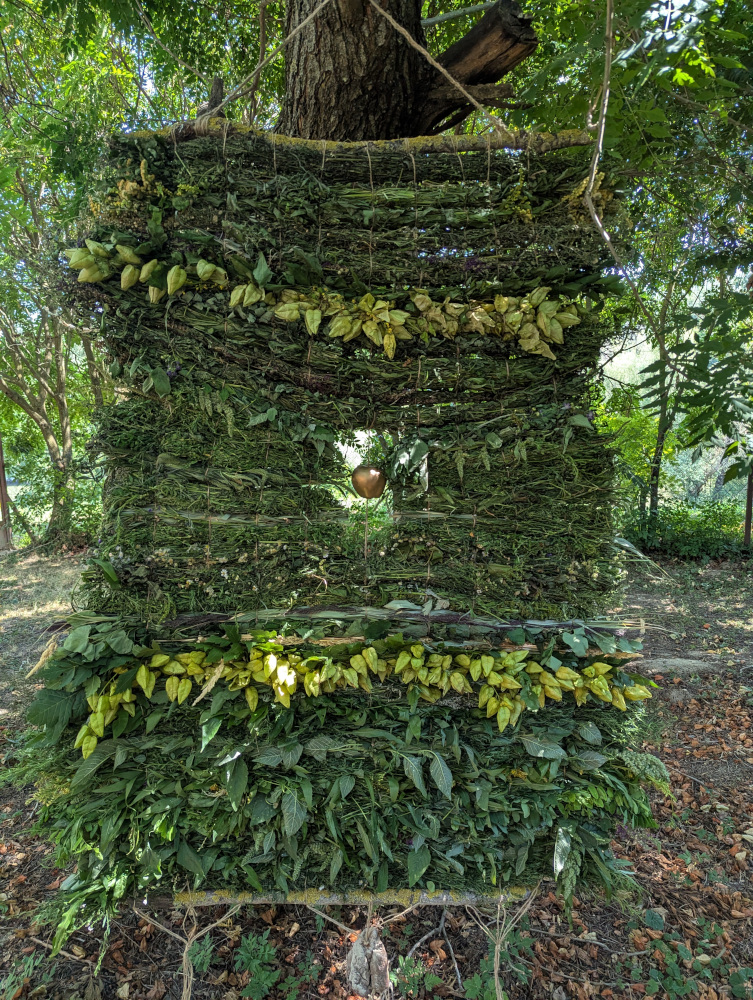
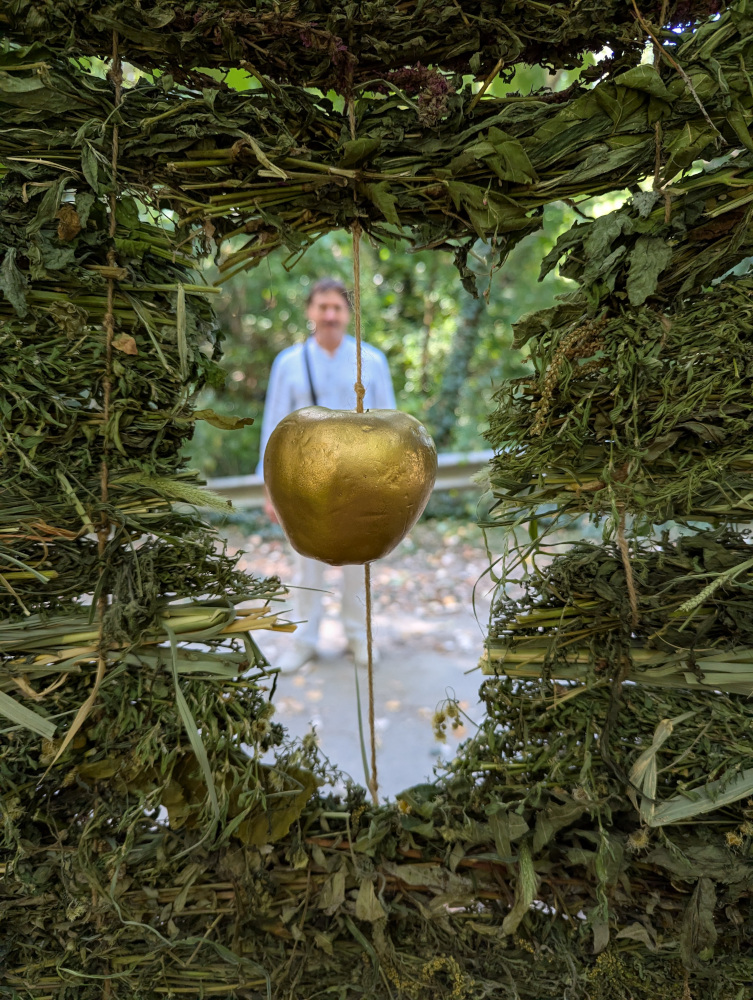
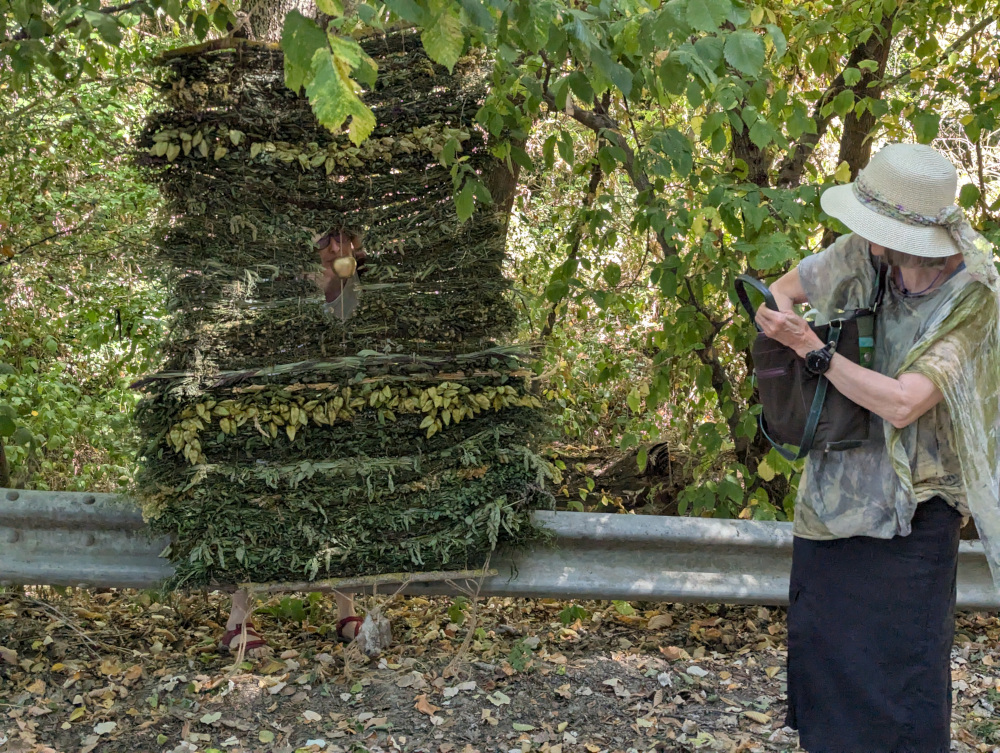
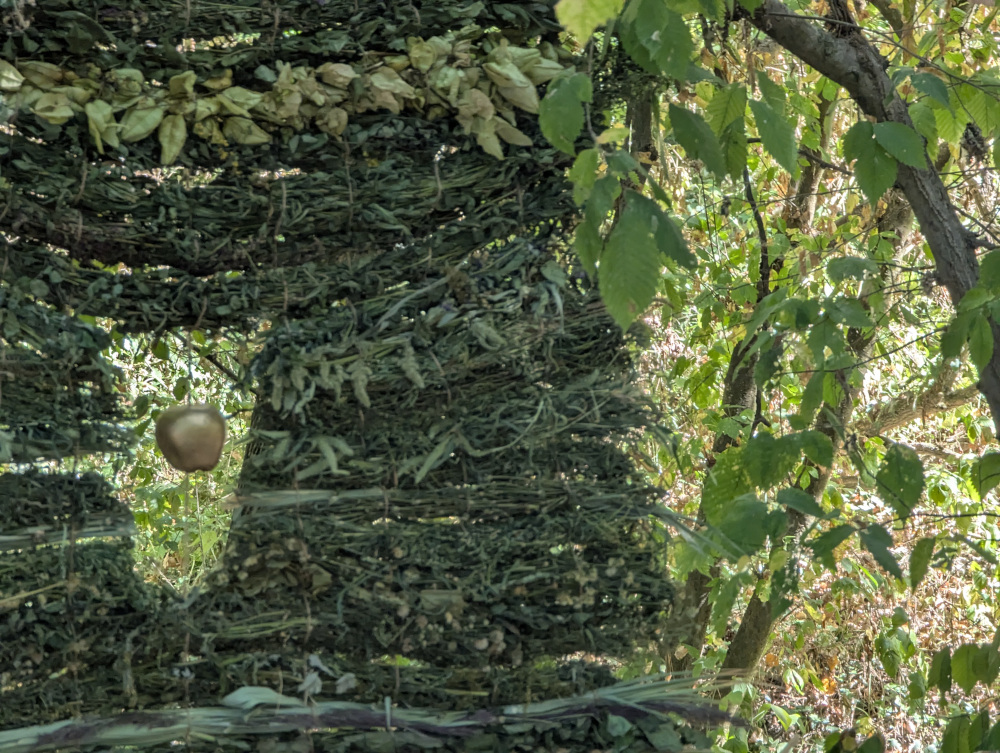
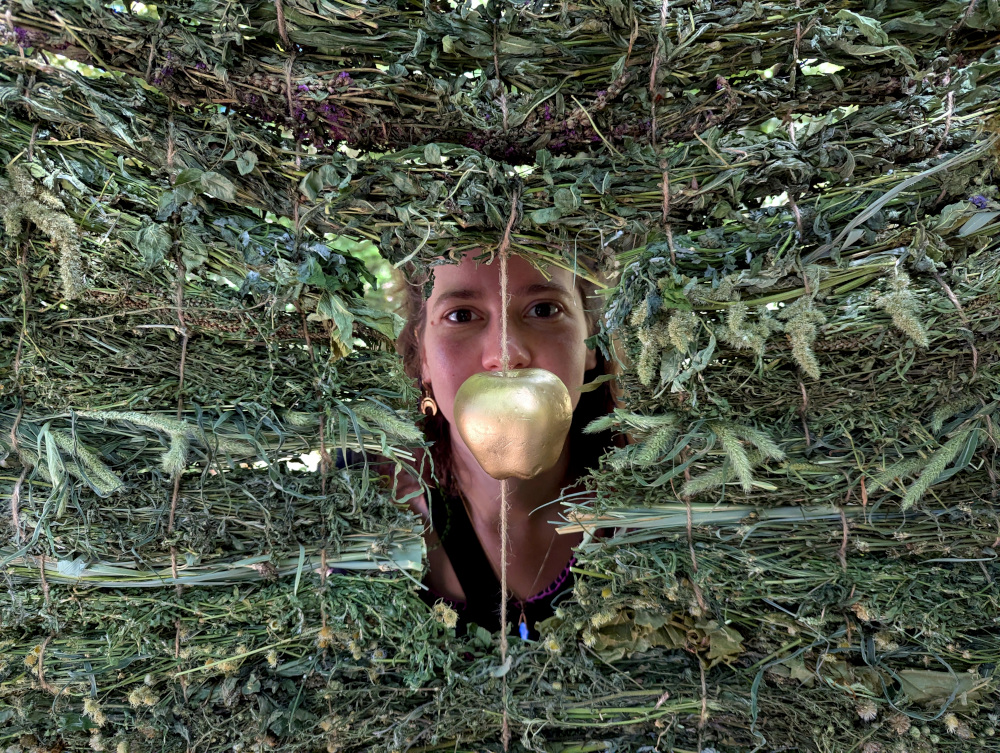
Episode 3. Fűggöny / Grass Curtain
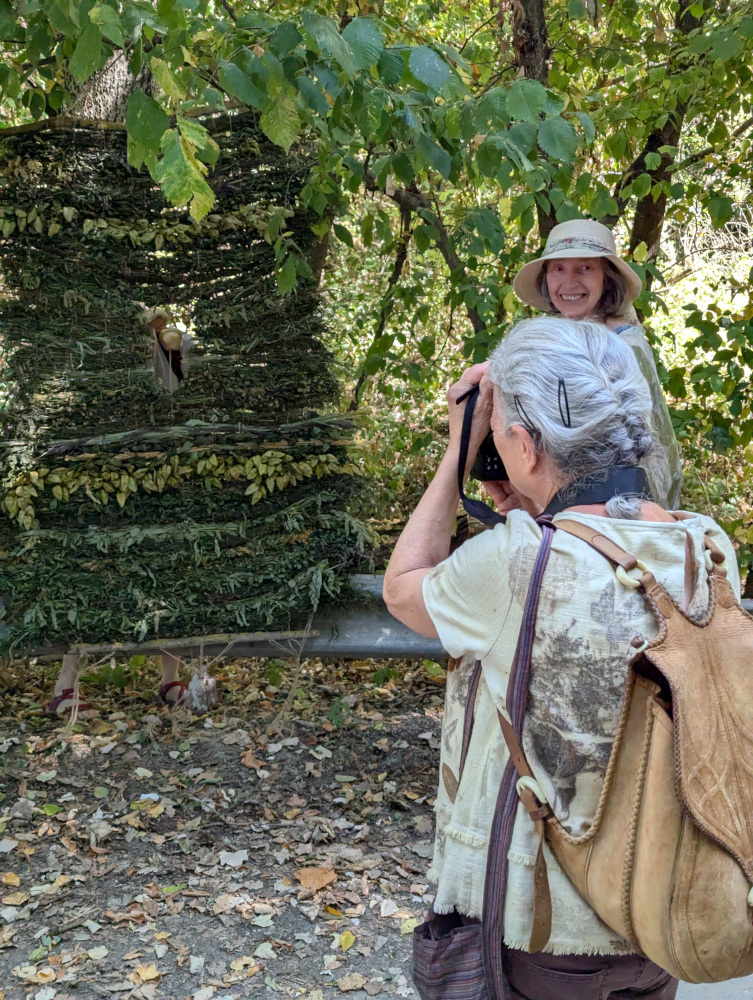
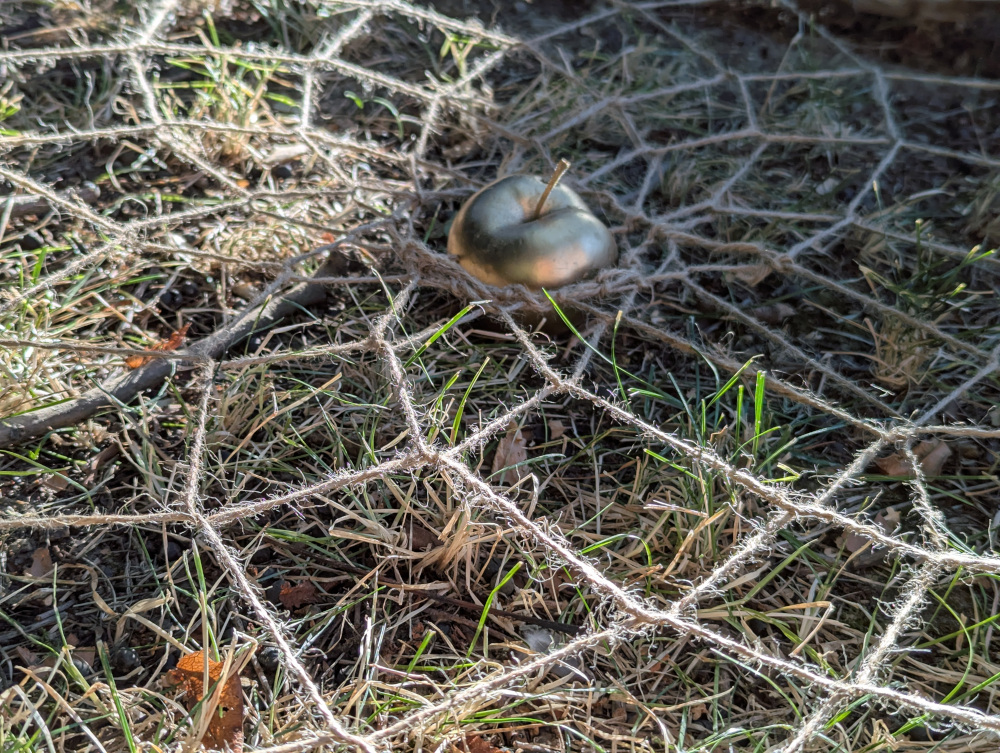
Grasses woven into a mat frame a golden apple at the center – the heart of the island. Visitors can photograph through the golden apple, capturing fleeting moments.
Episode 4. Különleges? / Something Special?
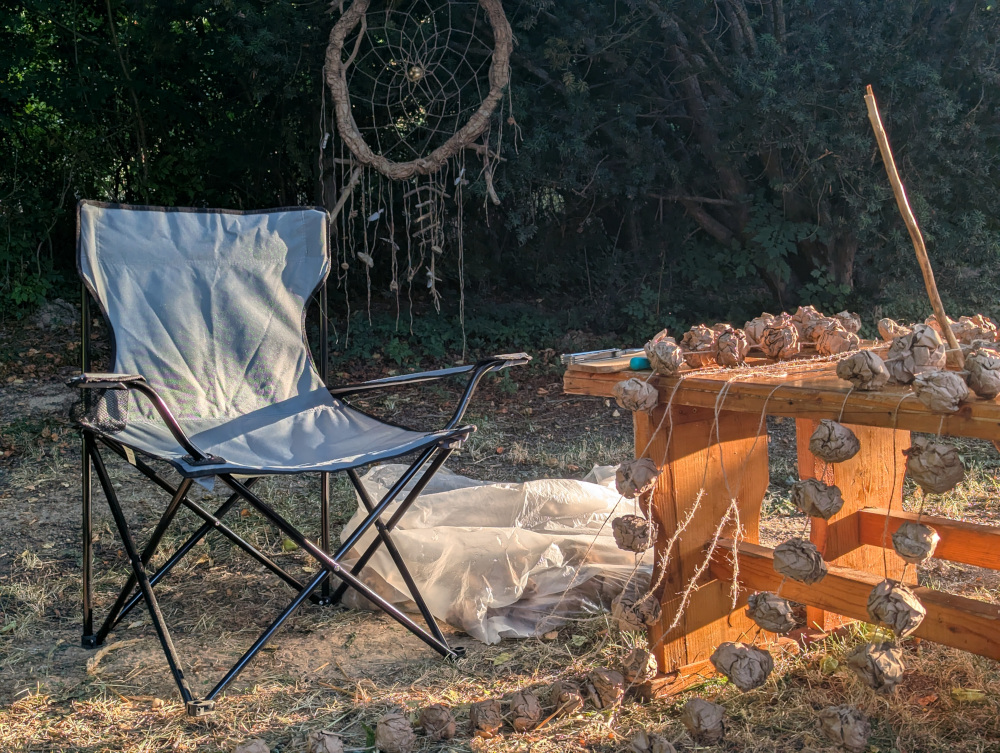
Among a hundred crumpled paper balls, a golden apple shines in the sun. This object invites reflection on how we seek the special and how it transforms perception.
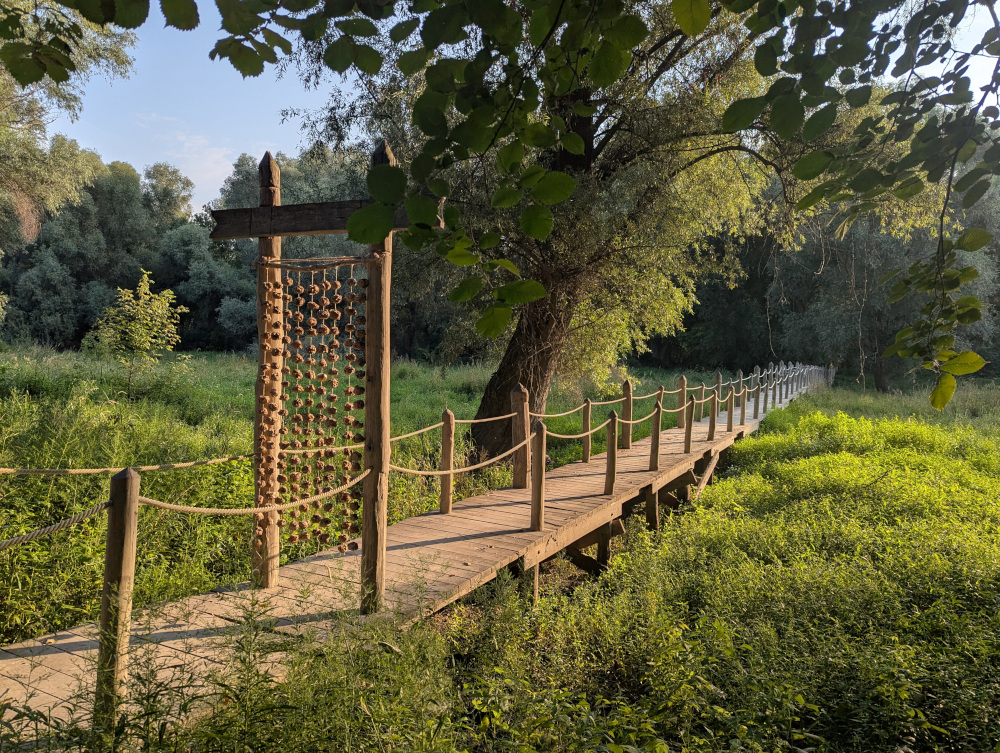
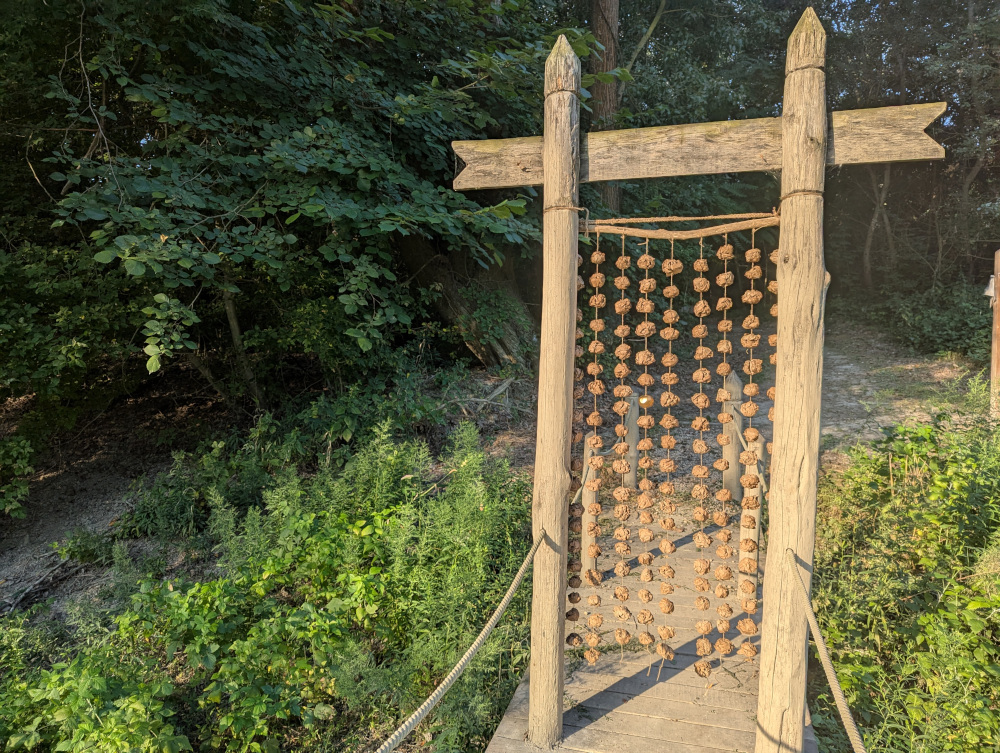
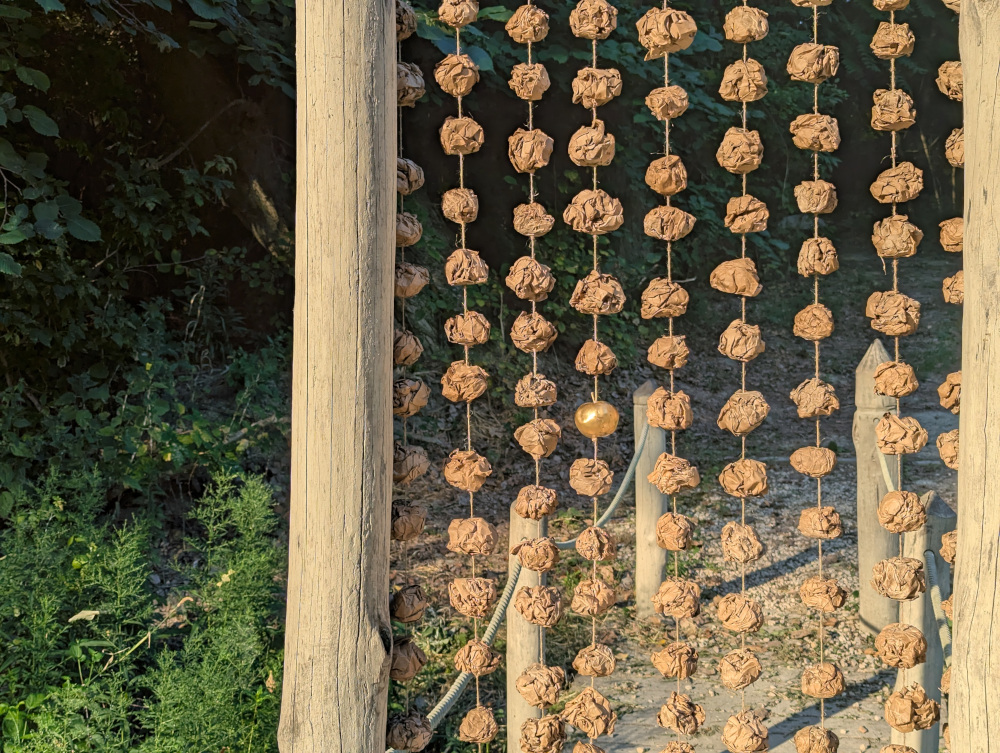
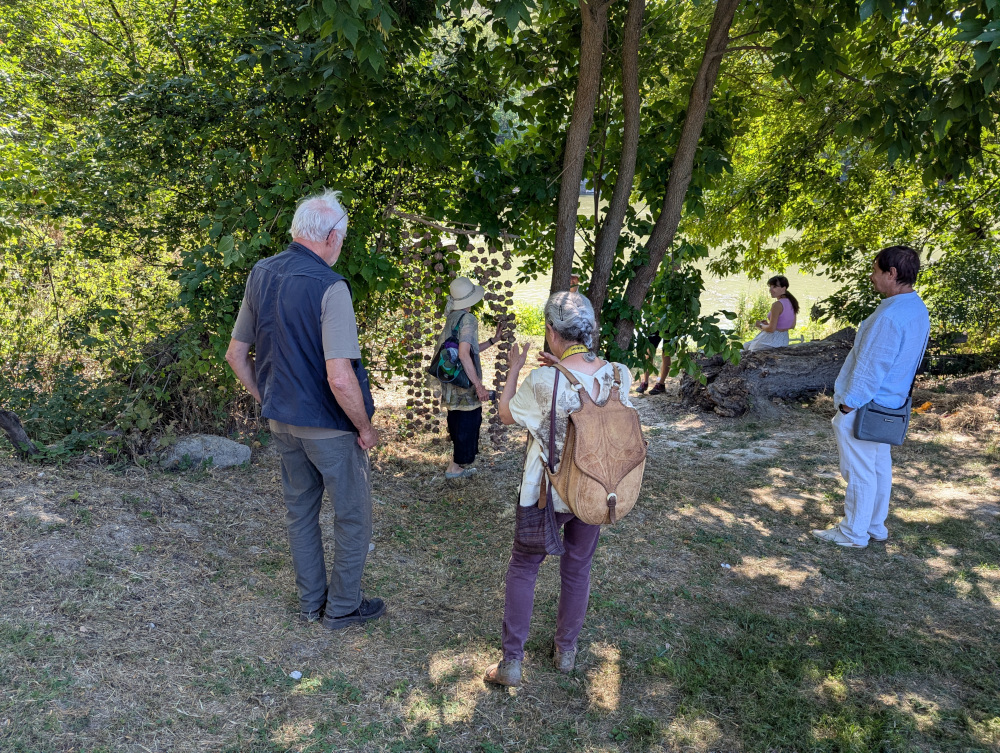
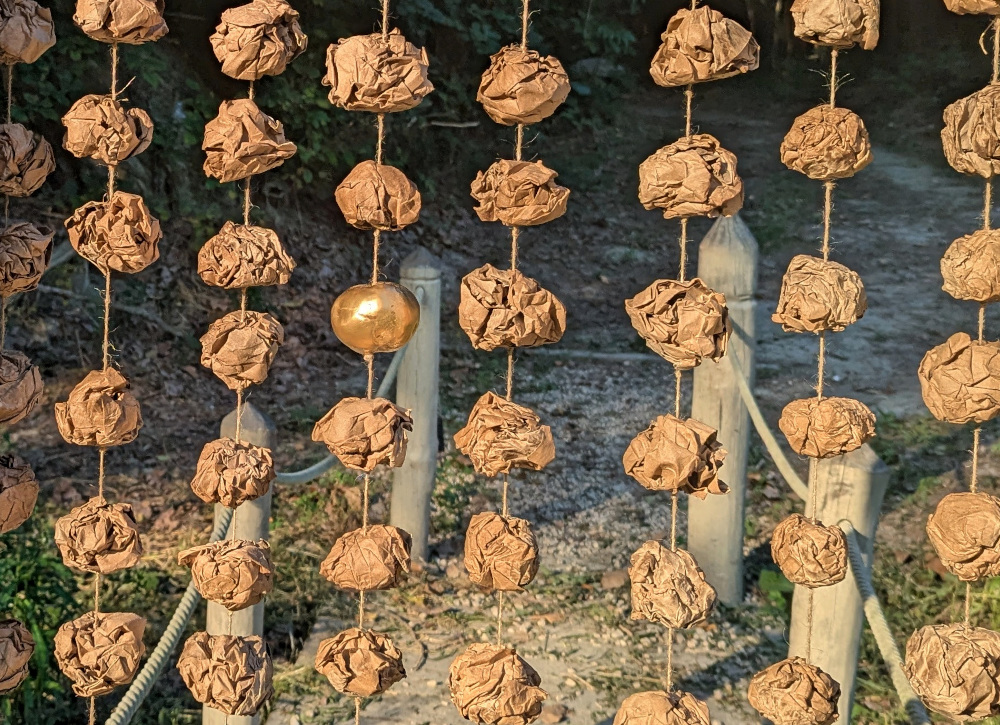
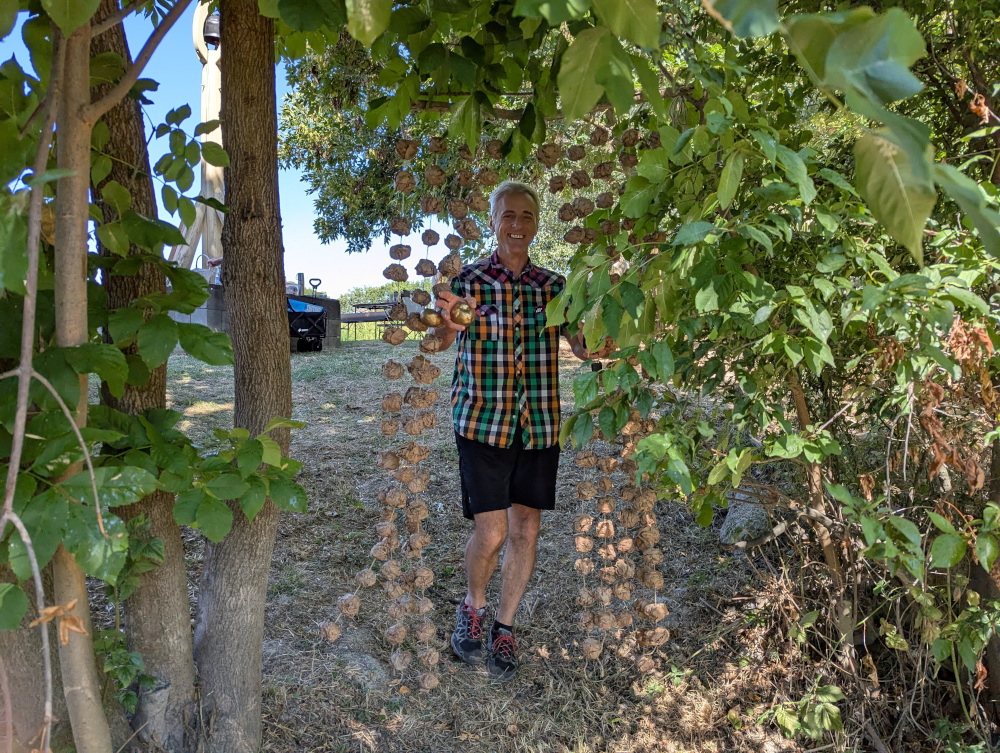
Episode 5. Híd álma – Hét alma / Dream of the Bridge – Seven Apples
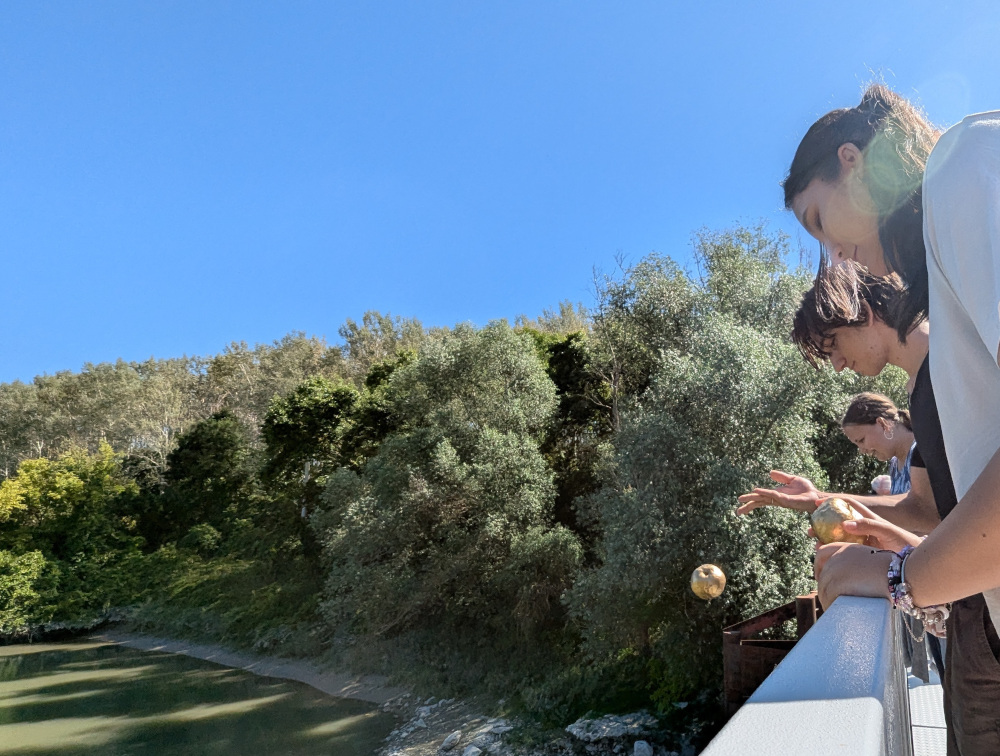
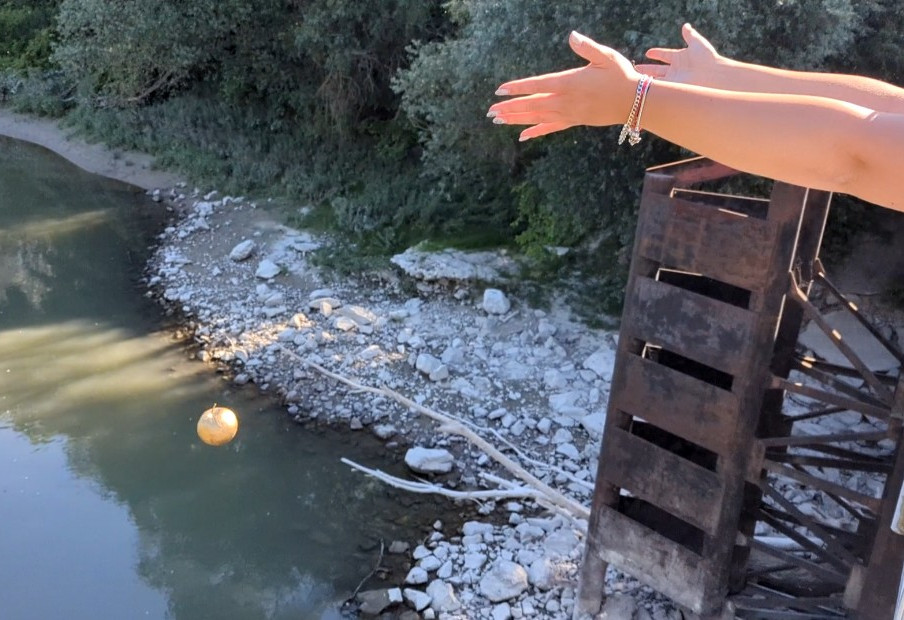
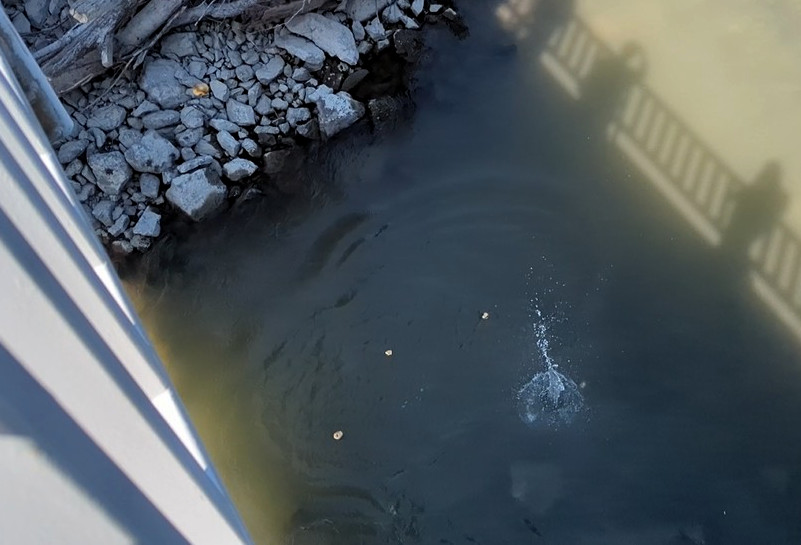
Seven golden apples are cast into the water from the bridge, drifting away like dreams released into the flow of life. Visitors witness the happening and the act of letting go.
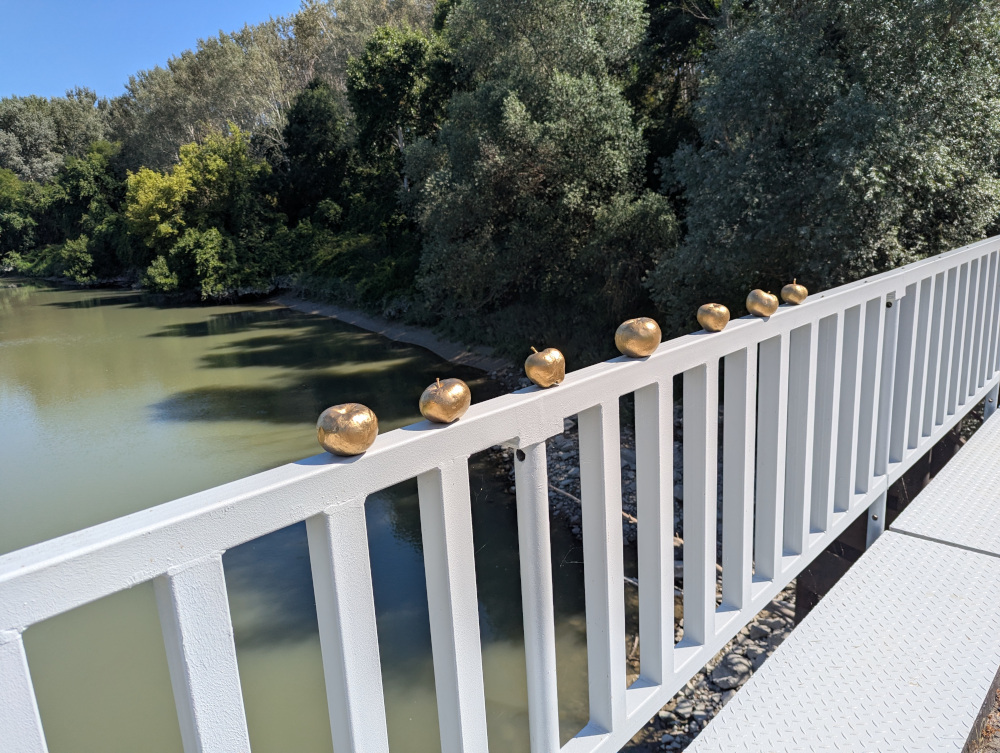
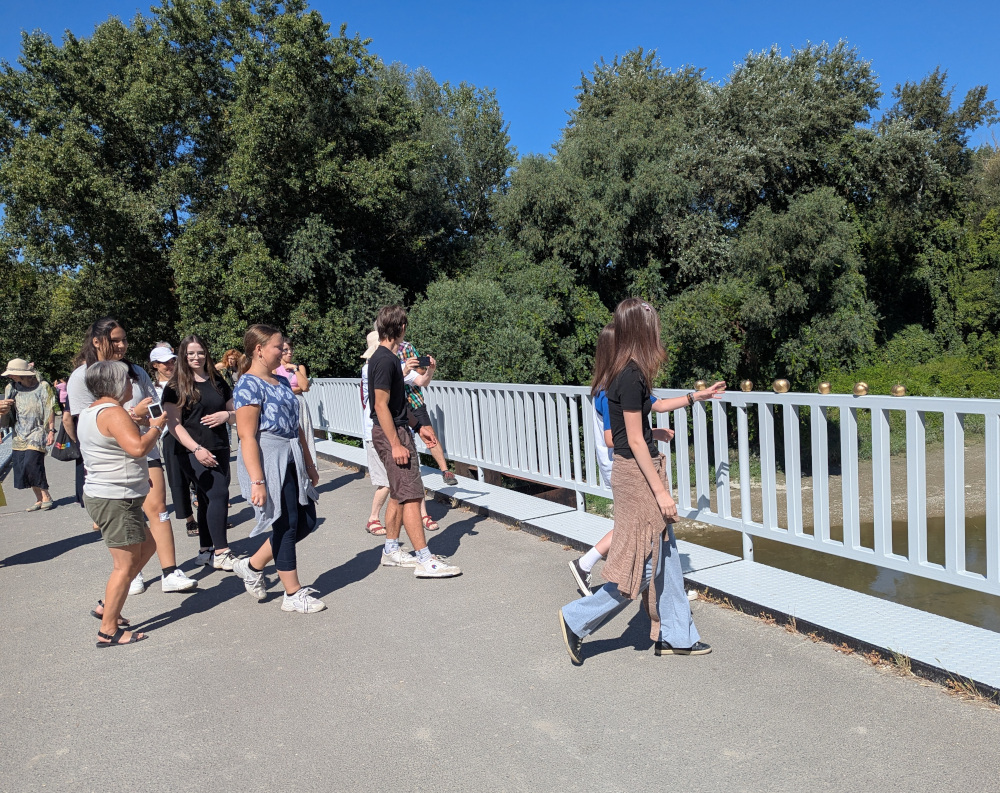
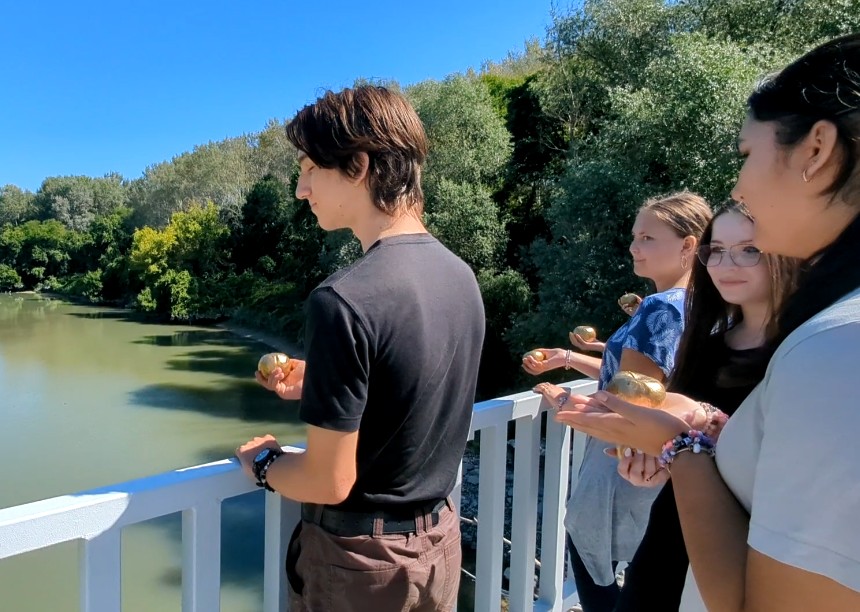
Process
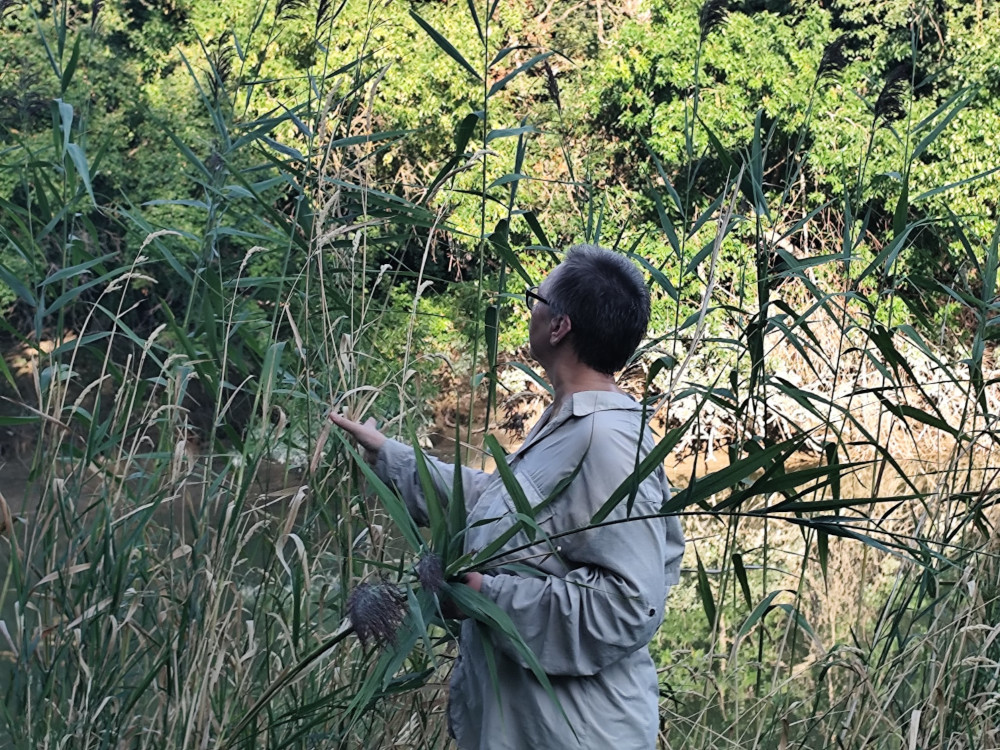
The project was created during August 12–19, 2025 in Rácalmás, Hungary, as part of the symposium dedicated to Sándor Márai’s The Herbalist and in homage to the work of Mária Bartuszová.
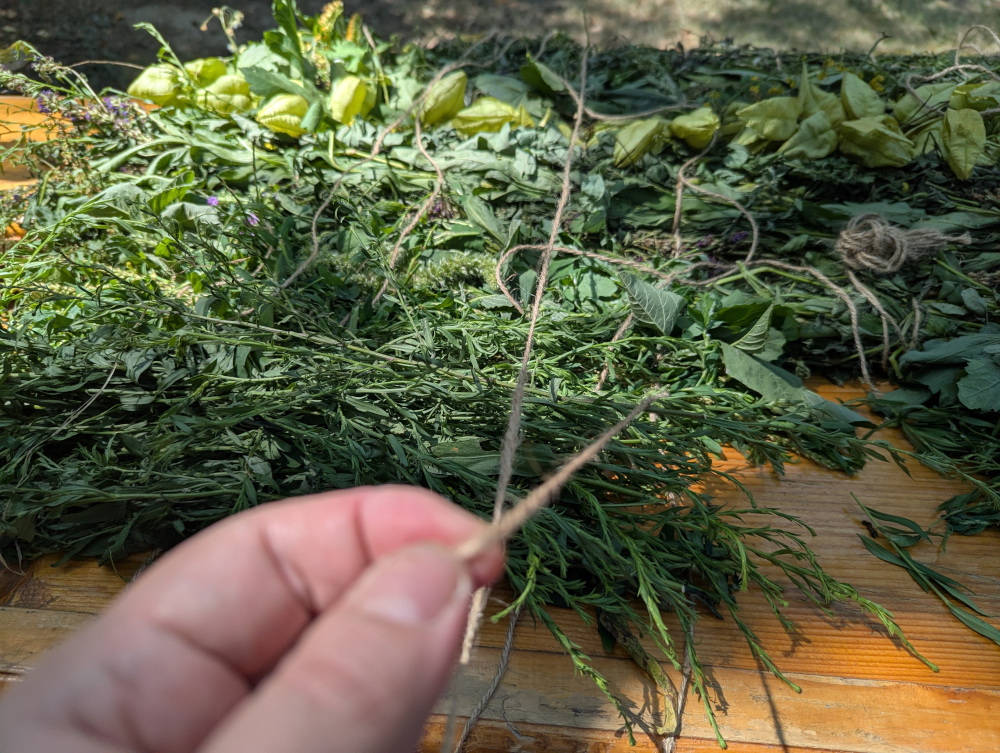
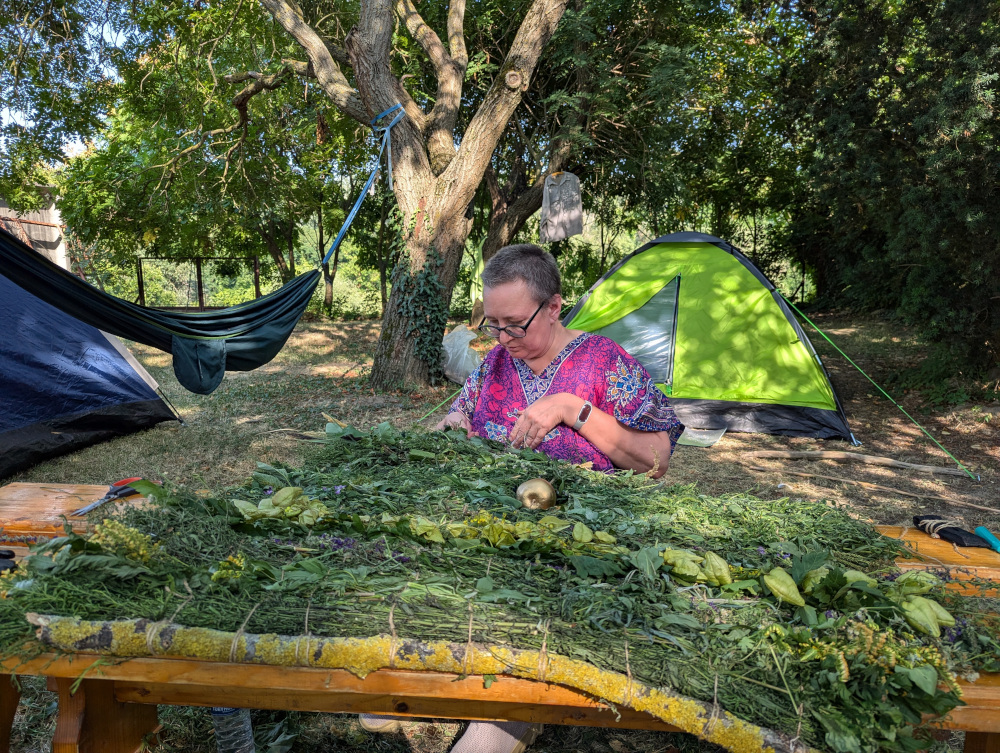
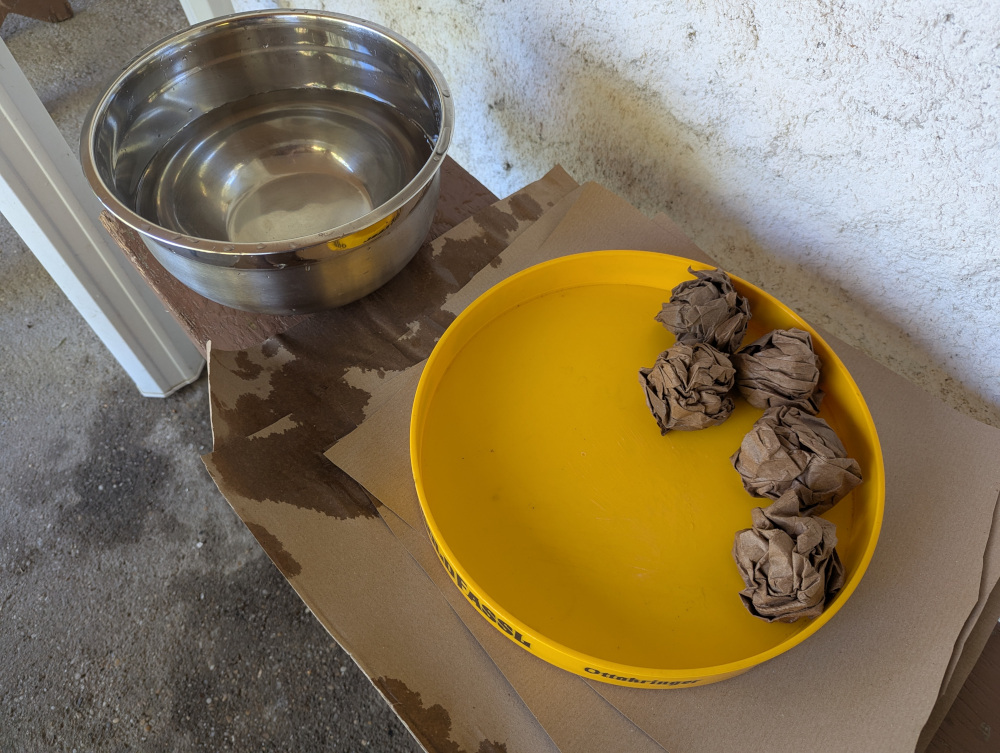
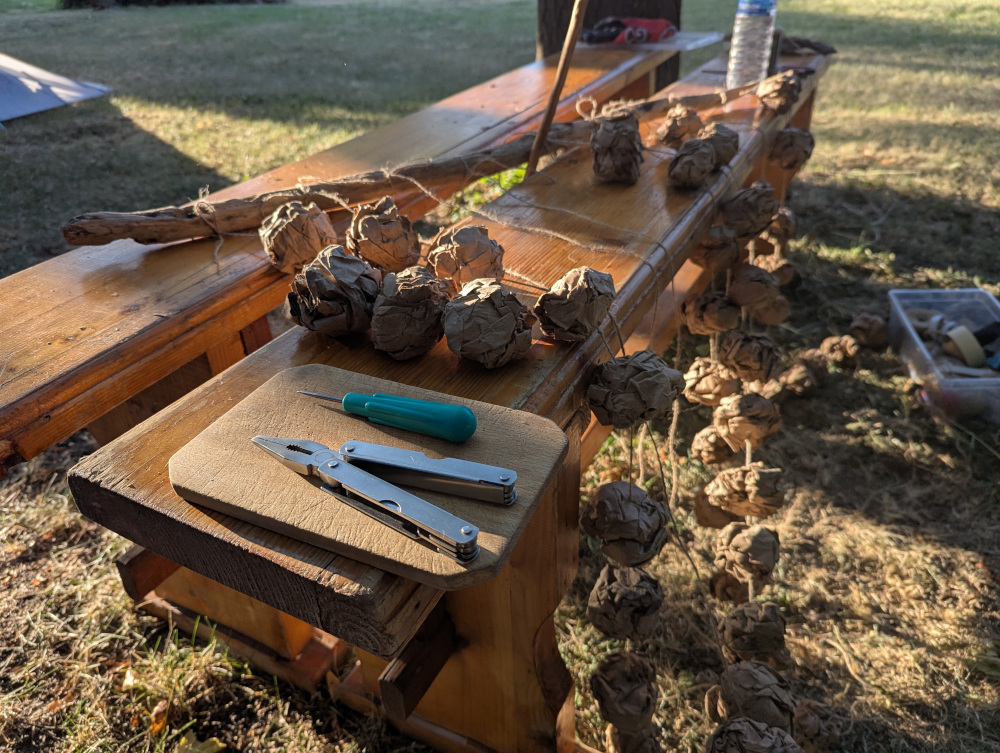
An artist book documents the visual poem and the process of the Golden Apples project.
Exhibited at
2024-2025
Golden Apples is a series of site-specific gestures unfolding across different locations, cultures, and situations.
The project is centered around a simple object: a golden apple. A familiar image burdened with myths, promises, desire, power, and reward.
In these works, the apple loses its function as a trophy or possession. It appears, moves, is offered, released, or abandoned.
Each episode transforms the symbol through a different relation to place, time, and attention.
The project unfolds through temporary interventions, photography, participation, and disappearance.
The golden surface does not elevate the object, but exposes its fragility.
The work continues through traces, memory, and shifting perception.
object, ready-made, action
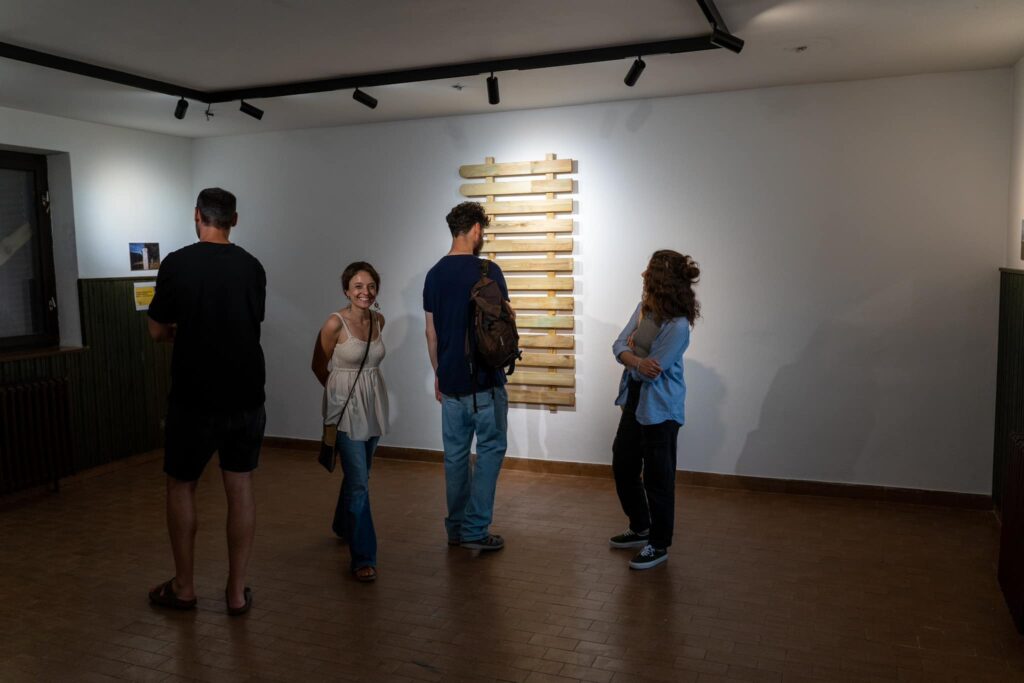
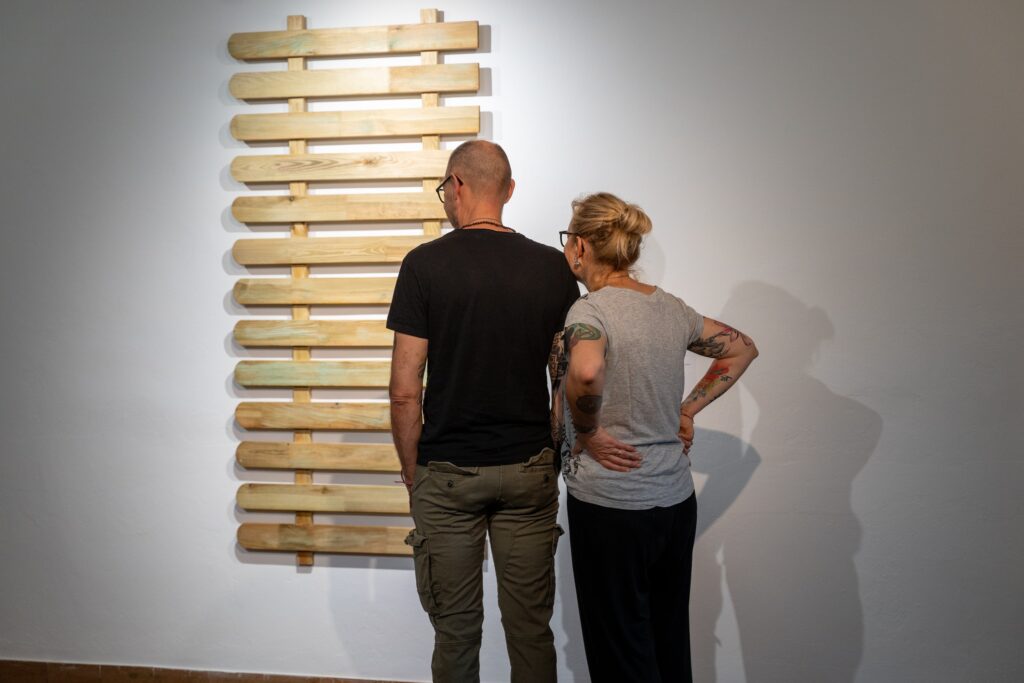
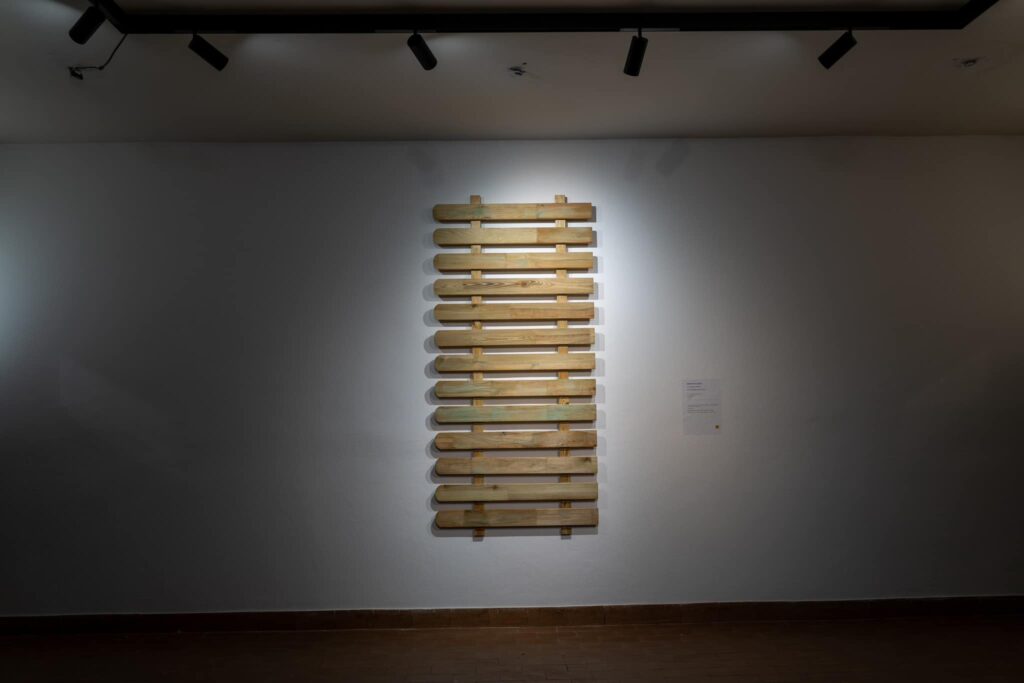
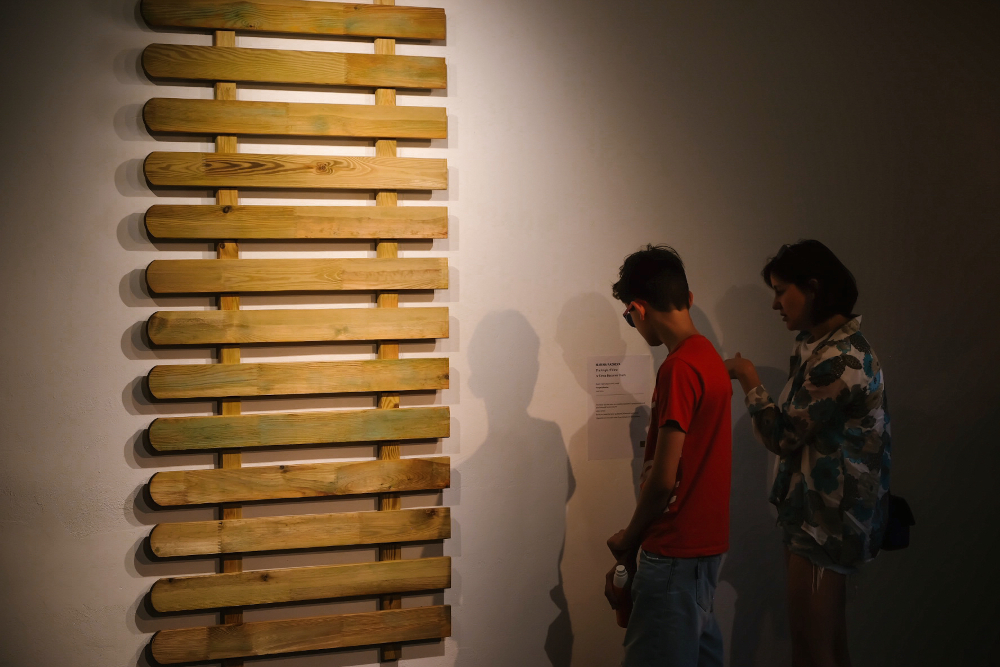
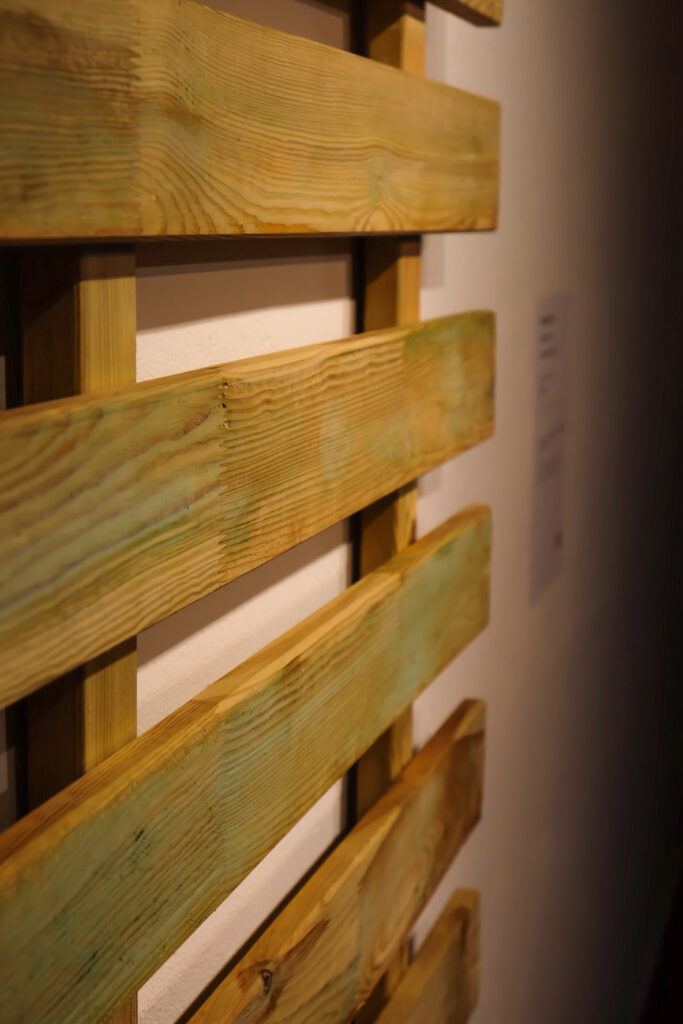
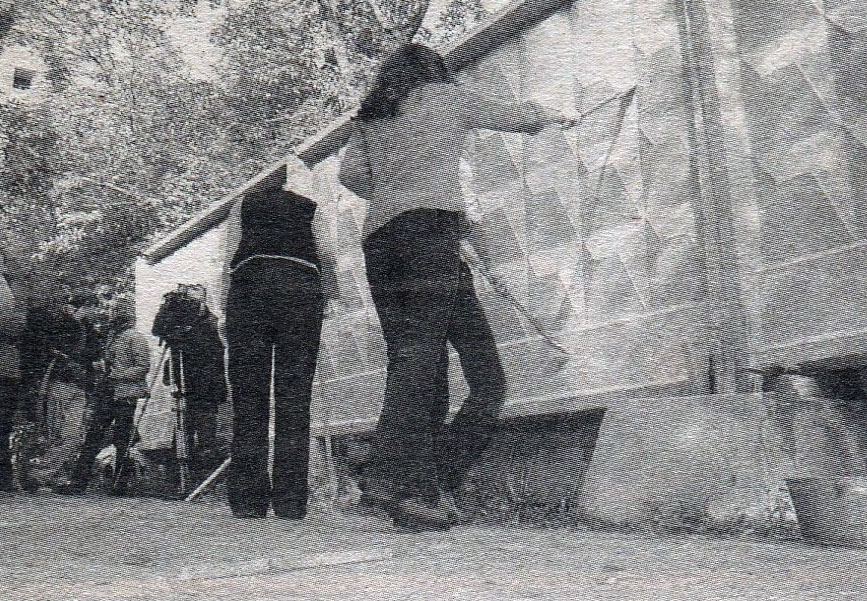
At 90°, the fence becomes a staircase.
The object remains the same.
The perception does not.
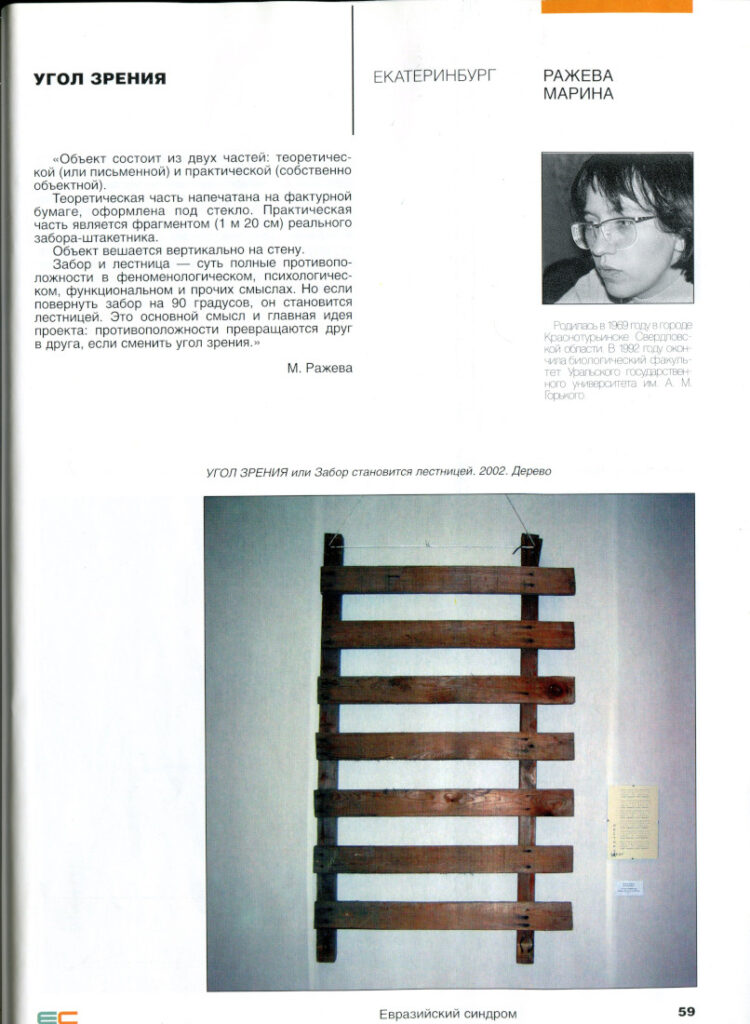
“… What could be simpler than turning a solid fence into a staircase? (…)All it takes is a little goodwill and inventiveness. But do we all have that?..”
— Yulia Filippova, Ural Worker, 2002
Exhibited:
– Crossing Borders, 2024, Beka 9, Slovenia
– Eurasian Syndrome, 2002, Museum of Fine Arts, Yekaterinburg
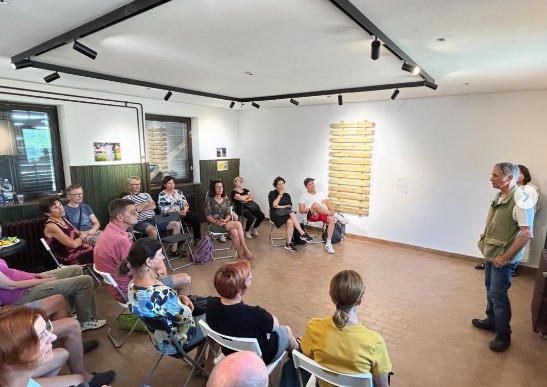
______________
– Catalogue, Eurasian Syndrome, 2002
– Ural Worker, August 24, 2002
– Festival booklet, Crossing Borders, 2024
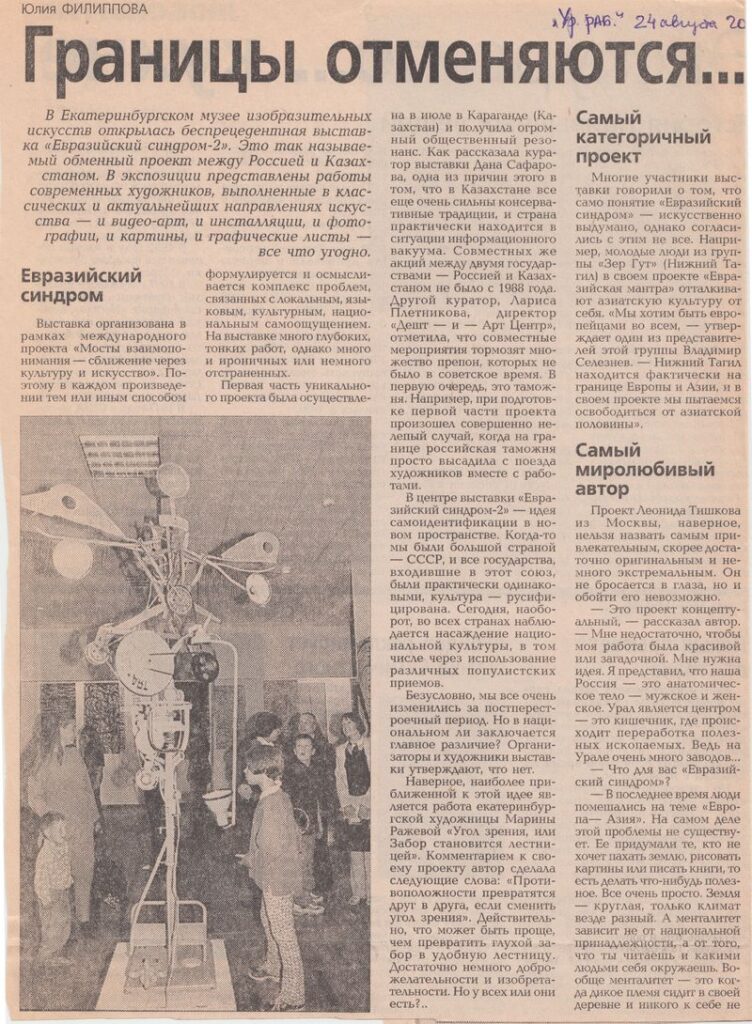

The work continues through action.
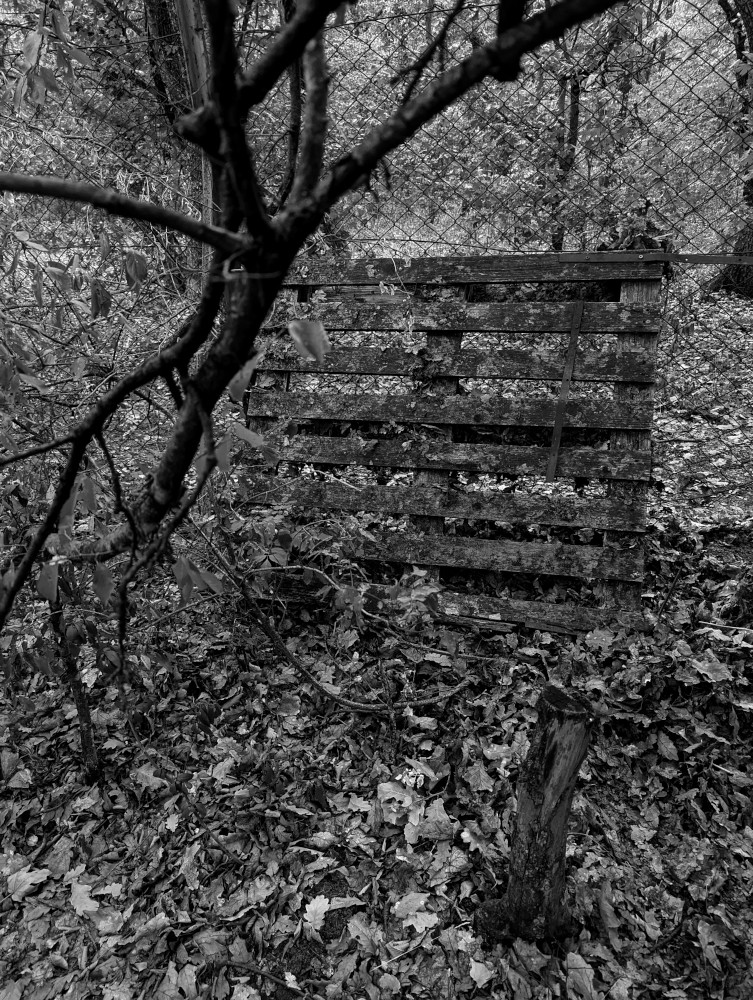
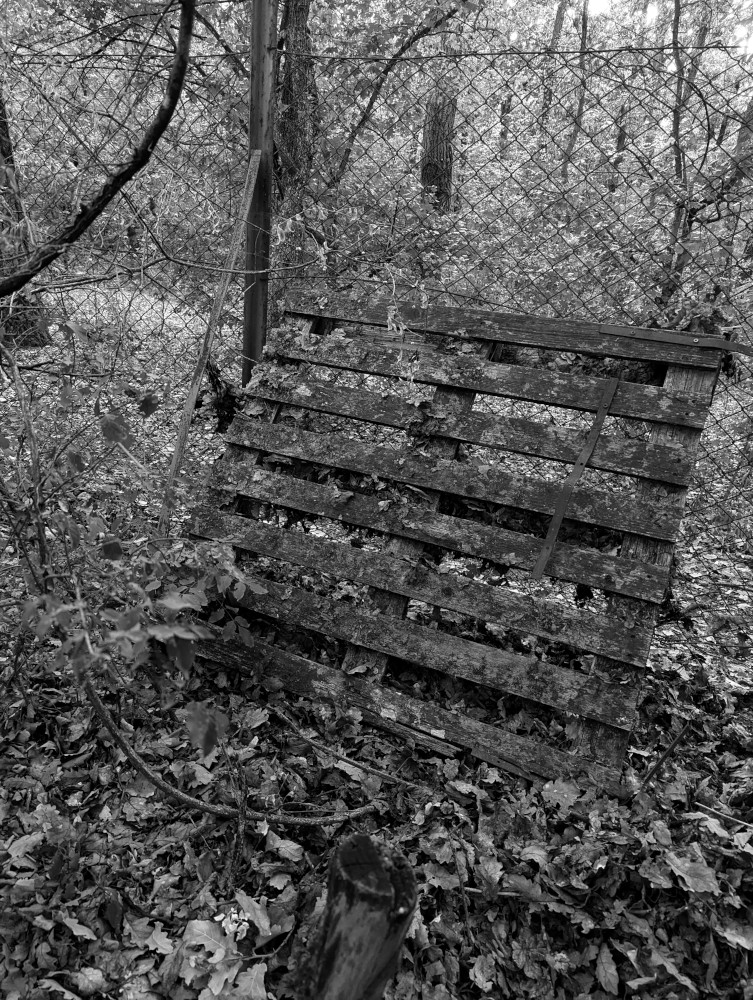
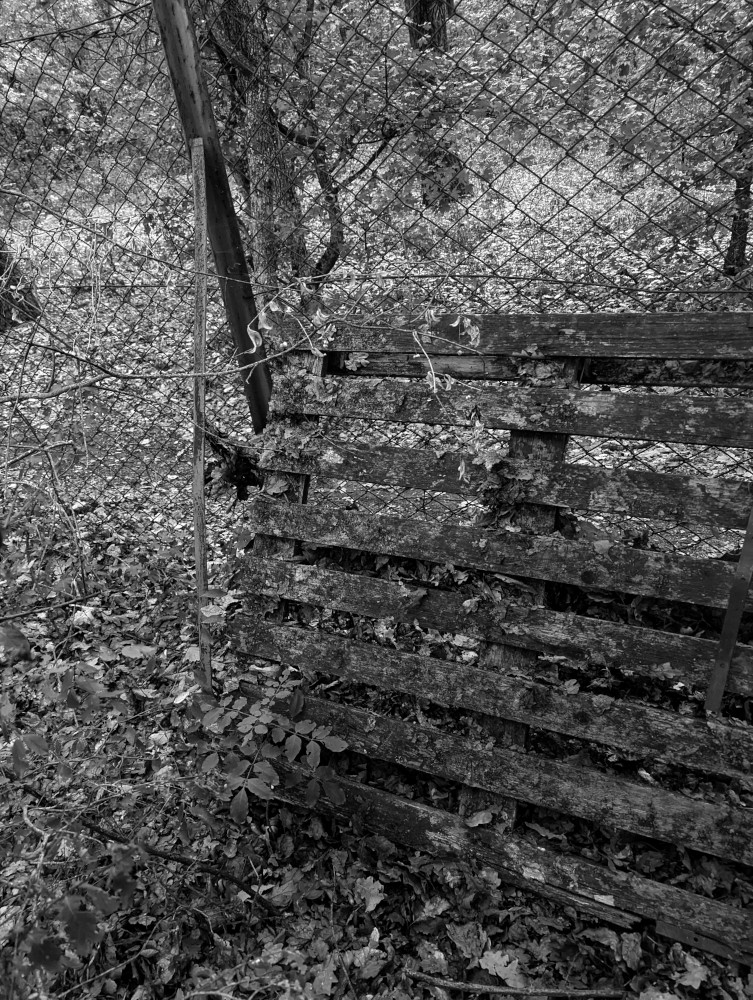
The work continues without action.
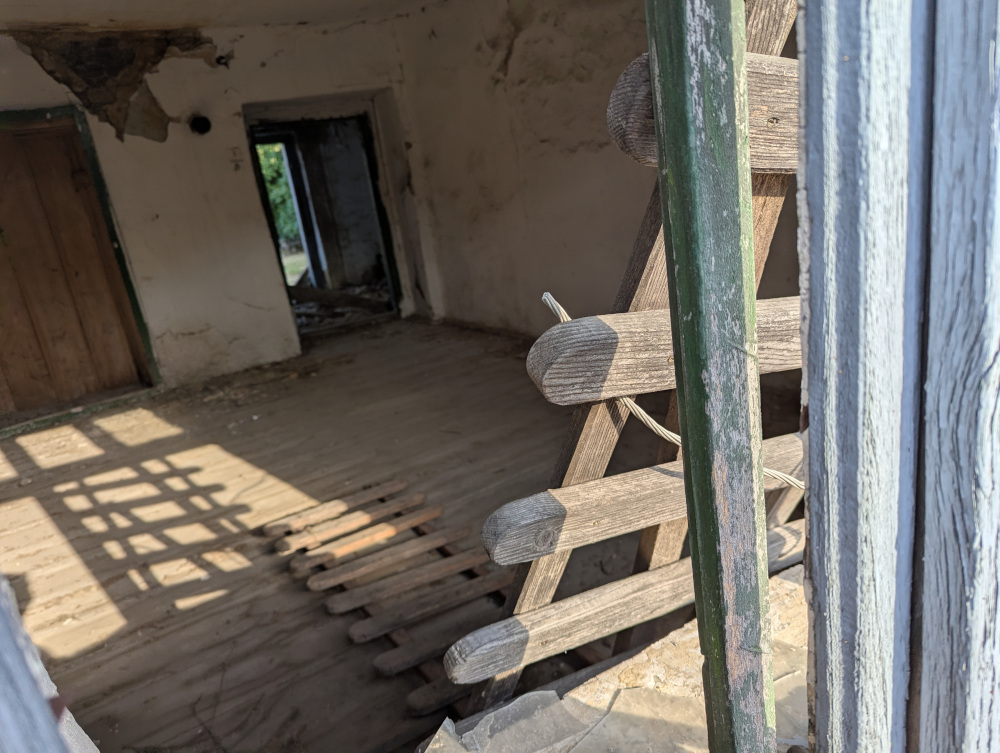
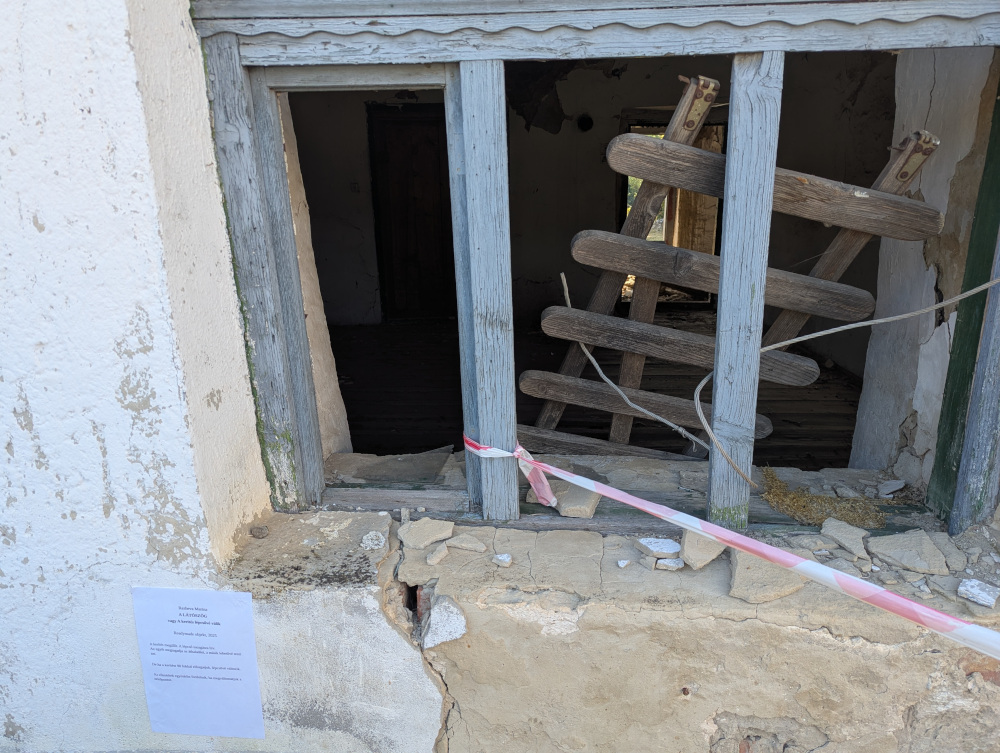
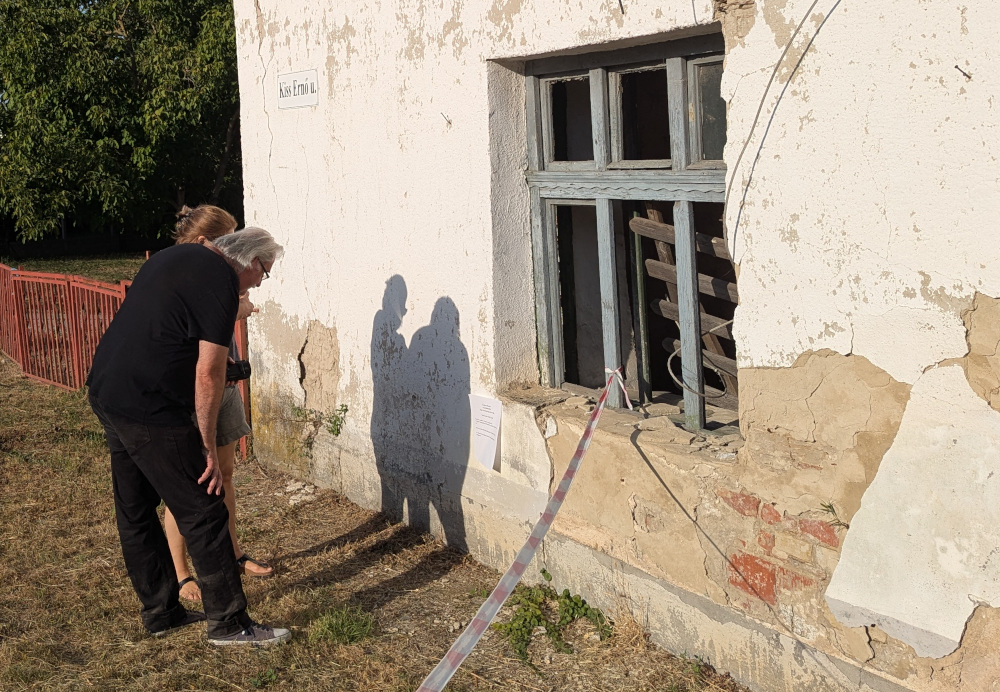
No transformation occurred.
Only its recognition.
2002 / 2024 / 2025
object, ready-made, action
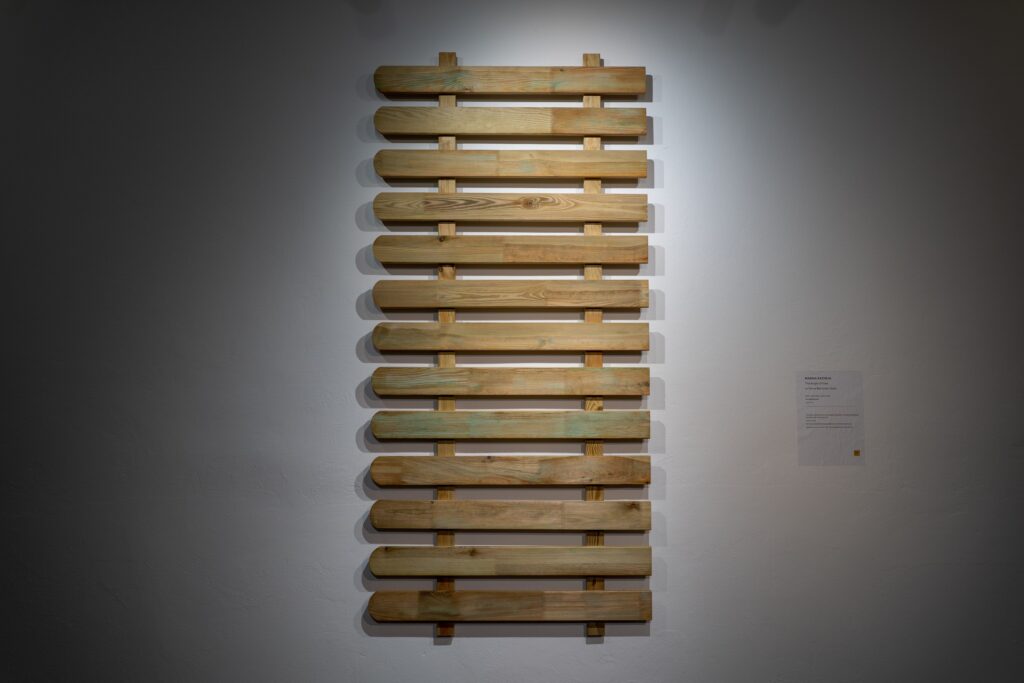
A fence stops you.
A staircase invites you to move.
The same structure can be both.
At 90°, the fence becomes a staircase.
Opposites transform into each other when the angle of view shifts.
First realized in 2002.
The work continues.
__________________________________________________
2025
installation, participatory action, living archive
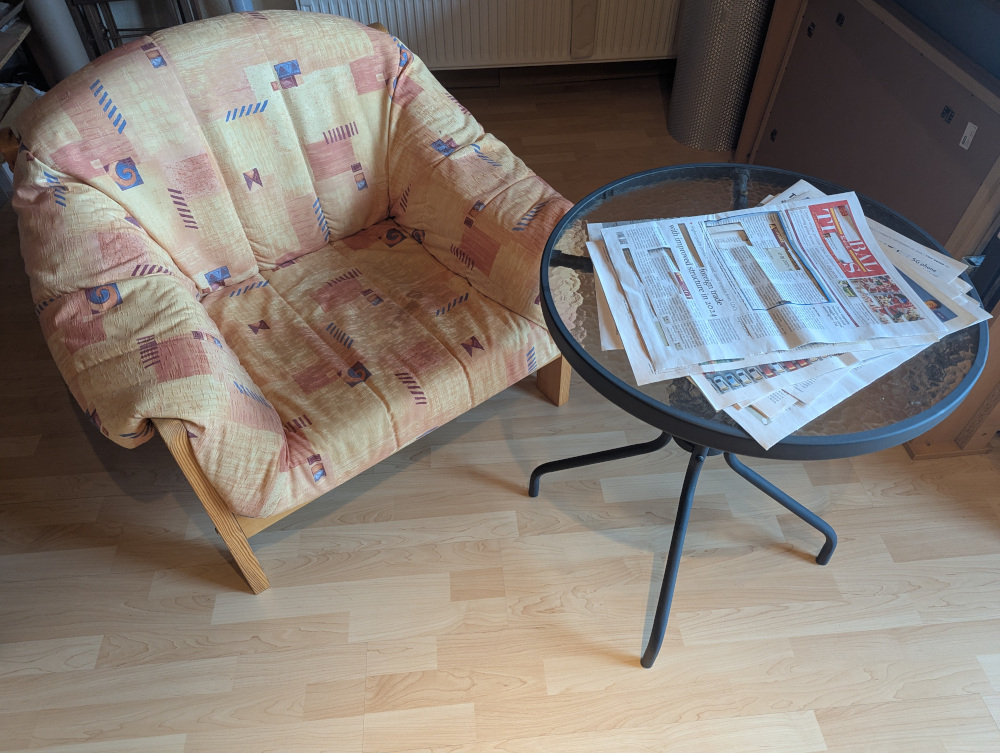
A reading corner appears ordinary.
A table.
A chair.
A stack of newspapers.
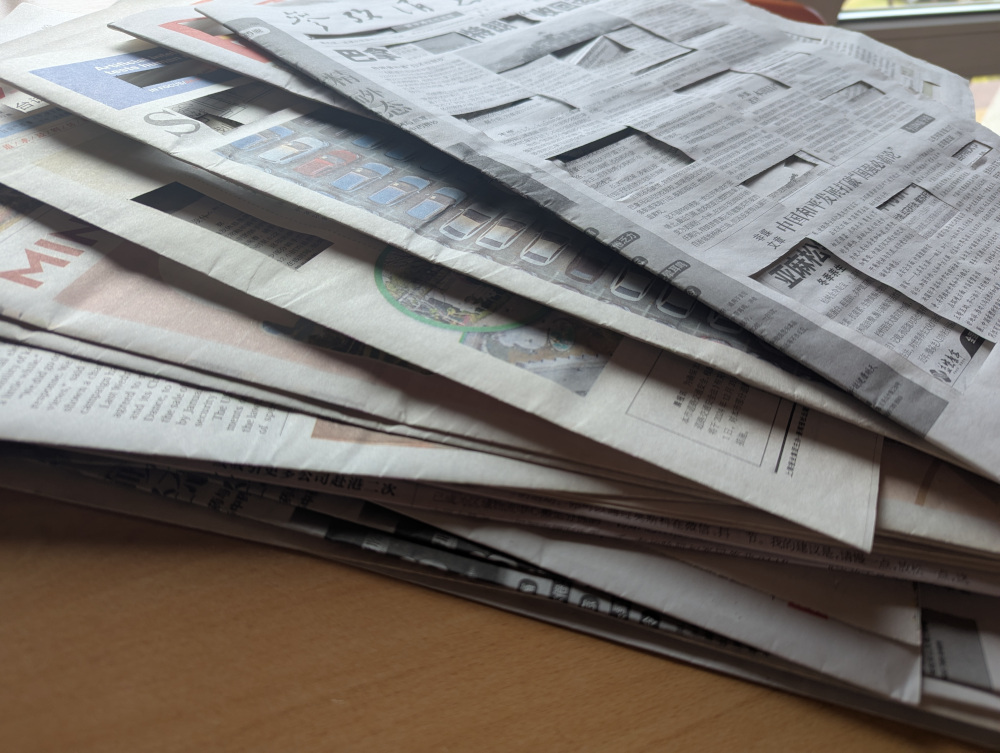
Something is missing.
But the newspapers cannot be read.
Parts of the text are missing.
Images disappear.
Words are cut away.
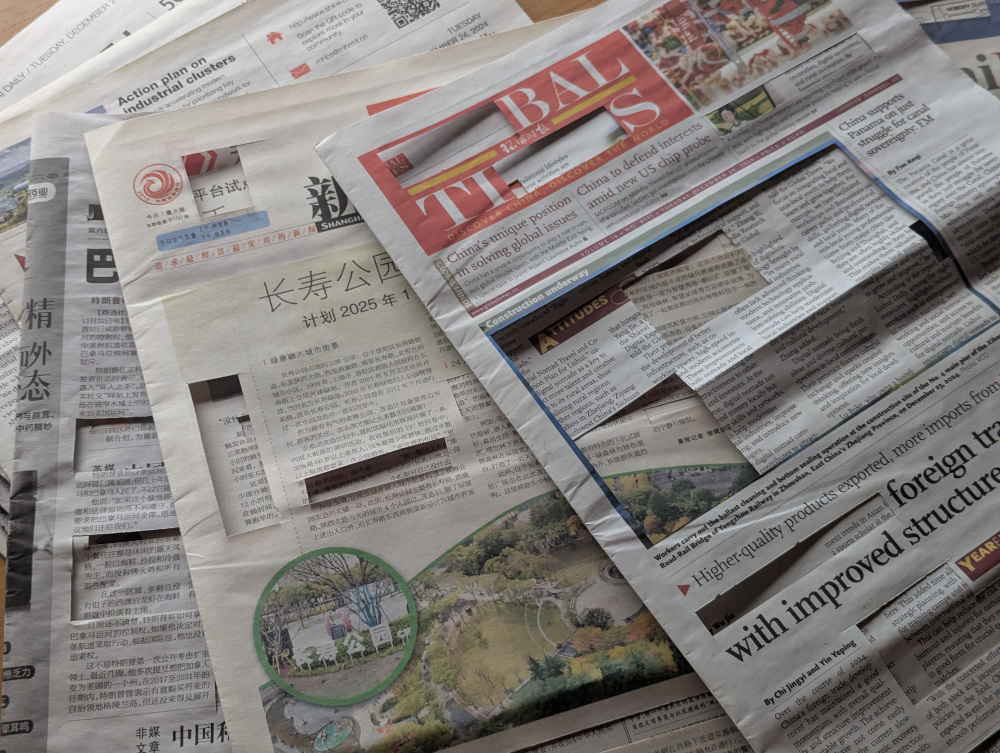
The absence is not empty.
It becomes a space where meaning is reconstructed.
Words disappear.
Images disappear.
The empty spaces begin to speak.
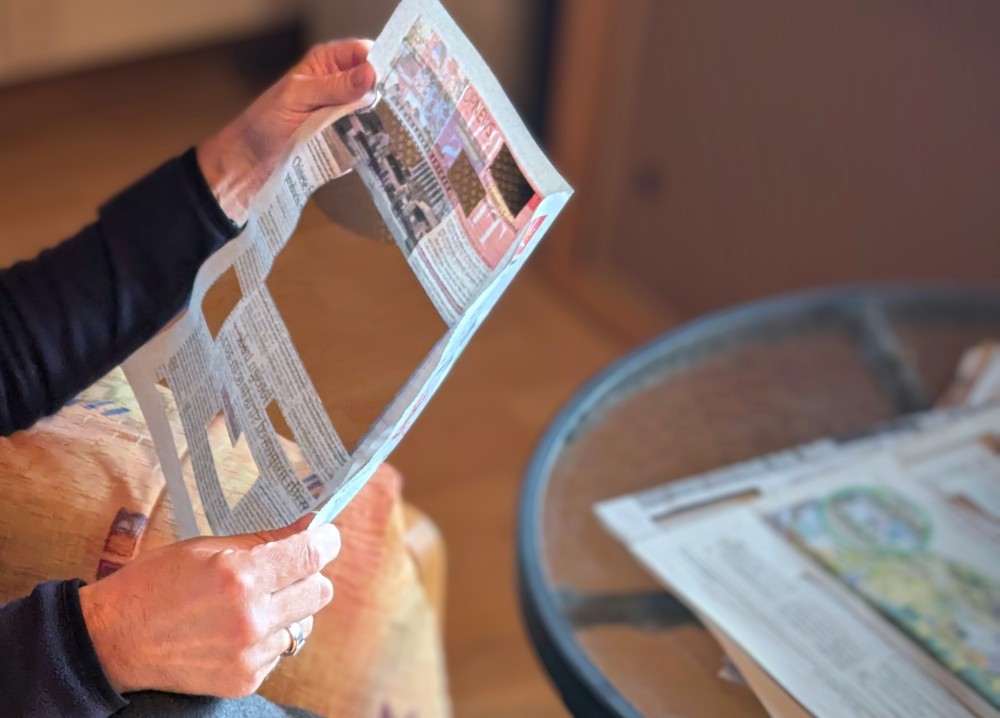
What disappears?
What remains?
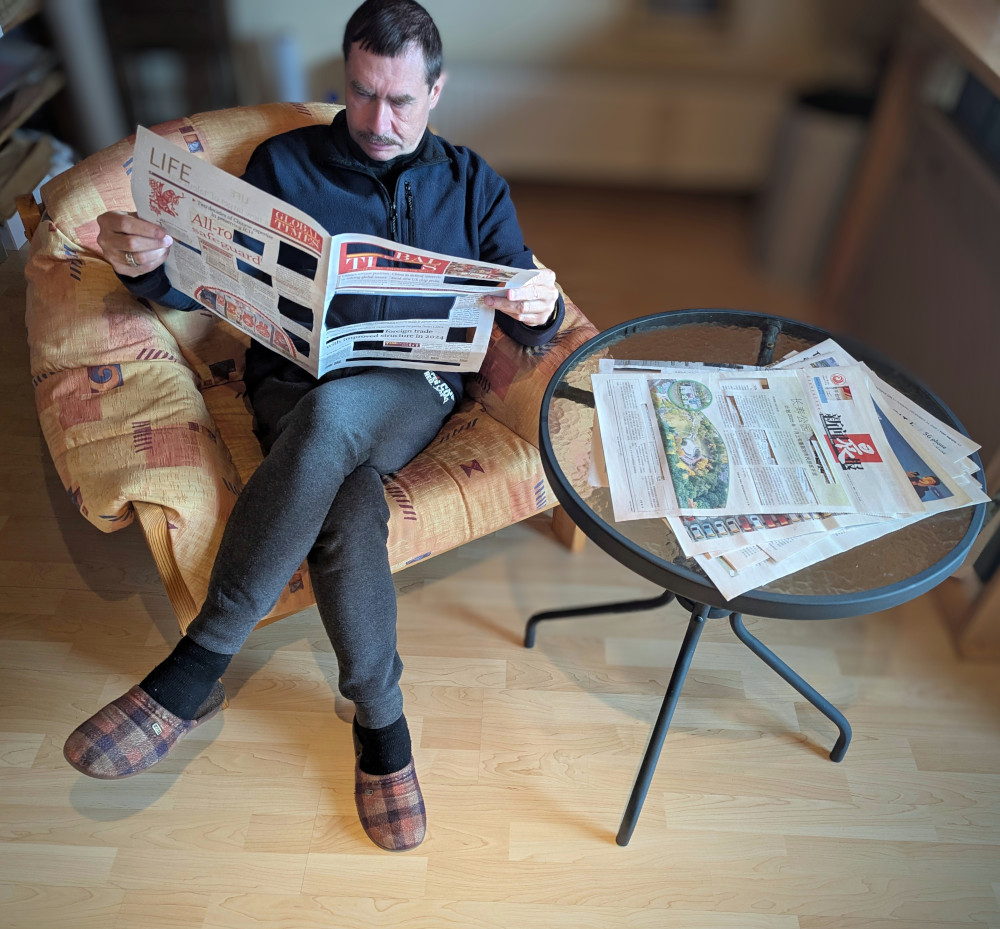
The viewer enters the work.
Reading becomes searching.
Looking becomes interpretation.
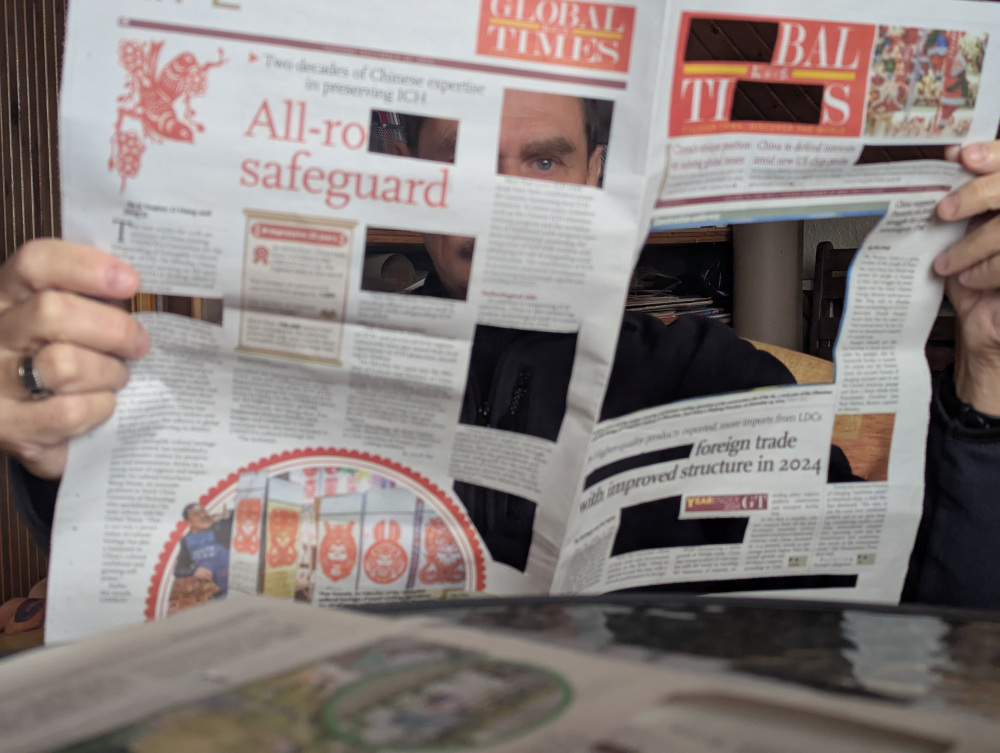
The absence becomes visible.
///
///
///
Absence becomes a space for imagination.
A place where what is missing
begins to matter.
///
///
The work continues through absence.
The work continues through what is missing.
The work continues through participation.
///
Proofs of Presence: Living Archive
__________________________________________________
site-specific intervention / temporary guerrilla sculpture
Zsolnay Quarter, Pécs, Hungary
Materials: apple, acrylic
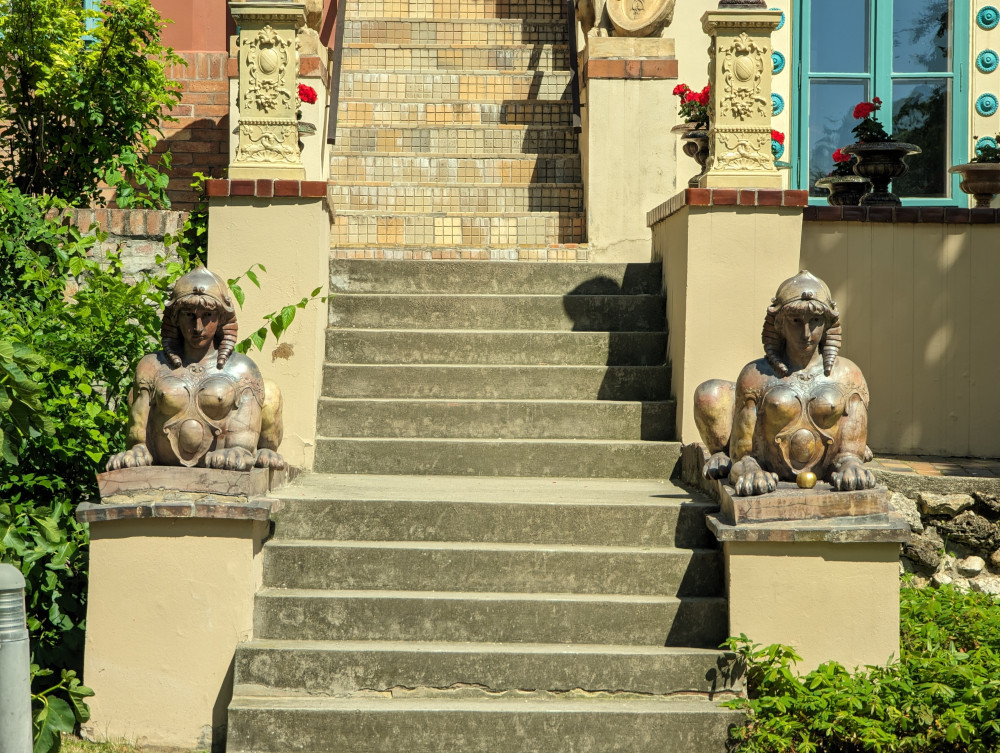
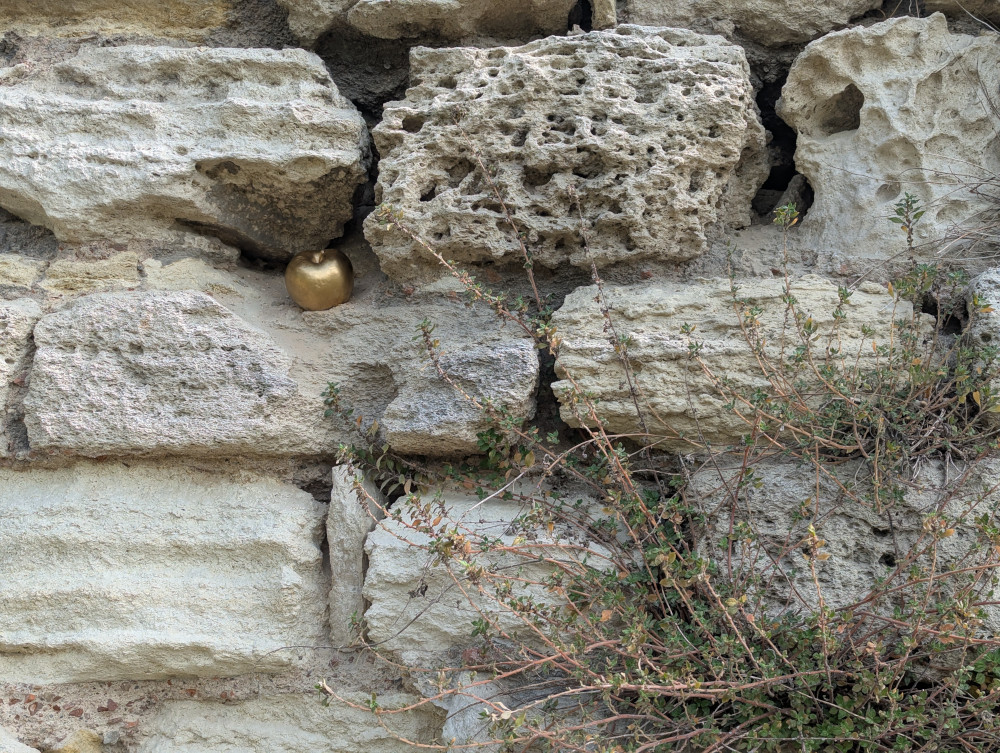
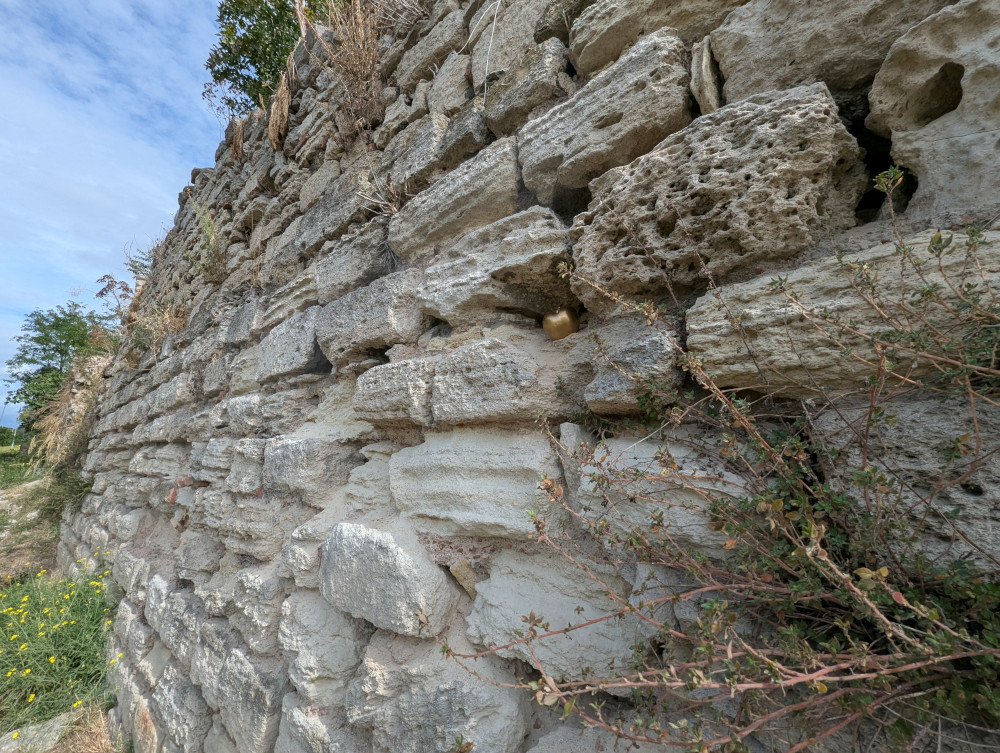
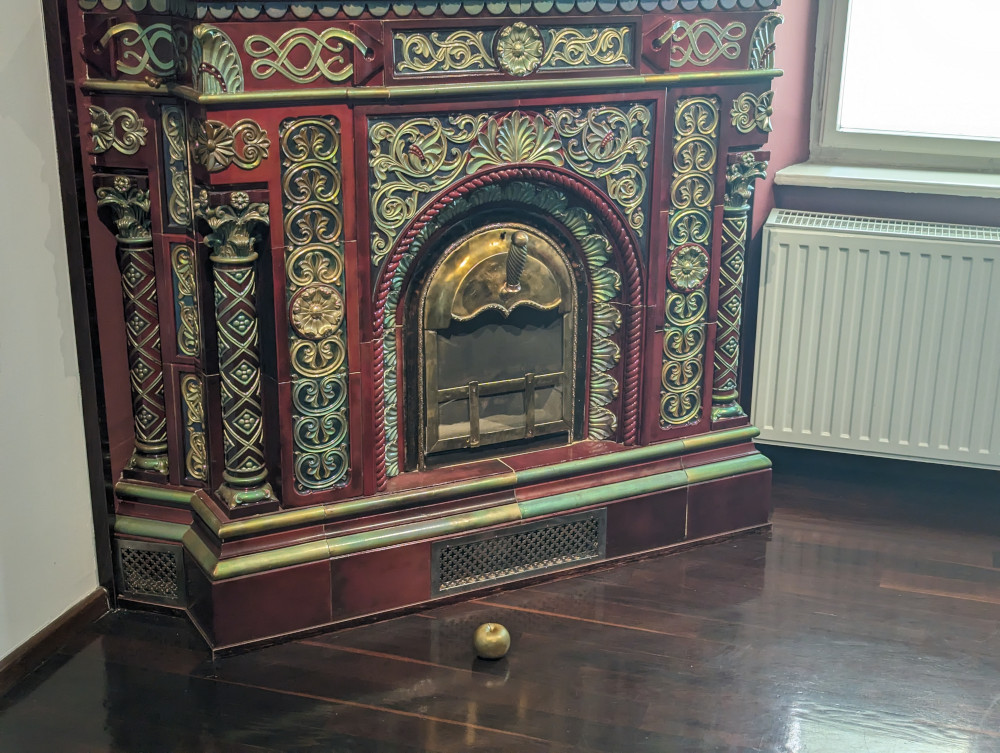
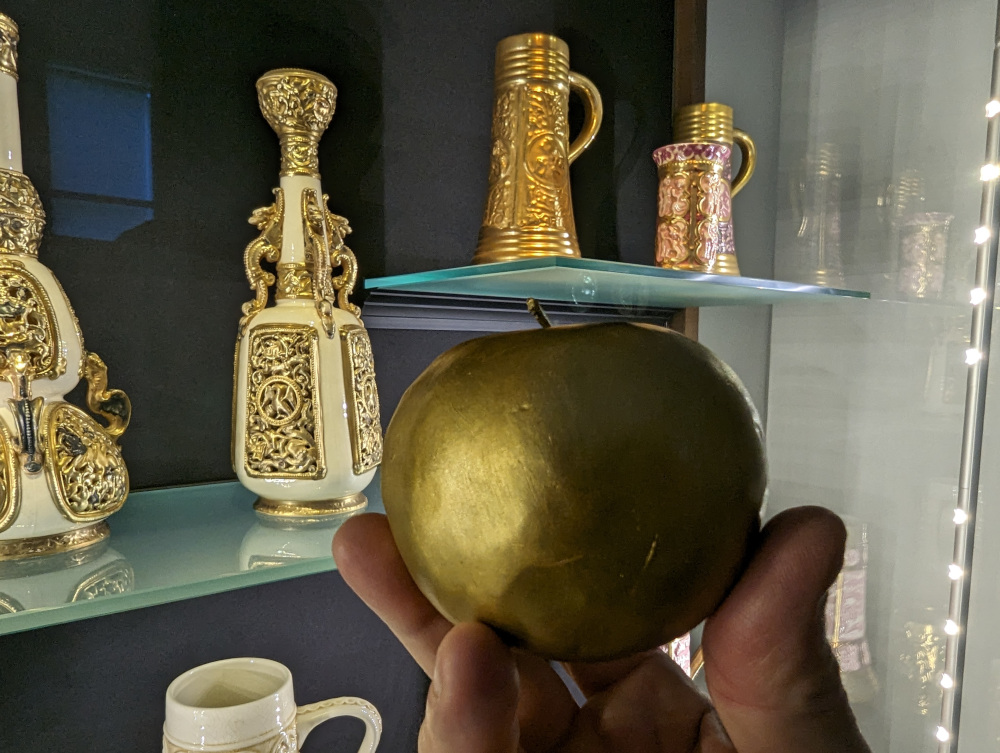
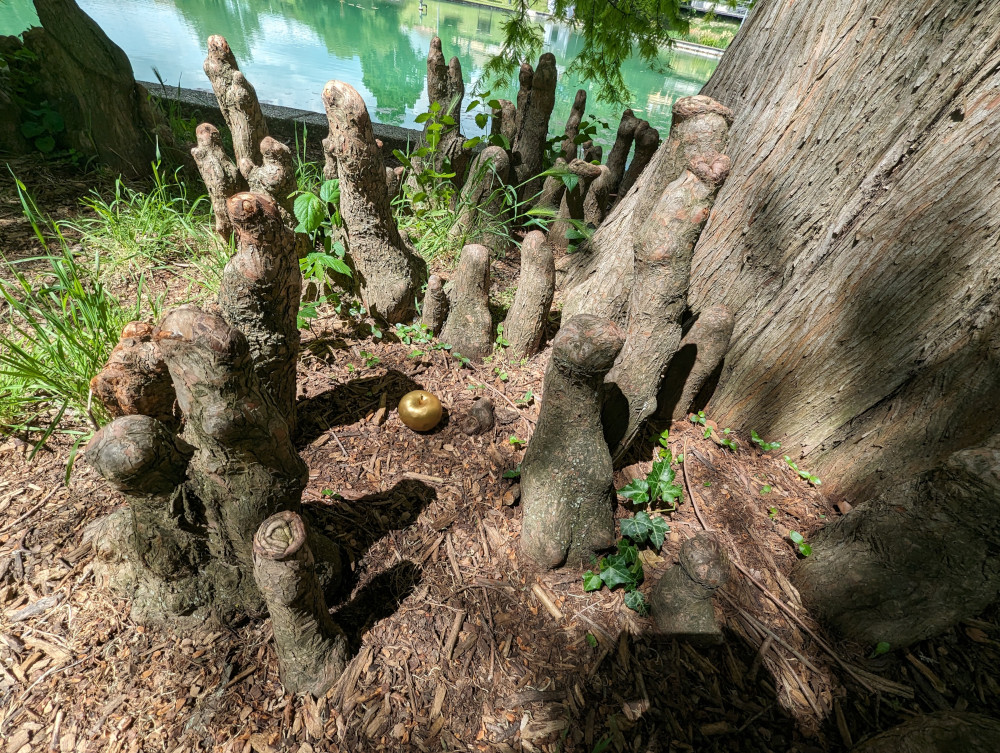
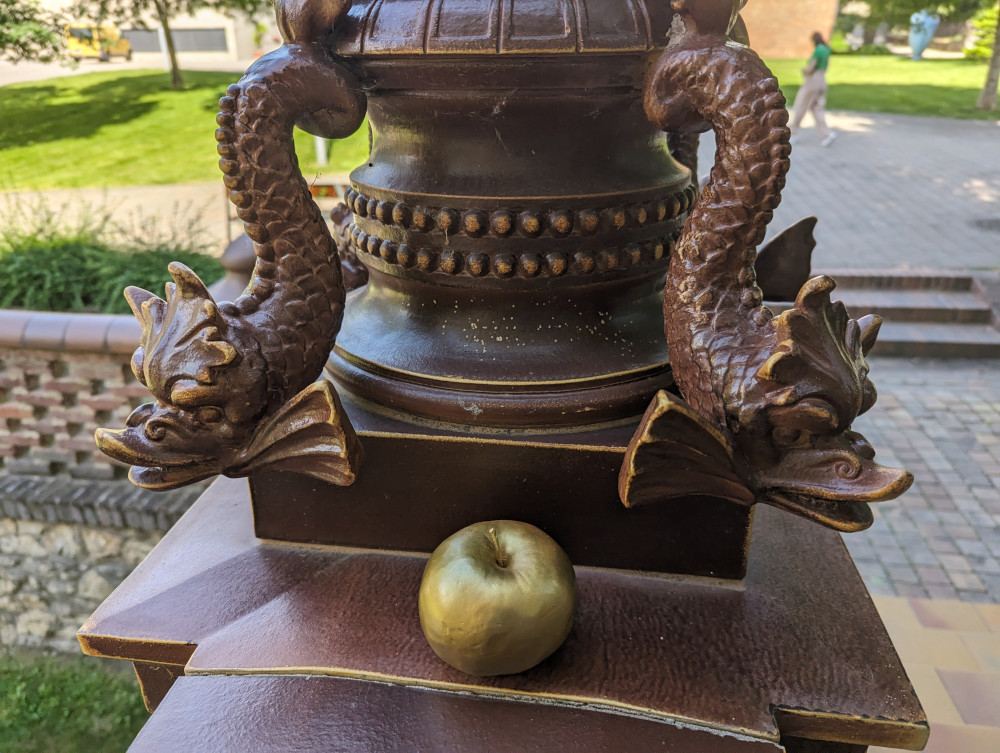
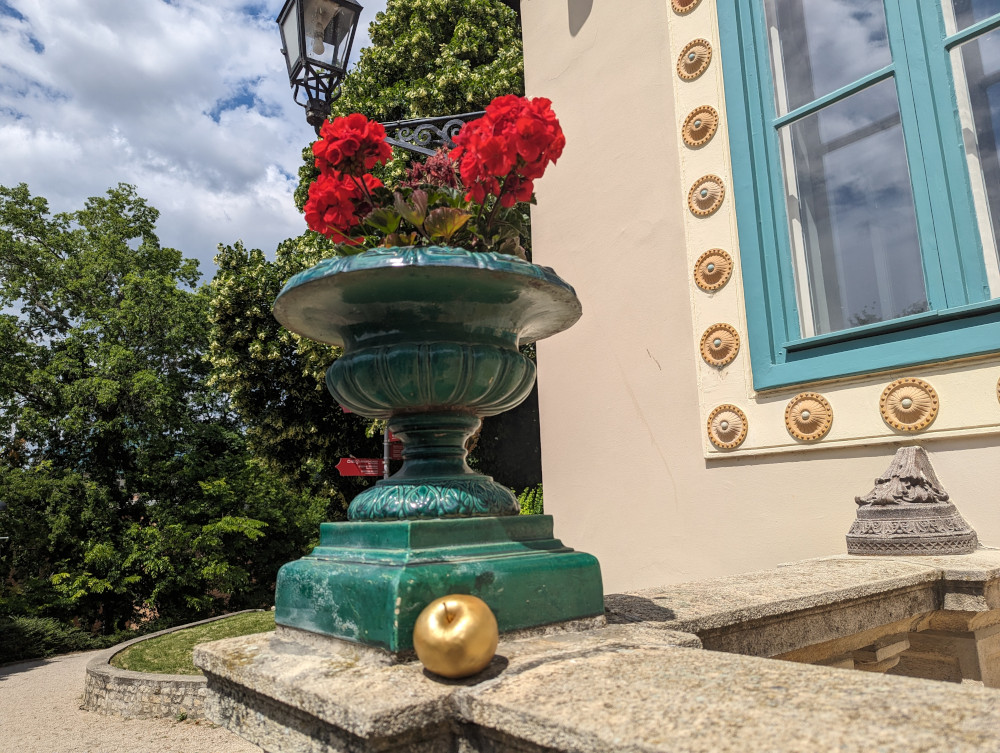
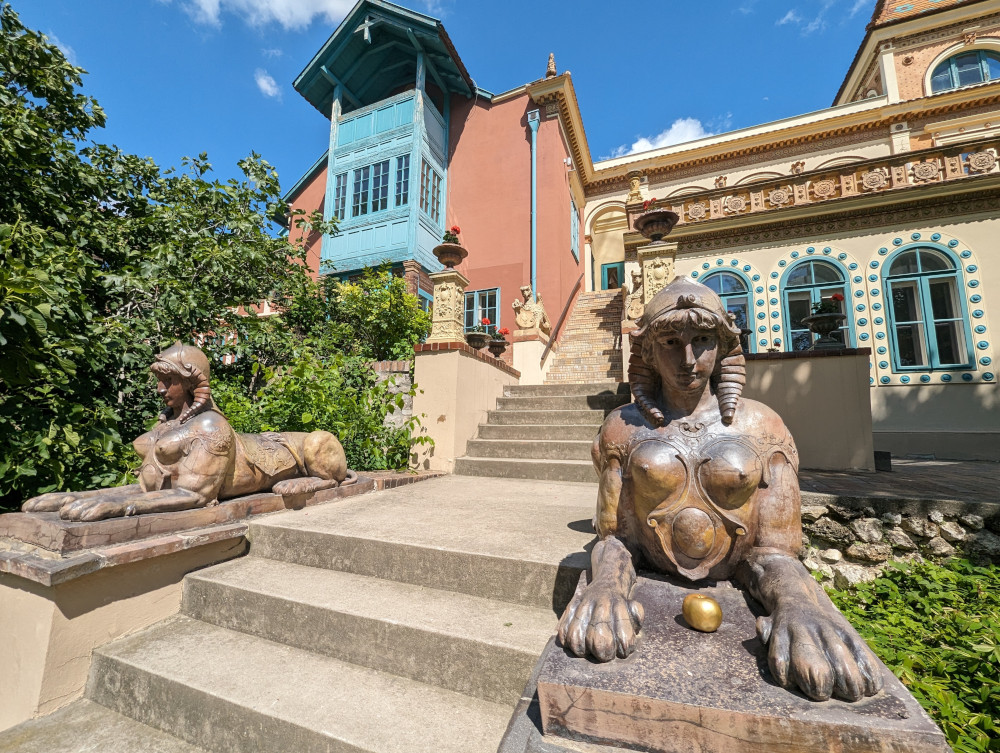
A golden apple moved through the historical labyrinth of the Zsolnay Quarter, passing between exhibition space, street, ornament, reflection, and ruin.
For a brief moment, the object entered the official space of the Zsolnay Golden Age exhibition, then returned again to the open environment of the city.
The apple appeared among ceramic vessels, architectural fragments, roots, water, staircases, and decorative structures. Its movement through the quarter was documented as a sequence of temporary relations between the object and the surrounding space.
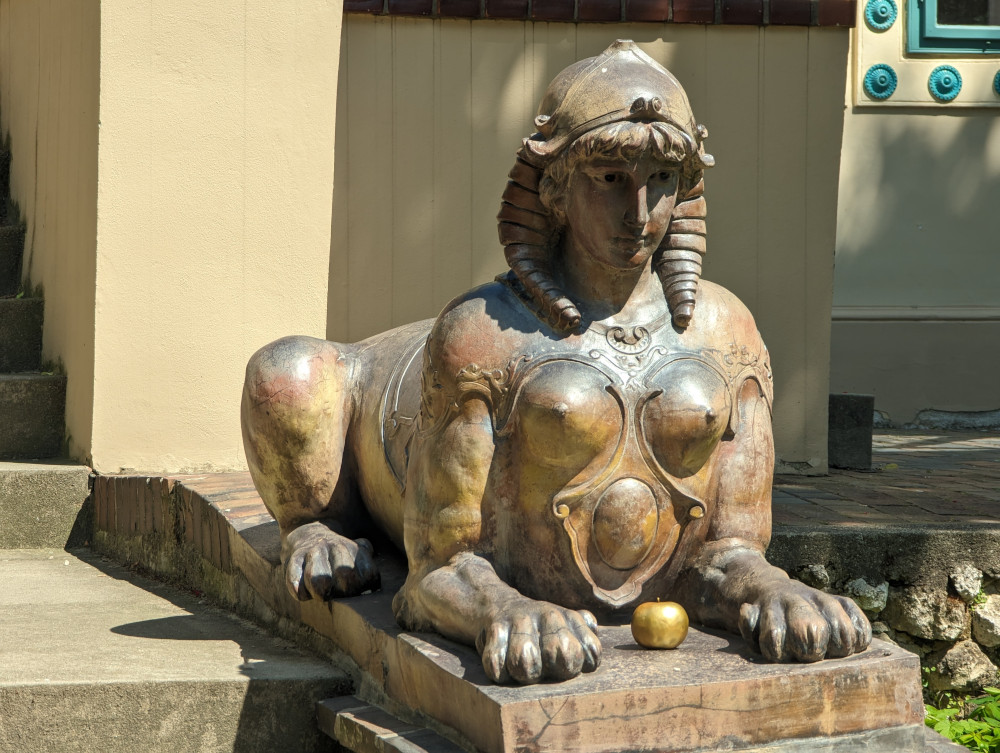
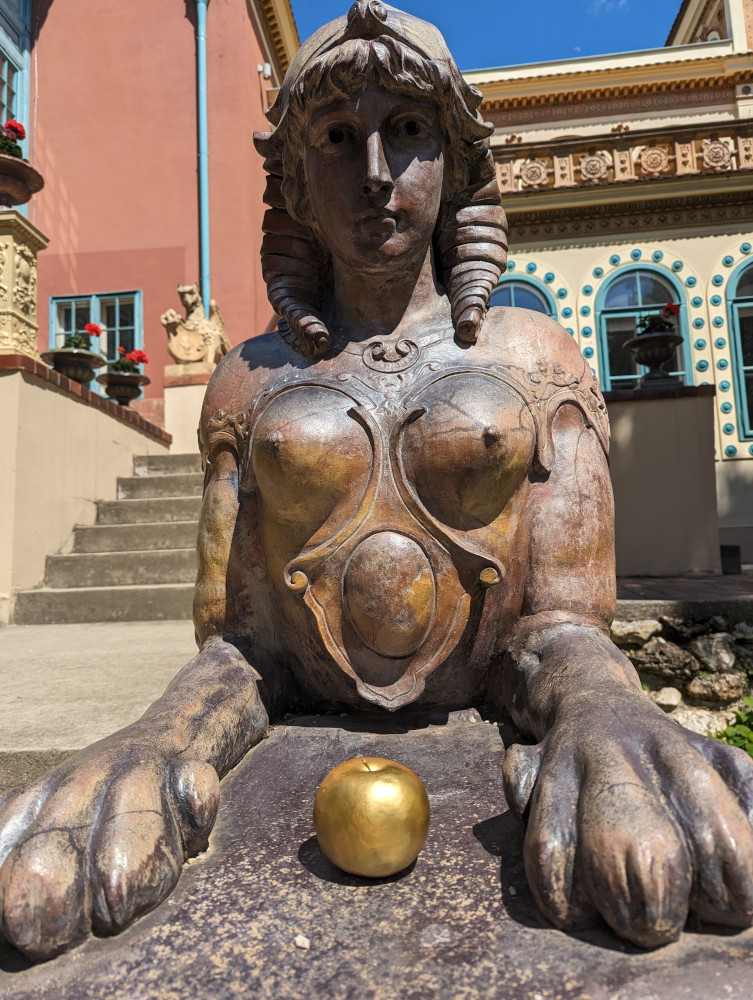
The journey ended near one of the ceramic Sphinx sculptures guarding the staircase.
The apple was left there as an offering without inscription, protection, or explanation.
…
…
…
…
…
After the action, the object remained in the space without control over what would happen next.
It could disappear, decay, be taken away, or continue its movement through the city.
The work existed as a temporary intervention between public art, rumor, object, and memory.
…
2016 | Exhibition
Venue: Cultural Transit Foundation, Yekaterinburg, Russia
Dates: 14–18 March 2016
Group: Kazimir Malevich’s Malers’ Brigade
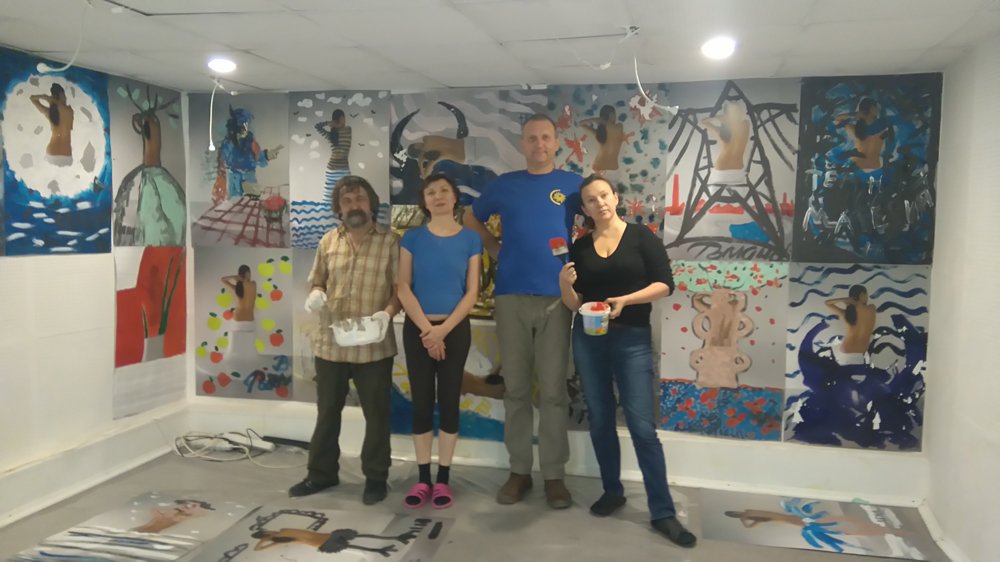
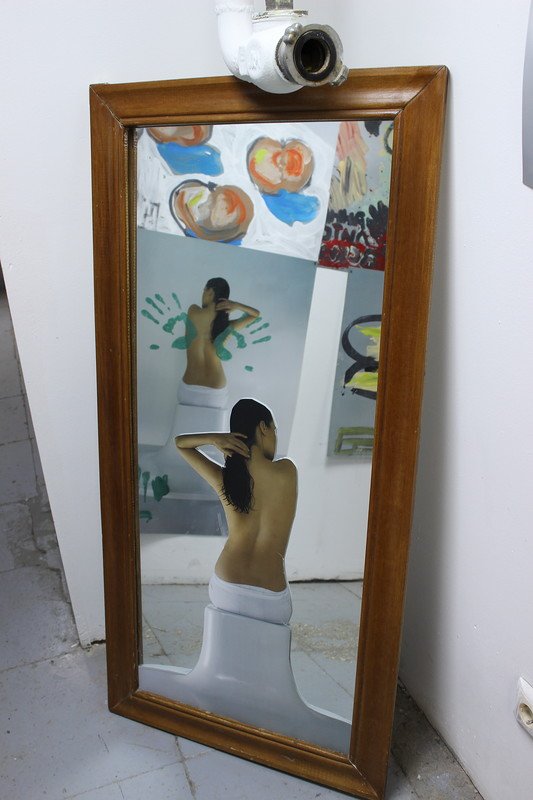
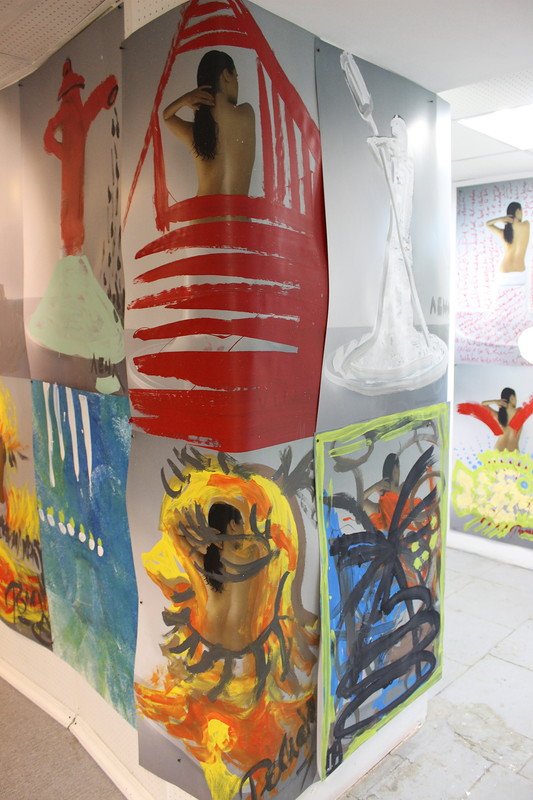
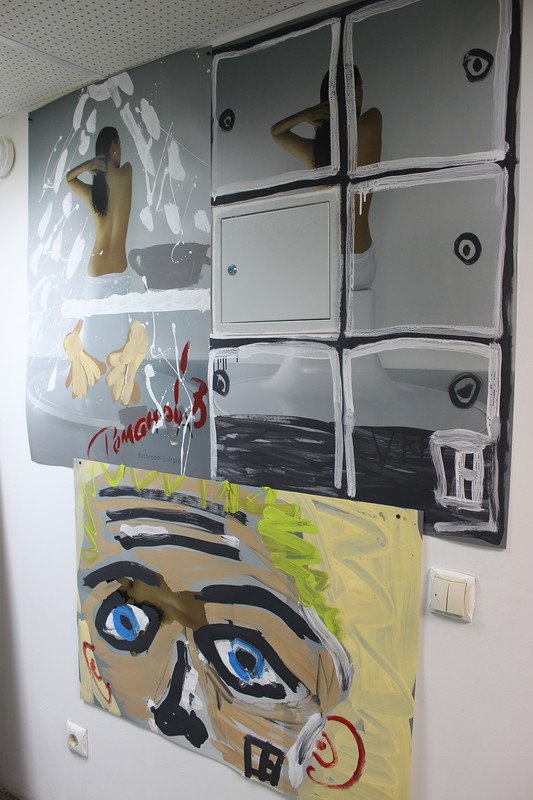
The exhibition began with something found and discarded.
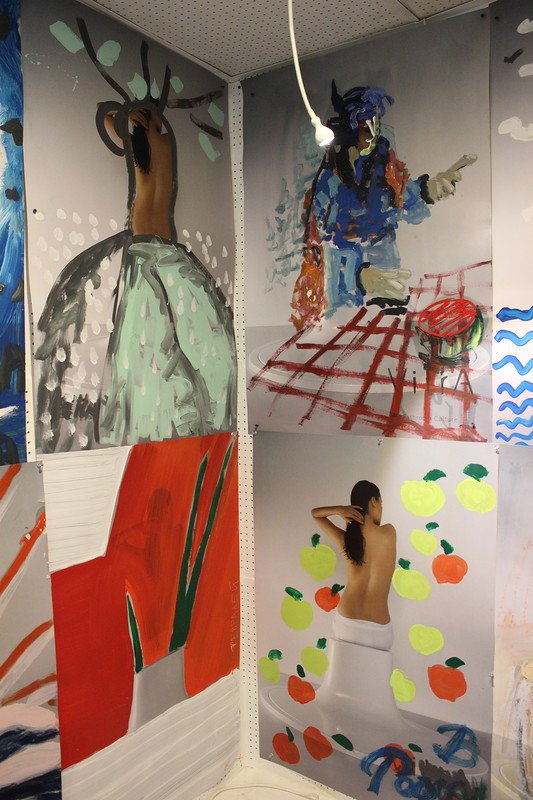
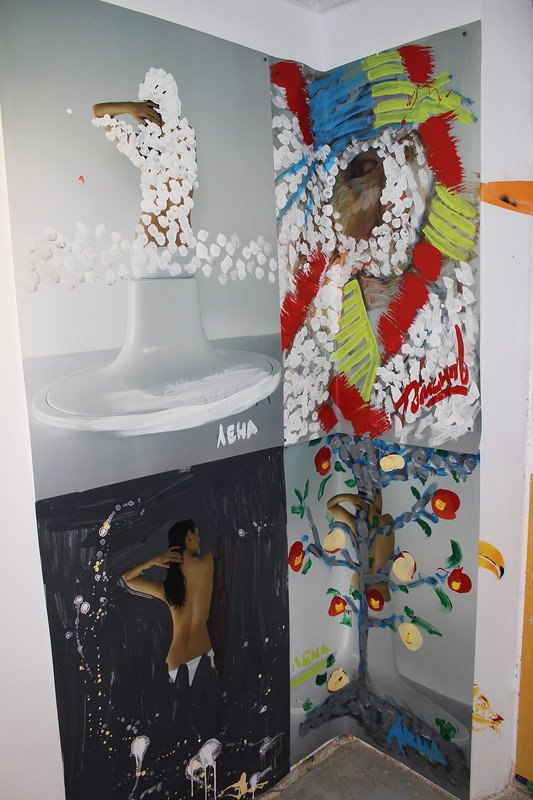
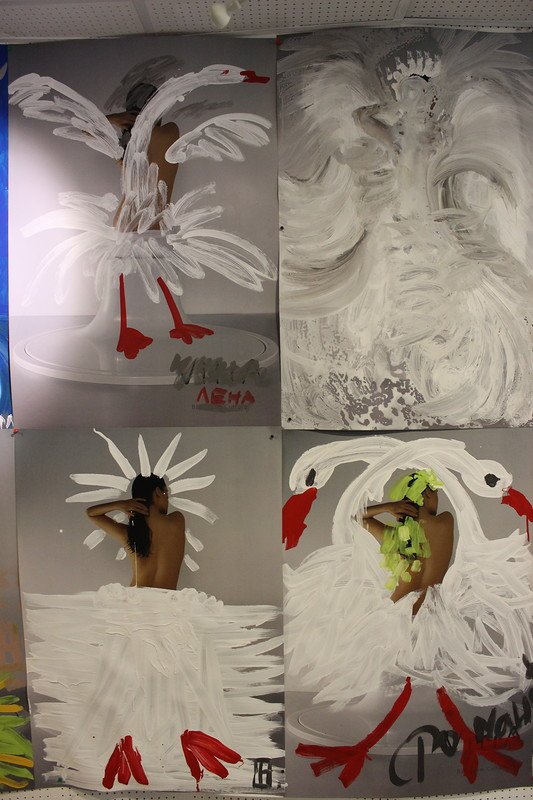
About a year before the project, a member of the Brigade found two packs of unused coated paper posters near a residential building — one hundred identical sheets, each printed with the image of a woman’s bare back.
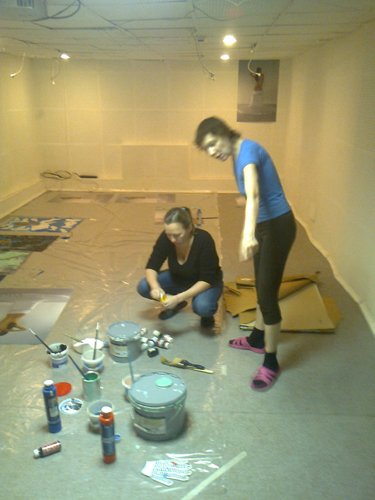
A small portion of the find was initially used as paper for individual paintings. The remaining ninety-four sheets were brought to the exhibition space of the Cultural Transit Foundation, where the Brigade took brushes to them.
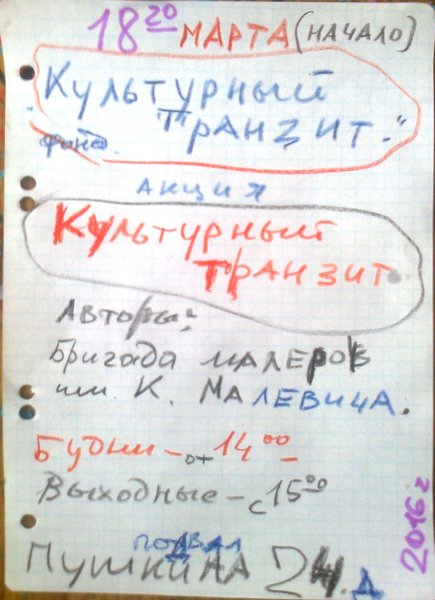
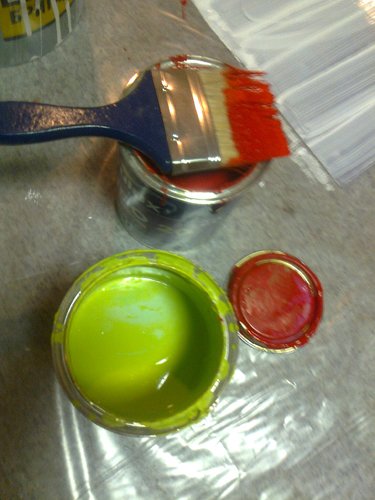
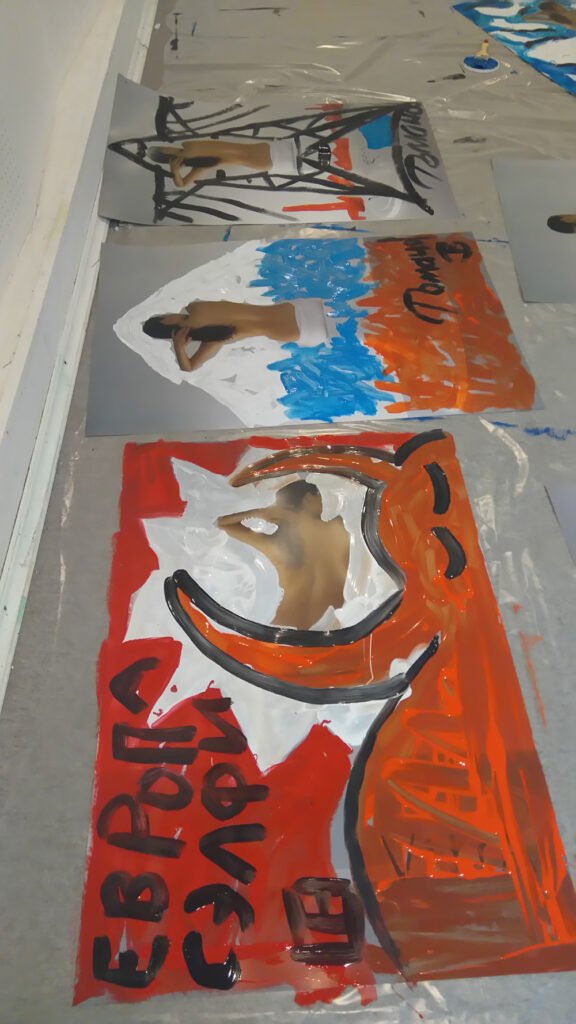
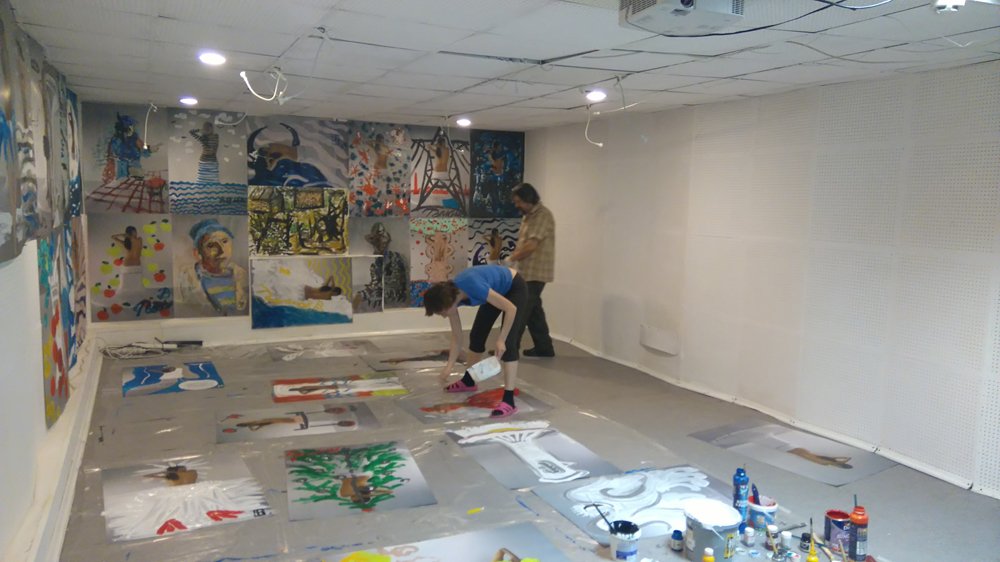
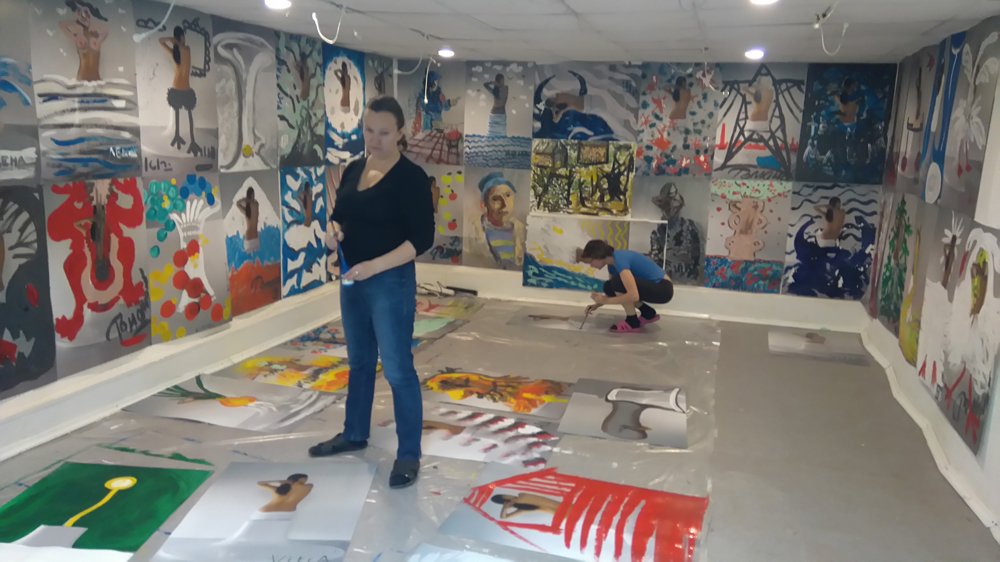
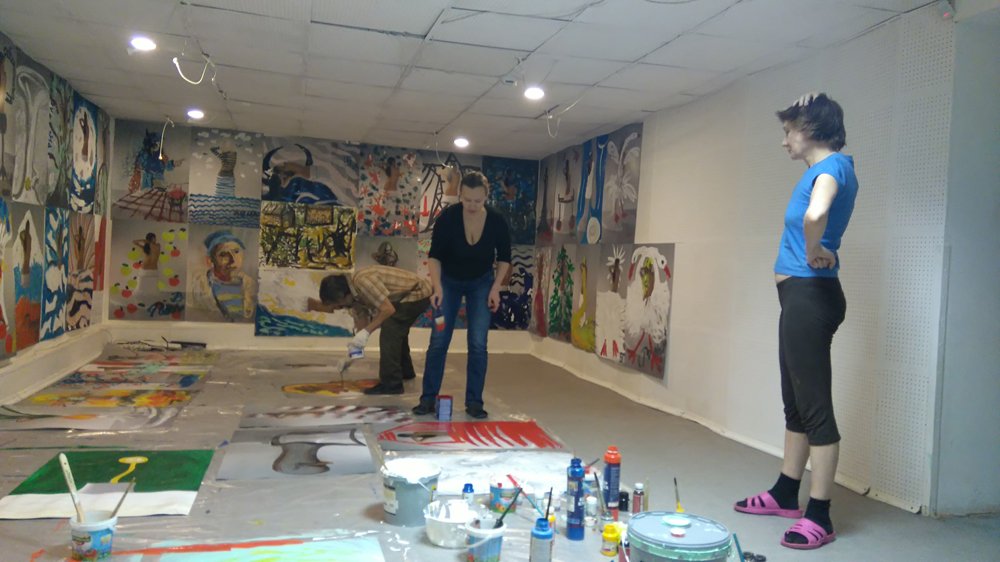
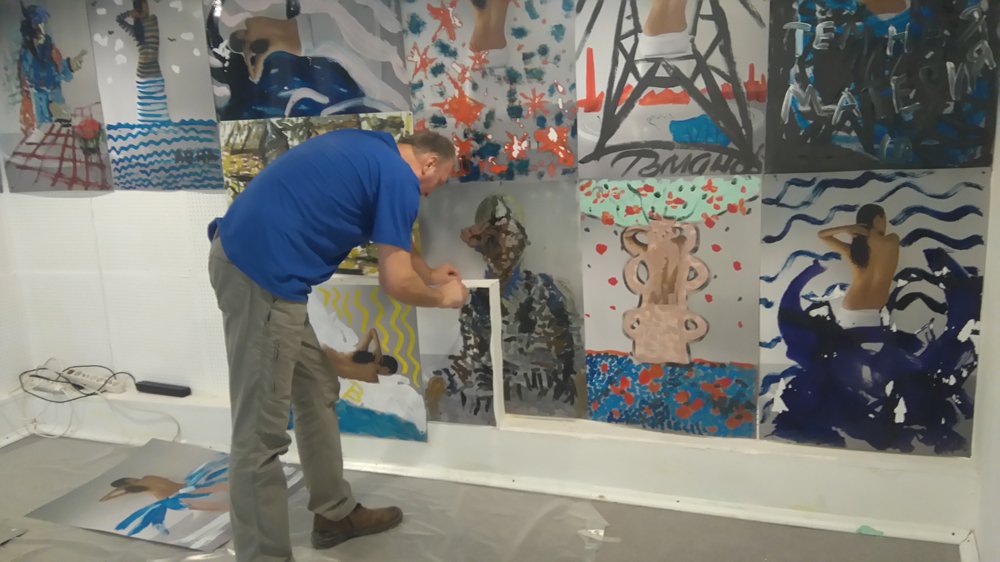
Instead of erasing the original image, the artists worked with it, over it and around it. The same figure began to appear as Leda, Europa, an axe, a green onion and many other forms. The original image remained visible, while its meaning kept changing.
What had been produced for another purpose and then discarded became material for a new collective work.
As the Brigade described it: “A return to the territory of art of creative efforts that had moved into the mercantile.”
The works were produced directly in the exhibition space by the Brigade. The large number of identical sheets allowed the same starting image to be repeated, altered and reinterpreted again and again.
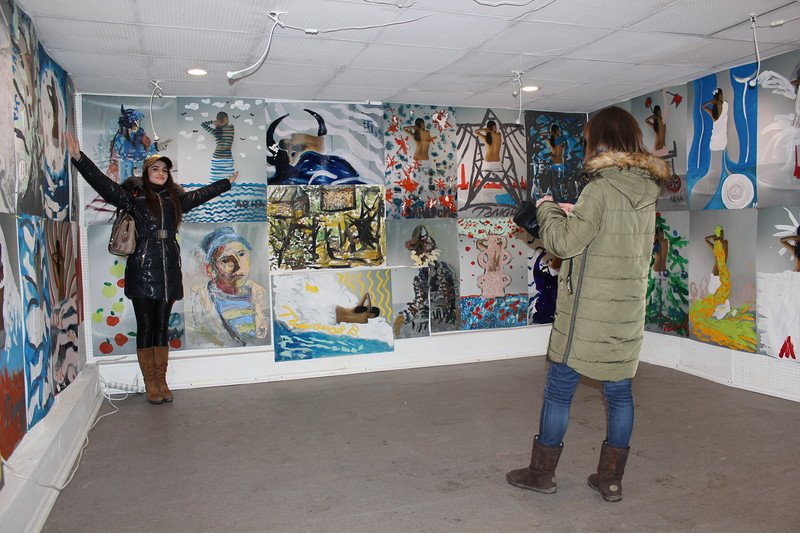
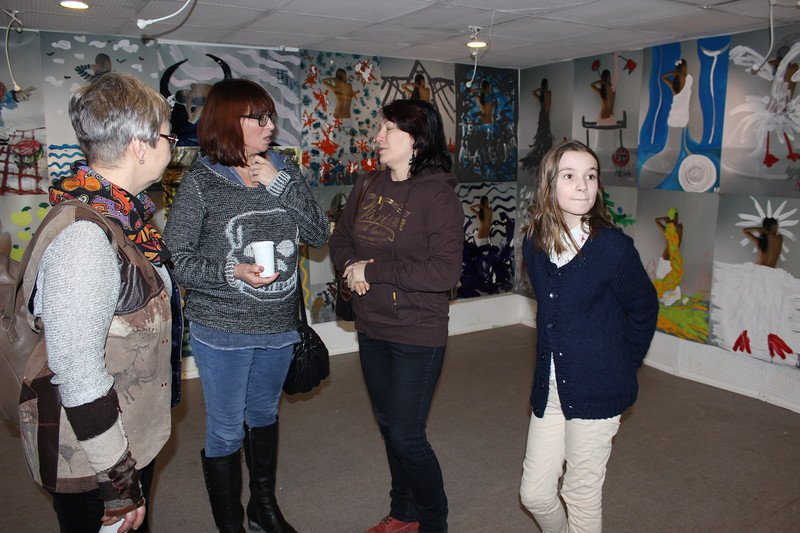
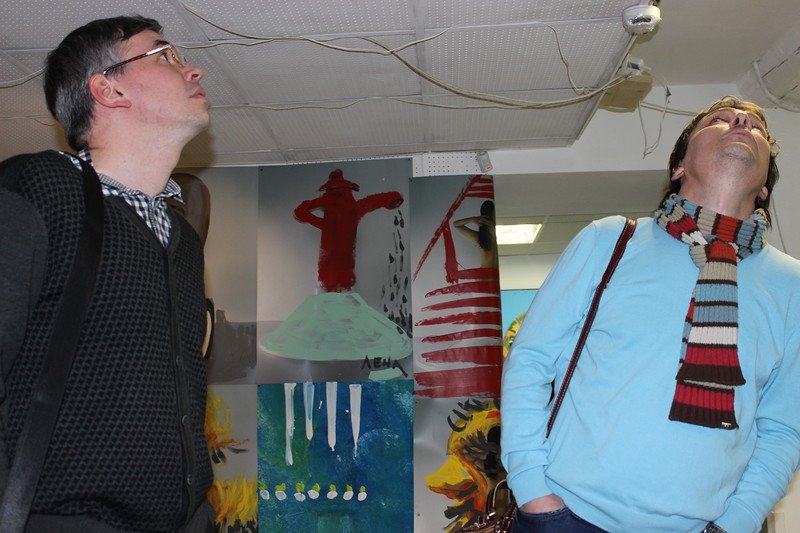
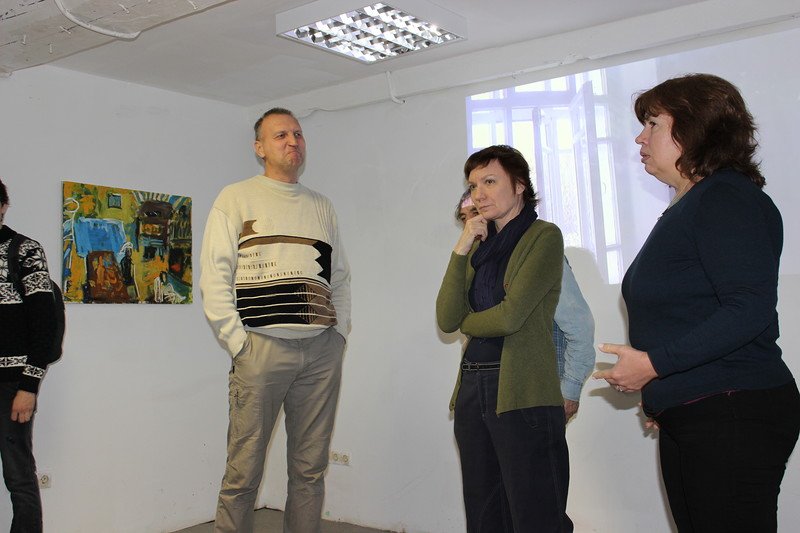
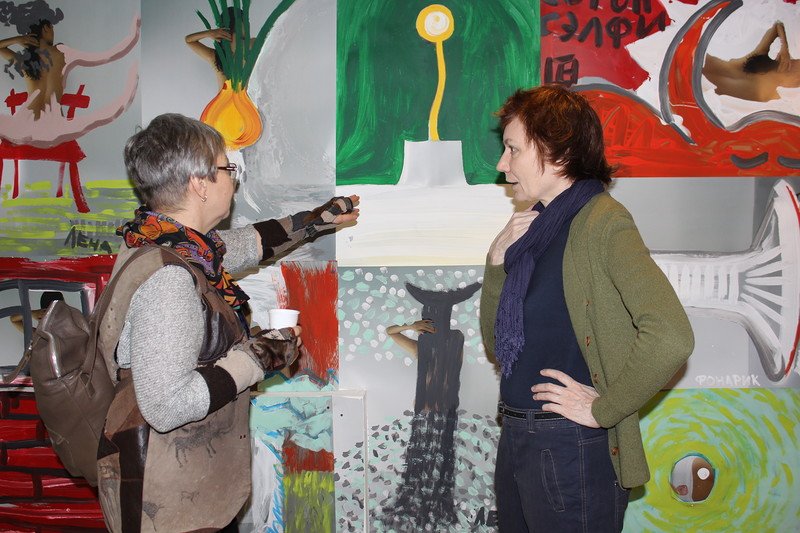
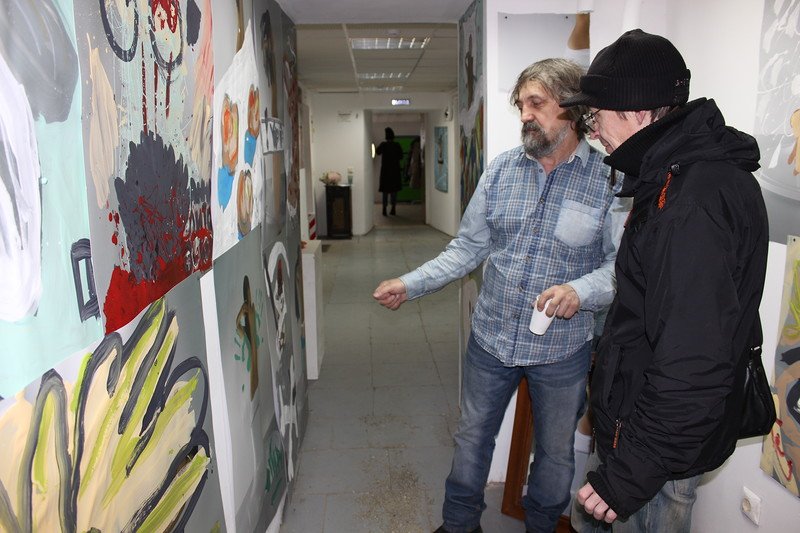
The exhibition did not arrive at a single final image. Instead, the original figure passed through a series of transformations, becoming different things without losing its visible trace of what it had been.
Participation: Elena Gladysheva, Vladimir Romanov, Marina Razheva, Viktor Oborotistov
Photos by Dmitry Razhev, Viktor Oborotistov and Marina Kozlachkova.
Yekaterinburg, Russia
Urban intervention
A_REAL001, State Center for Contemporary Art
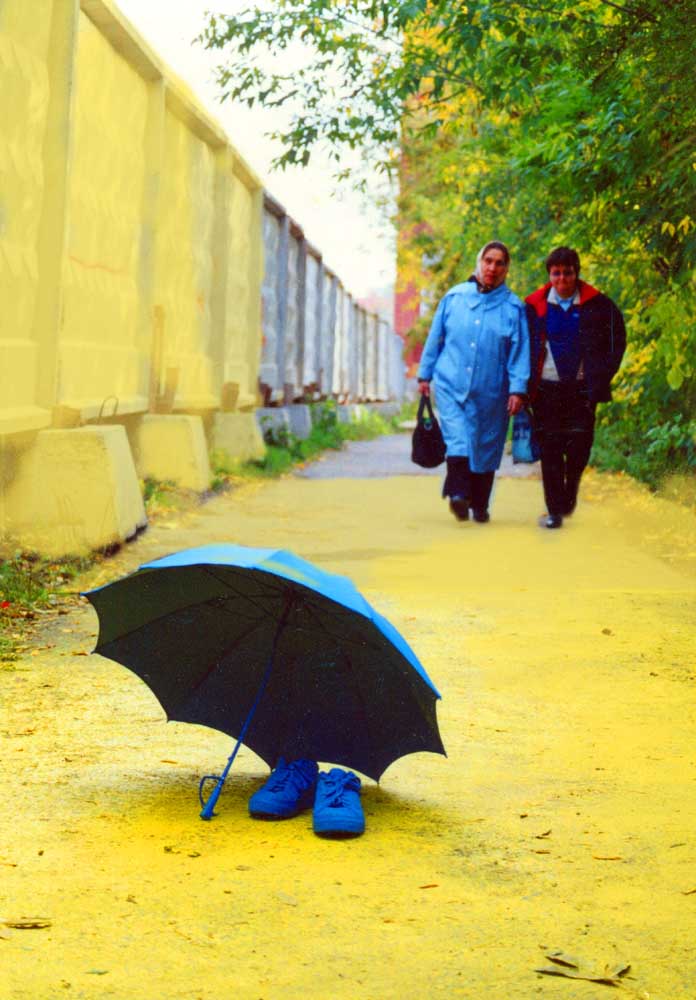
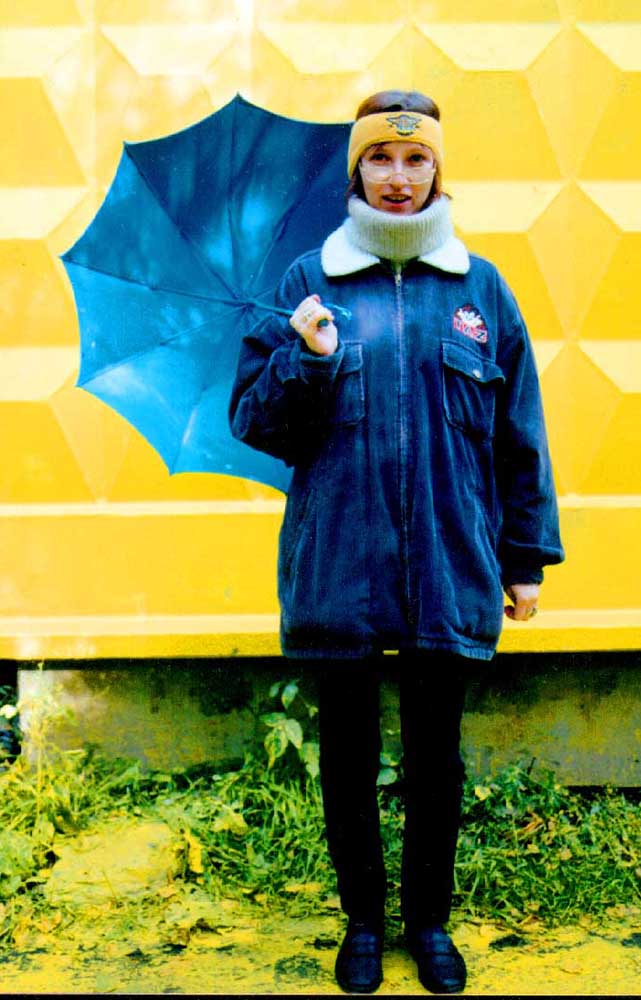
I mark a distance of 25 steps.
Everything inside it becomes the same color.
__________________________________________________