2025–2026
Sörnyepuszta & Cserfekvési, Hungary / Spitzelofen, Austria / Valcamonica, Italy
site-specific action, performance
soap solution, air
variable dimensions / duration
What has happened is certain. What has happened to it is not.

An offering is usually understood as an act of giving. But what is being offered, and whether there is an offering at all, can remain uncertain.
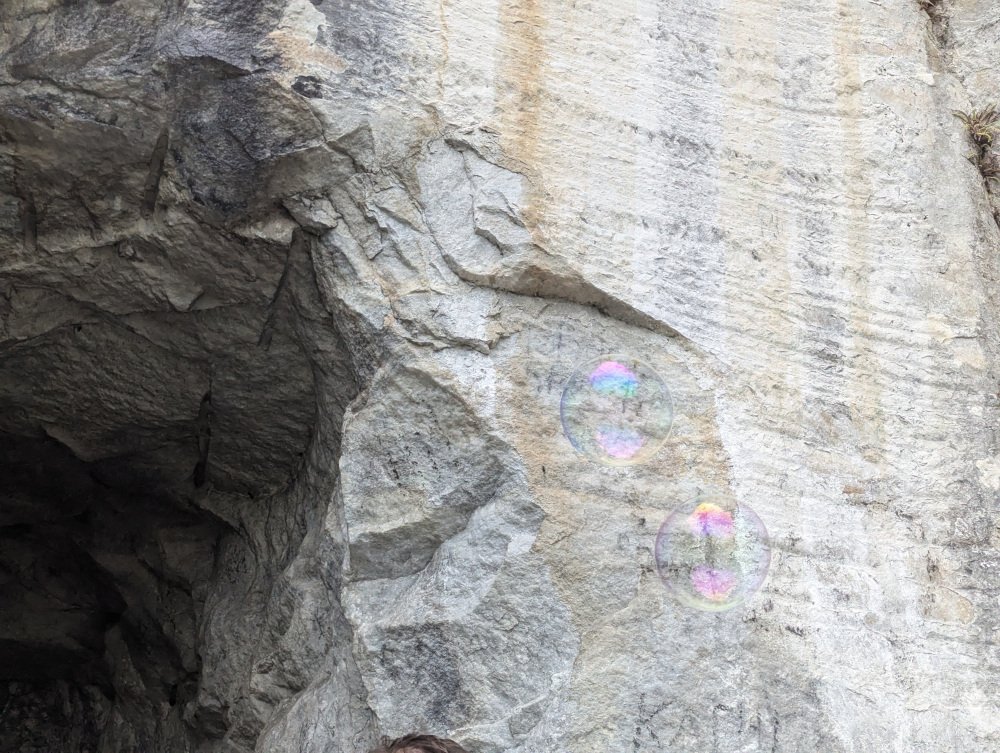
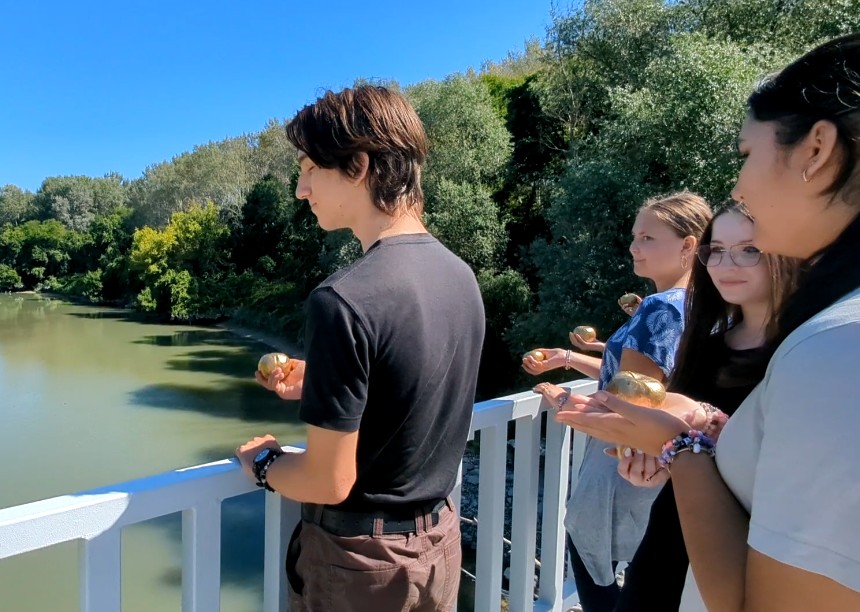
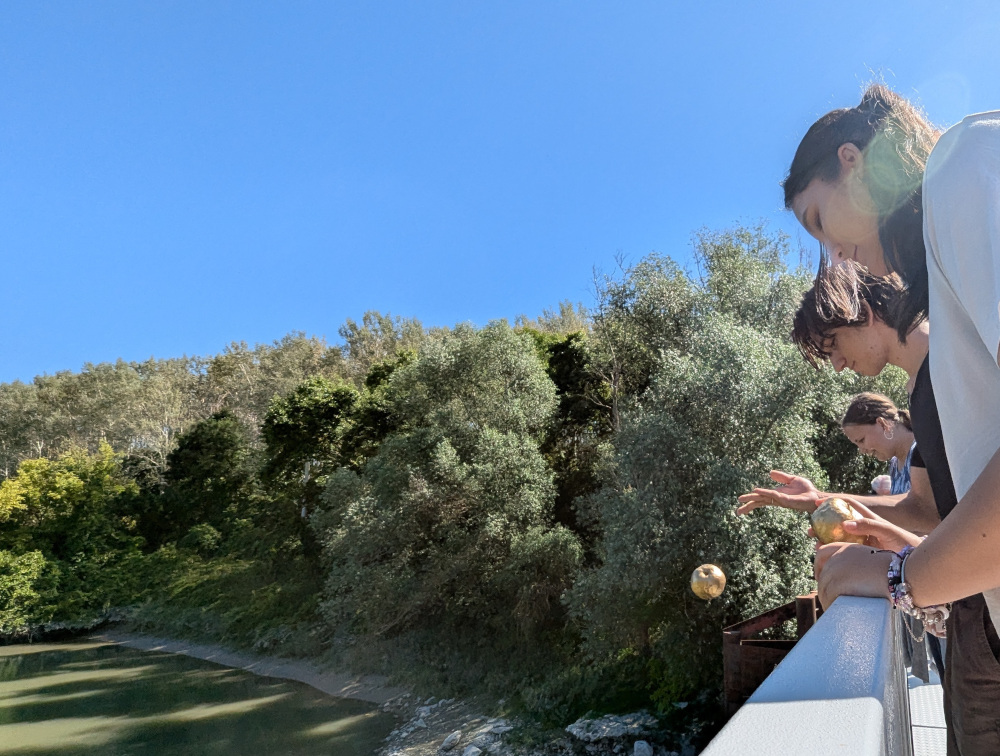
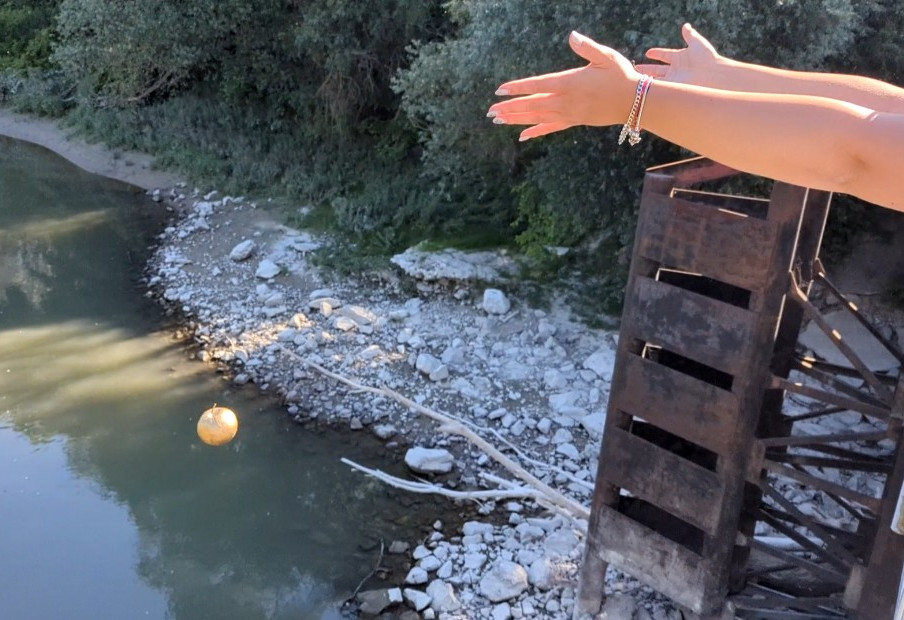
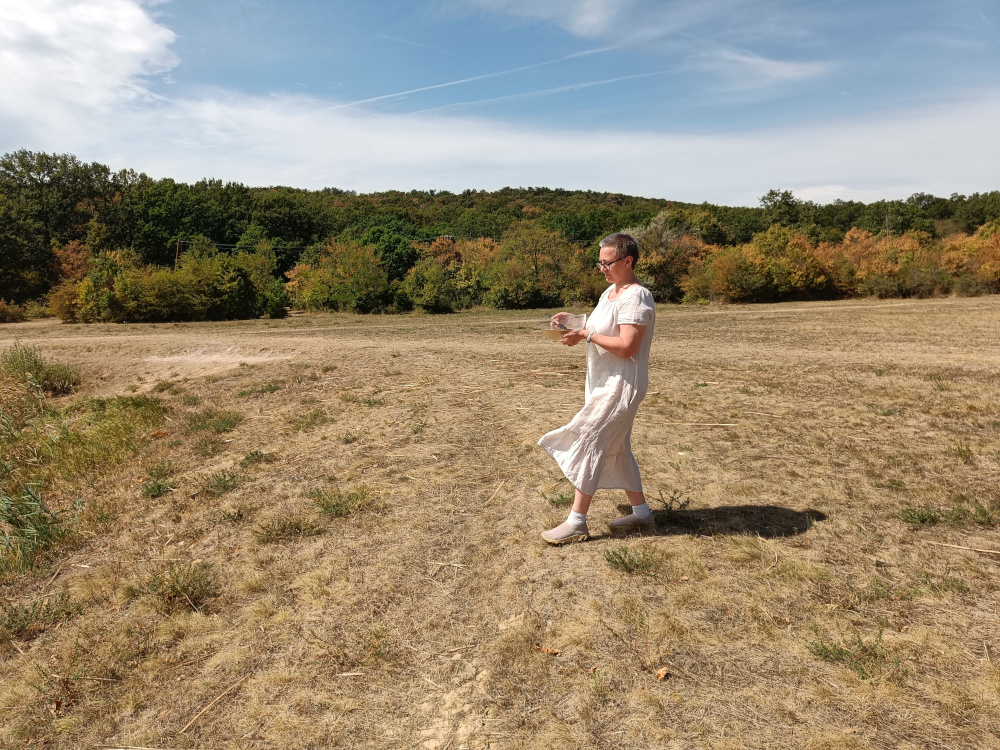
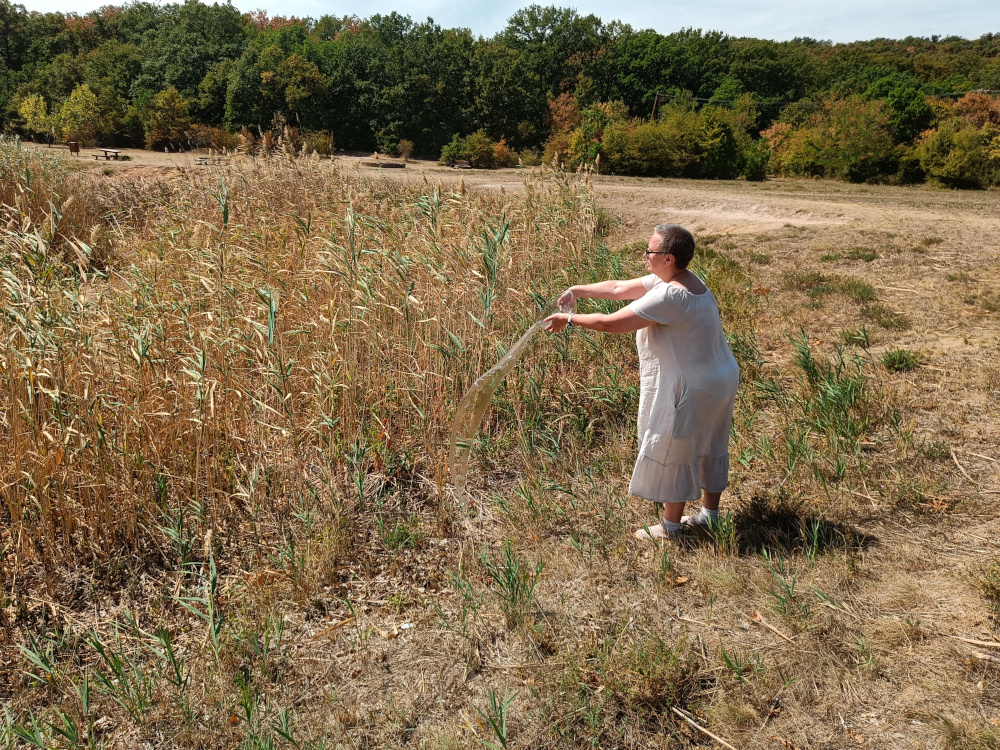
Fleeting Offering begins with soap bubbles released simultaneously. No individual bubble is designated in advance as the offering. I cannot say whether one, several, or none of them should be understood as the offering.
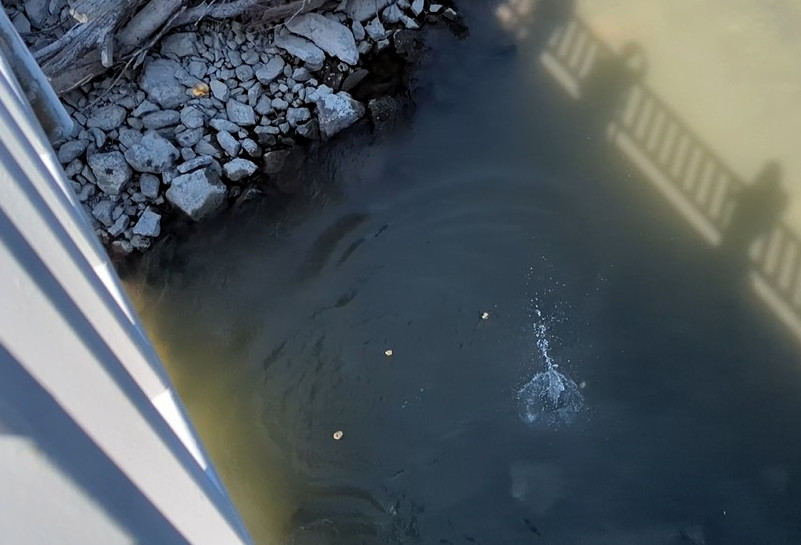
The bubbles disappear. No material evidence remains to settle the question. A photograph can record their release, but it cannot establish what, if anything, was offered, or whether it was received.
Can an offering exist without being identified? Can there be more than one?
The work does not answer these questions. It makes their uncertainty tangible.
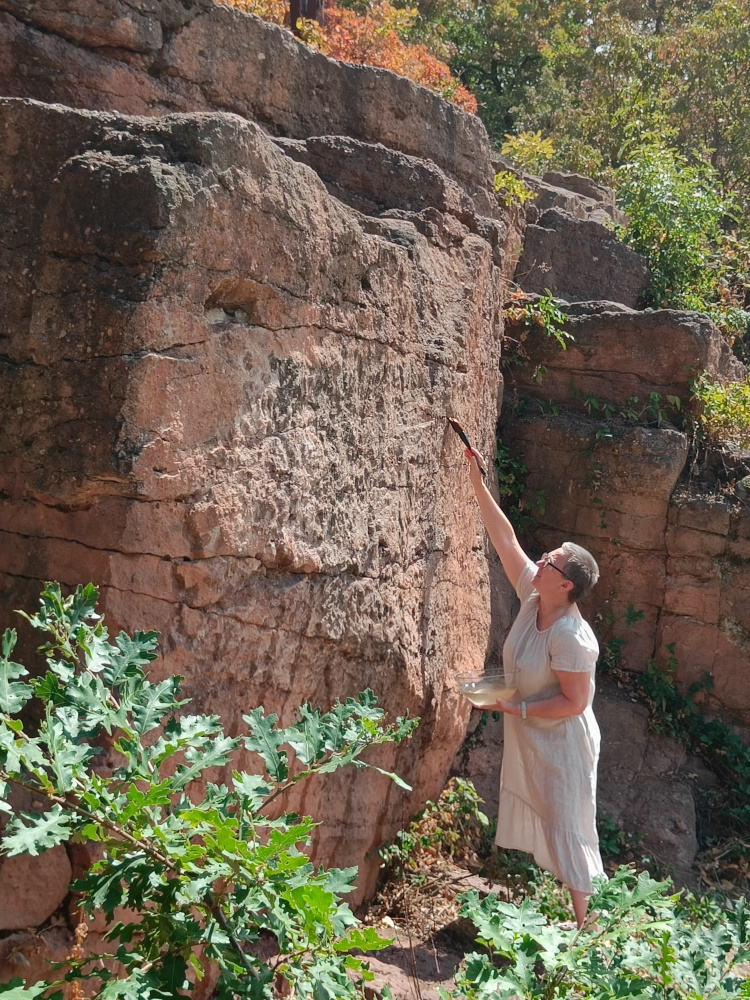
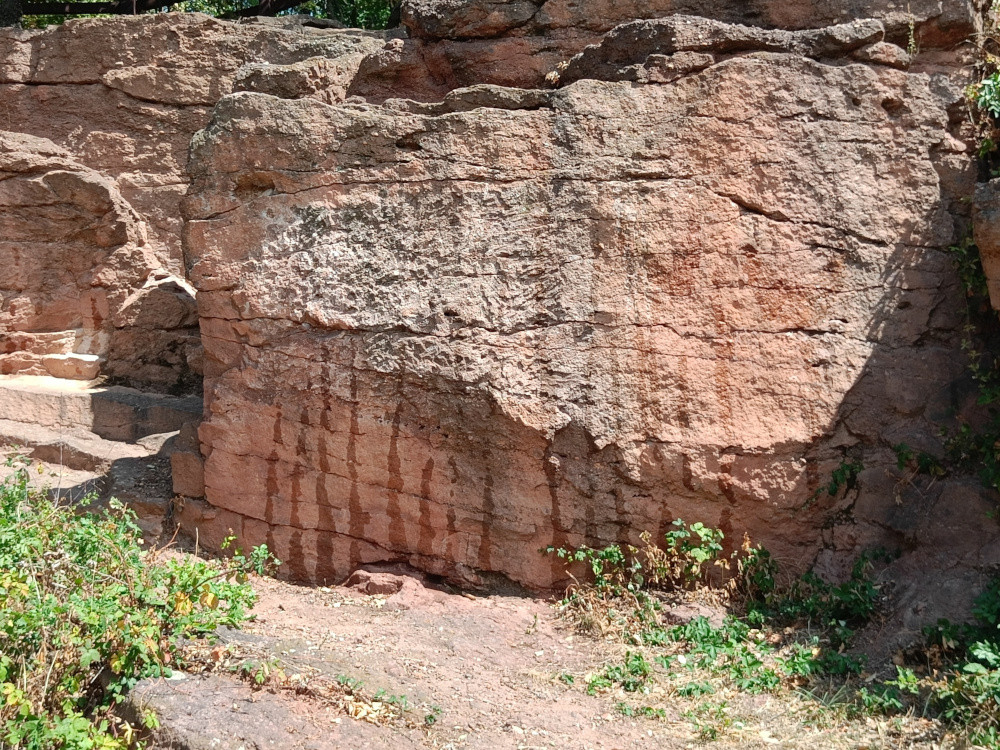
The work has been enacted in places that bear evidence of other human gestures: prehistoric rock engravings in Valcamonica and a Roman dedication carved into a quarry wall in Carinthia. These marks have endured, but they cannot tell us what became of the gestures they preserve.
Fleeting Offering places a fleeting action among traces that have survived. It leaves open the difference between releasing something, making an offering, and knowing whether it has been received.
The action took place. What, if anything, was offered remains unresolved.
THE STORY
Fleeting Offering began as a proposal for Ġgantija, the prehistoric megalithic temple on the island of Gozo, Malta.
On 5 June 2025, Marina Razheva sent curator Julia Sysalova a project in which a single soap bubble would appear once a minute among the ancient stones, then disappear without a trace. A concealed machine would produce the bubbles without physically disturbing the site. The proposal also drew on the contrast between the fleeting bubble and the stone spheres of unknown purpose found inside the temple.
The project was not realized in this form, but its central question remained: what can an offering be when nothing remains to identify it?
In later realizations, several soap bubbles are released simultaneously. Unlike the initial proposal for Ġgantija, the later action does not designate a single bubble as the offering. It remains unresolved whether one, several, or none of the bubbles should be understood as an offering. Once the bubbles disappear, photographic documentation can record the release but cannot settle what, if anything, was offered or whether it was received.
The work has since been enacted in Hungary, Austria and Italy, including places where earlier human gestures survive in stone: a Roman dedication carved into a quarry wall at Spitzelofen and prehistoric rock engravings in Valcamonica.
Fleeting Offering brings a gesture without identifiable material evidence into contact with traces that have endured. It leaves open the difference between making an offering and knowing whether it has been received.
ARCHIVE
Earlier Proposal
Ġgantija, Gozo, Malta
The proposal was not realized in this form. These sketches preserve an earlier conception of Fleeting Offering, distinct from its later realizations.
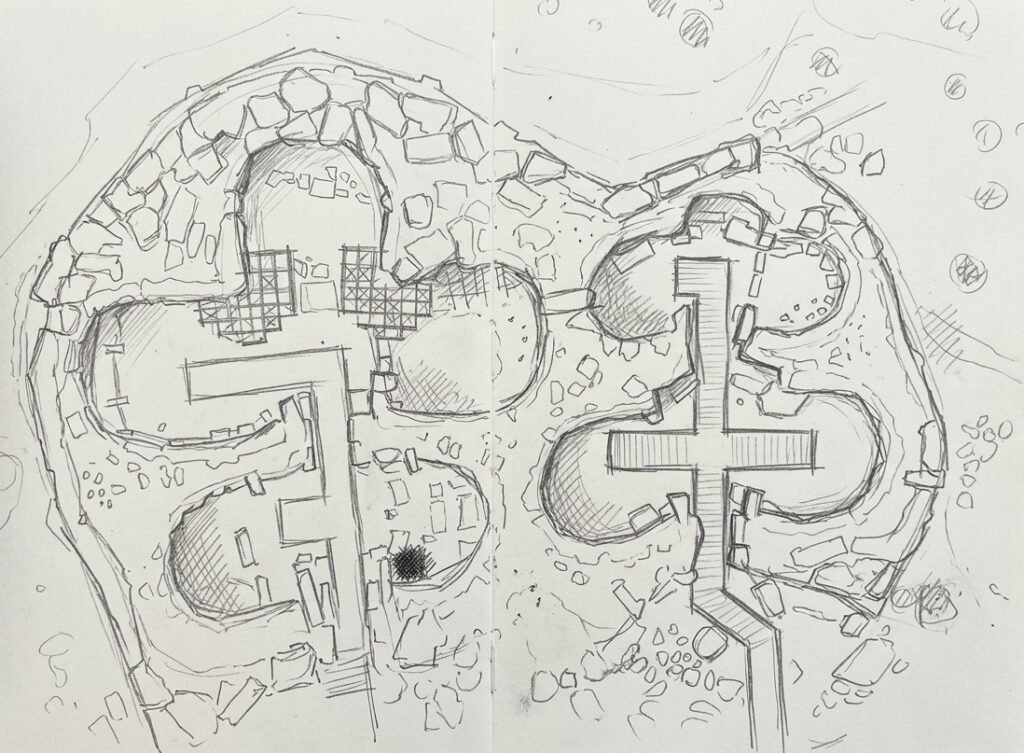
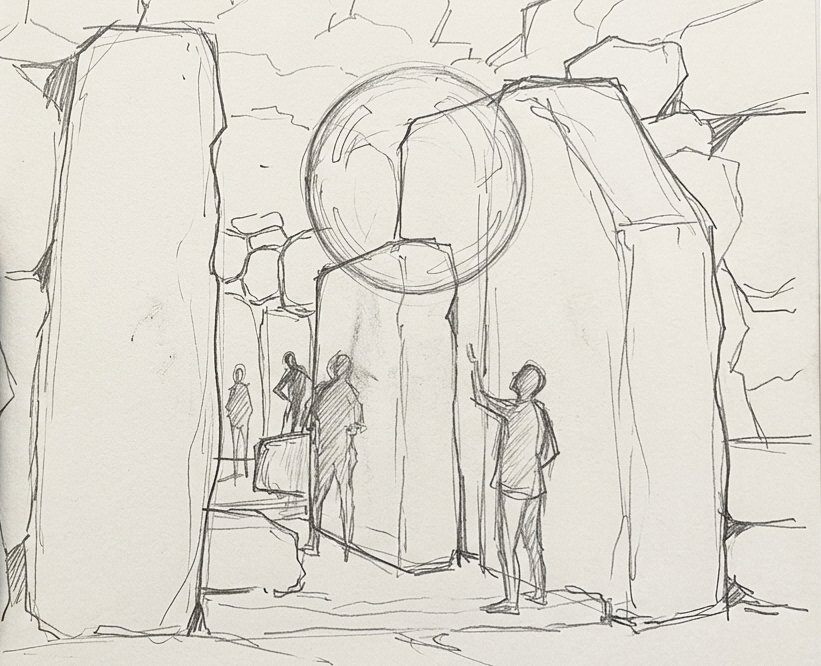
The drawings imagine the proposed action in the setting of Ġgantija. They are conceptual sketches, not documentary images of an actual realization at the site.
A Curator’s Note (Written in response to the original proposal for Ġgantija, Malta, 2025)
What I see in this work is not only conceptual precision, but courage: a deliberate relinquishing of everything that renders art visible, assertive, or commodified. Razheva operates within the traditions of memory, ritual, and transcendence, yet through the strategy of disappearance.
This is where its critical power lies: the artist offers not an object, but a situation that becomes a witnessing. The project is akin to breath, belonging to no one, claiming nothing, it happens and disappears, leaving behind only air and attention. Read the full curator’s note
Julia Sysalova
Curator and critic, AICA member
Realizations
19 July 2025
Sörnyepuszta & Cserfekvési, Hungary
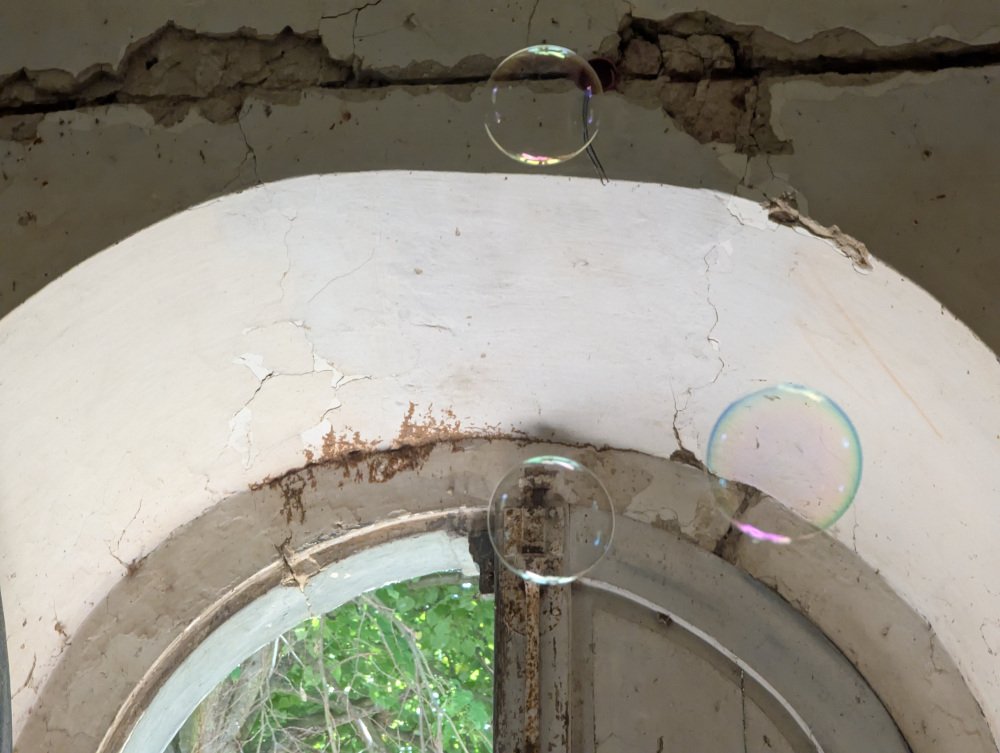
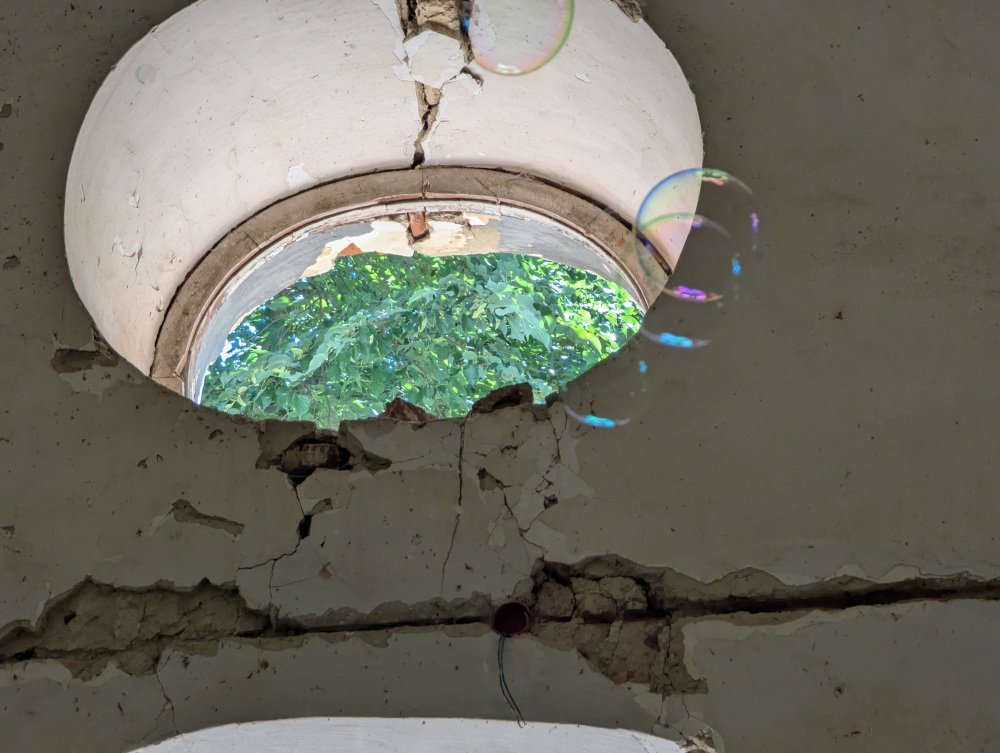
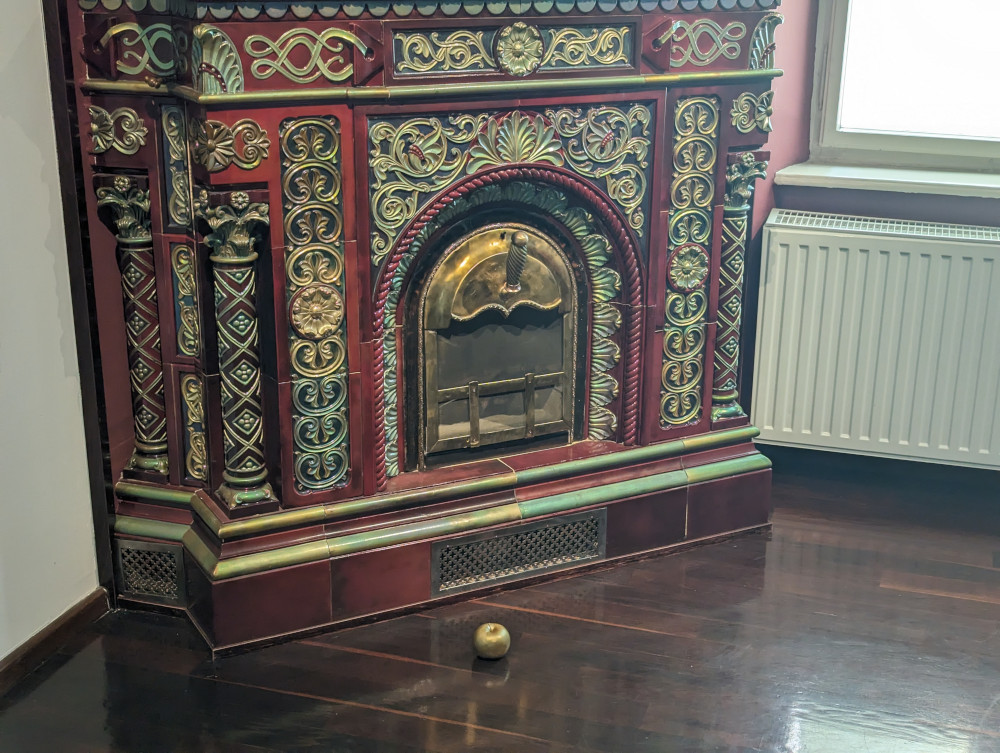
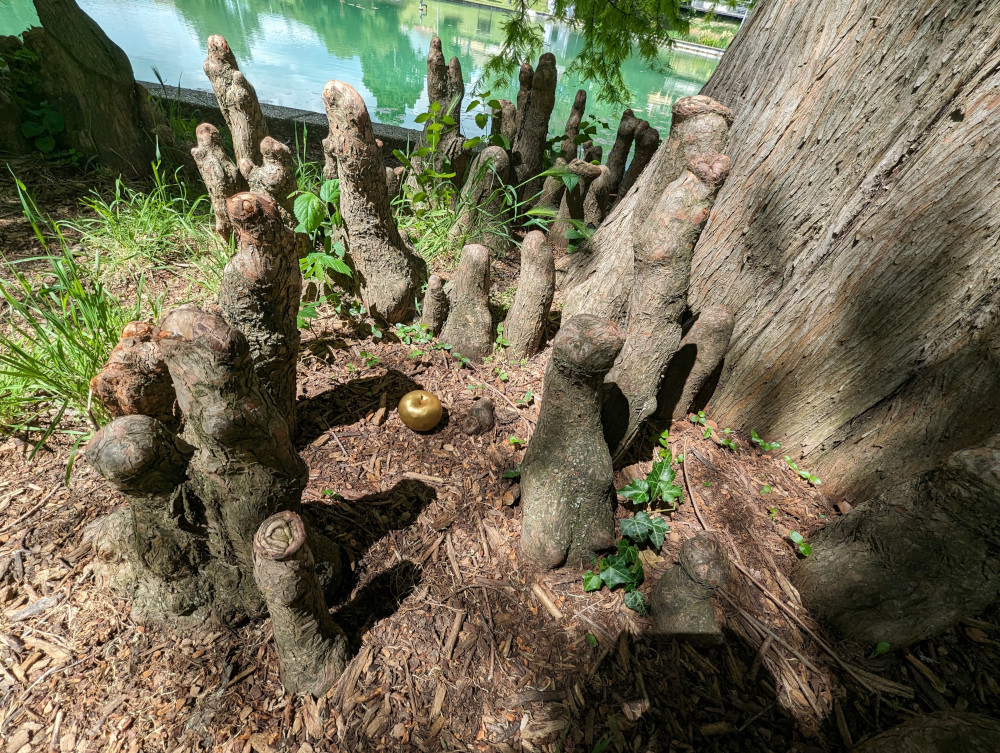
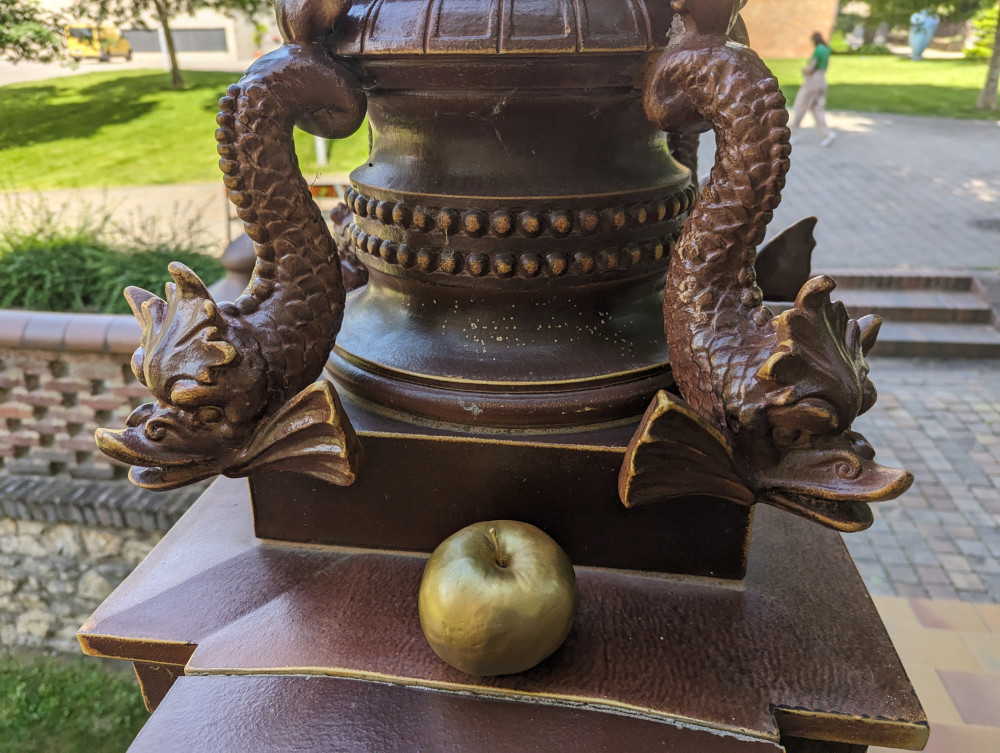
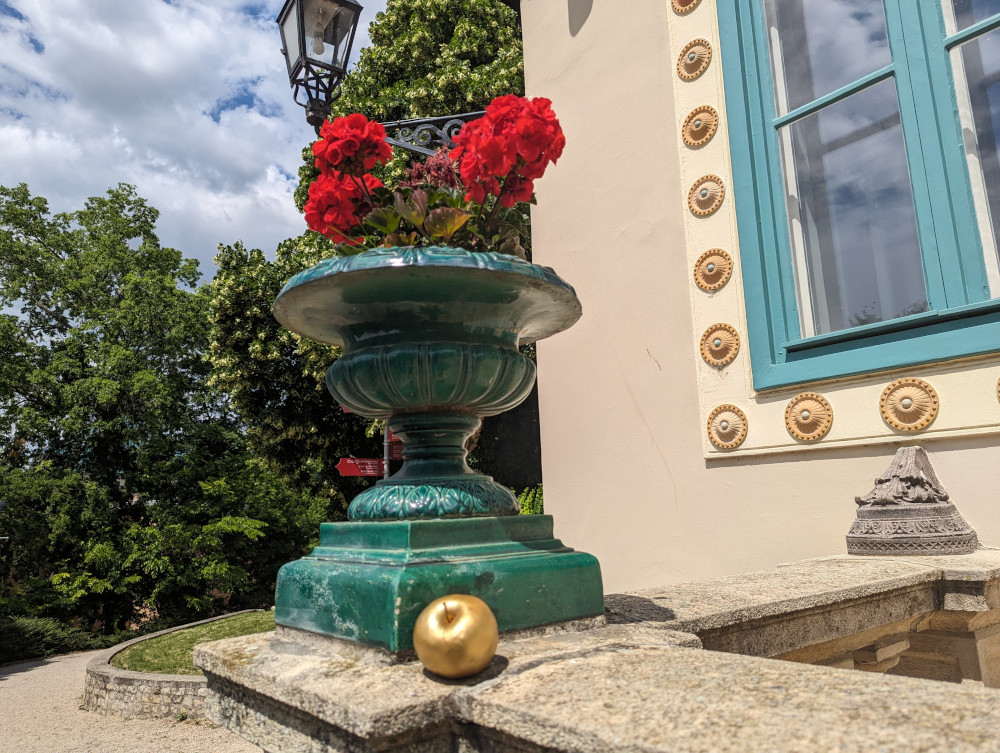
First realization of Fleeting Offering in its present form.
10 June 2026
Spitzelofen, Austria
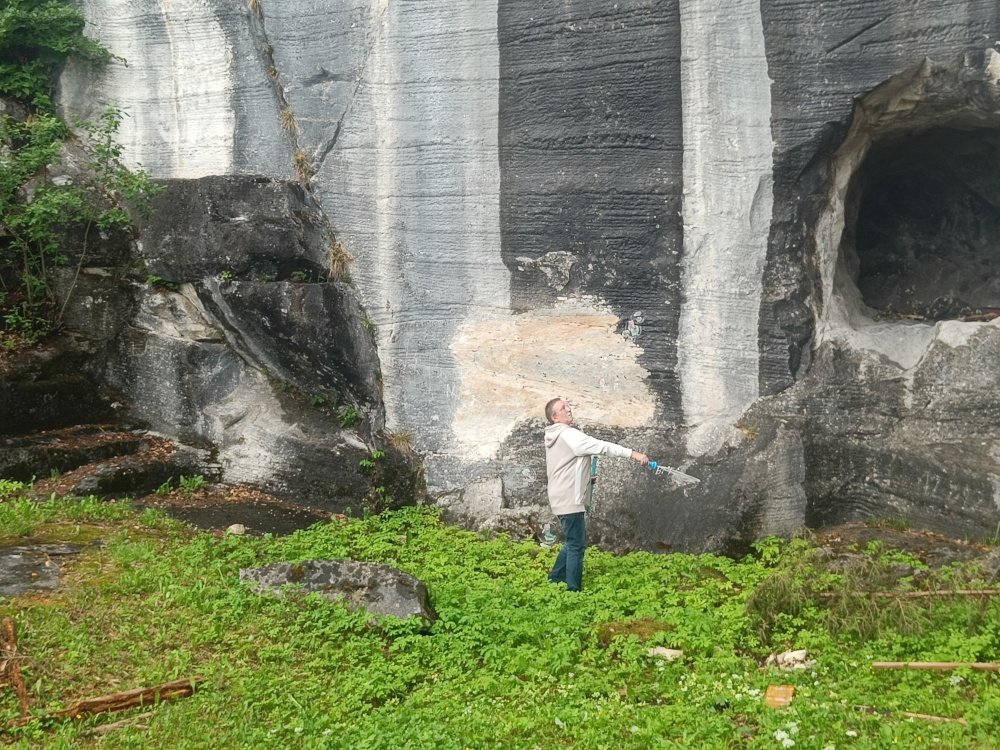
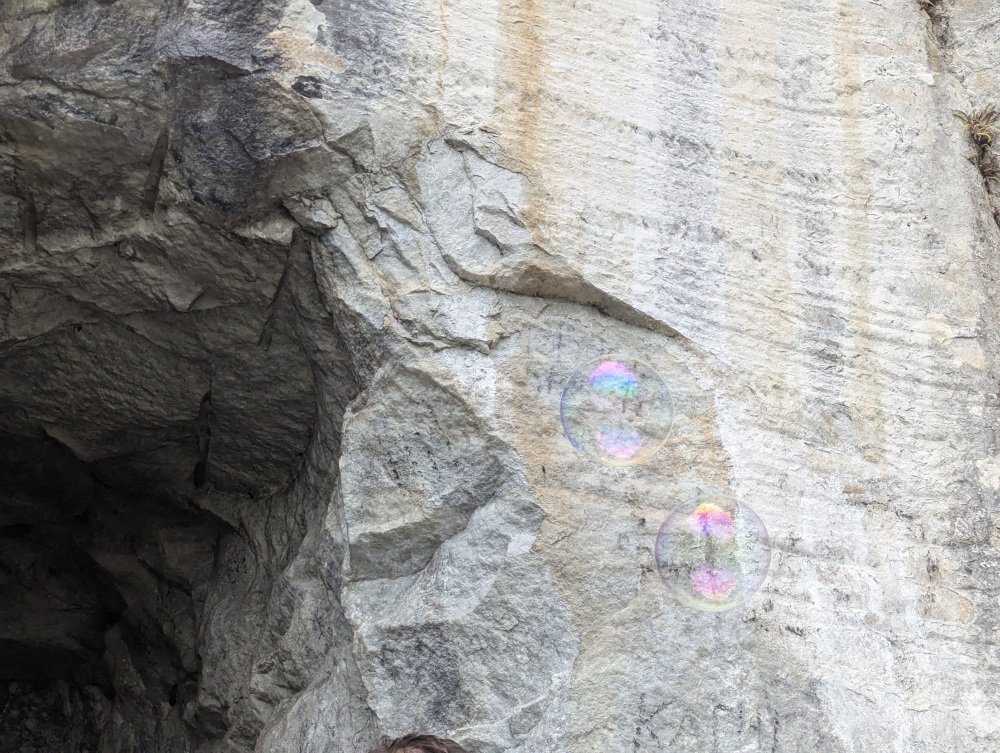
Realization at a former marble quarry bearing a Roman dedication carved into the rock.
19 June 2026
Valcamonica, Italy
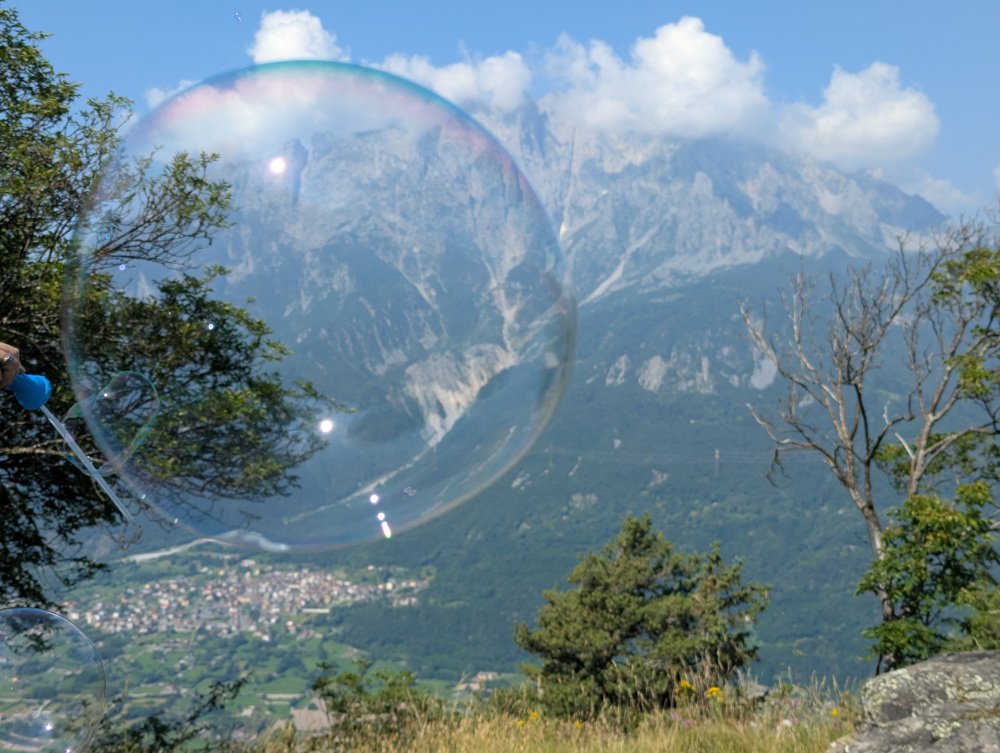

Realization in a landscape containing prehistoric rock engravings.