The Single Brushstroke that can be defined is no longer the Single Brushstroke.
— Ye. Zavadskaya, commentary on Shitao, Conversations on Painting (Hua yu lu), Moscow: Nauka, 1978; translated from the Russian.
Marina Razheva · 2006; repeated on later occasions
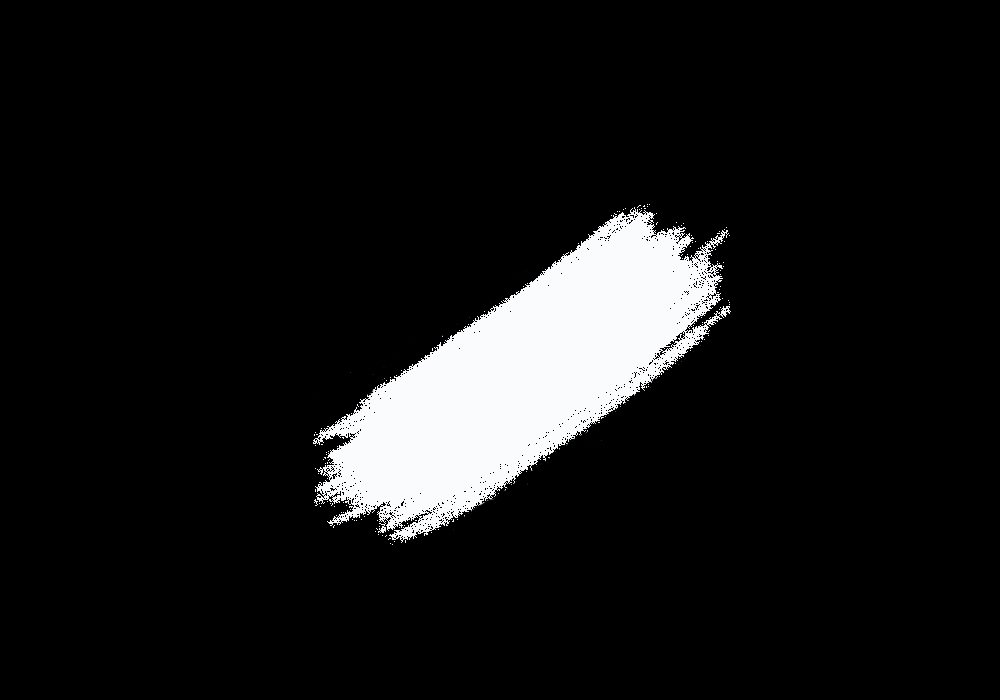
A single white brushstroke on a black ground.
One image is projected. Its screen is not designated in advance.
The projector stands against a wall opposite a window. The beam crosses the room and passes out through the glass.
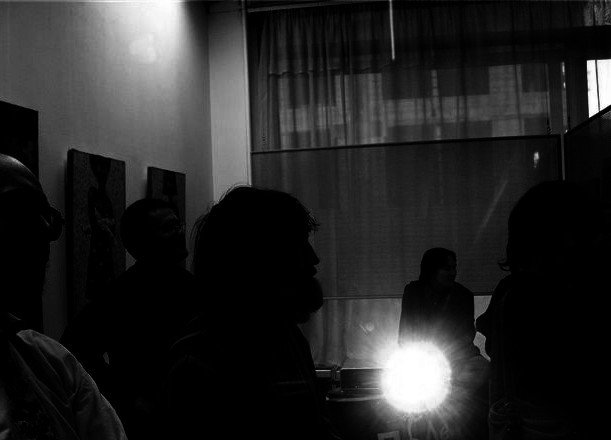
Anything that enters the beam becomes a screen and part of the image at the same time: A visitor. A gallery staff member. An open palm. A sheet of paper. The windowpane. A tree. A bird outside.
Whoever or whatever enters the beam receives a part of the image and, at the same time, writes its own shadow into it.
The image is no longer confined to the surface on which it was projected. It appears wherever the beam encounters something.
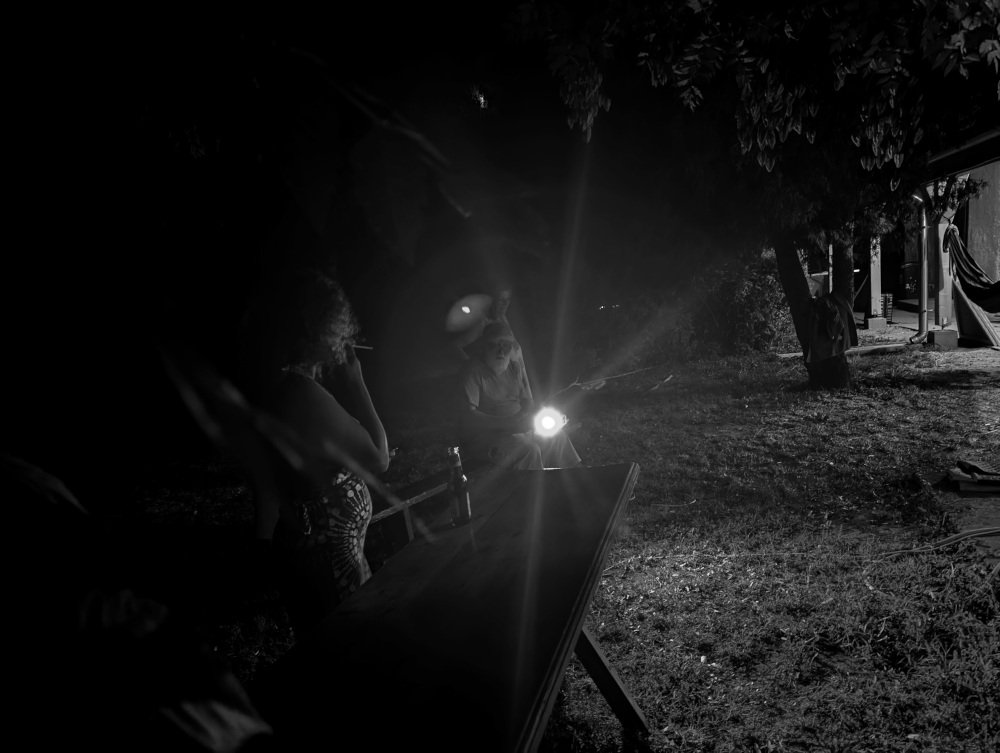
Were the beam to continue through the wall, the tree beyond would do the same, and so on without end.
A speck of dust, a bird and a person are equal before the beam, and each remains itself.
If the projector’s power reaches only as far as the exhibition space, it makes no difference. In thought, the beam continues beyond it, and nothing obstructs it.
A point of departure
The work does not illustrate Shitao’s treatise. The idea of the Single Brushstroke (yi hua) in his Hua yu lu serves as a point of departure. The title comes from Ye. Zavadskaya’s commentary on the treatise in her Russian translation.
The beam crosses a space, but the work does not end at the point where the light becomes physically imperceptible.
Realizations
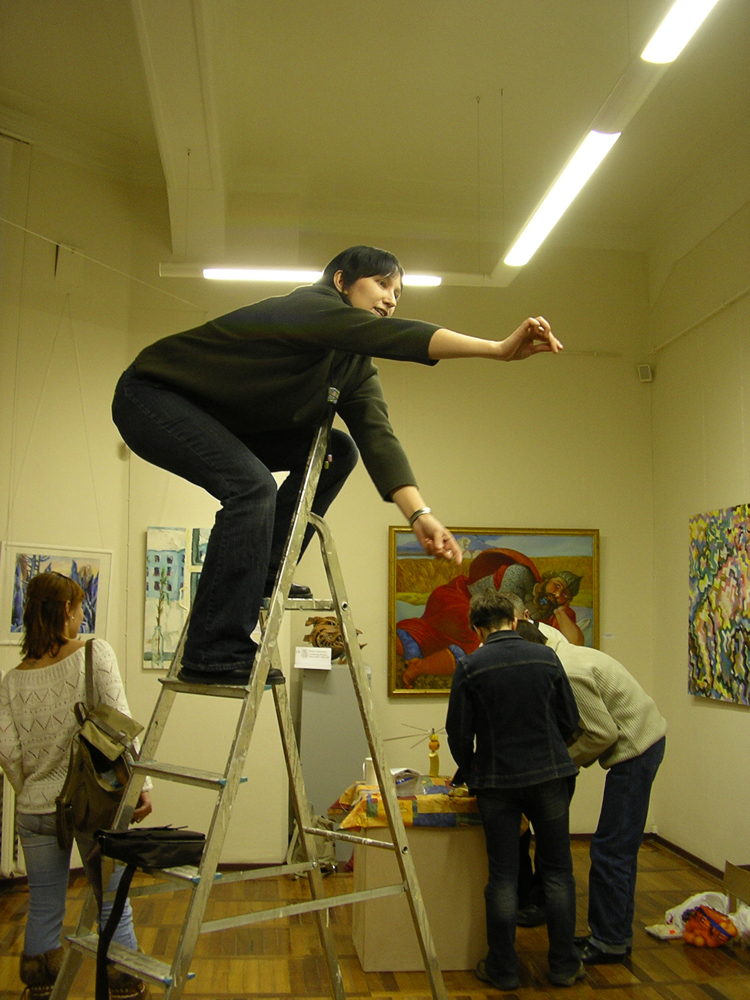
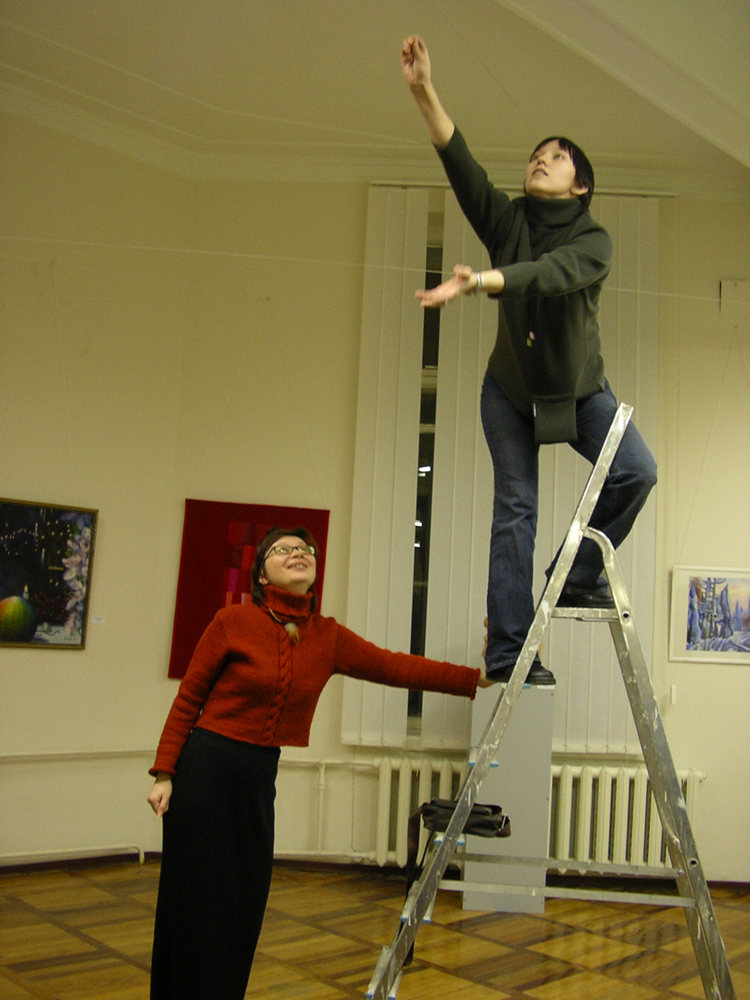
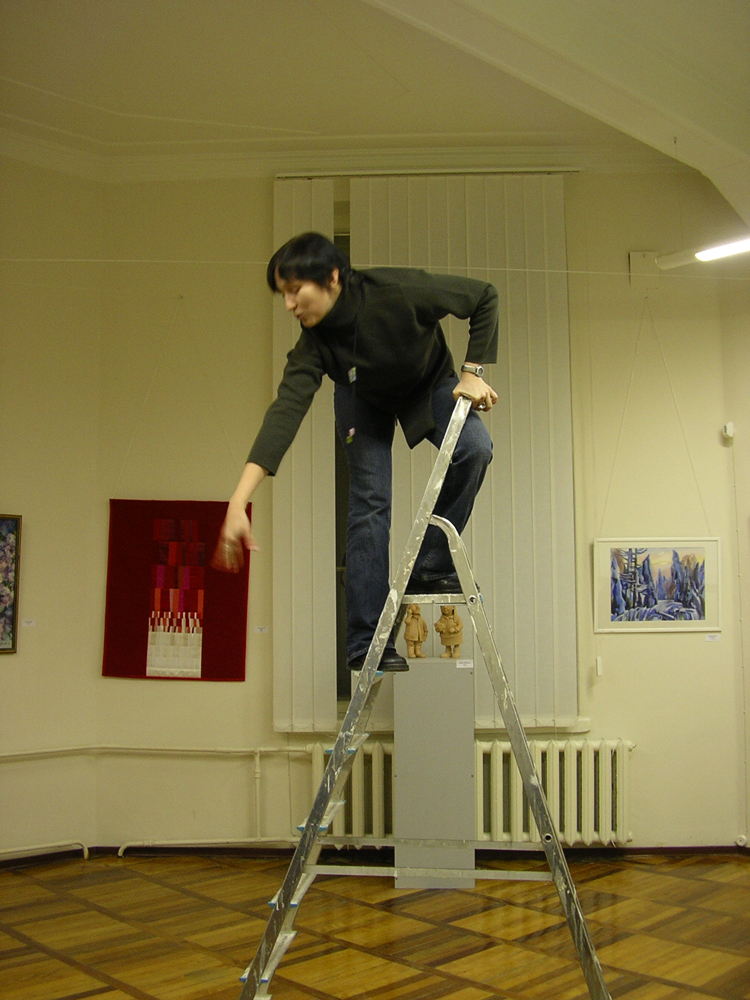
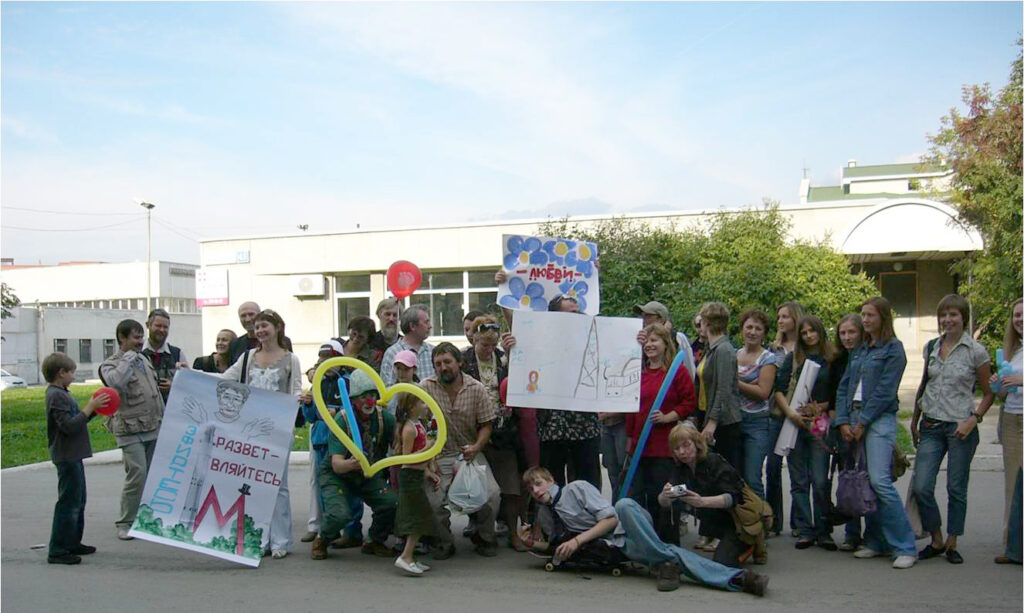
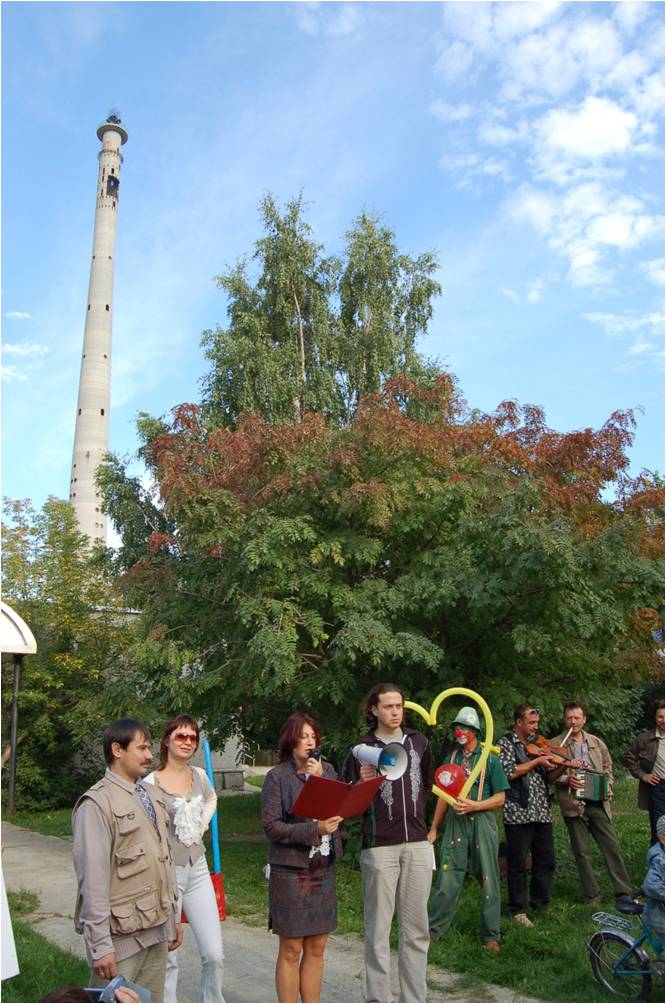
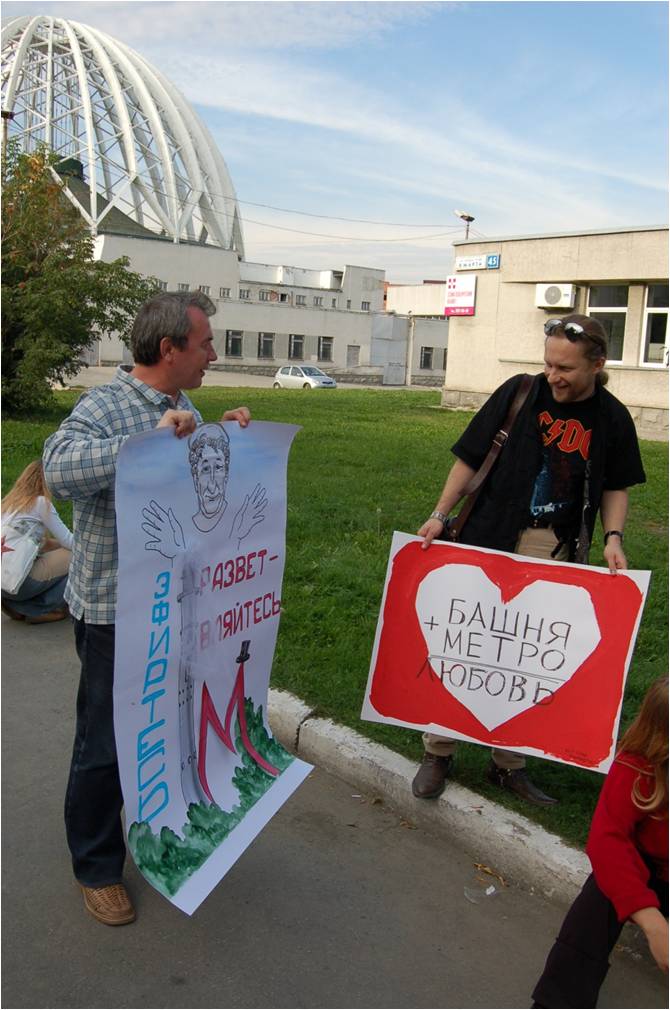
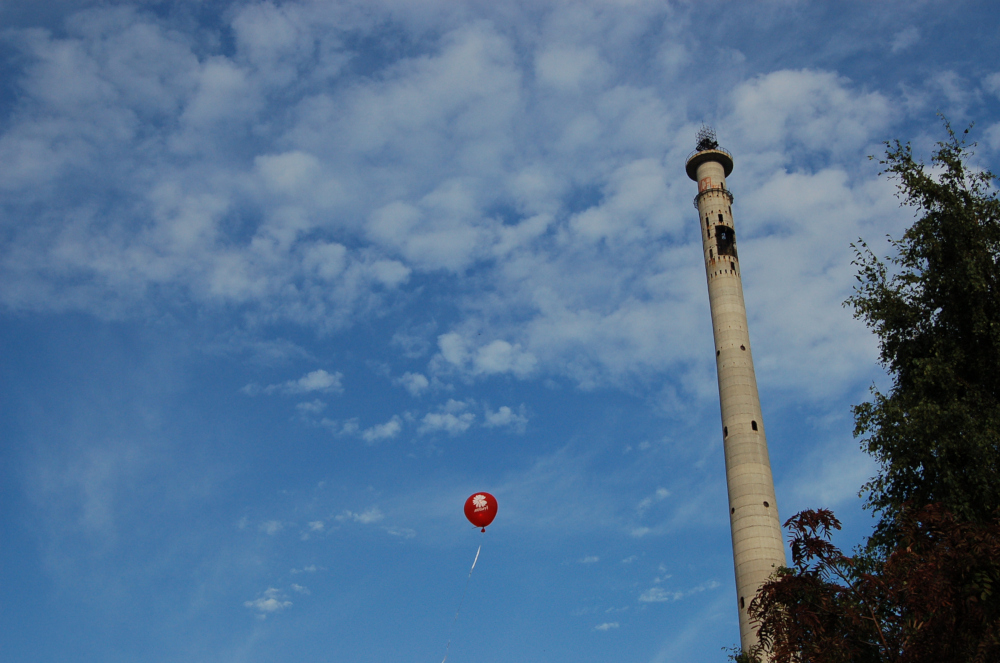
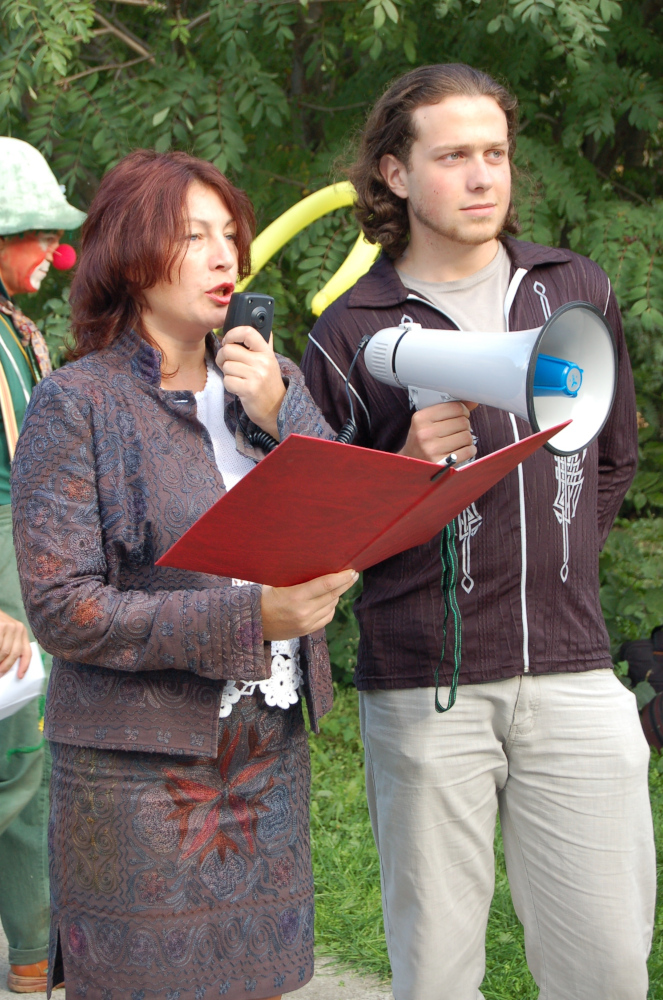
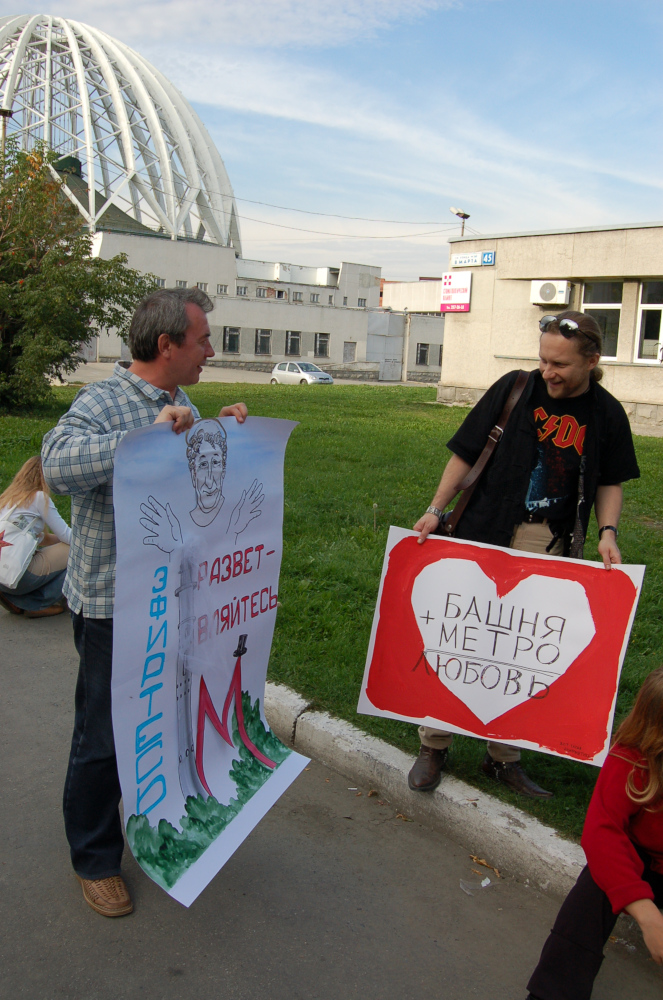
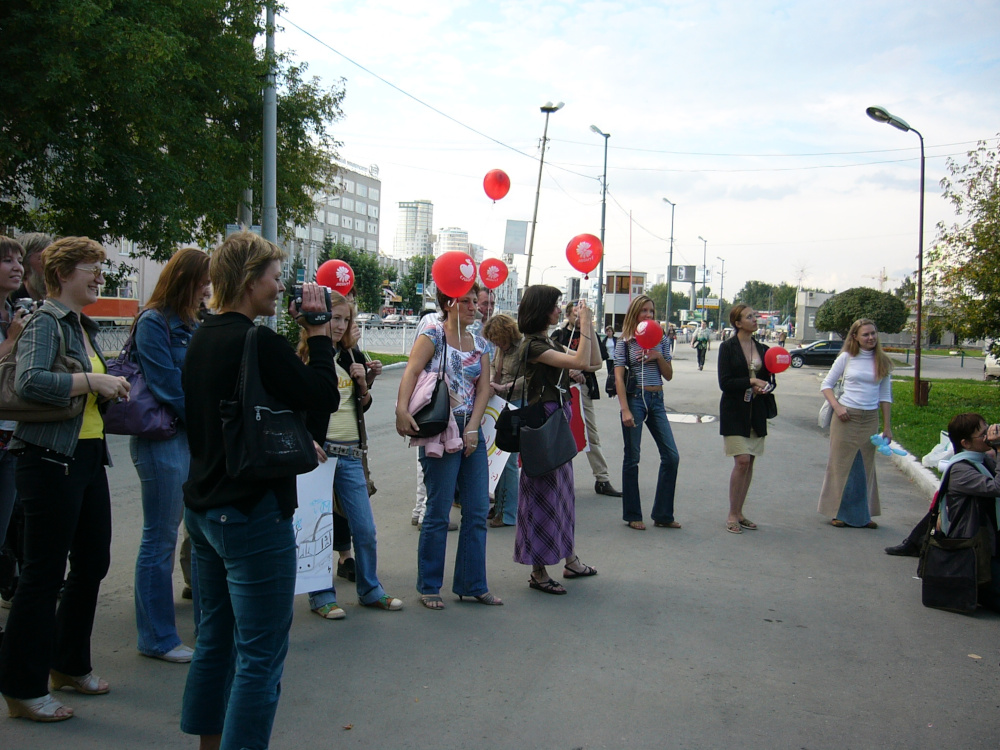
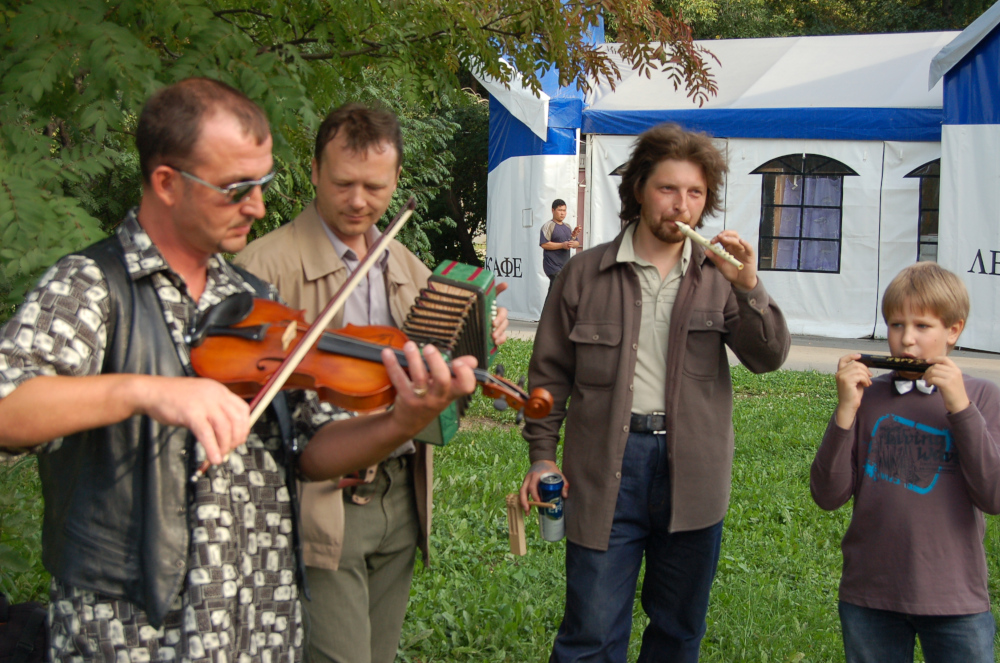
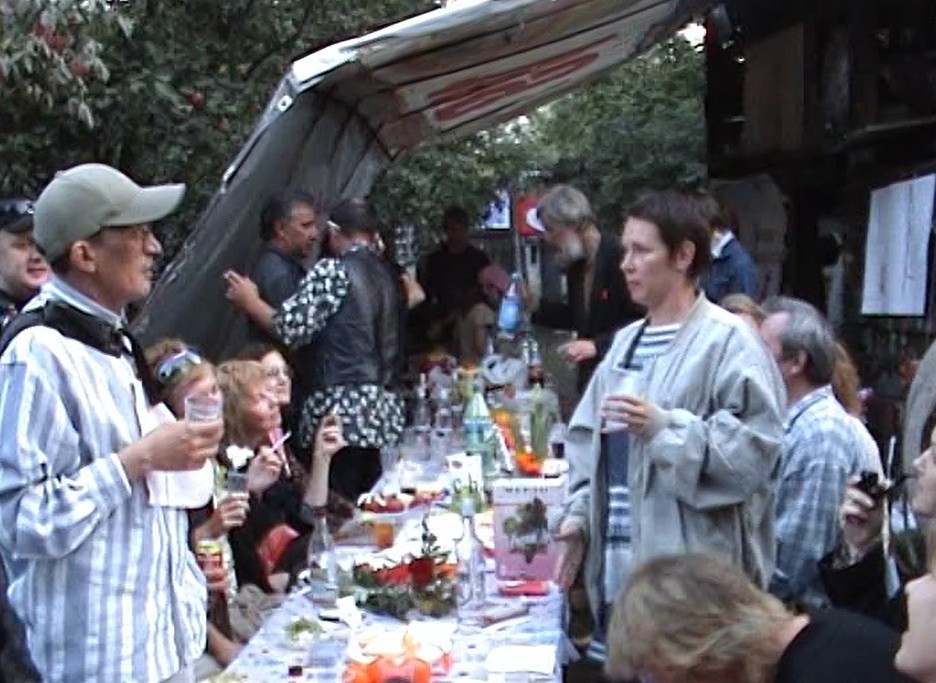
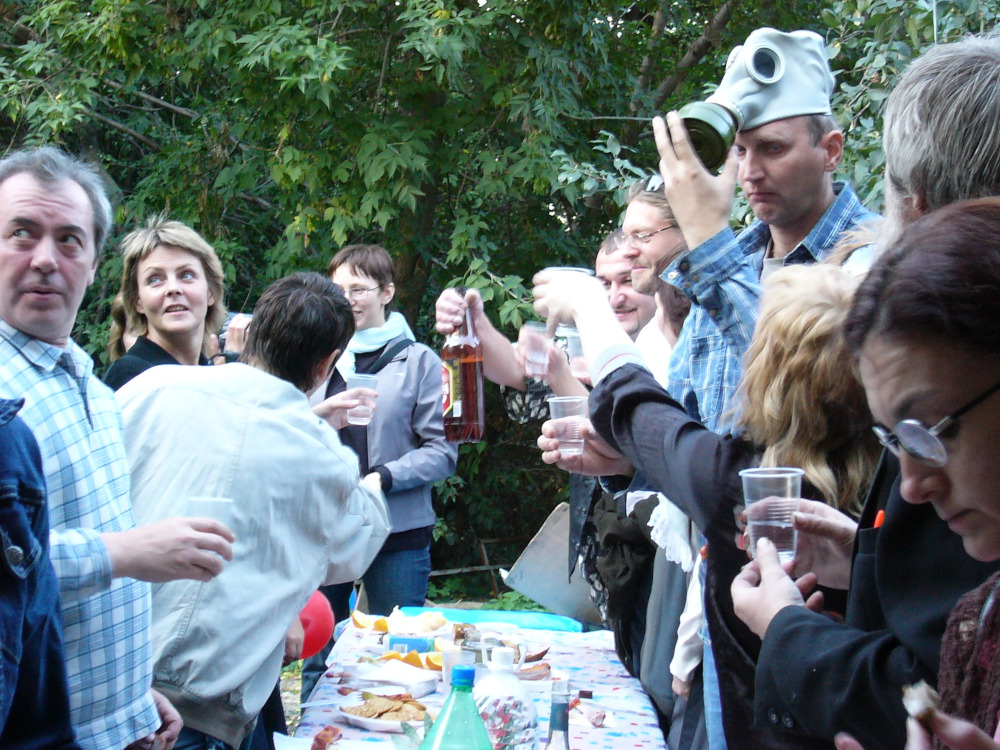
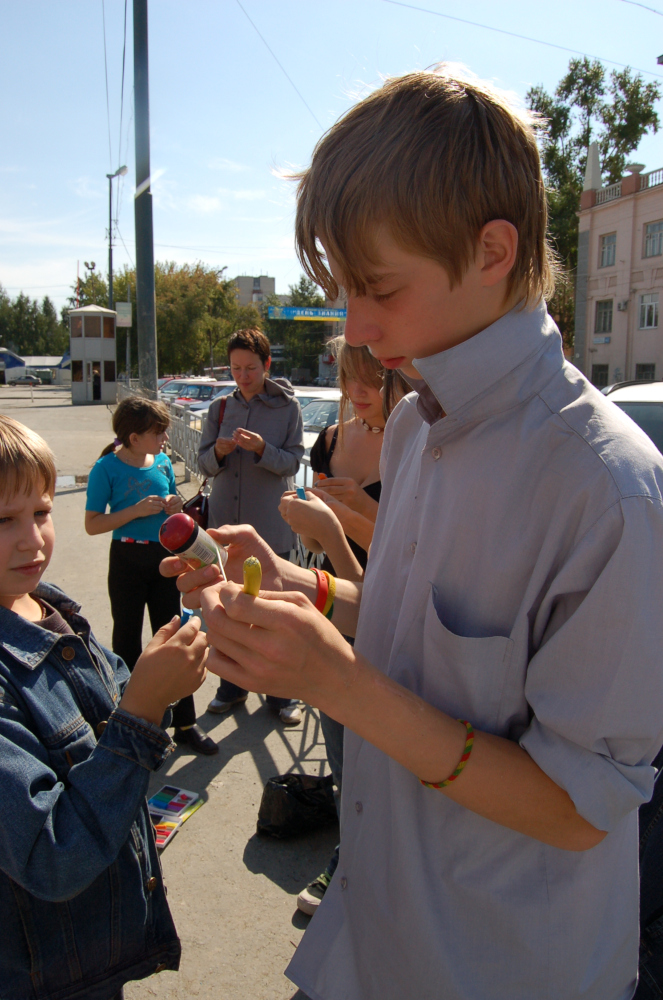
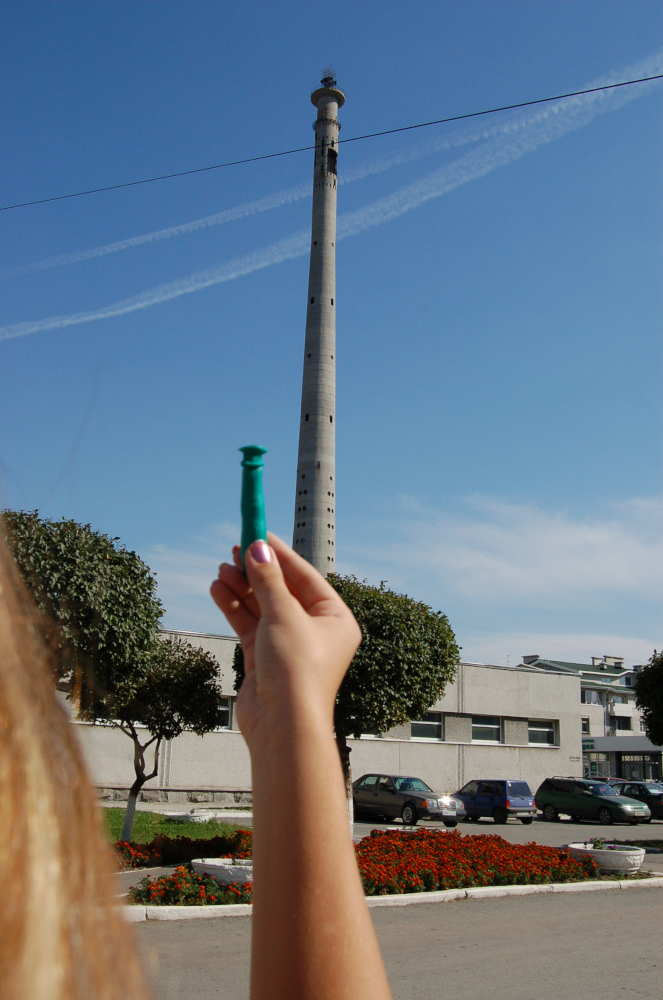
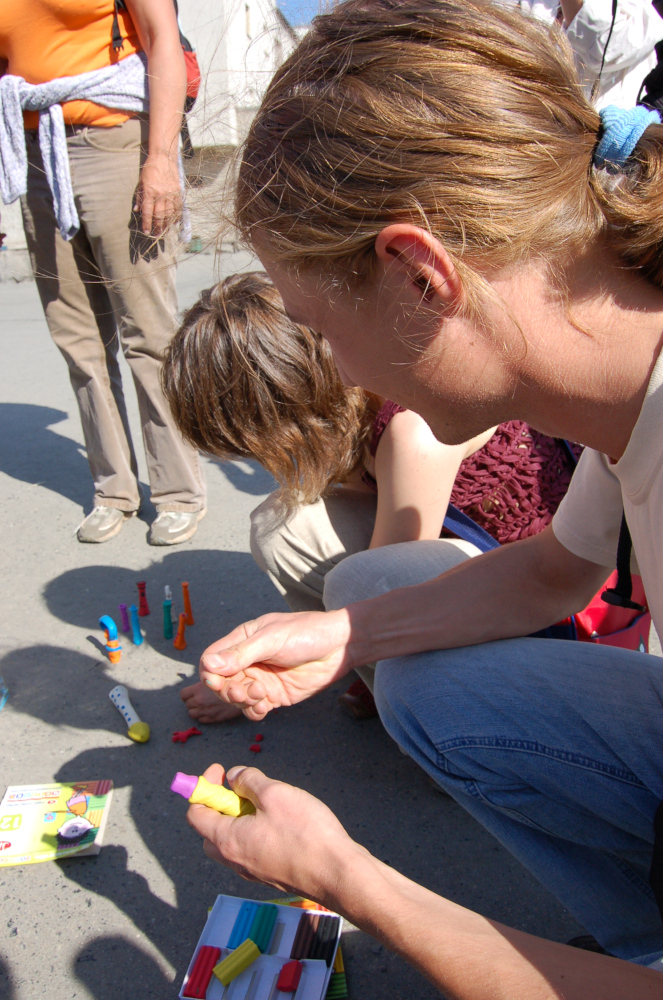
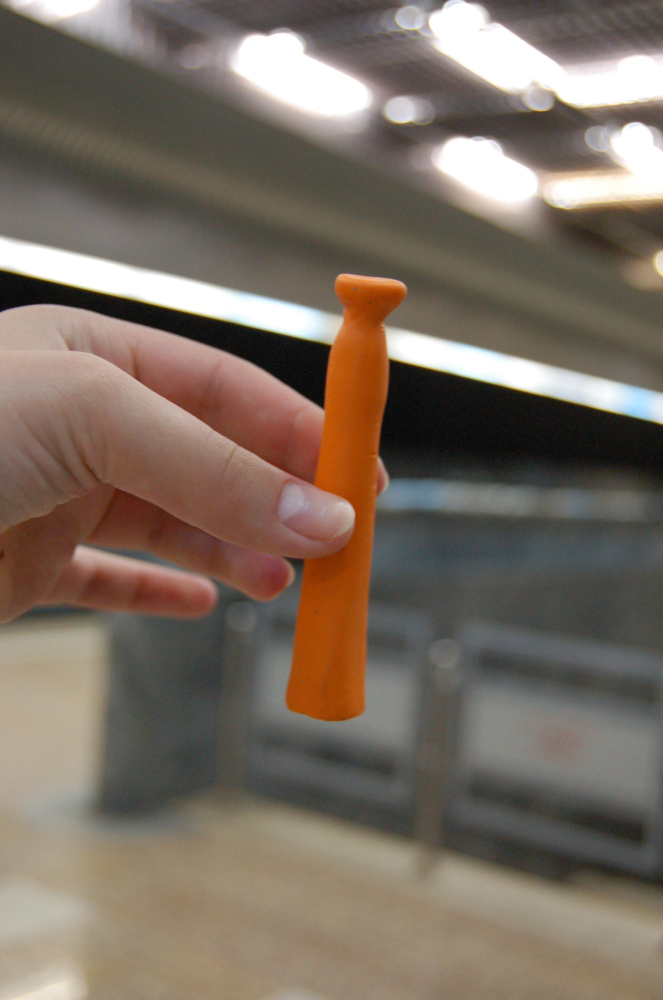
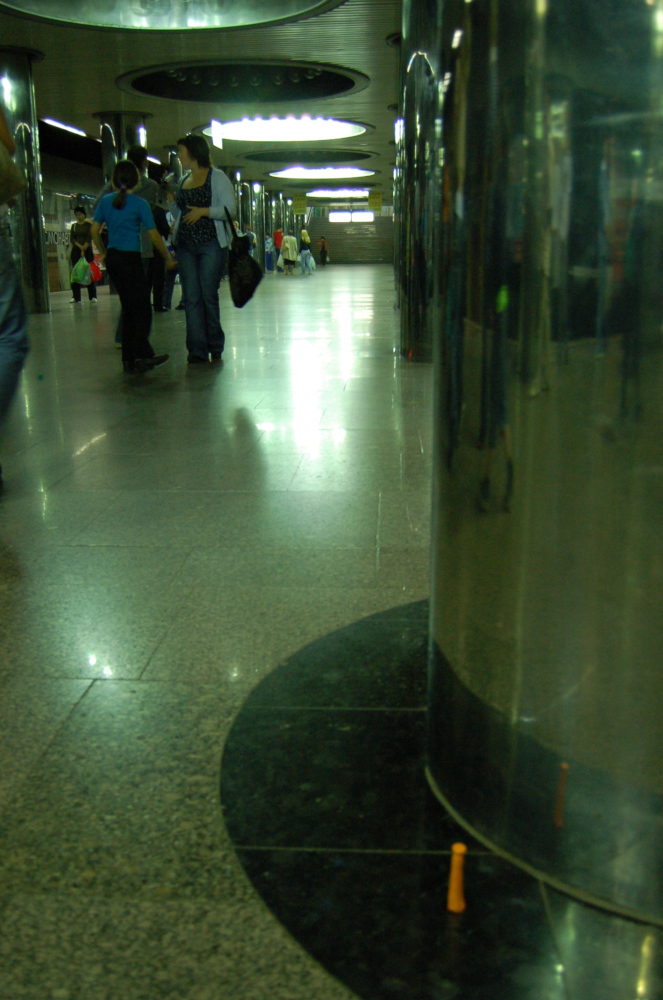
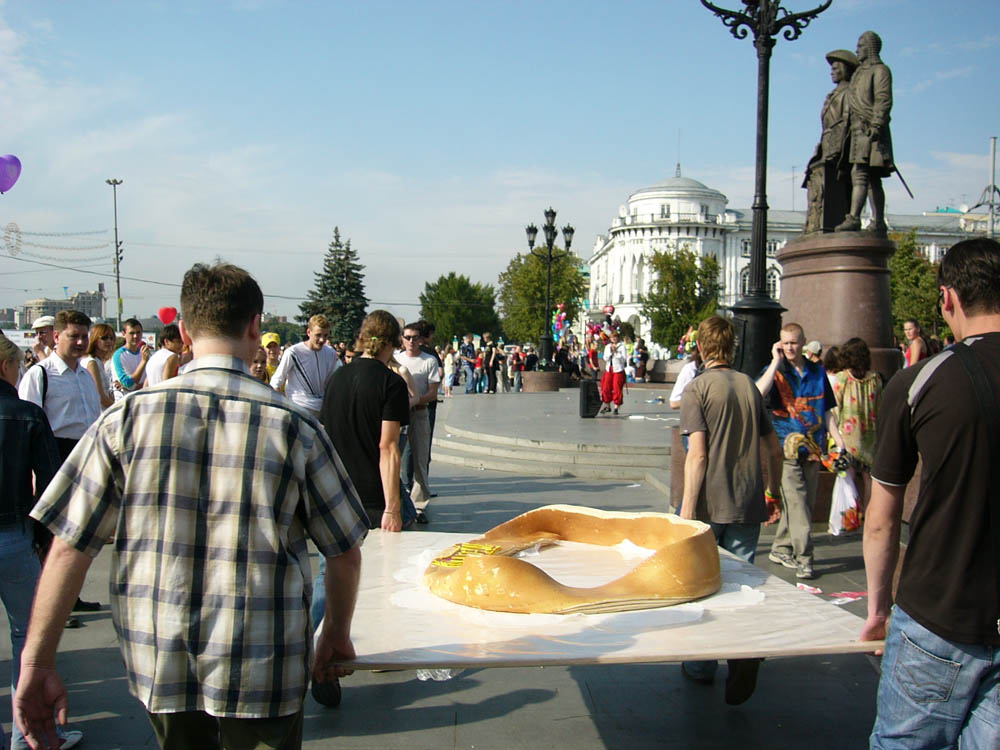
The Single Brushstroke has been carried out more than once, in different places, without notice to those present.
No single place or date defines the work. Each realization is a new occasion; any space can become its site.
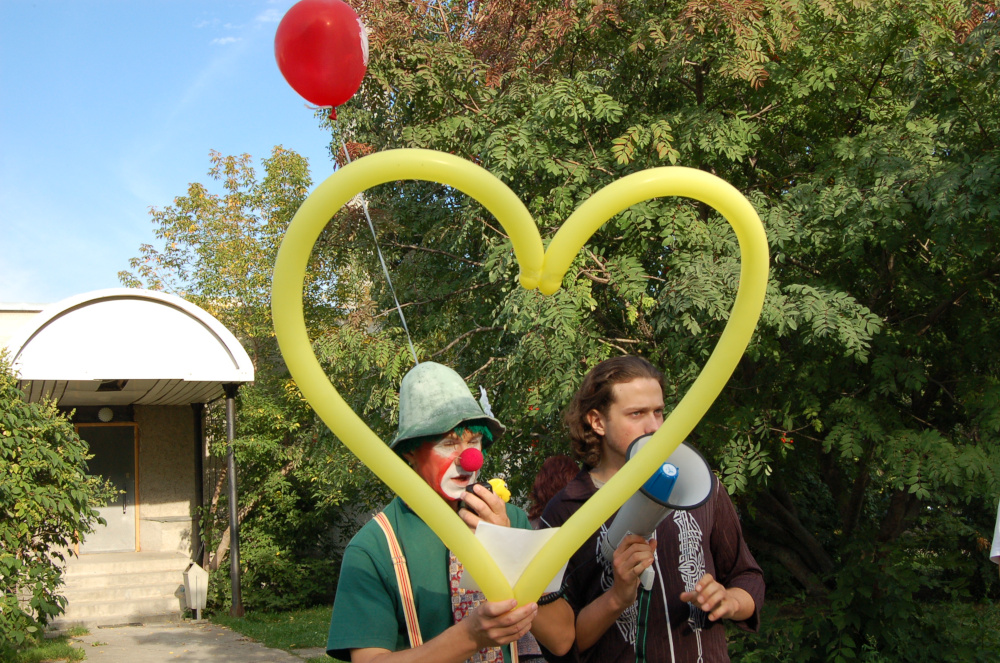
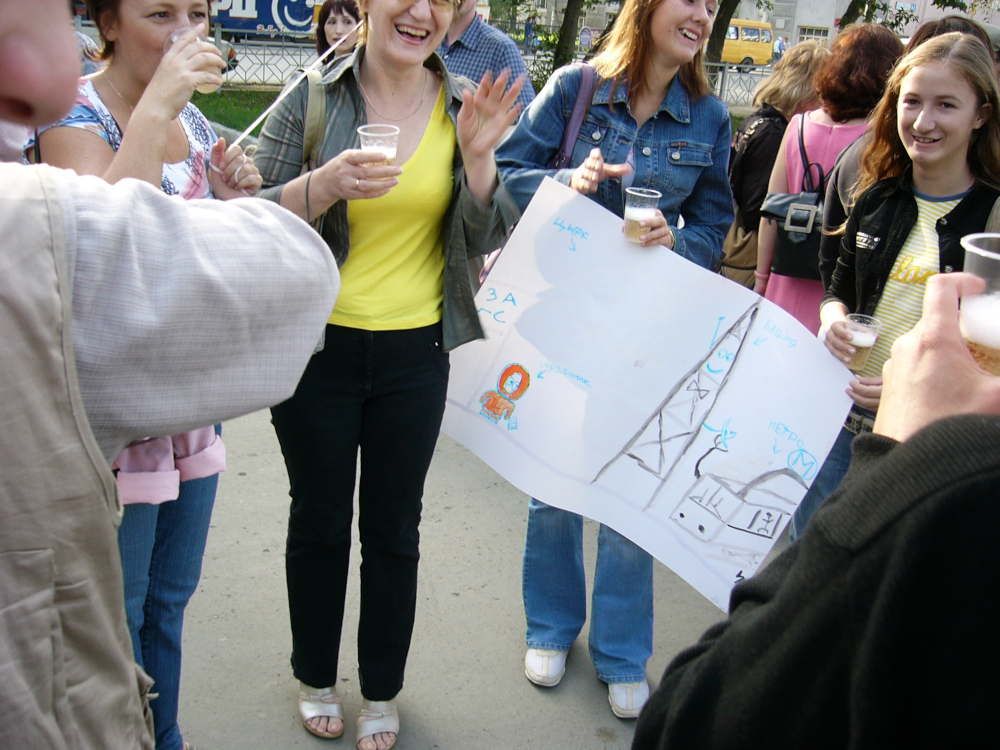
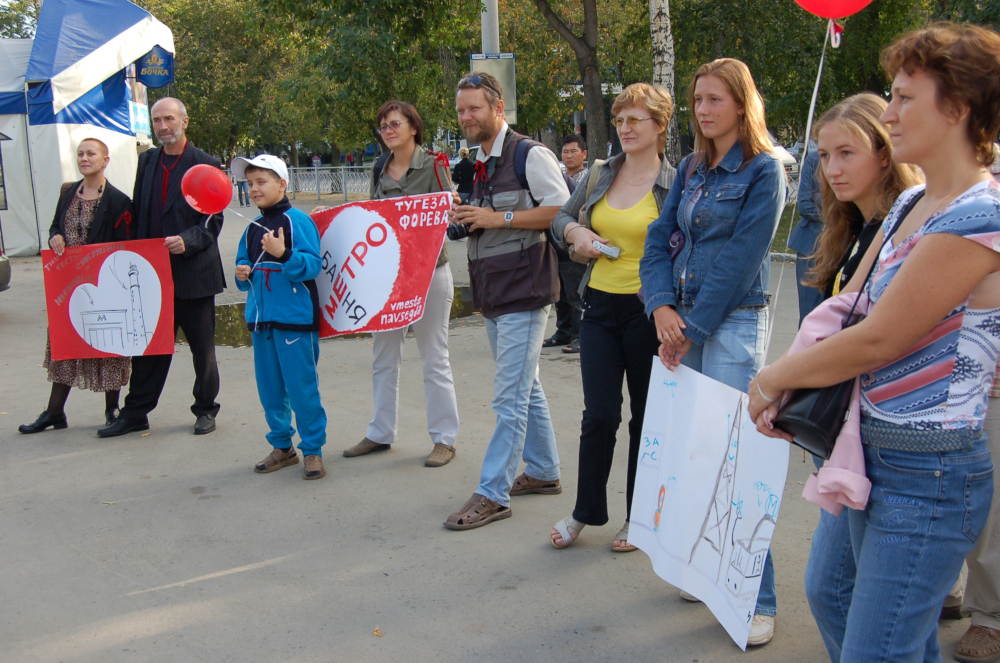
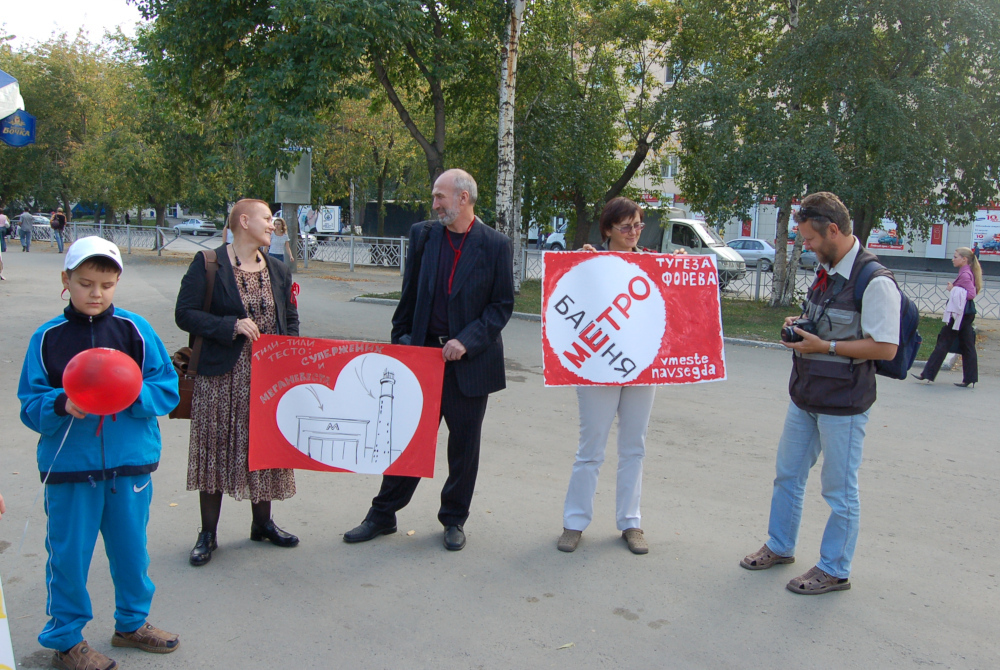
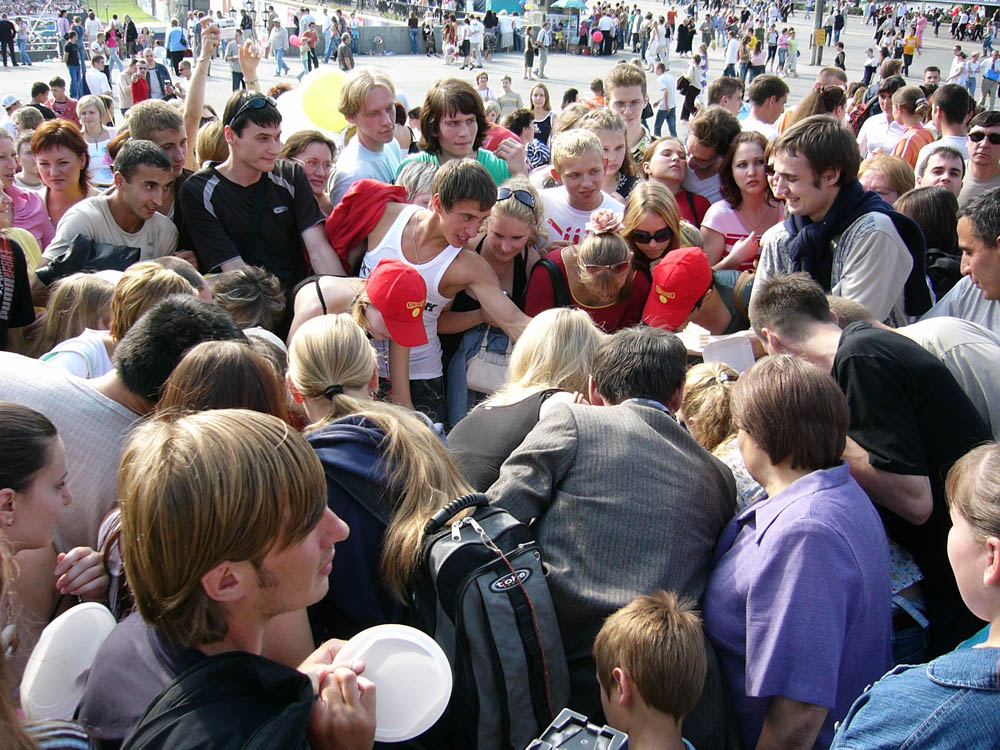
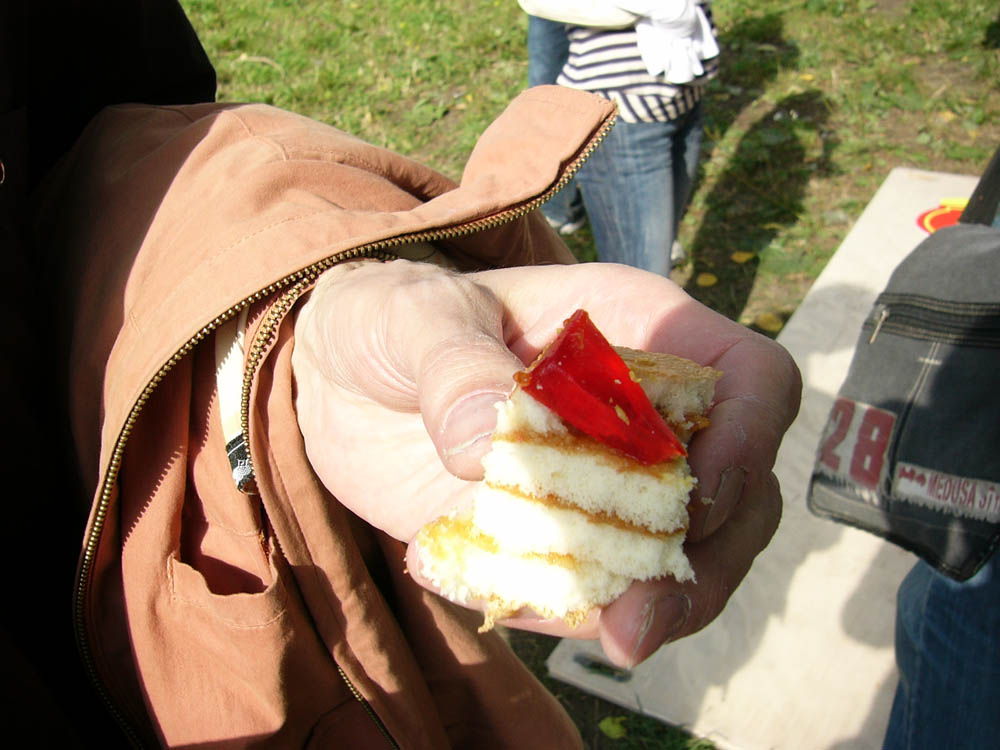
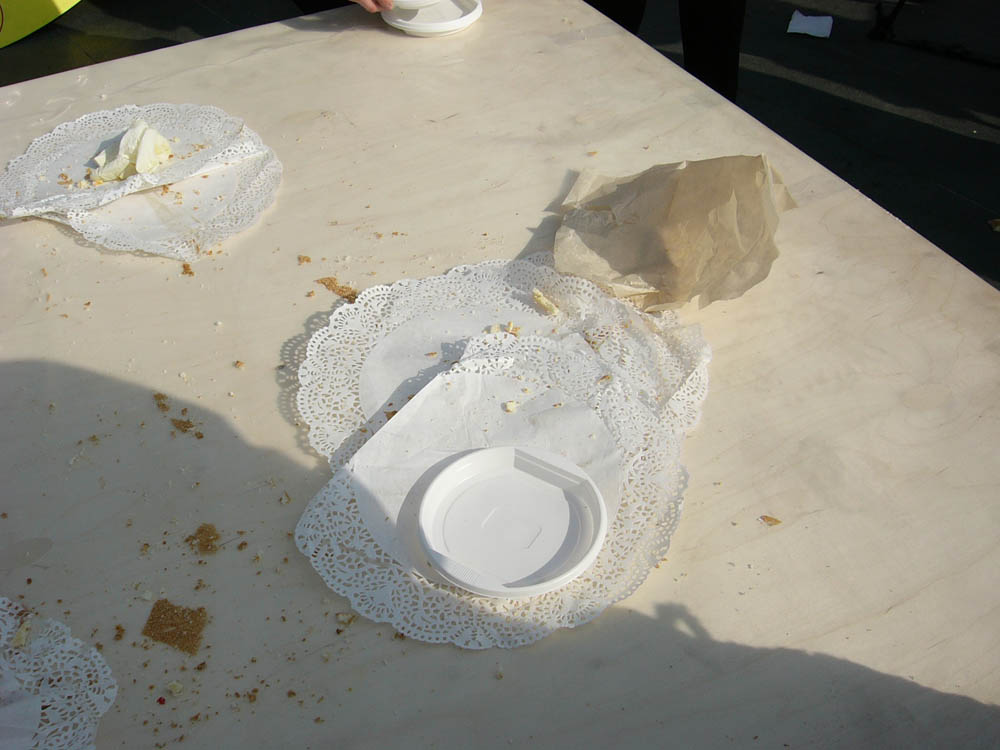
The photographs preserve particular encounters. They do not establish one of them as the definitive version.