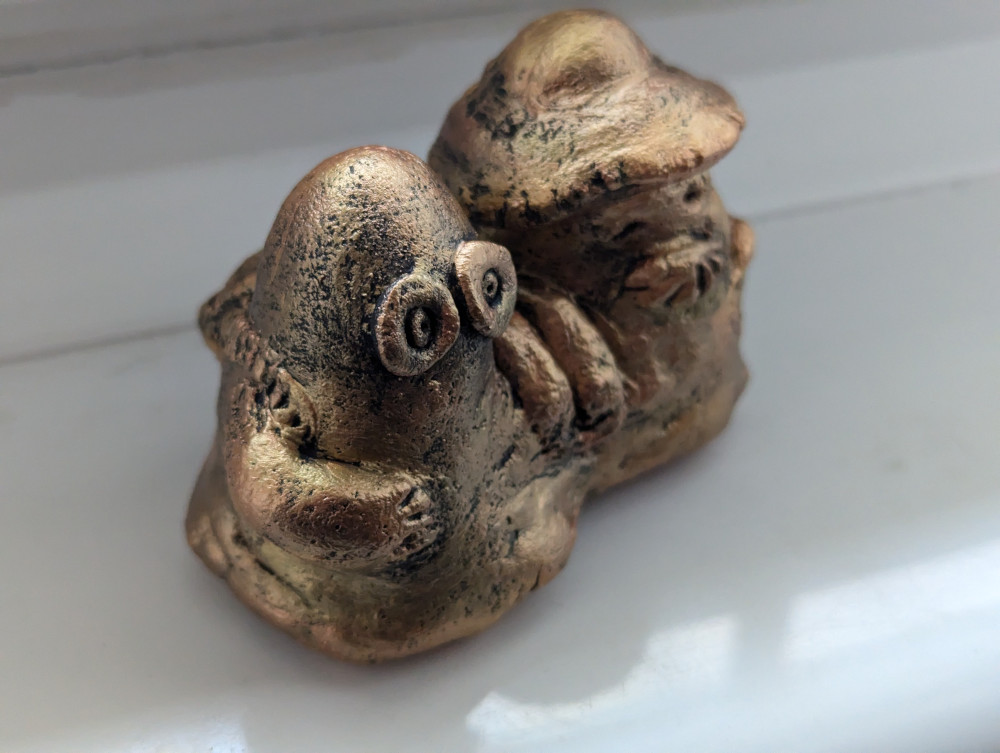
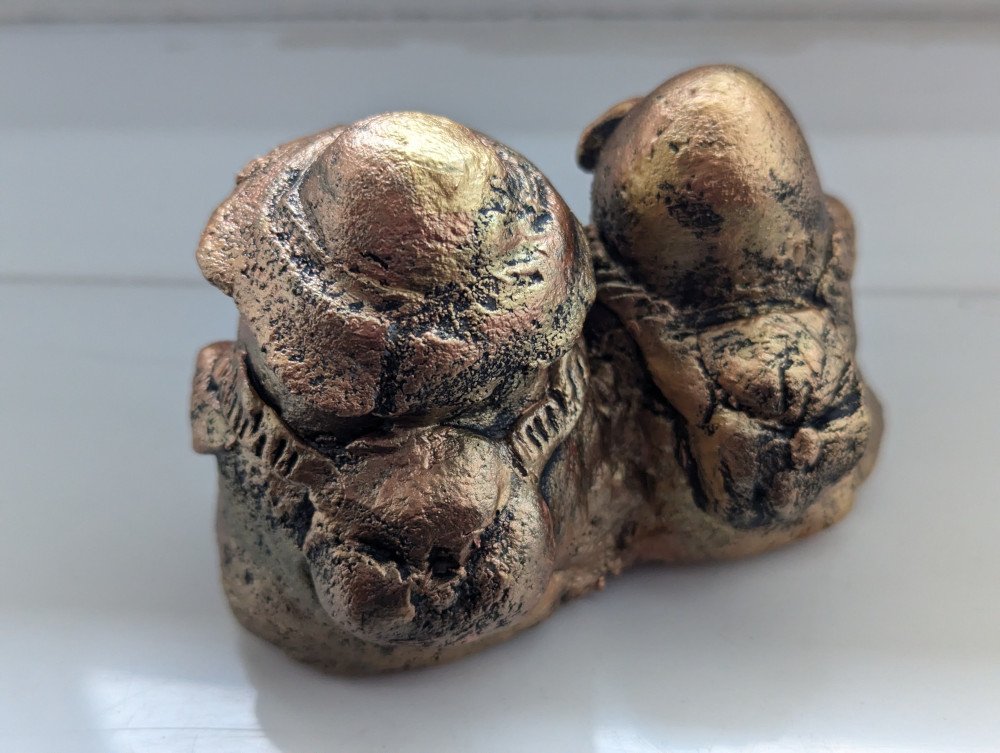
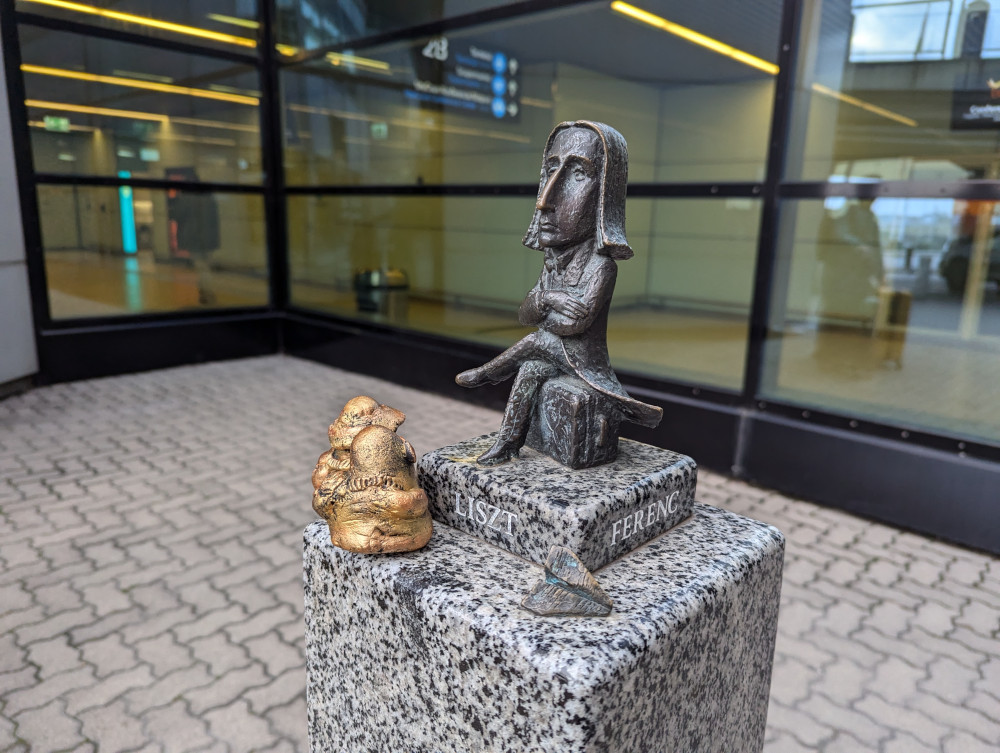
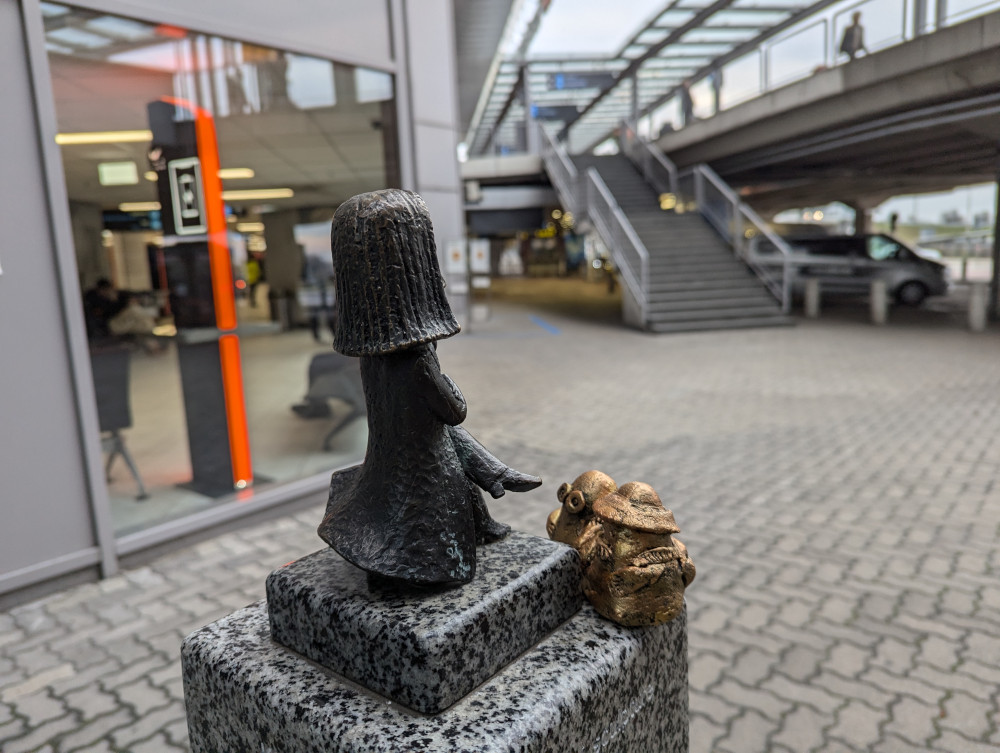
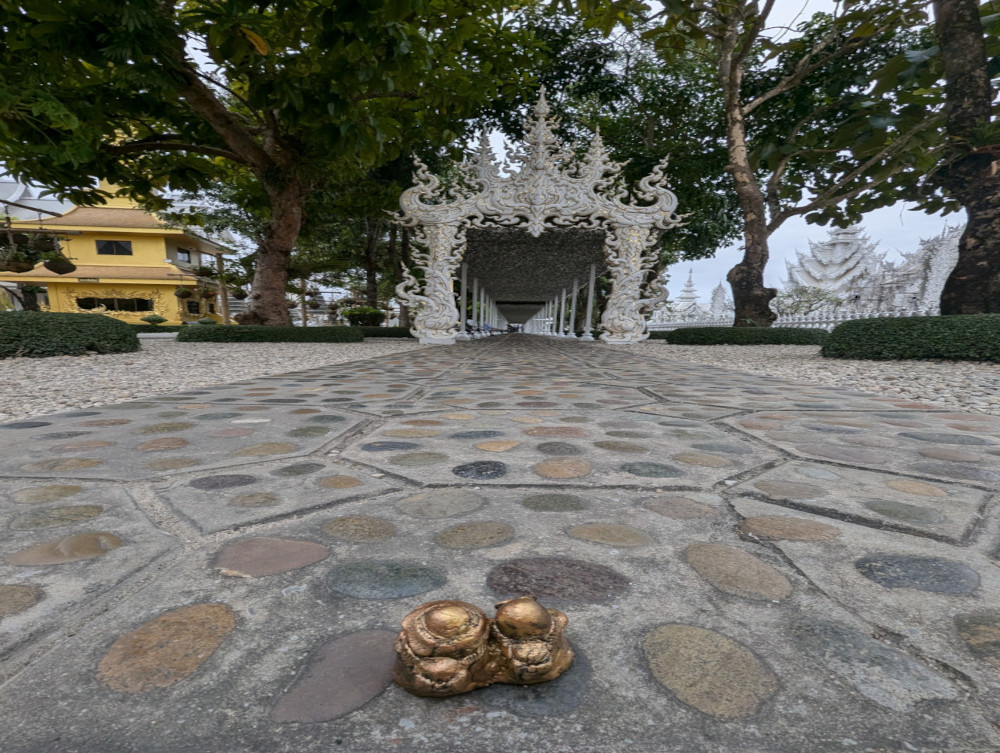
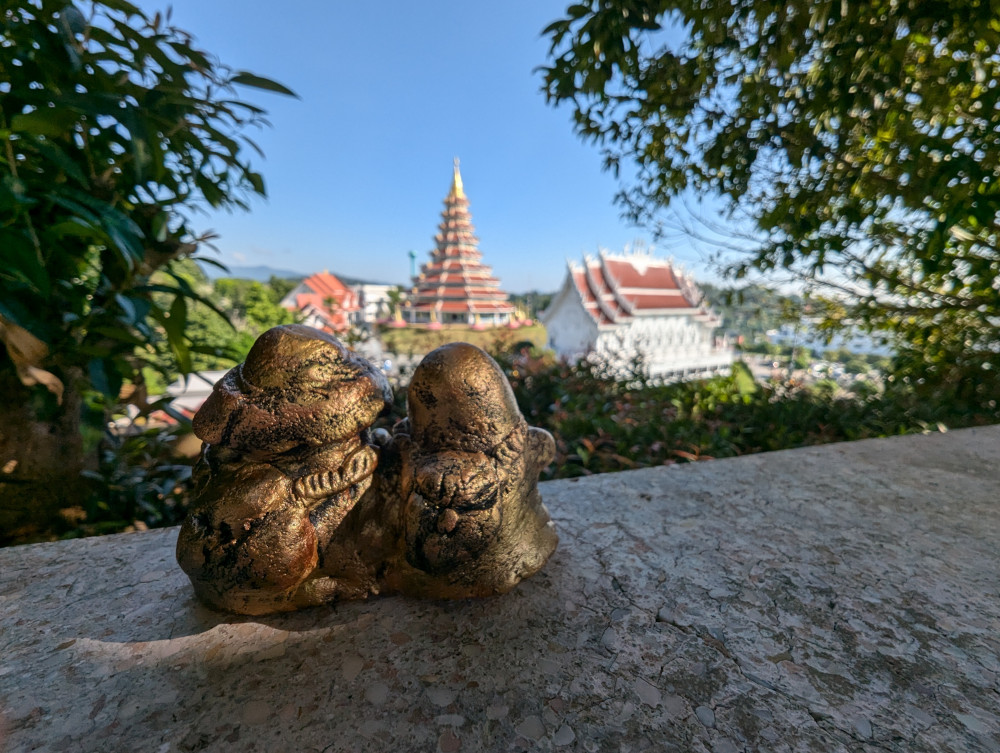
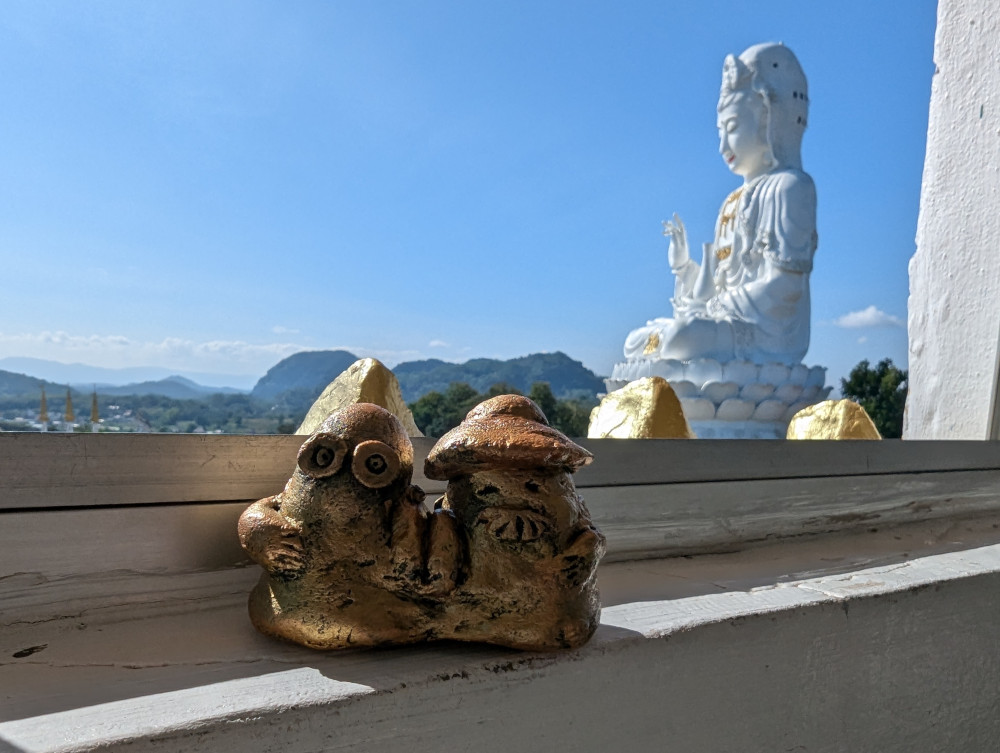
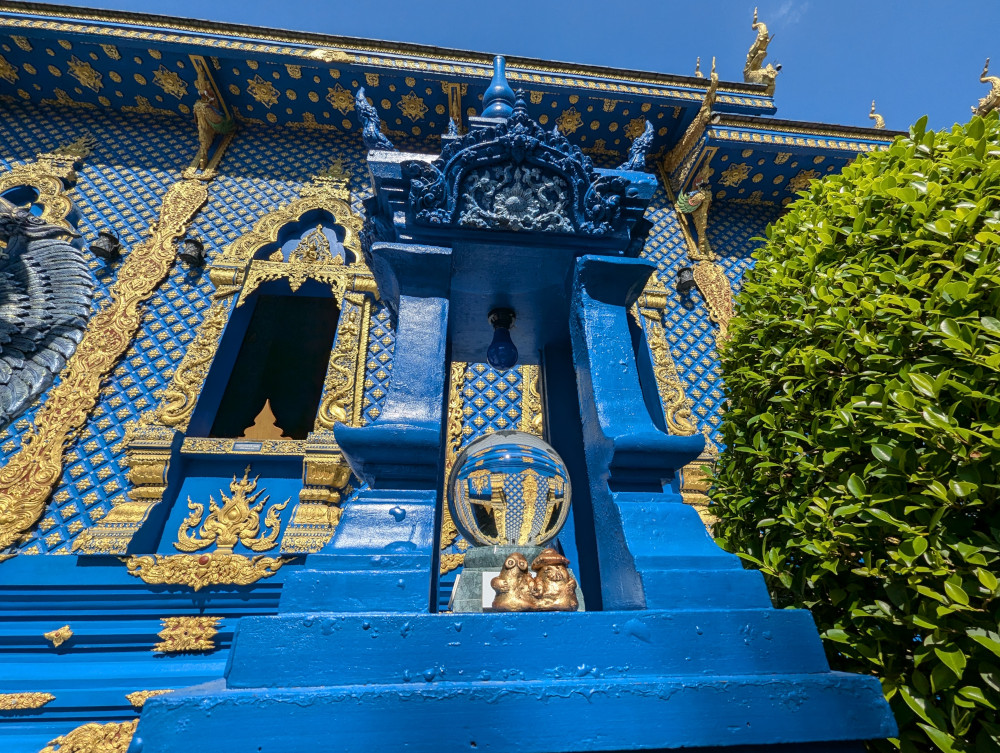
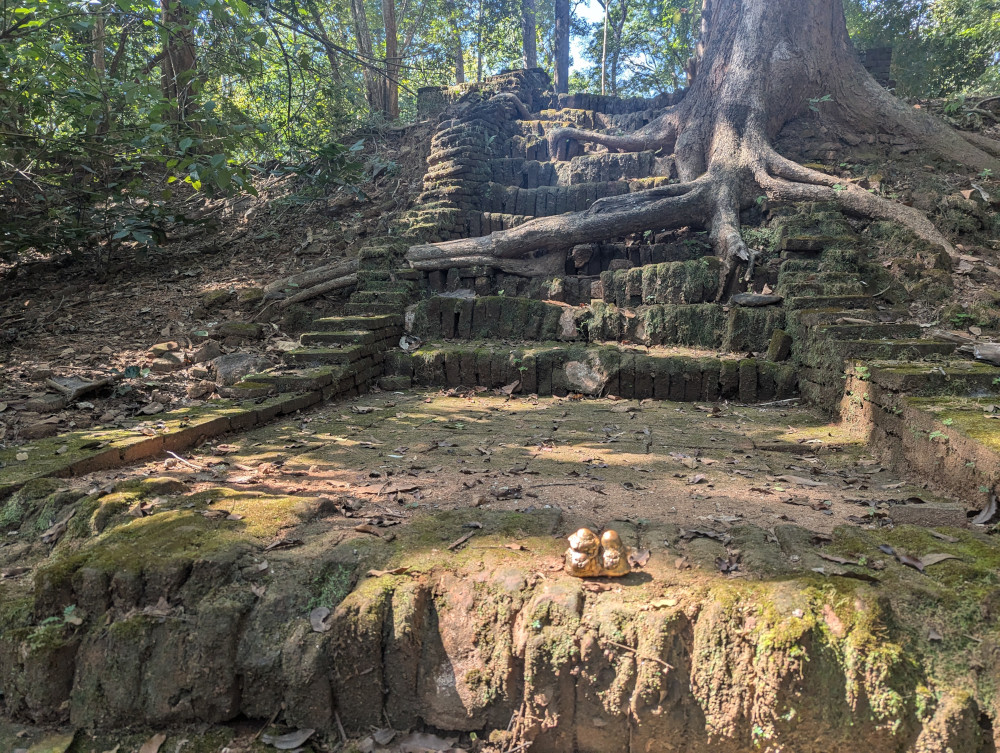
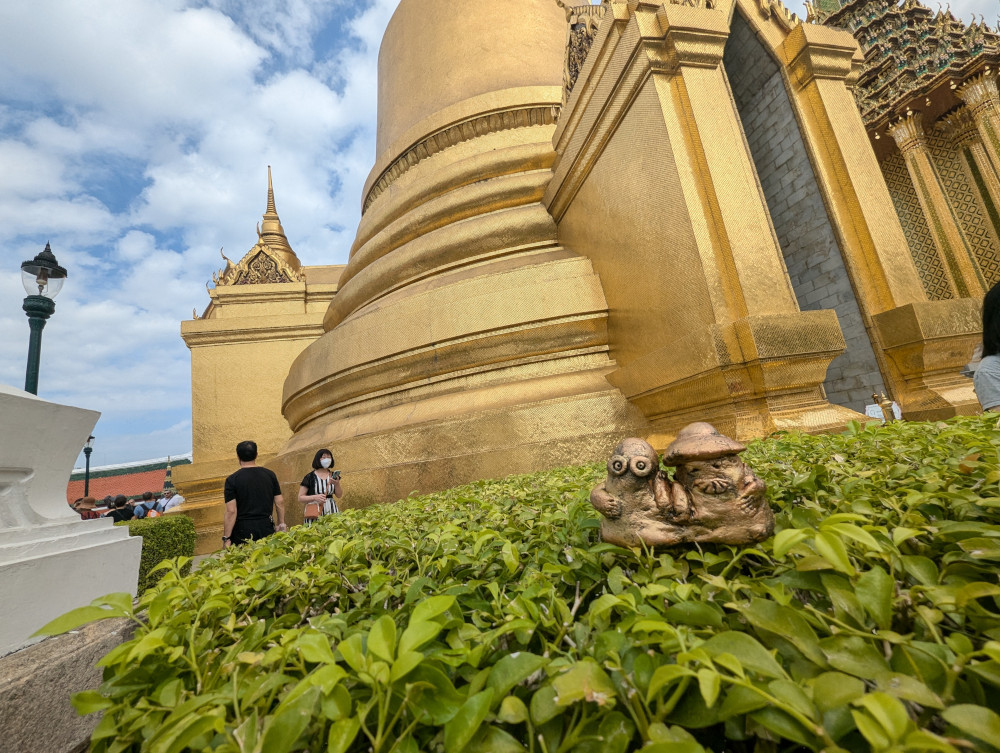
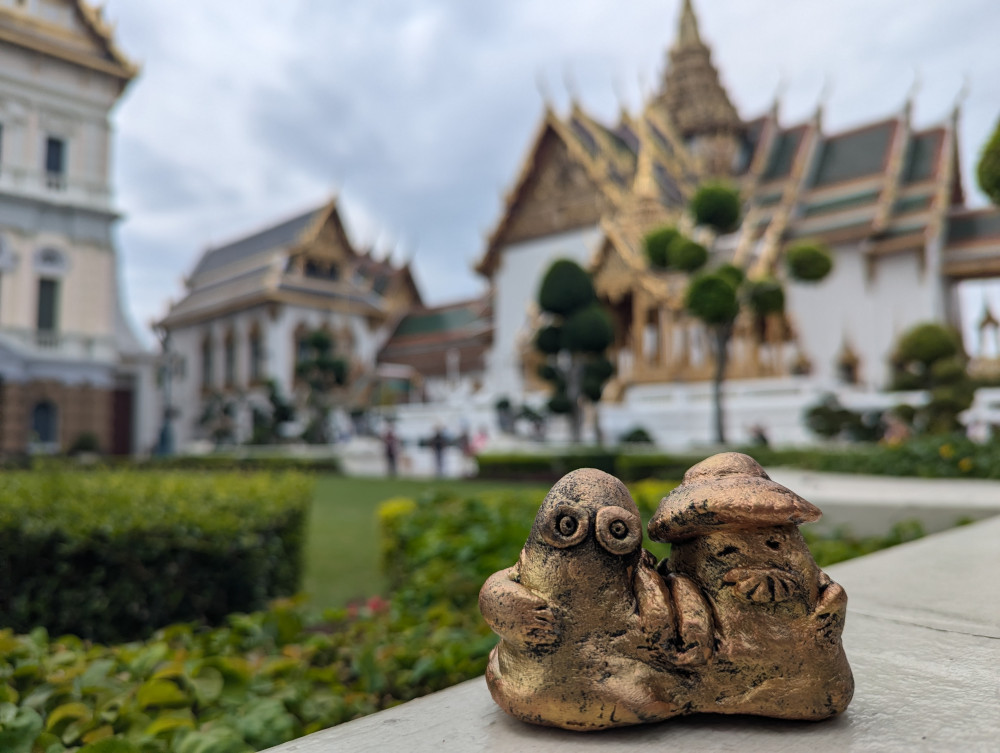
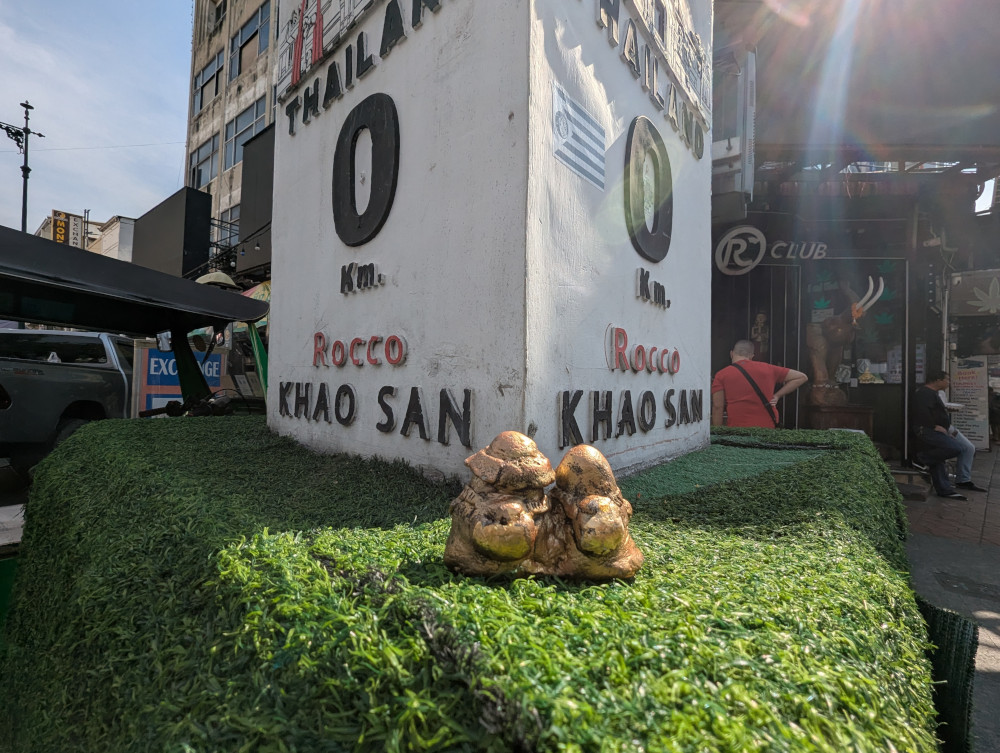
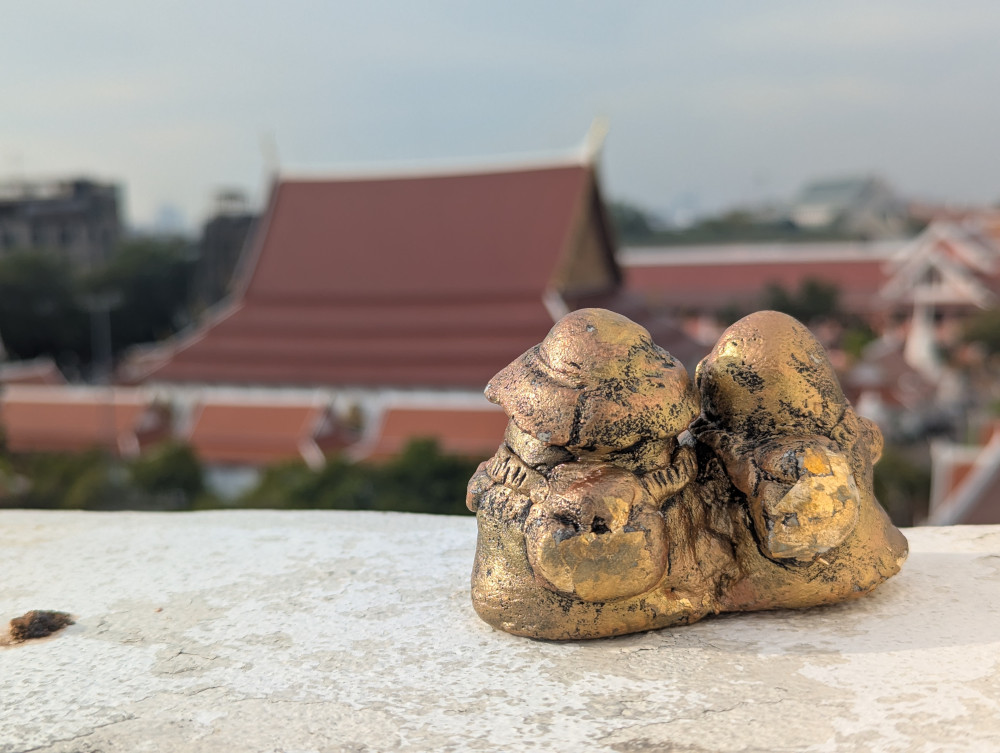
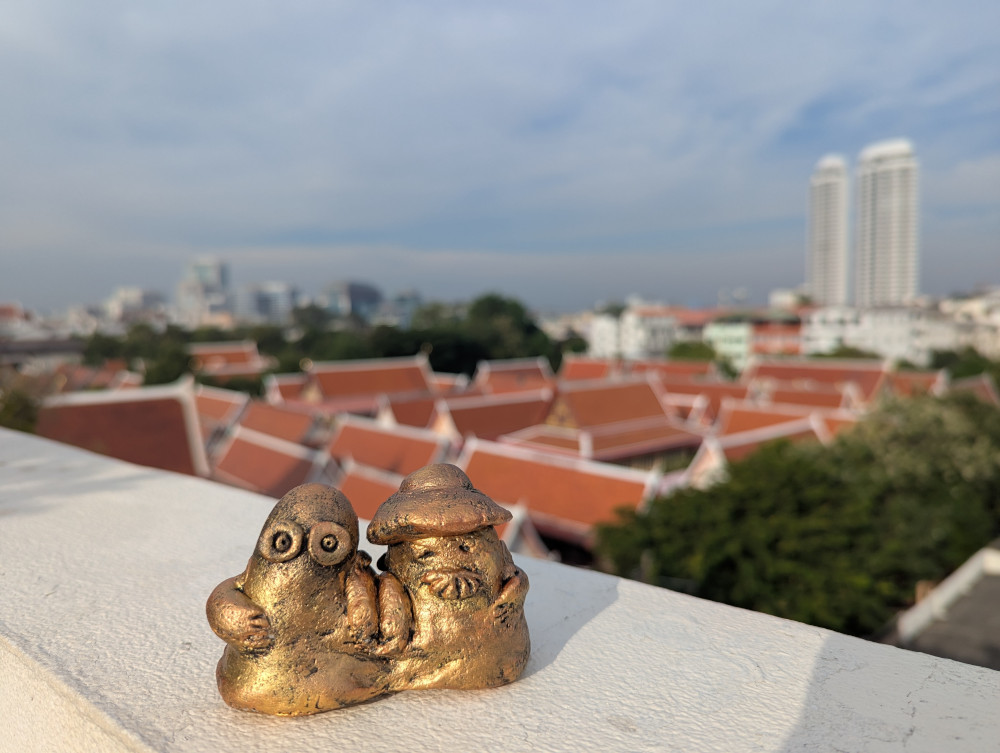
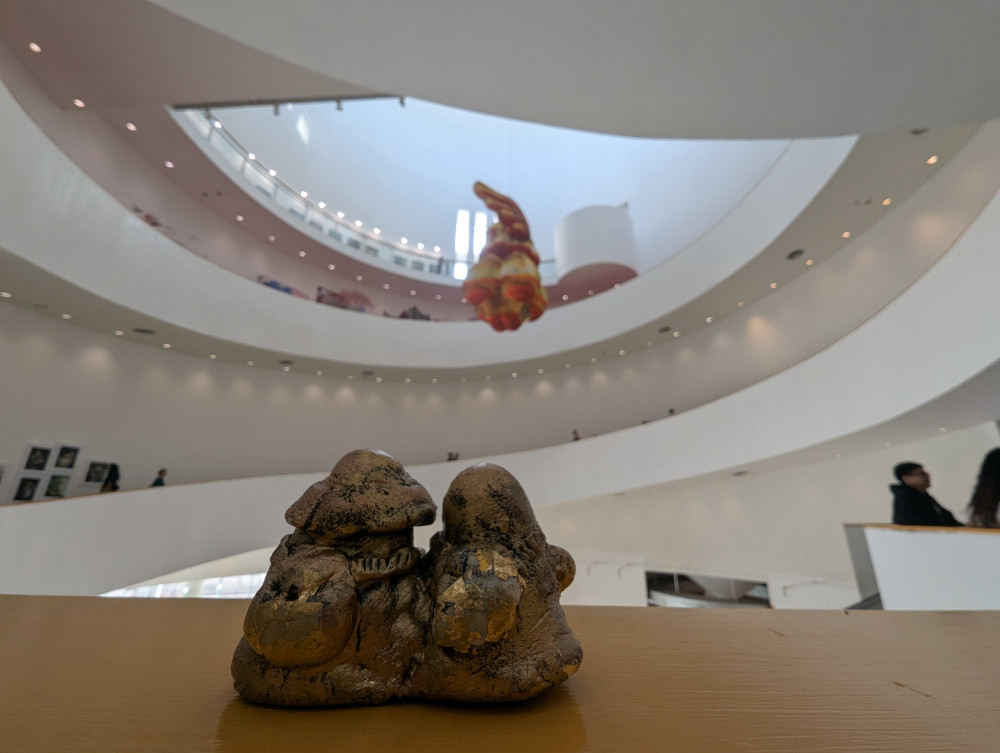
From 26 November to 16 December 2024, two small figures travelled with us from Hungary to Thailand. Along the way, they were brought into contact with places, monuments, landscapes, and sites of cultural significance.
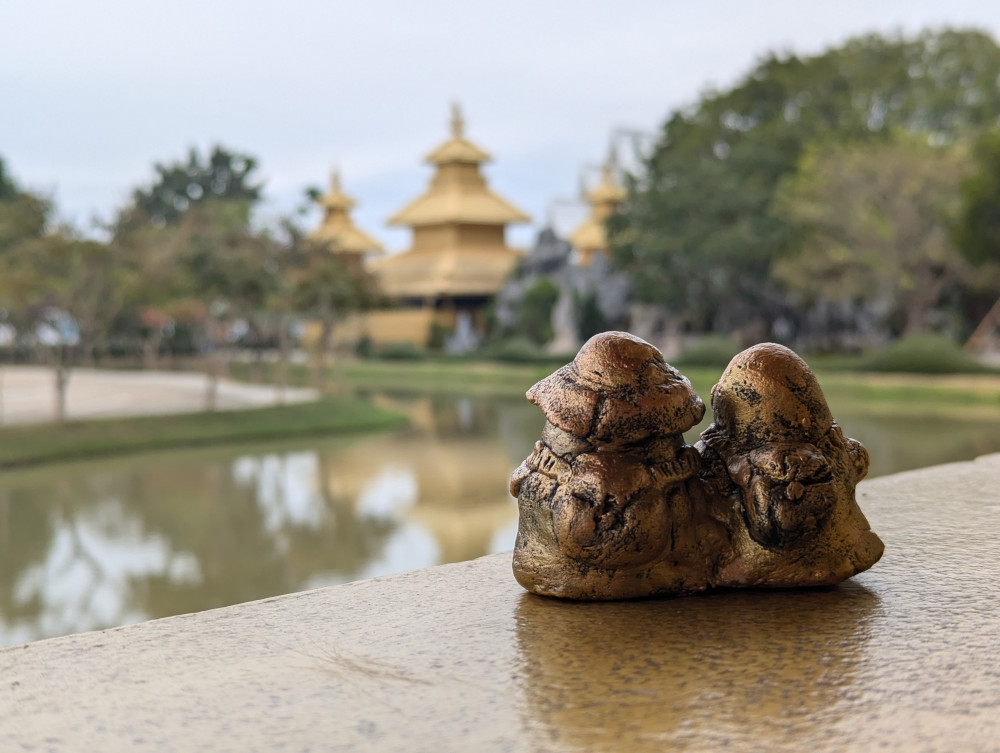
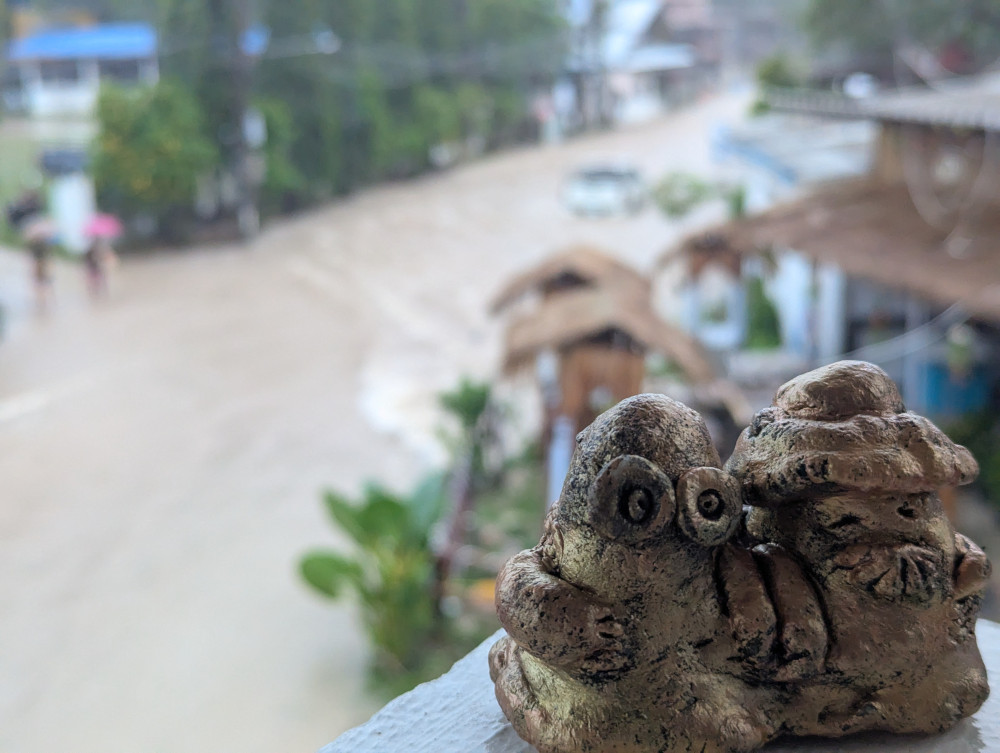
They travelled from Budapest Airport to Chiang Rai, Chiang Mai, Bangkok, and finally Koh Tao. At each stage, we looked for a place where they might belong.
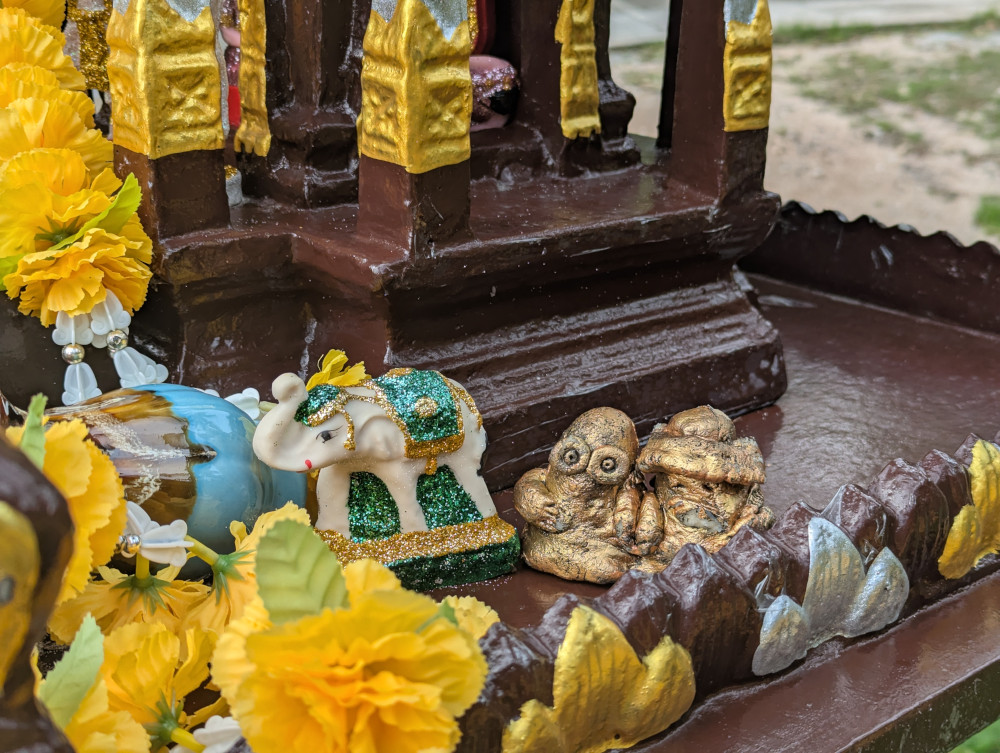
The figures were made from salt, flour, and water — a material that could travel easily but could not remain unchanged.
On Koh Tao, heavy rain began to soften them. Their bodies started to swell and change.
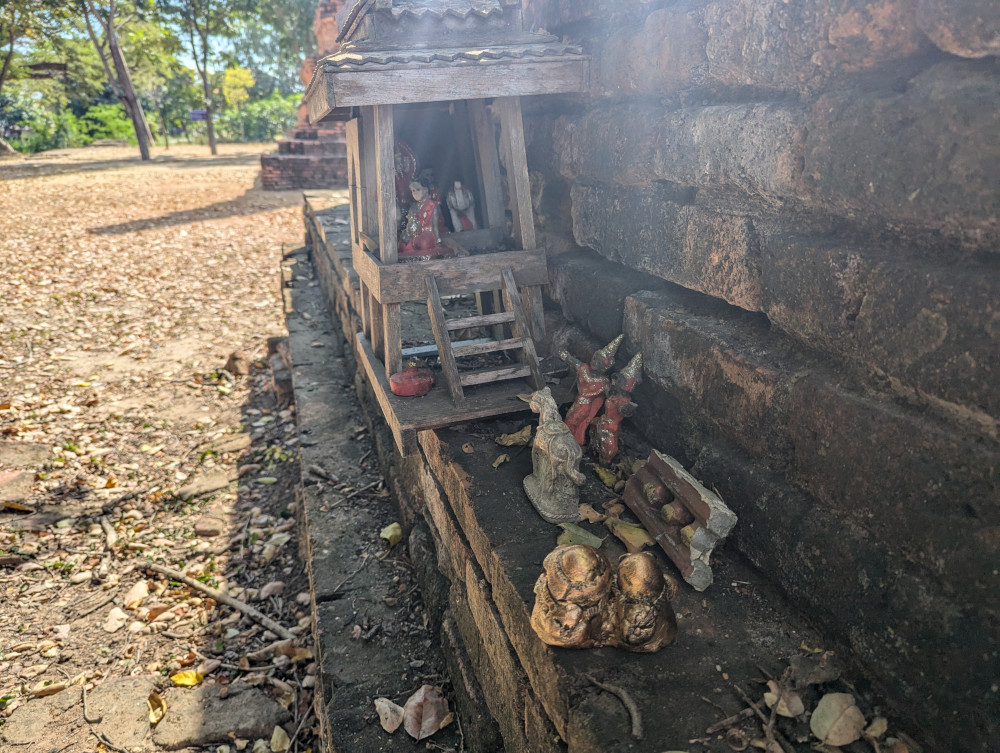
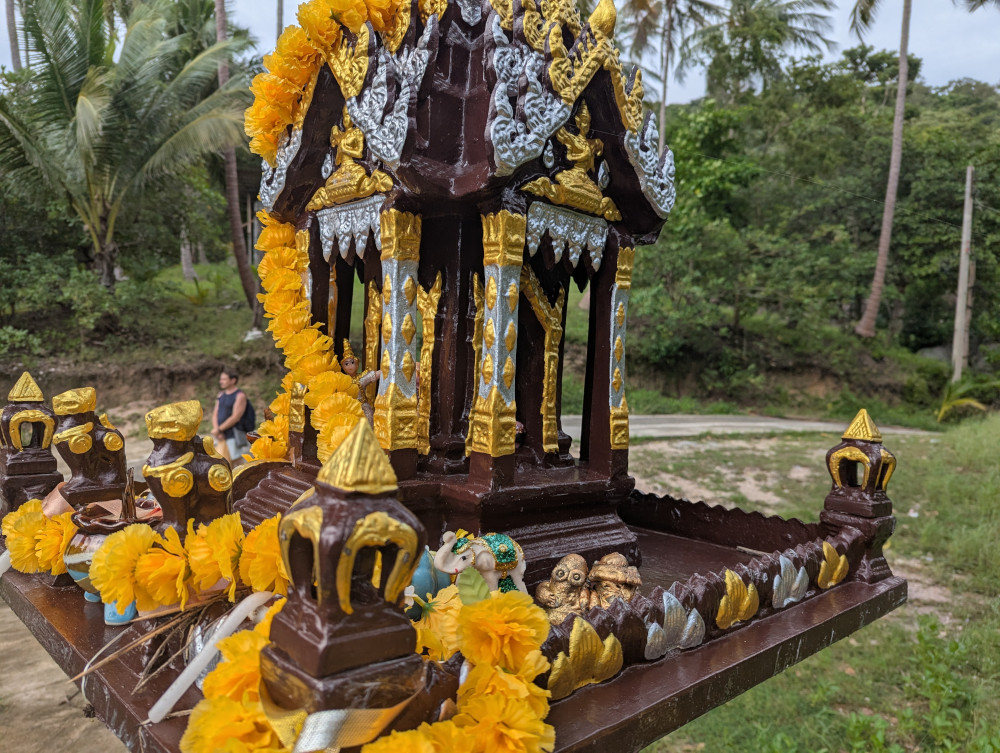
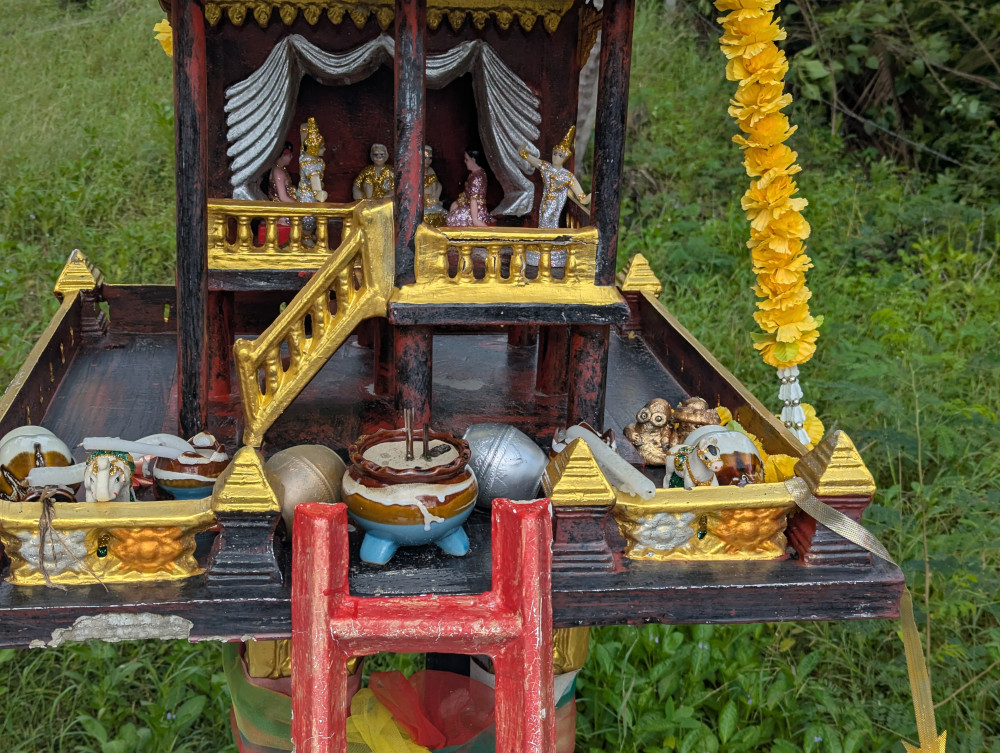
Instead of protecting them from the weather, we brought them to a spirit house near Ao Leuk beach.
There, the little travelers were left to negotiate with the place.
The next day, the weather cleared.
Whether this was coincidence, ritual, or simply the logic of the landscape remains open.
The monument was never intended to be permanent. Its journey, its encounters, and its eventual transformation are part of the work.
A Minik is not designed to occupy a place indefinitely. It enters a place, stays for a while, and becomes subject to the conditions it encounters.
Here, the monument itself became a traveler.
And perhaps the final destination was not a location at all, but a temporary agreement with the place.
What happens when an ancient image survives without surviving in its original form?
Deer Stones is an ongoing R² investigation into the recurring image of the deer in stone — from ancient megaliths and ritual monuments to contemporary sculptures and accidental structures found in the Hungarian landscape.
The project began with a simple observation: some contemporary Hungarian monuments unexpectedly recall the form and imagery of ancient deer stones. Others have no connection to them at all, yet begin to resemble them once they are encountered through the same visual and symbolic lens.
Rather than reconstructing a historical tradition, we followed these unexpected correspondences.
Ancient Deer Stones
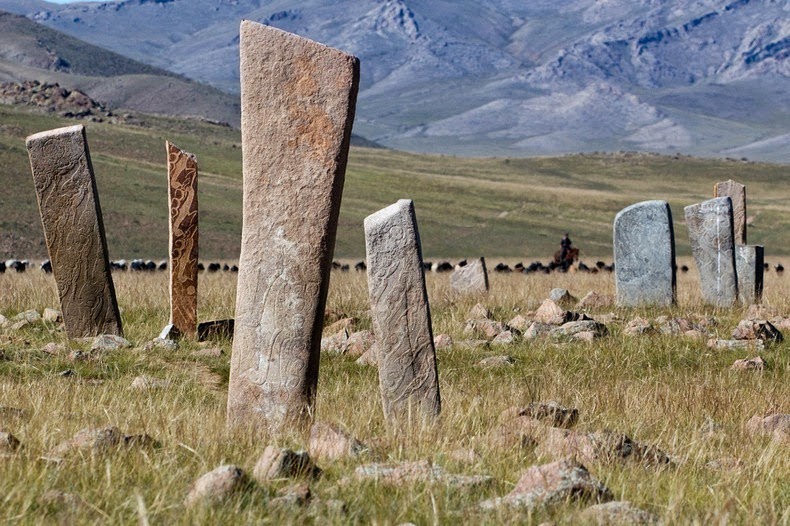
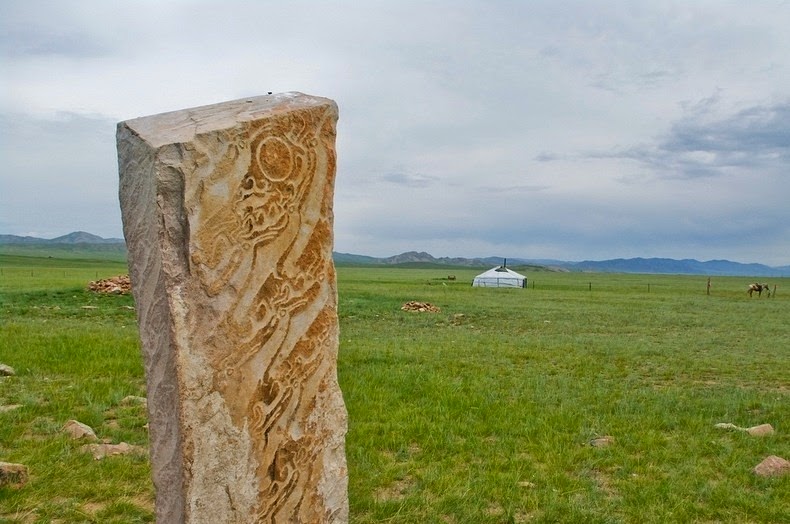
Deer stones are ancient stone stelae associated with the Bronze and early Iron Age cultures of Mongolia and neighbouring regions of Siberia. Their surfaces carry images of flying deer, weapons, ornaments, and solar symbols.
The deer is not represented simply as an animal. Its recurring upward movement, elaborate antlers, and association with solar imagery suggest a figure moving between different realms.
For R², this image became a point of departure rather than a subject to be illustrated.
Deer stone, Khovsgol Province, Mongolia fromDeer stone complex at Uushgiin Uvur from
Modern Deer Stones
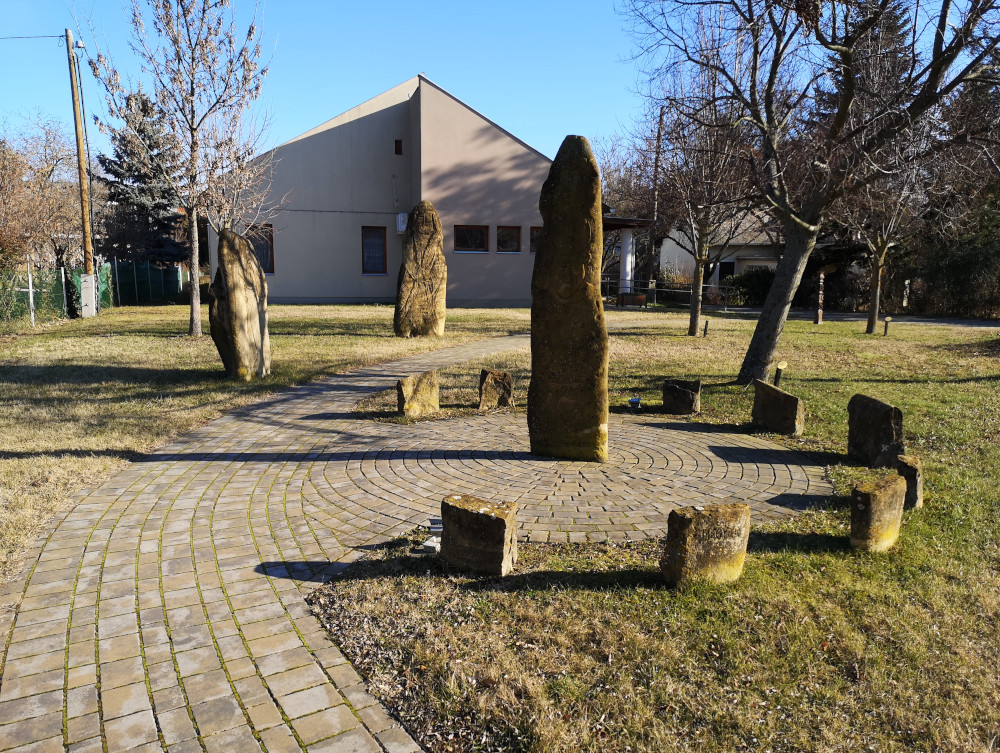
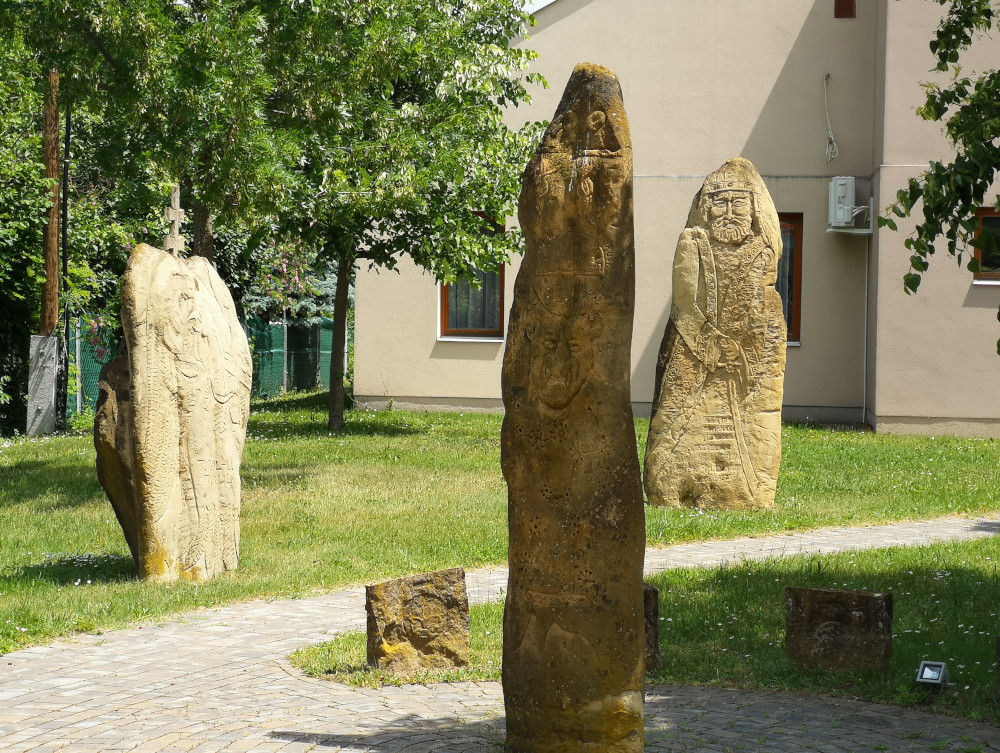
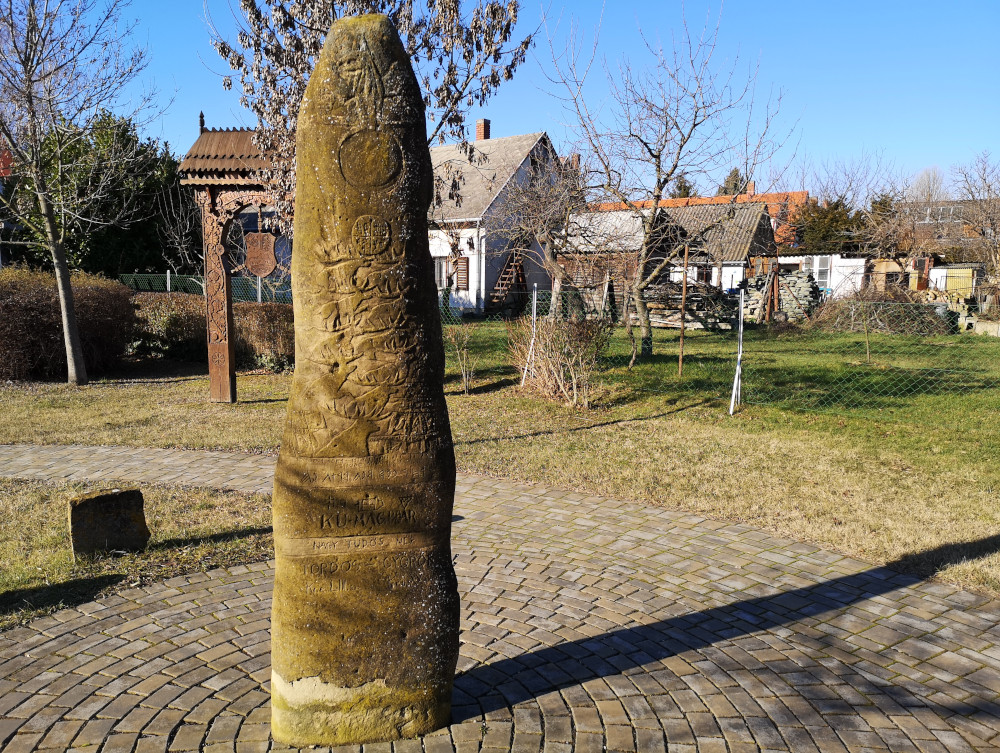
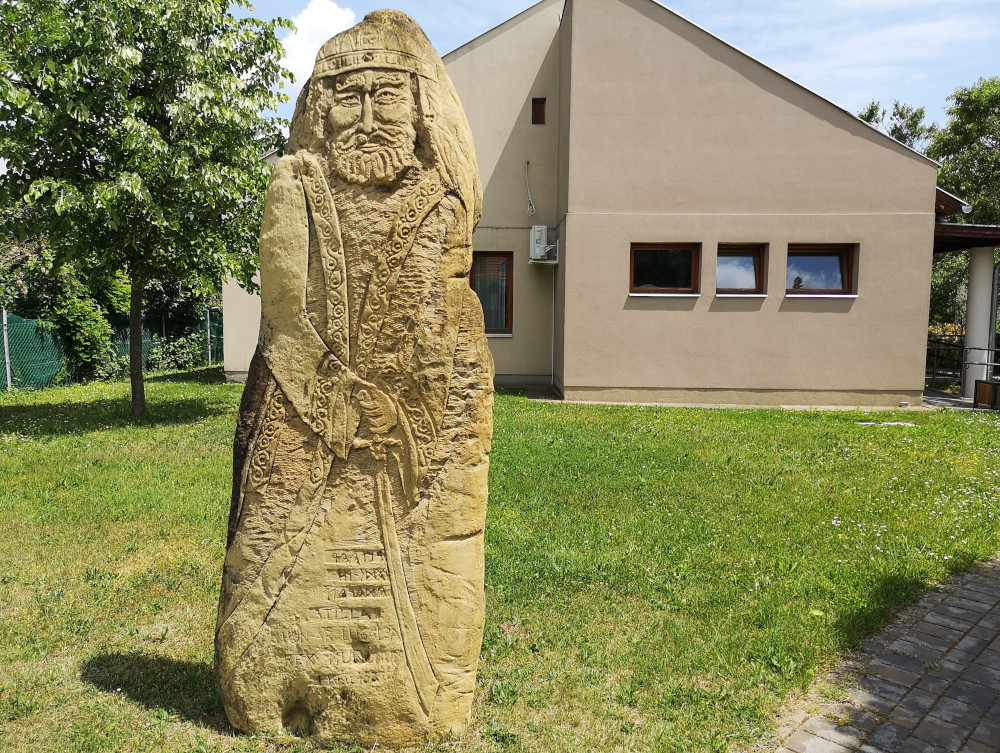
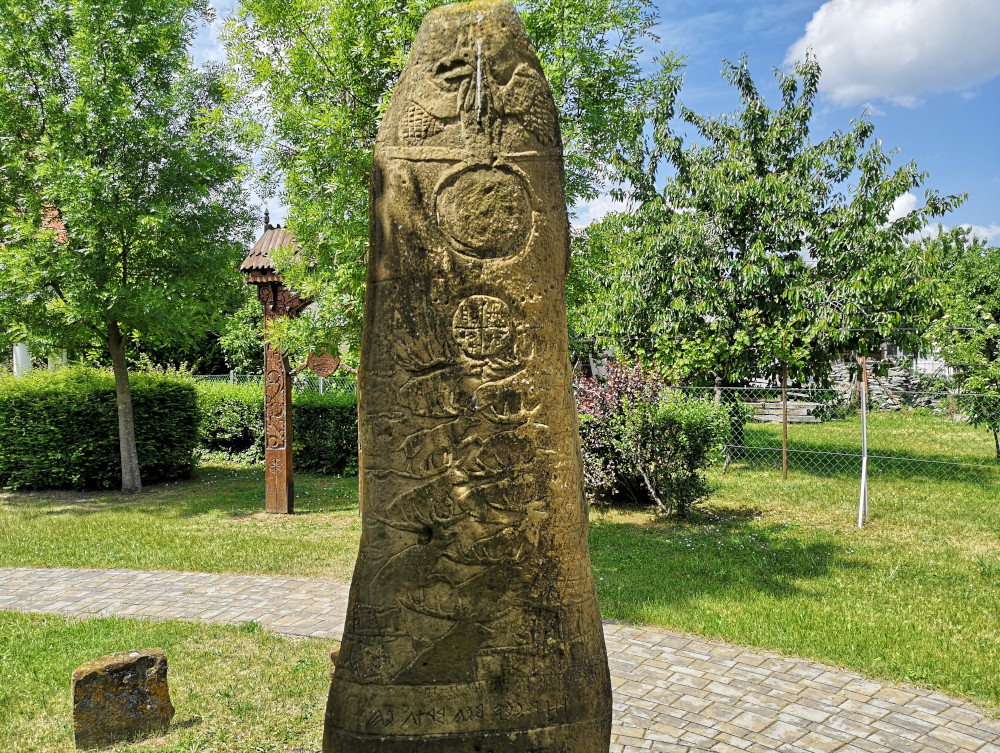
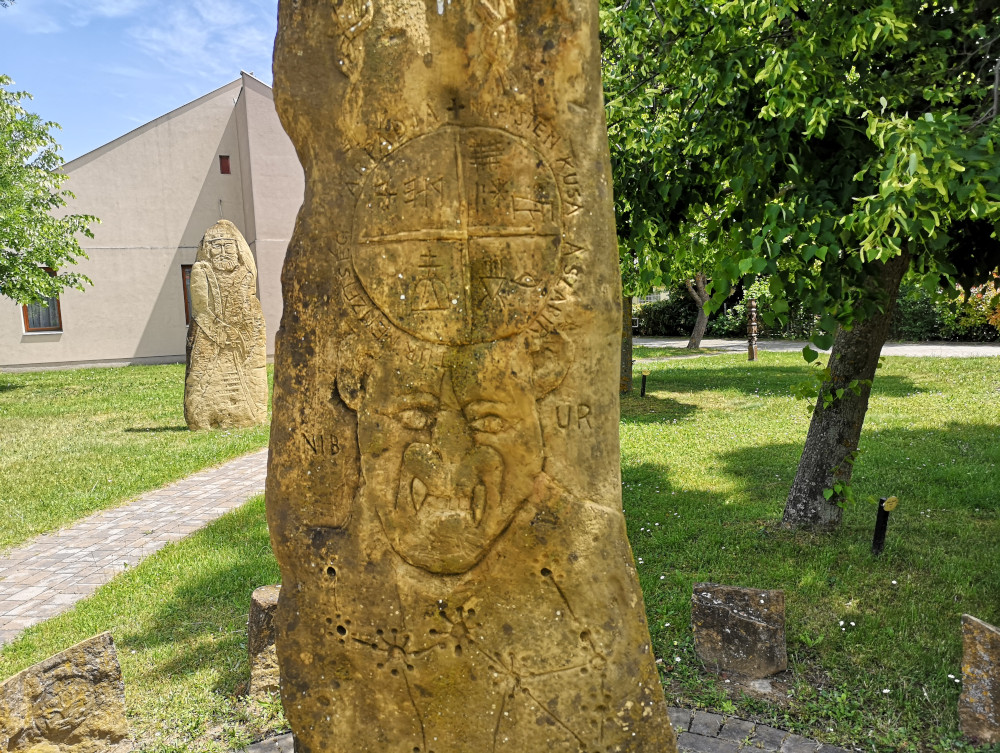
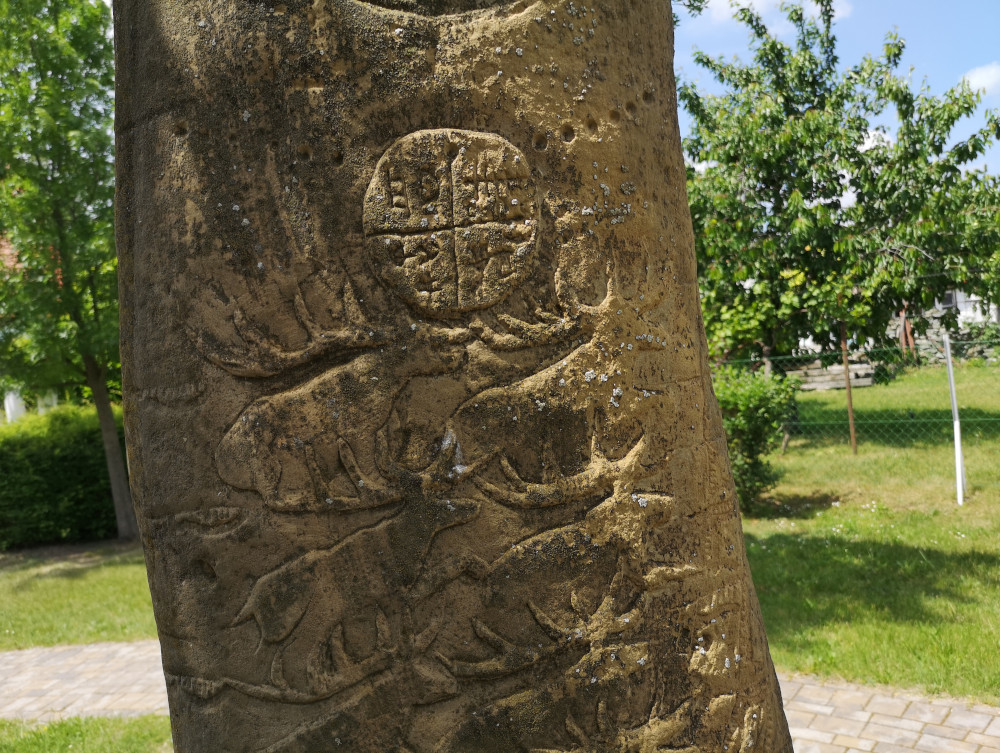
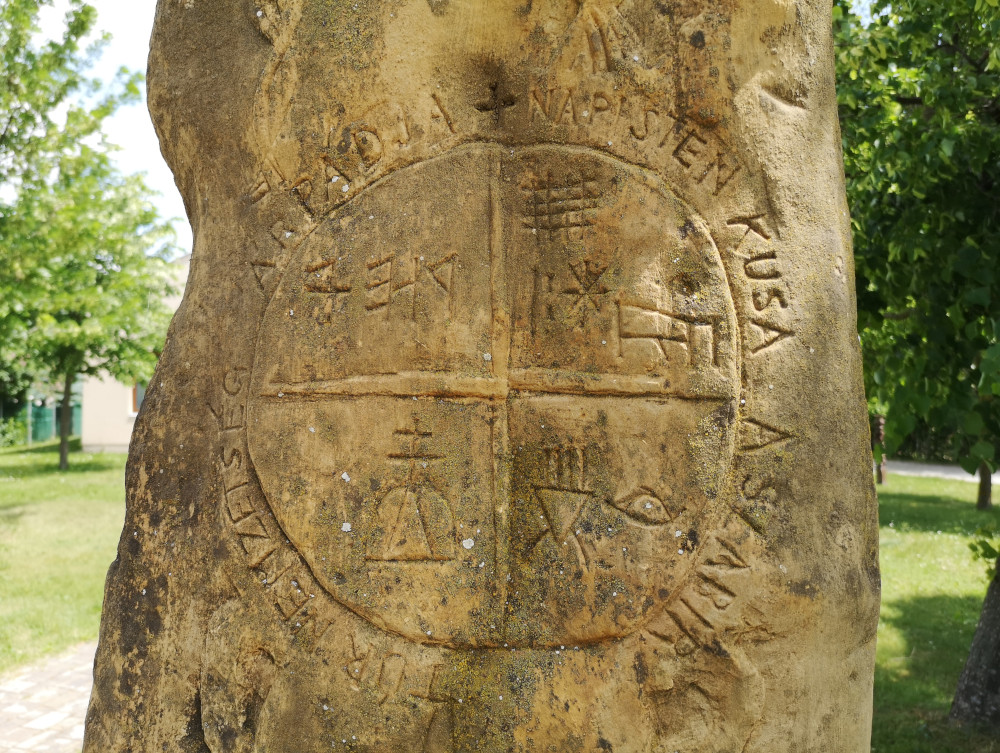
In Hungary, we encountered several contemporary stone monuments whose forms and imagery unexpectedly echoed this ancient vocabulary.
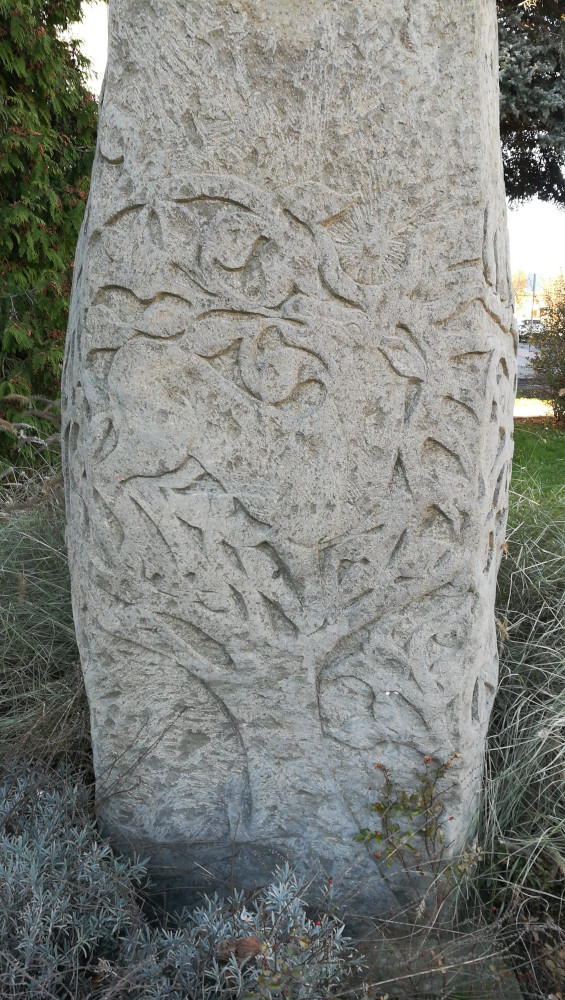
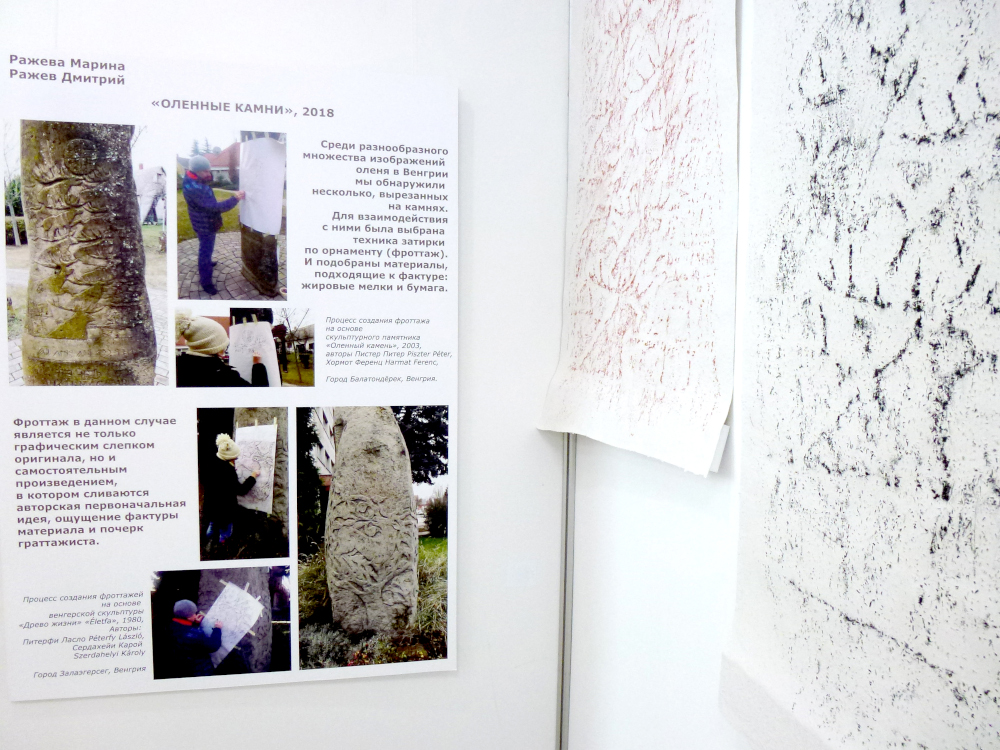
Among them were Tree of Life (Életfa) by Péterfy László and Szerdahelyi Károly in Zalaegerszeg, and The Conquest of the Homeland (Honfoglalás) by Harmat Ferenc with Piszter Péter in Balatongyörök.
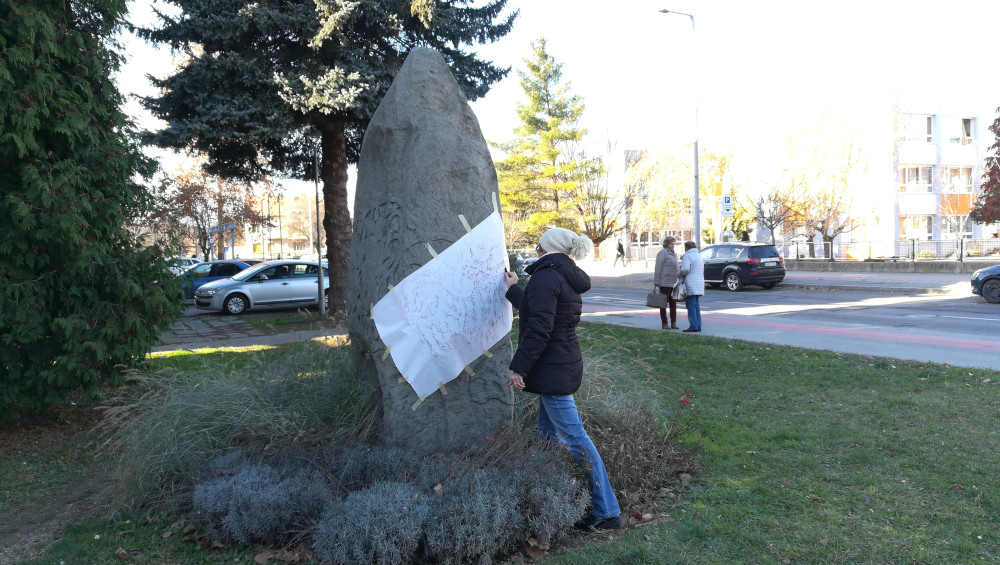
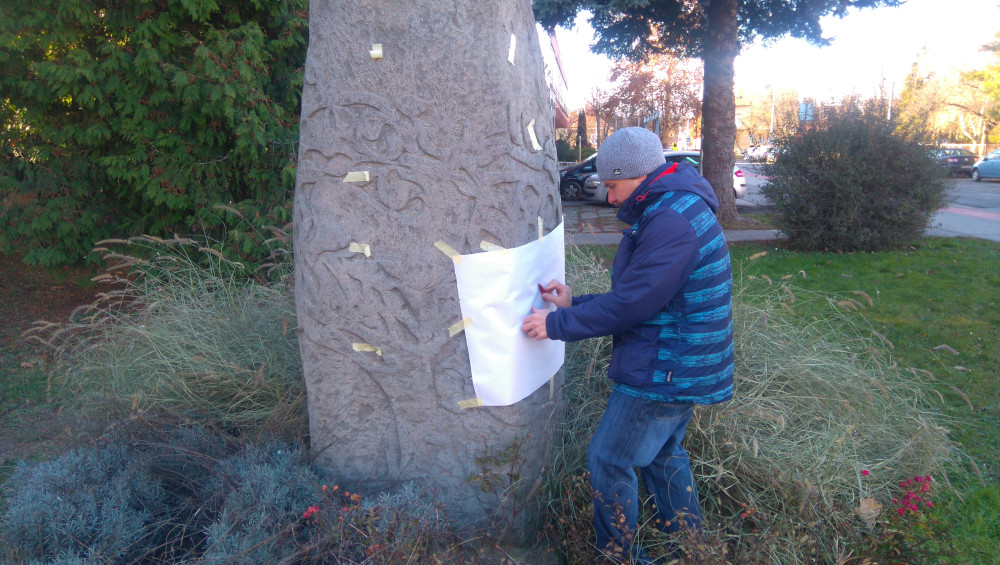
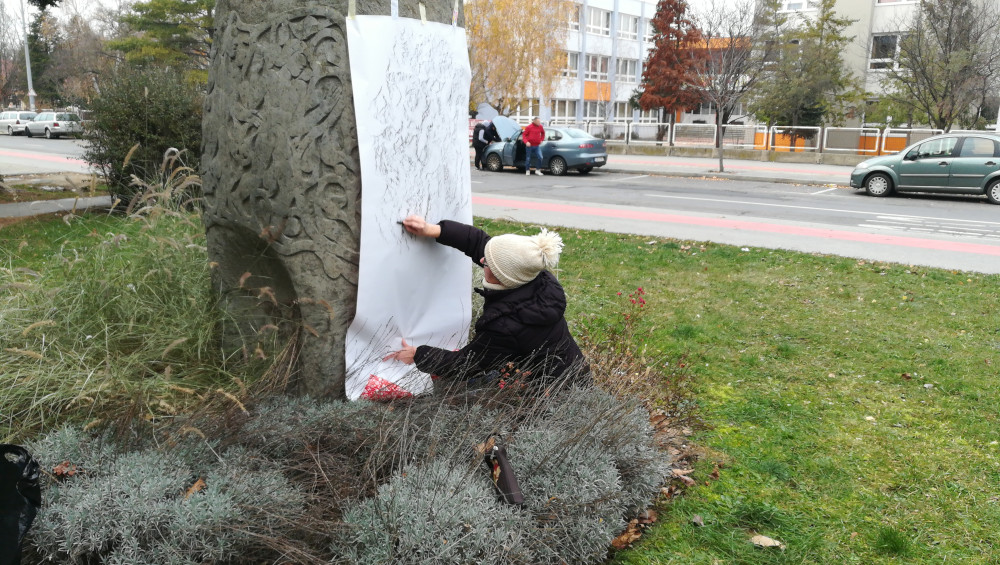
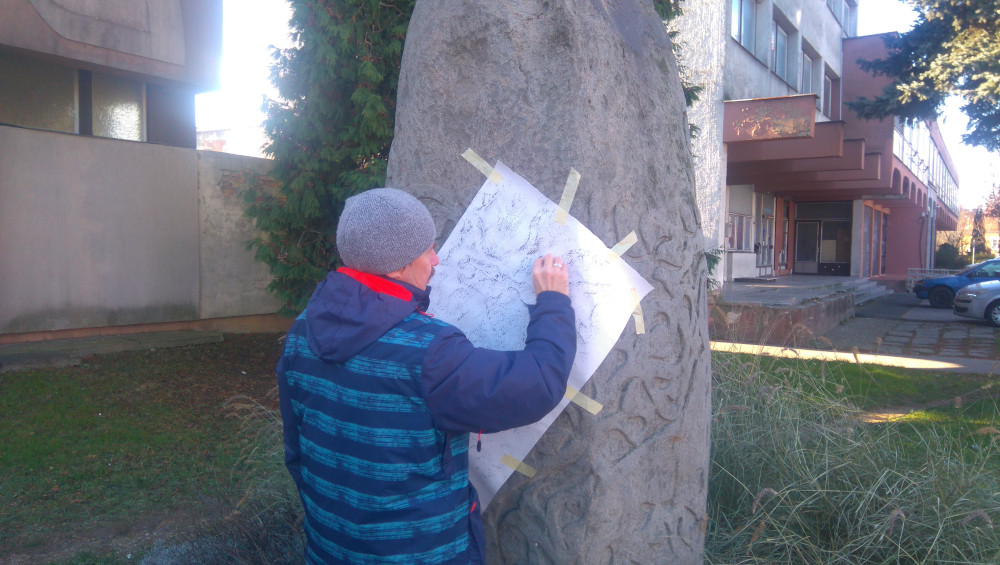
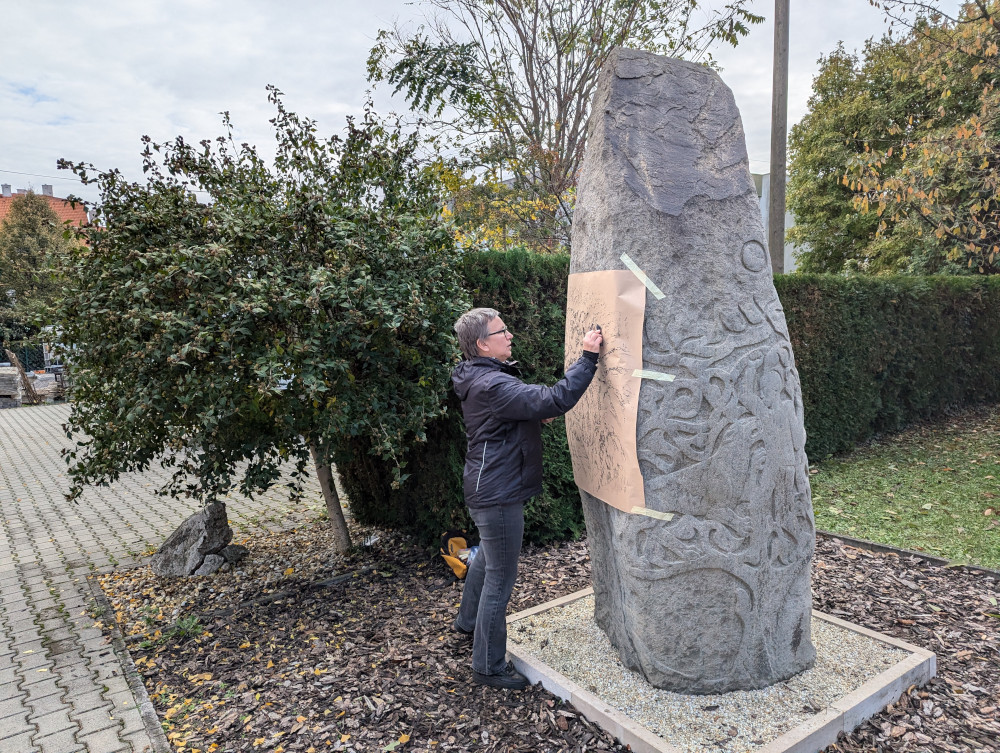
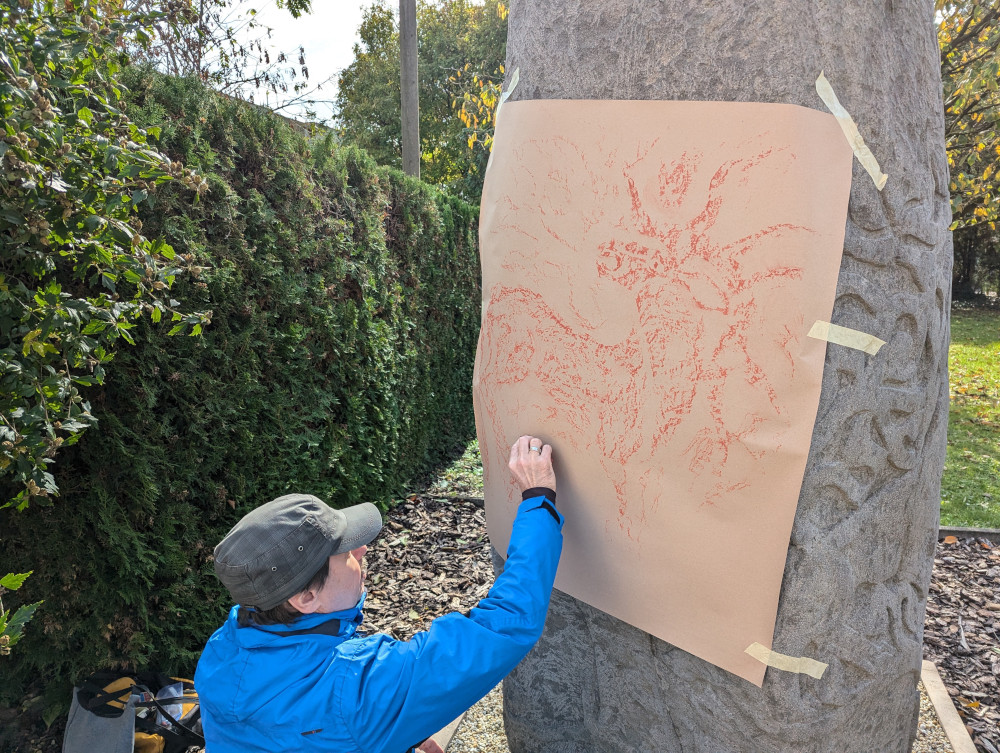
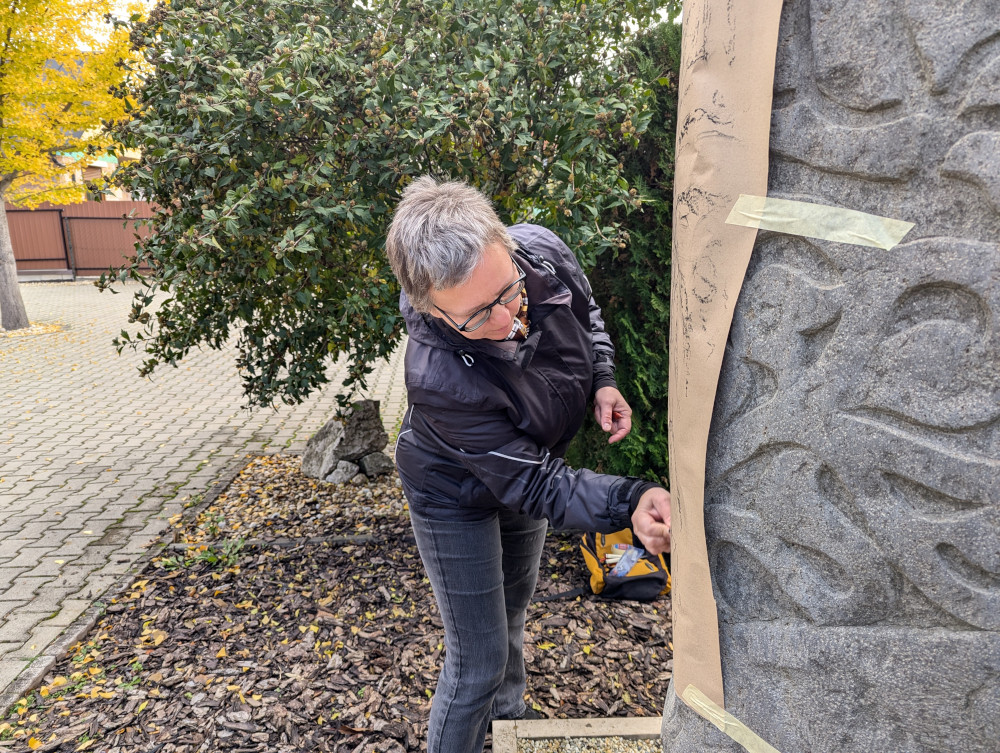
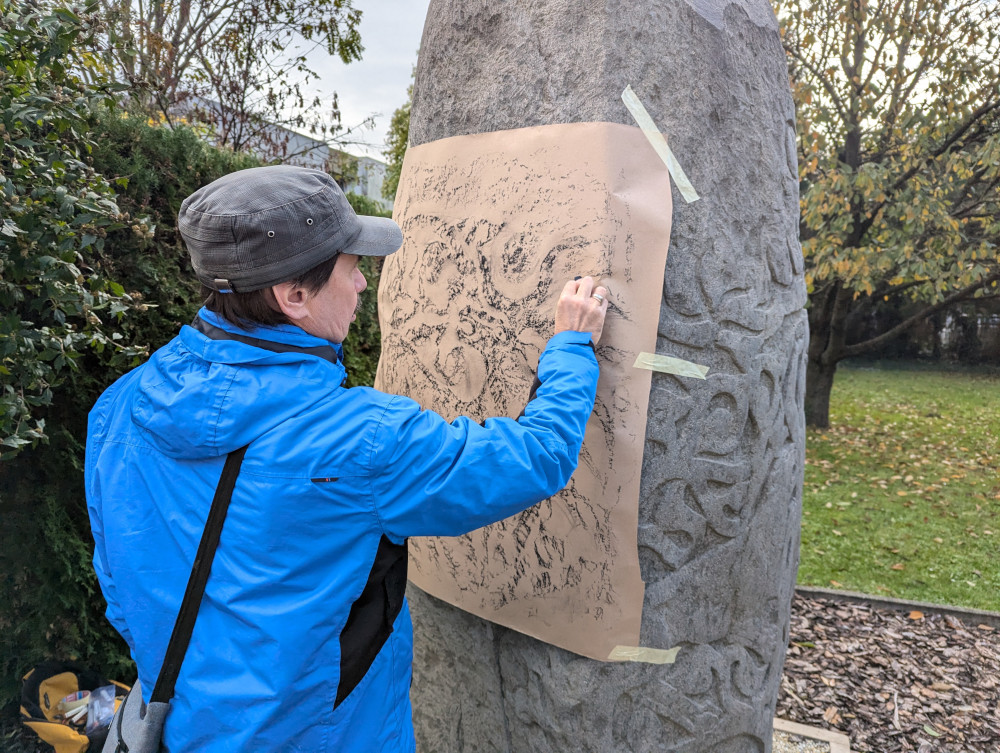
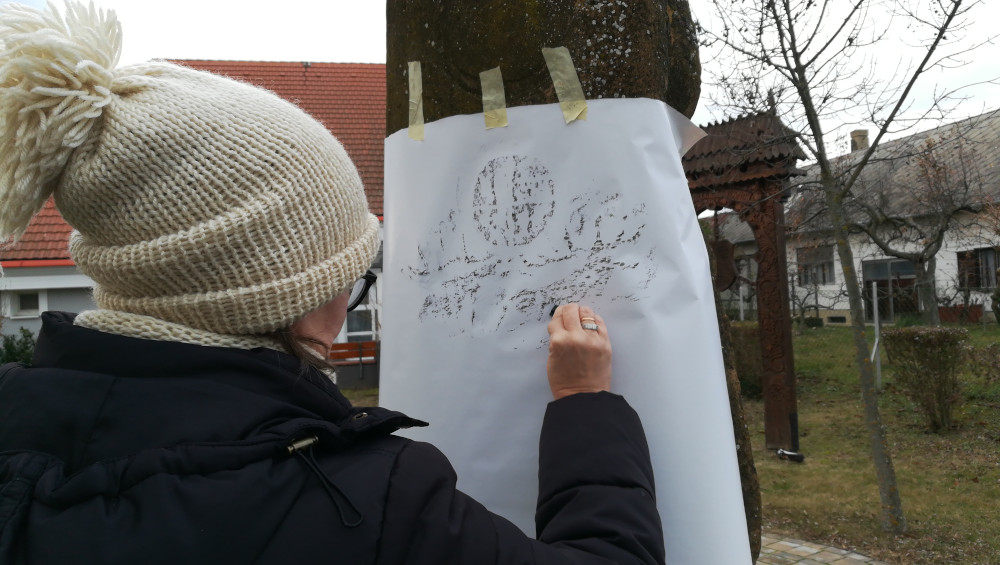
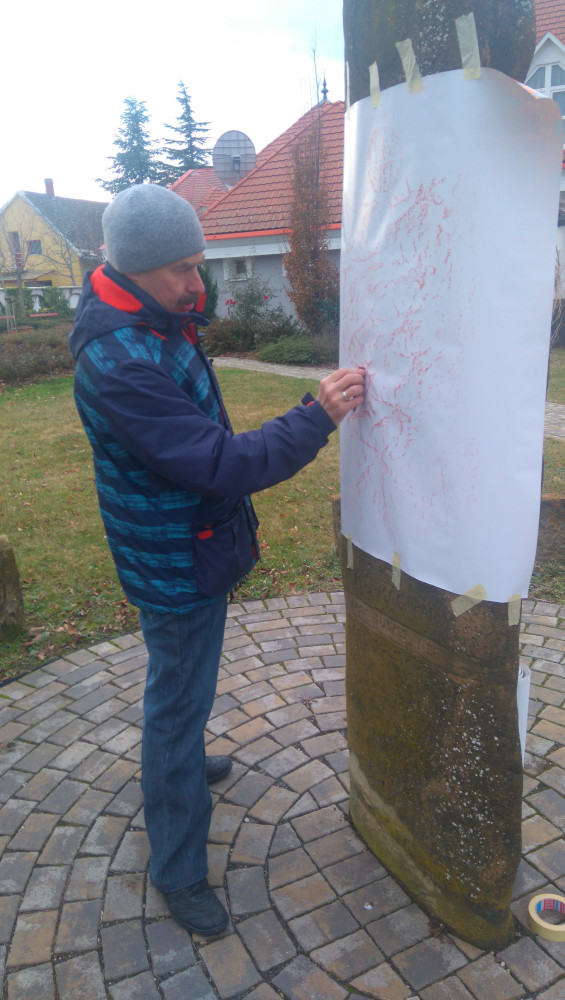
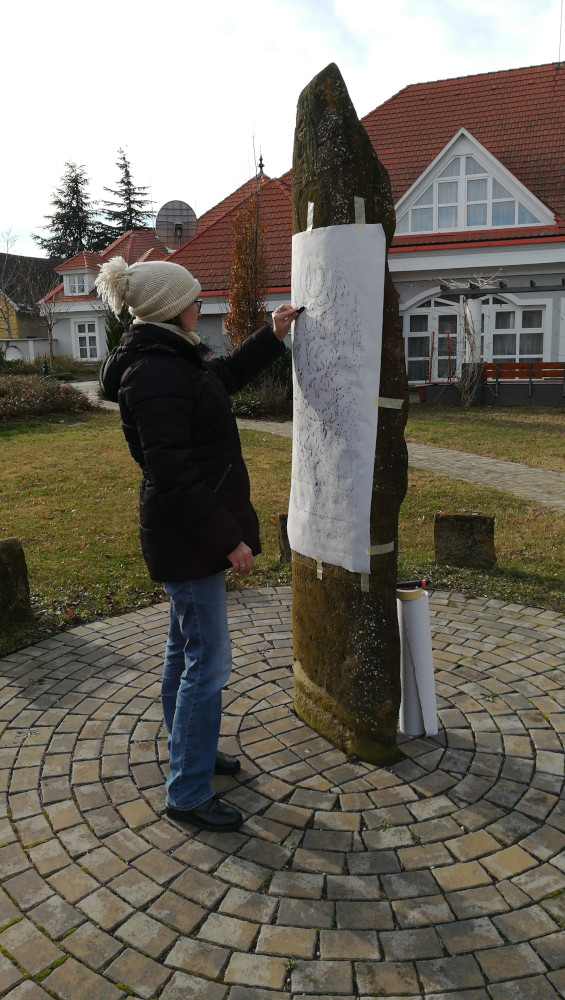
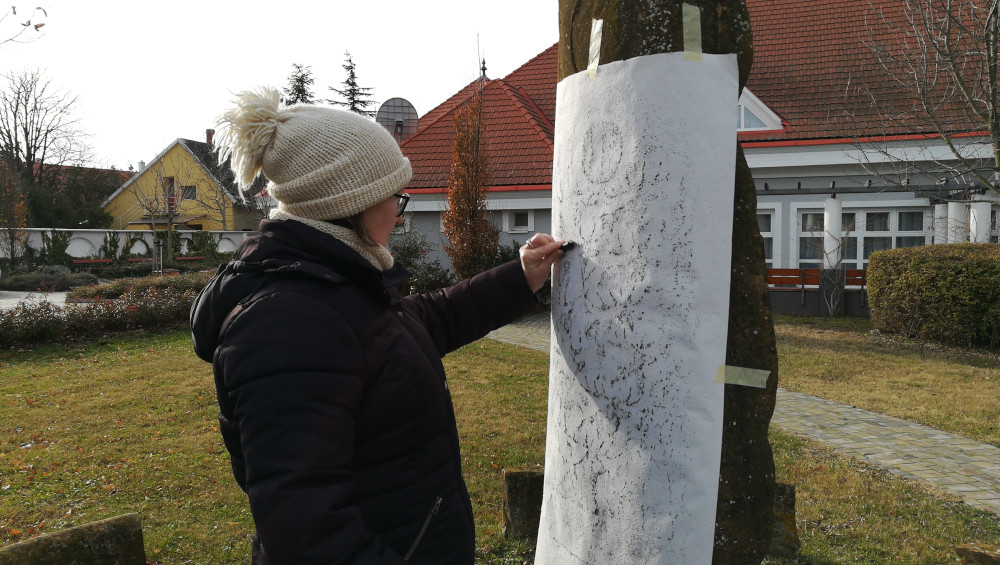
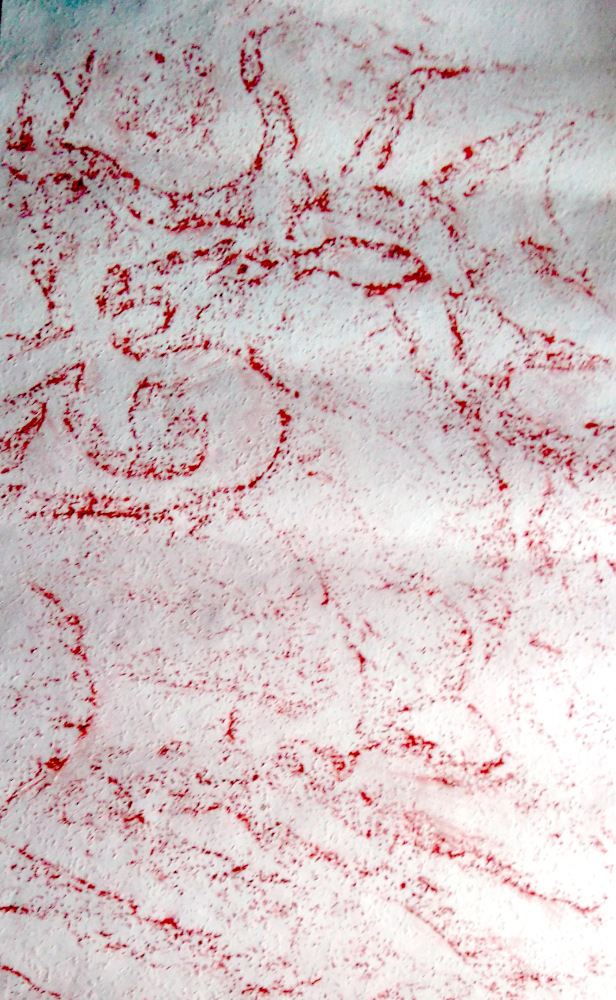
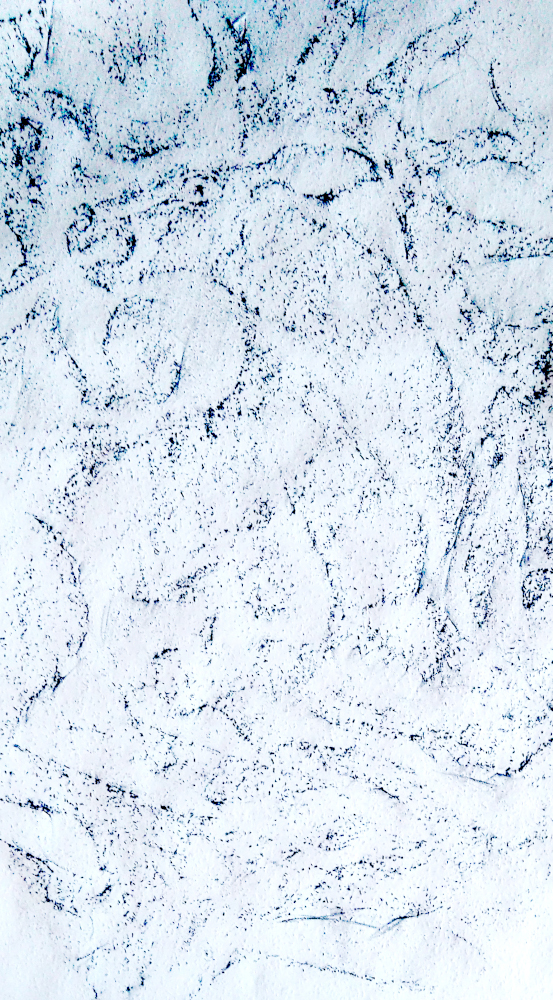
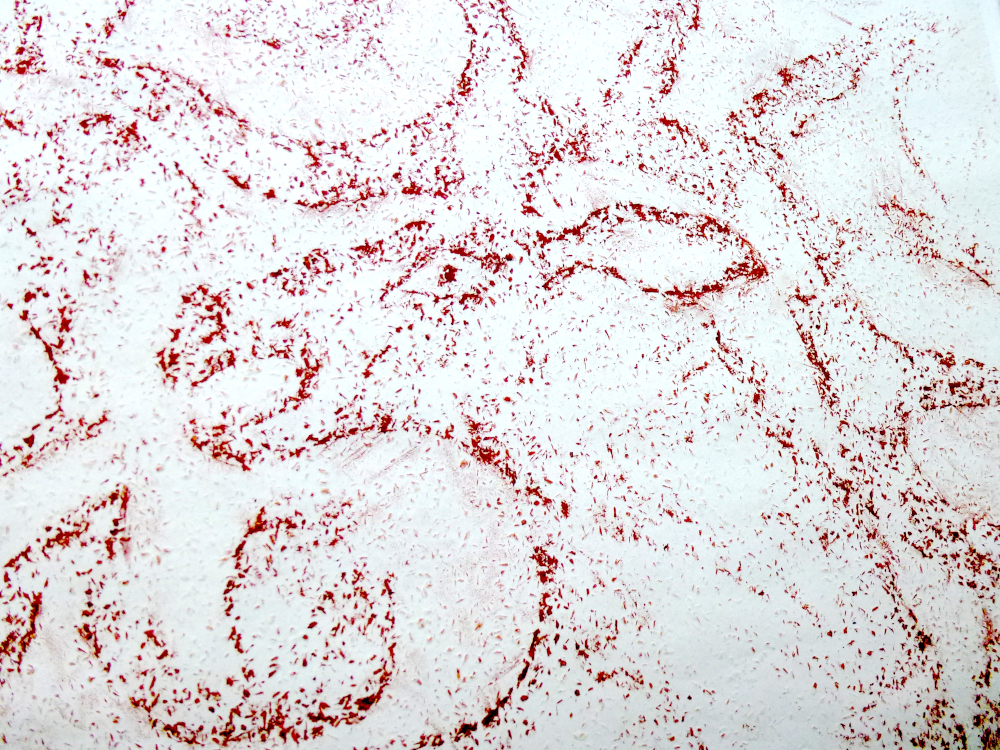
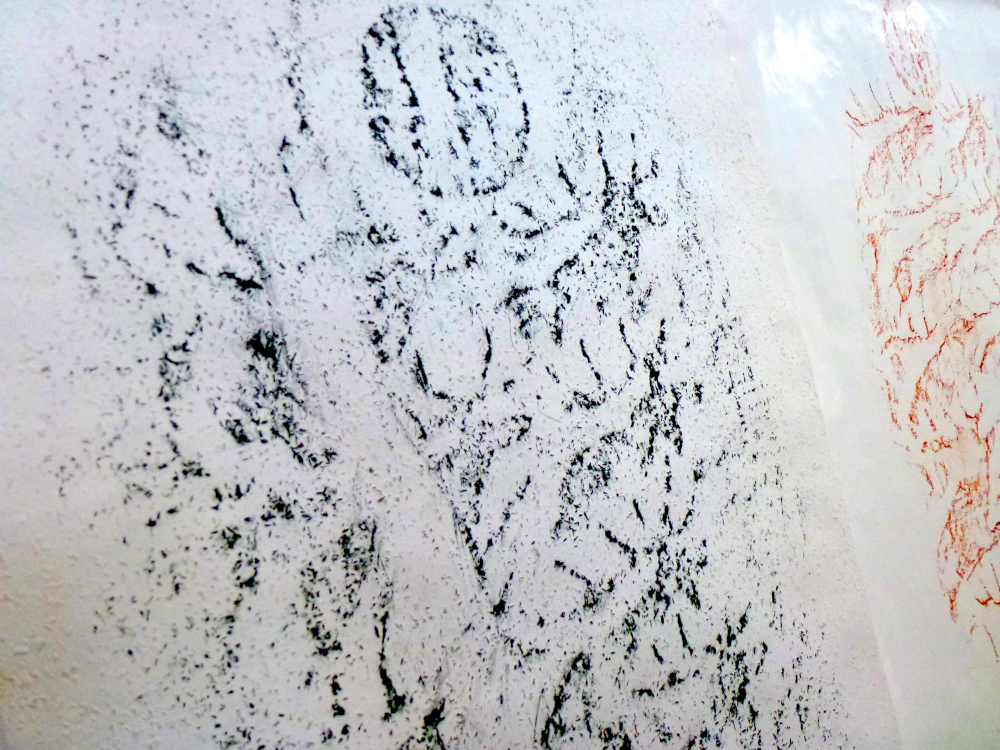
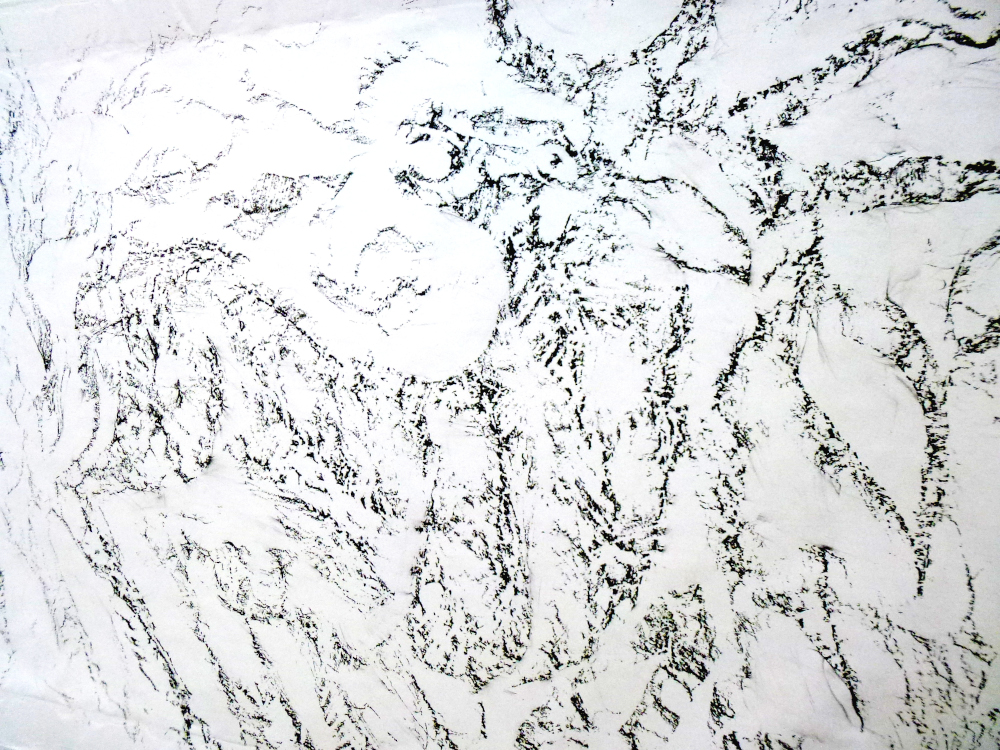
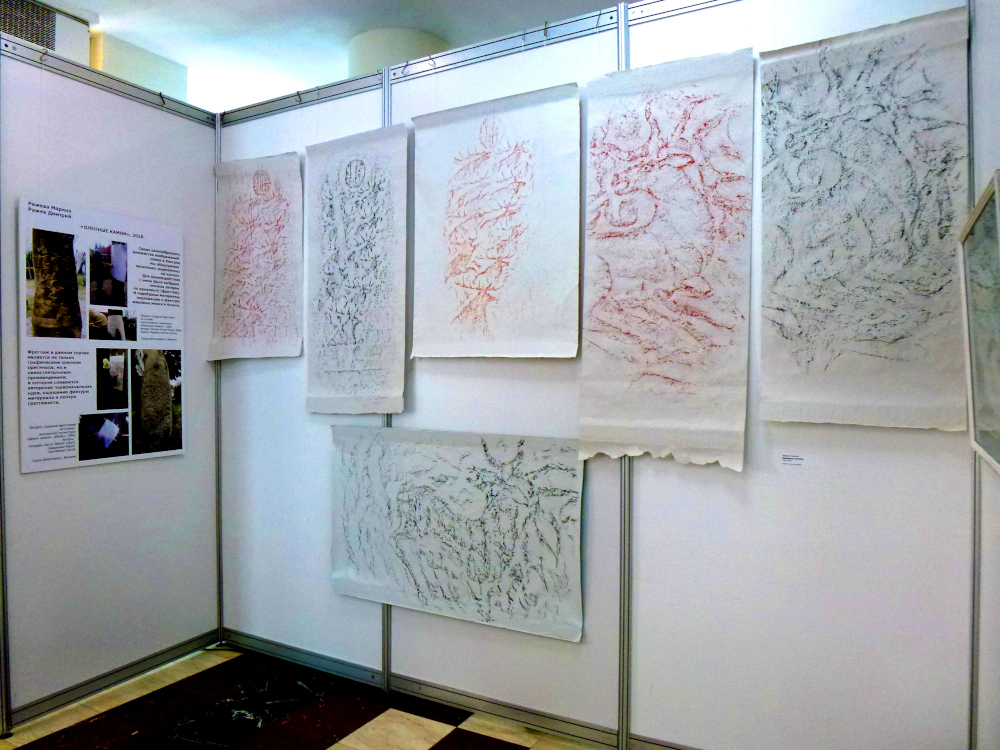
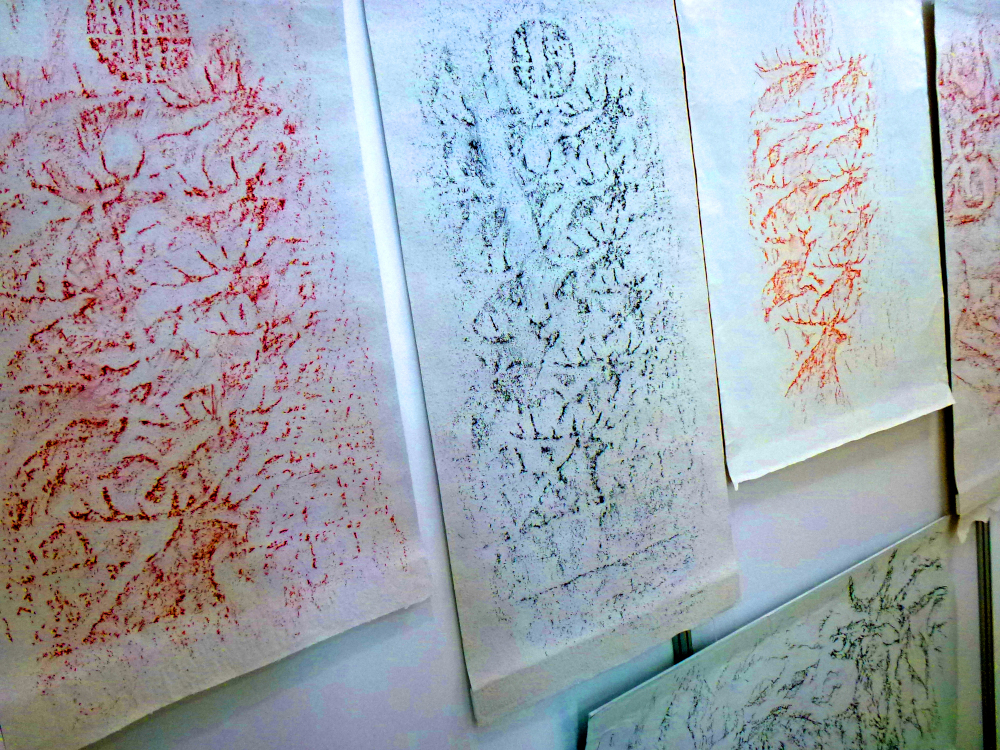
We photographed them, researched their histories, and made frottages from their surfaces.
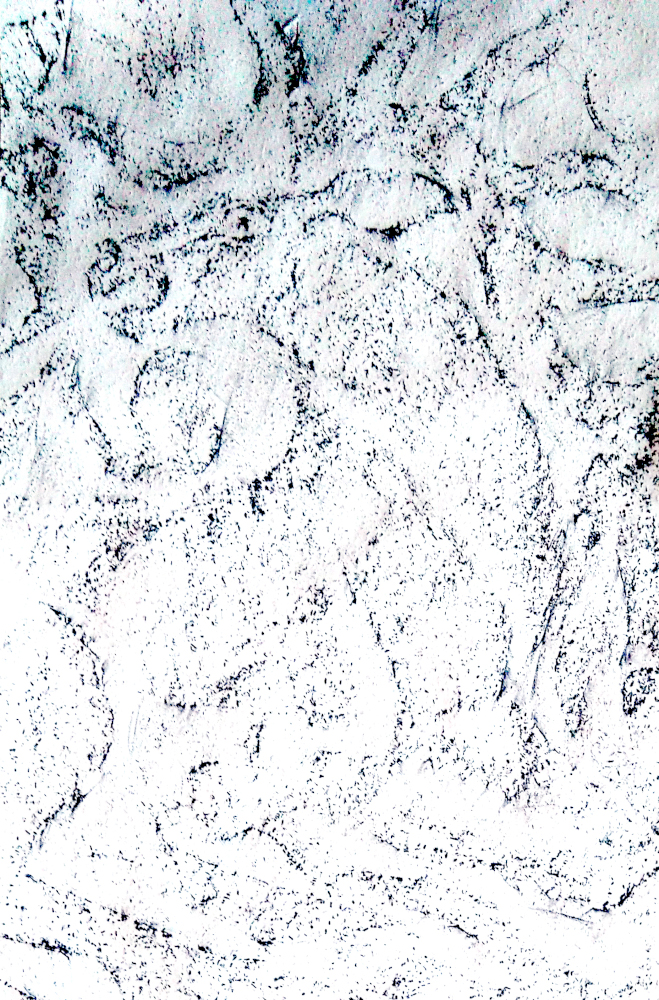
The frottage allowed the monument to enter the work through direct physical contact. Stone became paper; relief became line; the surface of an existing monument became a new, portable image.
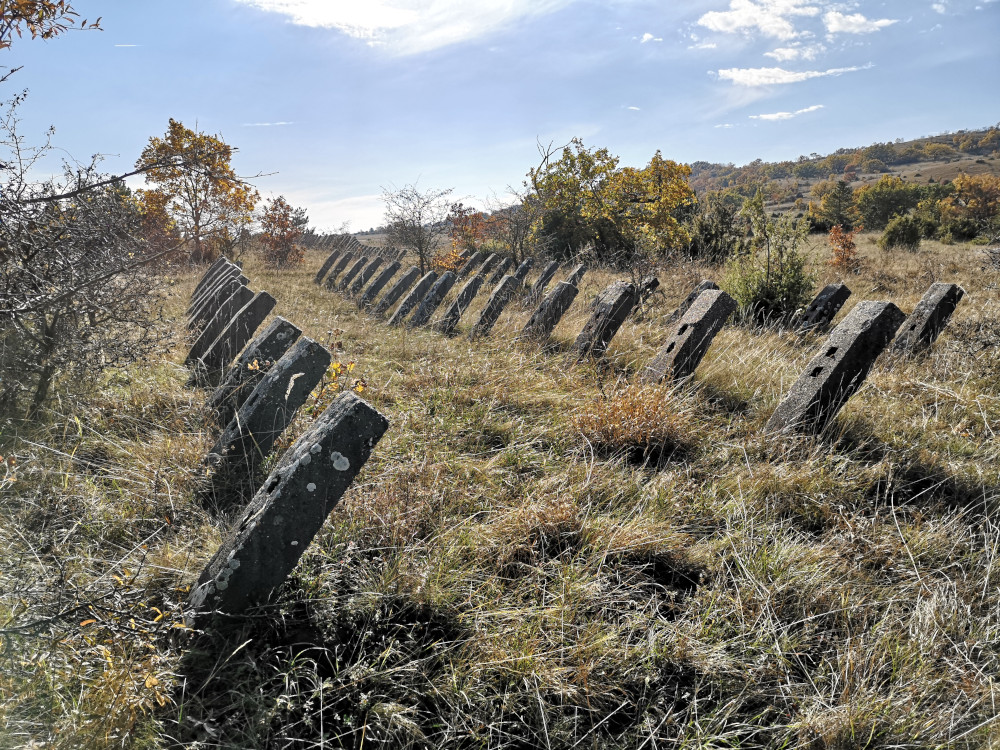
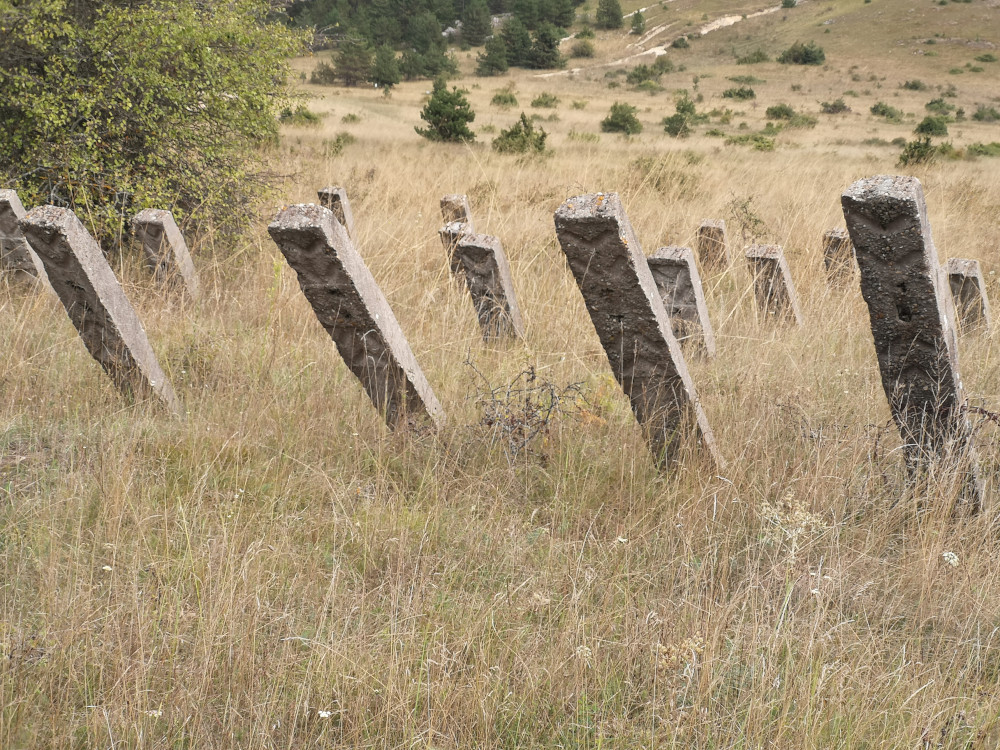
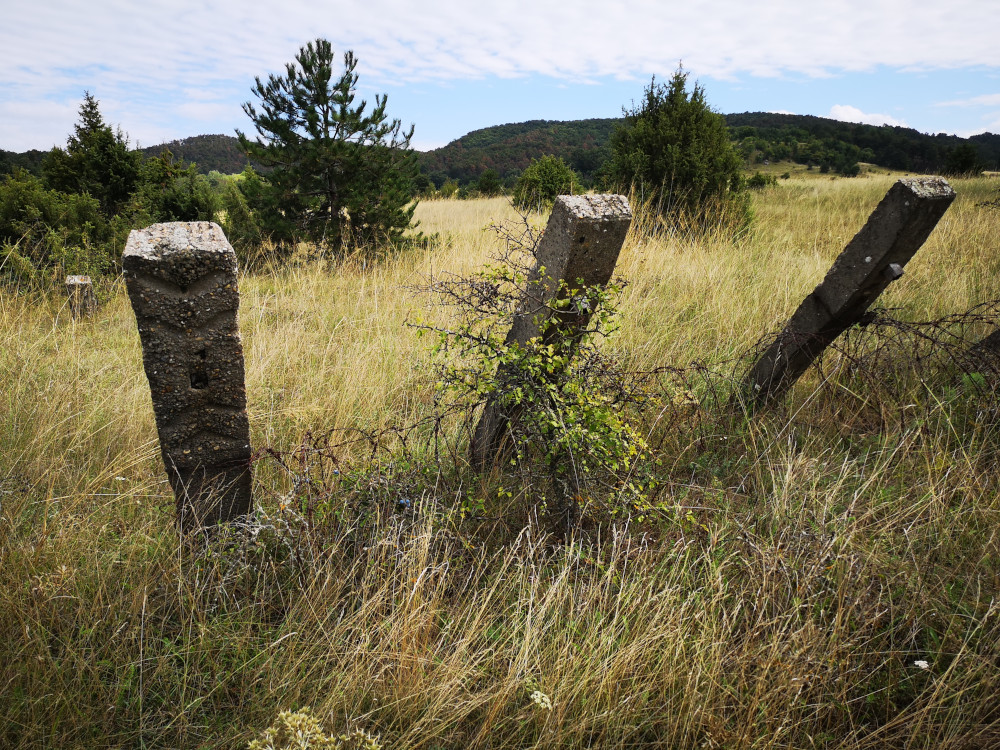
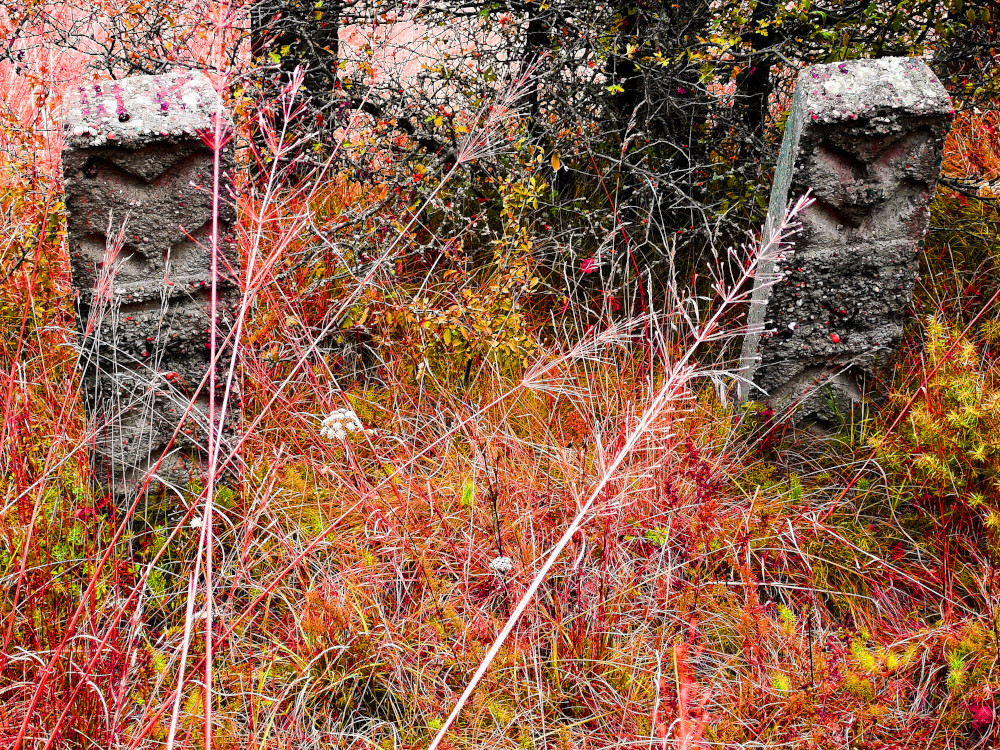
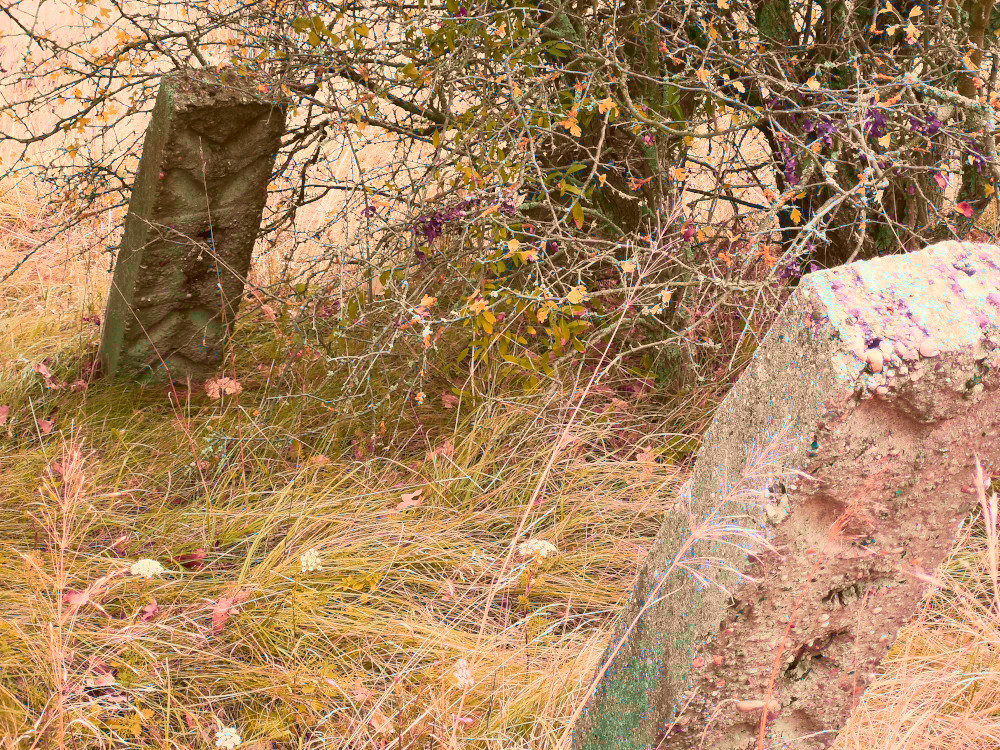
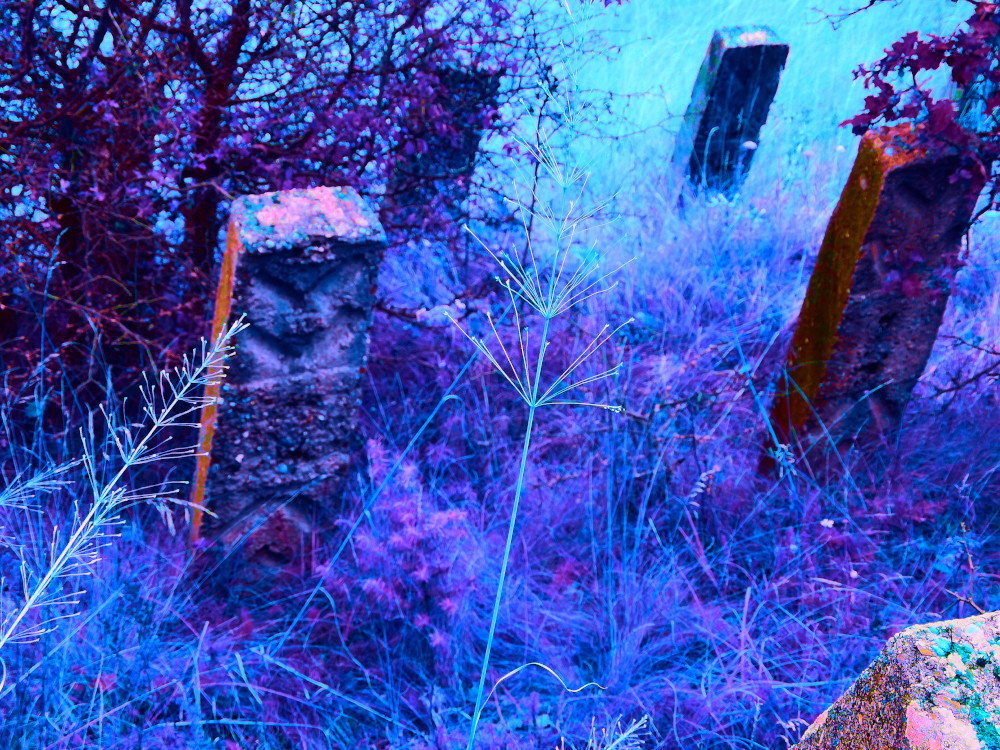
Another encounter took place south of Nyirád, where we found a group of concrete posts on the grounds of a long-abandoned military installation.
Their original function had been forgotten or was no longer immediately legible. Yet their arrangement on the hillside unexpectedly recalled rows of ancient standing stones.
Were they monuments?
Of course not.
But what happens when an ordinary utilitarian structure begins to acquire the visual presence of a monument?
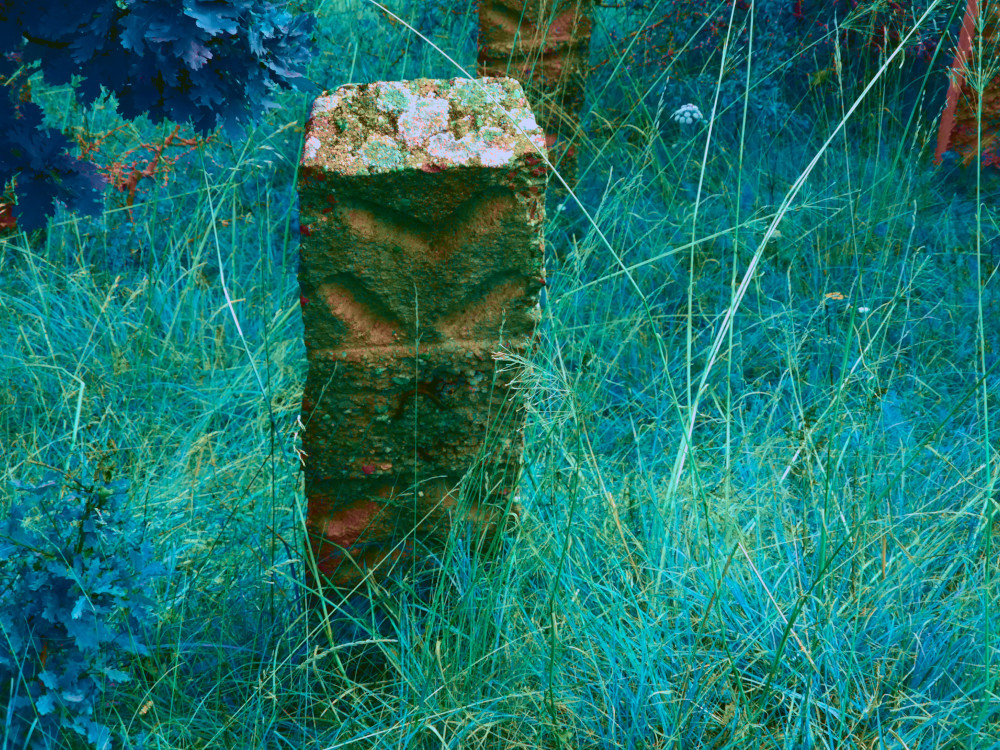
We photographed the site and digitally altered the images, allowing the accidental resemblance to become more pronounced.
The Field of Deer Stones emerged from this gap between what an object is and what it can become through perception.
This project became an example of Revealed Realism: the work does not begin with the invention of an image and then search for a place to put it.
The place comes first.
A monument, a fragment, a concrete post, a trace, or a surface is encountered. Attention establishes a connection. The artistic act then reveals or amplifies a possibility already latent in the object.
The meaning is neither simply found nor simply invented.
It appears between the thing and the way we look at it.
Deer as a recurring figure
Across the different sites, the deer gradually ceases to be a single archaeological symbol.
It becomes a moving figure — appearing in stone, in contemporary sculpture, in accidental structures, in traces, and in the imagination.
The project connects these appearances without claiming that they share a common origin.
What matters is the moment when an image returns.
Deer Stones forms part of the broader HartLand project, in which the deer becomes a way of tracing relationships between landscape, memory, movement, human presence, and the persistence of symbols.
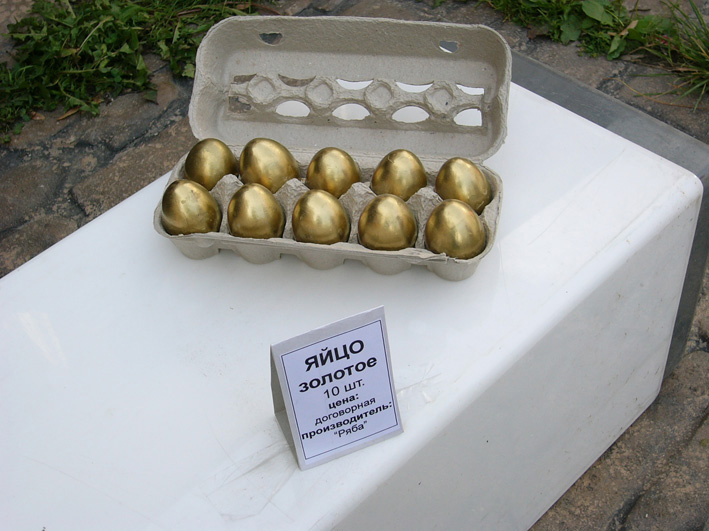
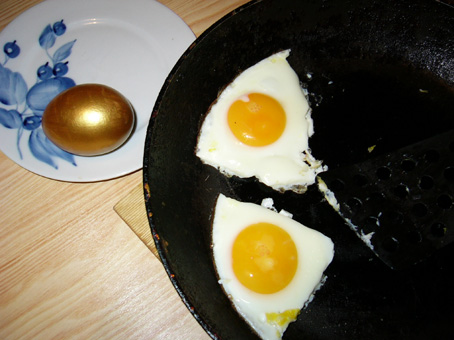
What is the sacred meaning of an old fairy tale about the golden hen known to everyone from early childhood? What was lost and what was gained when the egg broke?
The same questions are raised in many myths of the old and new worlds: about the original egg, the creation of the world, the legend of the golden age. Ideas of good and evil and what is being done on time.
This myth is relevant at all times and at each new moment acquires new semantic shades.
2002200420052024
Exhibition history :
2002 — Living the Simplest Thing, Art-Novosibirsk Gallery Festival, Novosibirsk, Russia
2002 — Shakespeare’s Testament, Ural Museum of Youth, Yekaterinburg, Russia
2004 — Tasting Ball, Pushkin House, Yekaterinburg, Russia
2004 — New Mythology, International Exhibition of Contemporary Art, Karaganda, Kazakhstan
2005 — High-Five, Elovoy House, Yekaterinburg, Russia
2013 — Art Objects on a Book Theme, Belinsky Library, Yekaterinburg, Russia
2024 — JELEN — JELENÉS — JELEN|ÉS, 4th International Land Art Symposium, Rácalmás, Hungary
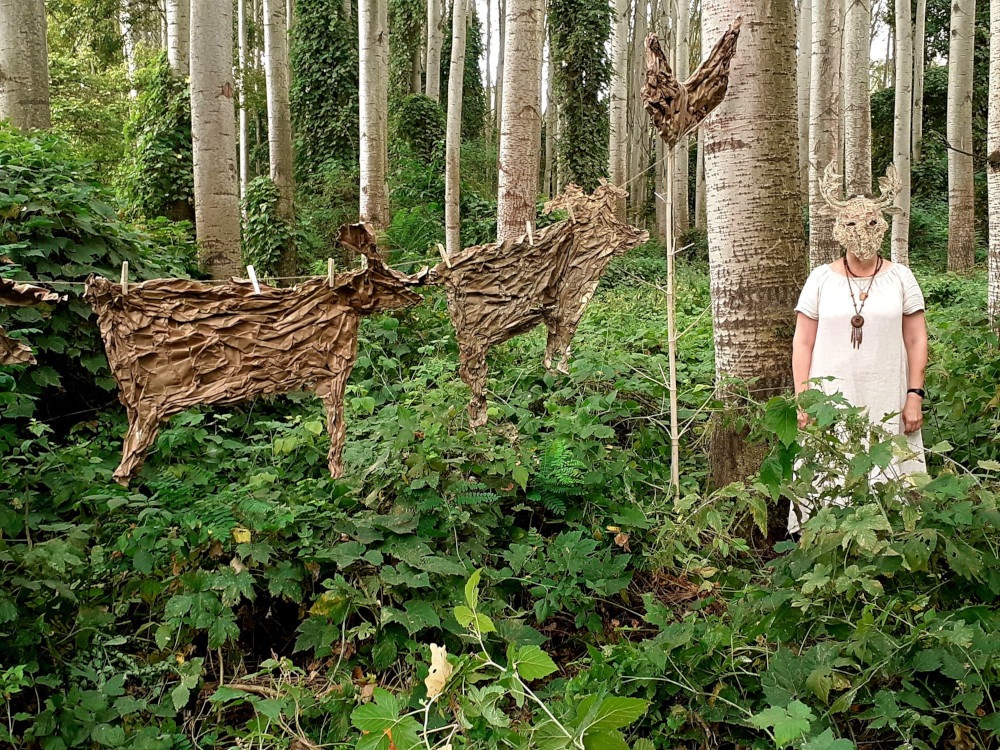
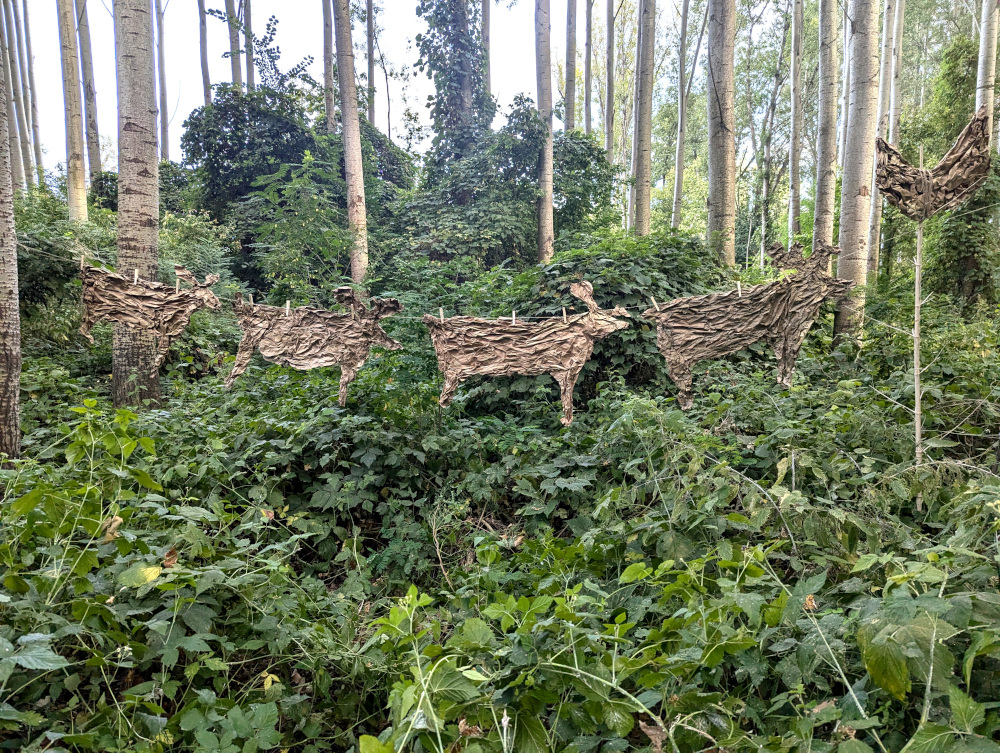
The project “Flying Deer” is inspired by Hungarian ethnographic traditions, in which the deer symbolizes a mediator between the human world and the spirit world. In mythology, the deer is often depicted as a being capable of moving between worlds and serving as a link between the earthly and the heavenly. This image of the deer as a mediator became the central theme of the project.
“Flying Deer” is a work about transitions, about the phenomenon of the hidden, and about the moment of creation. It reflects the multilayered nature of time and space, where myths and reality intertwine, creating a new perception of the present moment. The ephemerality of the object emphasizes the idea of temporality and the elusiveness of the moment, while its ecological nature testifies to a deep connection with nature and respect for its laws.
Фото Nógrádiné Kiss Magdolna
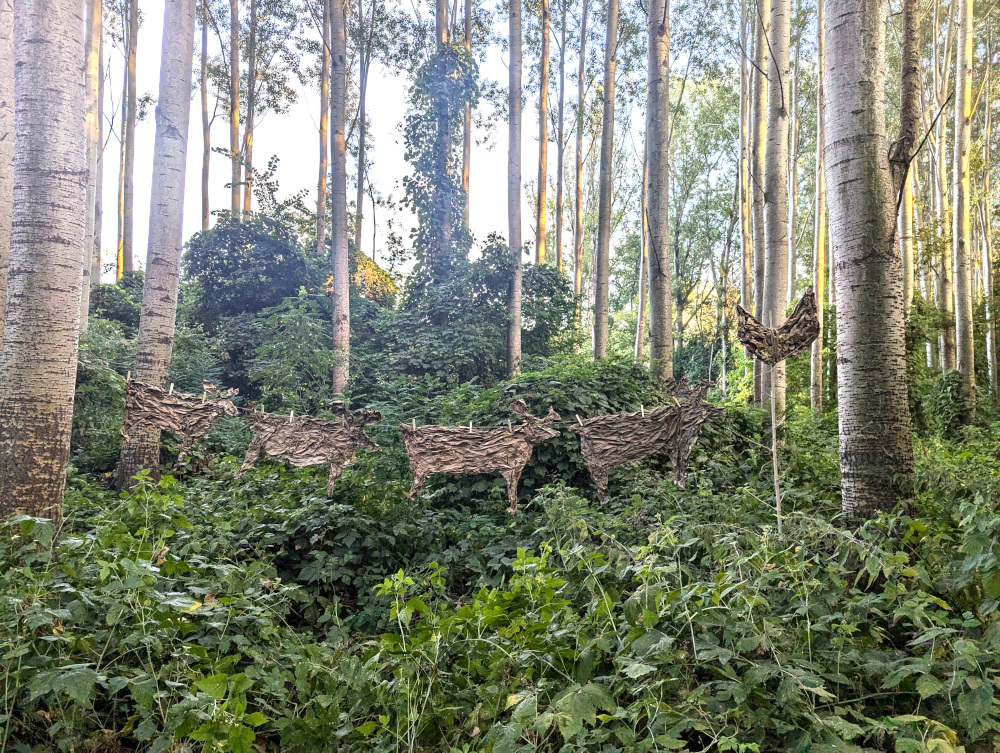
The object “Flying Deer” at the symposium in Rácalmás fits into the theme “JELEN — JELENÉS — JELEN|ÉS”, exploring and visualizing the multilayered state between the present, manifestation, and transition:
JELEN (The Present): In the present moment, something symbolic and meaningful is created — the images of deer flying between sky and earth. This act symbolizes the here and now, a creative process that connects natural elements with cultural symbols.
JELENÉS (Manifestation): The deer, materialized from a simple piece of paper, become a visible embodiment of legends and myths. Their airy silhouettes, as if caught mid-flight, embody the idea of making the invisible visible, the hidden apparent.
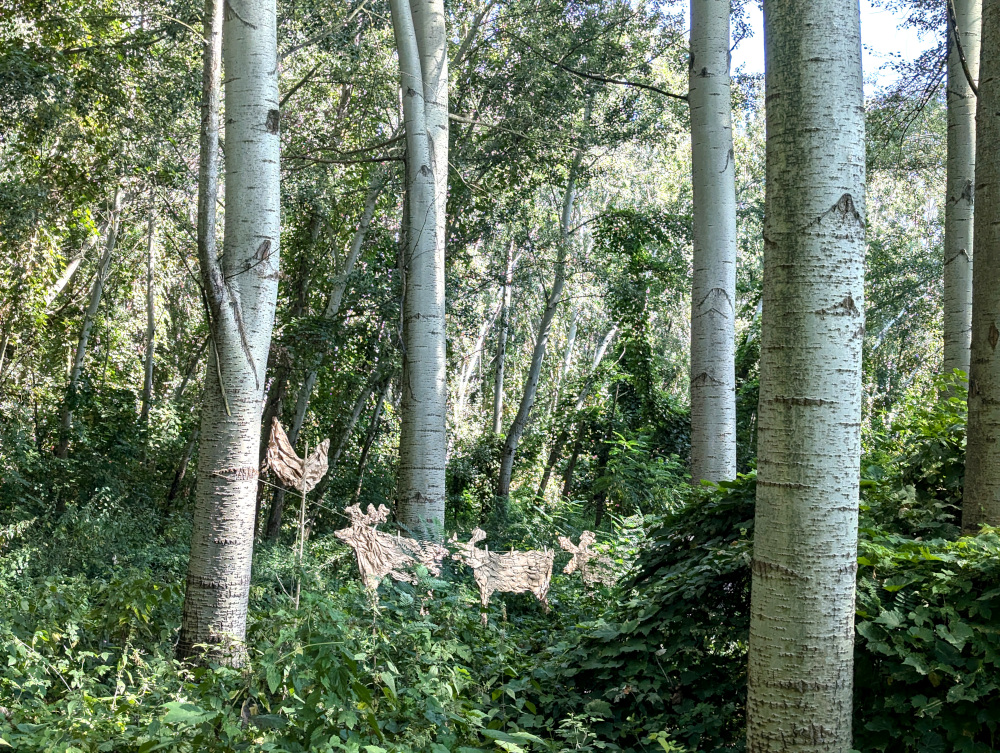
JELEN|ÉS (Transition and Interaction): Suspended between trees, the deer symbolize the passage between different states — earth and sky, present and future. The moon-boat complements the image of a journey and connection between worlds, pointing to the cyclical and continuous processes in nature and culture. They exist in a state of “in-between” — between visible and invisible, real and illusory. Their presence embodies the transition from one state to another, and in this transition, the viewer plays an important role by activating the object through attention, making it meaningful. In this sense, “Flying Deer” are an embodiment of the transitional moment, a bridge between the visible world and the hidden world.
From the Author: This project, in general, is about the constant movement and change surrounding us. The deer in this project symbolize a transitional state, showing how the material can disappear and become part of something deeper and unseen. These deer are temporary beings that become invisible as soon as nature takes its course. Thus, the viewer is invited to reflect on how everything around us is constantly changing and how we ourselves exist between different states and moments in life.
In creating this project, I aimed to convey the feeling of transition — a liminal state between worlds, symbolized by the deer in Hungarian mythology. Working with paper soaked in Danube water added an additional layer of significance — a connection to nature and to the river itself as a symbol of movement and passage. The deer, suspended between trees, embody the moment between life and death, material and spiritual, visible and invisible.
The “Flying Deer” project was conceived from the start as an ephemeral object, doomed to gradual decay. Within a short time, the deer figures began to lose their shape under the influence of wind, moisture, and the natural processes occurring in the forest. After rain, the deer almost completely disappeared, leaving only faint traces of their existence. This can be interpreted as a symbolic acceptance of the object by the spirits of nature. The deer, made from natural materials, seemed to be returned to nature in the process of their decomposition.
It is interesting to note that the word “JELEN” in Croatian means “deer.” Since the symposium’s location also contains Croatian linguistic roots, I consider it appropriate to use this implicit connection to support the project. The symposium took place in the town of Rácalmás, whose name has both Croatian and Hungarian roots. In Croatian, “jelen” means “deer,” while in Hungarian, “jelen” translates as “the present.” This linguistic coincidence highlights a cultural intersection and symbolic link between the symposium’s location and the idea behind my object. Using the Croatian word “jelen” in the context of our project “Flying Deer” is justified and meaningful, as it not only matches the Hungarian spelling but also adds an extra layer of meaning, connecting natural imagery and cultural contexts with the symposium theme “JELEN — JELENÉS — JELEN|ÉS.”
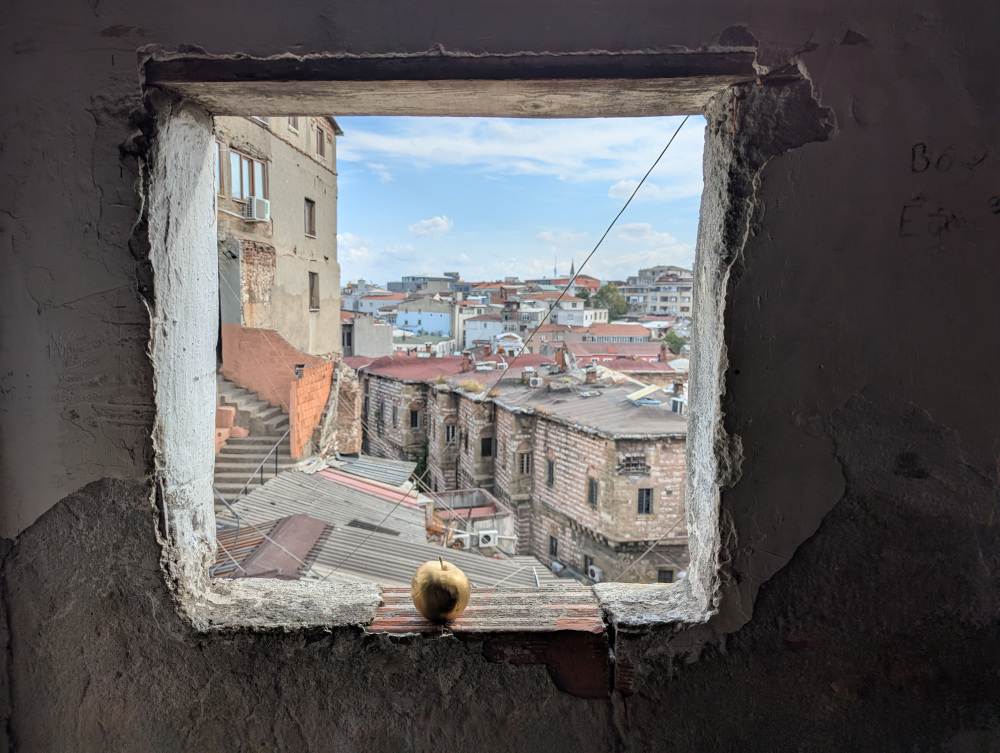
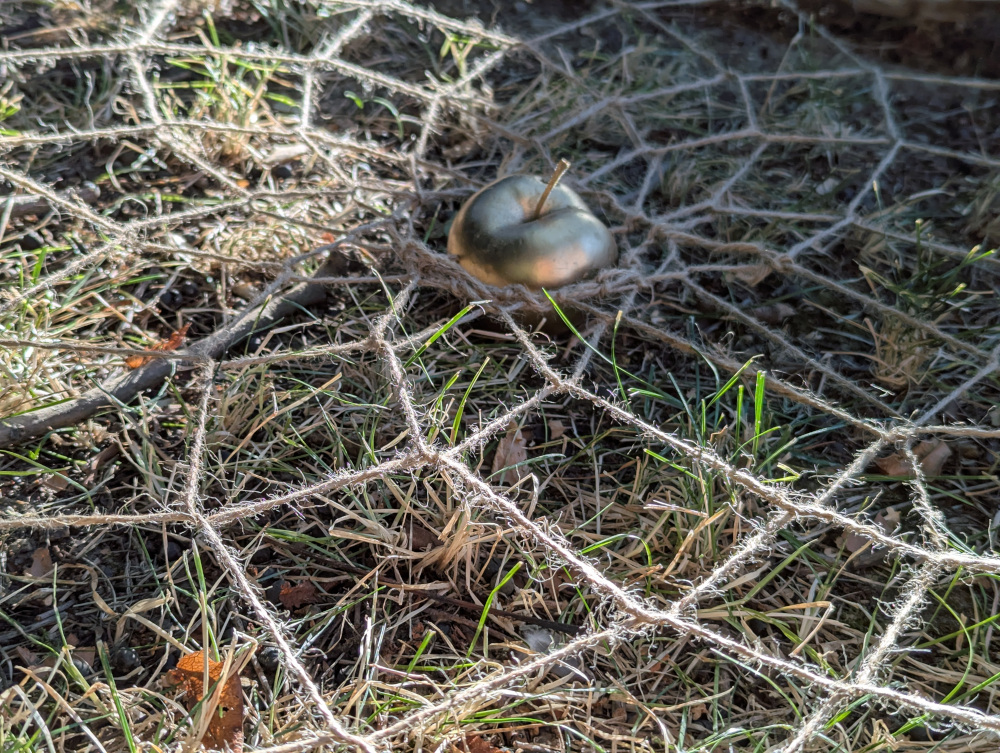
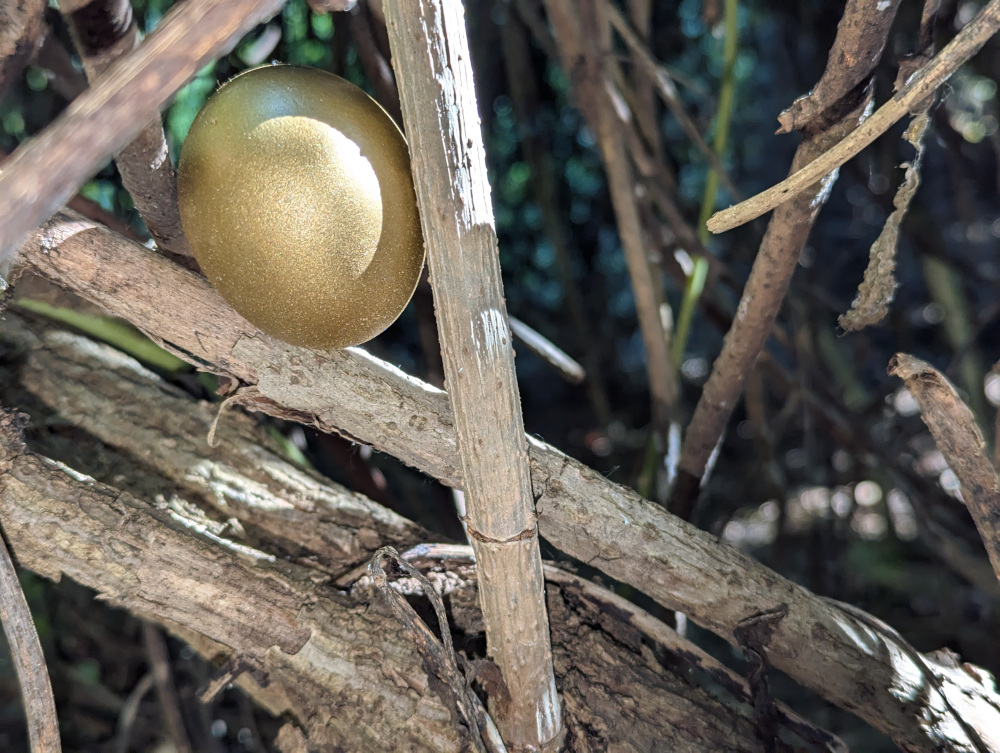
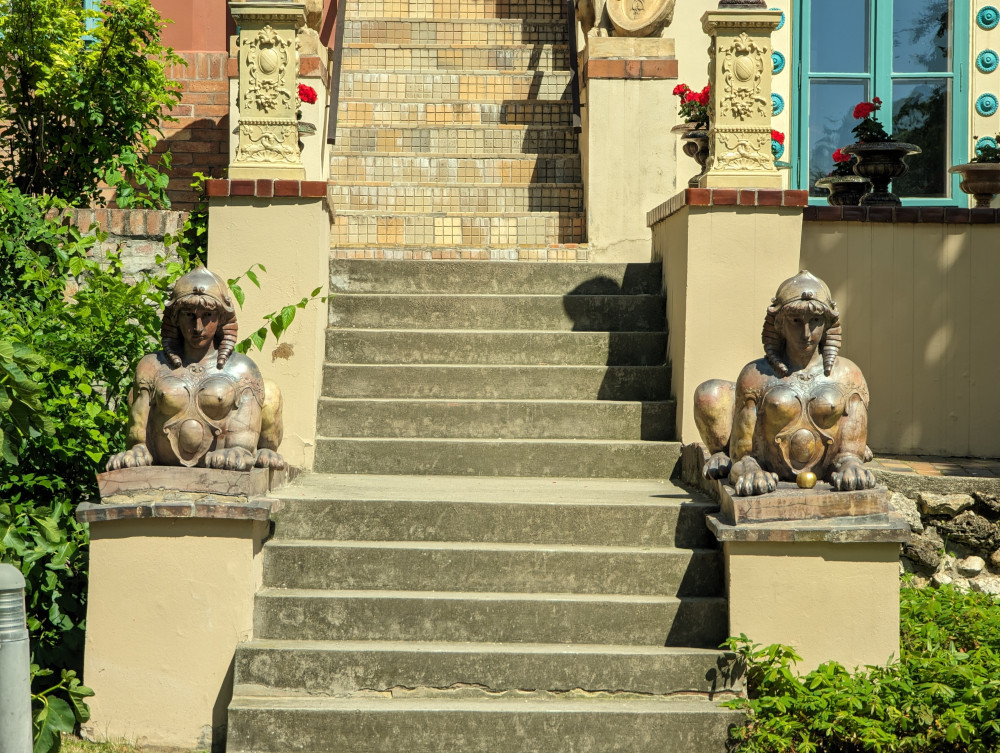
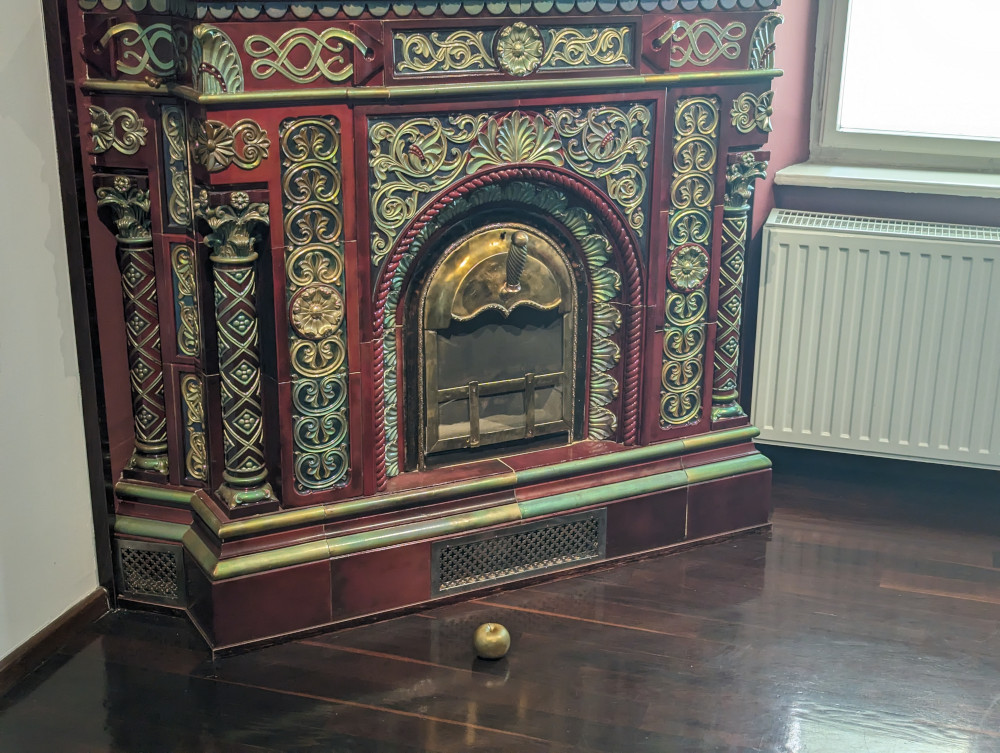
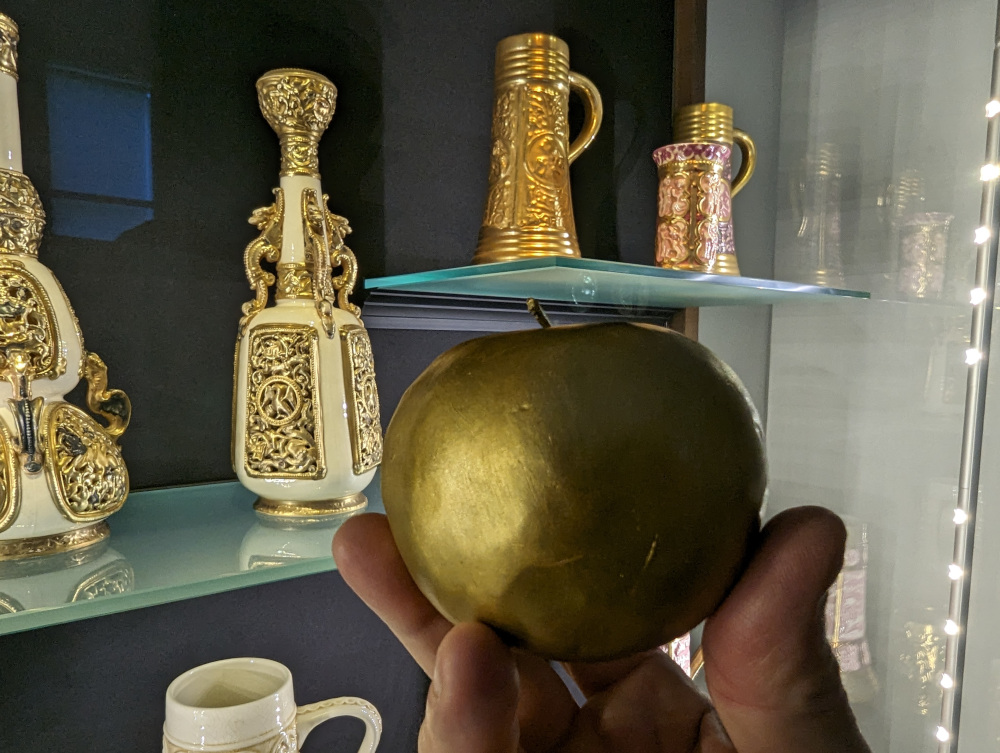
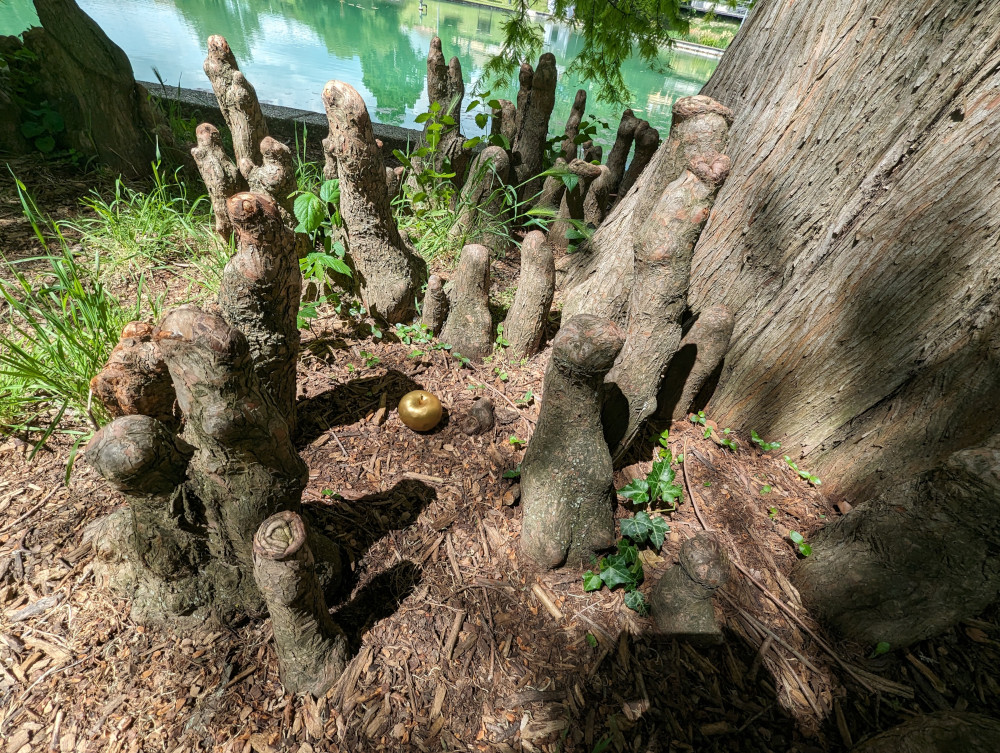
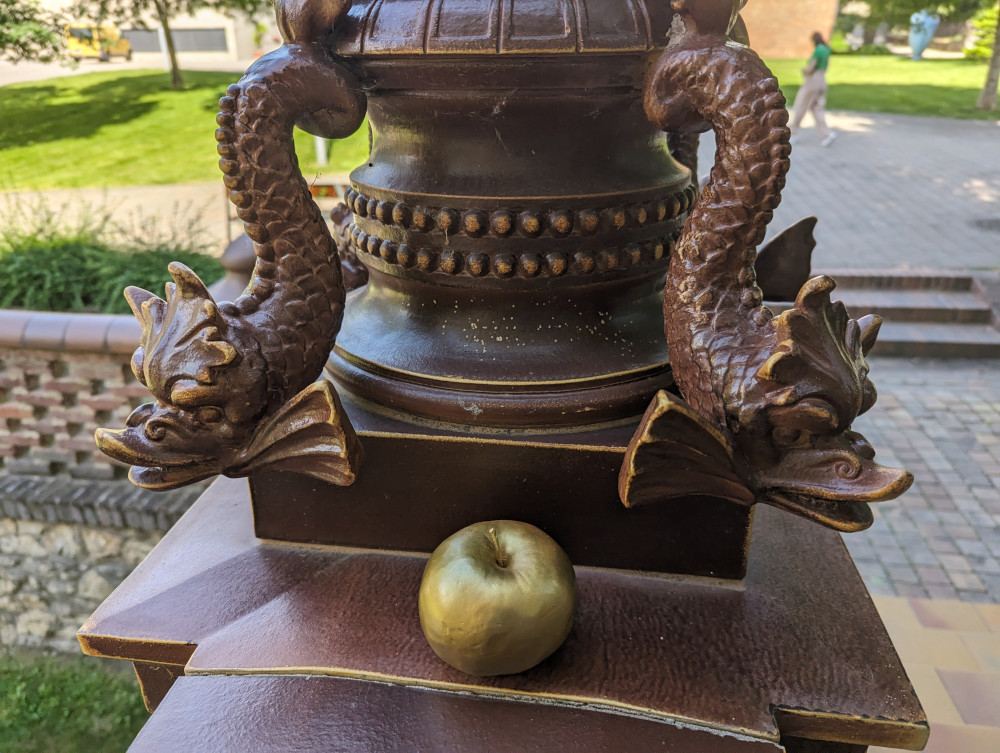
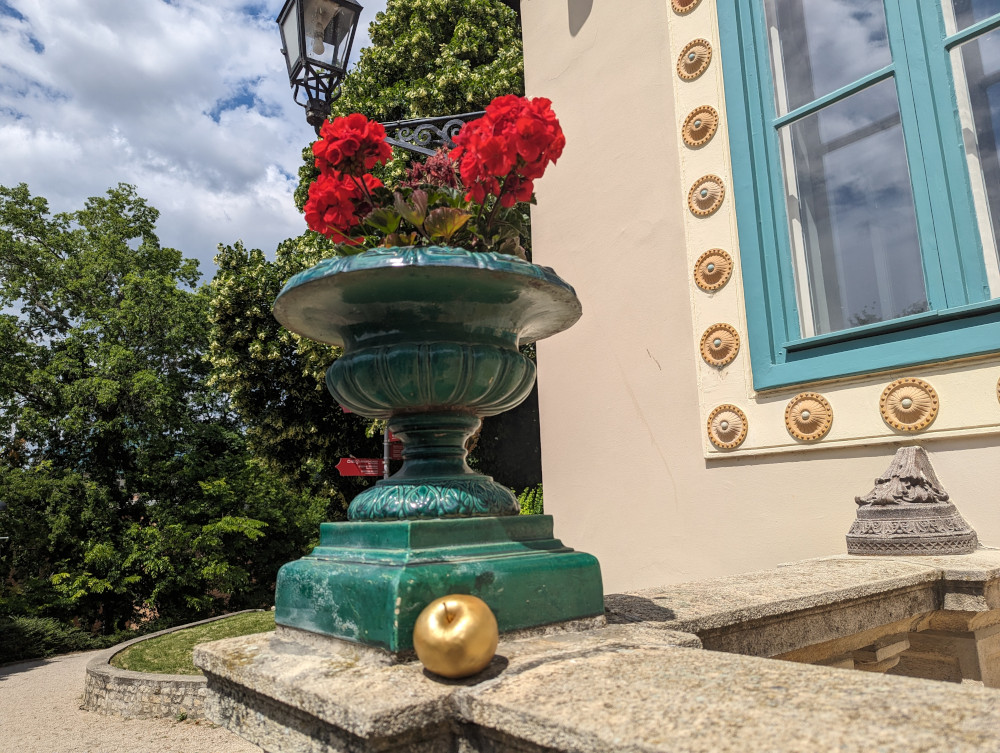
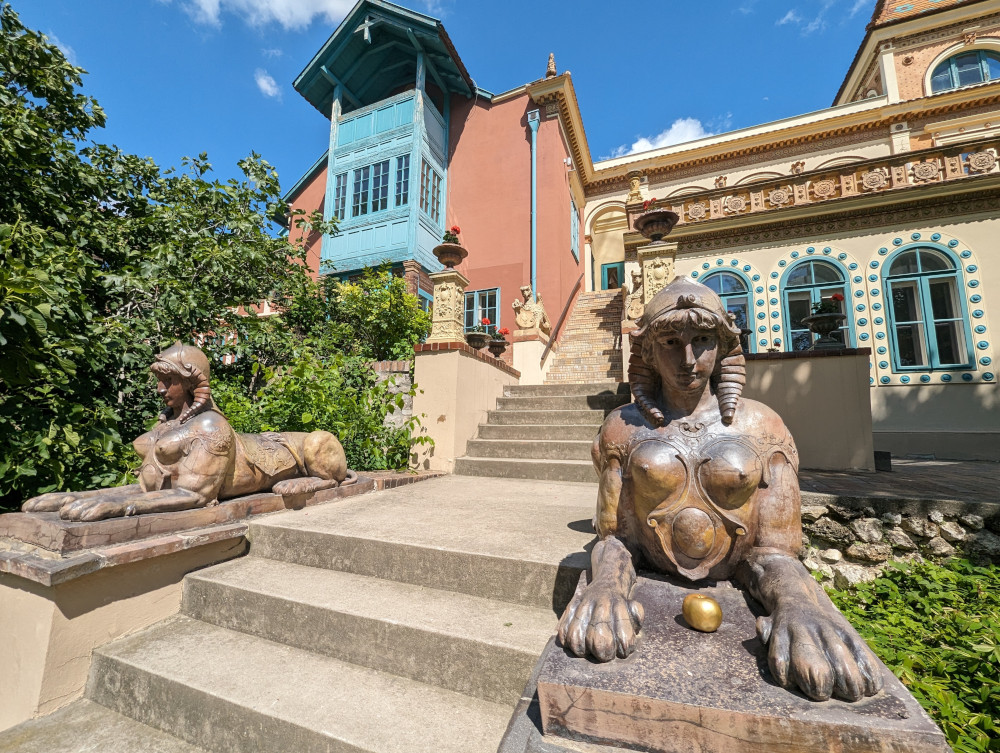
A golden apple moved through the historical labyrinth of the Zsolnay Quarter, passing between exhibition space, street, ornament, reflection, and ruin.
For a brief moment, the object entered the official space of the Zsolnay Golden Age exhibition, then returned again to the open environment of the city.
The apple appeared among ceramic vessels, architectural fragments, roots, water, staircases, and decorative structures. Its movement through the quarter was documented as a sequence of temporary relations between the object and the surrounding space.
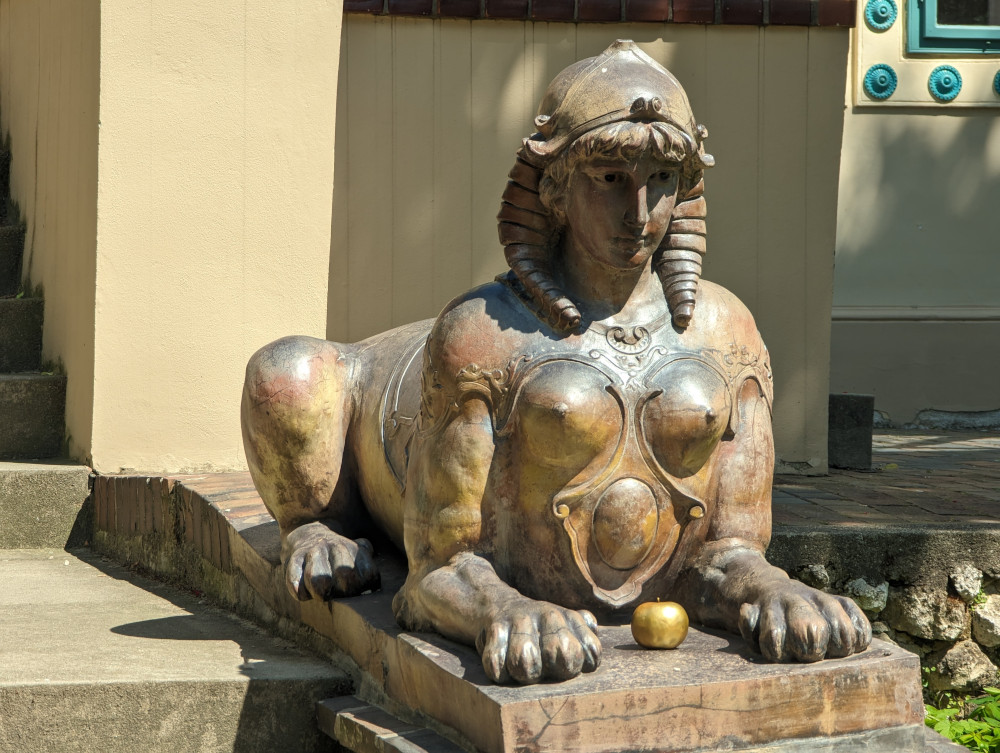
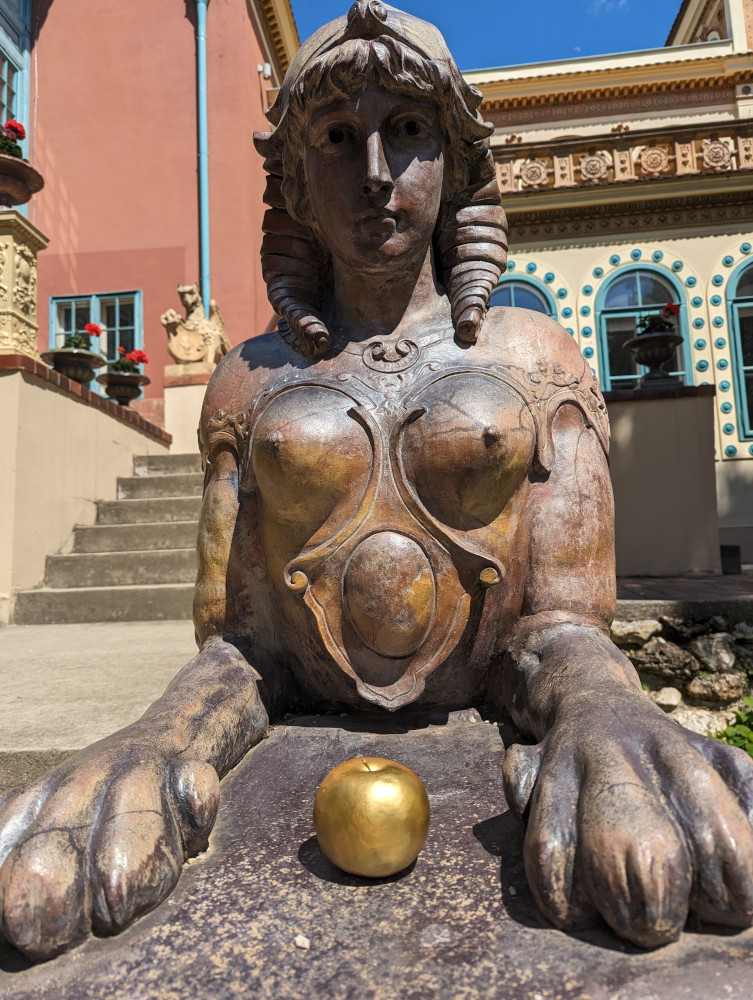
The journey ended near one of the ceramic Sphinx sculptures guarding the staircase.
The apple was left there as an offering without inscription, protection, or explanation.
…
…
…
…
…
After the action, the object remained in the space without control over what would happen next.
It could disappear, decay, be taken away, or continue its movement through the city.
The work existed as a temporary intervention between public art, rumor, object, and memory.