Hungary
2018, 2020, 2021, 2024
What happens when an ancient image survives without surviving in its original form?
Deer Stones is an ongoing R² investigation into the recurring image of the deer in stone — from ancient megaliths and ritual monuments to contemporary sculptures and accidental structures found in the Hungarian landscape.
The project began with a simple observation: some contemporary Hungarian monuments unexpectedly recall the form and imagery of ancient deer stones. Others have no connection to them at all, yet begin to resemble them once they are encountered through the same visual and symbolic lens.
Rather than reconstructing a historical tradition, we followed these unexpected correspondences.
Ancient Deer Stones
Deer stones are ancient stone stelae associated with the Bronze and early Iron Age cultures of Mongolia and neighbouring regions of Siberia. Their surfaces carry images of flying deer, weapons, ornaments, and solar symbols.
The deer is not represented simply as an animal. Its recurring upward movement, elaborate antlers, and association with solar imagery suggest a figure moving between different realms.
For R², this image became a point of departure rather than a subject to be illustrated.
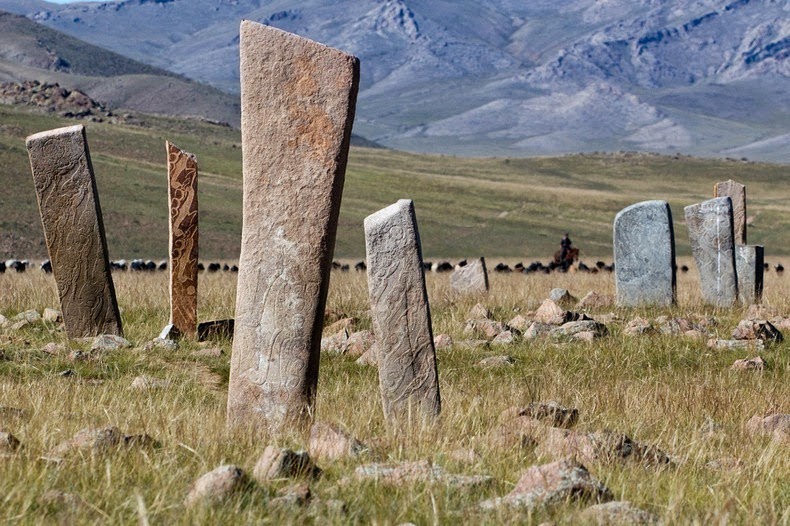
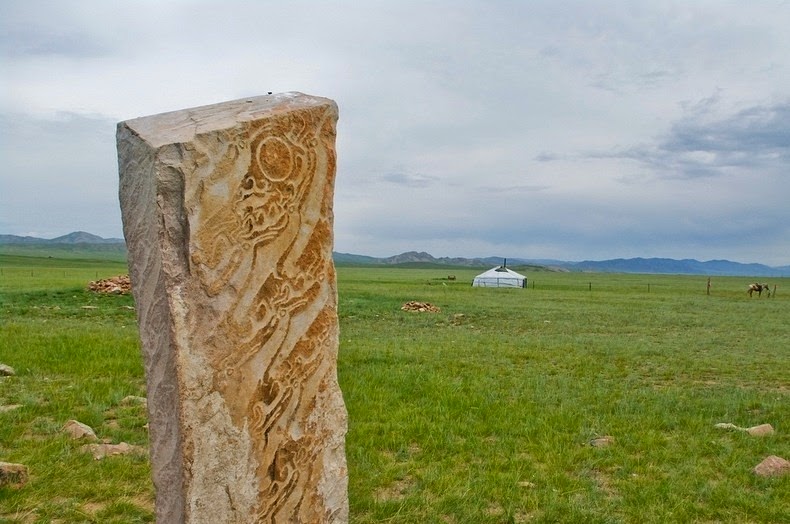
Modern Deer Stones
In Hungary, we encountered several contemporary stone monuments whose forms and imagery unexpectedly echoed this ancient vocabulary.

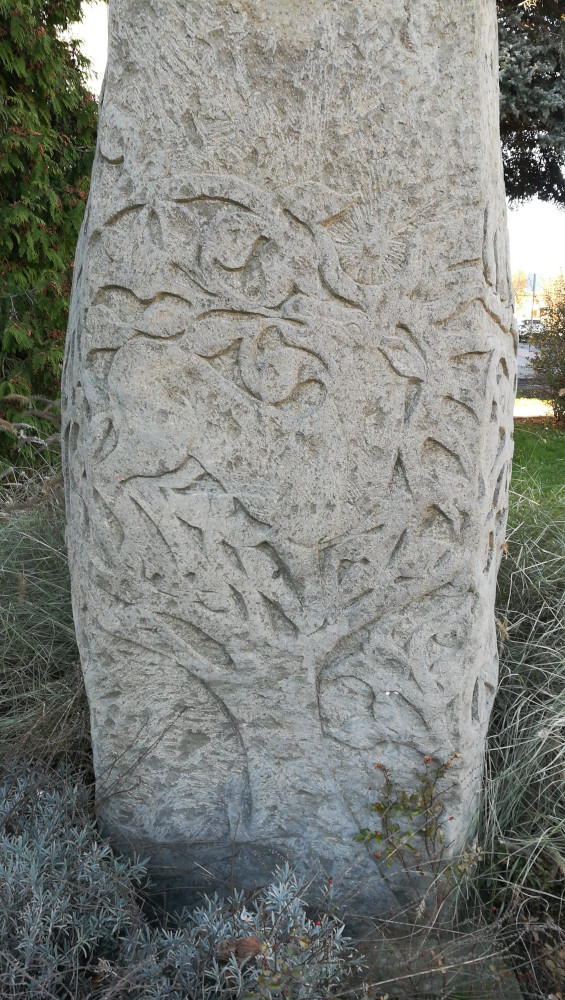

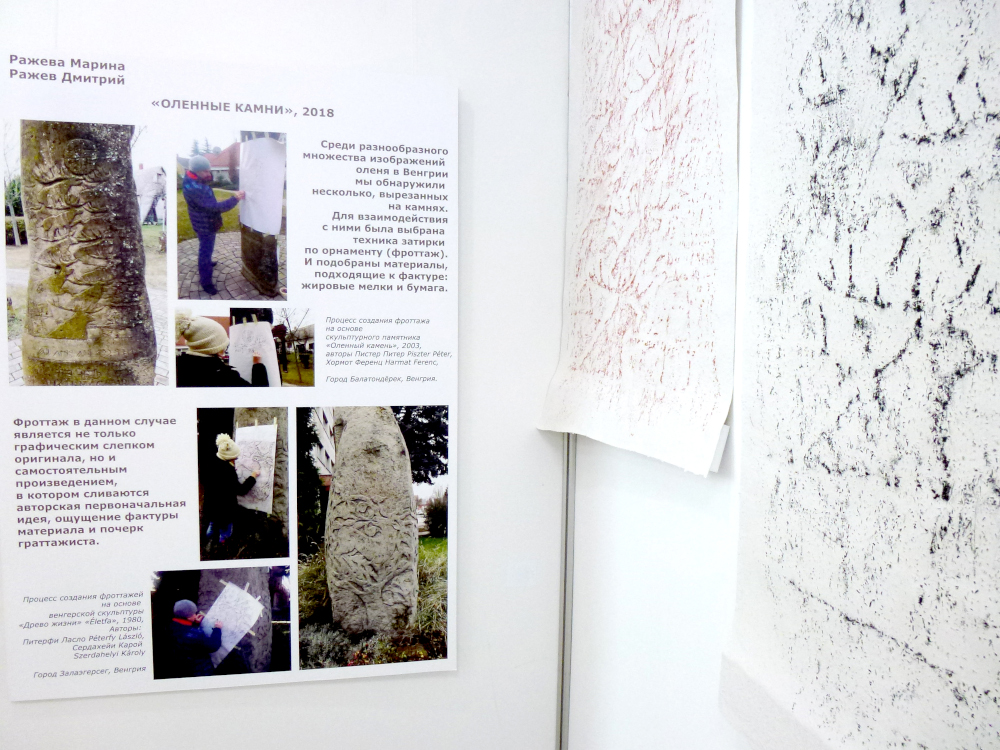
Among them were Tree of Life (Életfa) by Péterfy László and Szerdahelyi Károly in Zalaegerszeg, and The Conquest of the Homeland (Honfoglalás) by Harmat Ferenc with Piszter Péter in Balatongyörök.
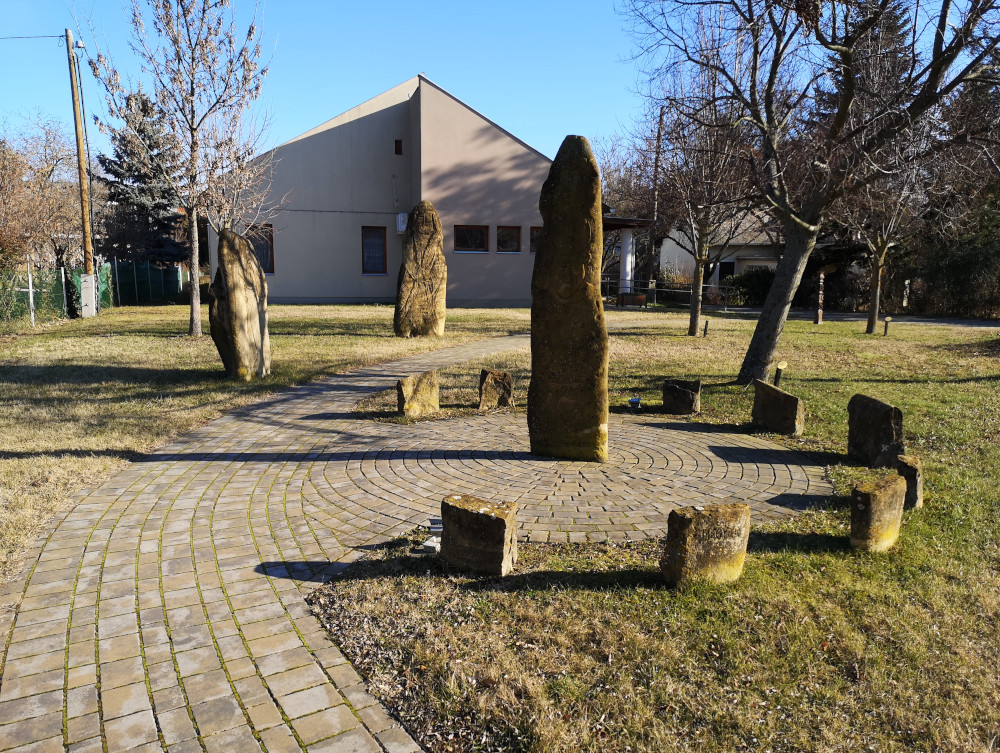
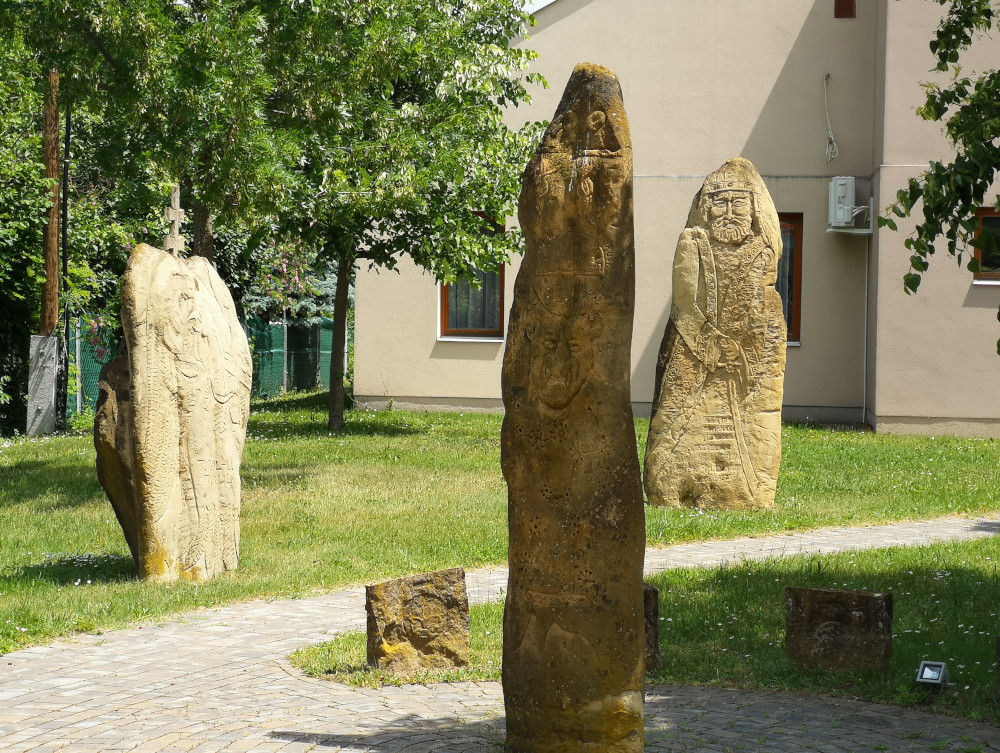
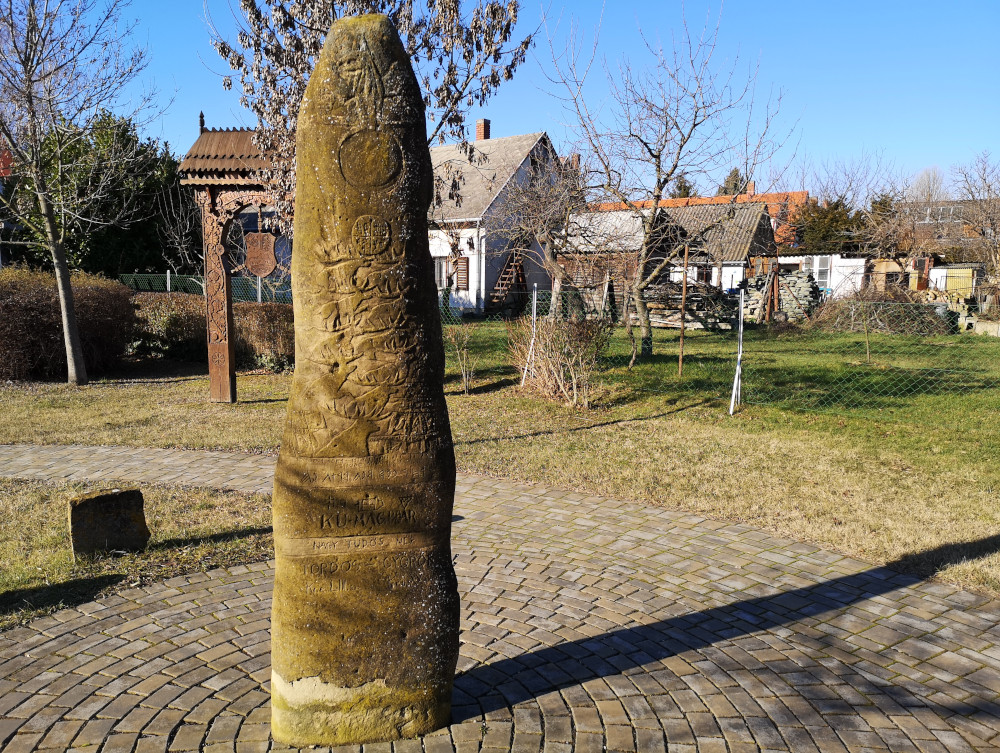

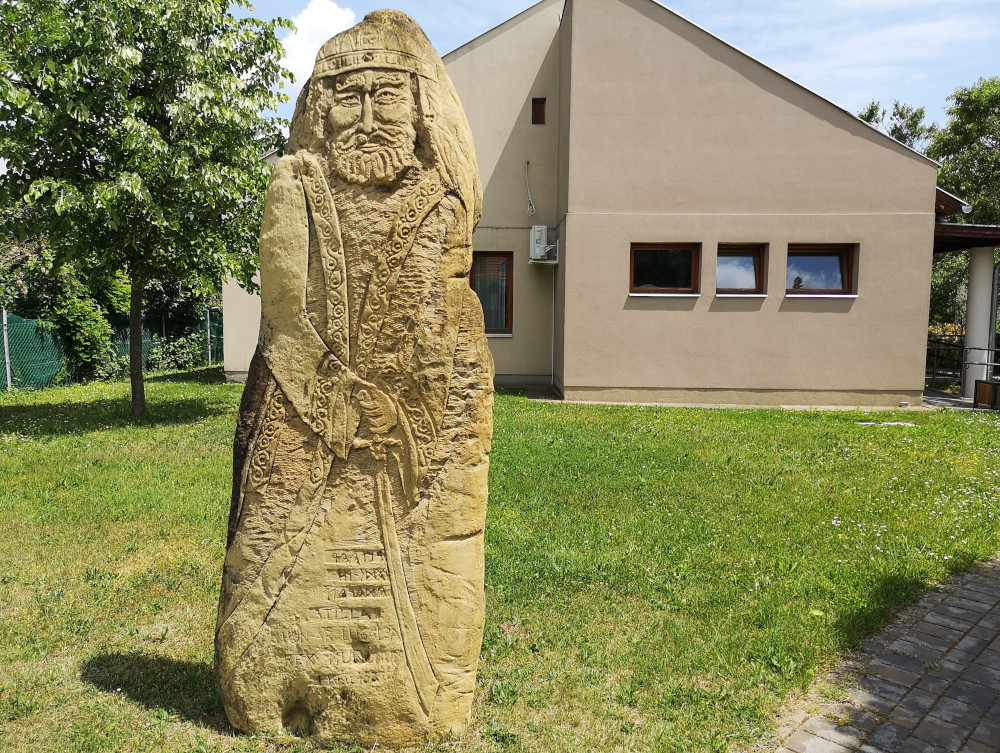
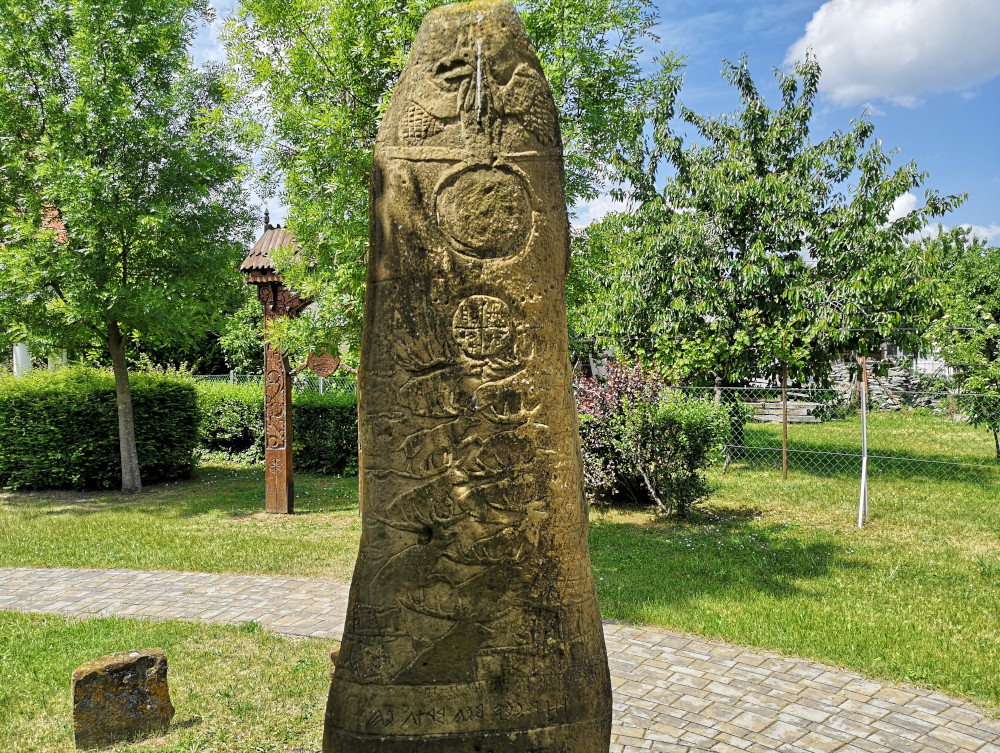
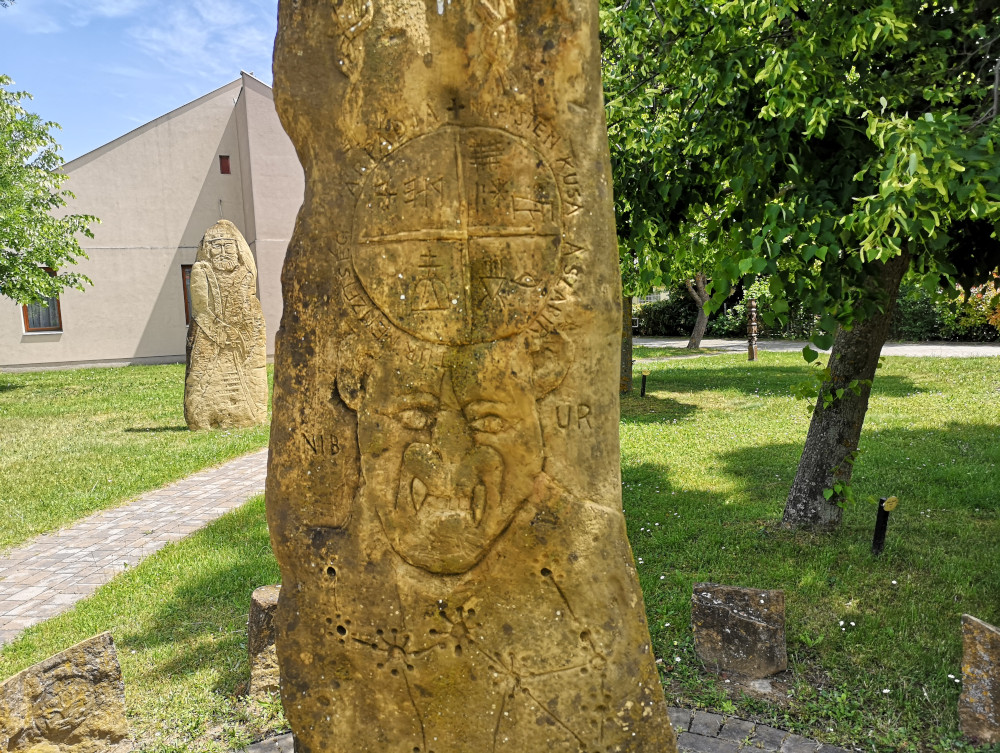
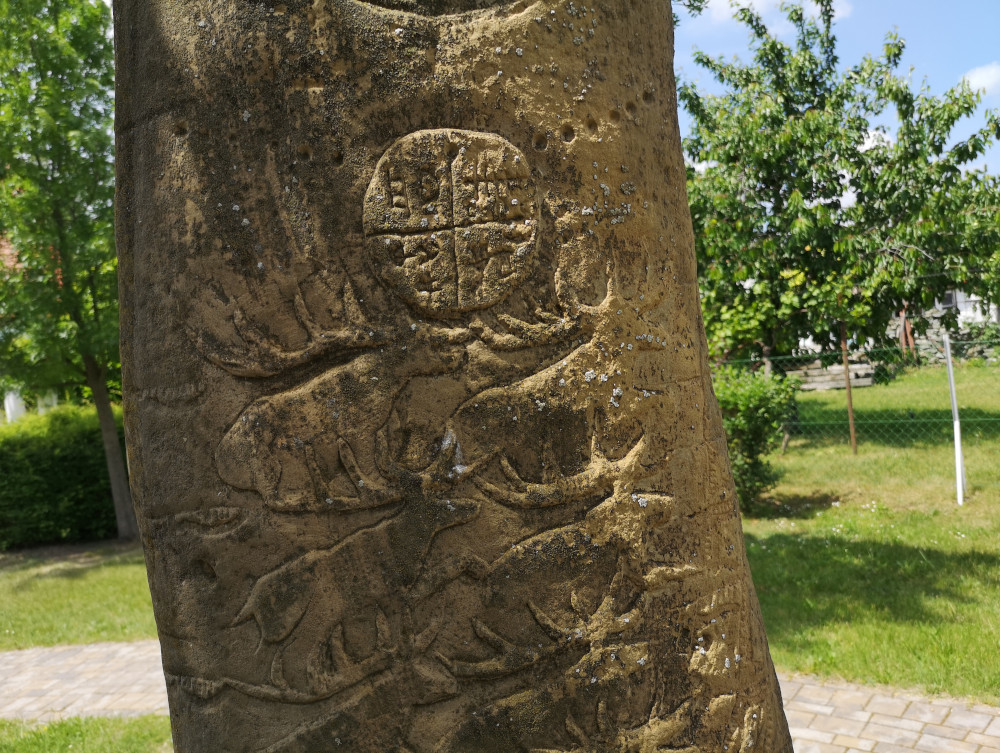
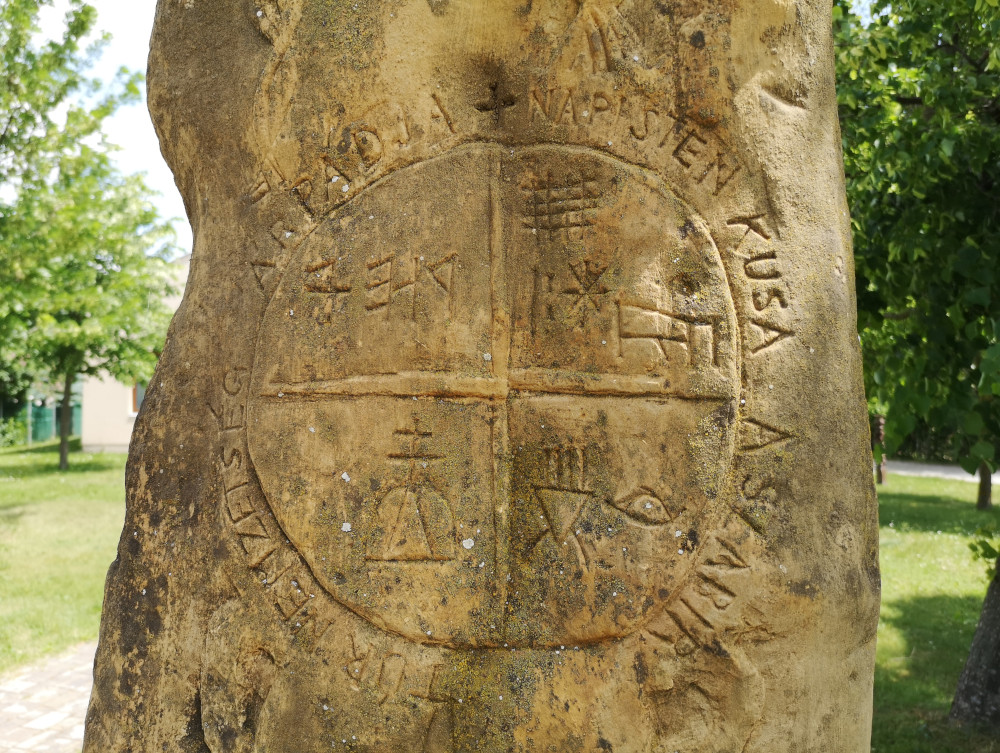
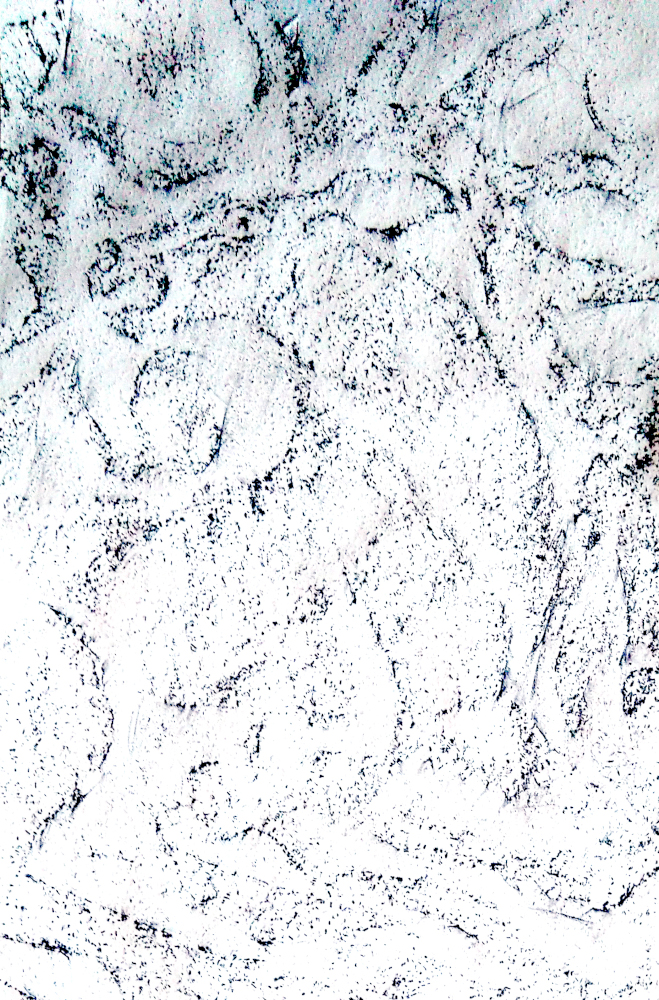
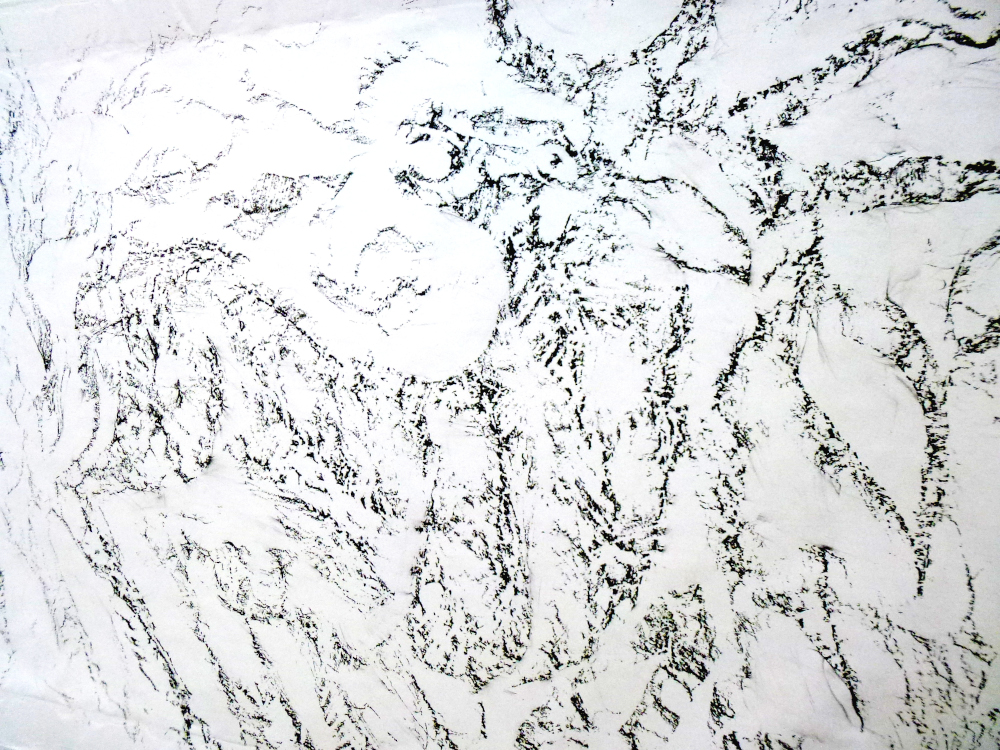
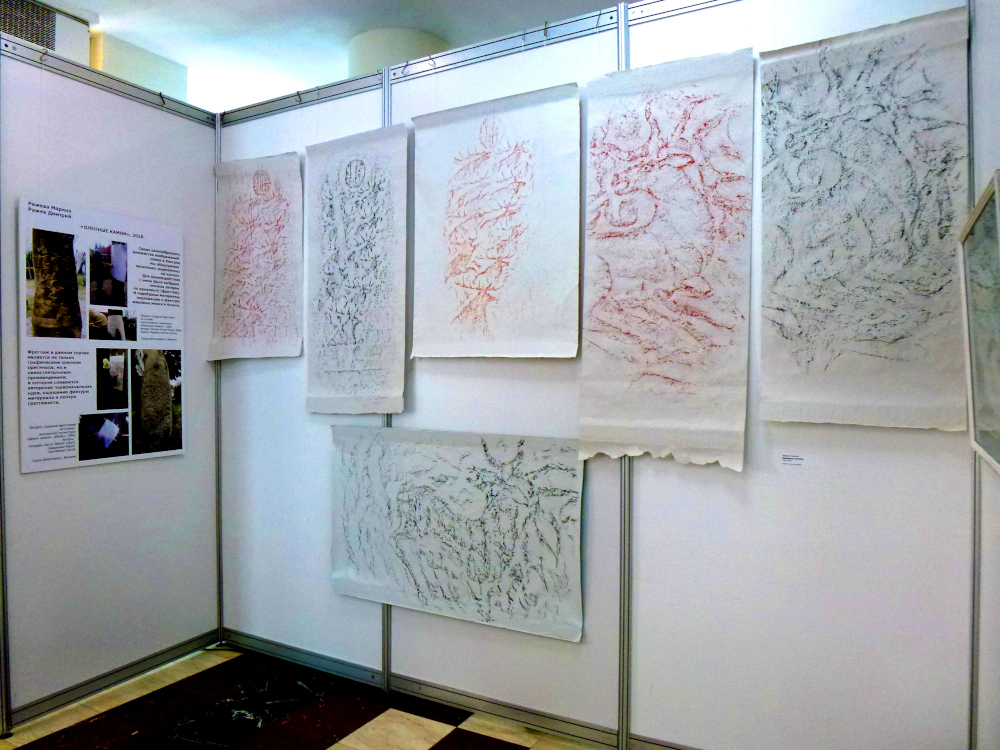
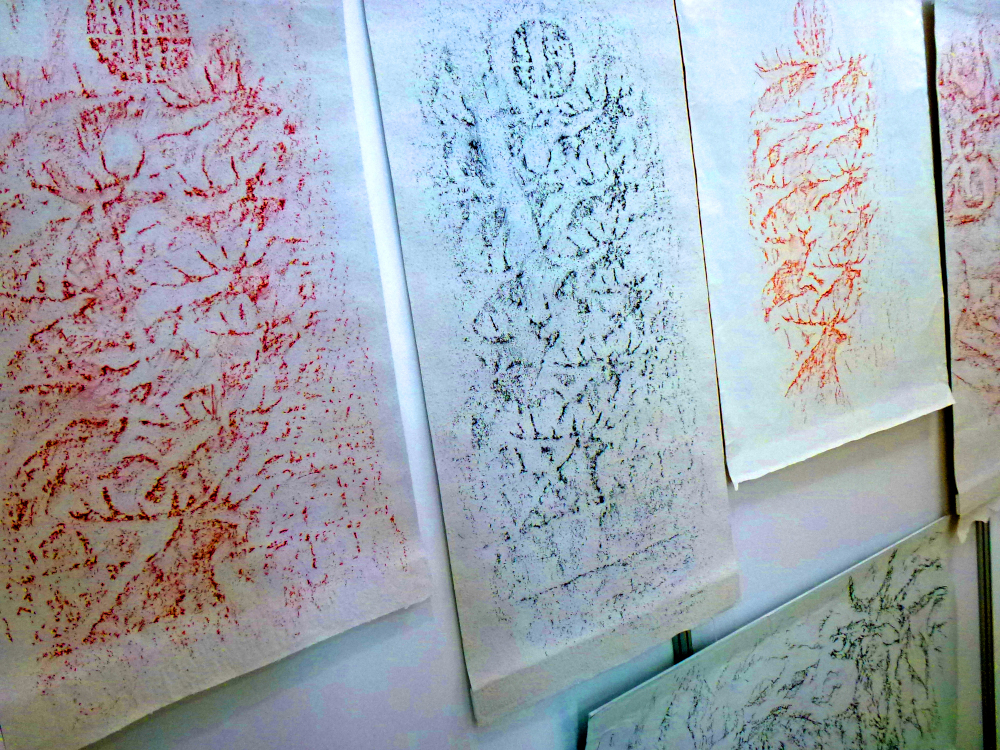
We photographed them, researched their histories, and made frottages from their surfaces.
The frottage allowed the monument to enter the work through direct physical contact. Stone became paper; relief became line; the surface of an existing monument became a new, portable image.
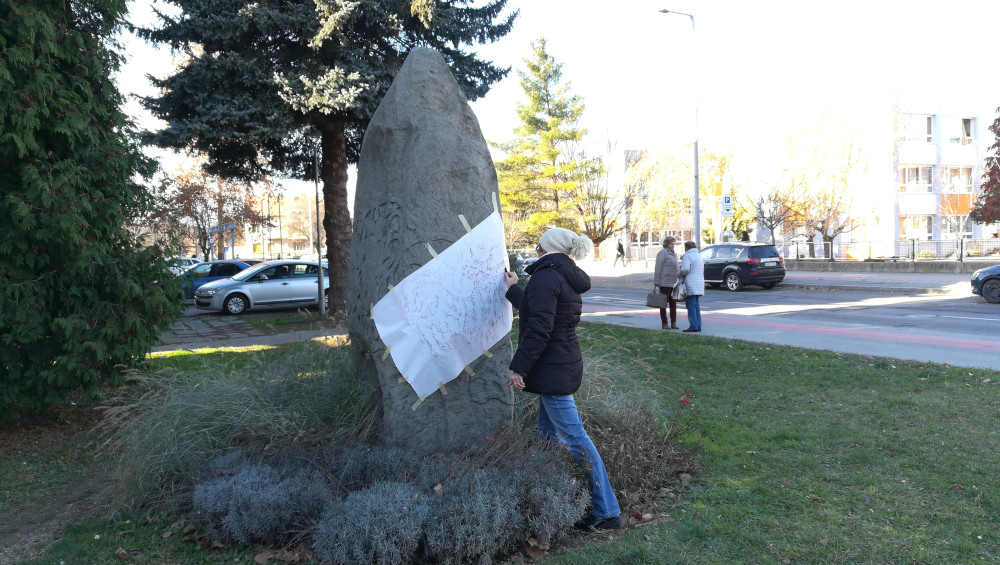
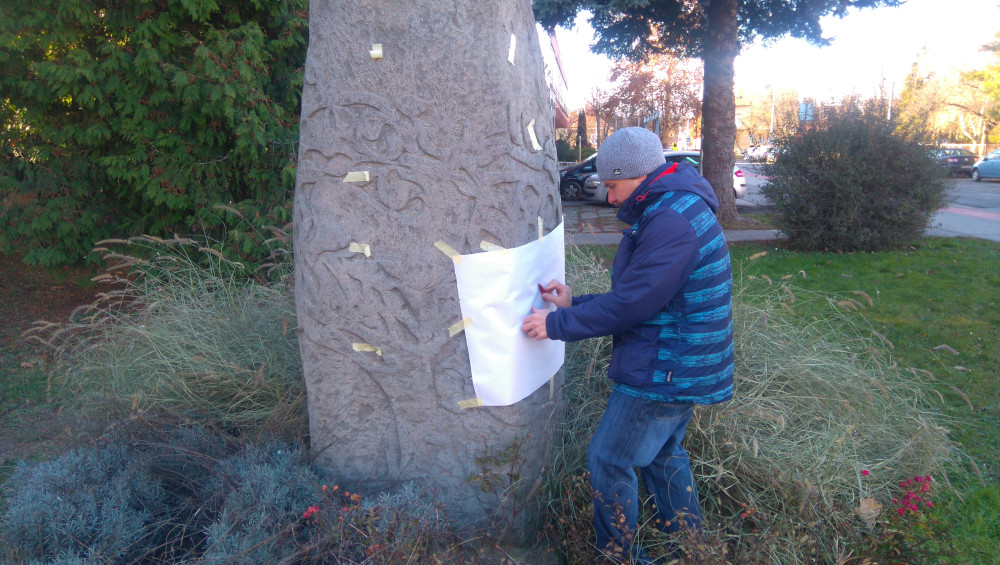
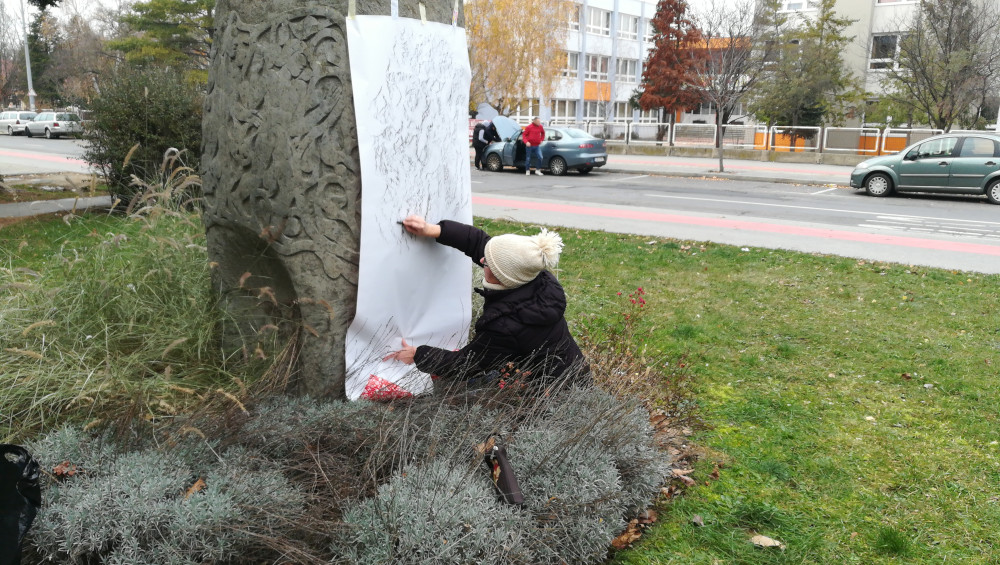
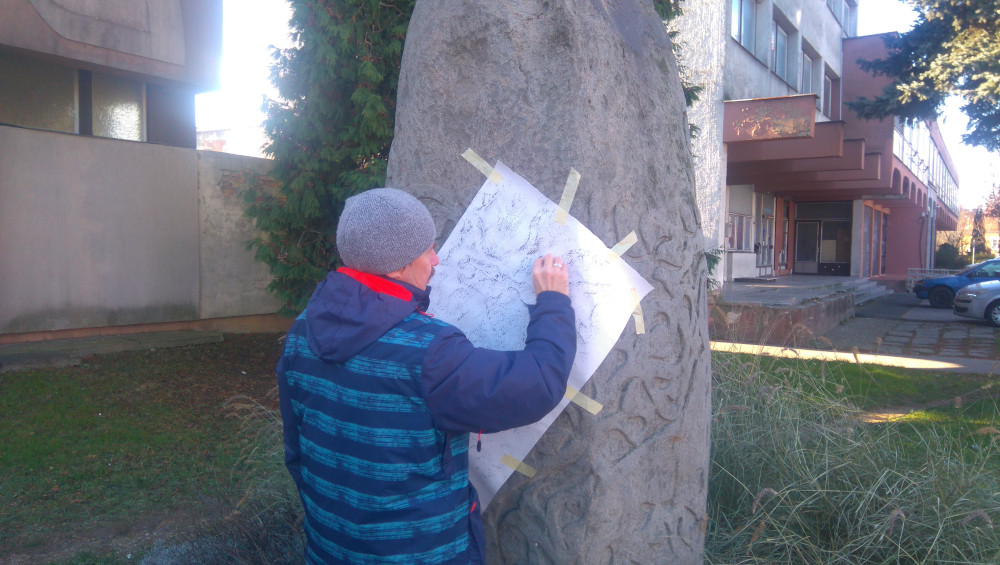
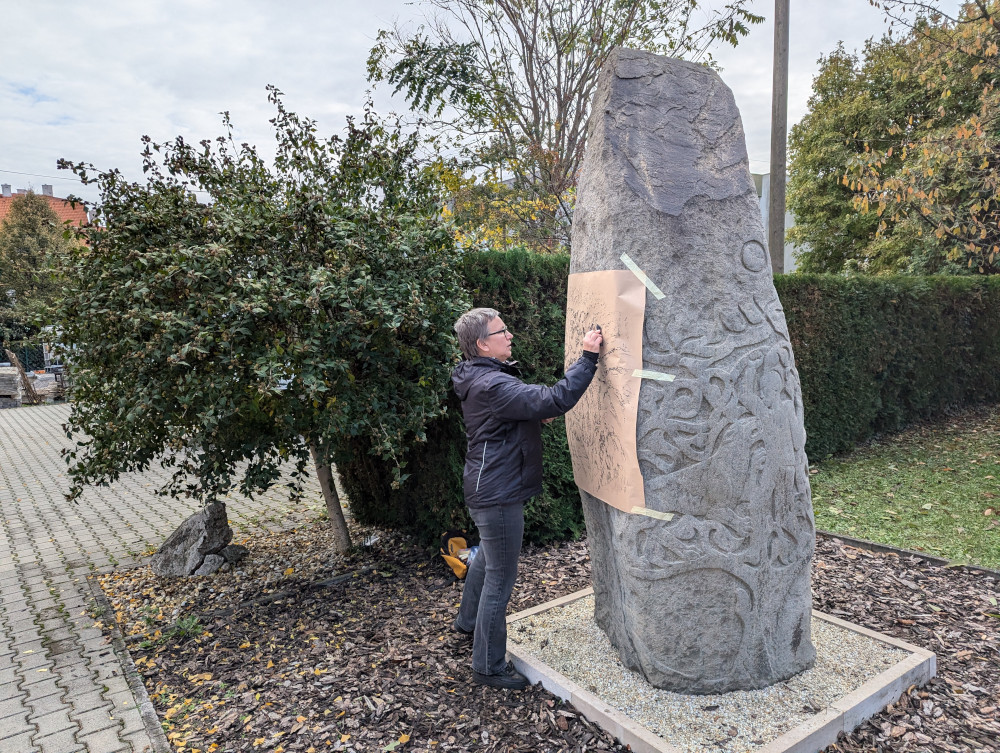
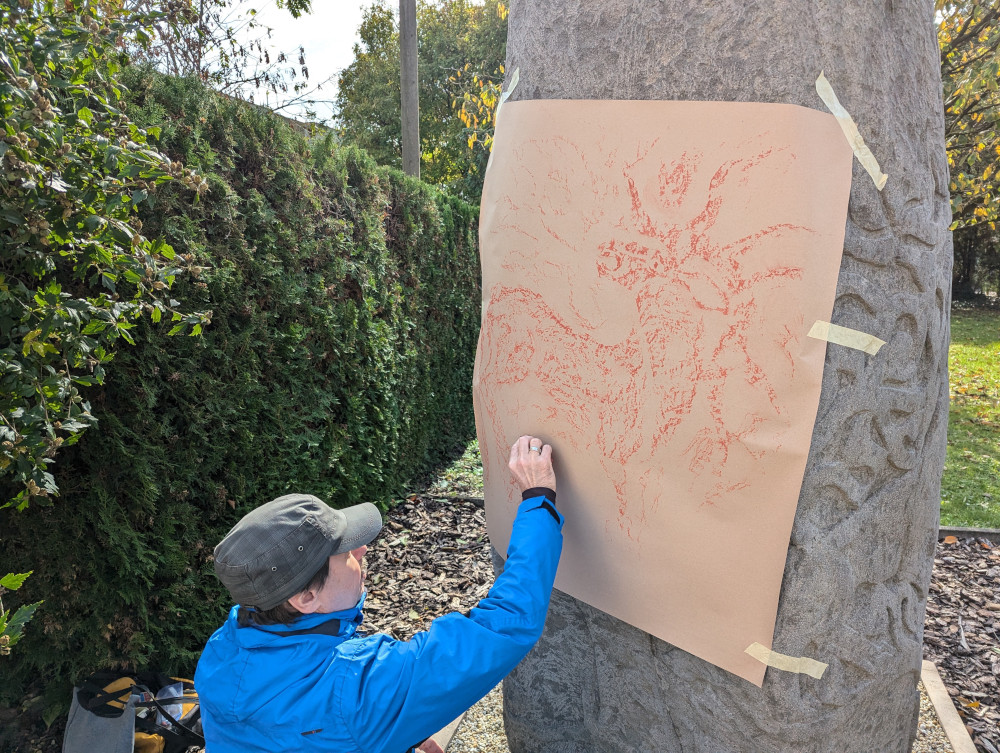
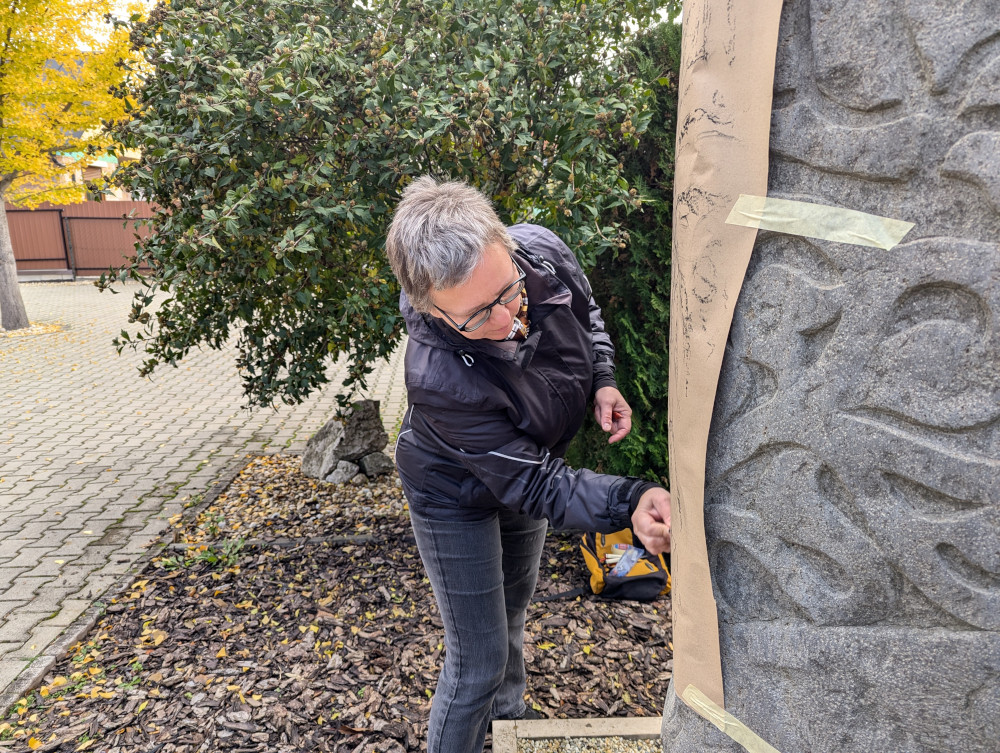
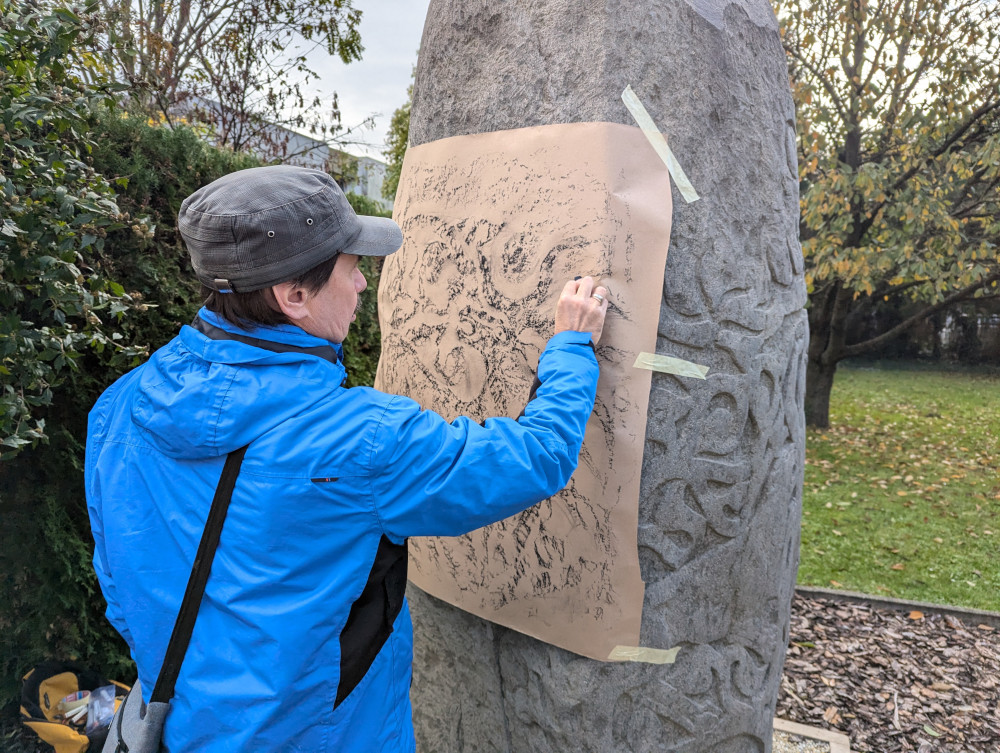
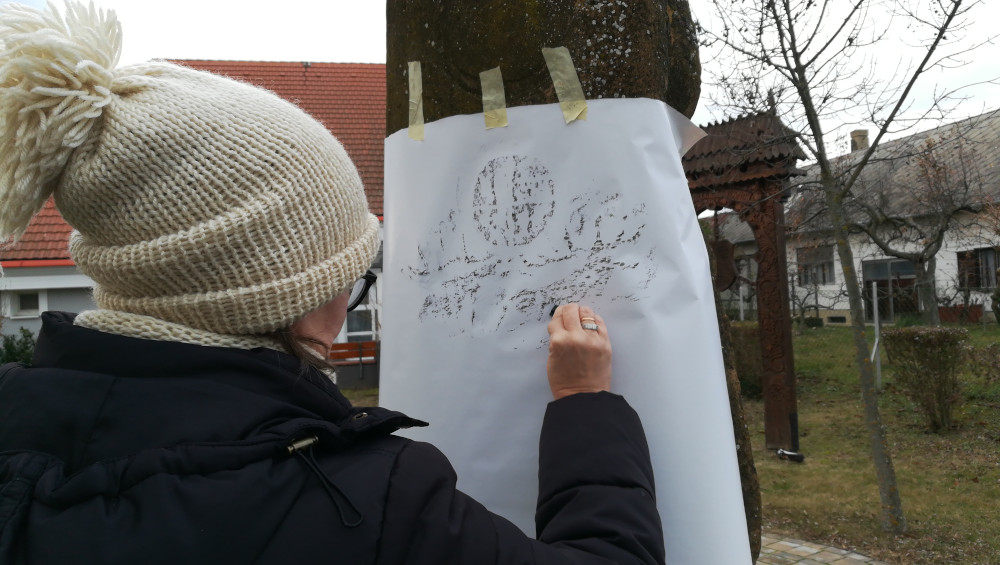
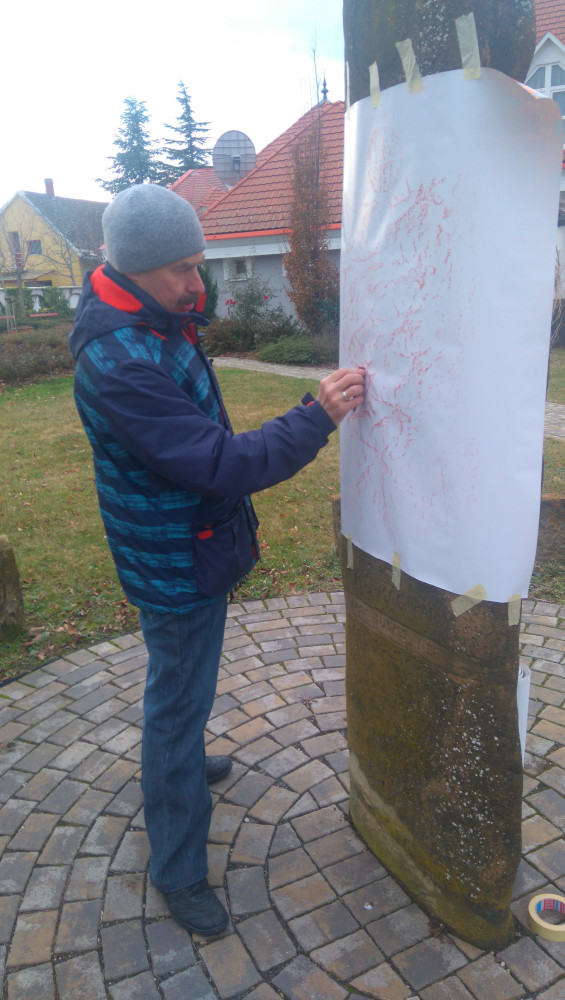
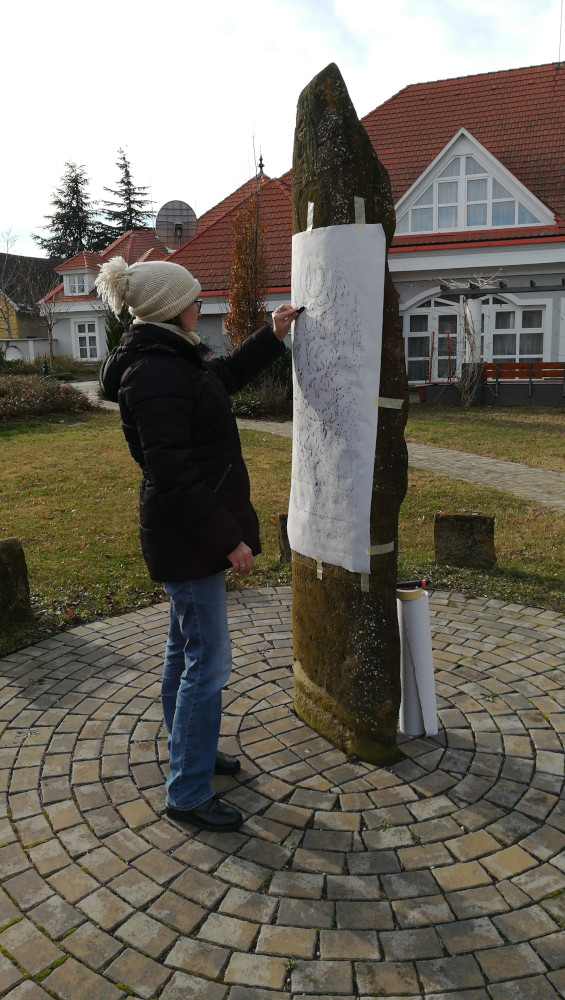
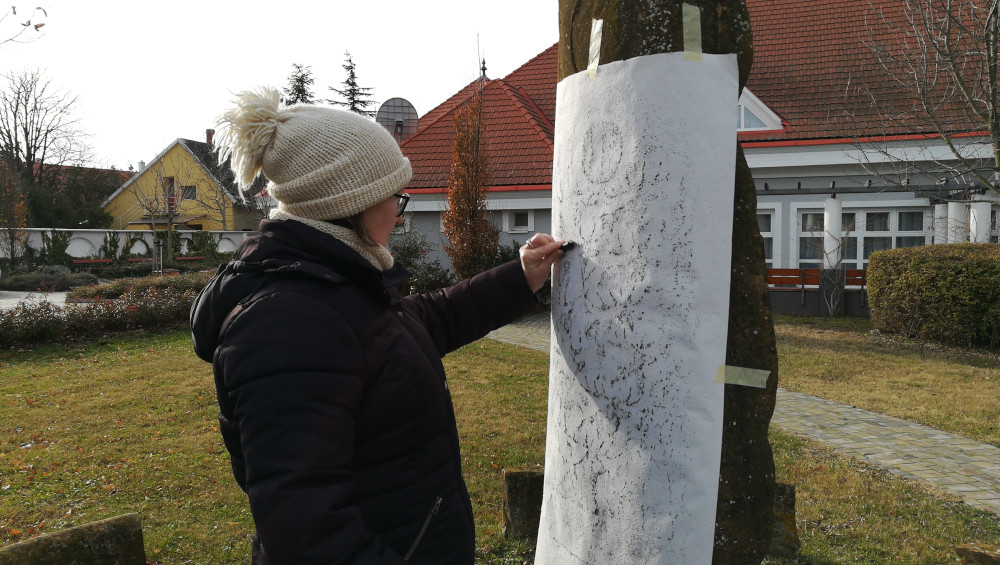
Materials: paper, wax crayons
Frottages: 2018, 2020, 2021, 2024
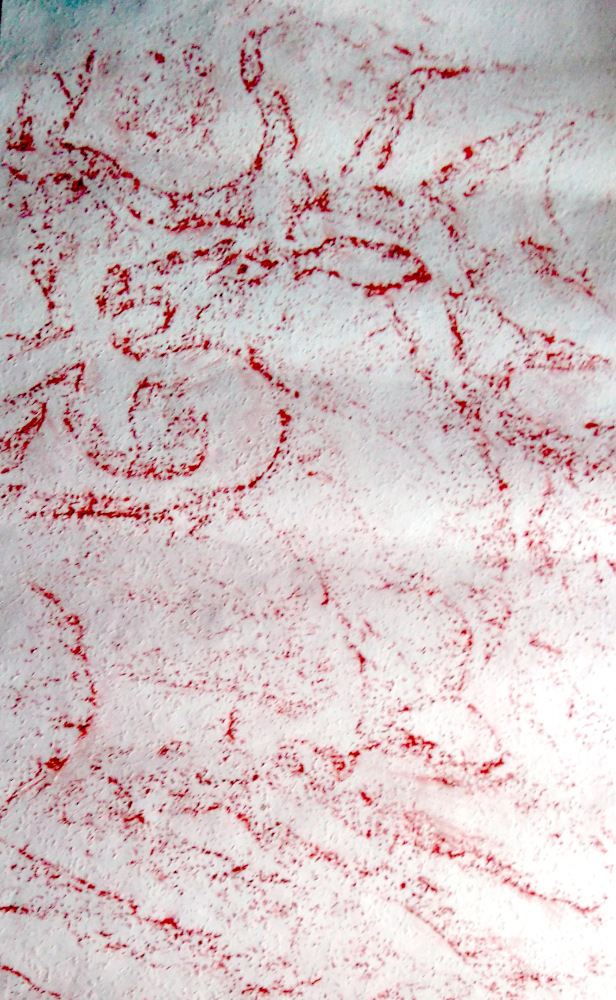
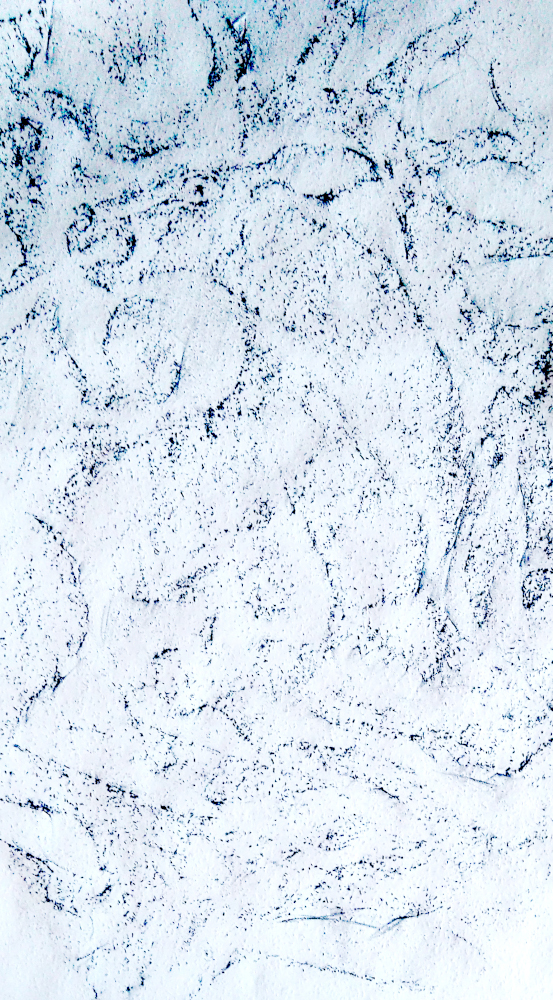
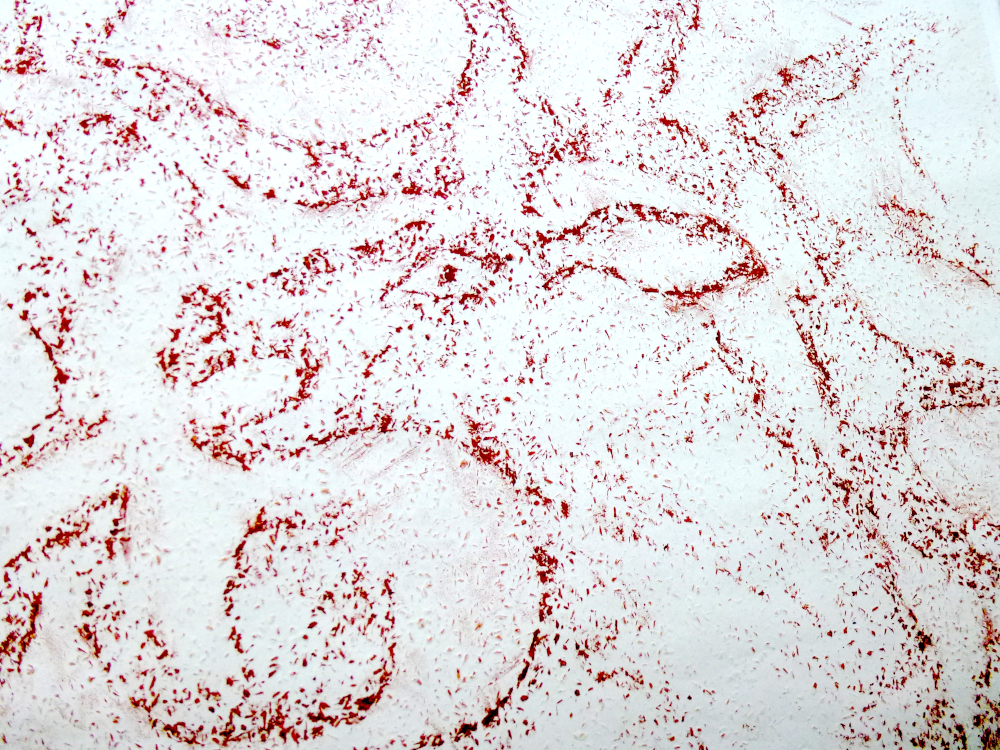
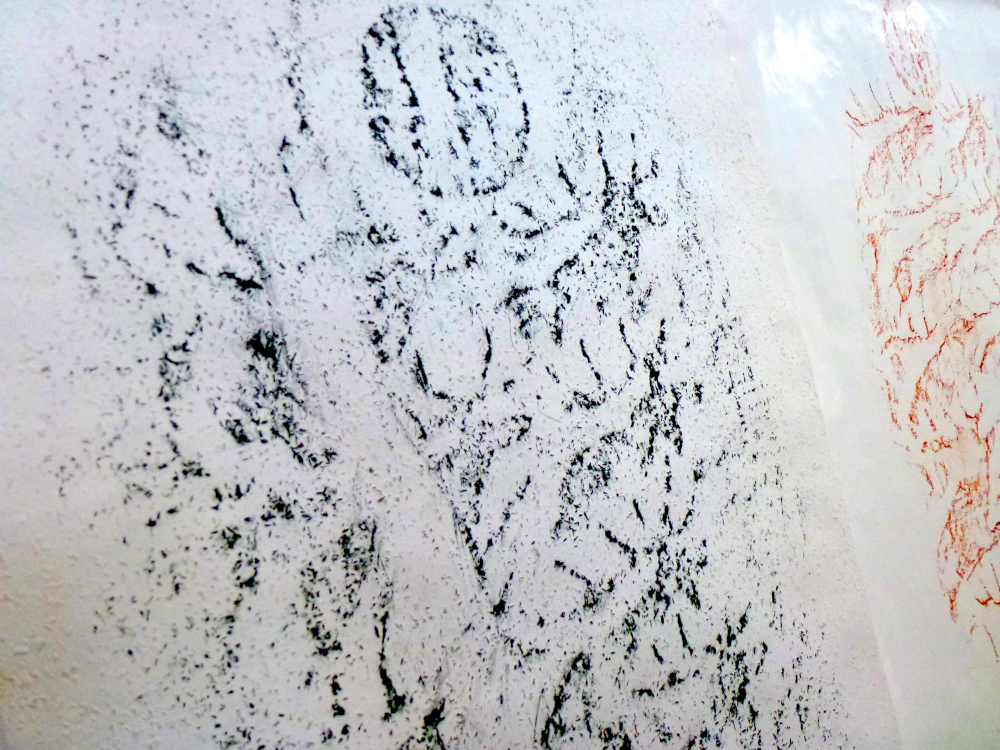
Field of Deer Stones
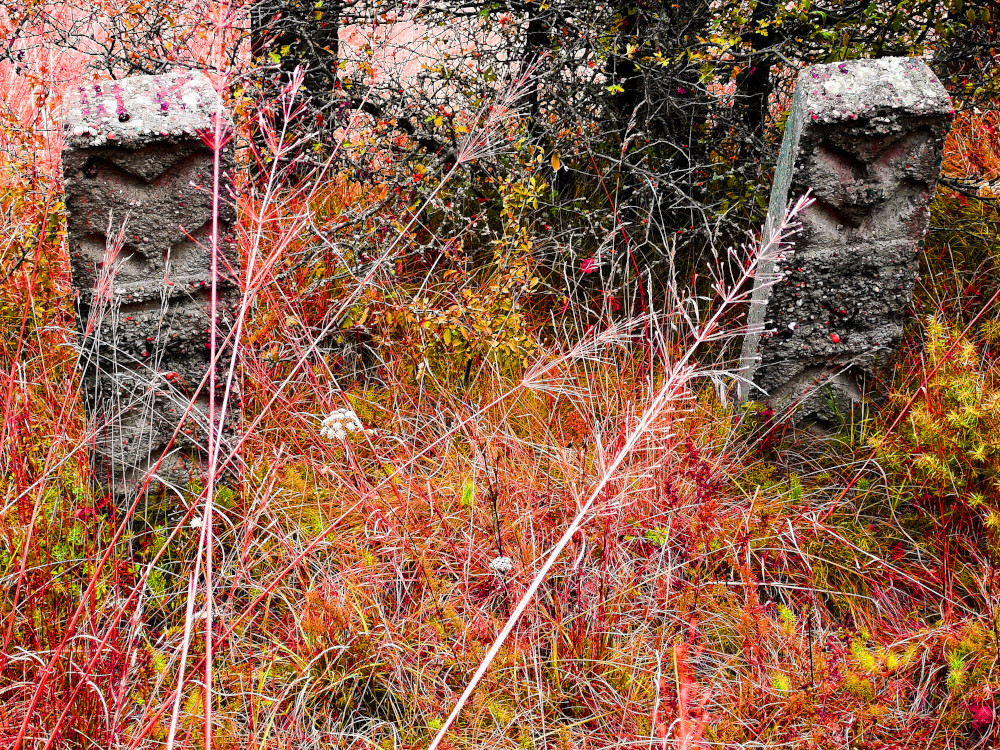
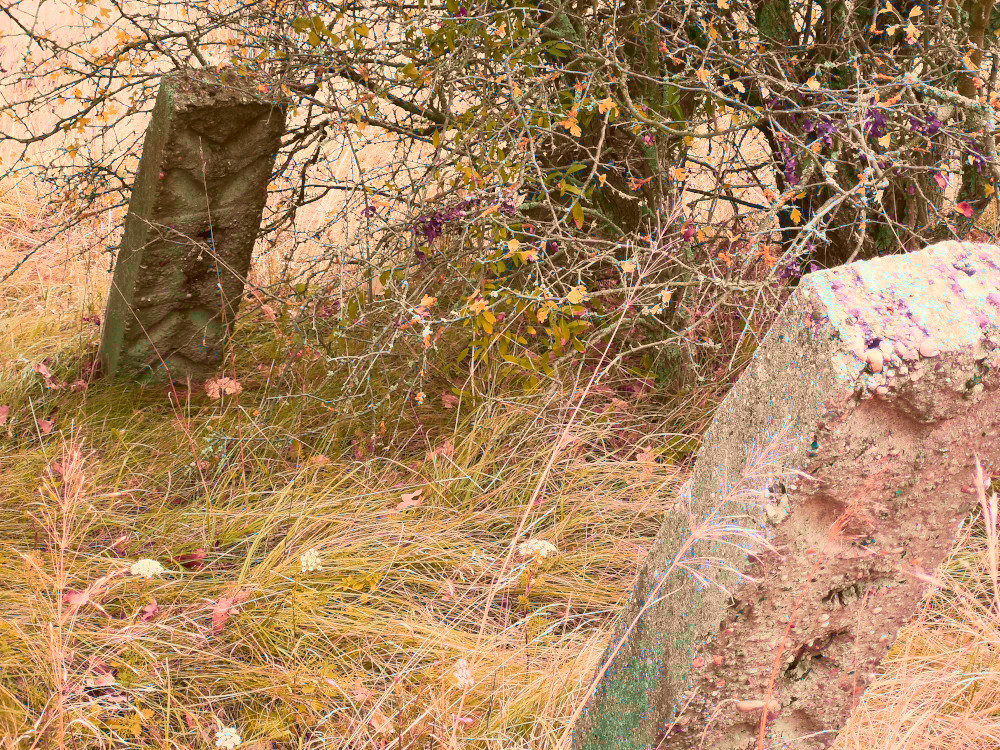
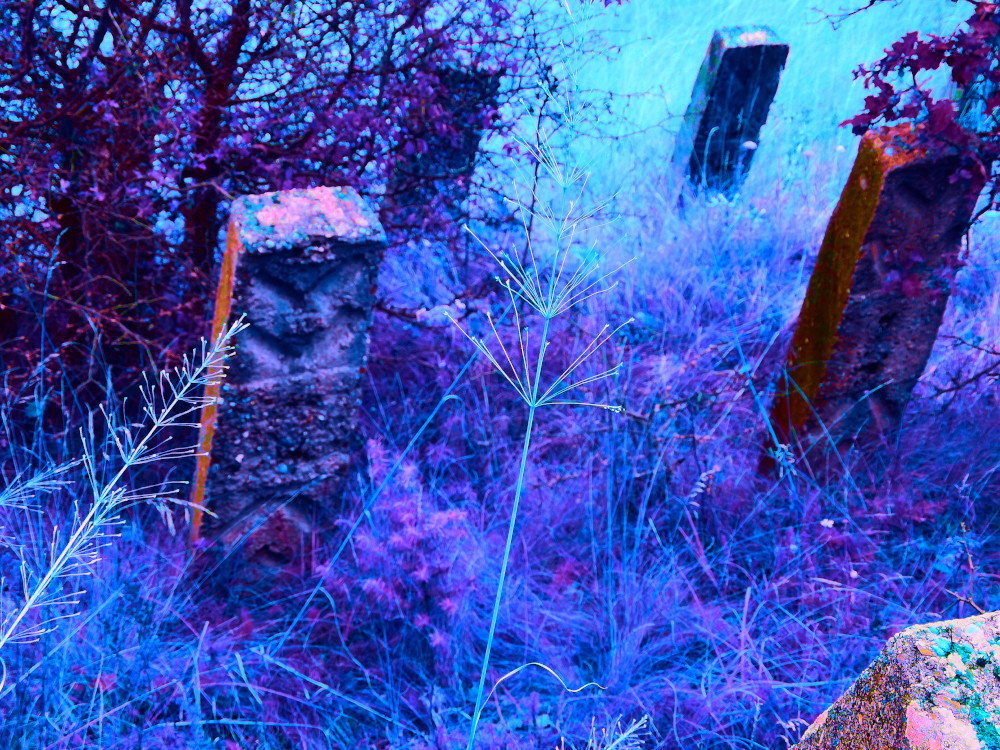
Another encounter took place south of Nyirád, where we found a group of concrete posts on the grounds of a long-abandoned military installation.
Their original function had been forgotten or was no longer immediately legible. Yet their arrangement on the hillside unexpectedly recalled rows of ancient standing stones.
Were they monuments?
Of course not.
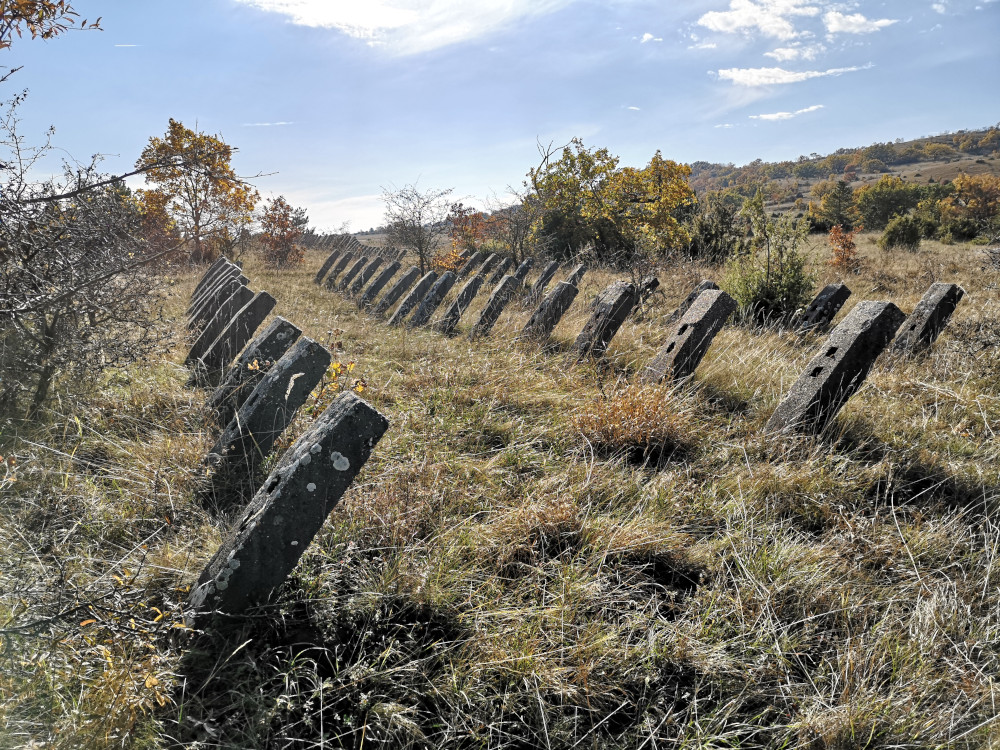
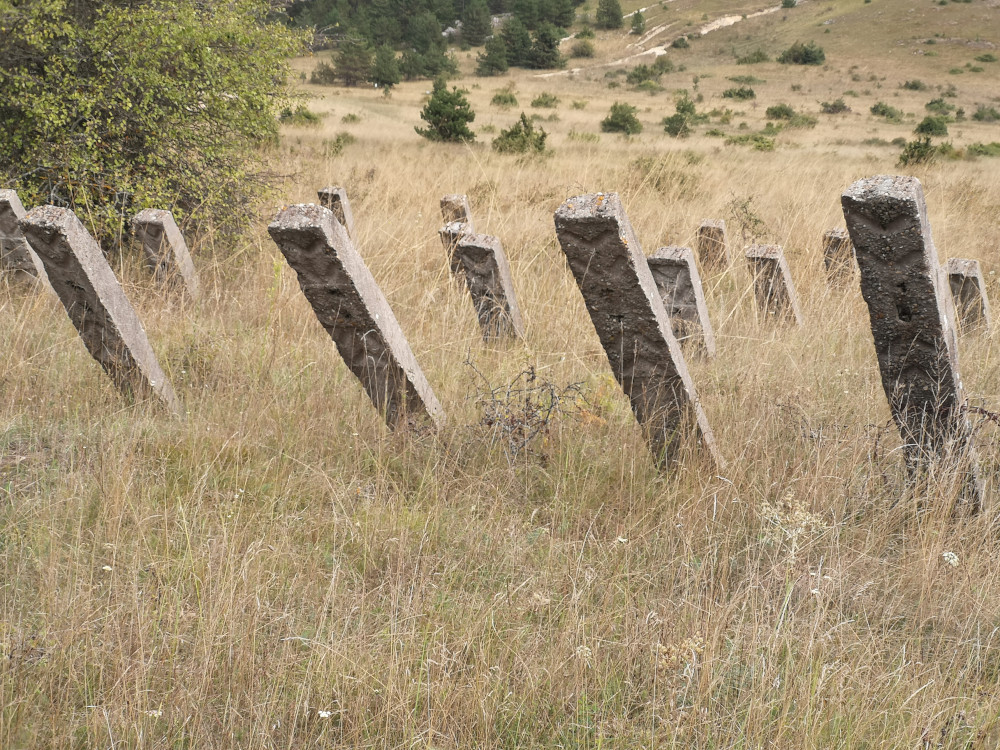

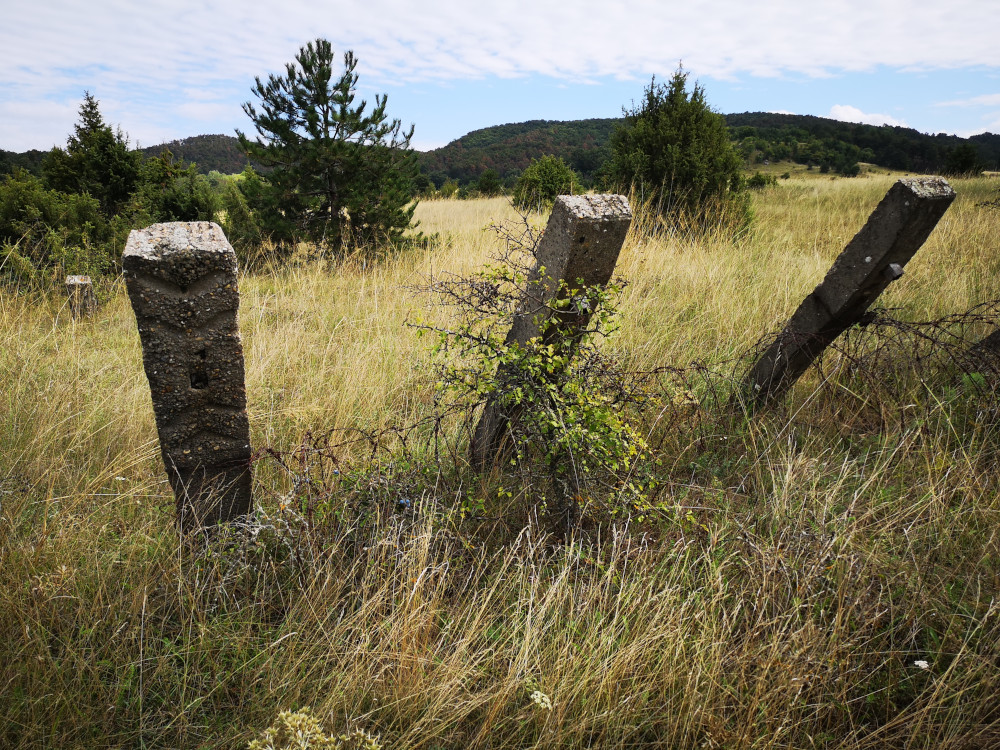
But what happens when an ordinary utilitarian structure begins to acquire the visual presence of a monument?
We photographed the site and digitally altered the images, allowing the accidental resemblance to become more pronounced.
The Field of Deer Stones emerged from this gap between what an object is and what it can become through perception.
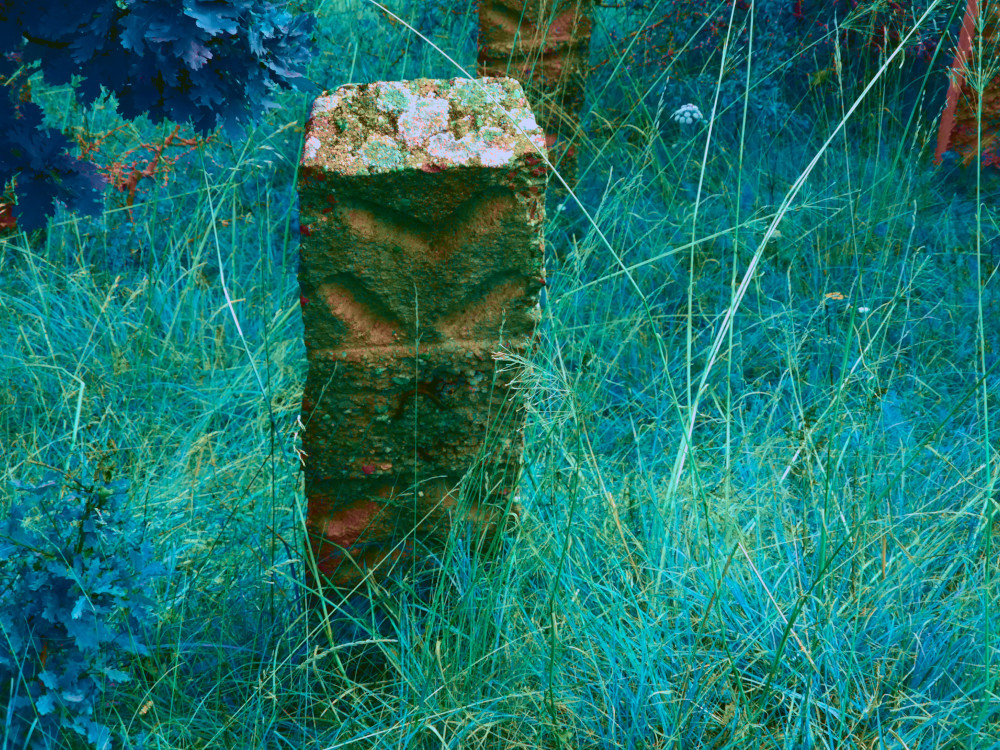
This project became an example of Revealed Realism: the work does not begin with the invention of an image and then search for a place to put it.
The place comes first.
A monument, a fragment, a concrete post, a trace, or a surface is encountered. Attention establishes a connection. The artistic act then reveals or amplifies a possibility already latent in the object.
The meaning is neither simply found nor simply invented.
It appears between the thing and the way we look at it.
Deer as a recurring figure
Across the different sites, the deer gradually ceases to be a single archaeological symbol.
It becomes a moving figure — appearing in stone, in contemporary sculpture, in accidental structures, in traces, and in the imagination.
The project connects these appearances without claiming that they share a common origin.
What matters is the moment when an image returns.
Deer Stones forms part of the broader HartLand project, in which the deer becomes a way of tracing relationships between landscape, memory, movement, human presence, and the persistence of symbols.