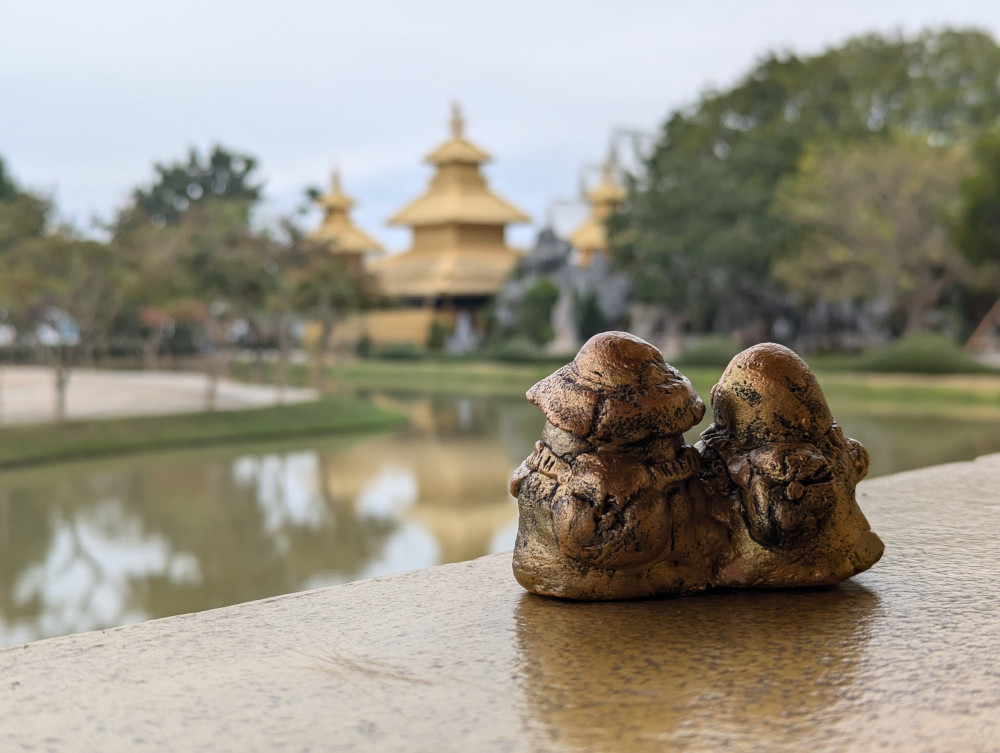
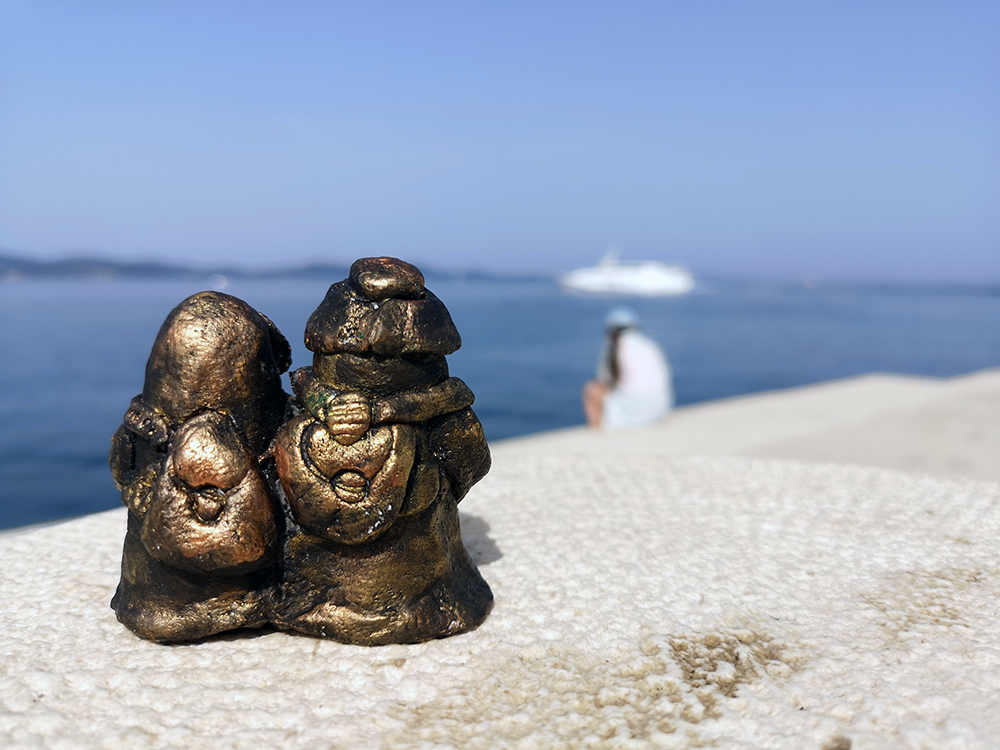
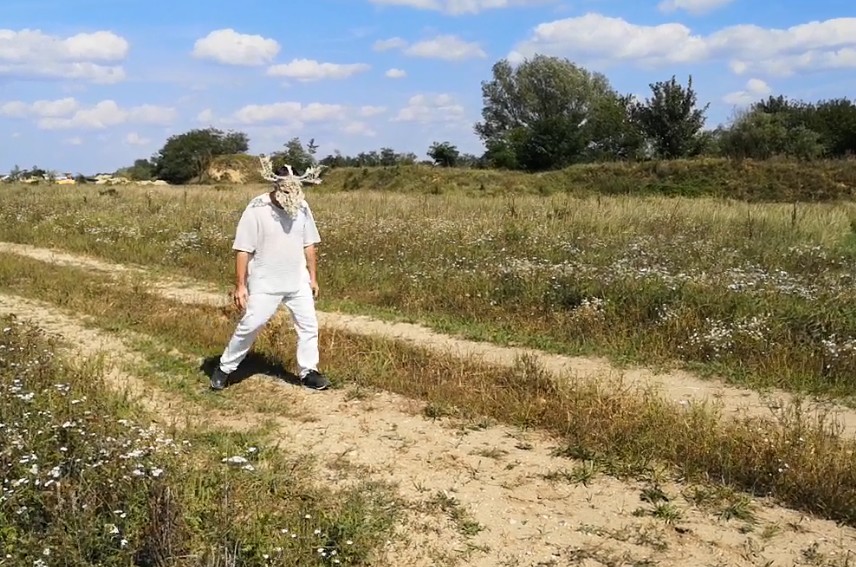
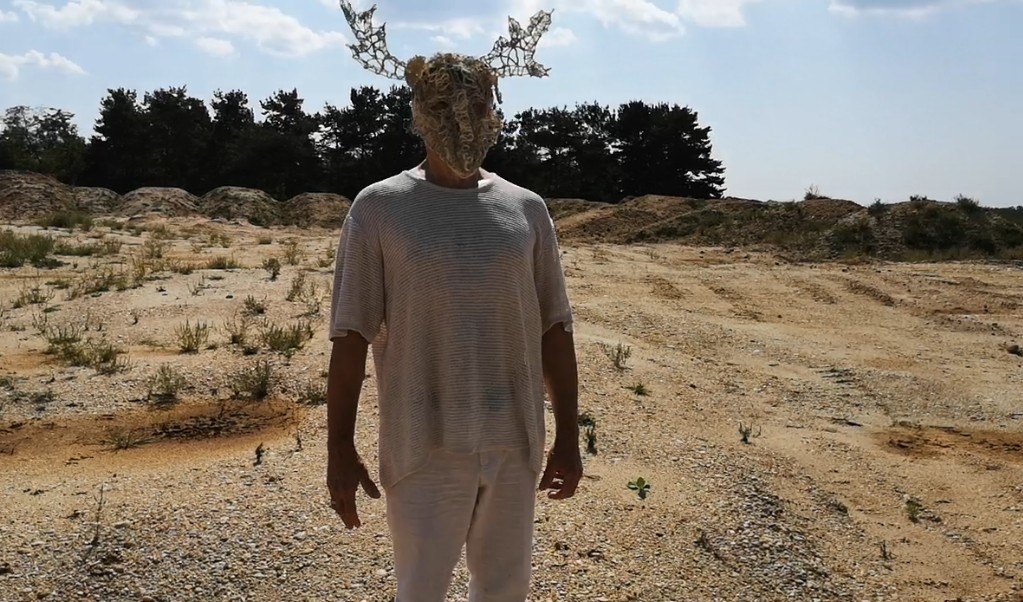
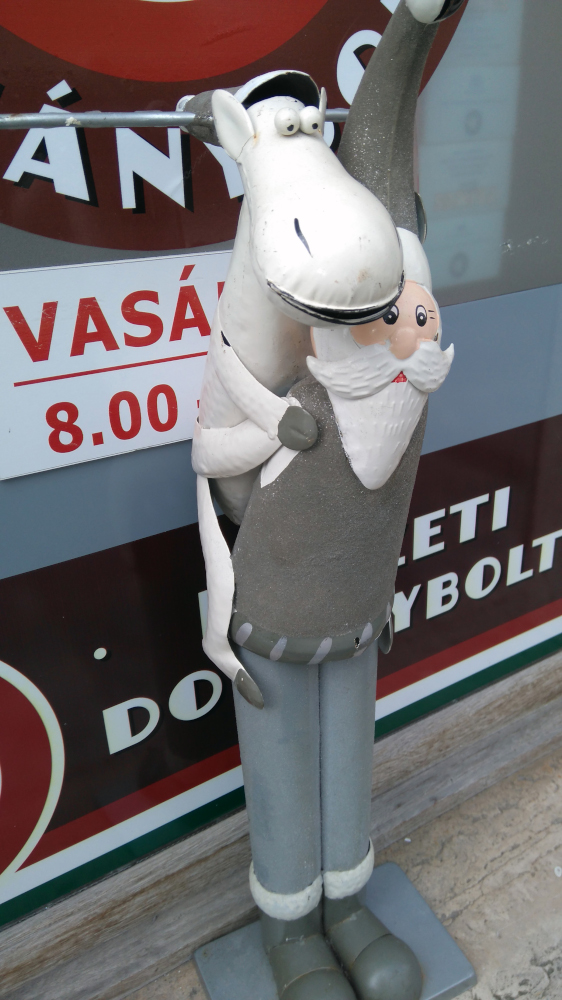
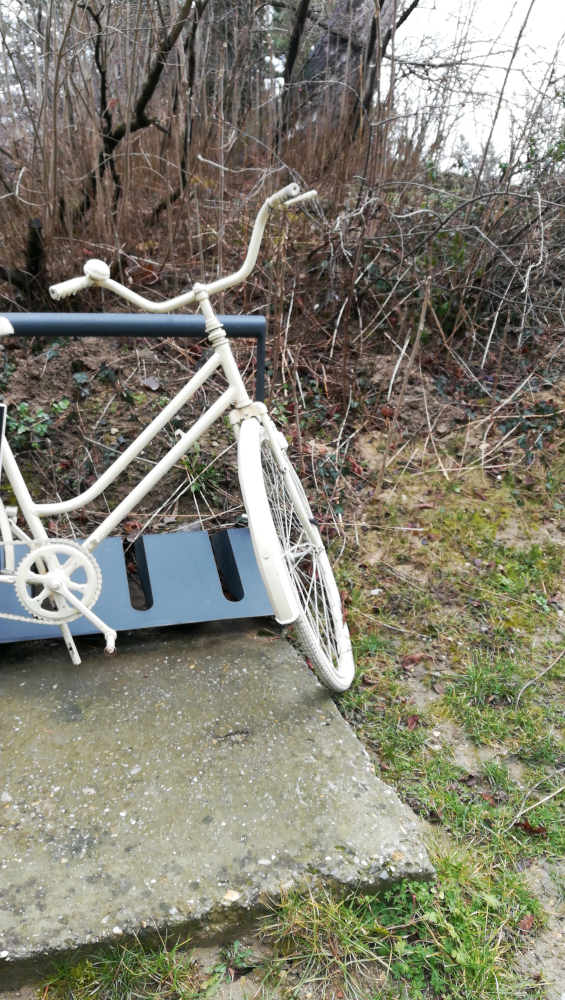
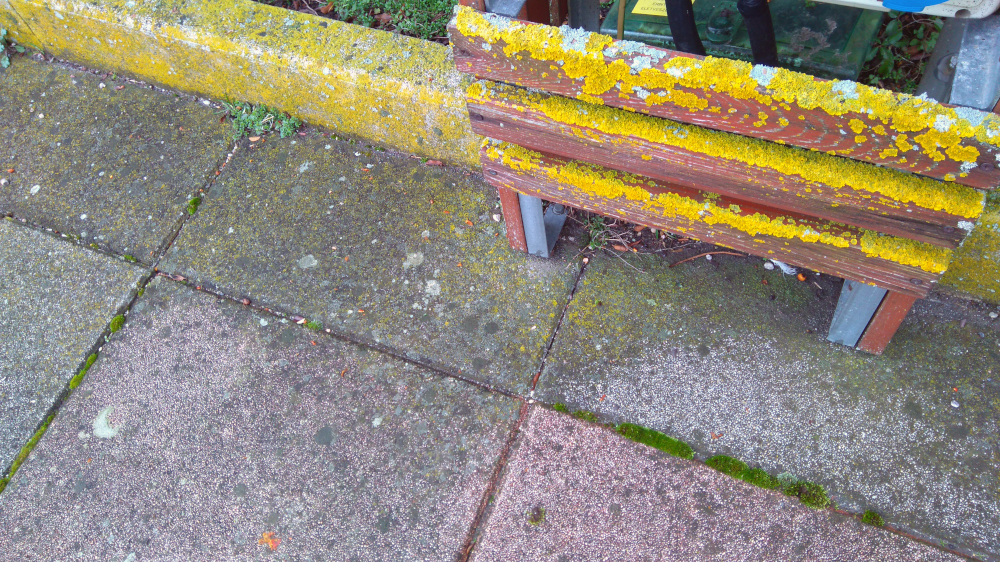
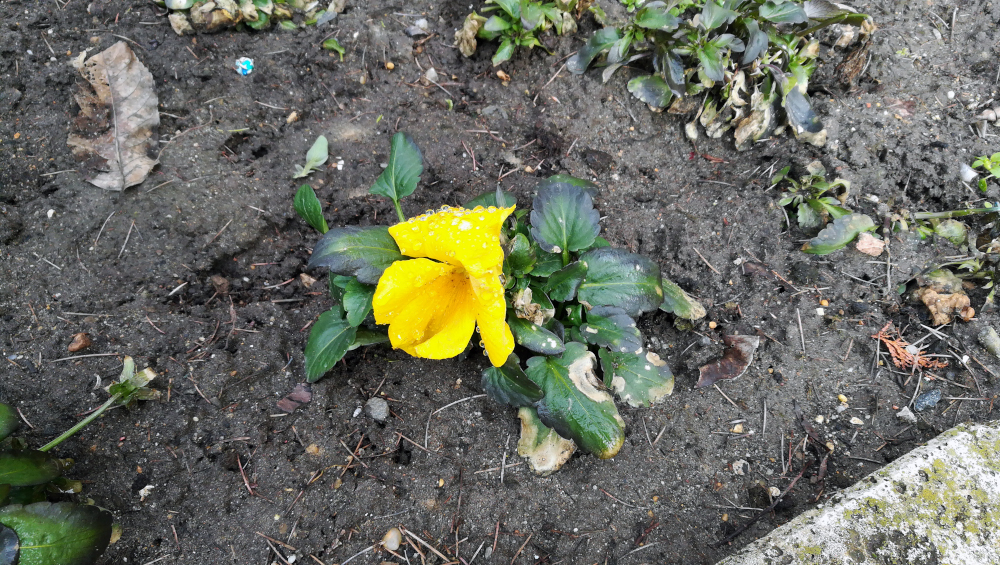
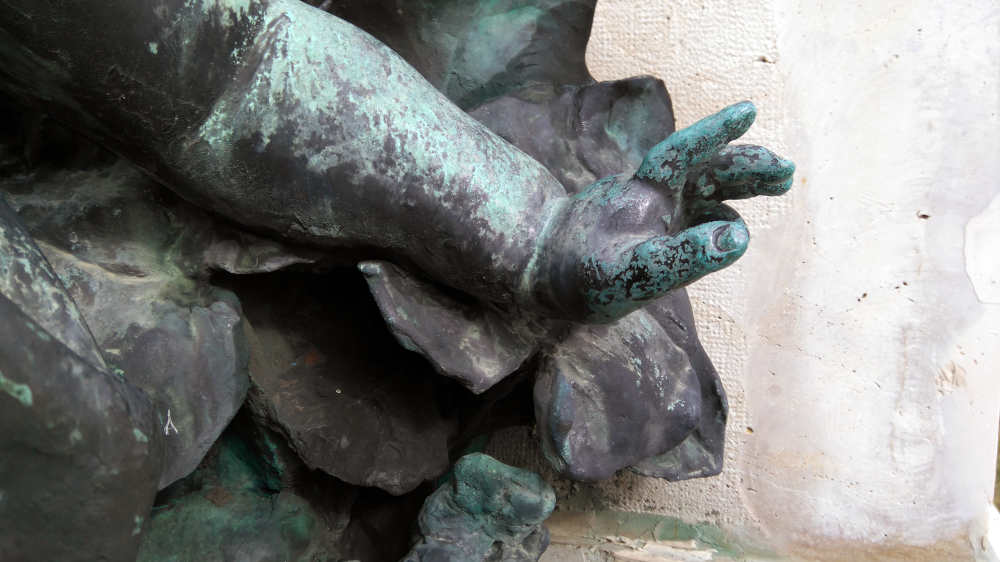
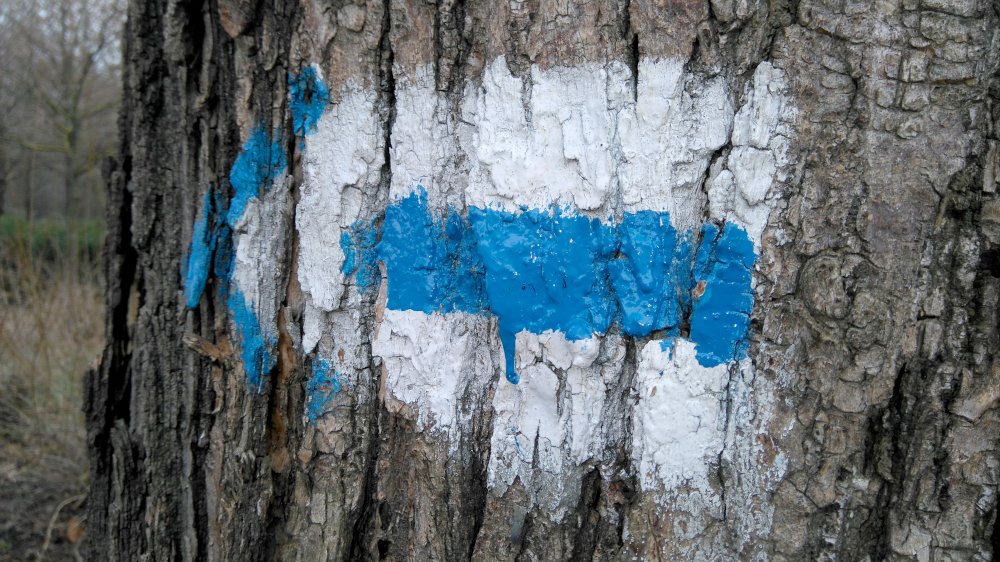
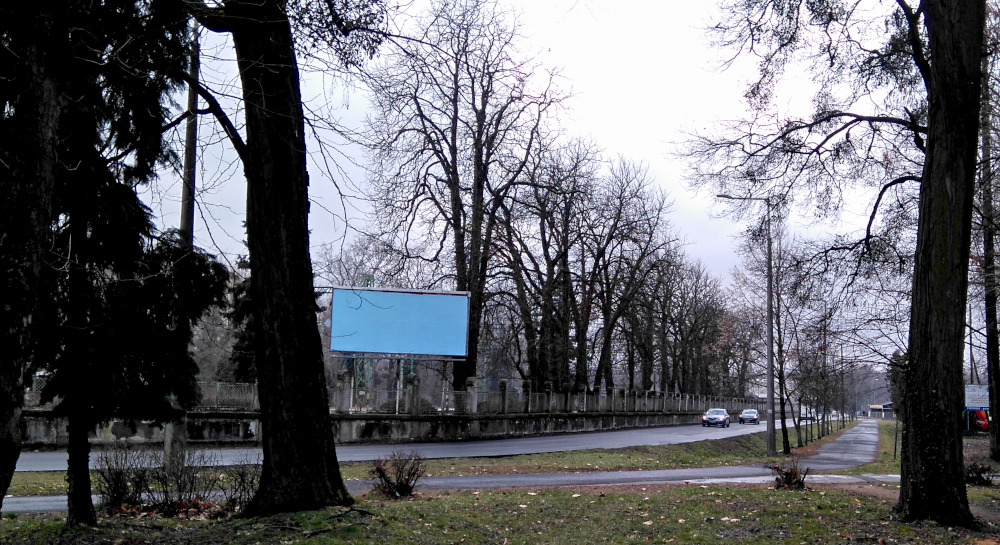
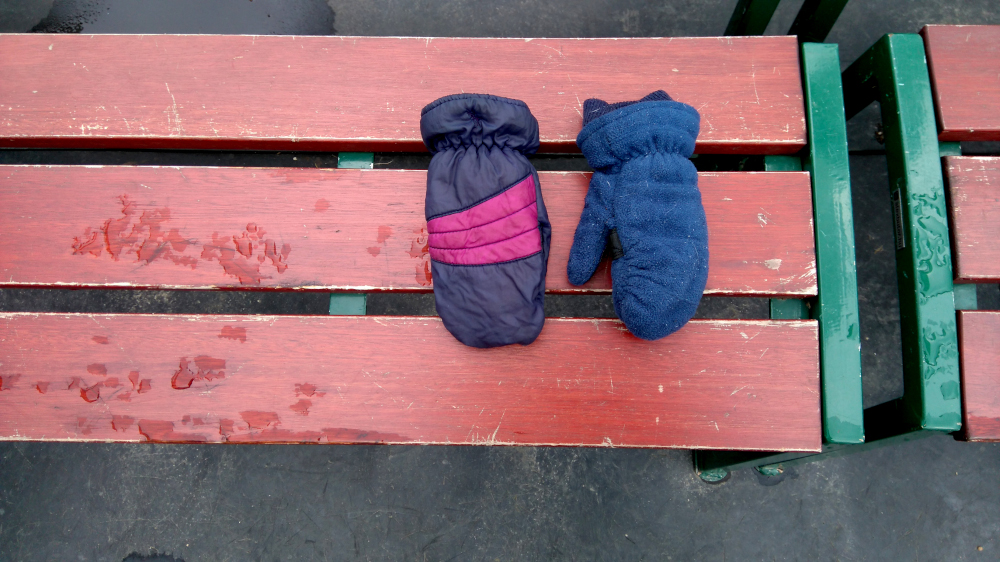
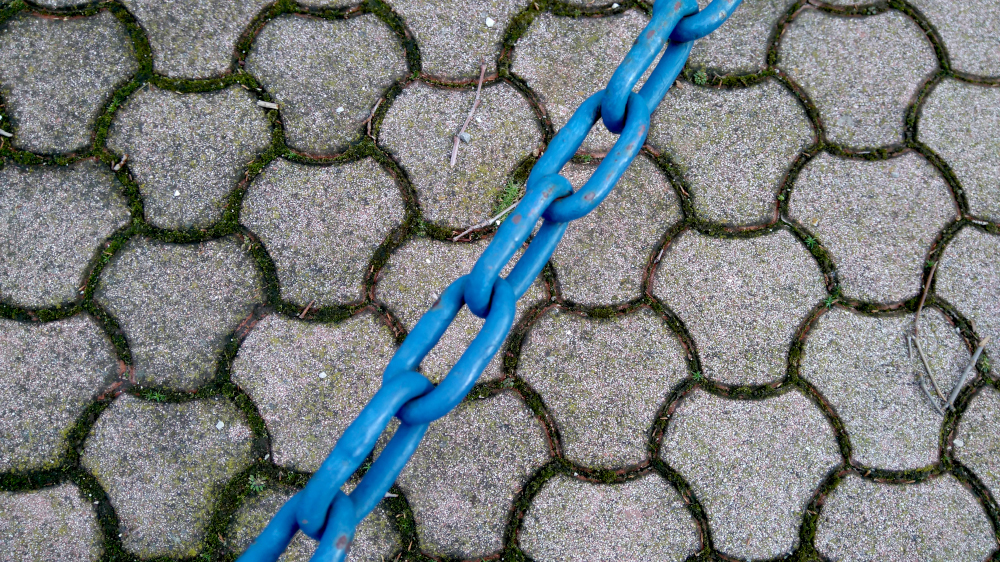
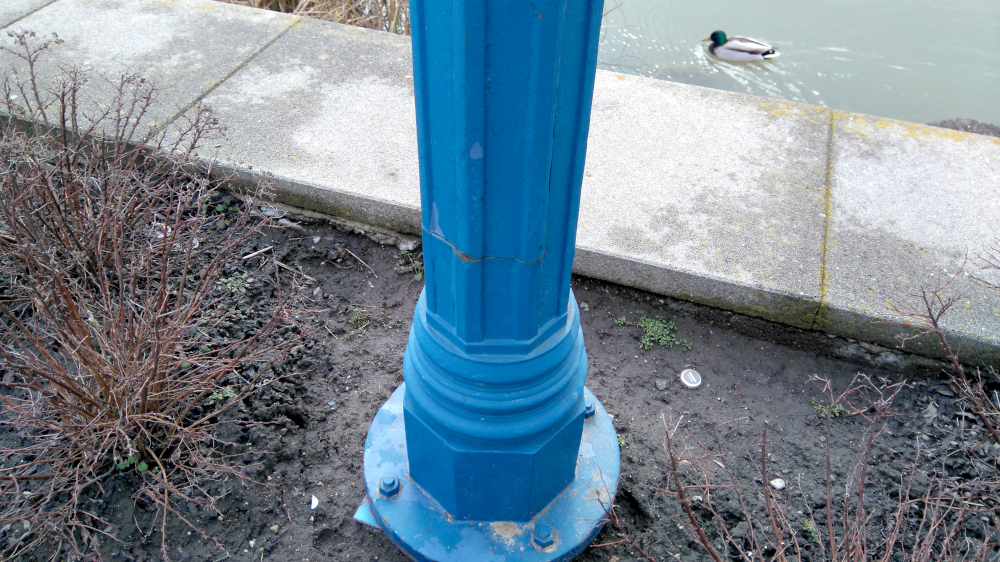
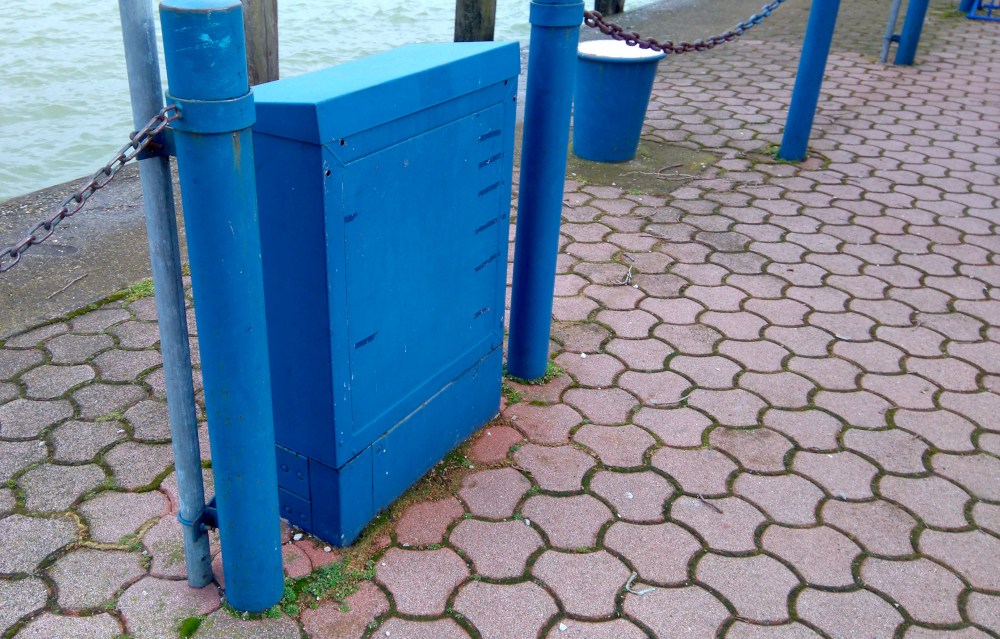
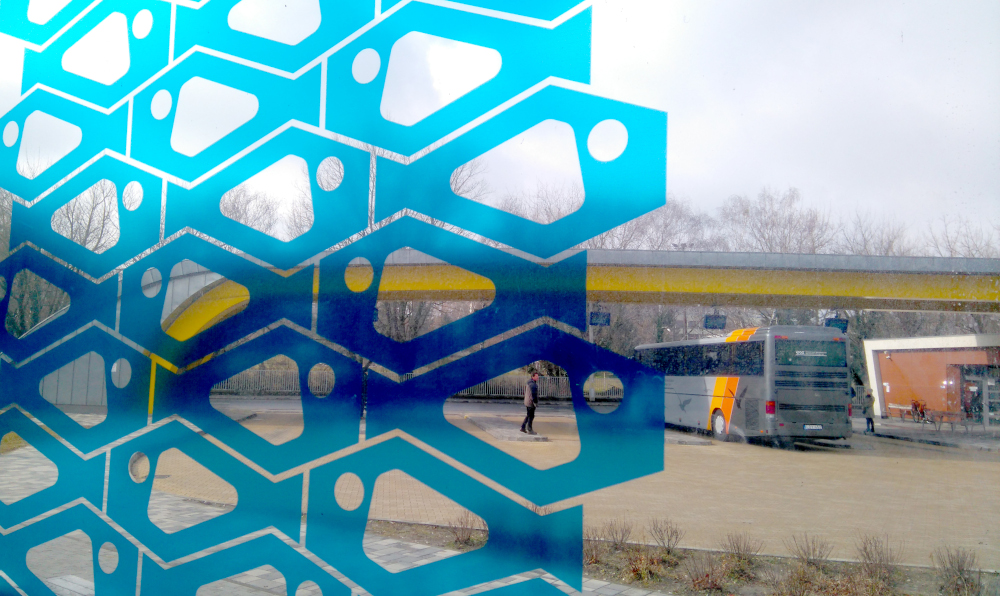
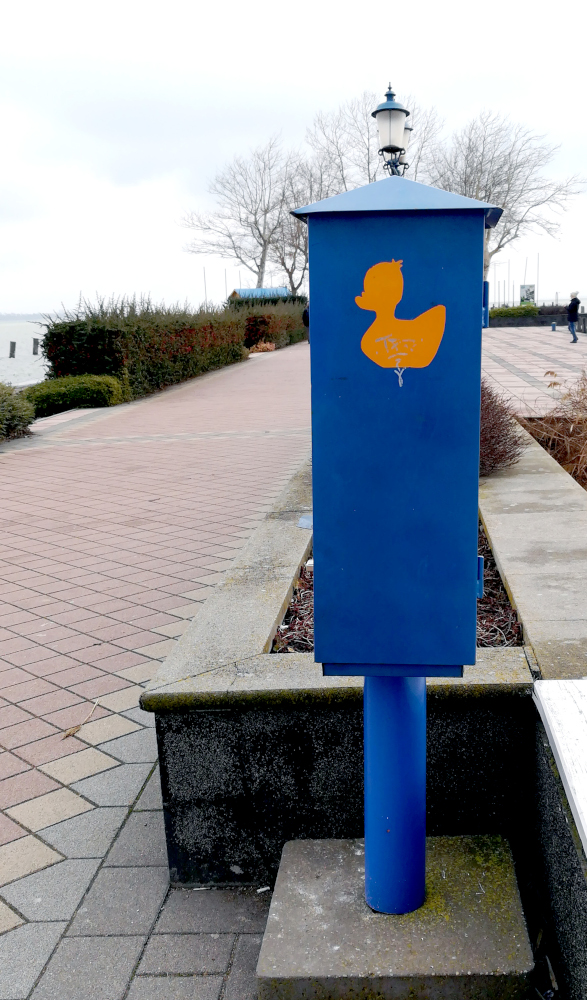
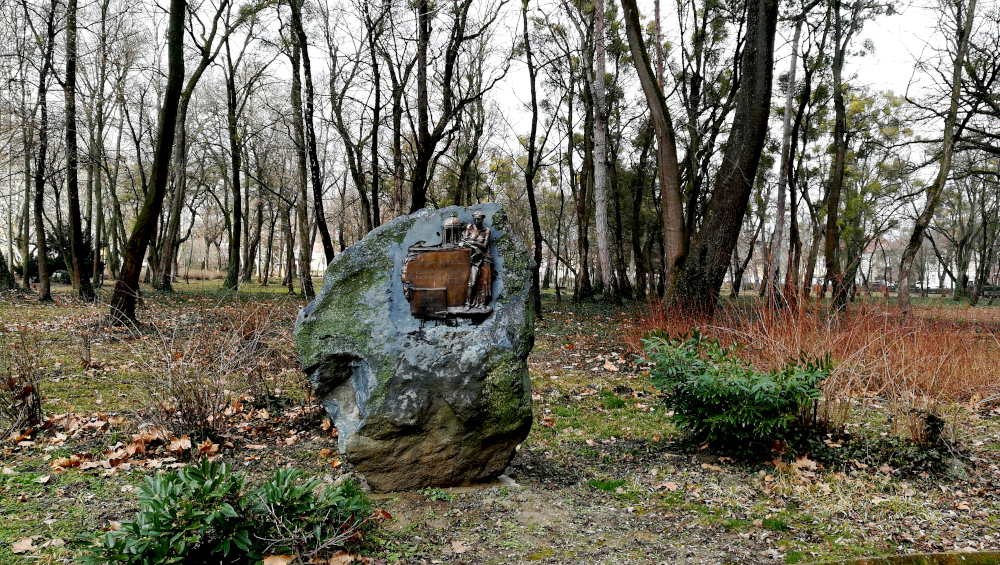
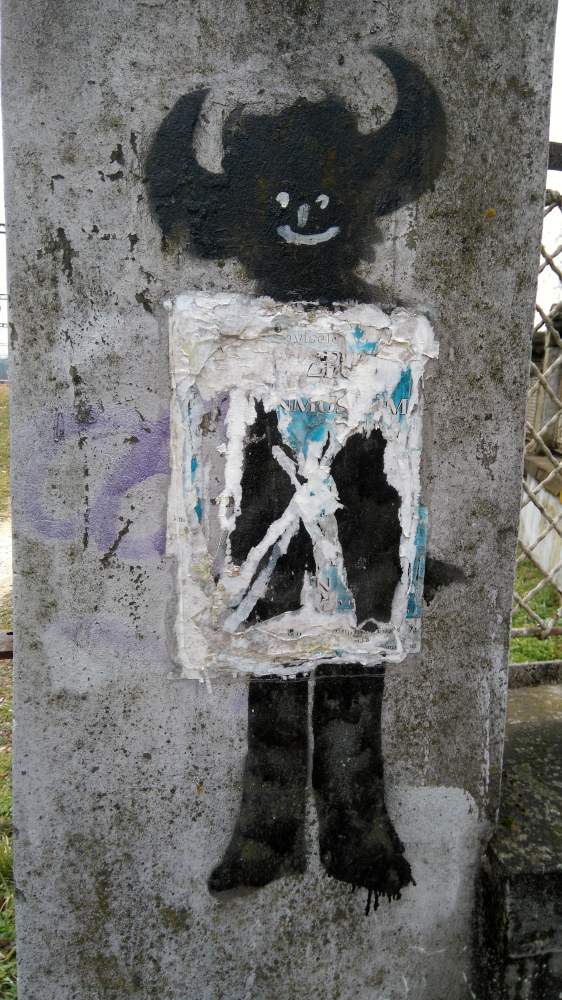
Miniks are small-scale interventions placed in real environments and left to encounter the conditions of the place.
They may be made from simple, biodegradable, or found materials. Some resemble figurines; others take the form of ordinary objects. Their scale is deliberately small, allowing them to enter a landscape or everyday environment without dominating it.
A Minik is not intended to become a permanent monument.
It may remain for days, months, or only a short time. It may be noticed, photographed, moved, damaged, absorbed by the environment, or disappear altogether.
The work therefore exists between object and event, presence and disappearance, monument and trace.
The site is not simply where the work is placed. It becomes part of the work’s duration and meaning.
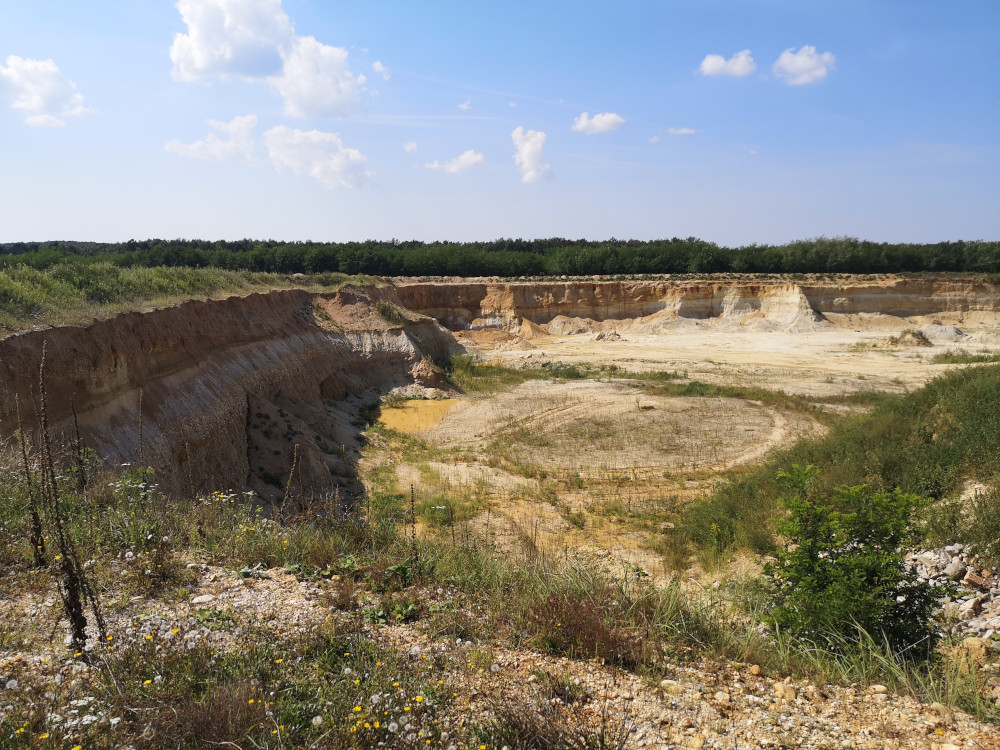
The Quarry as Witness is an ongoing art-research project developed by R² through encounters with active and abandoned quarries in Hungary.
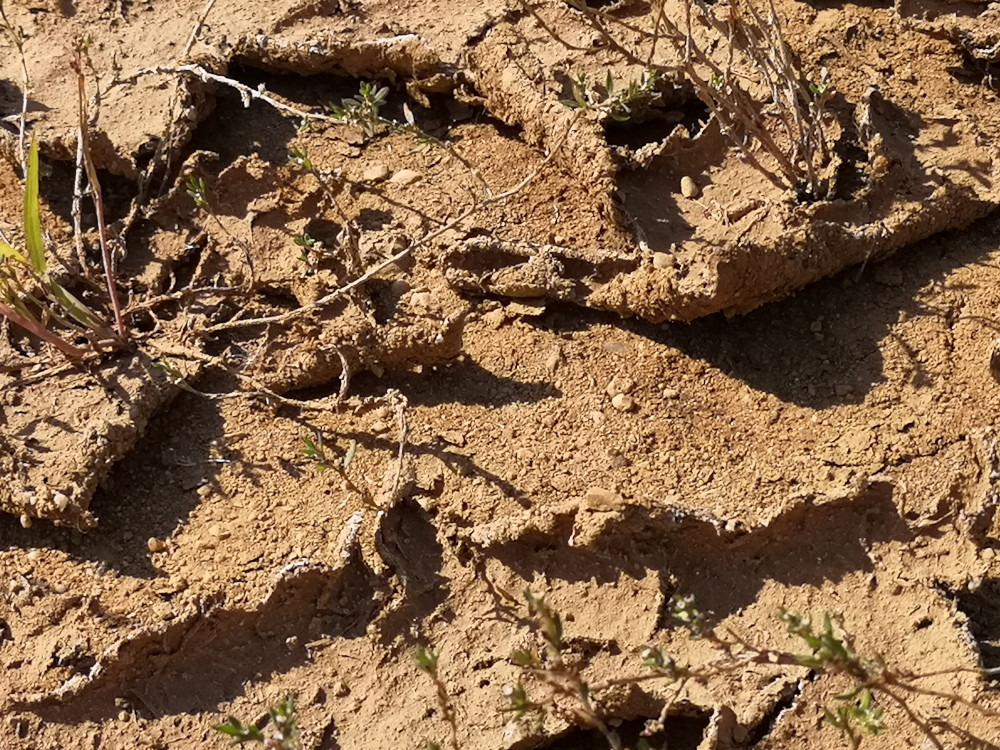
A quarry is a landscape already transformed by human action. Its exposed strata hold geological time, while excavated walls, water, vegetation, animal tracks, and other traces record more recent histories.
R² approaches these places not as scenery to be represented, but as environments that can redirect the work itself.
The project is grounded in Revealed Realism (RR) — a method of attentive observation, research, and minimal intervention.
We may arrive with an initial idea, but the conditions of the place can change it. The work develops through this encounter. Sometimes the intervention is barely visible; sometimes it takes the form of a performance, an image, a trace, or a small object. What matters is not adding a new form to the landscape, but making something already present more perceptible.
In this sense, the work emerges through a negotiation between intention and place.
The project developed through four quarry landscapes:
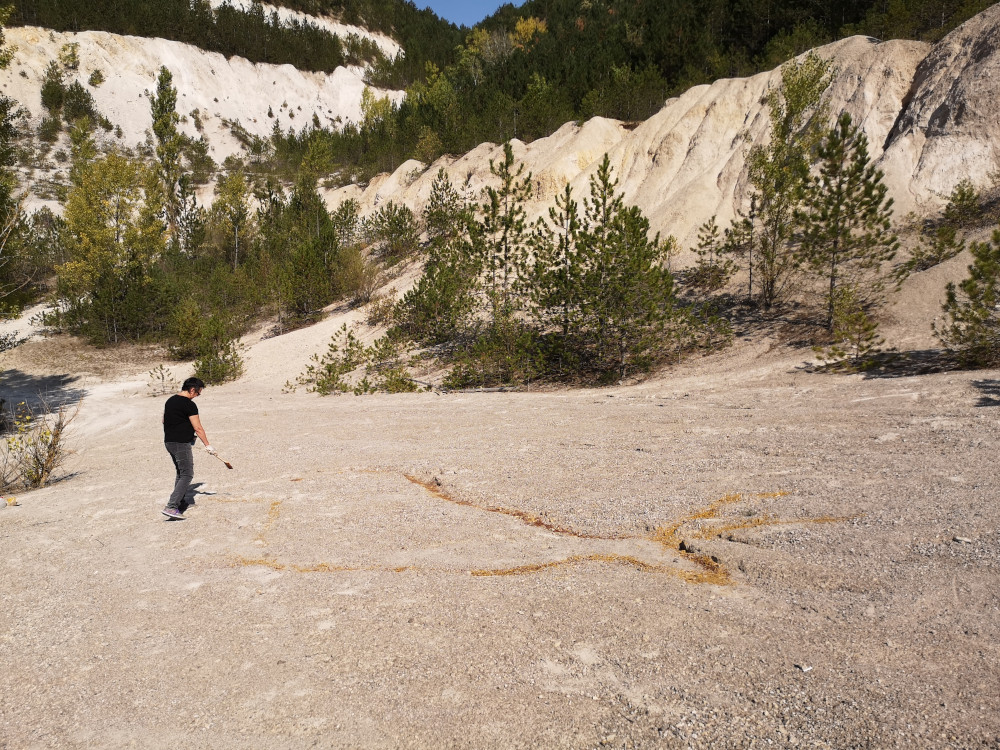
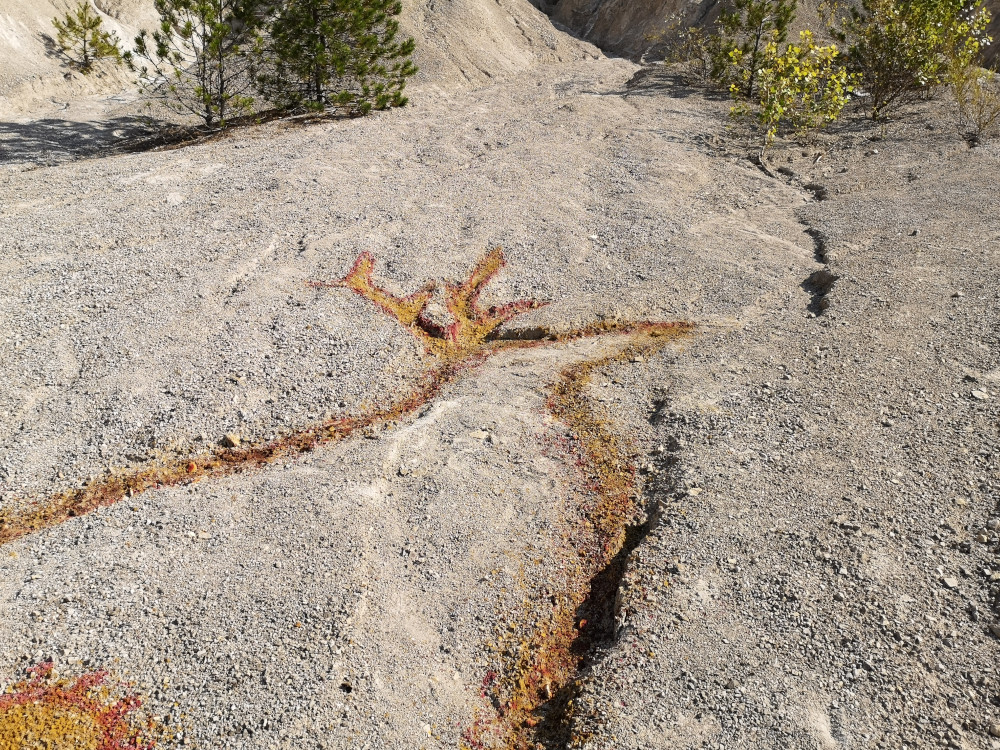
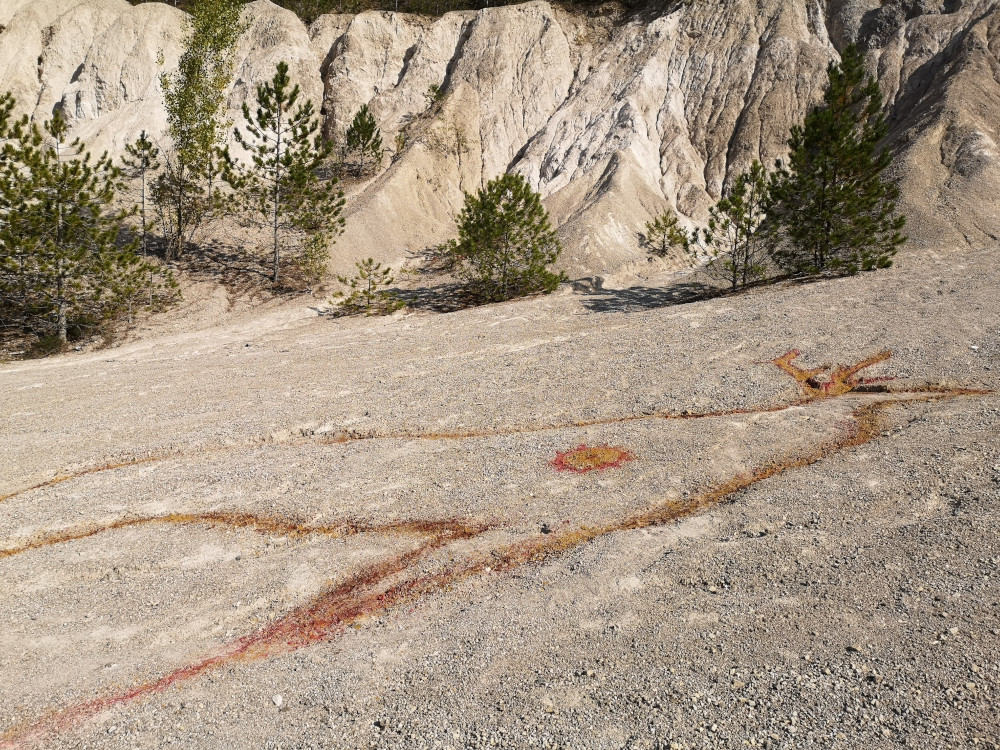
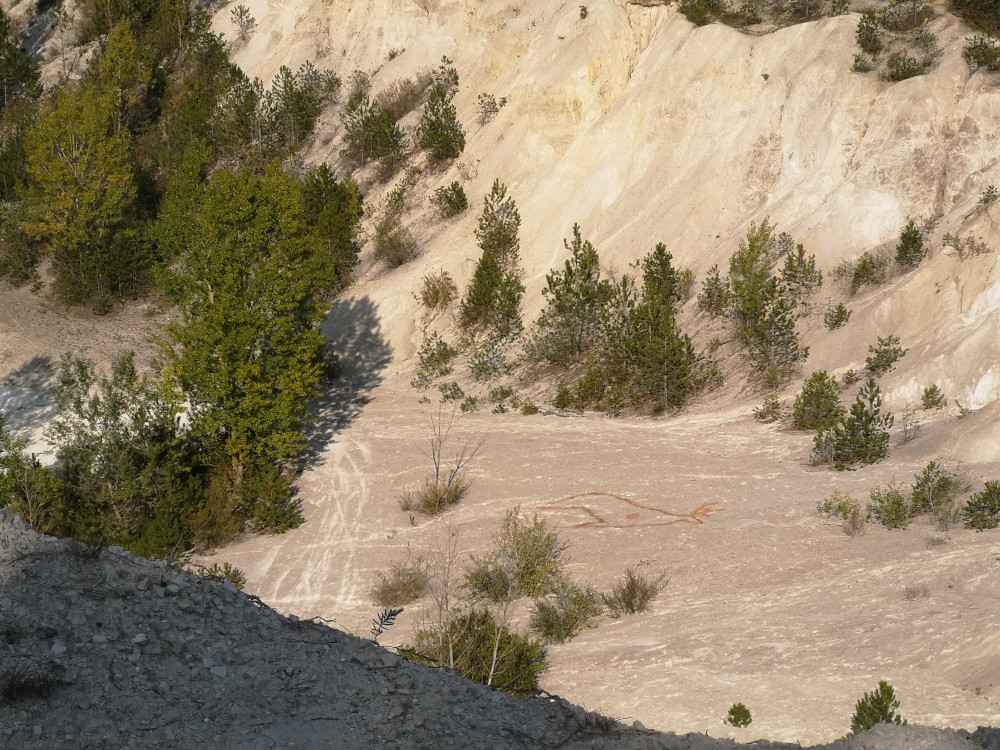
Old Gyenesdiás Quarry — where the terrain itself suggested the form of an ephemeral deer geoglyph.
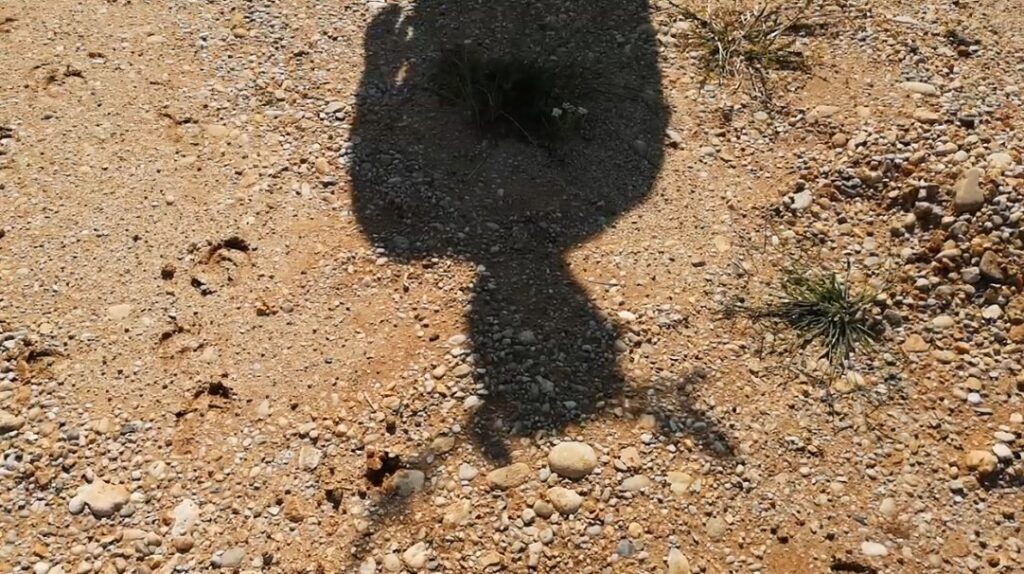
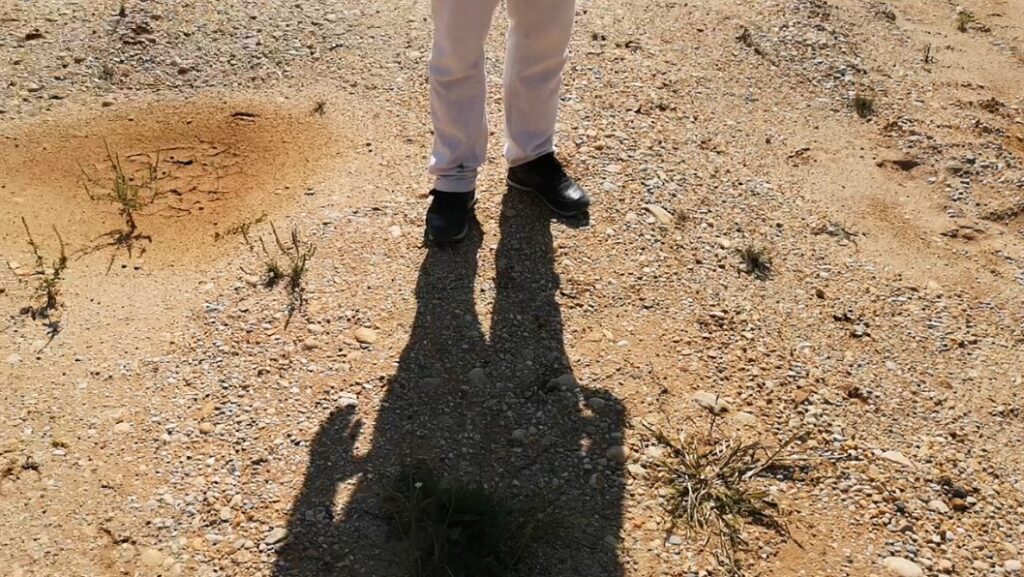
Pusztamiske Gravel Quarry — where animal tracks, exposed strata, shadows, bodies, and threads became starting points for photographic and video works.
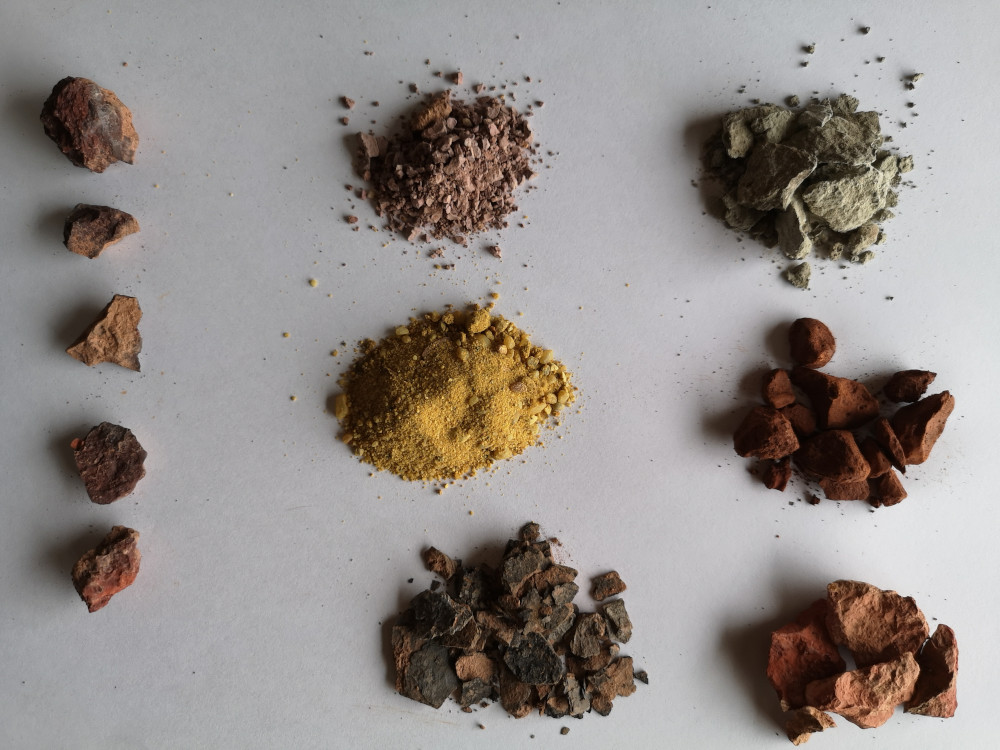
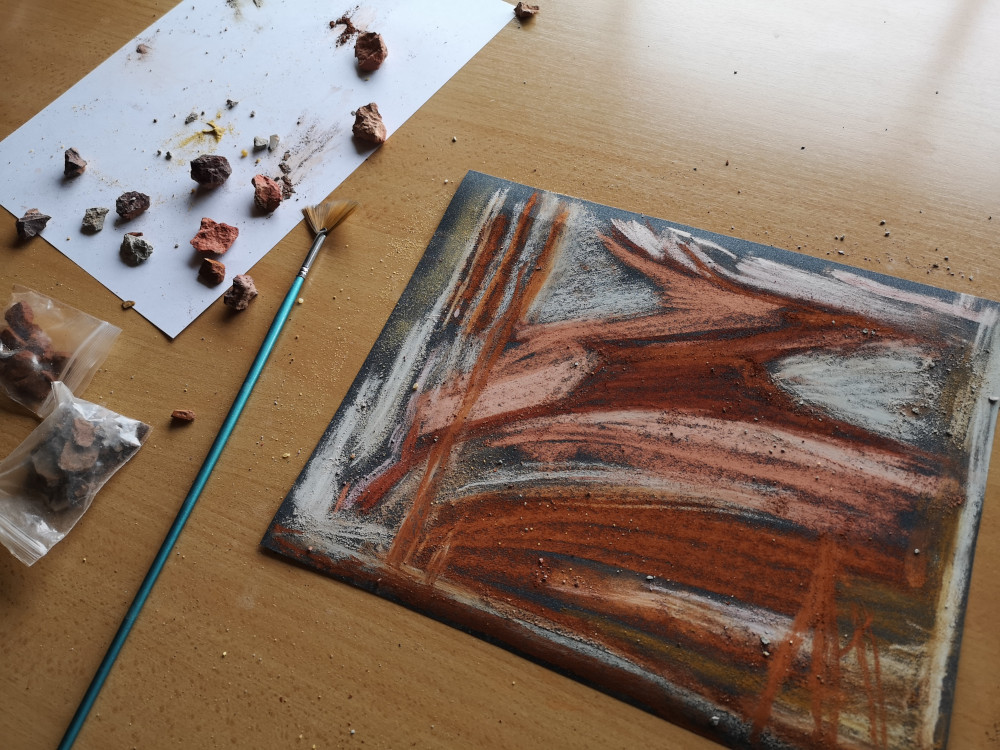
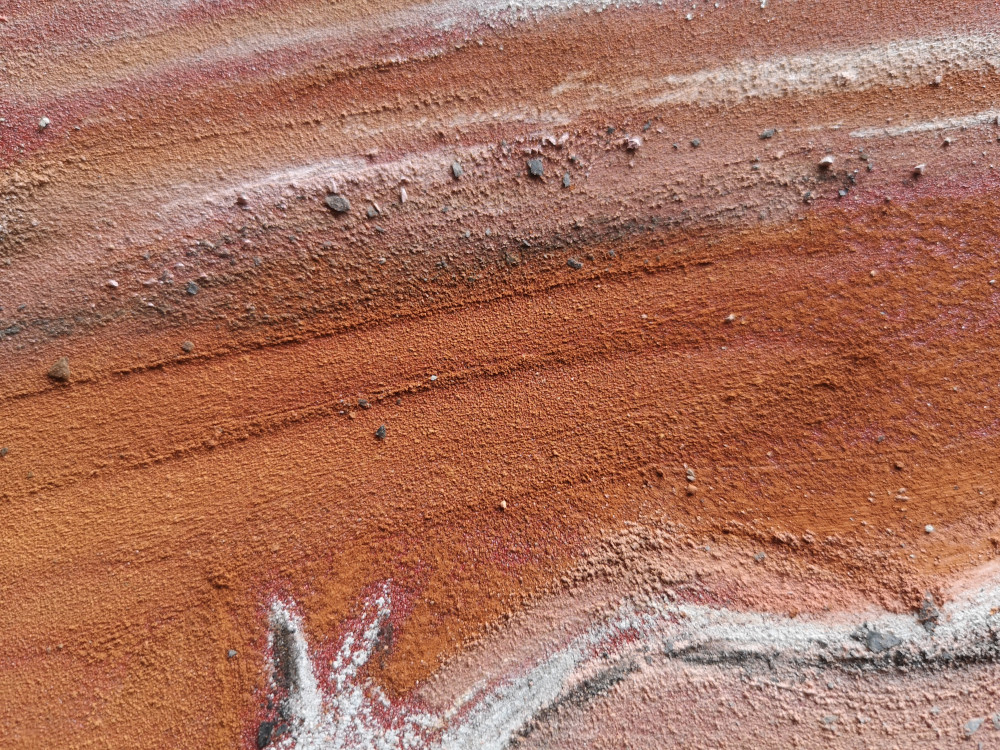
Nyirád Bauxite Quarry — where geological time meets the ecological consequences of industrial extraction, and where mineral pigments became part of the artistic process.
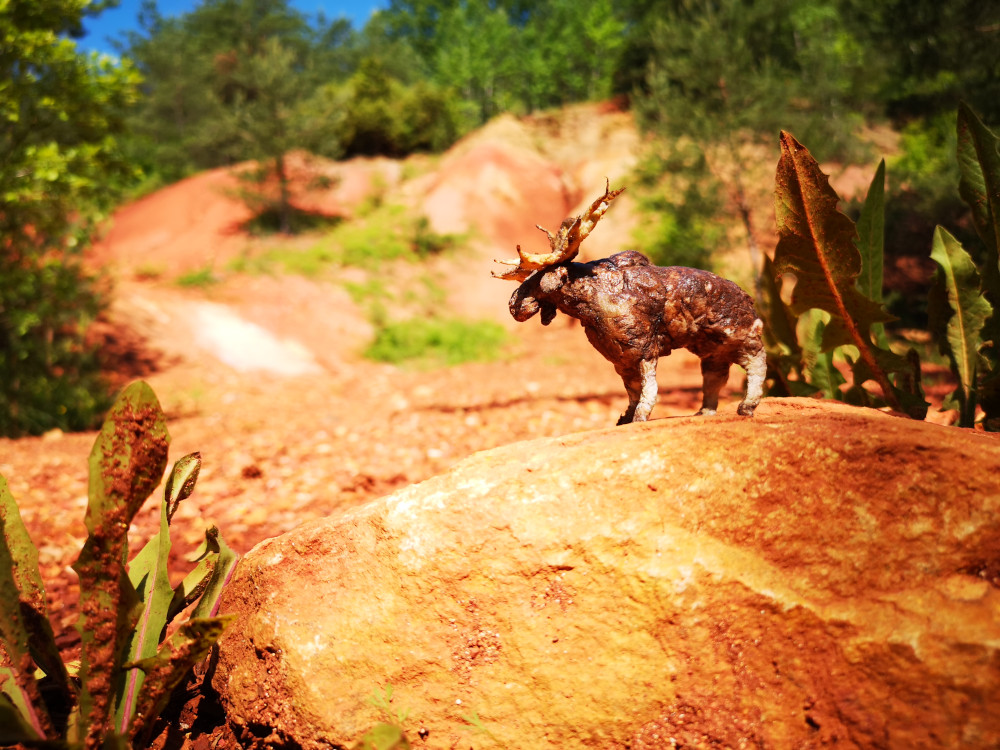
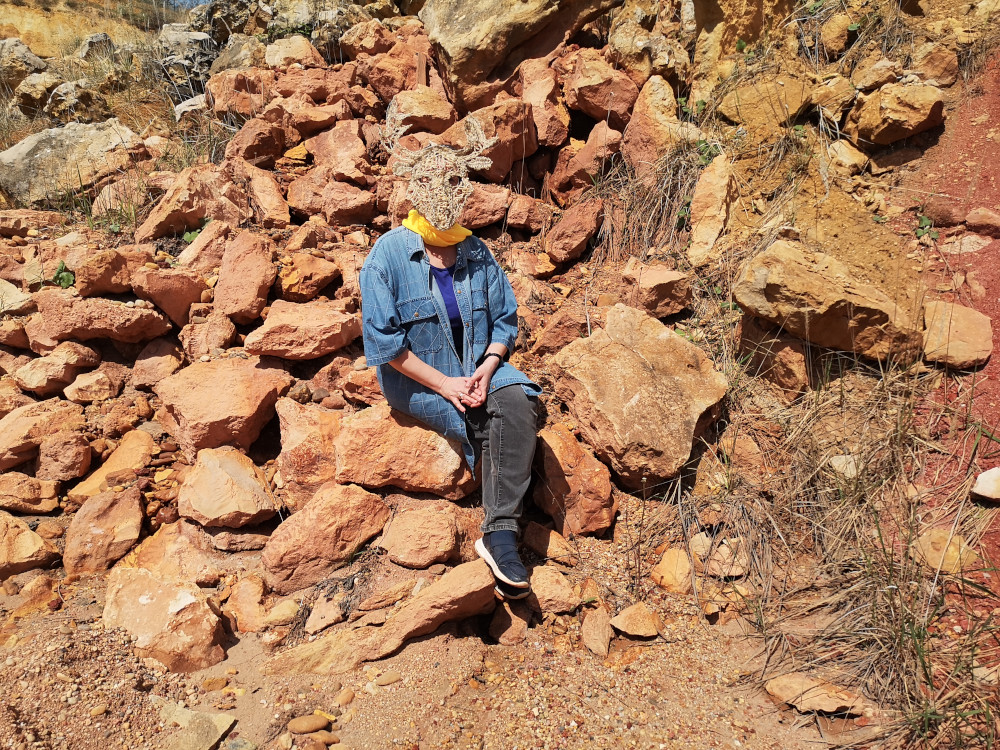
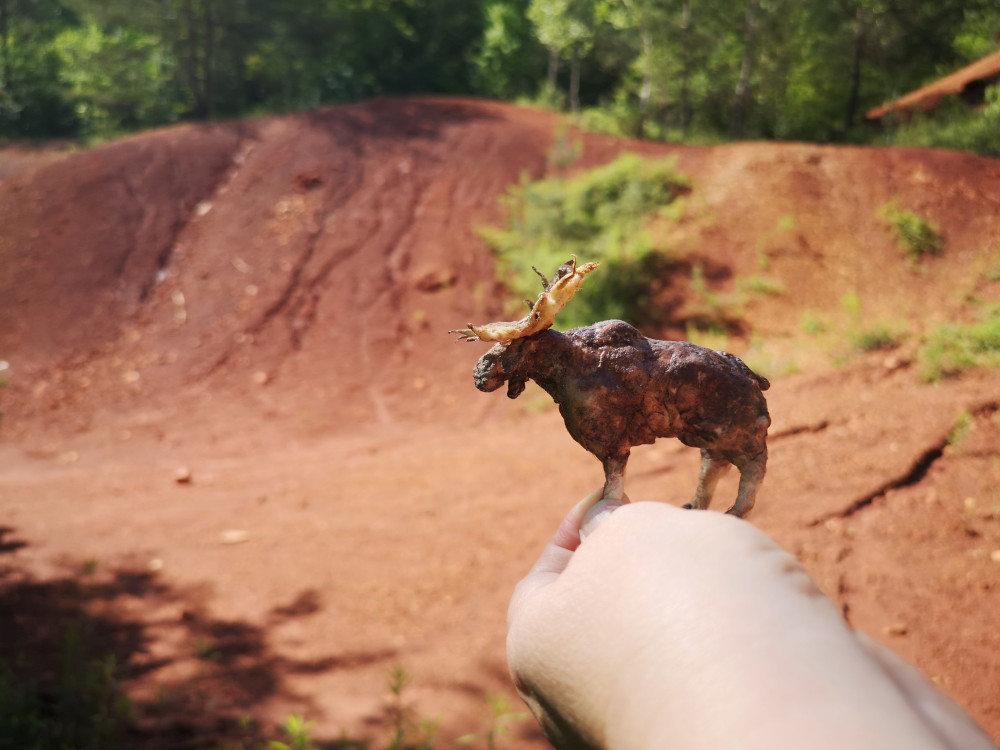
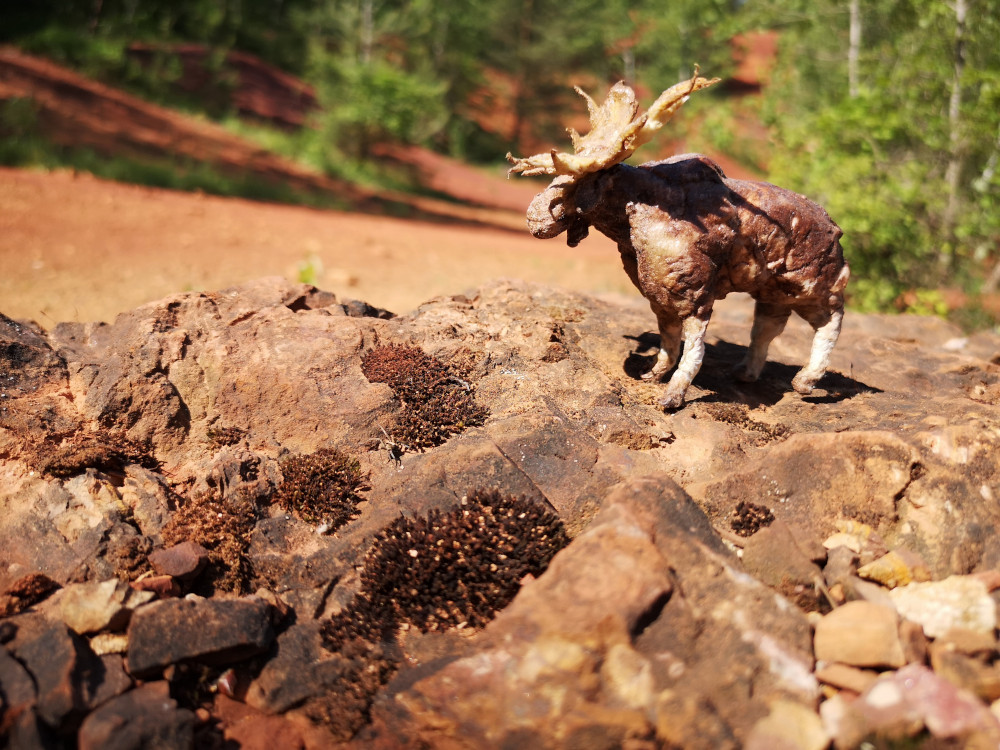
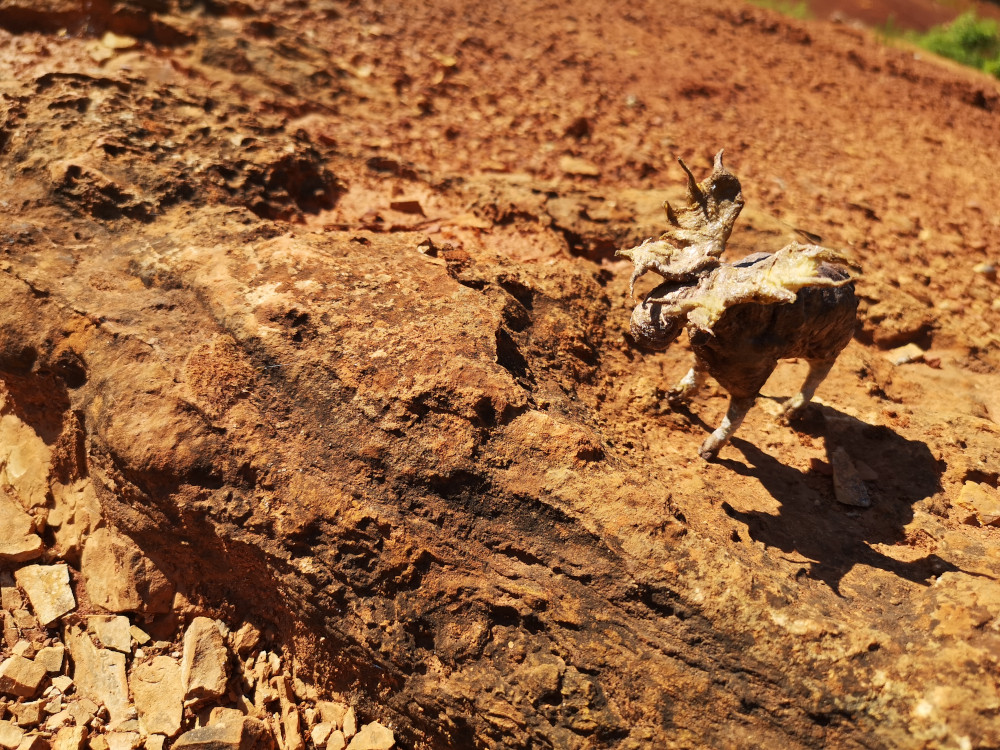
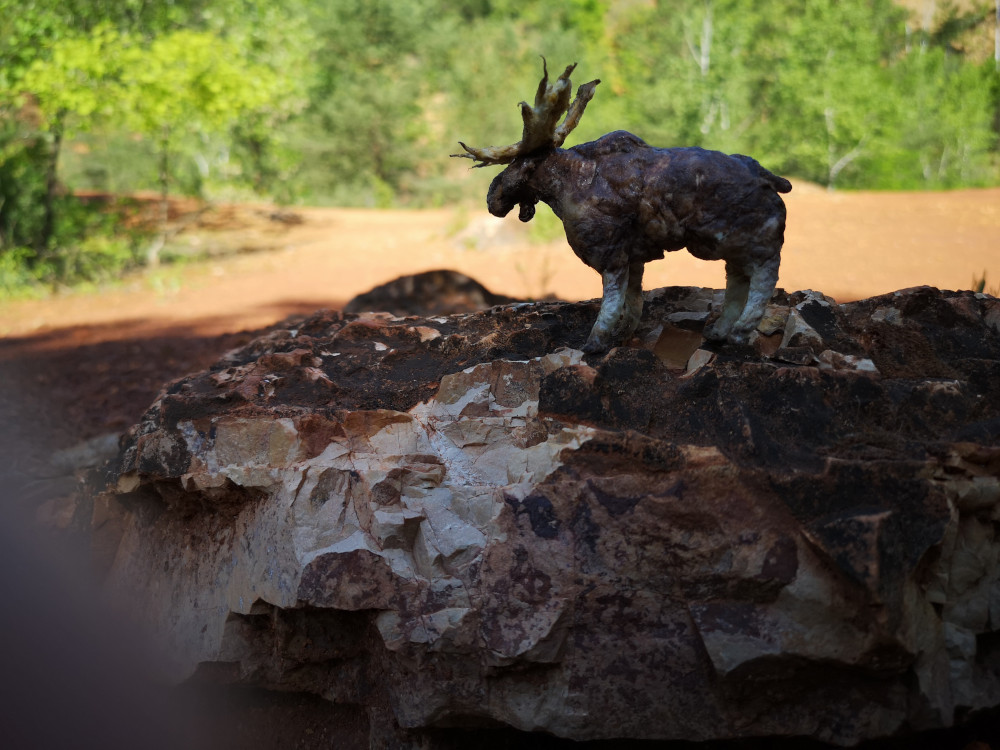
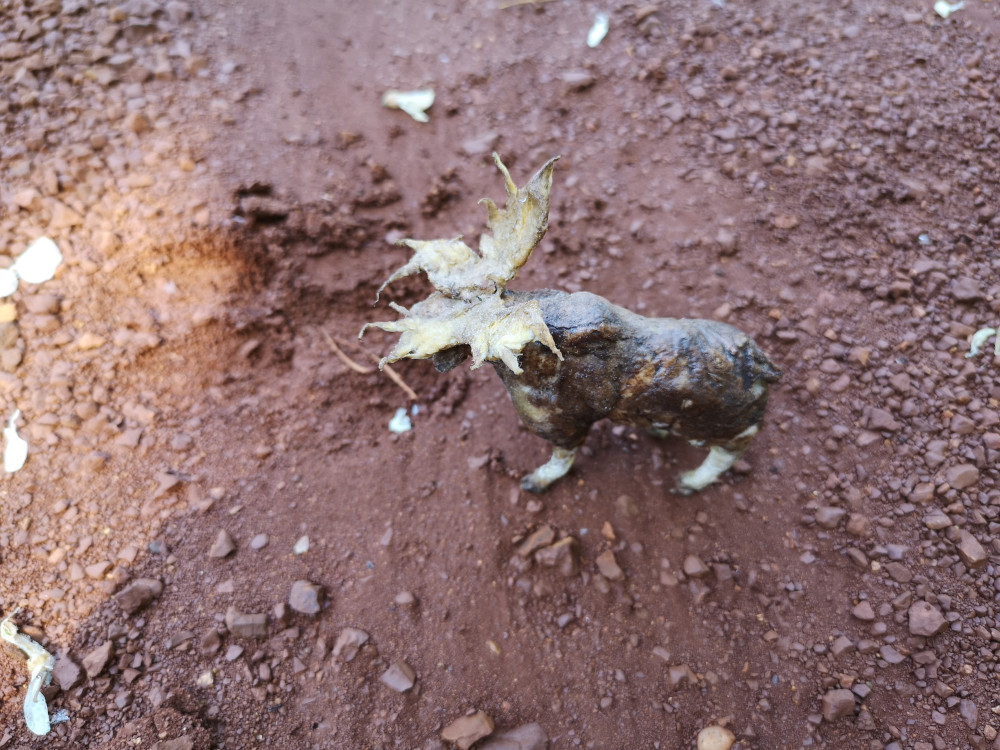
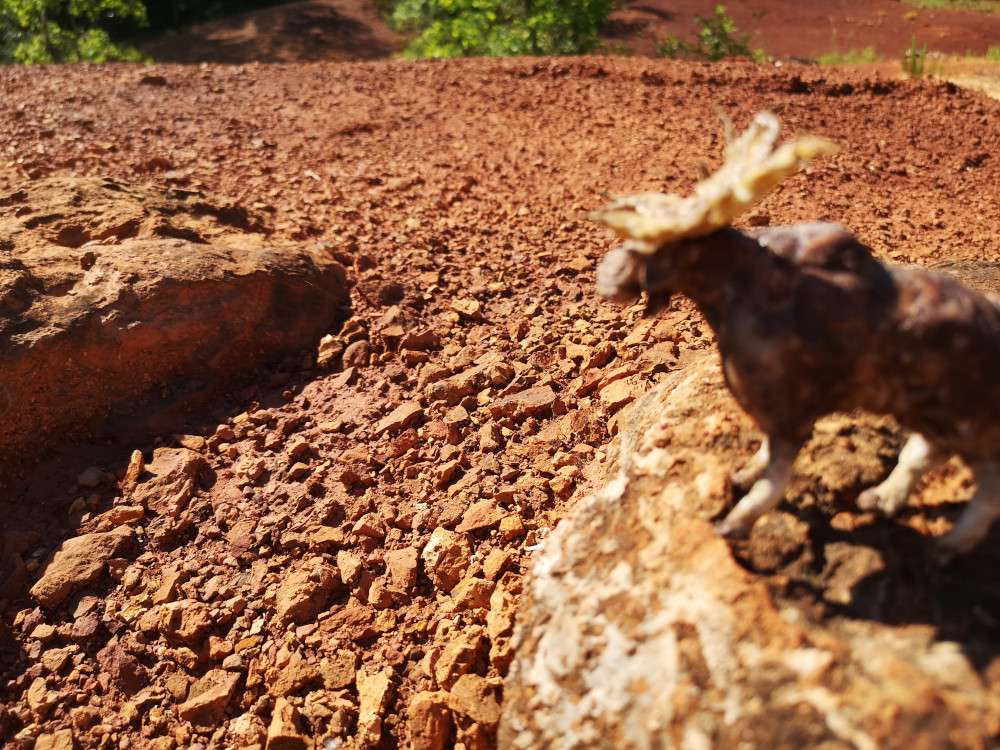
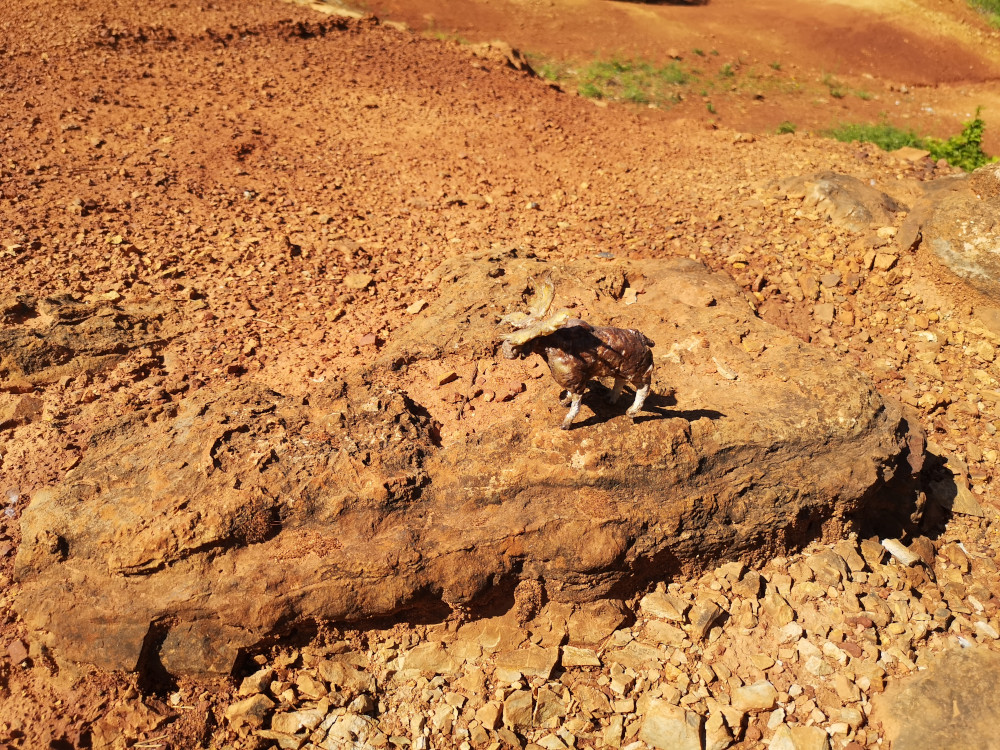
Bauxite Lens of Lake Darvash — where a small stag, made from cotton wool and pigments collected from the site, was left as a temporary monument.
Many of the interventions were ephemeral. Pigment disappeared, bodies left the landscape, tracks vanished, and objects weathered.
What remains is documentation, transferred material, memory — and a shift in perception.
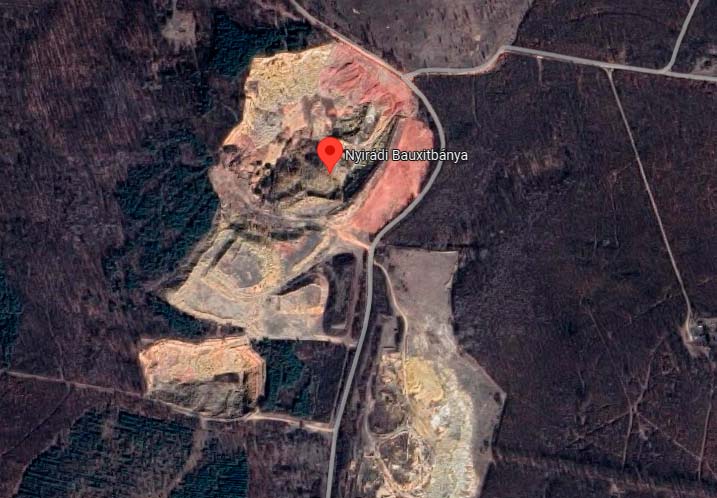
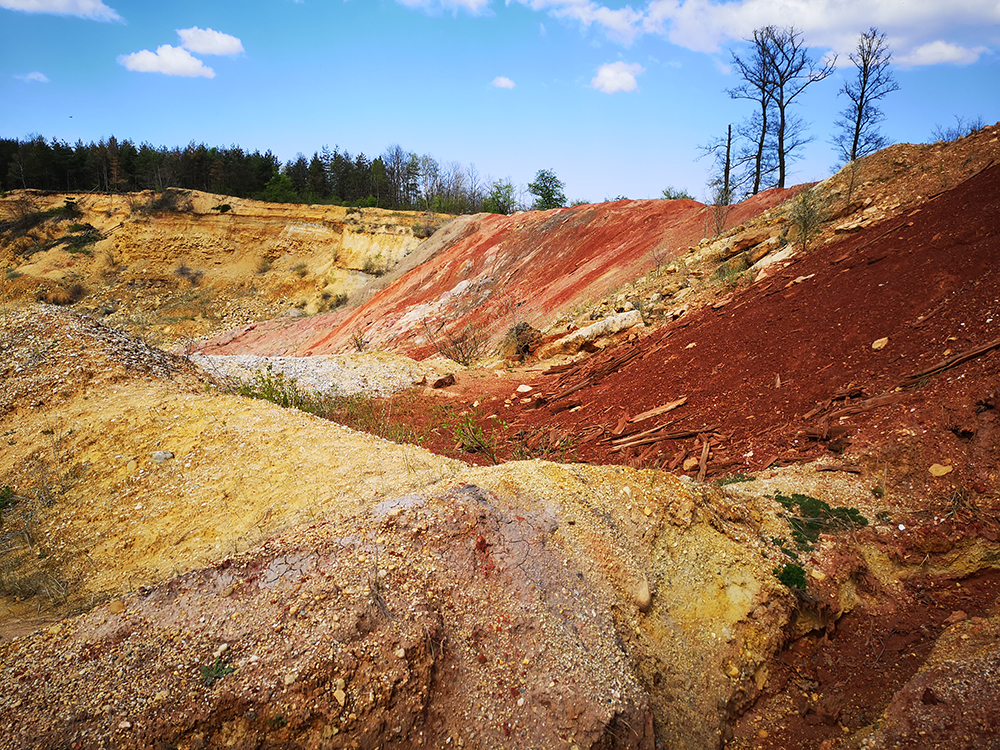
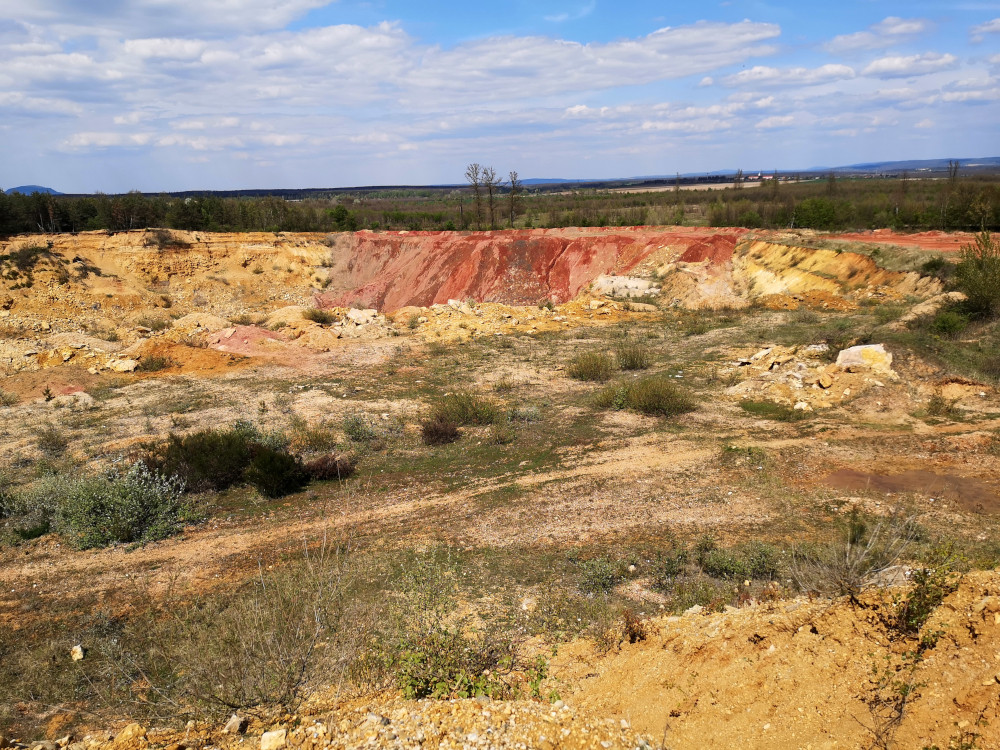
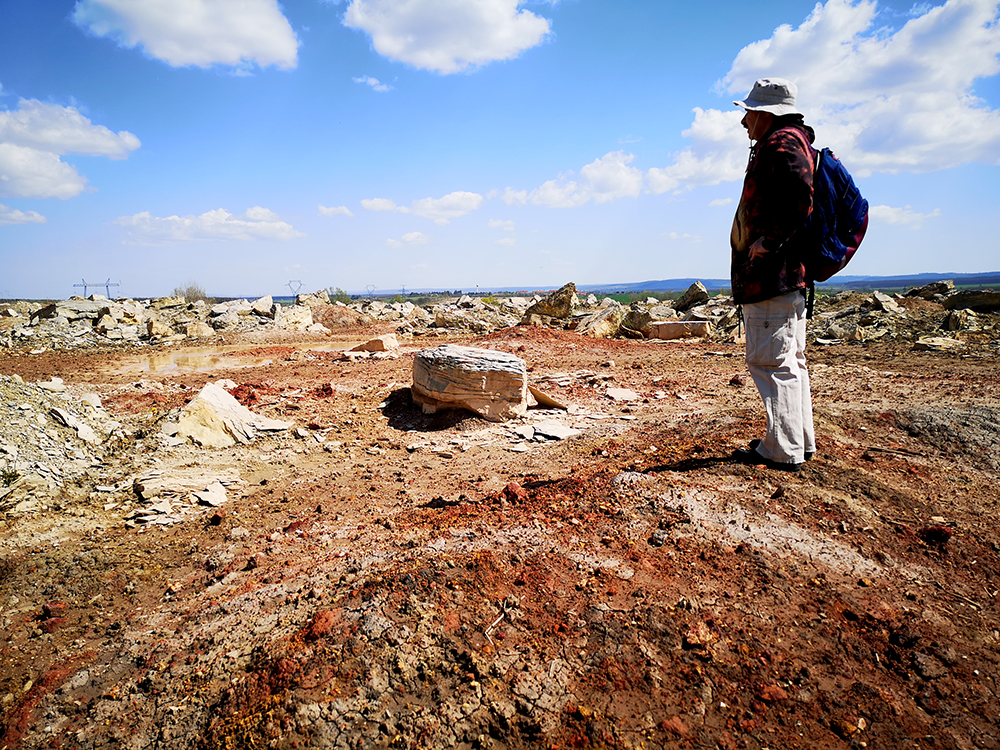
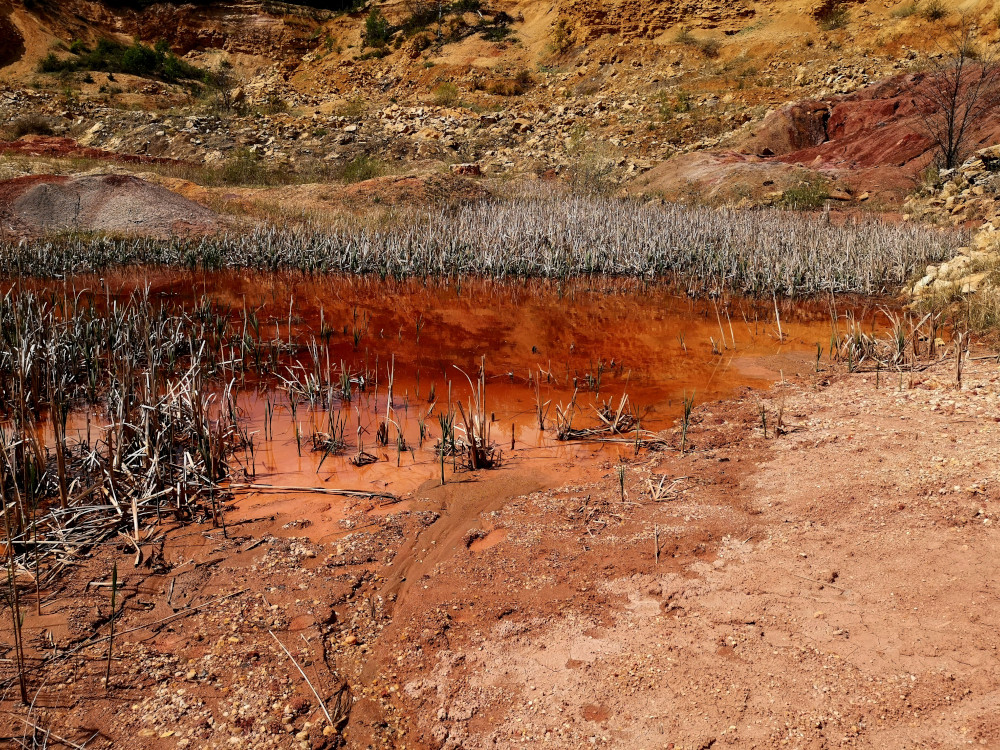
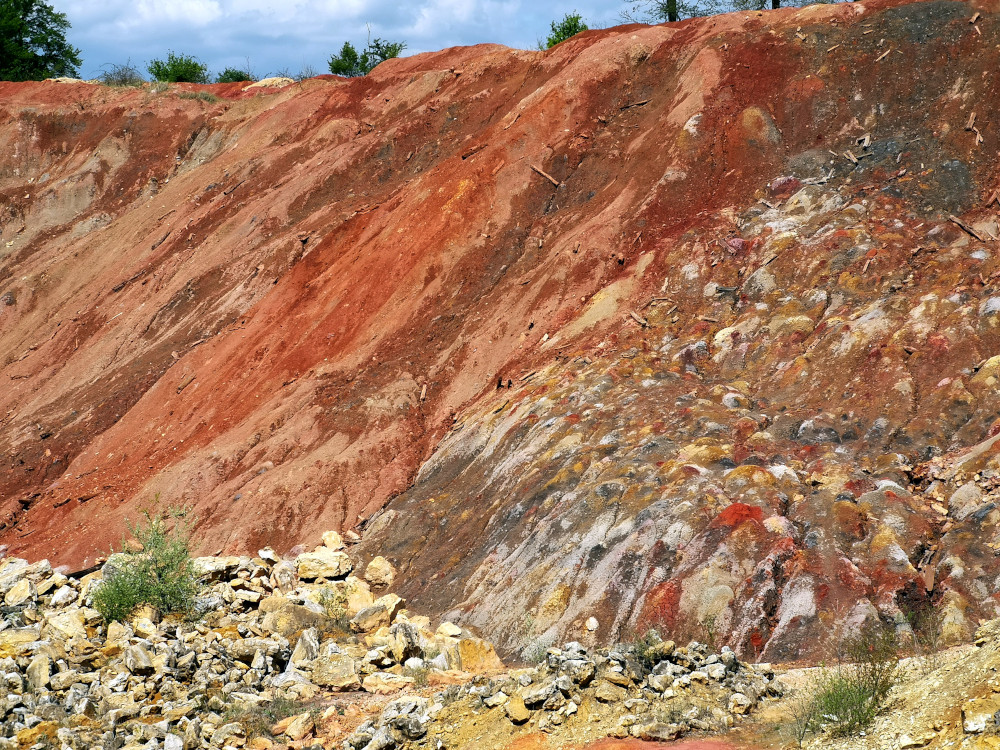
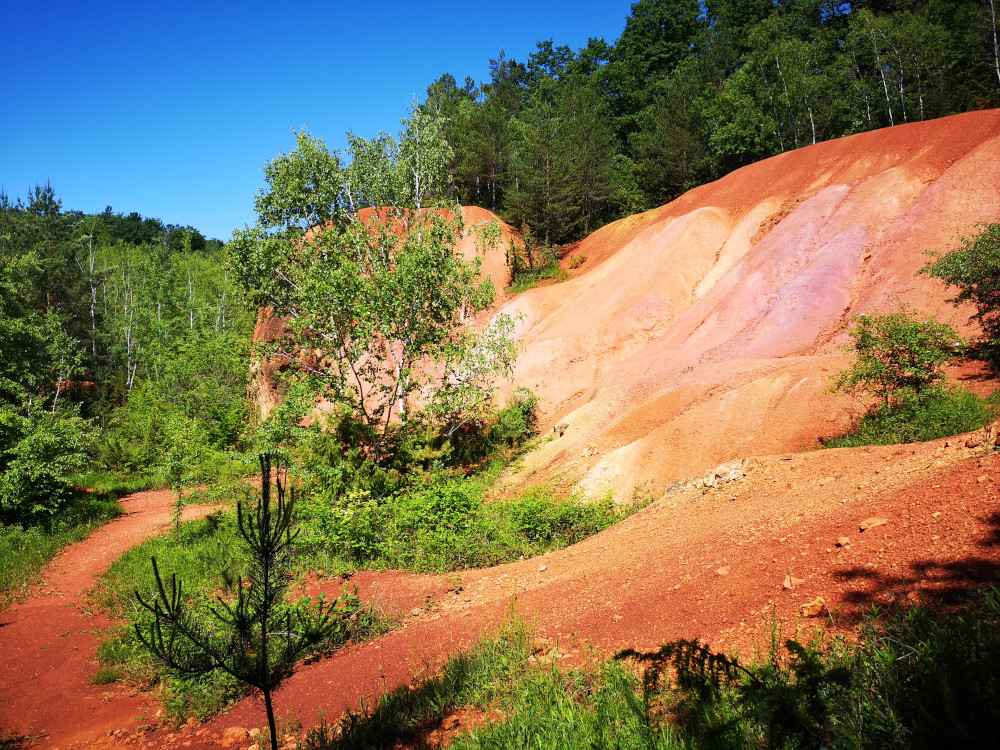
The Nyirád Bauxite Quarry is a former mining landscape shaped by both geological processes and decades of industrial extraction.
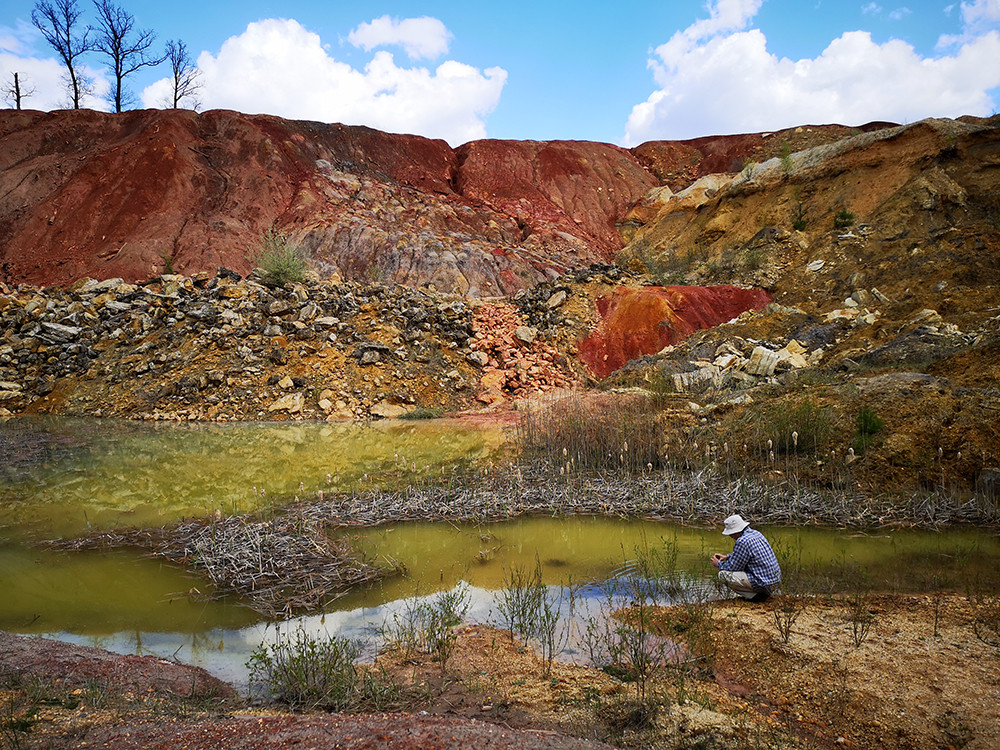
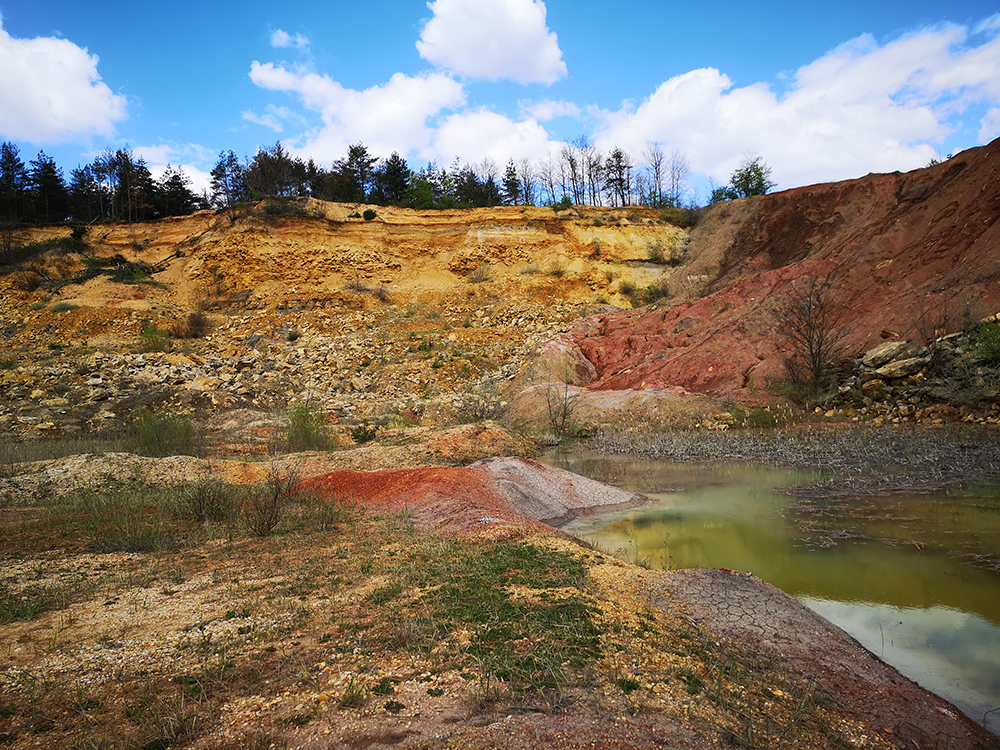
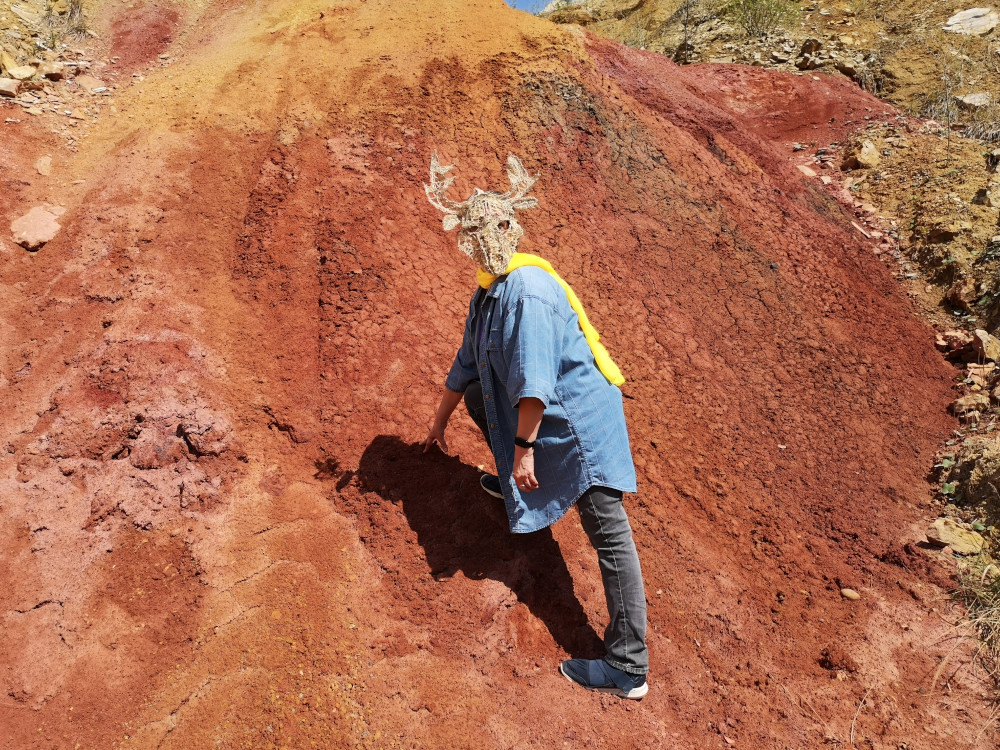
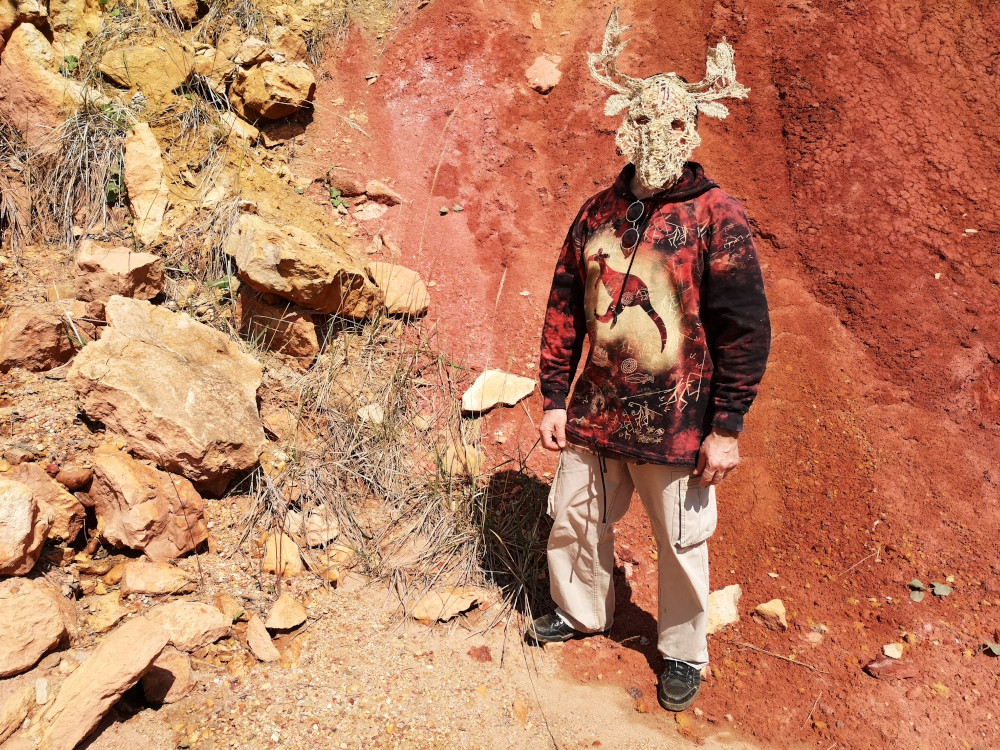
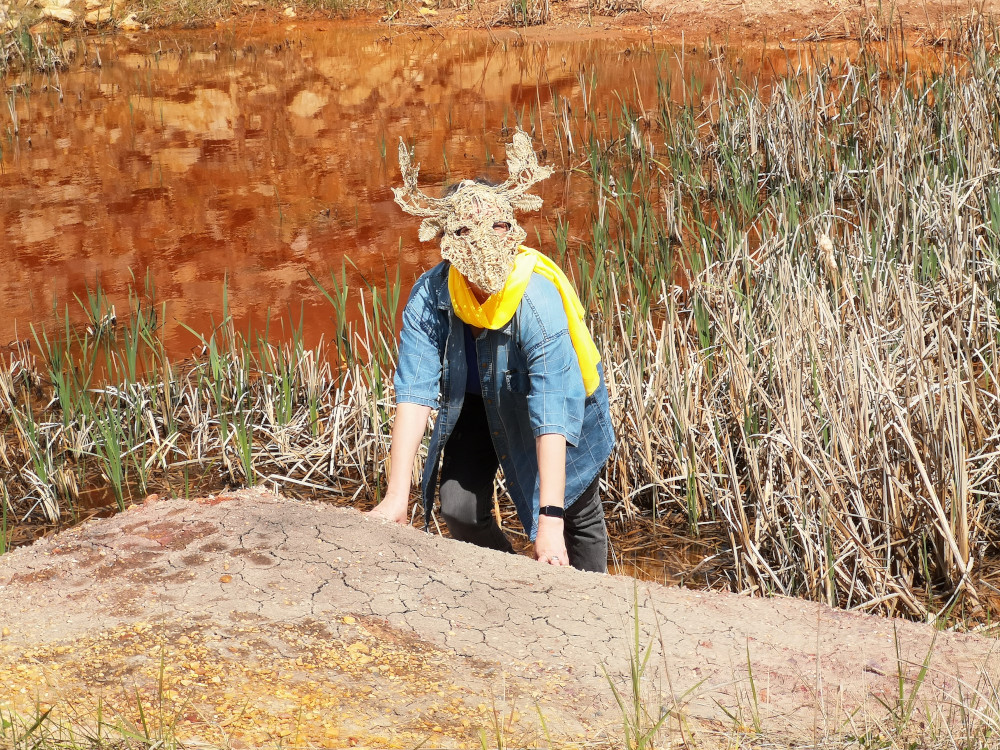
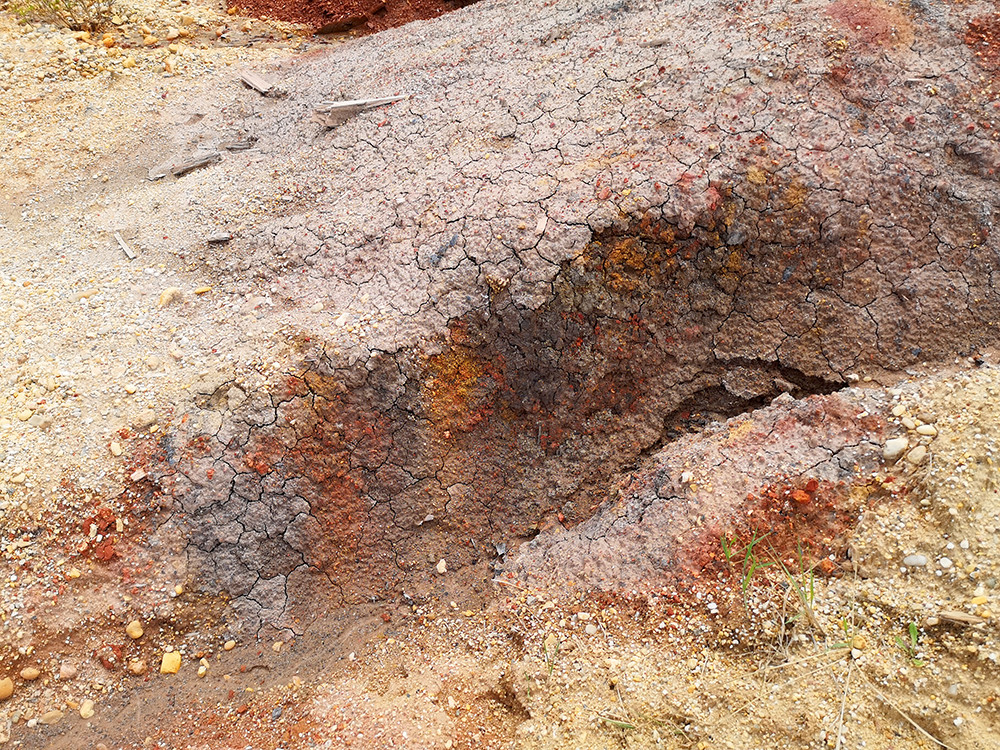
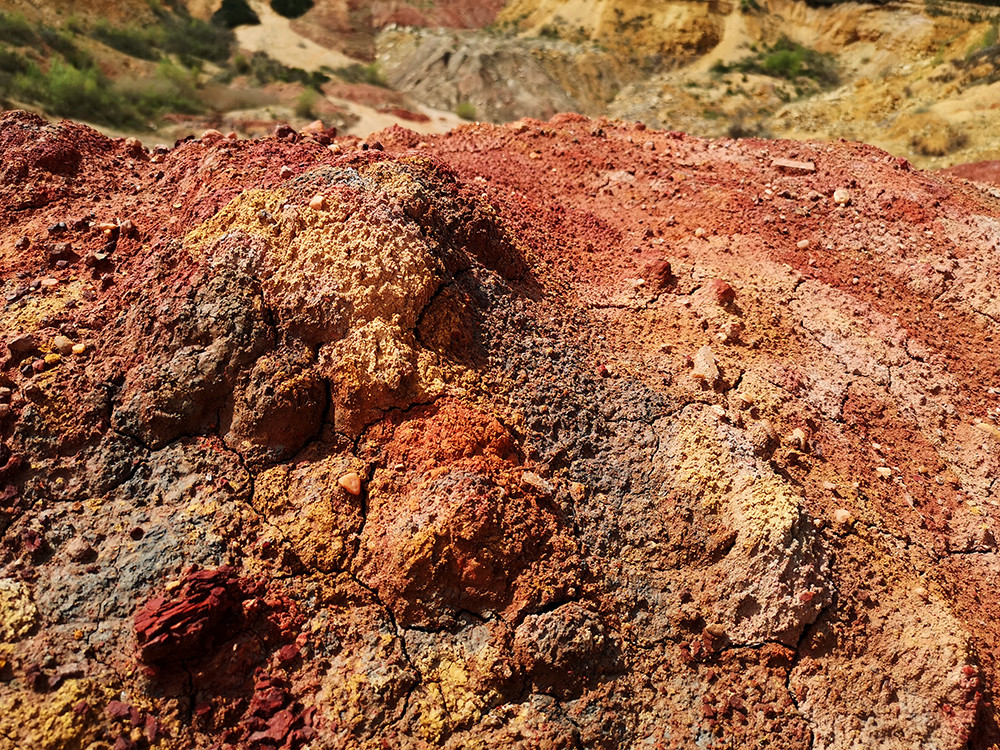
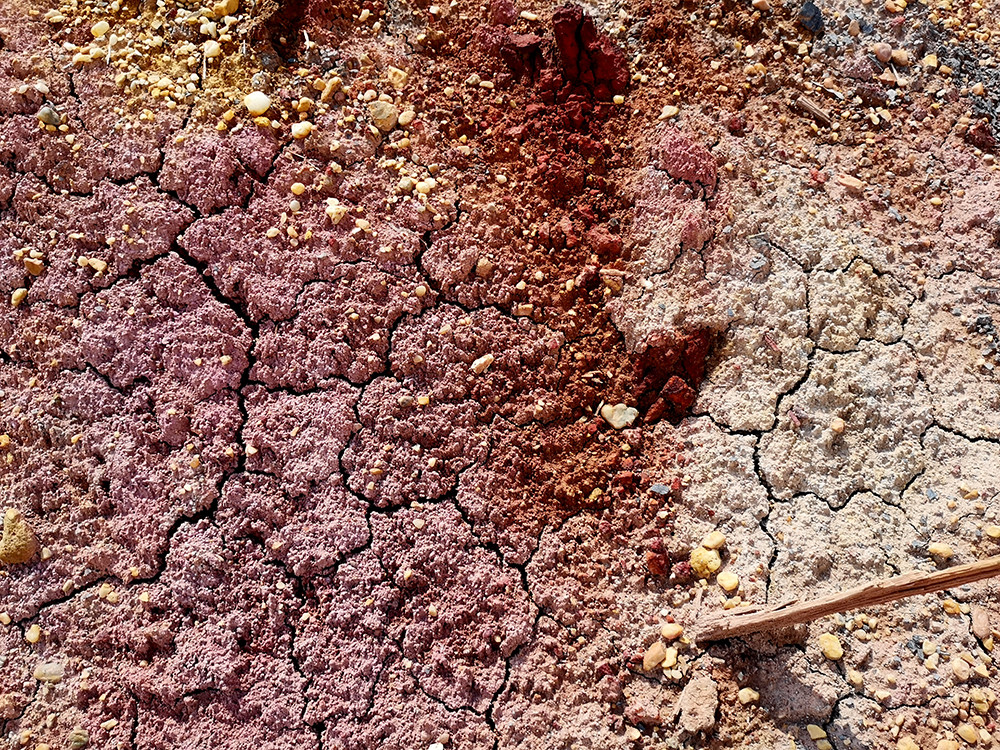
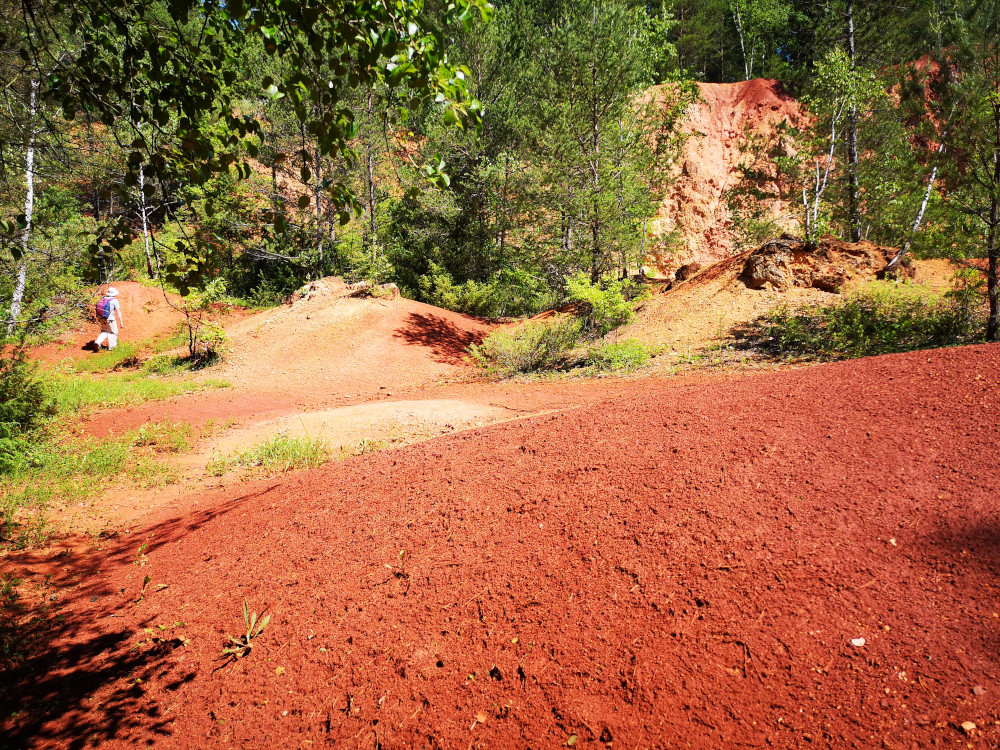
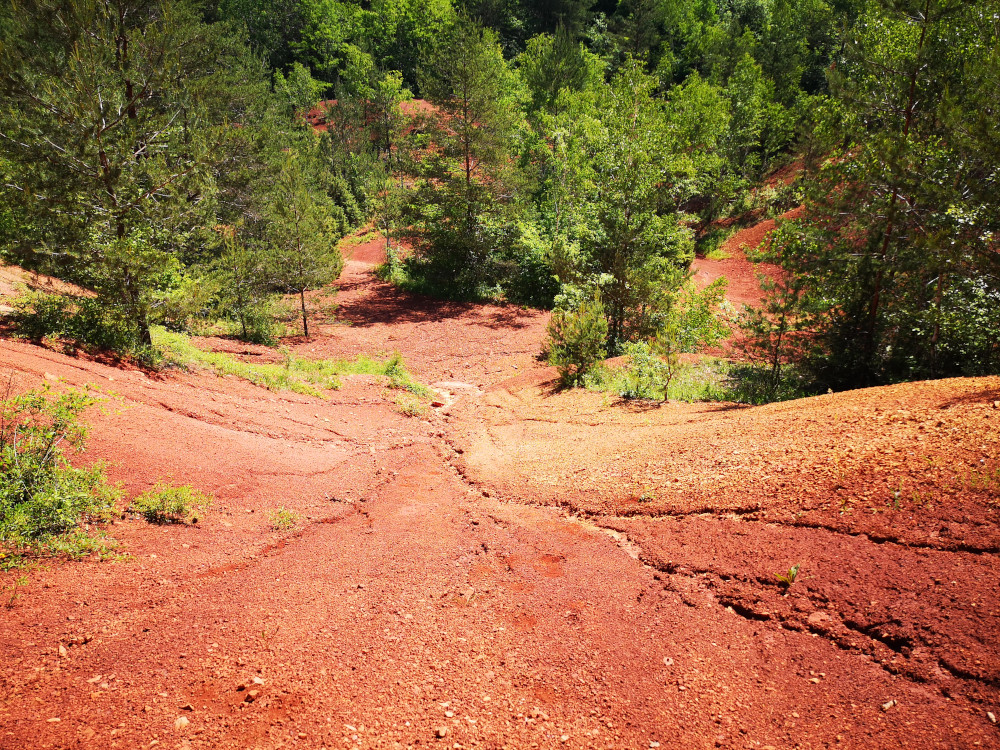
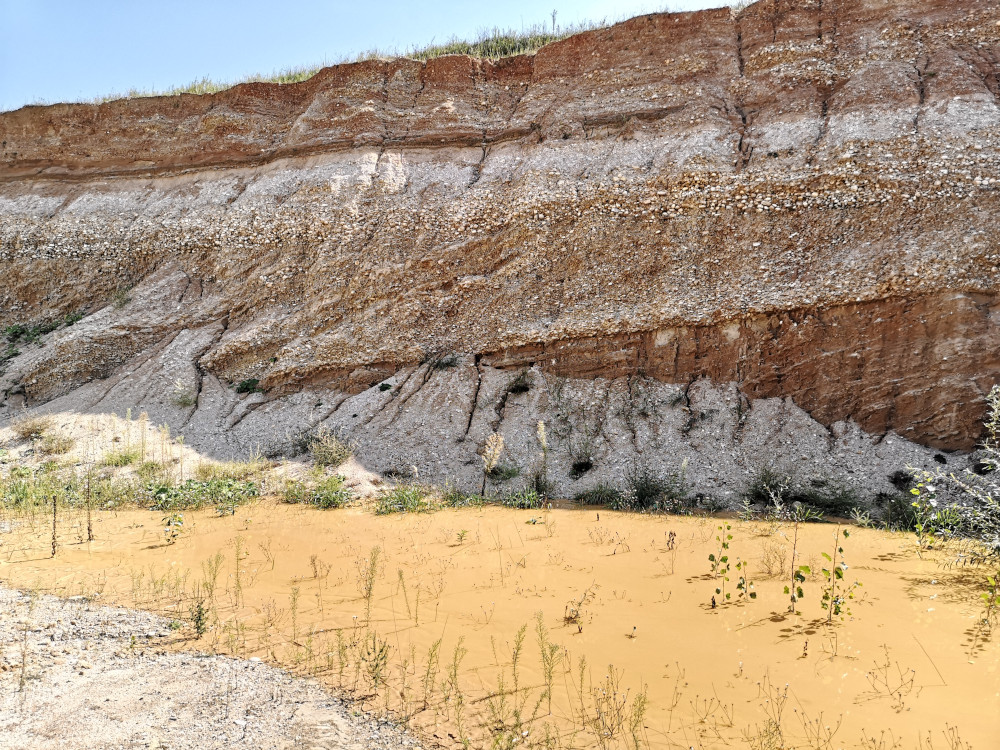
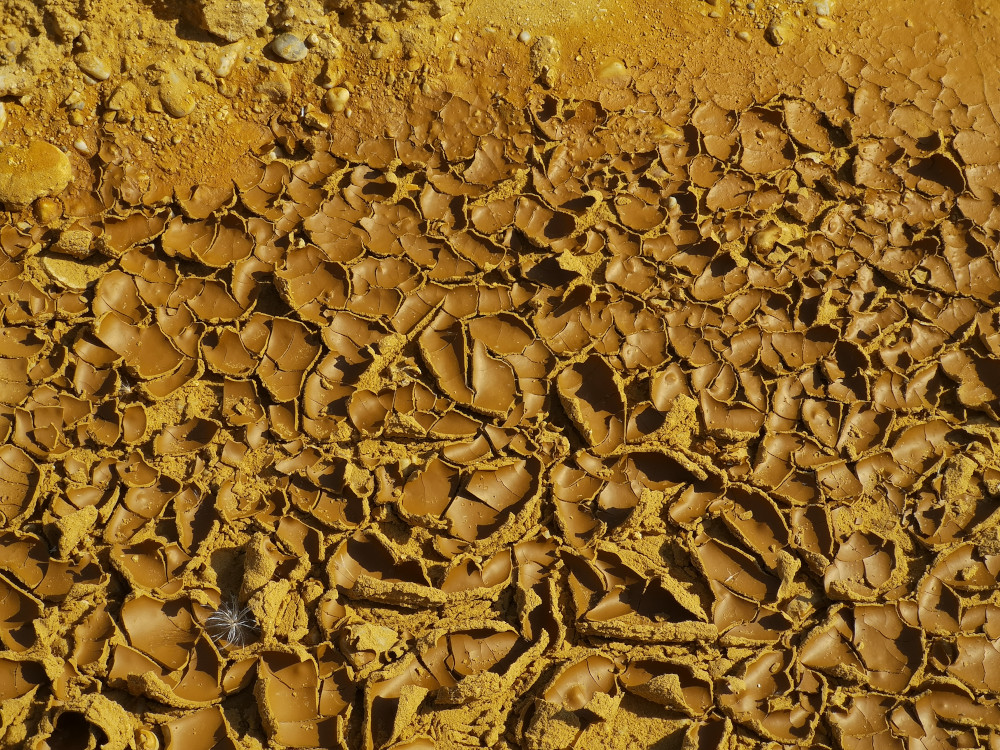
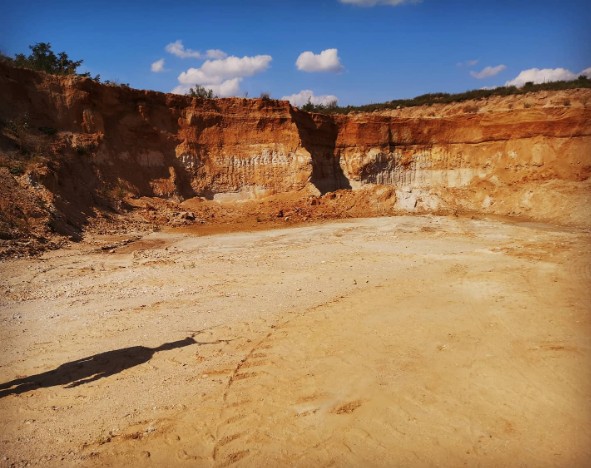
Its exposed slopes reveal intense layers of red, orange, yellow, and pale mineral earth. Water-filled basins and abandoned extraction zones coexist with traces of vegetation and later human use.
For R², the site became a place where geological time and the consequences of human intervention could be encountered through the body, through material, and through attention.
The place
The quarry lies south of Nyirád in the Transdanubian Mountains. Its exposed geology includes Upper Triassic dolomite and later bauxite deposits formed within a depression in the dolomite.
Bauxite mining in the area began in the 1940s. The extraction of ore required the pumping of karst water, altering the regional water system. Mining continued for decades before being brought to an end in the 1990s.
Today, the former mining site exposes the material history of this process. The colourful geological layers are visually striking, but they are also traces of a landscape substantially altered by extraction.
We approached the quarry with this contradiction in mind: its extraordinary visual richness is inseparable from its industrial history.
2022 — The body in the landscape
Our first encounter with Nyirád took place in 2022.
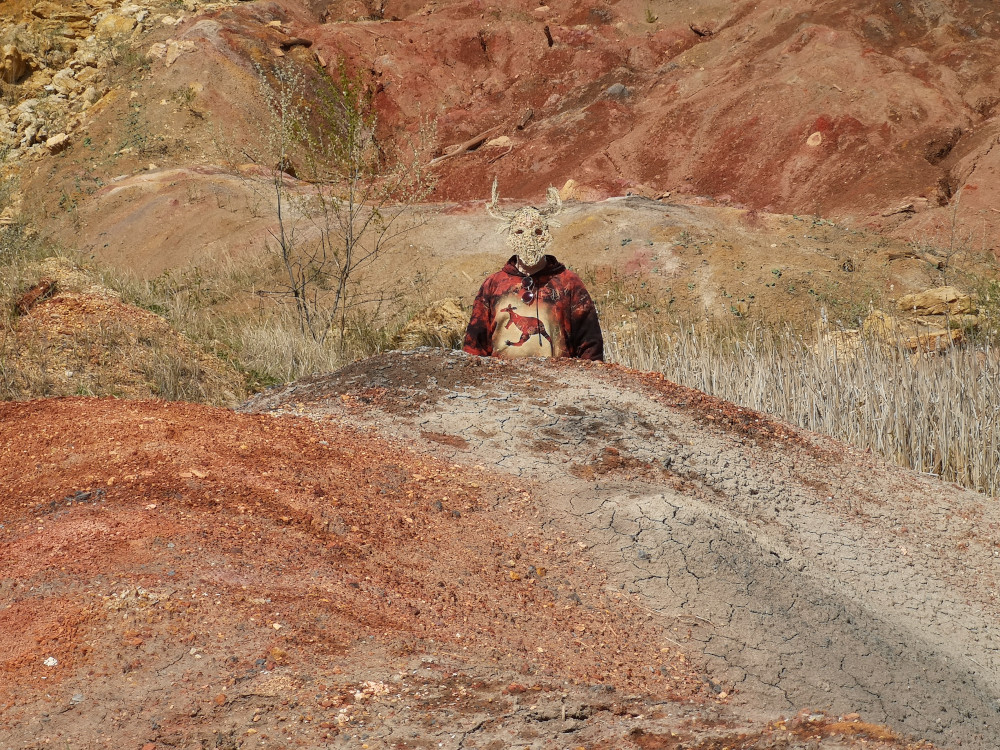
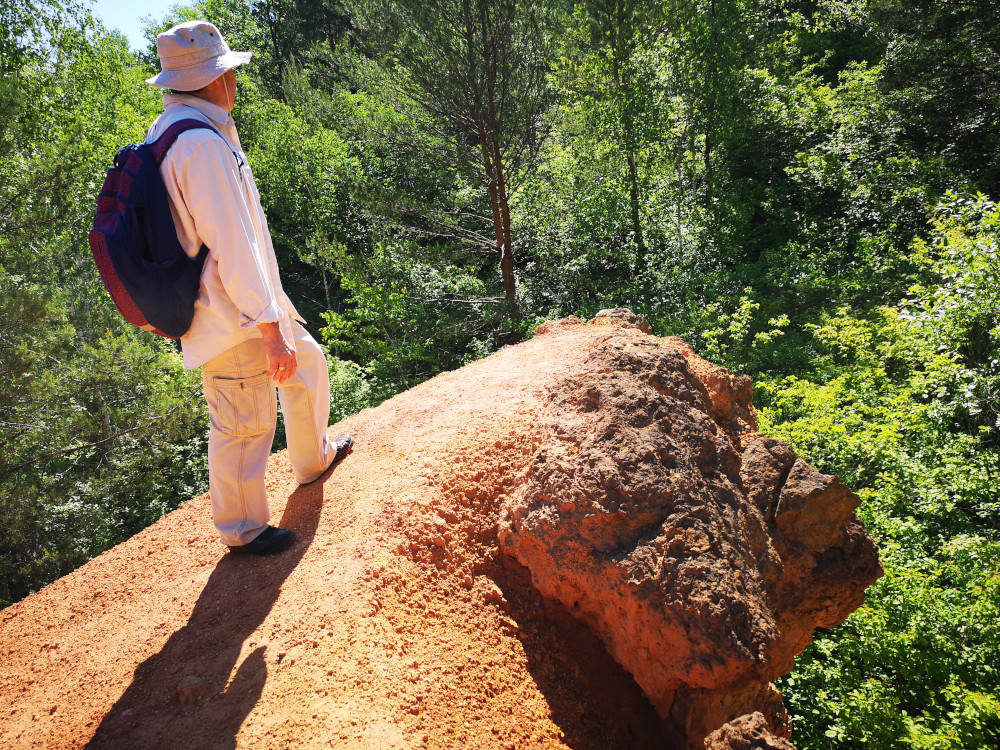
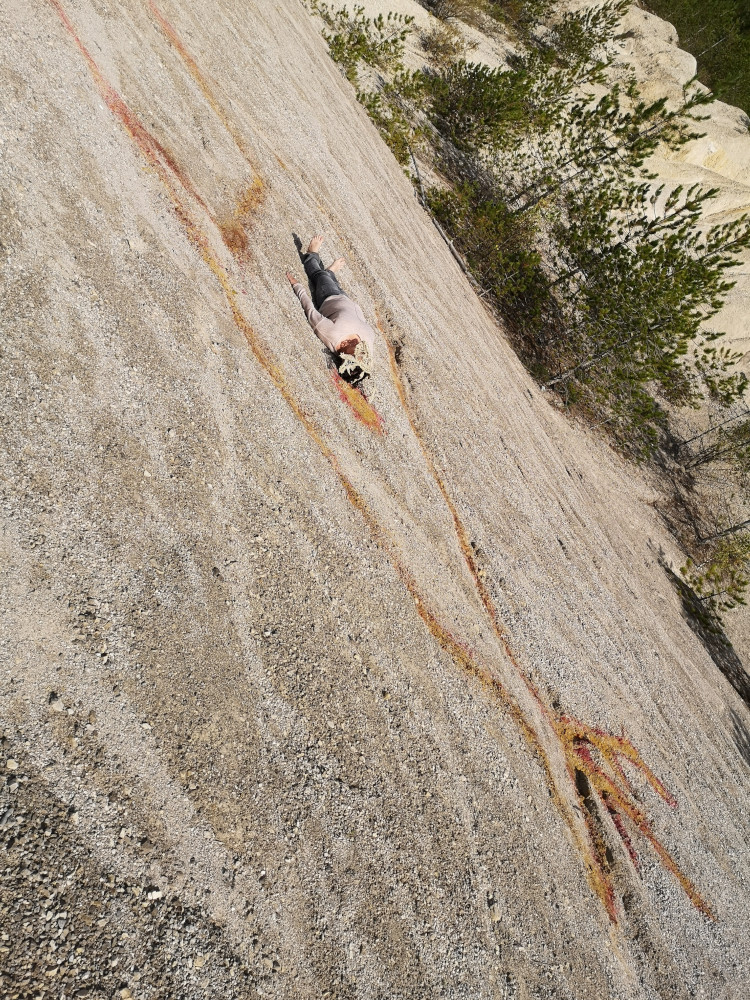
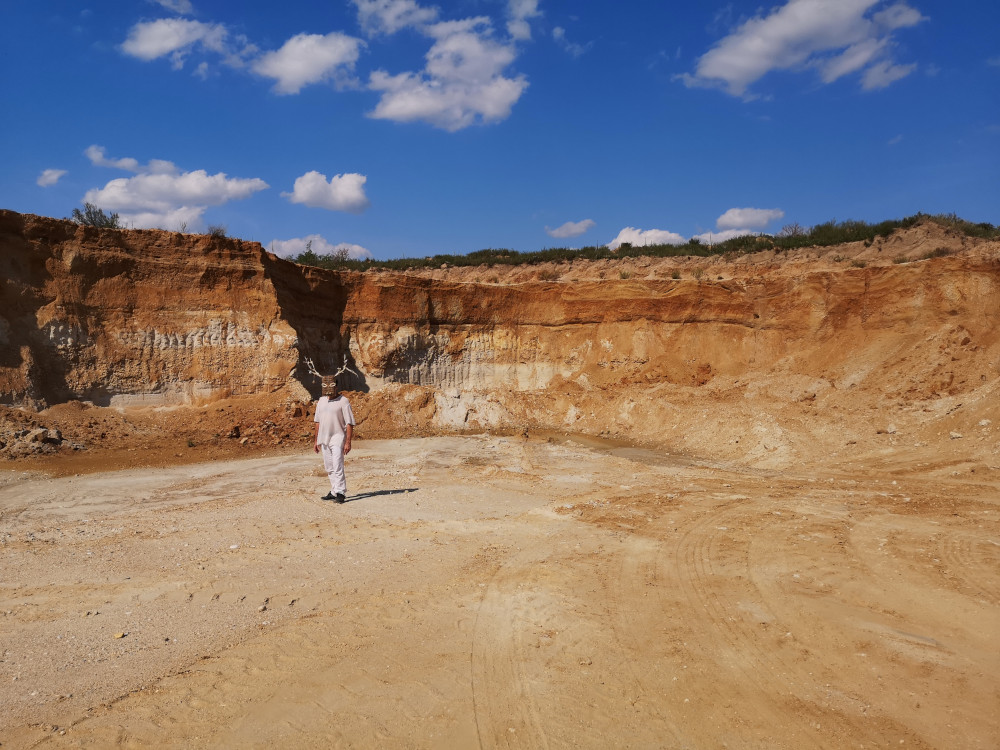
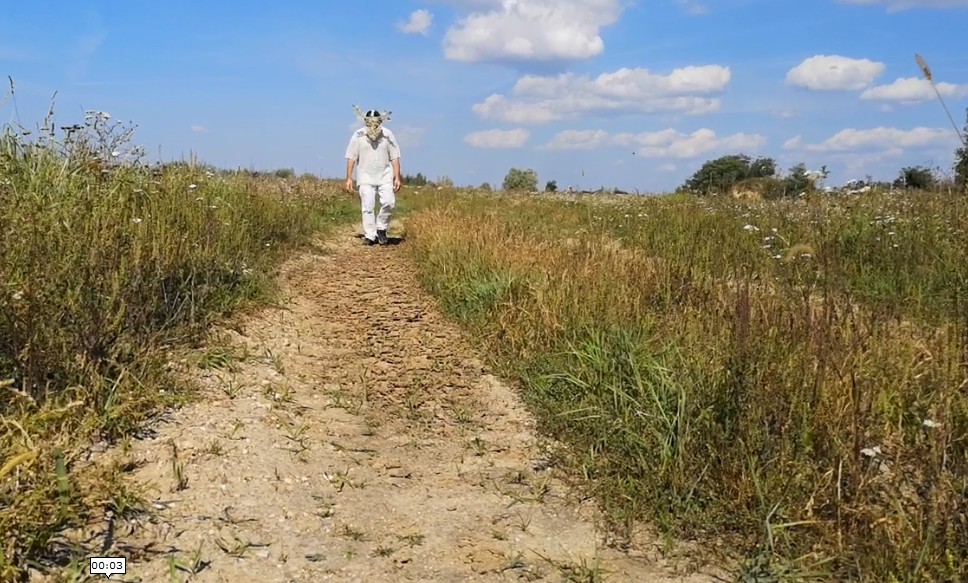
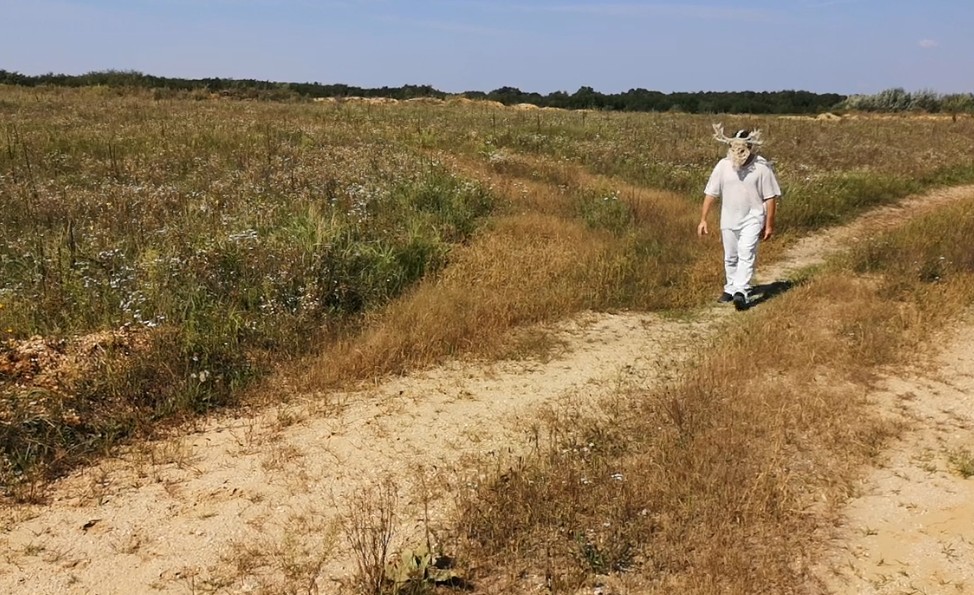
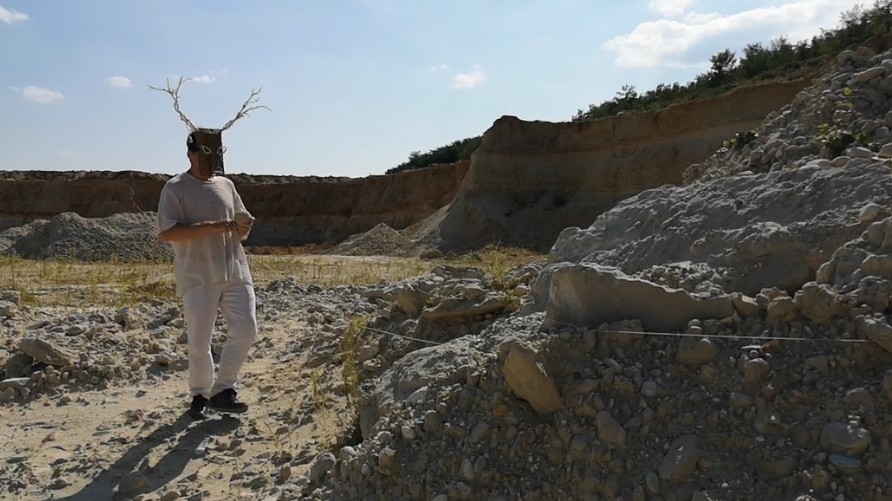
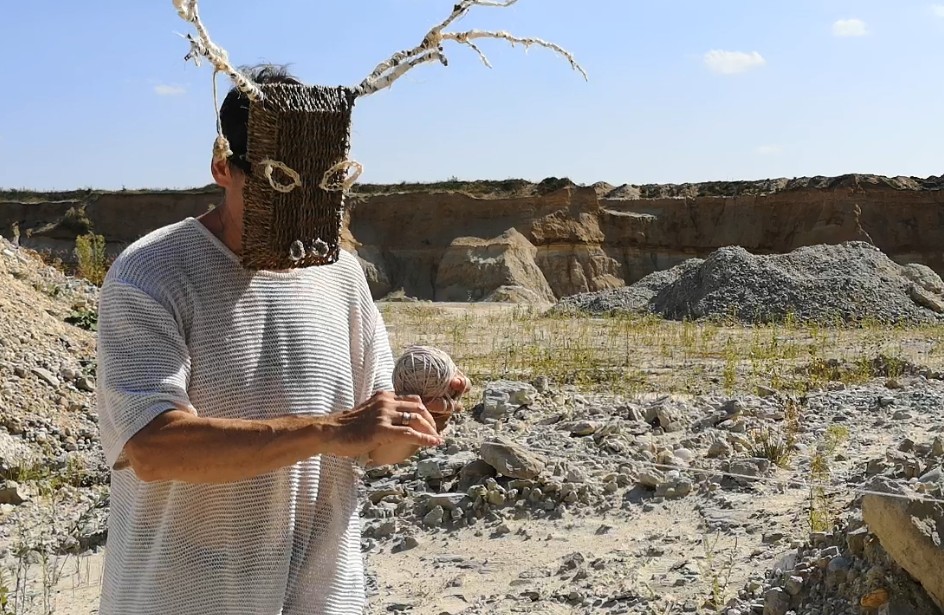
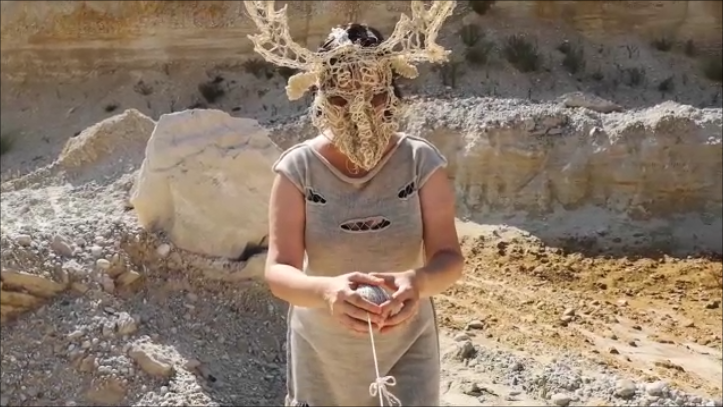
Rather than reconstructing the history of the quarry, we entered the landscape physically. Wearing deer masks, we performed a series of actions within the exposed terrain.
The deer had already become an important figure within our practice — an animal associated with movement between different states and with paths that are not always visible.
Here, however, the mask was not used to create a character or illustrate a myth. It altered the body and its relation to the landscape.
The performance became a way of moving through the quarry rather than representing it from a distance.
2023 — Taking the colour with us
We returned to Nyirád in 2023.
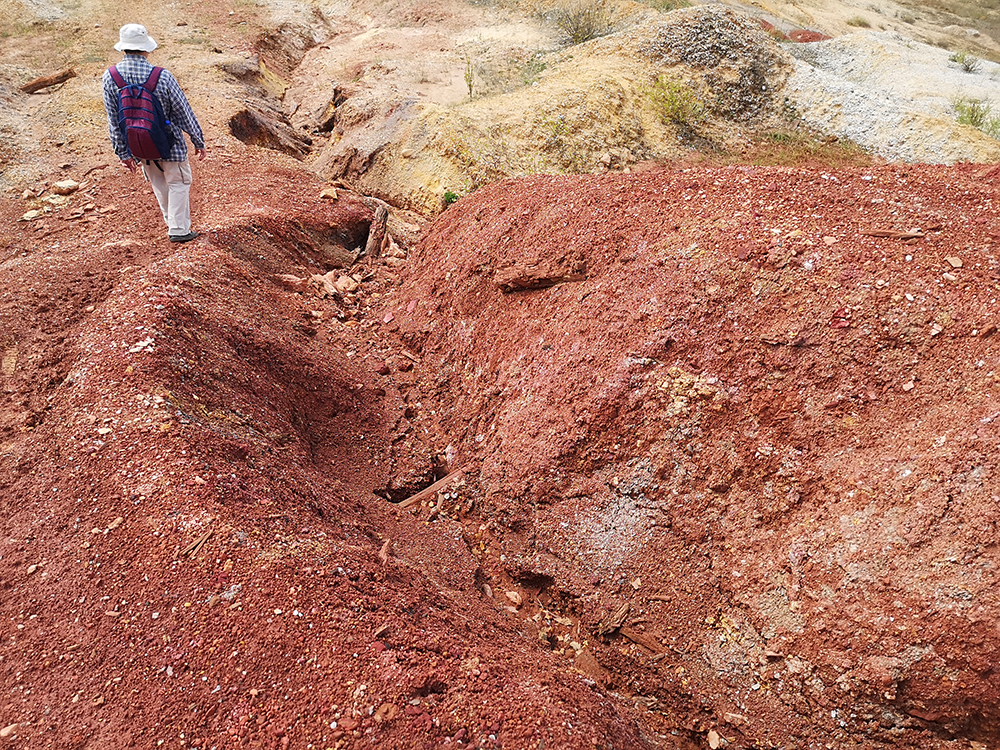
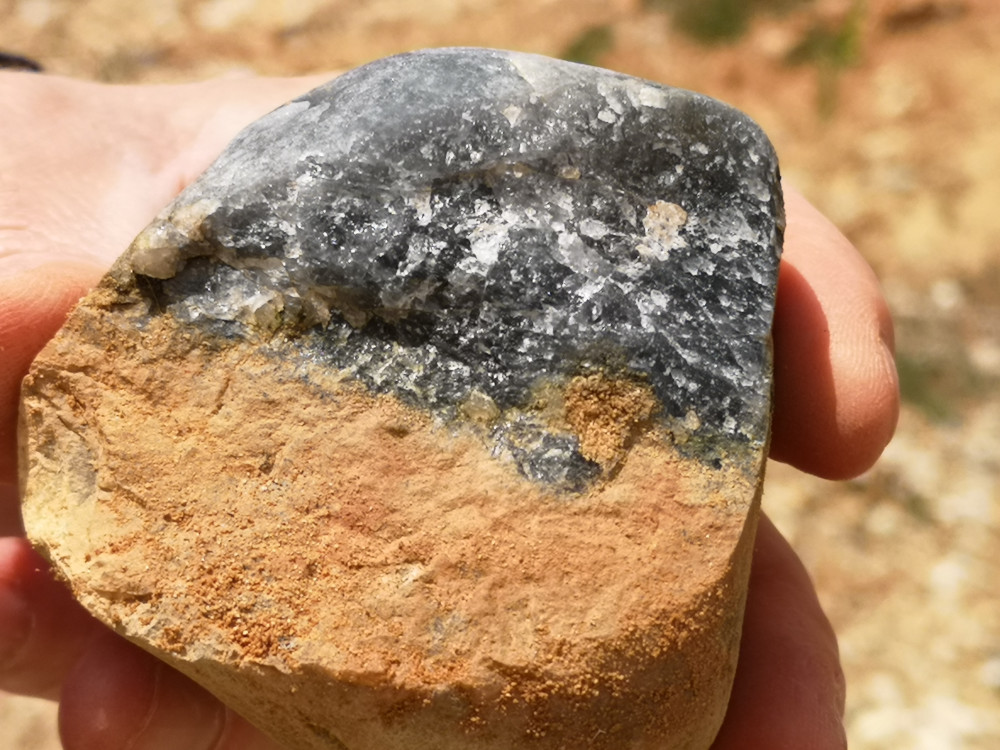
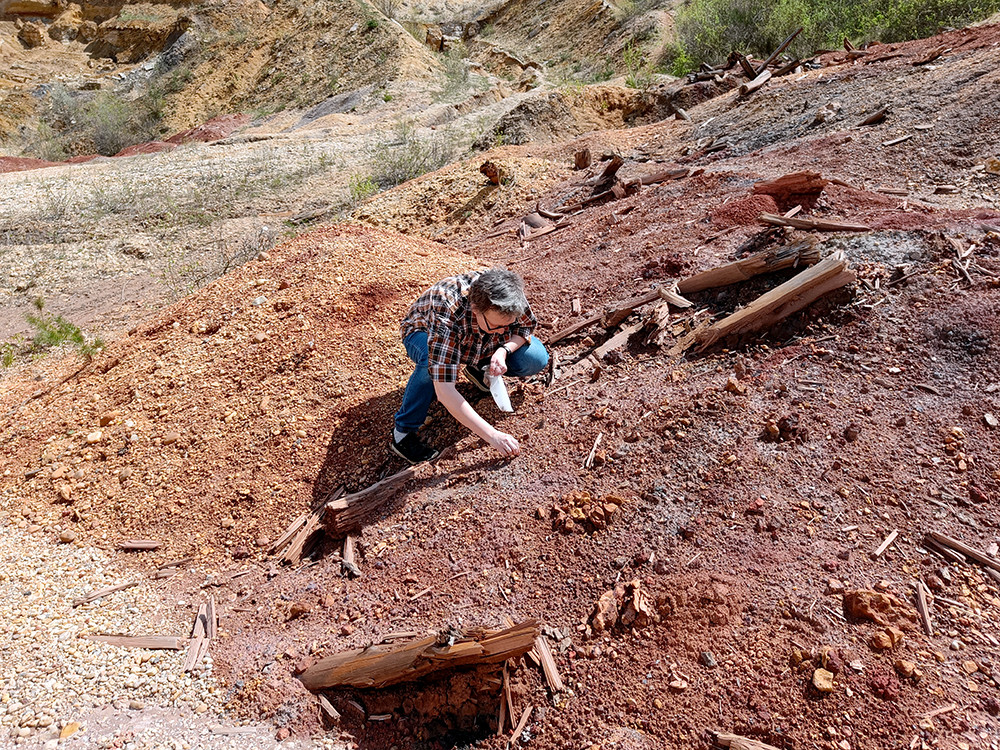
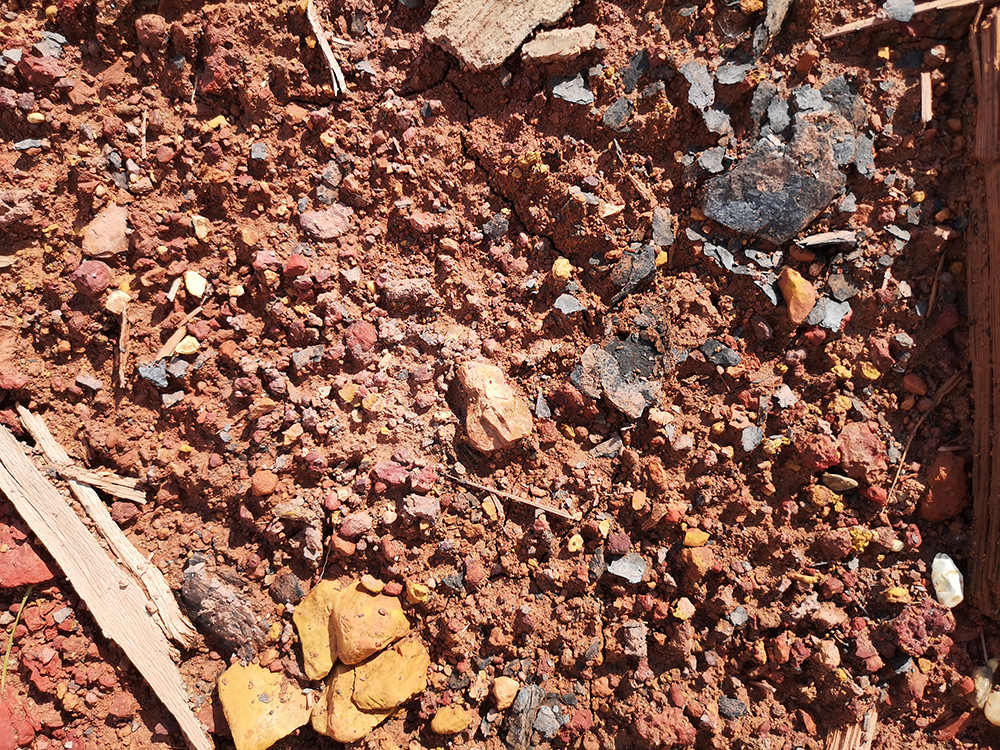
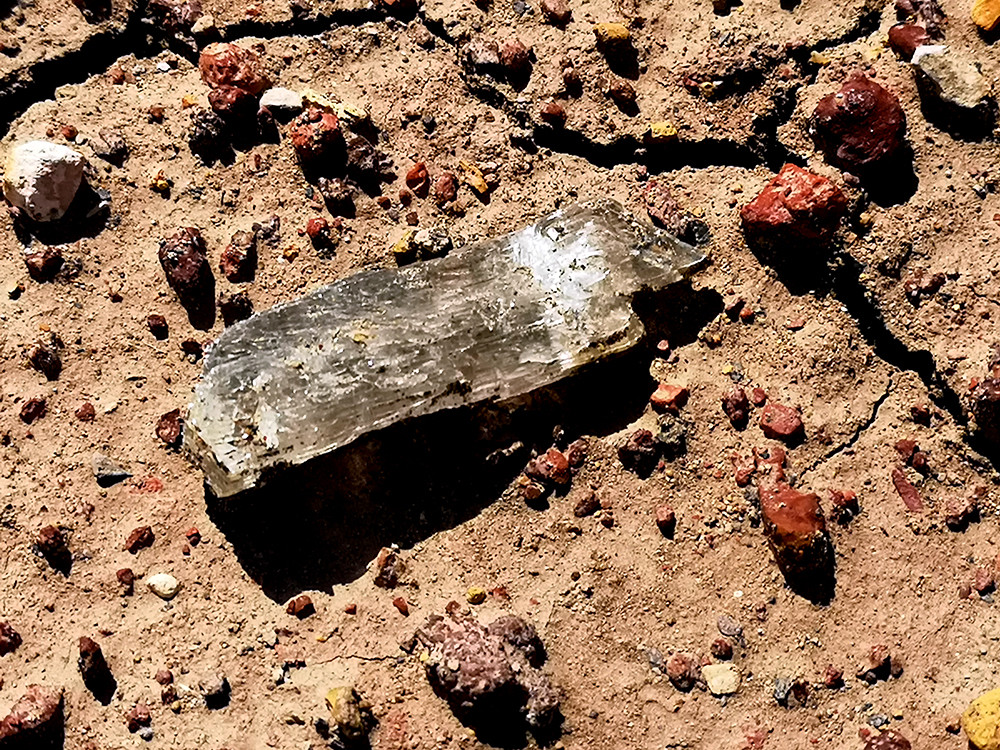
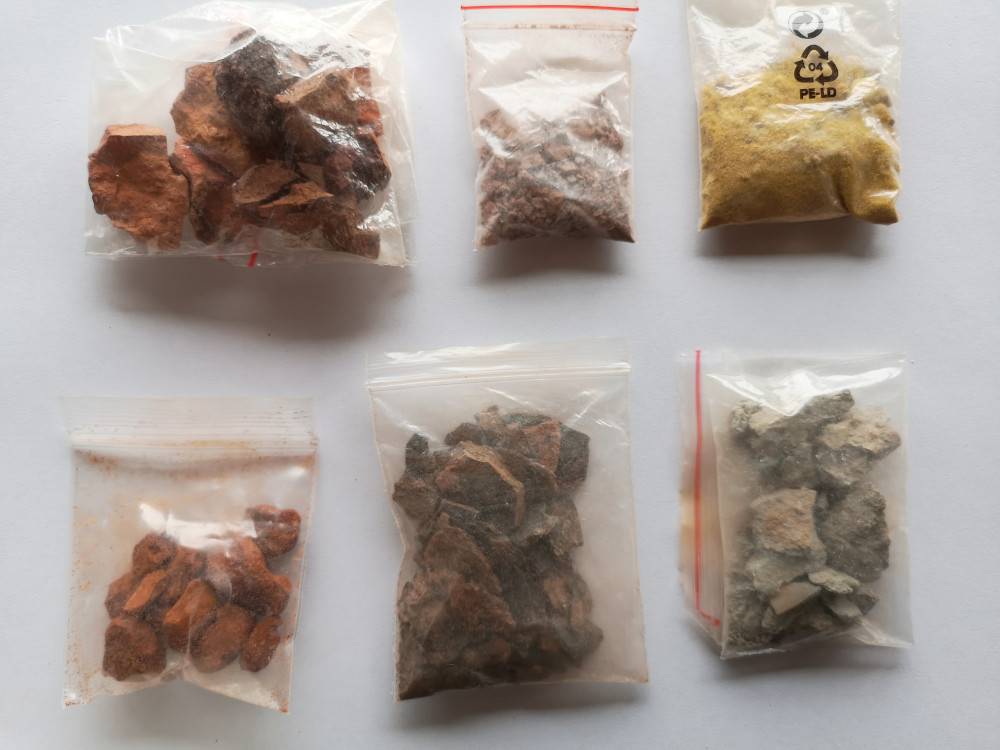
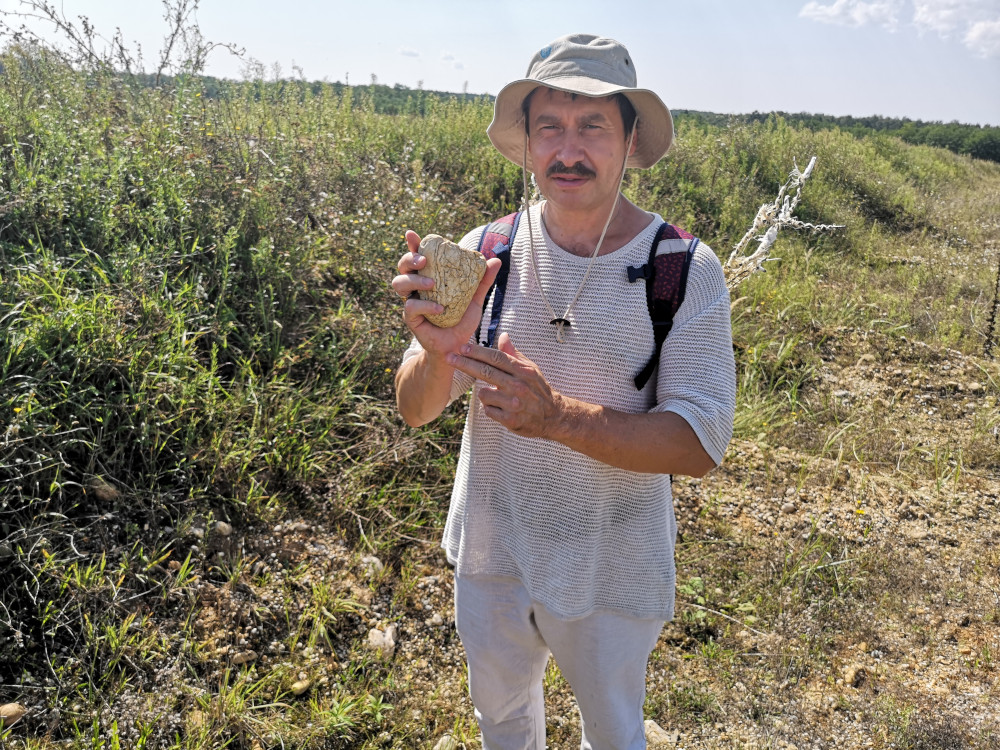
This time, our attention shifted from the body to the material itself. In the multicoloured section of the quarry, we collected small amounts of natural pigment from the exposed mineral layers.
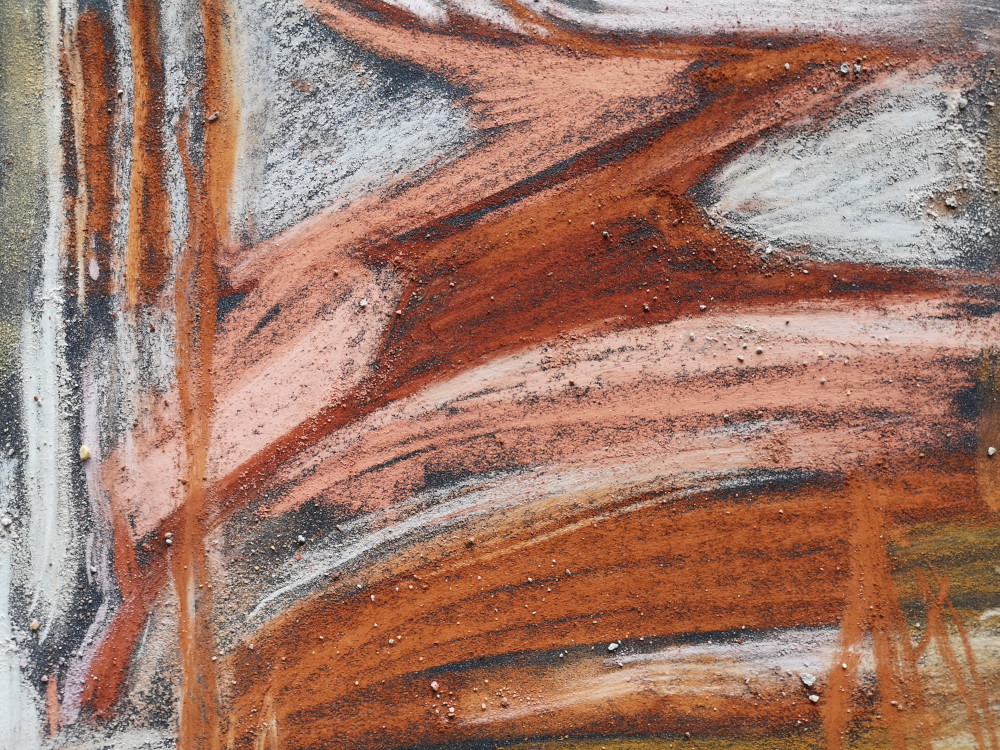
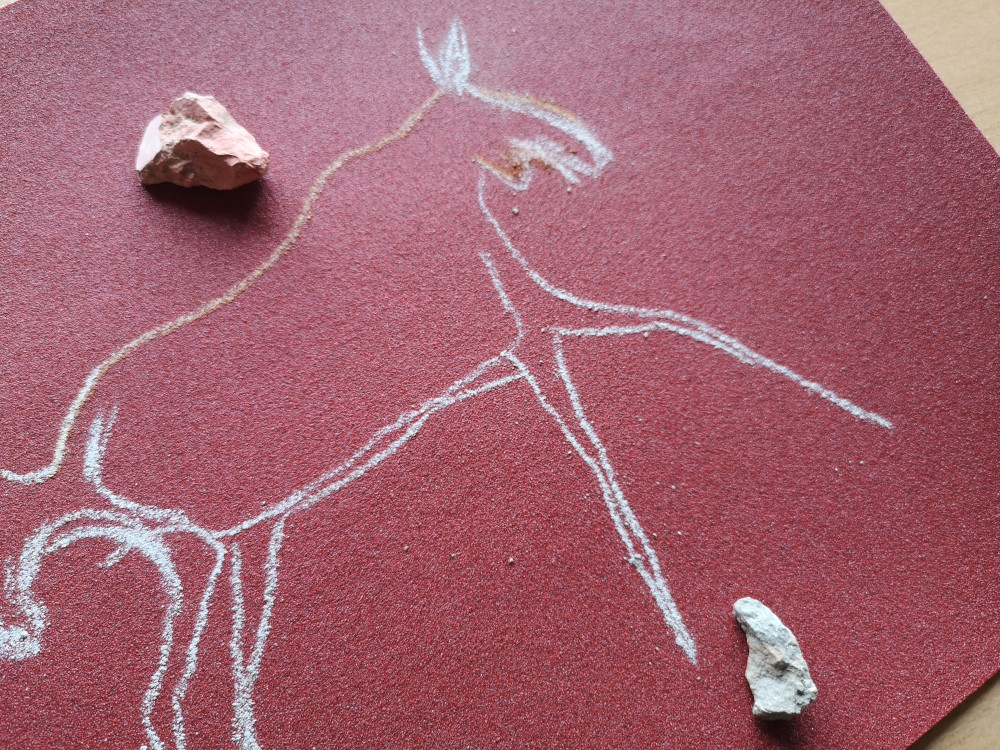
The pigments were later tested on sandpaper.
A fragment of the quarry could therefore leave the site without becoming a specimen or souvenir. Its colour became a working material — carrying the physical presence of the landscape into another surface.
This transition is important within the project: the landscape is not only observed; its material can enter the work.
Nyirád demonstrates a central principle of Revealed Realism: the work develops from what the place offers rather than from a predetermined image of it.
The first encounter produced a bodily response. The second produced a material one.
The quarry determined the colour, the terrain determined the movement, and the existing history of extraction determined the context in which both actions could be understood.
The intervention remains deliberately limited.
The aim is not to repair, beautify, or speak on behalf of the landscape, but to make its existing layers more perceptible.
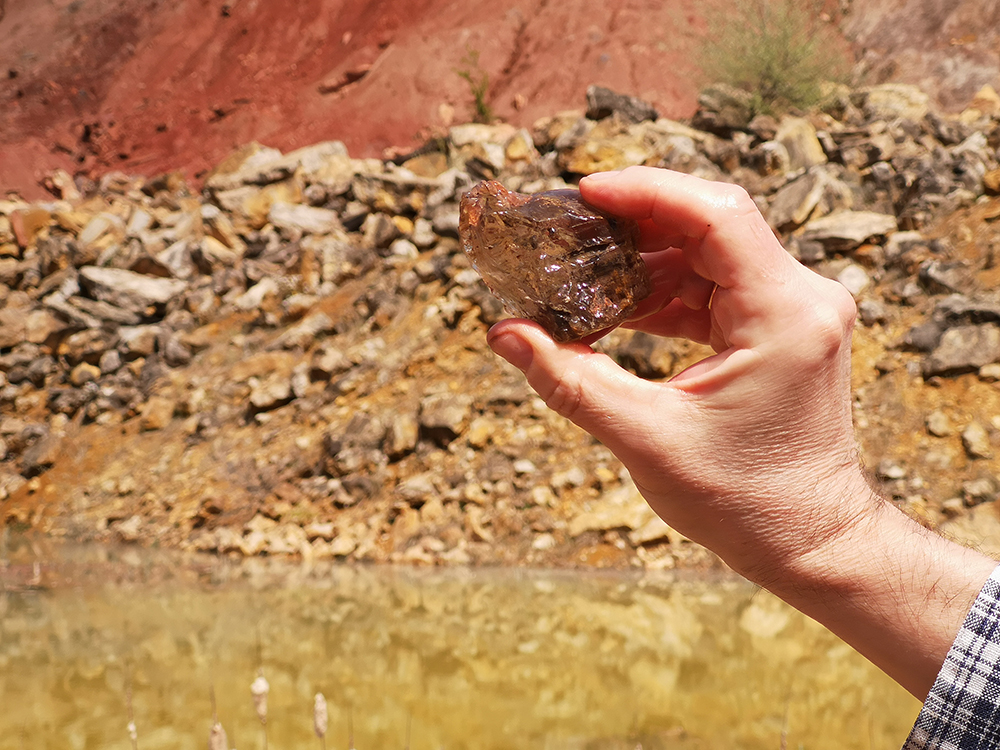
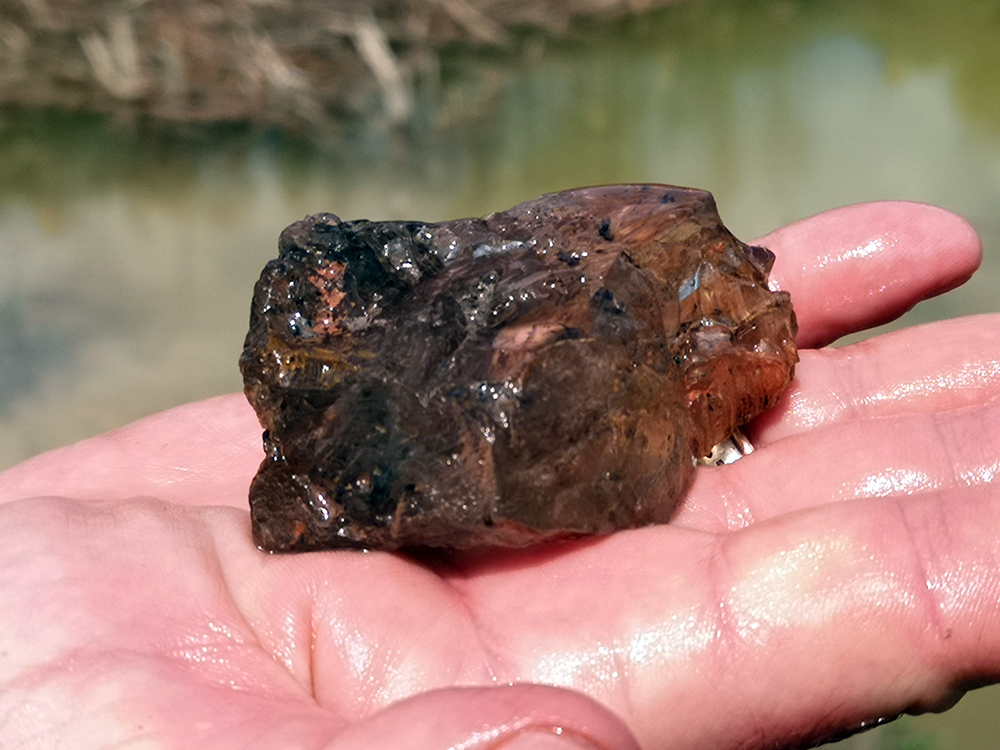
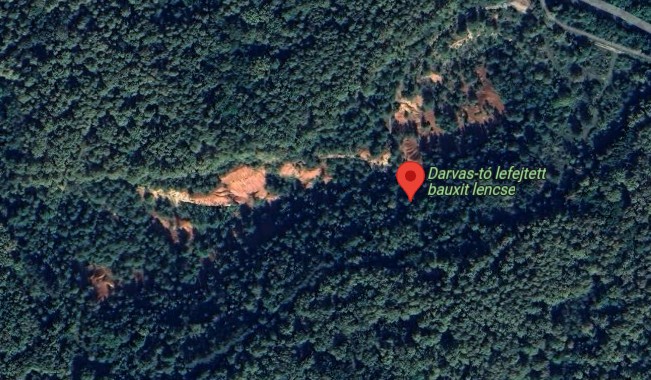
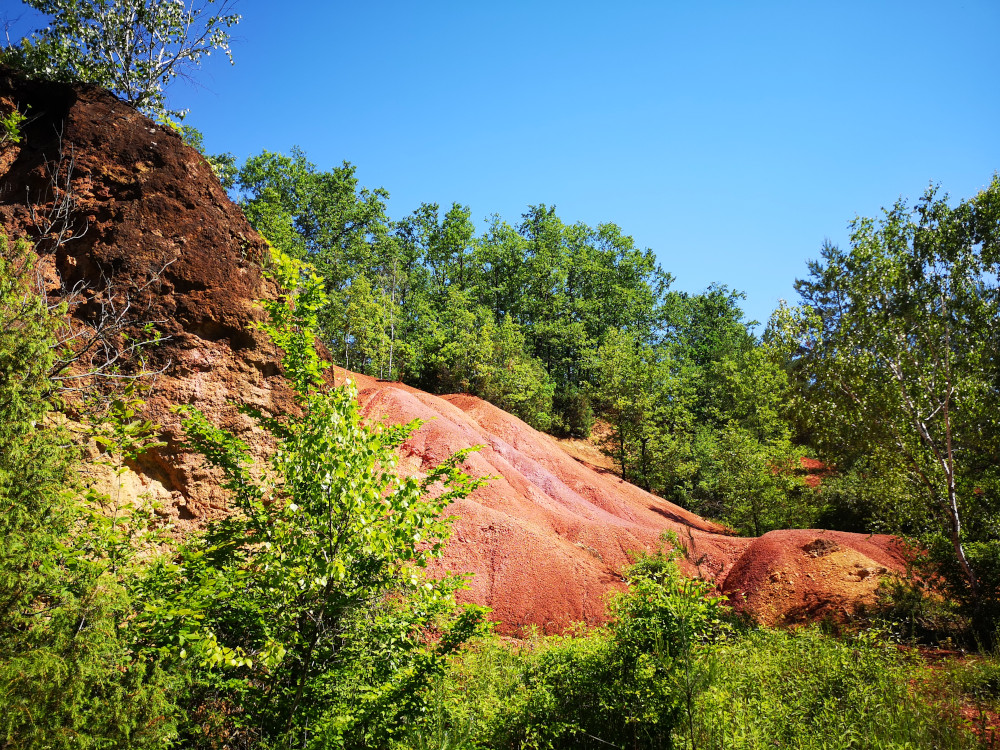
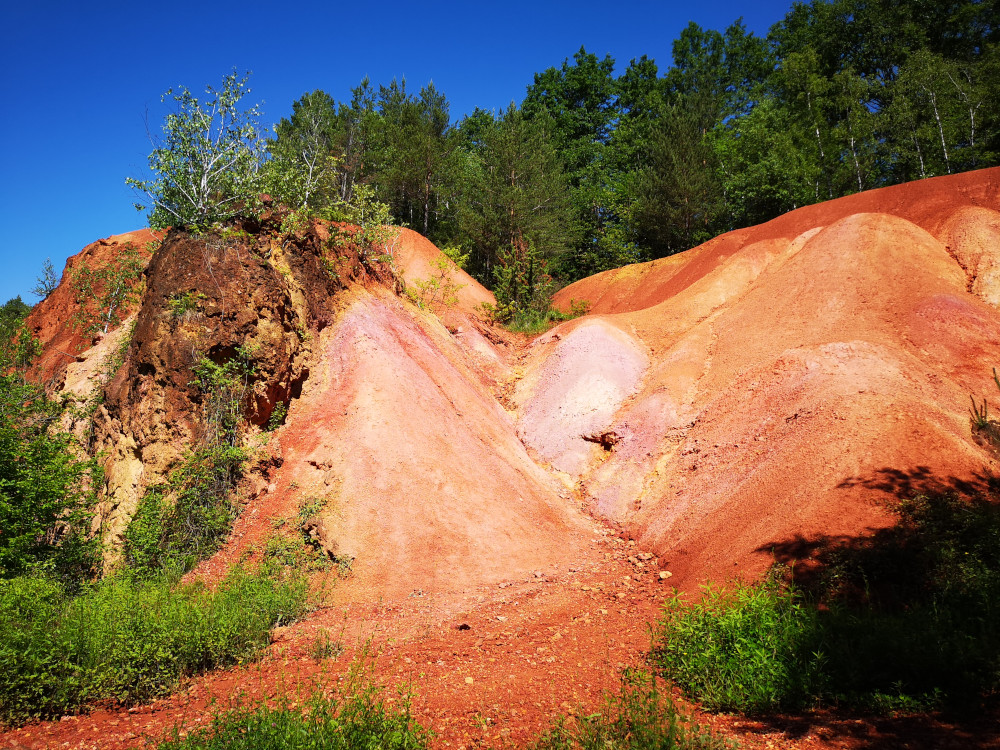
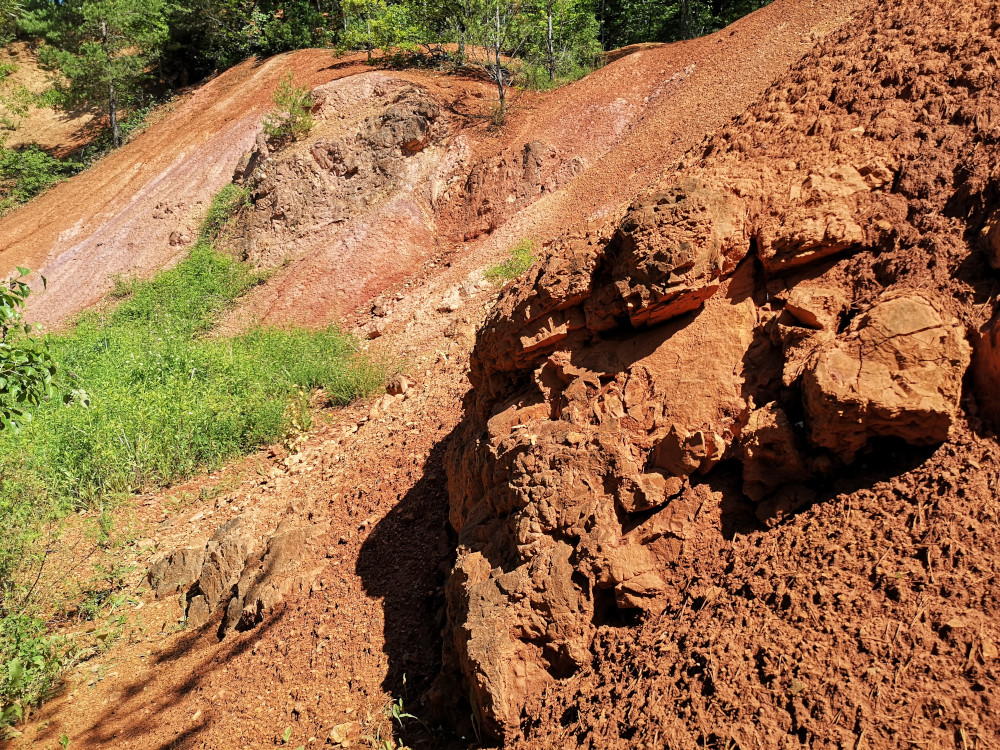
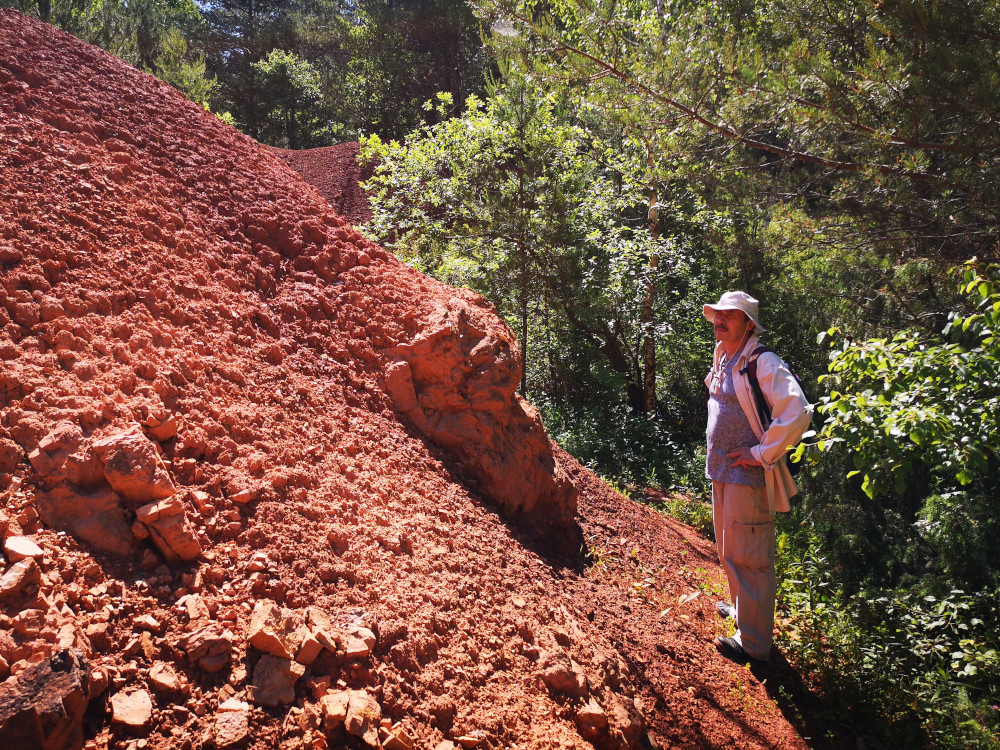
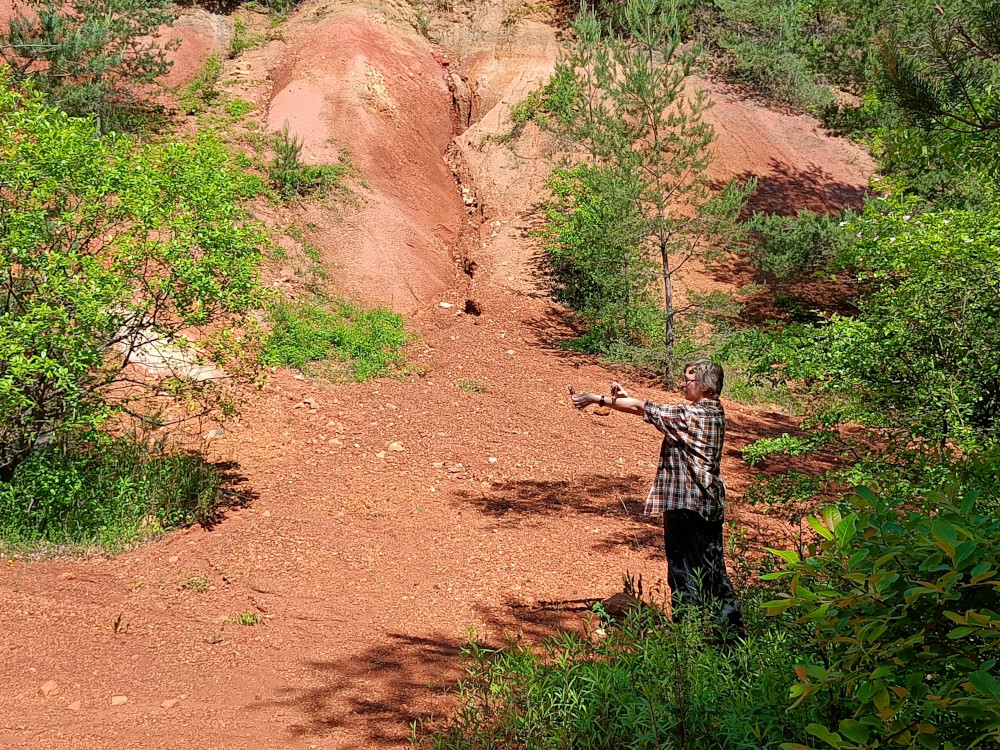
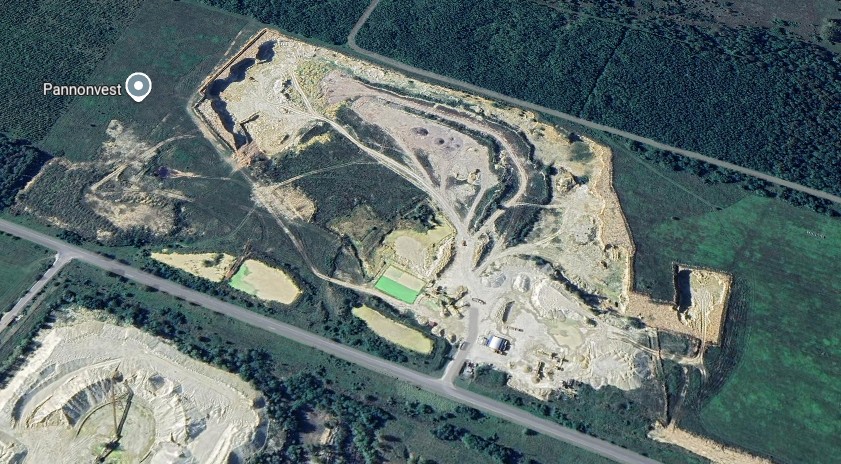
The Bauxite Lens of Lake Darvash is a former bauxite quarry near Nyirád, Hungary. Its deep red earth is the visible trace of a landscape shaped by geological processes and decades of extraction.
Bauxite mining in the Nyirád area began in the 1940s. The ore was extracted through underground mining and the pumping of karst water. The quarry was closed in 1977.
Today, the site is inactive. Its red slopes and exposed geological layers remain as traces of both deep geological time and industrial intervention.
The intervention
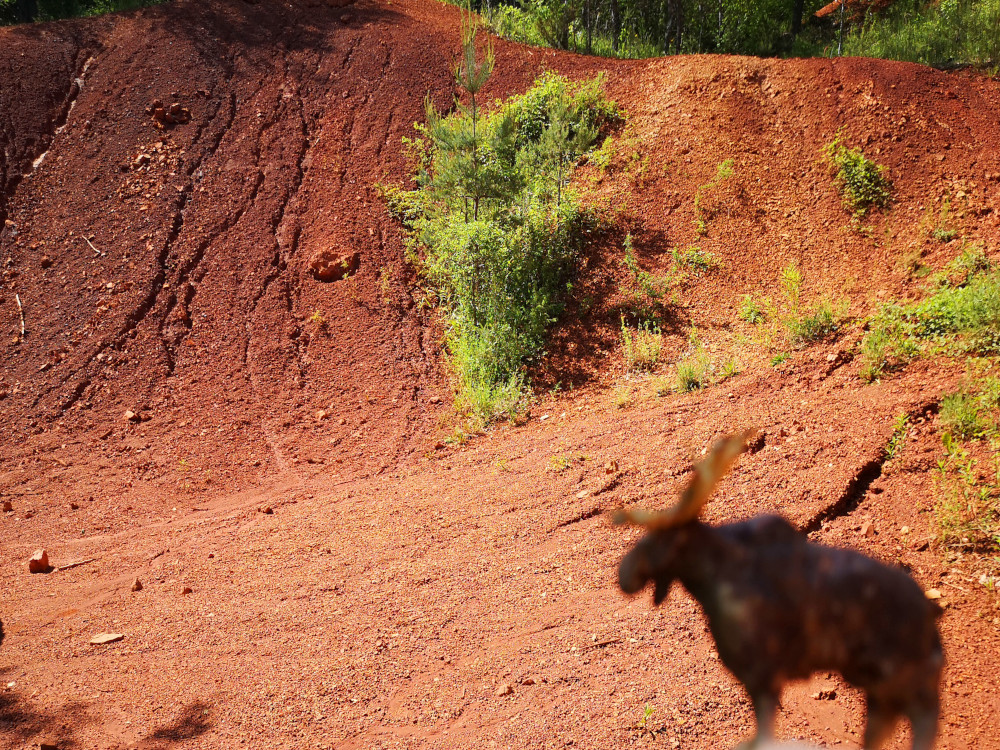
In 2022, R² made a small stag from cotton wool and coloured it with earth pigments collected directly from the quarry.
The figure was photographed within the red landscape and then left there.
There was no label, explanation, or protective enclosure. The small object simply remained in the quarry, exposed to weather and time.
The scale of the intervention was deliberately disproportionate to the scale of the site: a fragile handmade figure placed within a landscape shaped by large-scale extraction.
The stag was not intended as a monument to a particular event. It was a temporary presence — made from the colour of the place and returned to it.
The Red Stag from the Red Earth Cotton wool, earth pigments from Darvash, thread, time. 2022
The work belongs to R²’s practice of Revealed Realism (RR): working with what a place already contains rather than imposing an autonomous form upon it.
Here, the quarry provides both the setting and the material. The pigment carries the colour of the earth into the figure, while the figure carries a trace of the landscape back into the landscape.
The work was left without protection.
Its duration was therefore determined not by the artist, but by the conditions of the place.
What remains is the image of a small red stag in the red earth — and the knowledge that the object itself was temporary.
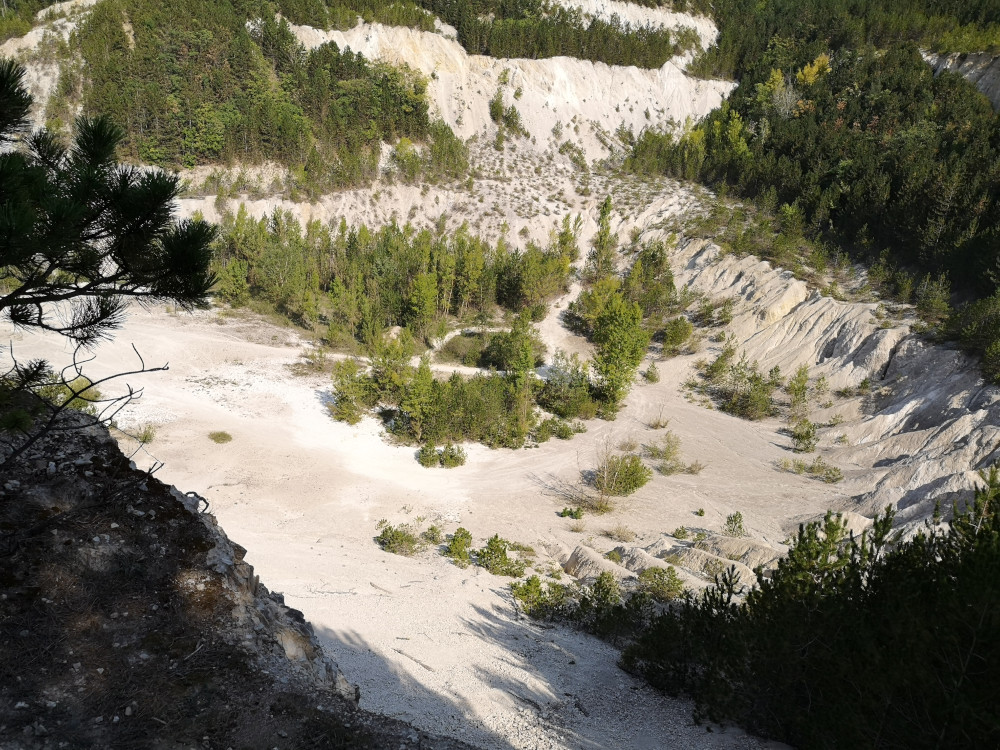
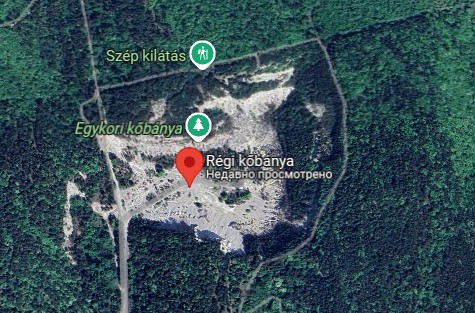
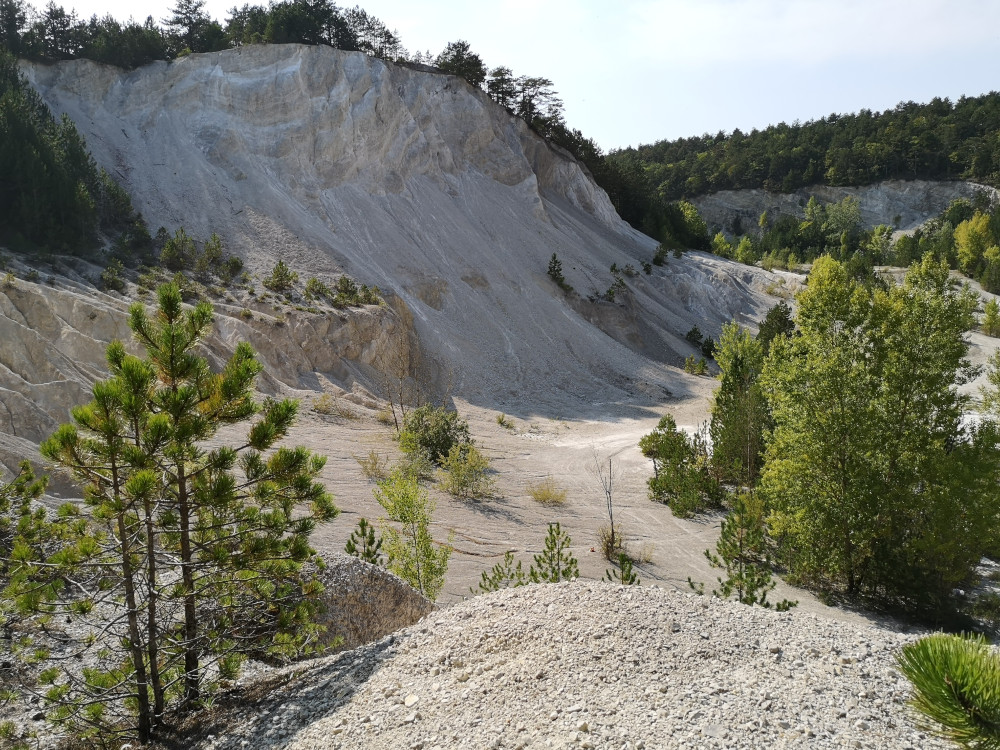
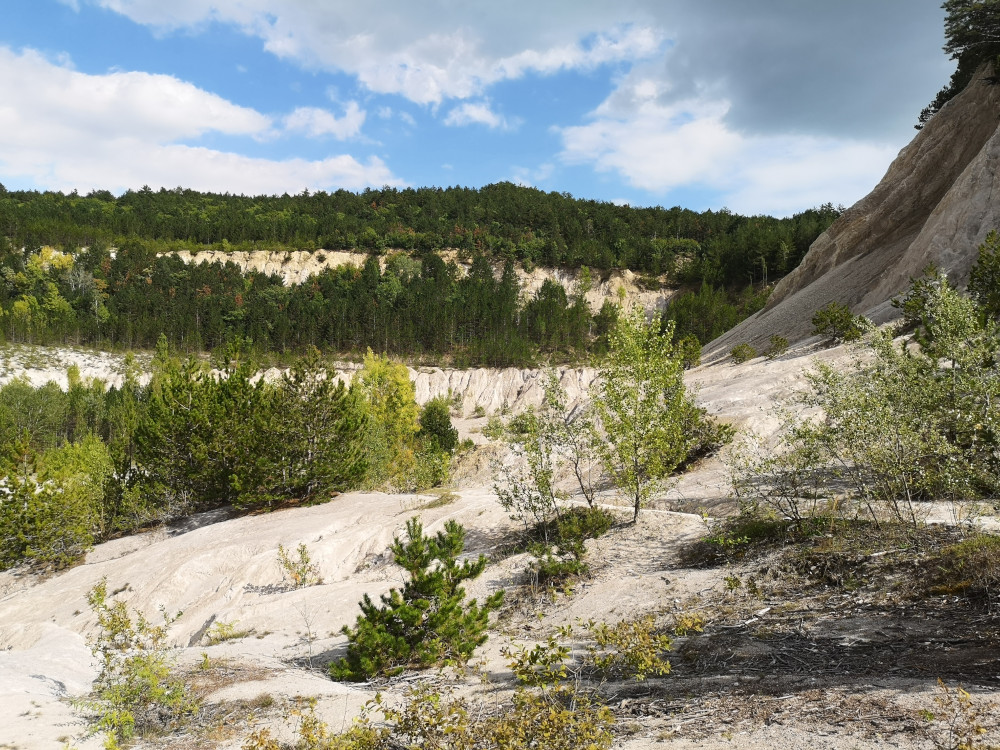
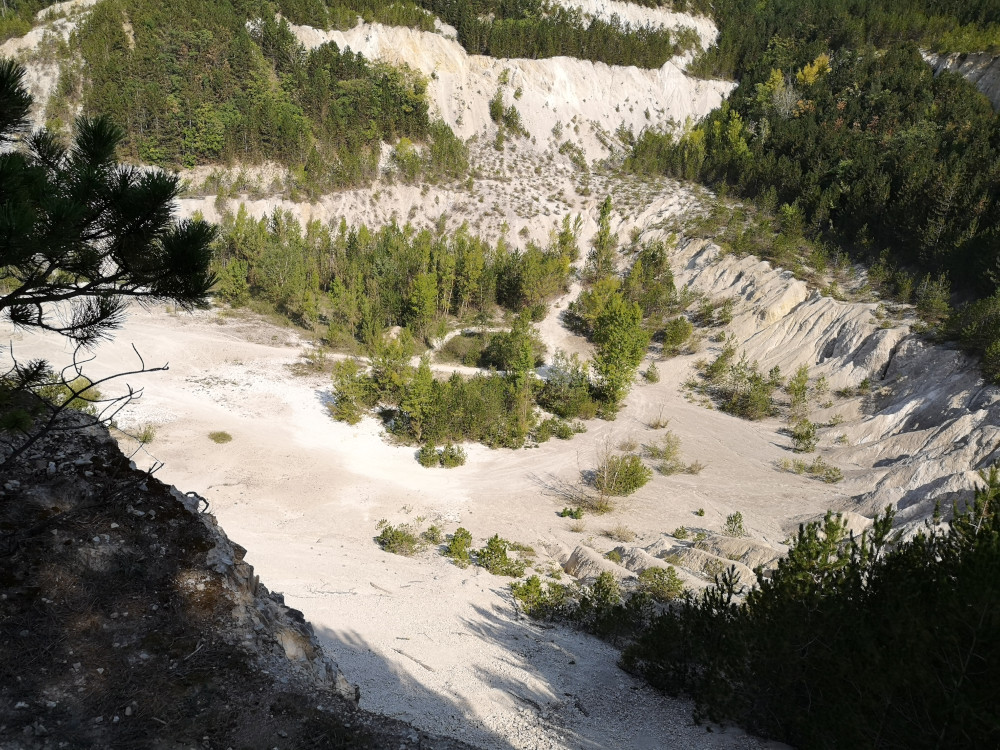
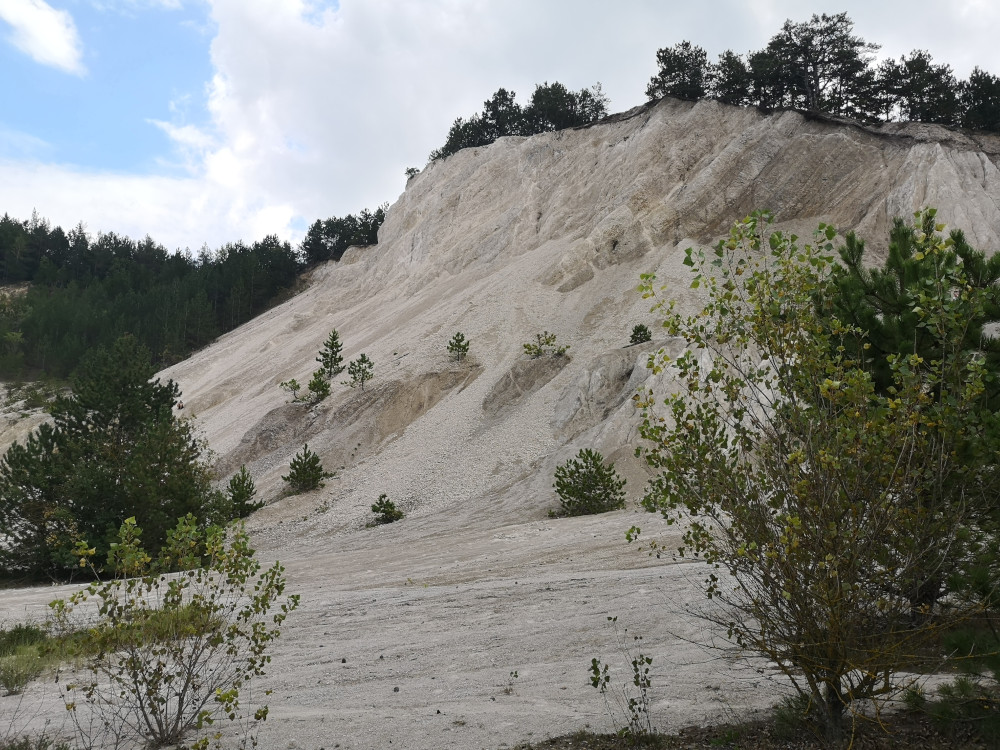
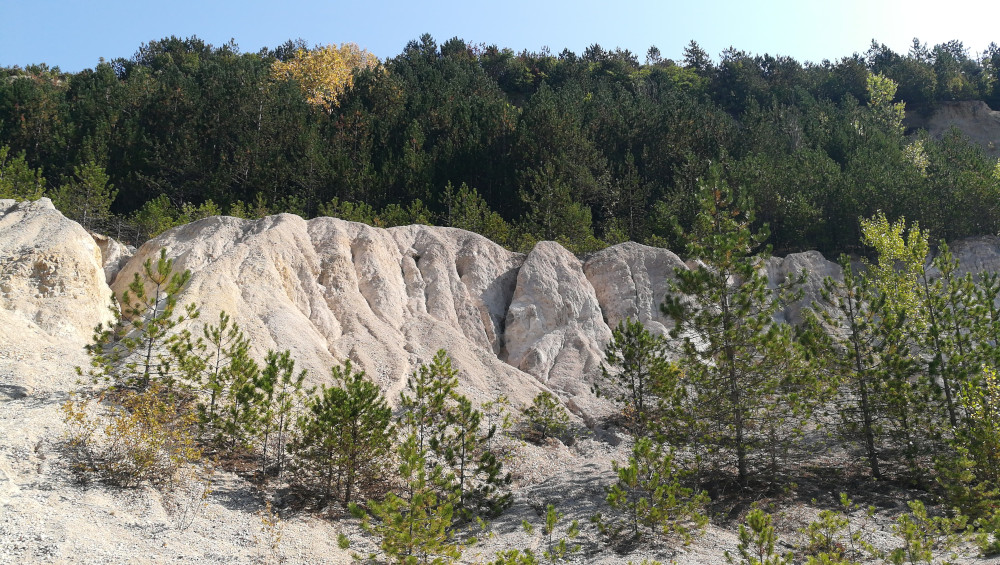
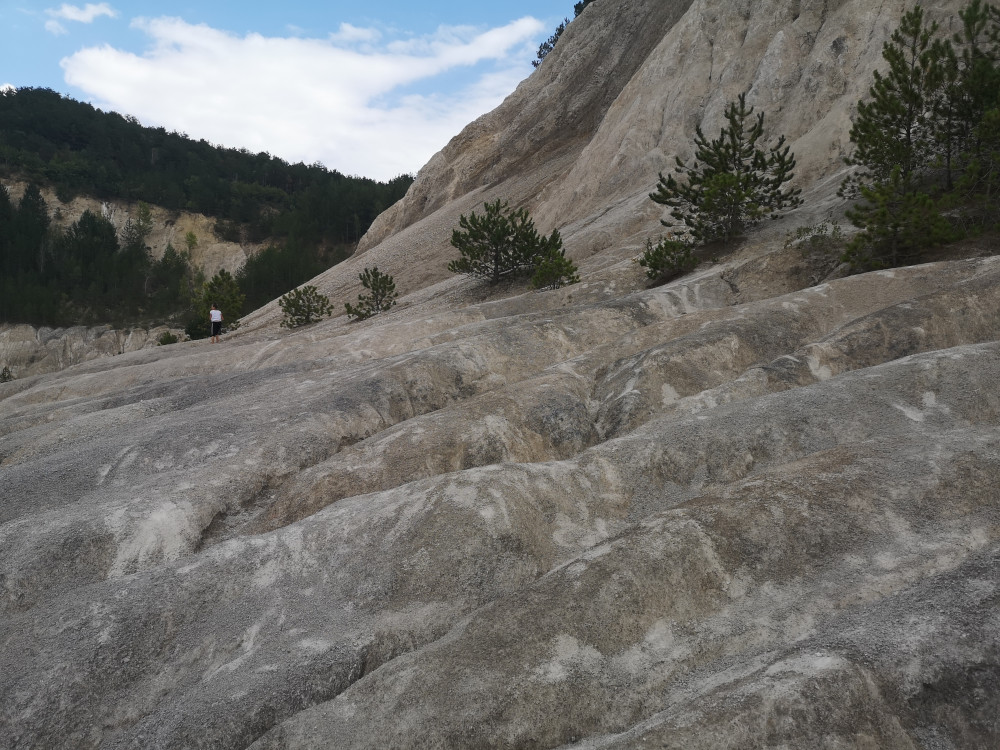
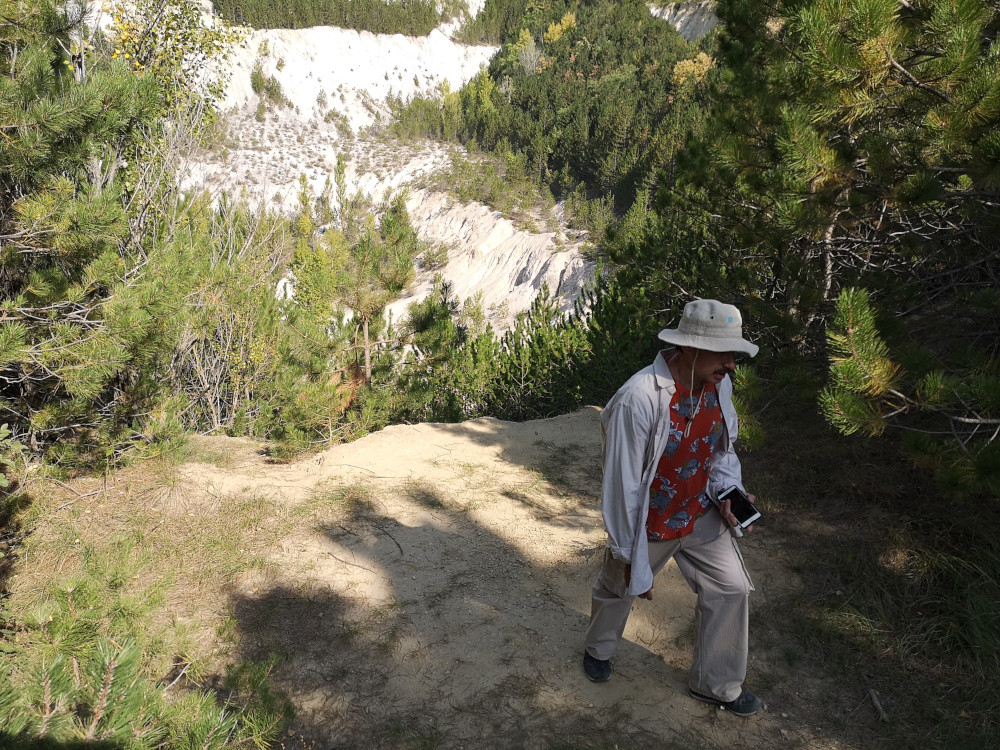
On the northern edge of Gyenesdiás, on the slope of Pipa-hegy hill, lies an abandoned dolomite quarry. Its pale grey walls preserve traces of a much older landscape: more than 200 million years ago, this region was part of the shallow Tethys Sea, where marine sediments gradually formed the dolomite later exposed by extraction.
Today the quarry is overgrown and largely silent. Its eastern basin opens into a landscape of ravines, terraces, ledges, and stone formations resembling an ancient amphitheatre. Vegetation has begun to reclaim the abandoned site, while the exposed rock continues to reveal the marks of both geological time and human intervention.
Once an industrial site, the quarry has become a different kind of place — one in which geological memory, natural growth, and human traces coexist.
For R², it became a place to explore how a form can emerge from attentive observation rather than be imposed upon the landscape.
The Szamorodni Deer
In September 2020, during the Deerland art festival, R² explored several abandoned quarries around Gyenesdiás.
The original intention was to work in a different white quarry. On arrival, however, we found that extraction had resumed there. The planned intervention became impossible. Instead, we entered the old, forest-covered quarry on Pipa-hegy.
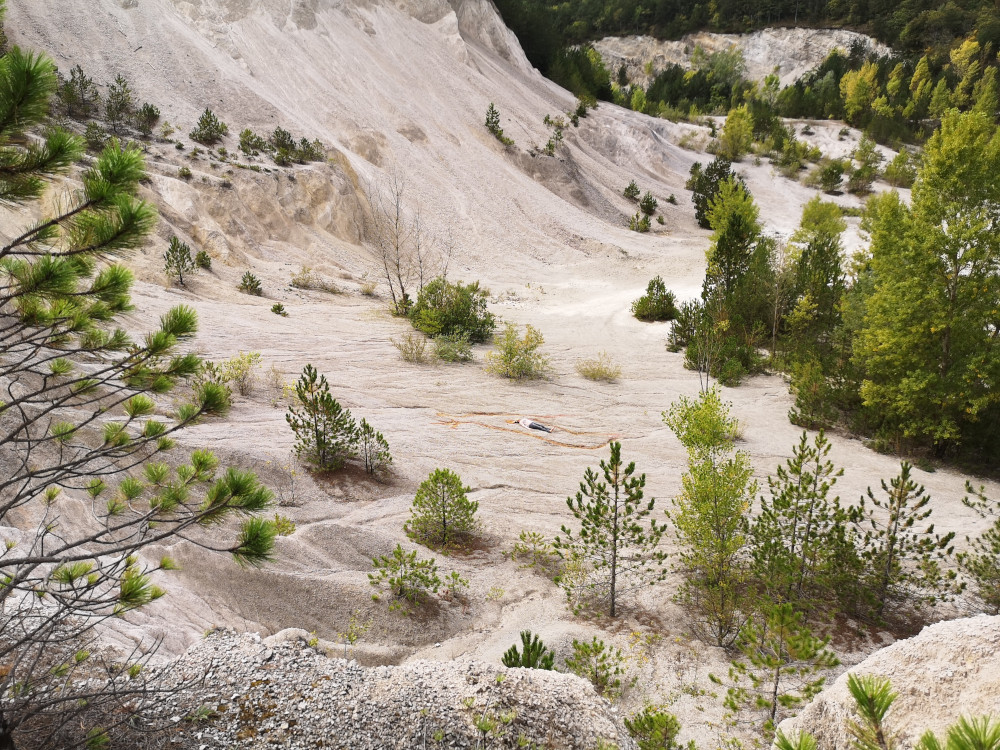
In a small clearing, the terrain itself suggested a form.
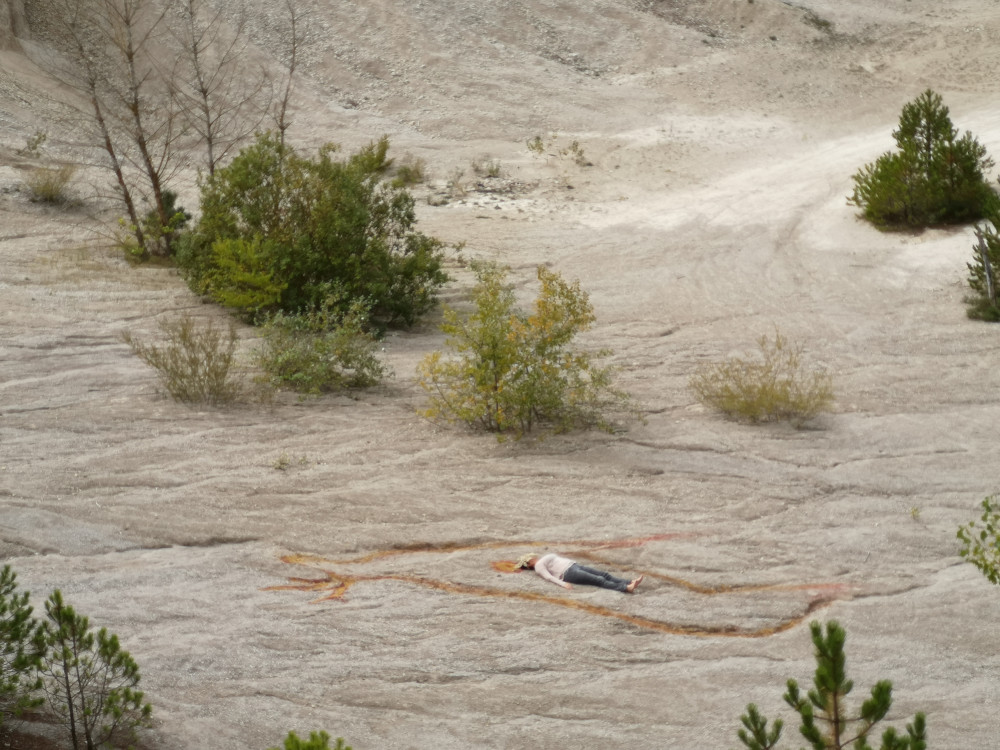
The original sketch — a two-headed elk — no longer corresponded to the place. Natural grooves and streams running through the ground already contained the outline of another deer.
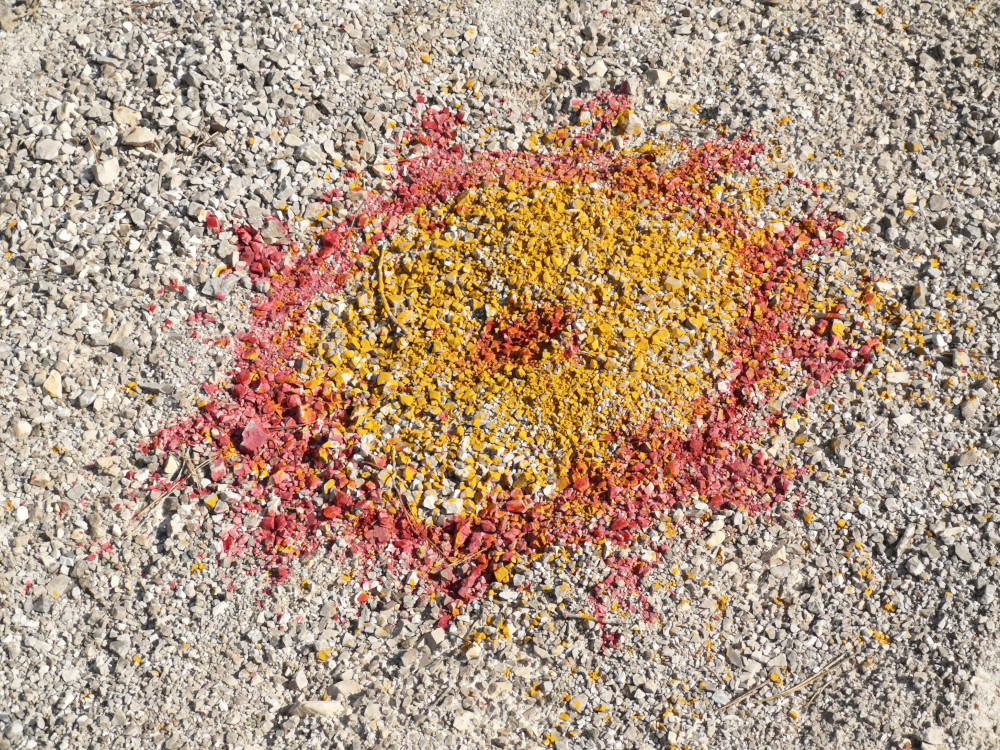
The intervention was reduced to a gesture of revelation: pigments were scattered along the forms already present in the terrain.
The Szamorodni Deer emerged from the quarry rather than being drawn onto it.
A heart-like form appeared at its centre, later reading almost as a sun.
The Szamorodni Deer, 2020 Ephemeral geoglyph, approximately 3 × 5 m Pigments: ochre, wine, chocolate; water Technique: pigment splatter Co-author & photographer: Dmitry Razhev
The geoglyph existed only temporarily. About a month later, it had disappeared, leaving no physical trace.
What remained was the documentation — and the experience of having followed a form that the landscape seemed to reveal.
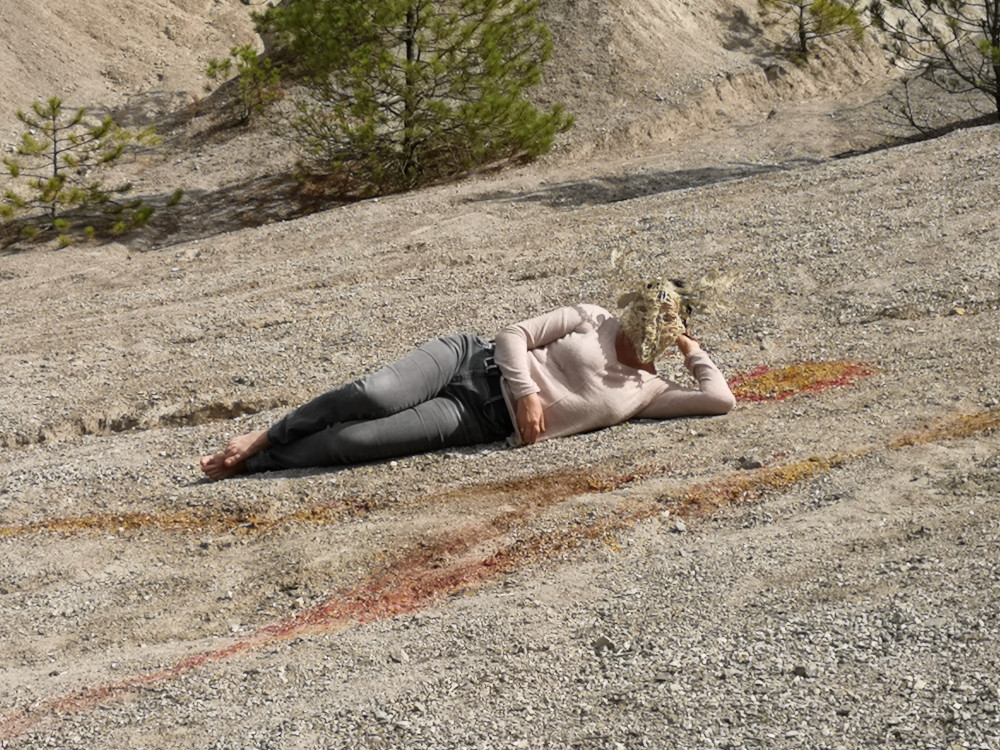
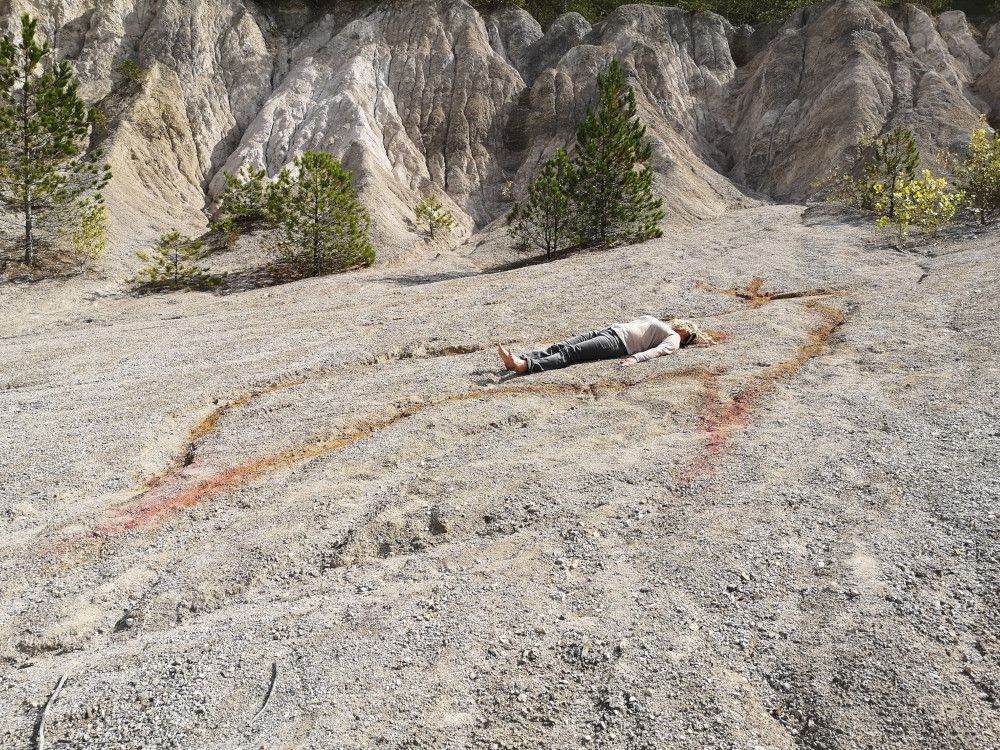
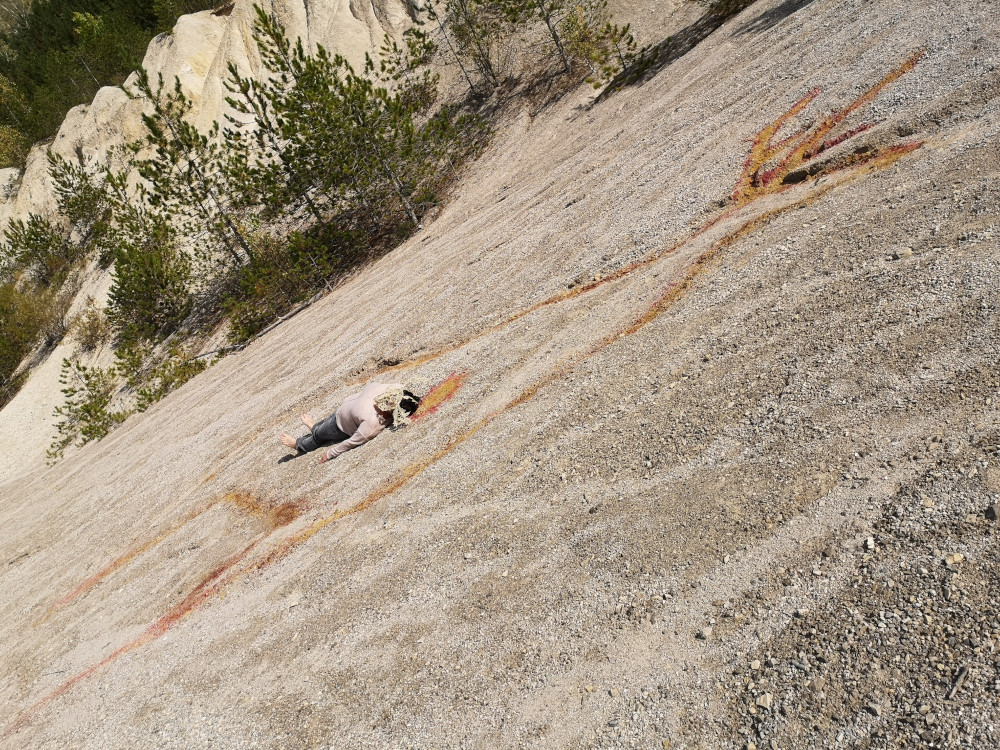
Meditation Inside the Deer
A week after the geoglyph was created, R² returned to the site.
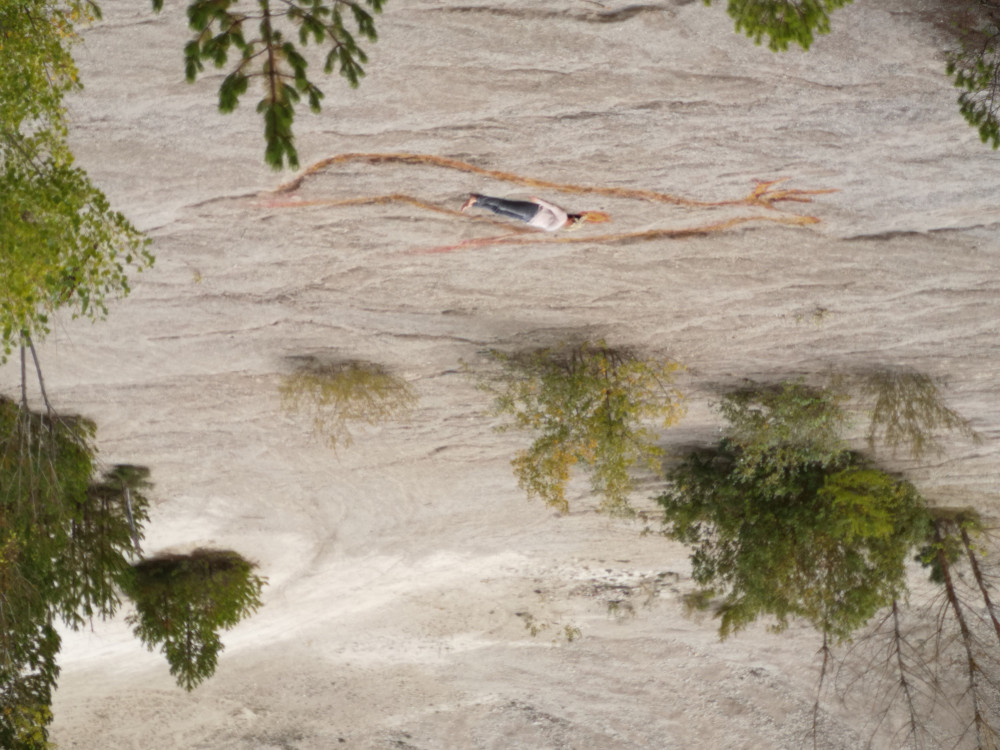
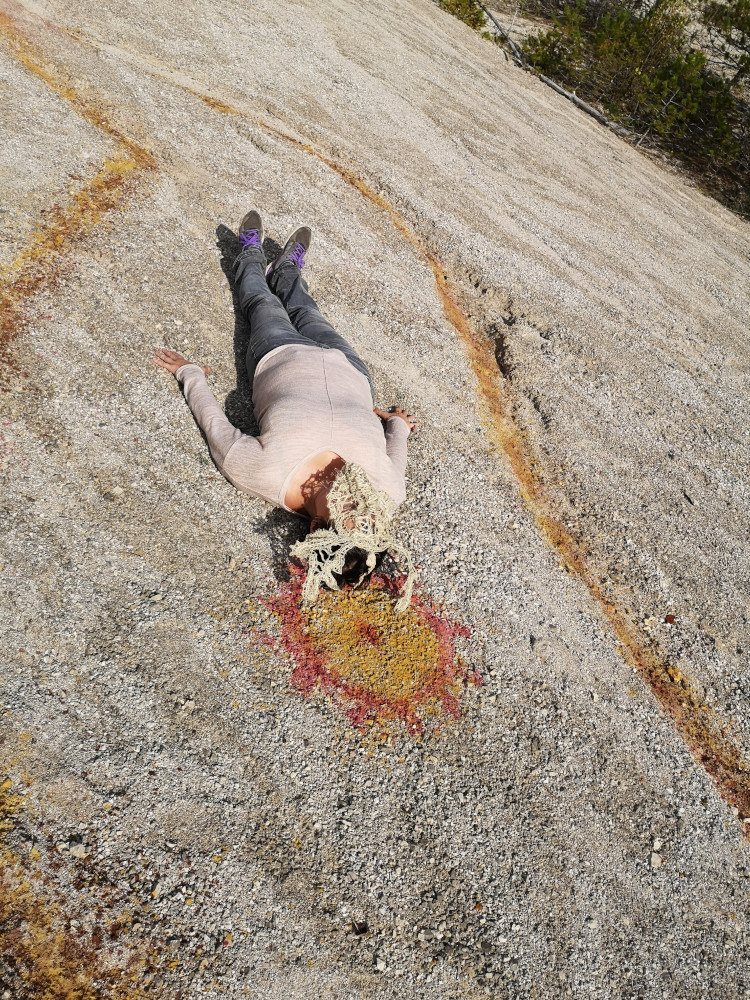
The outline of the deer became a space for a bodily action. A figure entered its form and remained within it, aligning the body with the temporary drawing in the ground.
The performance treated the geoglyph not as an image to be observed, but as a space to be inhabited.
The body became another layer within the landscape — briefly occupying a form that had itself emerged from the terrain.
Spiral with a Deer Hoof
Another intervention developed from the idea of the deer as a trace rather than an image.
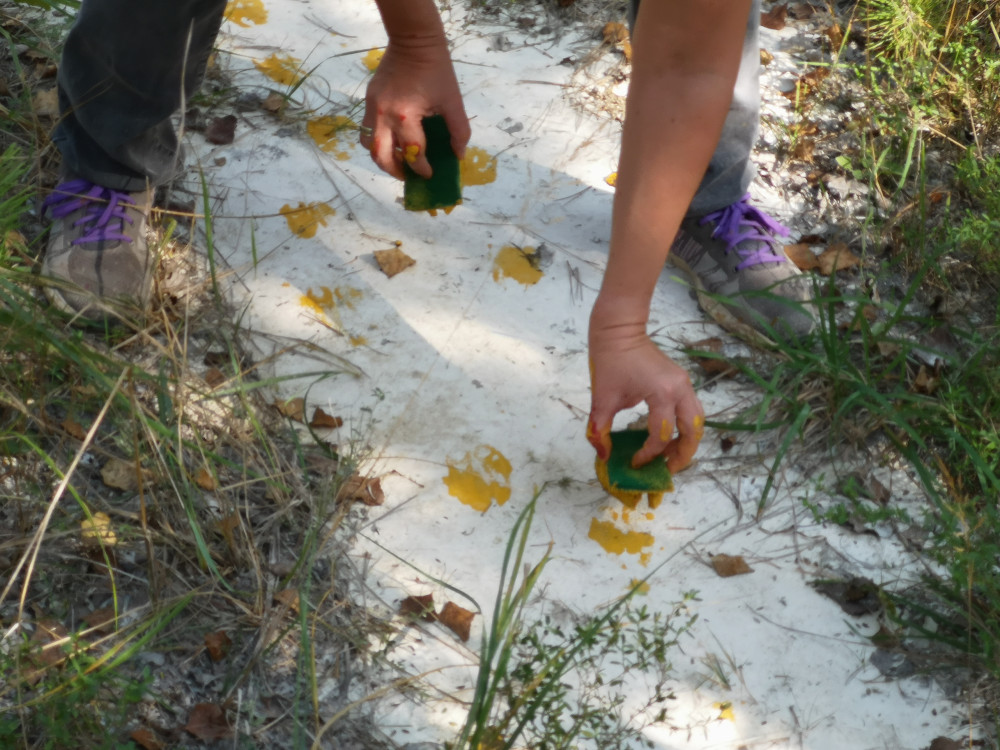
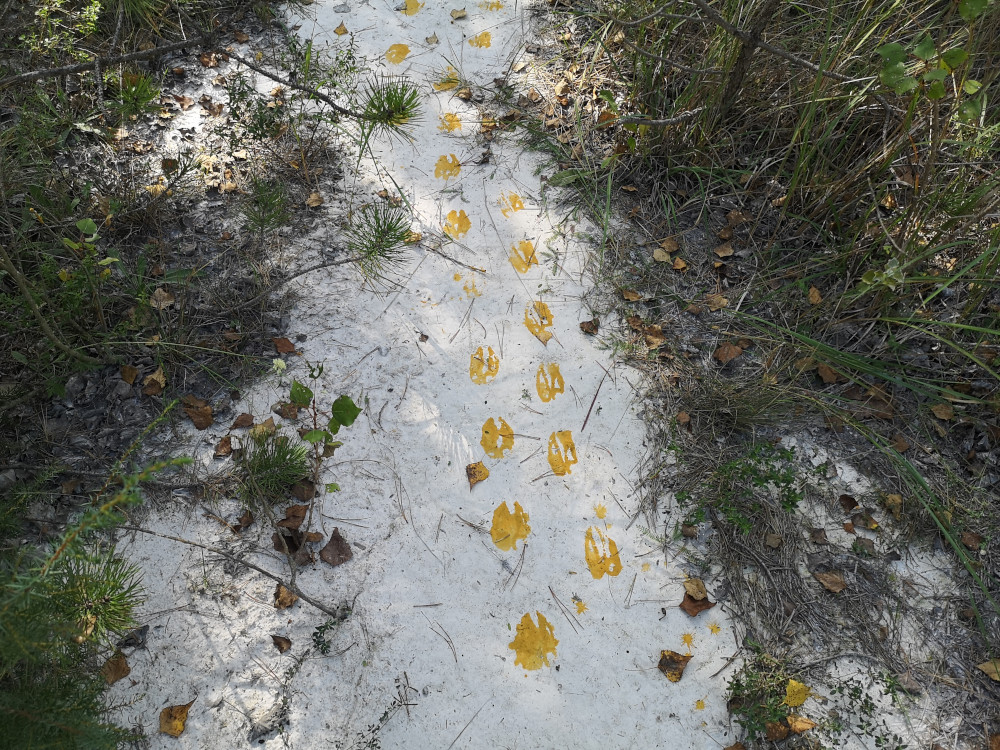
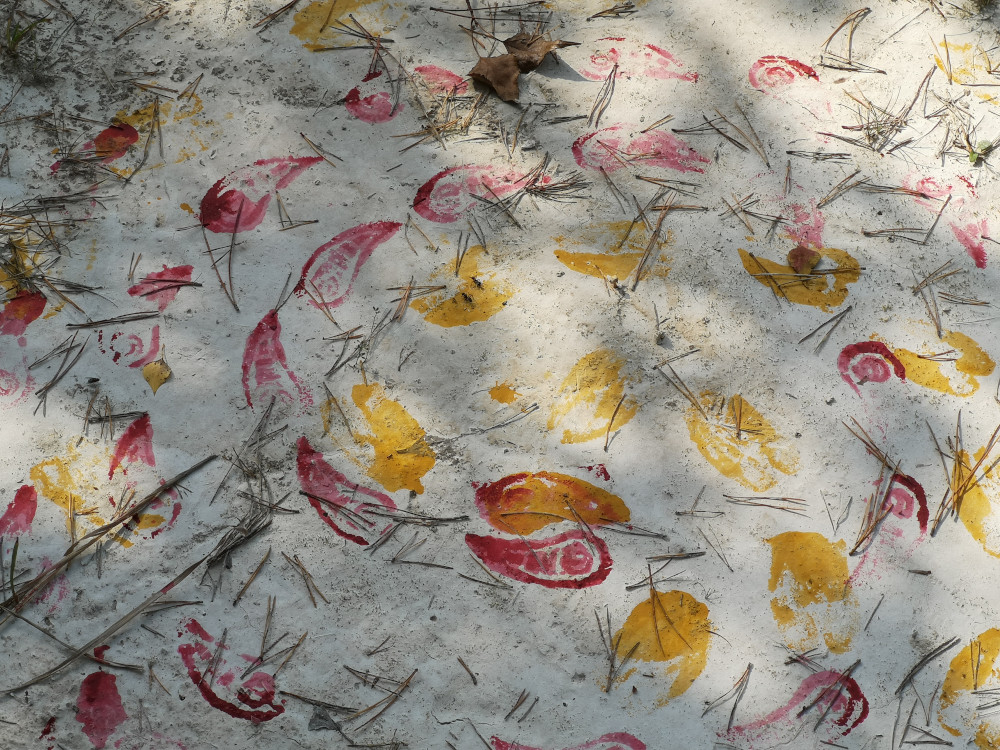
Using a sponge stamp shaped as a deer hoof, R² created a double spiral in the quarry: one movement turning inward in ochre, another unfolding outward in red.
Seen from above, the spiral suggested a movement through time — contraction and expansion, return and departure.
The form existed only for the duration of the action.
Cave Deer
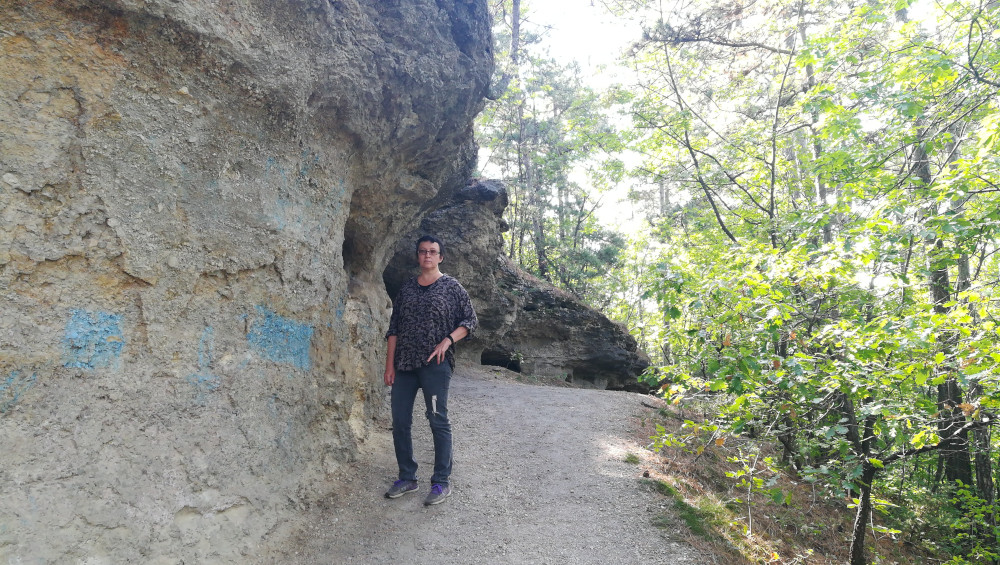
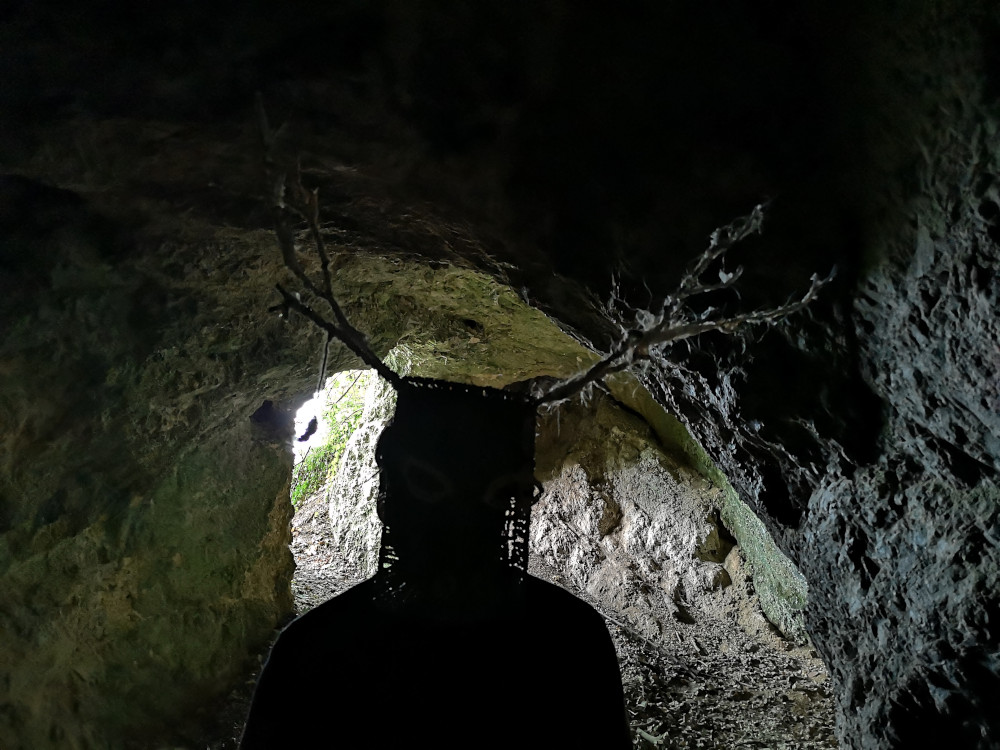
Near the quarry, we discovered a small man-made cave, probably created during stone extraction.
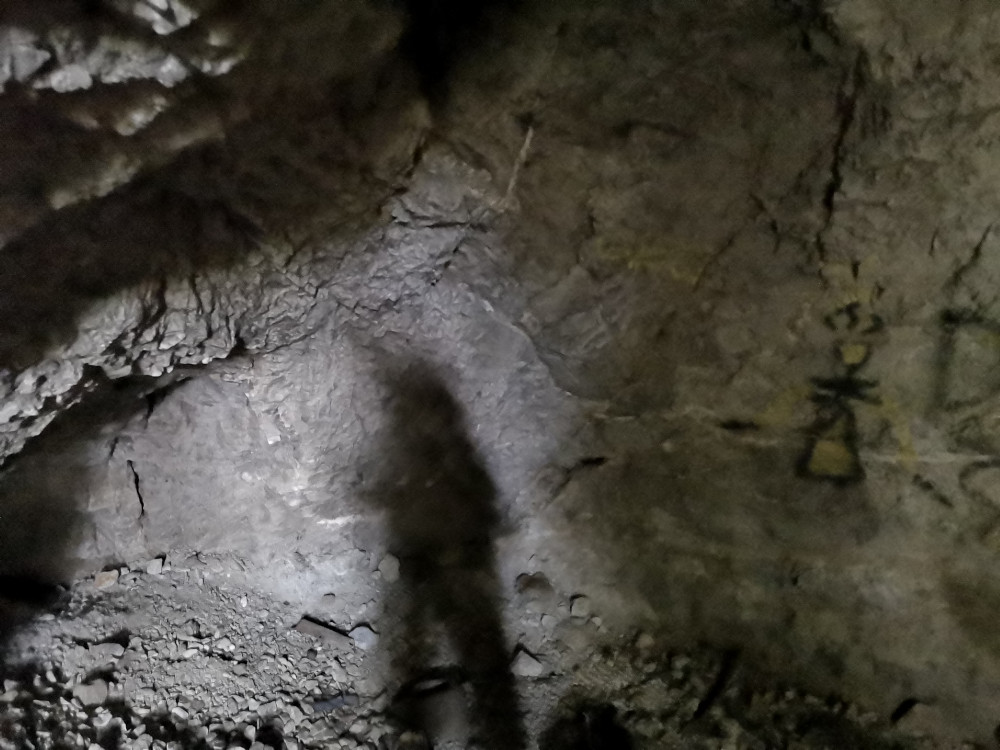
Inside this excavated space, R² staged Cave Deer, a photographic performance in which the human body and its shadow became temporary images on the stone walls.
The cave introduced another layer to the site: beneath the open quarry landscape, the extracted stone became an enclosed space of shadow, memory, and presence.
The work shifted the encounter from the exposed surface of the quarry to its interior.
Revealed Realism
The Gyenesdiás quarry became a particularly direct example ofRR-method: the work changed because the place changed the conditions of the work.
The original site was unavailable. The original sketch no longer fitted the terrain. Instead of forcing the planned image onto another landscape, we followed what the new site offered.
The deer was already there — in the grooves, streams, stones, and contours of the ground.
The artistic gesture was to make it visible.
The work therefore did not begin with an image and move toward the landscape. It began with attention, and allowed the landscape to determine the image.
The quarry was not a backdrop. It was the source of the form.
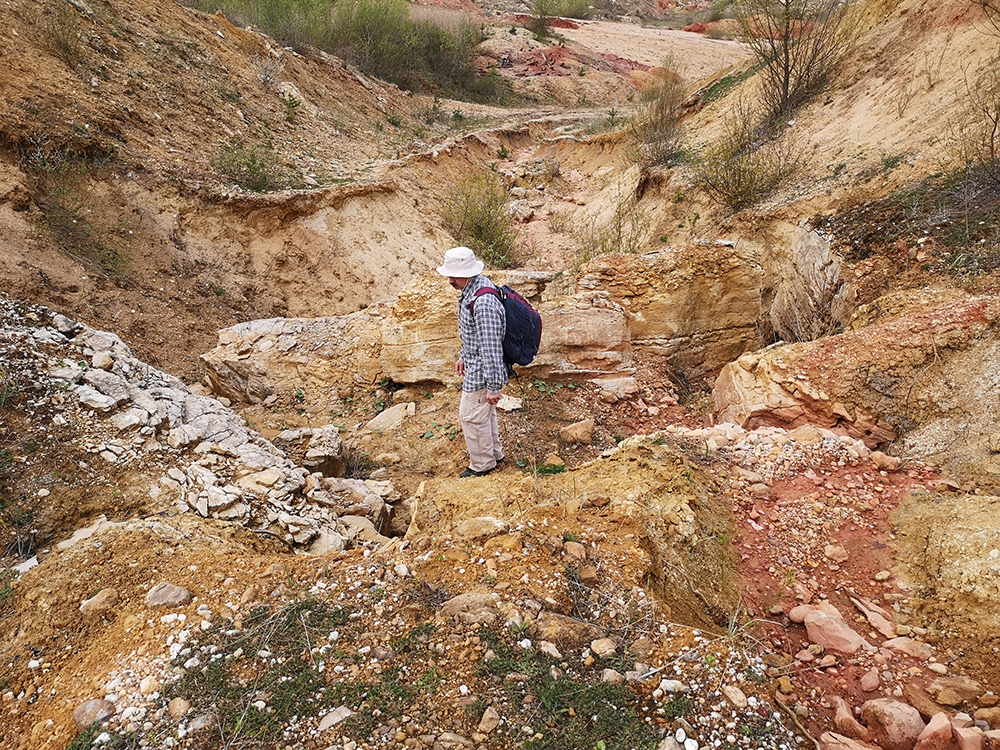
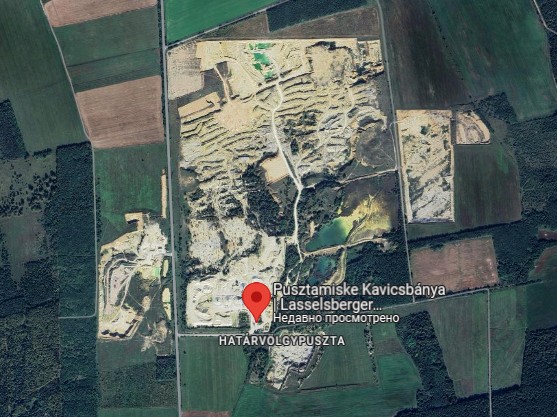
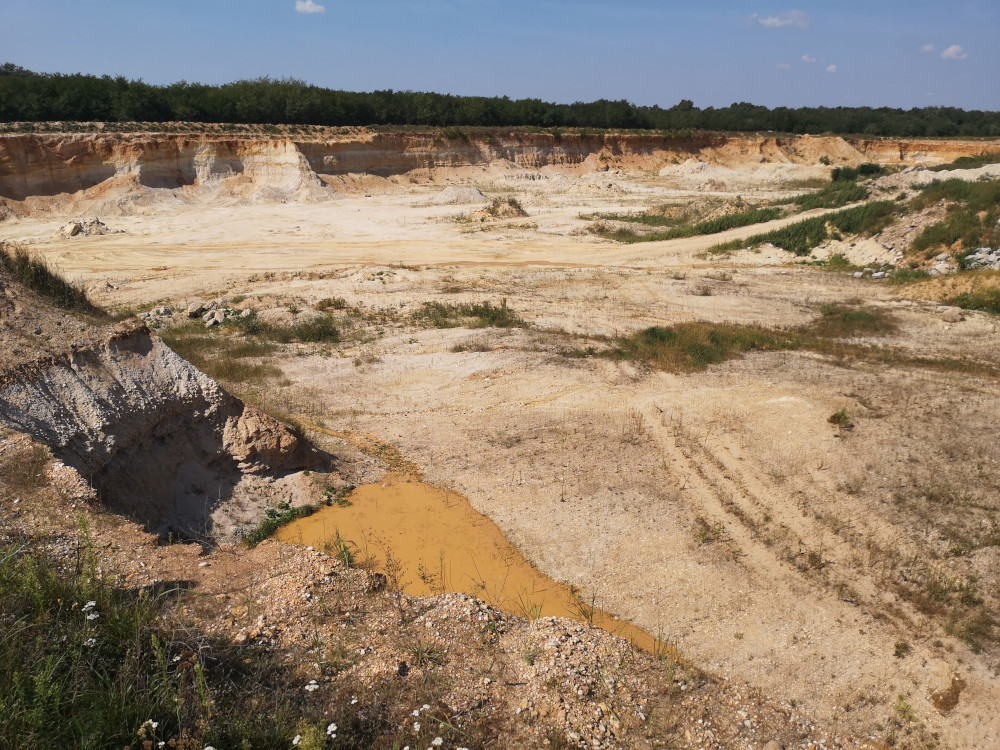
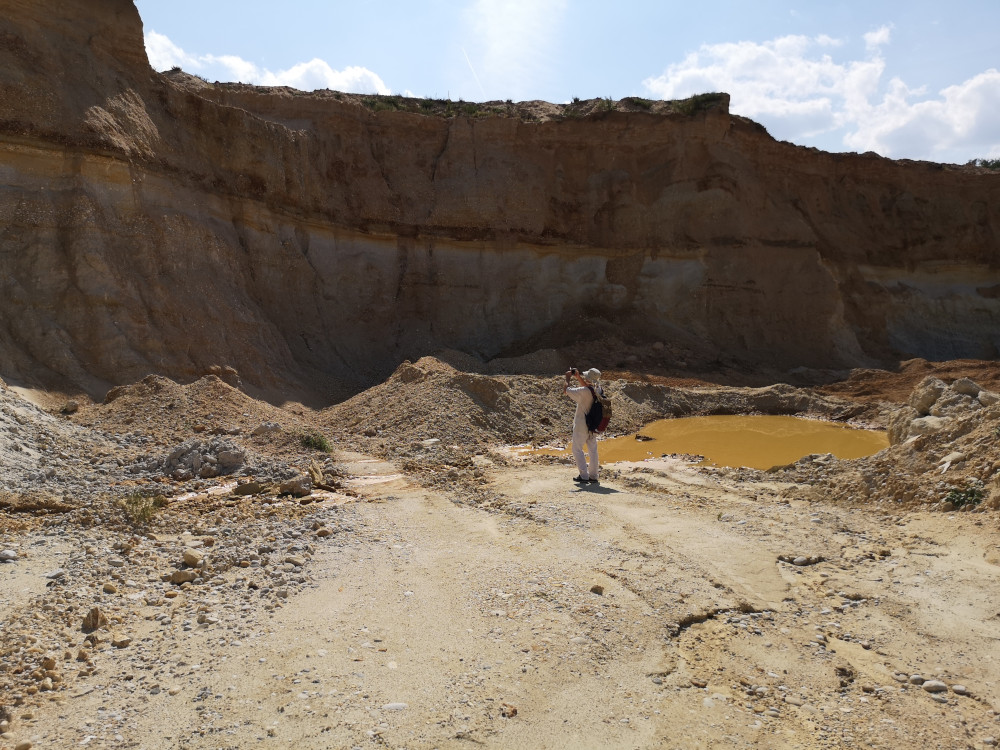
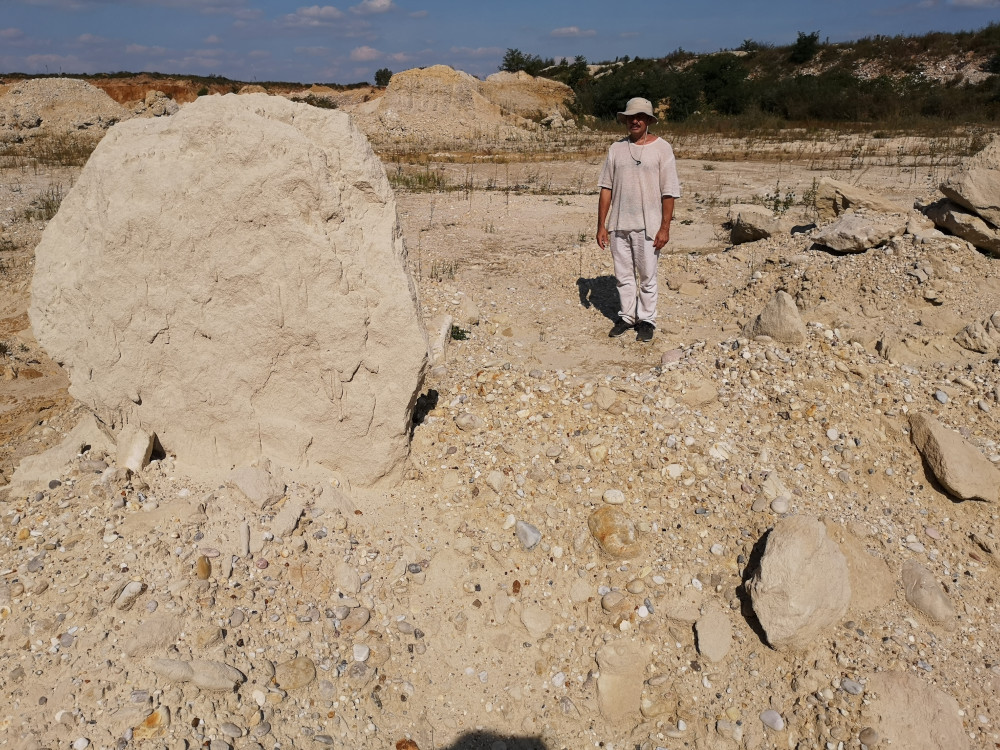
Pusztamiské Gravel Quarry is an active extraction site south of the village of Pusztamiske, Hungary. Parts of the quarry are still in operation, while others have already been abandoned.
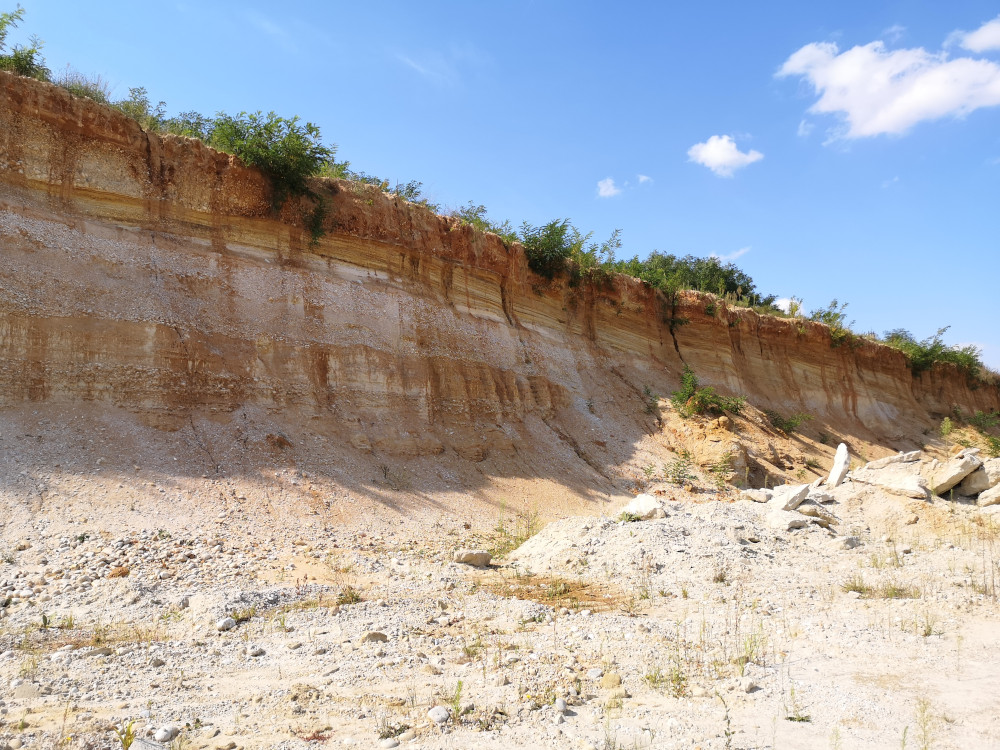
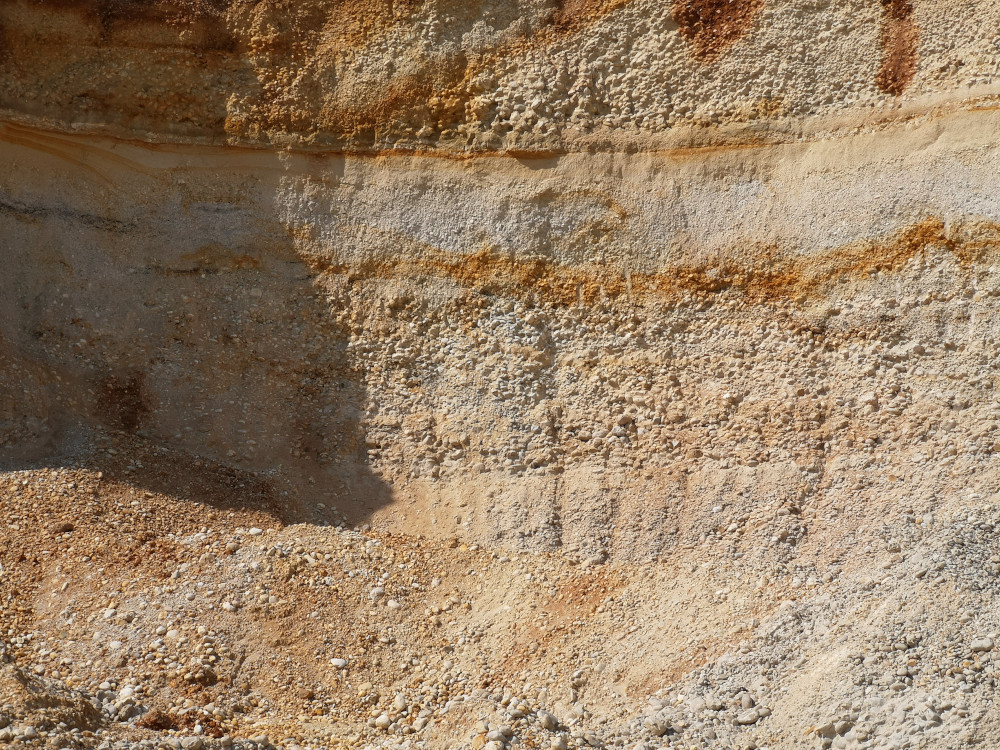
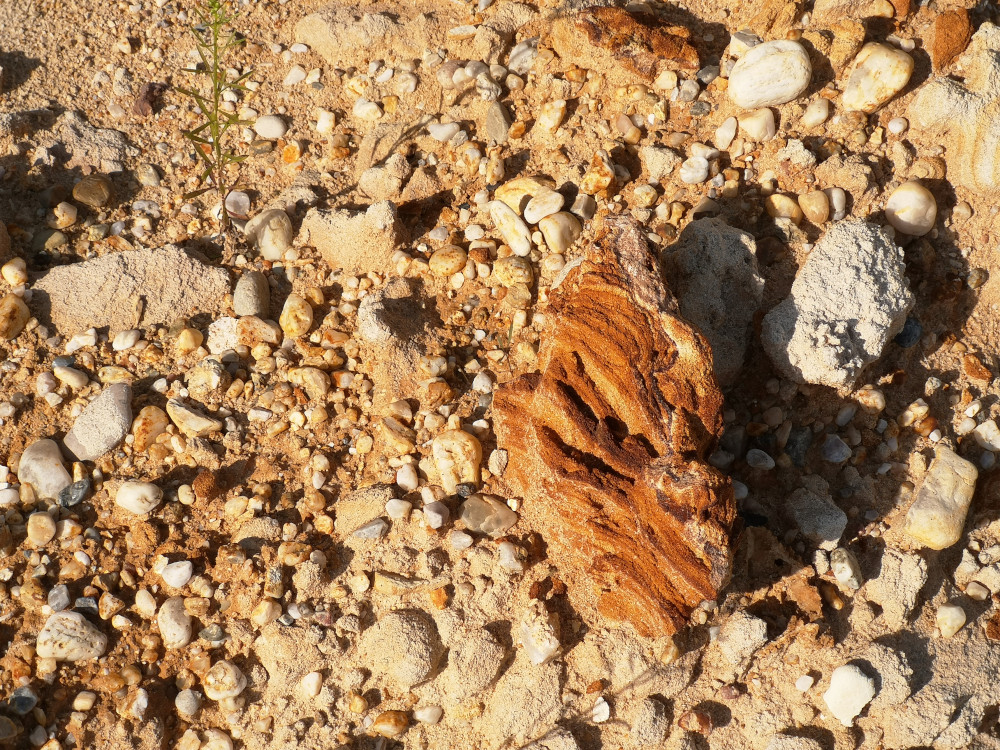
Its exposed walls reveal contrasting layers of white, ochre, orange, and pale sand. Beneath them lie traces of the Pannonian Sea: fossilised shells, sea urchins, corals, and other marine organisms preserved in the gravel and sand.
For R², these walls became a way of encountering geological time not as an abstract scale, but as something visible in colour, texture, movement, and material.
Walls the Color of Time
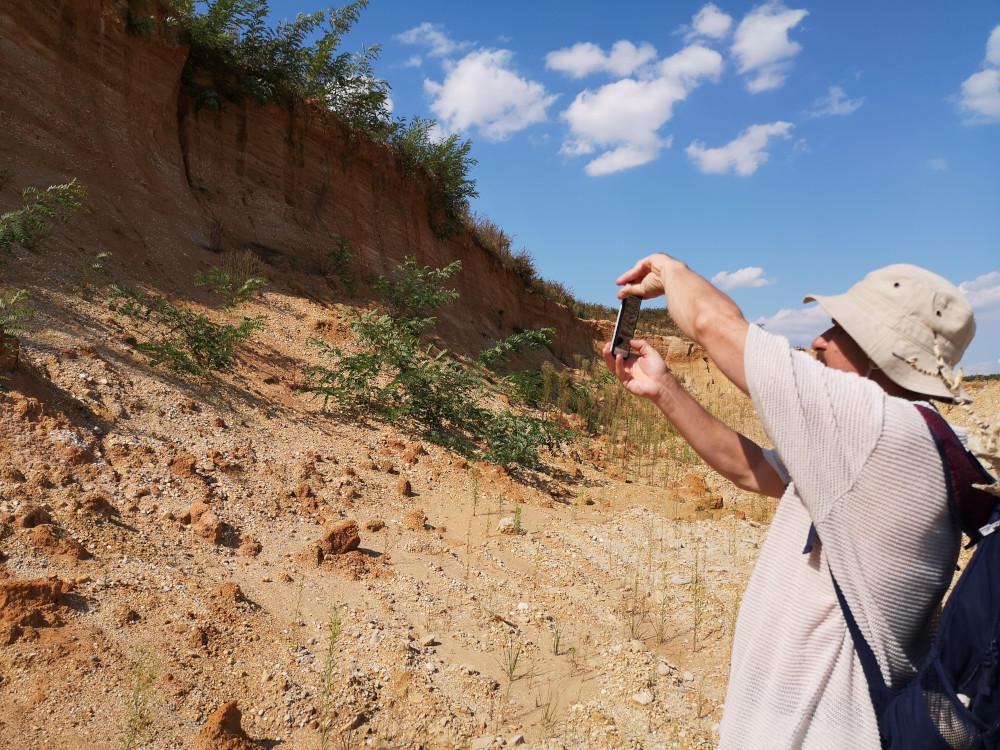
The exposed quarry walls became the starting point for a series of visual observations.
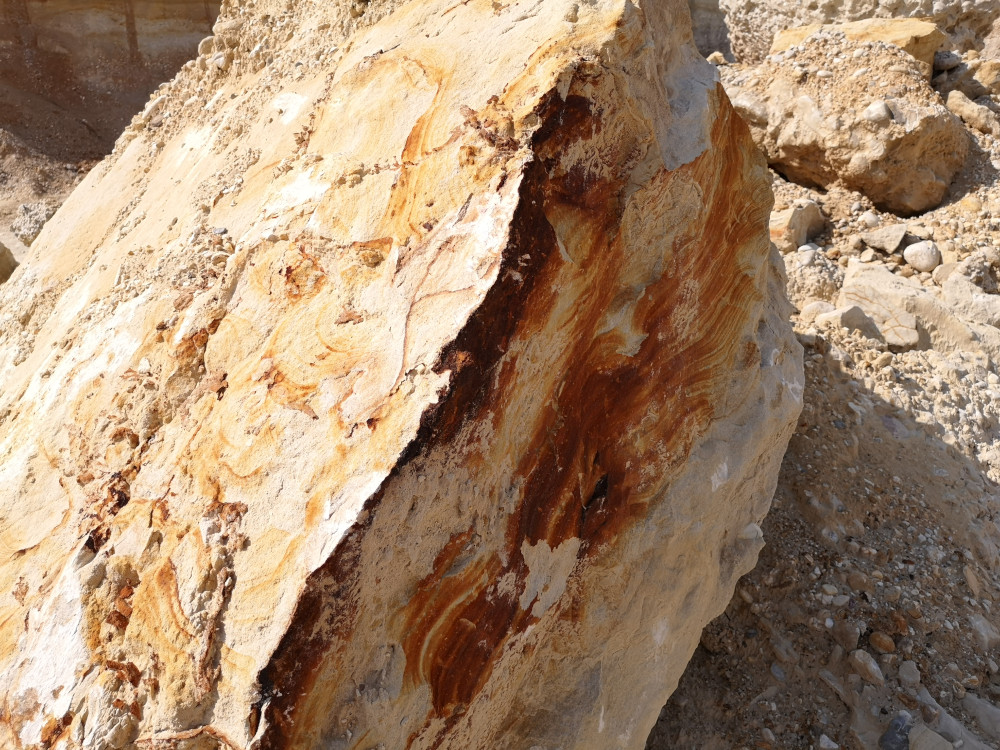
Their colours and structures record different layers of geological and human history. Ochre, limestone, sand, clay, and darker mineral traces form a landscape in which colour is not simply visual, but material evidence.
We observed the walls as changing surfaces rather than fixed images. Light moved across them, shadows altered their appearance, and the presence of bodies introduced another temporary layer.
Ritual with Shadows
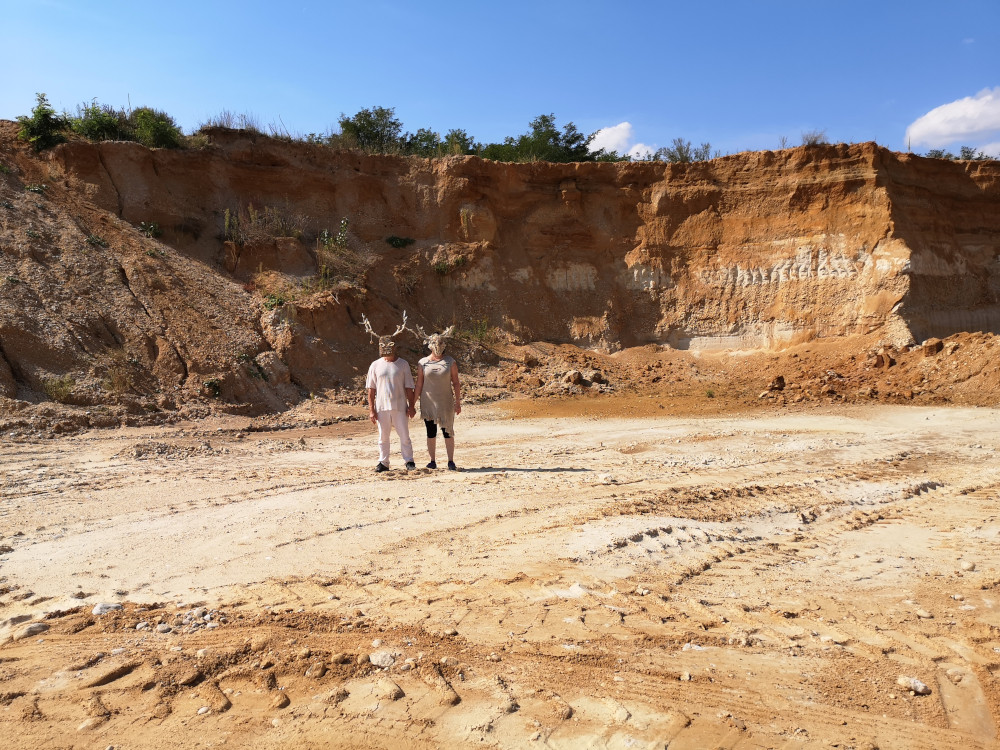
Among the tall orange and ochre walls, R² staged a performance with deer masks.
The figures moved slowly through the quarry, following the contours of the terrain and the changing light. The masks connected the action to the deer that inhabit the surrounding landscape, while the exposed strata placed the bodies within a much deeper temporal field.
The performance was not intended to reconstruct a historical scene or illustrate a myth. It was a way of being physically present in a landscape where geological time, industrial extraction, animal movement, and human perception meet.
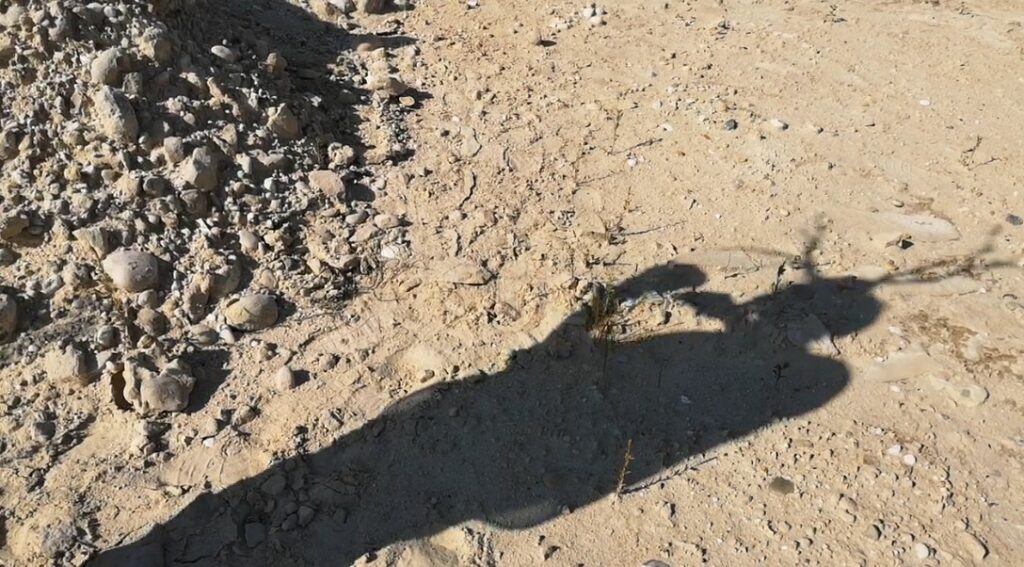
The shadows cast by the bodies became part of the work — temporary forms appearing on the sediment and disappearing as the light changed.
In the Deer’s Footsteps
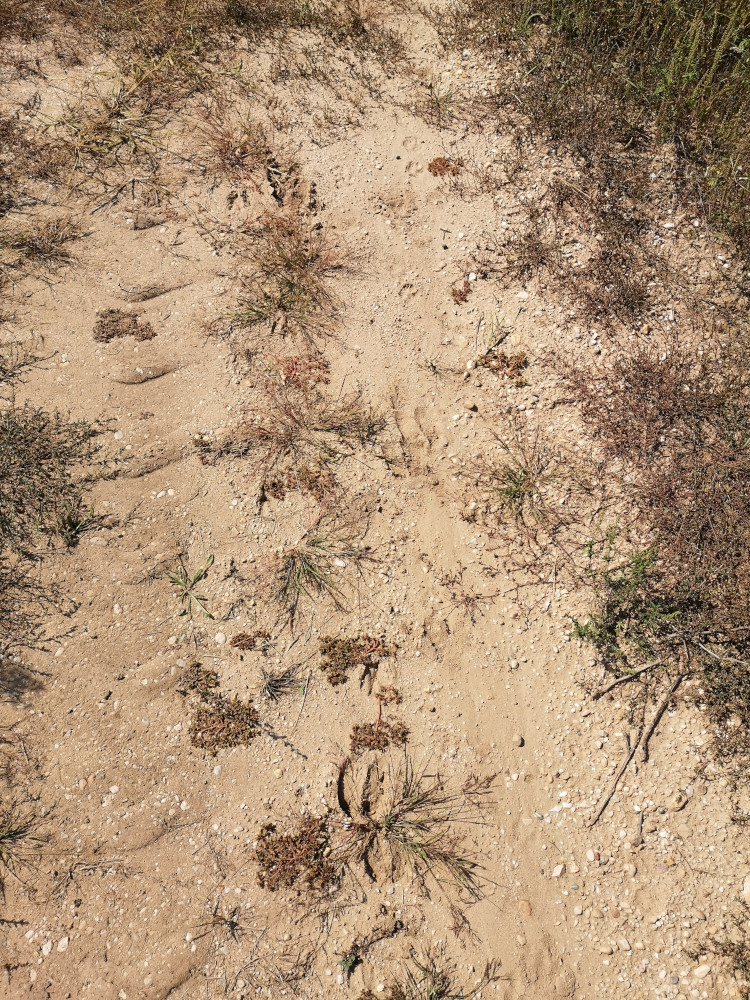
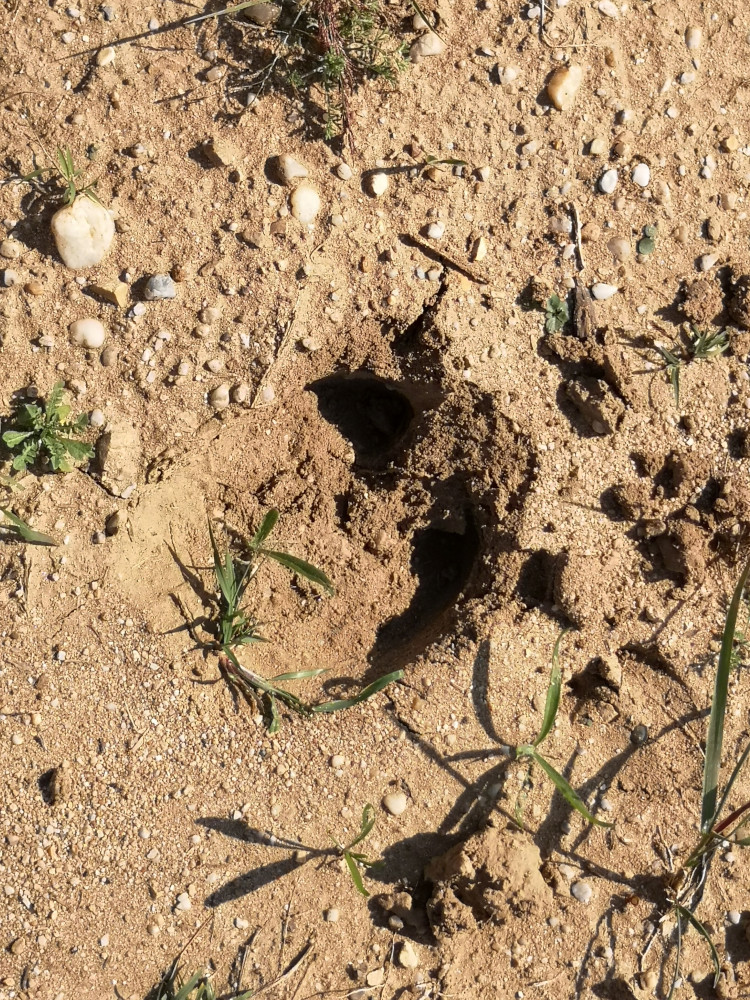
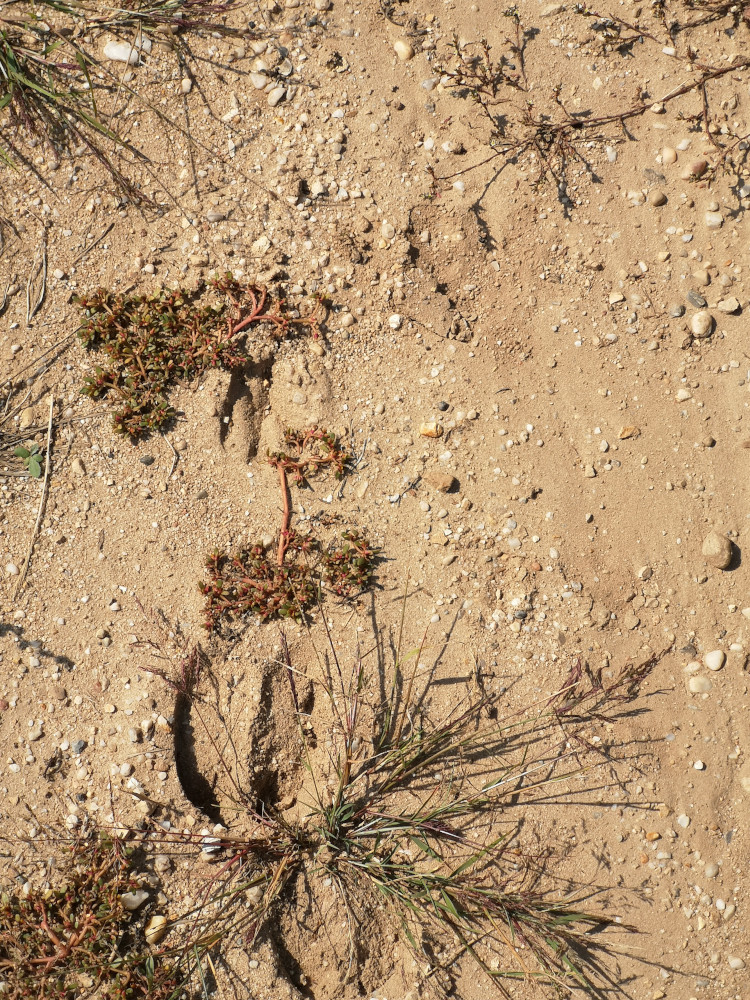
In an inactive section of the quarry, we discovered a trail of deer tracks crossing the exposed terrain.
The tracks followed a path up the slope and suddenly disappeared.
This encounter became the starting point for the video In the Deer’s Footsteps.
The work follows a trace that leads beyond what can be seen, turning the landscape into a space of uncertainty, encounter, and return.
In the Deer’s Footsteps Video Director & Camera: Marina Razheva Actor: Dmitry Razhev Editing & Color: Sasha Snova Music: Vladimir Razhev
The Thread
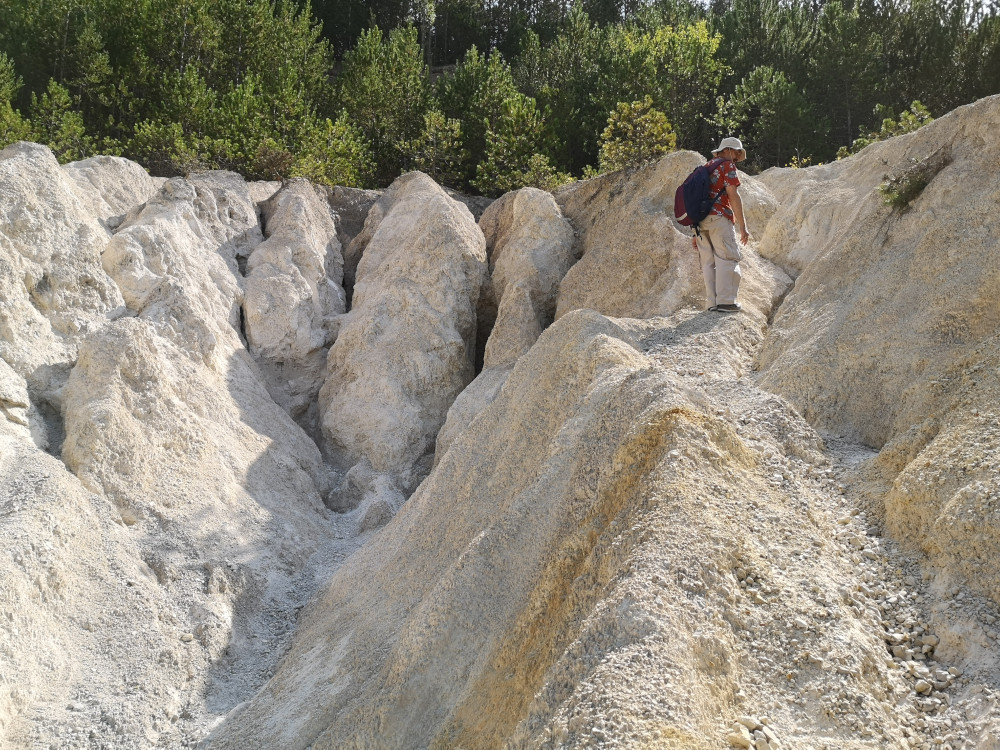
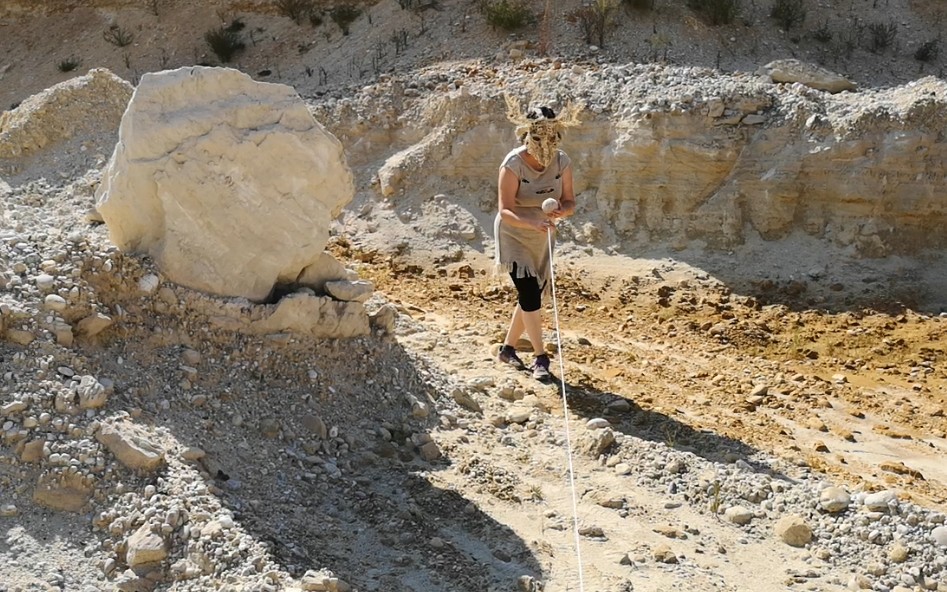
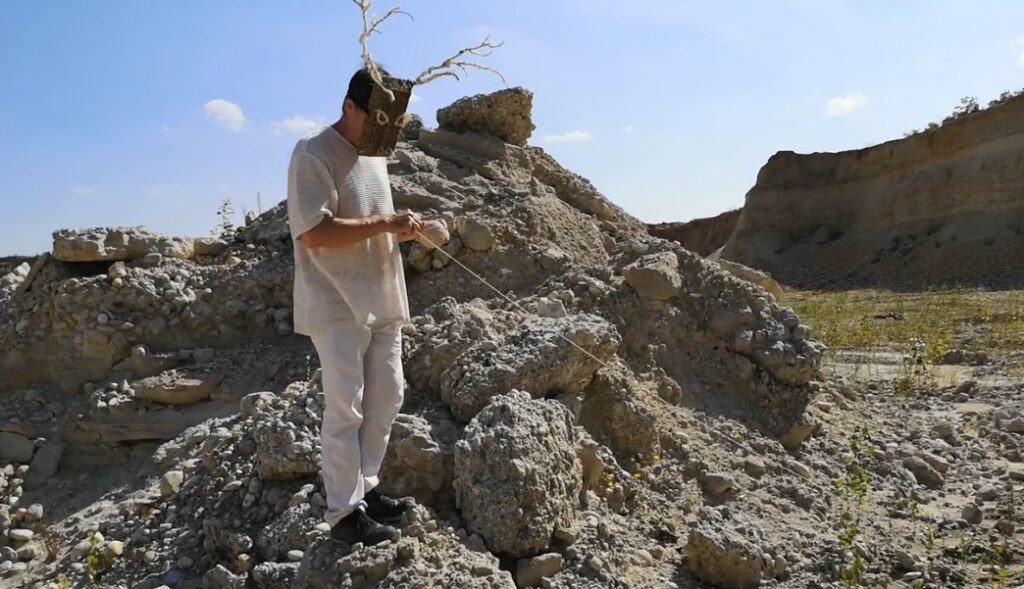
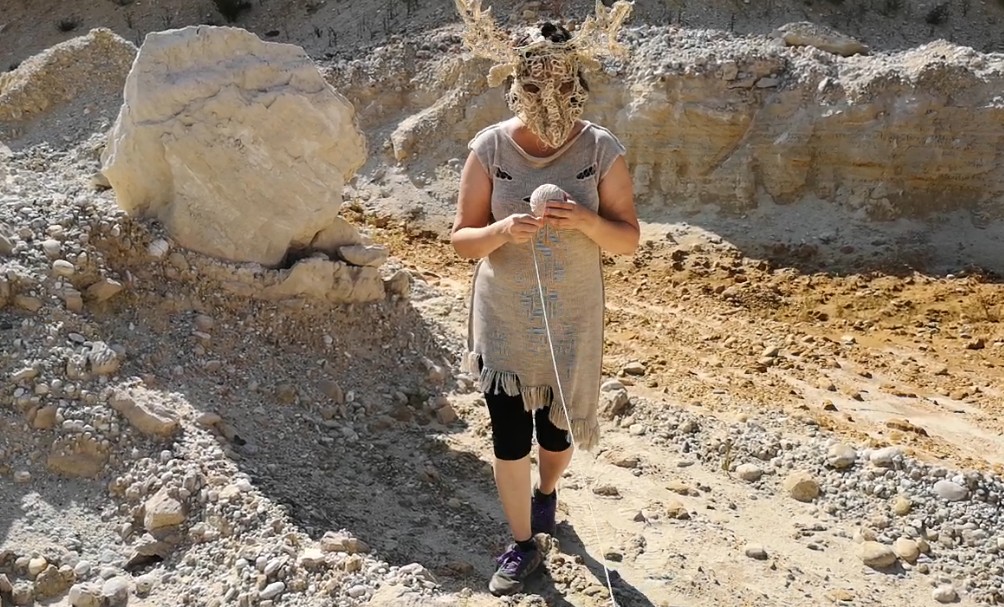
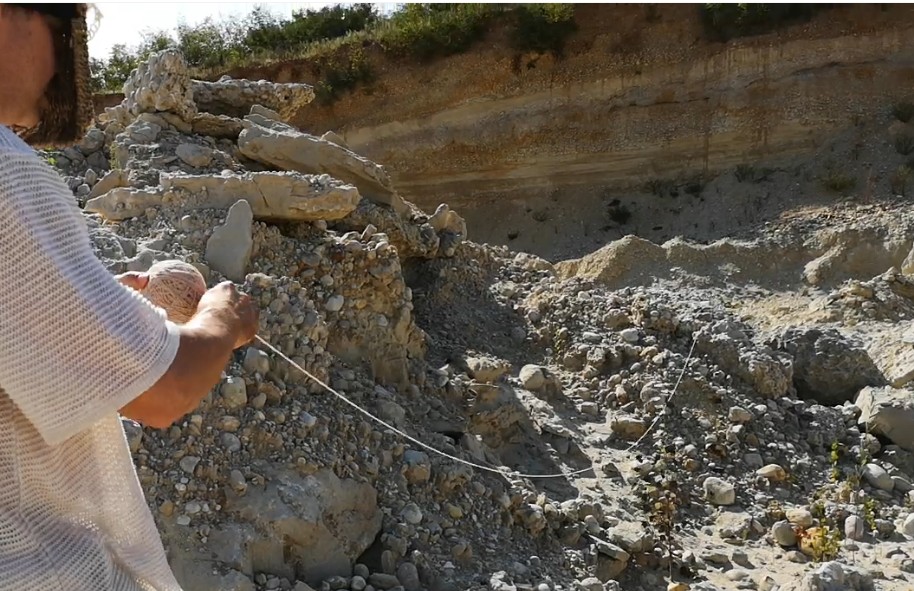
Another part of the quarry formed a landscape of pale sand mounds resembling a soft labyrinth.
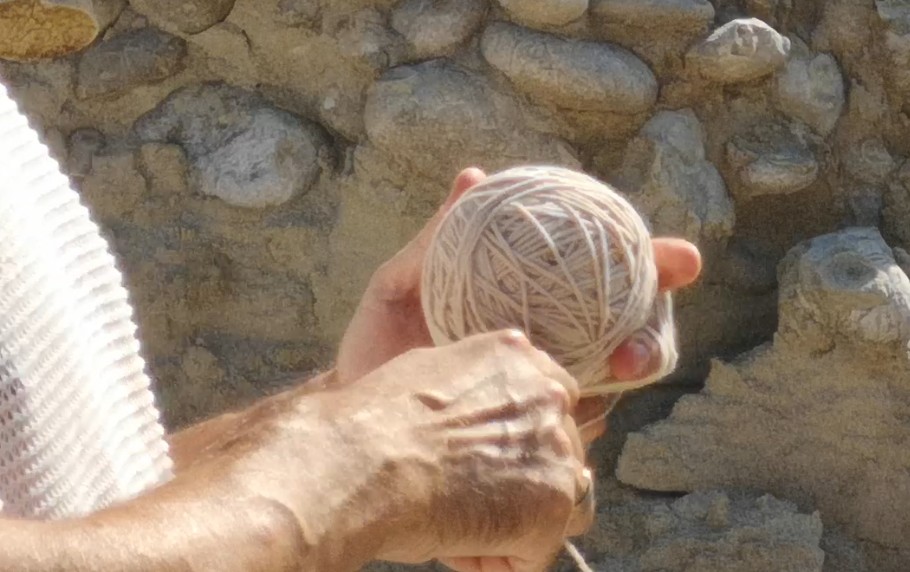
Here, the thread became a line of movement through the terrain — a fragile connection between two presences approaching each other from opposite directions.
Rather than illustrating a predetermined story, the action allowed the physical structure of the quarry to become part of the work. The landscape itself determined the path, the distance, and the eventual encounter.
The Thread Video Directors & Camera: Marina & Dmitry Razhev Editing & Color: Sasha Snova Music: Vladimir Razhev
Revealed Realism
Pusztamiské became an example of how Revealed Realism works through attention rather than predetermined form.
The quarry offered the walls, the colours, the tracks, the shadows, the labyrinth-like terrain. Each became a starting point for a different action.
The works did not seek to add meaning to the landscape, but to enter into what was already present and allow its conditions to redirect the artistic process.
The quarry was not a backdrop. It was the condition of the work.
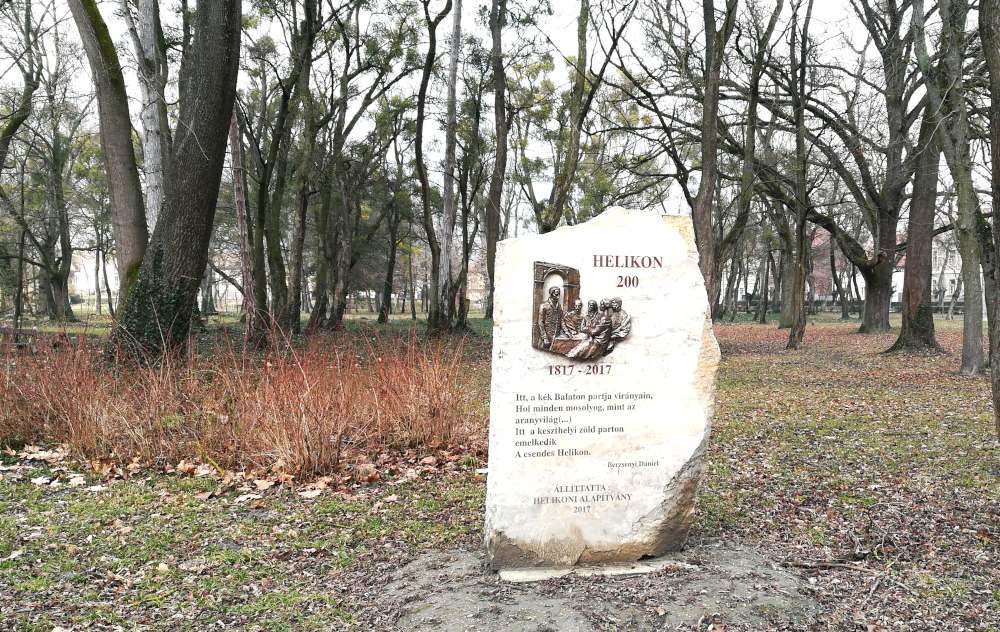
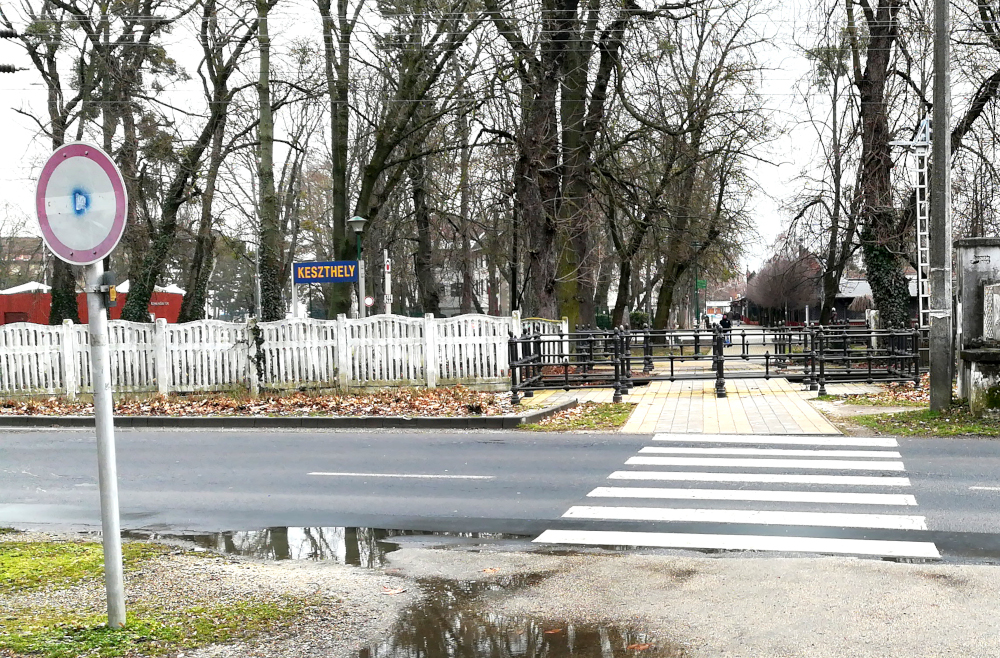
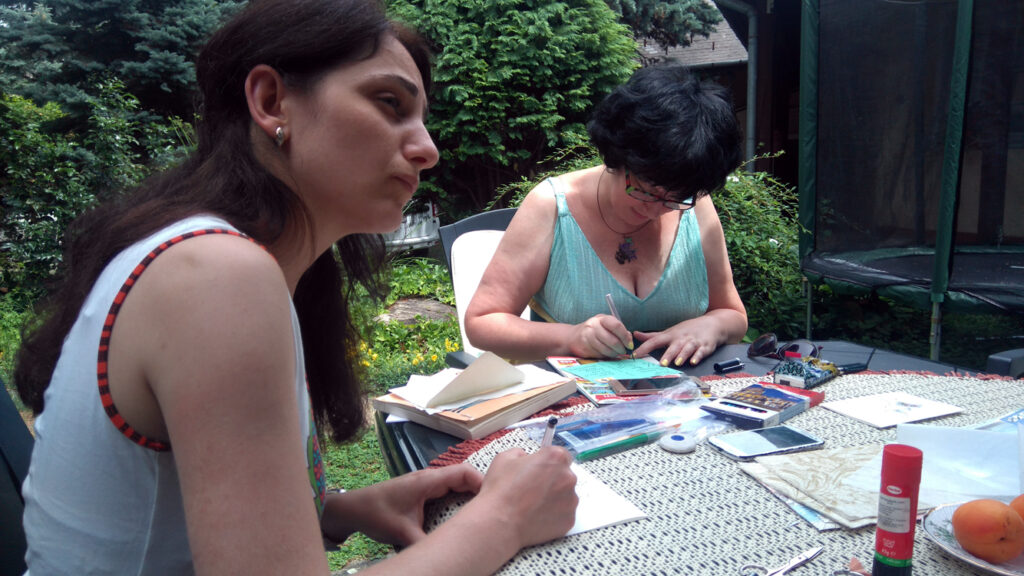
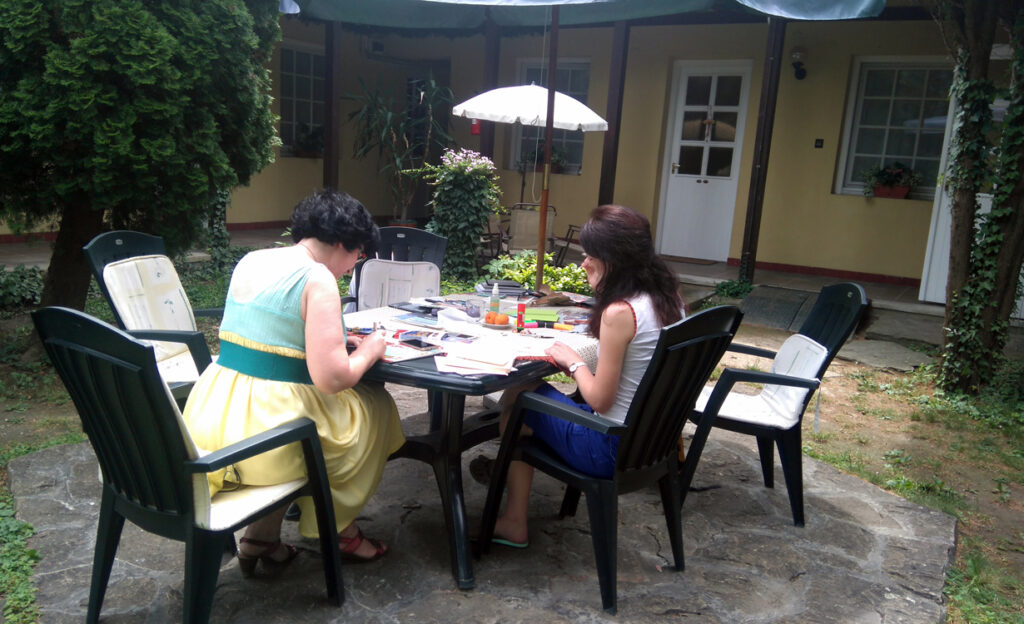
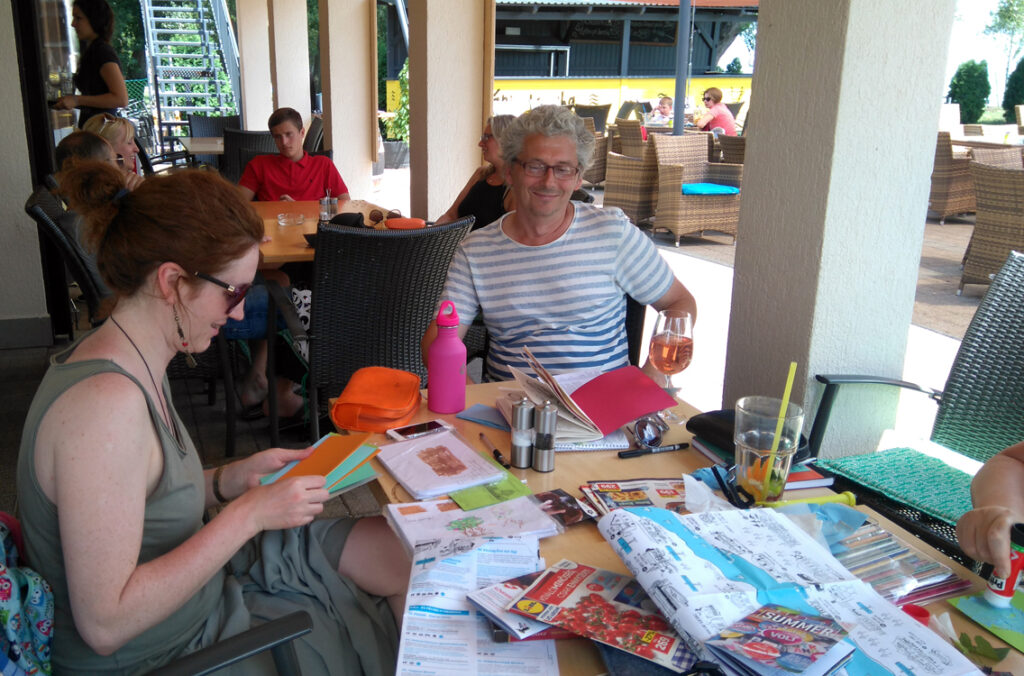
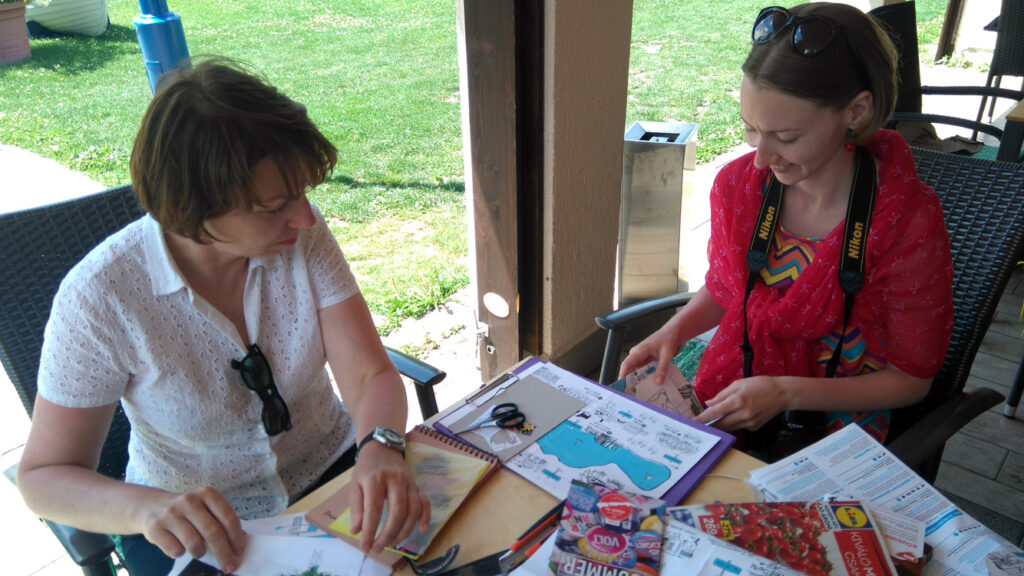
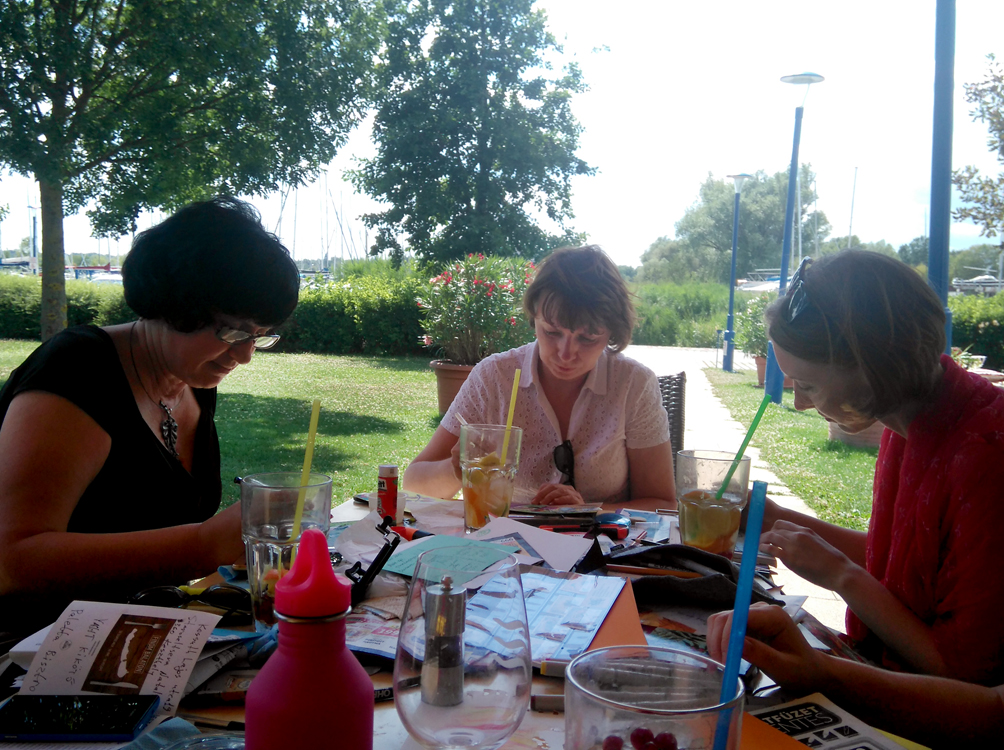
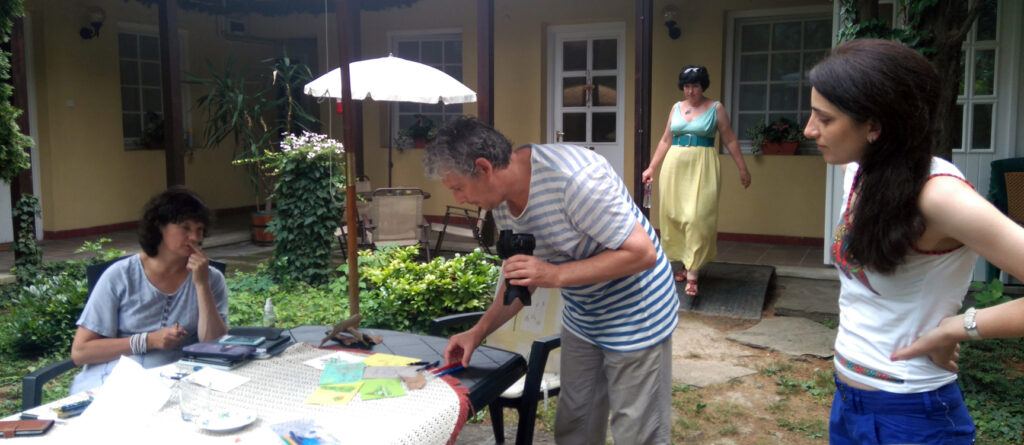
Design of Remembrance was explored as a practical method during workshops held in Keszthely, Hungary, in 2017.
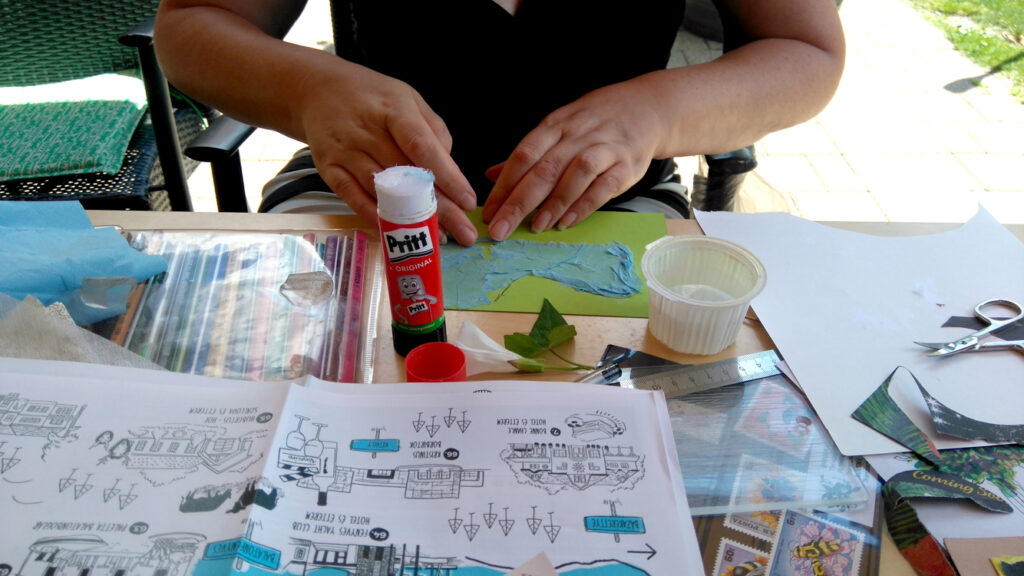
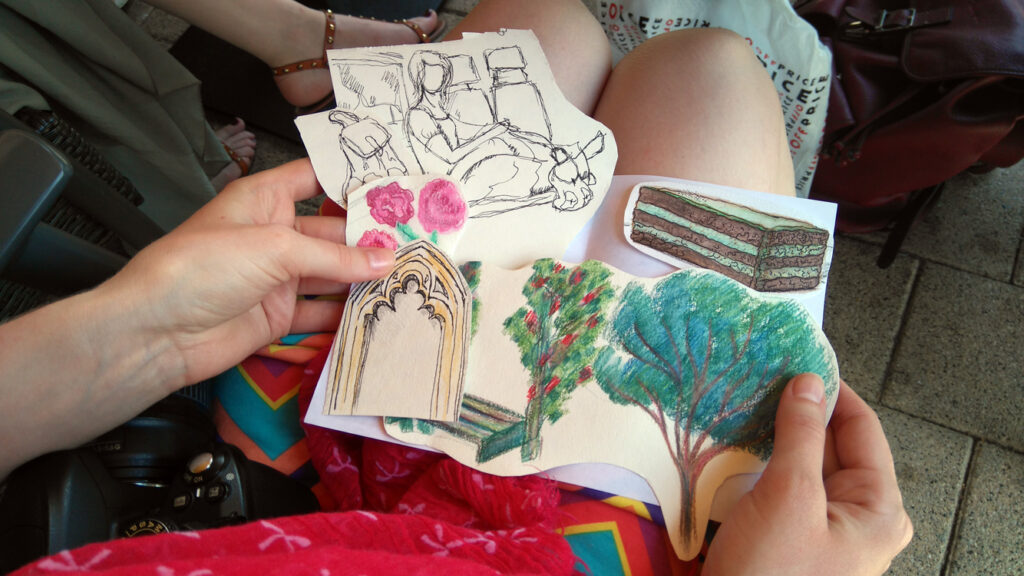
The workshops grew from a simple observation: journeys often leave behind a collection of small material traces — notes, sketches, tickets, receipts, wrappers, maps, photographs, and other fragments. Each may carry a particular moment, but their connections can become difficult to recall over time.
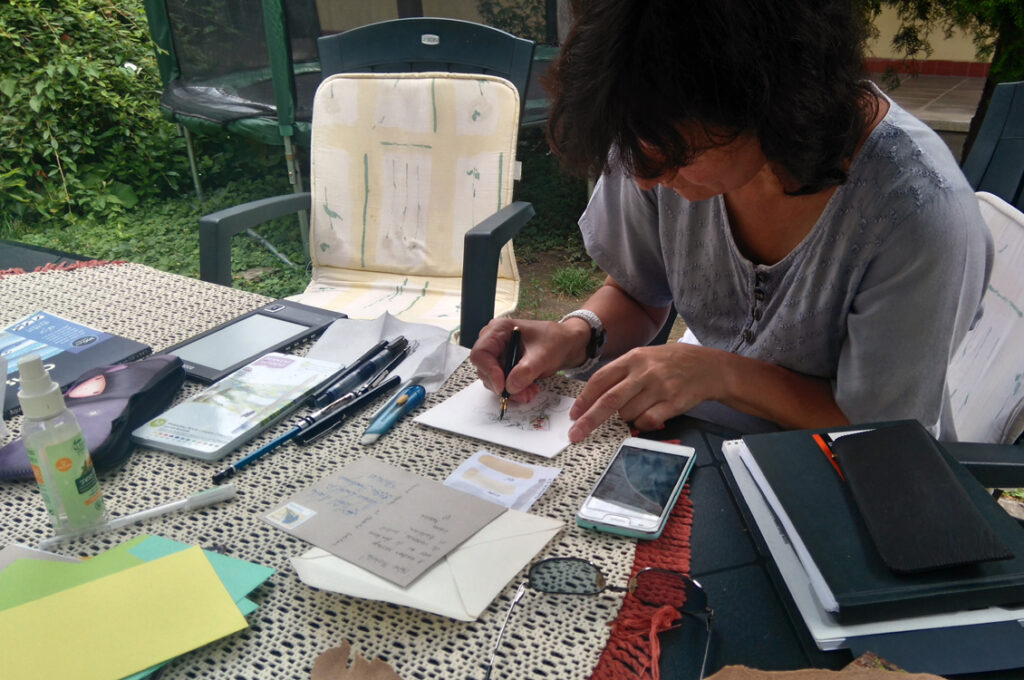
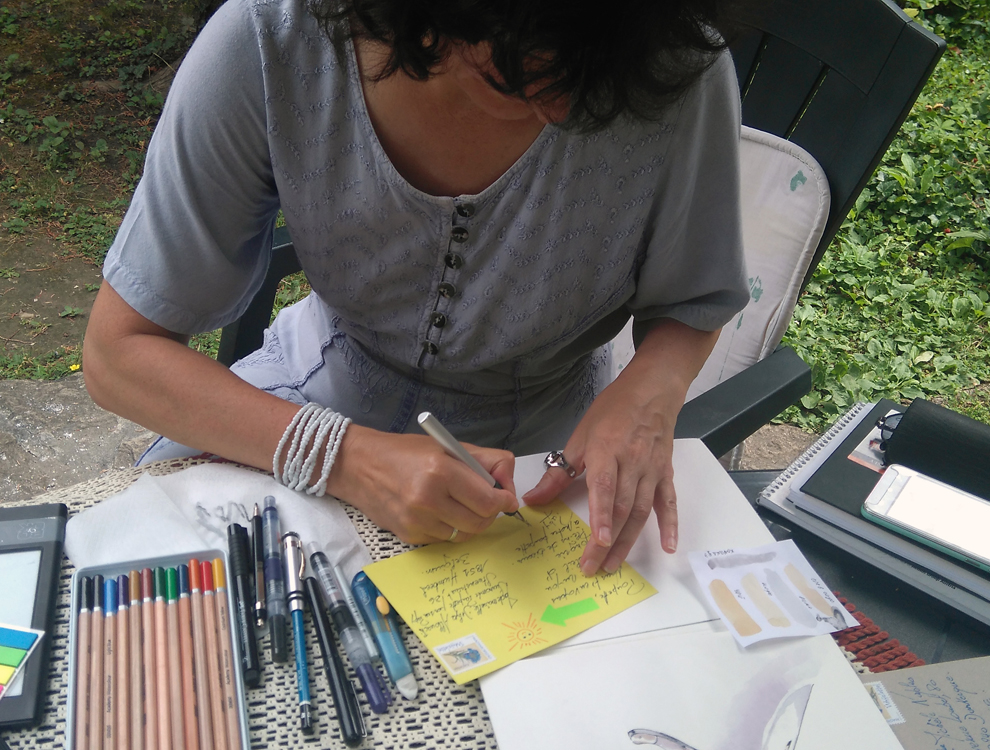
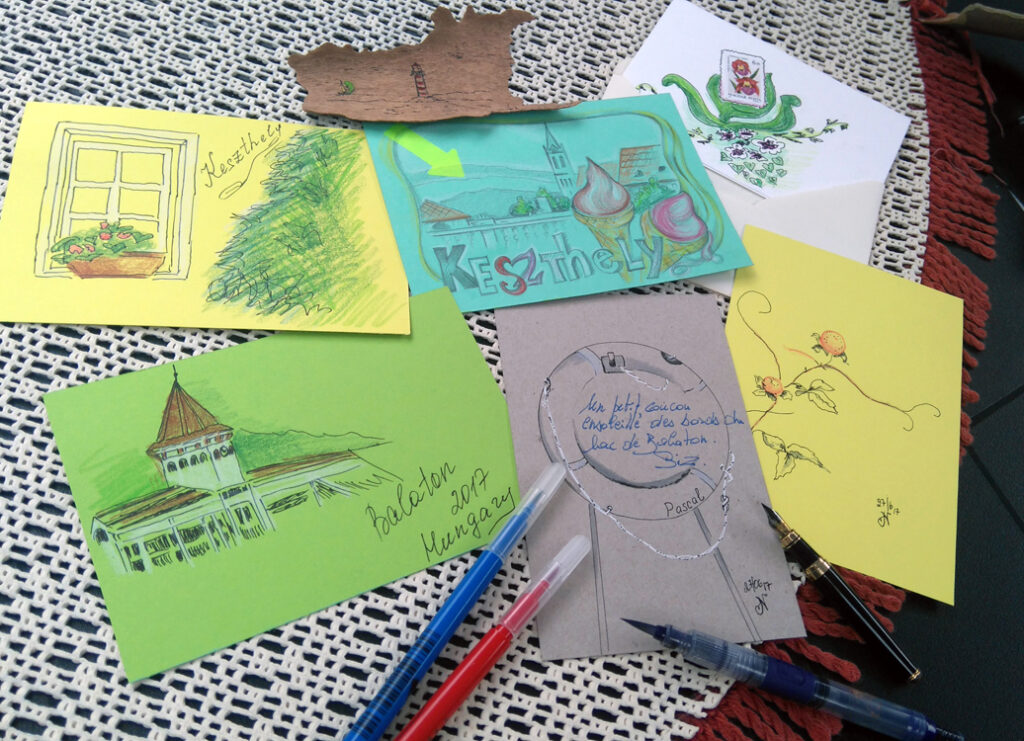
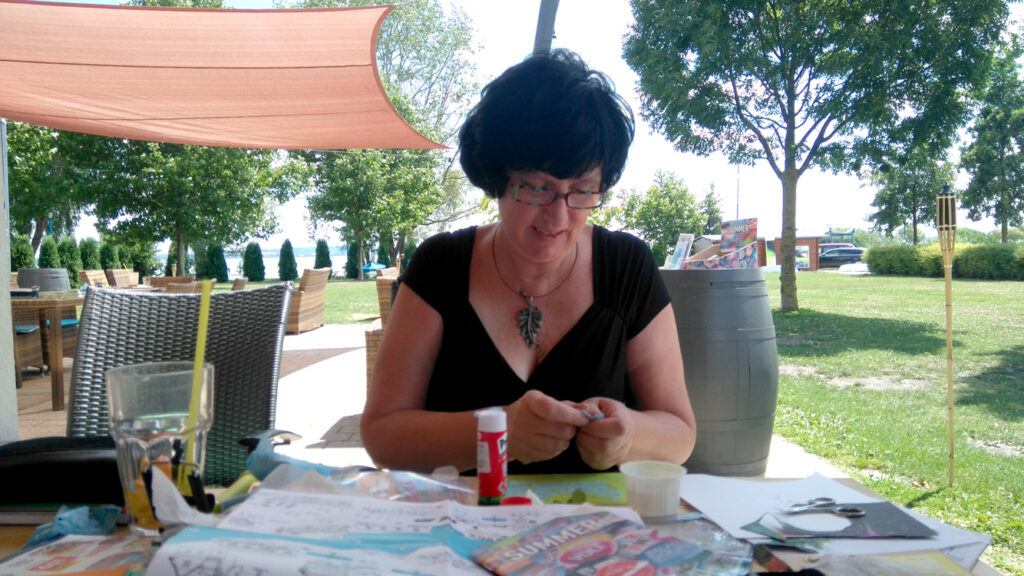
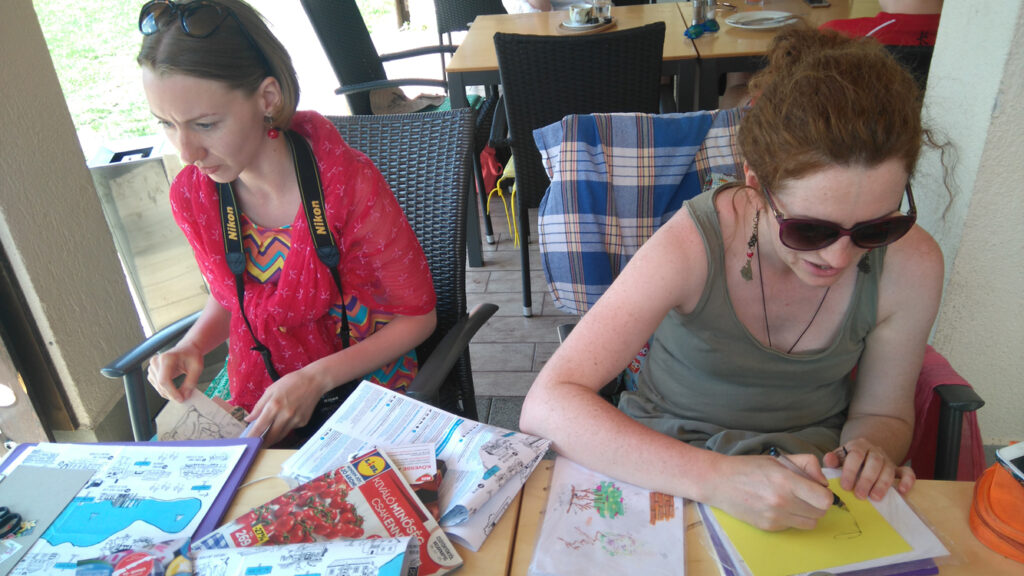
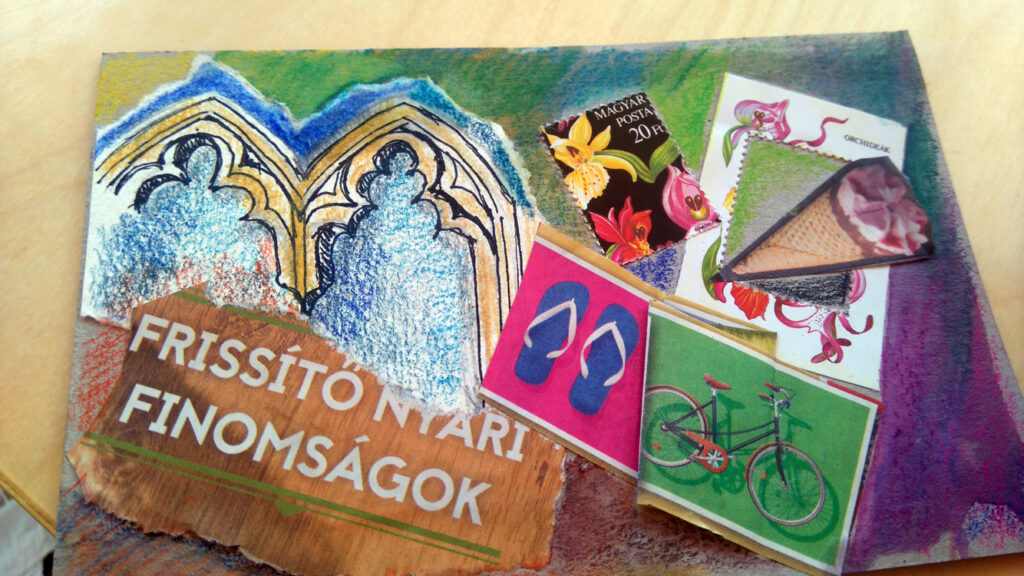
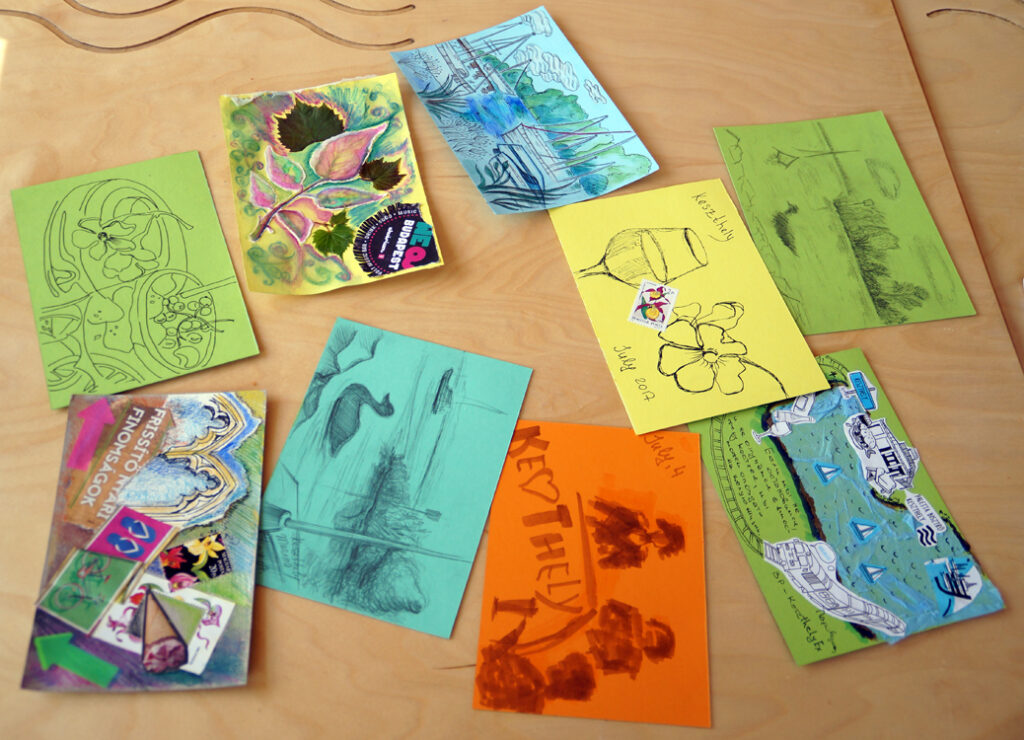
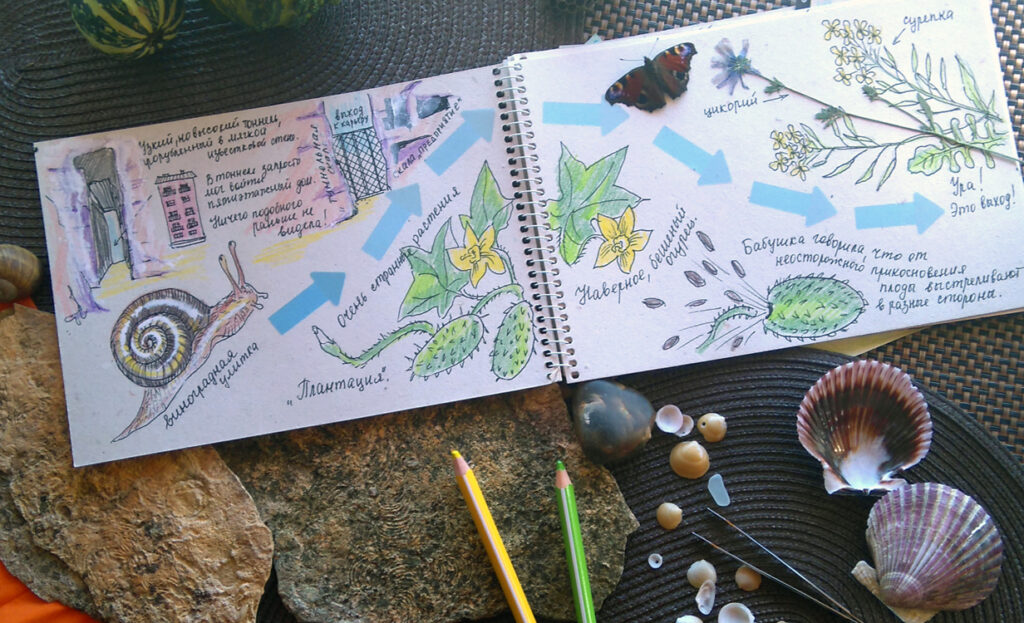
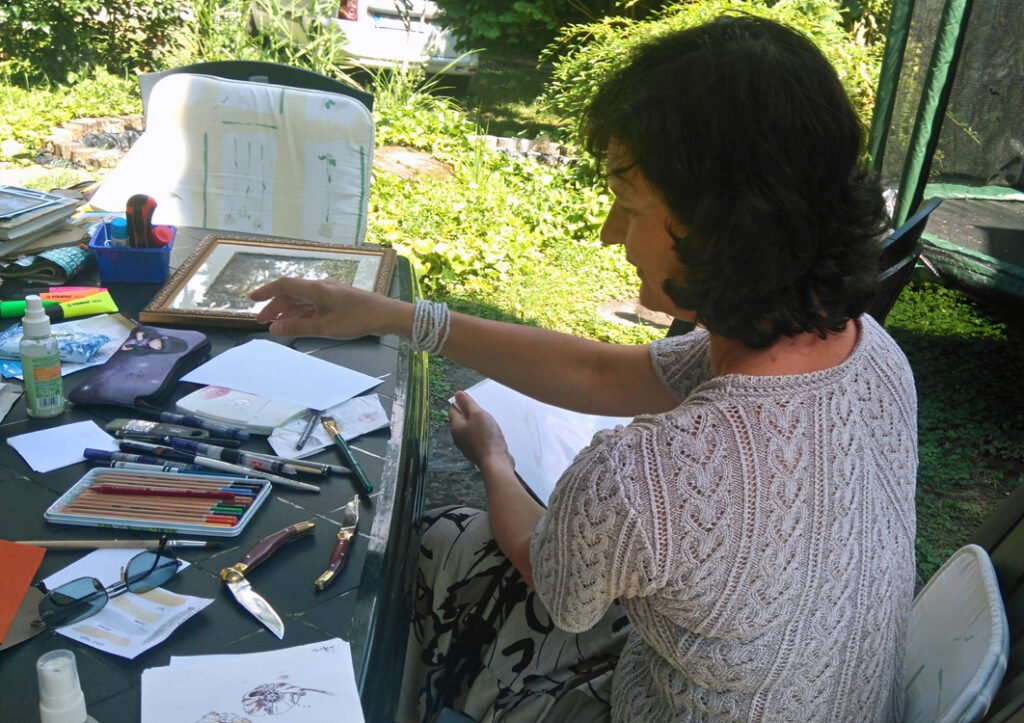
The workshop introduced ways of collecting, organizing, and transforming these fragments into personal visual narratives. Participants worked with mnemonic keys, sketching, writing, composition, and simple design techniques to create handmade travel books and postcards.
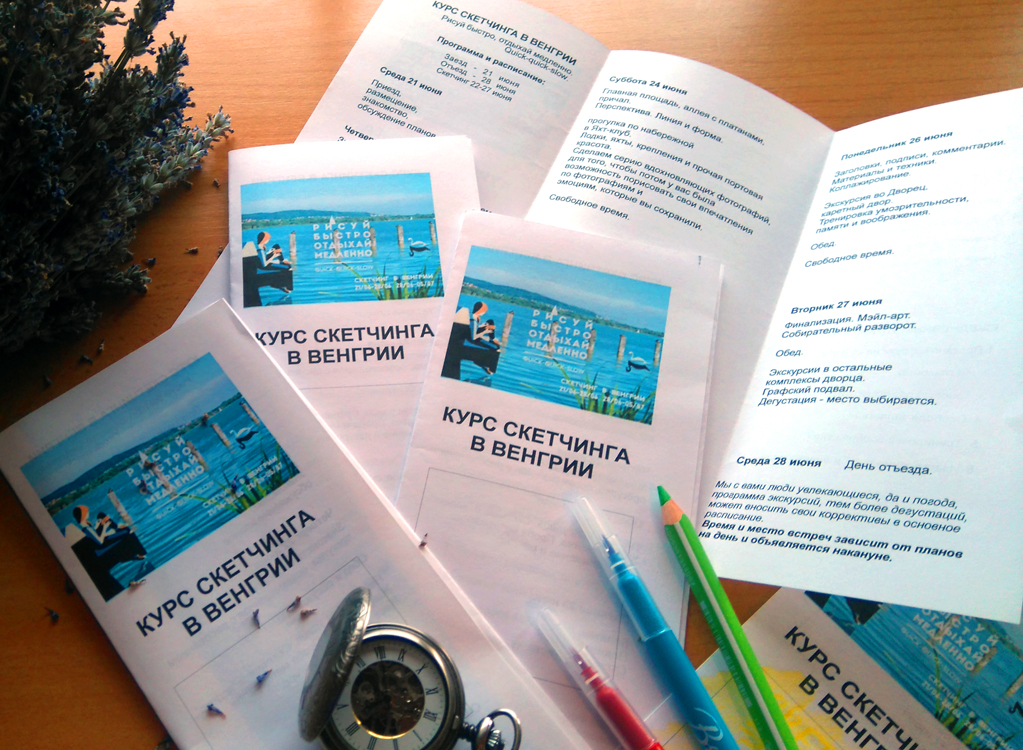
The workshops were held twice in the summer of 2017 in Keszthely, Hungary, as part of a sketching course at Lake Balaton organized by Natalia Staroseltseva and Konstantin Kashin.
From the Author
It is a universal and ancient human habit to collect things — to keep a small piece of something “as a keepsake.”
After a journey, our pockets and bags may be filled with notes and sketches, candy wrappers, receipts, tickets, maps, brochures, and other fragments. Some remain meaningful years later. Others become difficult to recognize or understand.
A museum ticket, a café receipt, a sketch, a map, or a simple note such as “Today I walked along the black pine alley” can sometimes bring a journey back with remarkable precision. These small traces preserve details that memory alone may eventually lose.
Workshop Materials & Applications
Introduction to MEMORY DESIGN: Sketching Techniques for Creating Travel Books and Mail Art — A practical module on collecting artifacts, working with mnemonic keys, and creating visual connections between fragments of an experience.
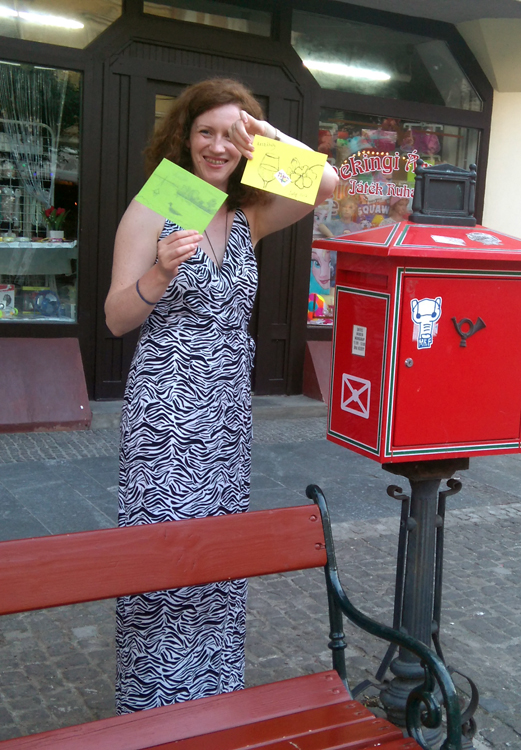
Travel Stories & Mail Art — Participants created handmade travel journals and “from you to you” postcards — tangible records of personal journeys.
Application in Book Illustration — The method was also applied to book design and narrative illustration, including work for E. Solovyova’s book Margarita Goes to the Sea, illustrated by Marina Razheva.
Illustrations for E. Solovieva’s book “Margarita Goes to the Sea,” by M. Razheva
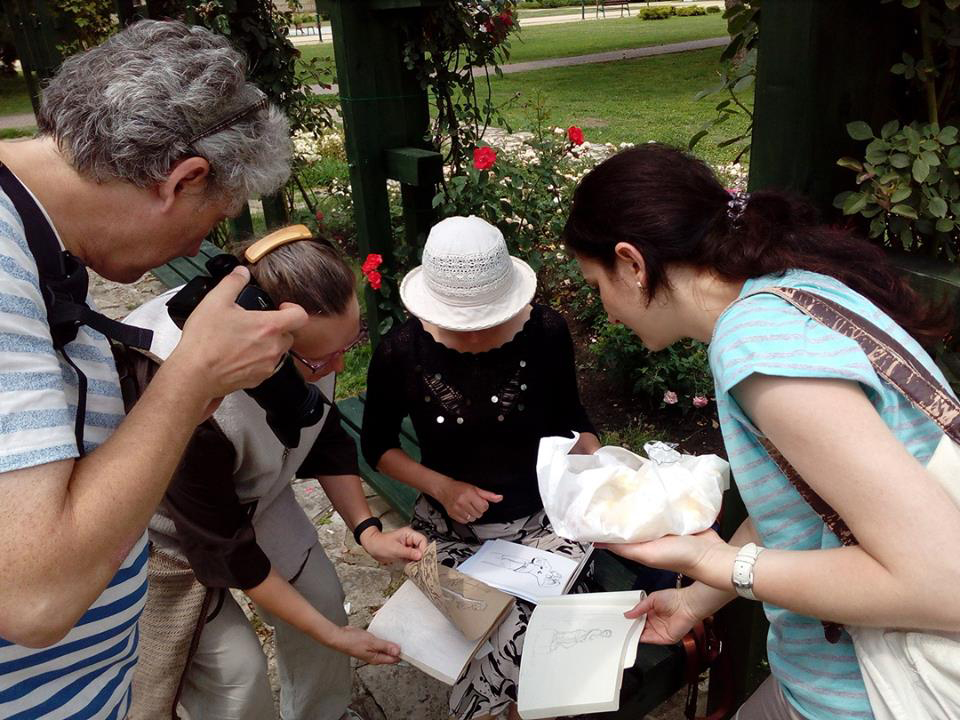
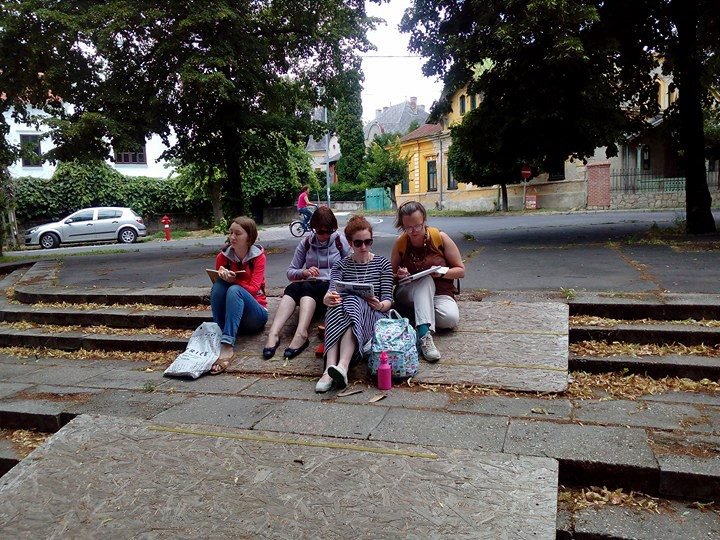
Urban sketching and creative practice within a slow-life travel programme on the shores of Lake Balaton.
Art trainer: Marina Razheva Organizers: Konstantin Kashin and Natalia Staroseltseva
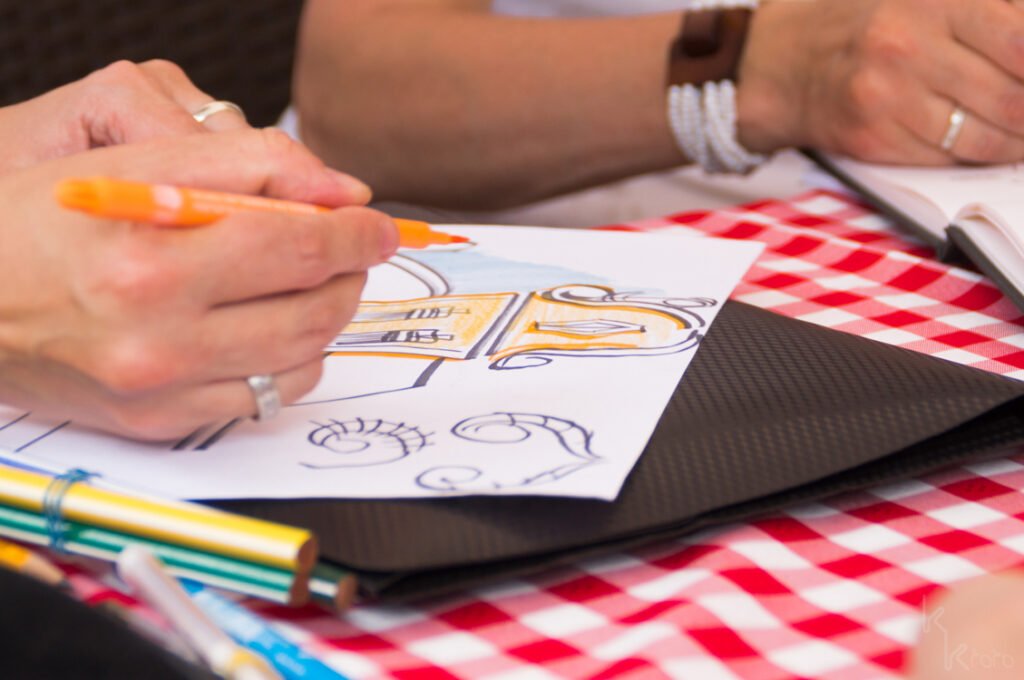
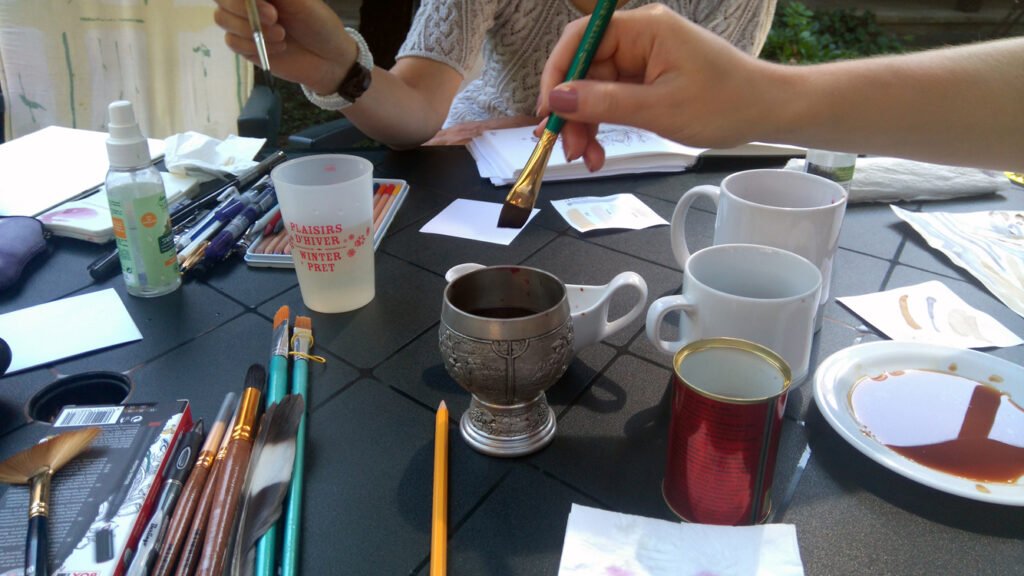
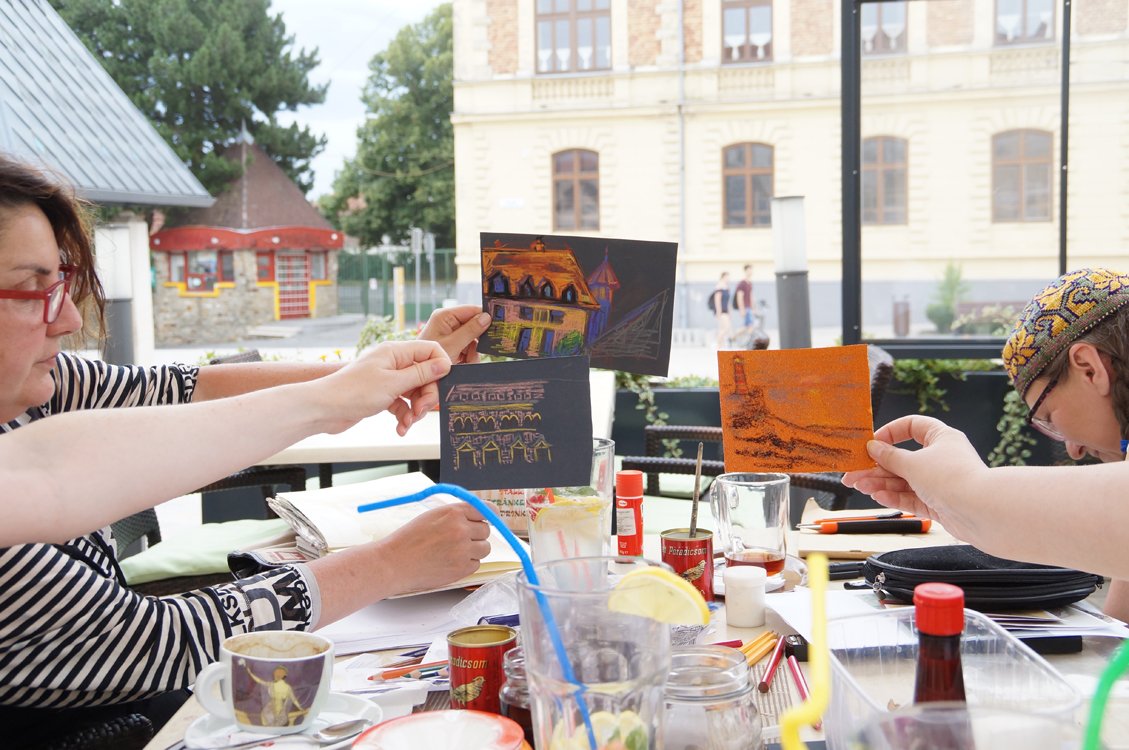
The programme combined urban sketching, travel and experimentation with unconventional drawing materials. Participants worked with pencils, markers and liners on paper, sandpaper, stone and bark, and experimented with natural and everyday materials including tea, coffee, wine and soy sauce.
The emphasis was not on technical perfection but on observation, curiosity and the freedom to experiment — drawing quickly while allowing the experience of the place to unfold slowly.
22–27 June and 29 June–5 July 2017 Keszthely–Hévíz, Hungary
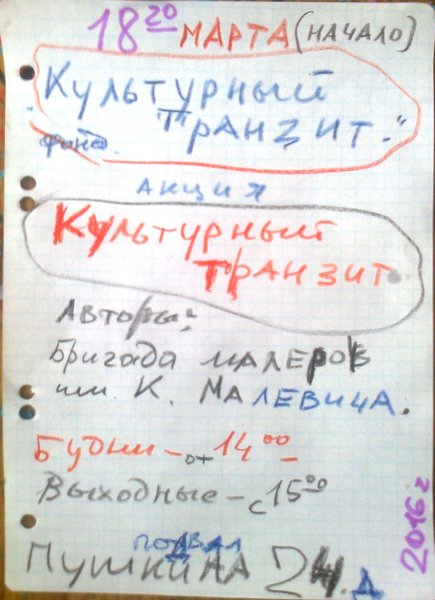
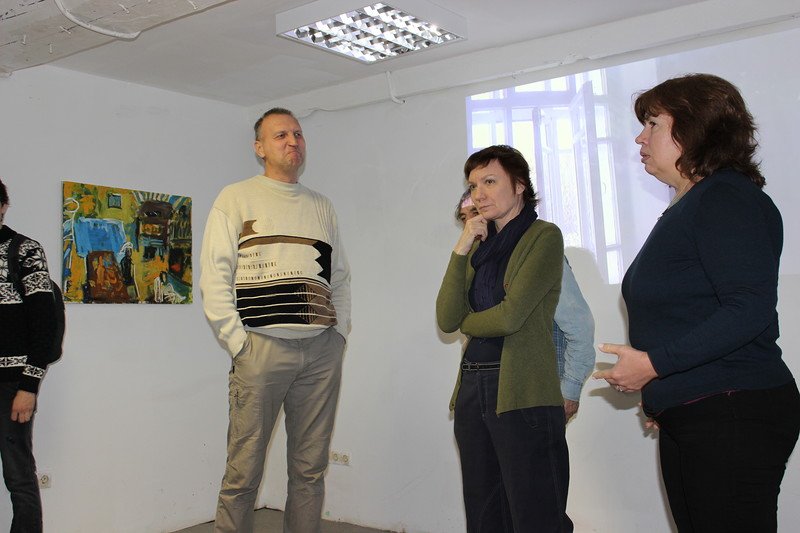
Venue: Cultural Transit Foundation, Yekaterinburg, Russia Dates: 14–18 March 2016 Group: Kazimir Malevich’s Malers’ Brigade
From Waste Back into Art
The exhibition began with something found and discarded.
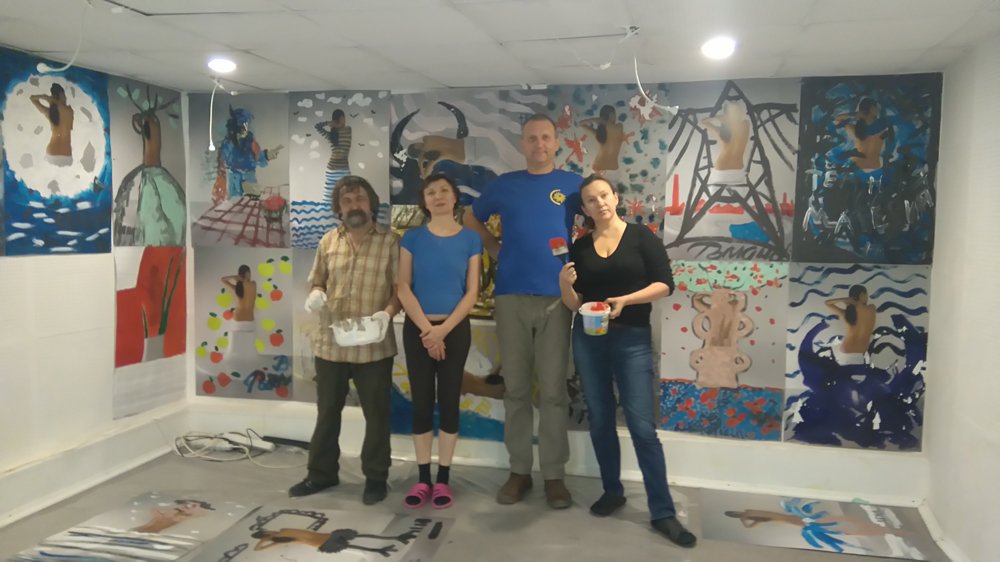
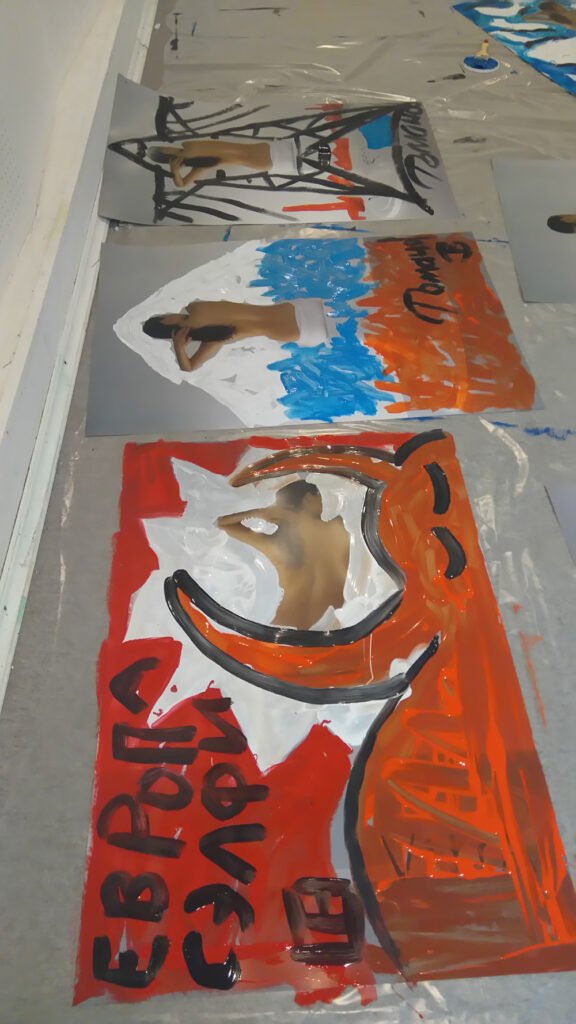
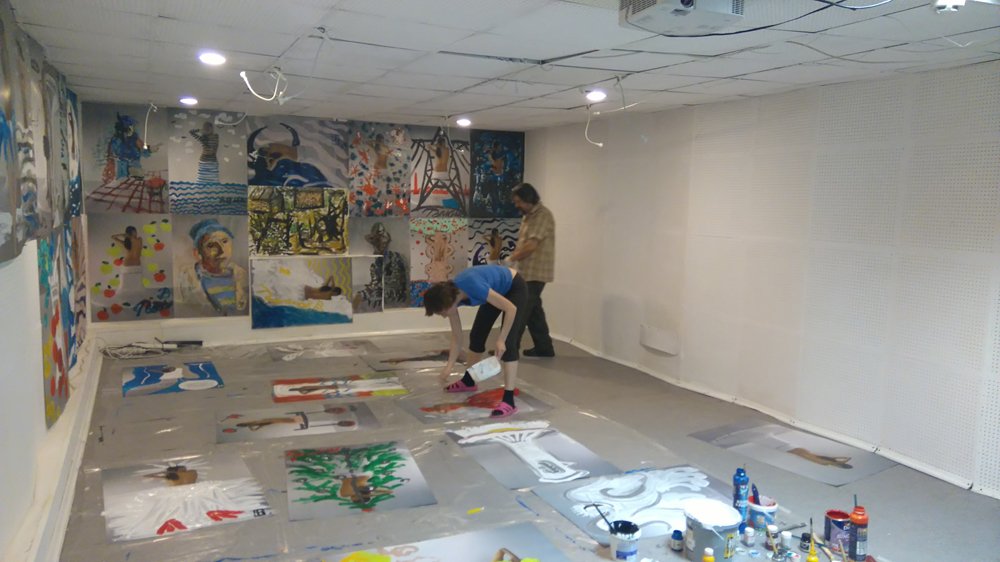
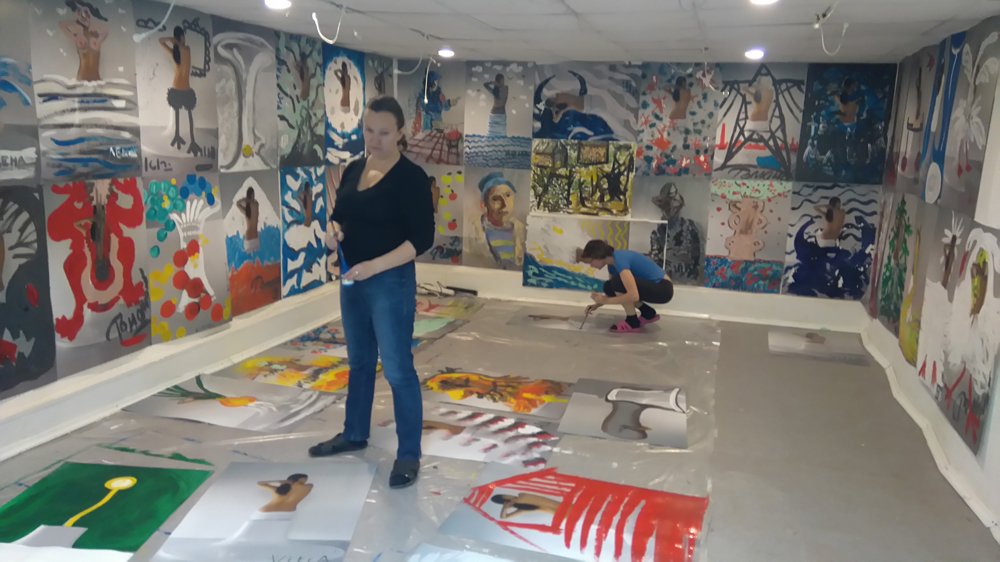
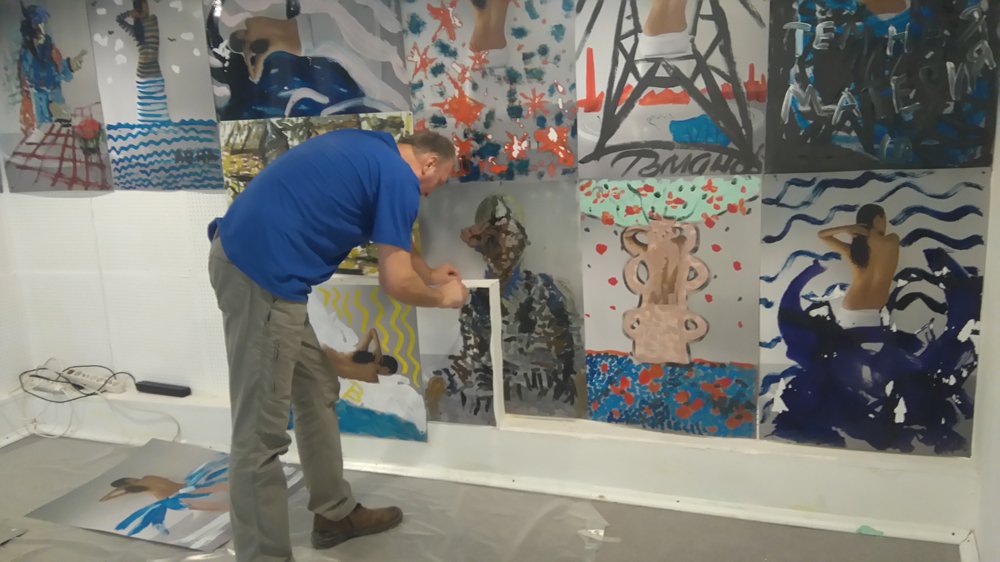
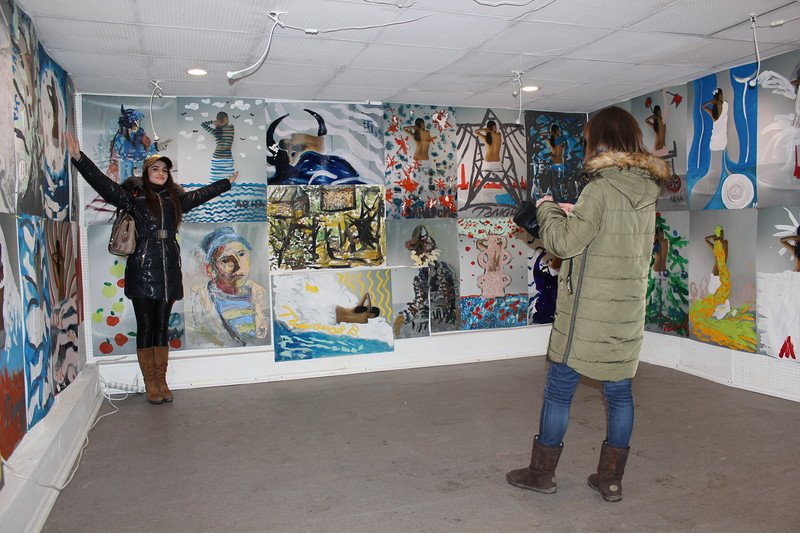
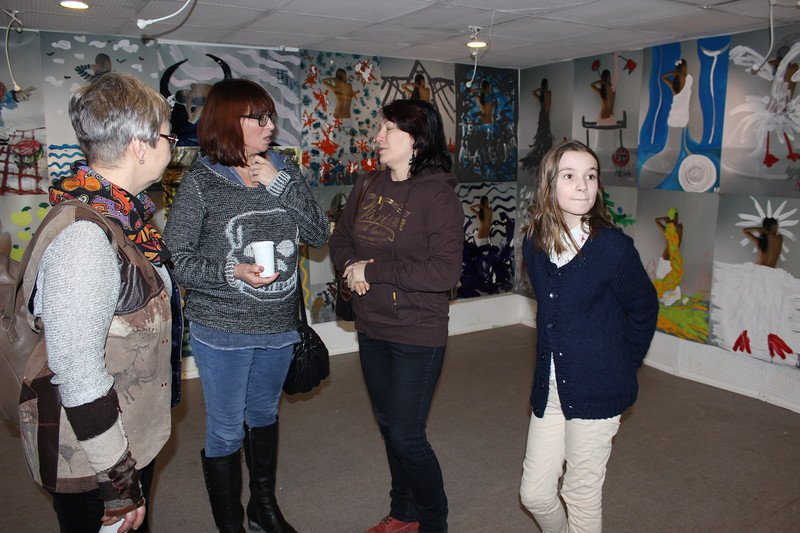
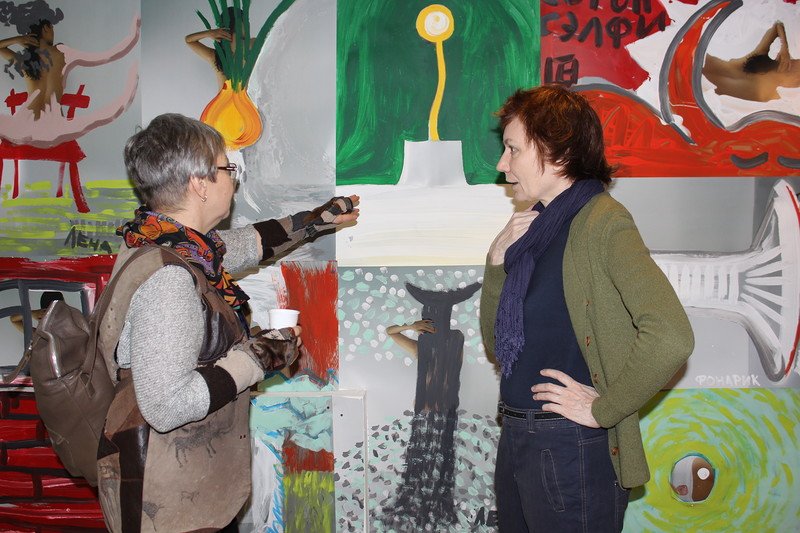
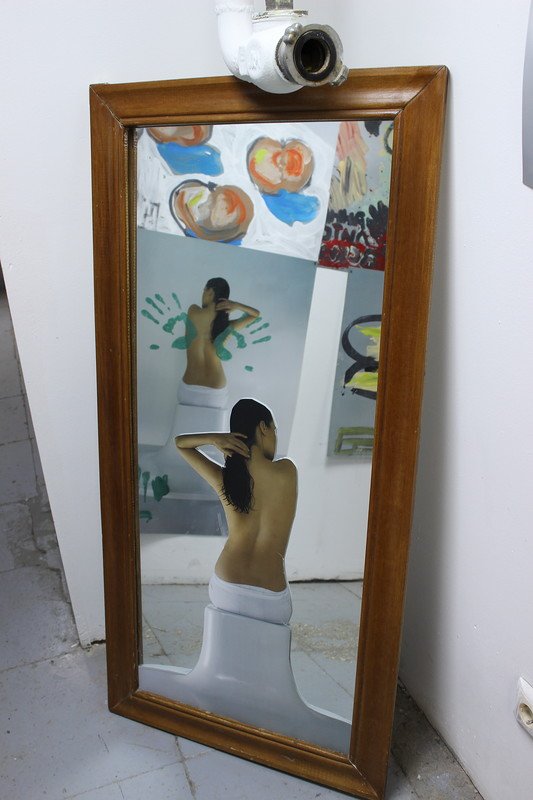
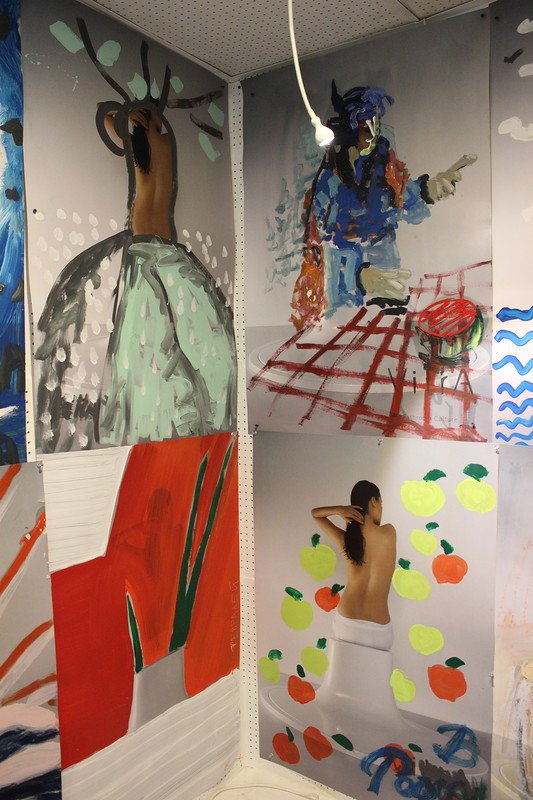
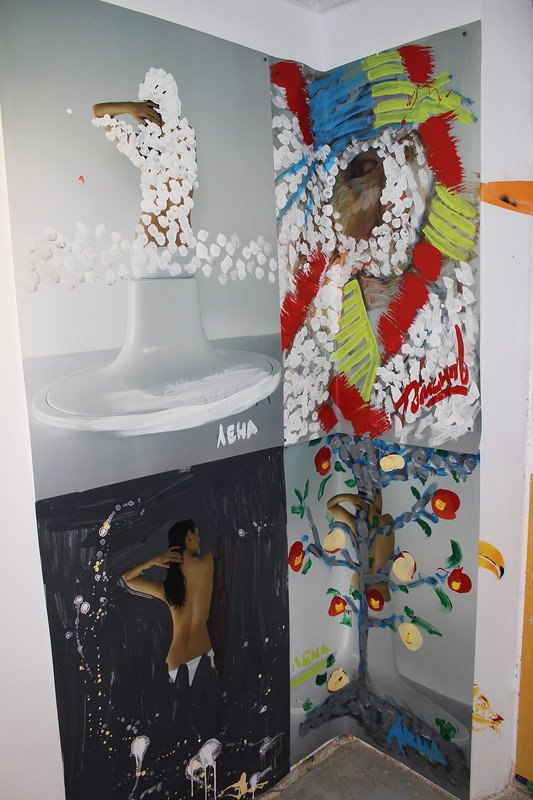
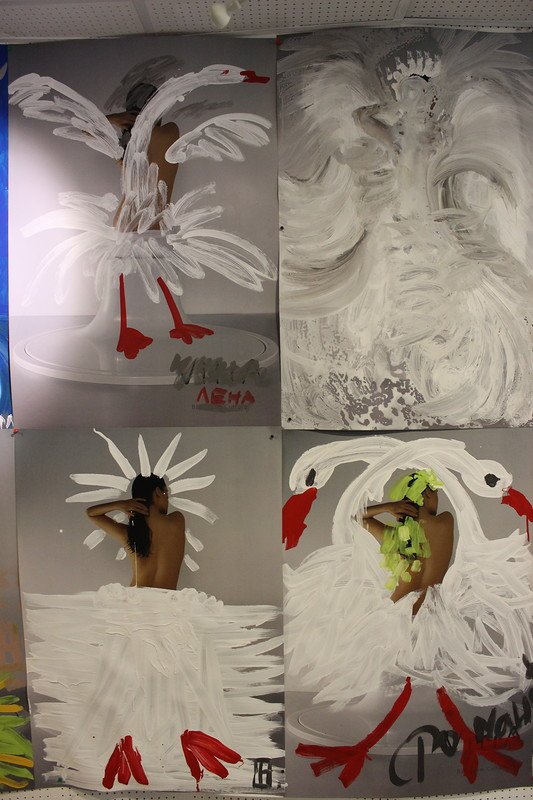
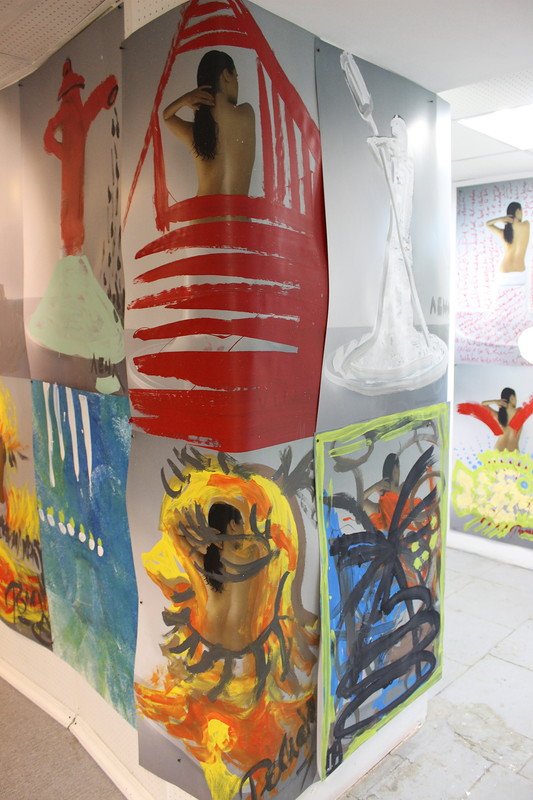
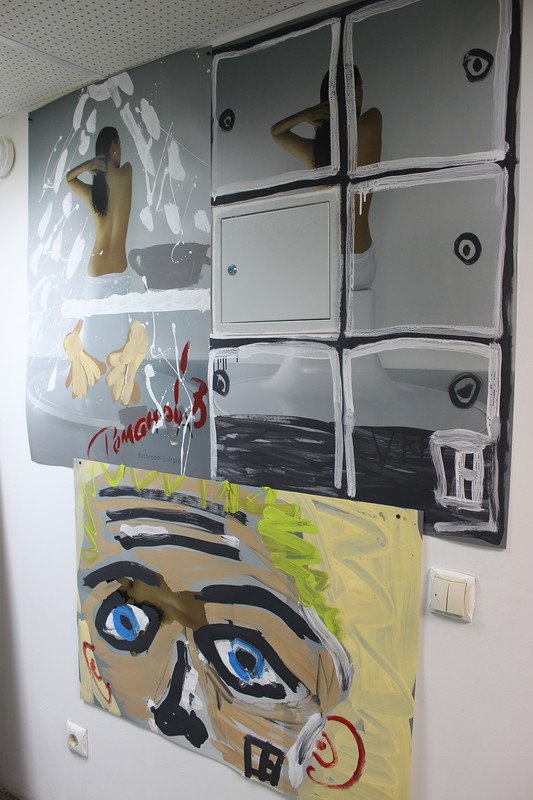
About a year before the project, a member of the Brigade found two packs of unused coated paper posters near a residential building — one hundred identical sheets, each printed with the image of a woman’s bare back.
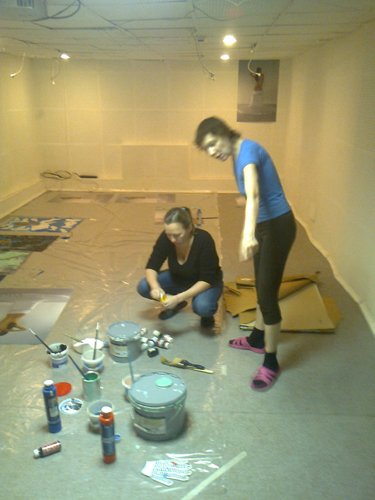
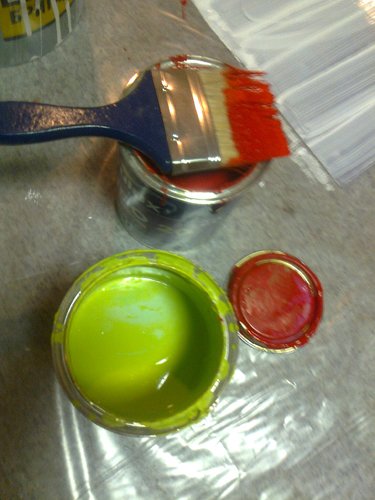
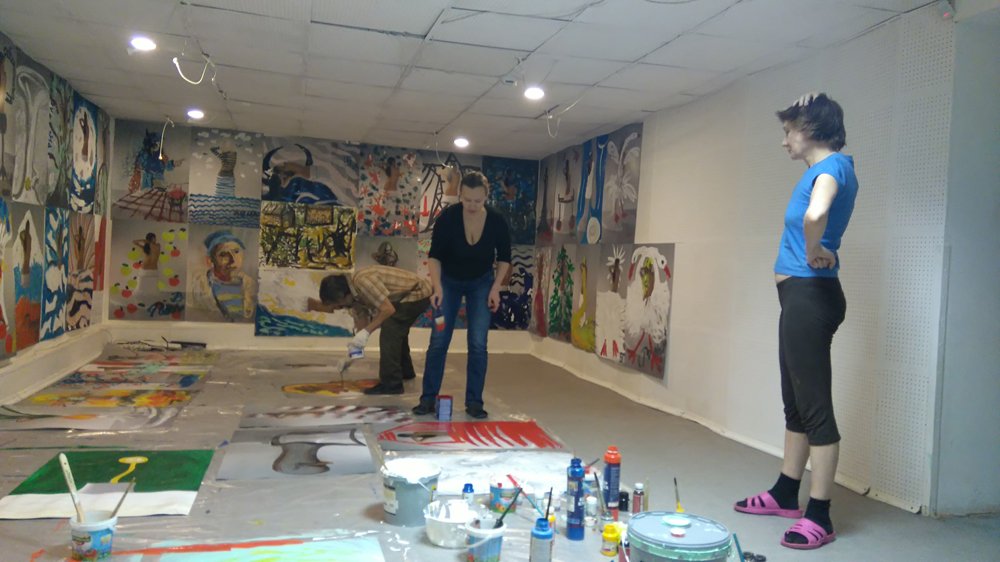
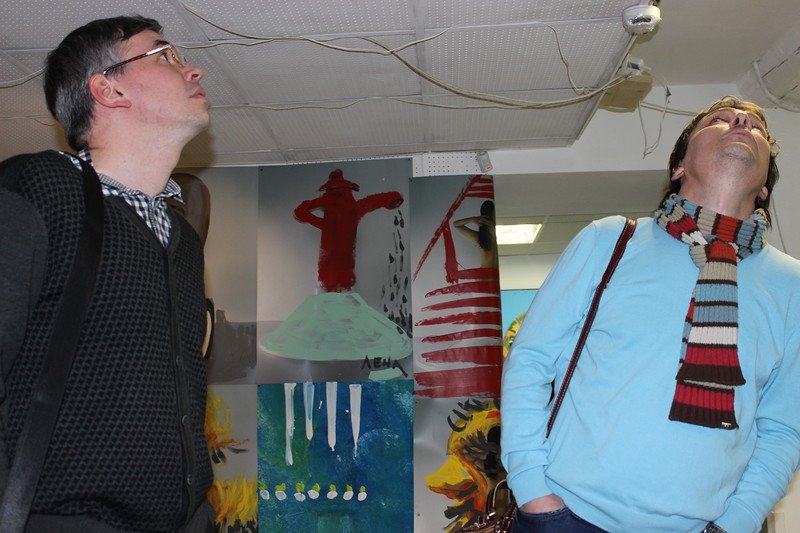
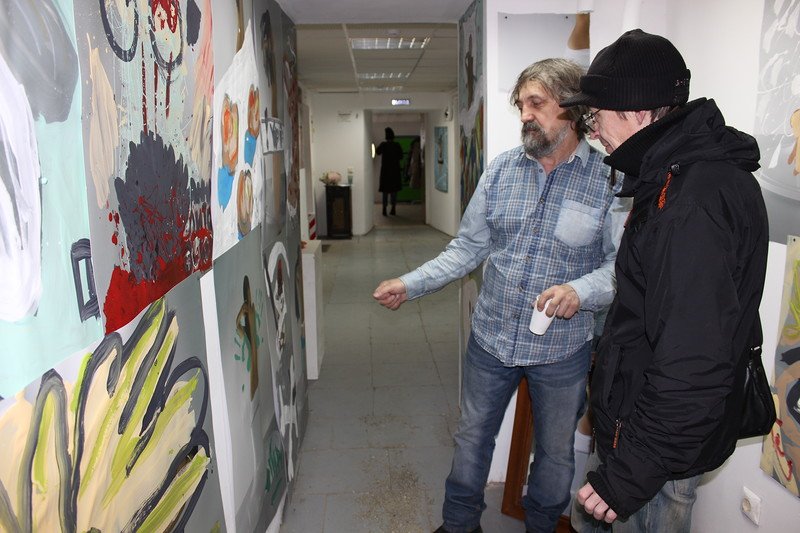
A small portion of the find was initially used as paper for individual paintings. The remaining ninety-four sheets were brought to the exhibition space of the Cultural Transit Foundation, where the Brigade took brushes to them.
Instead of erasing the original image, the artists worked with it, over it and around it. The same figure began to appear as Leda, Europa, an axe, a green onion and many other forms. The original image remained visible, while its meaning kept changing.
What had been produced for another purpose and then discarded became material for a new collective work.
As the Brigade described it: “A return to the territory of art of creative efforts that had moved into the mercantile.”
Collective Work
The works were produced directly in the exhibition space by the Brigade. The large number of identical sheets allowed the same starting image to be repeated, altered and reinterpreted again and again.
The exhibition did not arrive at a single final image. Instead, the original figure passed through a series of transformations, becoming different things without losing its visible trace of what it had been.
Participation: Elena Gladysheva, Vladimir Romanov, Marina Razheva, Viktor Oborotistov
Photos by Dmitry Razhev, Viktor Oborotistov and Marina Kozlachkova.