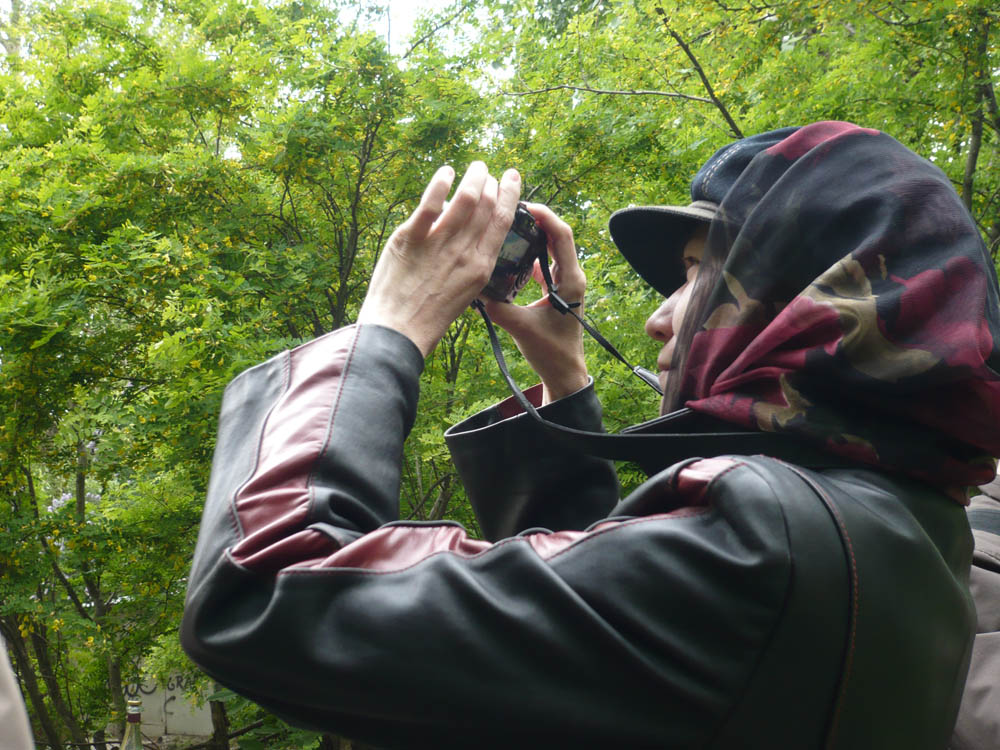
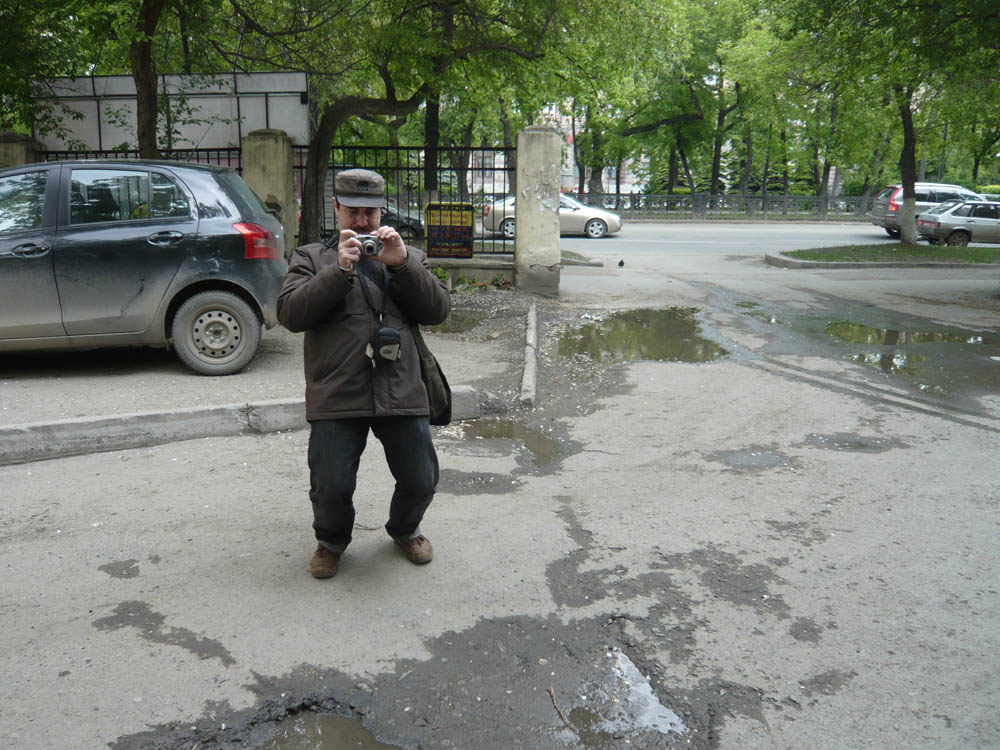
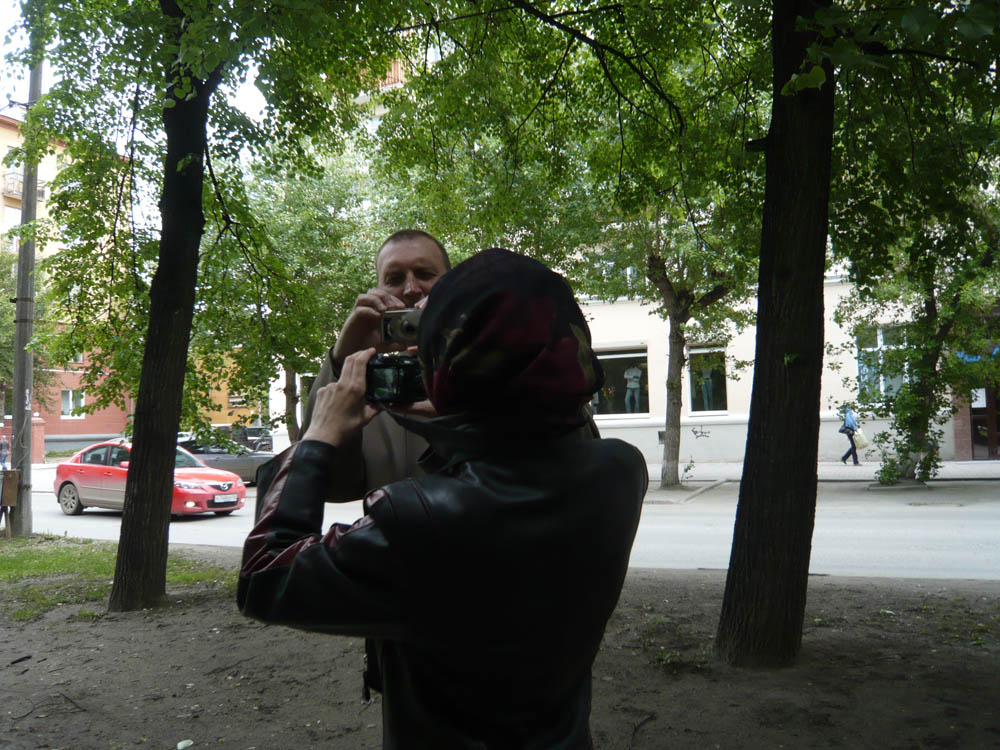
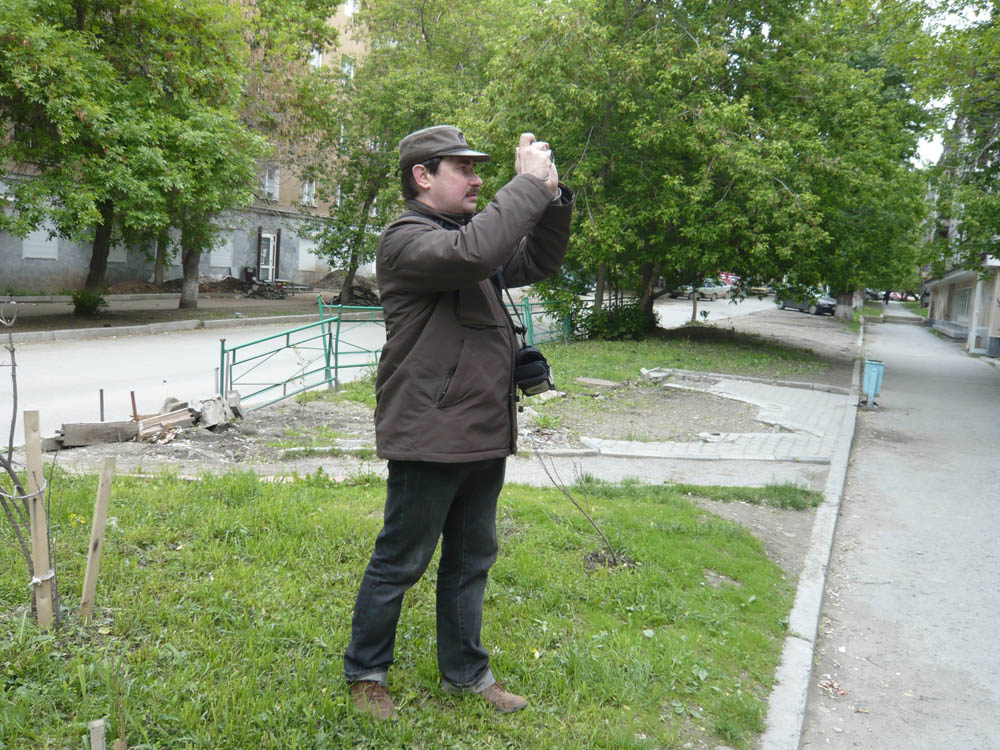
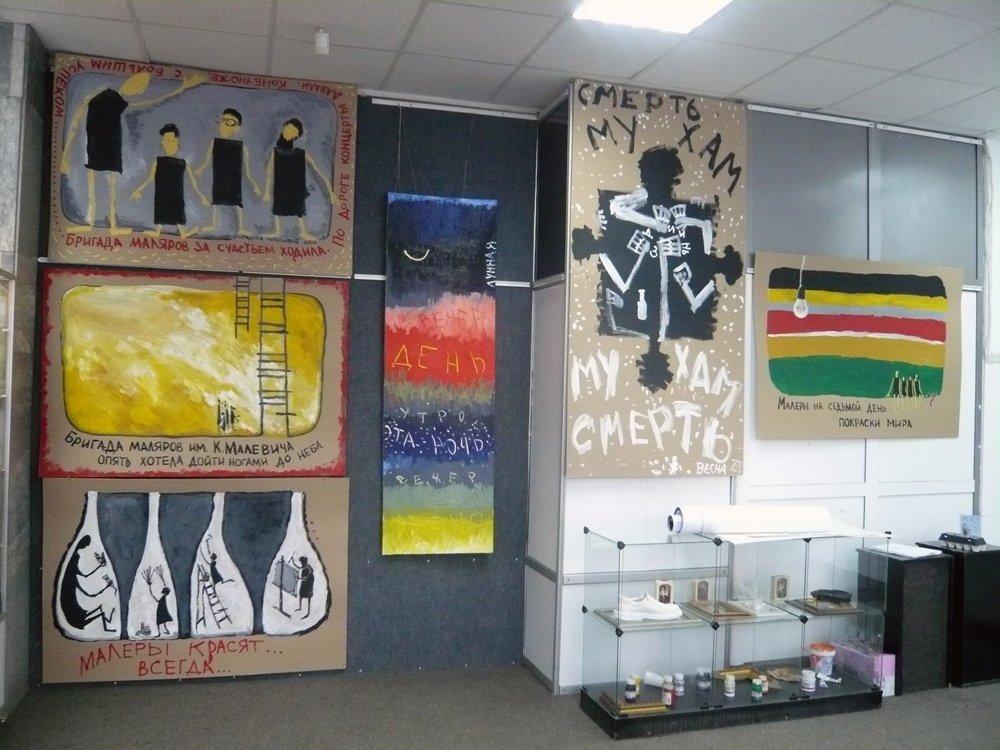
Tom Sawyer Museum

Happening, Malevich's Brigade

2014 | Happening

Event: Night of Museums
Venue: Courtyard of the Artists’ House, Yekaterinburg, Russia
Date: 17 May 2014
Group: Kazimir Malevich’s Malers’ Brigade

The Setup

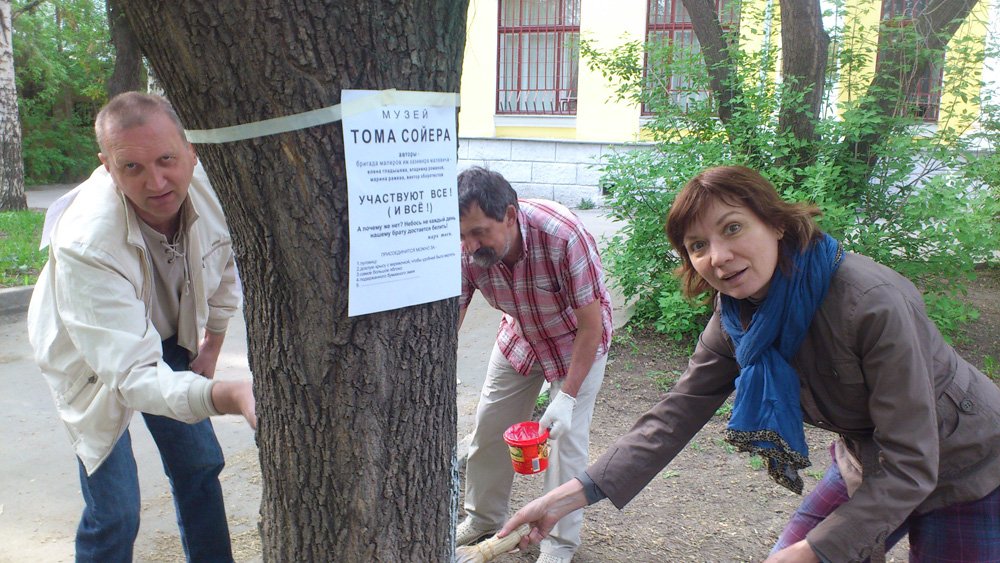
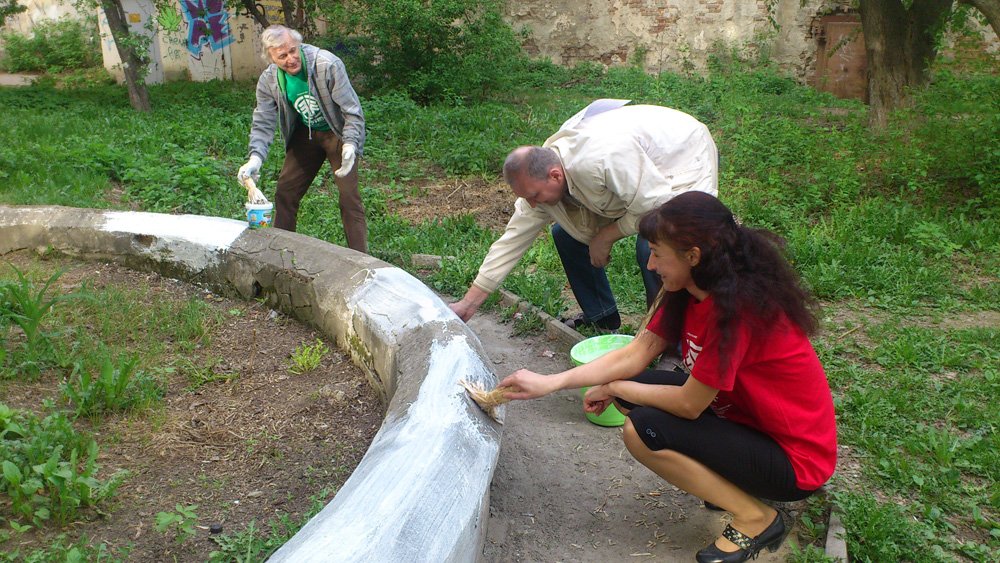
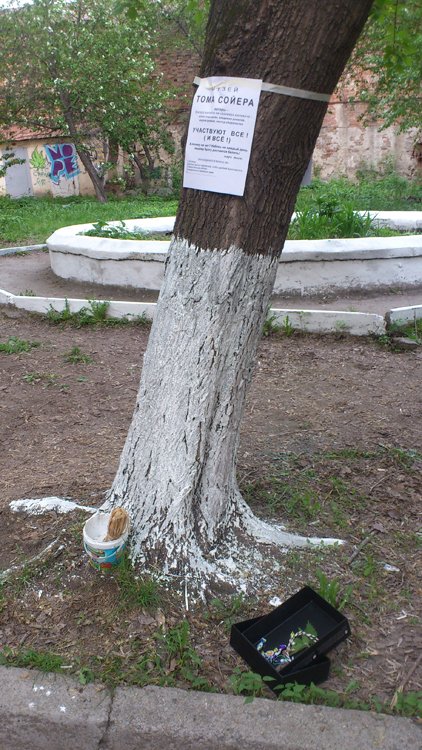
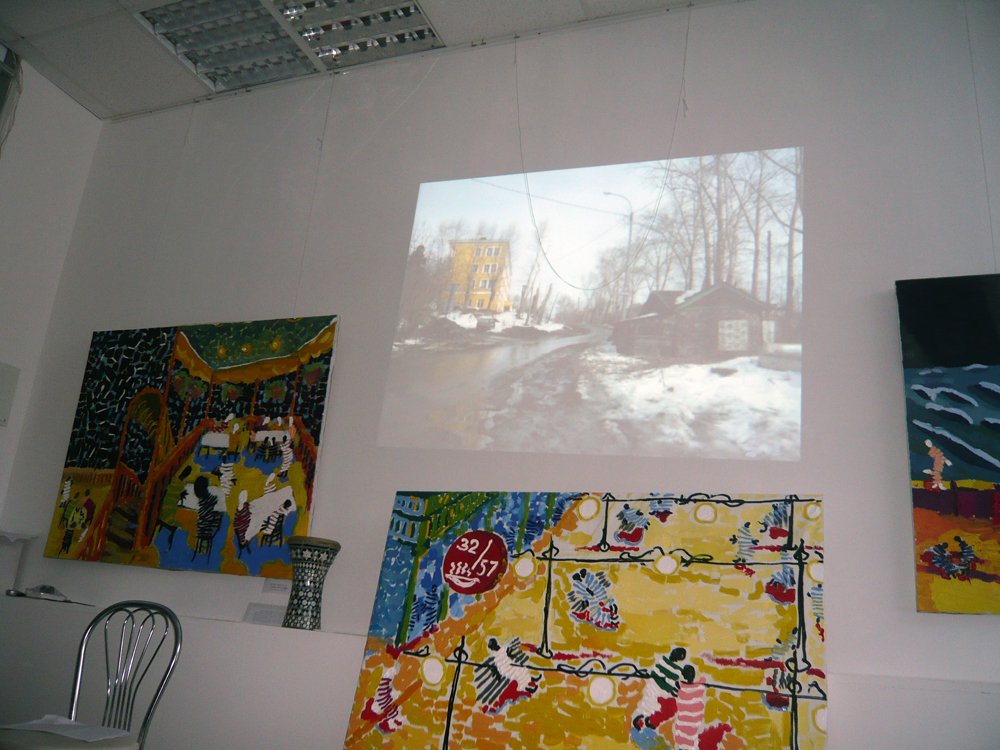
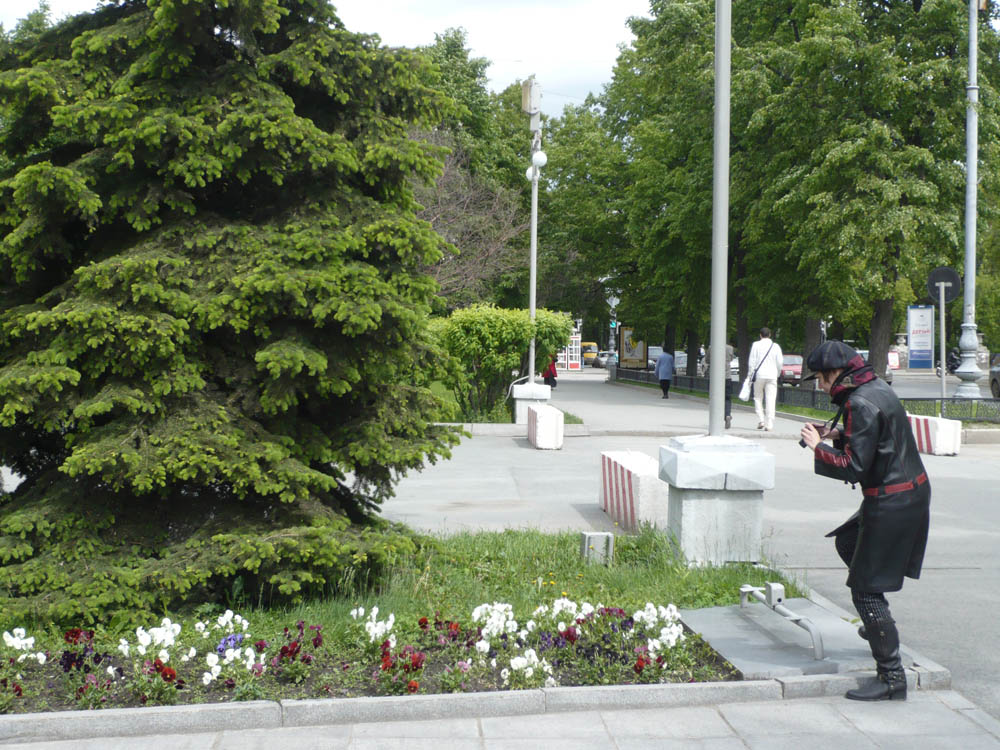
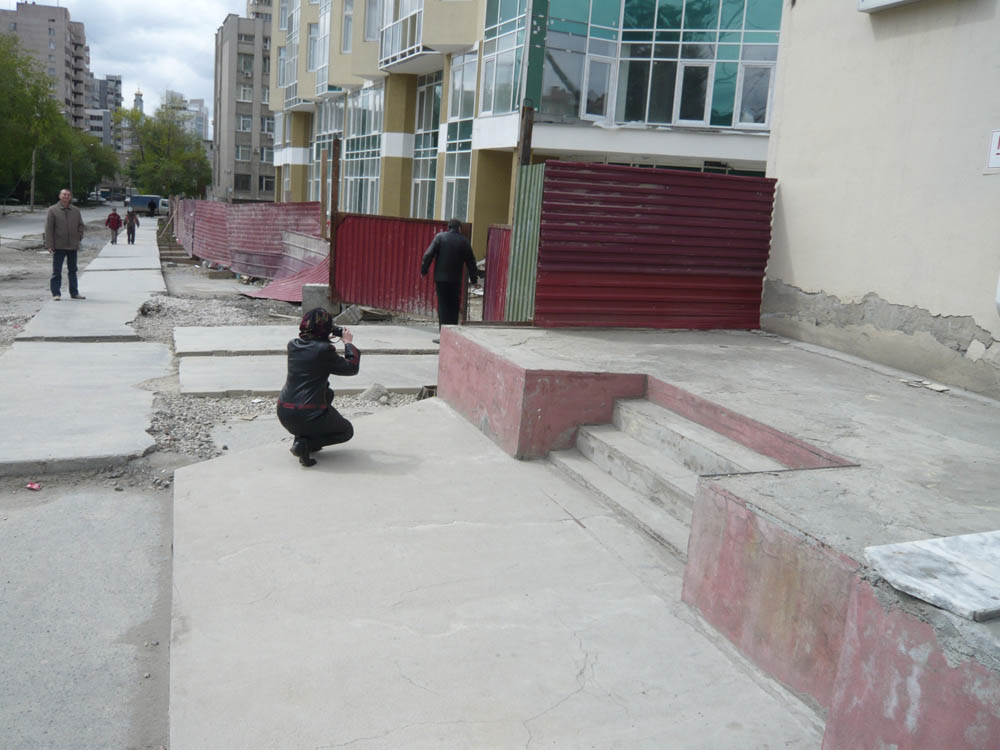
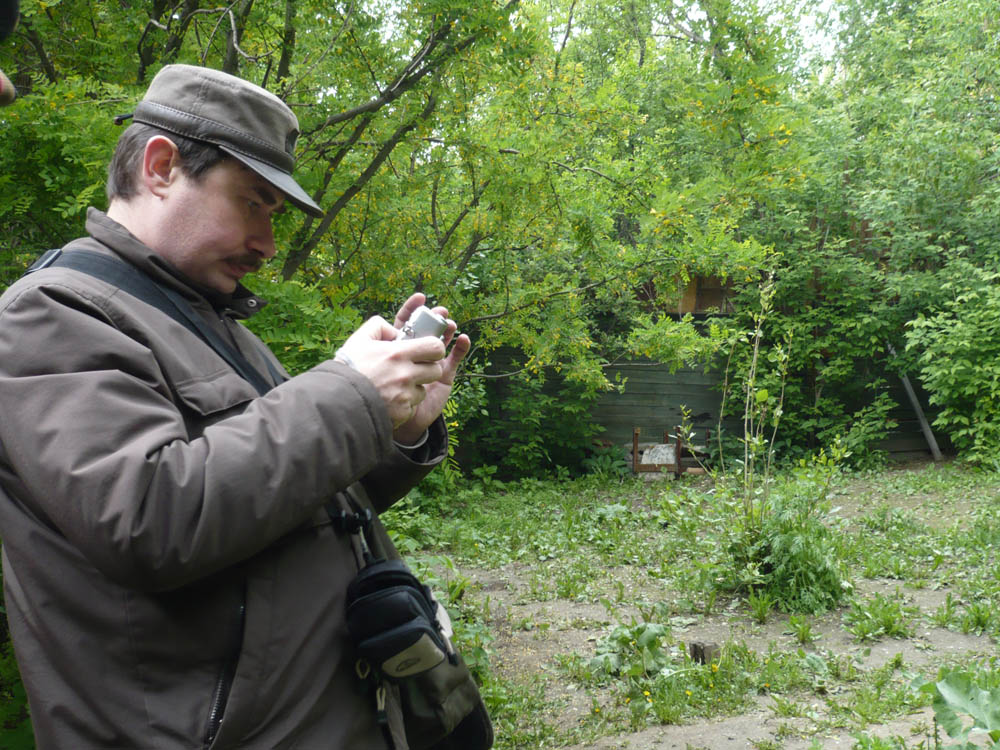
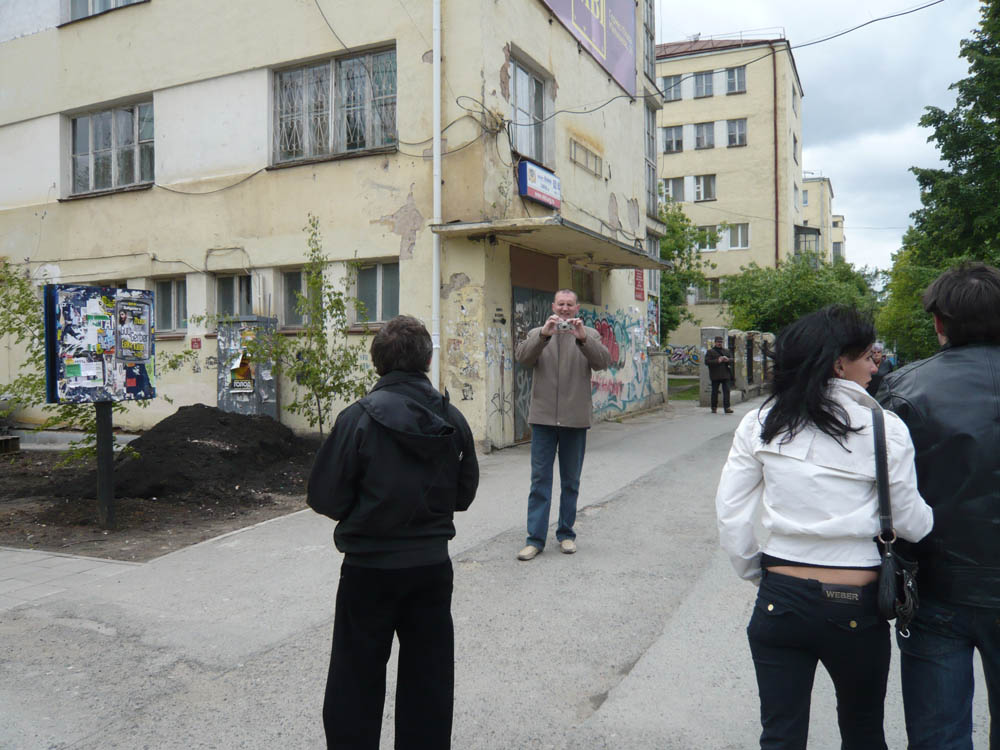
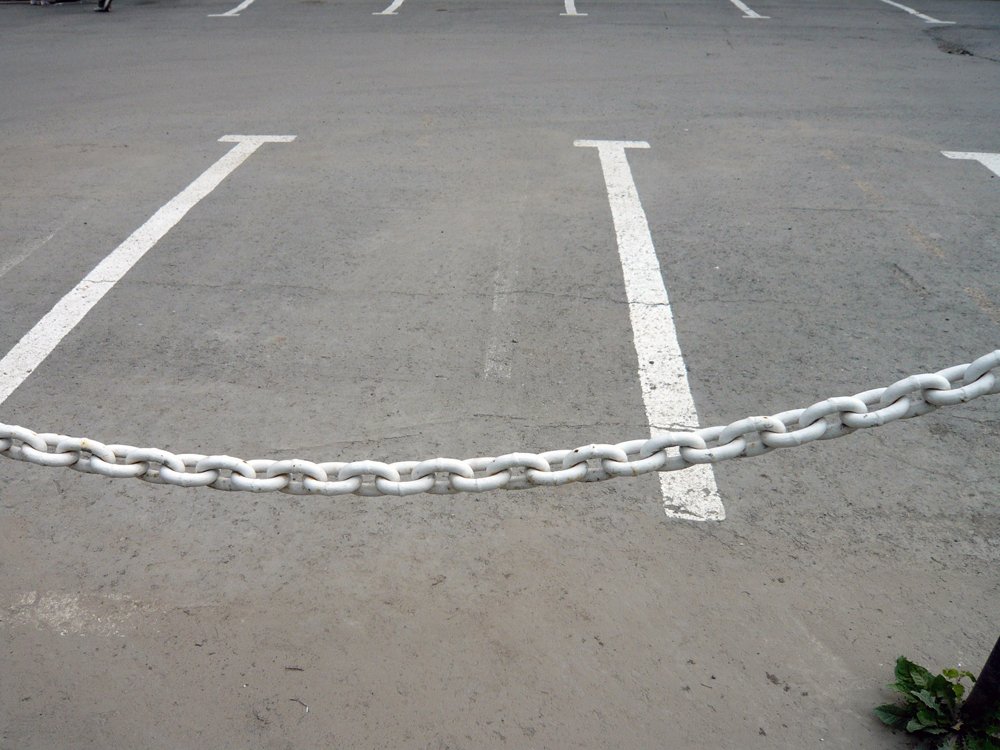
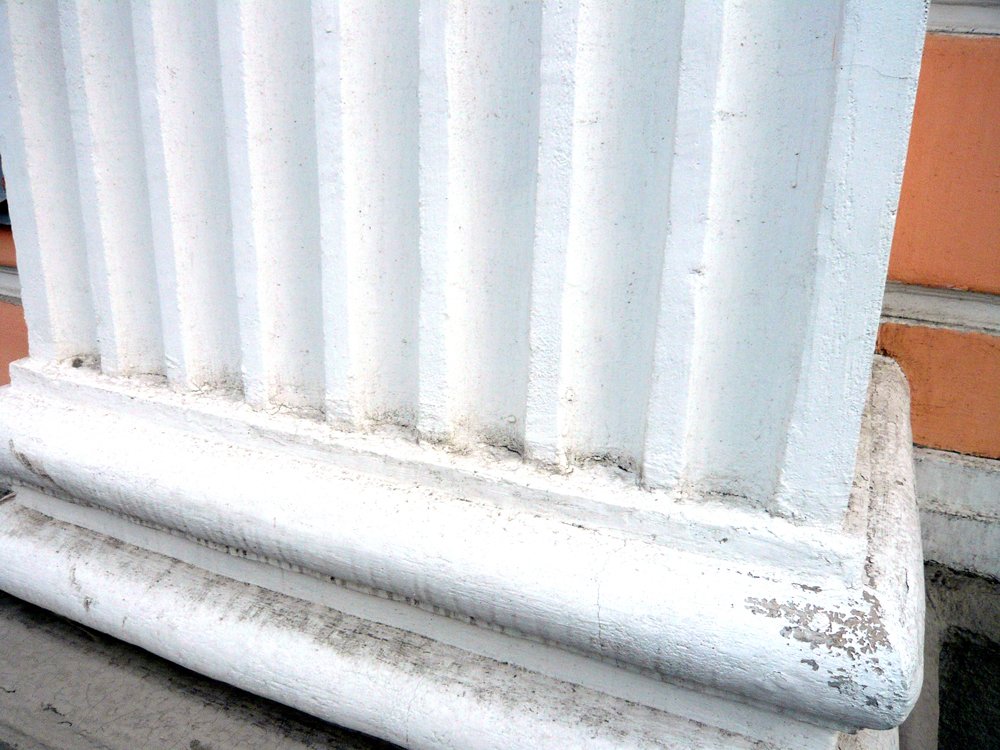
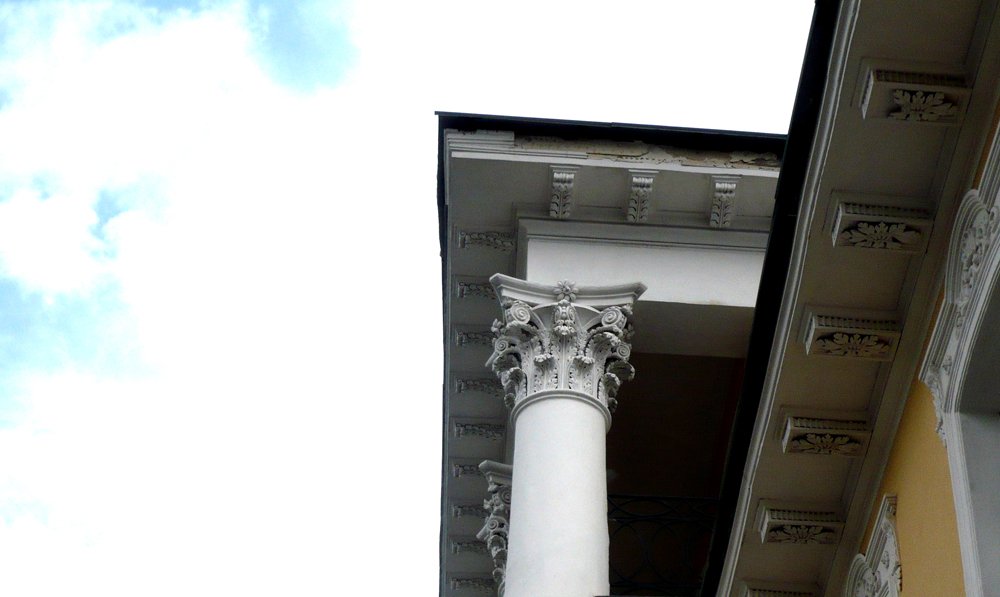
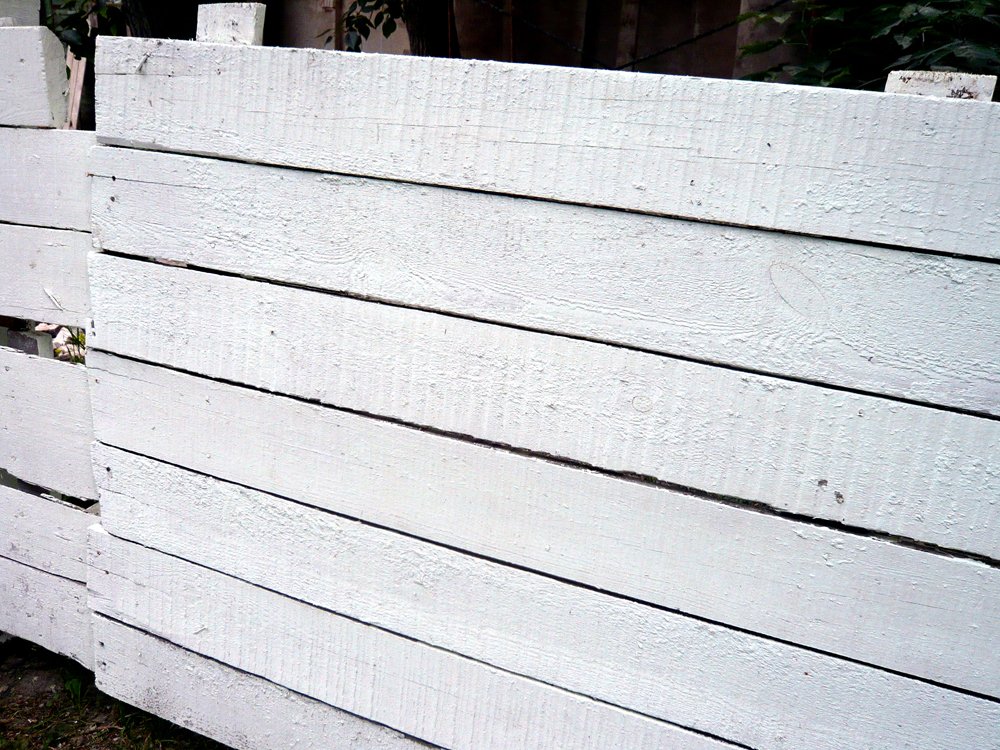
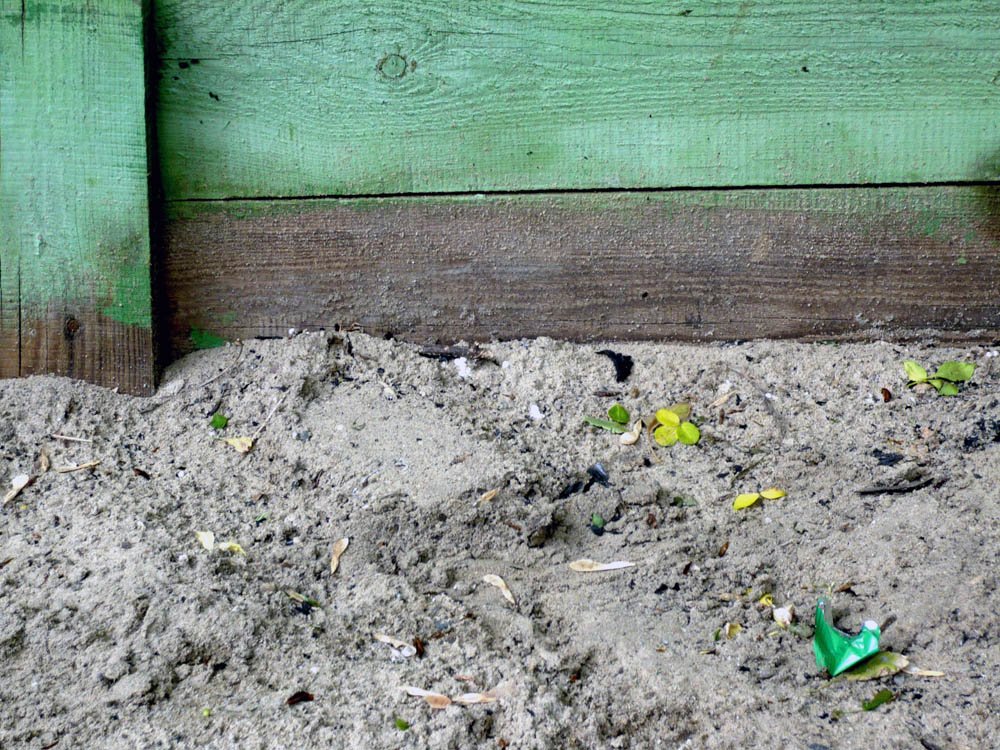
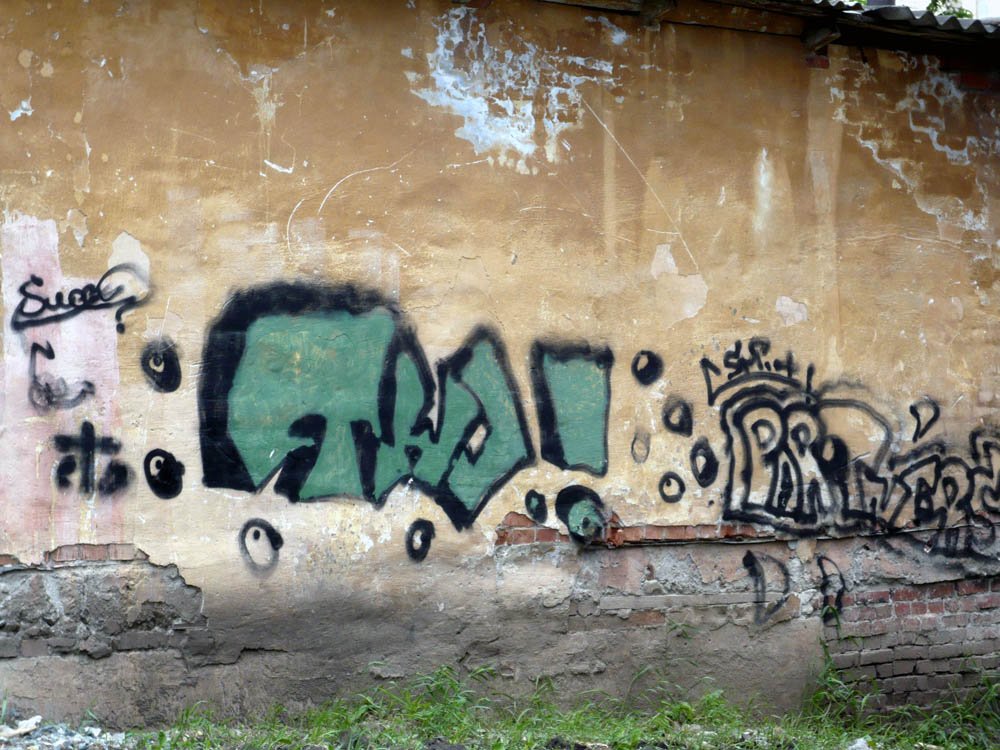
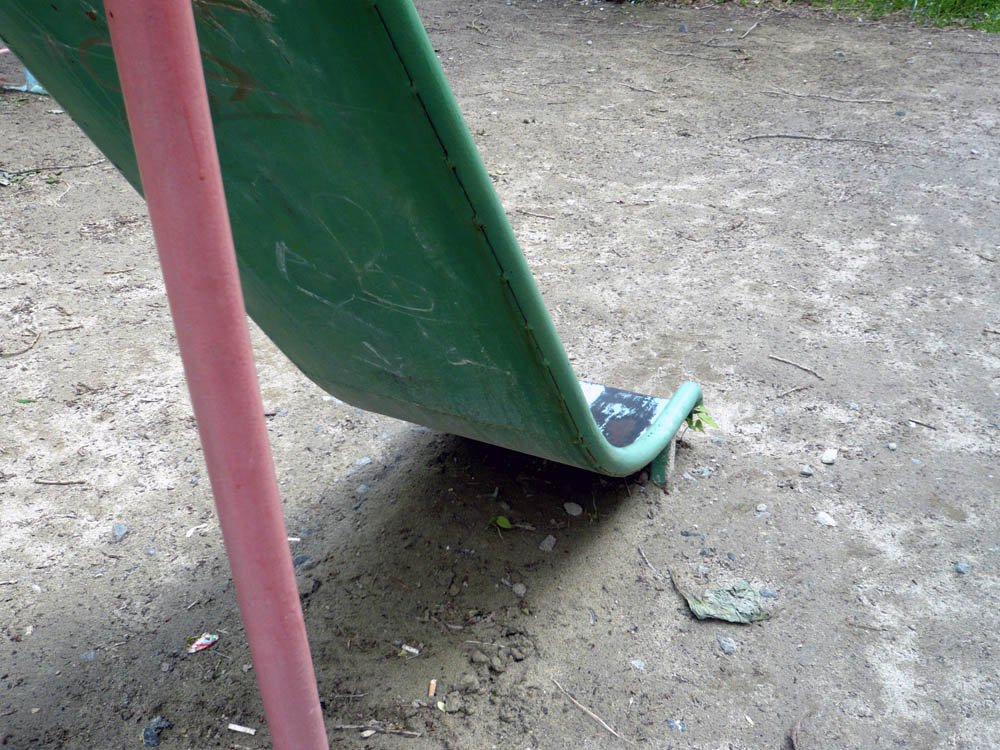
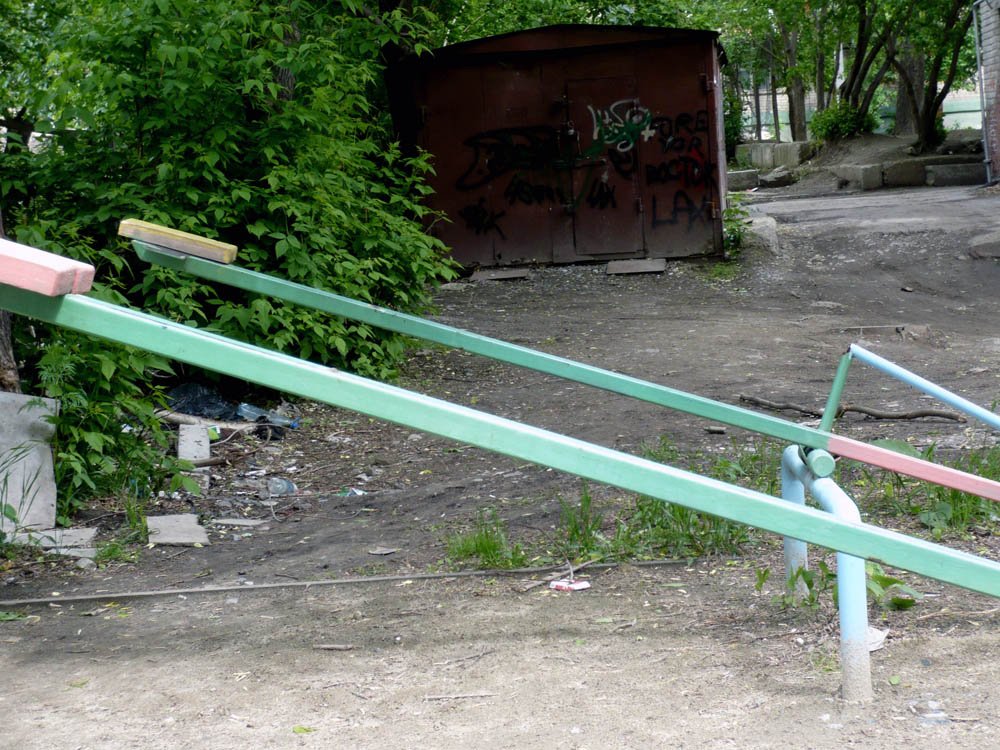
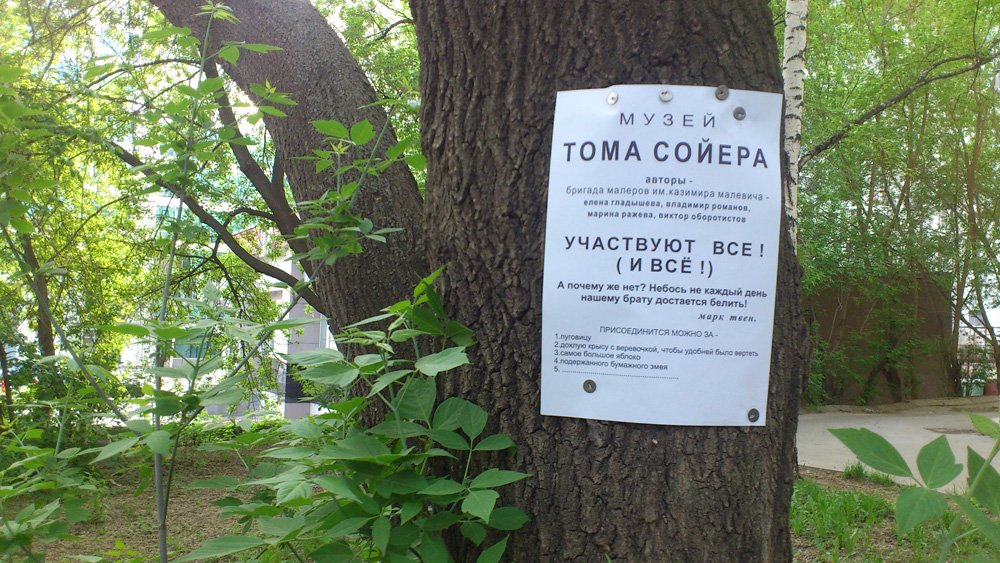
For the Night of Museums, the Kazimir Malevich’s Malers’ Brigade brought Tom Sawyer’s famous whitewashing episode into the courtyard of the Artists’ House.

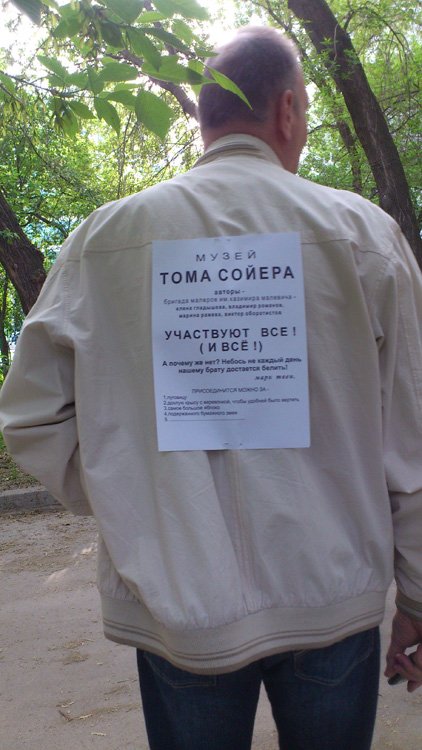
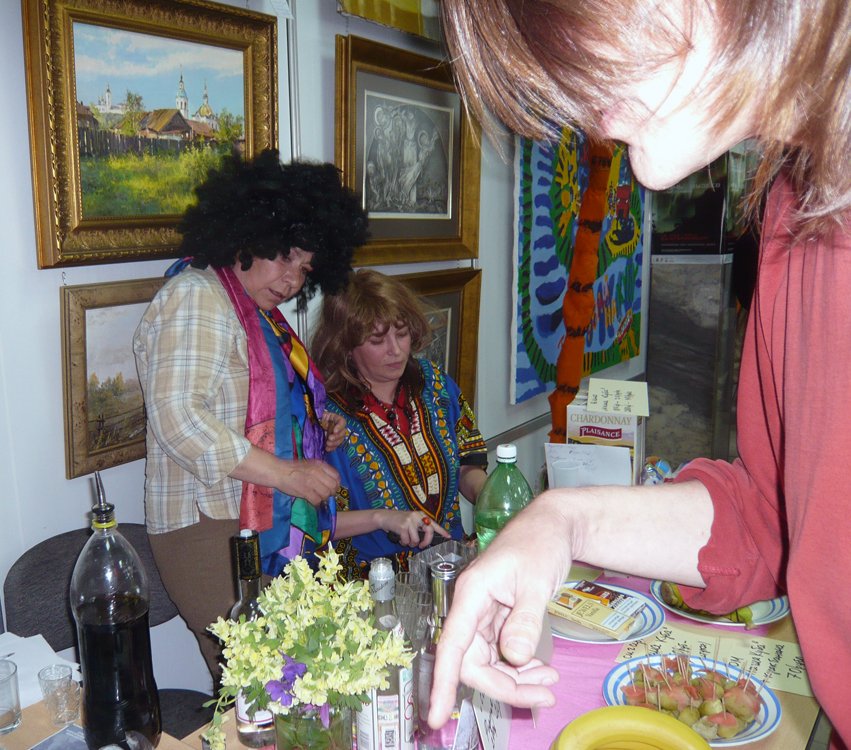
Visitors were invited to join the work in exchange for an object:

a button,
a dead rat with a string attached,
the largest apple,
a second-hand kite,
and other offerings.

The reference comes from the episode in The Adventures of Tom Sawyer in which Tom turns the task of whitewashing a fence into something the other boys want to do.

Here, the Brigade turned the same mechanism into a live artistic situation.
Everybody Joins

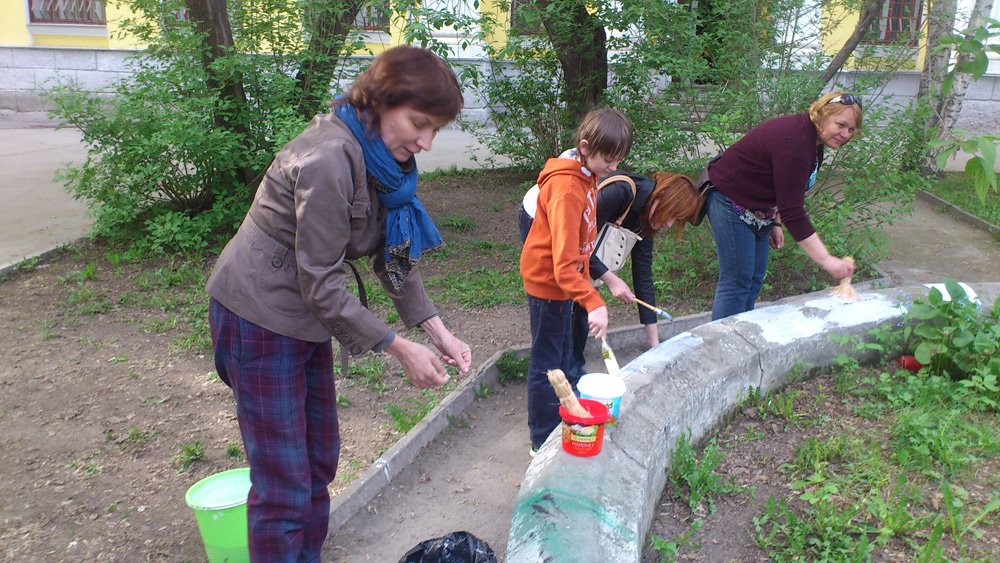
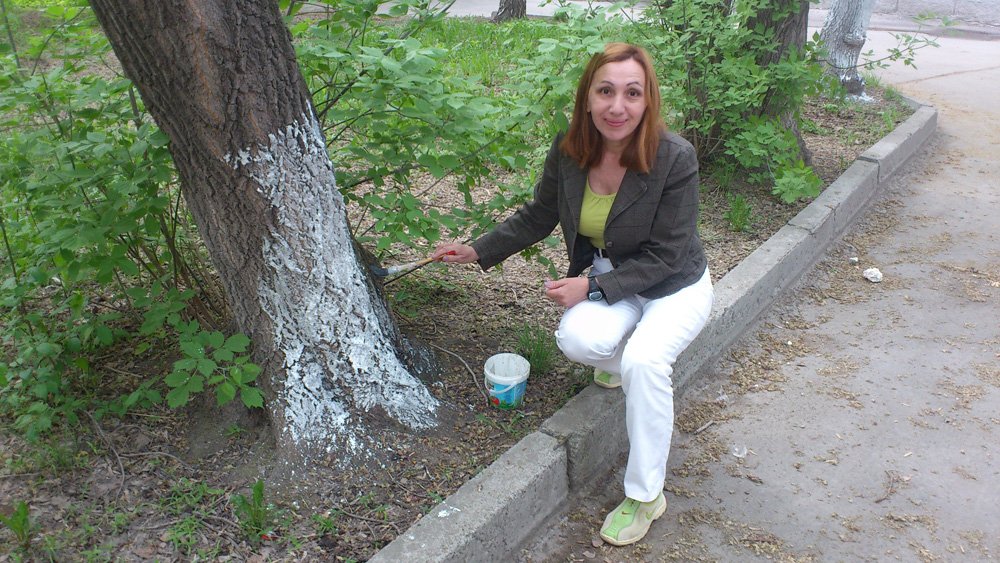
The Brigade began by whitewashing.

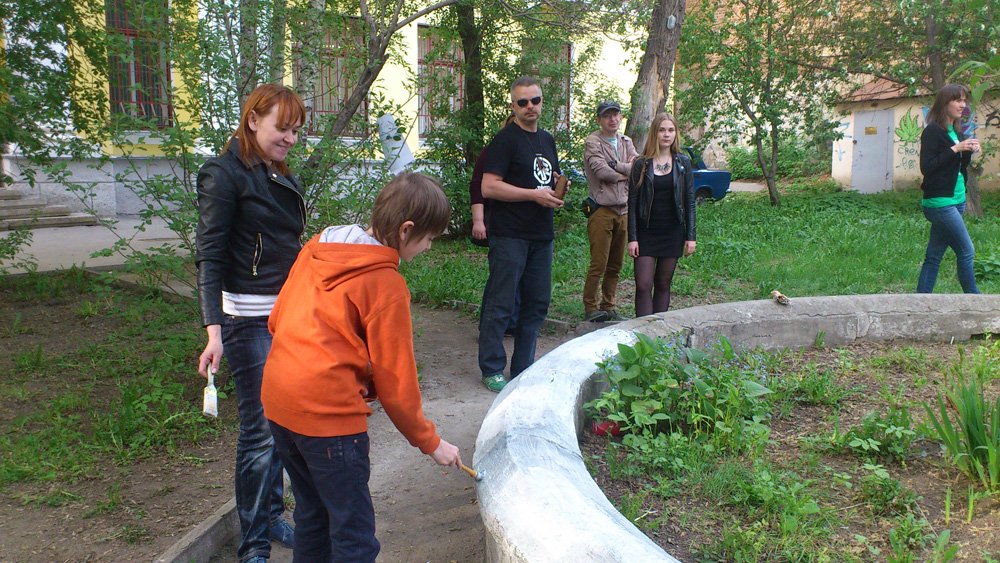
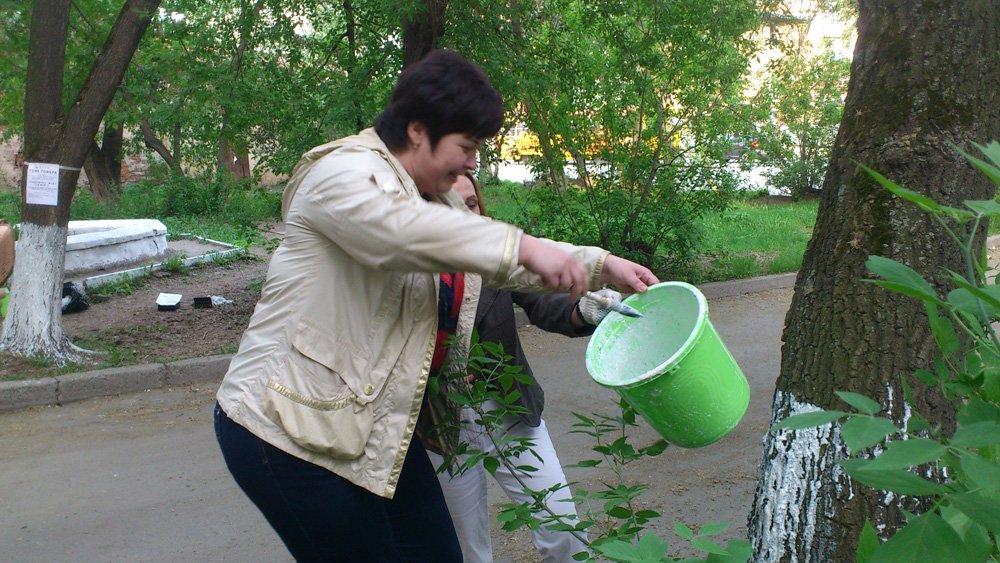
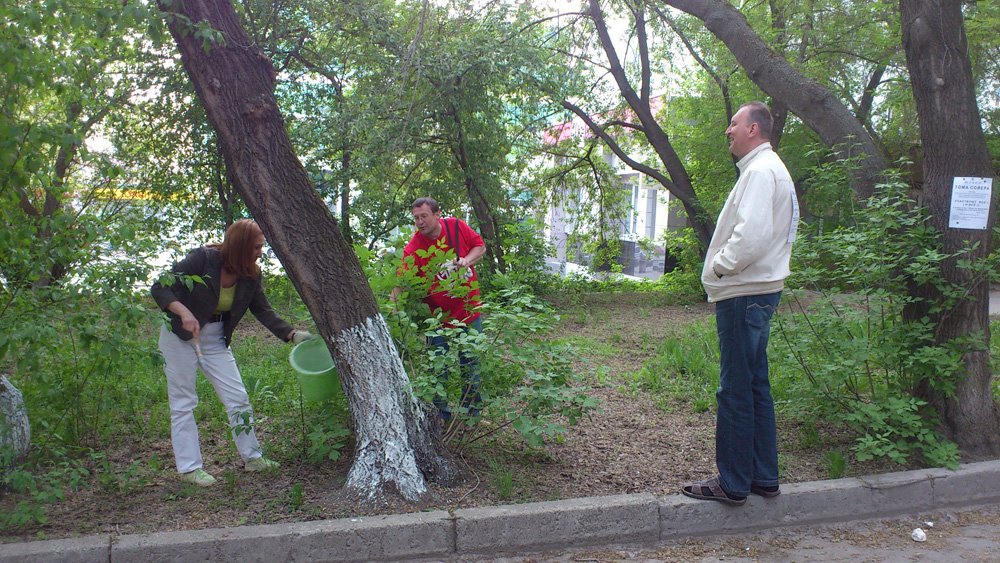
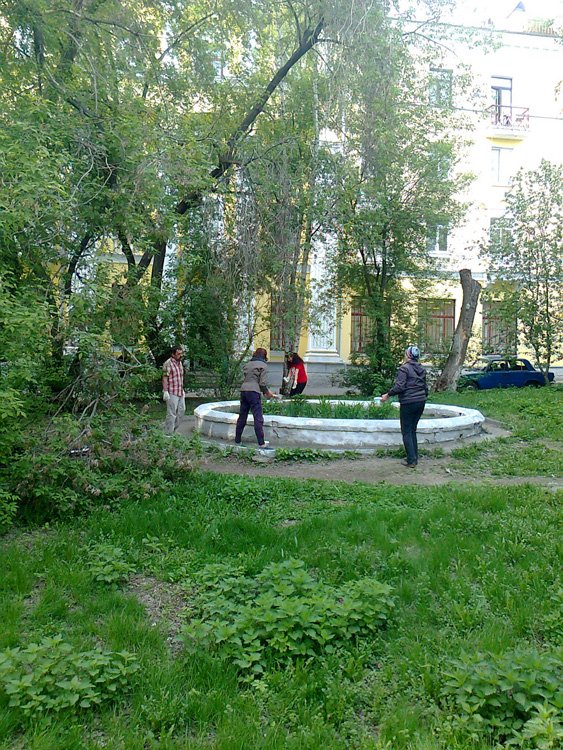
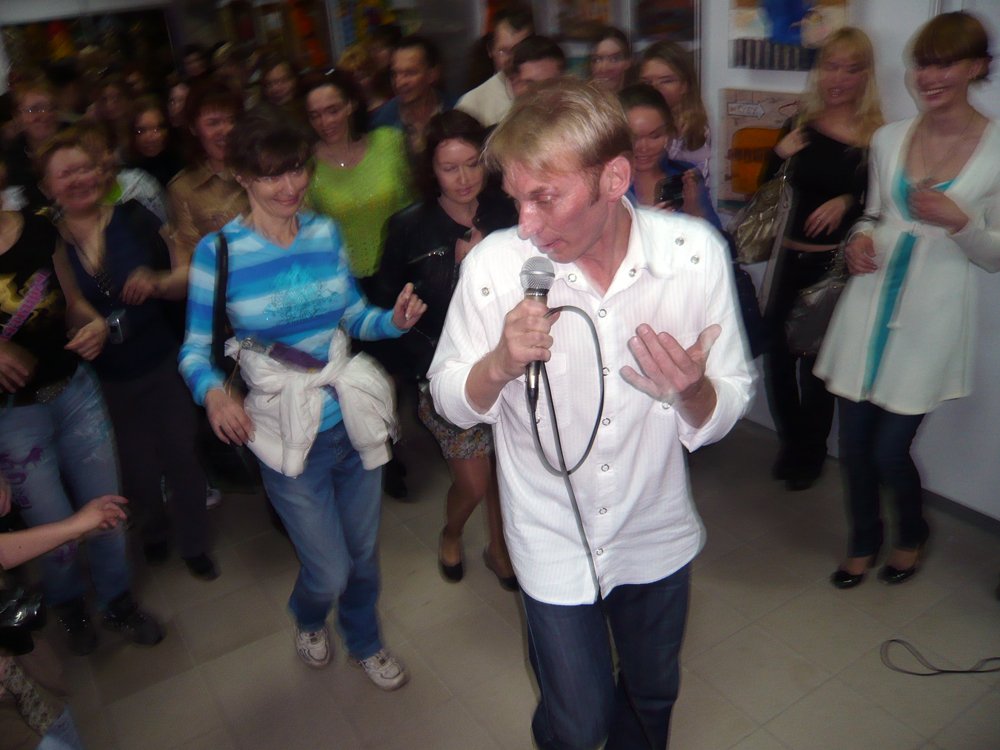
Then the visitors took over.

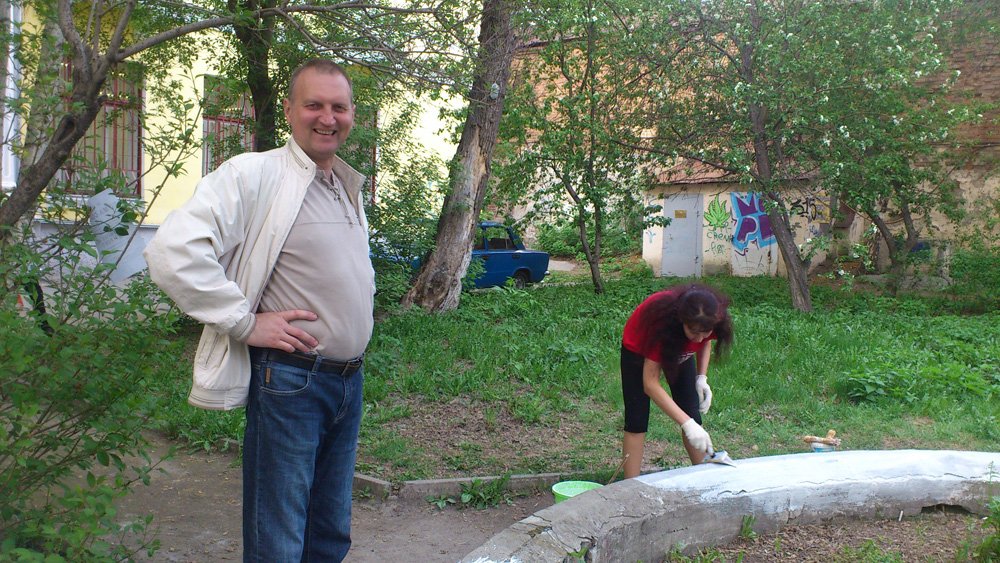
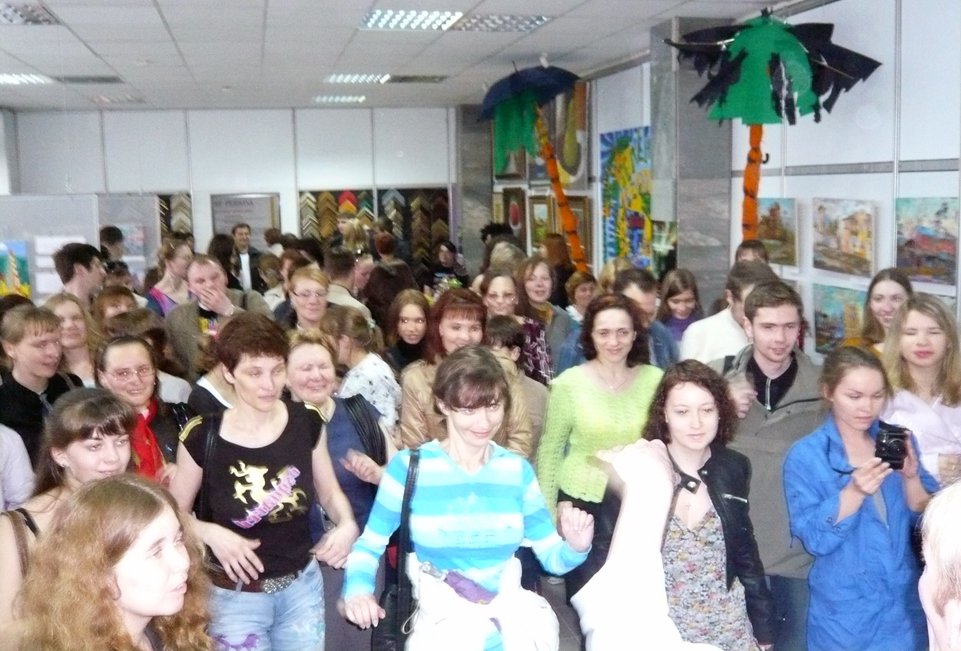
There were so many people willing to participate that the Brigade soon found itself standing aside, watching the work continue by itself. By the end of the action, all surfaces in the courtyard that were due to be whitewashed had been painted.

The work was no longer being carried out by the artists alone.

It had become a collective activity — initiated by the Brigade, but produced through the participation of everyone who joined.

The museum event became a temporary space of shared work, exchange and play.

Everyone participated. Everything did.

A Situation Instead of an Object

Tom Sawyer Museum does not produce a permanent artwork. Its form is the situation itself: a familiar task, a simple exchange, a crowd, and a shift in who is doing the work.

The Brigade creates the conditions for participation, then lets the situation take over.

Exhibition Context

Tom Sawyer Museum was presented during the Night of Museums in the courtyard of the Artists’ House in Yekaterinburg on 17 May 2014.
Original project documentation →

Back to Malers’ Brigade

Russian Language

2013, Malevich's Brigade

2013 | Happening

Exhibition: 33 Possible Impossible Paintings
Venue: Lev Khabarov Gallery / New Exhibition Centre, Yekaterinburg, Russia
Date: 24 September 2013
Group: Kazimir Malevich’s Malers’ Brigade

“Pirozhki look like a tongue. If a grandmother gives you a pirozhok, perhaps she is trying to tell you something.”

The Happening

At the opening of 33 Possible Impossible Paintings, the Kazimir Malevich’s Malers’ Brigade turned a familiar Russian pastry into a temporary language.

A plate of pirozhki was placed beside a board displaying photographs of the Brigade members with pirozhki in their mouths. Visitors were invited to take one — with one condition: they had to be photographed with it in their mouth.

Each photograph was then printed and added to the board.

As more people joined, the board gradually filled with faces, gestures and pirozhki. What began as a simple visual resemblance — a pirozhok as a tongue — became a growing collection of people “speaking” through the same image.

The work was not a fixed object. It developed through participation, photography and accumulation.

The phrase Russian Language became something physical and temporary: a language made from food, faces, photographs and the people who entered the situation.

The Exhibition

33 Possible Impossible Paintings brought together 33 artists, each presenting an unusual work that could be understood as possible or impossible, familiar or unexpected.

The Brigade’s happening took place during the opening on 24 September 2013.

Documentation

The photographic record forms an important part of the project. It follows the action from the first photographs of the Brigade through the growing number of participating visitors and the accumulation of their printed images on the board.

Original project documentation →

Prophylactorium

2012, Malevich's Brigade

2012 | Video installation

Catalogue title: Dispensary

Exhibition: The Eye Never Sees Itself
II Ural Industrial Biennial of Contemporary Art, Main Programme
Venue: Ural Worker Printing House, Yekaterinburg, Russia
Dates: 13 September – 22 October 2012
Group: Kazimir Malevich’s Malers’ Brigade

The Work

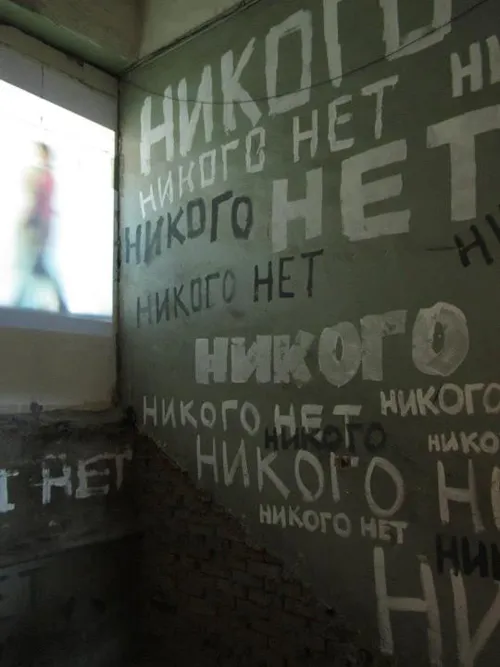
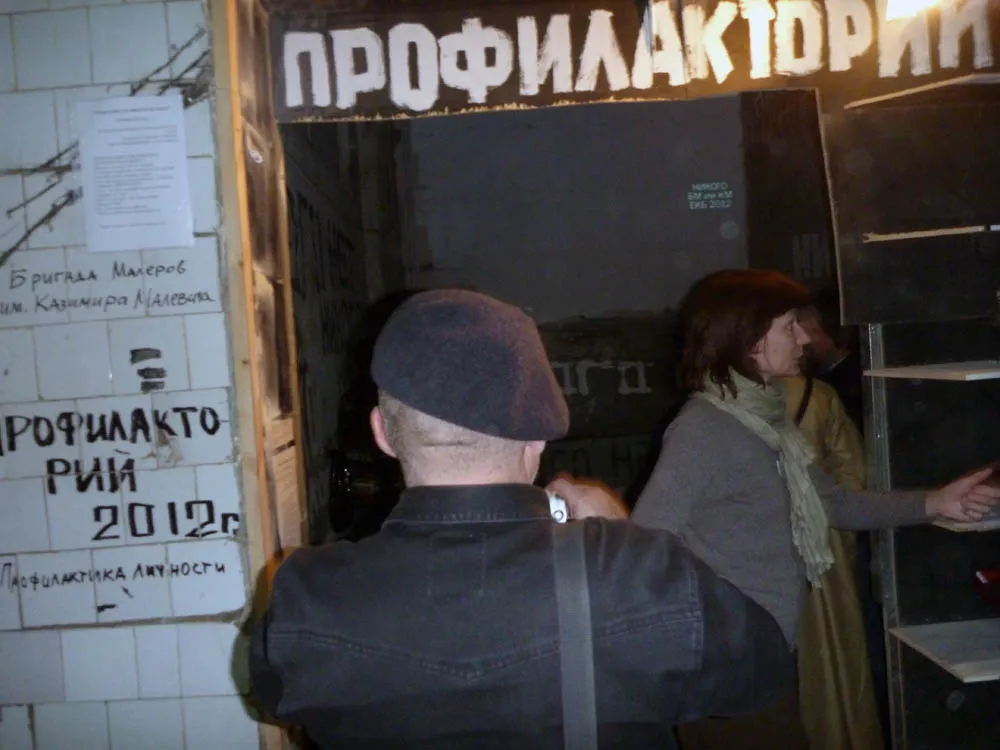
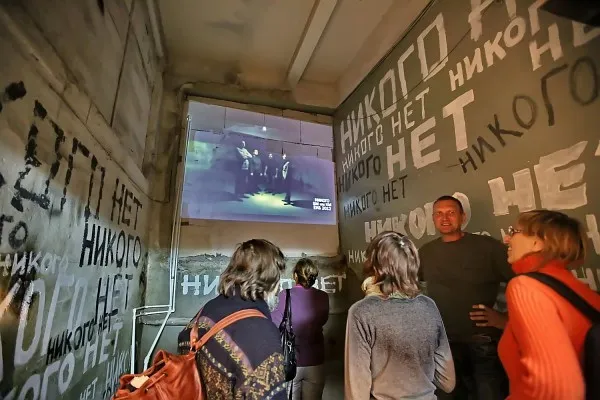
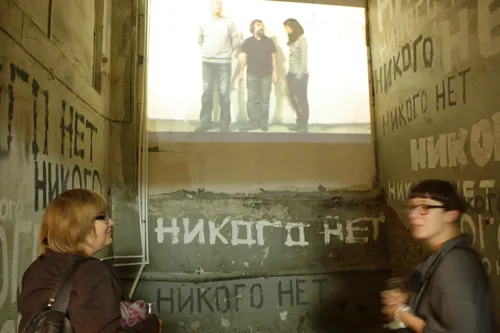
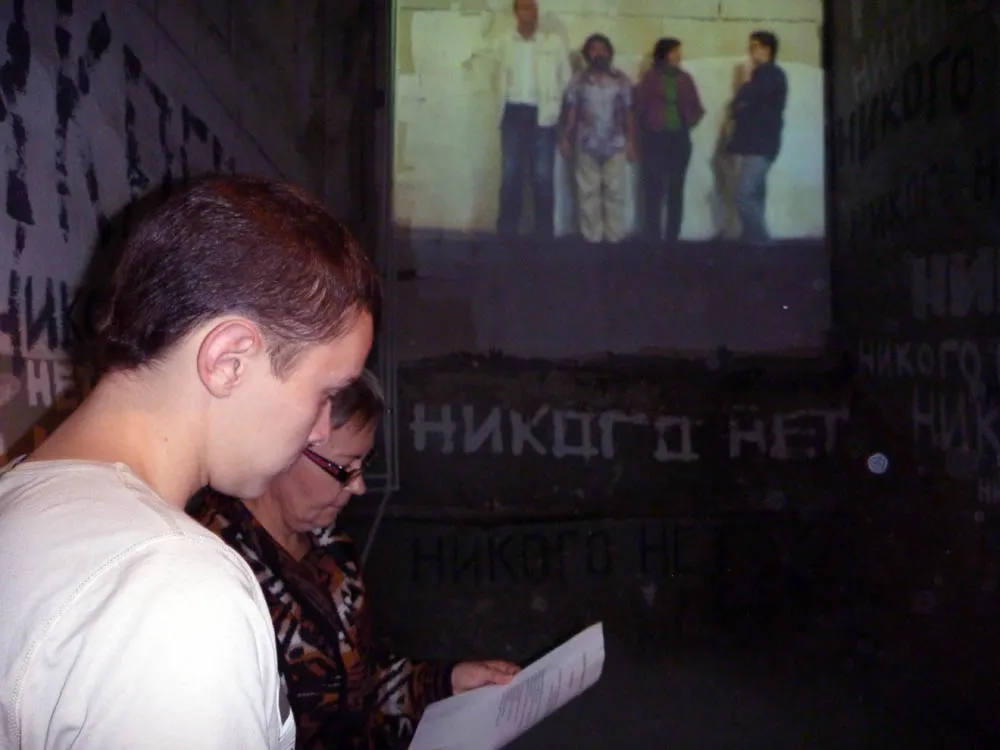
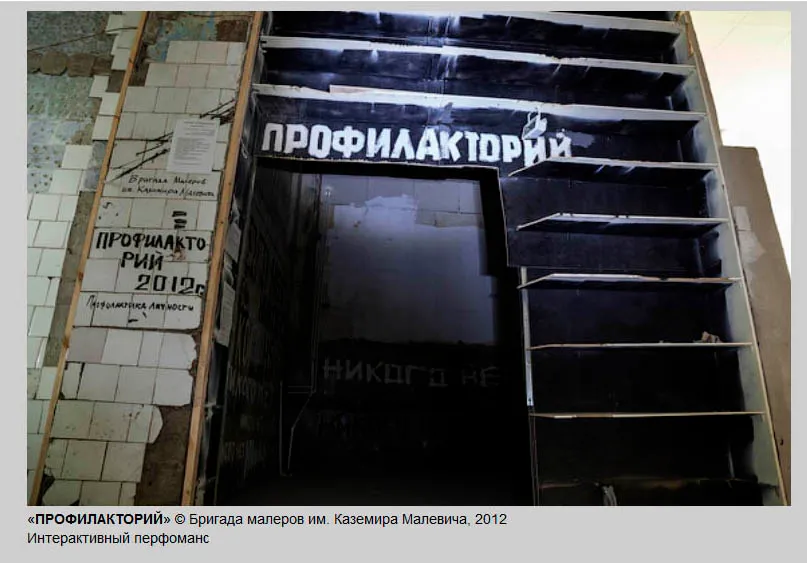
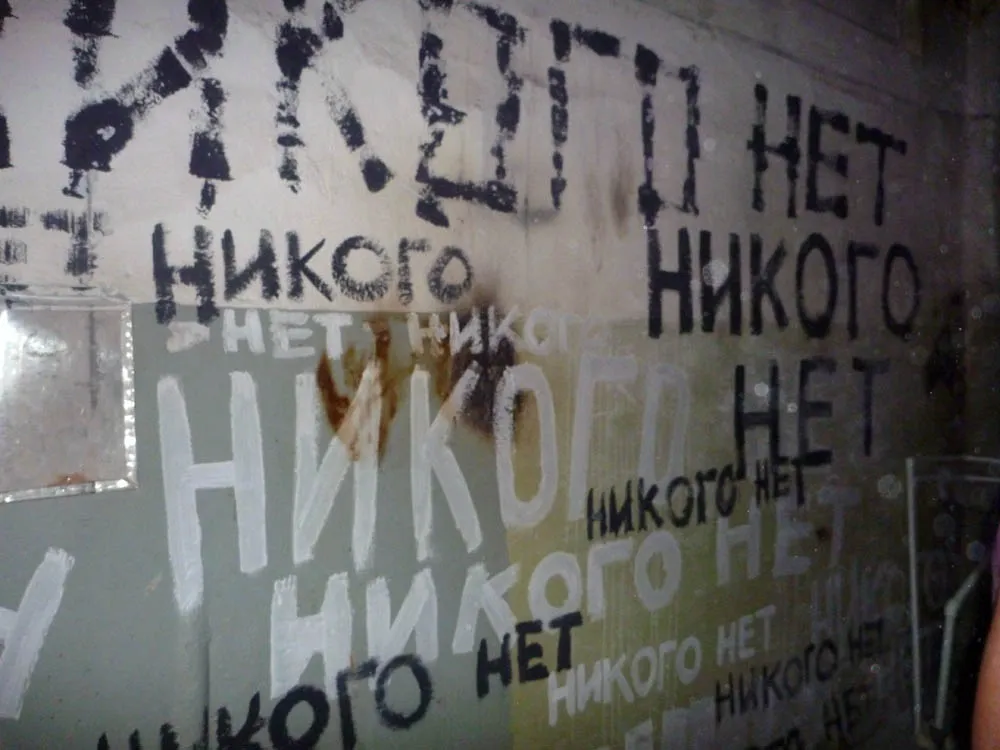
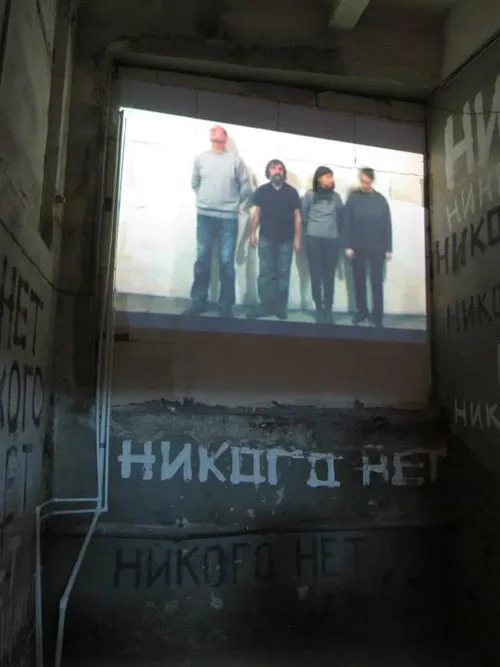
The work was installed in a darkened room within the former printing house.

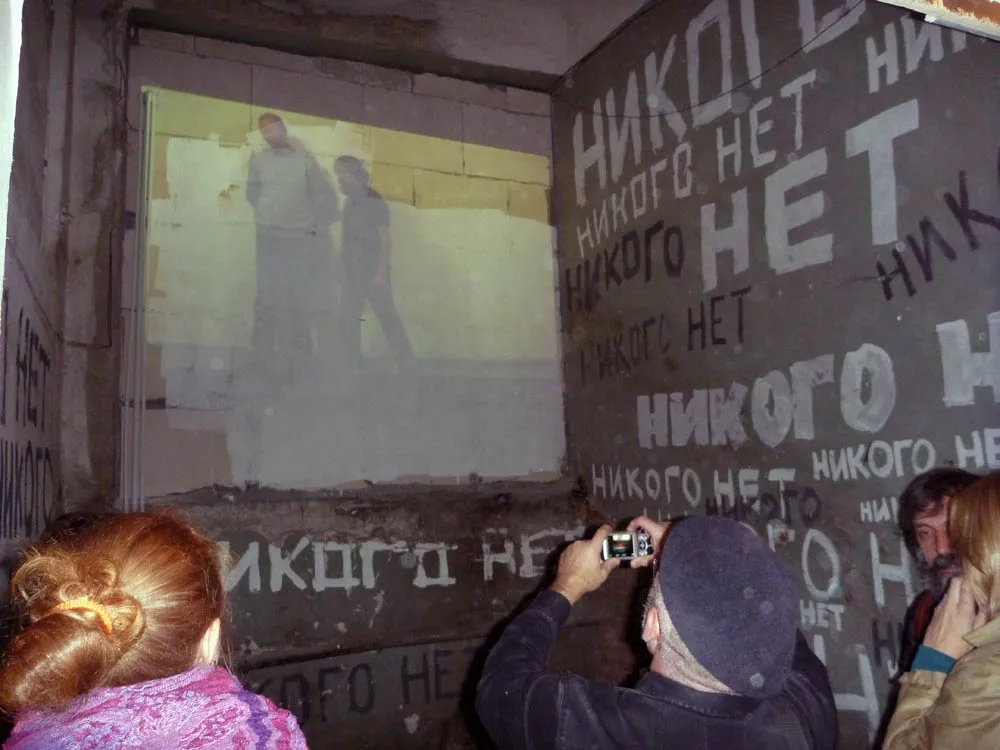
Its walls were covered with the words: “Никого нет” (There Is No One).

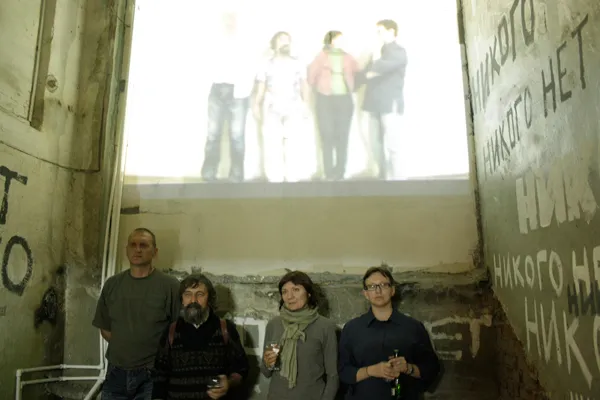
A video projection (I, II) showed the same room. A person entered, looked around and said that nobody was there. Other members of the Brigade then entered the room.

The visitor entering the installation therefore encountered a situation that had already been played out and recorded.

But the statement remained impossible to sustain.

Someone was already there.

The visitor was there too.

Prophylaxis

The Brigade called the work a “prophylaxis of the self”: “Remember yourself. Guard your own dignity.”

The work uses the simplest possible contradiction — saying that nobody is present while being present yourself — to turn absence into a question of perception.

The empty room is not actually empty. Its meaning changes when someone enters it.

The work therefore depends on the visitor not simply looking at an image, but recognising their own presence within the situation.

Exhibition Context

Prophylactorium was presented in the main programme of the II Ural Industrial Biennial of Contemporary Art, The Eye Never Sees Itself, curated by Yaroslava Bubnova.

The exhibition occupied the former Ural Worker printing house, a constructivist industrial building in Yekaterinburg. The biennial explored ways in which artistic vision can analyse and transform the world through acts of looking.

The Brigade’s installation opened the exhibition and became one of its first encounters with the viewer.

Documentation

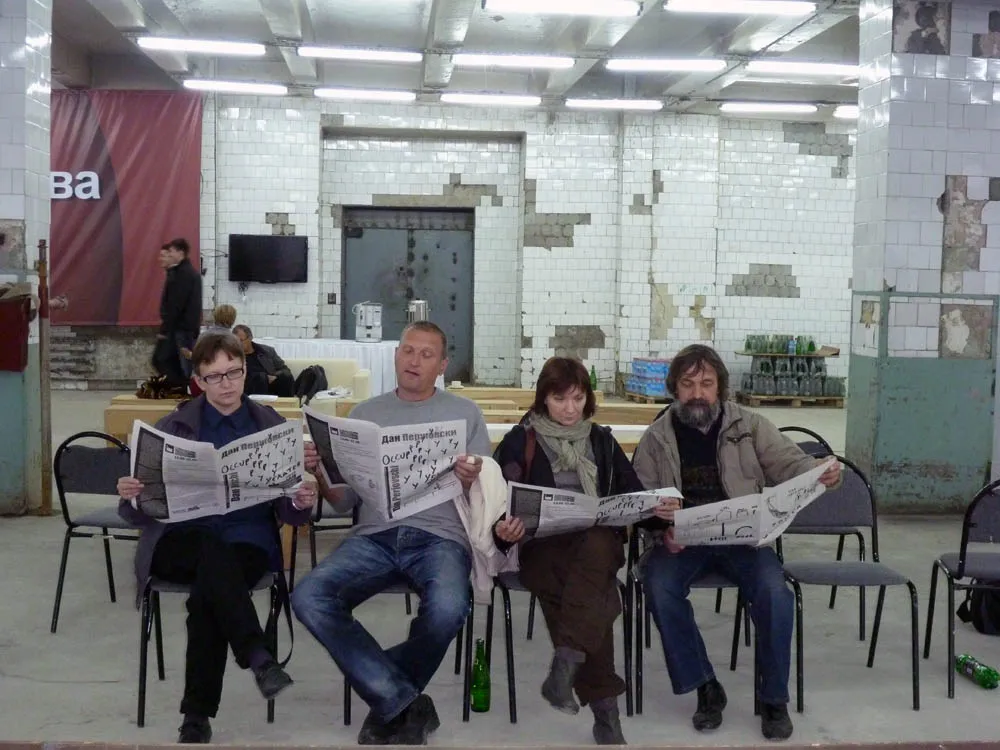
The project was realised collectively by the Brigade.

Elena Gladysheva, Viktor Oborotistov, Marina Razheva, Vladimir Romanov

Original project documentation →

Catalogue: 2nd Ural Industrial Biennial of Contemporary Art: The Eye Never Sees Itself, 2012, pp. 95

Back to Malers’ Brigade

Caution, Artist!

2012, Malevich's Brigade

2012 | Spatial transformation / Performance

Exhibition: Caution, Artist!
*Parallel Programme, II Ural Industrial Biennial of Contemporary Art
Venue: PoLe Gallery, Yekaterinburg, Russia
Dates: 11 September – 8 October 2012
Group: Kazimir Malevich’s Malers’ Brigade

The Exhibition

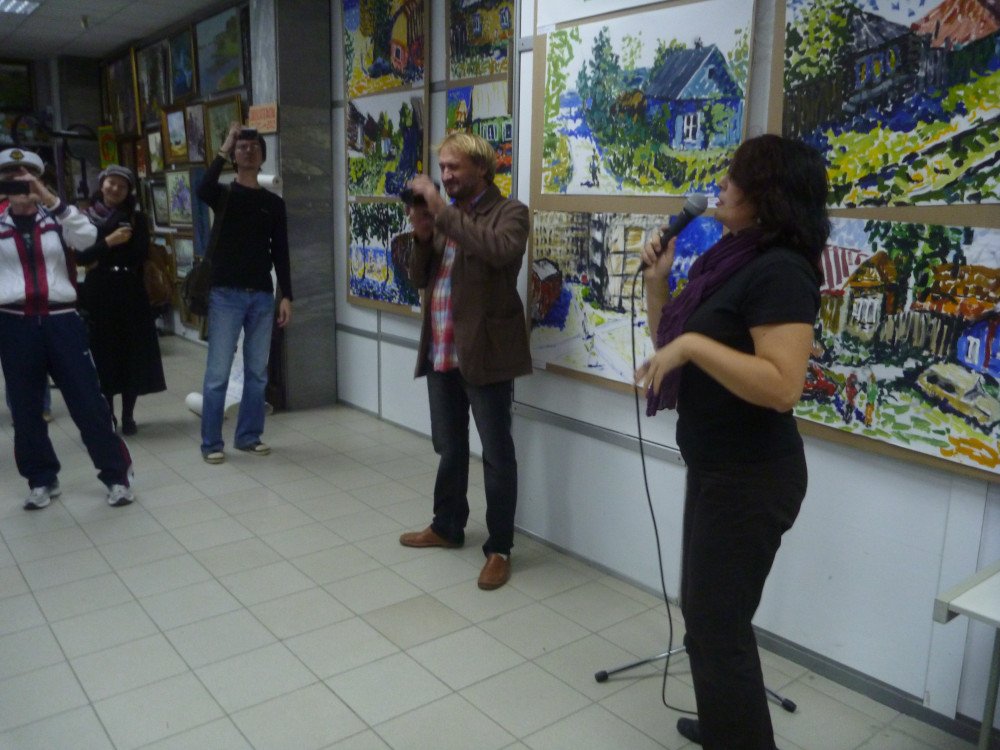
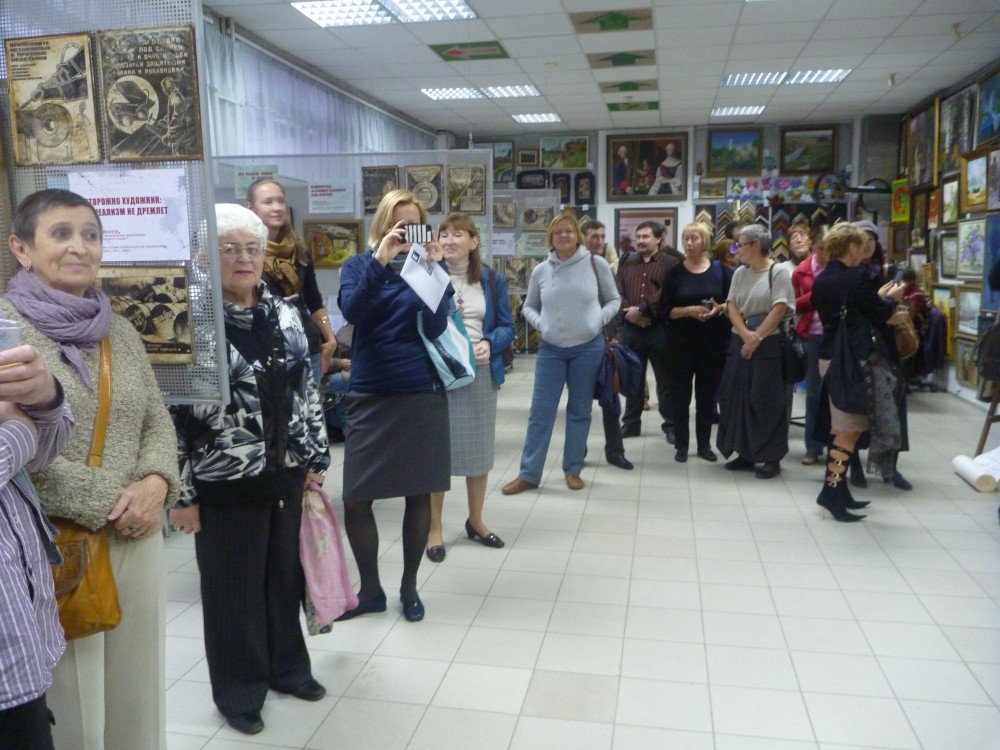
Caution, Artist! brought together artists who had once worked in industrial production, many of them holding actual production jobs before or alongside their artistic practice.

The exhibition explored the blurred boundary between artistic and industrial labour. Paintings were accompanied by information about the artists’ former occupations, while original industrial safety signs and other traces of factory culture formed part of the exhibition environment.

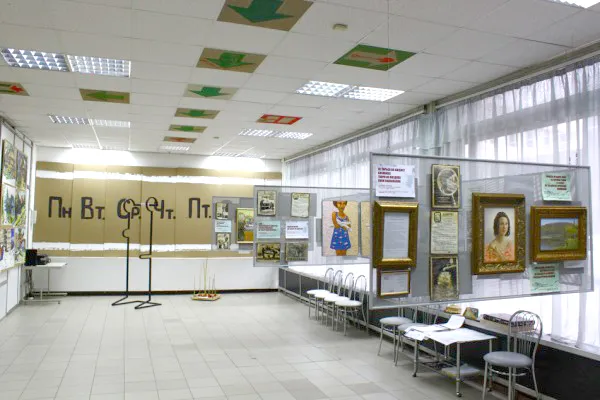
Within this context, the Kazimir Malevich’s Malers’ Brigade transformed the gallery itself.

The Transformation

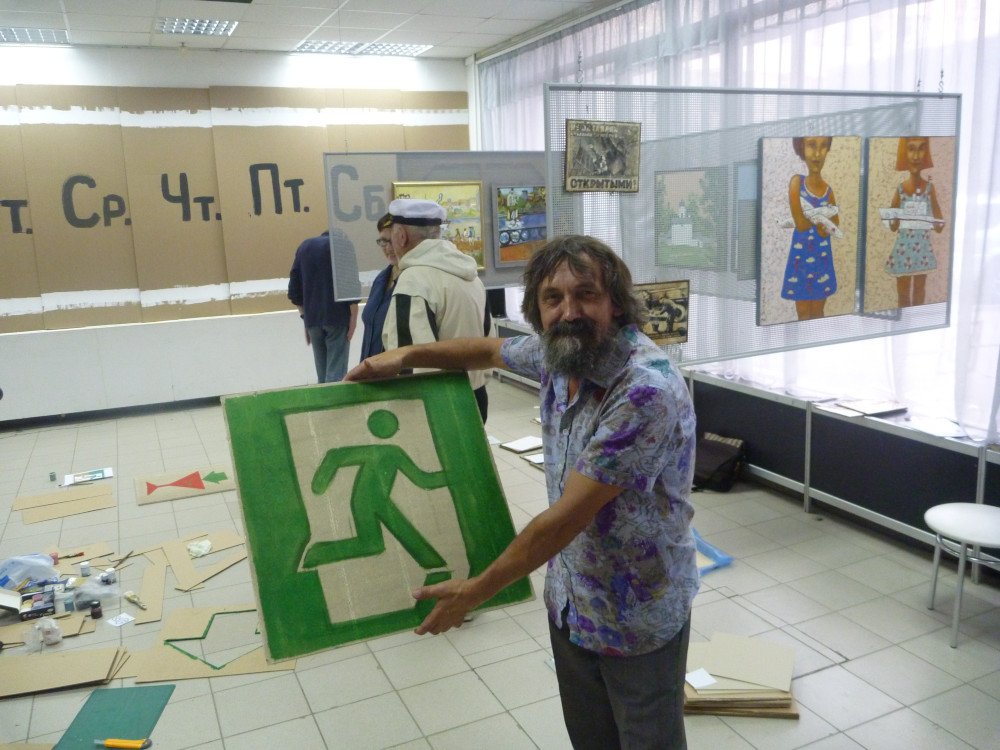
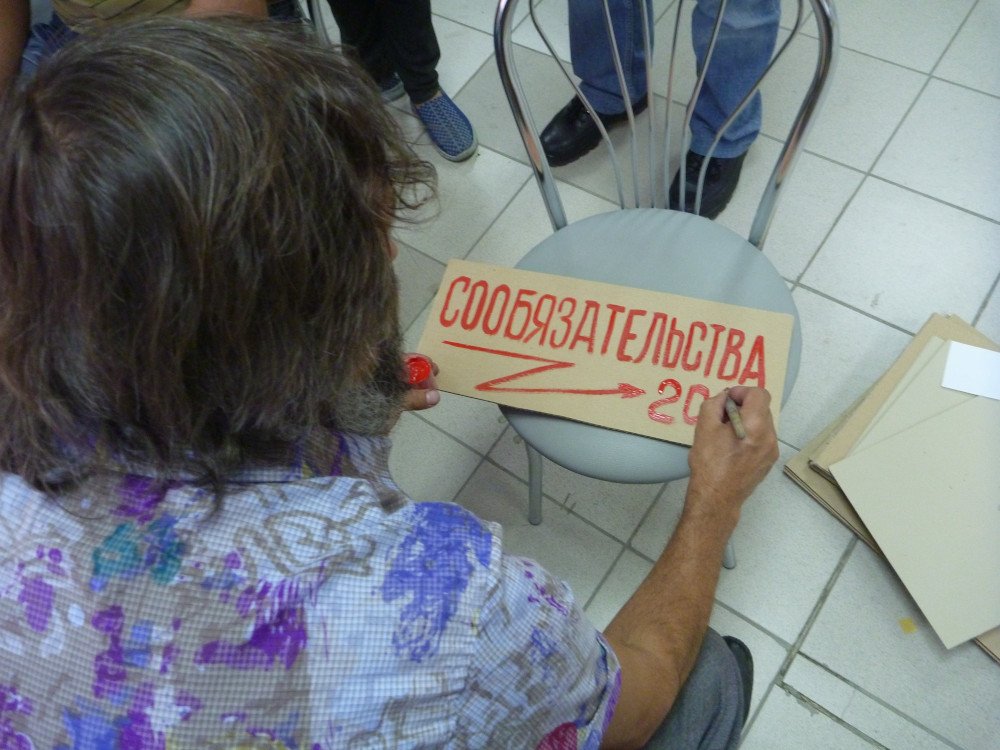
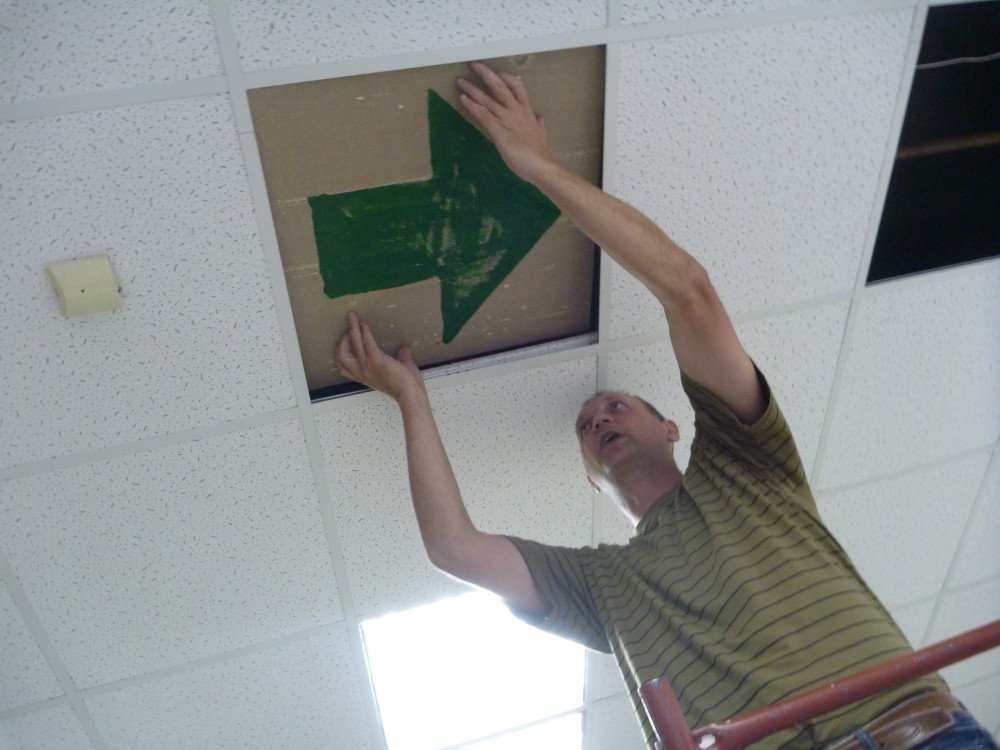
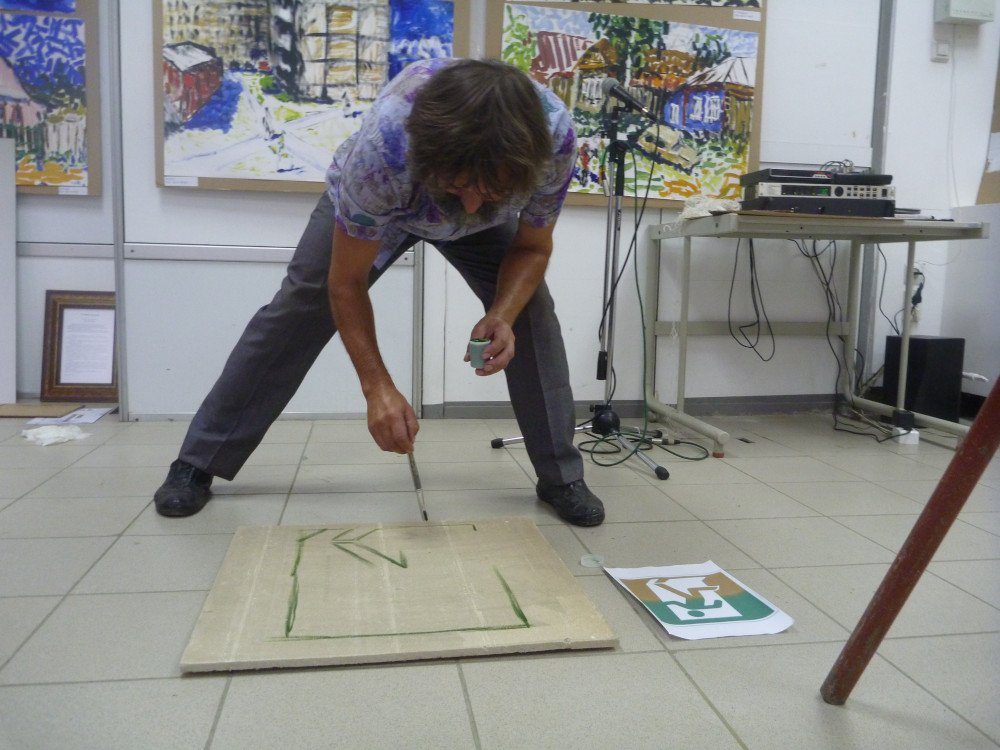
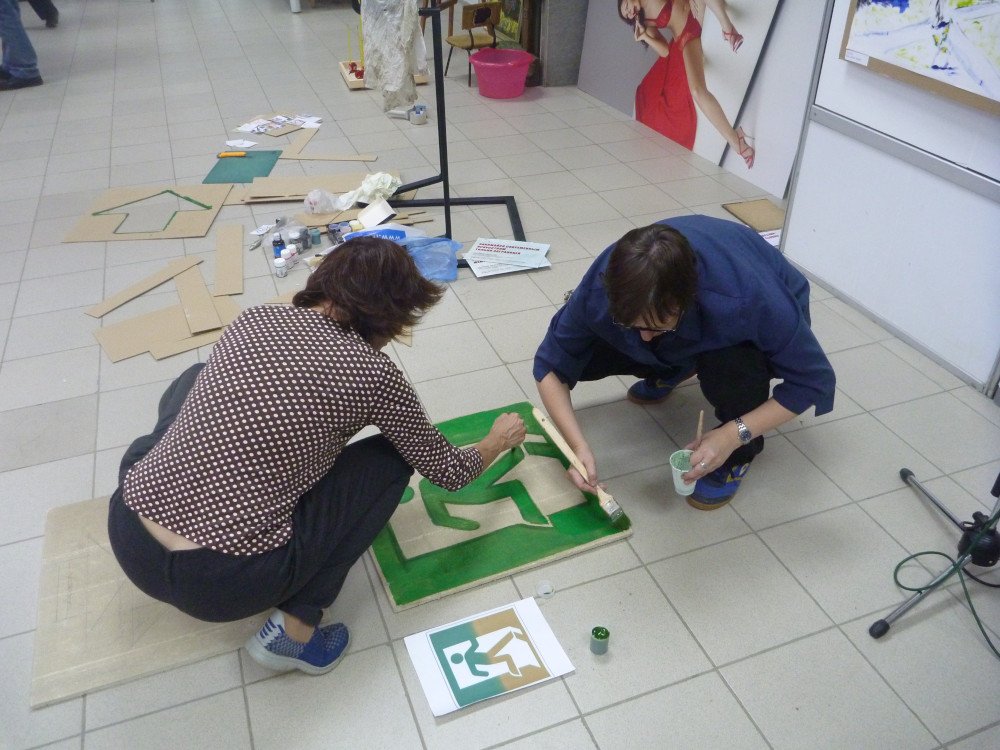
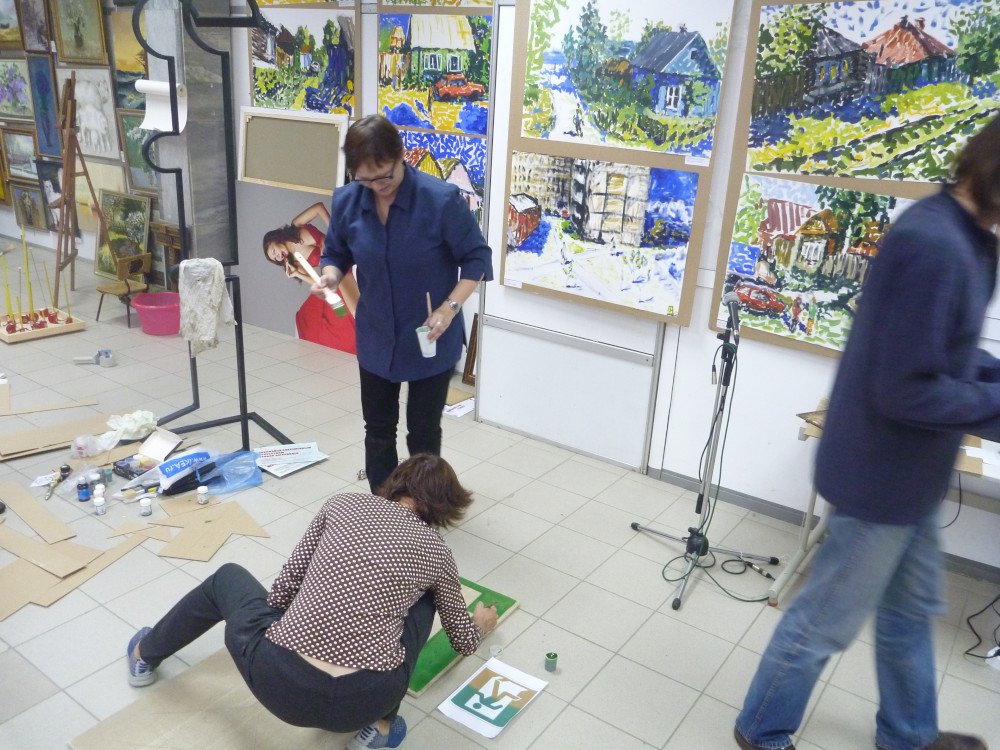
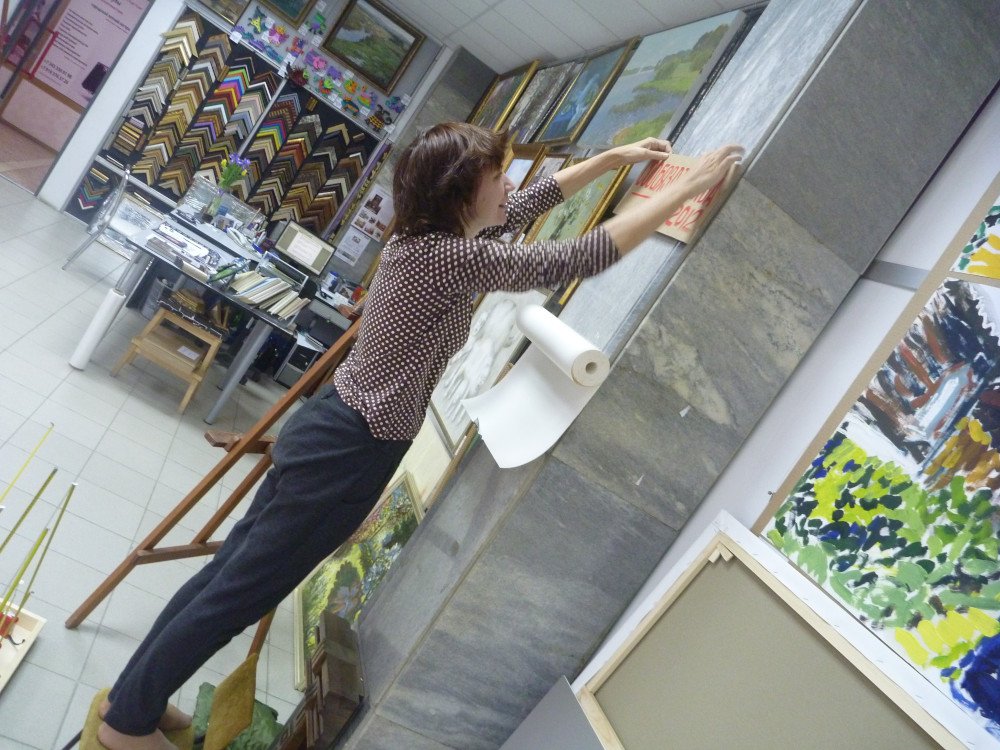
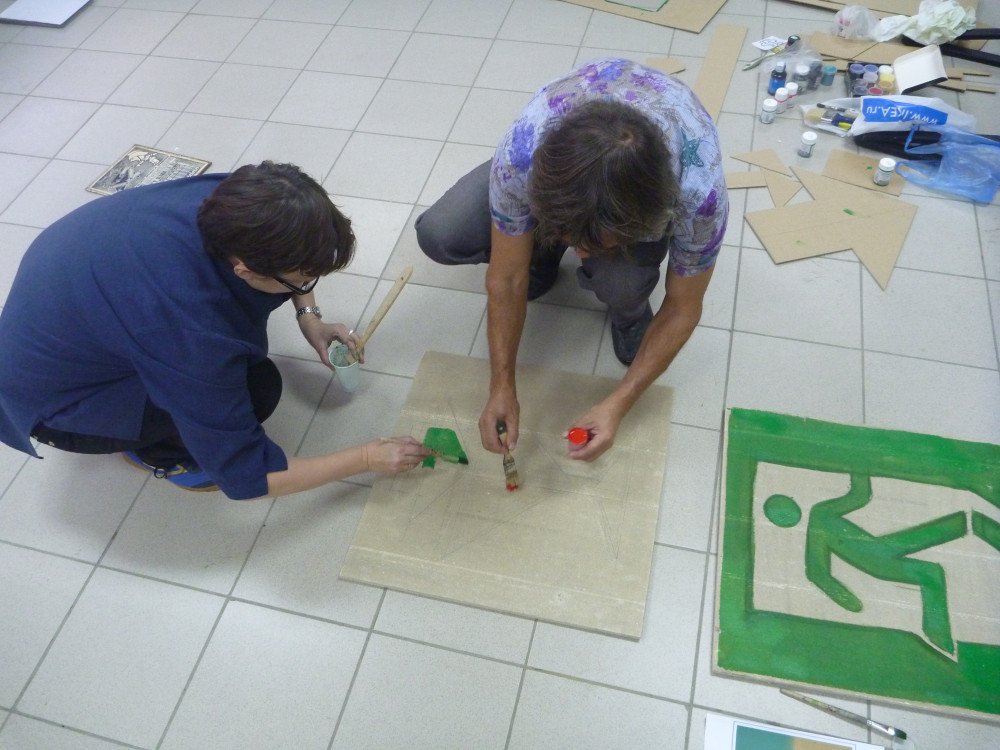
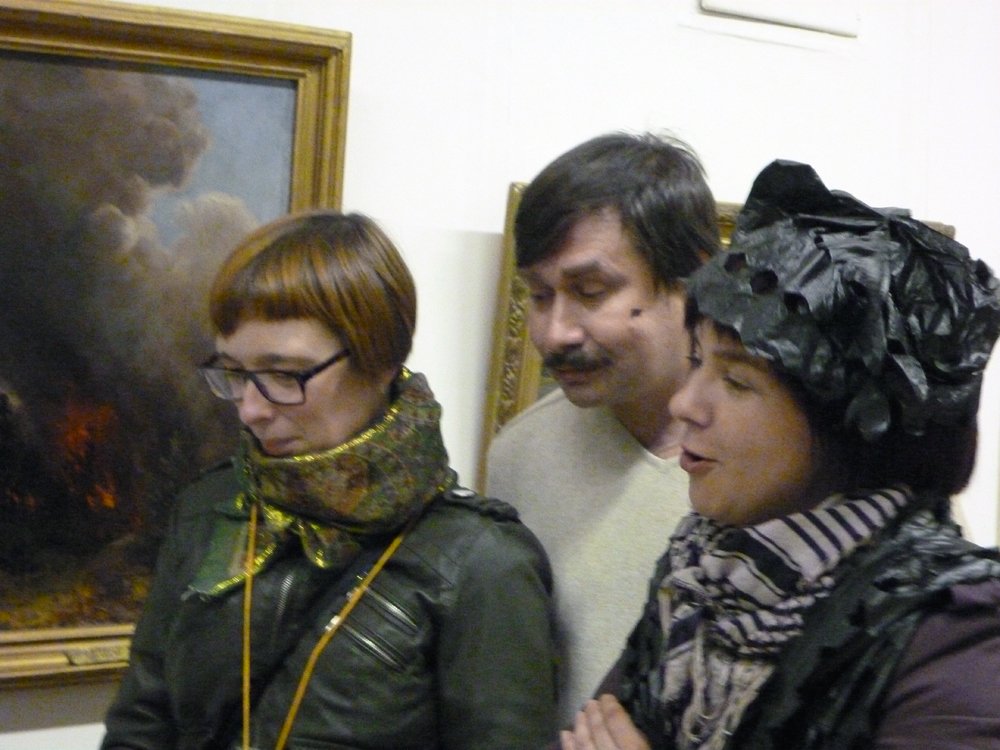
The Brigade developed the spatial intervention and carried out its installation as a performance.

The existing paintings and watercolours remained in the gallery, but the language of the industrial workplace was introduced into the room.

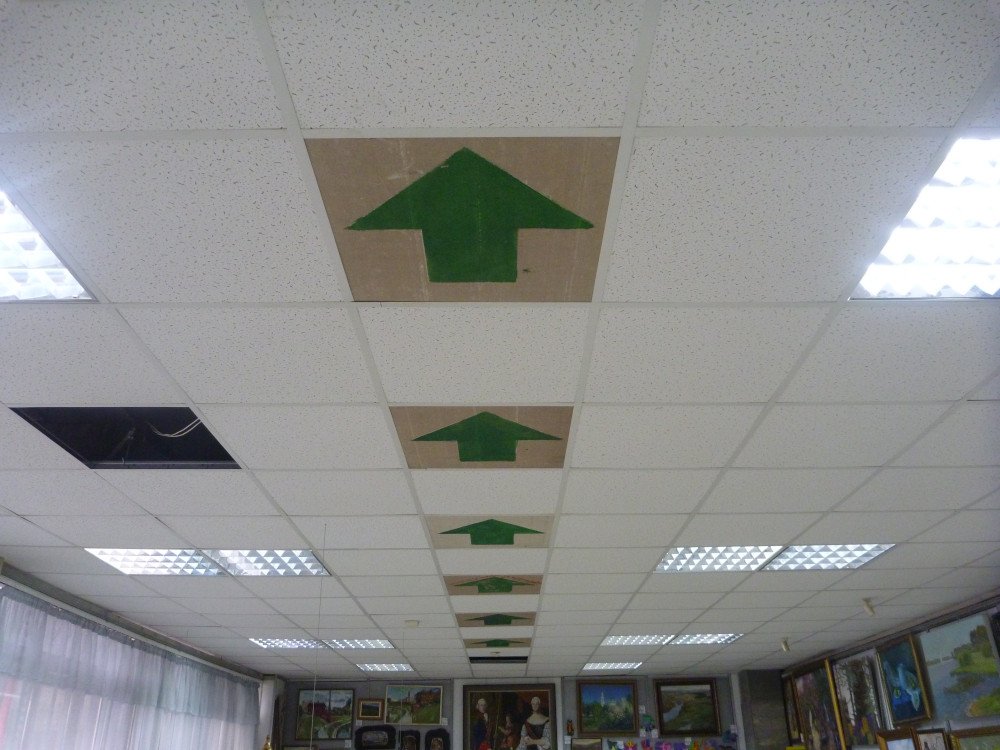
“Entrance–Exit” signs appeared on the ceiling. Arrows marked the floor. Safety regulations covered the walls.

The exhibition space began to resemble a place of production: a space organised by movement, instructions, functions and rules.

The intervention did not replace the exhibition. It altered the conditions in which it was seen.

A gallery that had been familiar as an exhibition space became something else without ceasing to be a gallery.

The Brigade

The transformation was one part of the wider exhibition, which also included paintings, documentary materials and a collection of authentic industrial safety signs from the 1970s–1980s.

The title Caution, Artist! therefore worked in several directions: as a warning, as a reminder of the artist’s vulnerability, and as a playful transfer of industrial safety culture into the field of art.

The Brigade responded to this context not by illustrating it, but by allowing the language of production to enter the exhibition space itself.

Documentation

Kazimir Malevich’s Malers’ Brigade

Original project documentation →

Catalogue: 2nd Ural Industrial Biennial of Contemporary Art: The Eye Never Sees Itself, 2012, p. 252-254.
Catalogue →

Back to Malers’ Brigade

Portrait Studio

2011, Malevich's Brigade

2011 | Happening

Event: Night of Museums
Venue: Yekaterinburg Museum of Fine Arts, Hall of 18th–19th Century Painting, Yekaterinburg, Russia
Date: 14 May 2011
Group: Kazimir Malevich’s Malers’ Brigade

The Happening

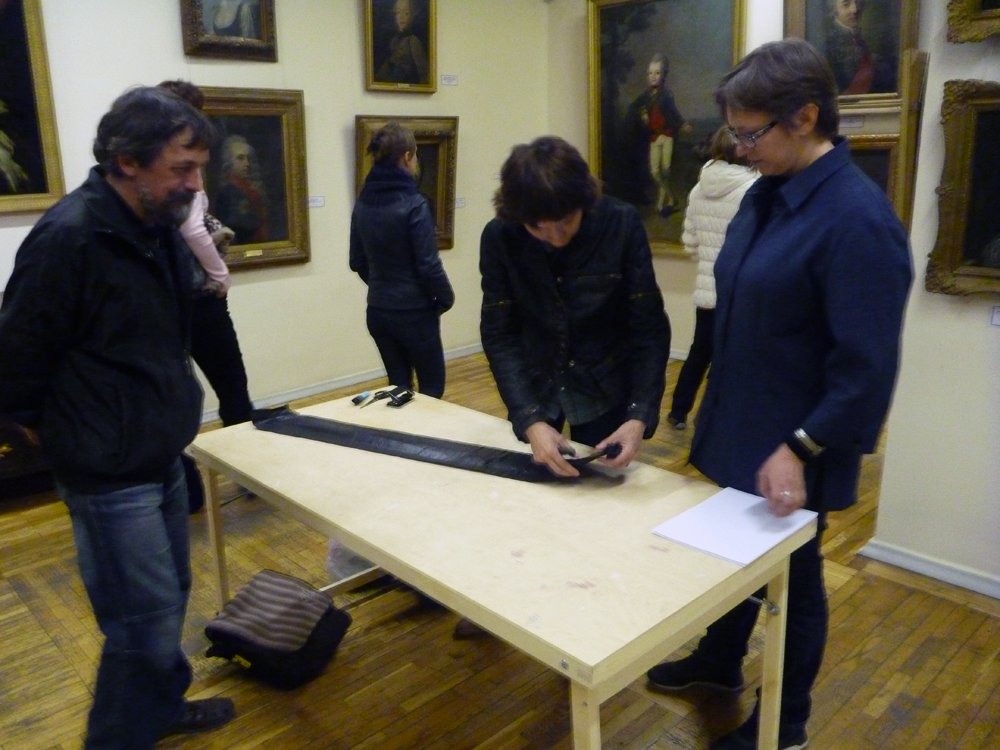
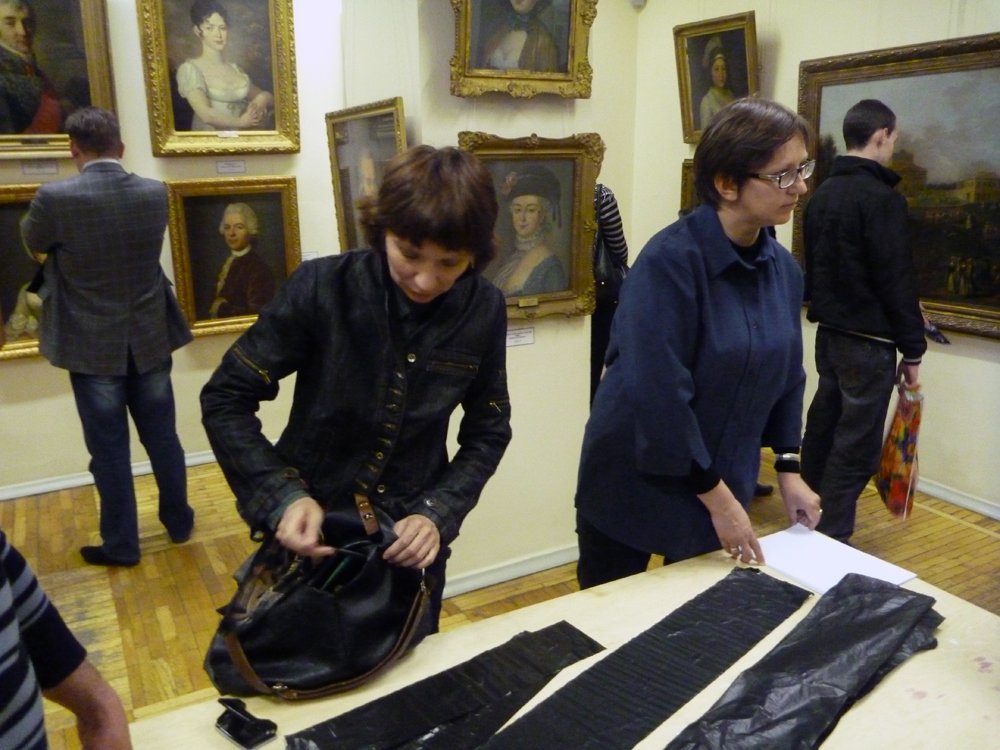
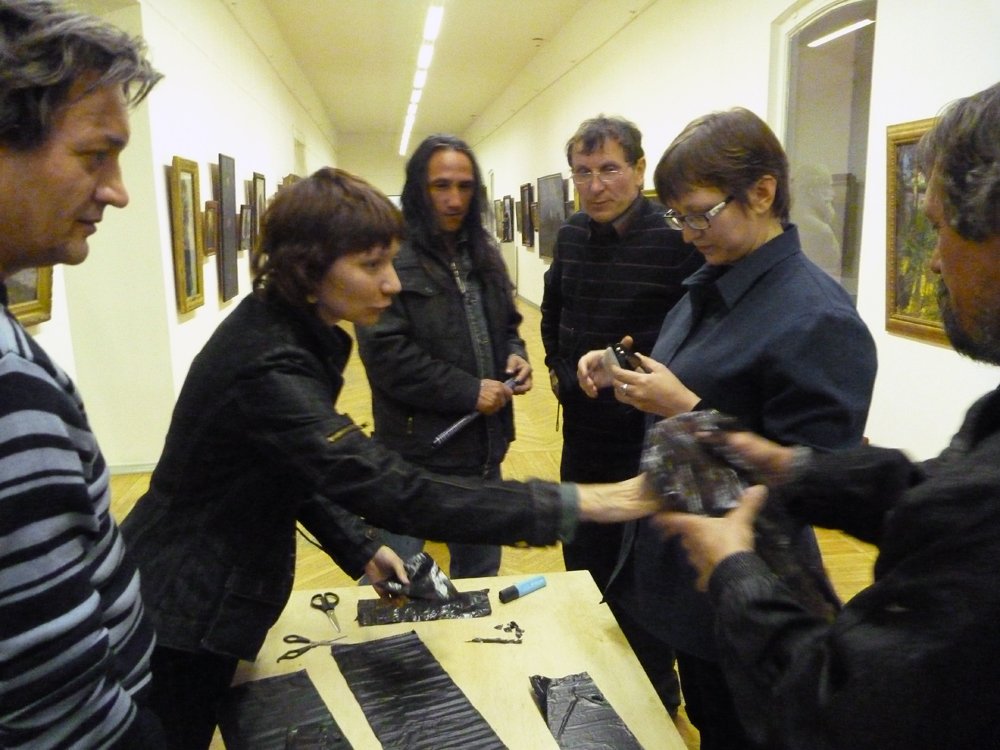
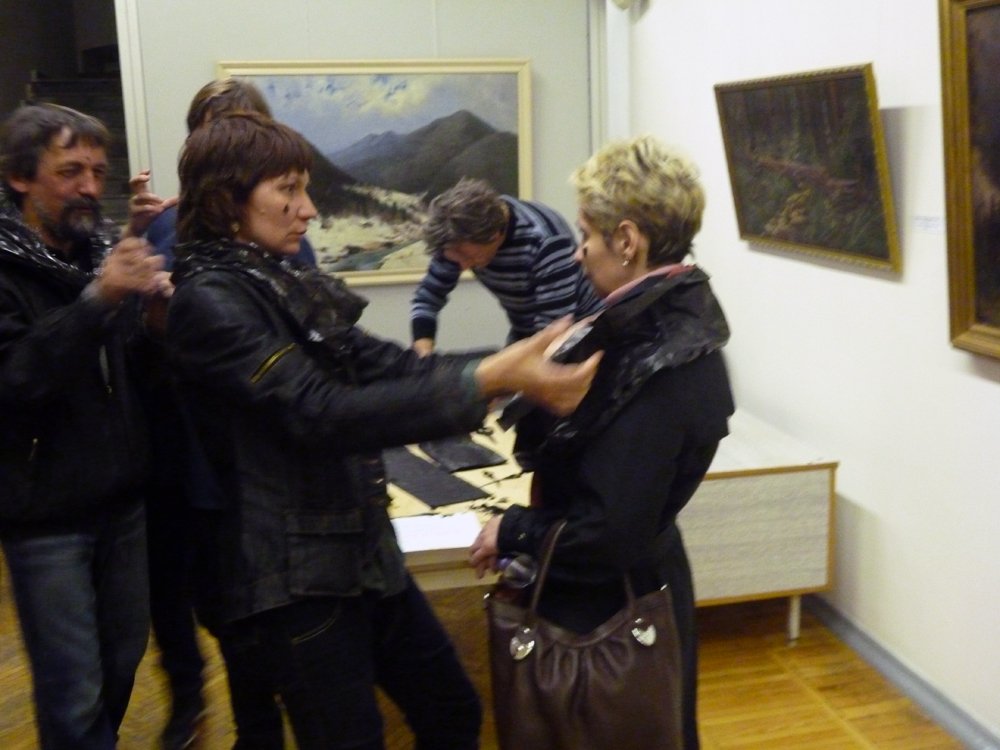
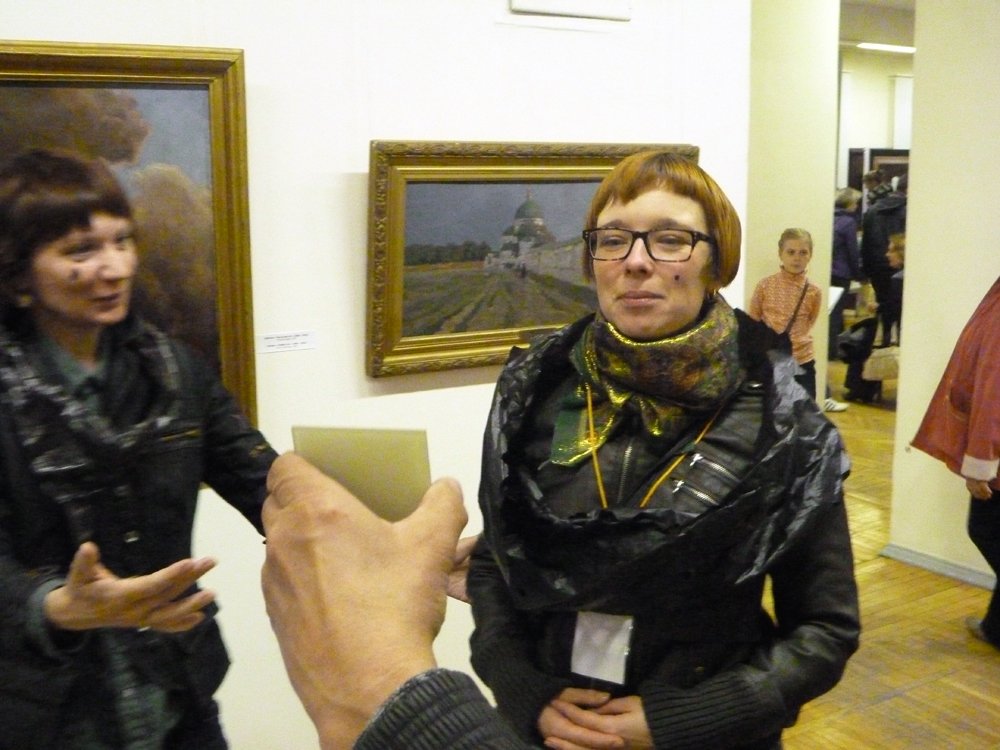
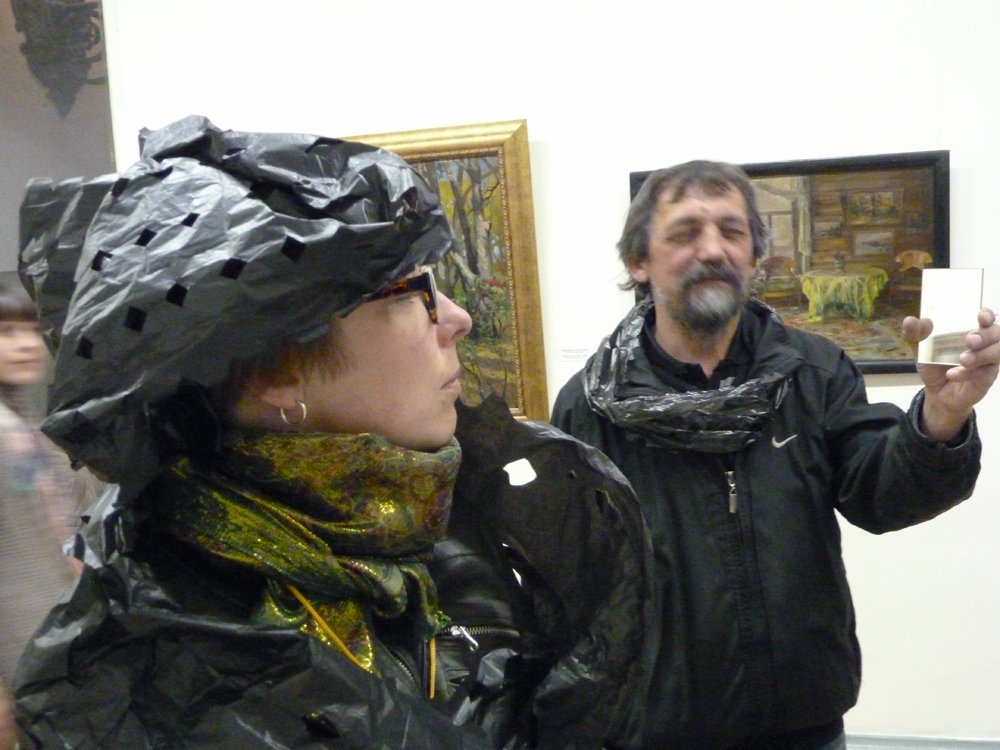
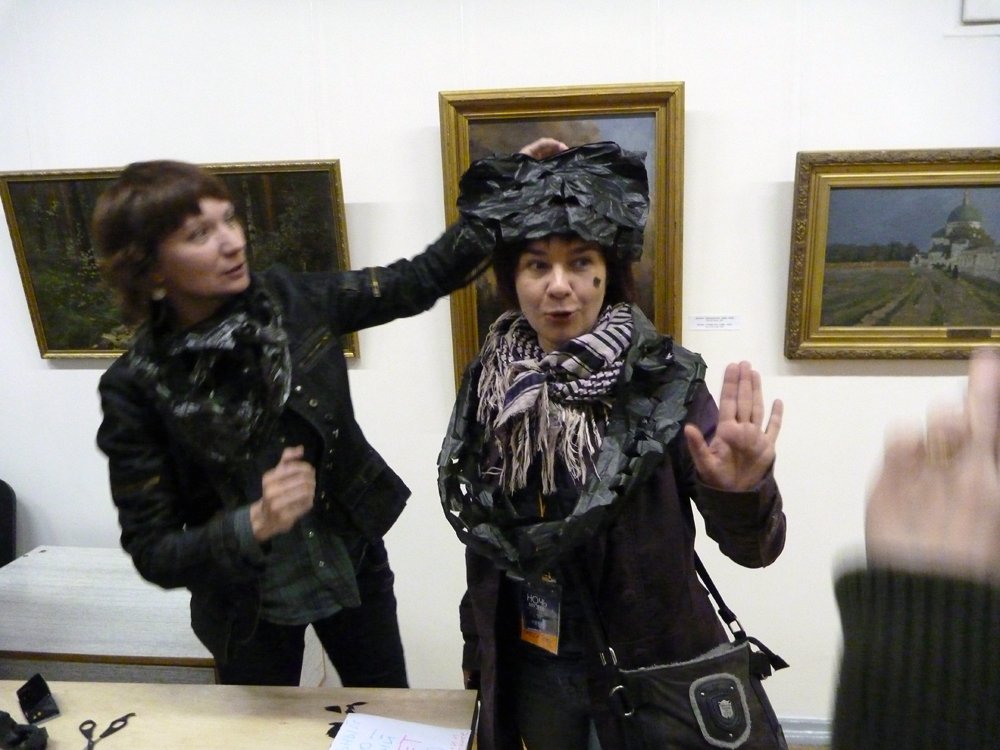
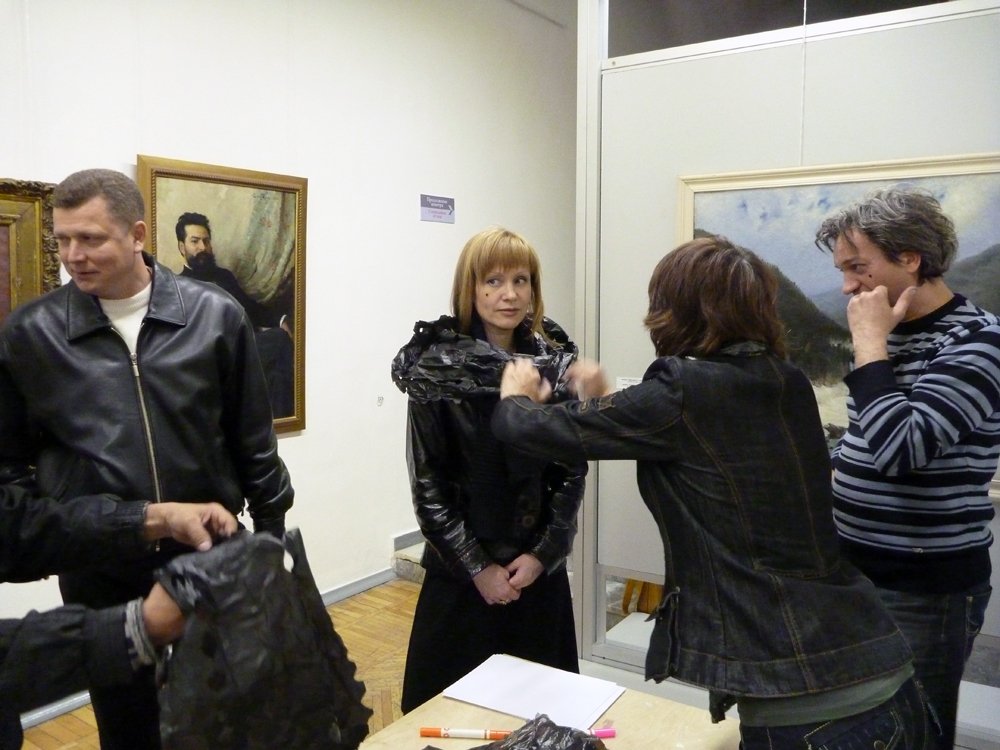
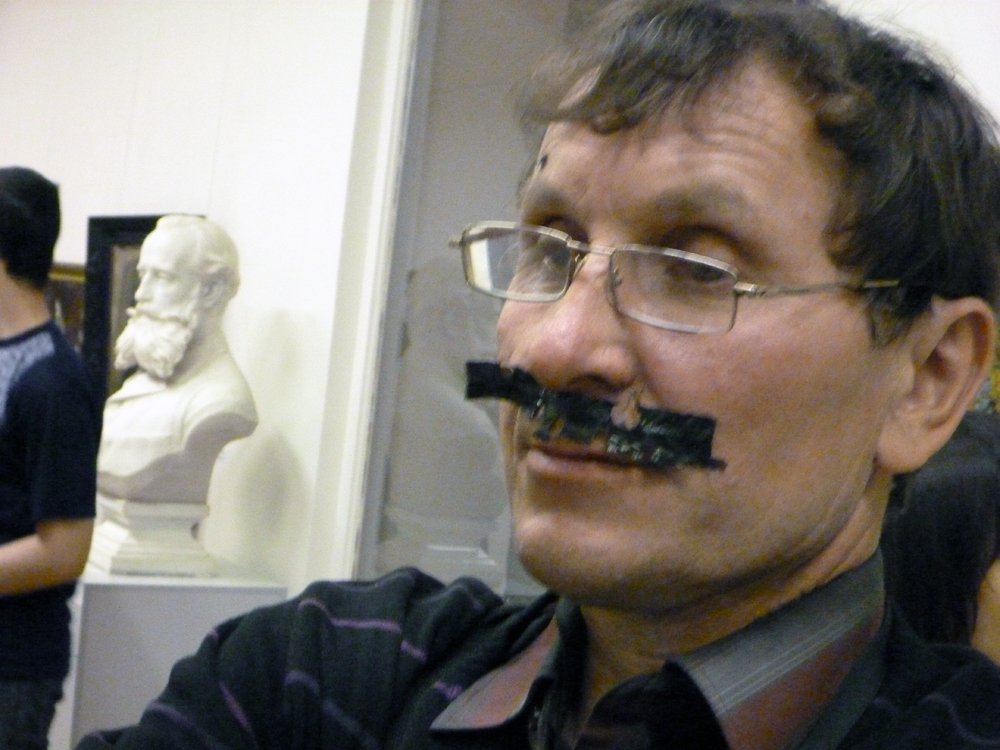
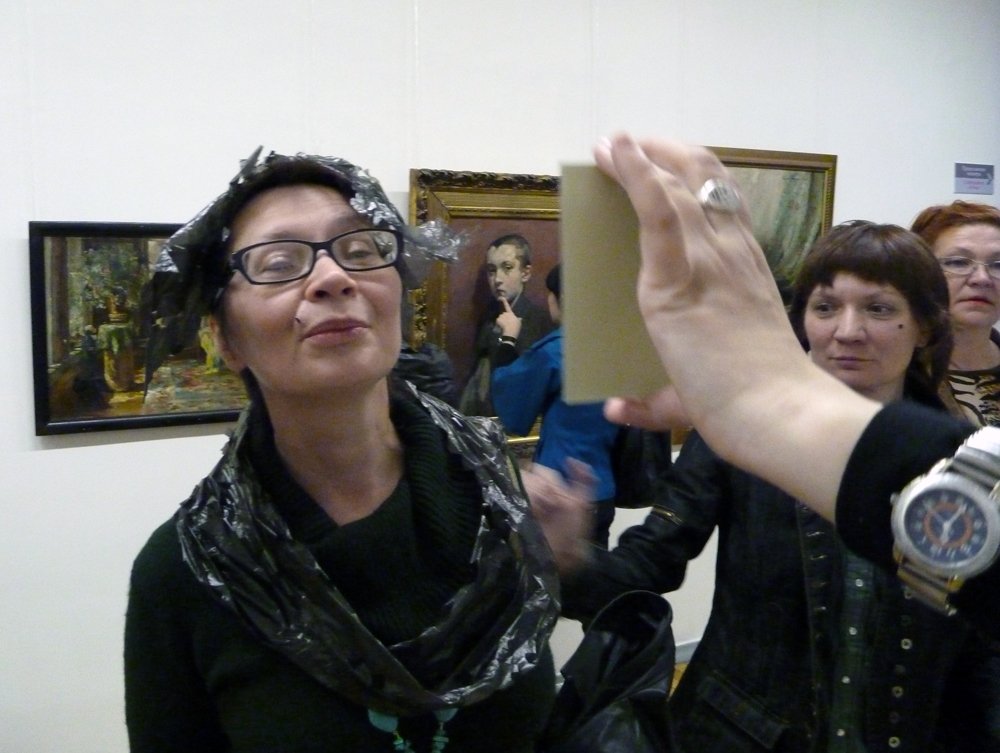
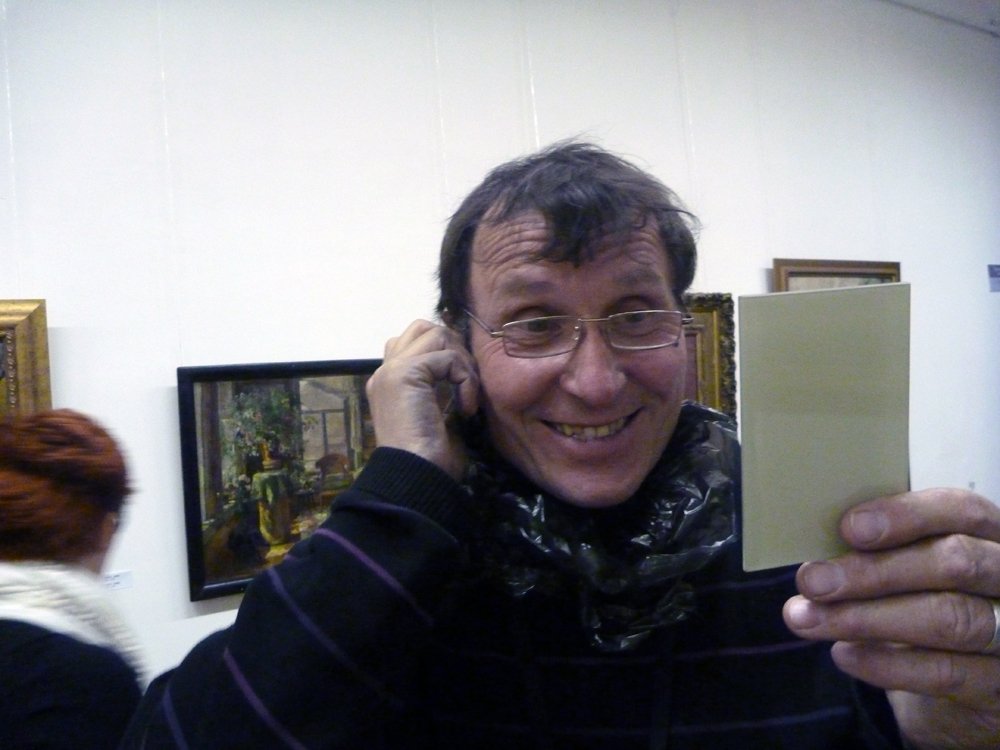
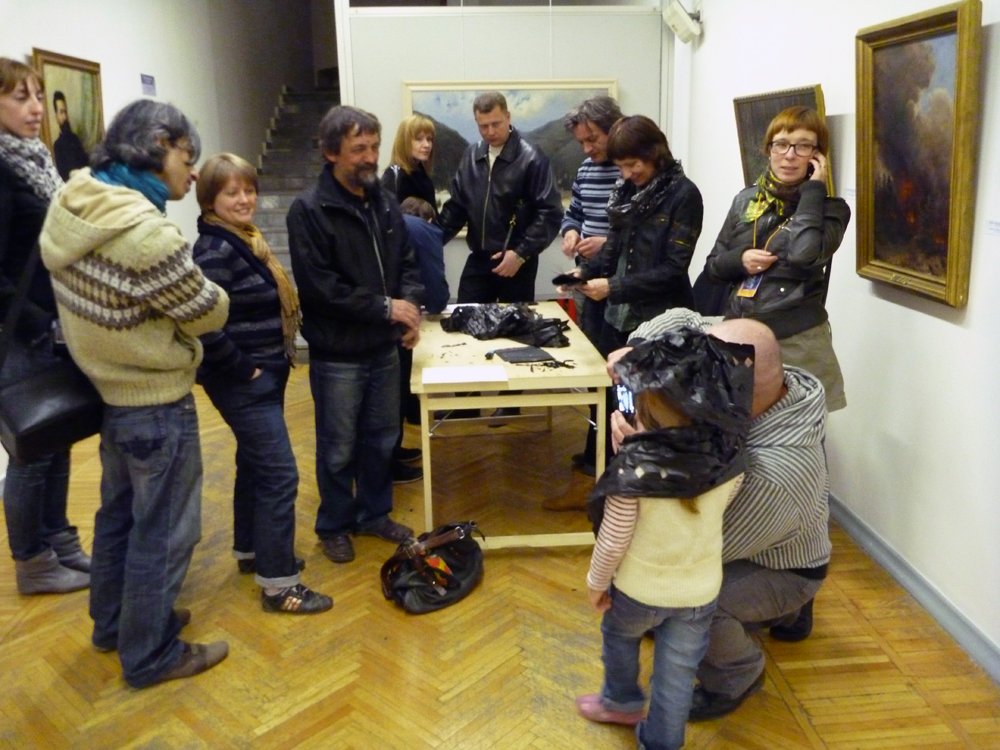
For the Night of Museums, the Kazimir Malevich’s Malers’ Brigade opened a temporary portrait studio inside the museum’s historic painting hall.

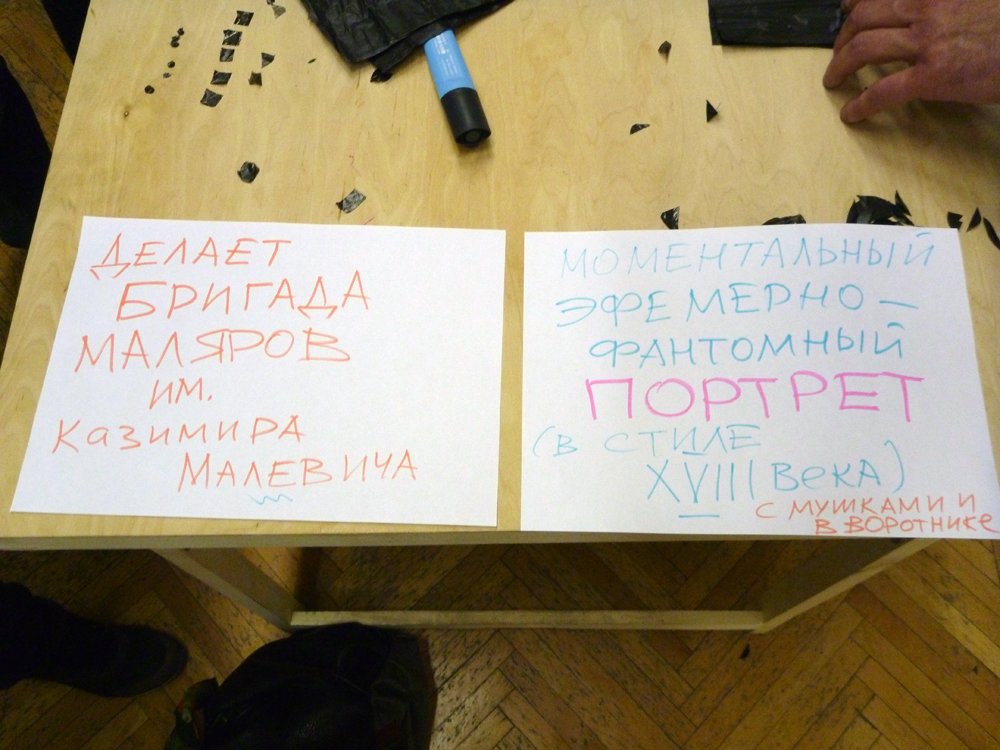
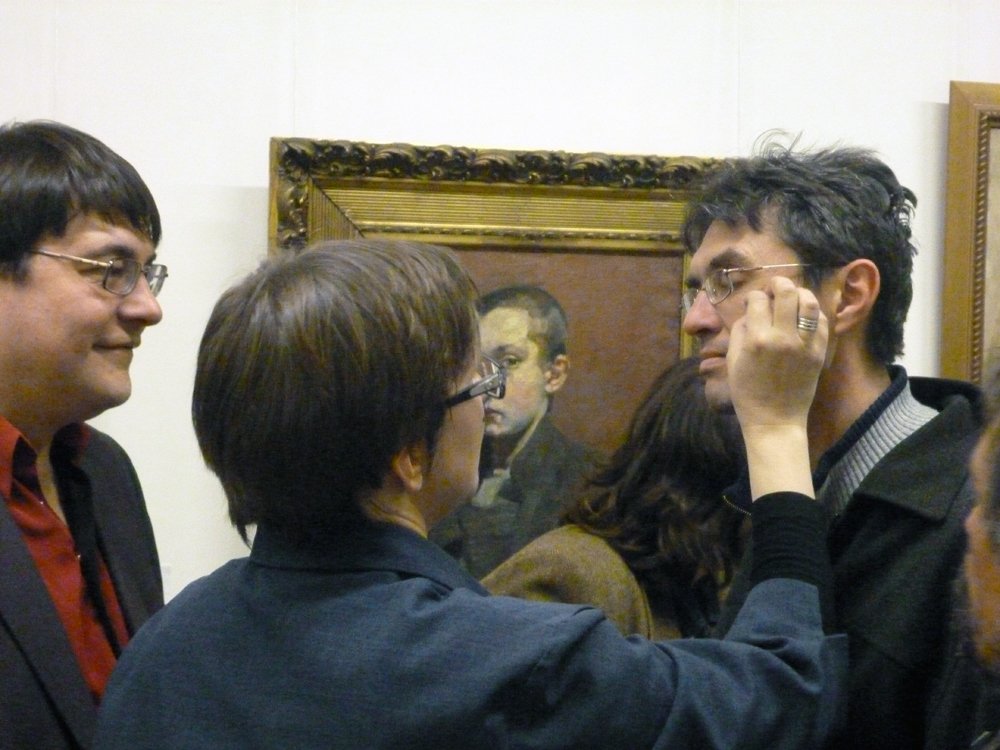
Visitors were invited to have an instant, ephemeral portrait made in the style of the eighteenth century.
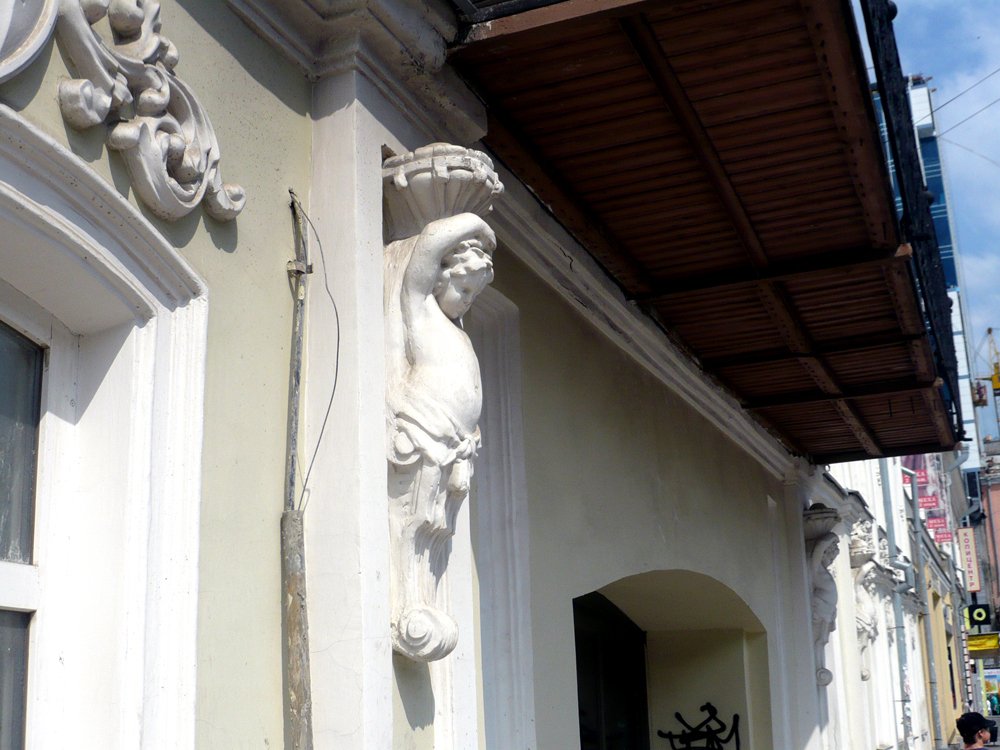
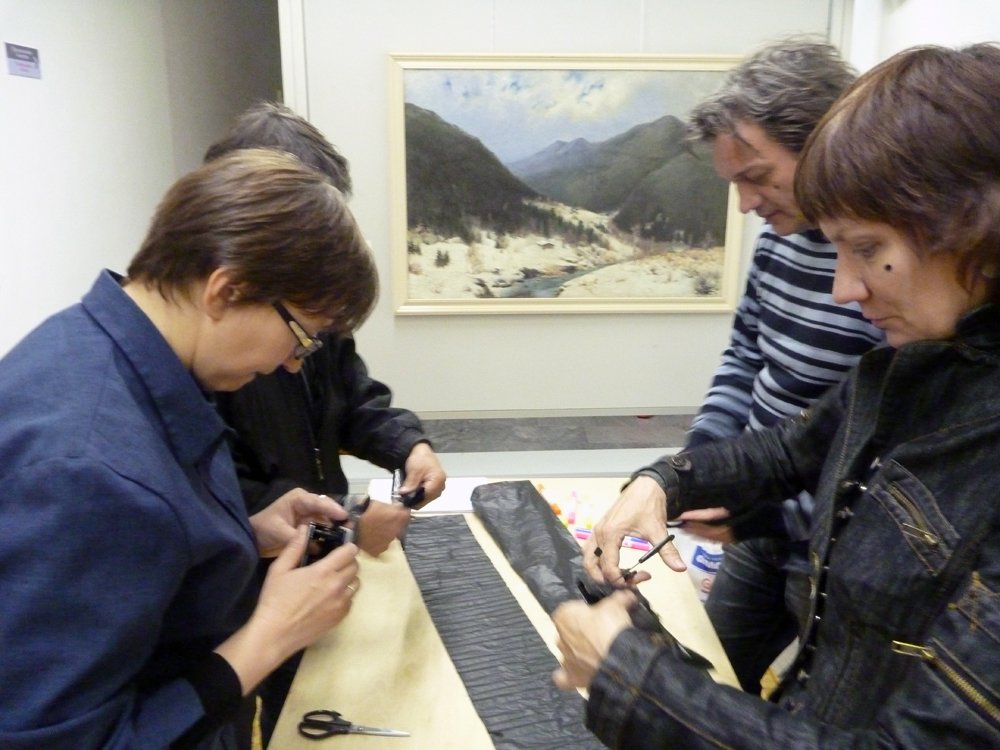
The Brigade used black polyethylene to cut simple details: beauty marks, moustaches and collars. These were placed on the visitors, transforming their appearance for a moment.

There was no painting and no permanent portrait.

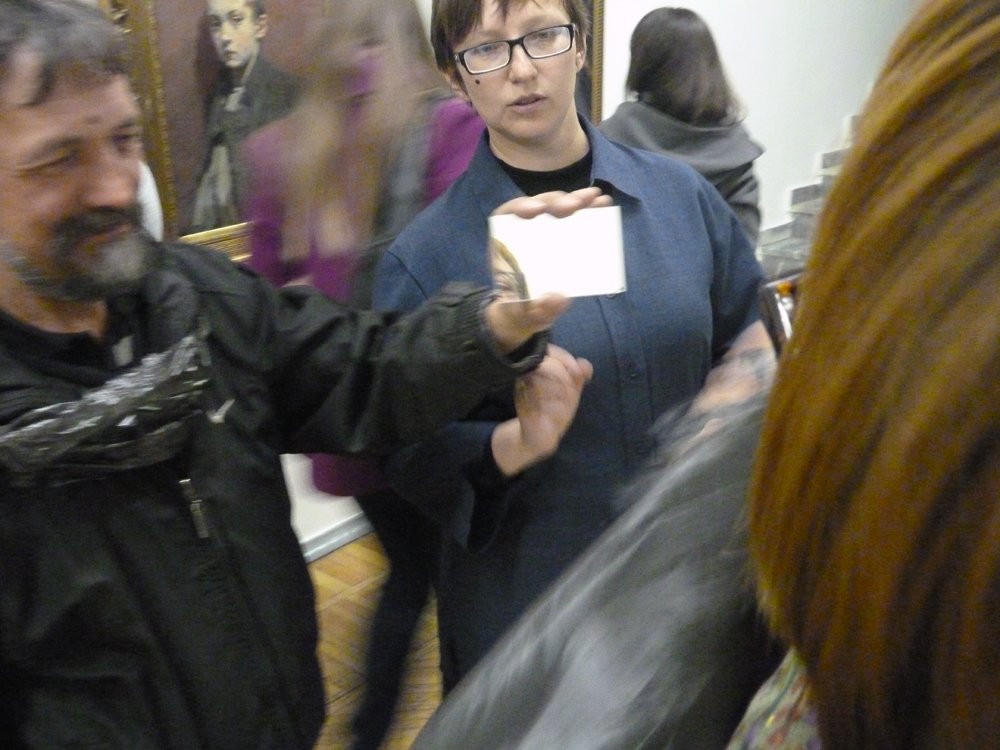
Instead, the newly transformed sitter was given a hand mirror and invited to see the portrait immediately.

The Portrait

The portrait existed only for a moment: in the person, in the theatrical transformation and in the mirror.

A familiar museum setting became the backdrop for a temporary shift of identity and appearance.

The work was less about producing an image than about creating the conditions for a person to see themselves differently, even if only for a few seconds.

Original project documentation →

Back to Malers’ Brigade

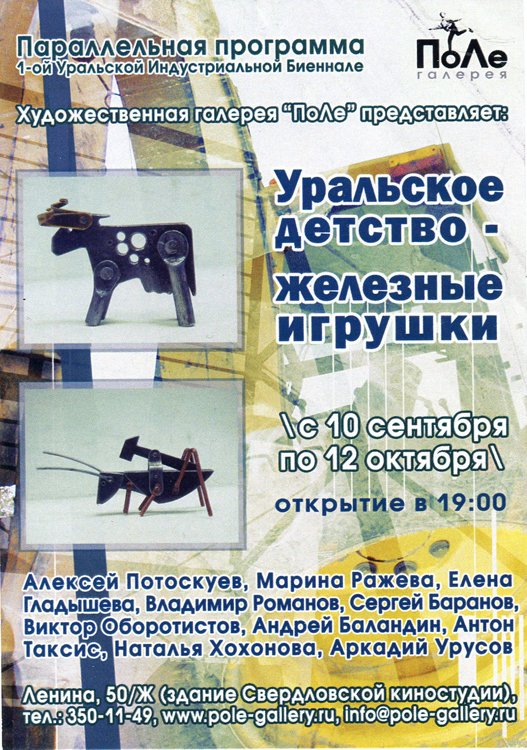
Ural Childhood — Iron Toys

2010, Malevich's Brigade

2010 | Interactive happening

Exhibition: Ural Childhood — Iron Toys
Parallel Programme, 1st Ural Industrial Biennial of Contemporary Art
Venue: PoLe Gallery, Yekaterinburg, Russia
Date of action: 10 September 2010
Group: Kazimir Malevich’s Malers’ Brigade

The Exhibition

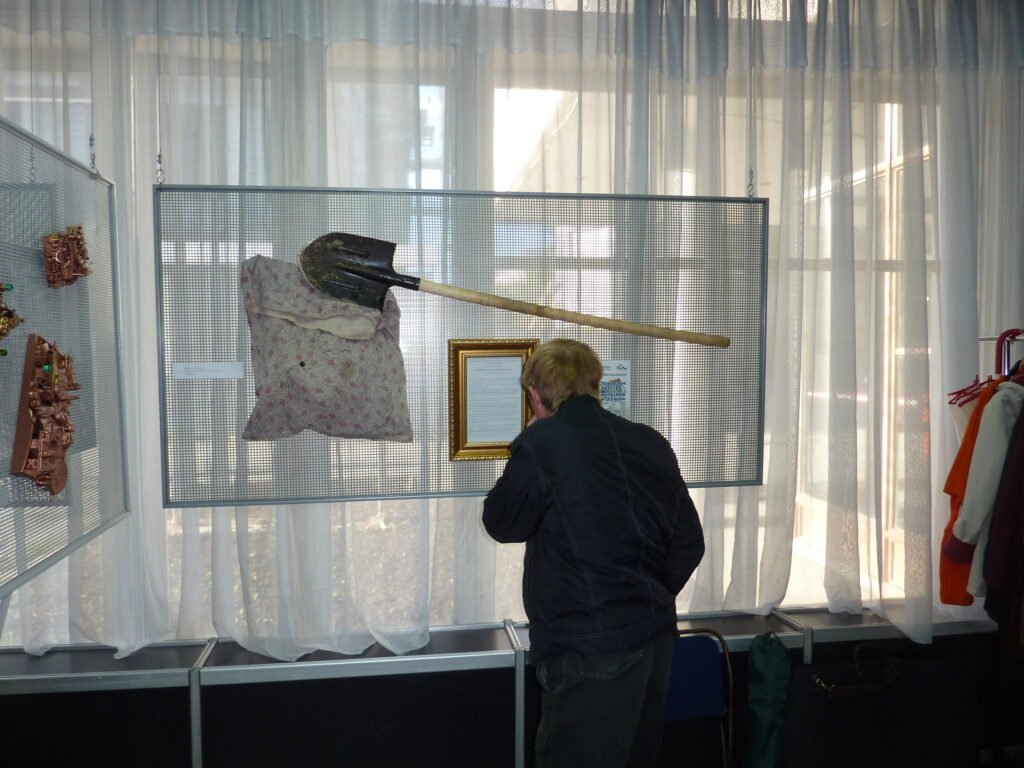
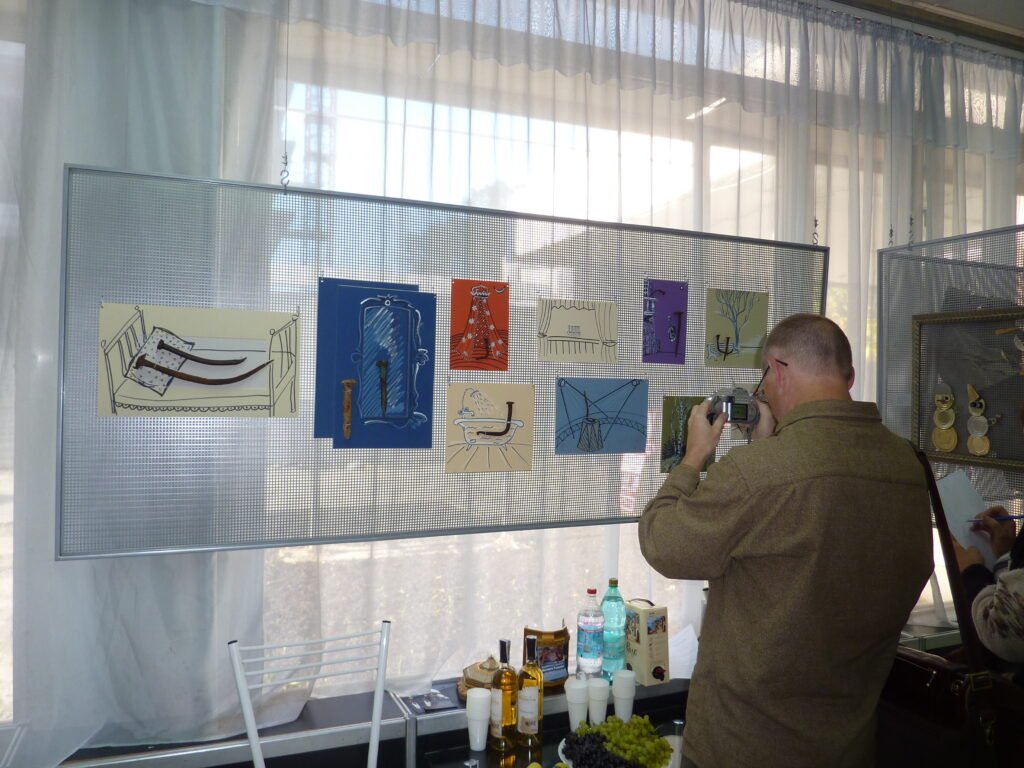
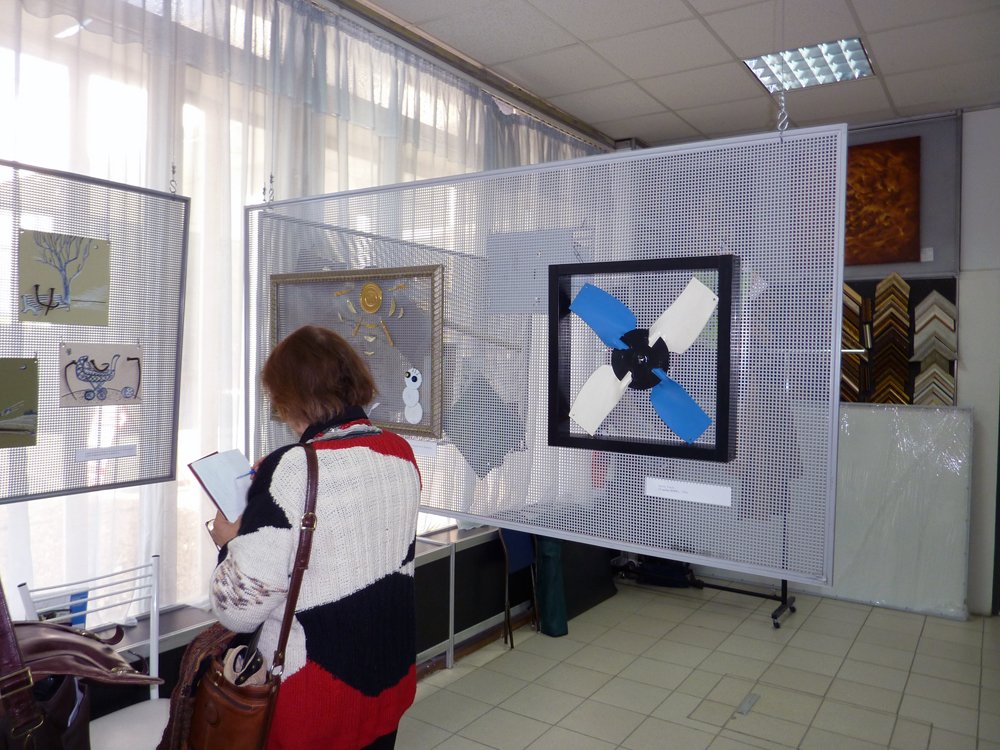
Ural Childhood — Iron Toys explored childhood memories shaped by the industrial environment of the Urals, where metal, factories and industrial landscapes were part of everyday life.

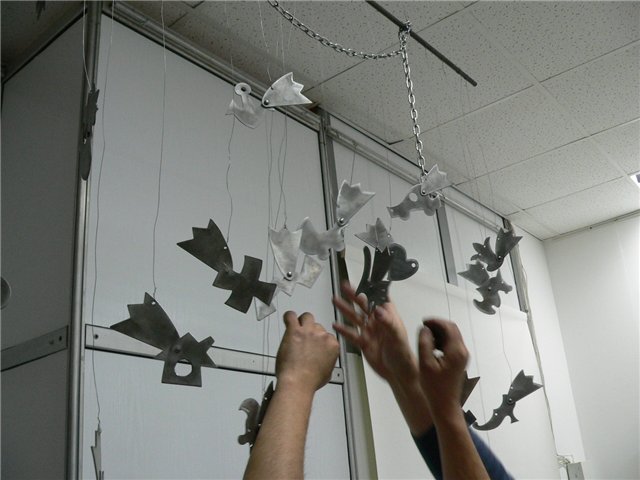
Within the exhibition, each member of the Brigade presented an “iron toy” of their own, together with instructions for making or playing with it and memories associated with it. The works included paintings, objects and other forms of recollection.

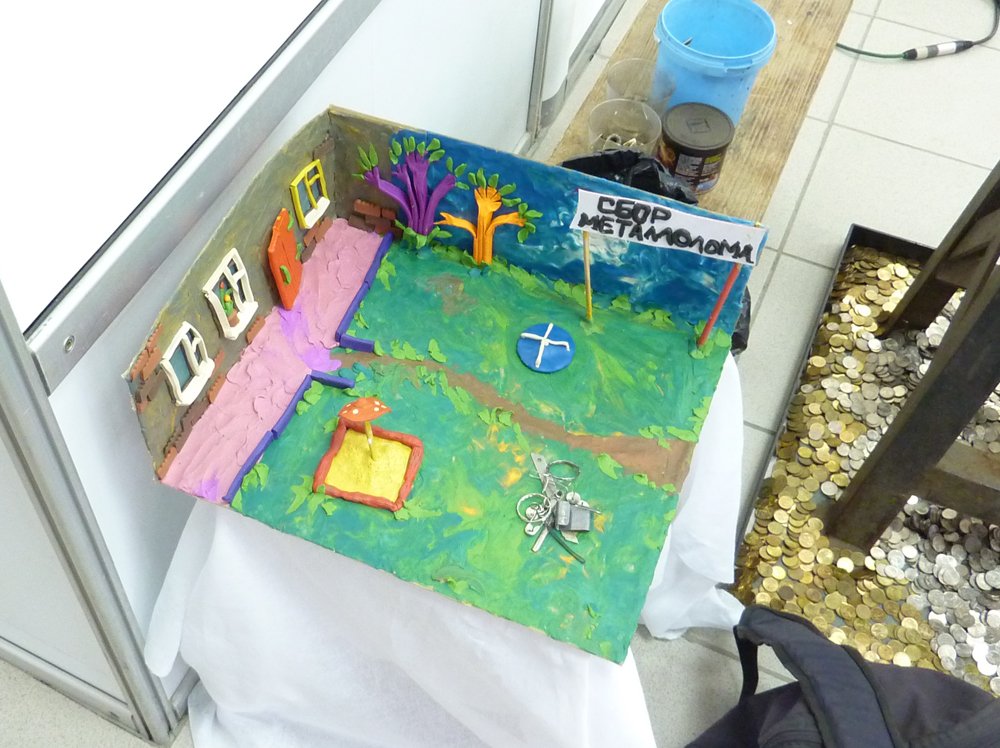
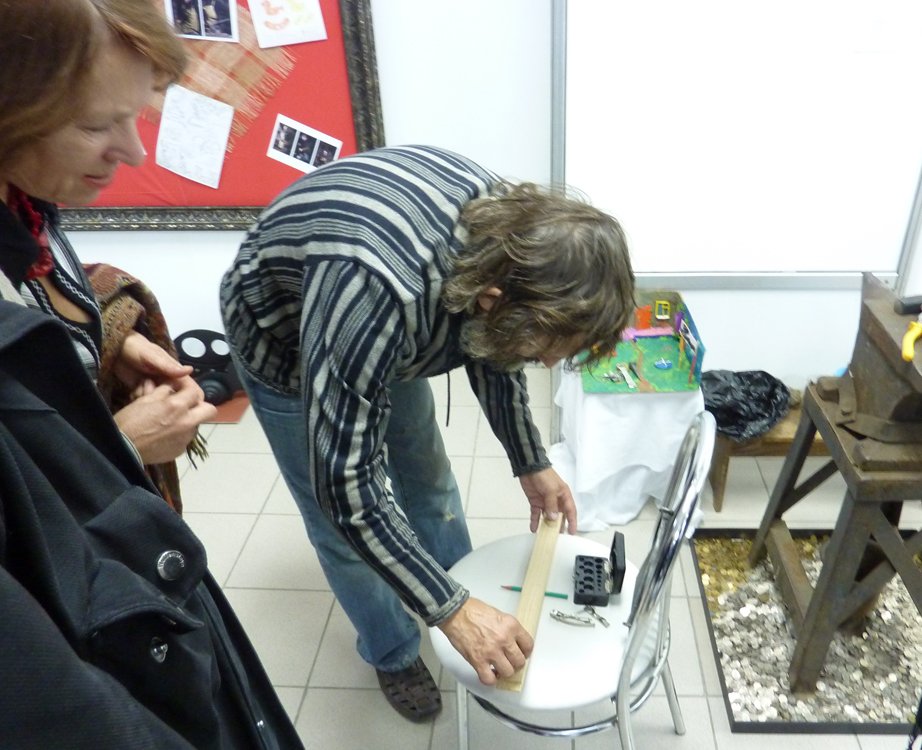
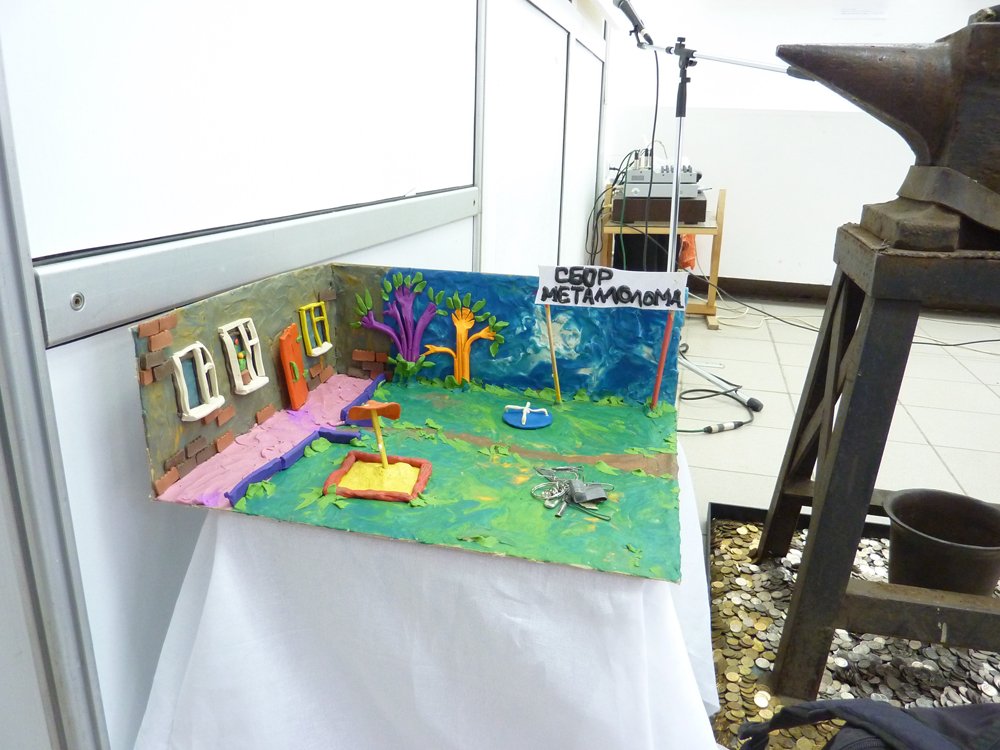
The Junior Group of Kazimir Malevich’s Malers’ Brigade presented Scrap Metal Yard — an interactive game built around collecting metal scrap.

Scrap Metal Yard

The action began with a familiar industrial command: “Everything unnecessary — to the scrap!”

Visitors were invited to collect pieces of metal. The collected objects were then weighed, and the most active participants were honoured.

What began as a simple collection of scrap became a shared game. Visitors searched, collected, weighed and competed, entering the rules of a temporary situation created by the Brigade.

An everyday industrial procedure became a playful social event.

Exhibition Context

Ural Childhood — Iron Toys was curated by Vera Lebedeva, artistic director of PoLe Gallery, and presented as part of the parallel programme of the 1st Ural Industrial Biennial of Contemporary Art.

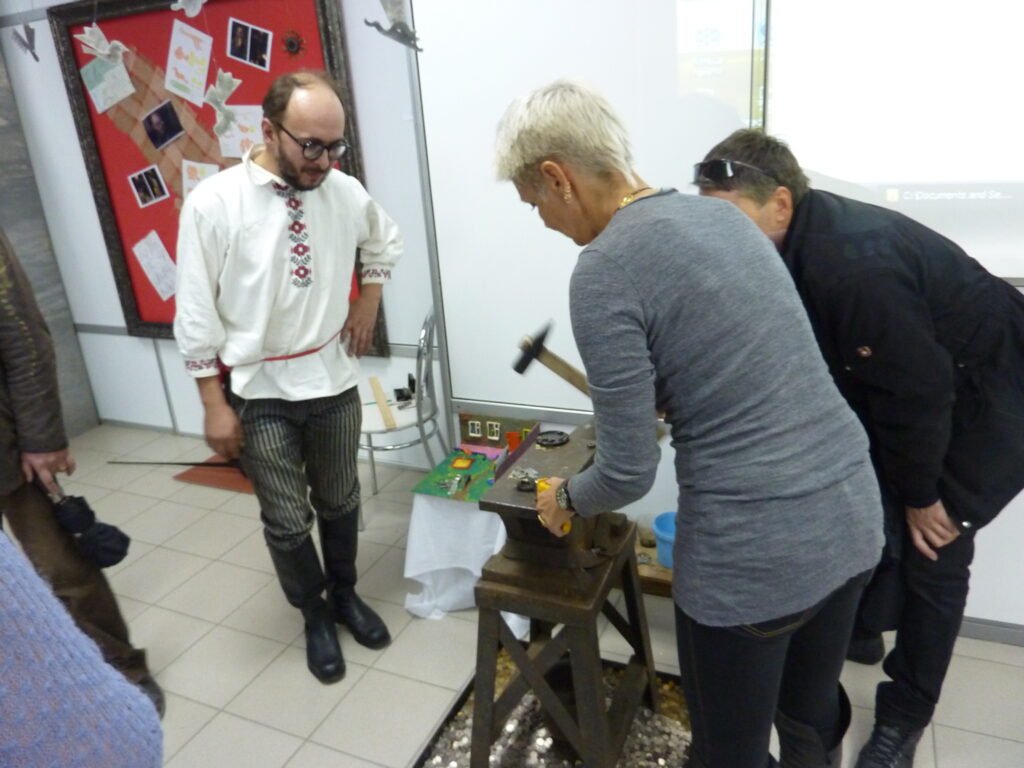
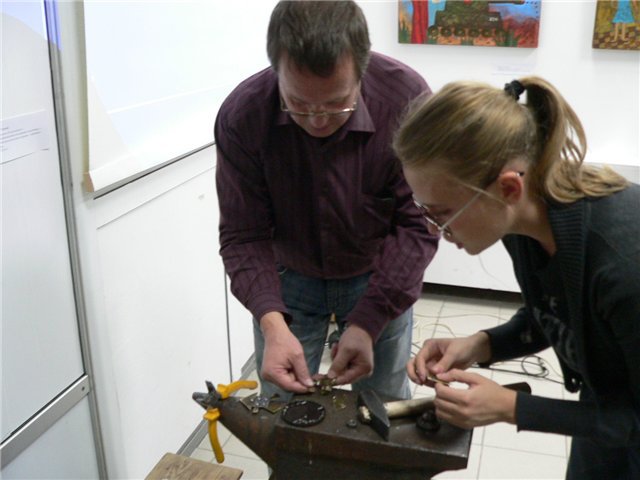
The project brought together paintings, objects, video, a happening and a blacksmithing workshop, exploring childhood memories shaped by the industrial environment of the Urals.

For the Brigade, this context became a space for remembering, inventing and playing.

Original project documentation →

Back to Malers’ Brigade

Island of Freedom

2009, Malevich's Brigade,

2009 | Art project / exhibition

Exhibition: Island of Freedom
Venue: ParaRam Gallery, Yekaterinburg, Russia
Dates: 16–30 May 2009
Event: Night of Museums, 2009
Group: Kazimir Malevich’s Malers’ Brigade

The Island

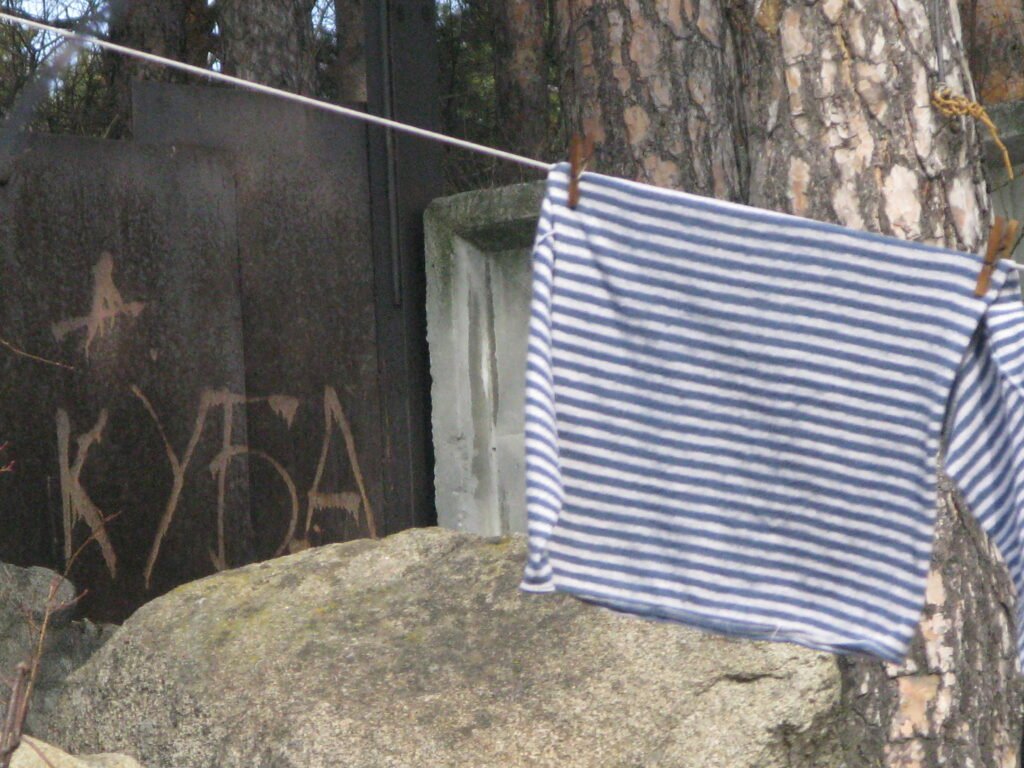
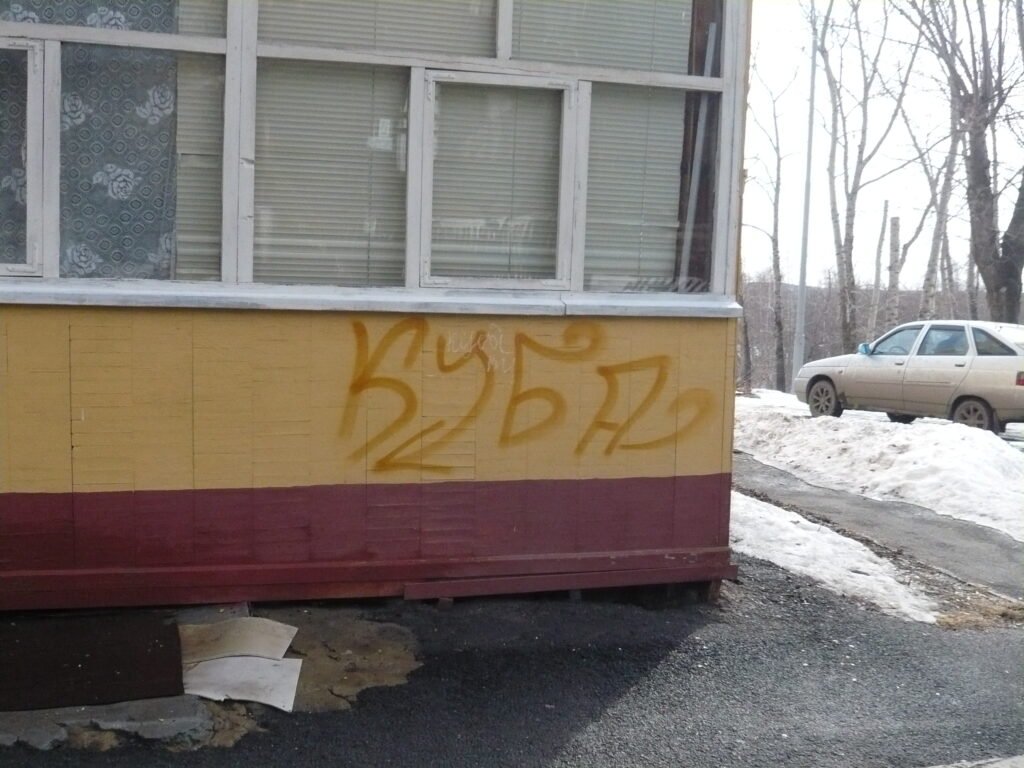
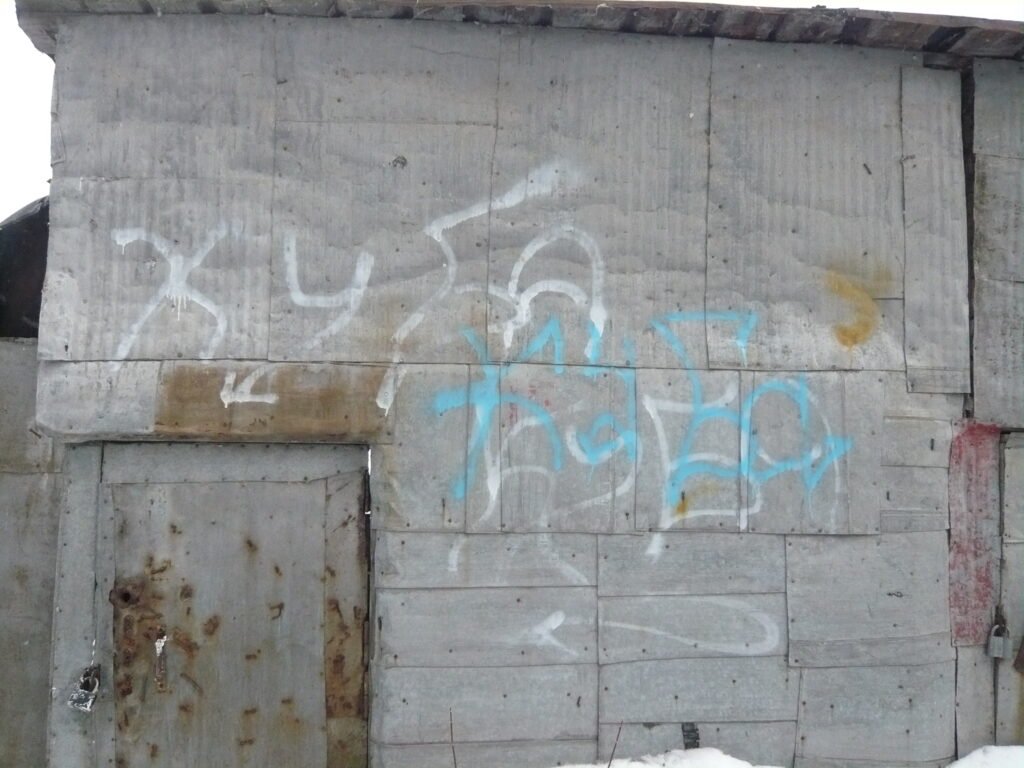
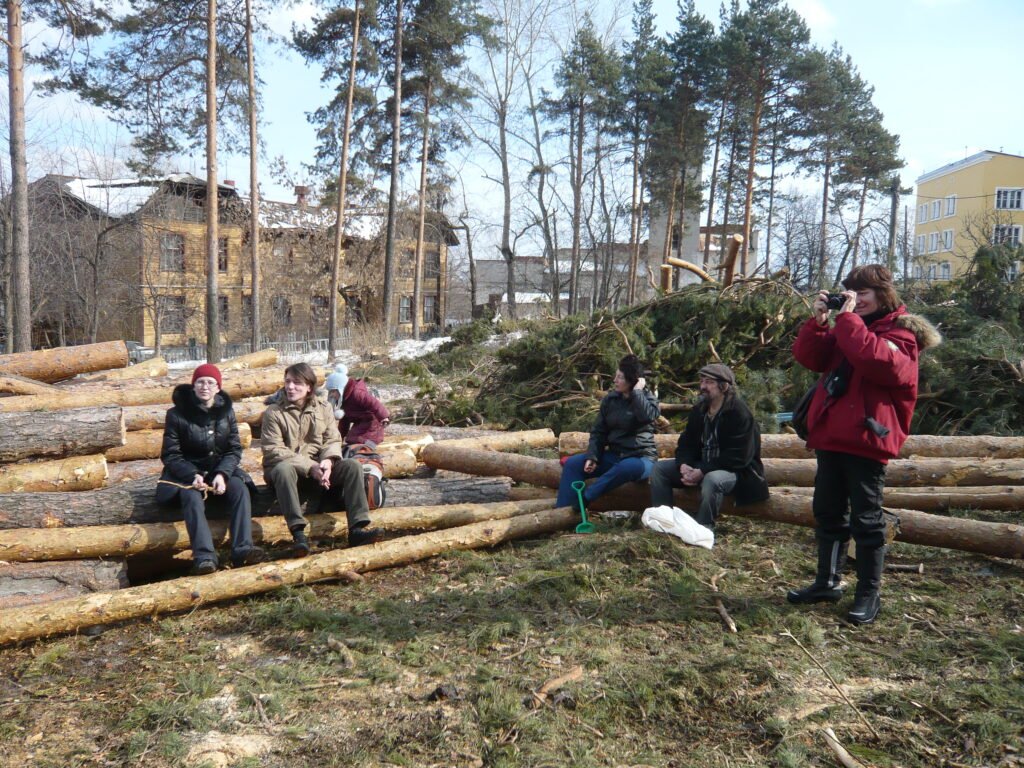
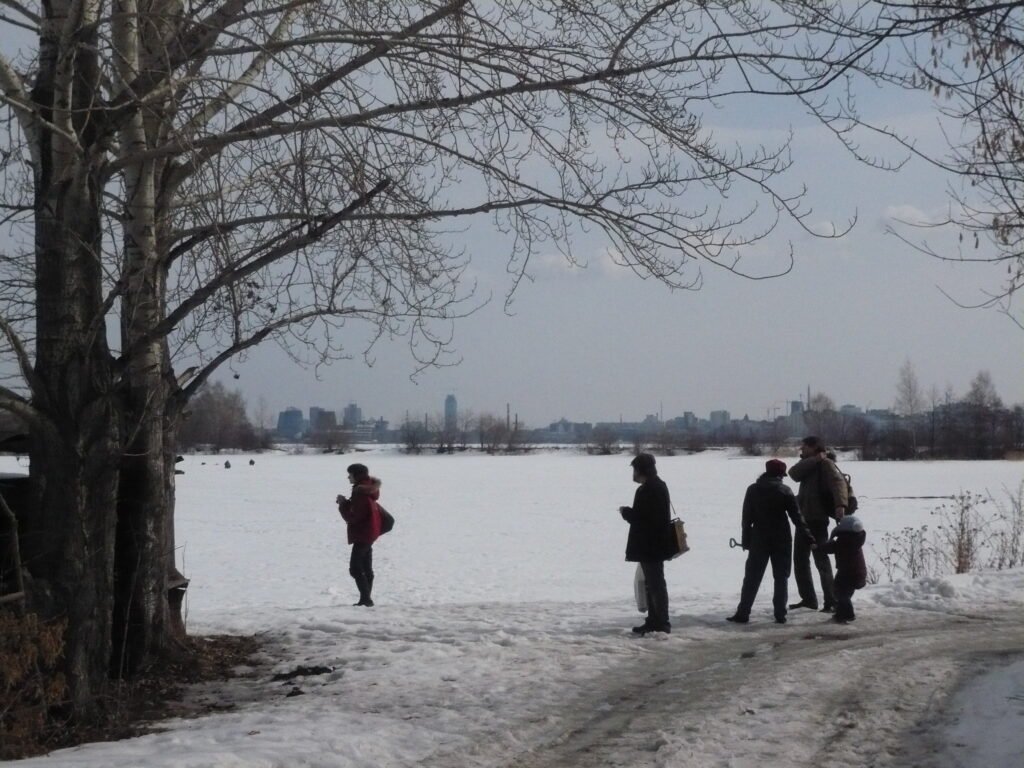
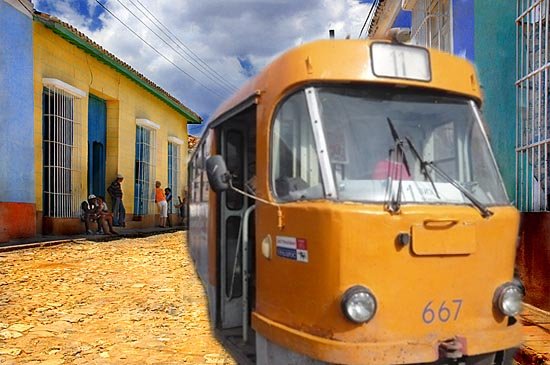
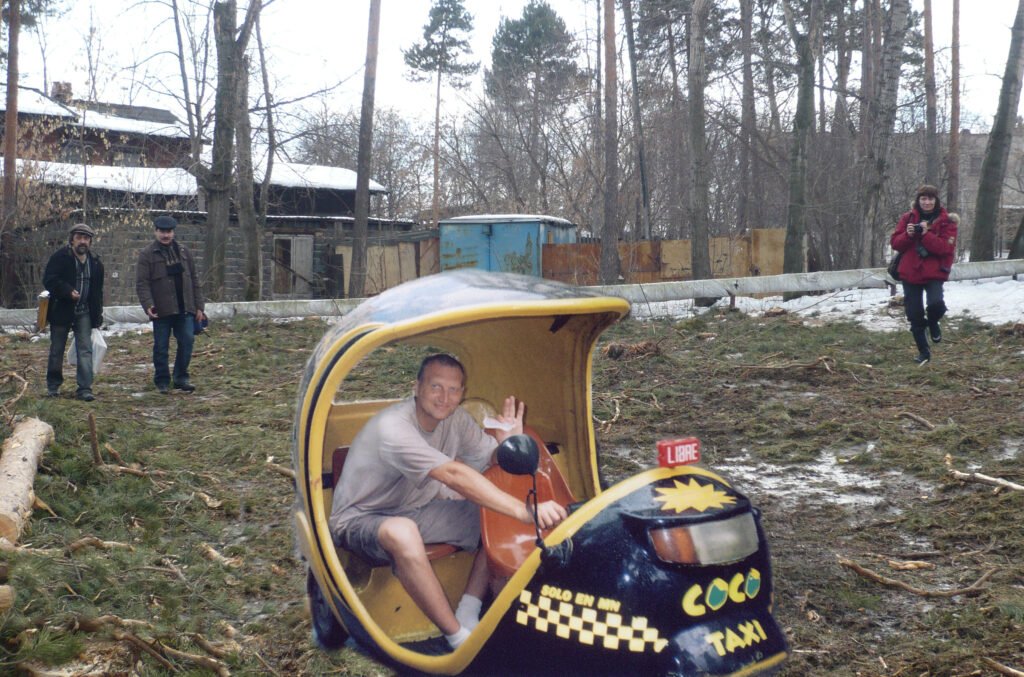
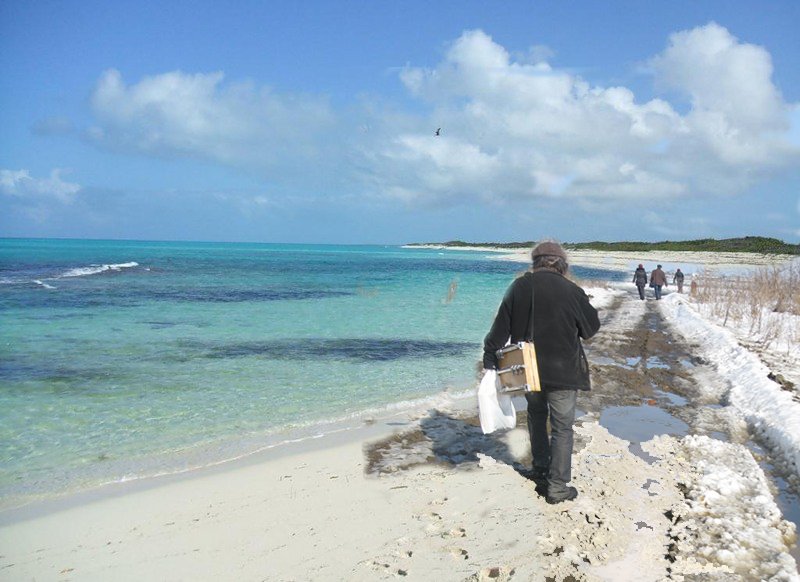
For Island of Freedom, the Brigade travelled to a place in Yekaterinburg known locally as “Cuba” — the Green (Bolshoy Konny) Island.

The journey became the starting point for an exhibition about a place that was both real and imagined.

The exhibition brought together paintings, photographs, travel notes and documentation of the Brigade’s journey. The material moved between the local “Cuba” and the distant Cuba suggested by its name.

The Brigade’s photographs recorded an actual place. Other images introduced another Cuba — the one known through photographs, media and imagination.

The two realities met in the exhibition.

Cuba / Cuba

A video collage by Marina and Dmitry Razhev ( ), Cuba–Cuba, brought these two versions of the island together.

The first part documented the Brigade’s journey to the Yekaterinburg island. The second combined photographs from that journey with images of Cuba found online.

The local landscape and the imagined one became difficult to separate.

Rather than simply documenting a journey, the project explored how a place acquires another identity through its name, images and associations.

The Opening

The exhibition opened during the 2009 Night of Museums.

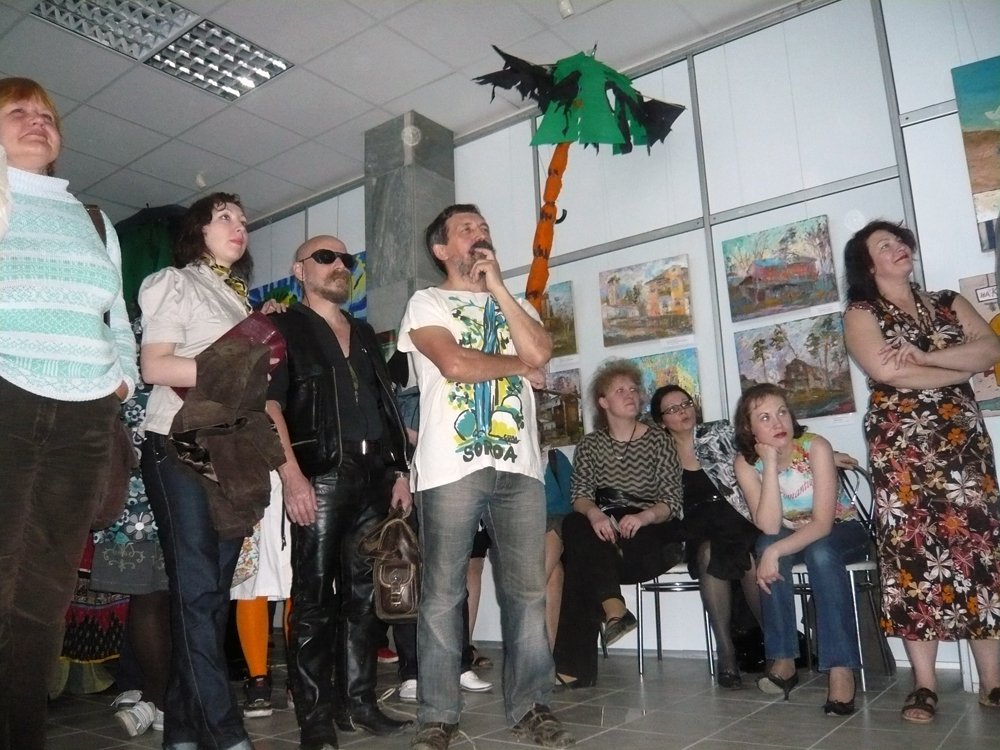
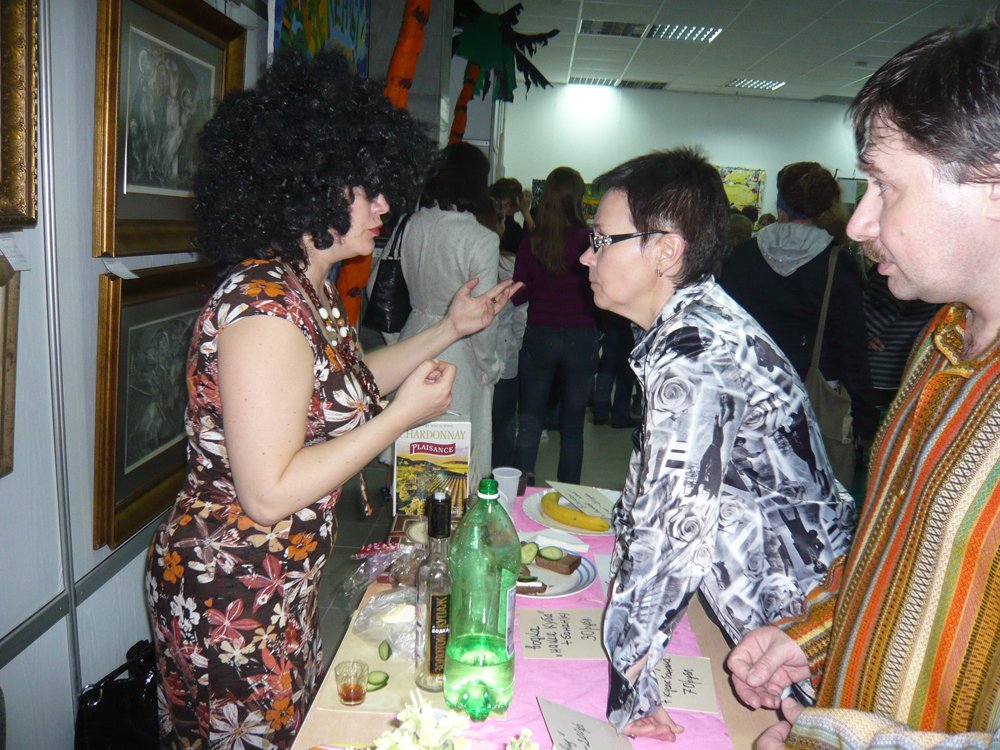
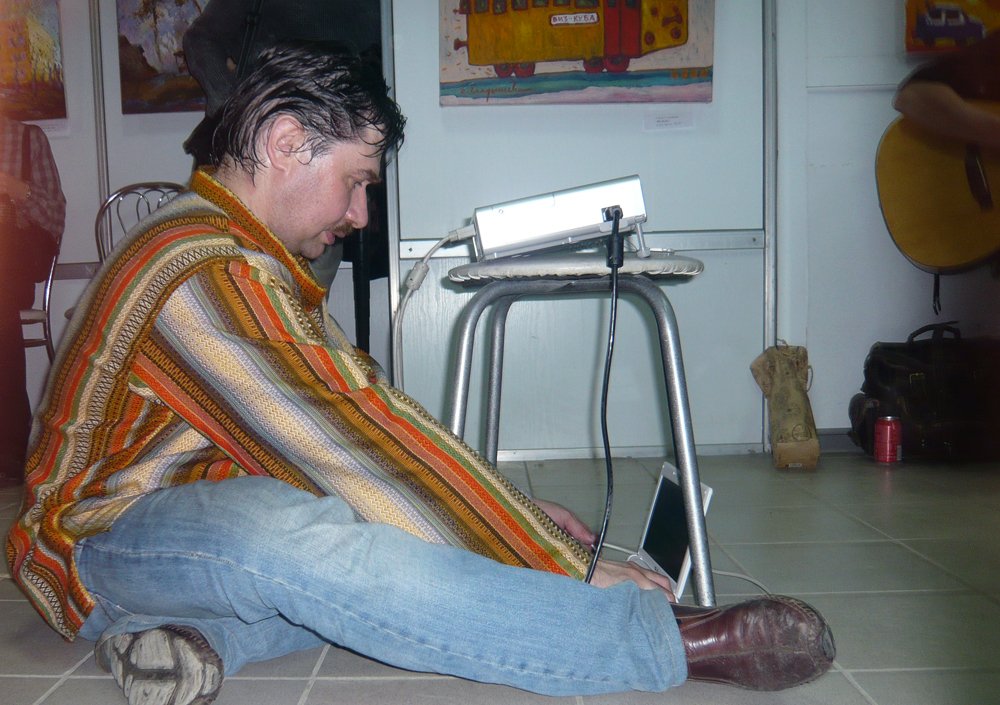
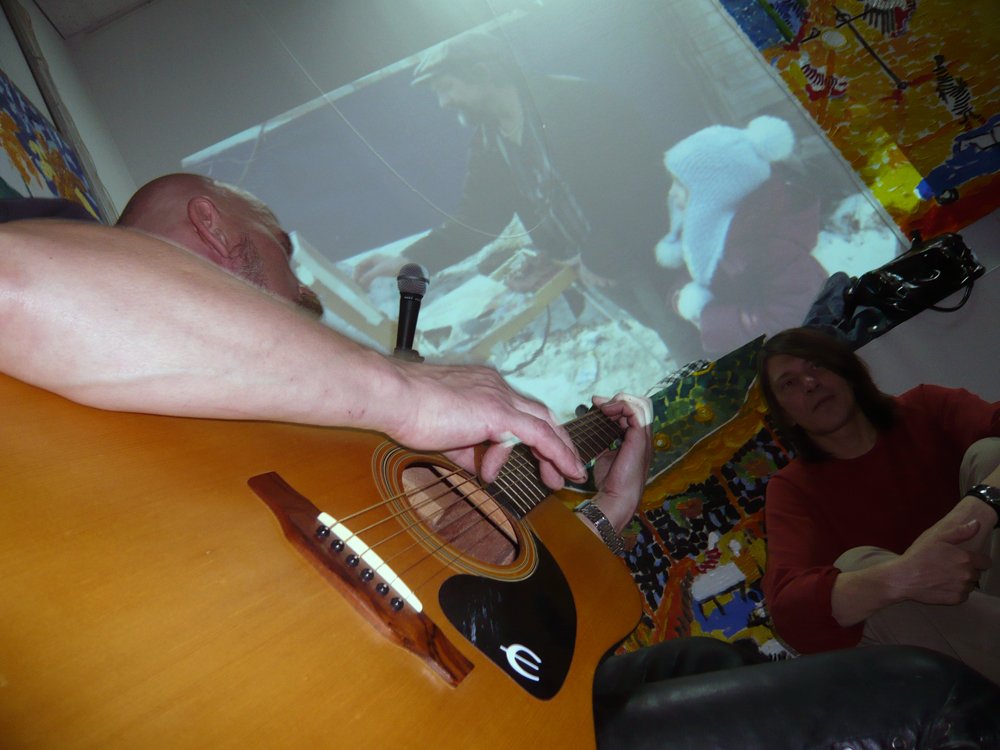
The event included performances, music and dancing, a Cuban kiosk, the screening of Cuba–Cuba, and an interactive reading of Viktor Oborotistov’s travel notes.

The exhibition became another journey — from the local island to the Cuba that existed somewhere else, and back again.

Back to Malers’ Brigade

Shoot for Color. Colors of Yekaterinburg

2008, Anatomy of the city, Malevich's Brigade,

Back to Shoot for Color

Back to Malers’ Brigade

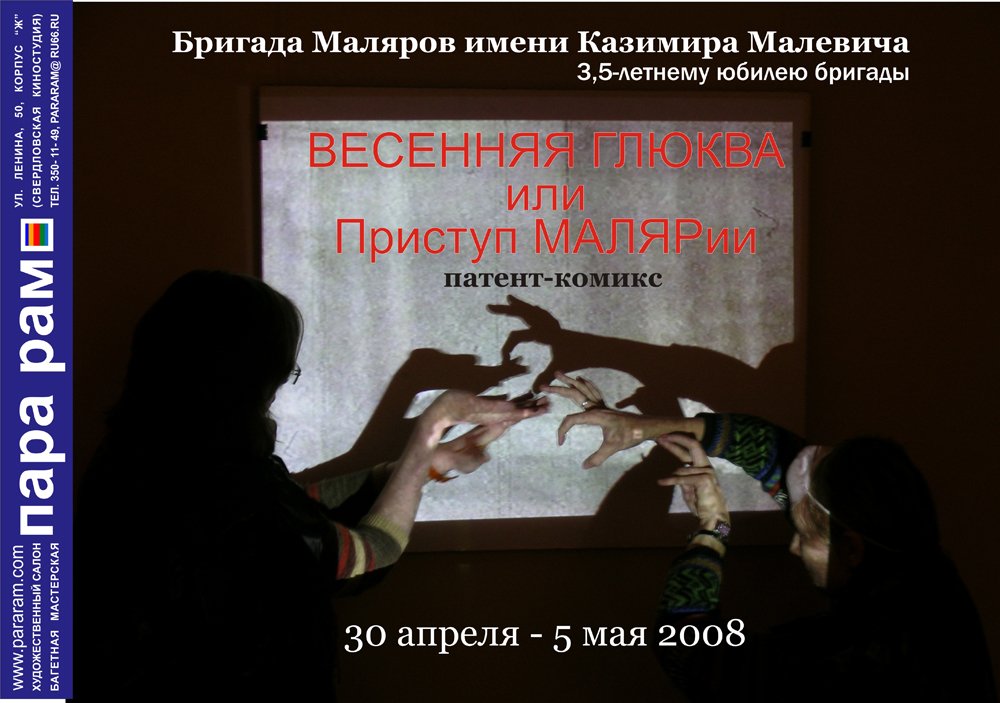
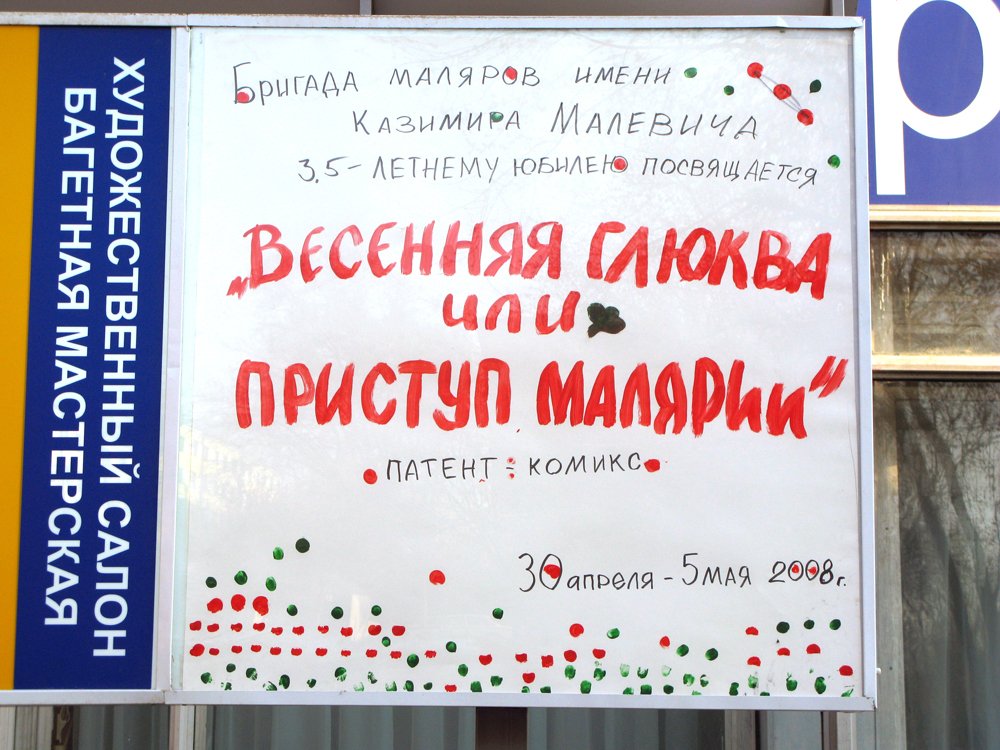
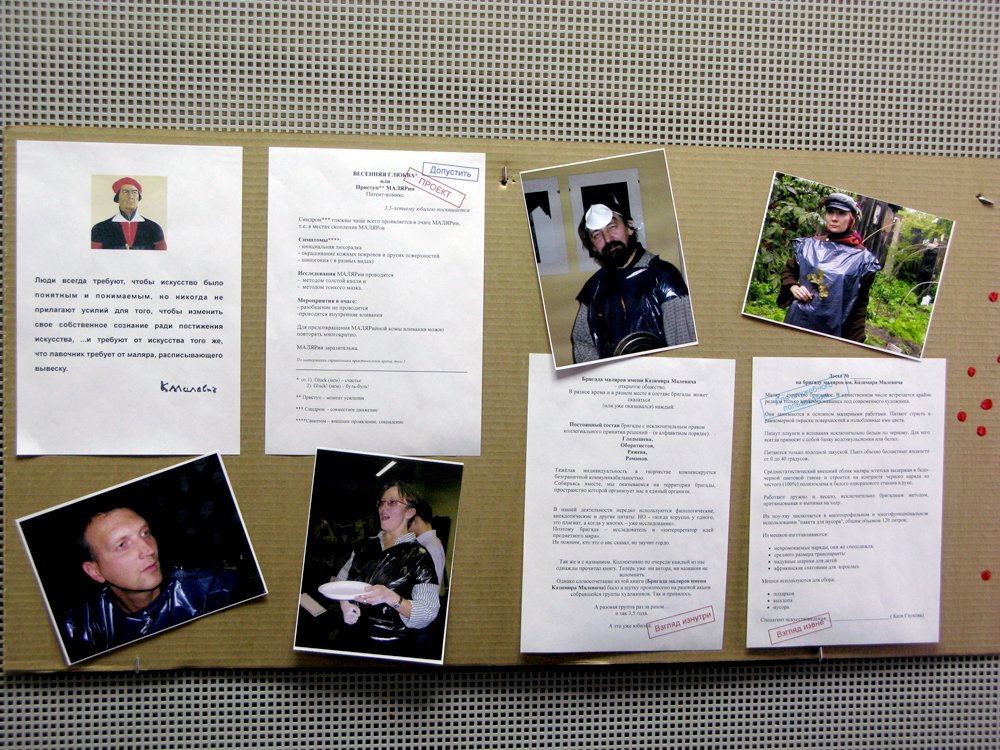
Spring Glitch, or an Attack of MALERia

2008, Malevich's Brigade

2008 | Exhibition / performance

Venue: ParaRam Gallery, Yekaterinburg, Russia
Dates: 30 April – 5 May 2008
Occasion: 3.5th anniversary of Kazimir Malevich’s Malers’ Brigade
Group: Kazimir Malevich’s Malers’ Brigade

The Anniversary

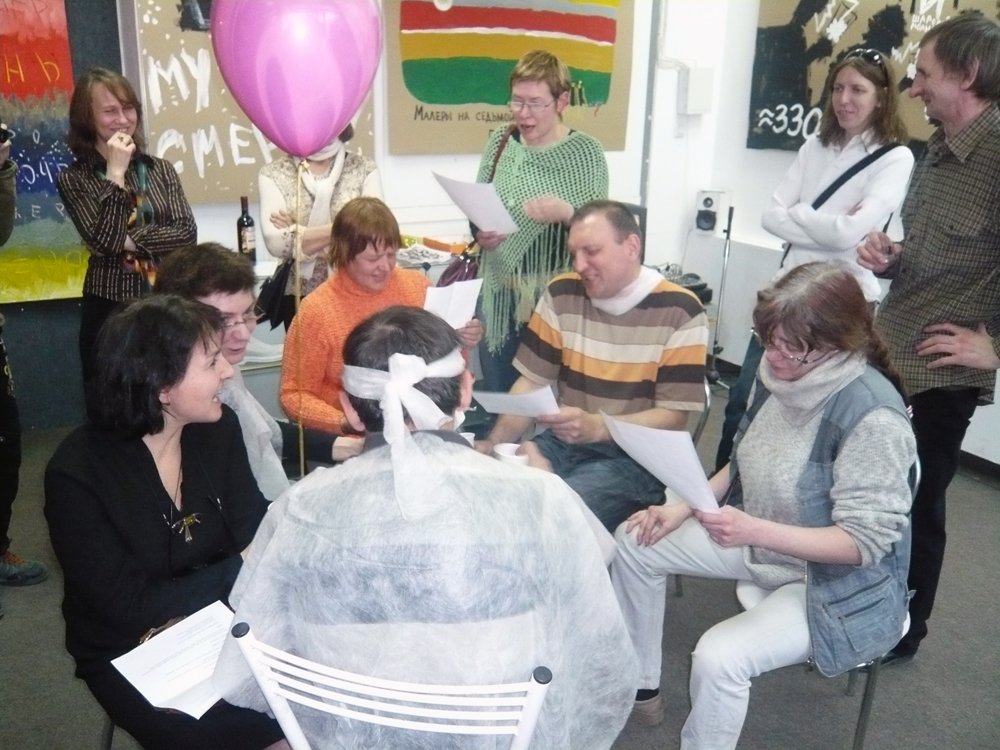
By spring 2008, the Brigade had been working together for three and a half years. To mark the occasion, the members turned their own history into an exhibition, performance and self-portrait of the group.

The title, Spring Glitch, or an Attack of MALERia, deliberately mixes several associations: glitch, cranberry, happiness, painter and malaria. The wordplay belongs to the Brigade’s own language, where ordinary words, borrowed meanings and accidental associations become material for action.

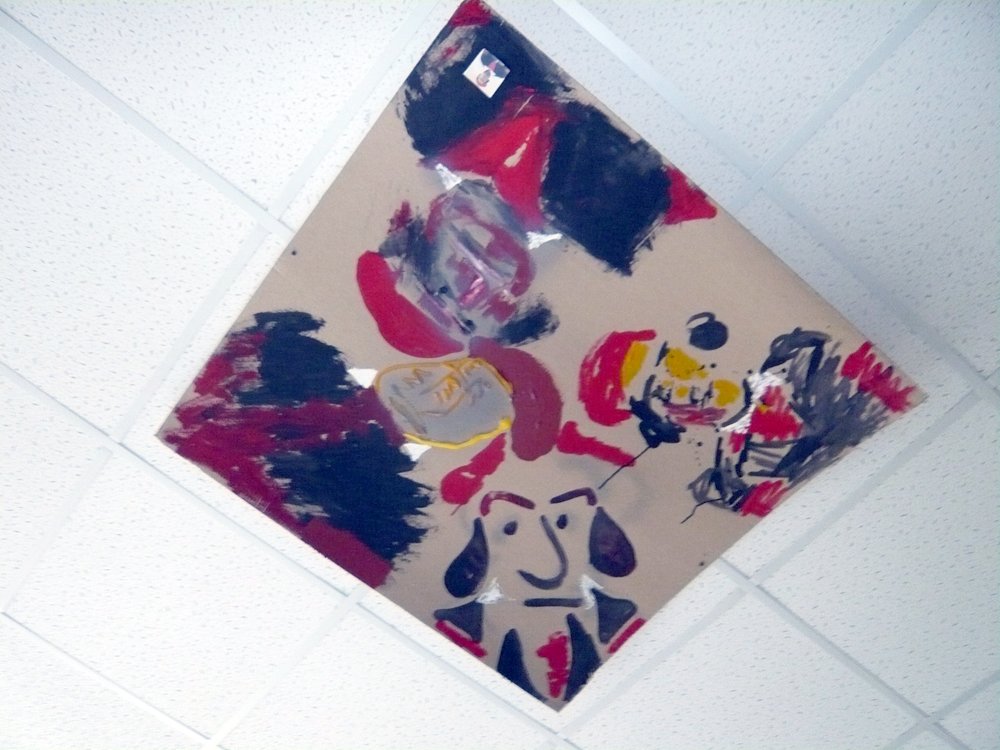
During the preparation, the Brigade produced its April Theses, a four-handed portrait of “Someone’s Name”, a slide film and photographic compilation of its previous actions, as well as a collection of apocrypha, jokes and popular sayings about painters and Malevich.

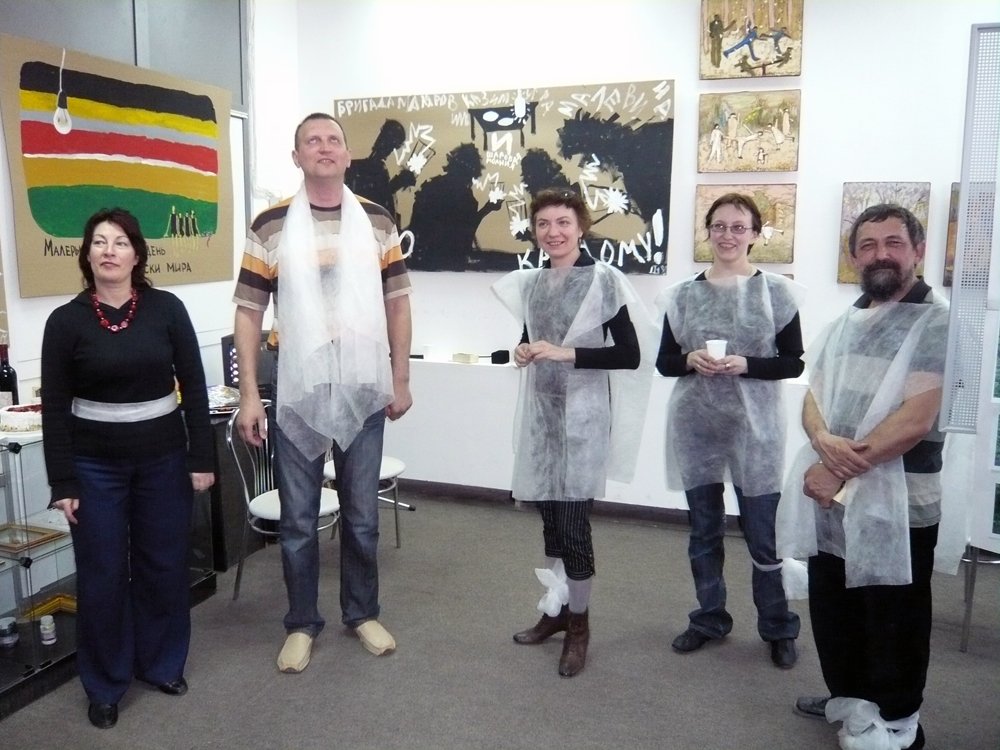
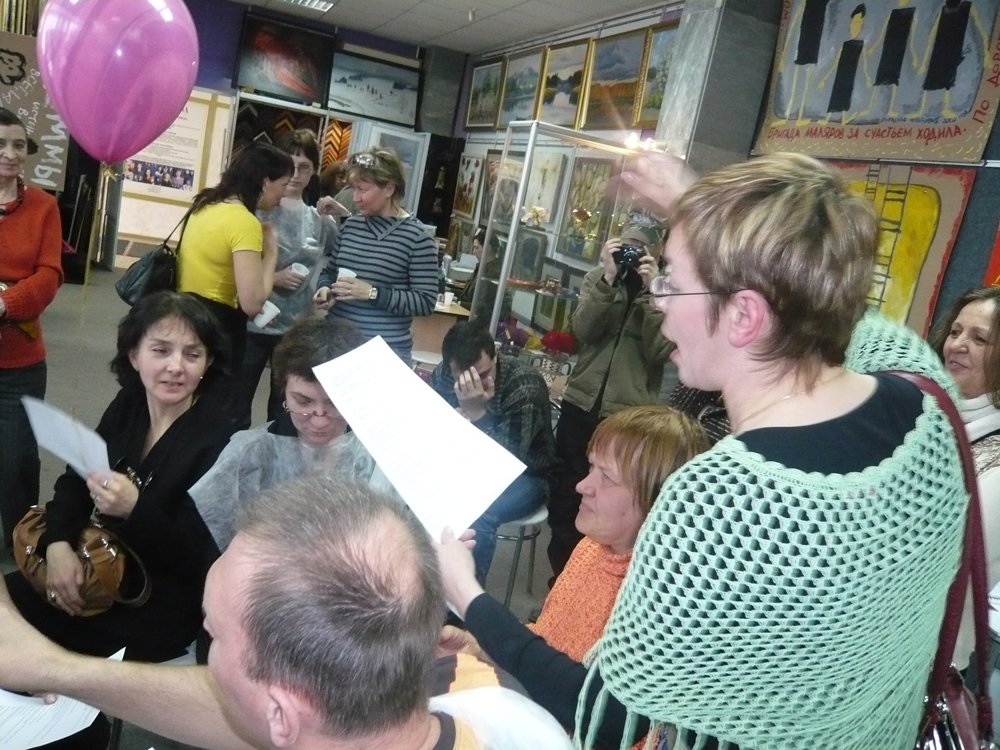
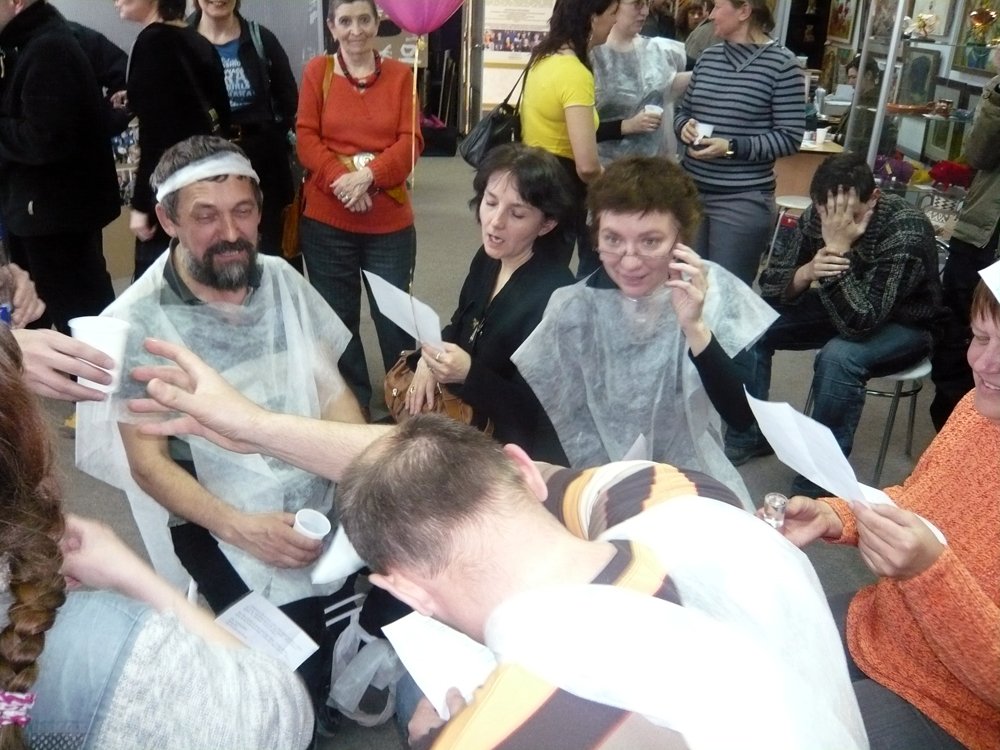
For the exhibition, the Brigade also changed its everyday uniform — black polyethylene bags — for white non-woven garments.

A Self-Portrait of the Brigade

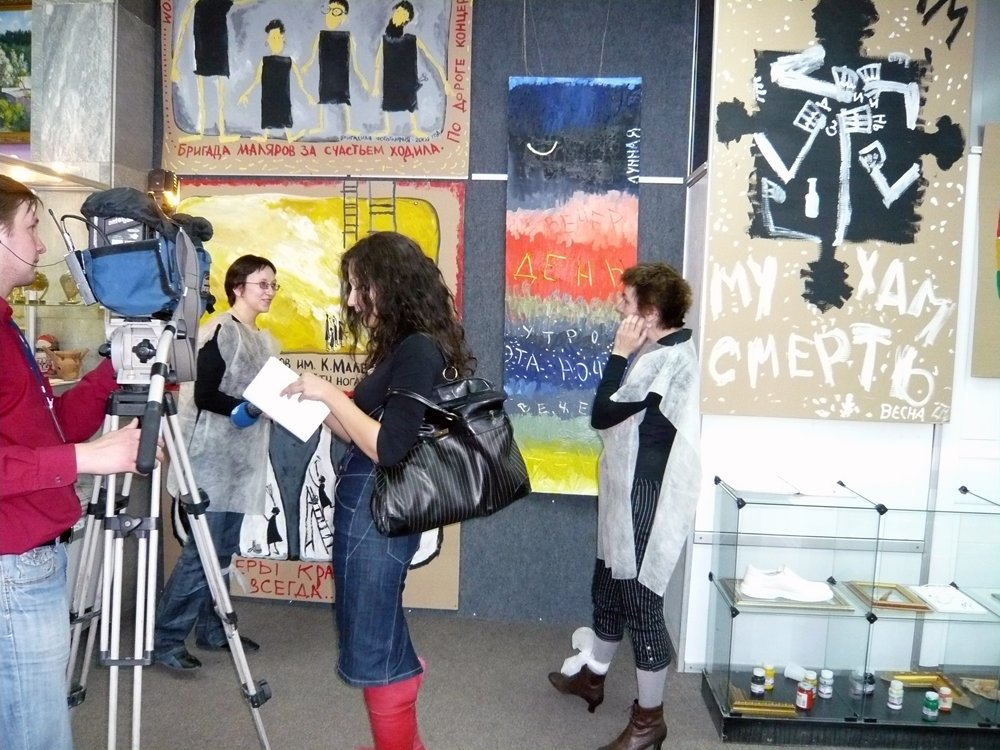
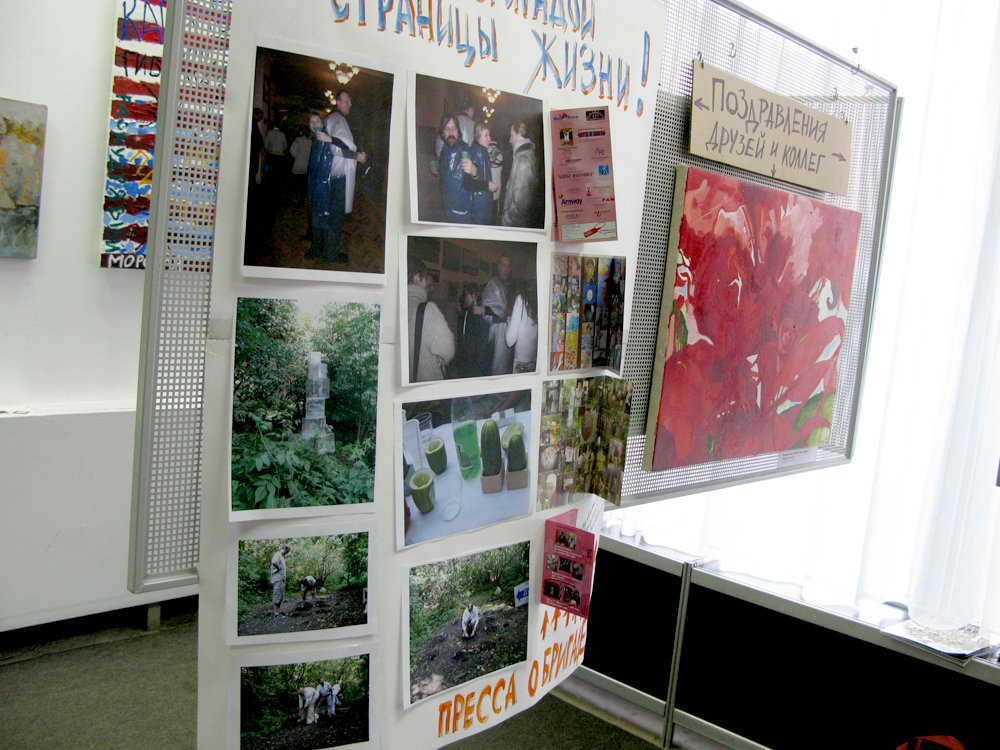
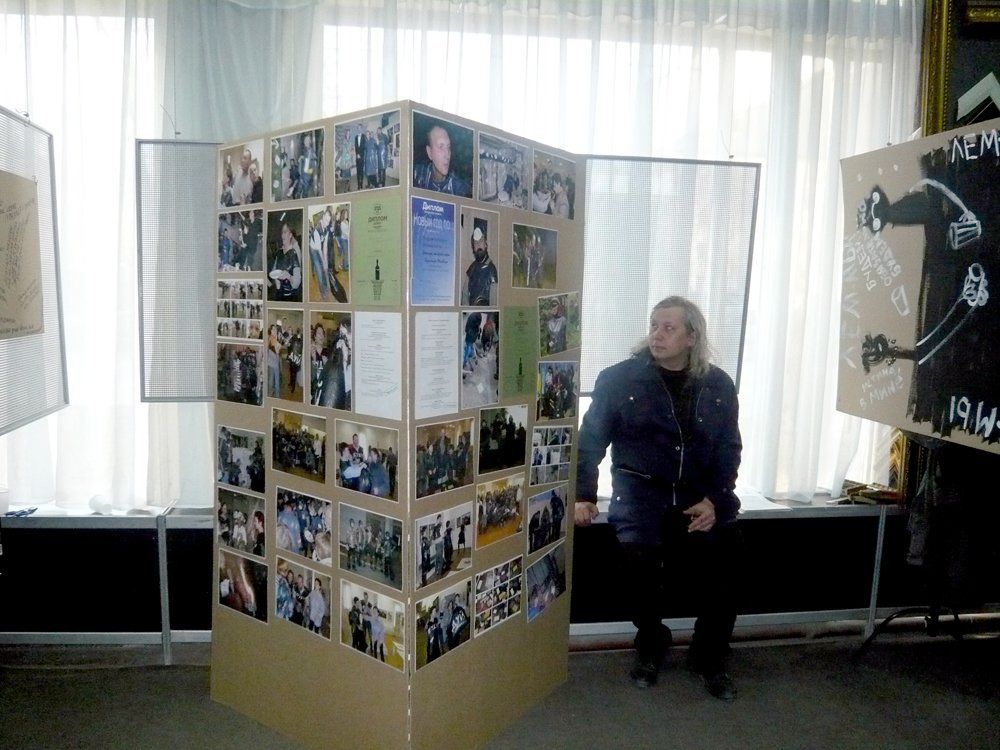
The exhibition presented different “themes from the life of the Brigade”: travel, photographs, paintings, seasons, memories and stories from its previous actions.

It also included a retrospective of the Brigade’s activity and a collective staging of Chekhov’s The Seagull, based on a libretto by Viktor Oborotistov.

The result was not simply an anniversary exhibition. The Brigade turned its own history into material for a new collective work.

It documented itself, invented its own mythology and performed its own identity.

The Brigade as an Open Formation

The project was created by an open group whose members maintained their individual artistic practices while working together as the Brigade.

The April Theses described this principle:

“Each of us is an individualist in our artistic practice. But within the Brigade, we become a single organism.”

By 2008, the Brigade had begun to treat not only objects and spaces, but its own collective existence as material for artistic action.

Documentation

The project was realised collectively by Elena Gladysheva, Viktor Oborotistov, Marina Razheva and Vladimir Romanov.

Original project documentation →

Back to Malers’ Brigade

PanGorMonium

2008, Anatomy of the city,