A Virtual and Contemplative Instrument for Listening to the City
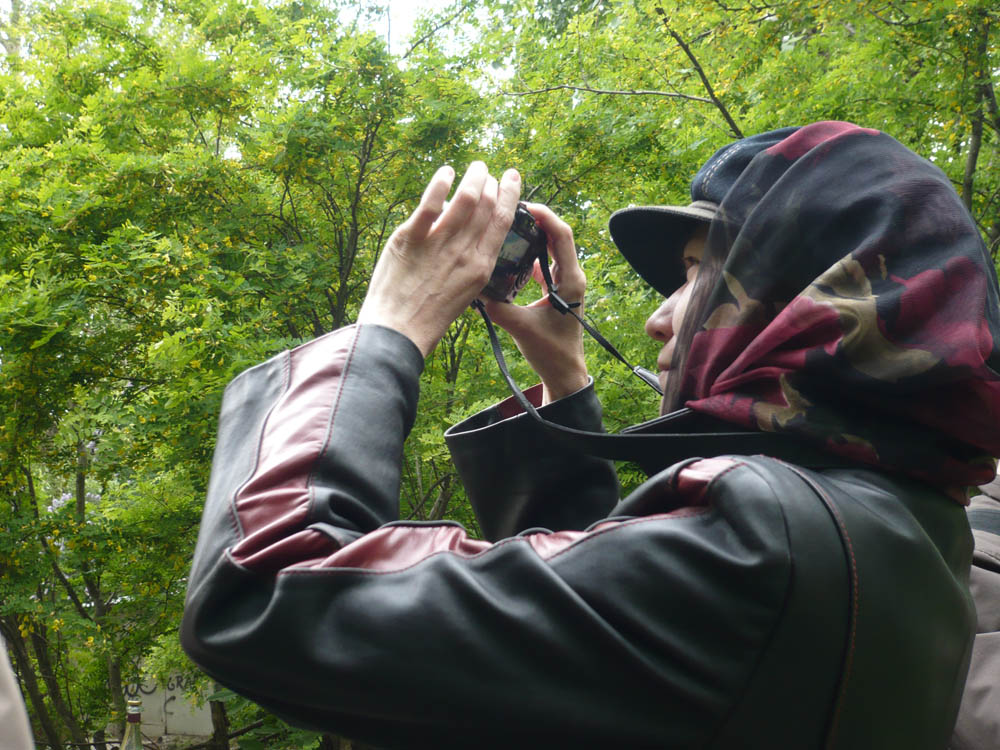
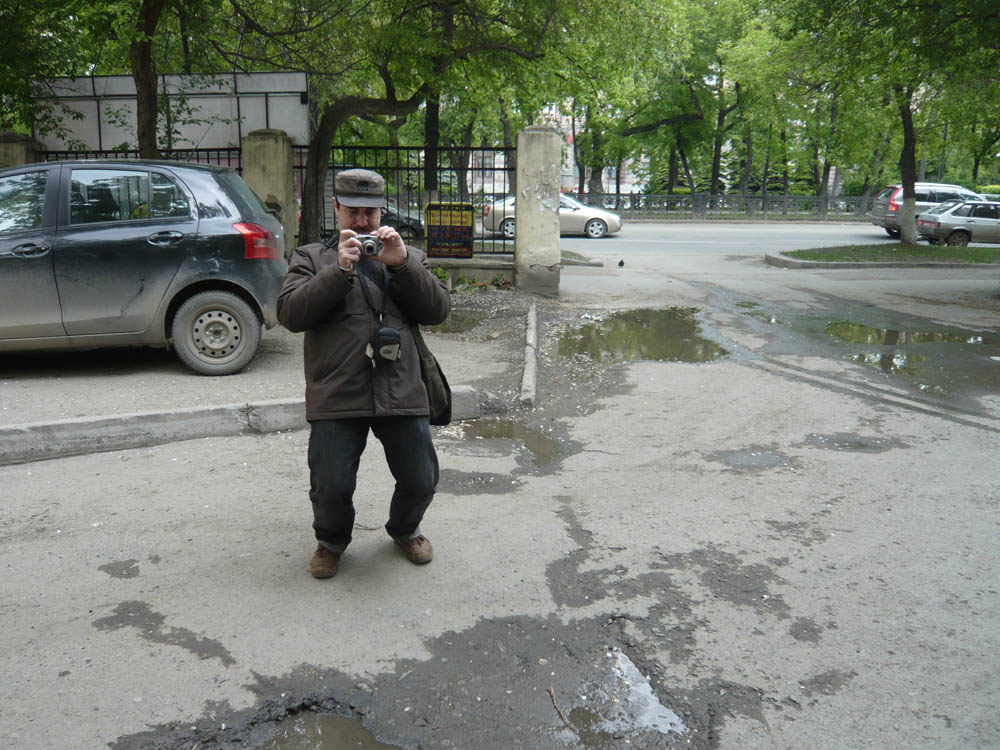
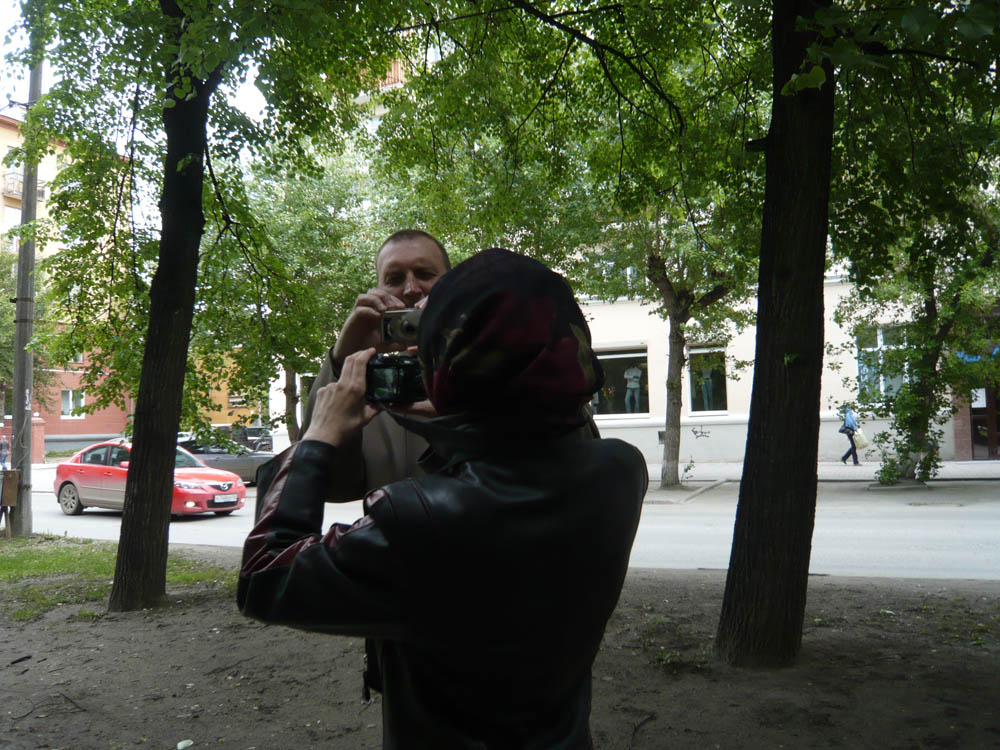
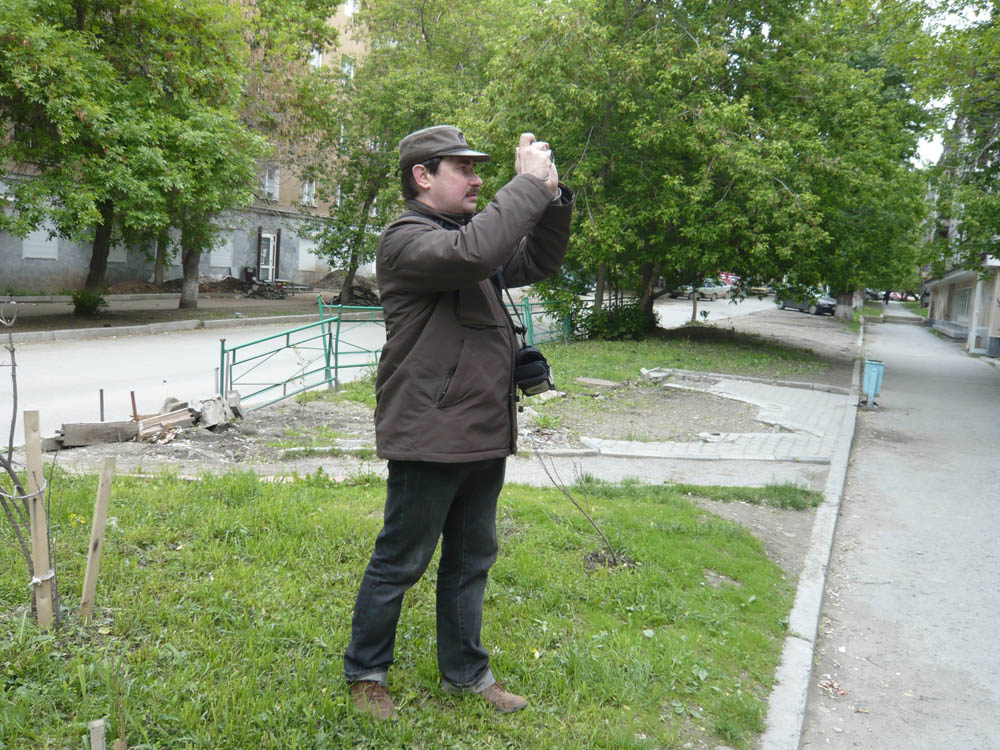
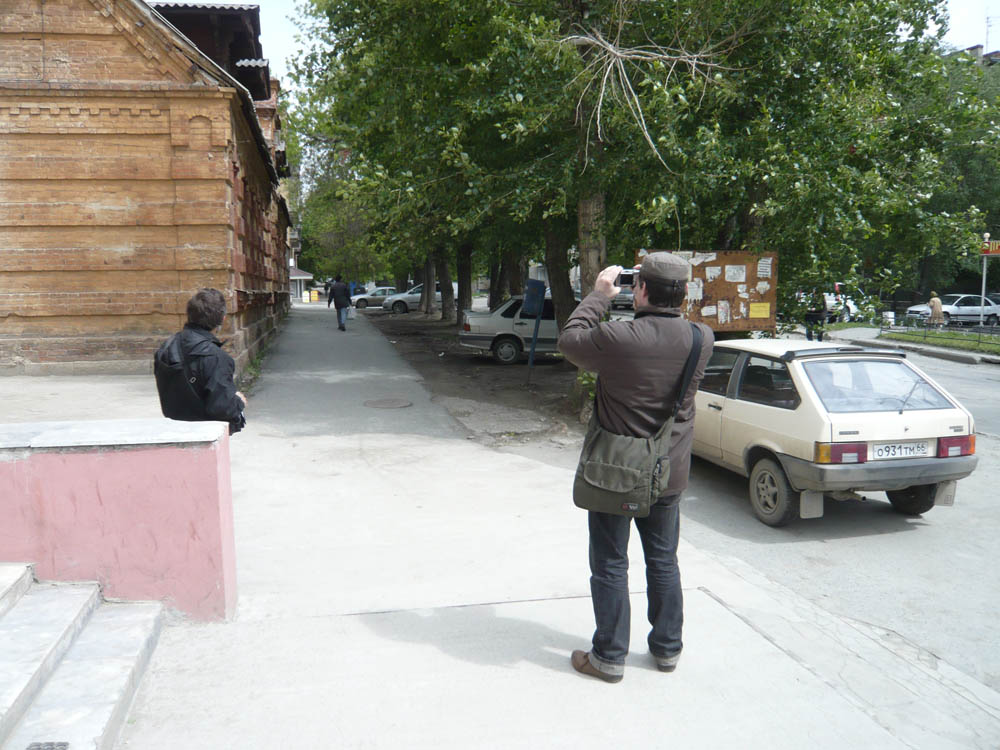
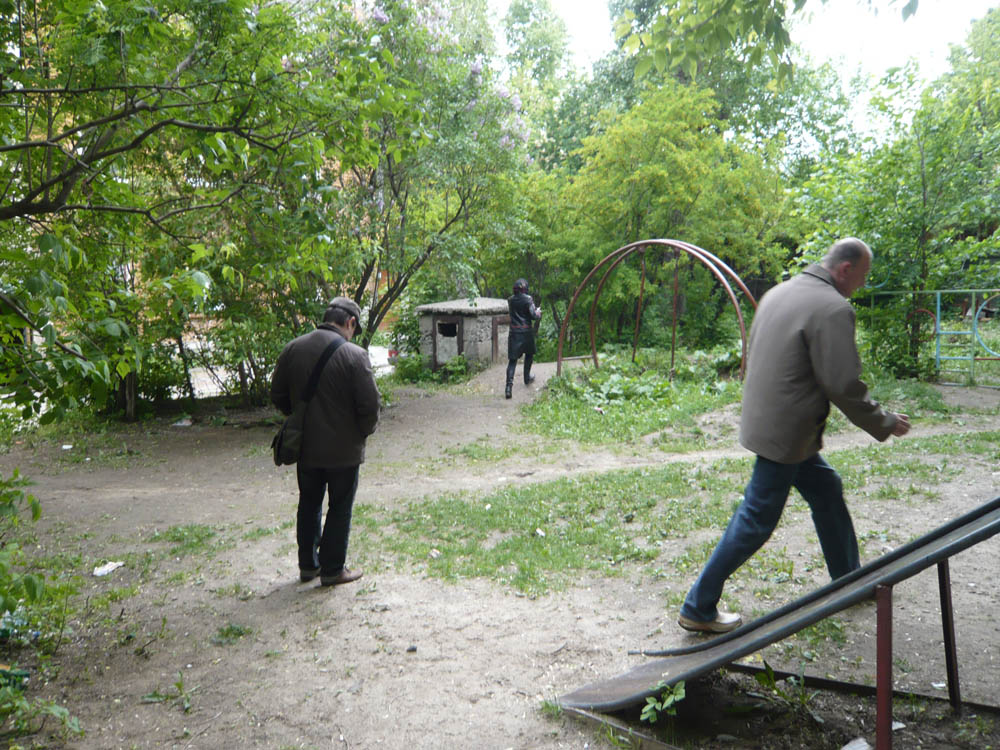
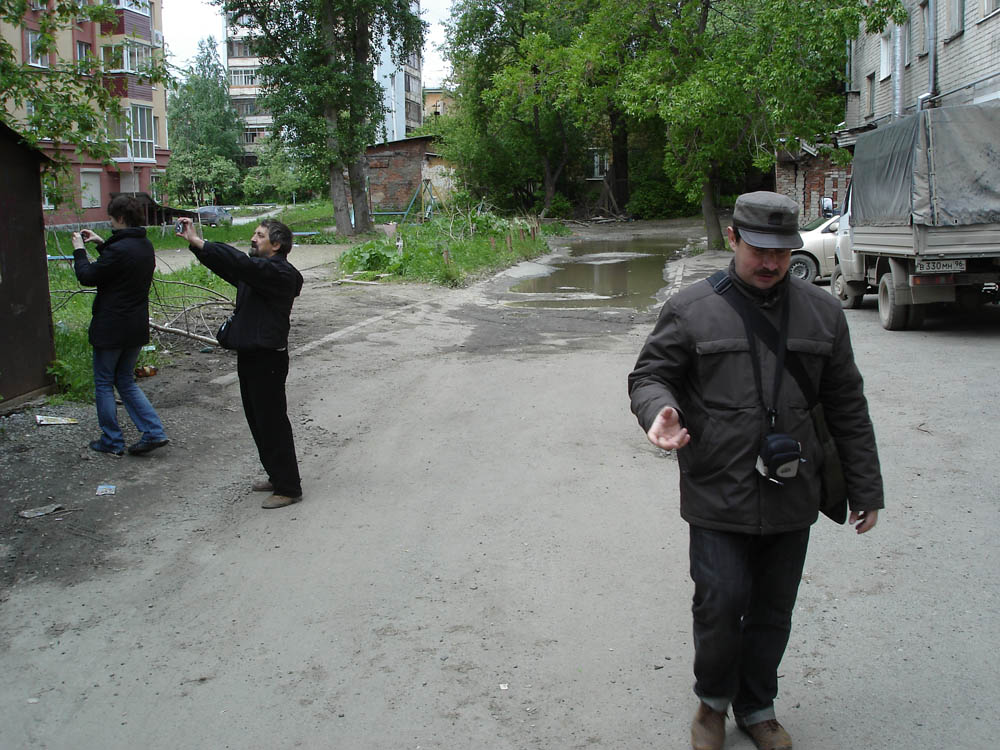
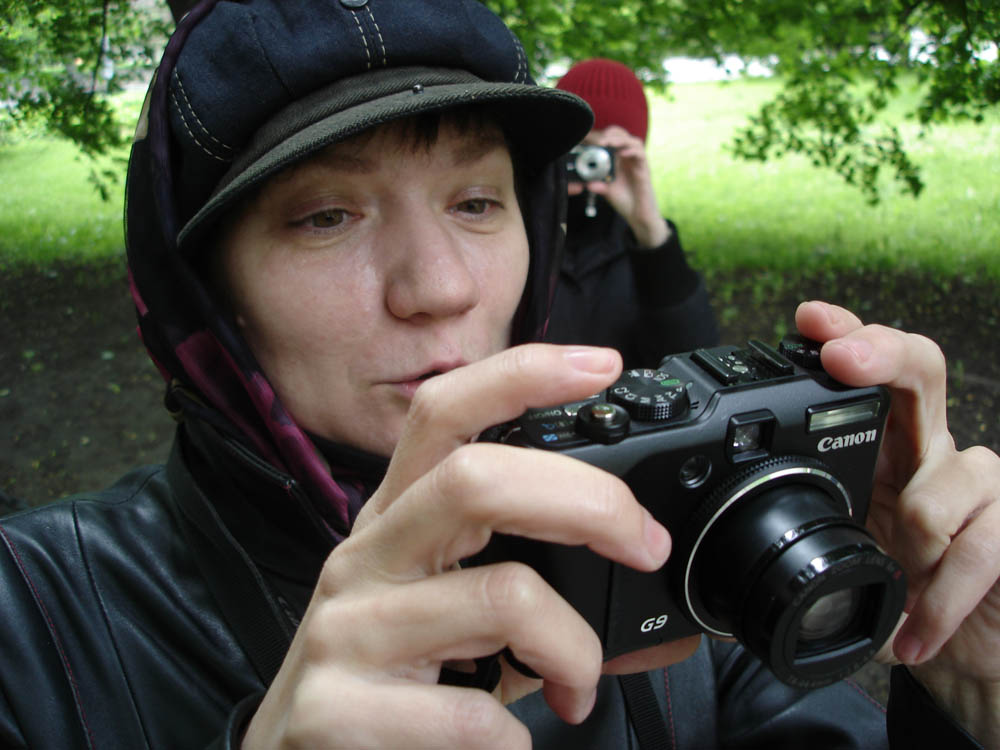
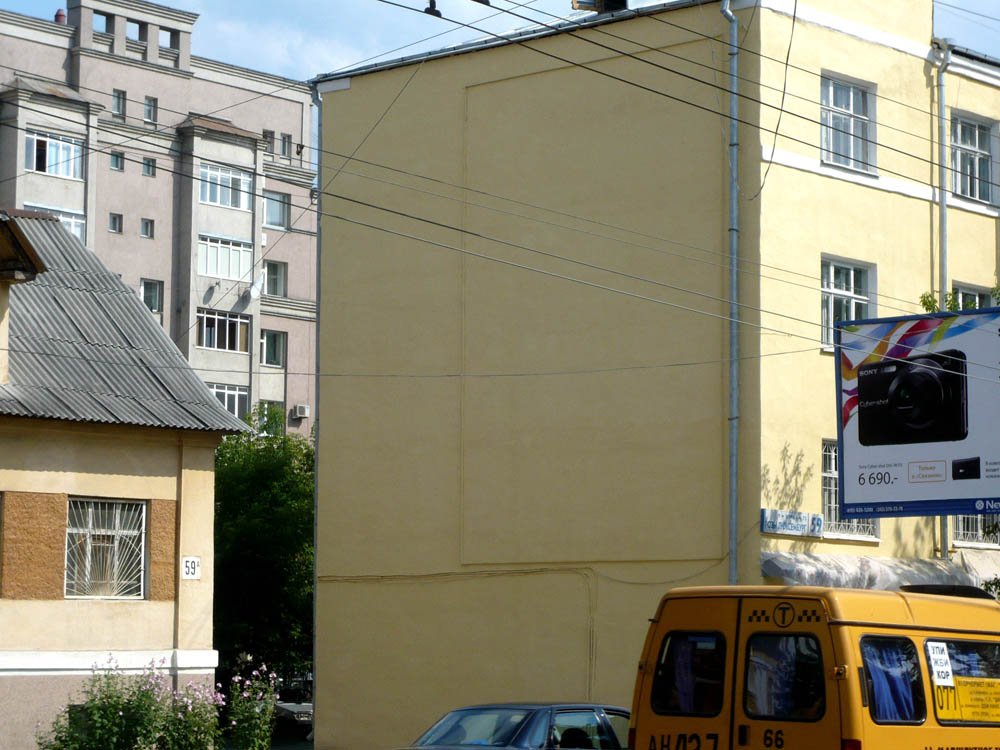
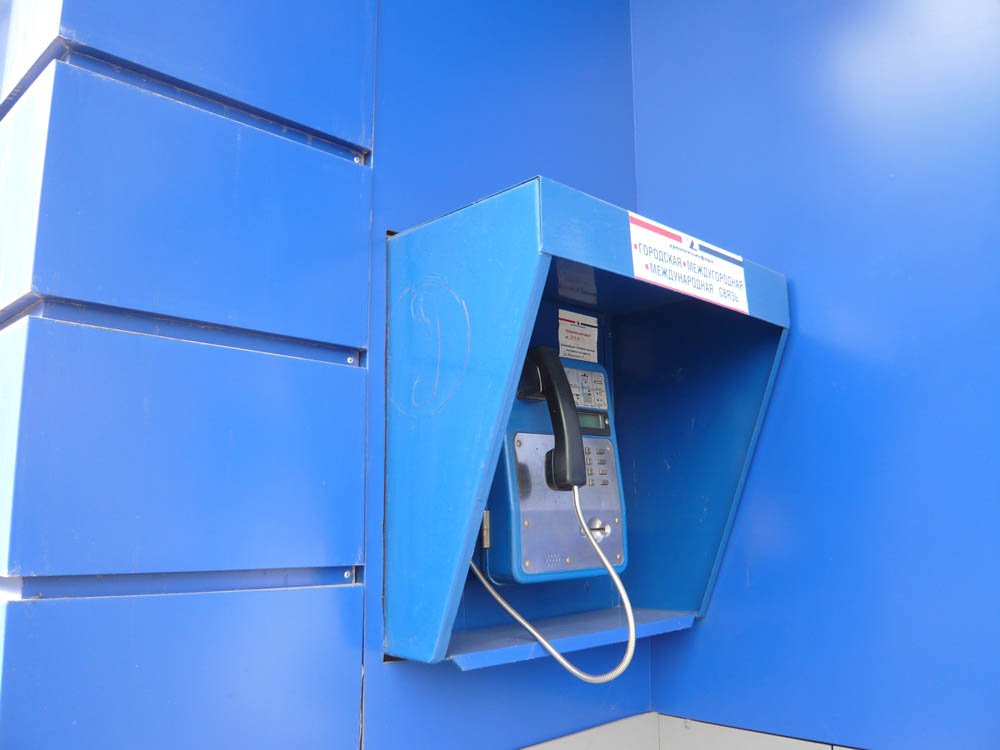
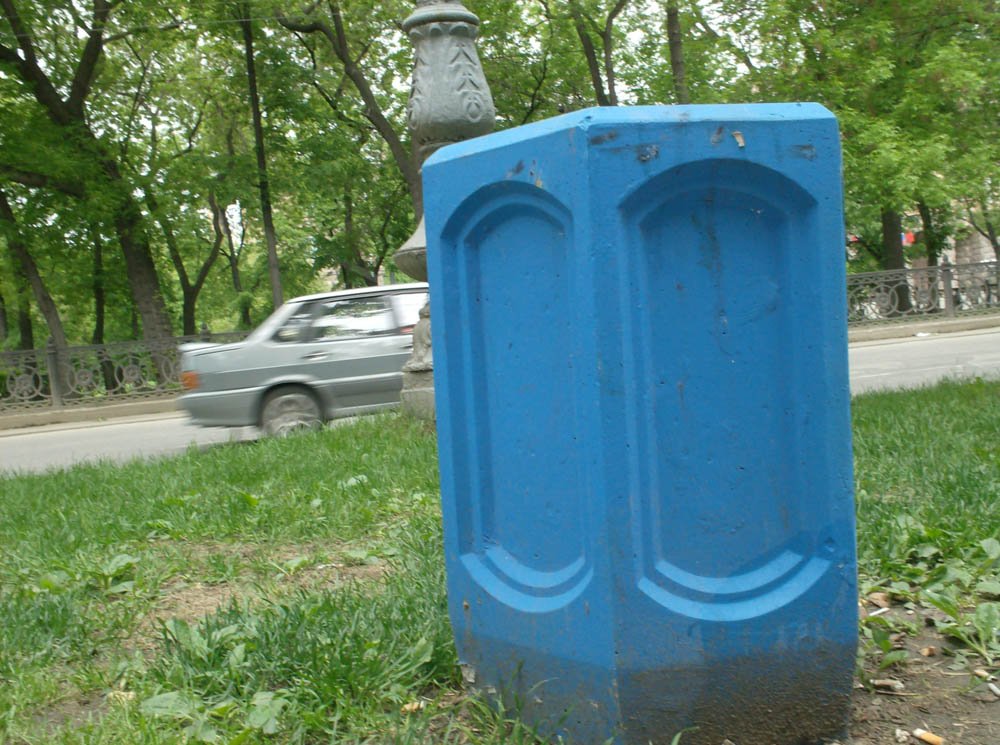
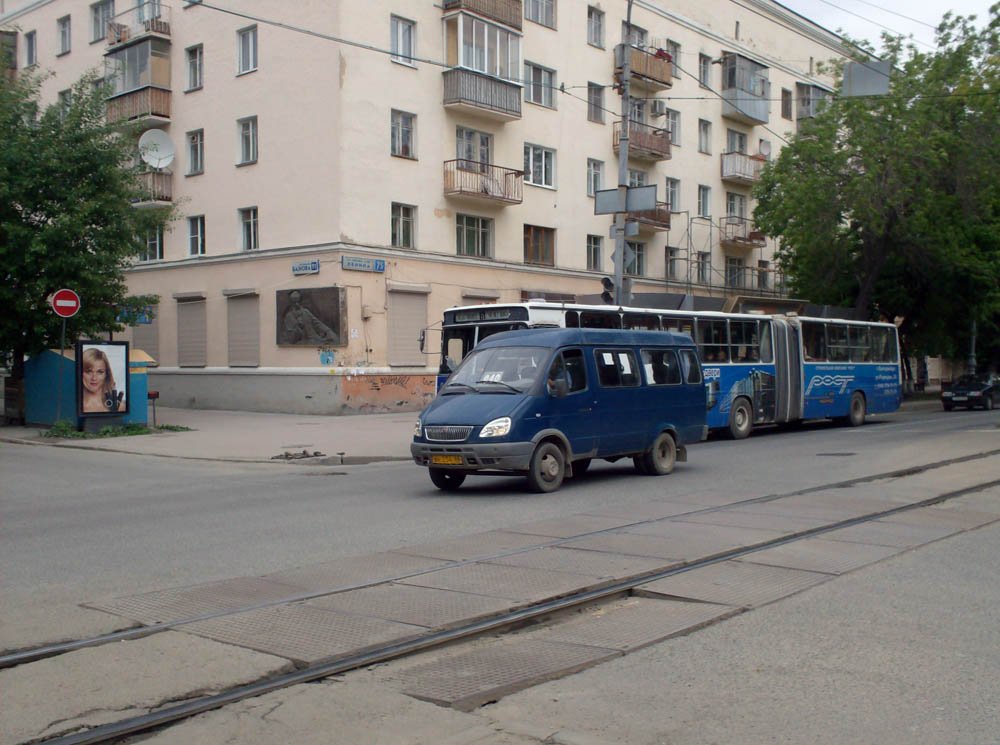
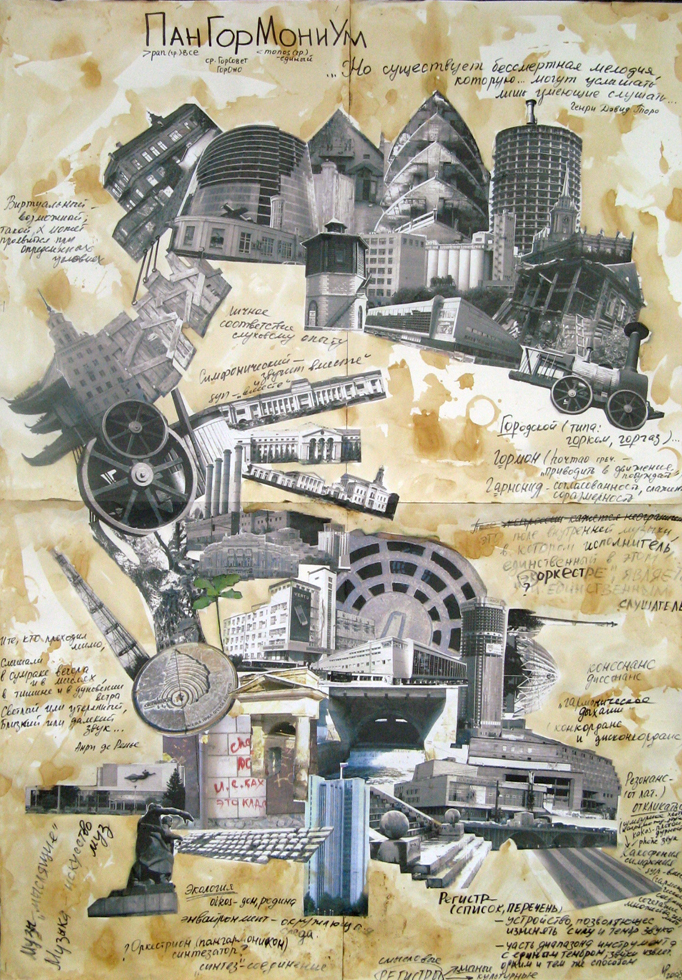
PanGorMonium: Yekaterinburg is a work conceived as a virtual instrument for experiencing the city through attentive presence, memory, and inner listening.
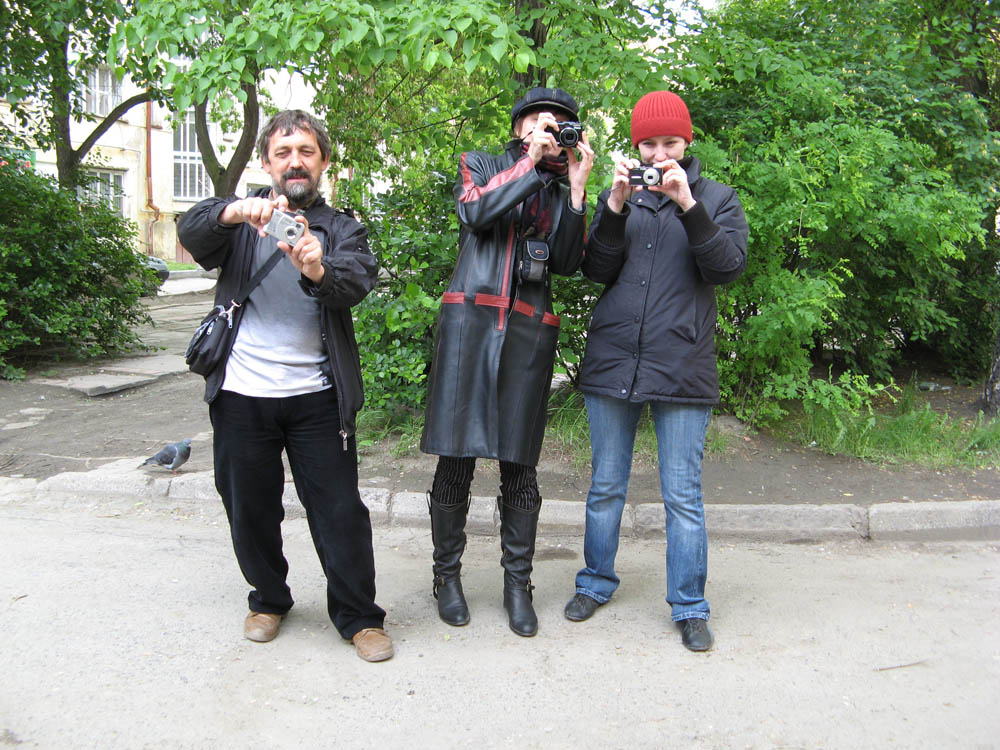
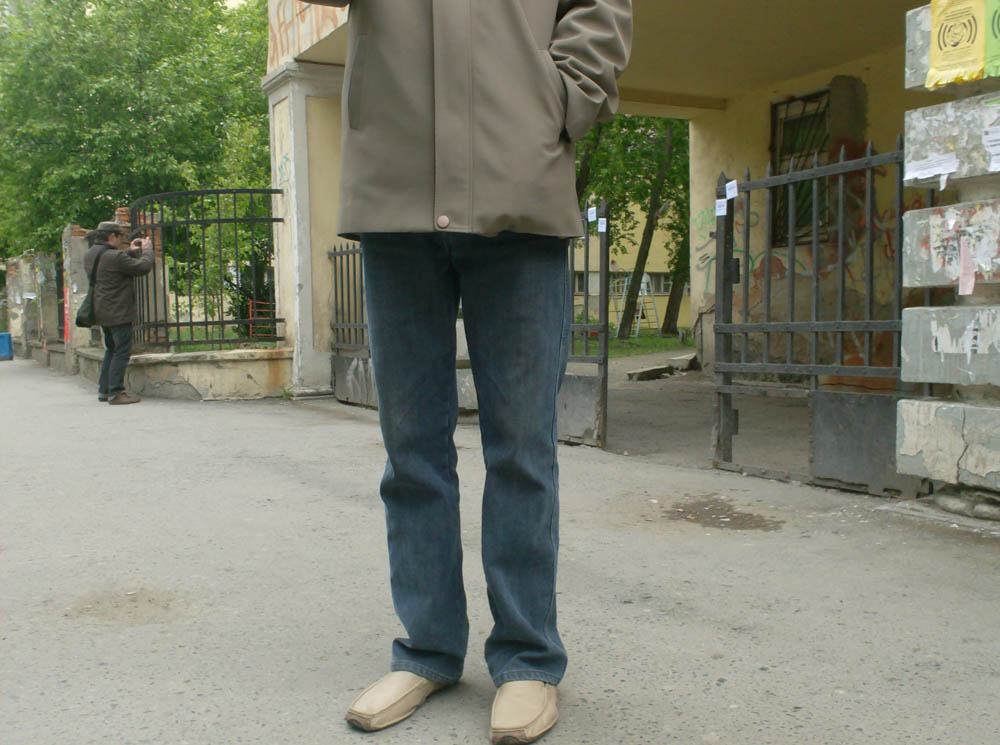
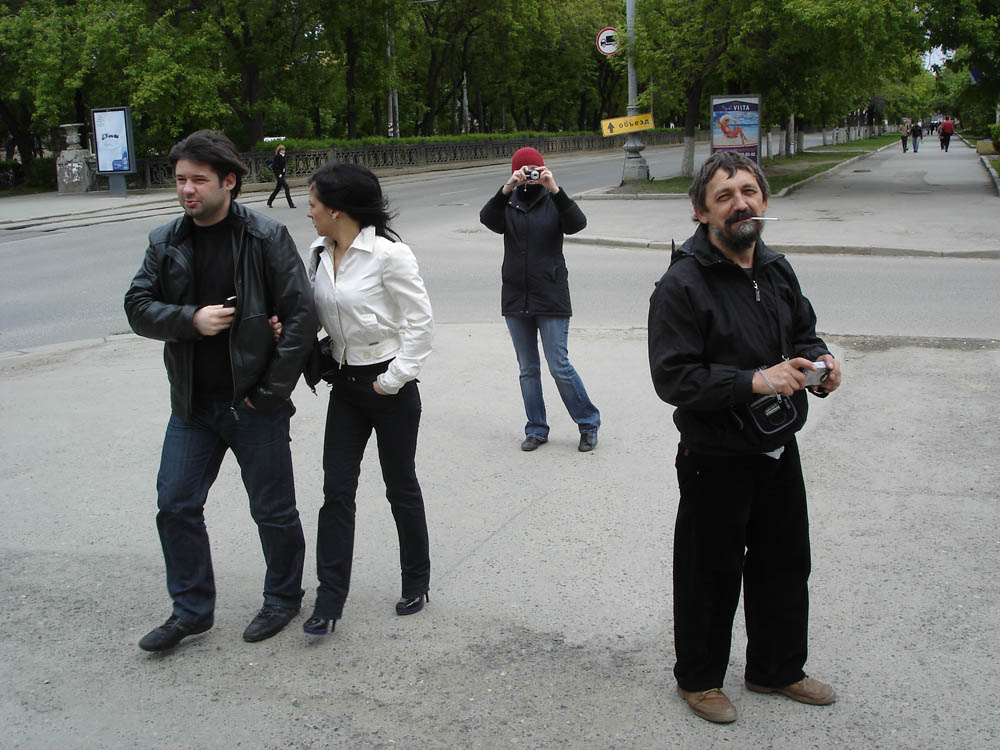
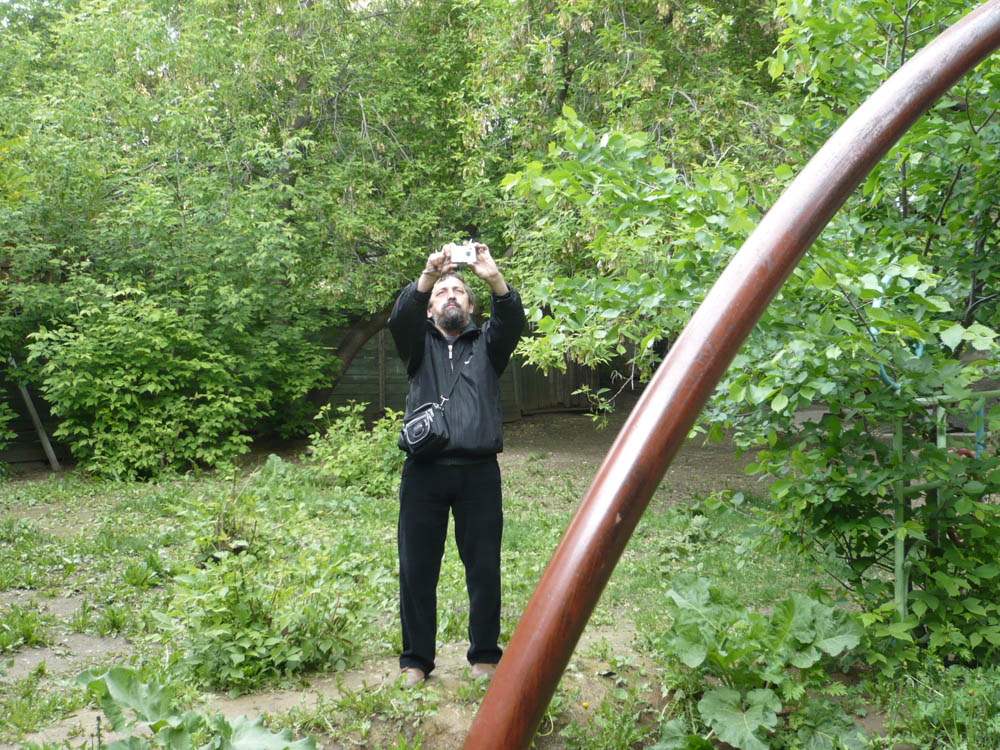
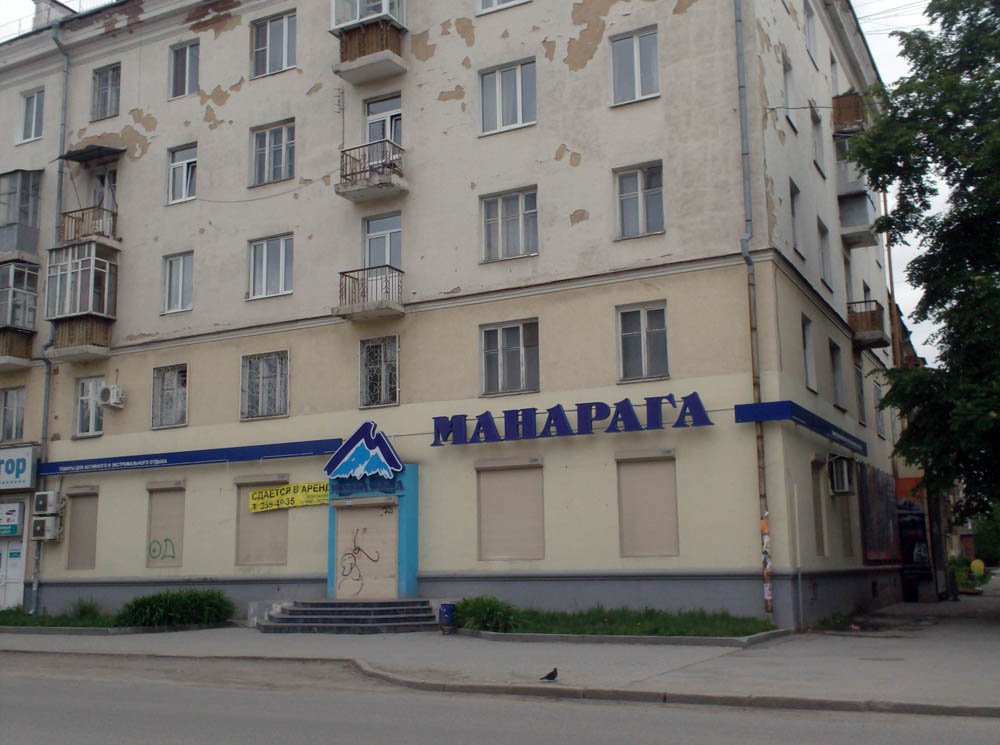
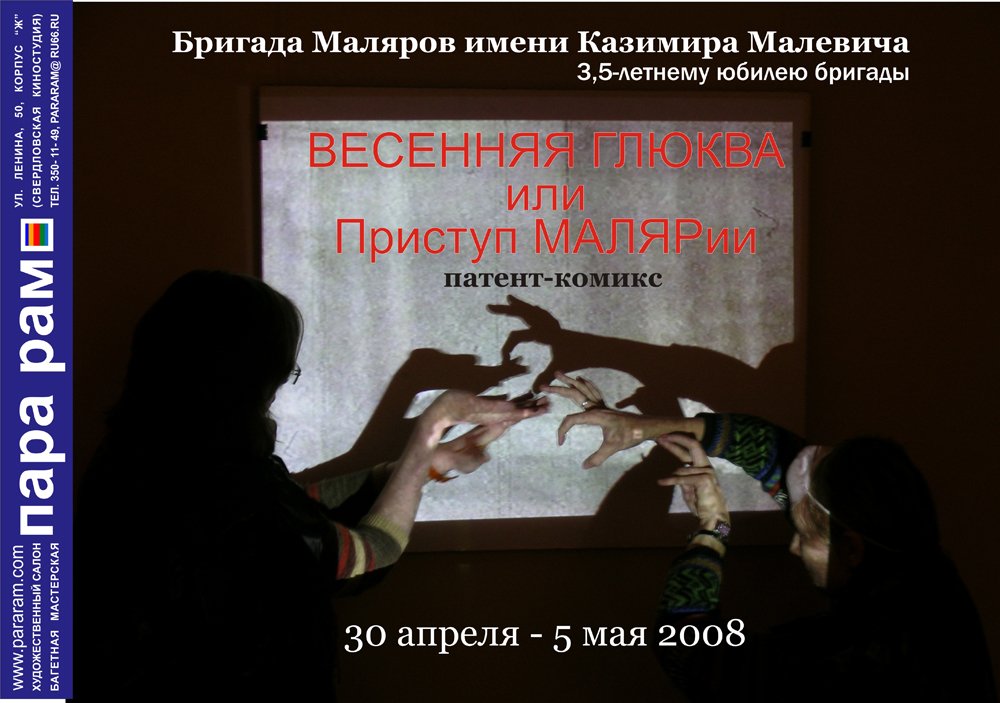
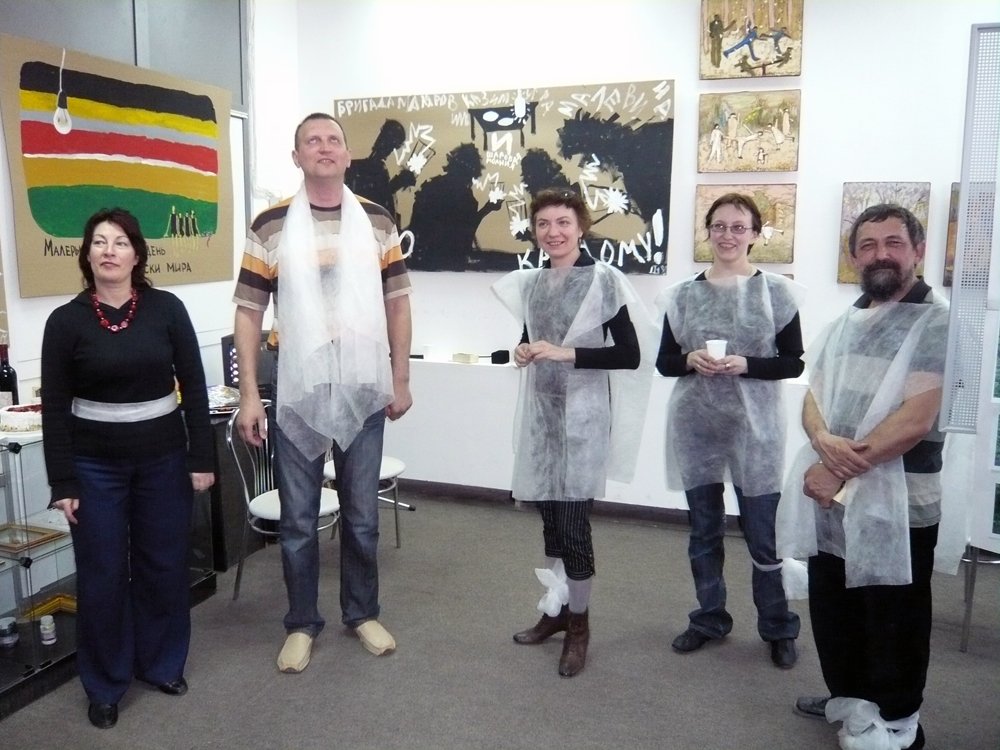
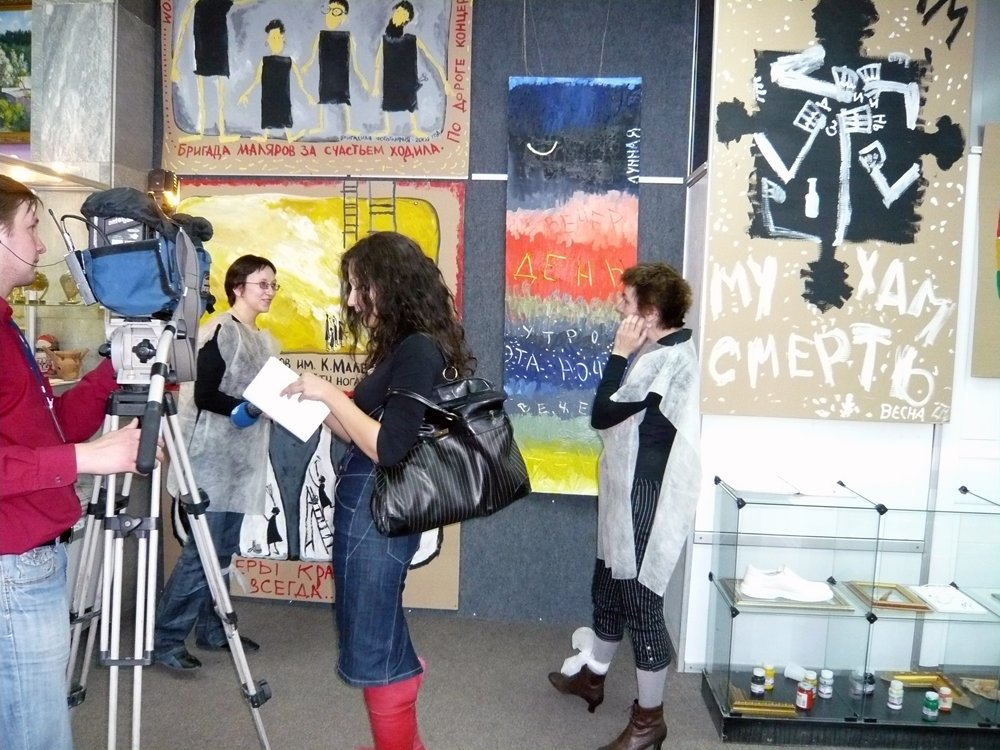
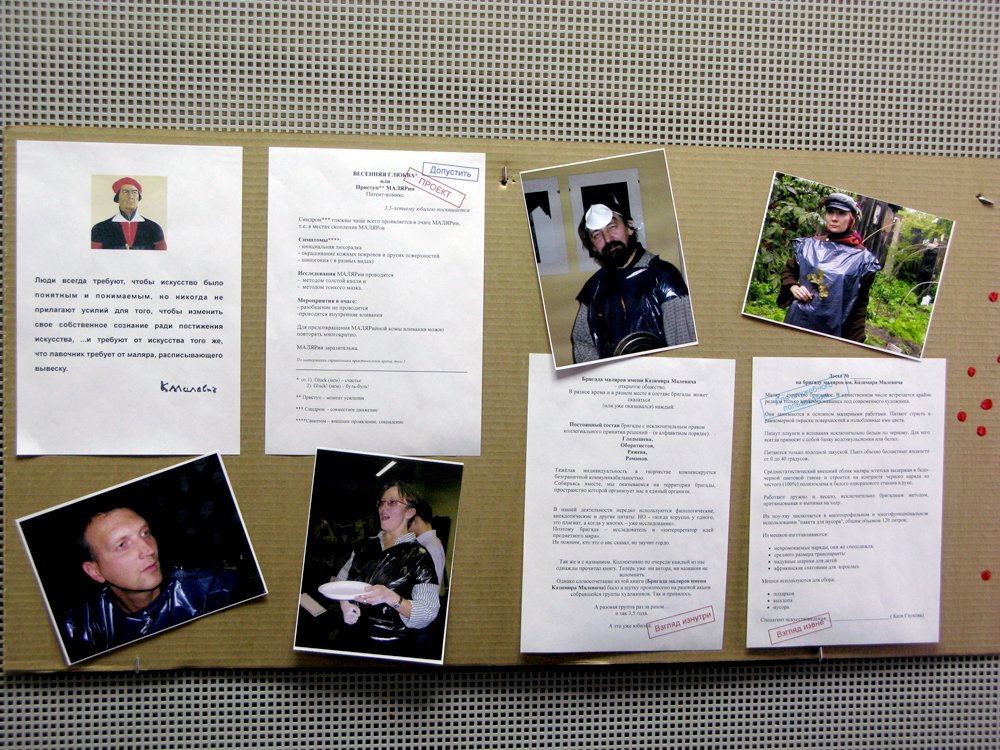
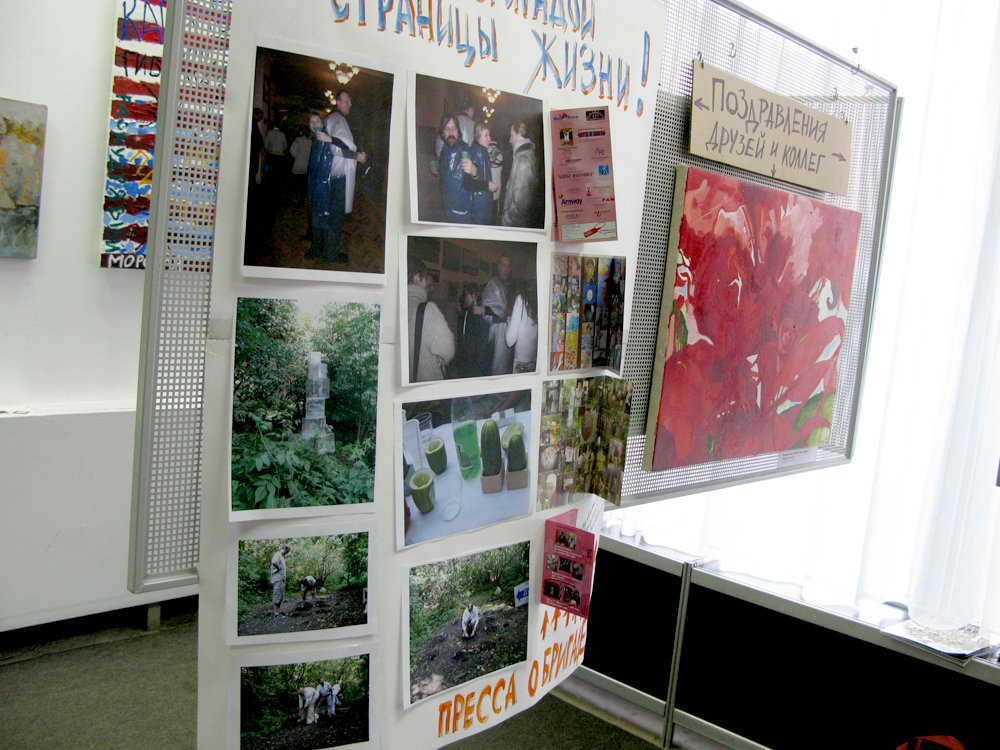
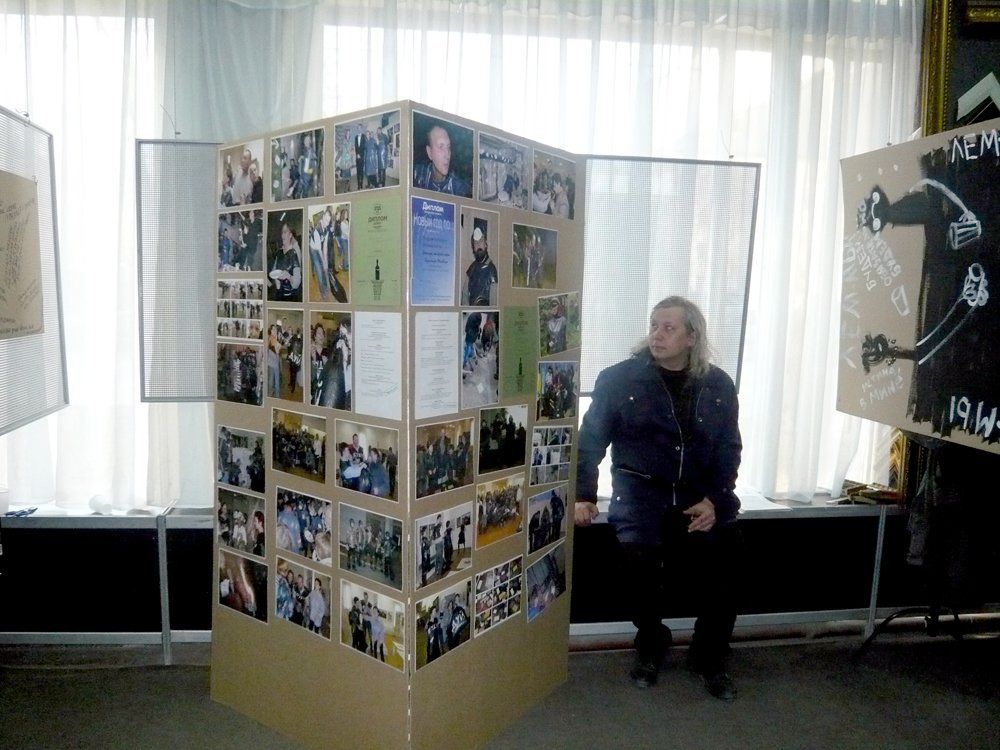
The work was first presented on 12 September 2008 at Gallery ParaRam, Yekaterinburg, as part of the international group exhibition Enstruments, within the Finnish–Russian festival Together: Ecology of Space.
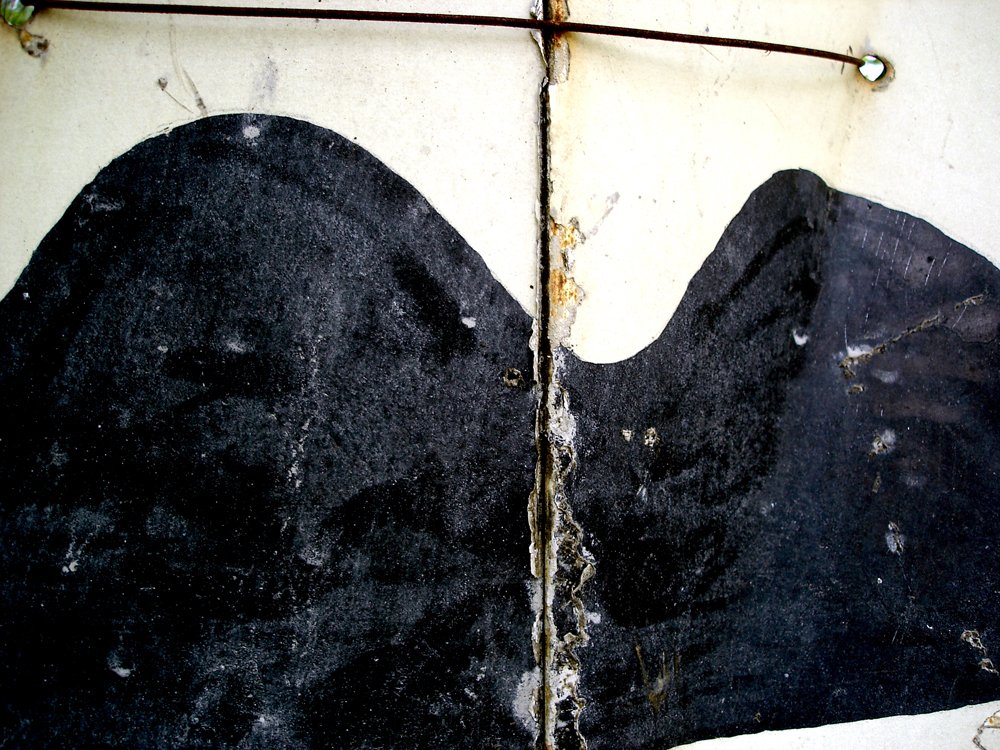
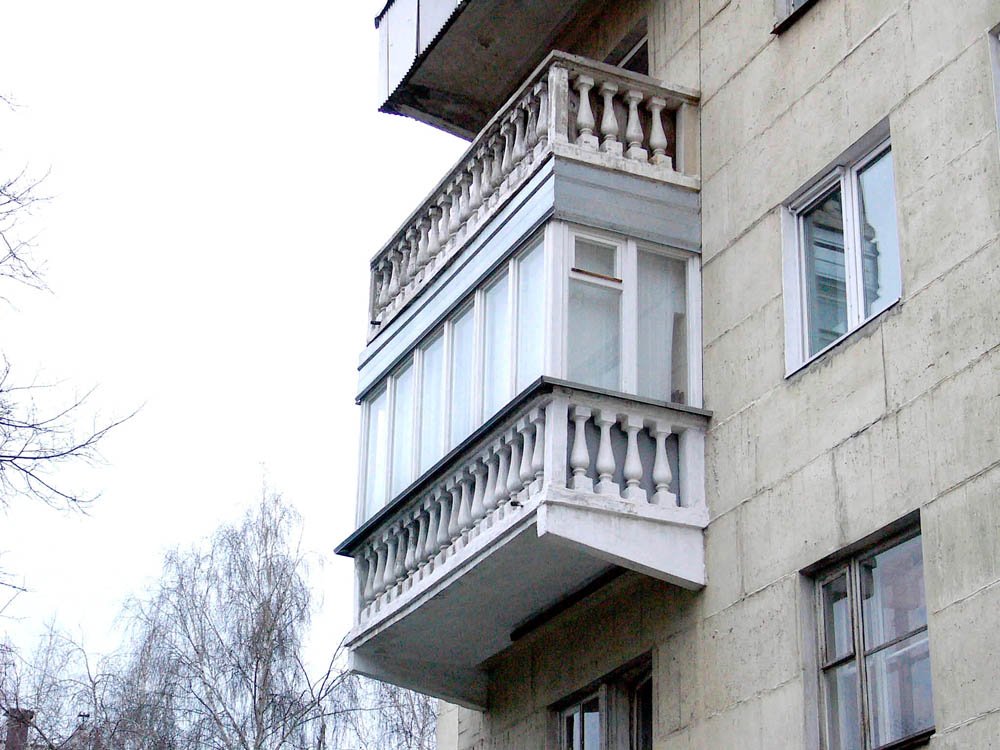
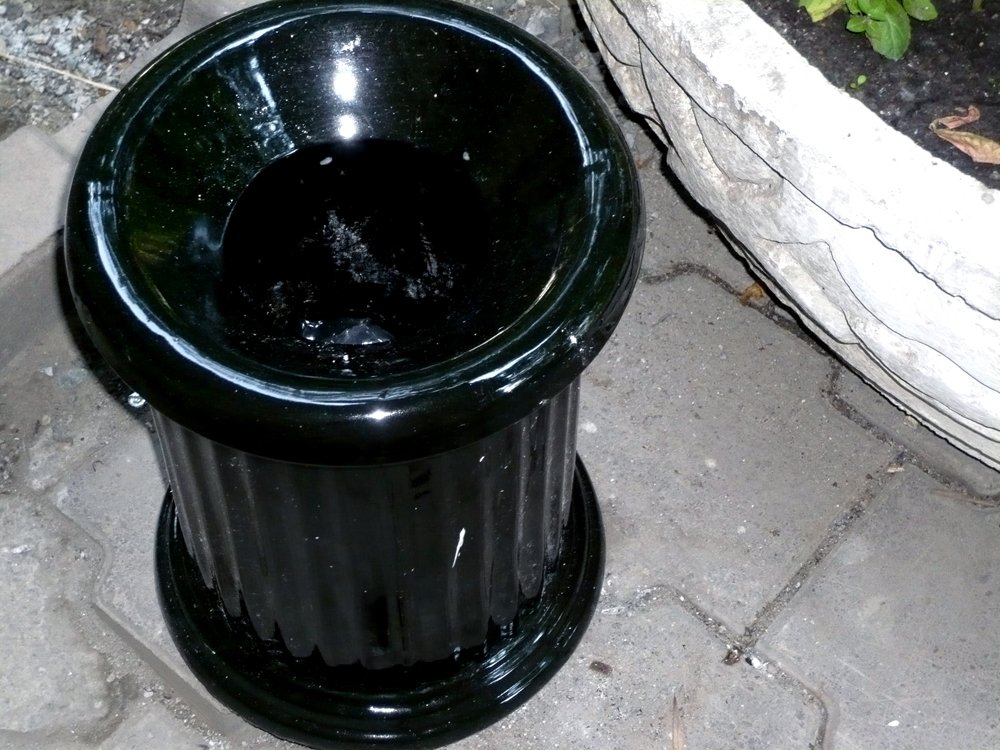
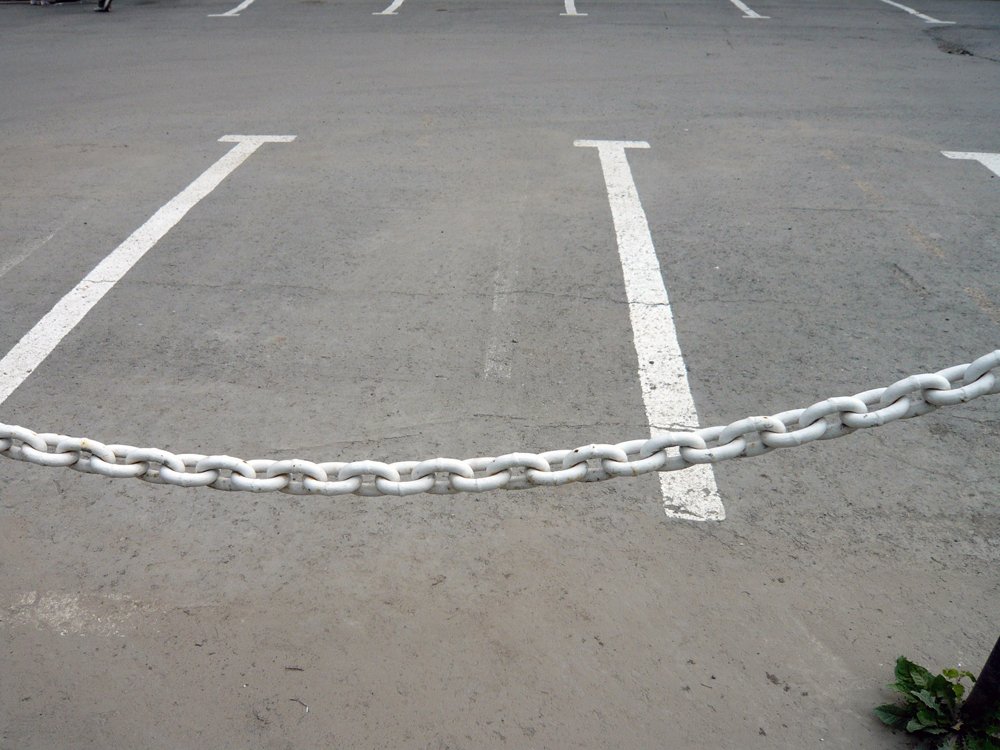
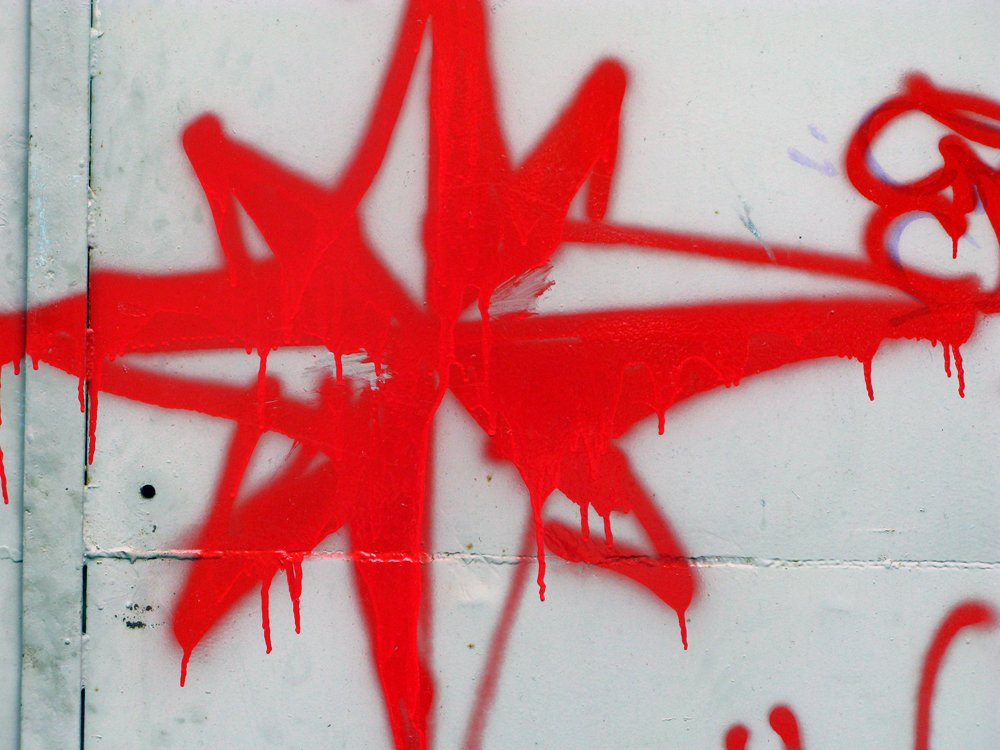
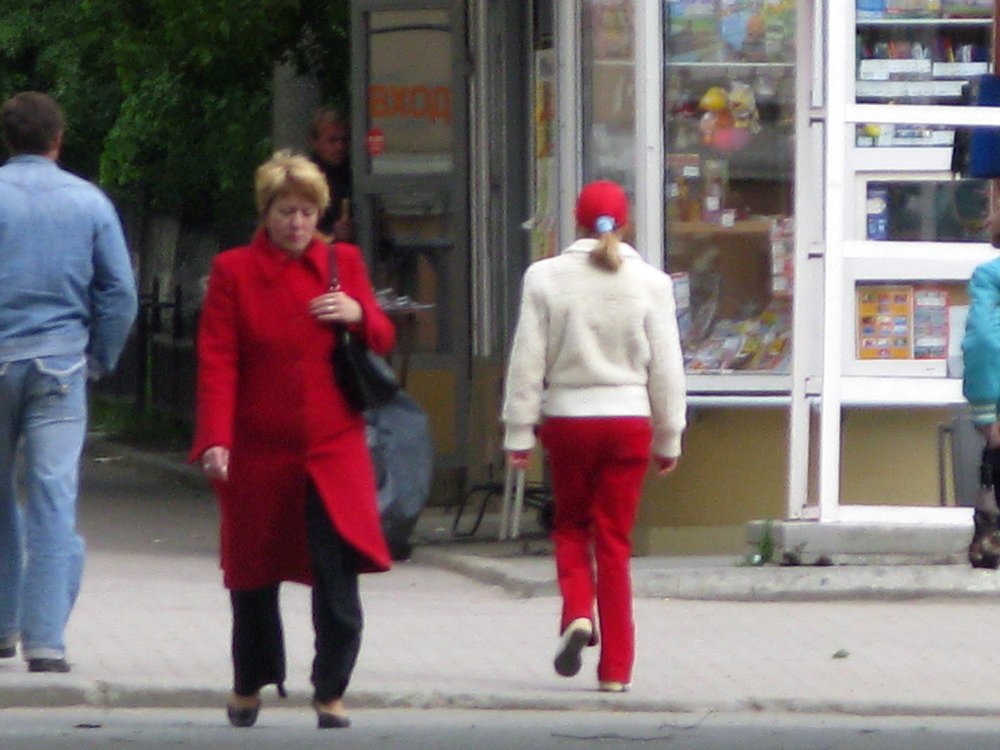
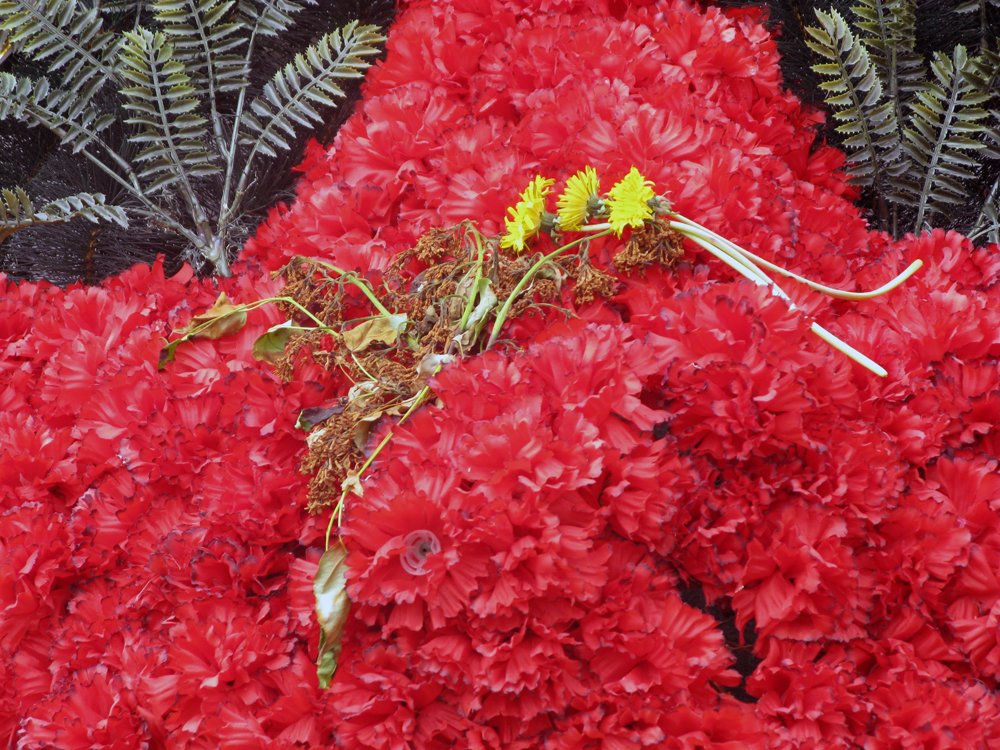
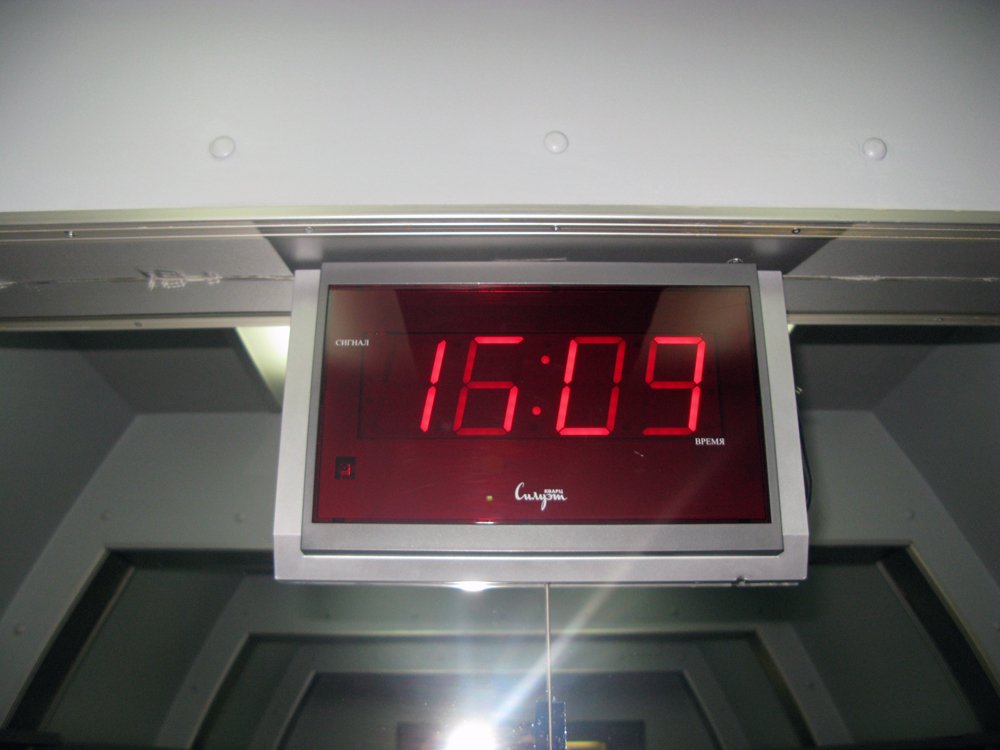
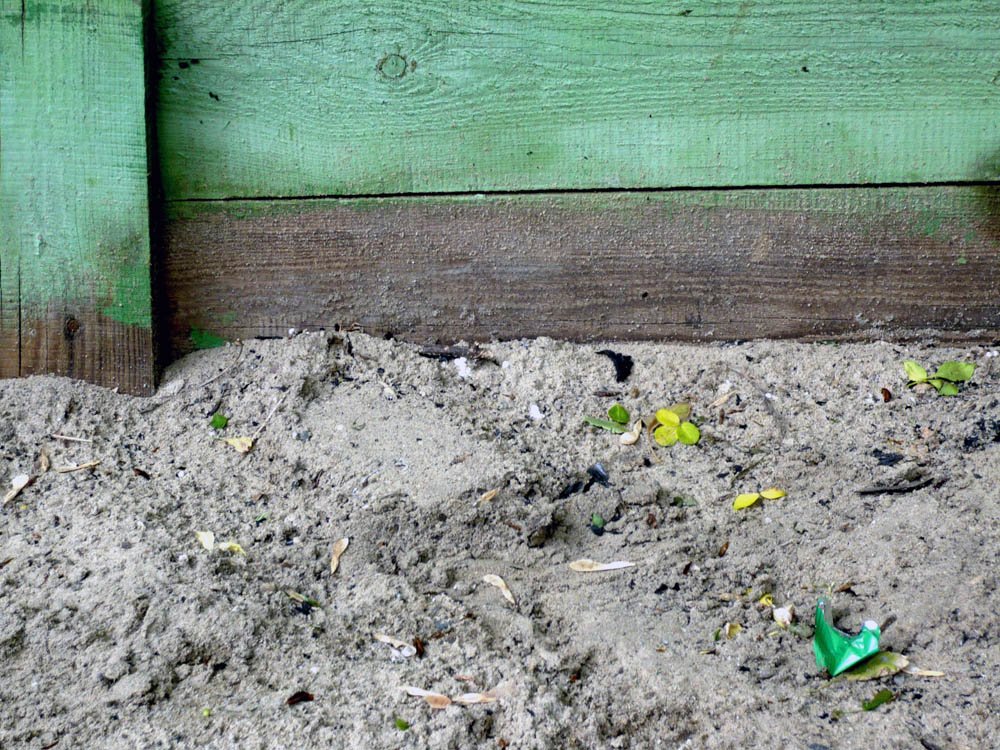
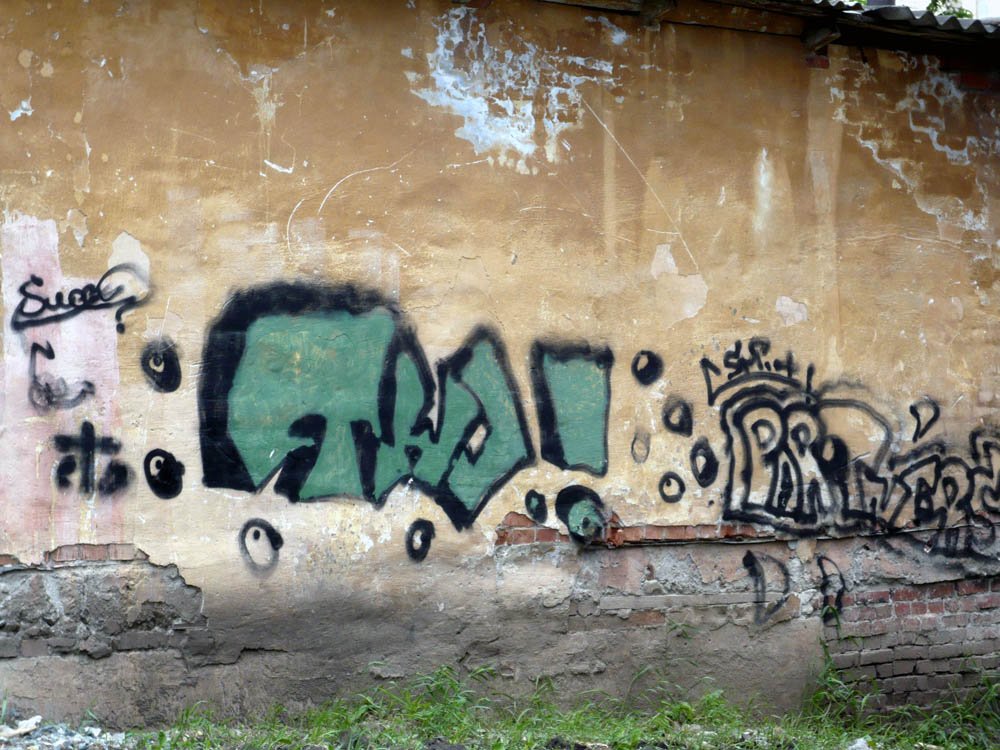
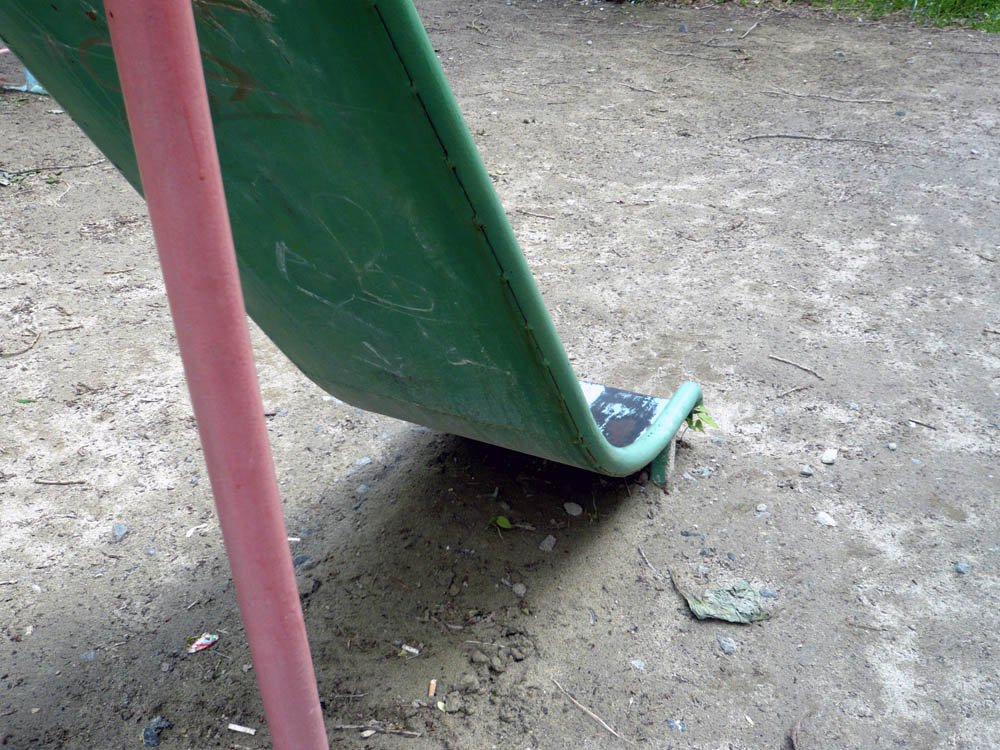
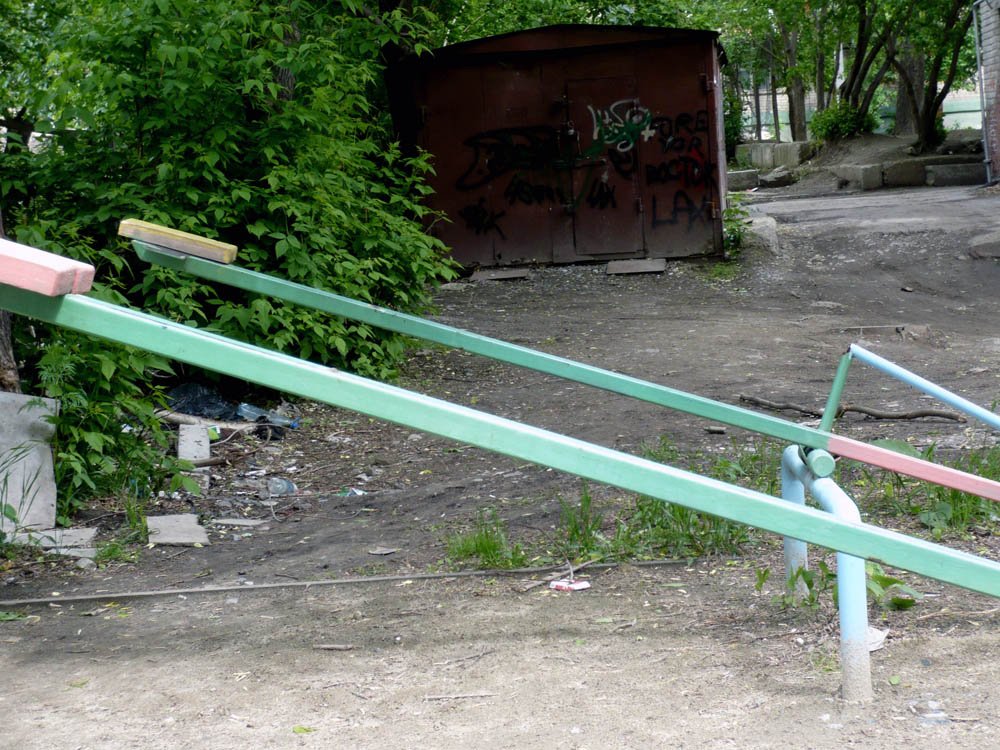
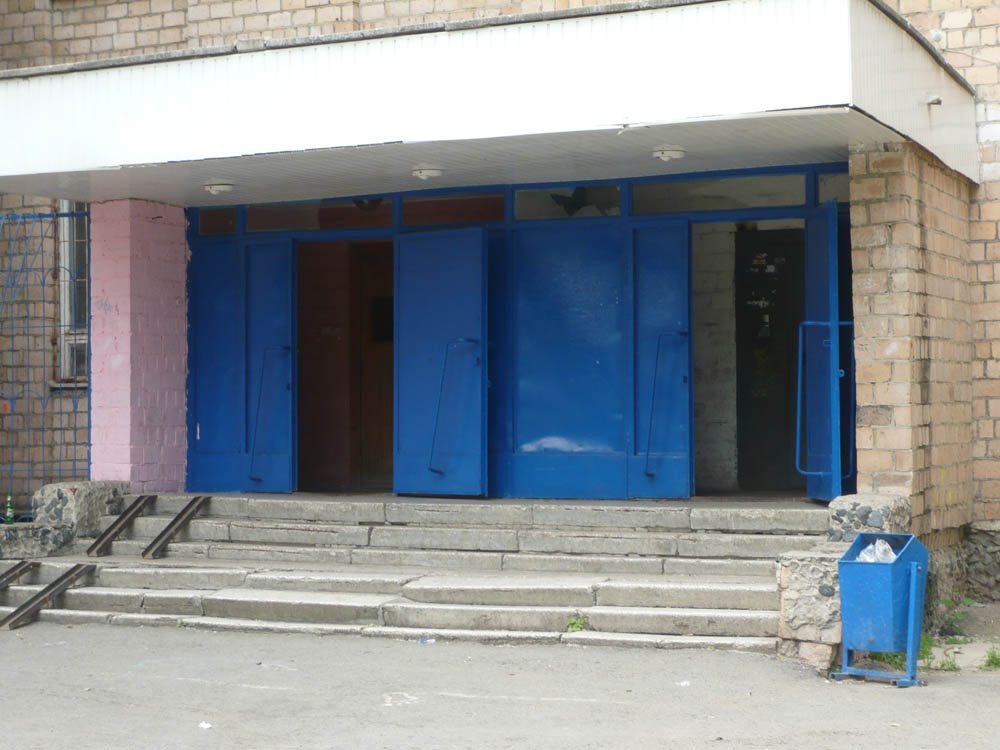
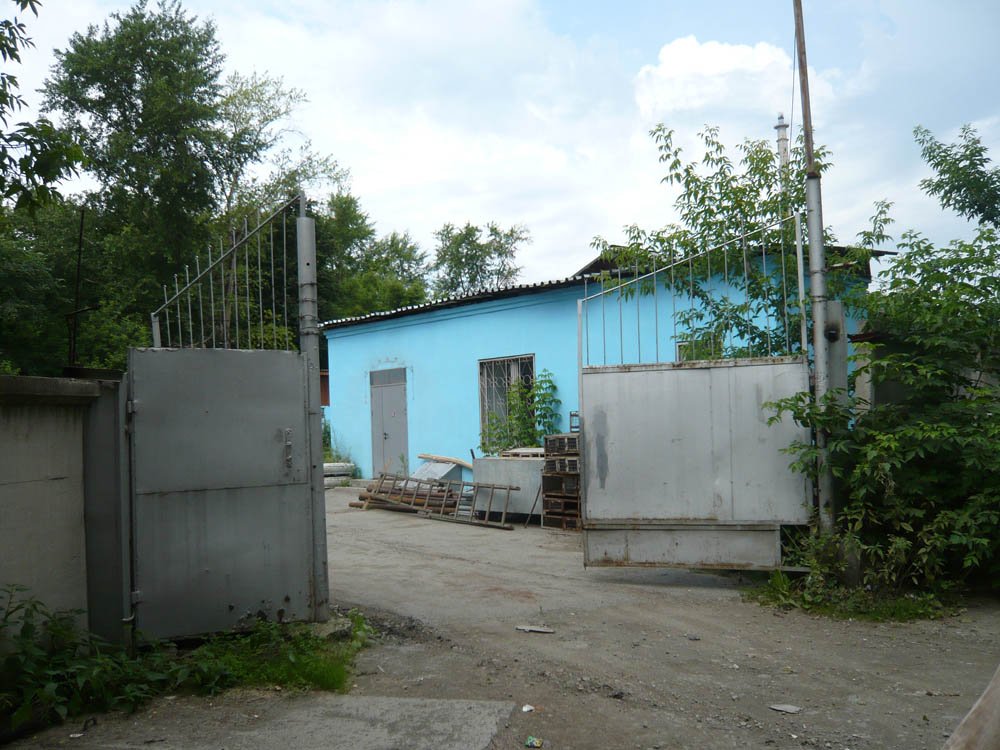
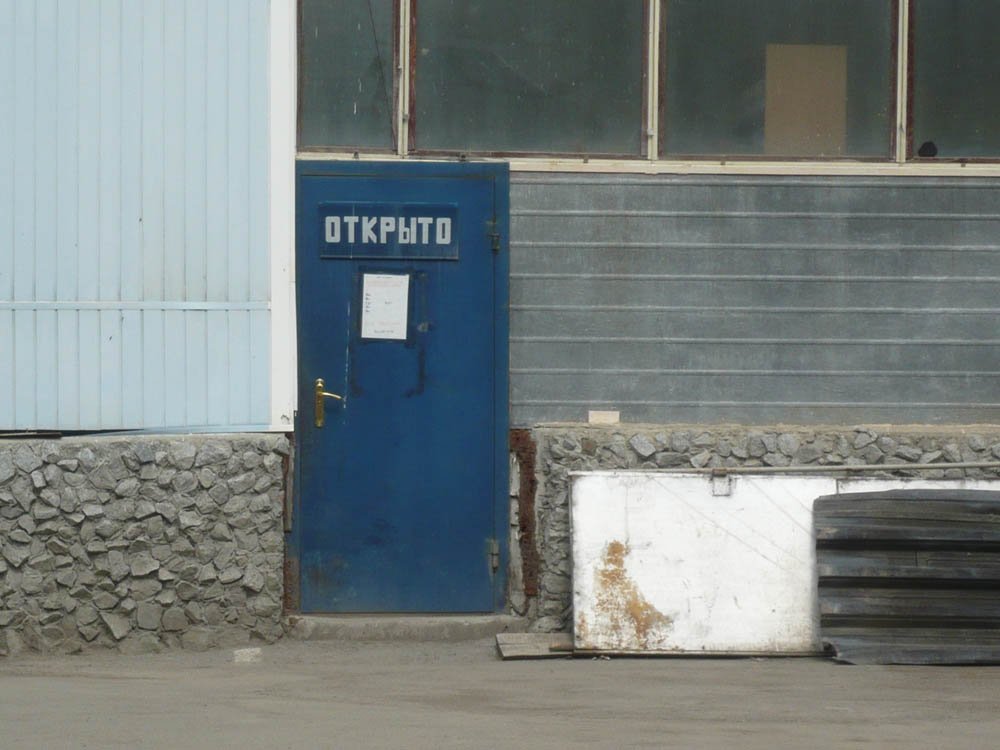
Physical work: photography, toned paper, collage
Dimensions: 1682 × 1188 mm
The Instrument
PanGorMonium does not produce sound in the conventional sense.
Its body is the city itself.
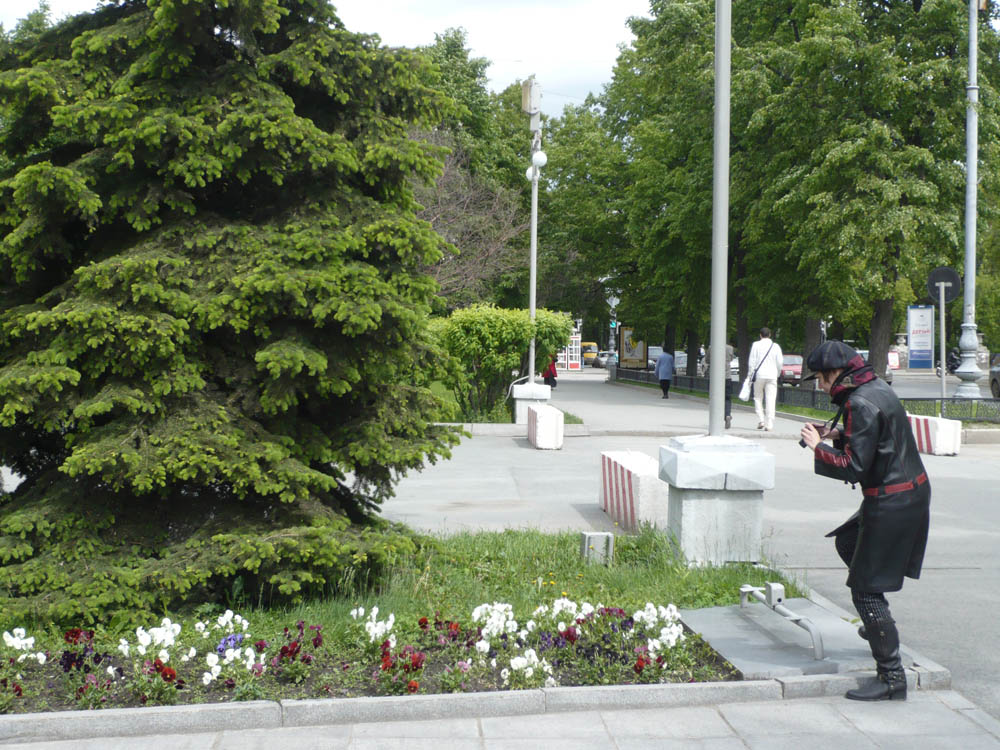
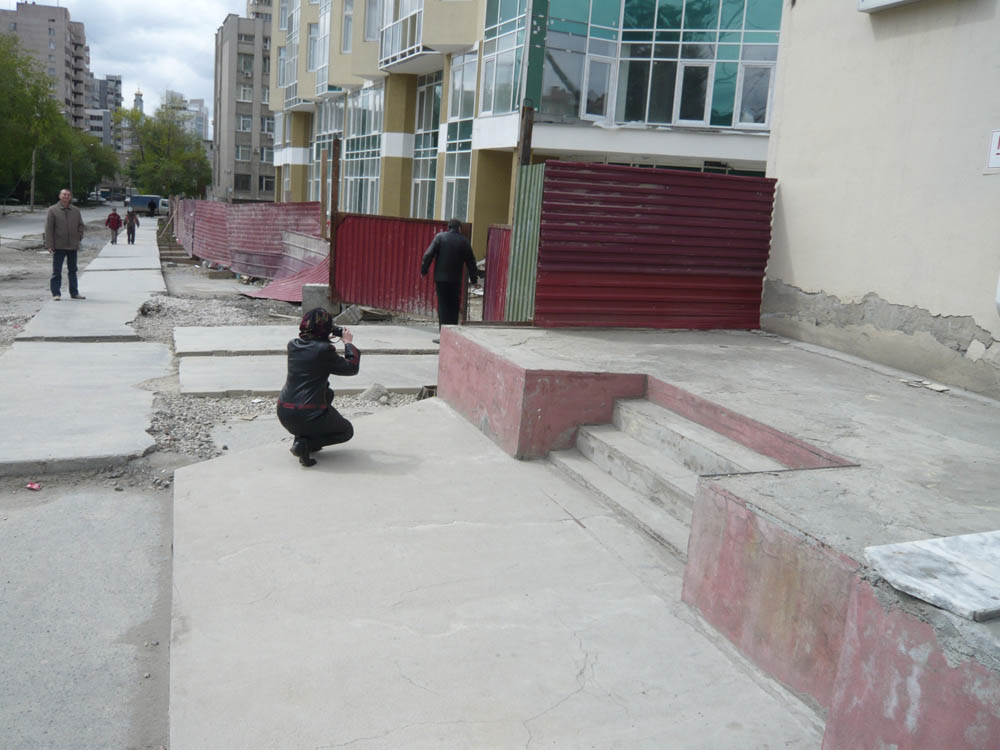
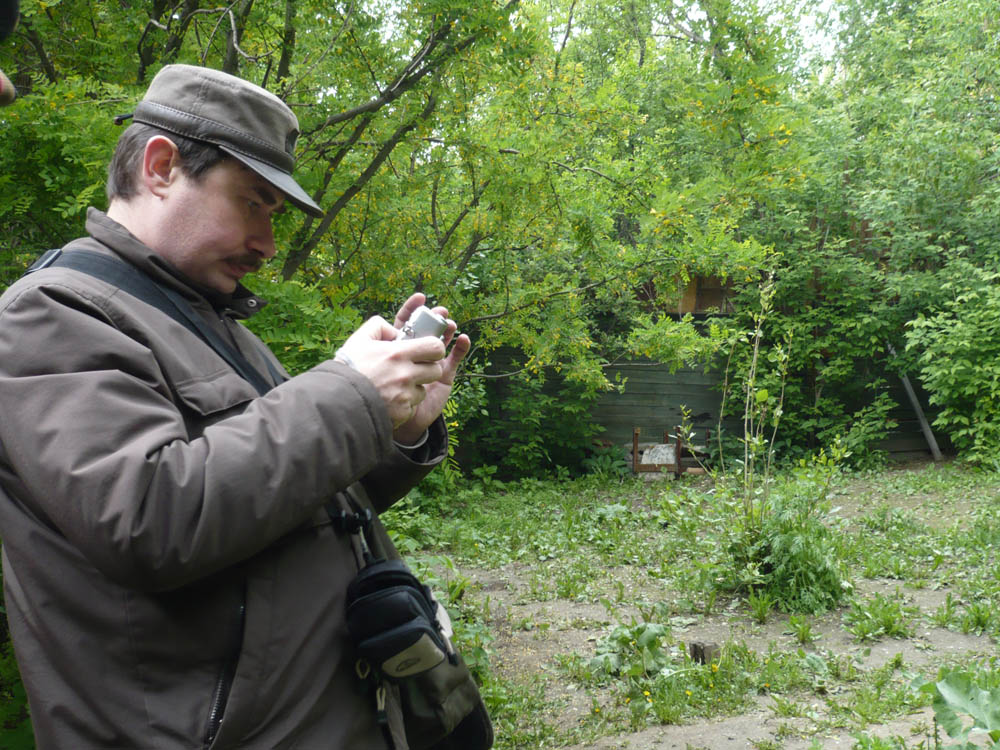
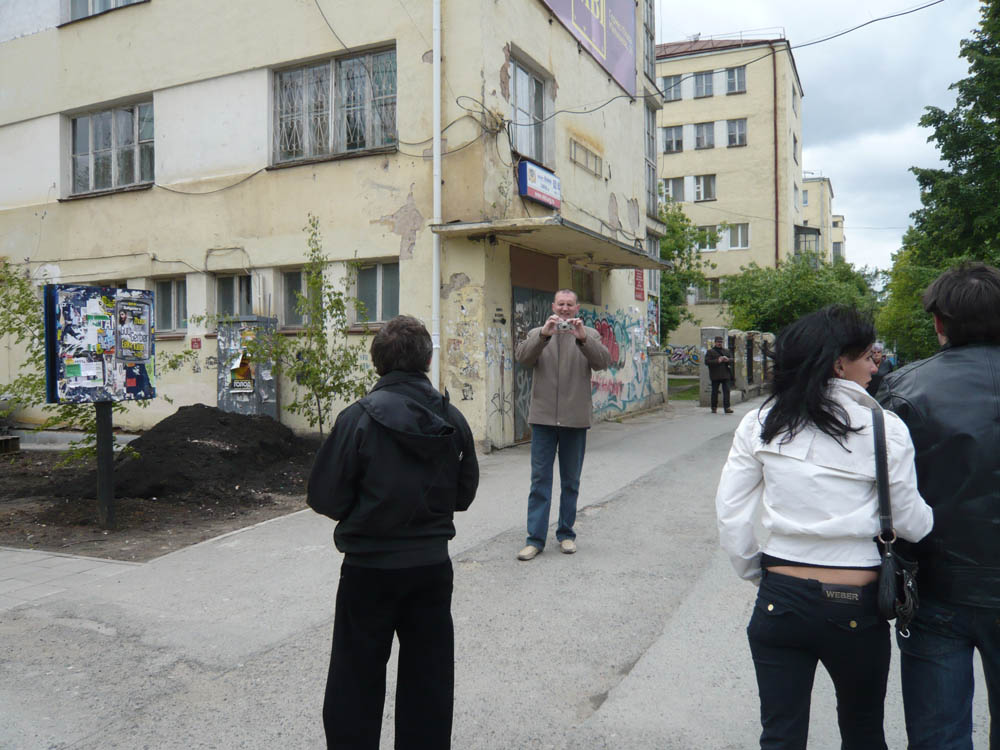
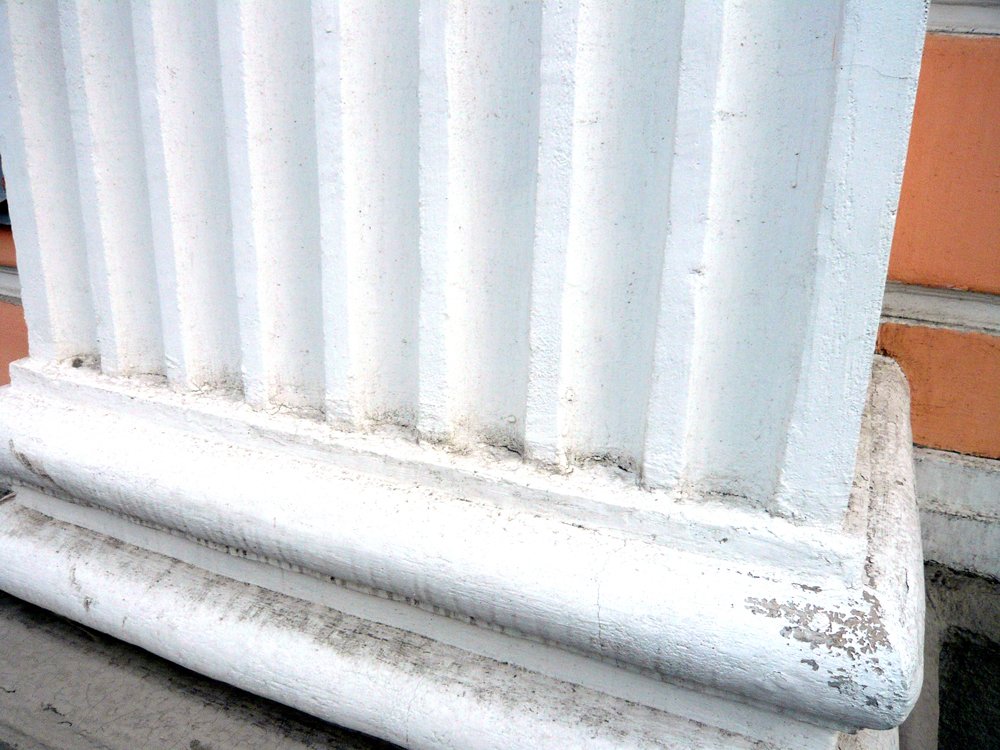
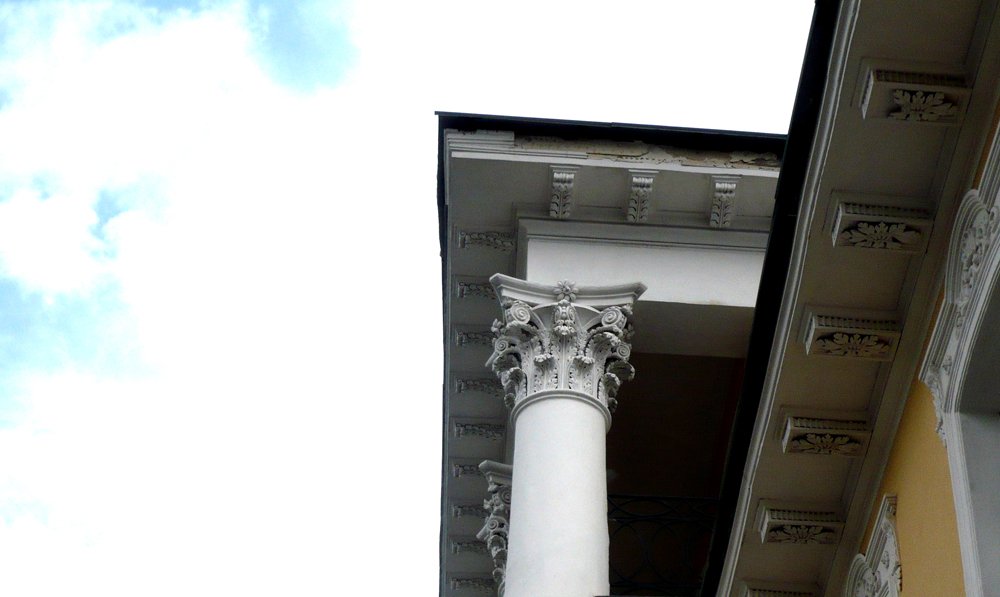
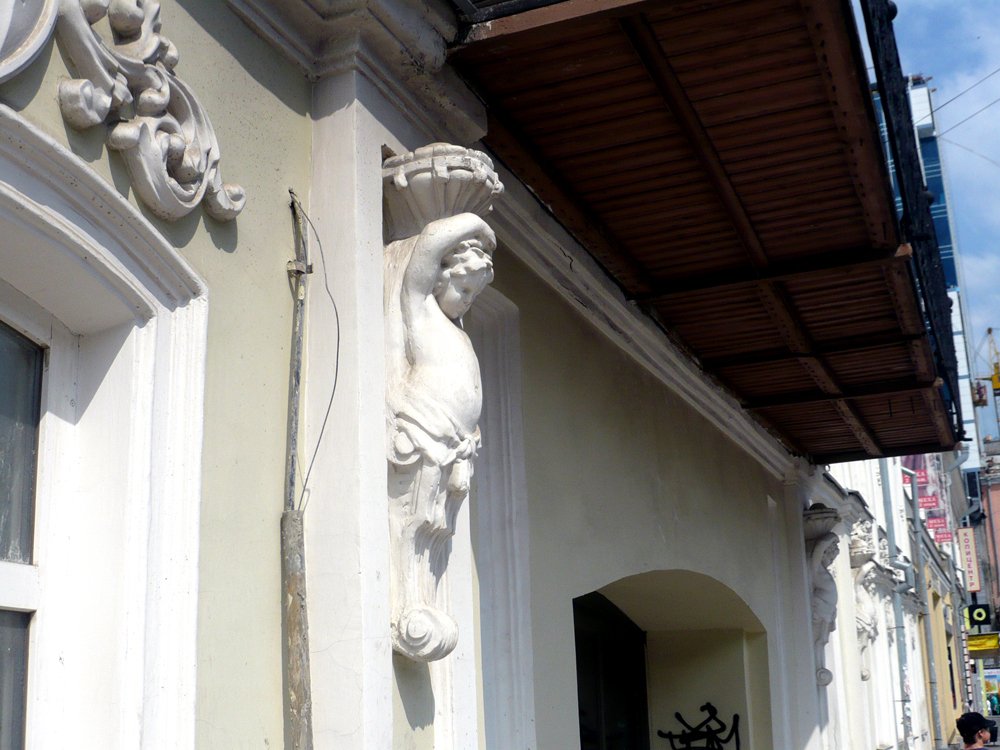
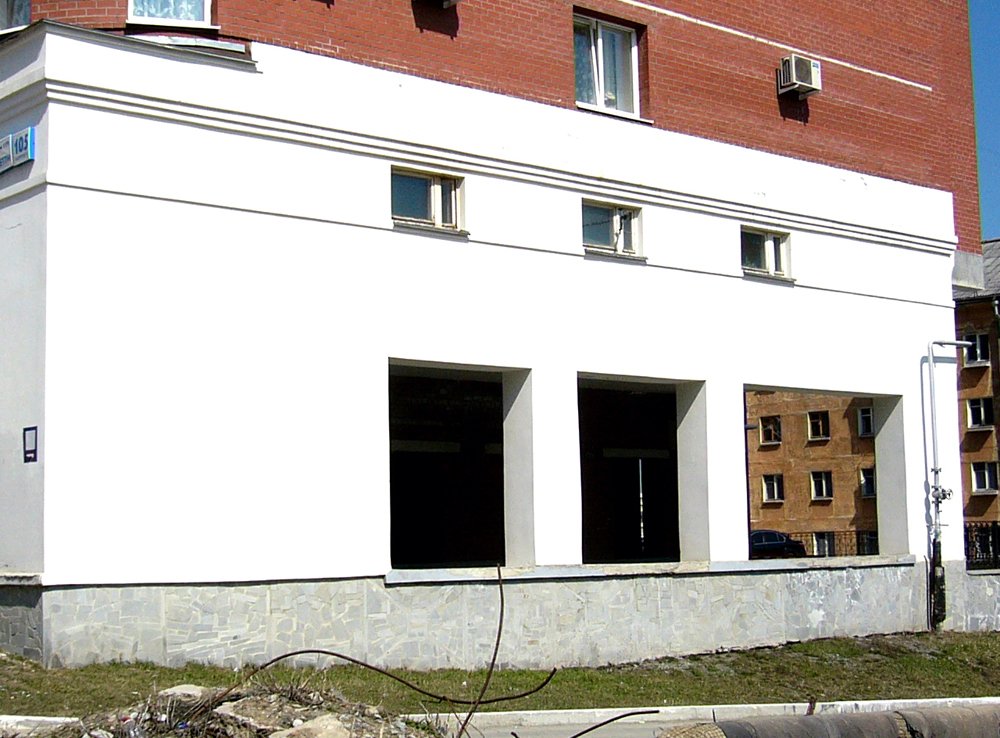
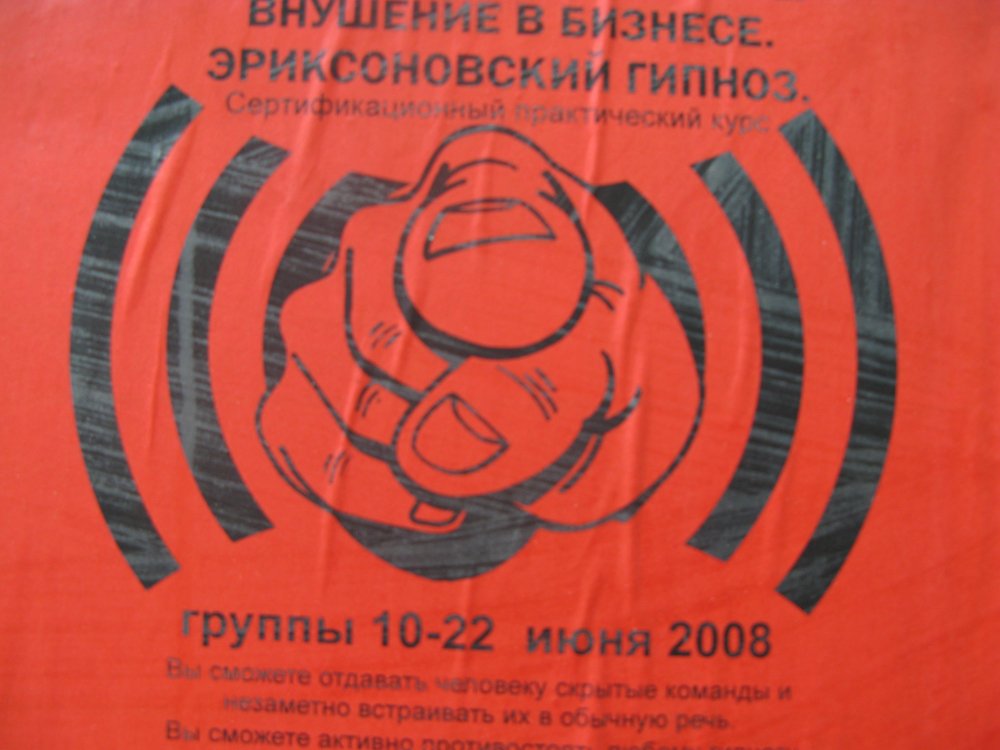
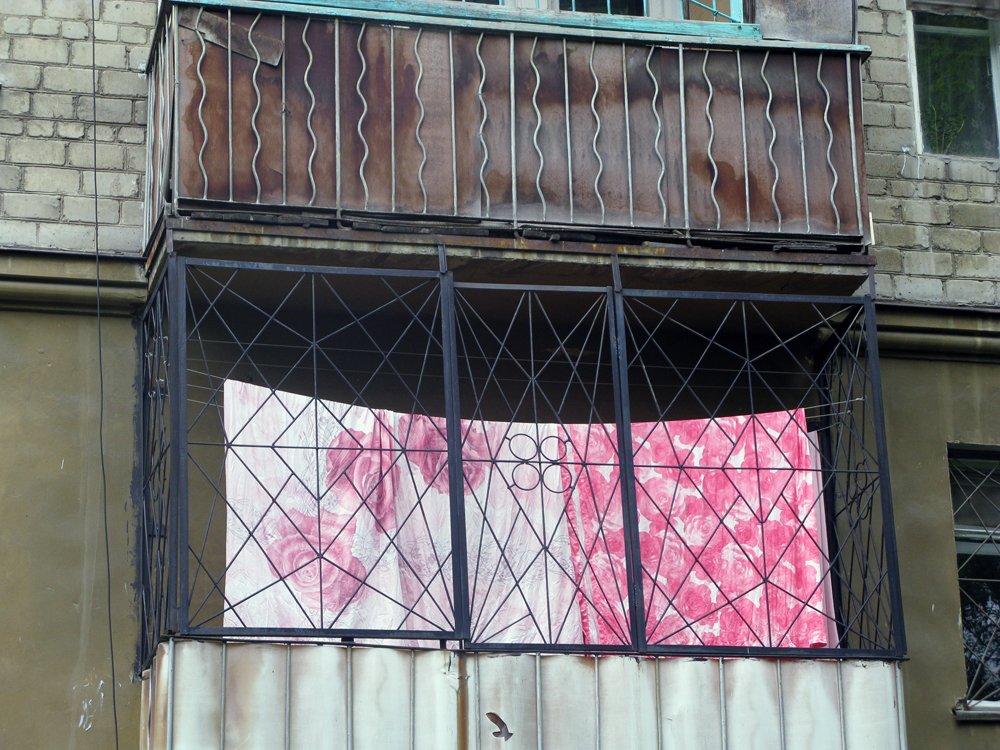
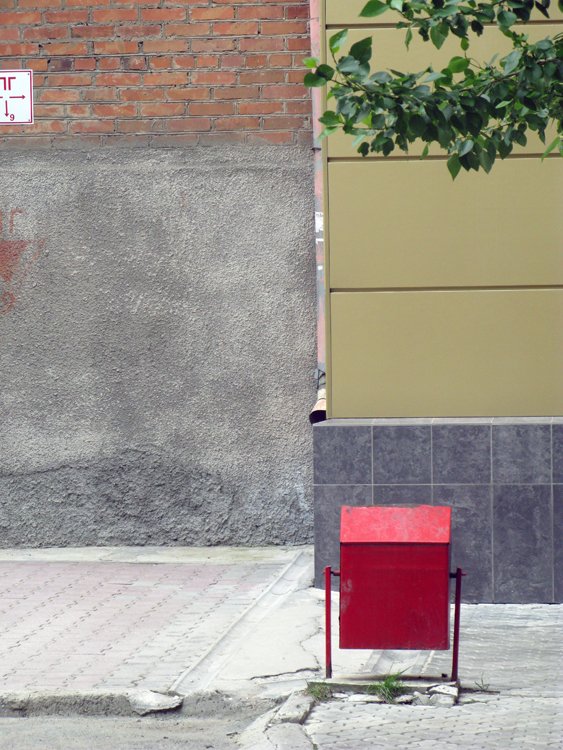
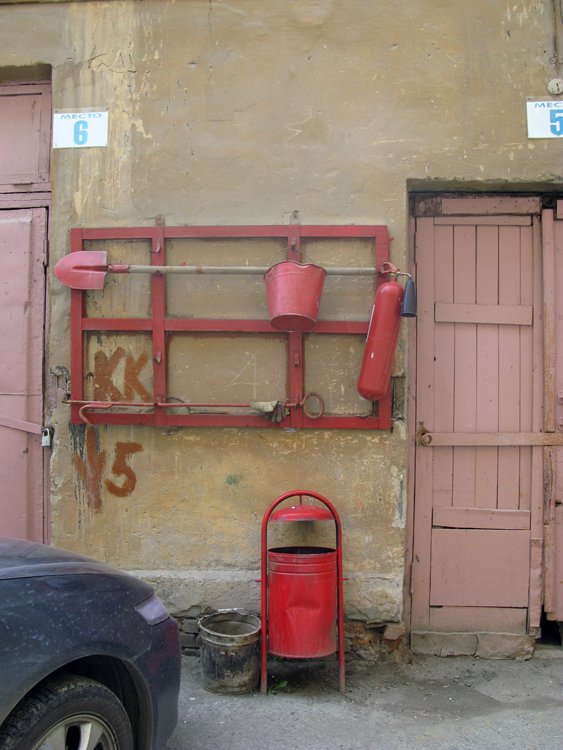
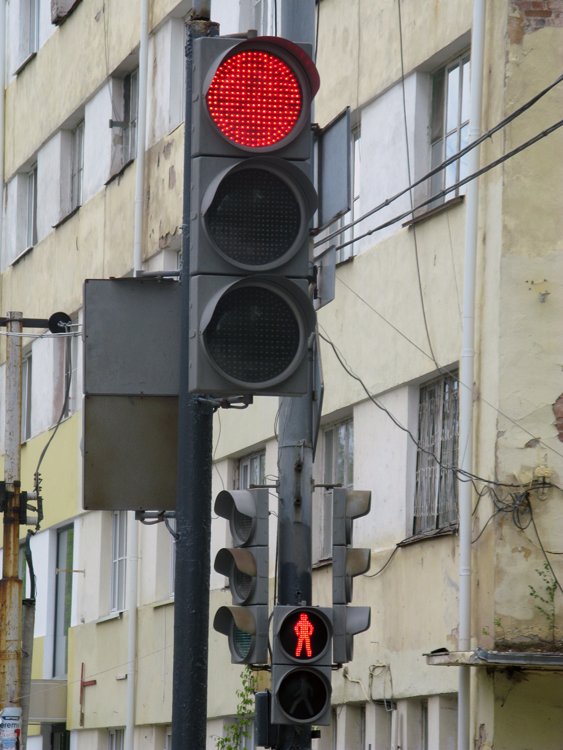
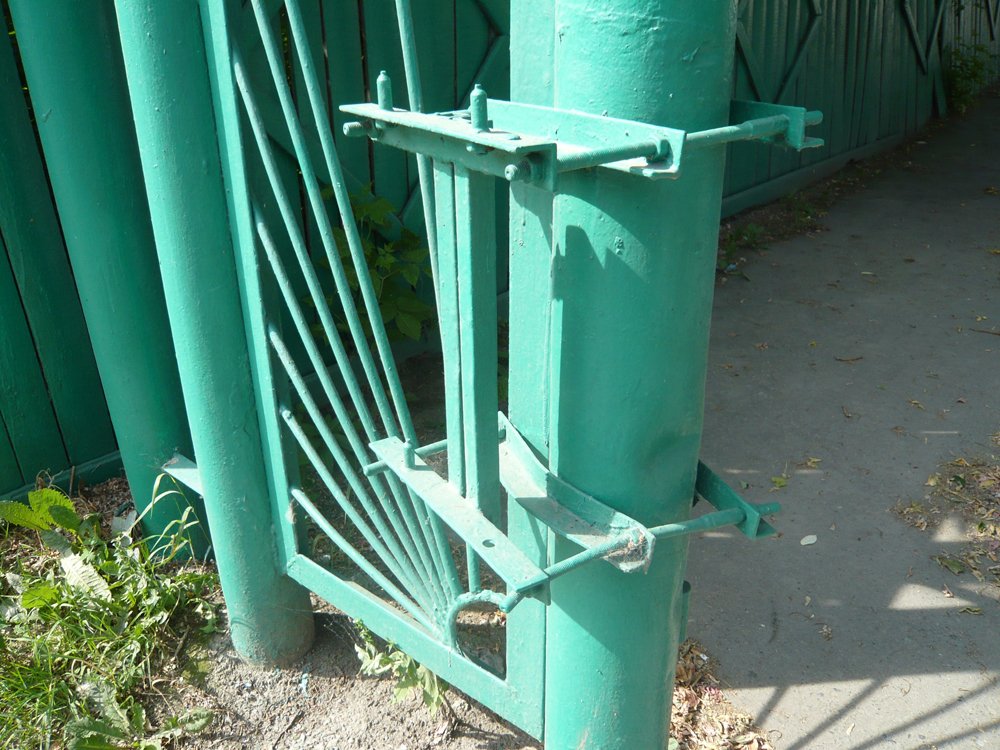
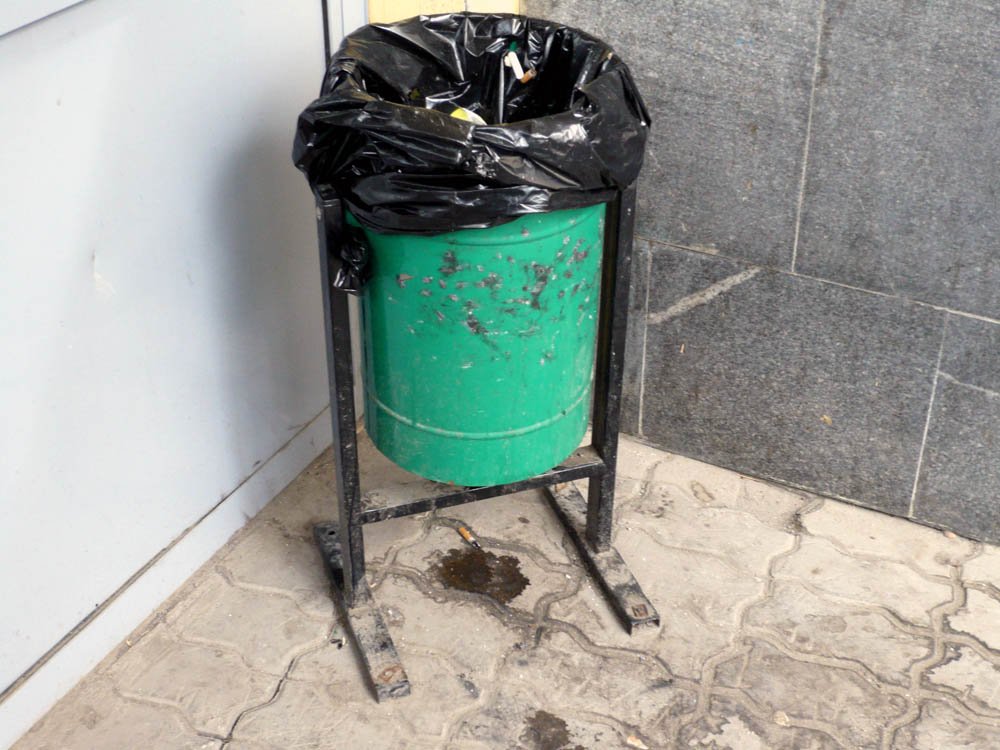
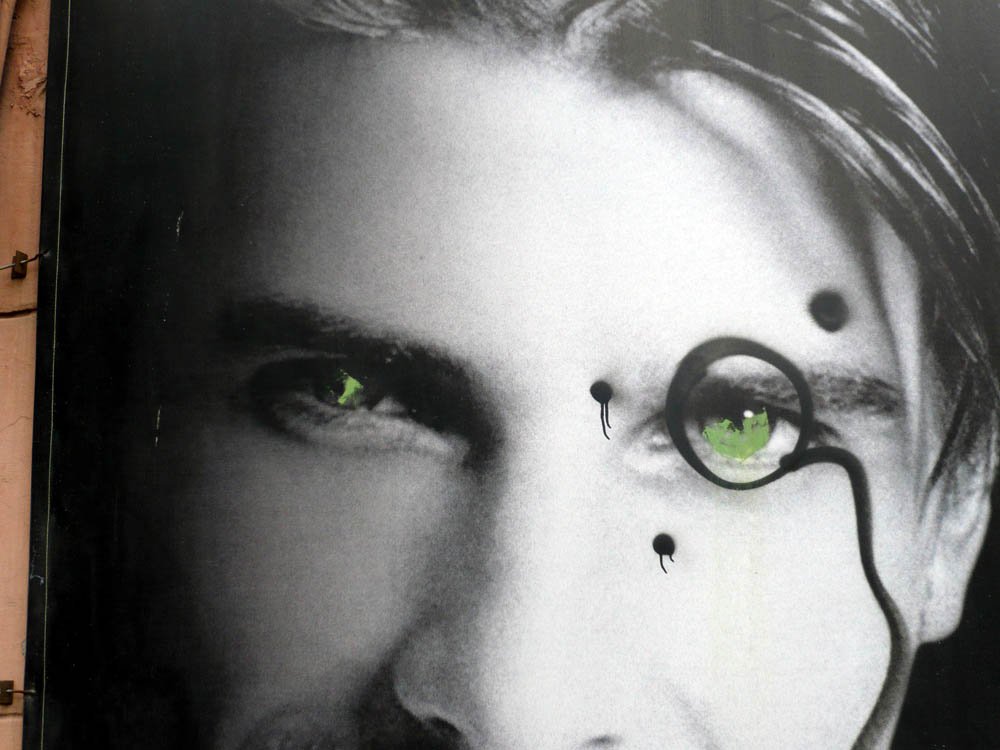
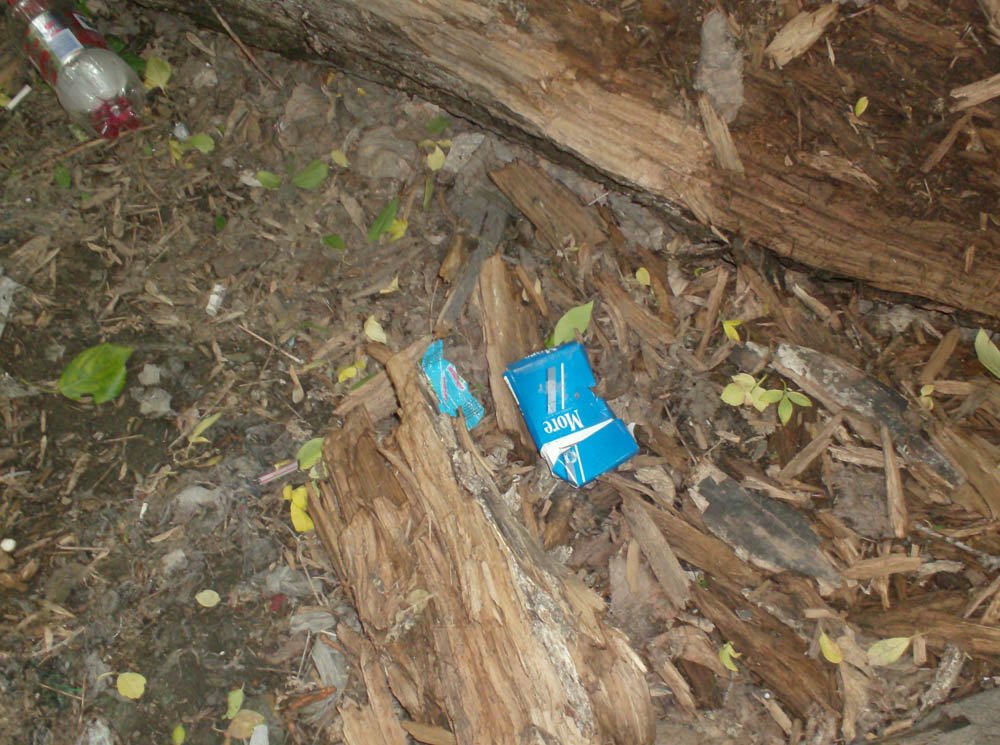
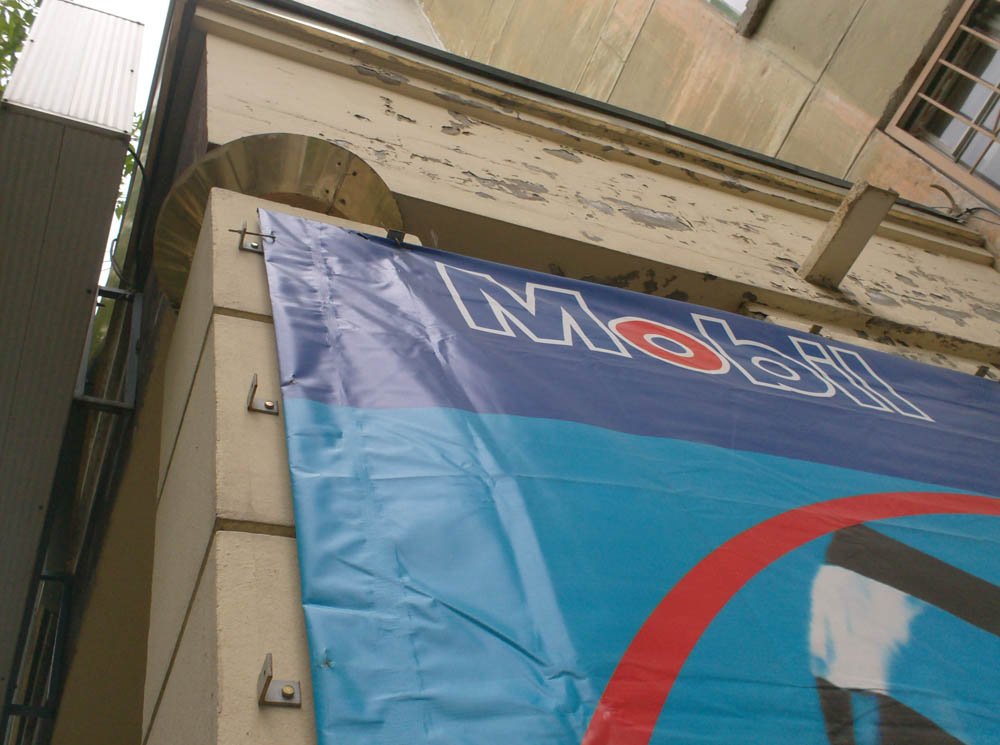
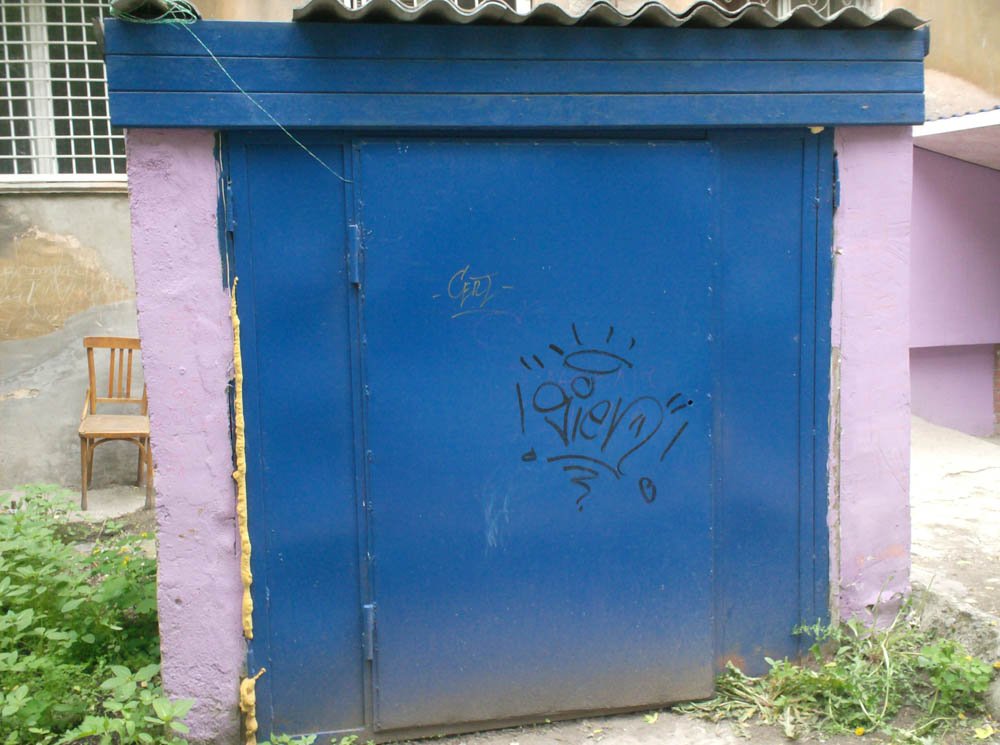
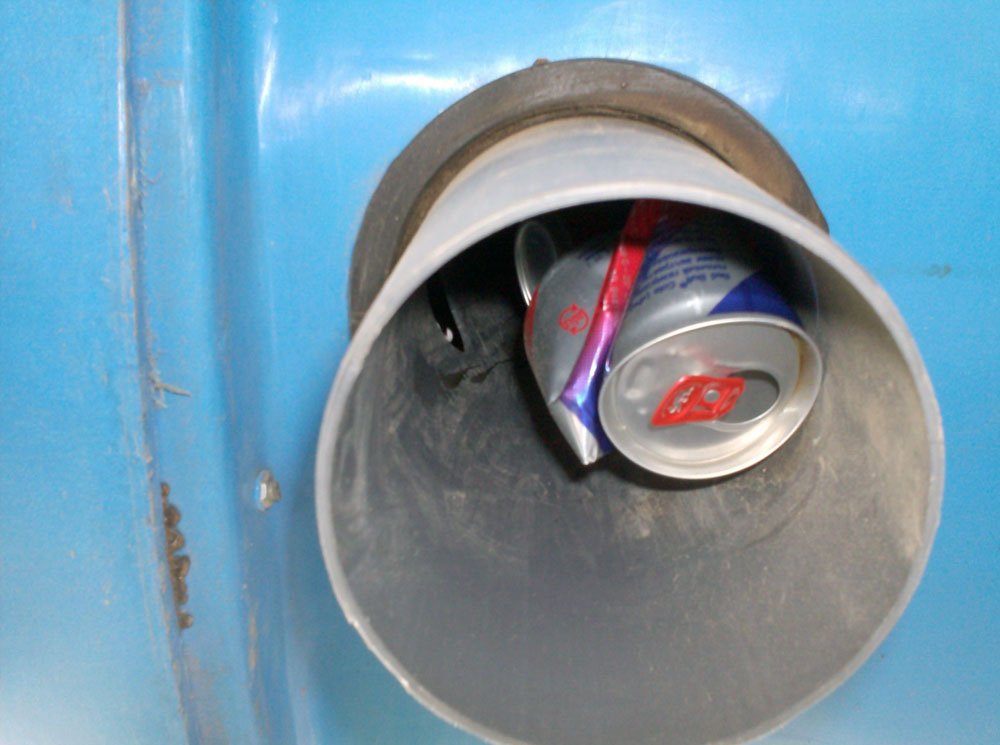
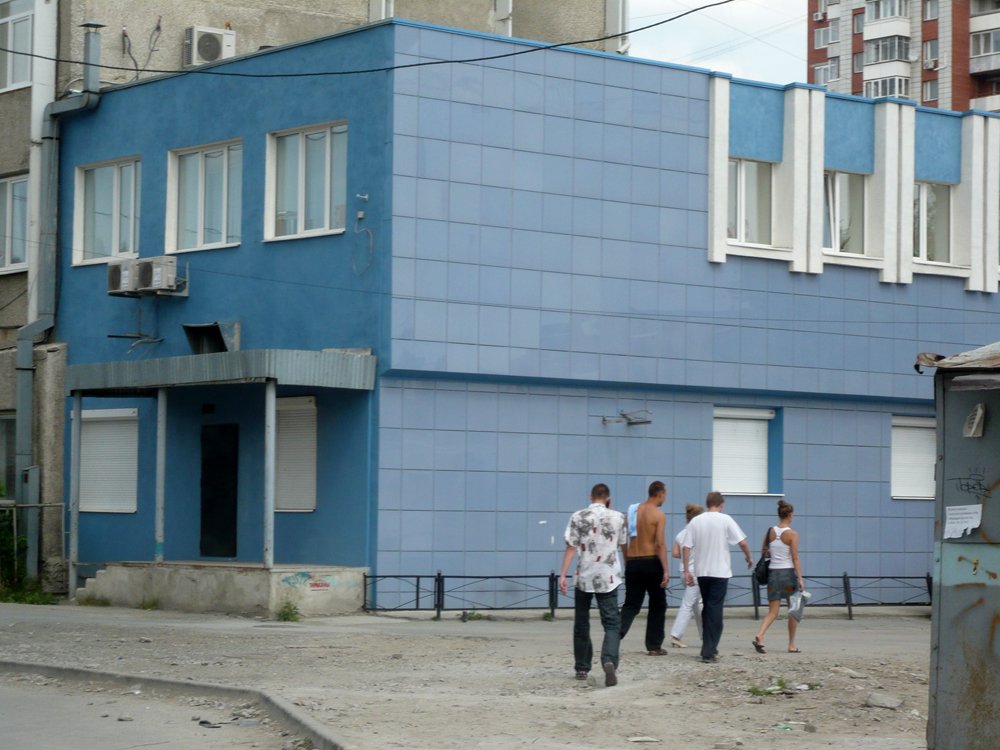
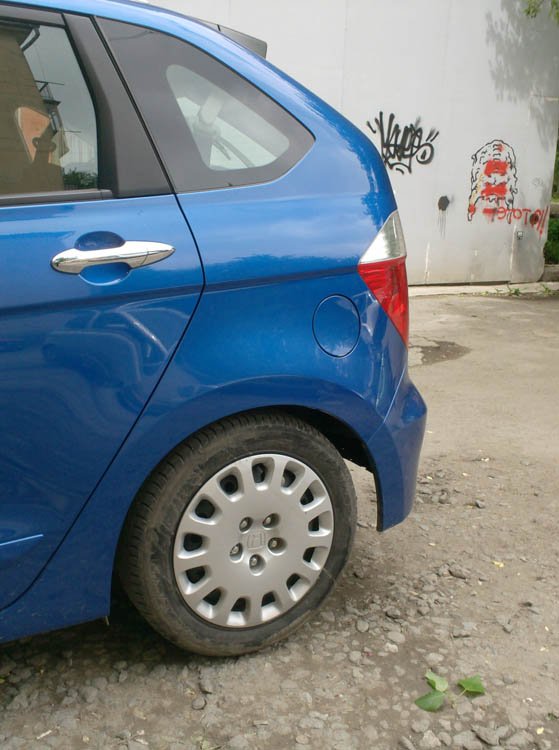
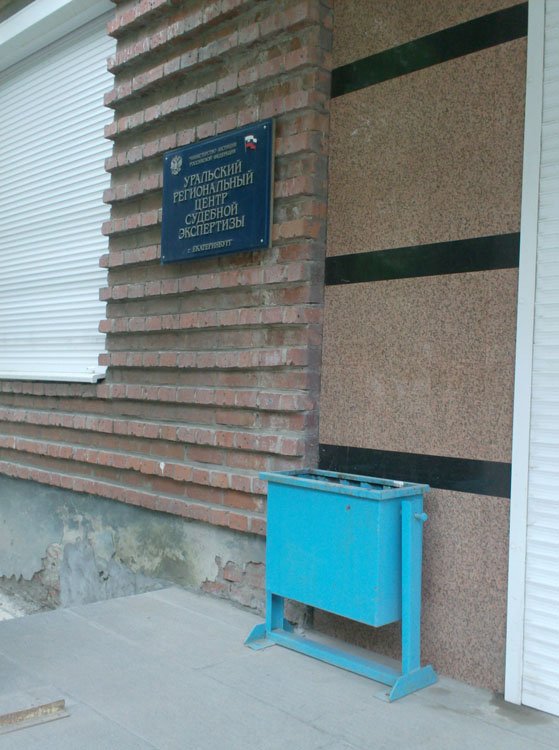
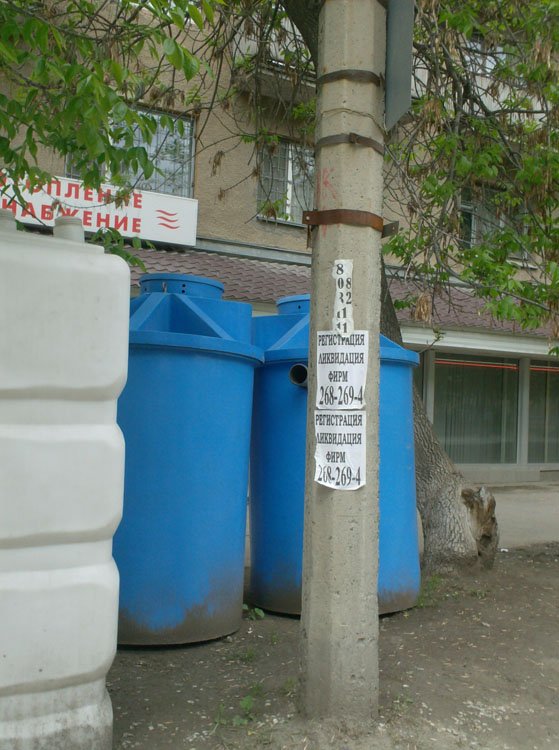
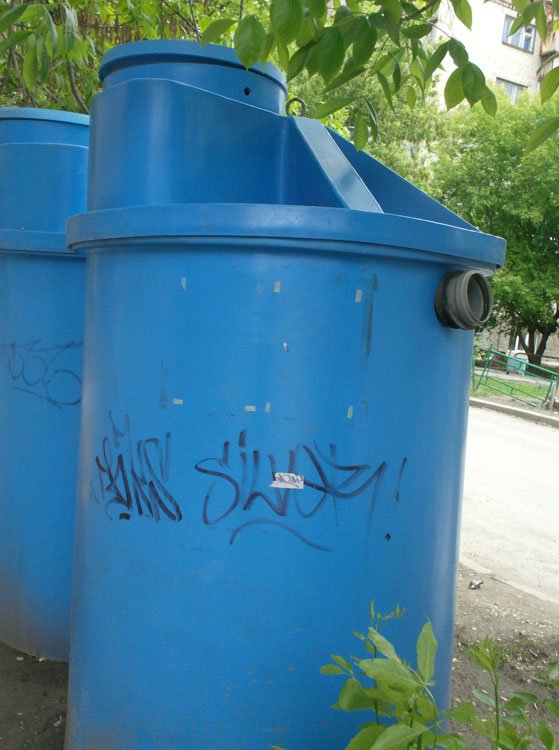
Architecture, infrastructure, memories, absences, everyday details, forgotten traces, and personal associations become elements of an invisible instrument.
Each person assembles this instrument differently.
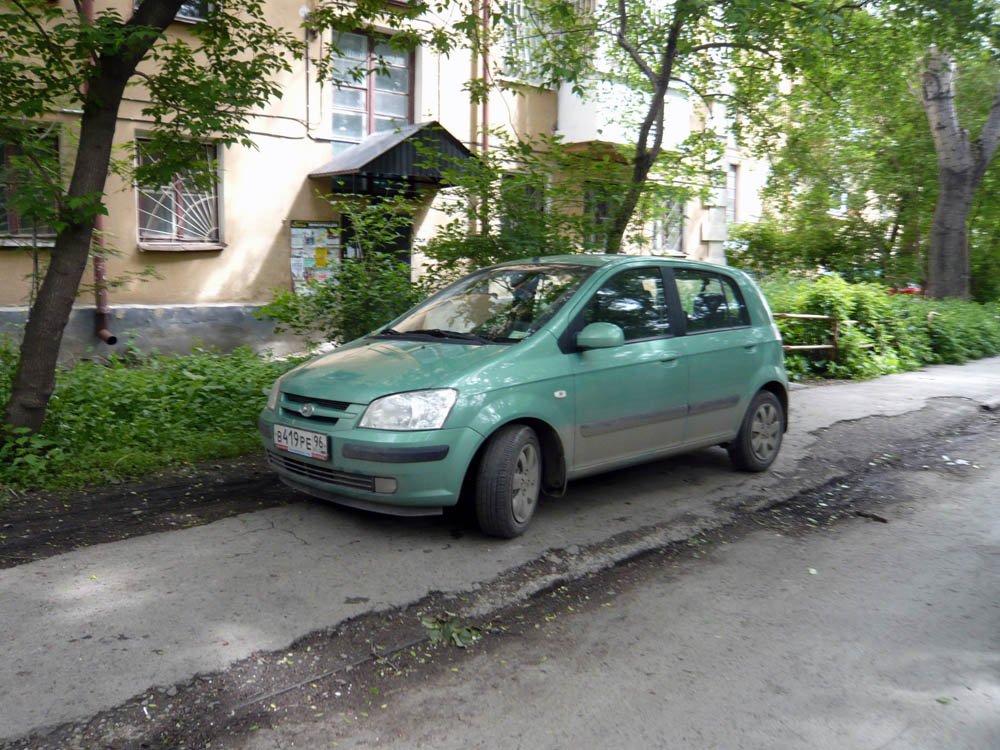
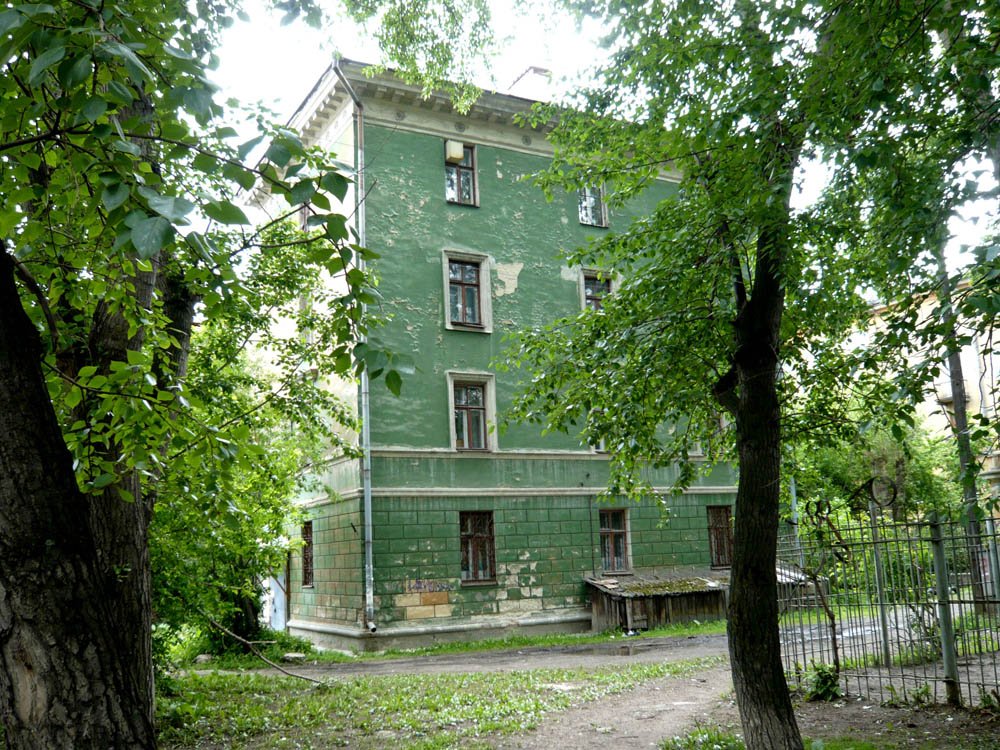
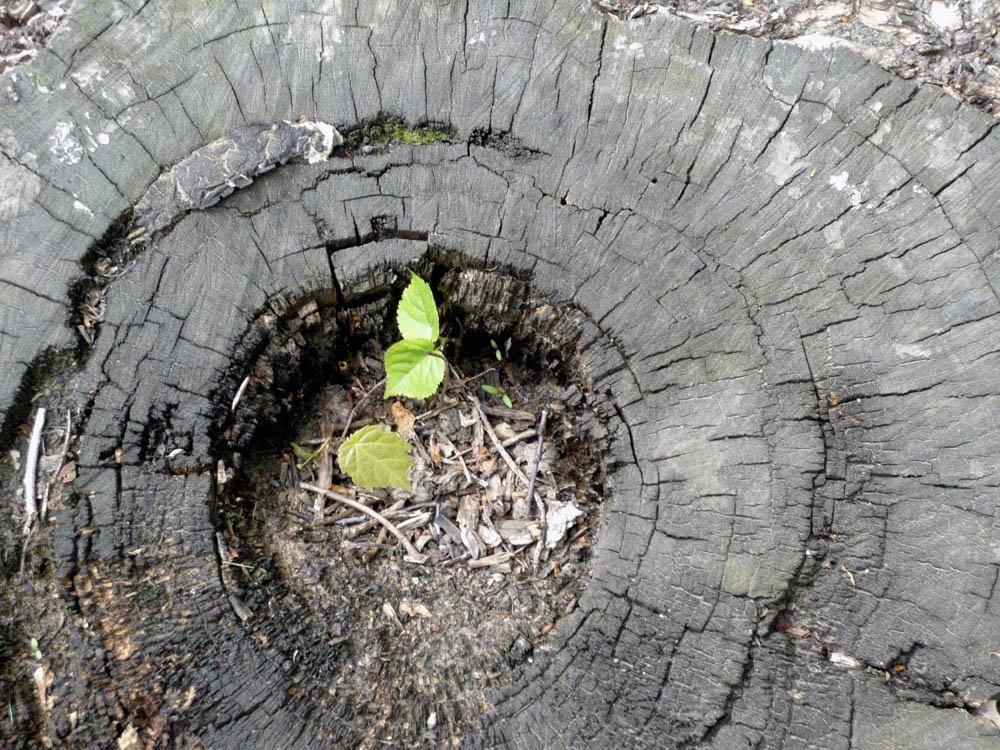
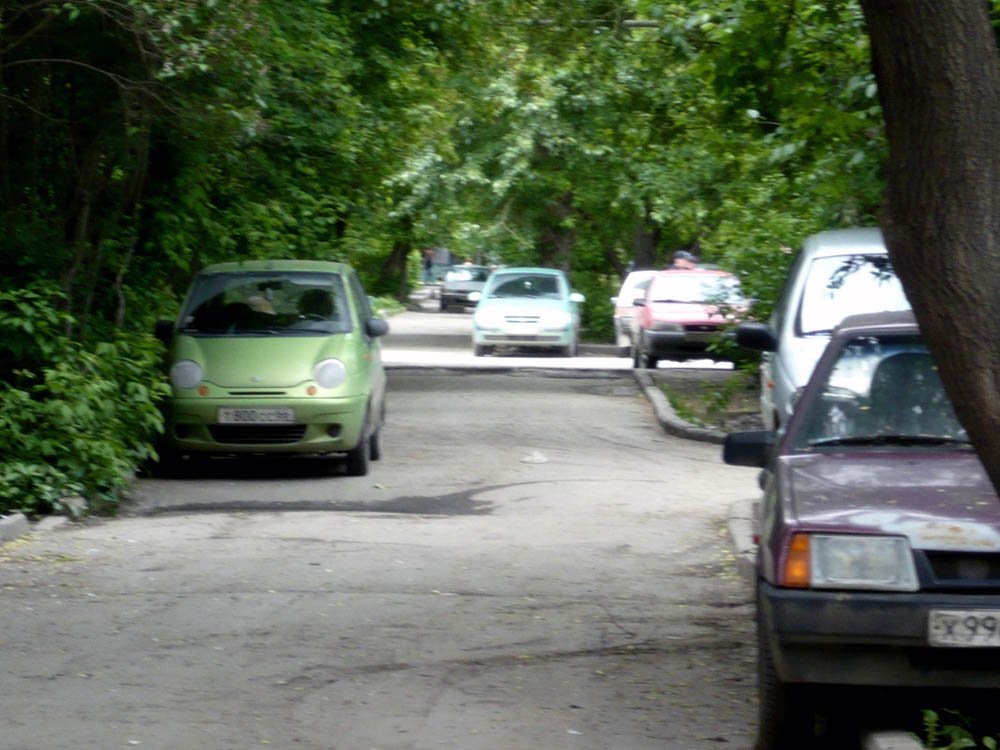
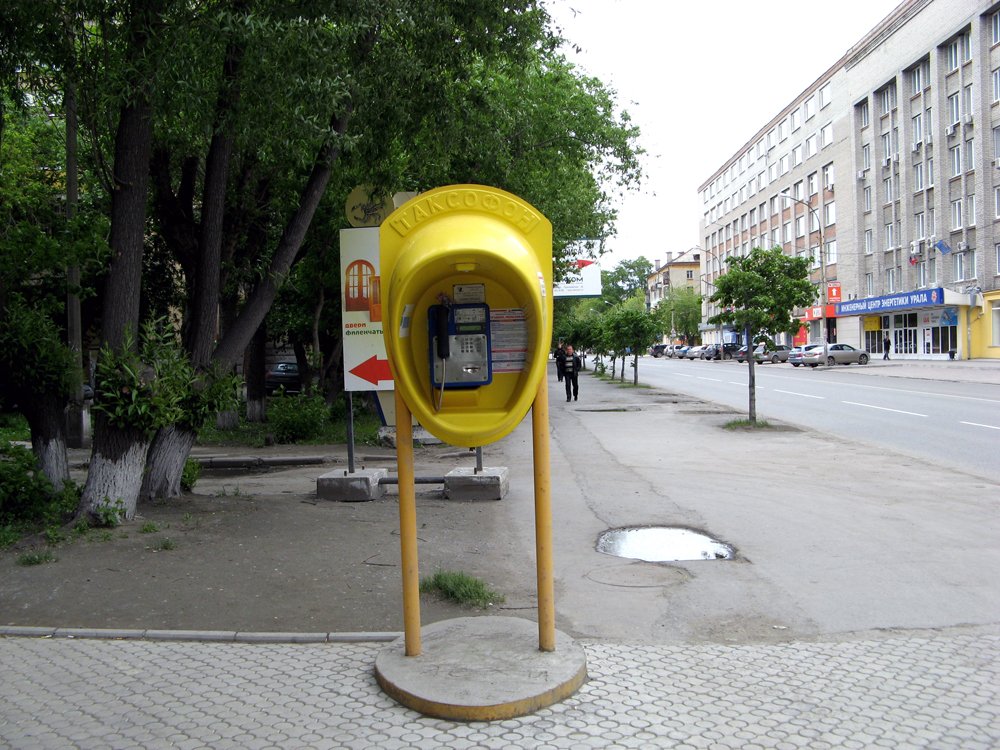
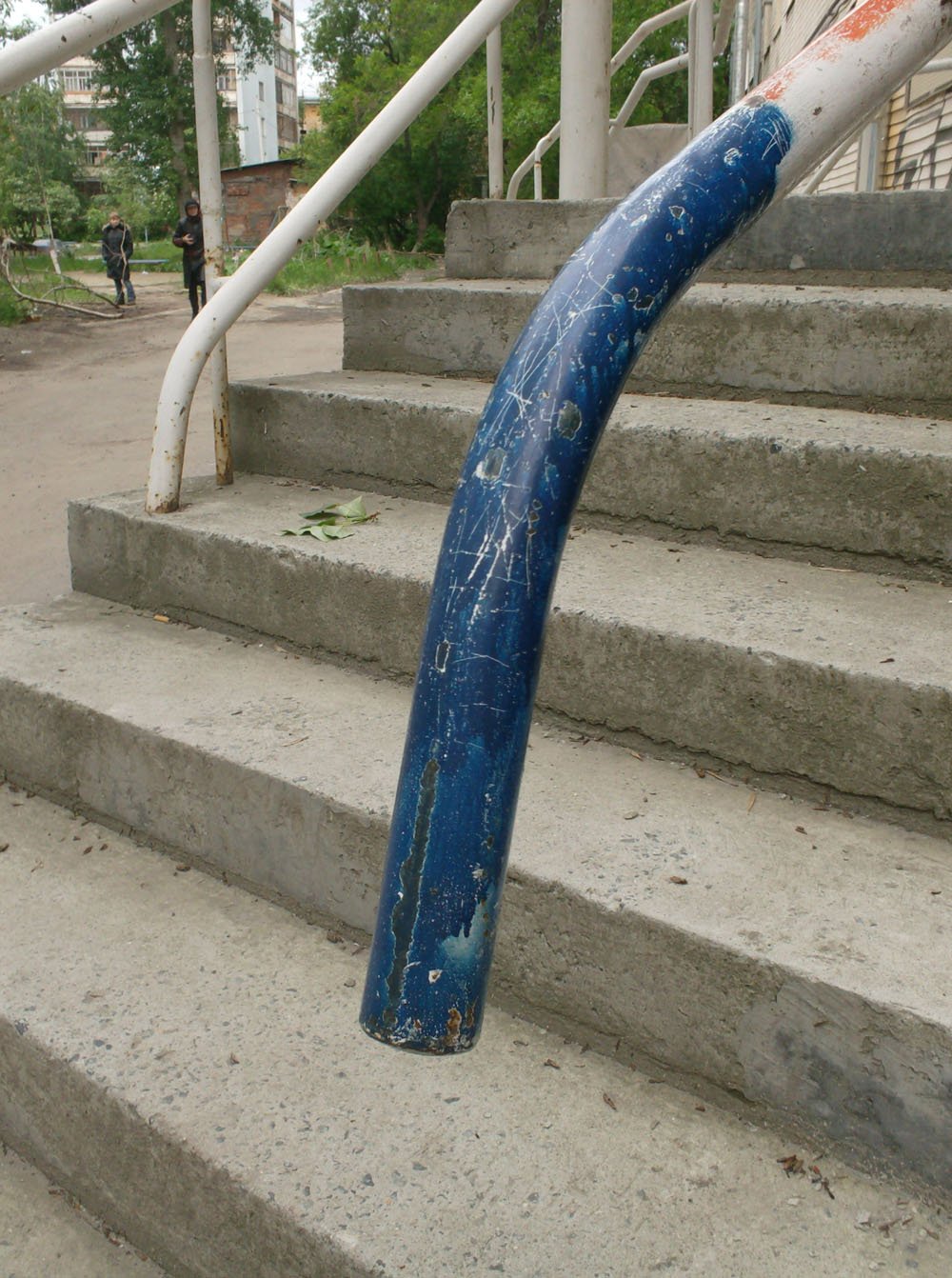
For one, it may be a railway station, a bridge, a factory, or a monument. For another, a courtyard, a staircase, an old tree, a demolished house remembered from childhood, or the rhythm of a familiar walk.
The instrument has no fixed form. It exists in the attentive encounter between a person and a place.
PanGorMonium is played not by action, but by attunement.
Listening becomes a creative act. Perception becomes performance.
The participant is both listener and performer, while the city becomes both instrument and score.
The Inner Orchestra
There is no external audience.
The experience unfolds inwardly, where individual acts of listening may sometimes resonate with one another — in harmony or dissonance — forming a temporary and invisible orchestra.
The work is not about hearing the city as sound.
It is about sensing what the city can make audible within us.
Layers of Listening
PanGorMonium can unfold through different layers of urban experience. They are not fixed categories, but overlapping fields through which a city may begin to resonate.
Cultural
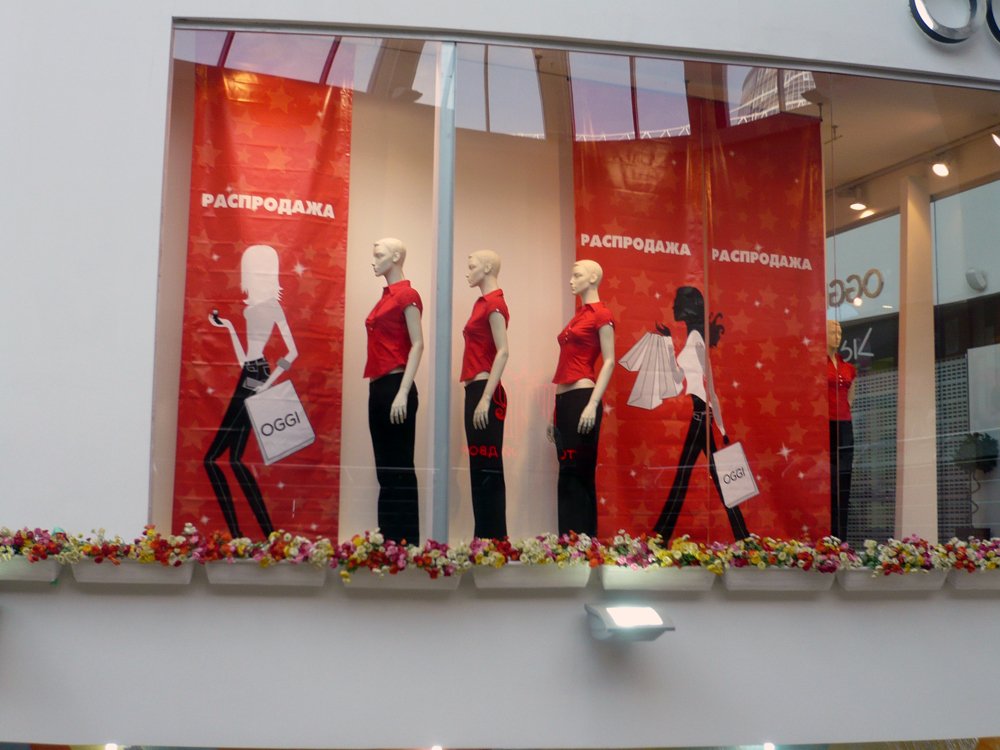
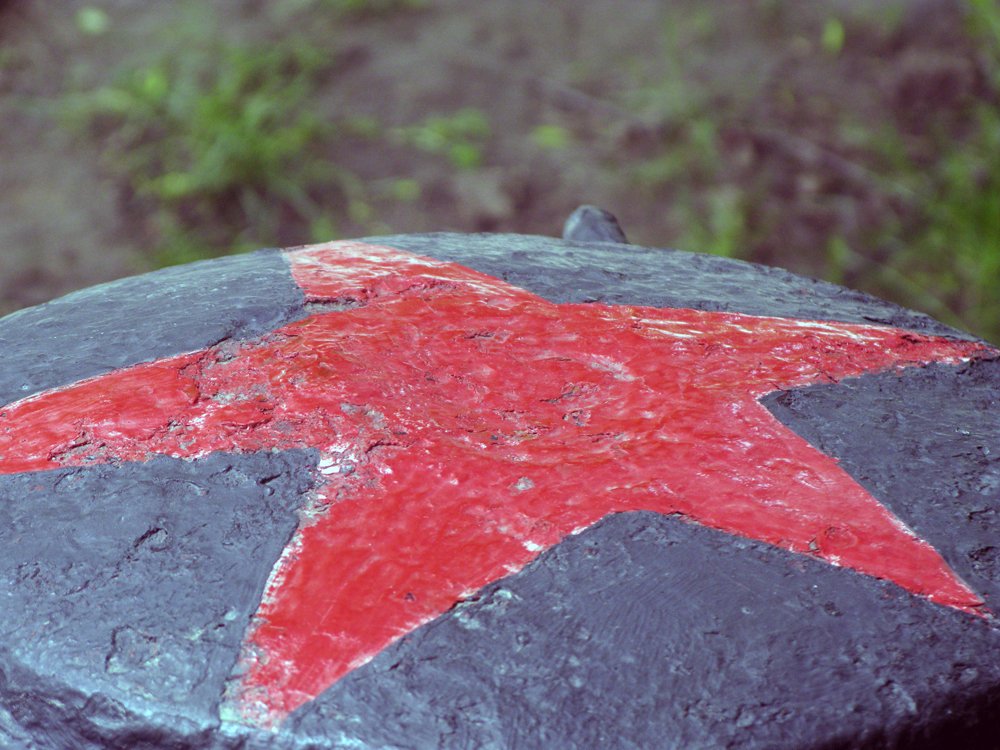
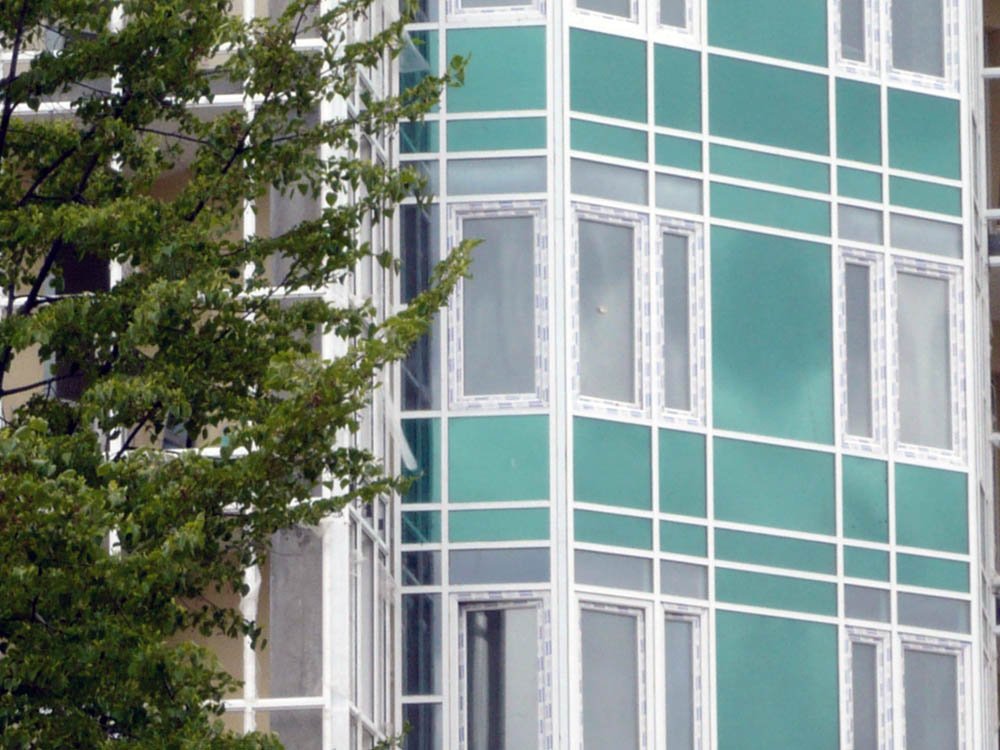
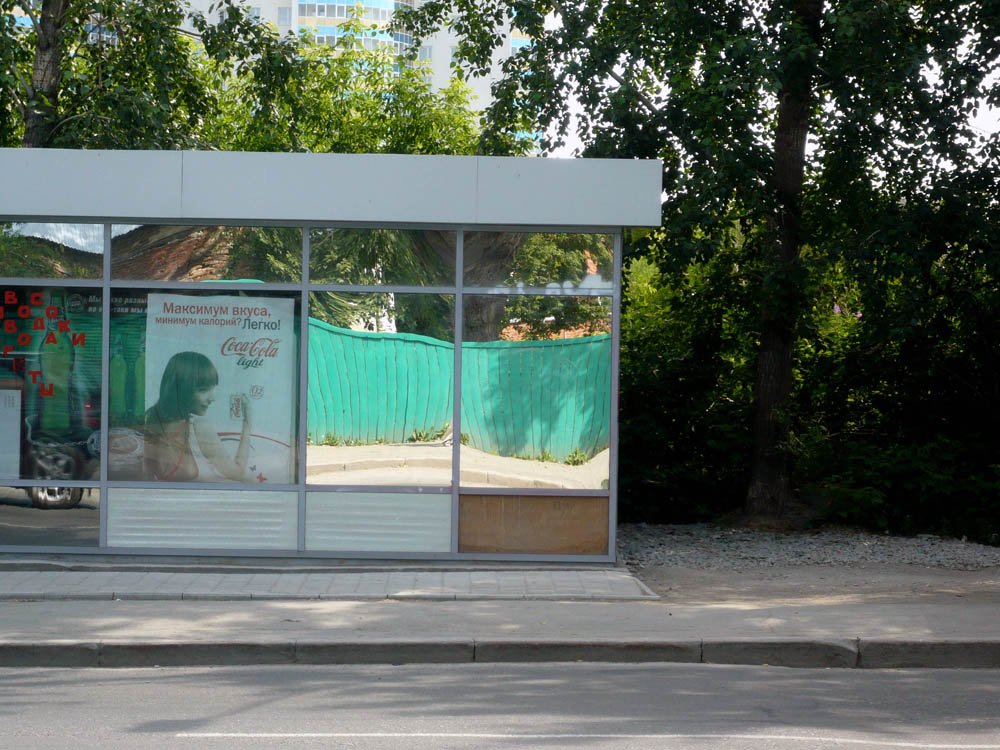
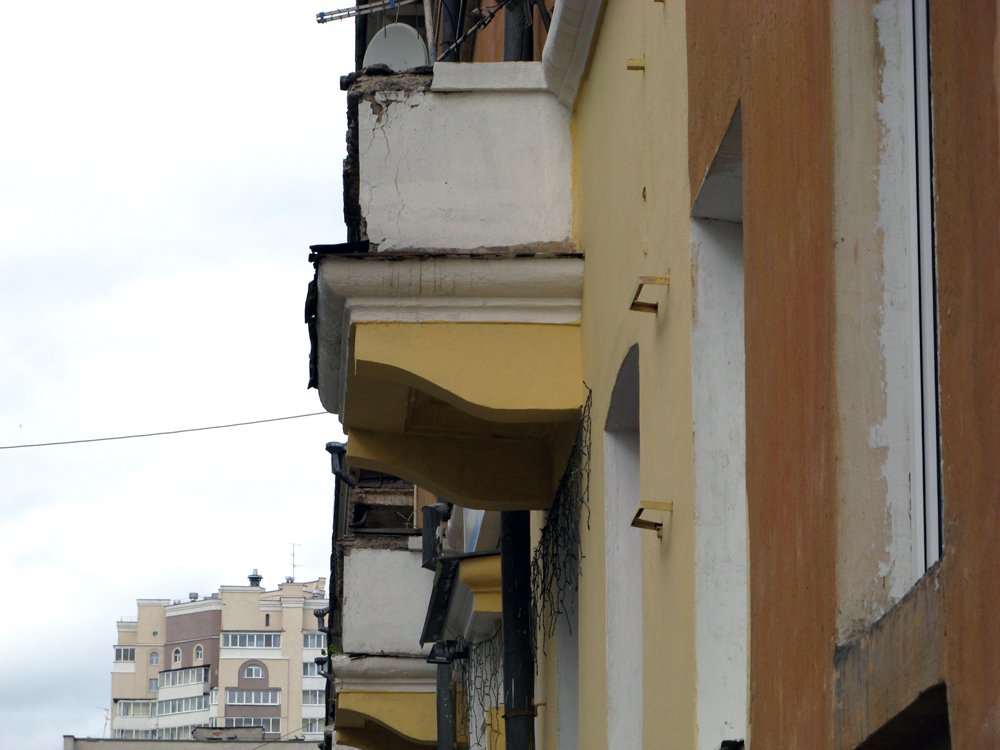
Architecture, monuments, public spaces, rituals, symbols, and collective memory.
Industrial
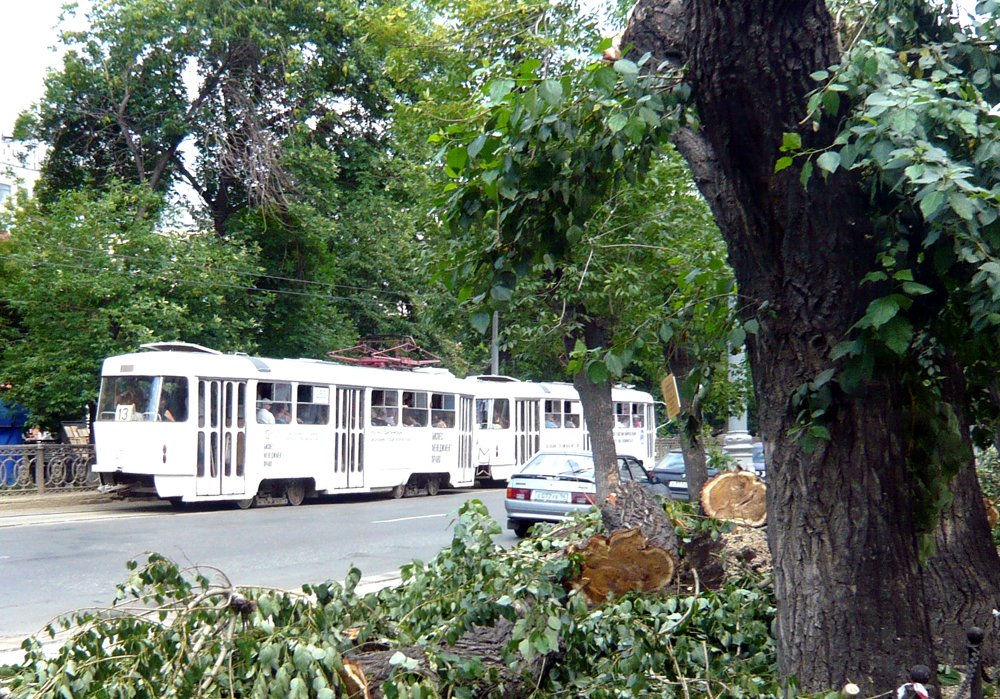
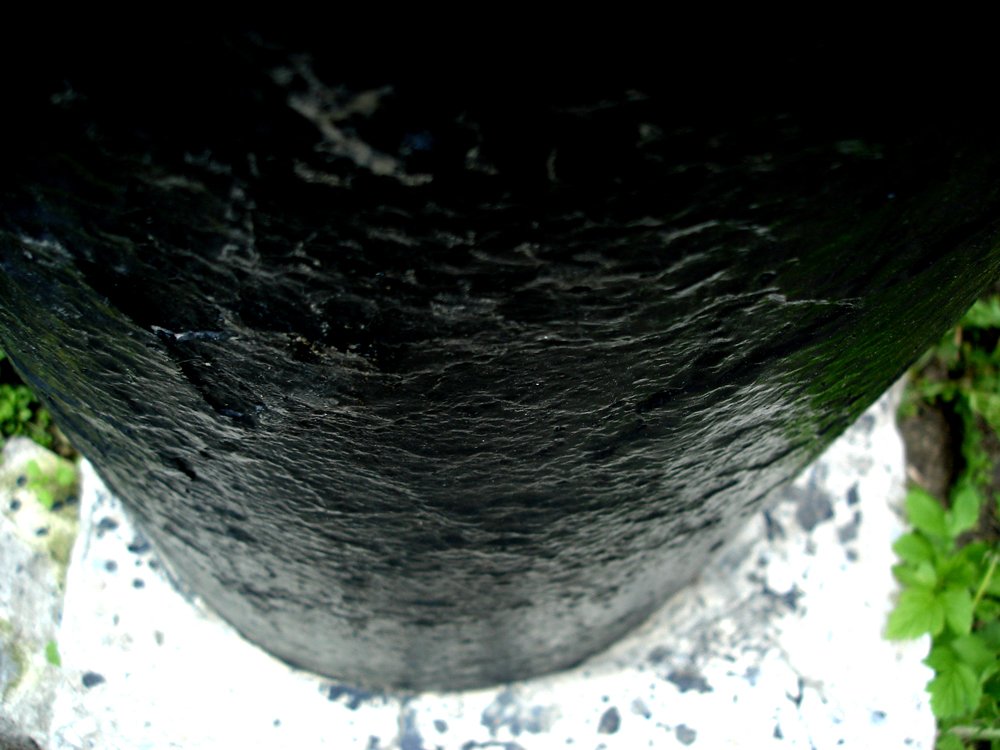
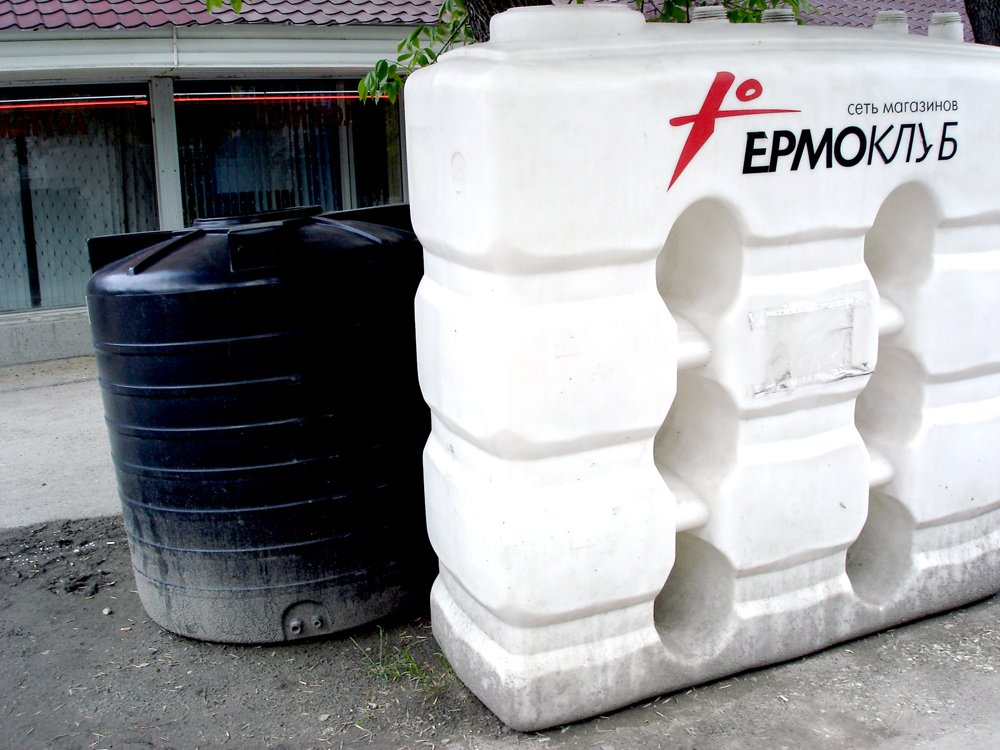
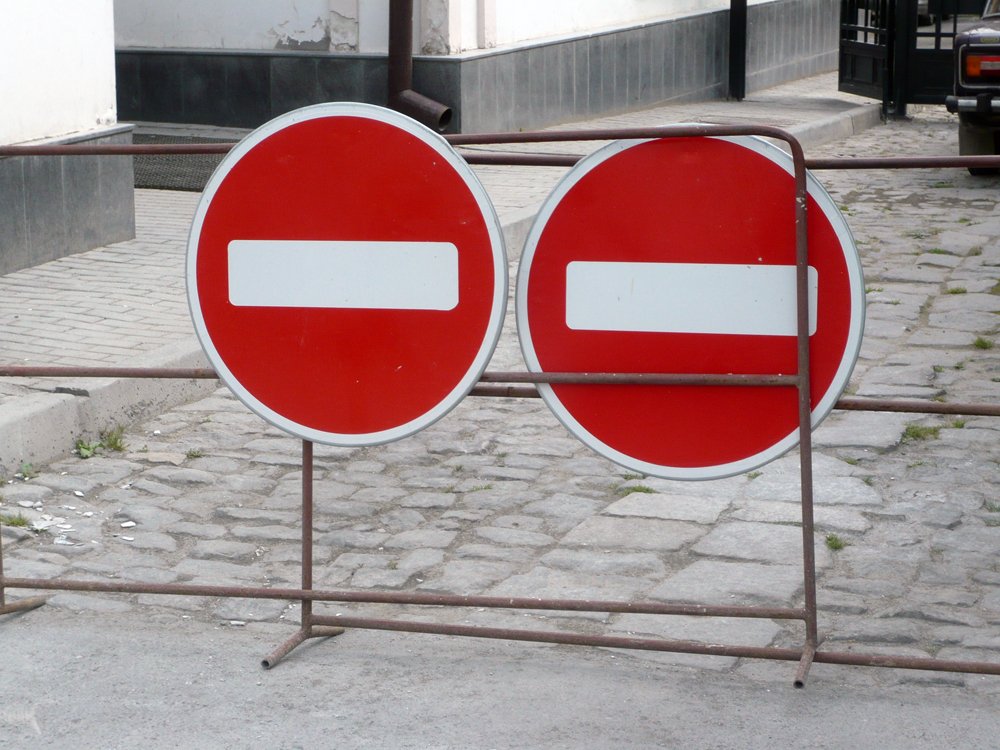
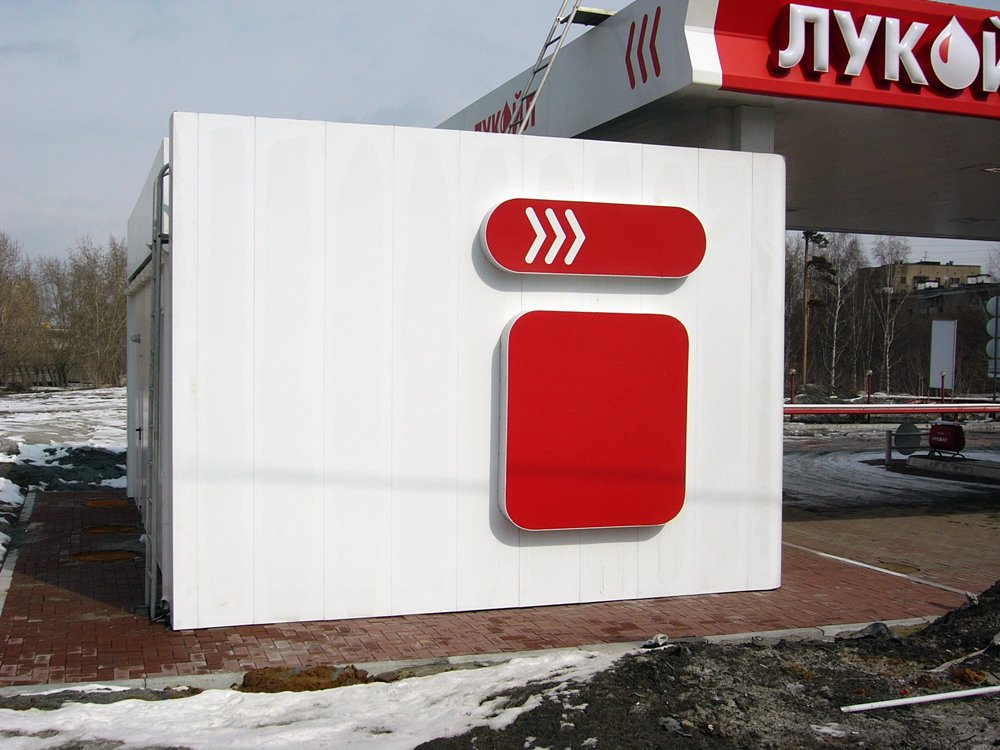
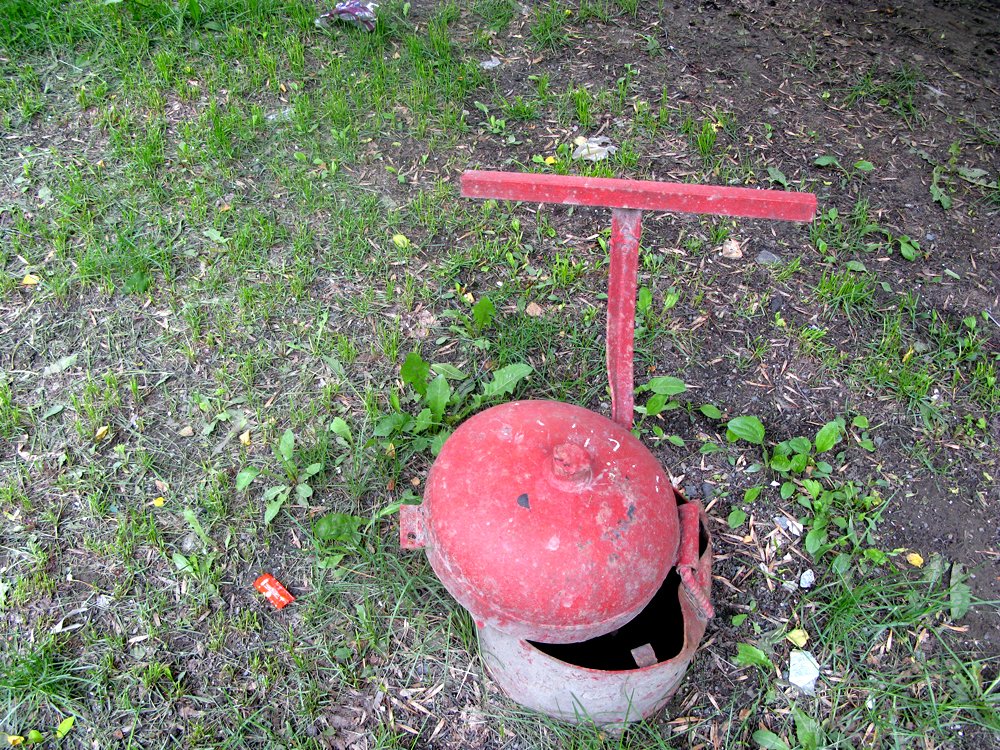
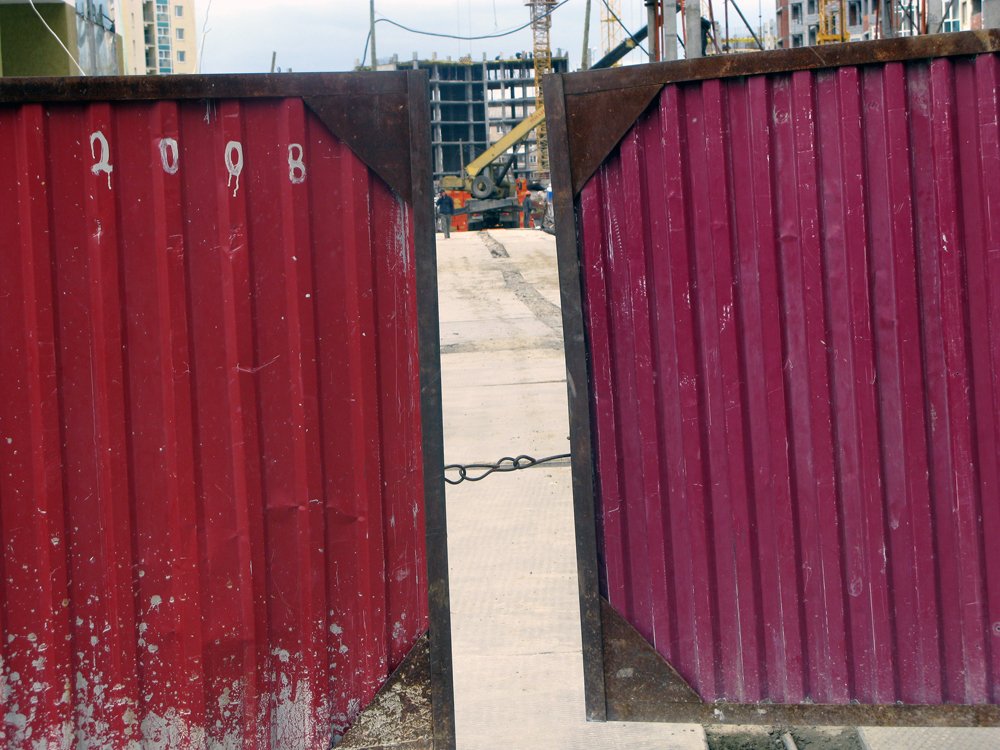
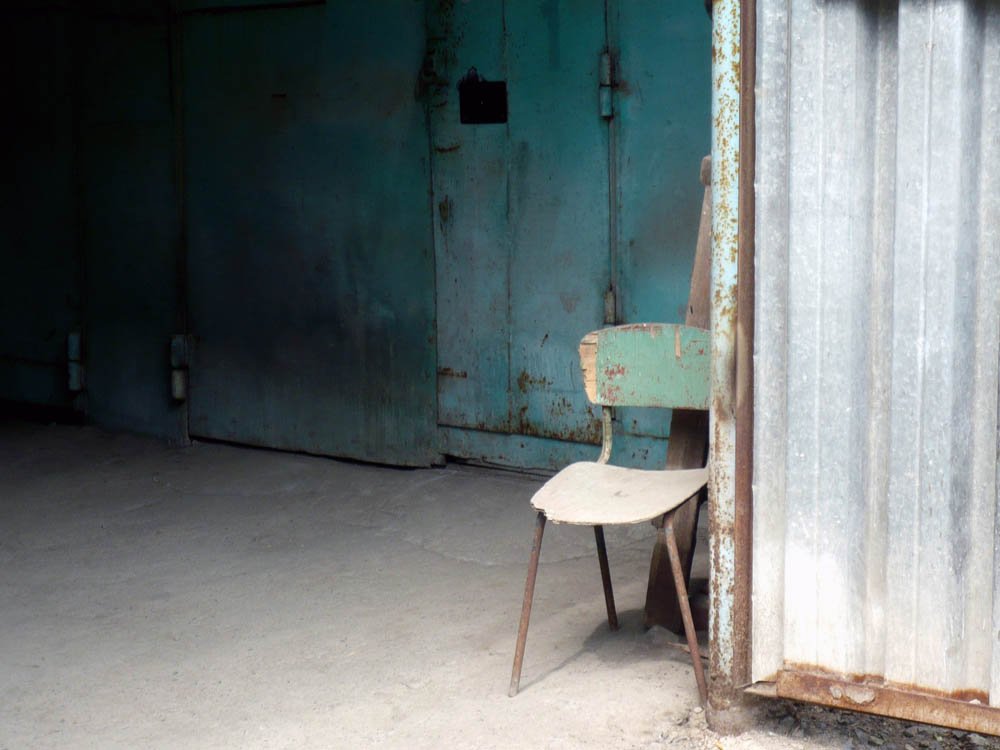
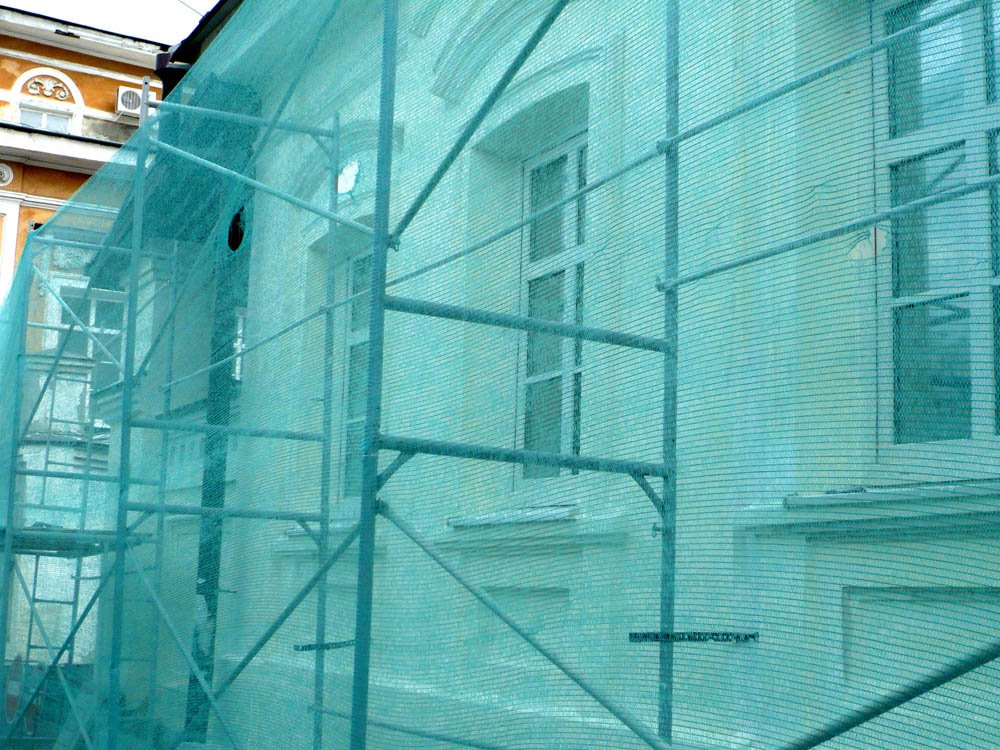
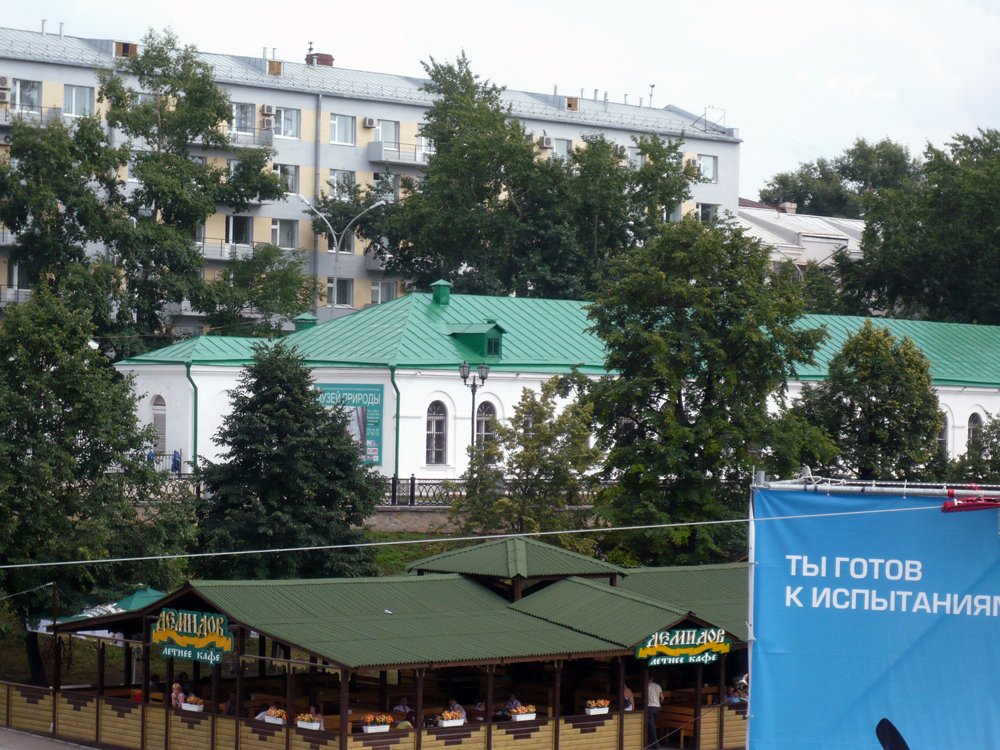
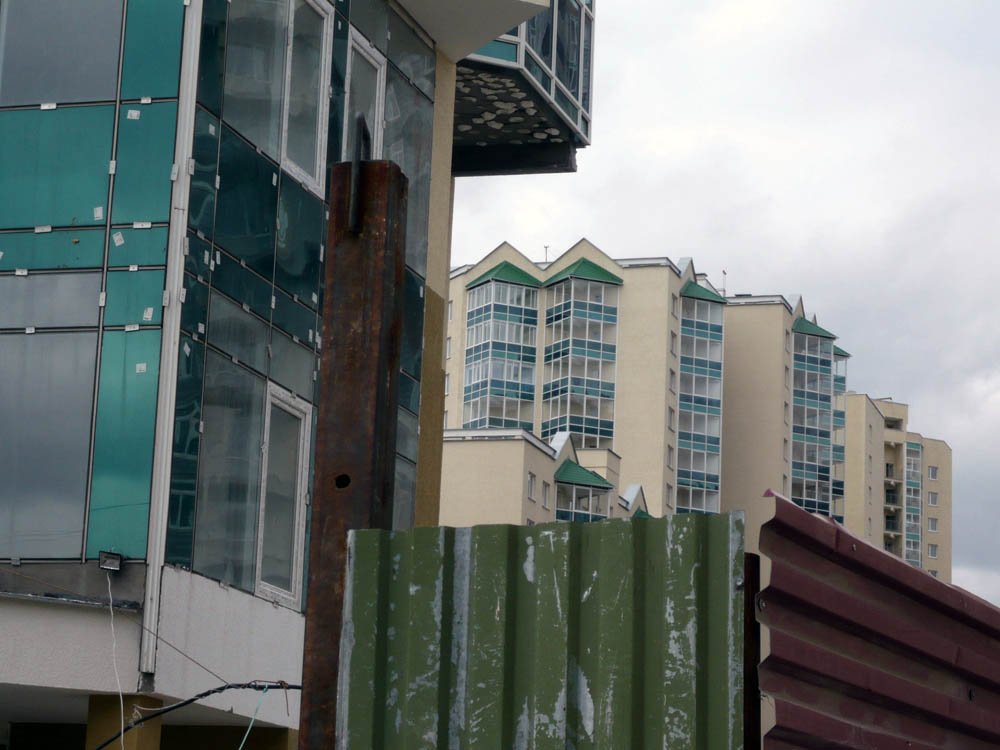
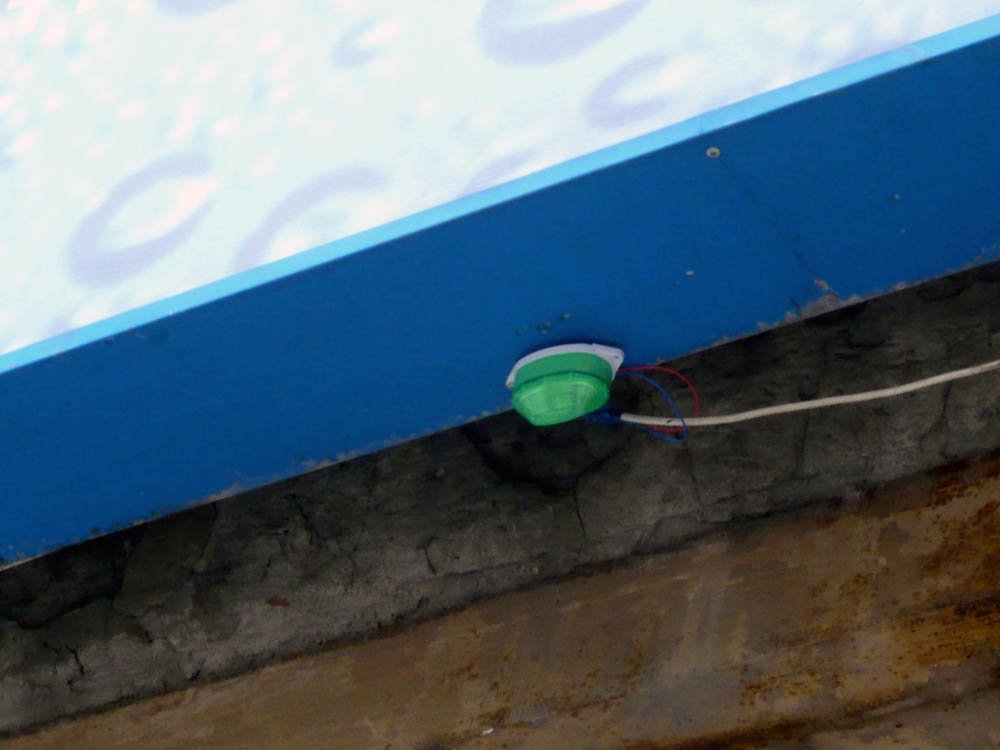
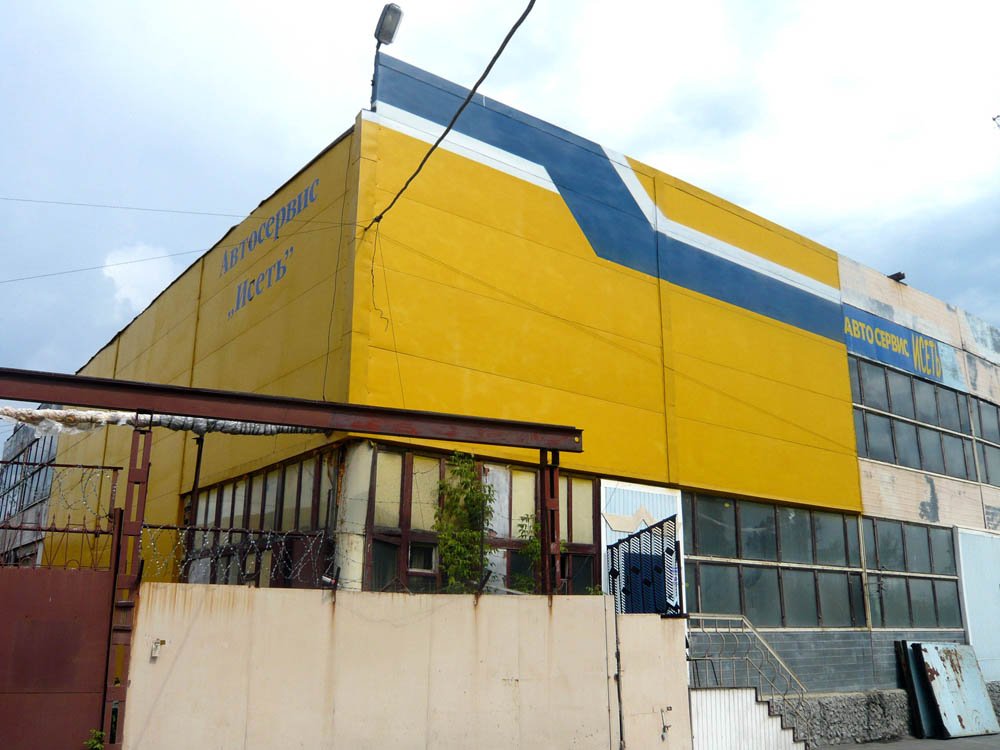
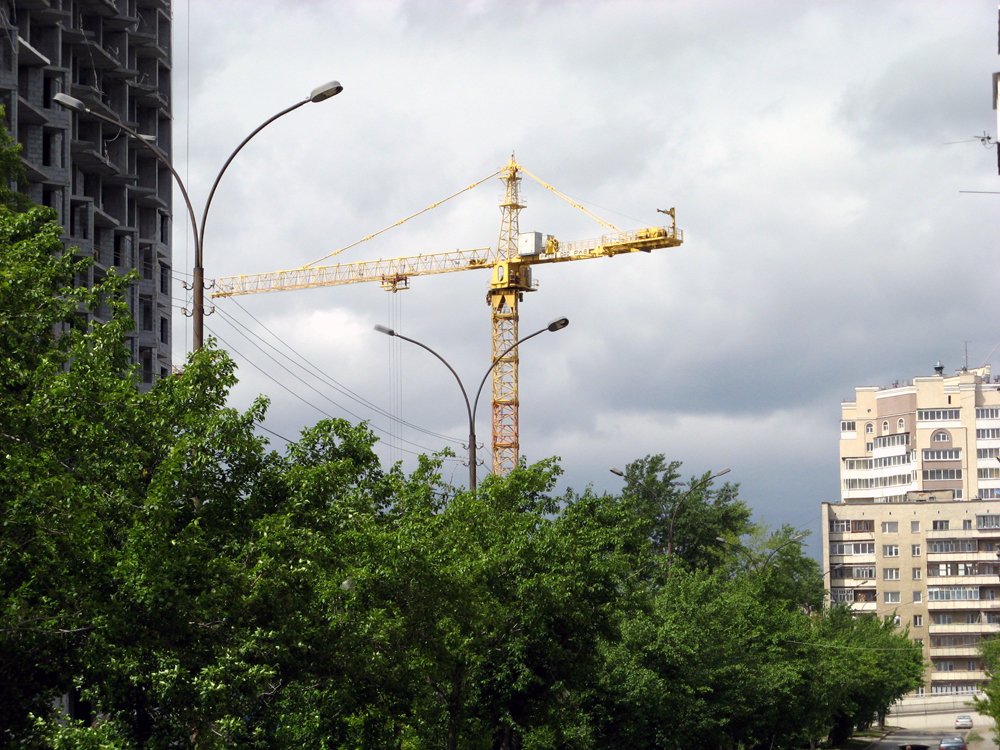
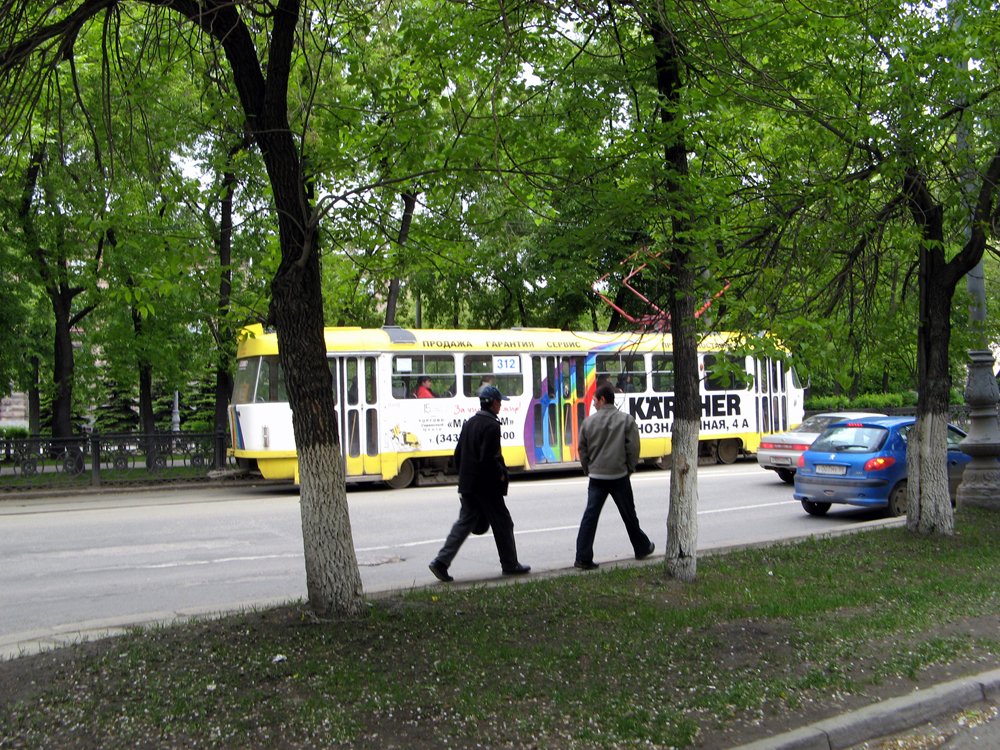
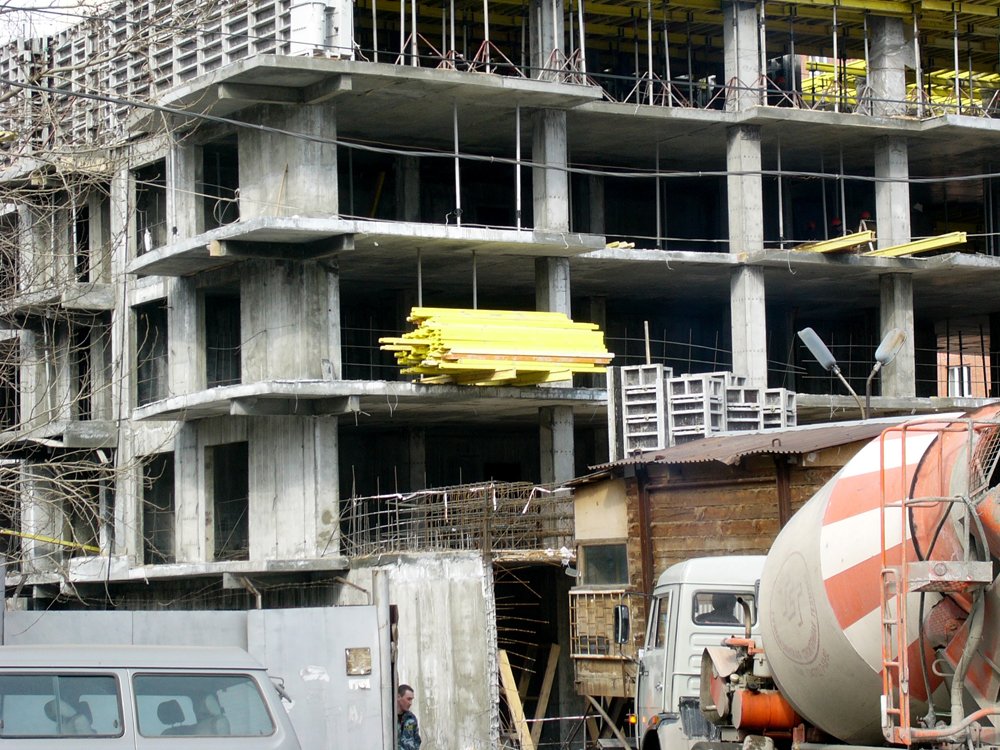
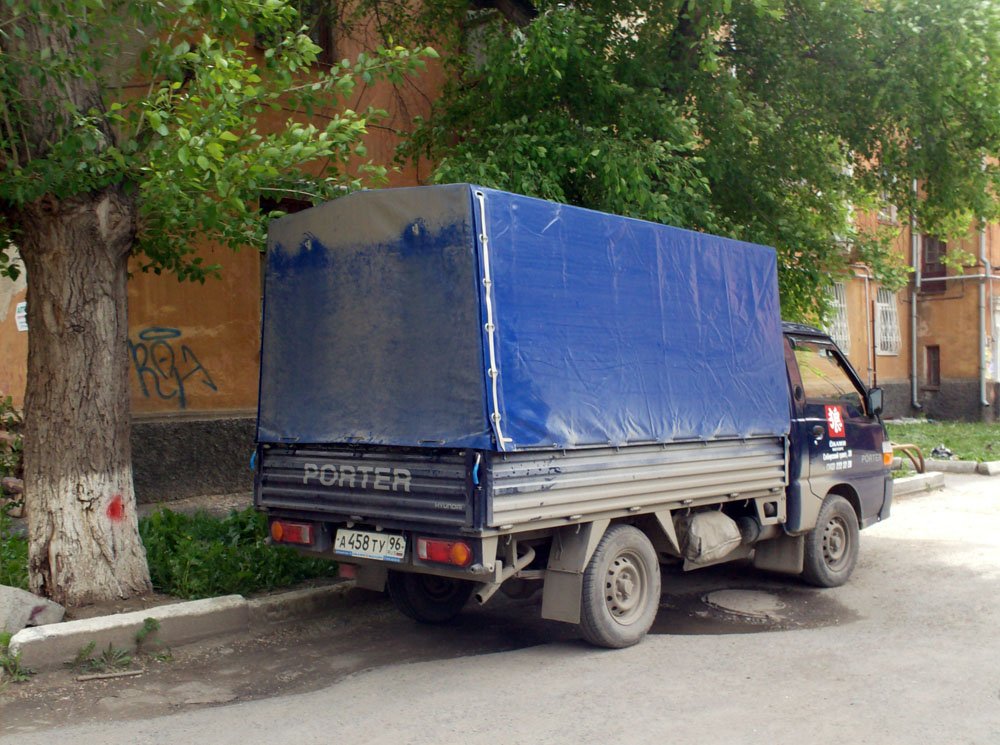
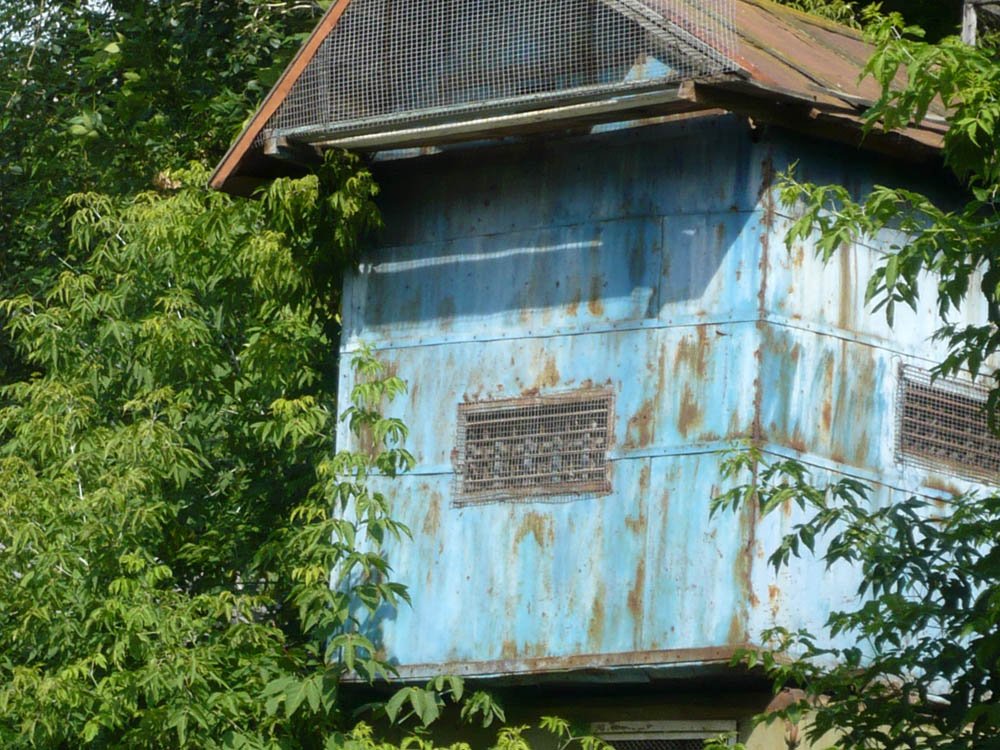
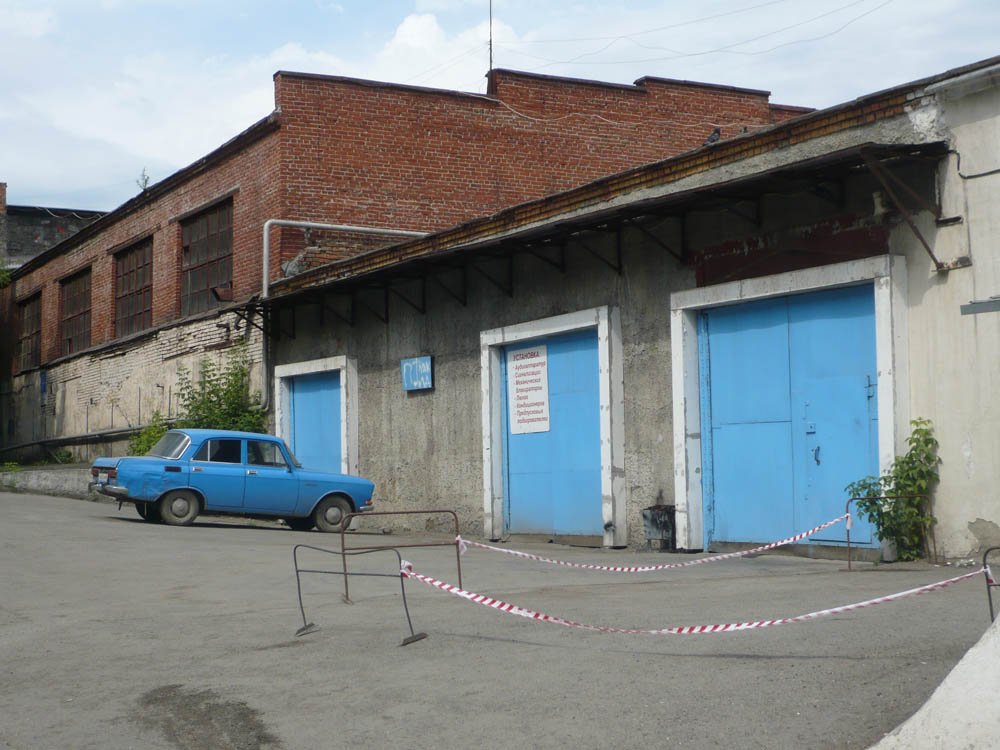
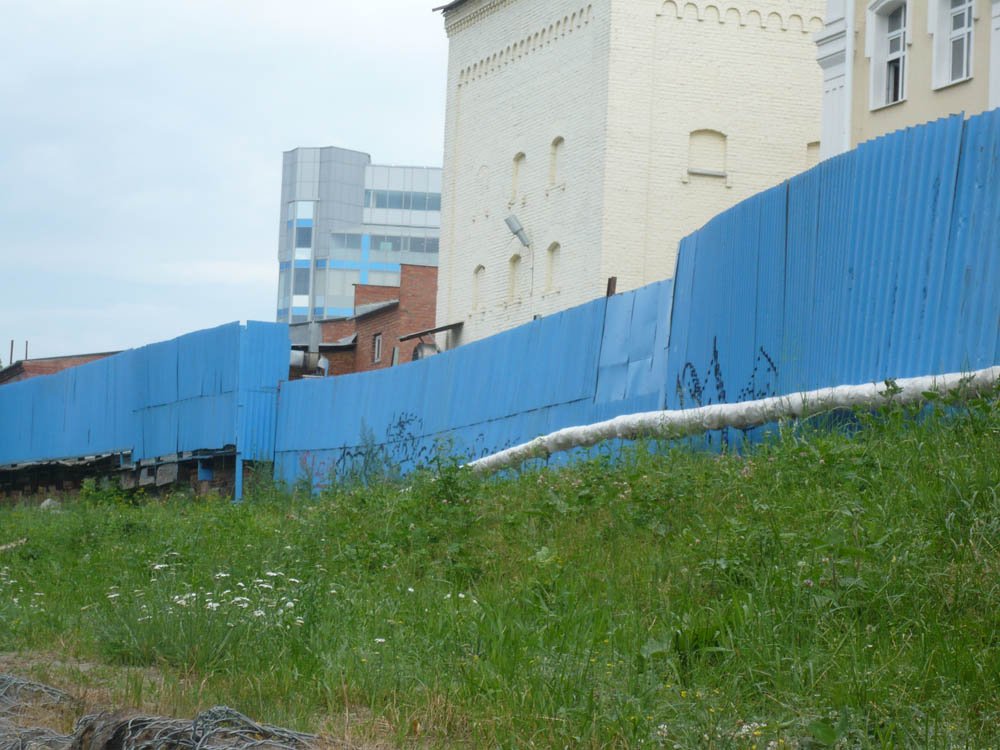
Factories, transport systems, infrastructure, construction, technical structures, and the material processes that shape the city.
Everyday
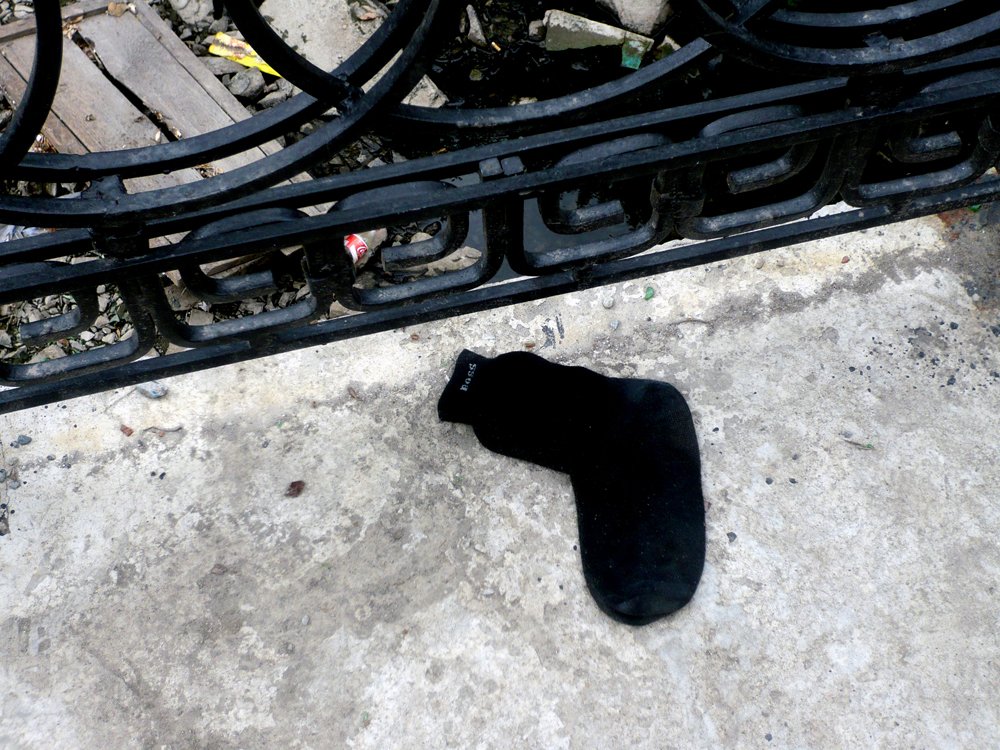
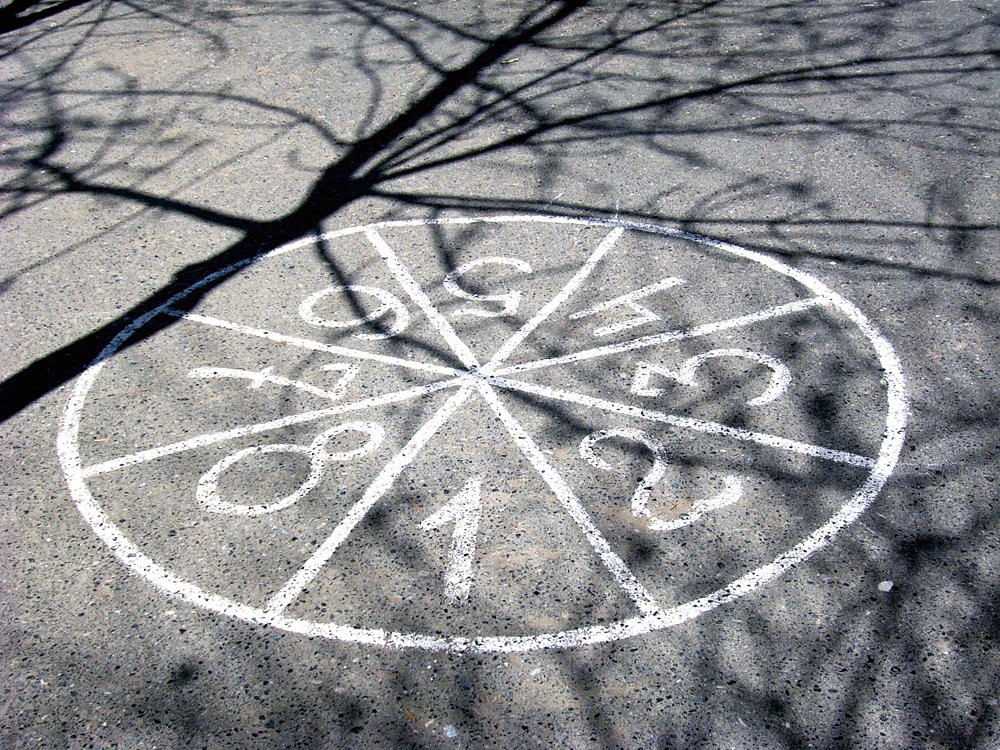
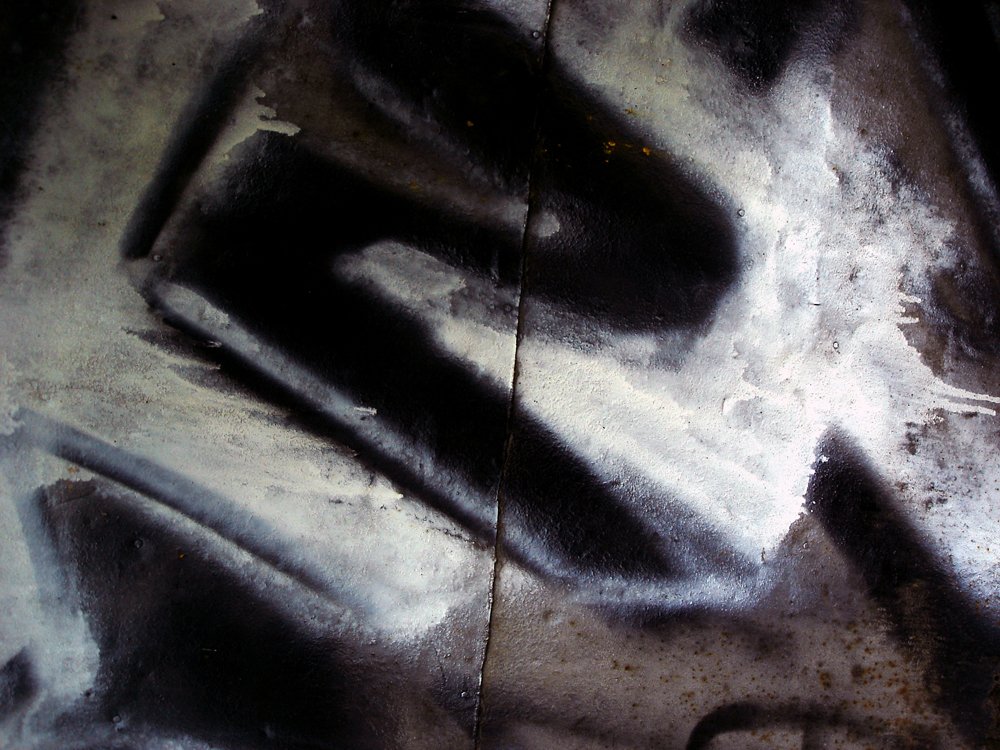
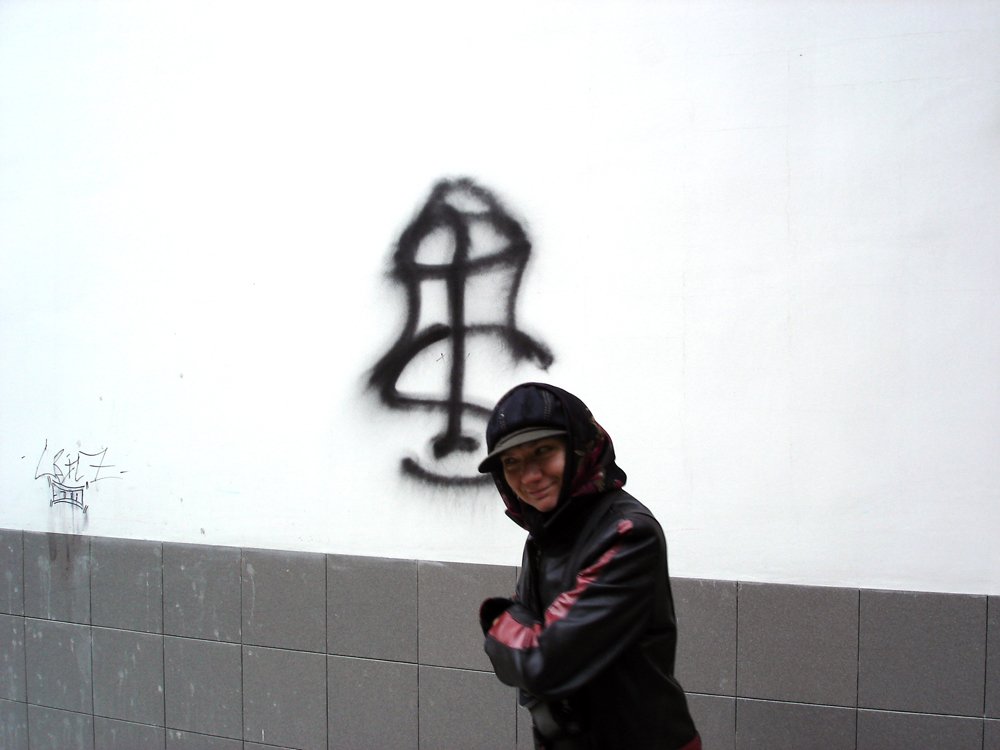
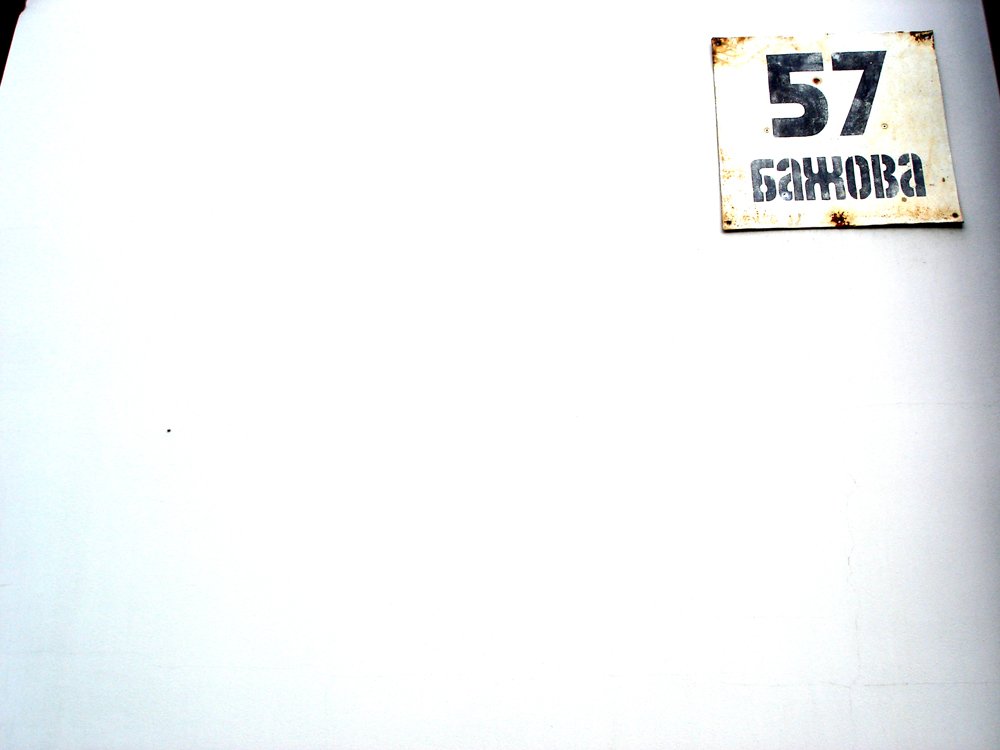
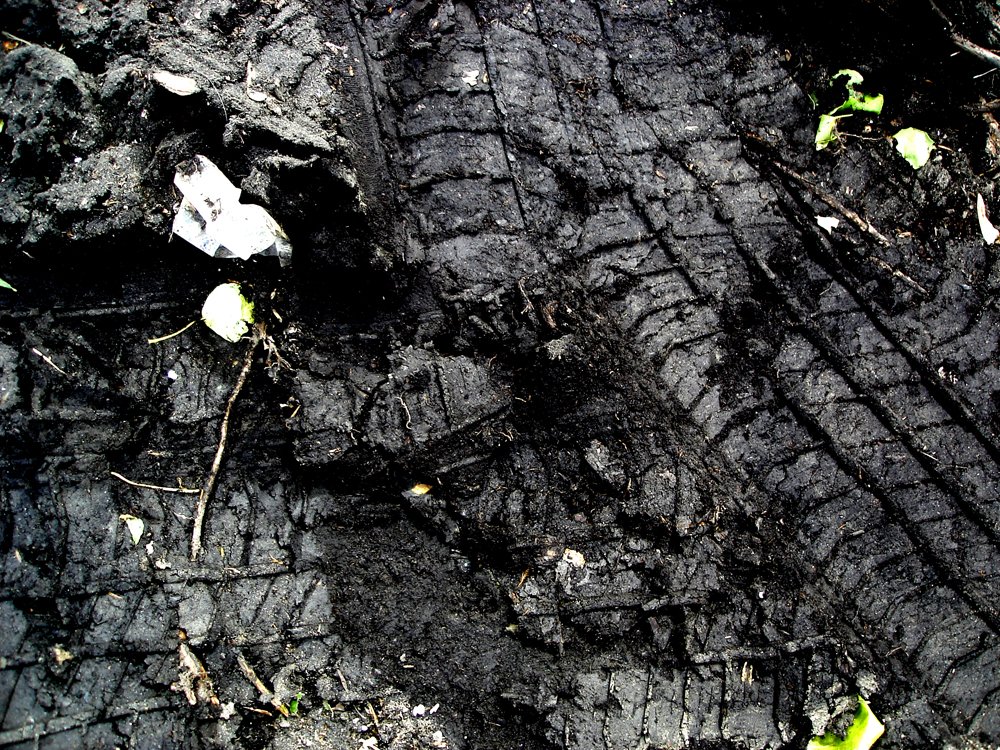
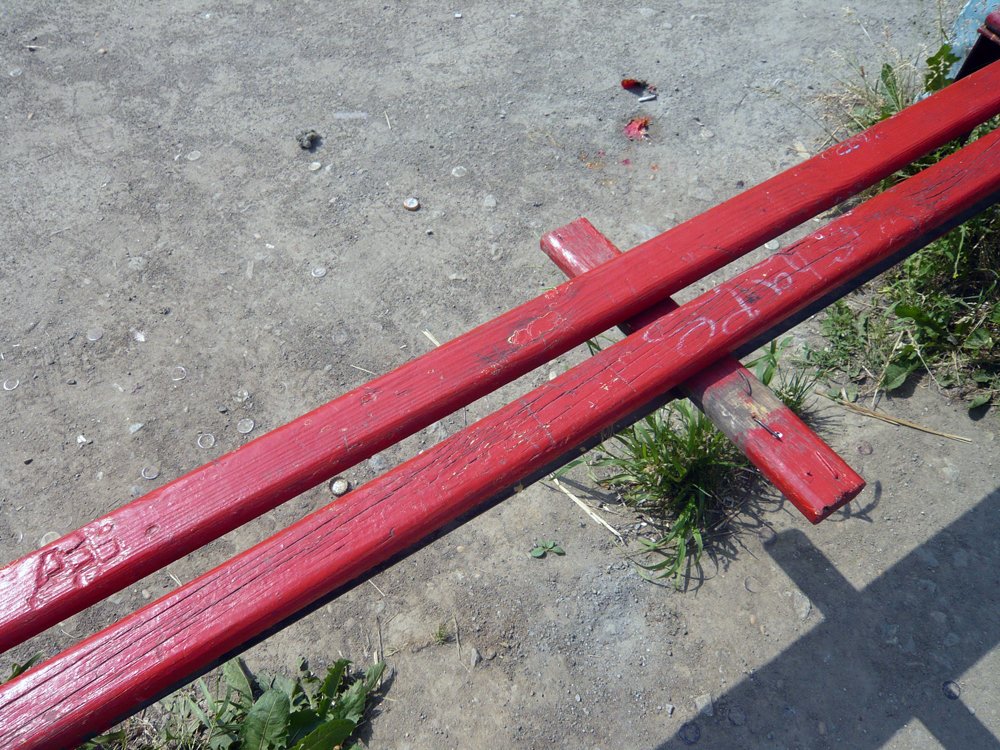
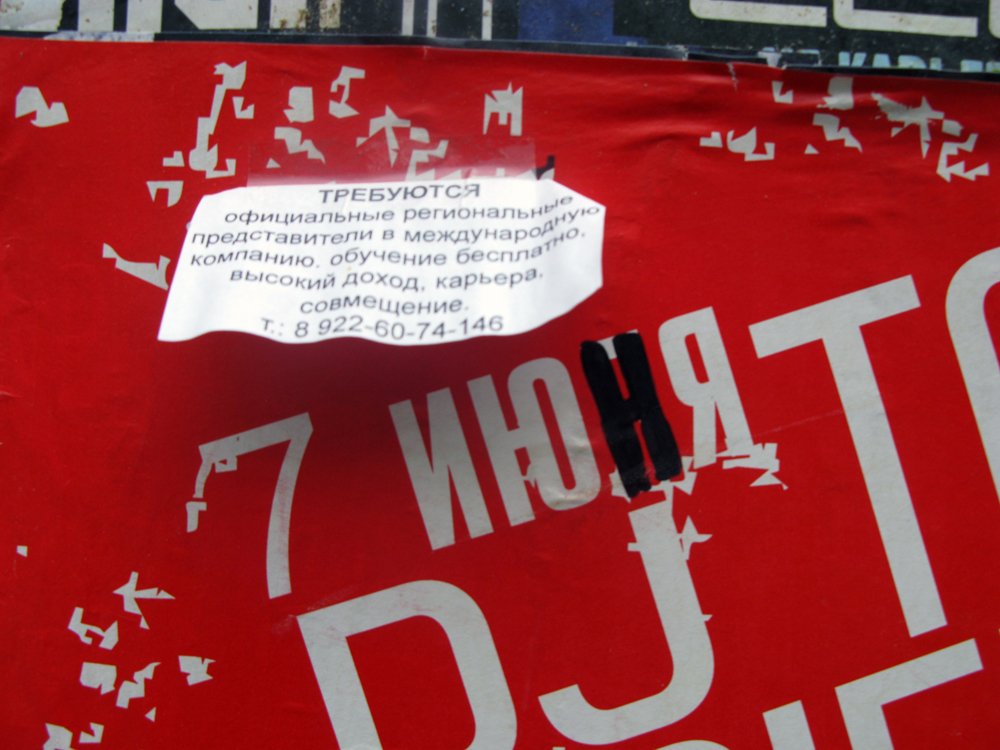
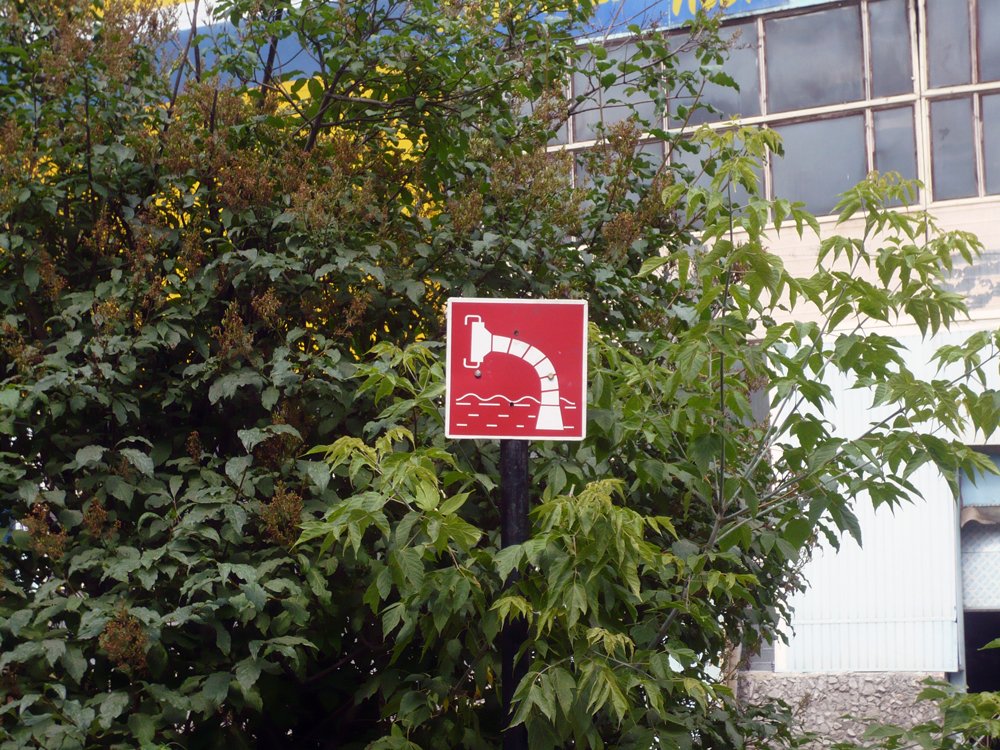
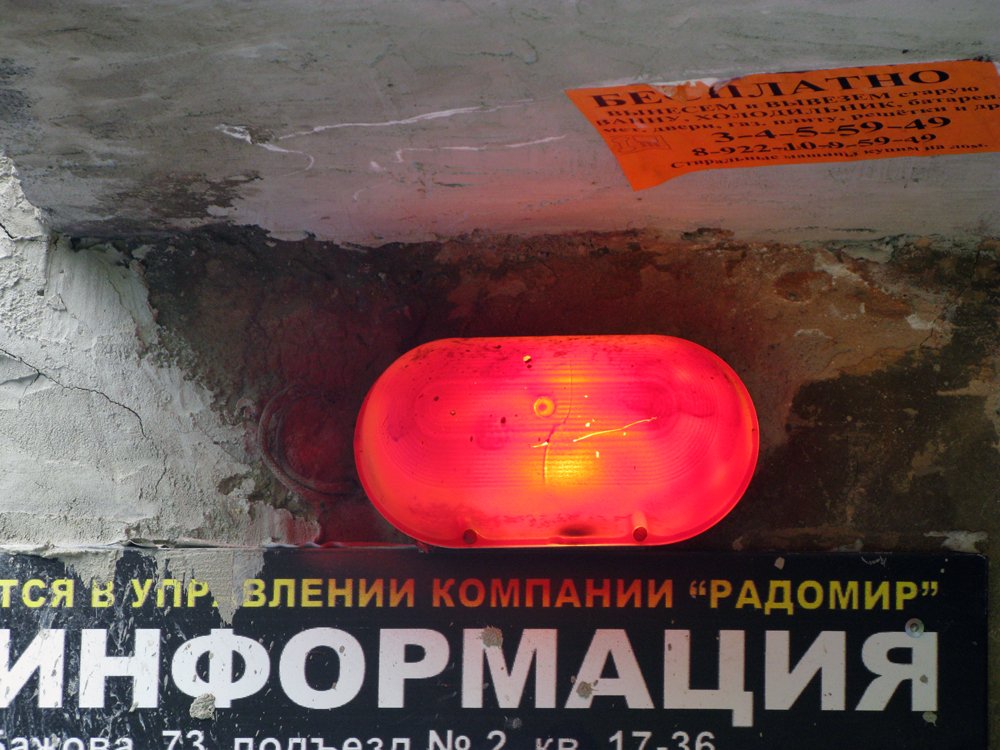
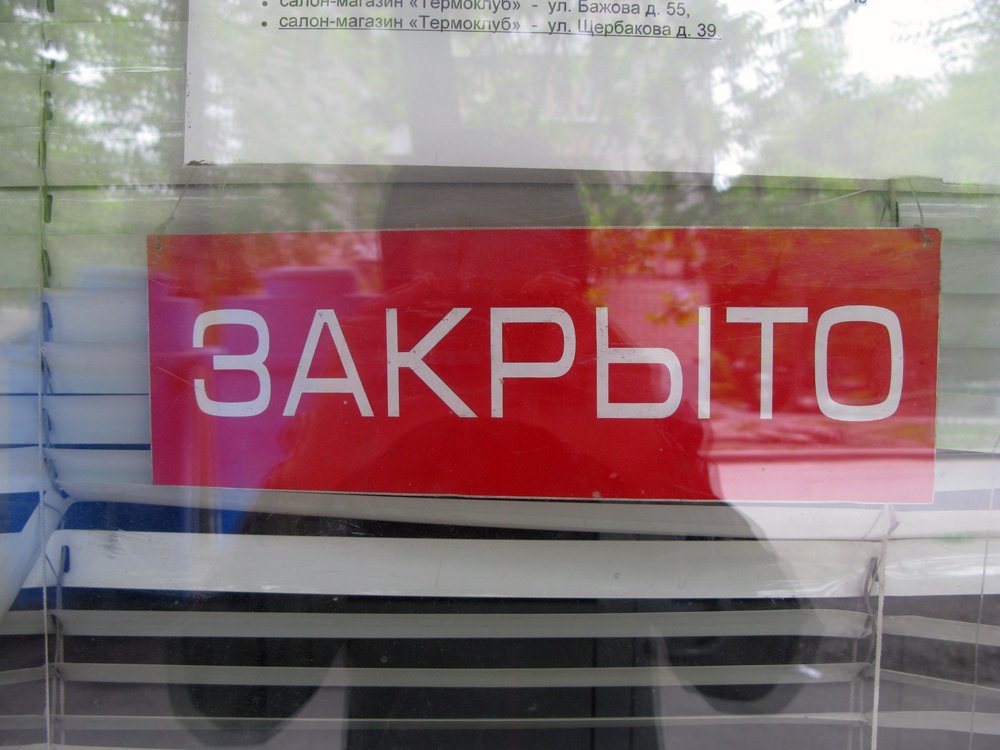
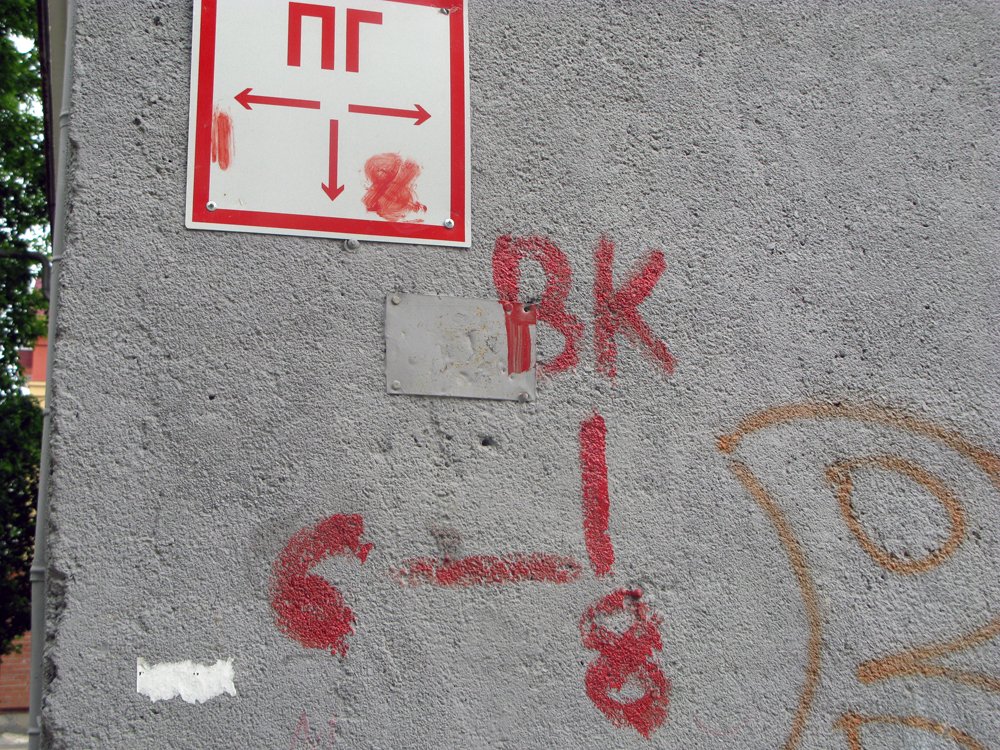
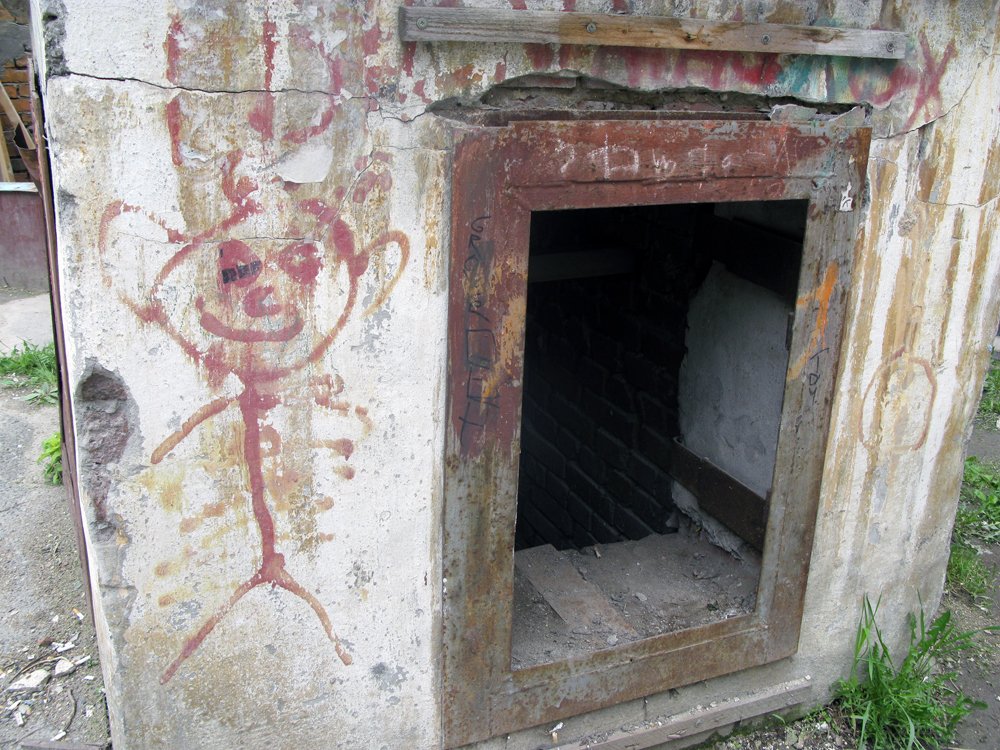
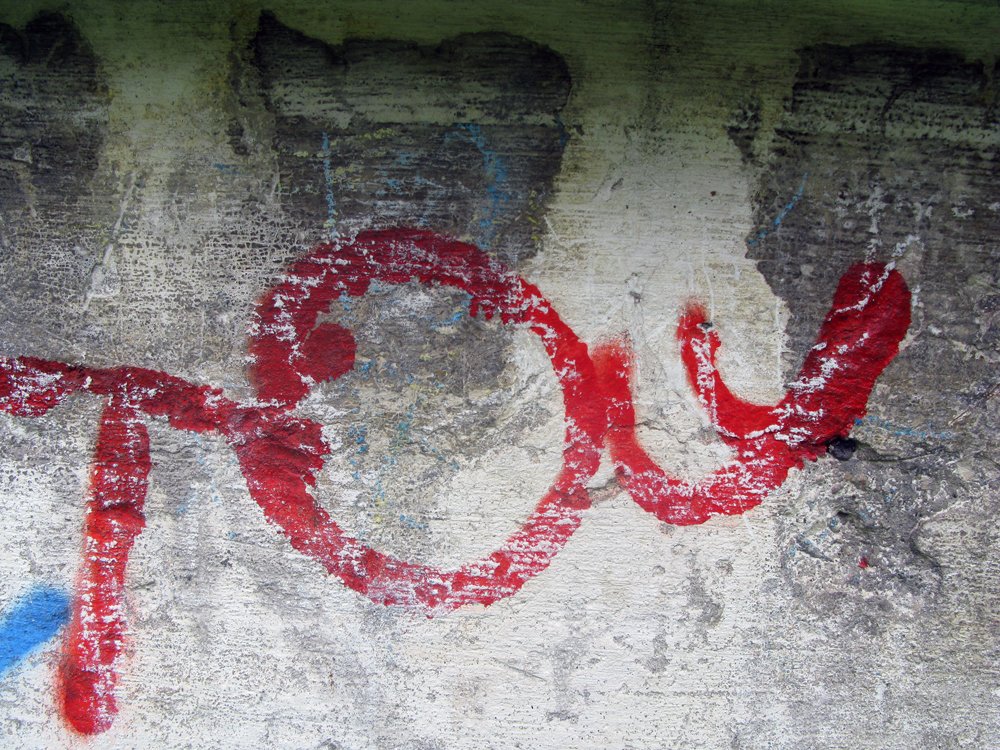
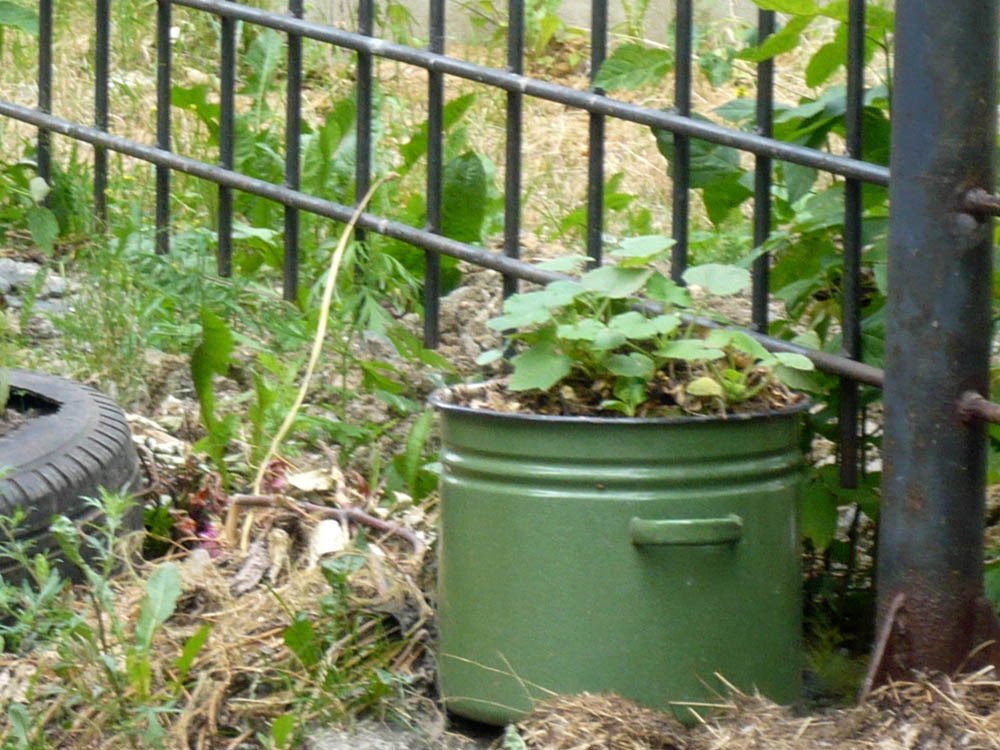
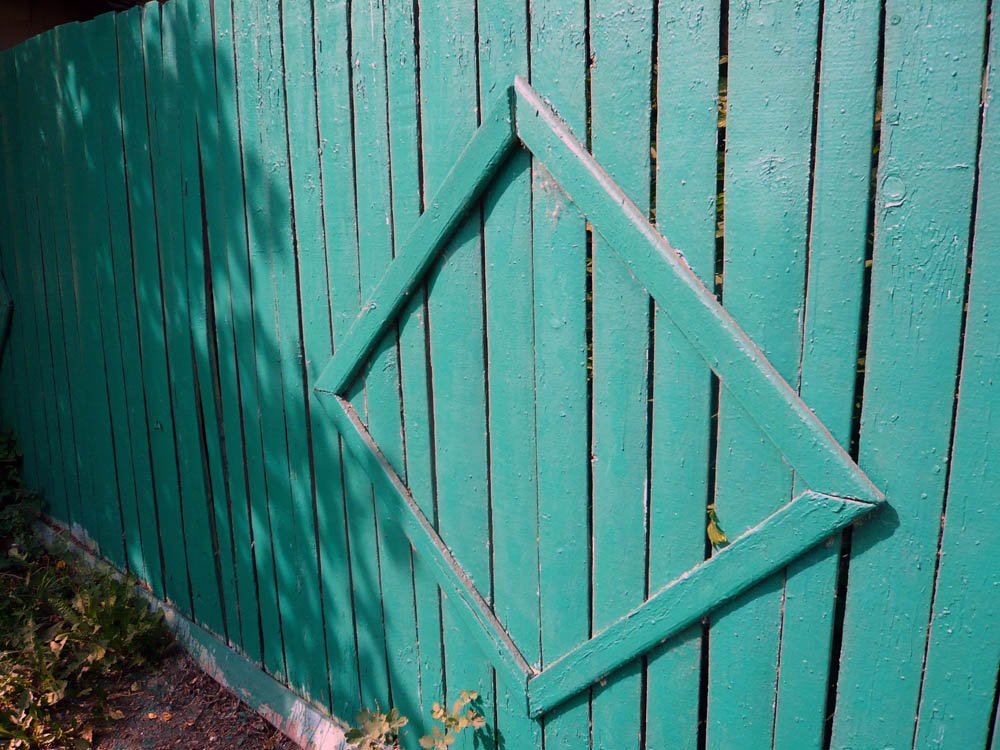
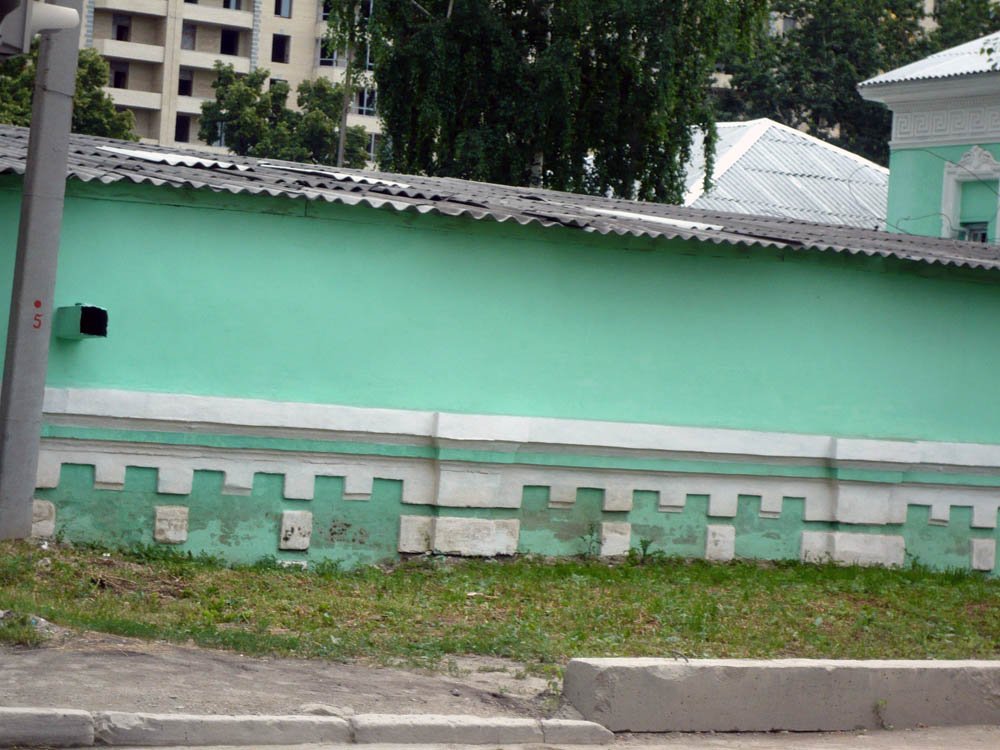
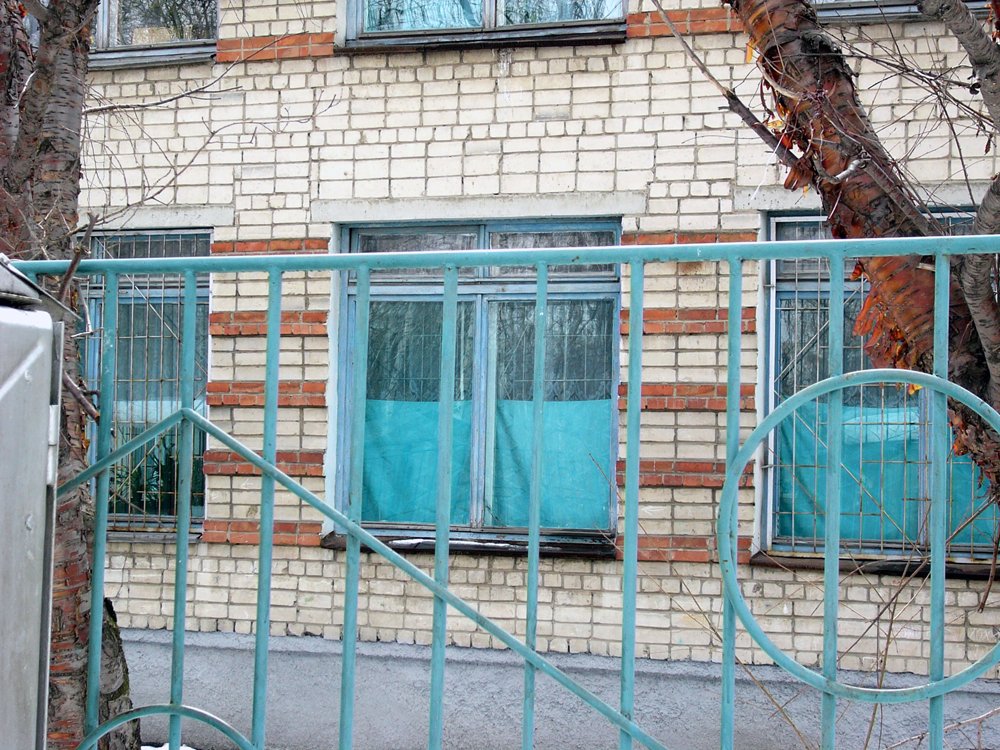
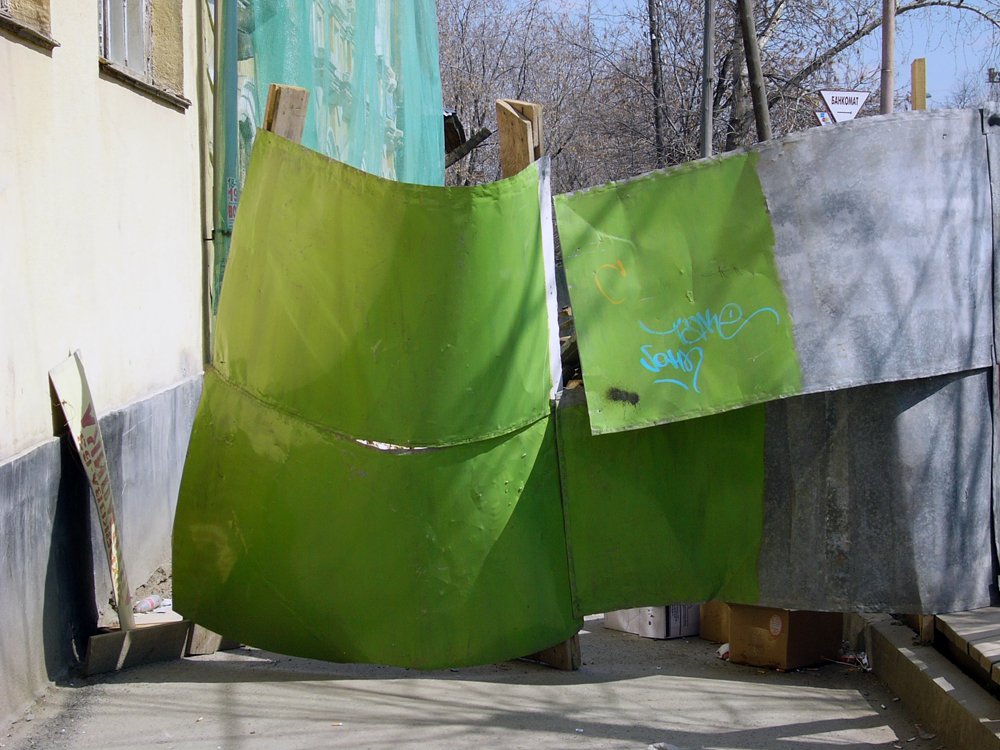
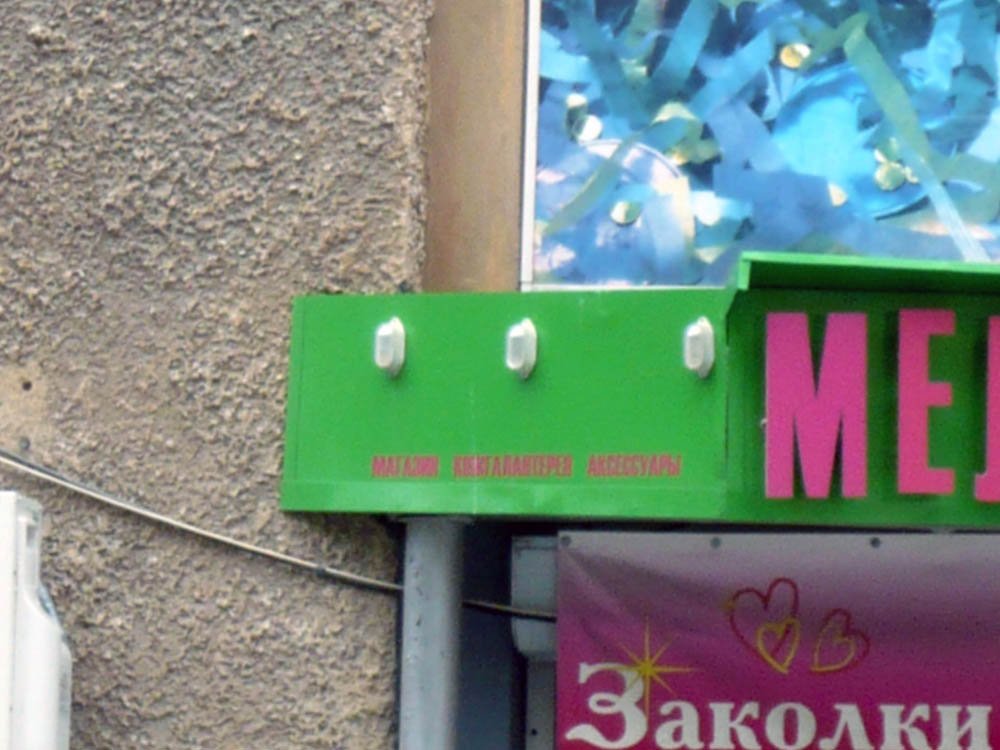
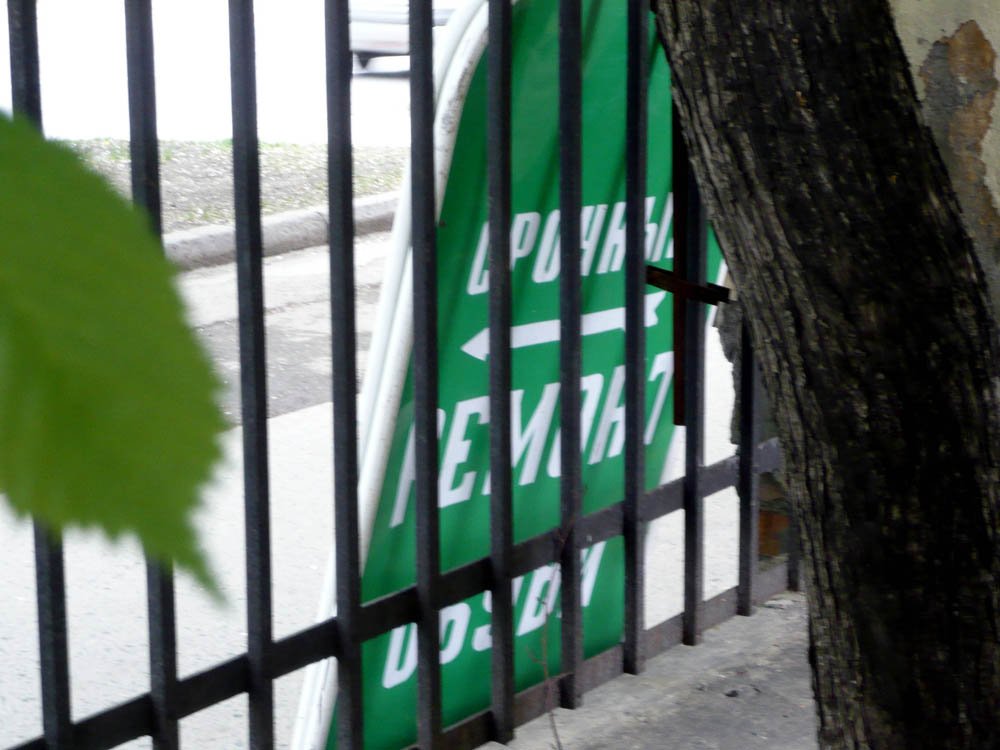
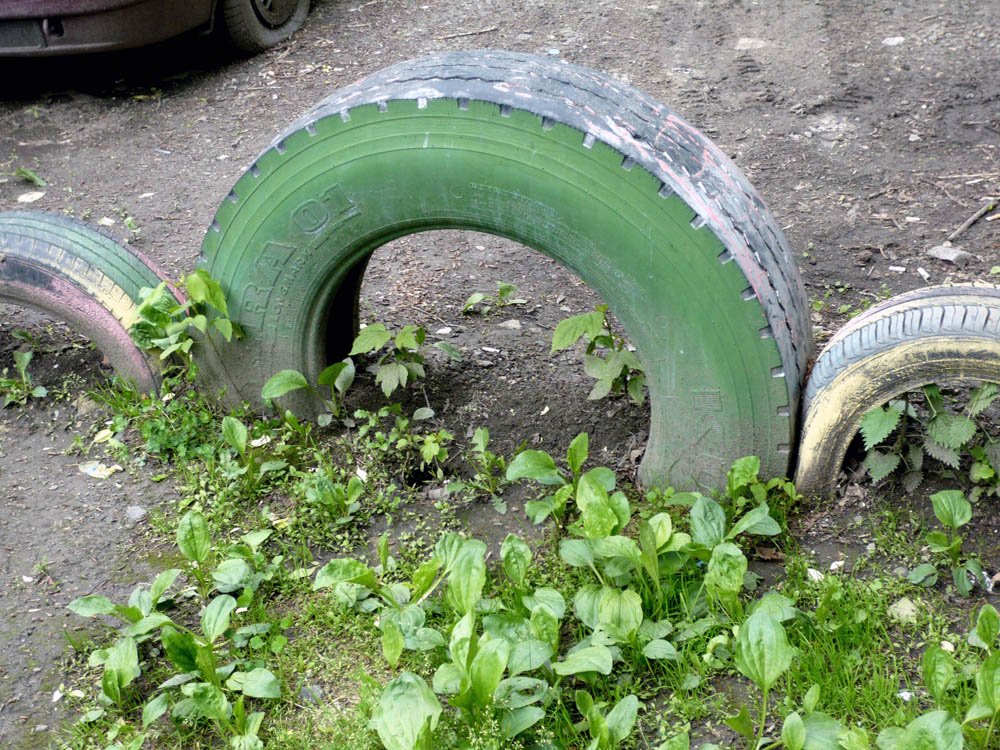
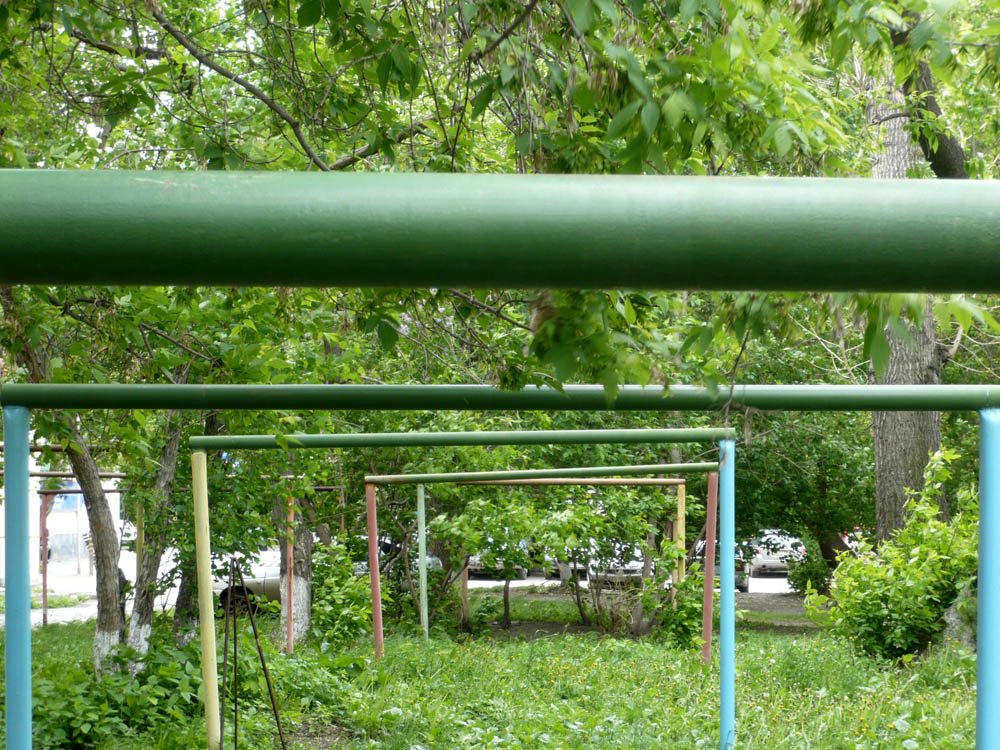
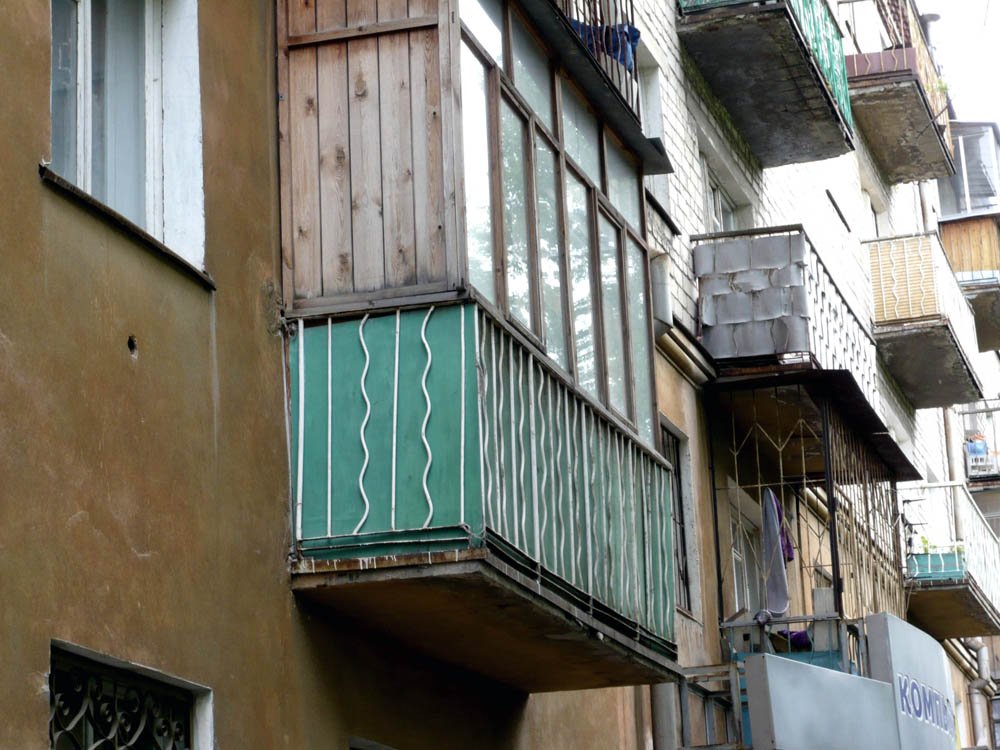
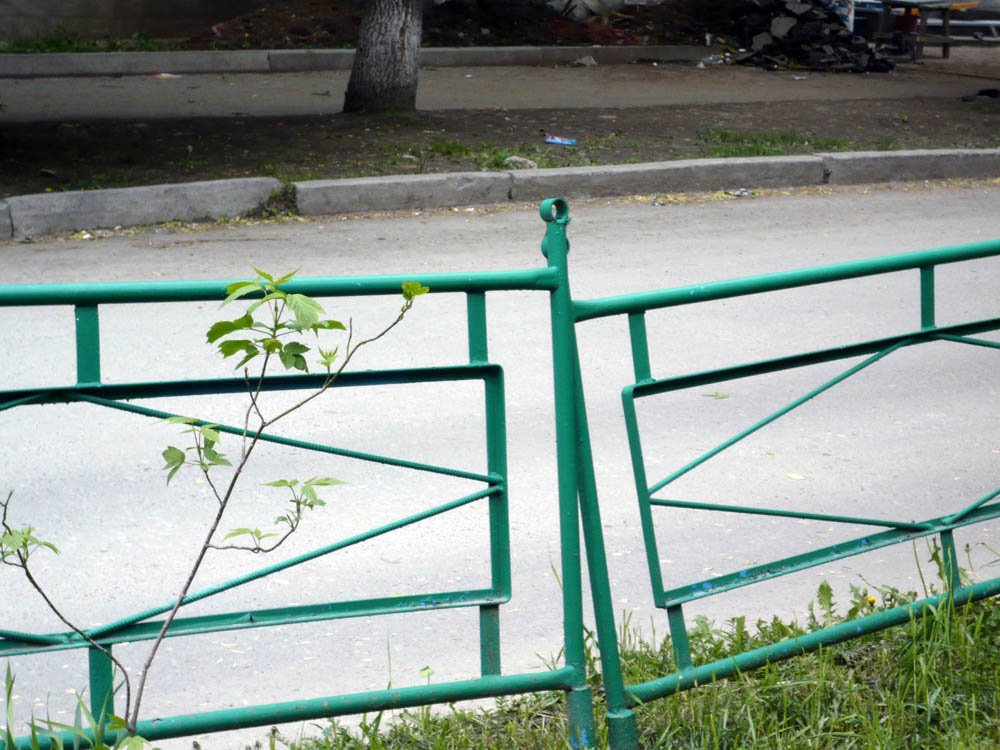
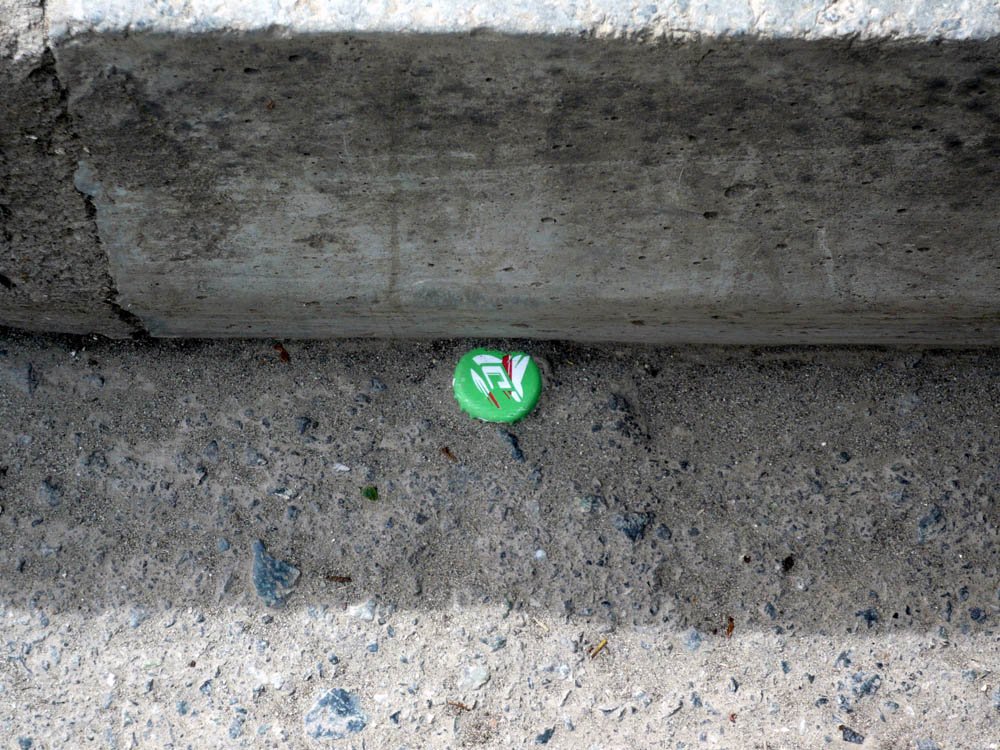
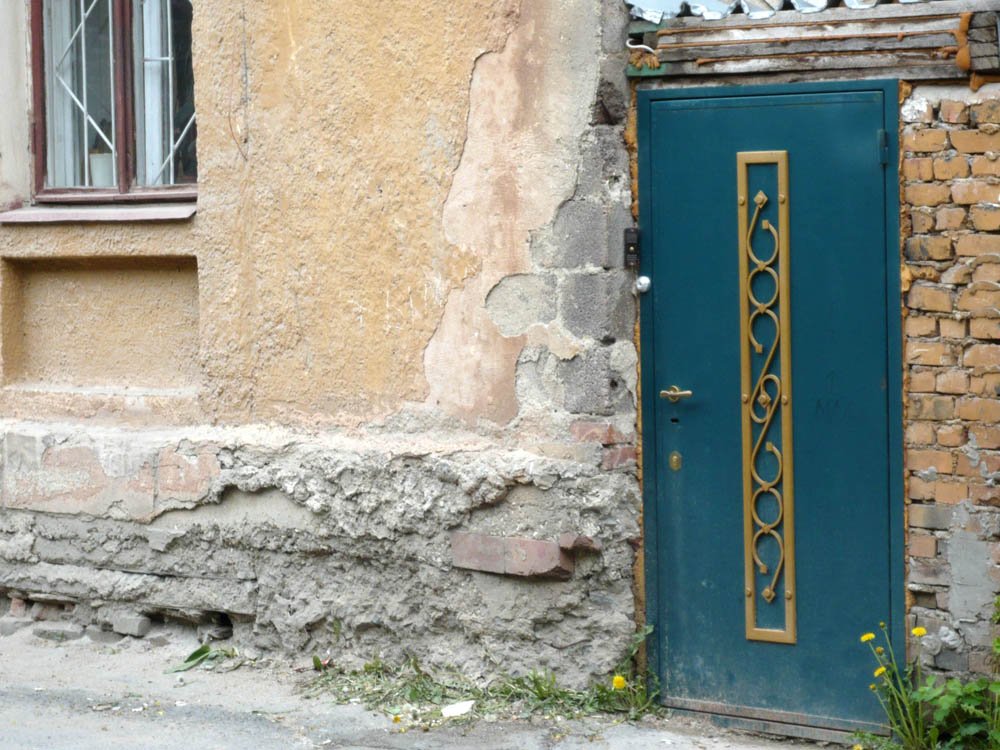
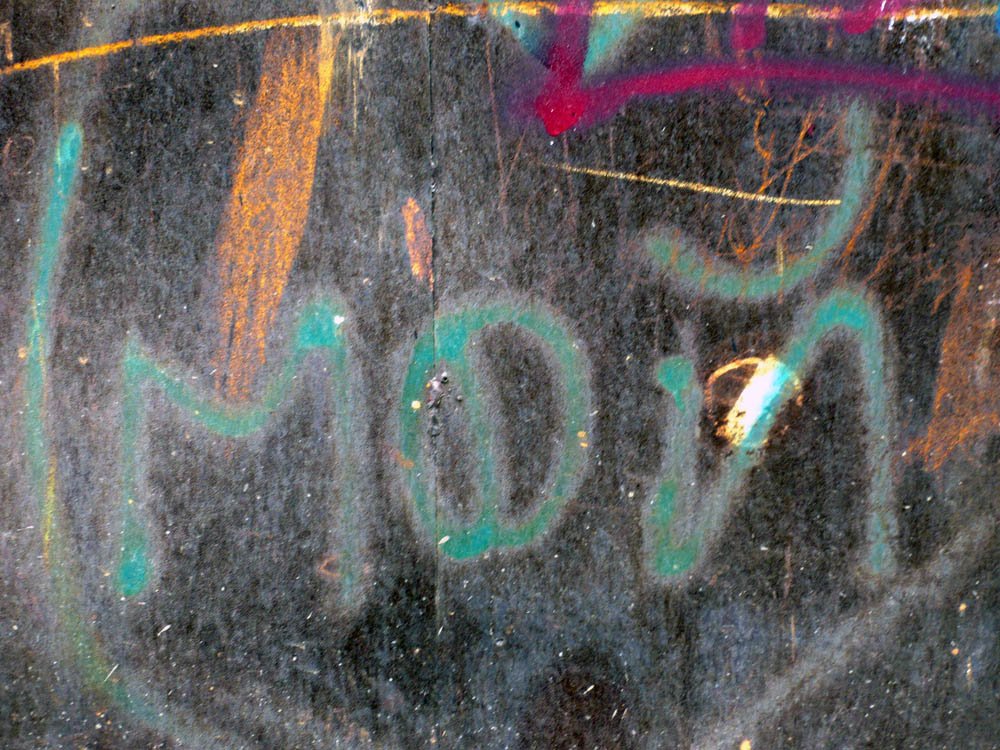
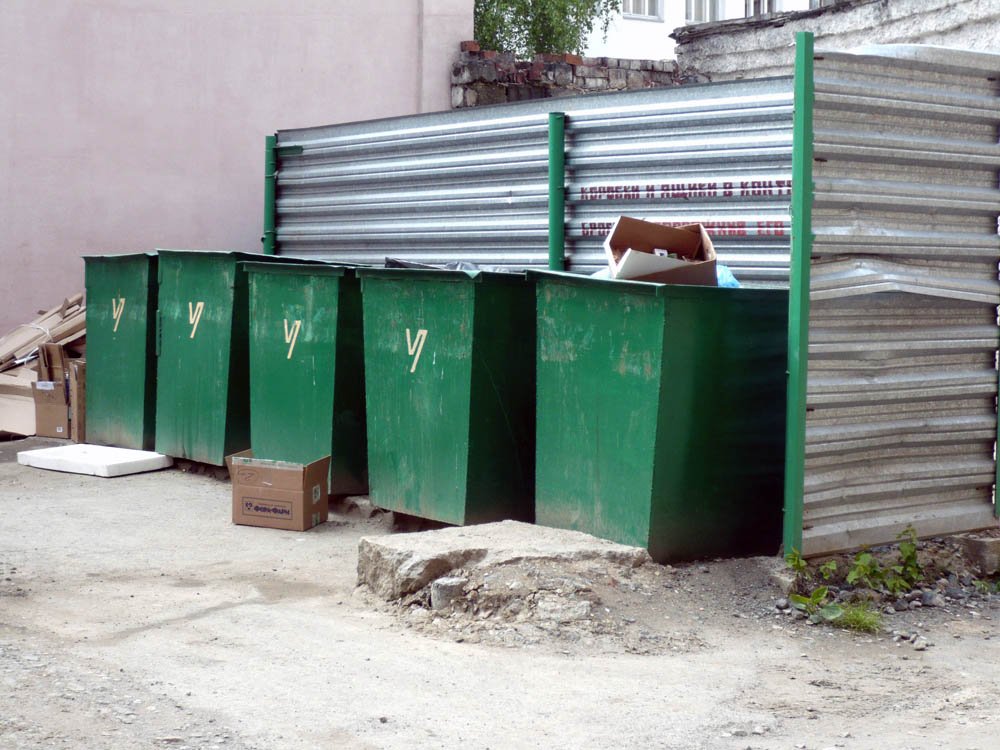
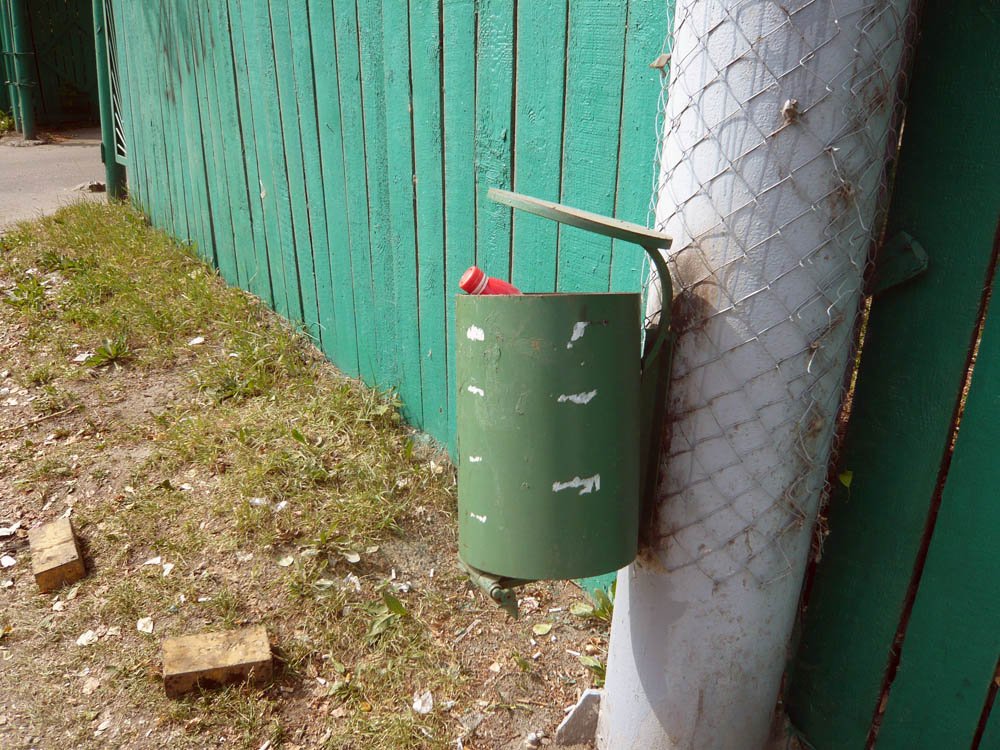
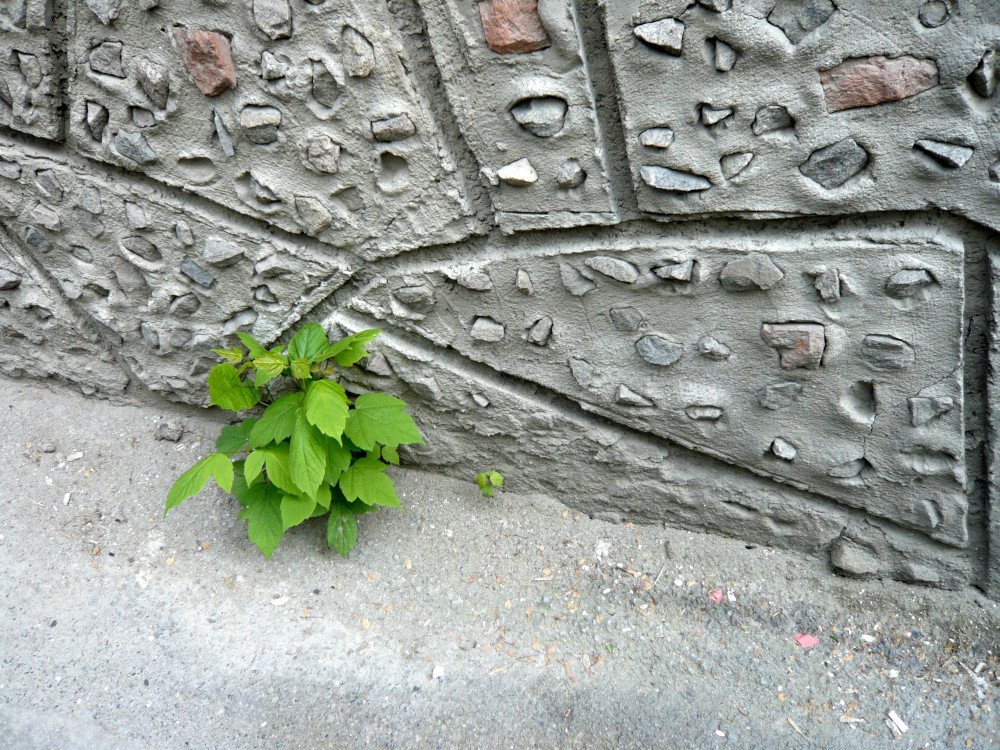
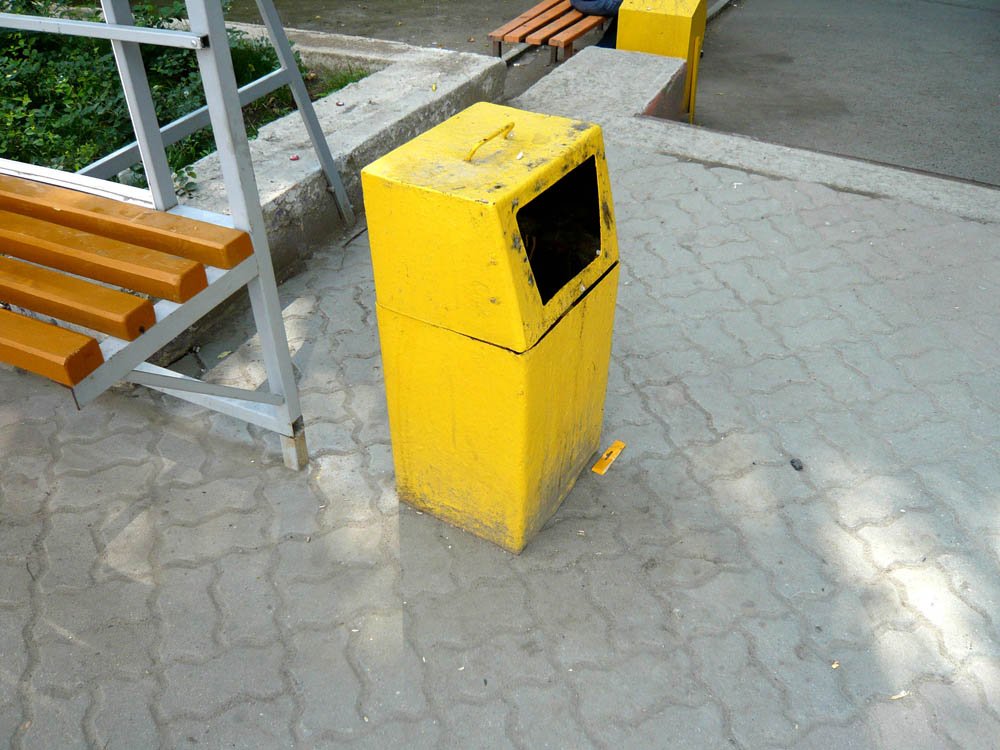
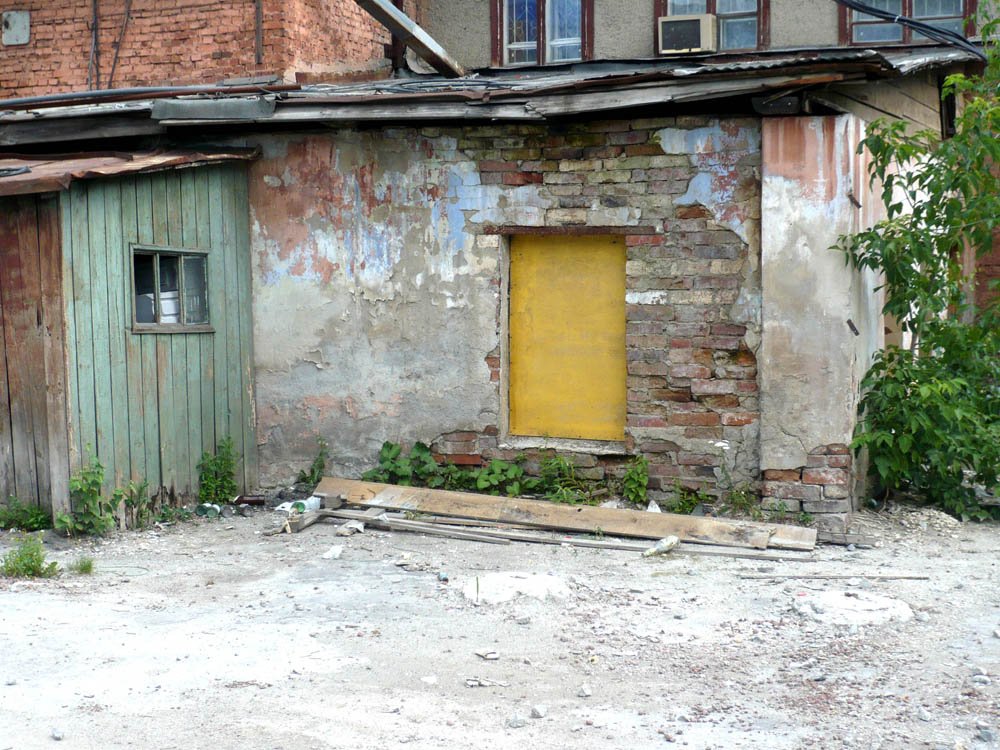
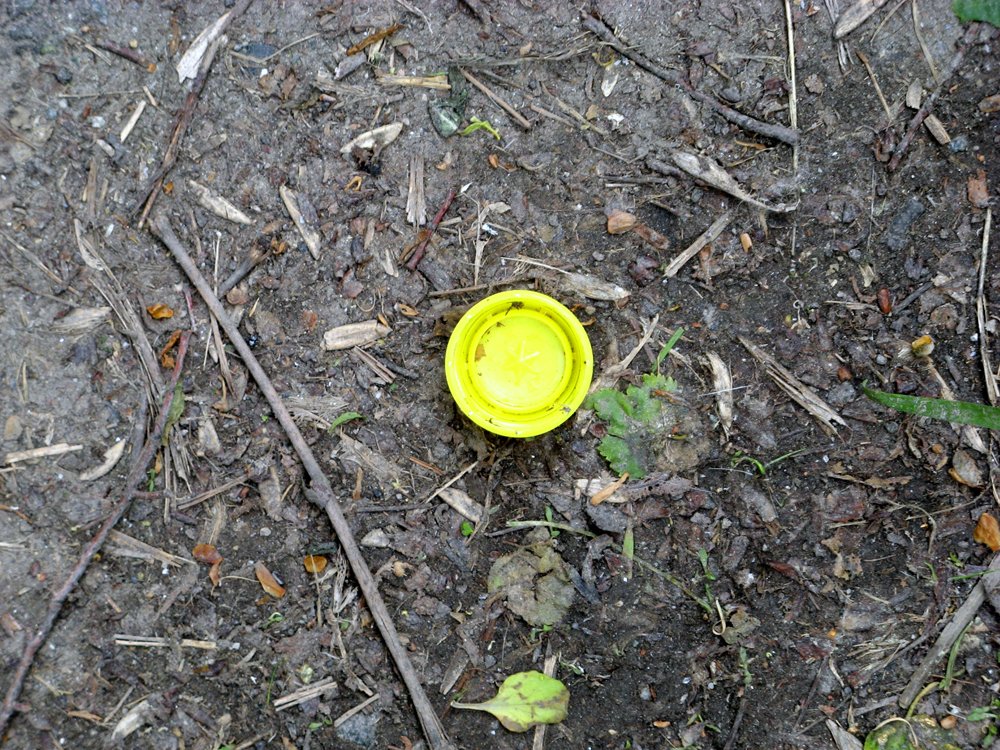
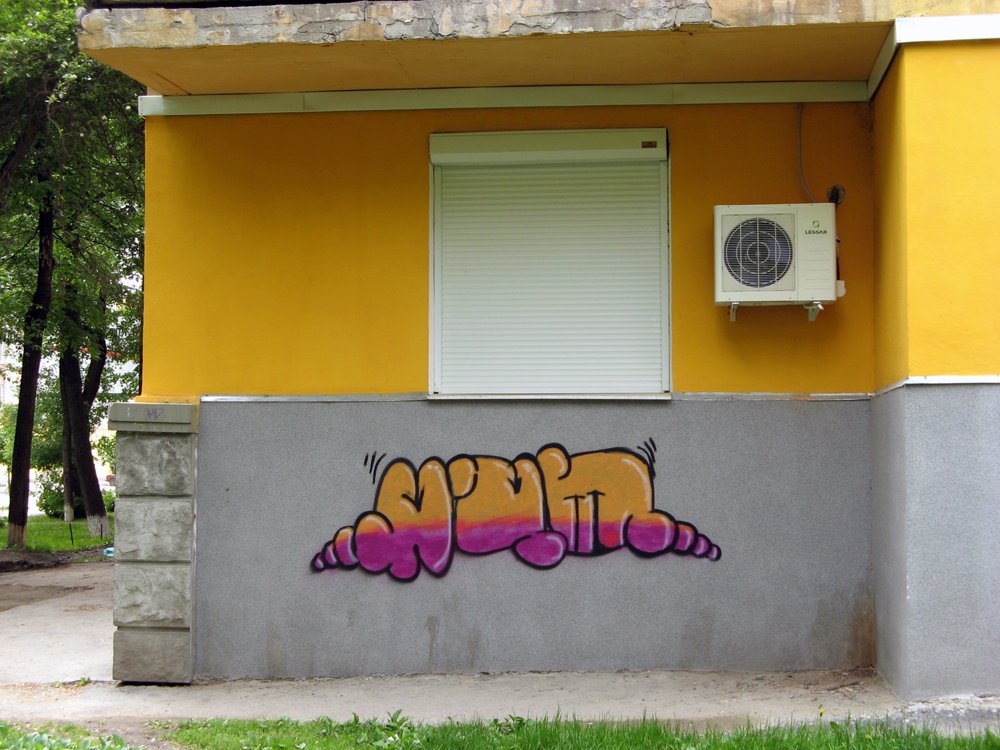
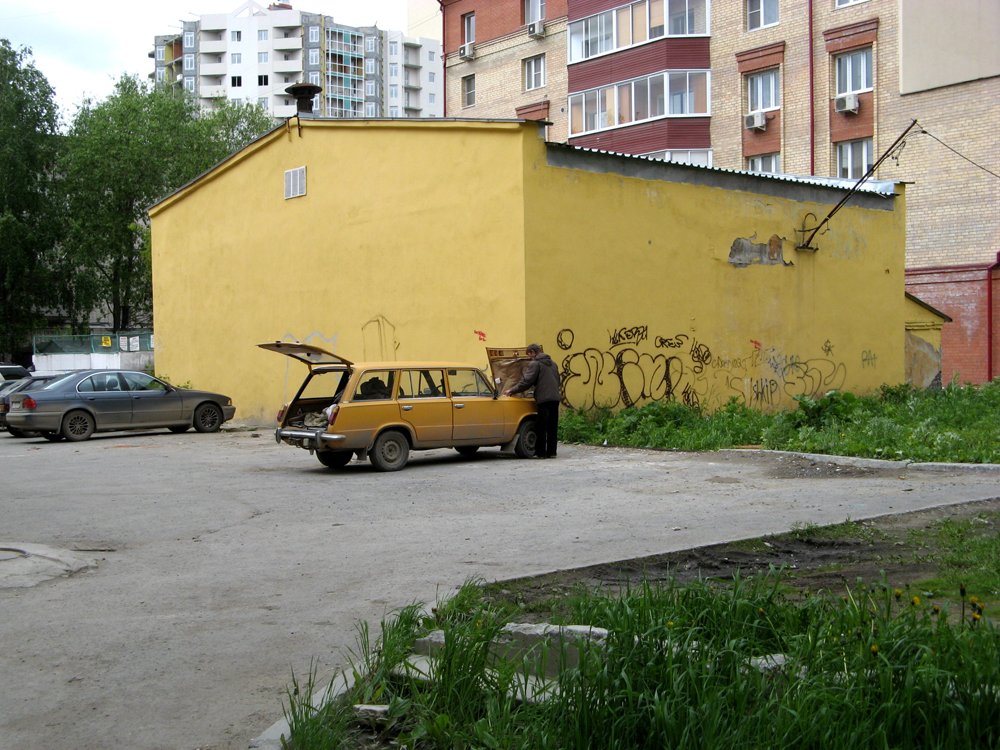
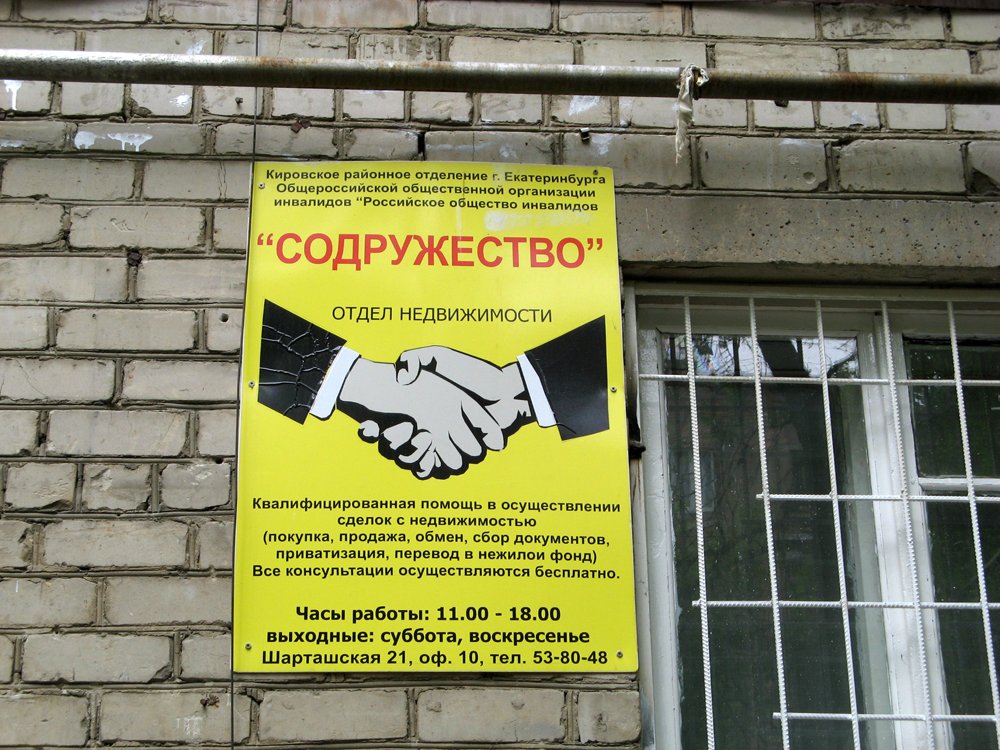
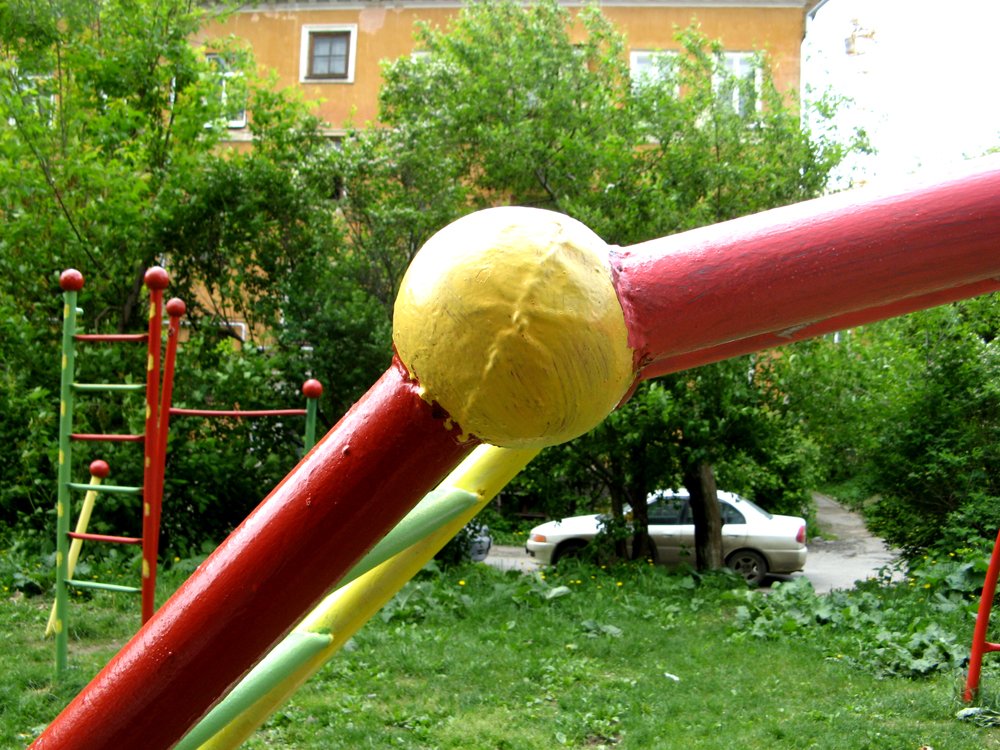
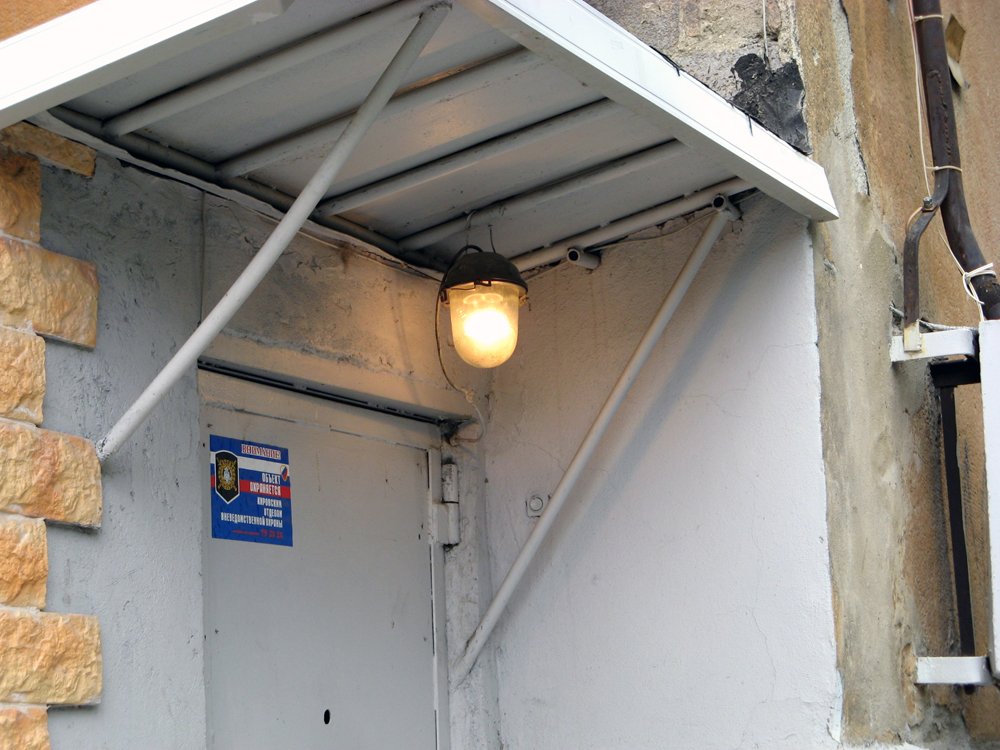
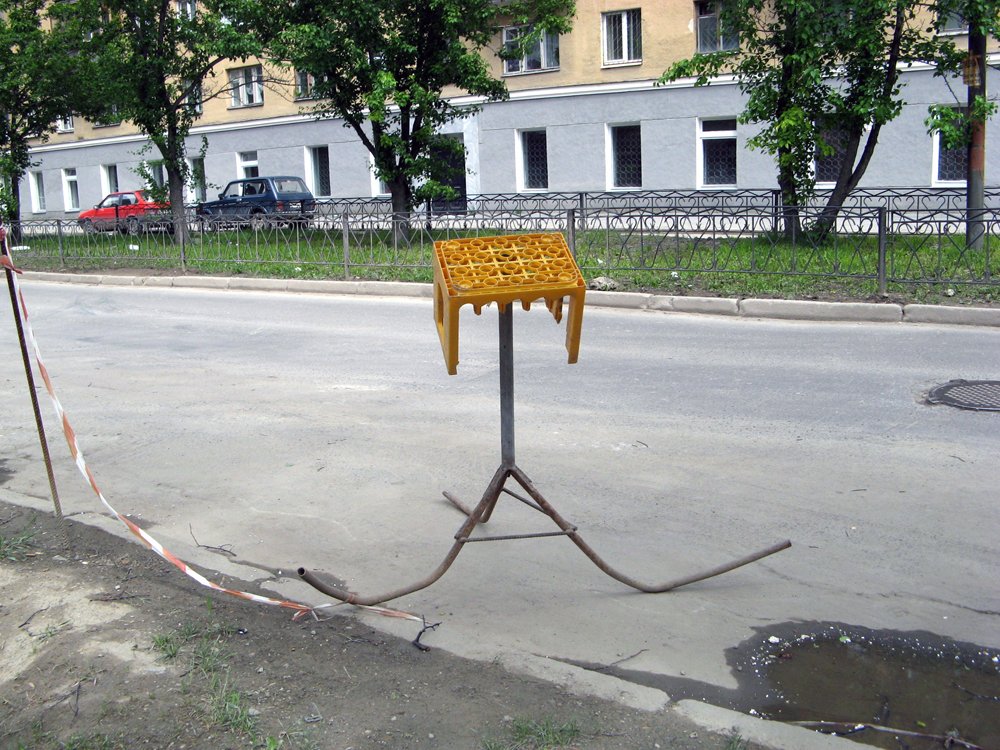
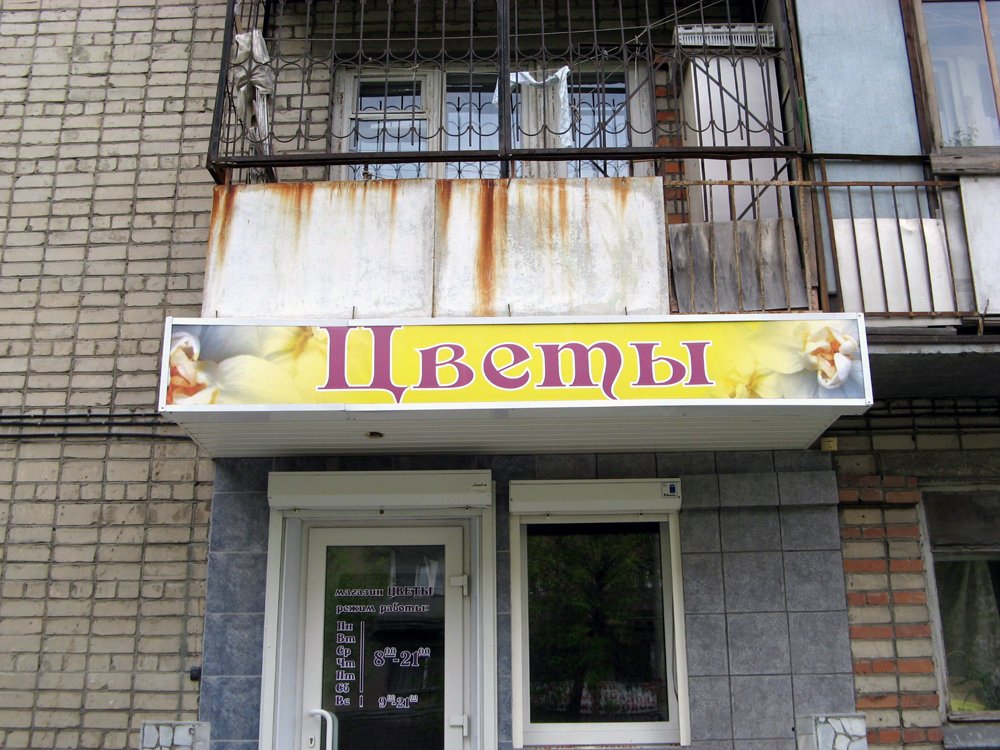
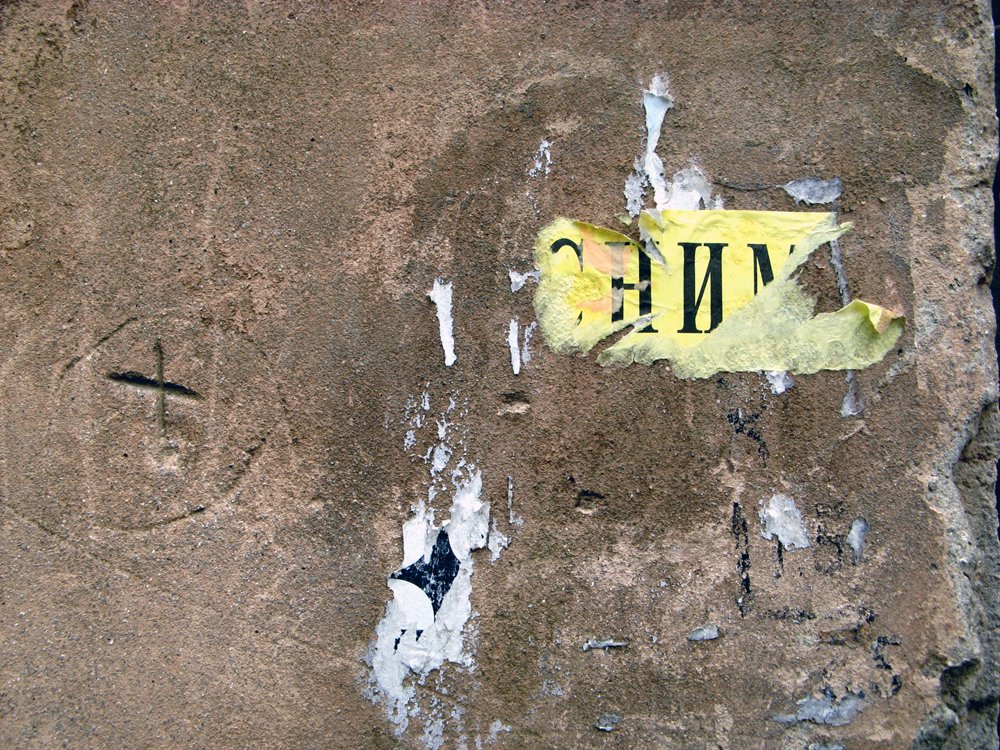
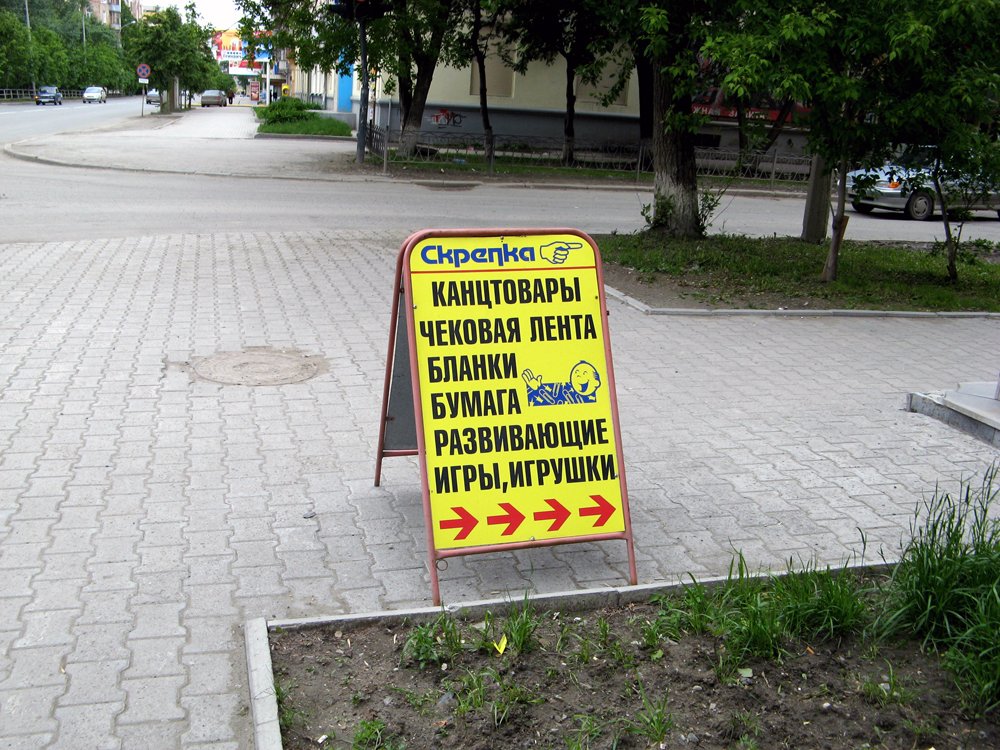
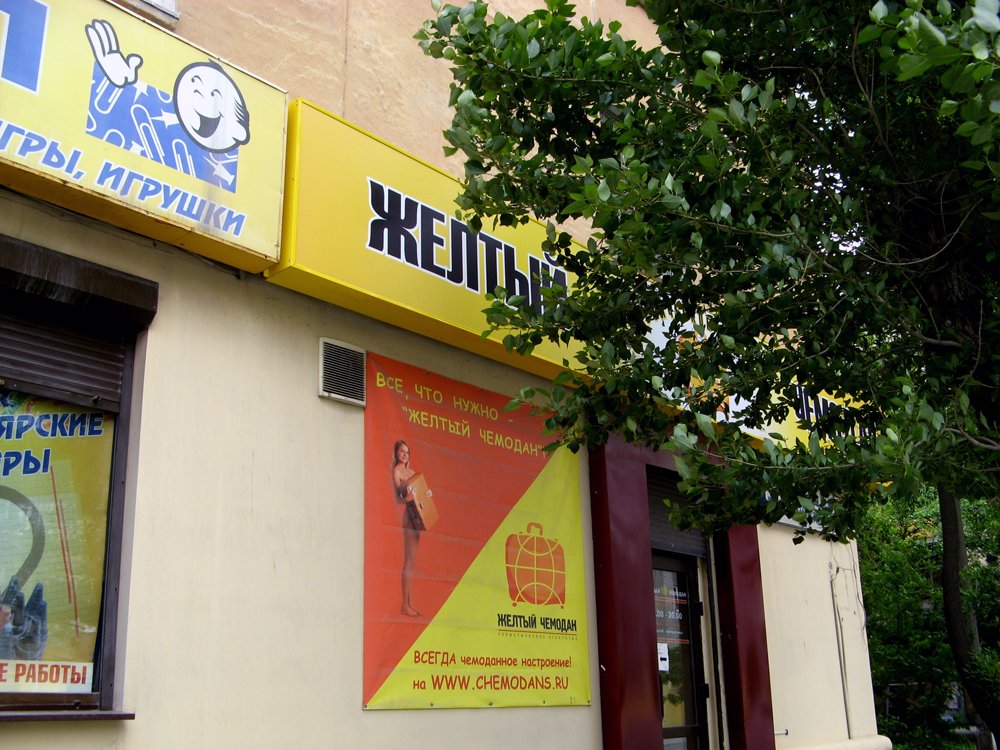
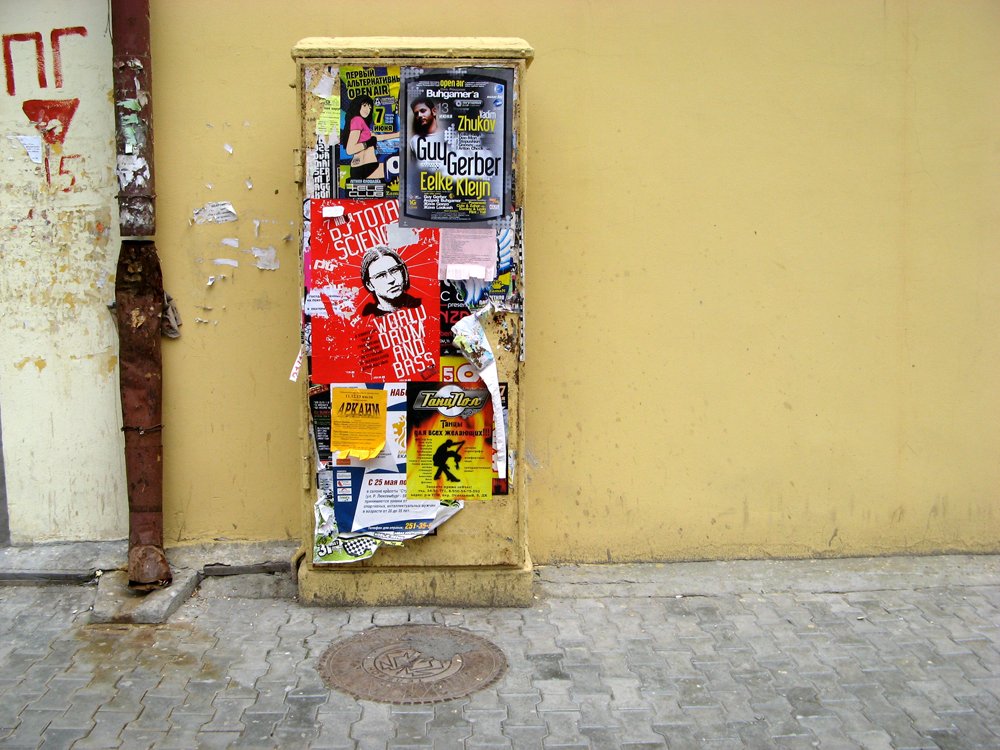
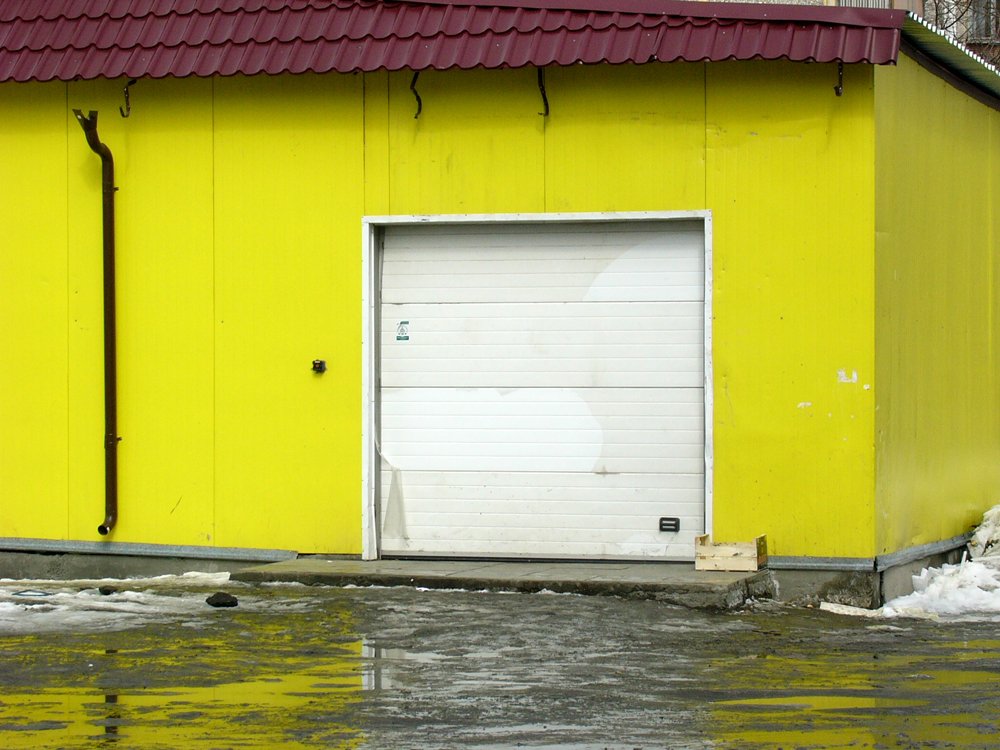
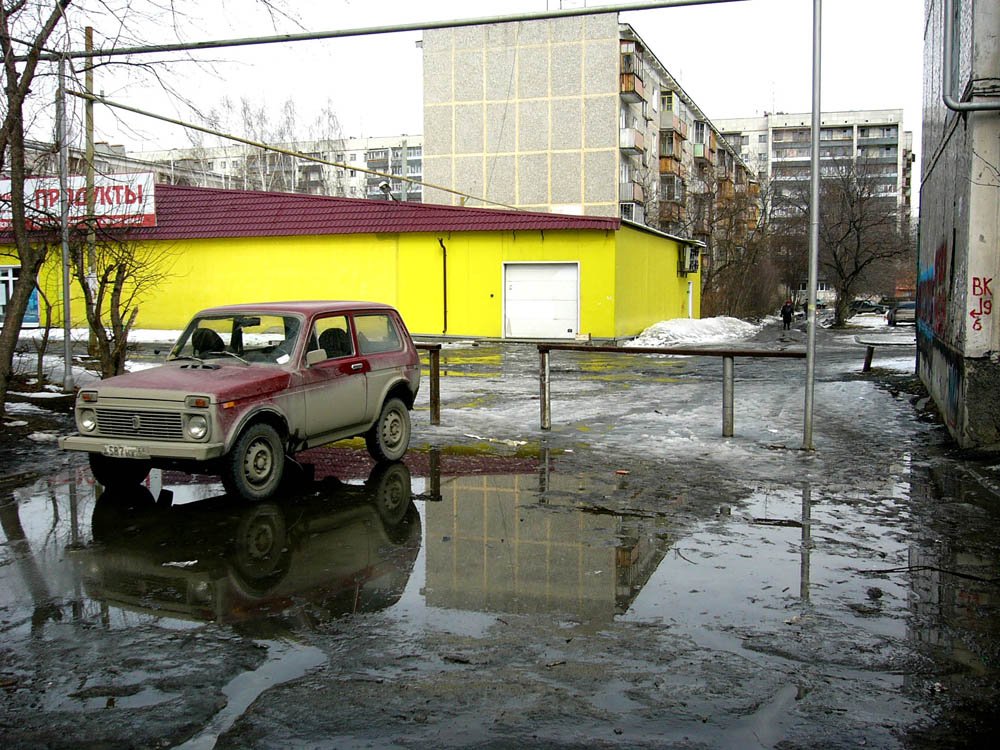
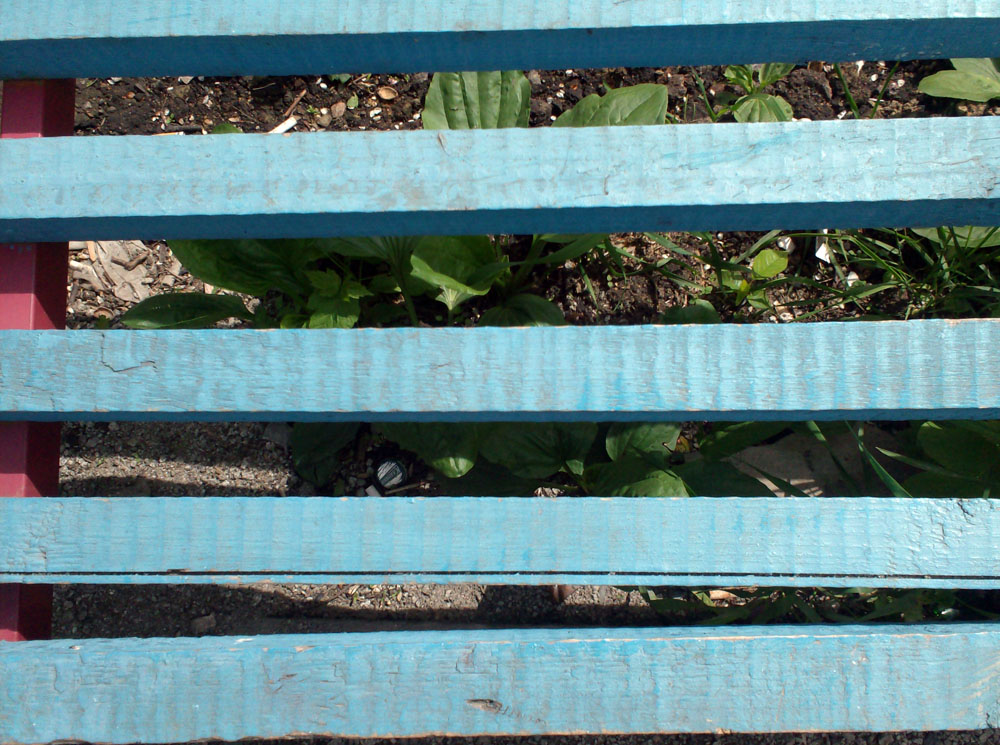
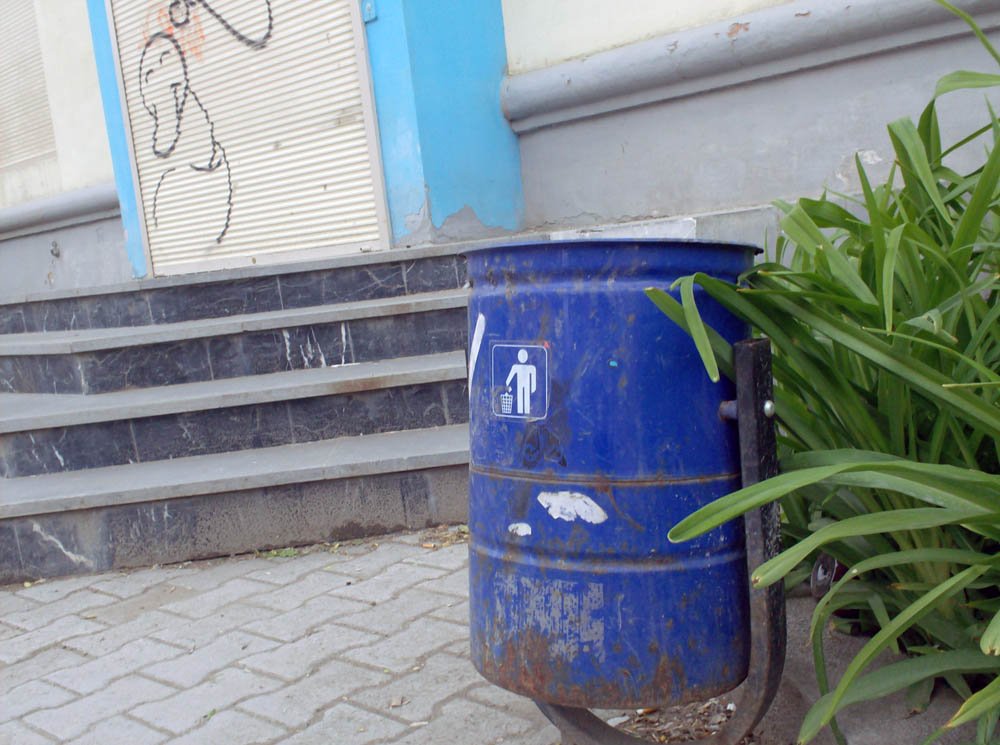
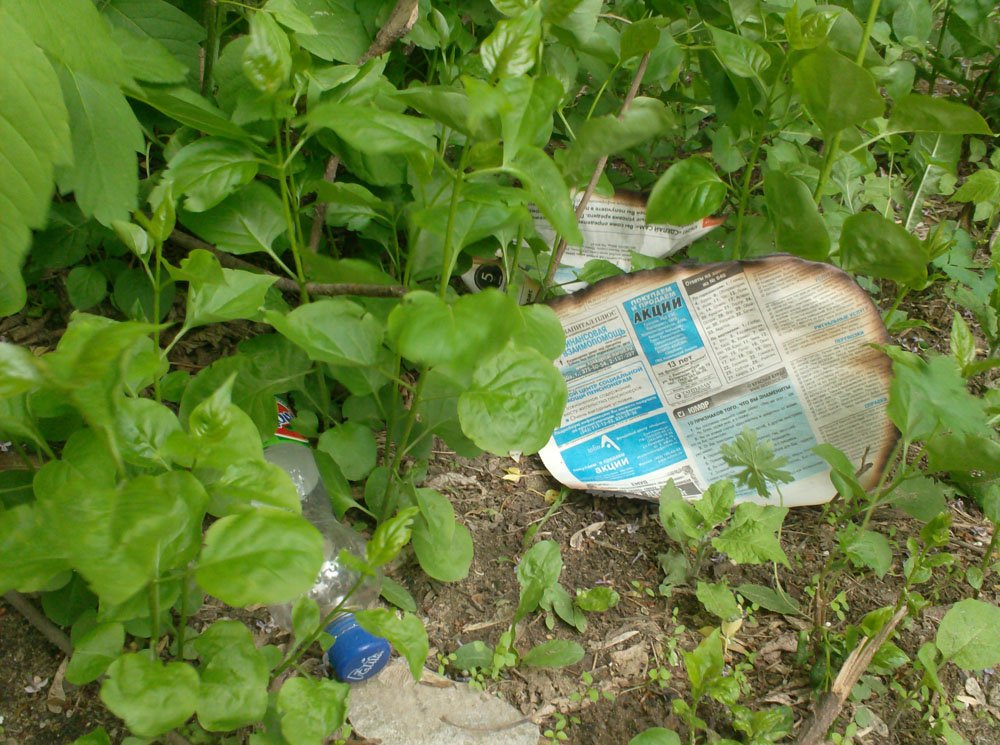
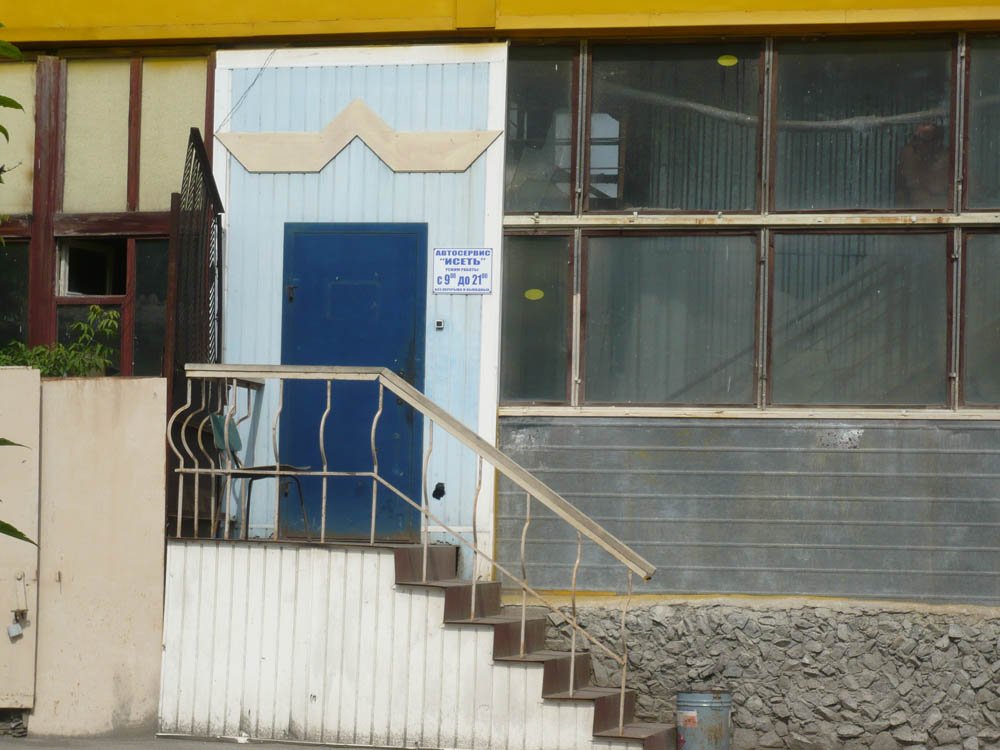
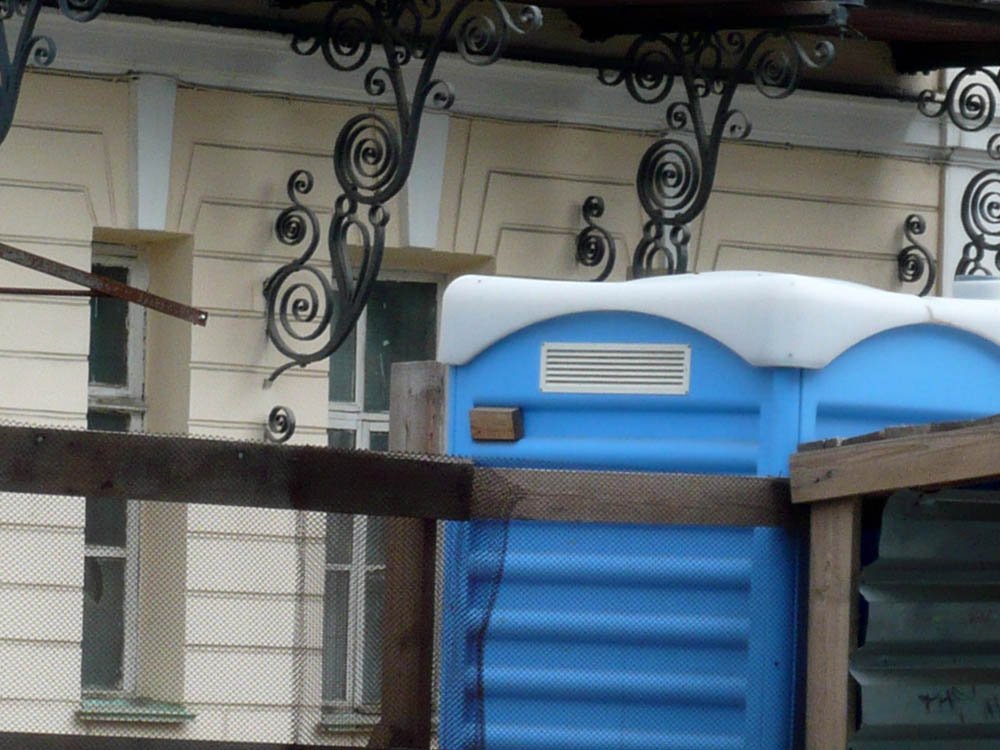
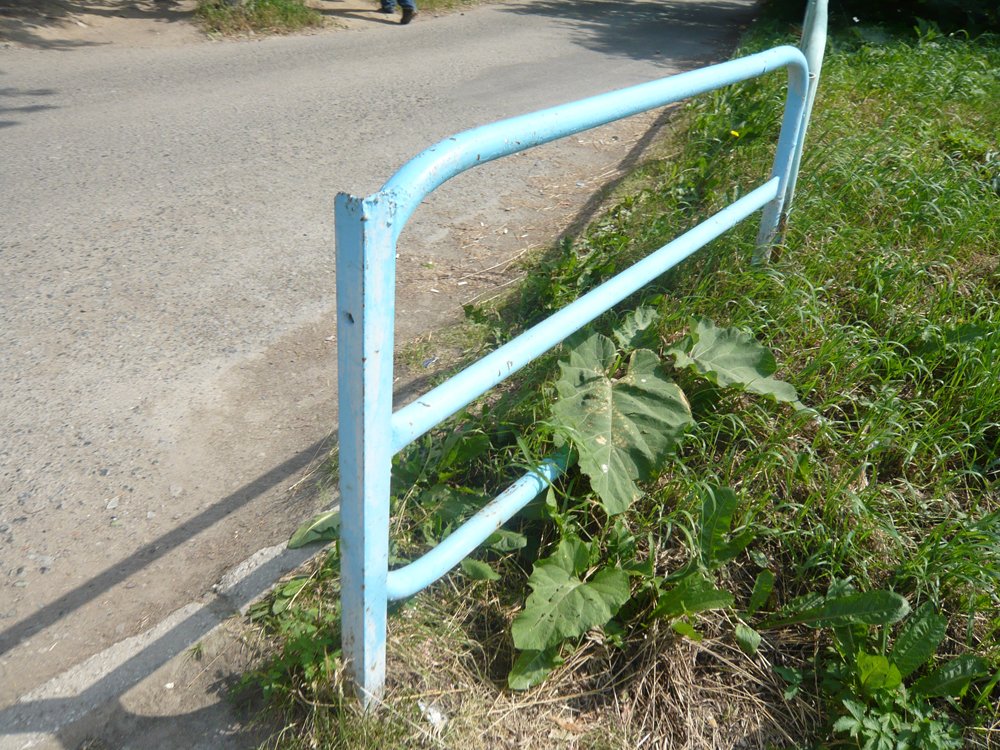
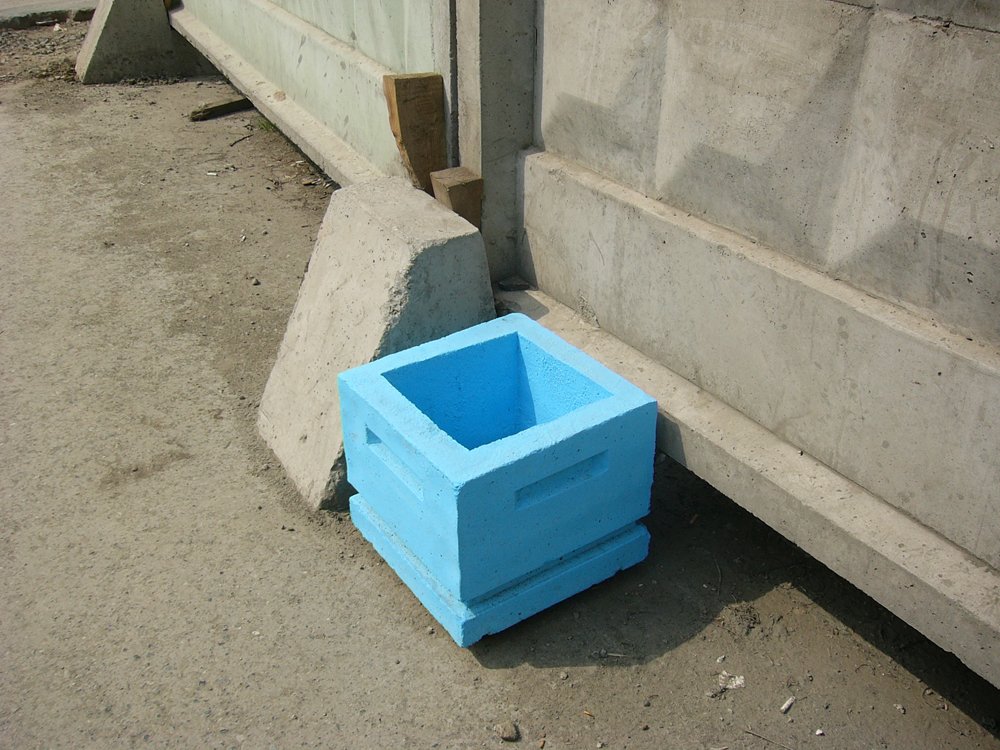
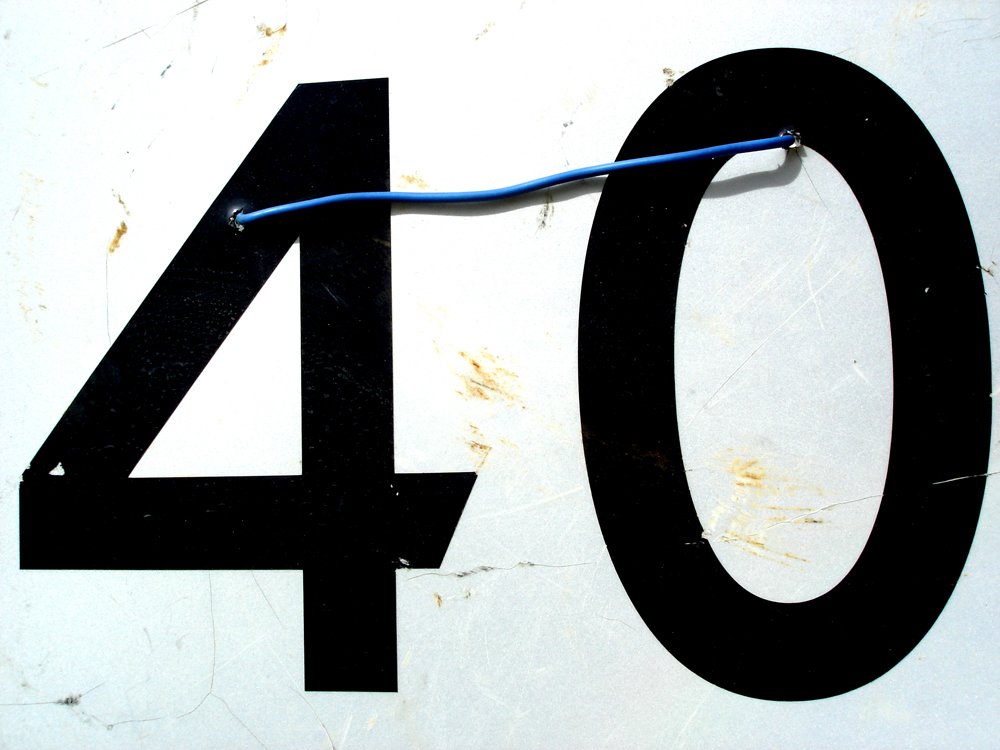
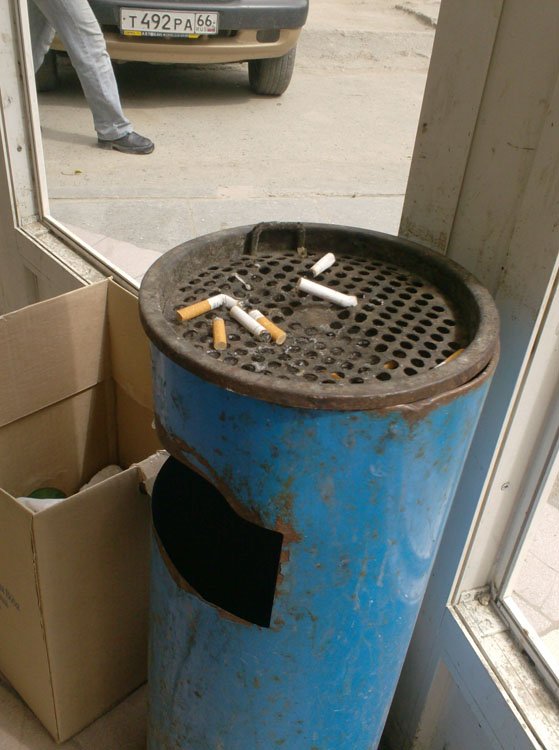
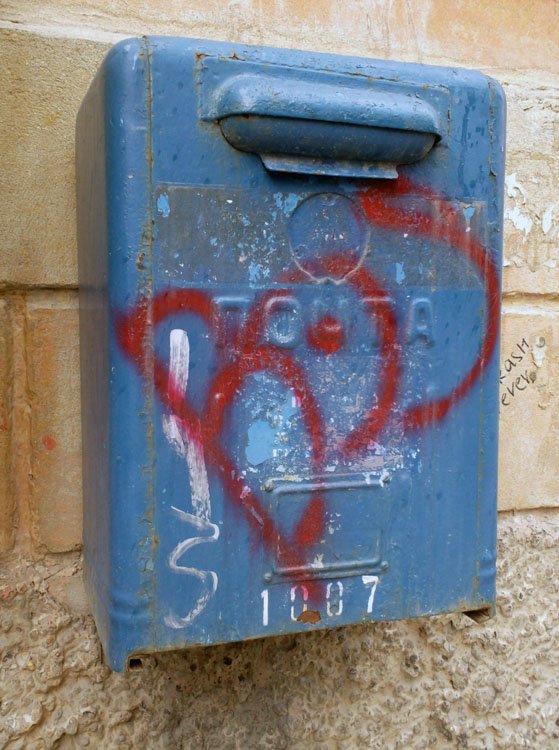
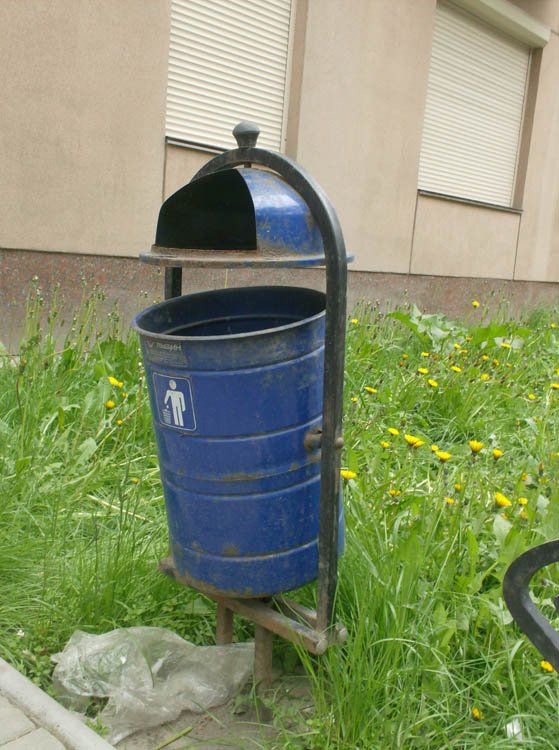
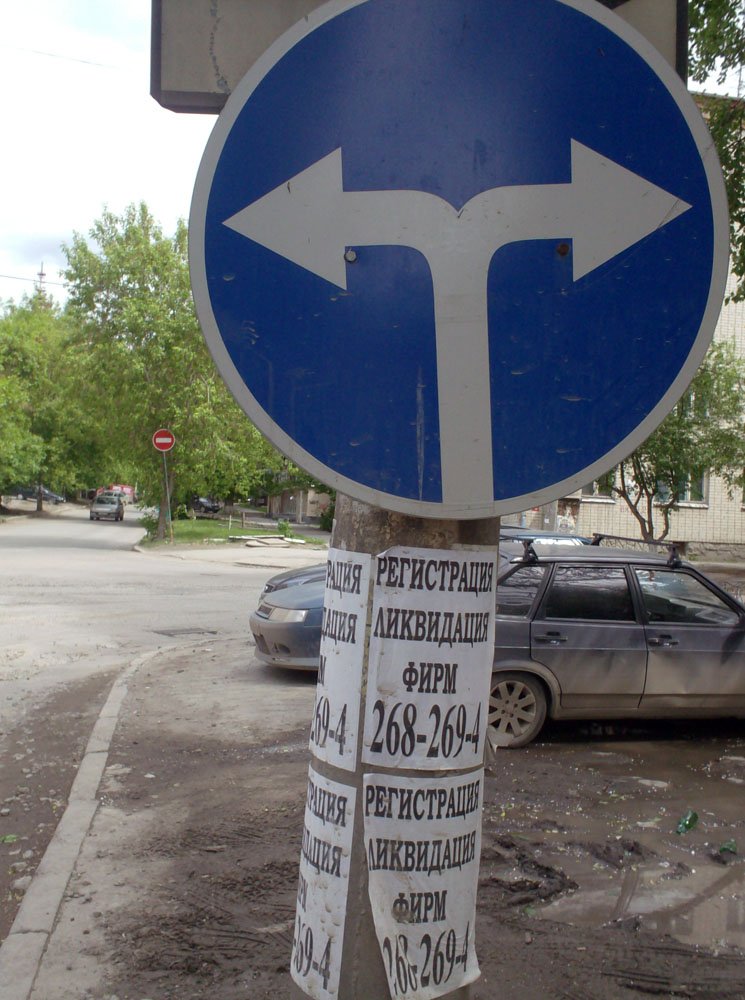
Courtyards, passages, walls, vegetation, handwritten signs, routines, sounds, and details that usually remain unnoticed.
Absent
Demolished buildings, erased landscapes, vanished places, forgotten names, and things that survive only through memory.
These layers can overlap, contradict one another, or remain barely perceptible. Their combination is different for every listener.
The Name
PanGorMonium is an artist-constructed word that intentionally resists a single definition.
Its associations include Pan, suggesting wholeness; hormao, evoking movement and activation; harmony, suggesting resonance; and monos, pointing toward the singularity of individual perception.
These meanings do not form a strict etymology. They coexist as resonances within the title, reflecting the layered and polyphonic nature of the city.
From Yekaterinburg Onward
PanGorMonium: Yekaterinburg became the starting point for Anatomy of Cities, an ongoing R² research into urban environments through attention, memory, movement, colour, and listening.
Each new city can become a different instrument, shaped by its own material history, rhythms, absences, and emotional geography.
PanGorMonium: Budapest is currently developing as a new study within this ongoing research. it.