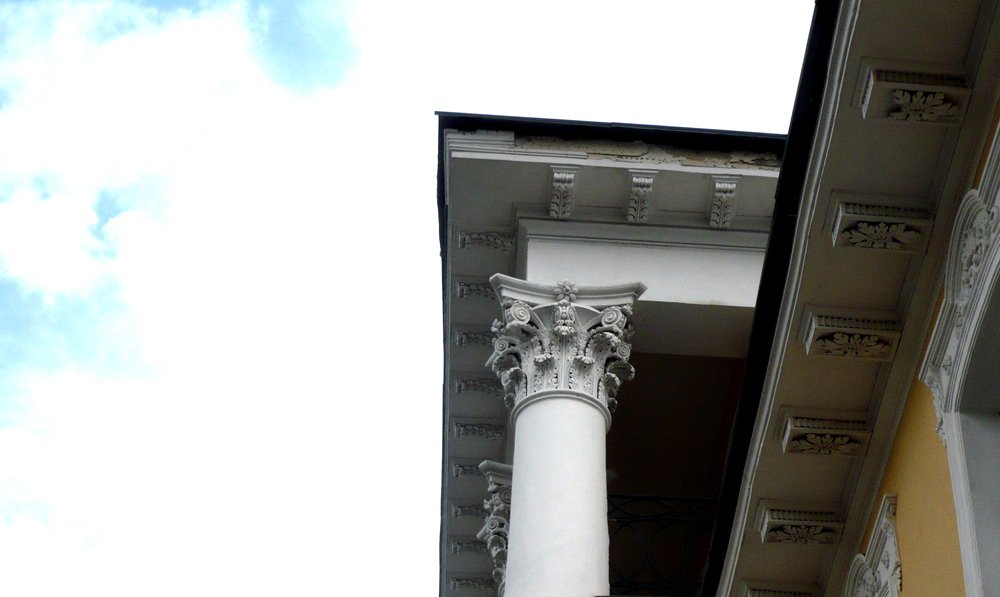
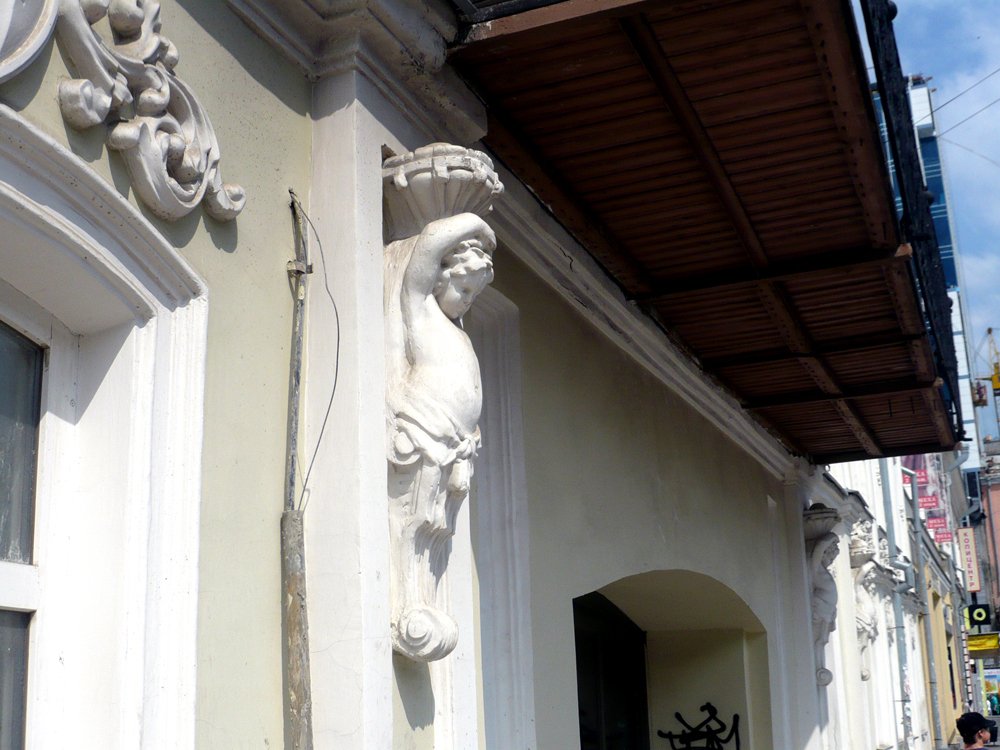
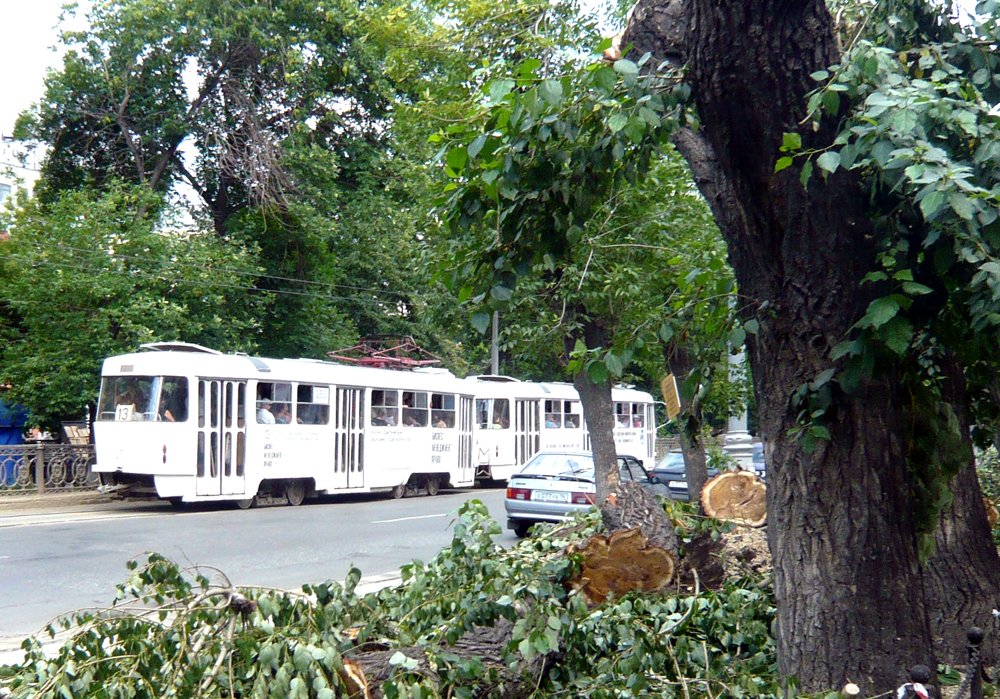
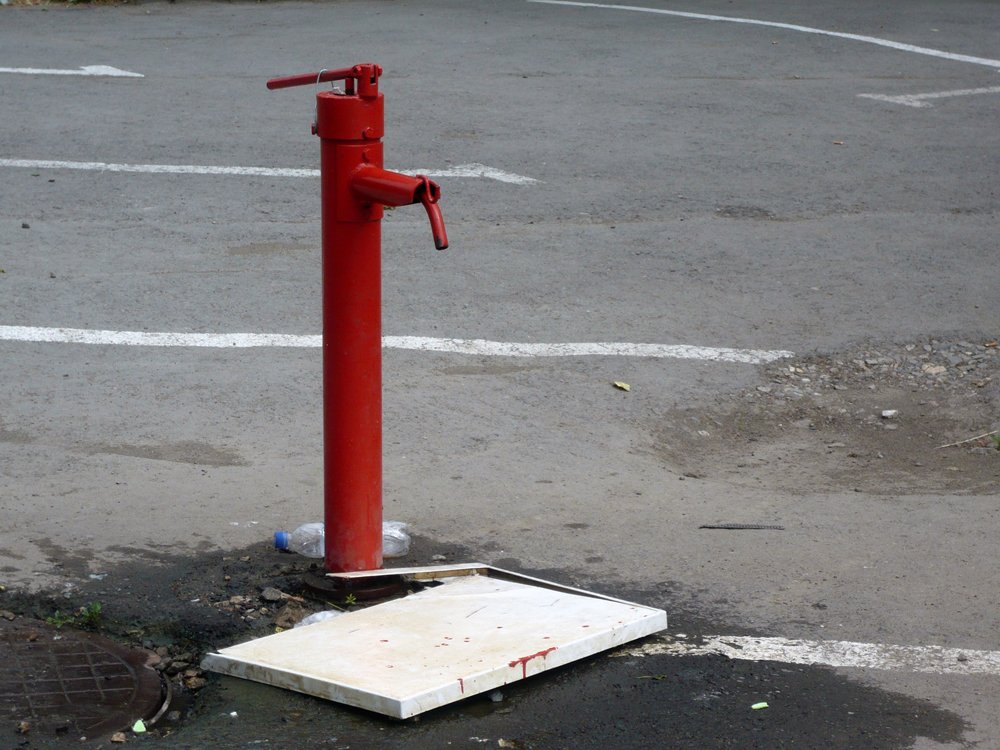
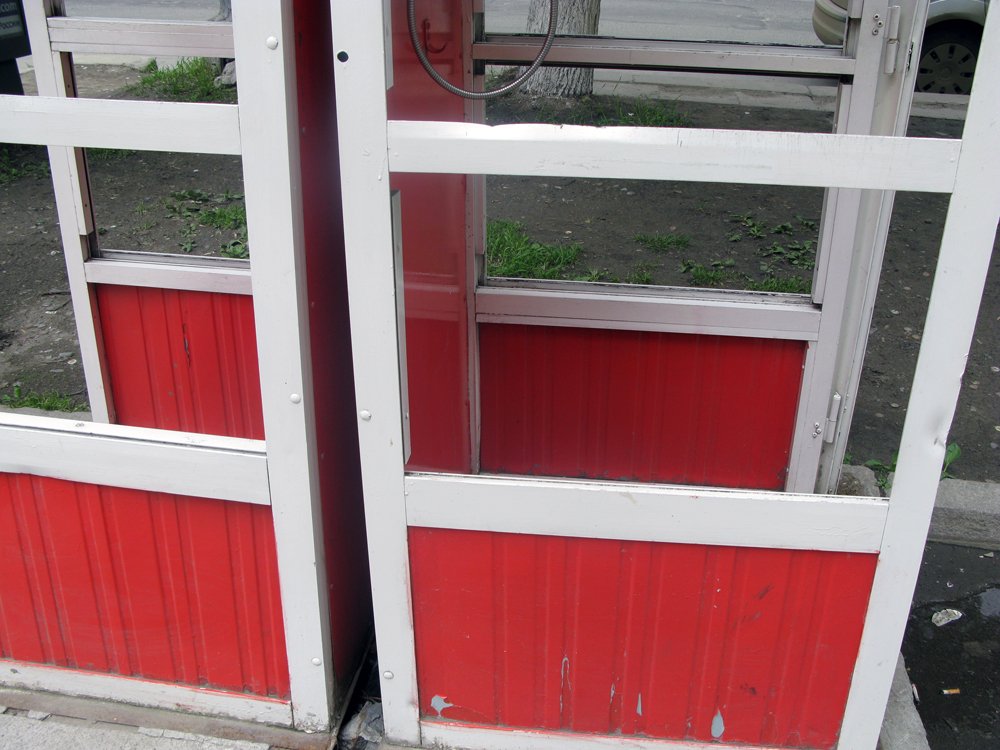
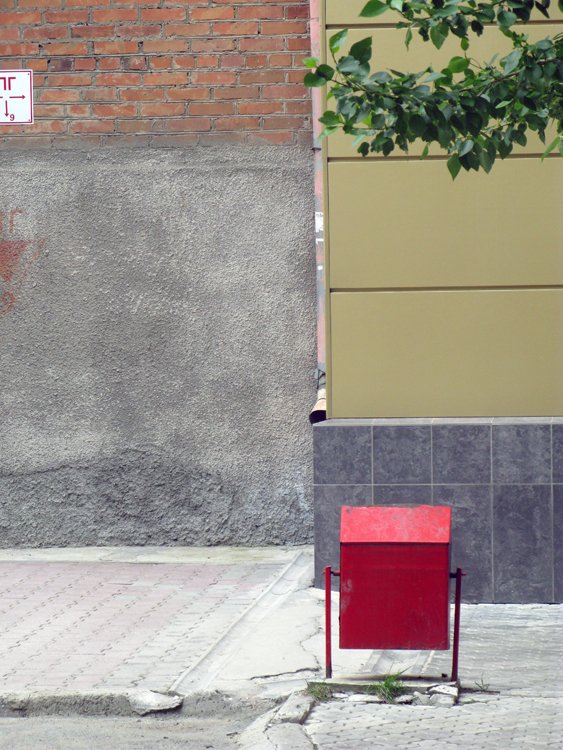
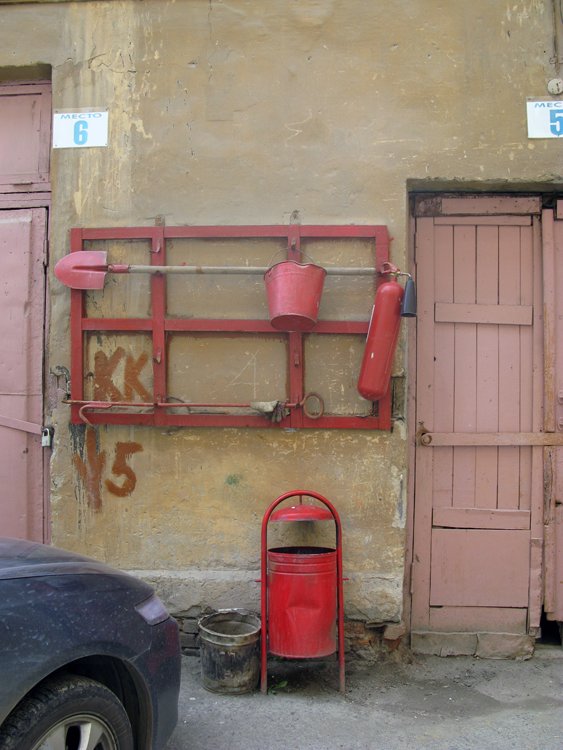
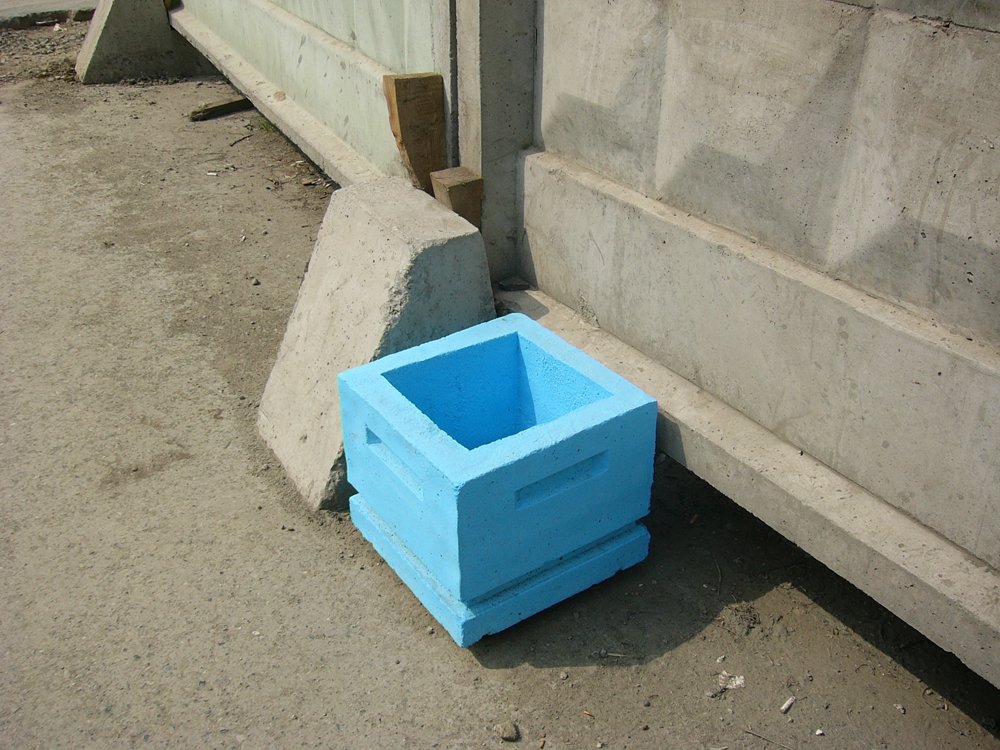
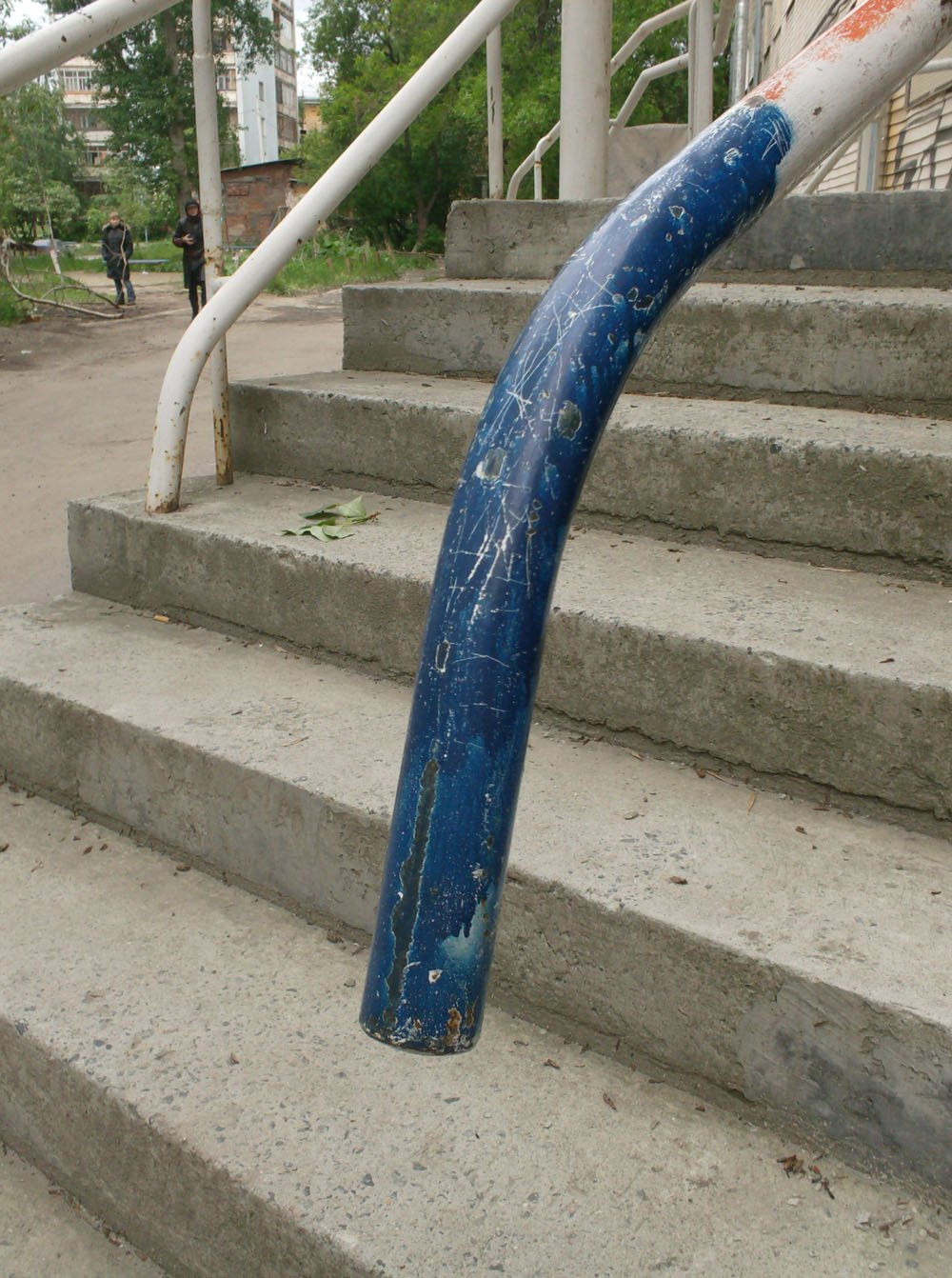
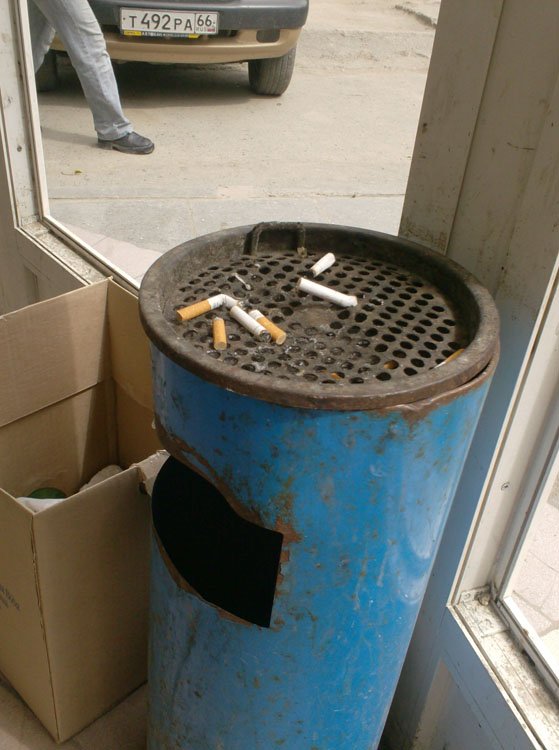
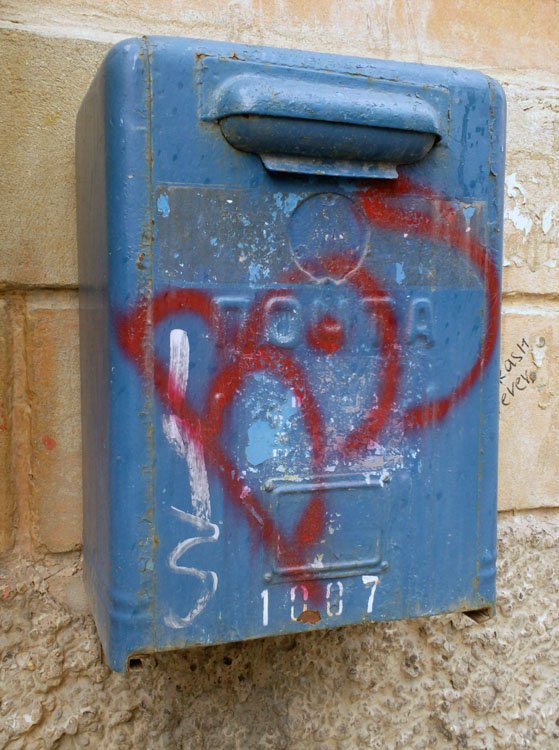
Shoot for Color. Colors of Yekaterinburg

2008, Anatomy of the city, Malevich's Brigade, R²

Back to Shoot for Color

Back to Malers’ Brigade

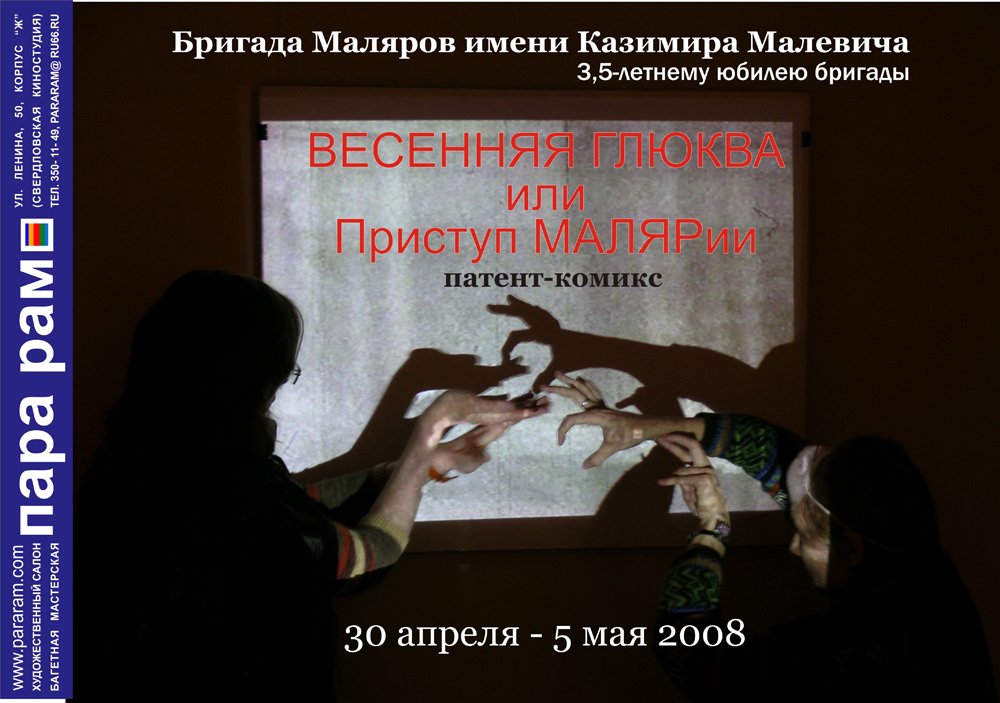
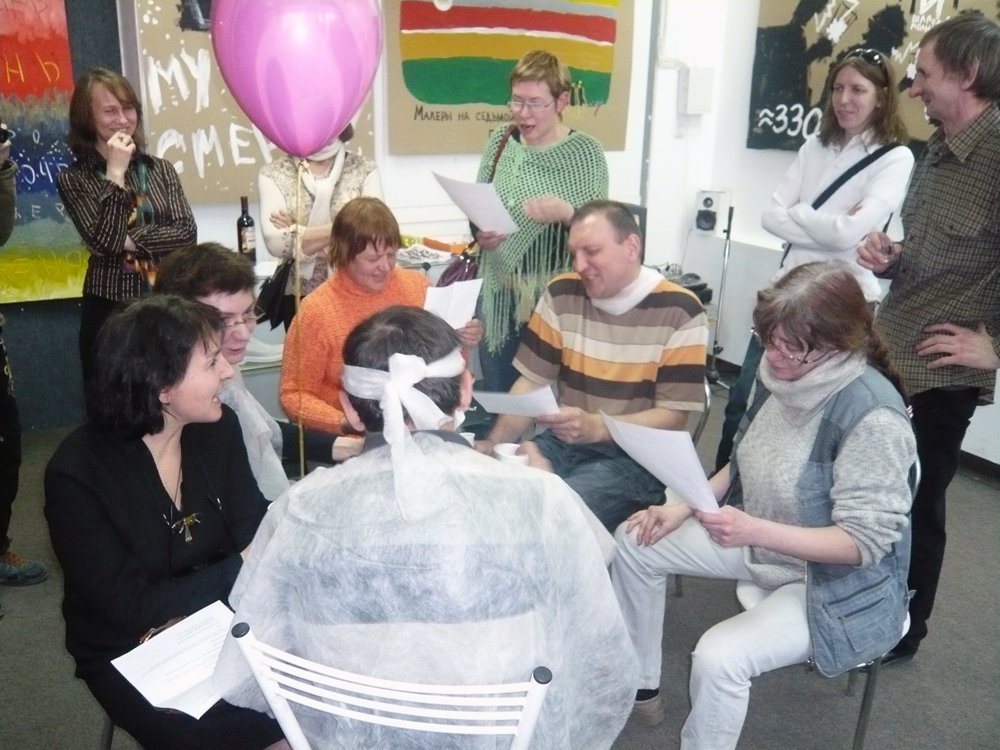
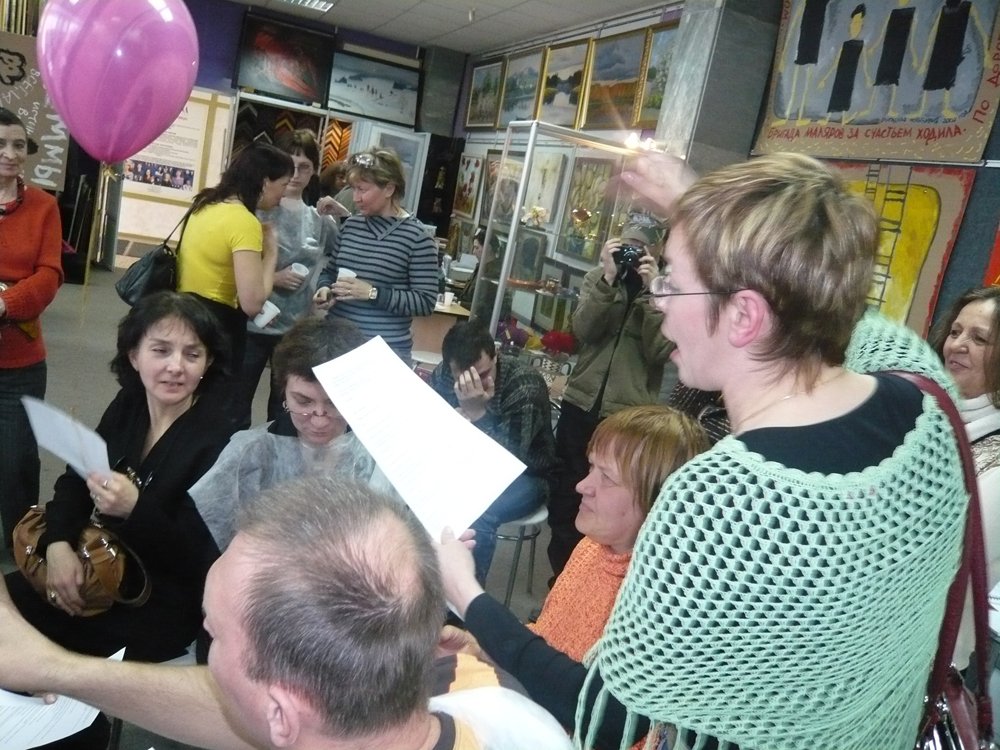
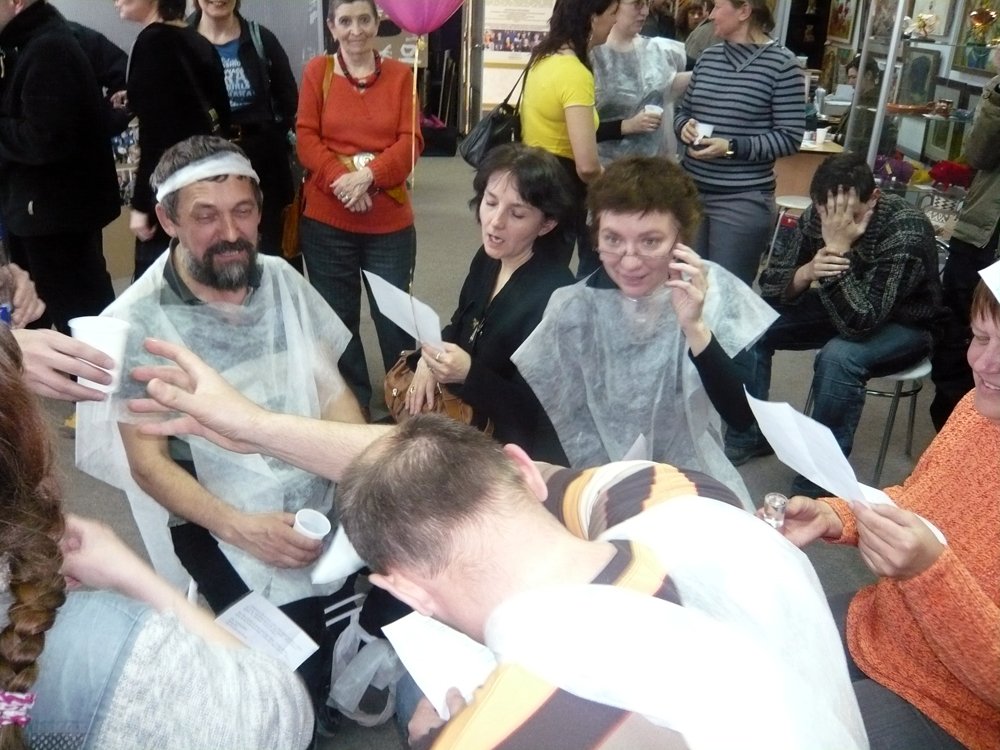
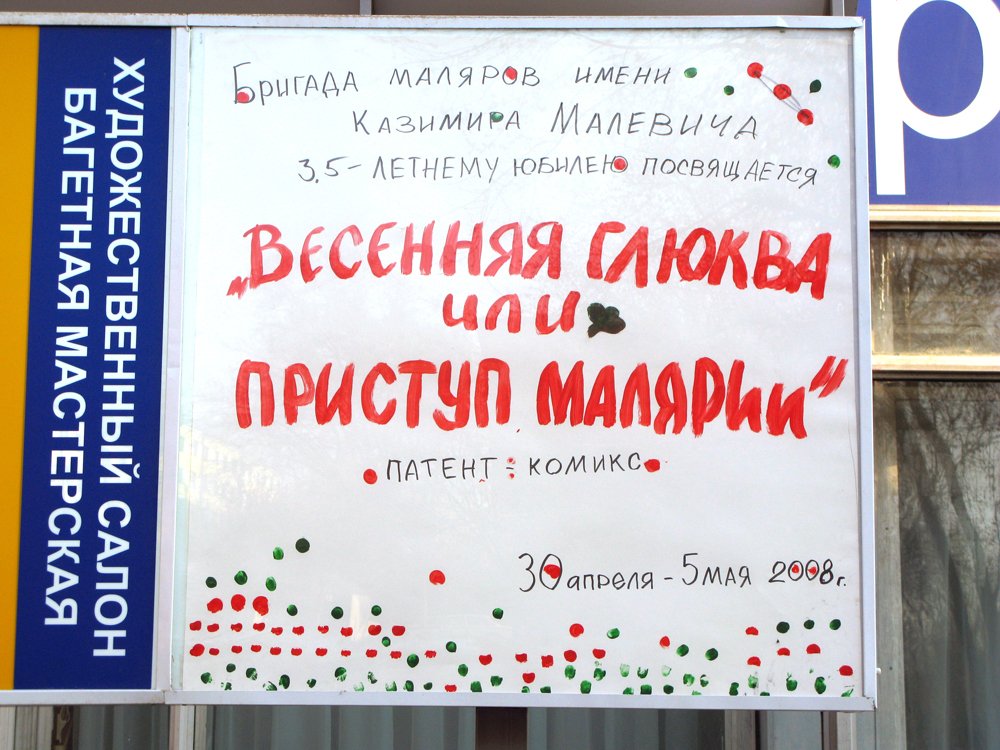
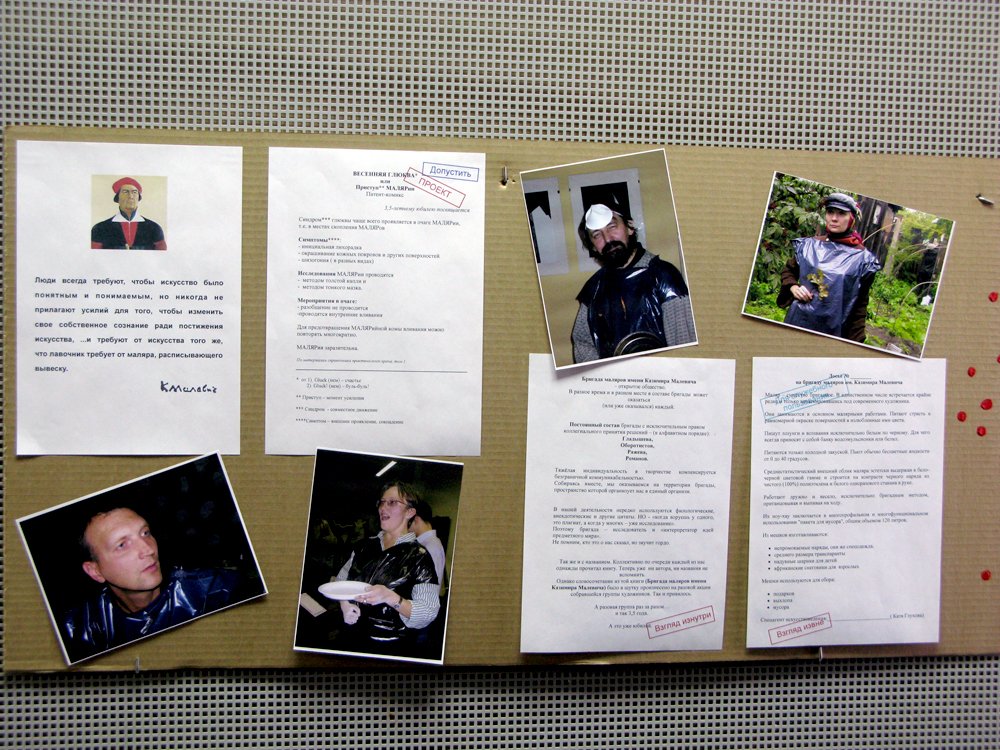
Spring Glitch, or an Attack of MALERia

2008, Malevich's Brigade

2008 | Exhibition / performance

Venue: ParaRam Gallery, Yekaterinburg, Russia
Dates: 30 April – 5 May 2008
Occasion: 3.5th anniversary of Kazimir Malevich’s Malers’ Brigade
Group: Kazimir Malevich’s Malers’ Brigade

The Anniversary

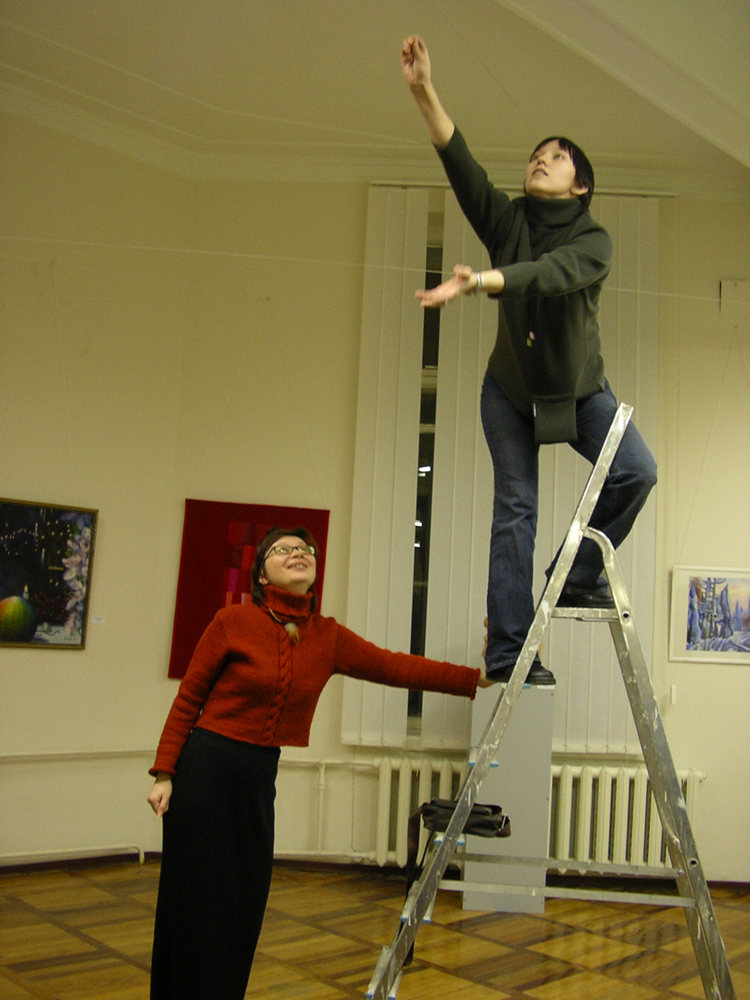
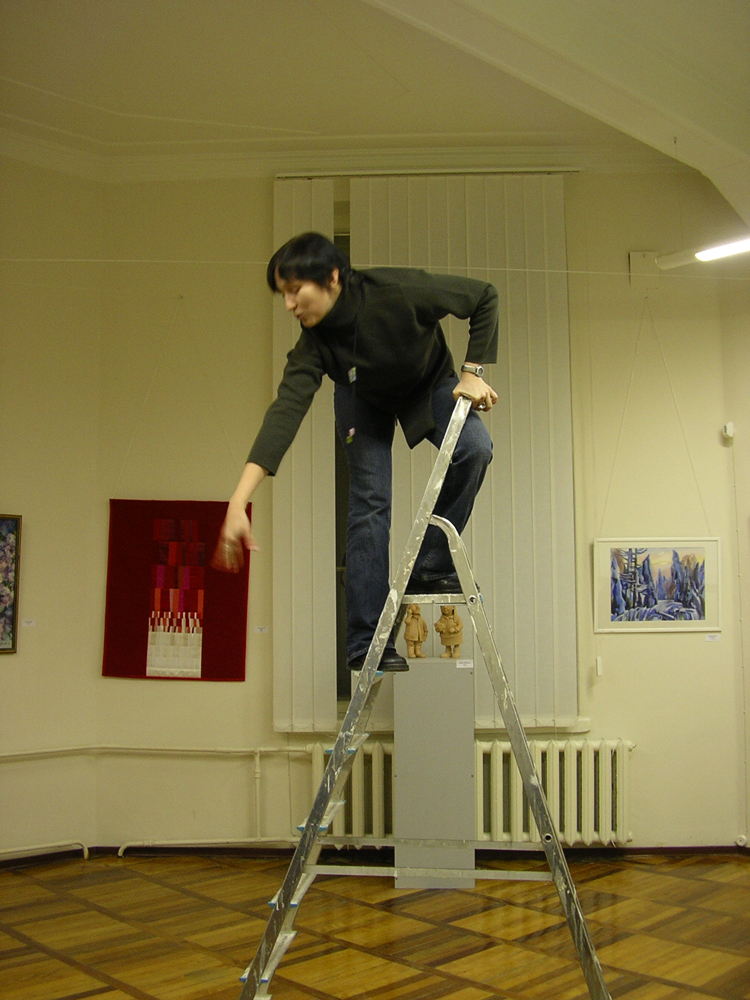
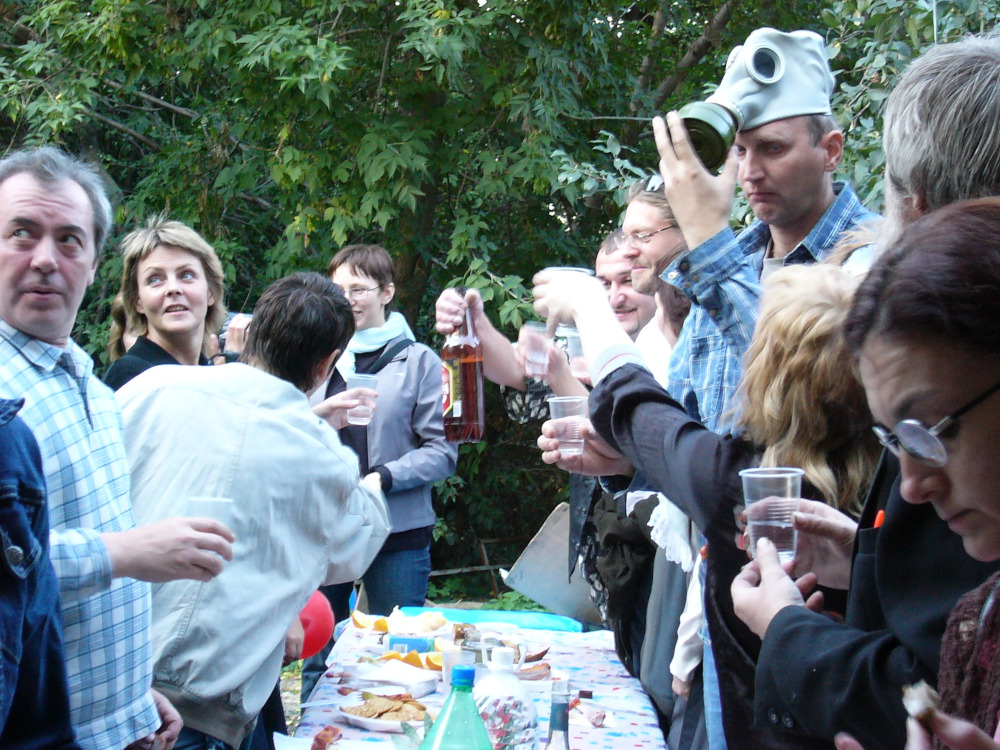
By spring 2008, the Brigade had been working together for three and a half years. To mark the occasion, the members turned their own history into an exhibition, performance and self-portrait of the group.

The title, Spring Glitch, or an Attack of MALERia, deliberately mixes several associations: glitch, cranberry, happiness, painter and malaria. The wordplay belongs to the Brigade’s own language, where ordinary words, borrowed meanings and accidental associations become material for action.

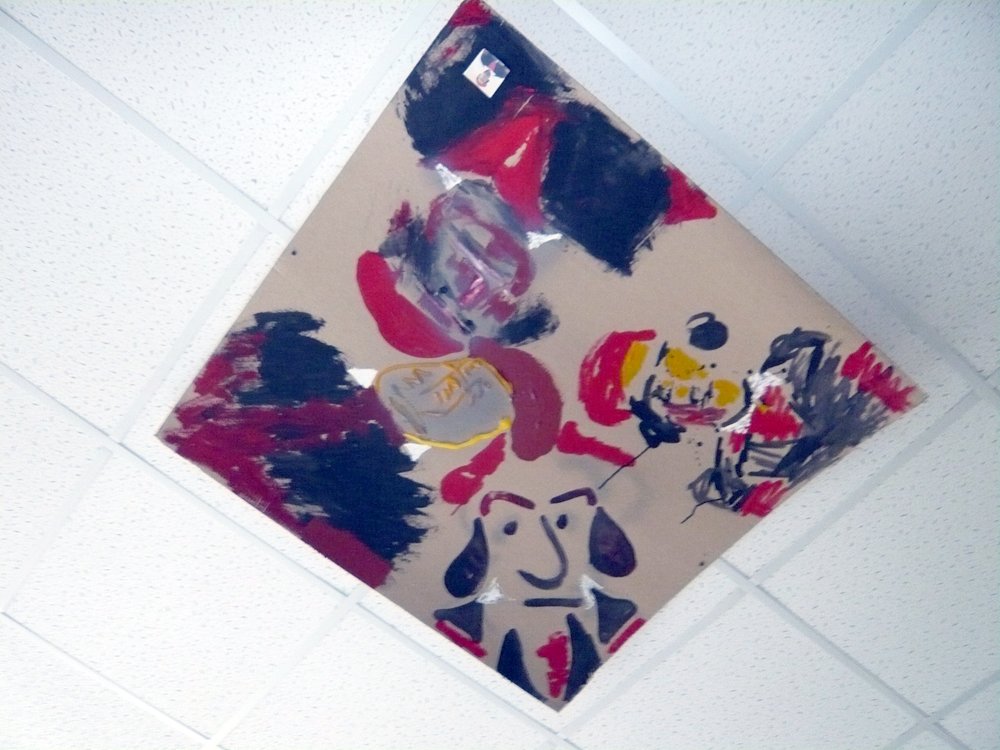
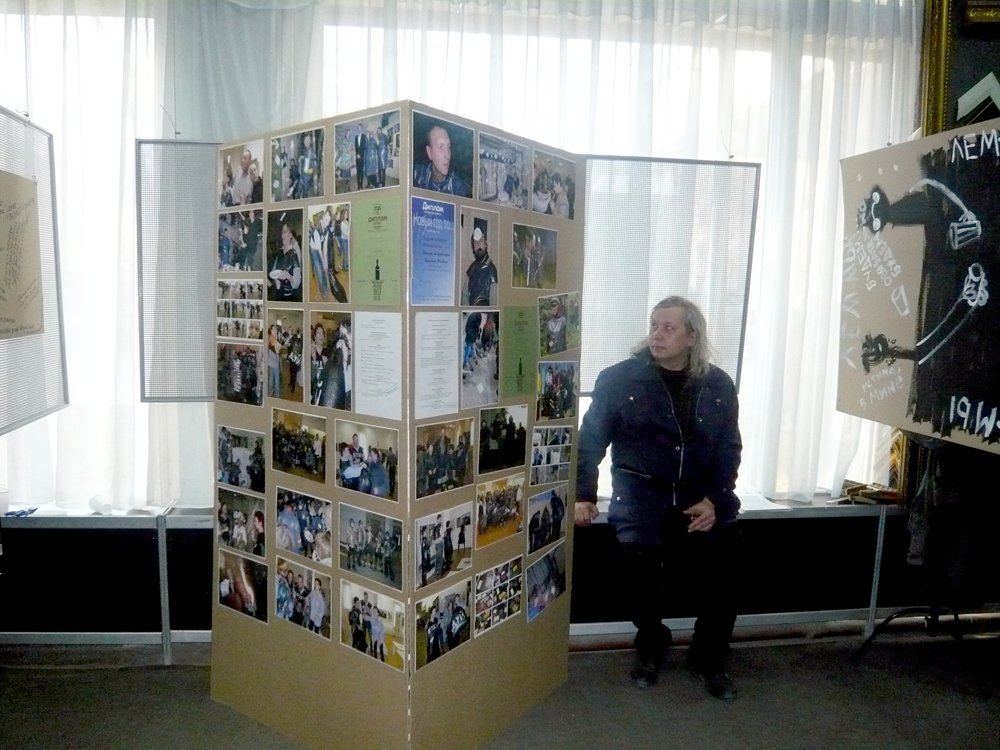
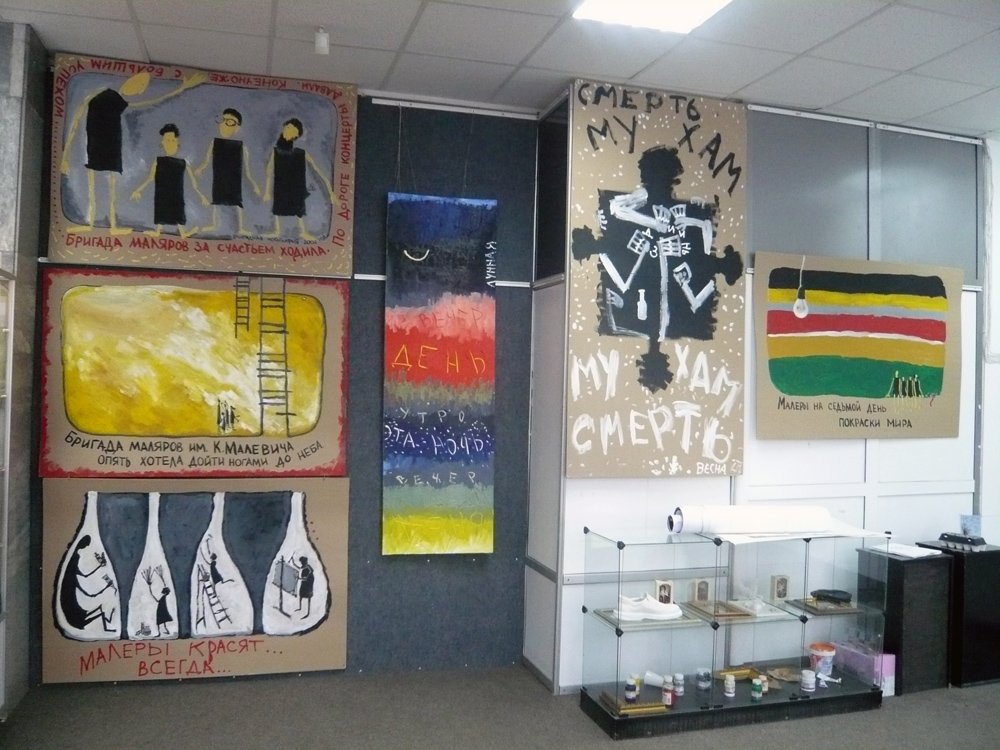
During the preparation, the Brigade produced its April Theses, a four-handed portrait of “Someone’s Name”, a slide film and photographic compilation of its previous actions, as well as a collection of apocrypha, jokes and popular sayings about painters and Malevich.

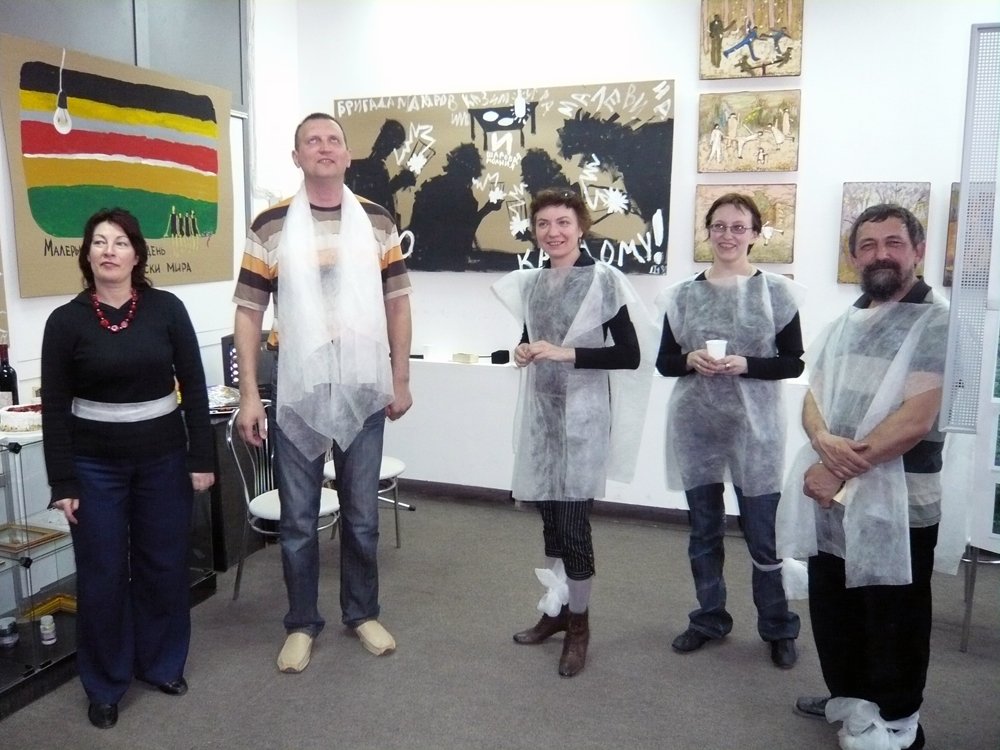
For the exhibition, the Brigade also changed its everyday uniform — black polyethylene bags — for white non-woven garments.

A Self-Portrait of the Brigade

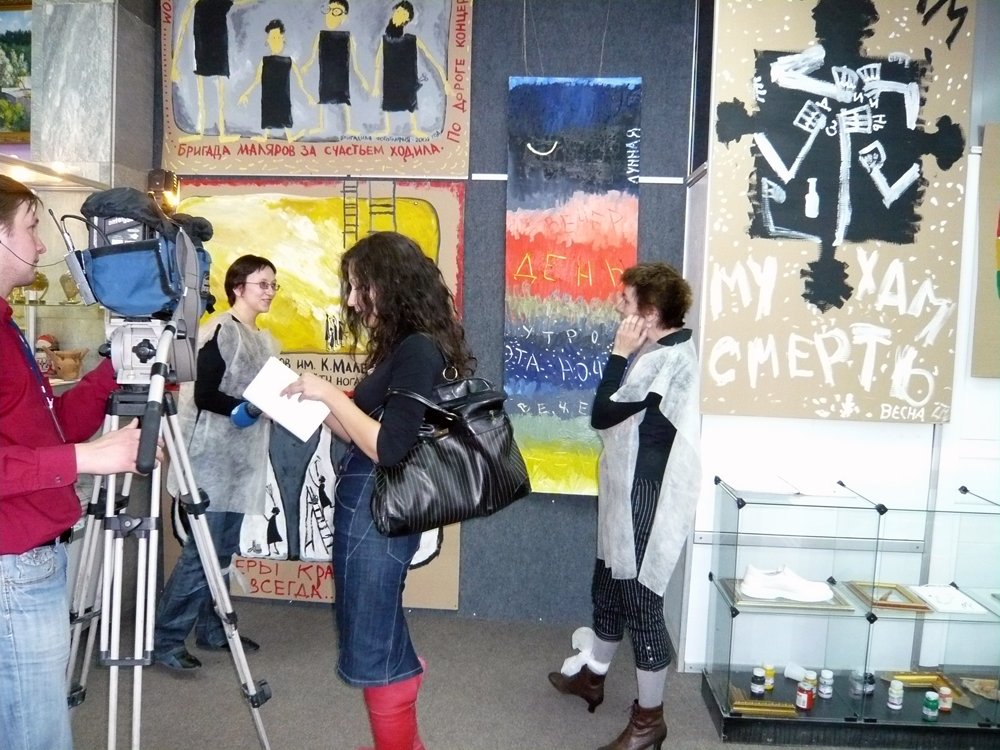
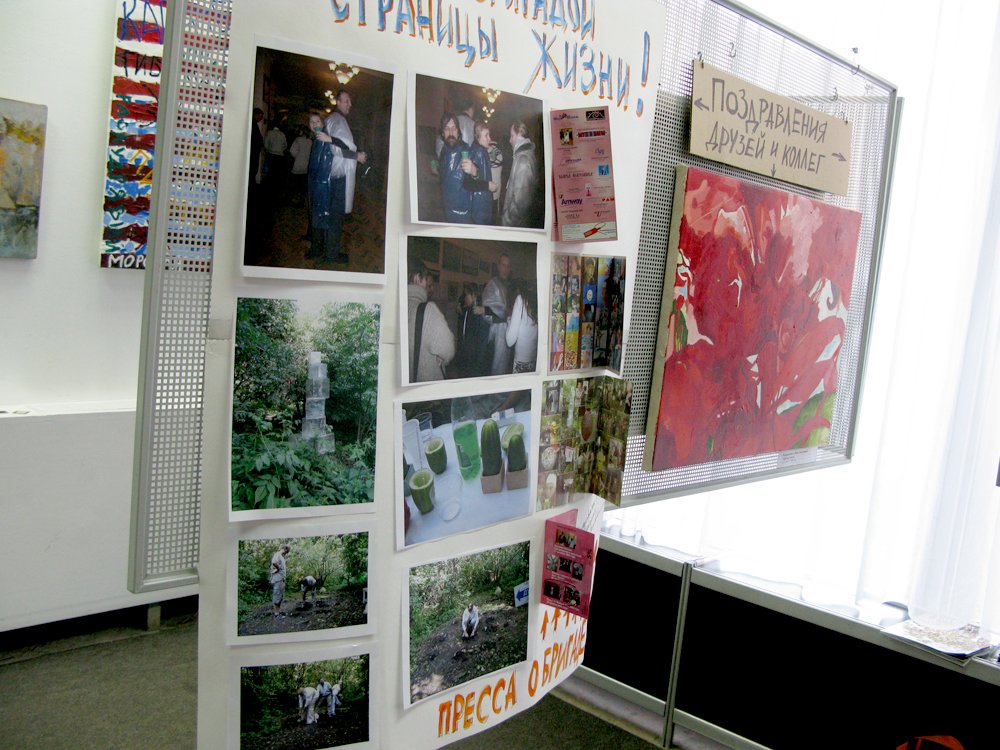
The exhibition presented different “themes from the life of the Brigade”: travel, photographs, paintings, seasons, memories and stories from its previous actions.

It also included a retrospective of the Brigade’s activity and a collective staging of Chekhov’s The Seagull, based on a libretto by Viktor Oborotistov.

The result was not simply an anniversary exhibition. The Brigade turned its own history into material for a new collective work.

It documented itself, invented its own mythology and performed its own identity.

The Brigade as an Open Formation

The project was created by an open group whose members maintained their individual artistic practices while working together as the Brigade.

The April Theses described this principle:

“Each of us is an individualist in our artistic practice. But within the Brigade, we become a single organism.”

By 2008, the Brigade had begun to treat not only objects and spaces, but its own collective existence as material for artistic action.

Documentation

The project was realised collectively by Elena Gladysheva, Viktor Oborotistov, Marina Razheva and Vladimir Romanov.

Original project documentation →

Back to Malers’ Brigade

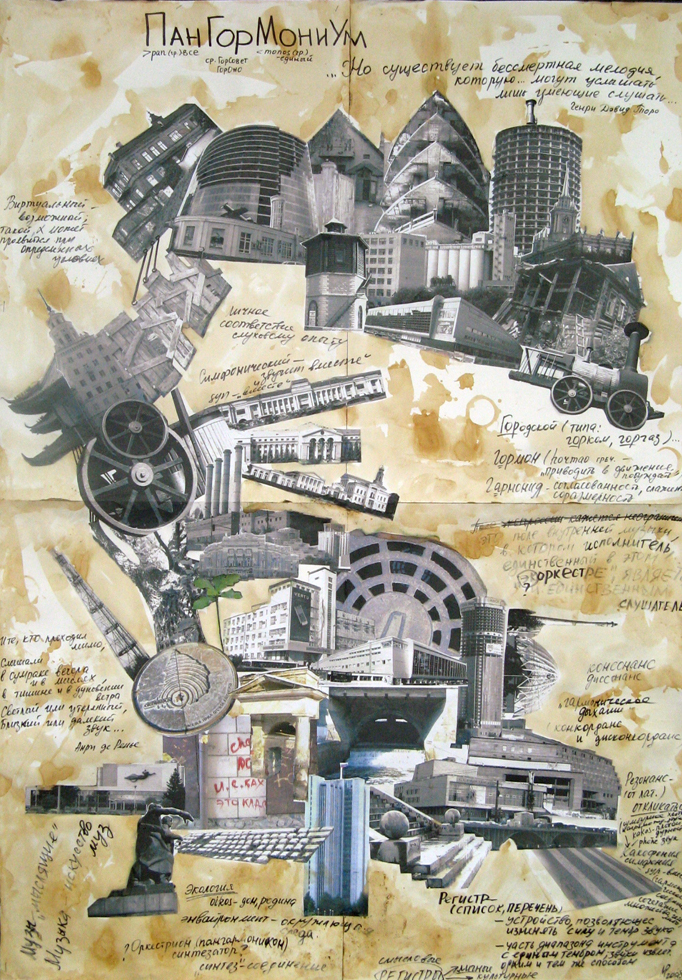
PanGorMonium

2008, Anatomy of the city, R²

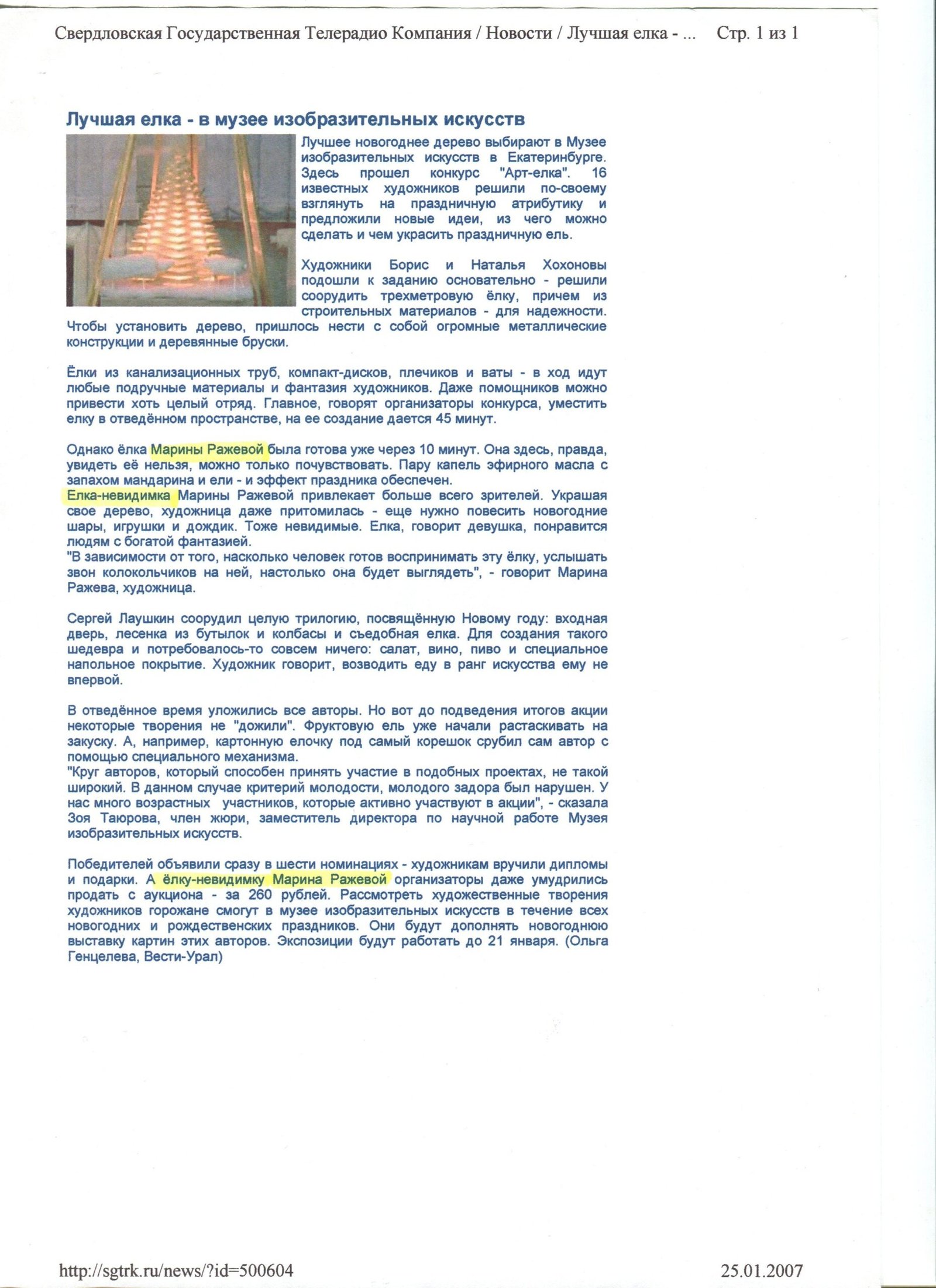
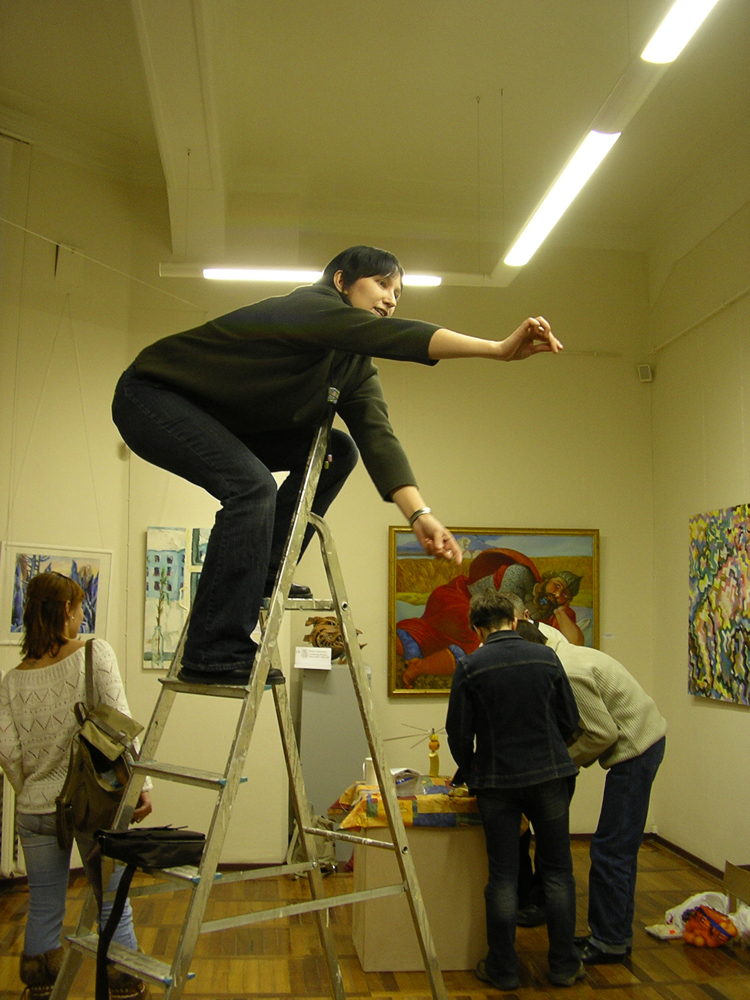
The Invisible Fir

traces of the work

Press and documentation

Project Dossiers

BACK TO WORK

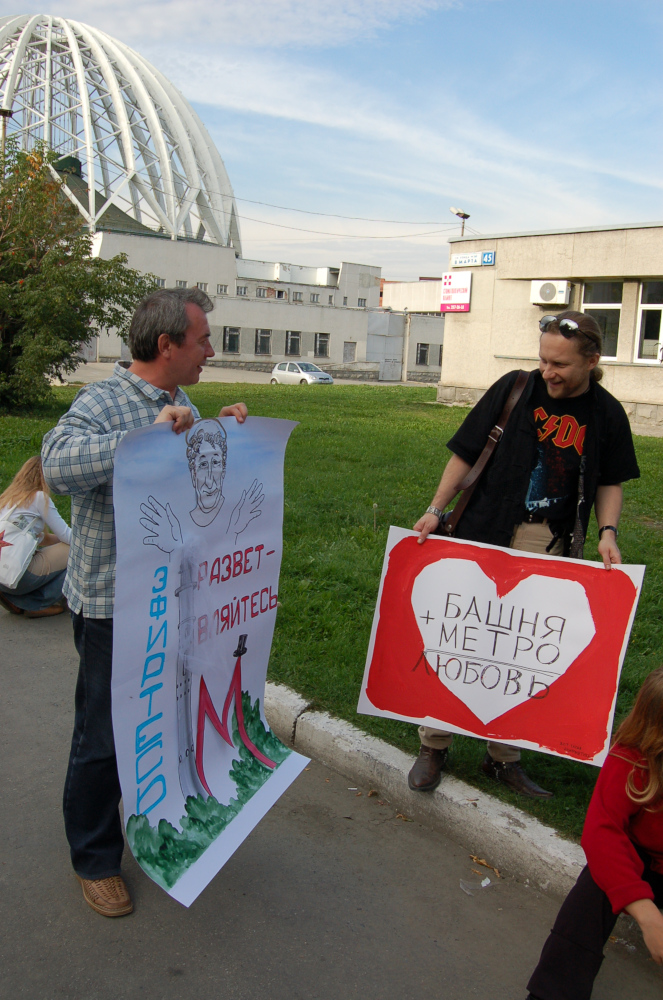
Wedding of the Tower and the Metro

2006, Happening

About the Project

Background: The Question of the Tower and the Metro

The Myth

The Ritual — The Wedding

Additional Context

The Performance

Outcome

Video Wedding of the Tower and the Metro, 44 min.

Exhibitions and Screenings

Wedding of the Tower and the Metro

2006

Фото 1 (главное, крупное, по центру)

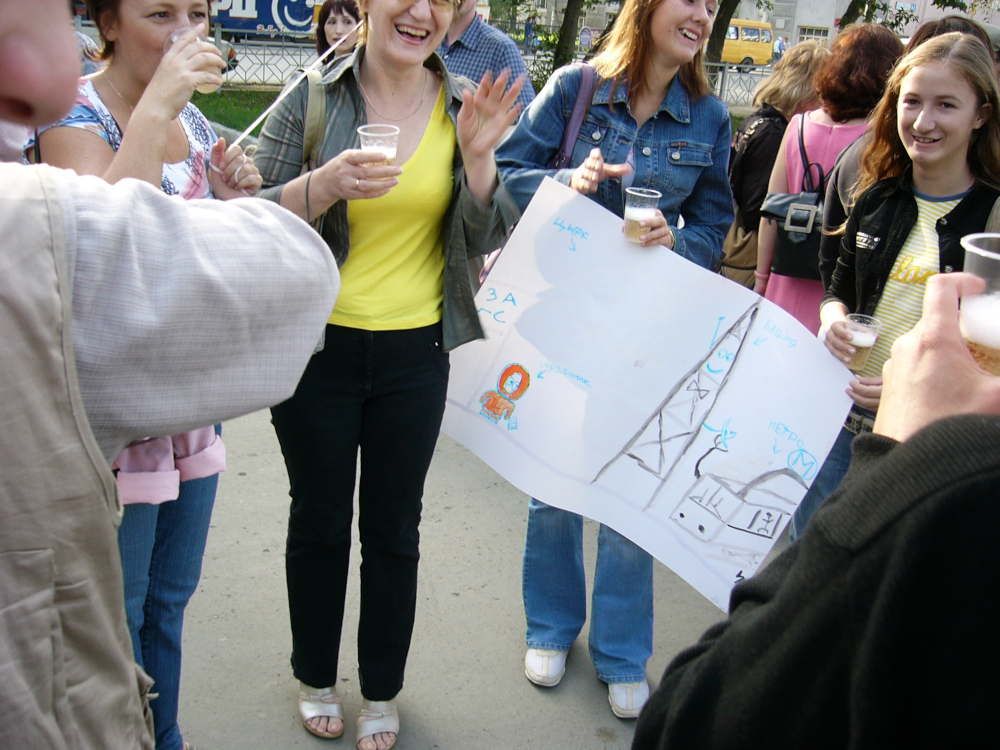
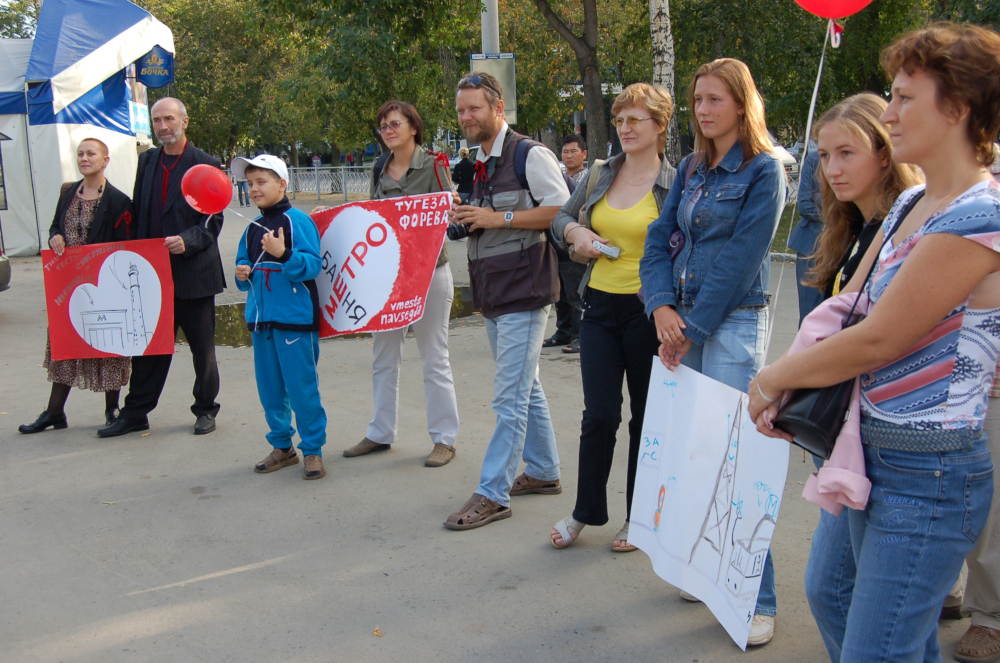
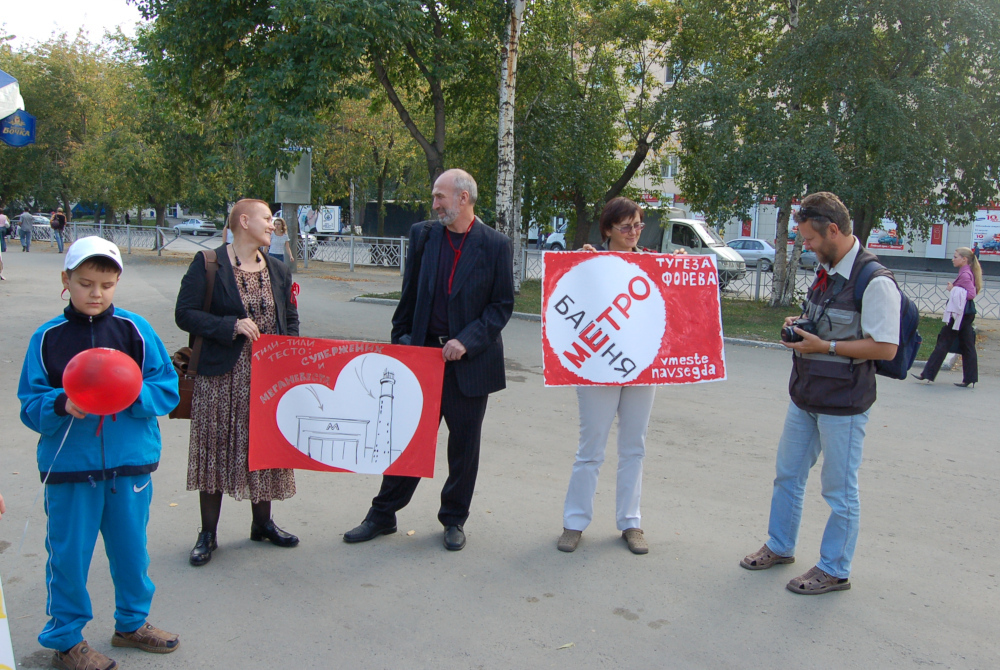
Лучший кадр со свадьбы — не башня, не метро, а момент действия: люди, ритуал, ощущение события.

A city does not exist only of stone, concrete, and structures.

It also exists through stories, beliefs, and invisible forces.

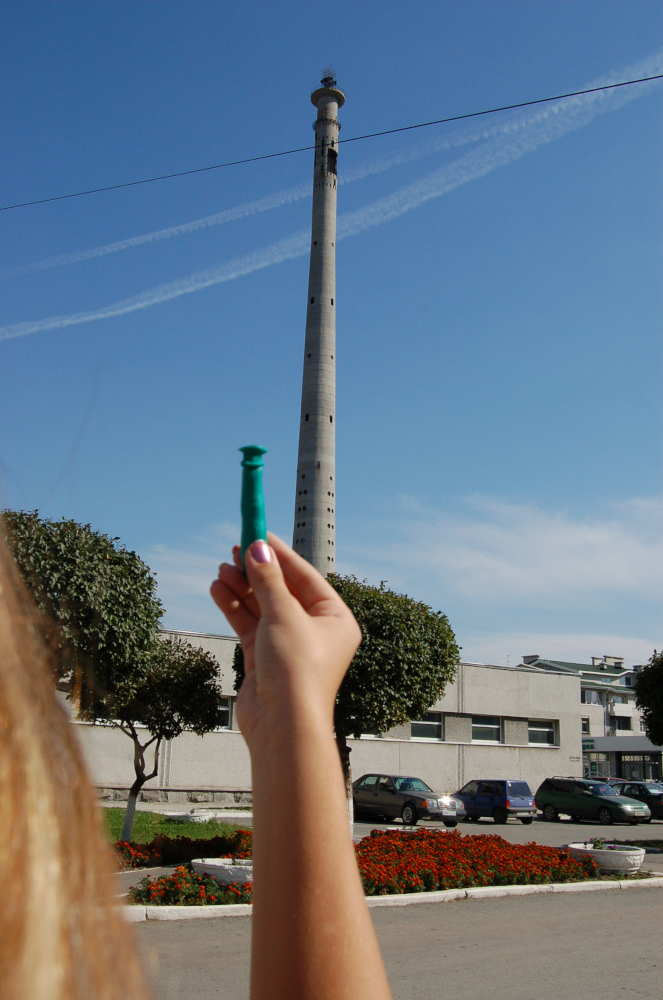
Телебашня в городе.


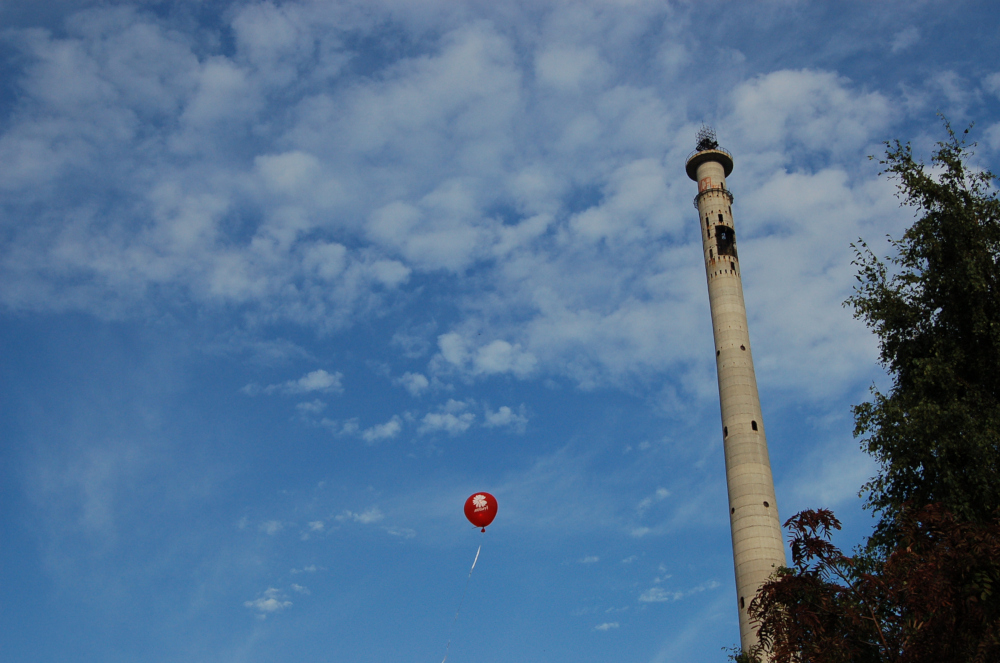
In Yekaterinburg, towers and underground spaces have long been powerful symbols of the city landscape.


Фото 3

Метро: вход, станция, тоннель.


At the beginning of the 21st century, two extreme manifestations appeared:

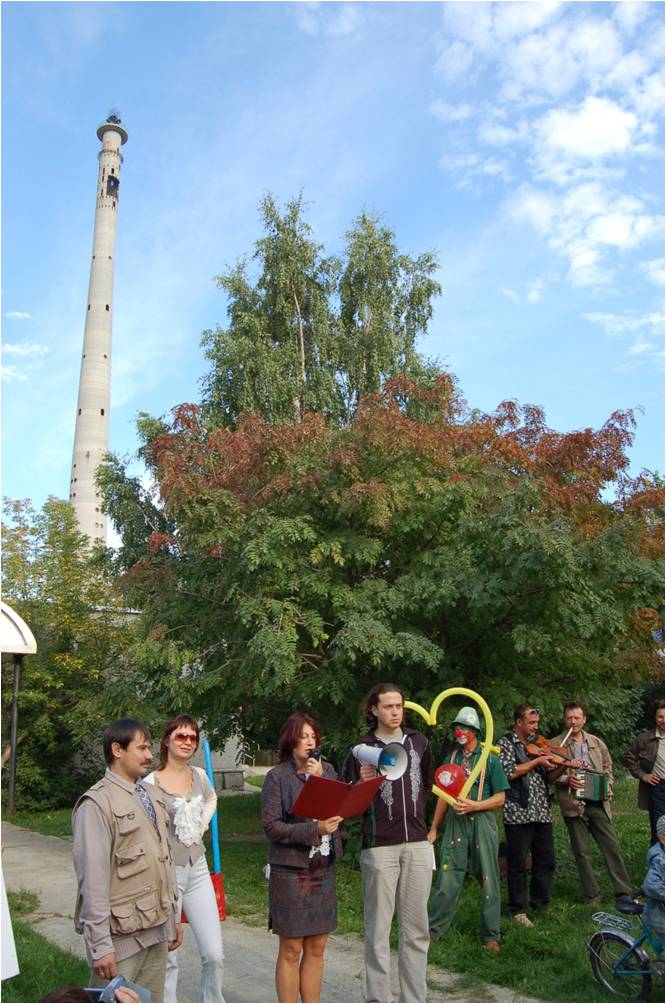
the unfinished TV Tower — the highest expression of the Tower,

and the Metro — the deepest expression of the Underground.


Фото 4

Общий городской план / район Цирка, если есть.


They came close to each other.

Almost meeting.

According to the myth, the City Giants existed before the city itself.
They were revealed to humans through the Tower and the Metro.


Фото 5

(фото, где появляется ощущение мифа, например участники или башня с людьми)


From this coincidence, a myth emerged.


The Tower and the Metro were imagined not as constructions, but as manifestations of ancient forces.


Фото 6

Любой образ с ритуальным ощущением / участники


According to the myth, these forces had existed before the city itself.

Perhaps even before the mountains.

The Tower and the Metro were not merely structures.
They were manifestations of vast and incomprehensible beings.


The Tower and the Metro were imagined as manifestations of City Giants — vast, incomprehensible beings revealed to humans through their visible forms.


Фото 7

Свадебный момент


Their attraction had reached its peak.

The time had come for their Wedding.


Фото 8

Участники


But their union required a ritual.

Without it, they could pass each other by, and the Child — the future potential of the city — would never be born.

Without a ritual, their uncontrolled encounter could bring catastrophe.


Фото 9

Объявление / газета


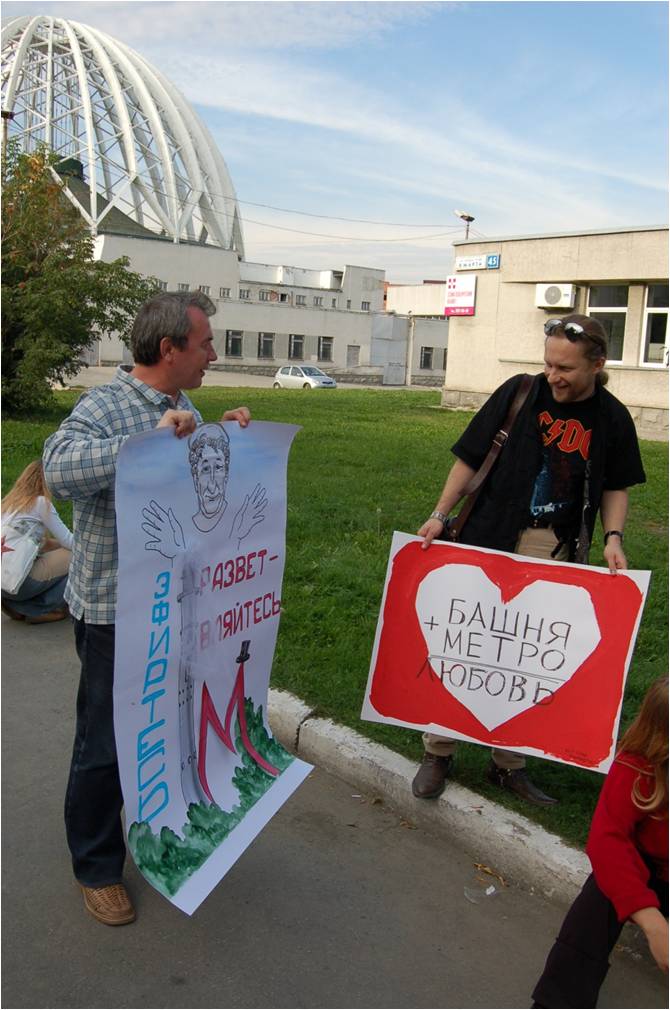
The myth became a public action.

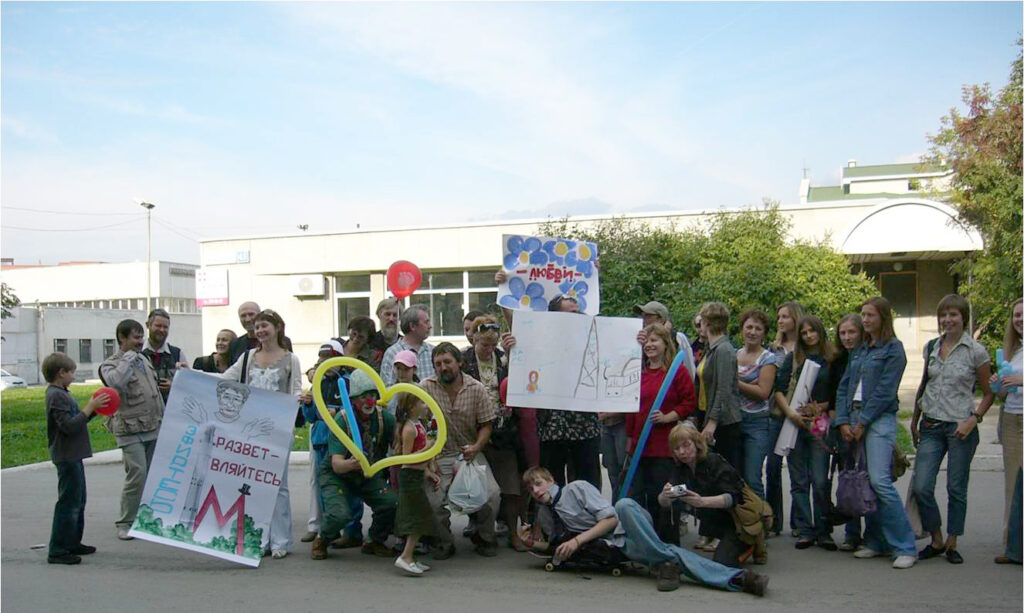
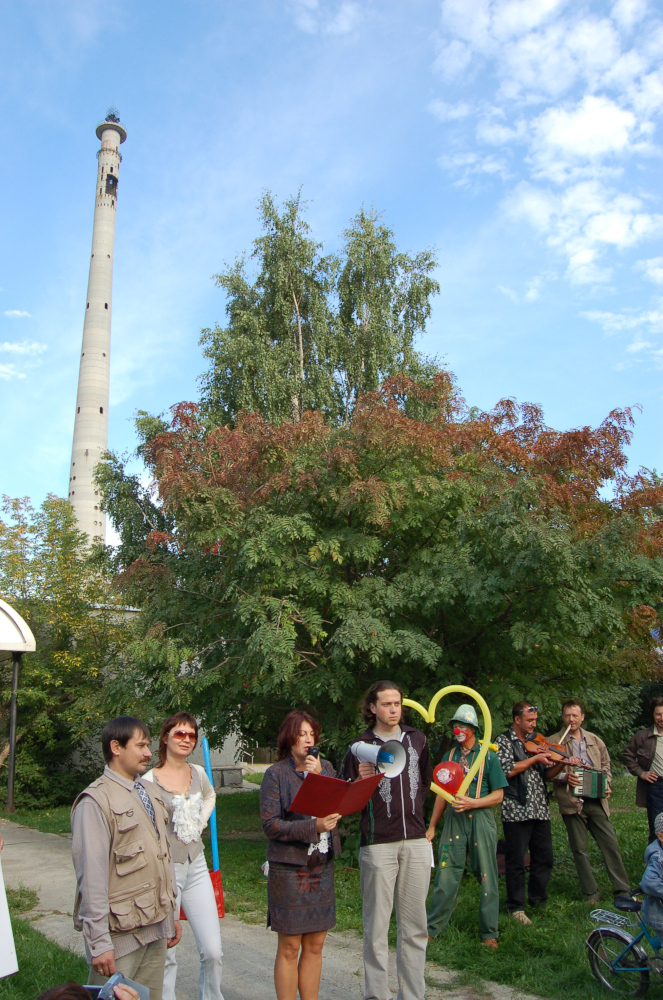
On August 25–26, 2006, the Wedding of the Tower and the Metro took place in Yekaterinburg.


Фото 10

Церемония


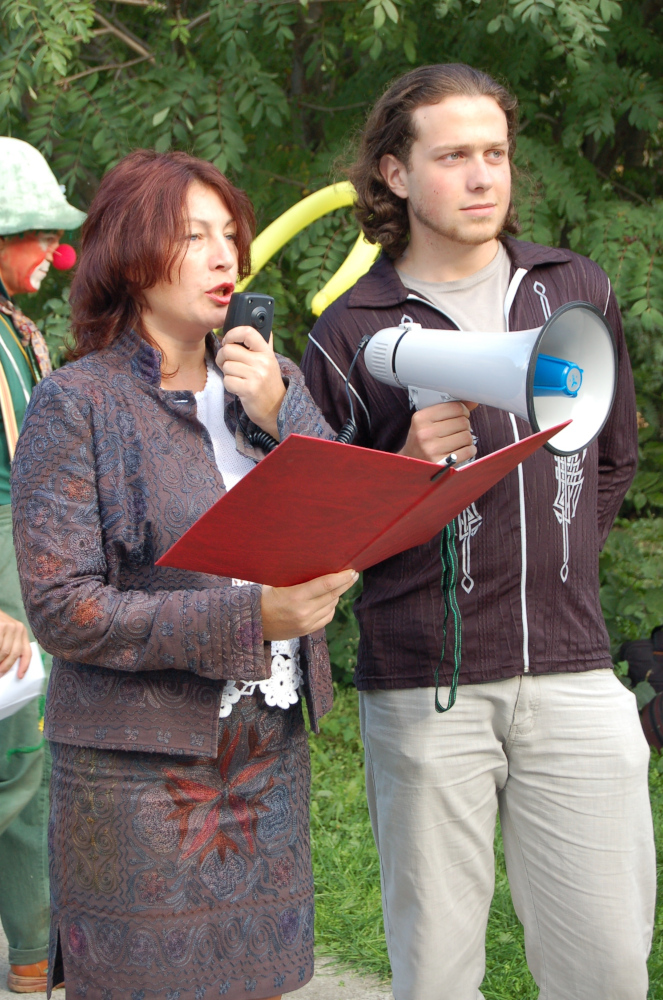
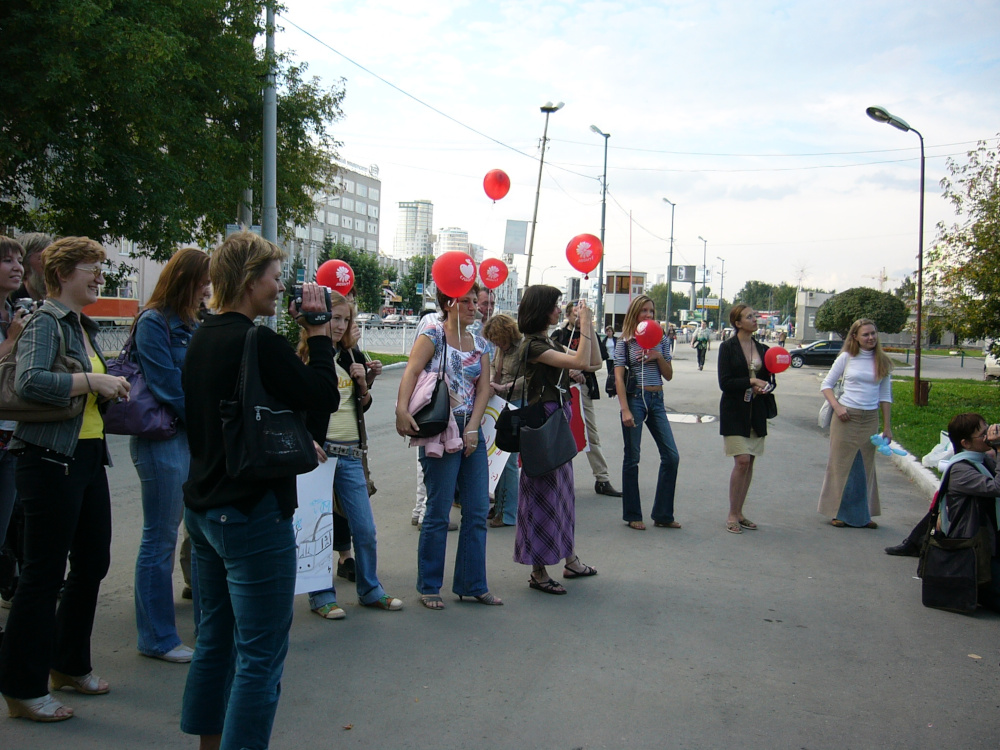
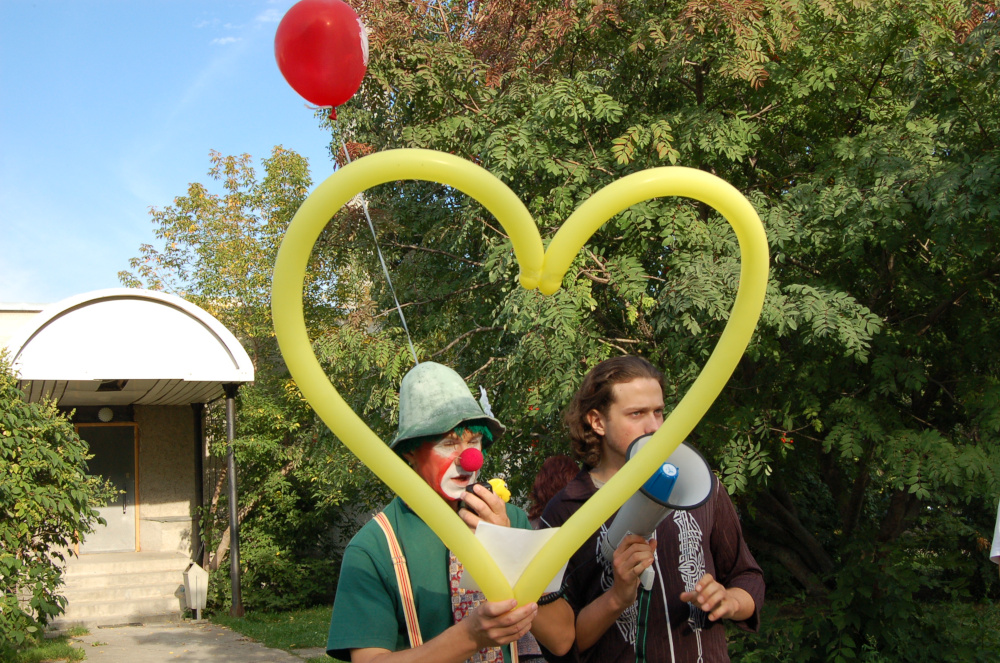
Artists, residents, and guests became participants in the ritual.


The performance unfolded through several stages:


Фото 11

Объявление

Announcement of the Wedding


Фото 12

Церемония

The Wedding ceremony


Фото 13

Пир

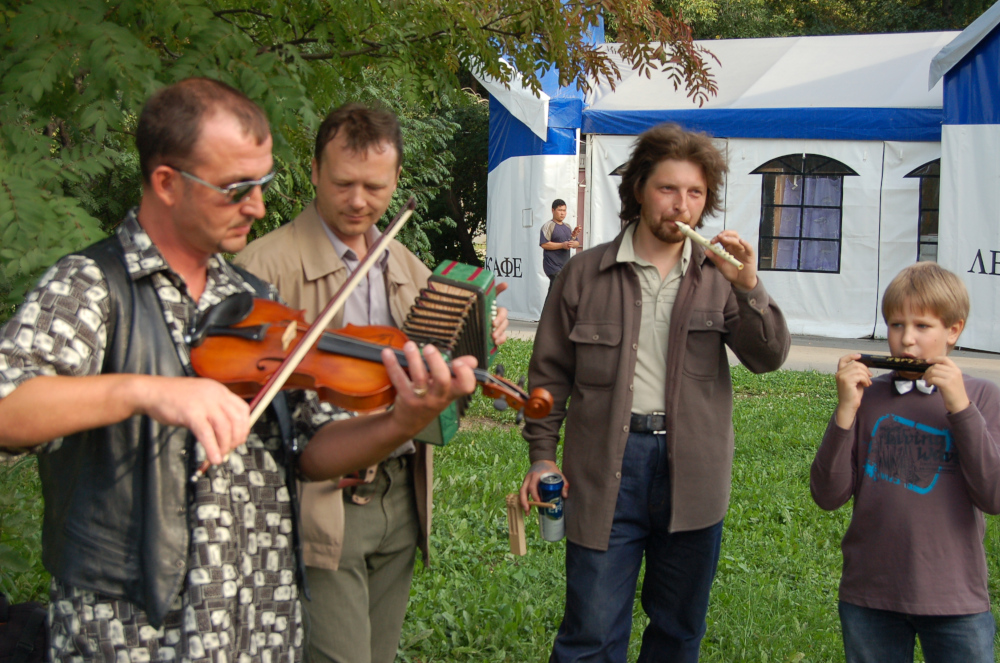
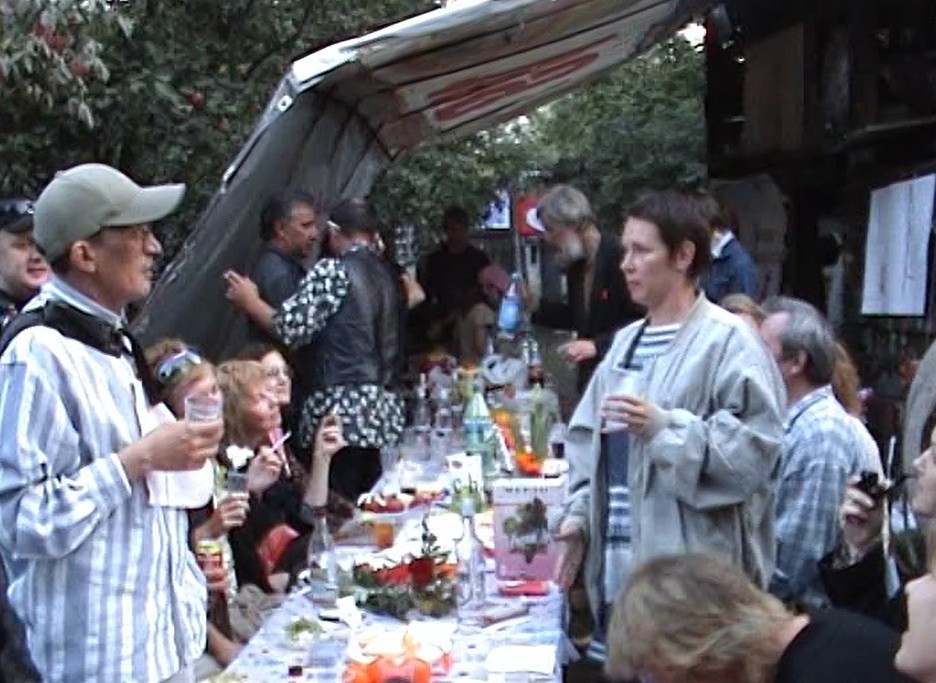
The communal feast


Фото 14

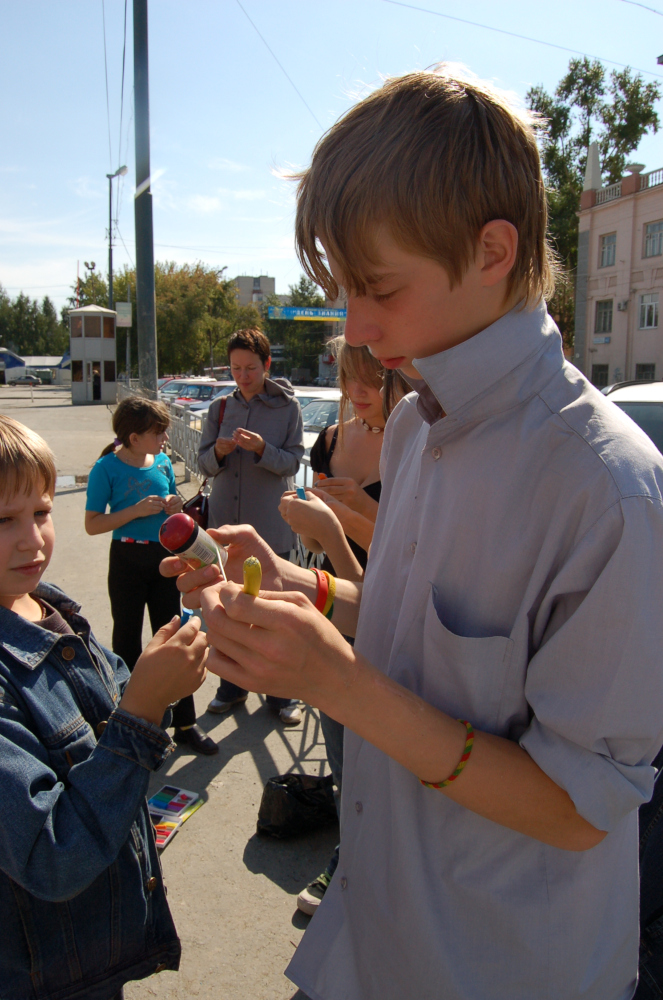
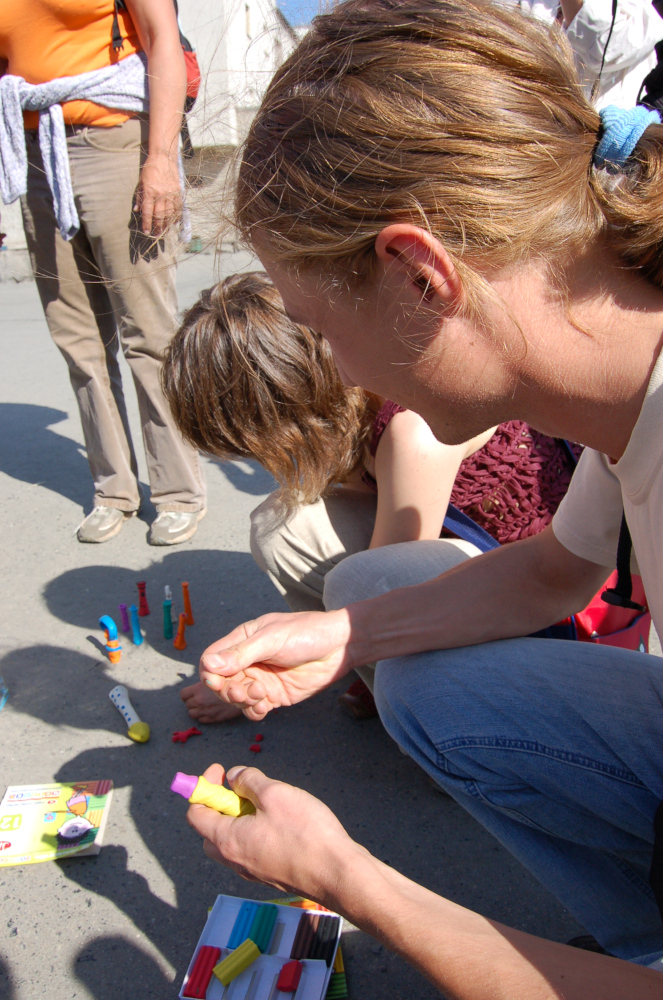
Изготовление башенок

The Fertilization rite

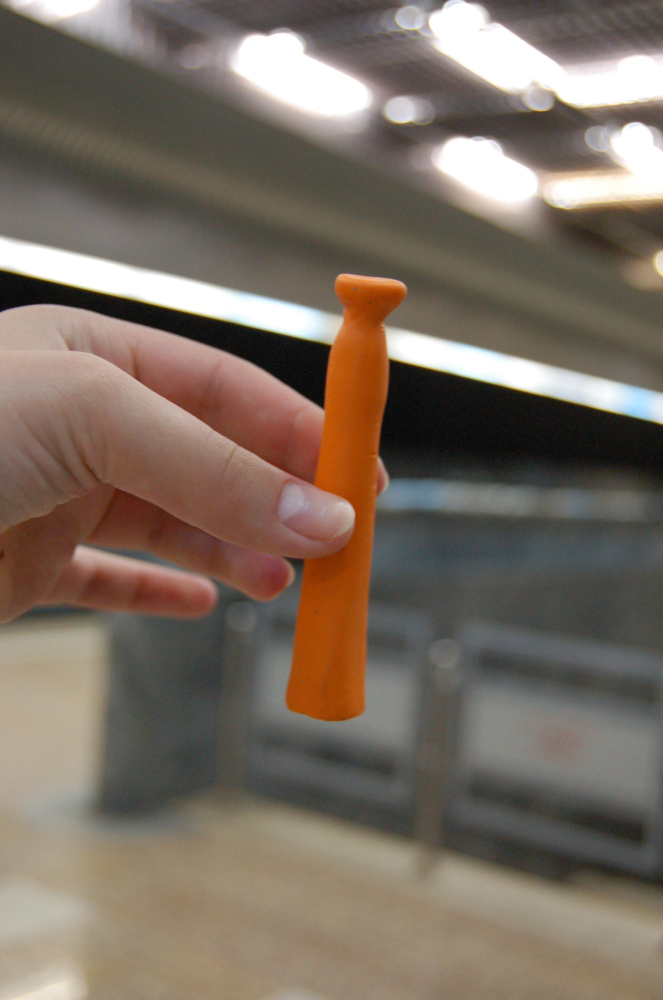
Participants created miniature images of the Tower — symbolic seeds.


Фото 15

Метро, размещение башенок


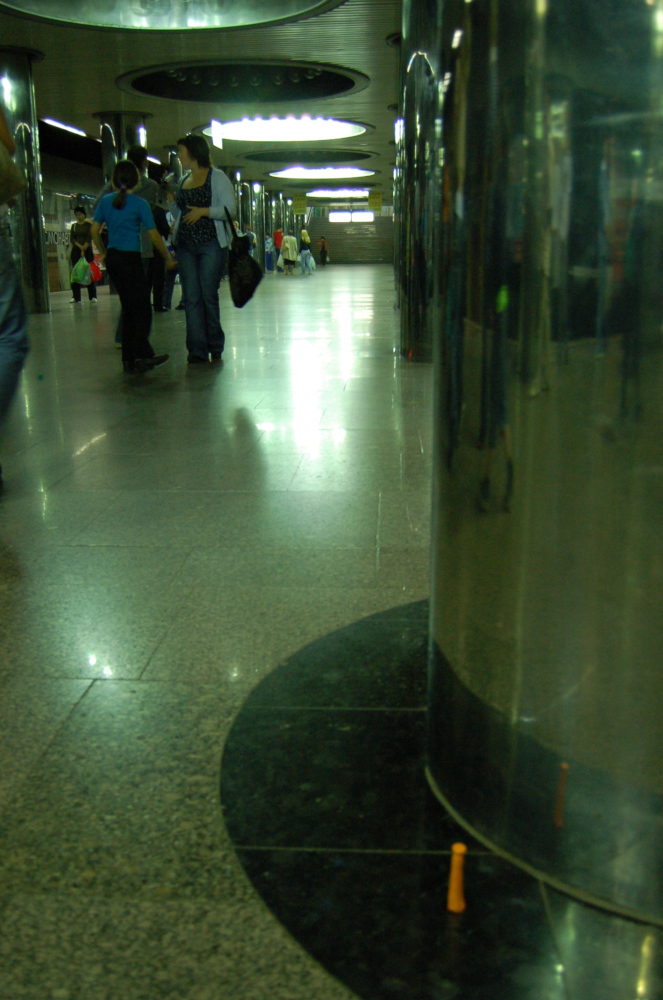
The seeds were carried underground and placed inside the Metro.

The ritual was completed.


Фото 16

Фото после ритуала / участники / след


A fragmentary urban myth became a lived experience.


The work crossed the boundary between artistic fiction and reality.


Фото 17

Если есть публикация о возобновлении строительства метро


Days after the ritual, news appeared that construction of the metro, frozen for several years, would resume.


The work proposes a new urban mythology.

The work continues as urban mythology.


traces of the work →

Möbius Pretzel

2006, Happening

From the author:

A city is a multitude of layers — coexisting within a single whole, yet often not only disconnected, but unaware of each other’s existence.

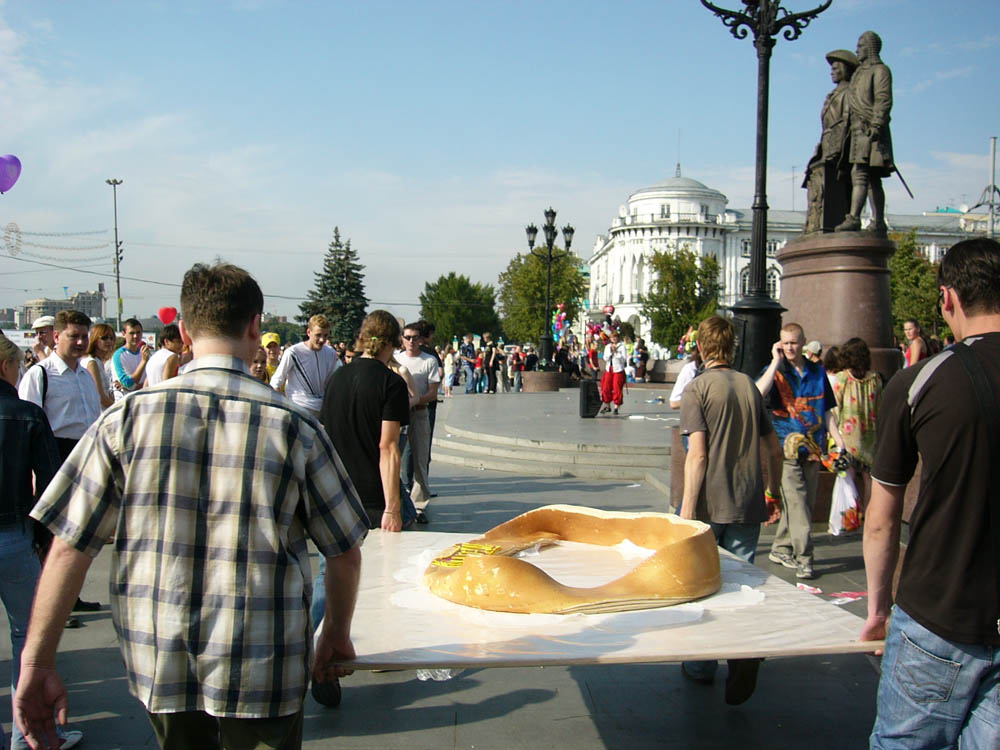
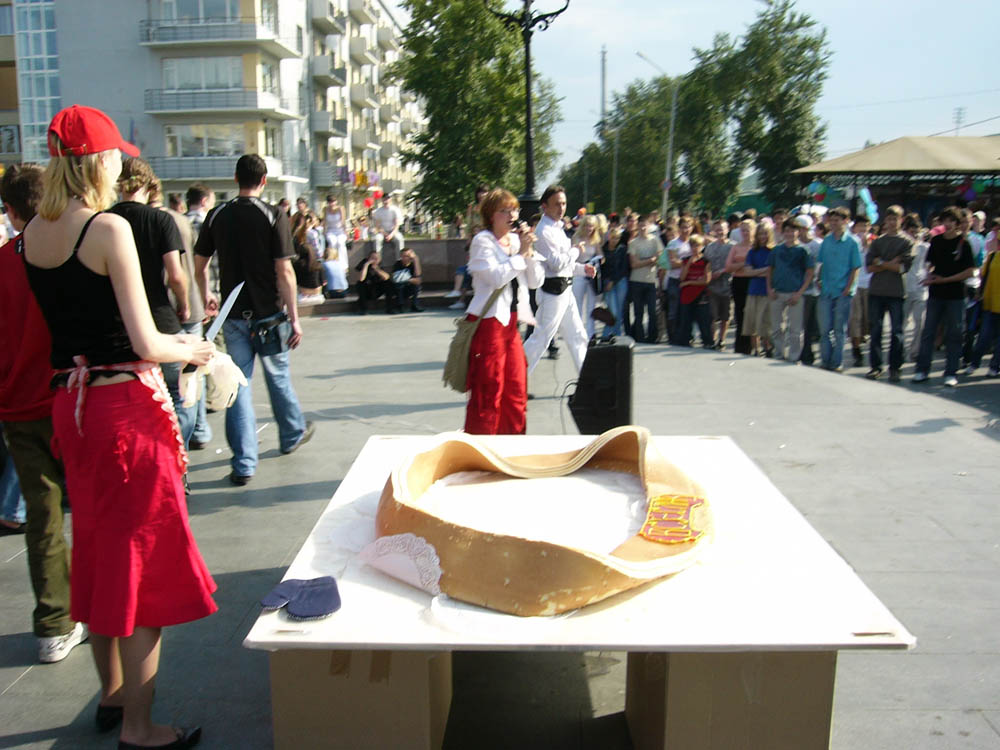
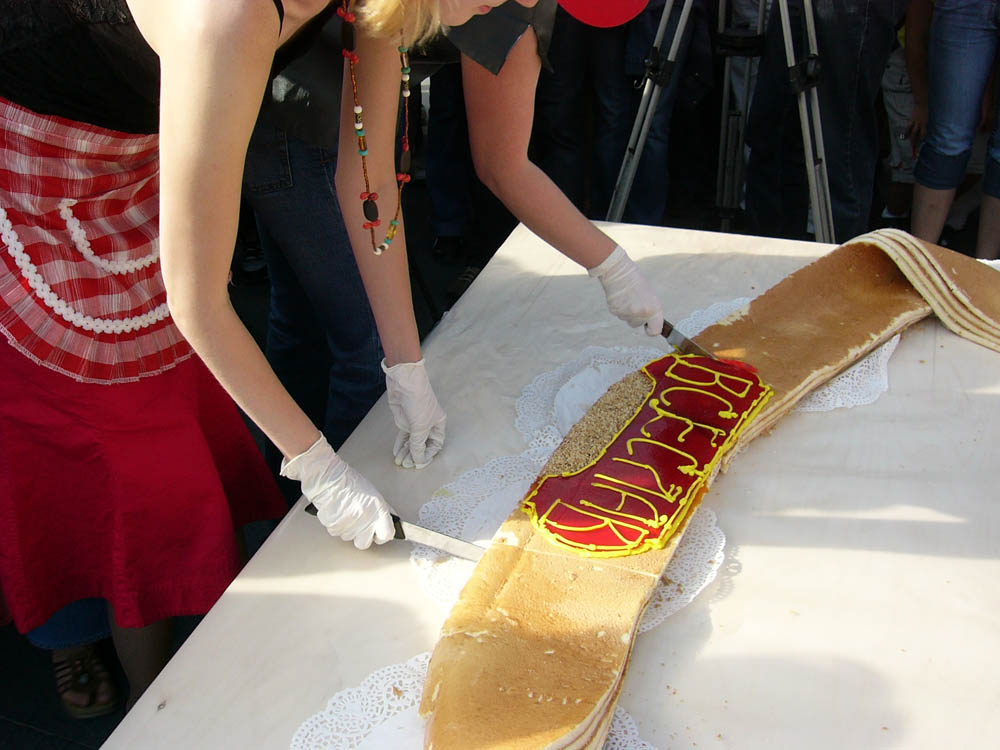
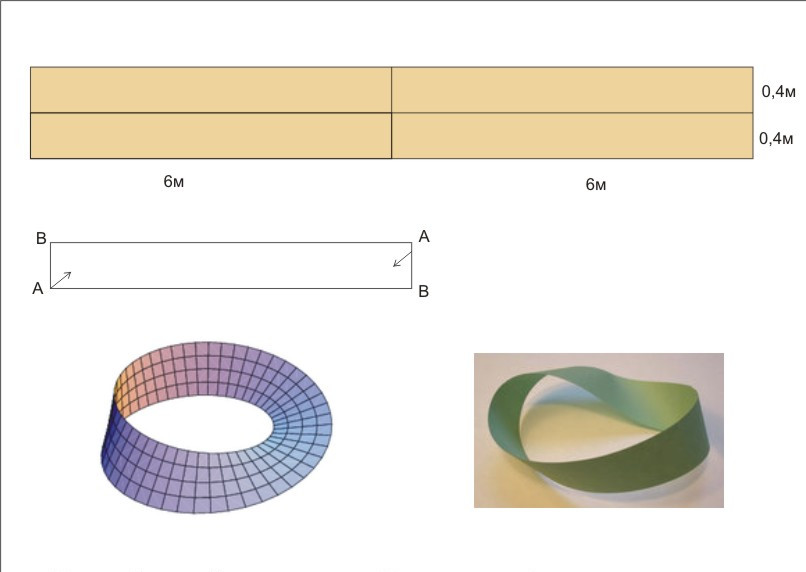
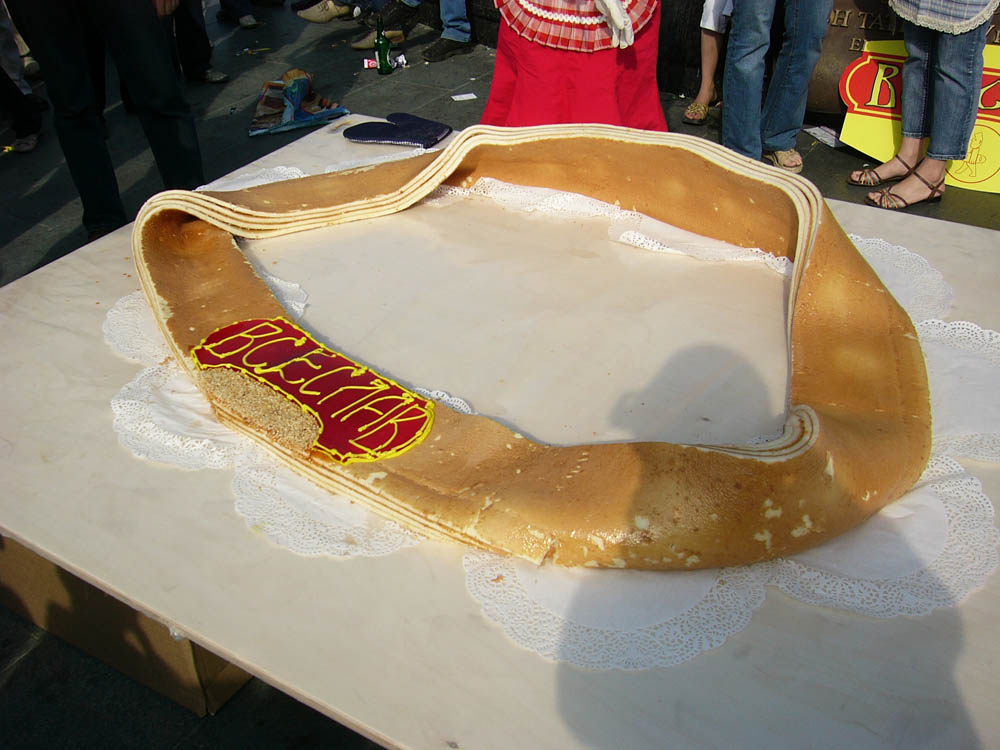
A simplified model of the city might be imagined as a pretzel made from a multi-layered sponge ribbon, twisted into a Möbius strip — a kind of “pretzelization” of a mathematical ideal.

The Möbius strip possesses some curious properties: it has only one continuous surface, no “other” side, no inside or outside, and any object moving along it is gradually turned 180 degrees. In other words — it flips things upside down.

This leads one to think that perhaps our existence has no “reverse.” Everything — hellish abysses, heavenly gardens, mysterious depths of the spirit, and other dimensions — is already here, now, with us, on this side. That is to say: thisworldly.

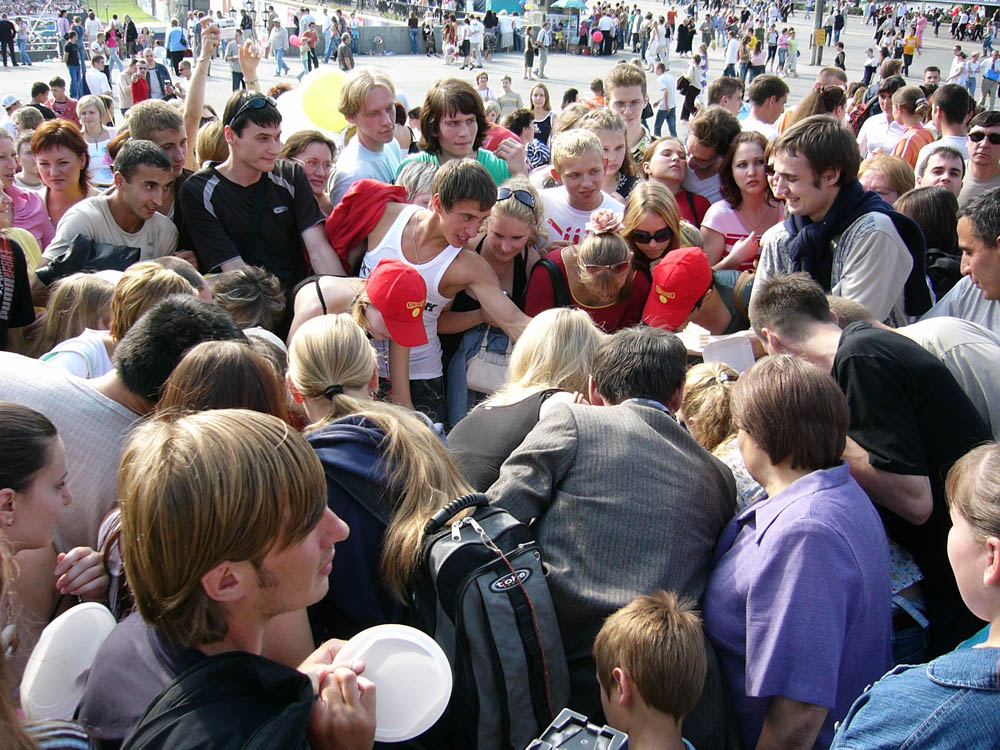
To “absorb” the city, one must thoroughly chew the pretzel. This can be done extensively — gnawing on a single layer, or intensively — by biting through all the layers at once. Though in this case, of course, only within the limits of one fragment.

Just do it

2005

Фестиваль фотоперформанса

19 – 30 июня 2005

Центр действия НОГА

Екатеринбург, Россия

Организаторы: ЕфГЦСИ, Центр Действия НОГА, галерея ЗЕР ГУТ.

Куратор – Владимир Селезнев

Звуковое сопровождение:  “4 Позиции Бруно”.

Фотодокументация, как правило, прежде всего спасает перформанс от бренности собственной природы и вместе с тем может служить некоторым мерилом качества.

Фото из архива НОГА.

К списку коллективных проектов

Sower. Dispersion of White

Malevich's Brigade

2005 | Performance

Exhibition: Not-Portraits (Контур как повод)
Venue: ParaRam Gallery, Yekaterinburg, Russia
Date: 10 March 2005
Group: Kazimir Malevich’s Malers’ Brigade

The Performance

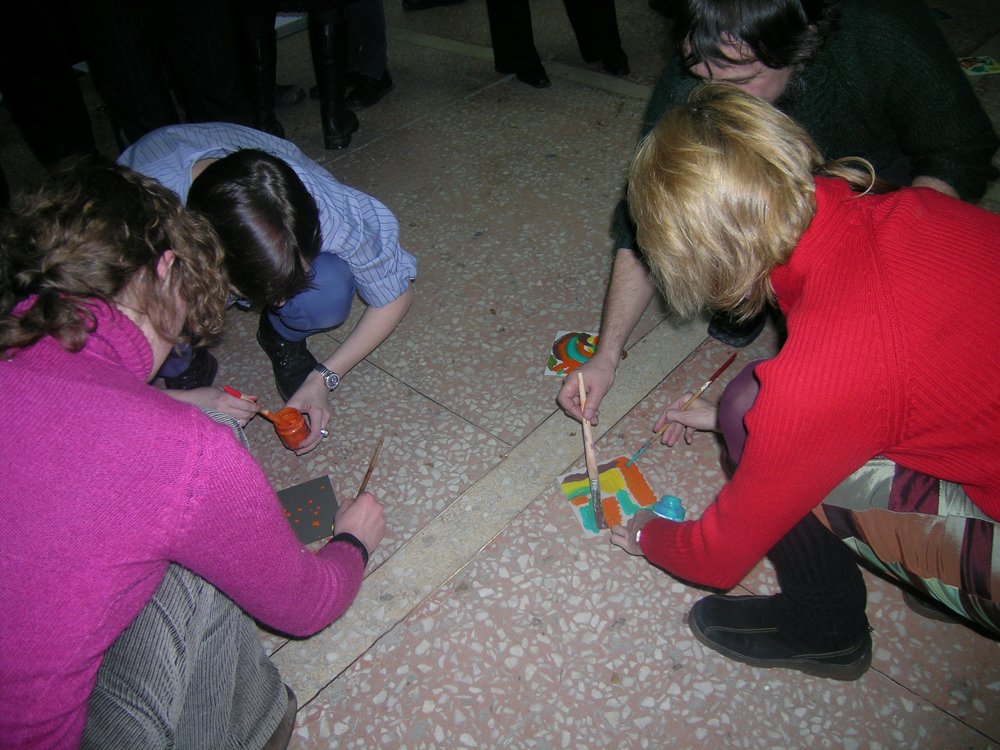
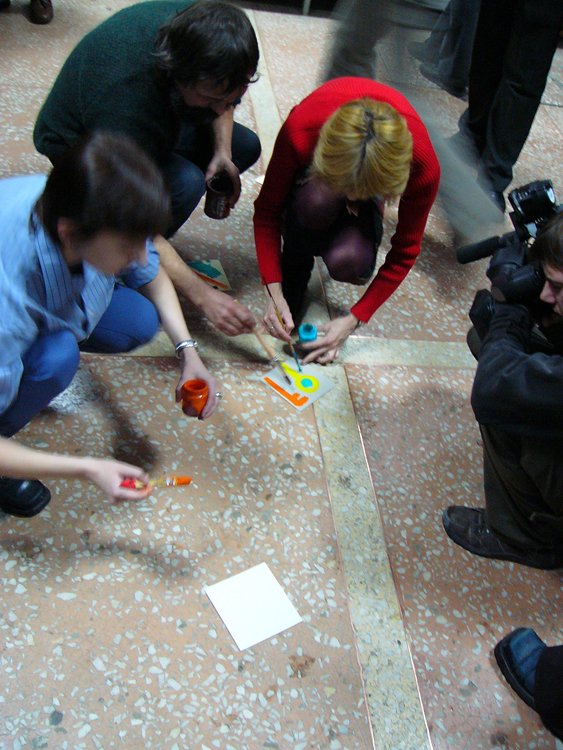
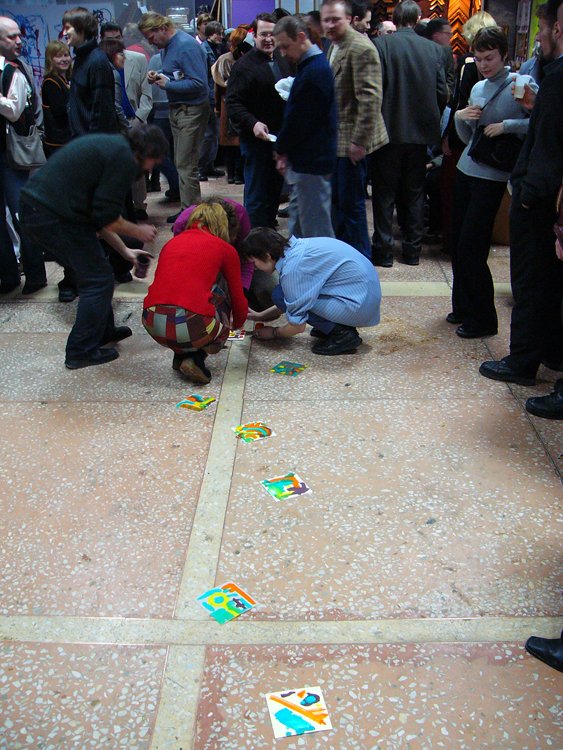
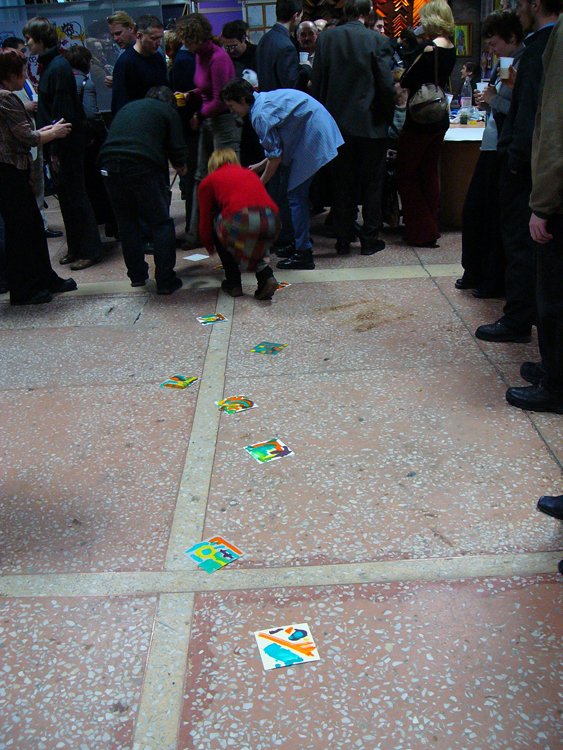
At the opening of the collective exhibition Not-Portraits, the Kazimir Malevich’s Malers’ Brigade presented Sower. Dispersion of White.

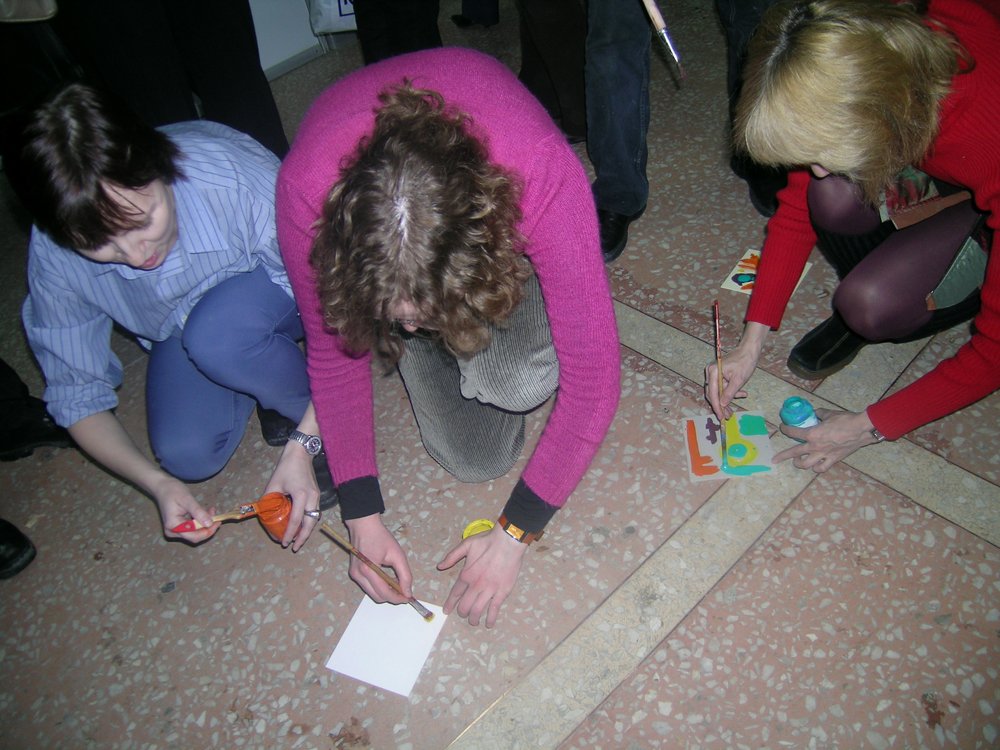
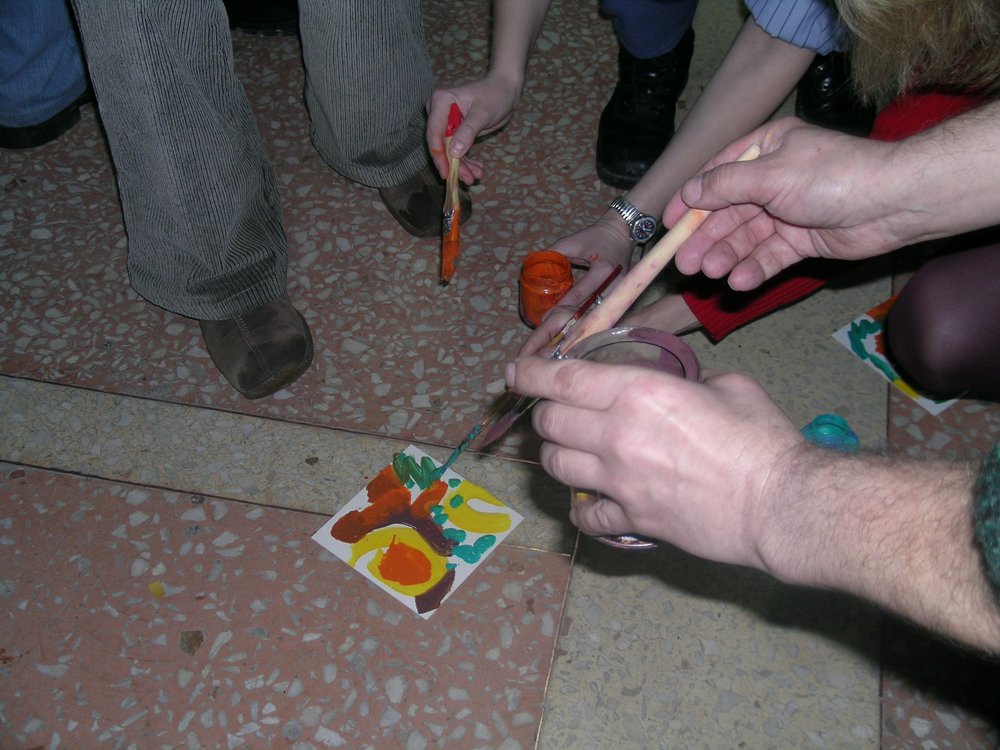
The action began with the Sower scattering white squares.

The Malers then “fertilised” them.

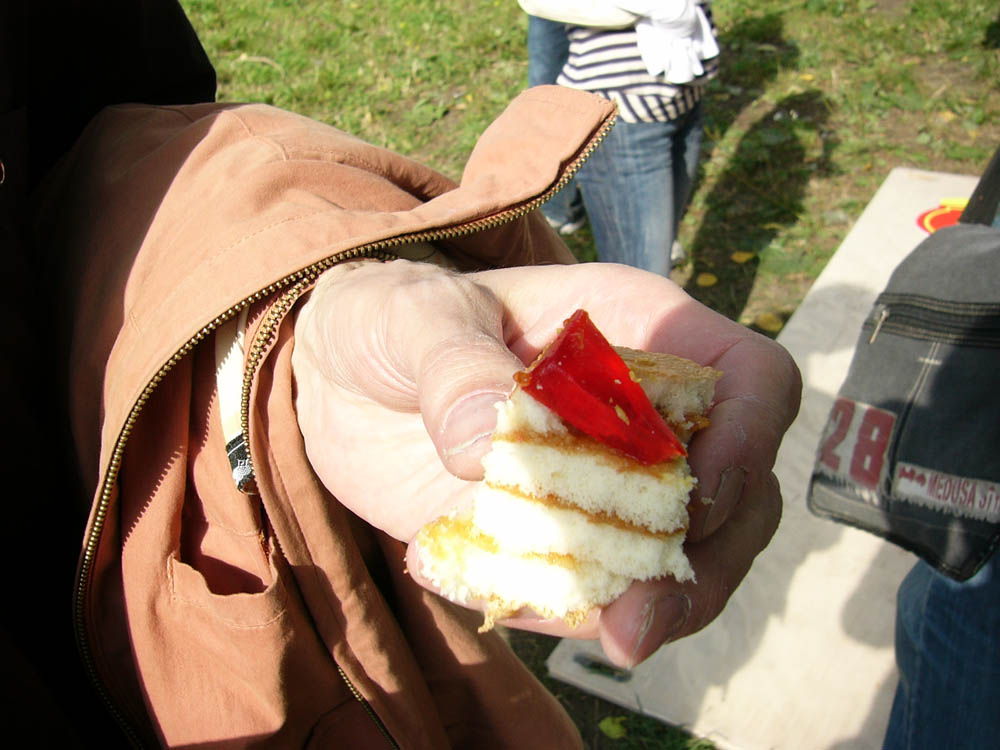
As the squares “ripened”, the visitors were invited to gather the harvest — what had begun as white.

The simple sequence turned a familiar act of painting into a small ritual of sowing, growth and gathering.

White was no longer just a colour or a surface. It became something that could be scattered, transformed and collected.

The Exhibition Context

The performance took place during the opening of Not-Portraits, a collective exhibition in which artists drew one another’s outlines and filled the resulting silhouettes with their own interpretations.

The Brigade’s action introduced another form of collective transformation into the opening: instead of producing a fixed image, it set a process in motion and allowed the visitors to complete it.

Documentation

Photos: Tatyana Sekacheva, Dmitry Razhev

Original project documentation →

Back to Malers’ Brigade