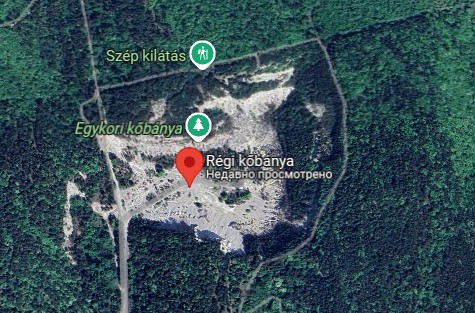
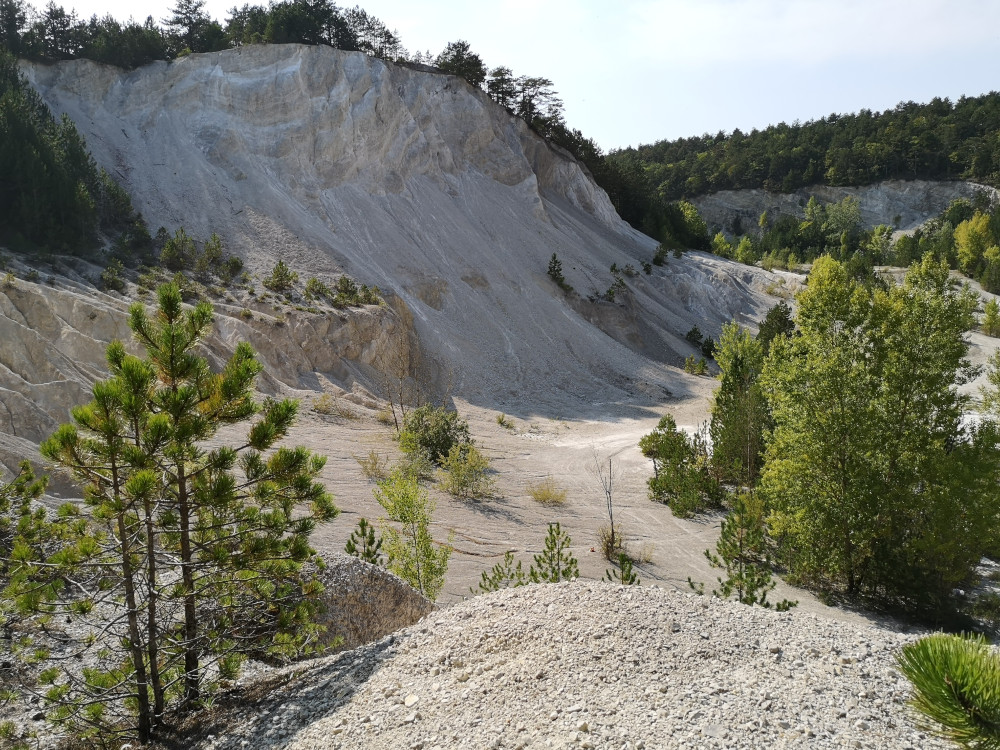
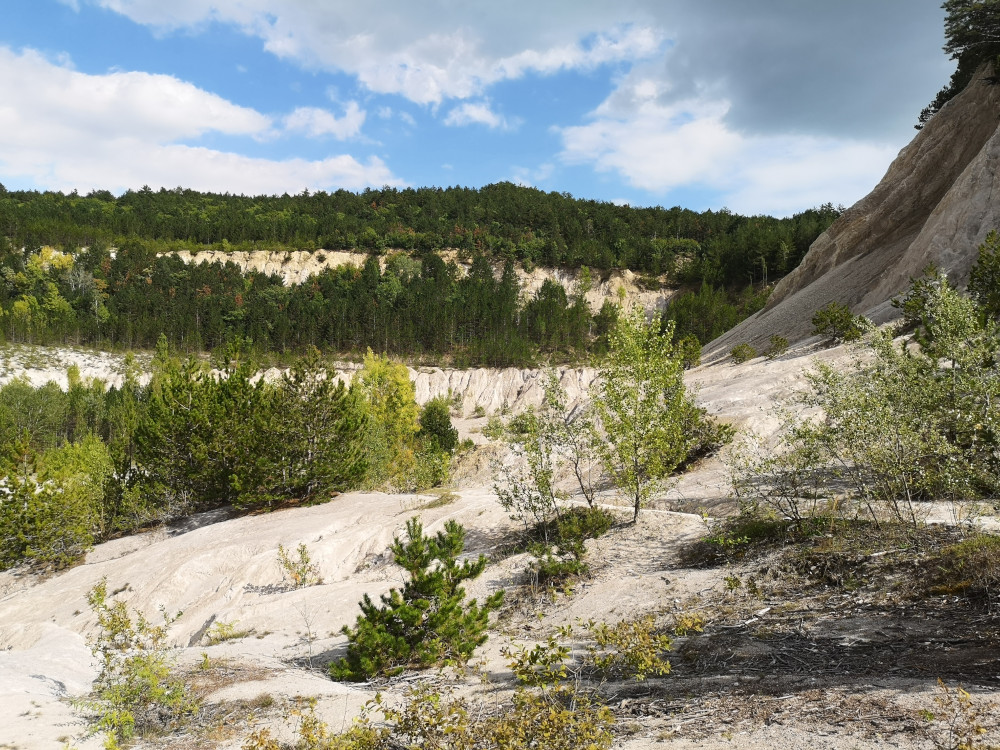
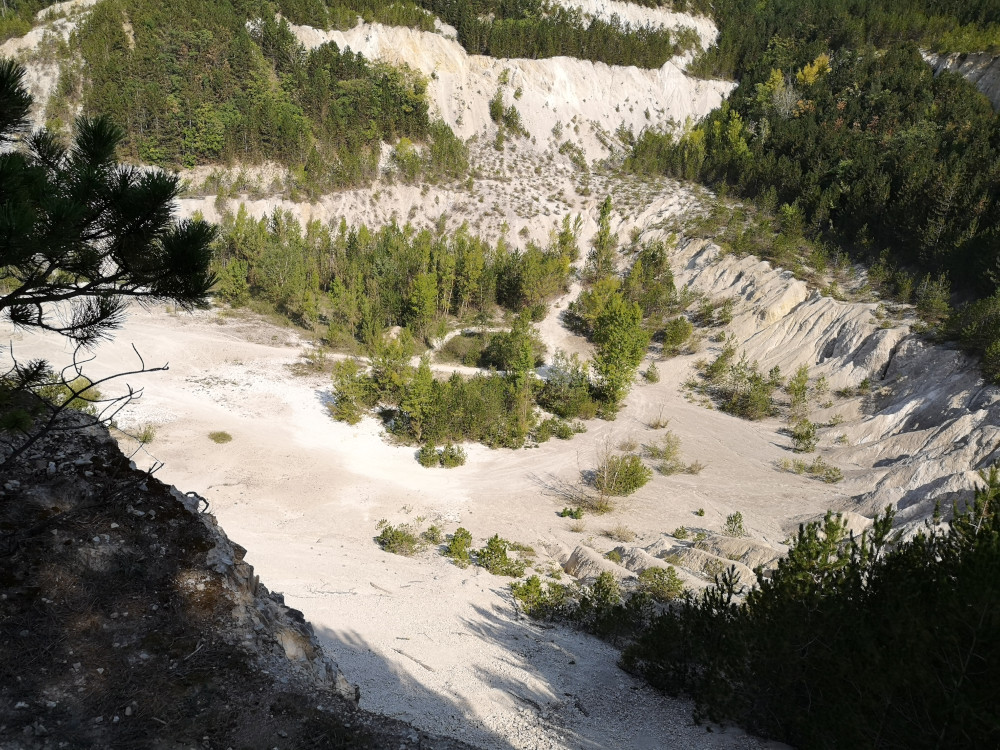
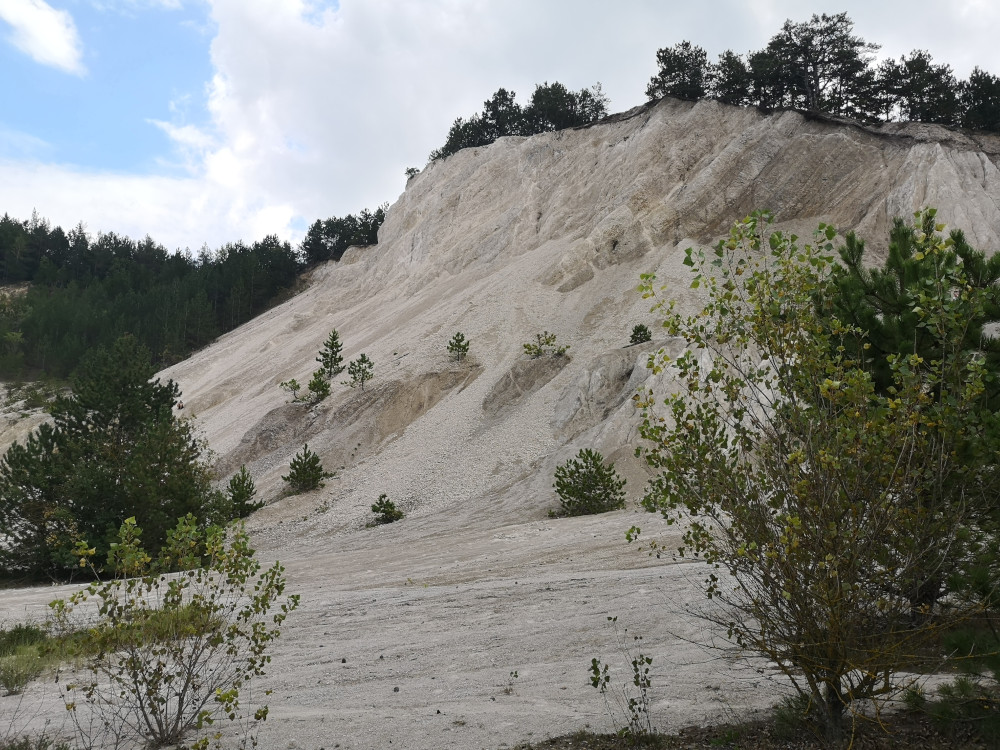
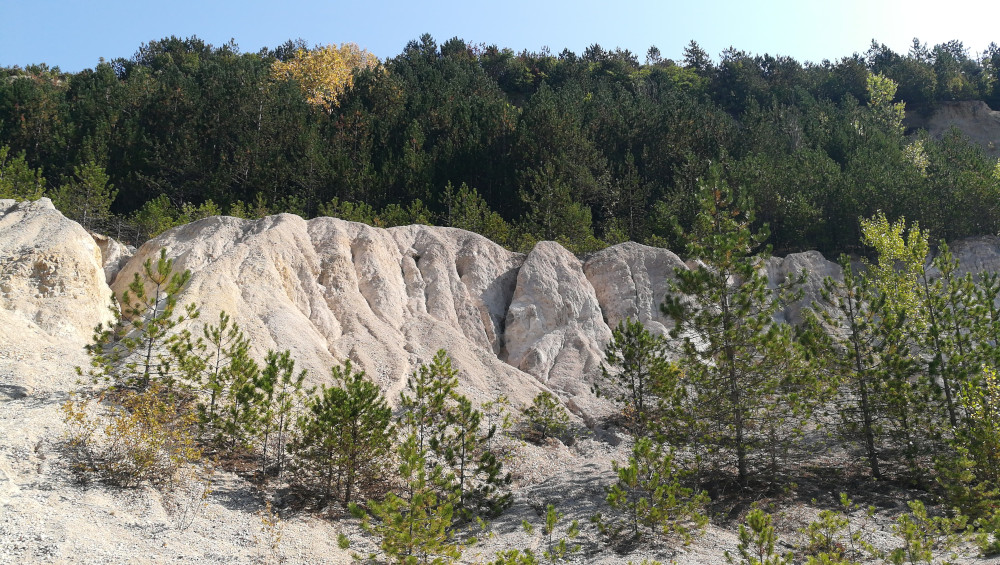
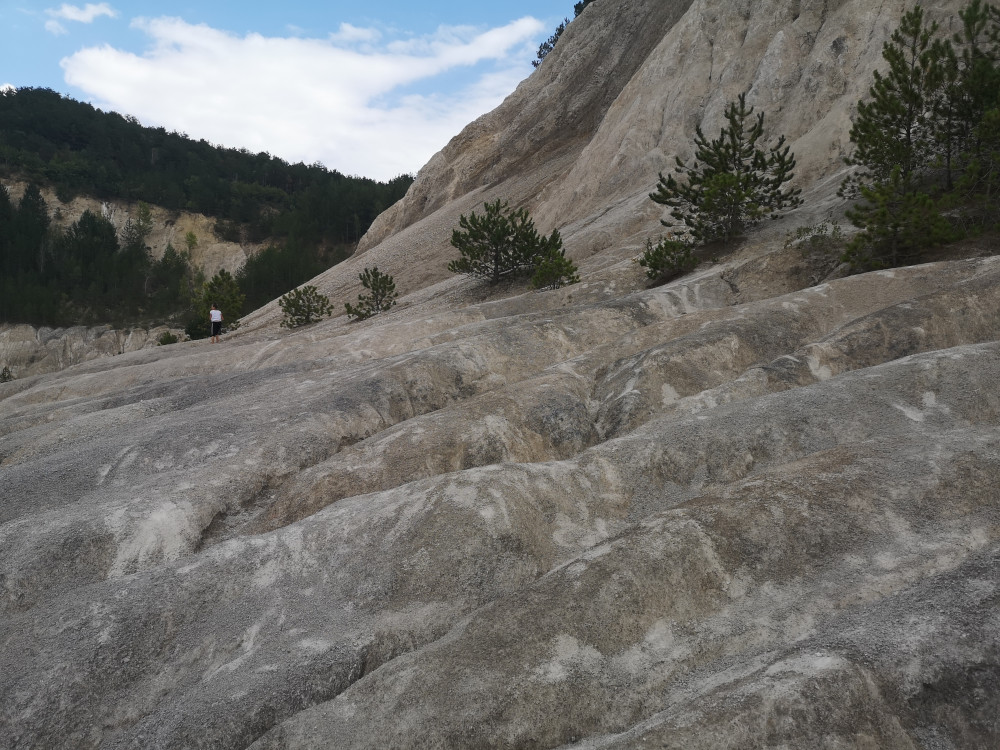
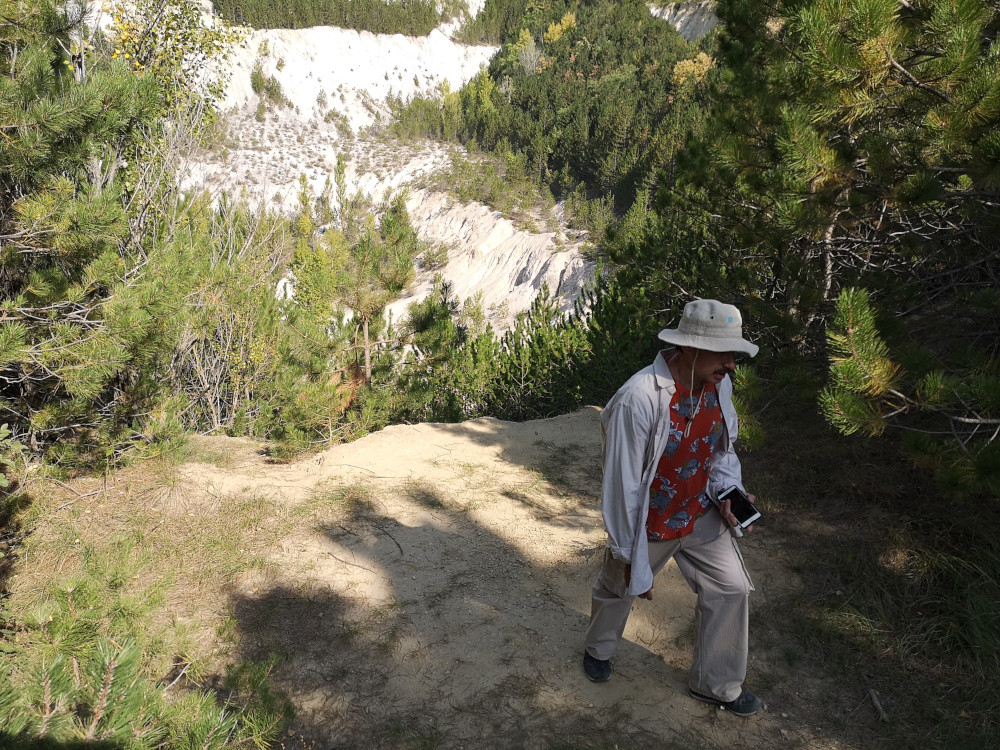
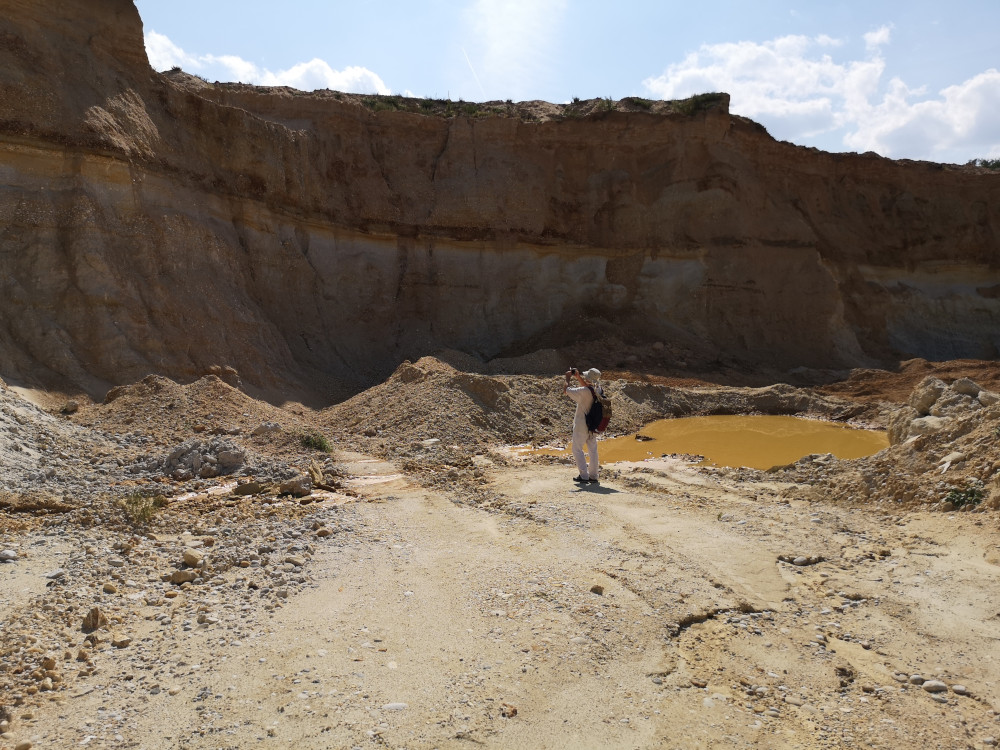
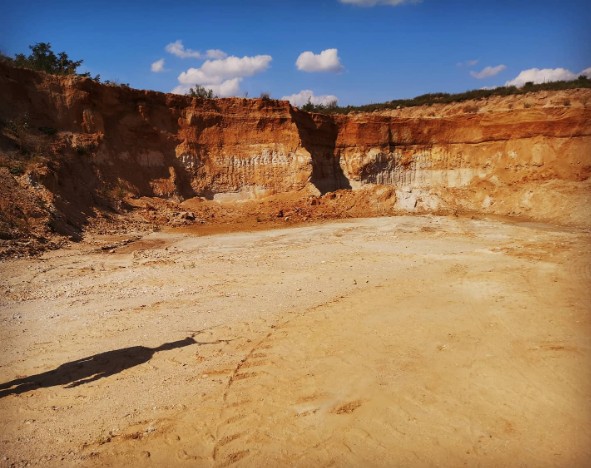
On the northern edge of the Hungarian village of Gyenesdiás, nestled on the slope of Pipa-hegy hill, lies a forgotten landscape — an abandoned dolomite quarry. Its pale grey walls preserve the memory of the ancient Tethys Ocean: more than 200 million years ago, during the Upper Triassic period (237–205 million years ago), warm shallow seas accumulated lime-rich sediments composed of the shells of tiny marine organisms. Through the action of microorganisms, these deposits transformed into a dense, compacted mass of calcium and magnesium carbonates — dolomite.
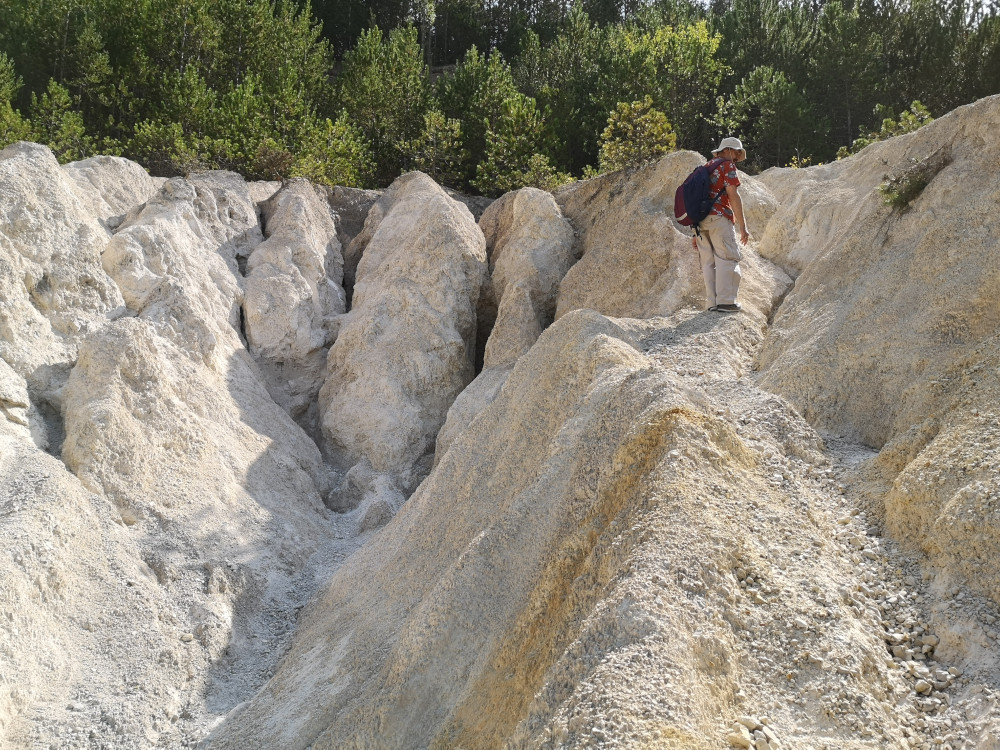
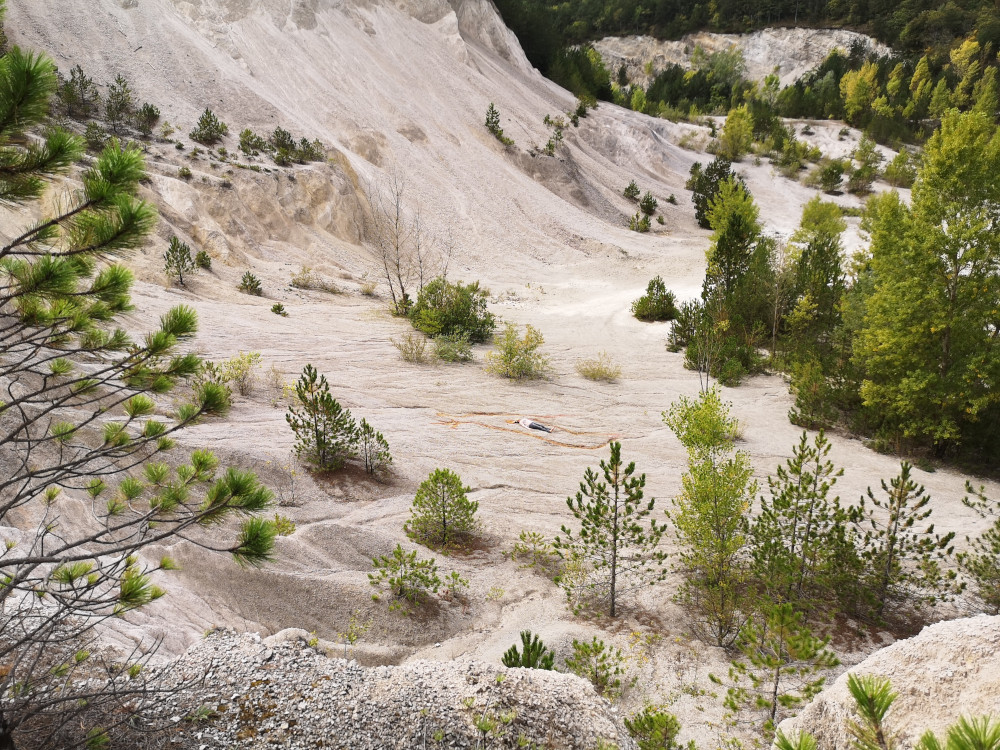
Covering an area of approximately 400 × 400 meters, the quarry is now silent and overgrown. It is divided by a narrow ridge into a spacious eastern section and a smaller western one. The eastern basin is particularly striking: nature has sculpted ravines, terraces, and canyons whose almost fantastical forms resemble an ancient amphitheater. The slopes and ledges are largely covered with black pine and brushwood, and each groove or outcrop feels like a mark left by both geological time and human intervention.
Once, the quarry supplied valuable materials for construction and industry. Dolomite was used as aggregate in building, as flux in metallurgy, to neutralize acidic soils and enrich them with calcium and magnesium in agriculture, as well as in the production of glass and refractory materials. [ 123 ]
Today, with its industrial role long gone, the quarry returns to nature — and simultaneously opens itself to artistic contemplation and action. As part of the series “The Quarry as Witness,” we approach such places as living archives: not only of geological memory, but of the potential for interaction between human presence, form, and time.
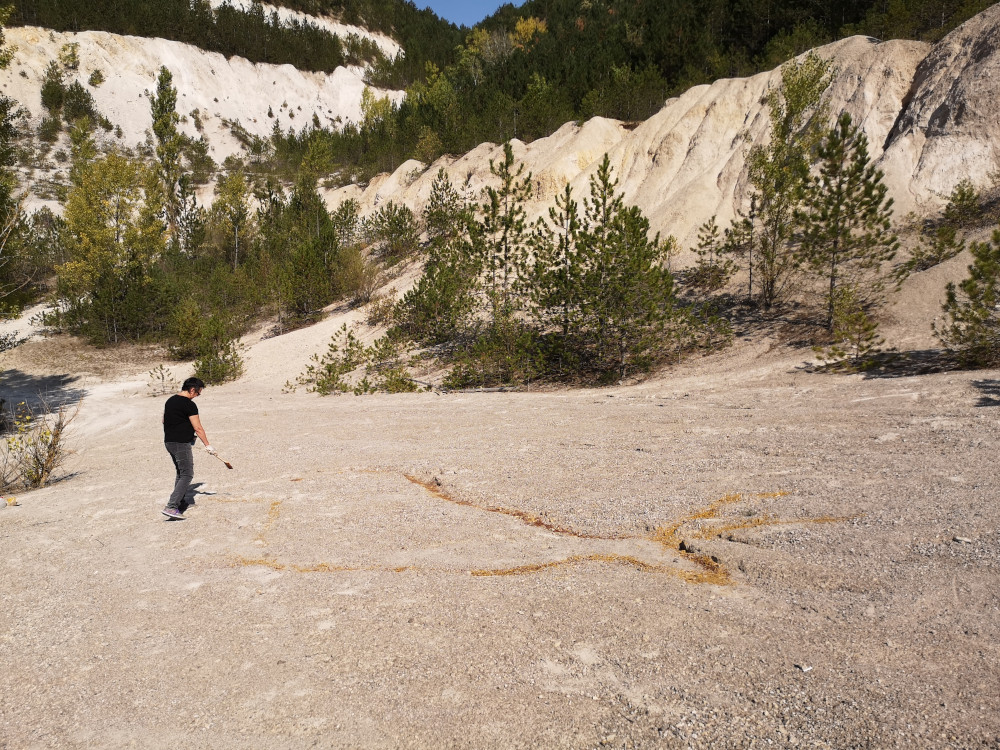
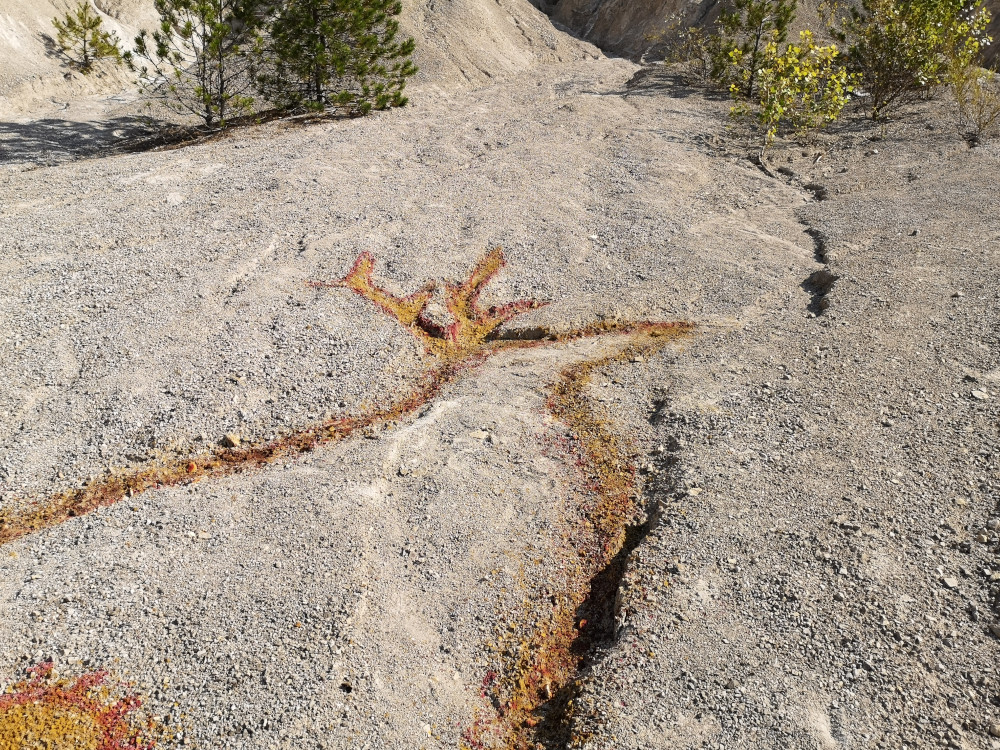
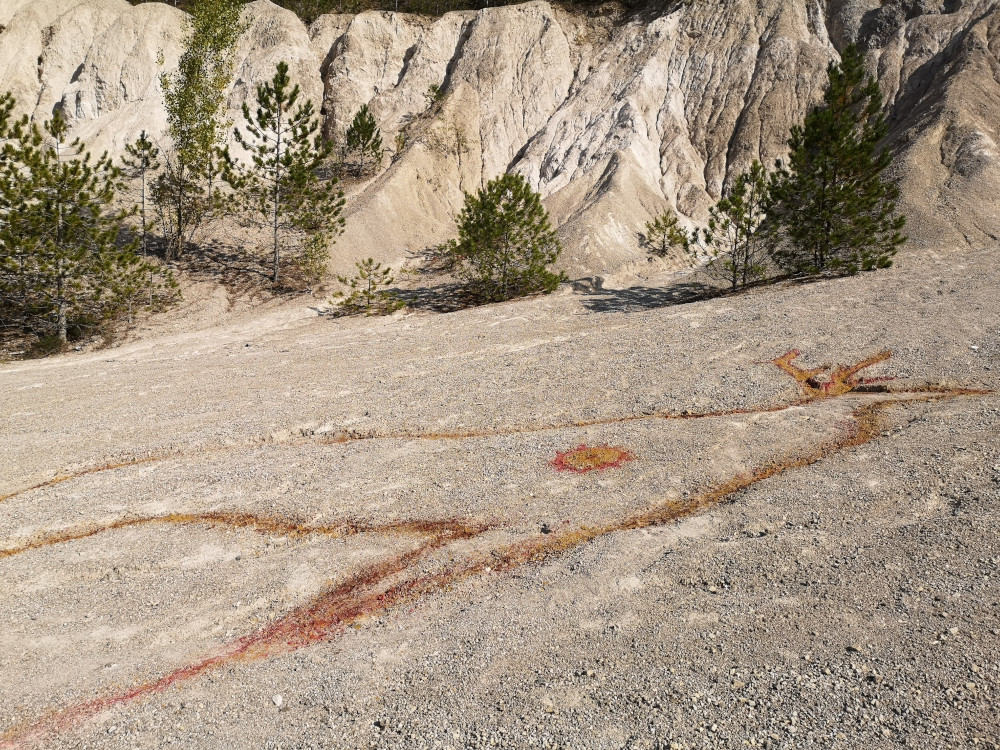
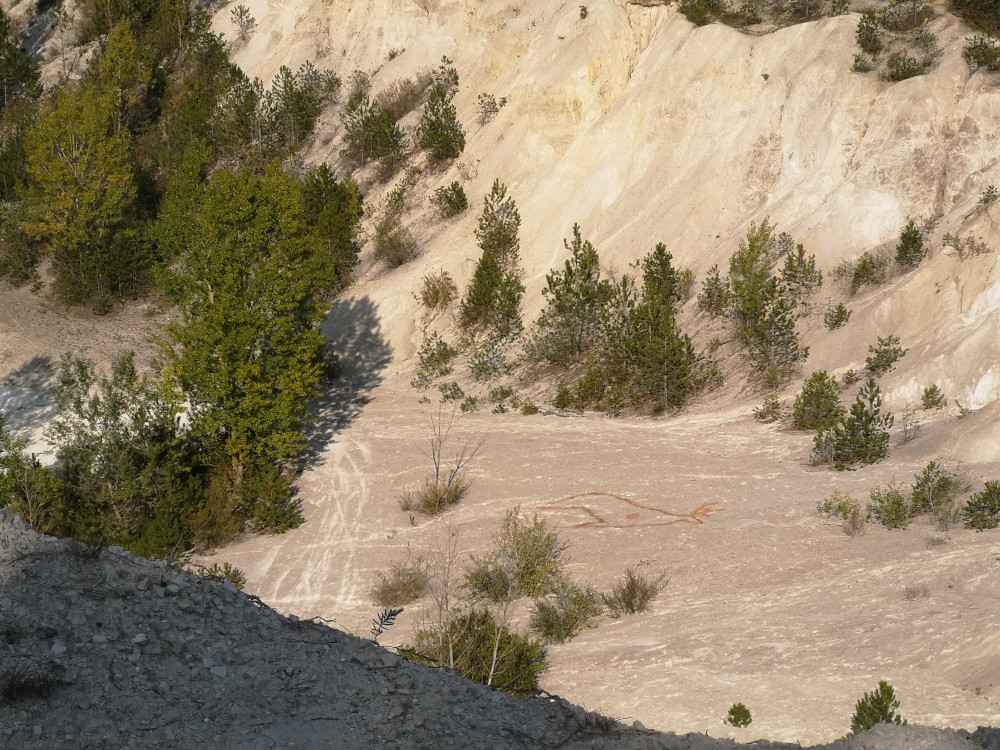
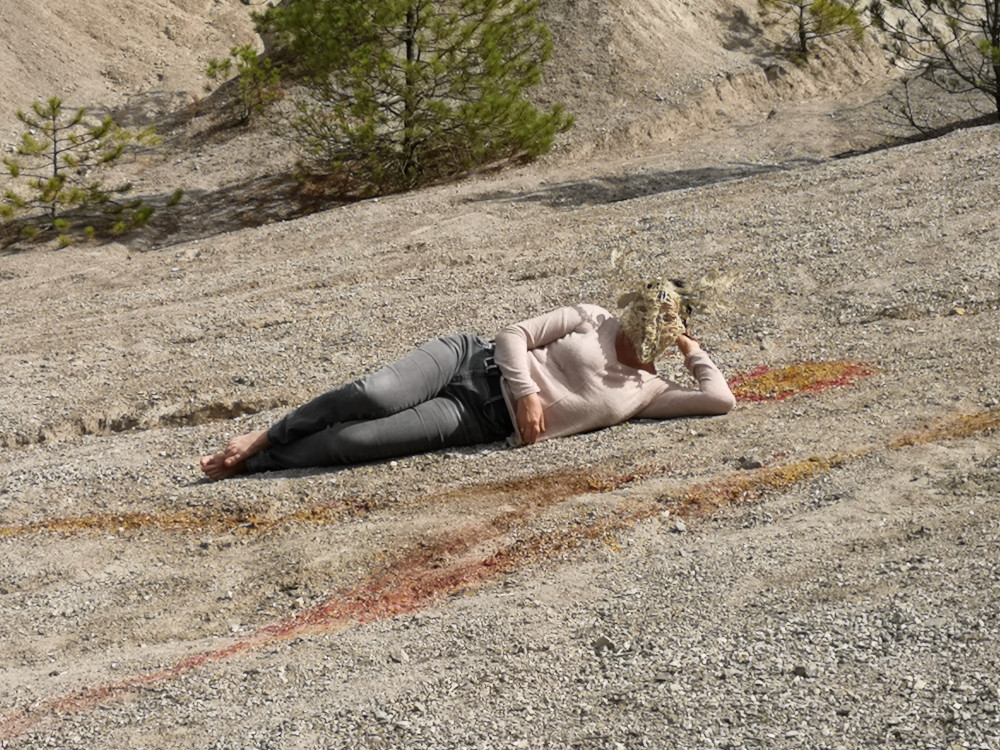
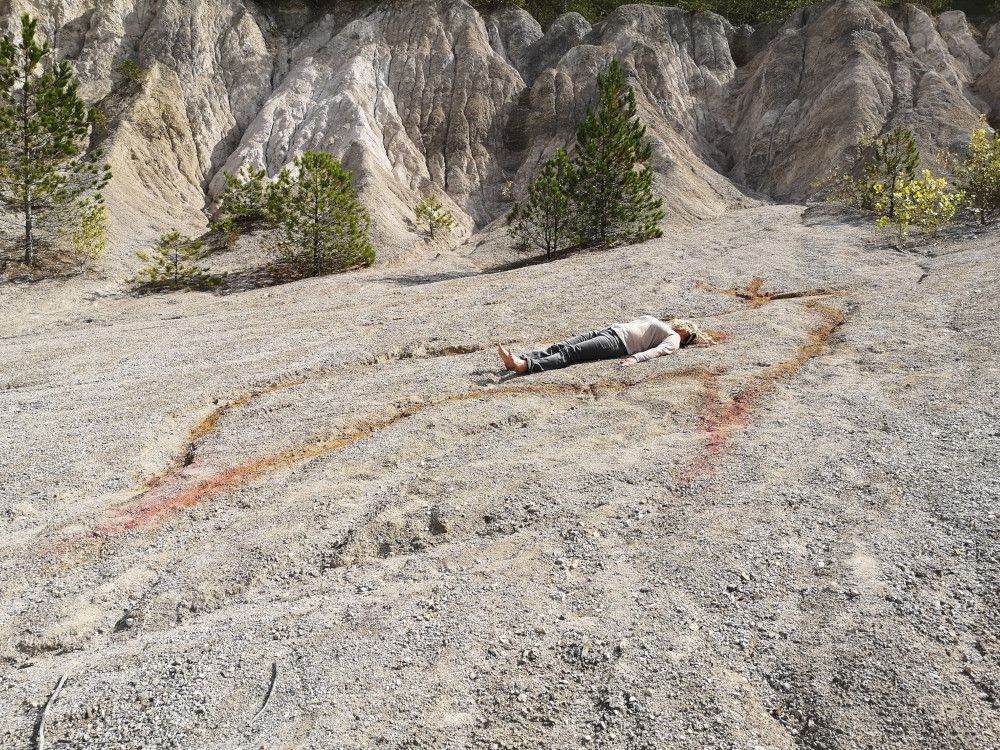
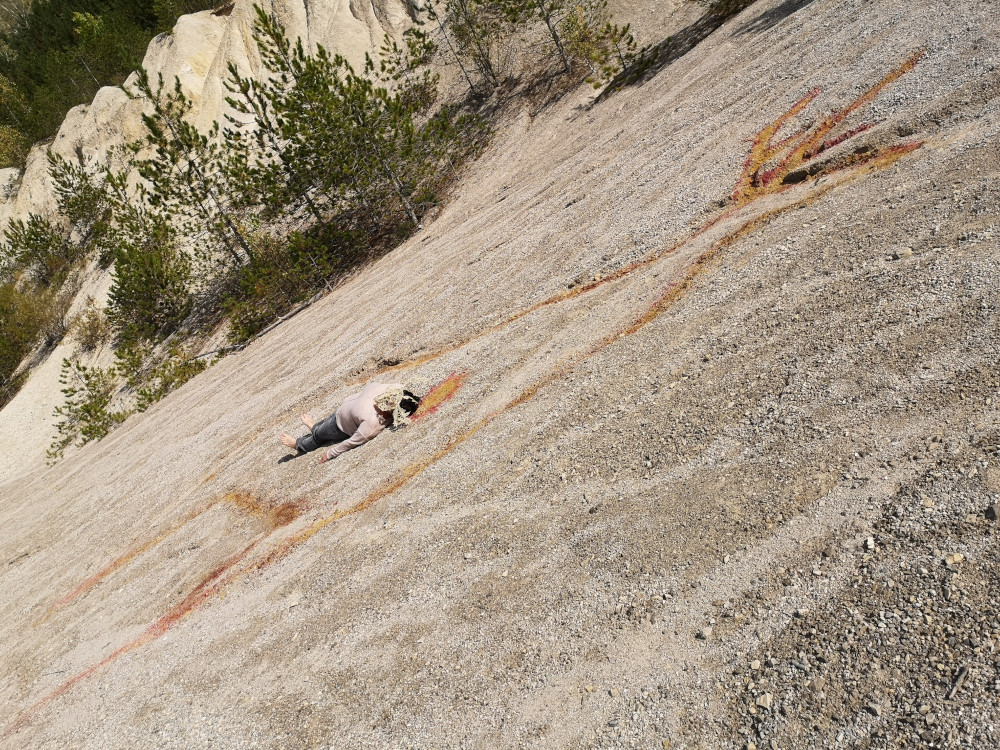
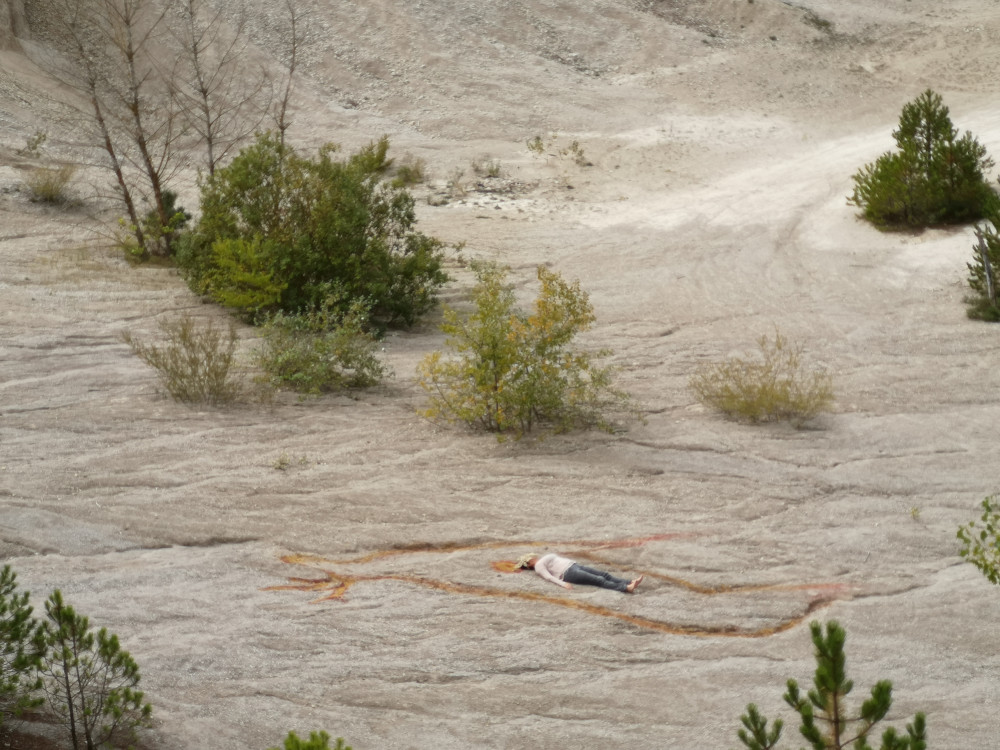
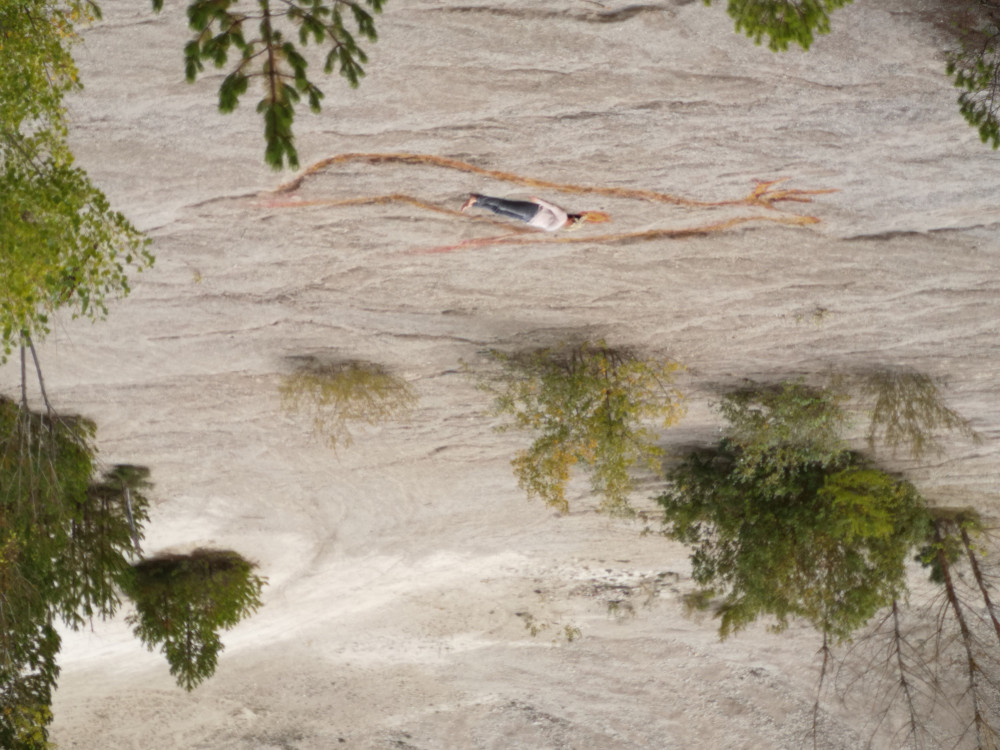
As part of the Deerland art festival in September 2020, we conducted a series of artistic explorations in the old quarries around Gyenesdiás, Hungary. One of the key events was the creation of The Native Deer — an ephemeral geoglyph formed in an abandoned dolomite quarry on the hill of Pipa-hegy. The project became a spontaneous yet profound collaboration with the landscape itself, where natural forms revealed the image that was meant to appear.
Originally, we planned to work in another pristine white quarry, but upon arrival discovered it was again under excavation. We had to change location quickly and chose the old, forest-overgrown quarry. We descended to a light clearing that intuitively called for action.
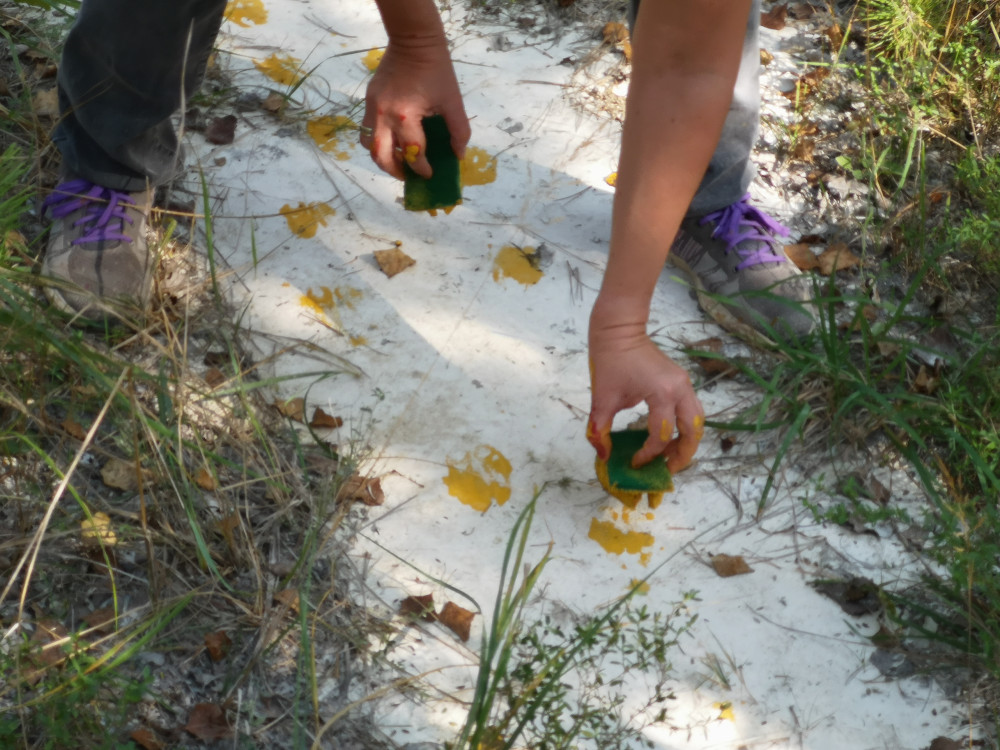
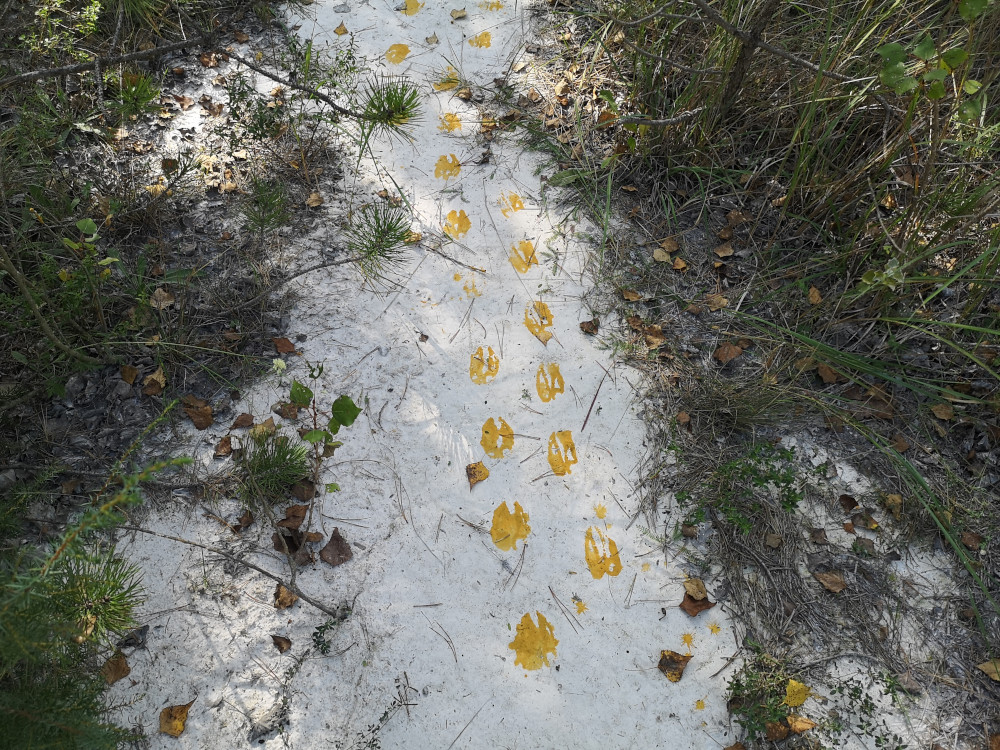
TheSzamorodni Deer, 2020 (process and details)
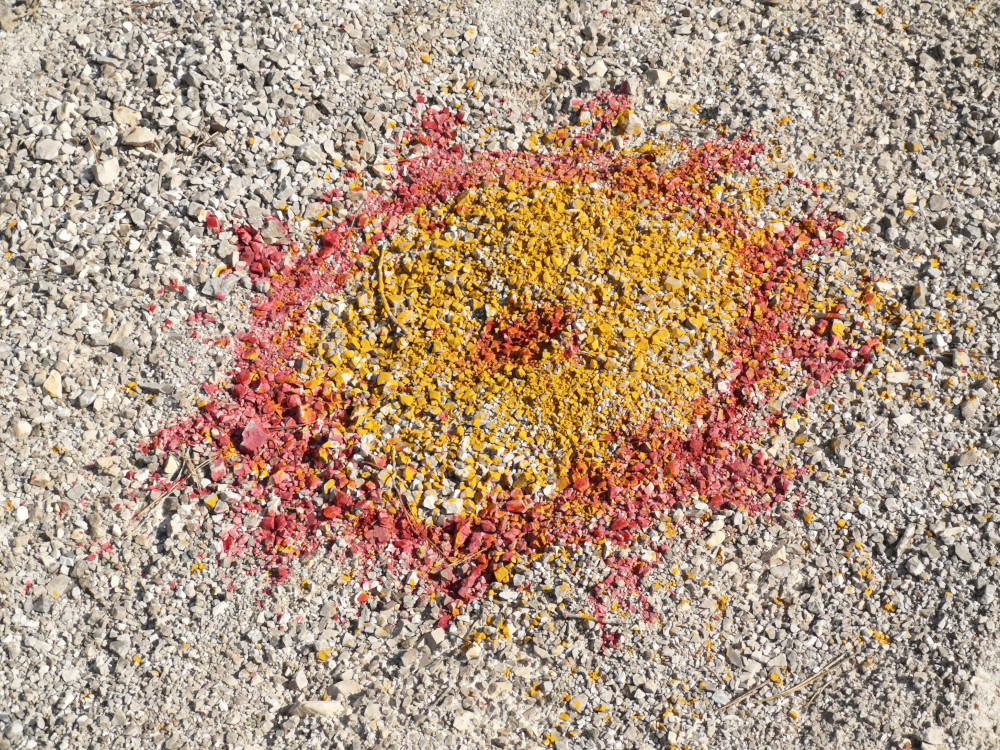
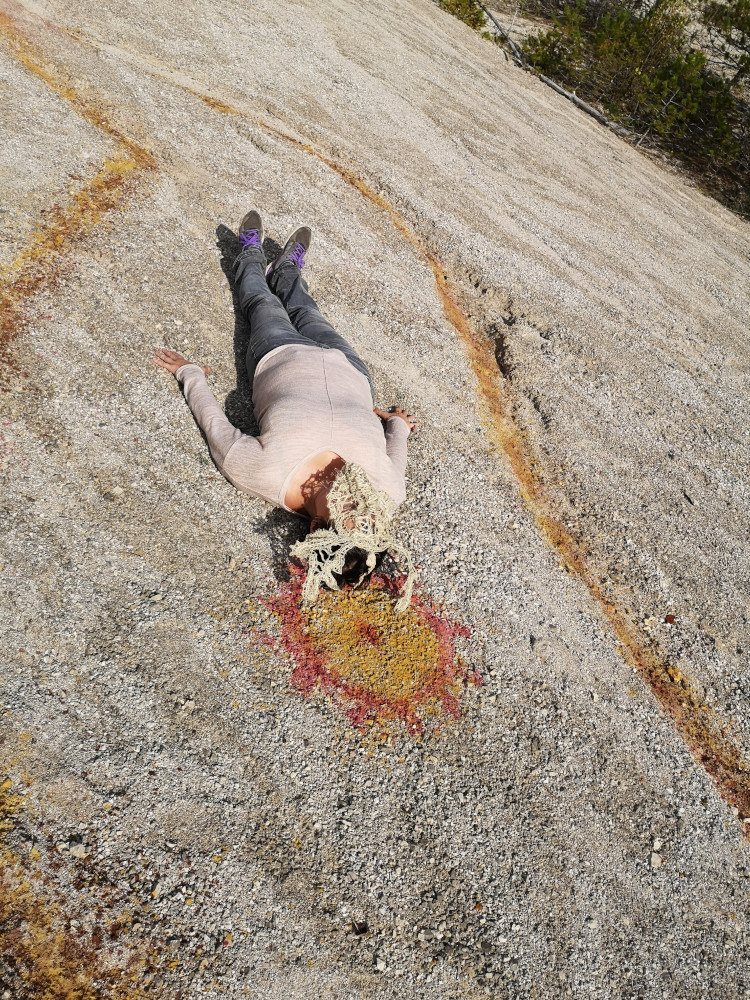
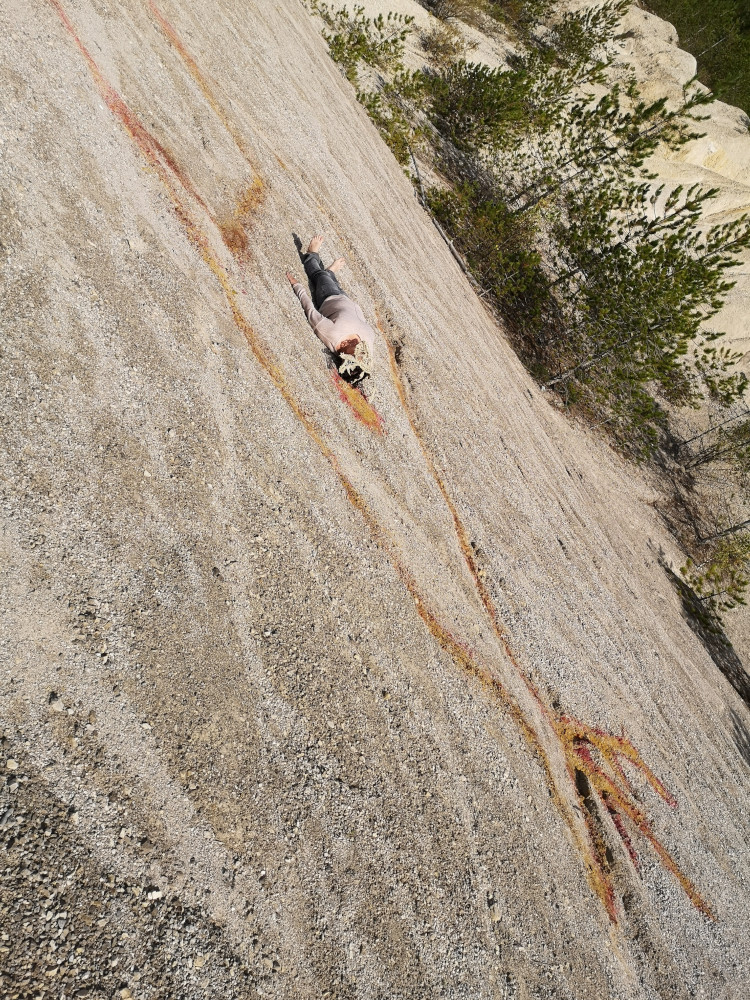
Our original sketch — a two-headed elk — didn’t match the terrain. But the natural streams and grooves already suggested another deer’s form. I merely “revealed” it with pigment splatter. Later, a heart appeared in the center, turning into a sun. (Instagram)
Meditation inside the deer and Performances around
A week after the geoglyph was completed, we conducted a performance inside its outline — a physical alignment with the symbolic shape. The body tuned into the place, activating its latent presence. (Instagram 1234)
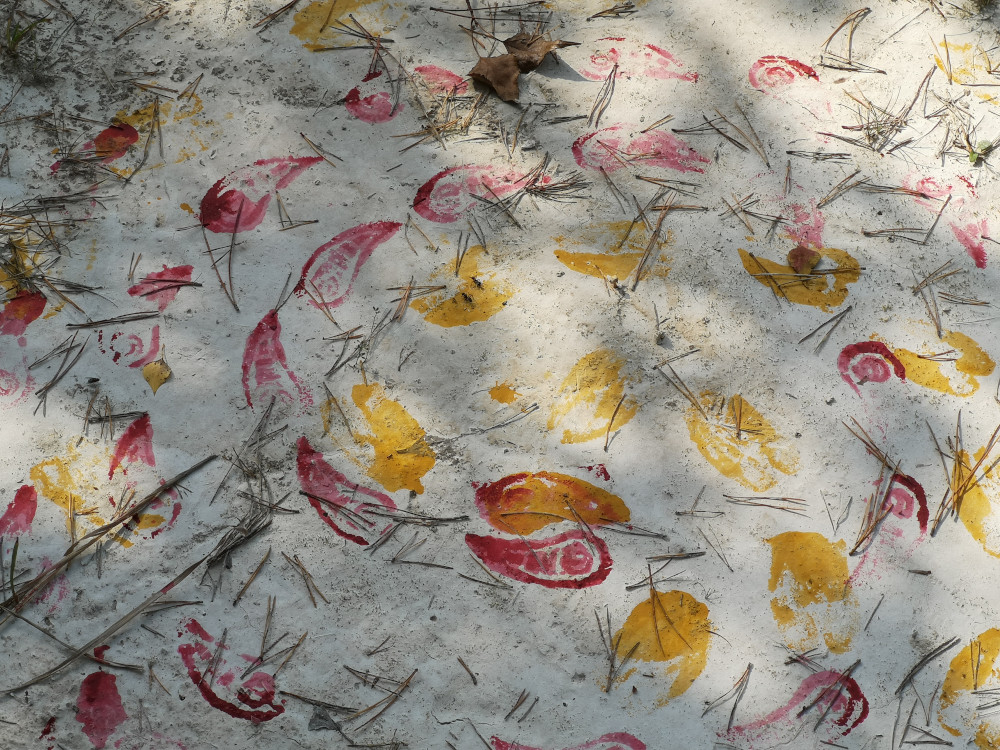
Spiral with a Deer Hoof Stamp
Using a sponge stamp in the shape of a deer hoof, we created a double spiral: coiling inward in ochre, then unwinding outward in red. From above, the form resembled spiraling time — folding and unfolding. (Instagram)
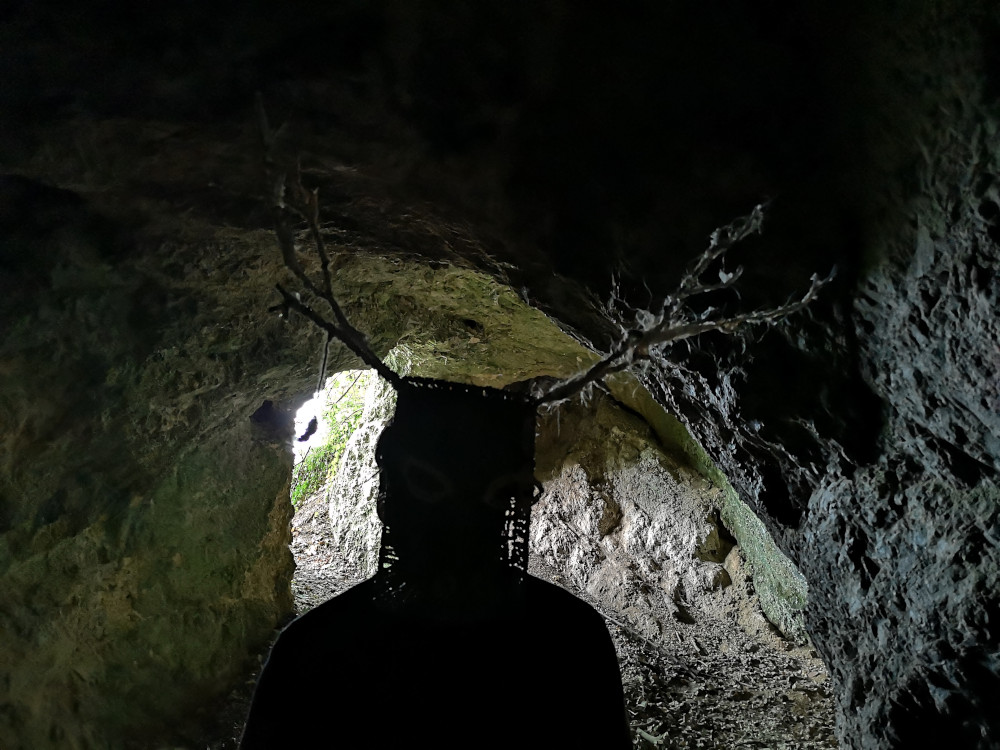
Cave Deer
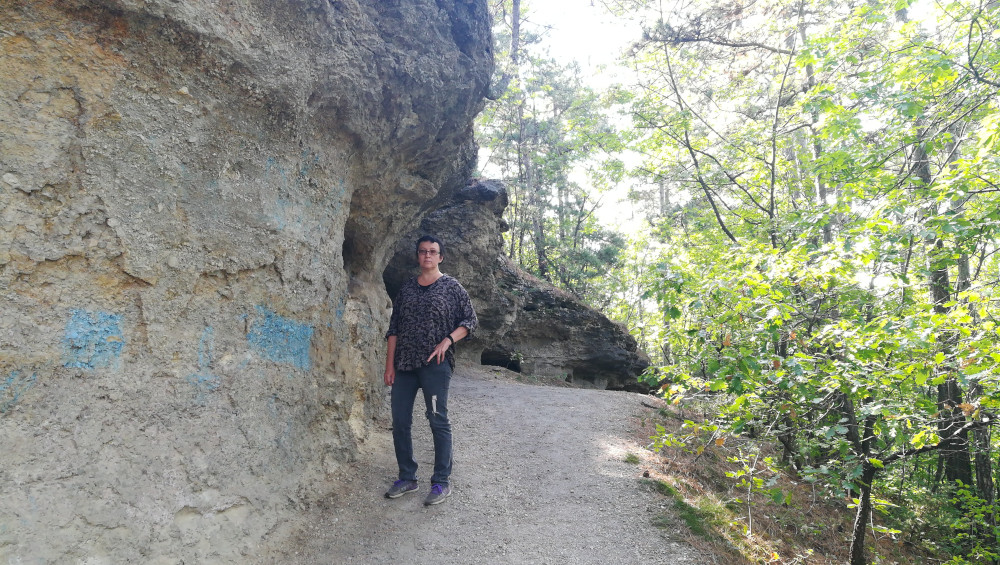
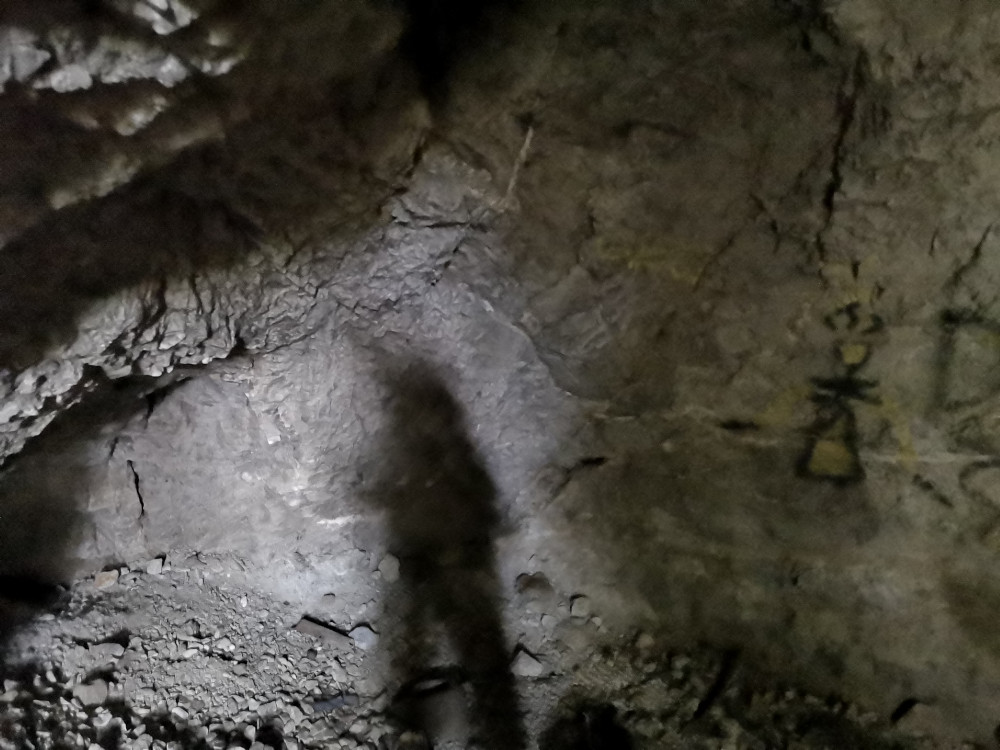
Next to the site, we found a man-made cave — likely carved out during stone extraction. Inside it, we staged a photo performance titled Cave Deer: shadowy images on the walls like memory archetypes. This added a subterranean dimension to the project, deepening the connection between human, stone, and symbol (Instagram)
This work belongs to our practice ofRR-method — an approach where the artist does not impose a new form, but listens attentively and reveals what is already present in the landscape. Here, the environment itself acted as both witness and co-author.
Although nothing went as planned — we changed location, abandoned the original idea, and adapted the technique — the result was unexpectedly precise. We simply uncovered what was already embedded in the place.
That’s how the Samorodny Deer appeared — an ephemeral trace shaped by streams, stones, and light. A month later, it vanished without a trace, as intended. What remains is memory, and the documentation.
But most importantly, what remains is the experience of co-creation with the land — where the quarry was not just a backdrop, but a protagonist.
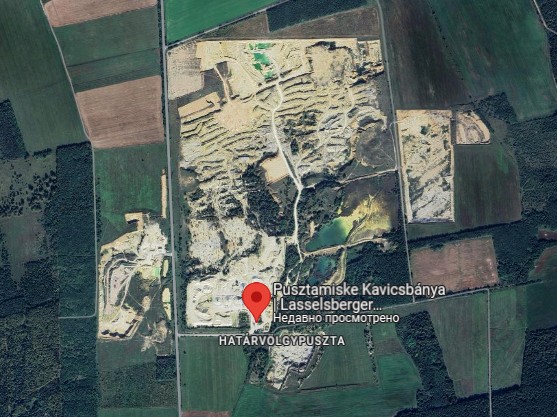
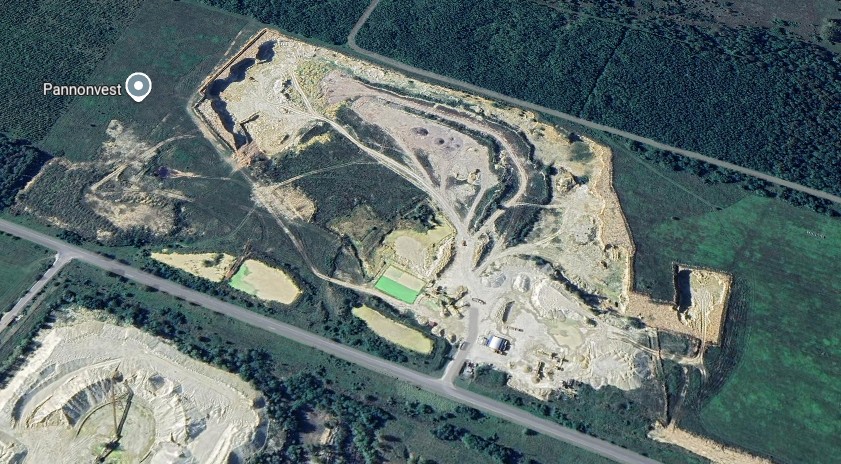
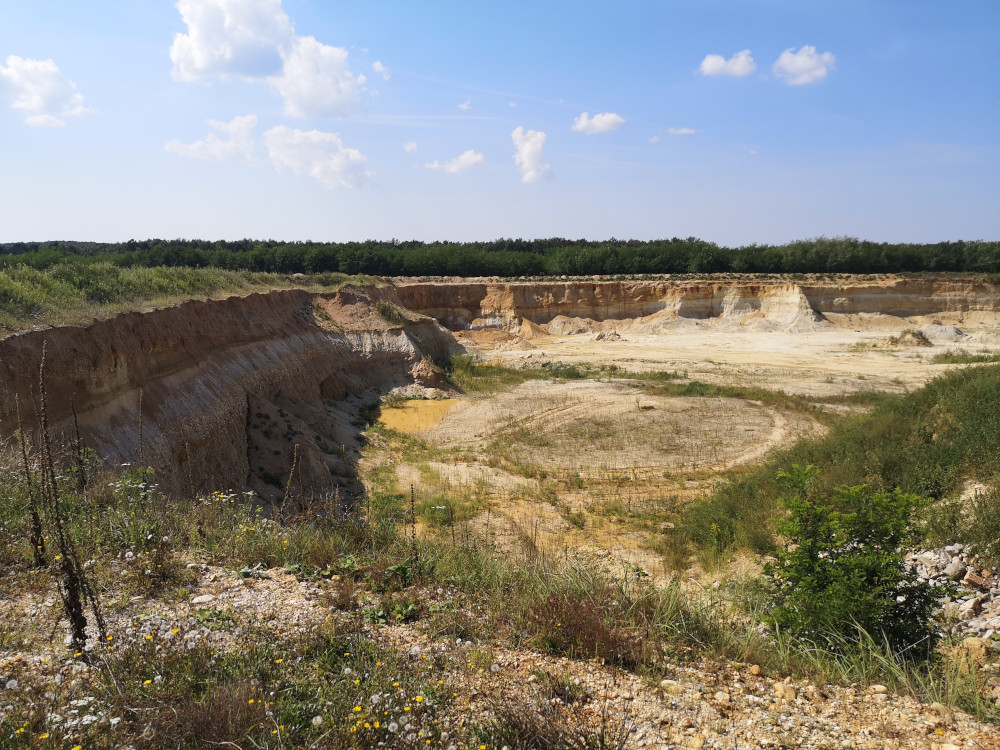
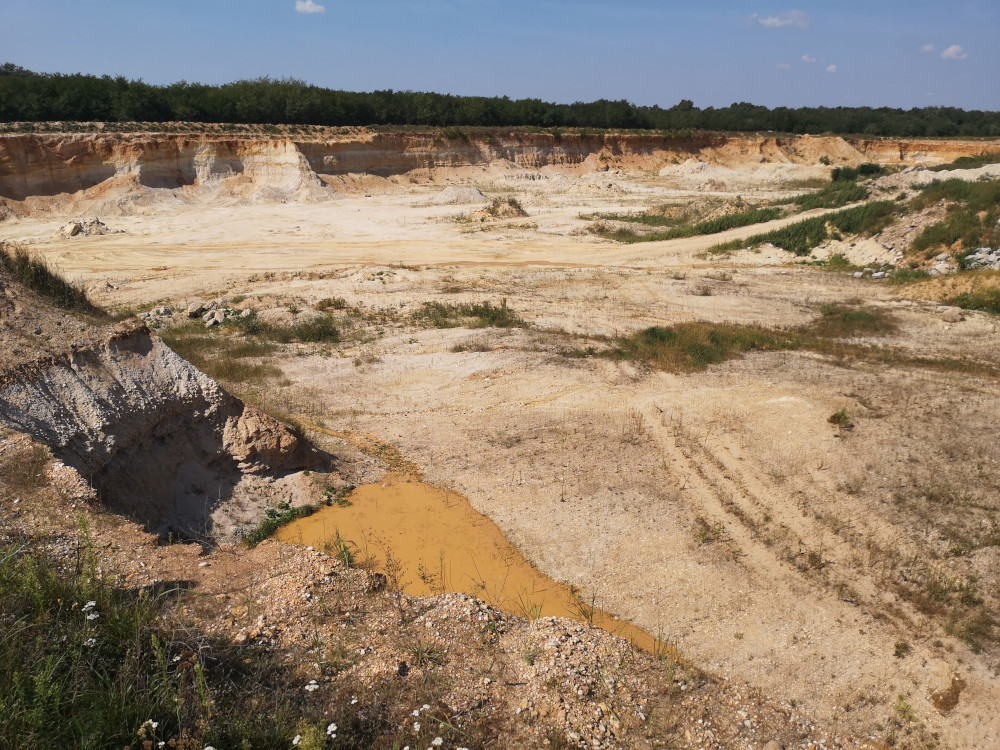
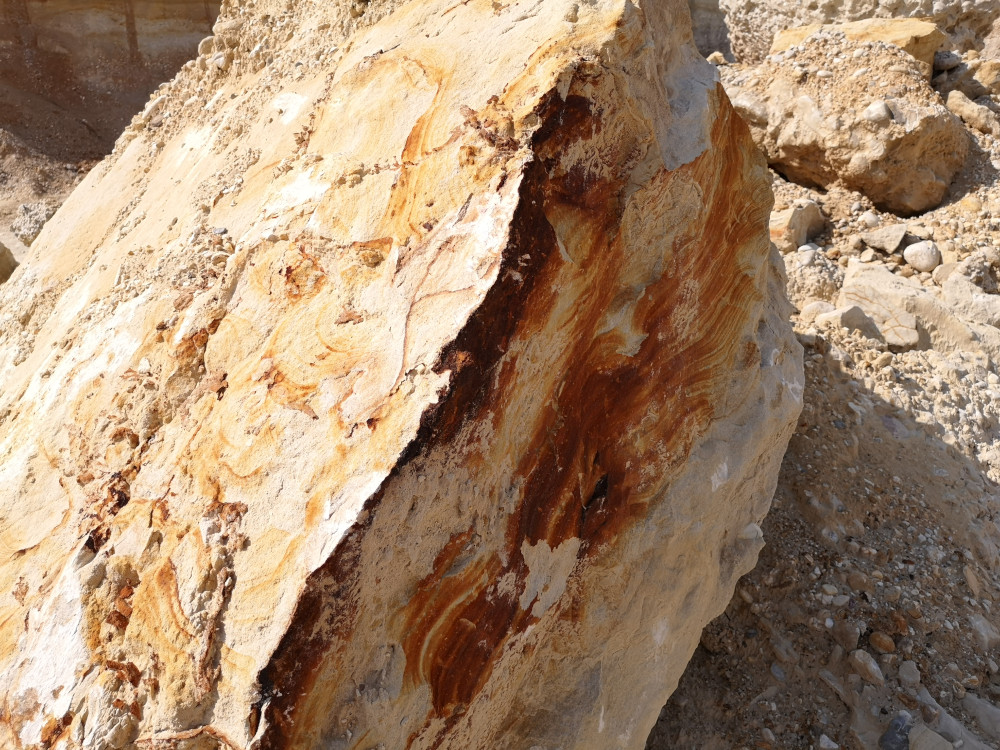
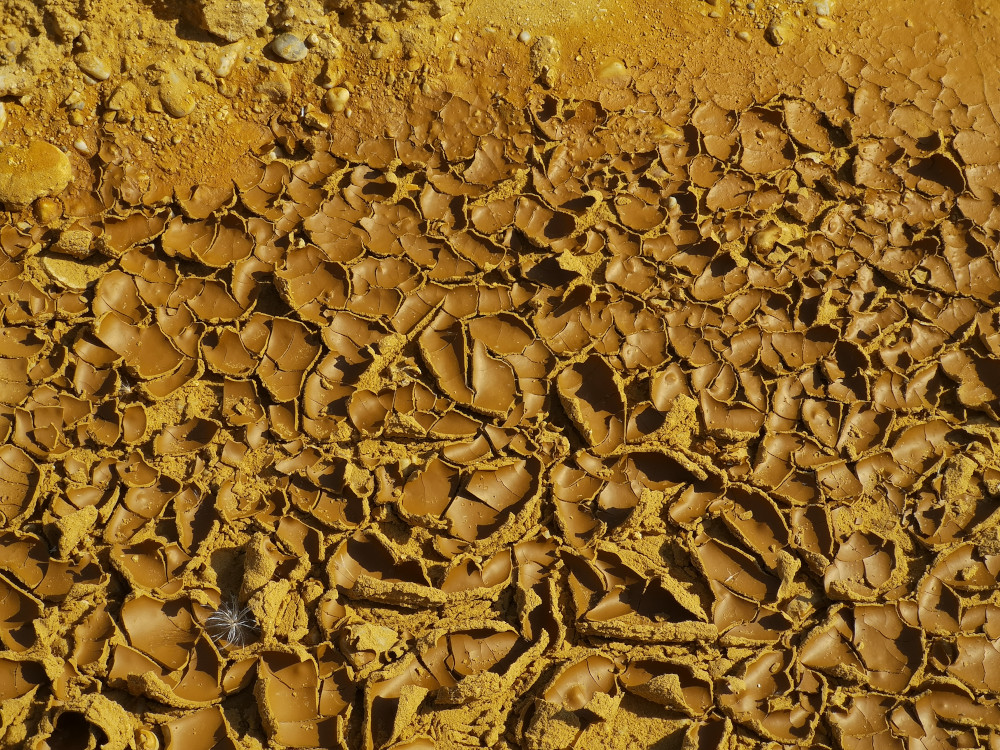
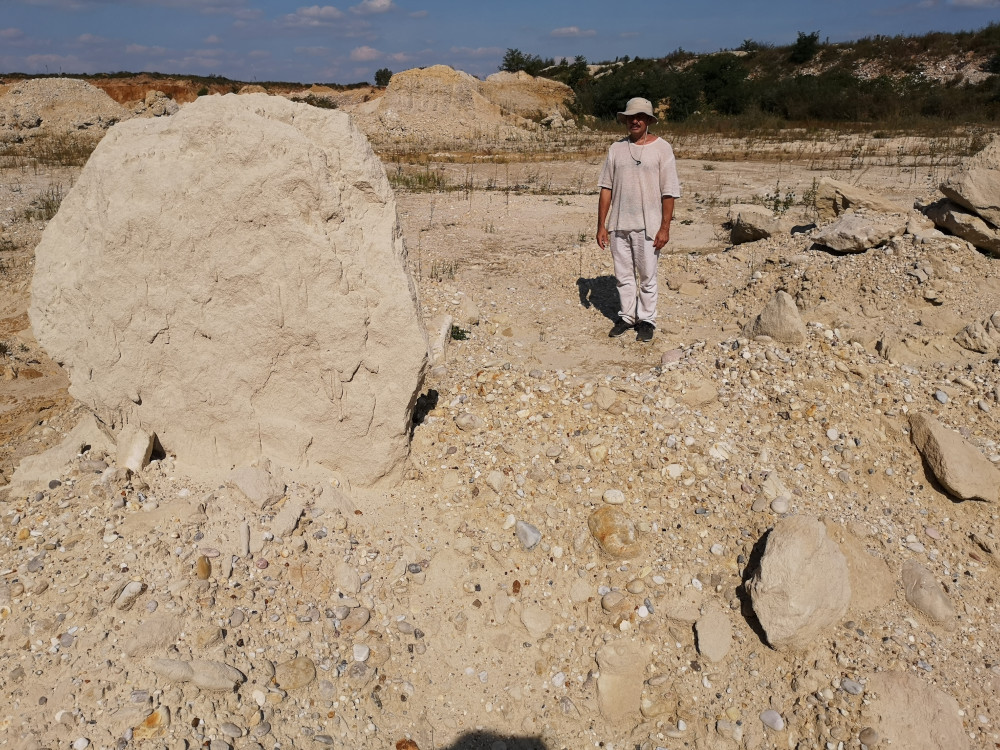
Pusztamiské Gravel Quarry is located 2 km south of the village of Pusztamiske, Hungary. The quarry, approximately 1300 × 1500 meters, is still in operation, though extraction has ceased in some areas. These former work zones are visually divided into two contrasting basins: the southern part is predominantly white, while the northern part displays ochre and orange tones.
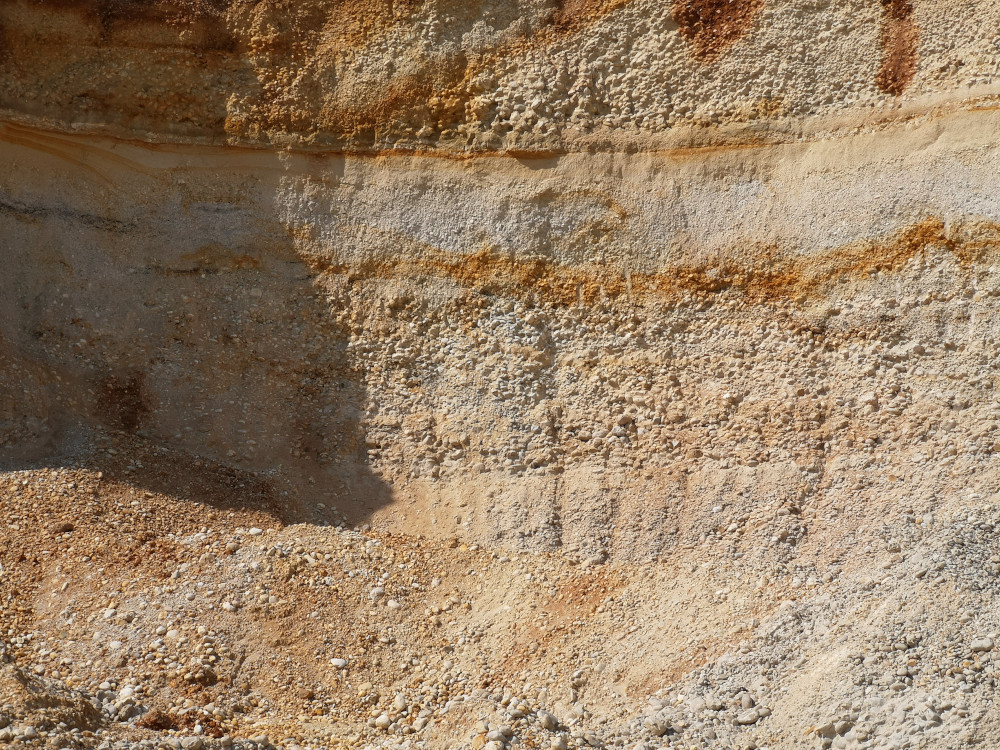
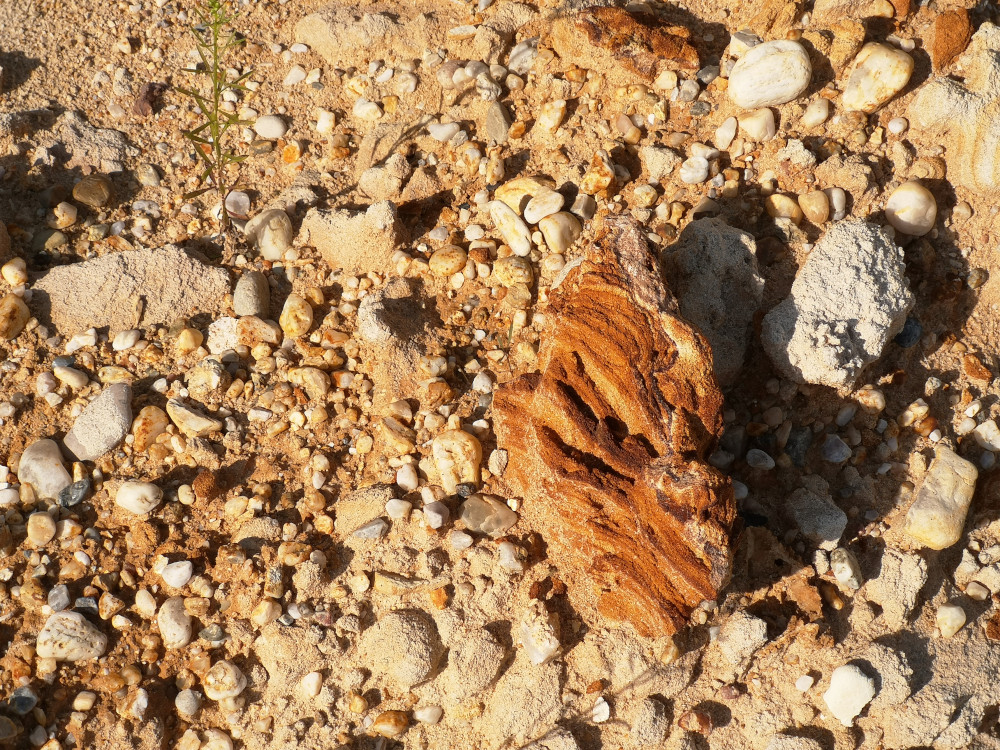
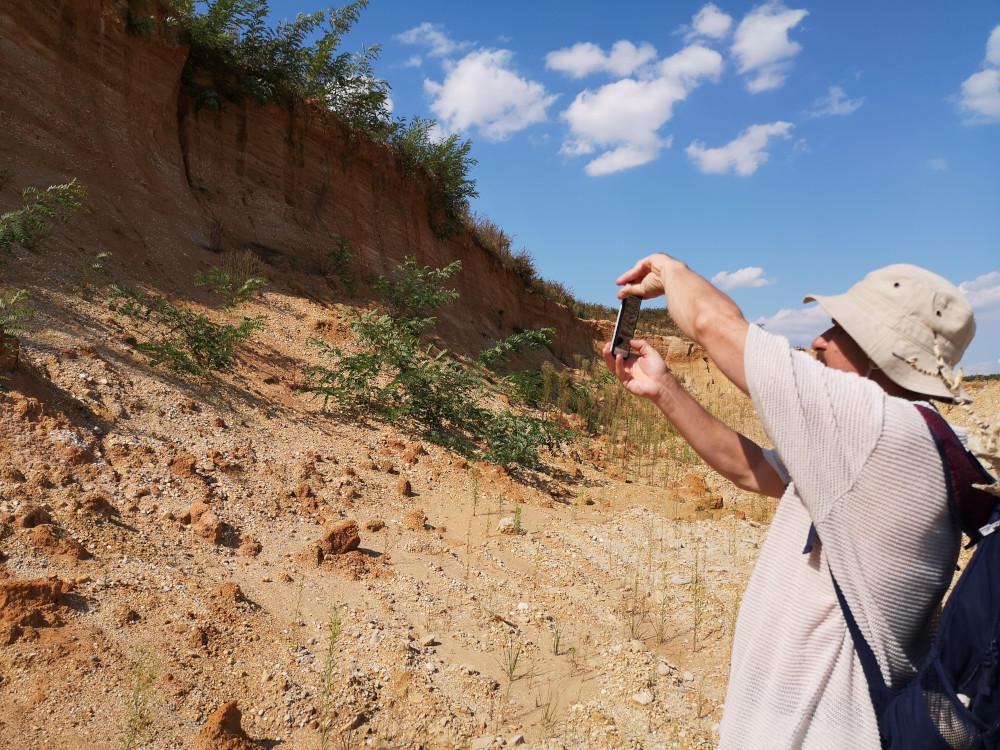
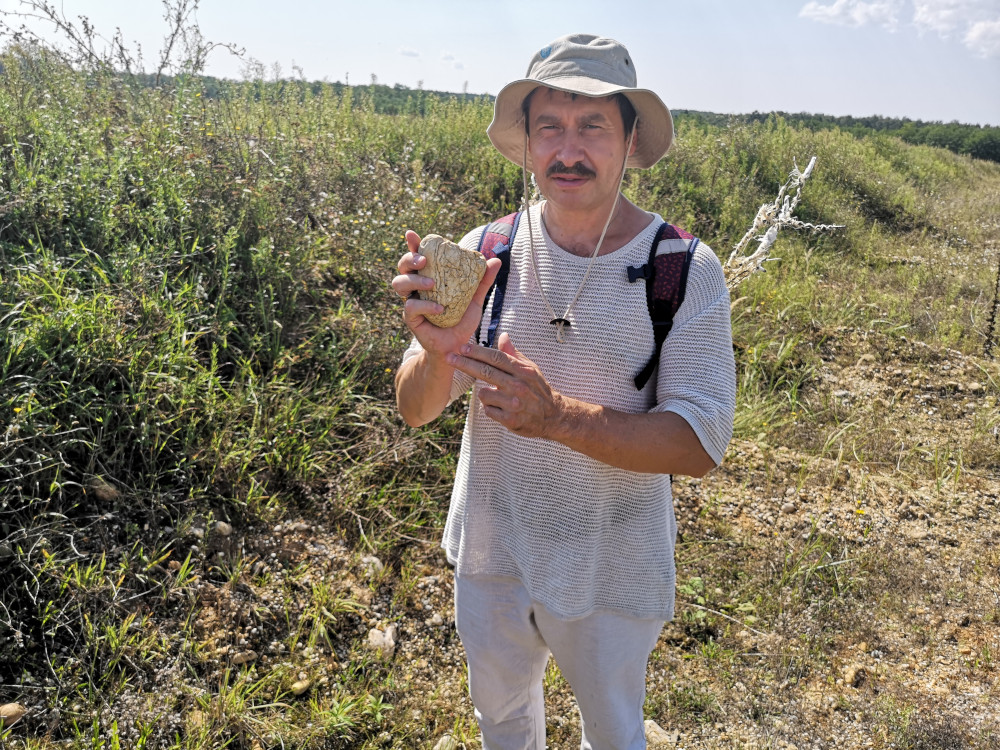
The quarry’s sandy and gravelly layers frequently contain fossilized seashells, sea urchins, corals, and other marine organisms — remnants of the warm Pannonian Sea that covered the region during the Middle Miocene, 12–13 million years ago. These deposits, formed by rivers carrying quartz grains and larger rock fragments, became extensive beds of sand and gravel.
The extracted materials — gravel-sand mixtures, crushed stone, and sand — are processed using modern machinery and used in concrete production, paving bases, landscaping, and even as glass-grade sand. The quarry is developed by the Austrian company Lasselsberger Holding Internationale GmbH, with extraction beginning in the late 1990s. [1, 2]
Pusztamiské is not merely a source of raw material; it is a layered archive, a witness to ancient seas, vanished lives, and present gestures. It holds time not only geologically, but poetically — in deer tracks, in wind-carved sediment, in the color of its cliffs, in the movement of bodies and shadows.
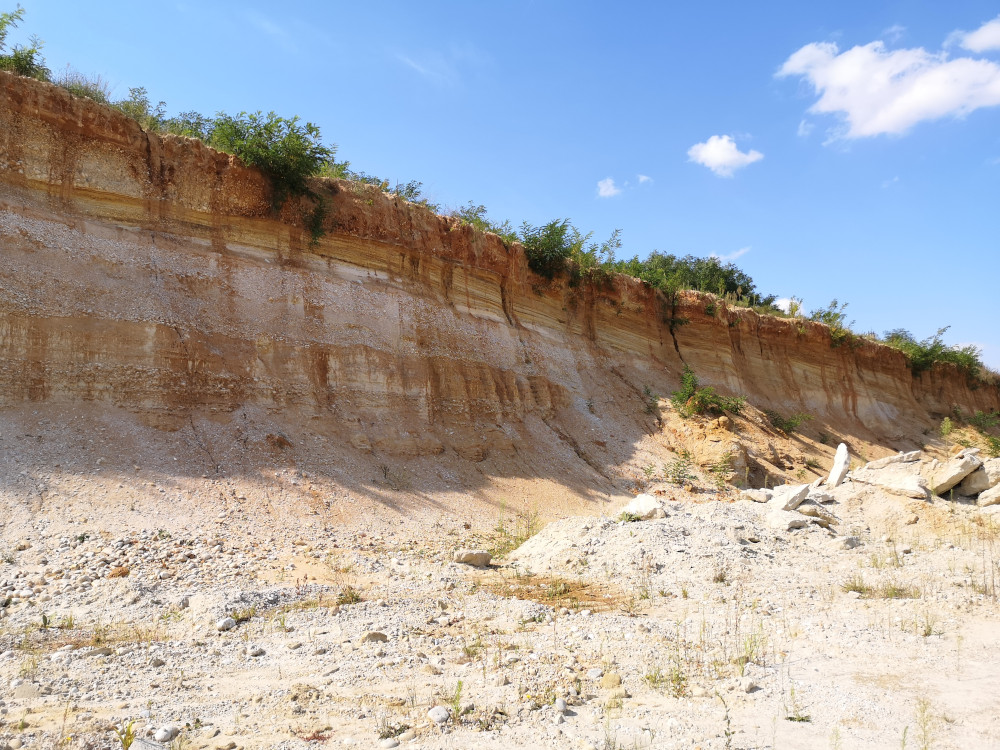
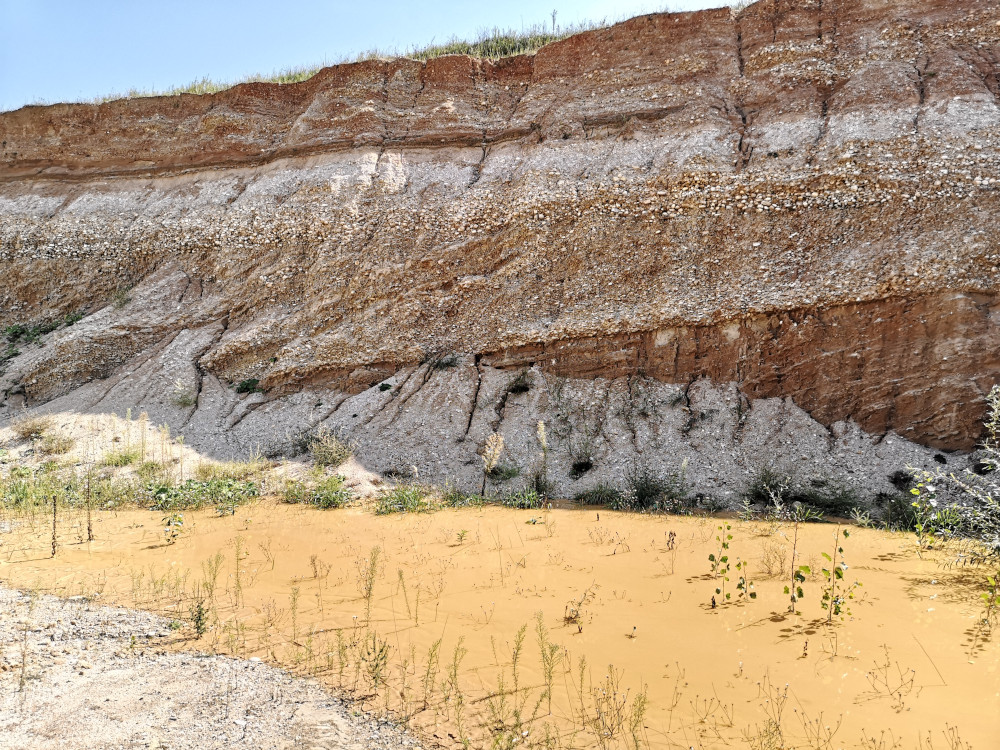
Walls the Color of Time “Walls the Color of Time” is a series of visual and textual observations of the exposed quarry walls, where color, structure, and texture become a chronicle of time. Each stratum carries traces of a sea, a glacier, a forest, or human intervention.
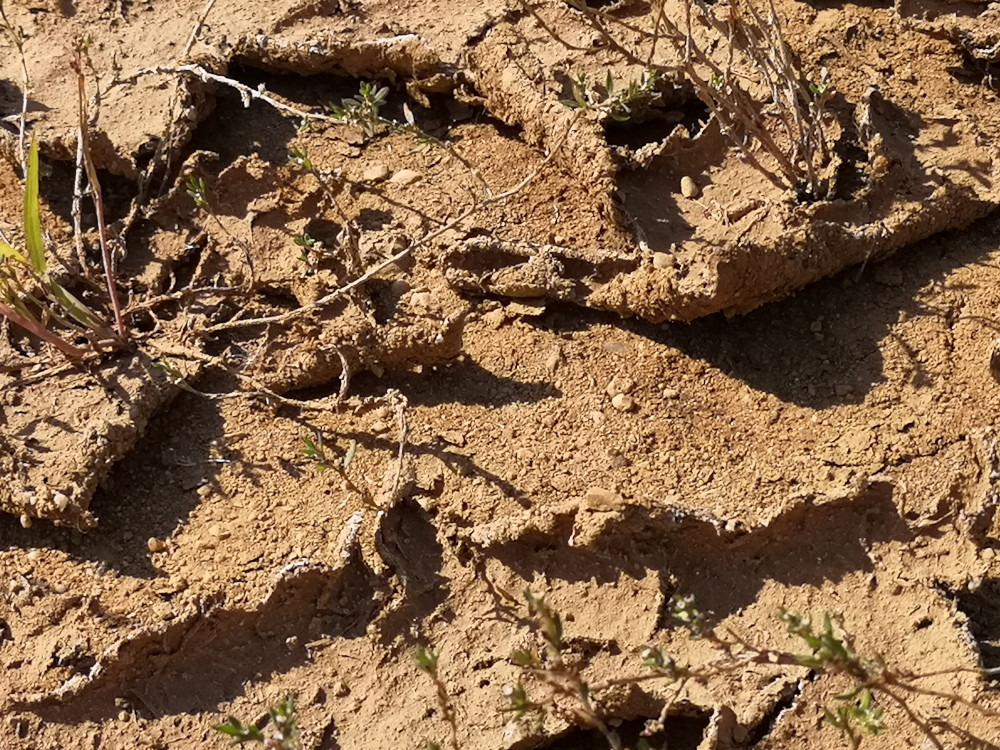
We see these quarry walls as living archives: their palette — ochre, limestone, pale sand, flecks of coal or clay — is not just aesthetic, but a material expression of deep time. The landscape speaks in minerals.
This project combines scientific description with a poetic gaze, recording the moment when the landscape stops being a background and becomes a voice.
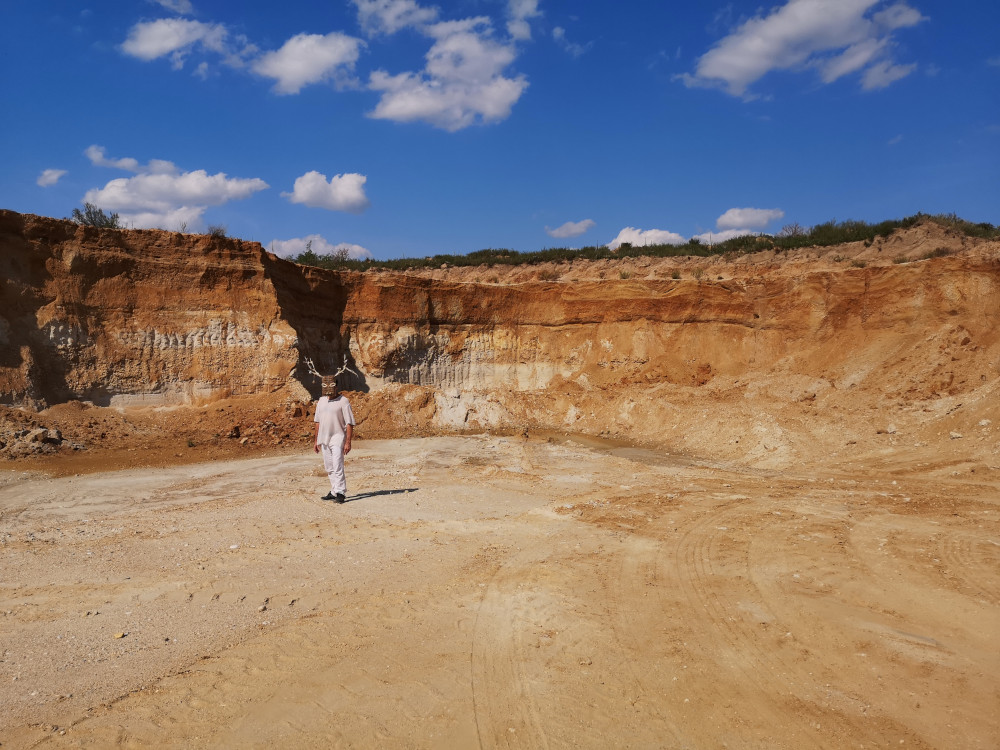
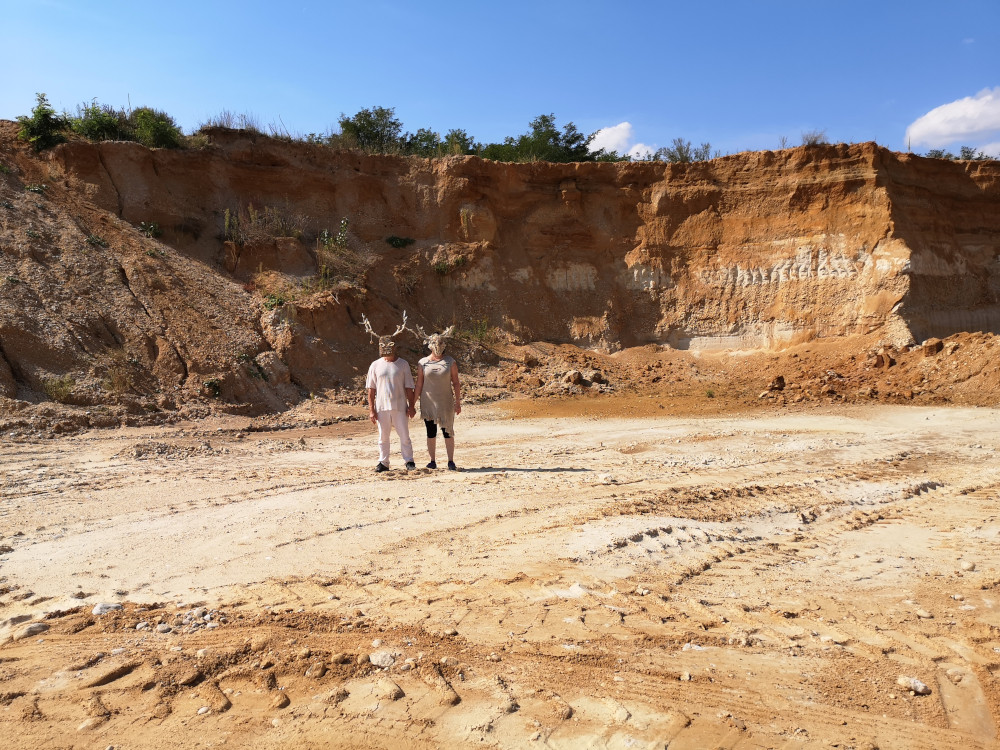
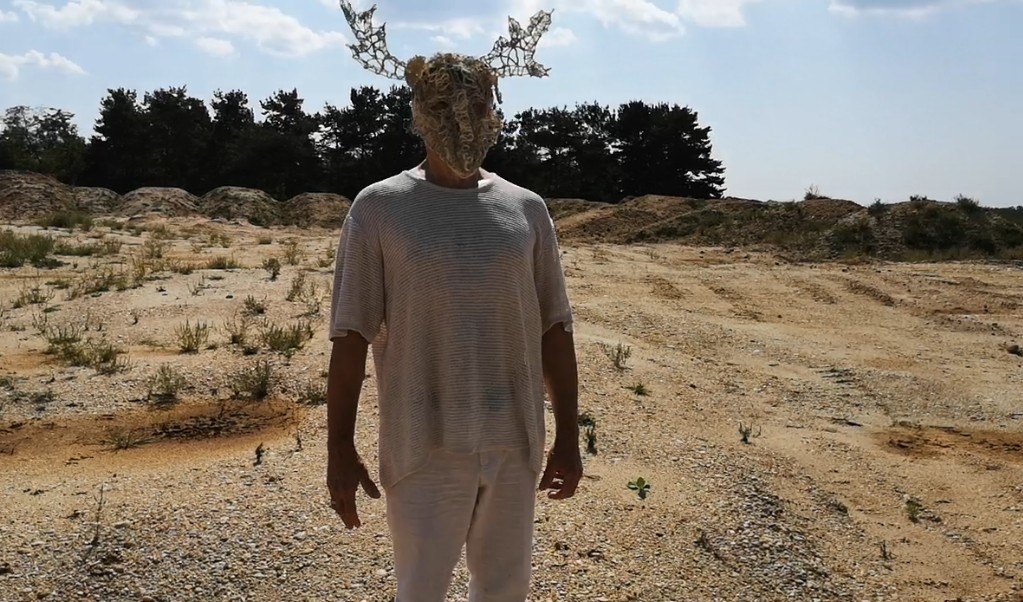
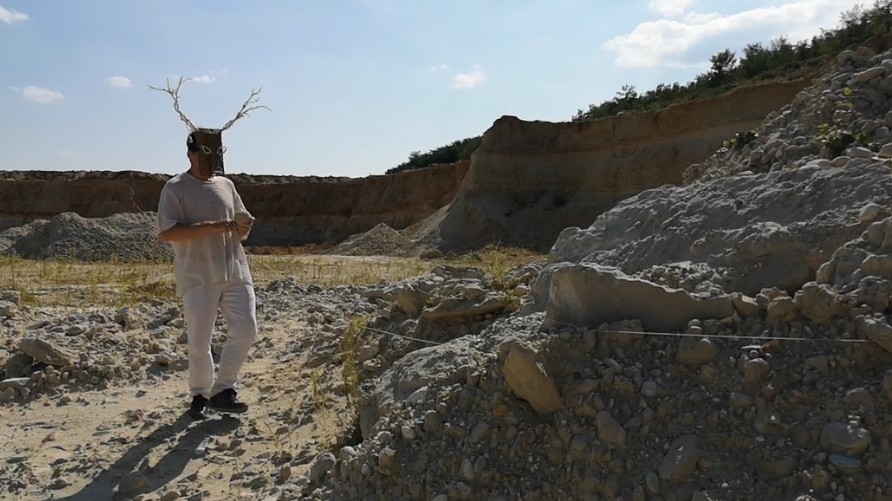
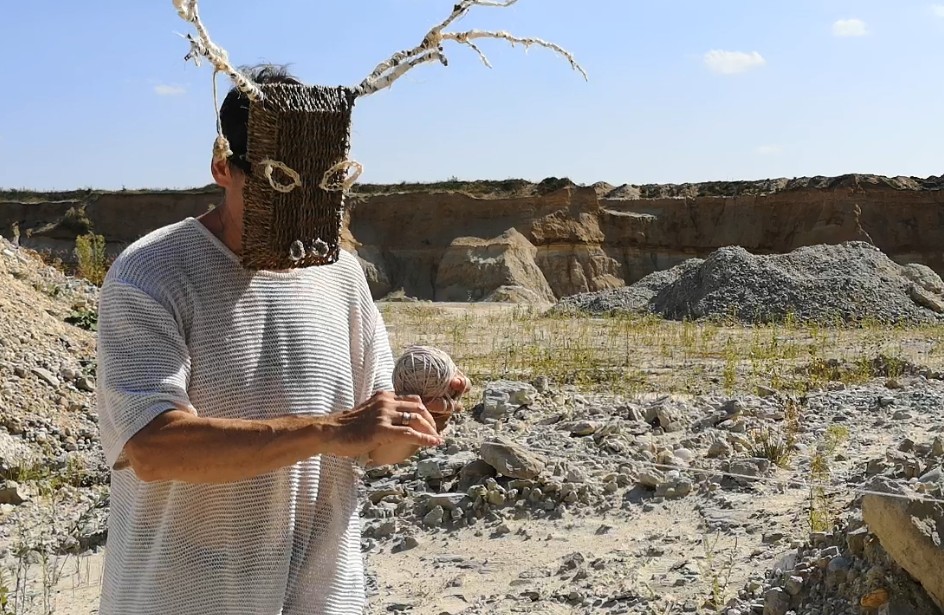
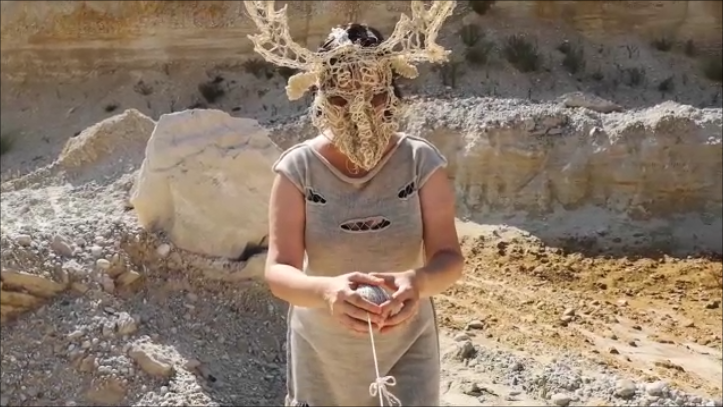
Ritual with Shadows Among the towering walls of orange sand, we staged a performance and photoshoot — figures in deer masks moving slowly across strata, like spectral mediators between epochs.
The quarry’s colors — bleached whites, rusts, ochres — hold the memory of the Pannonian Sea. Its currents, once fast and slow, have left layers like time pressed into pigment. To appear here in deer masks is not masquerade, but listening. The deer, in our practice, is a mediator — one who follows invisible paths, linking the visible with the invisible.
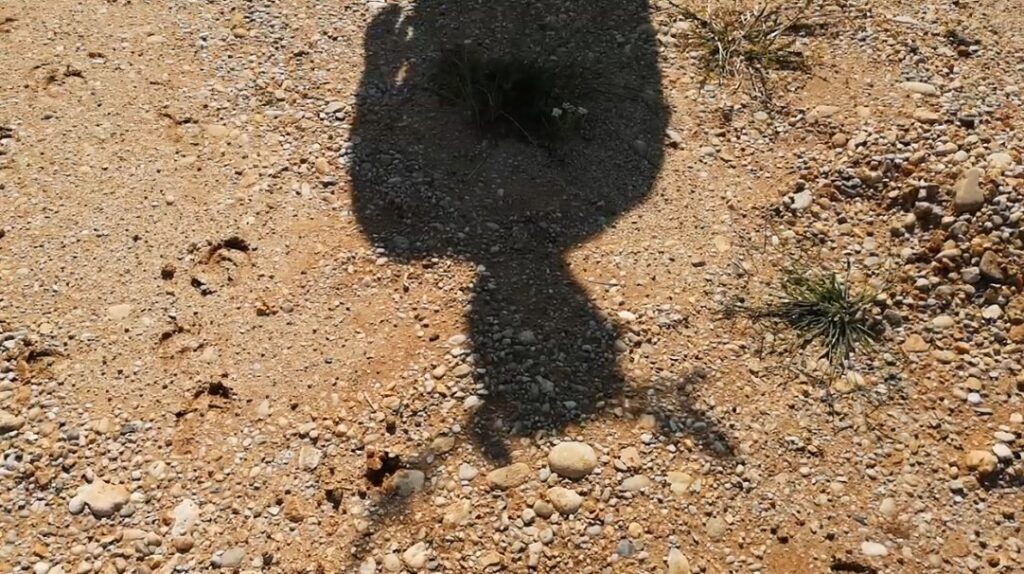
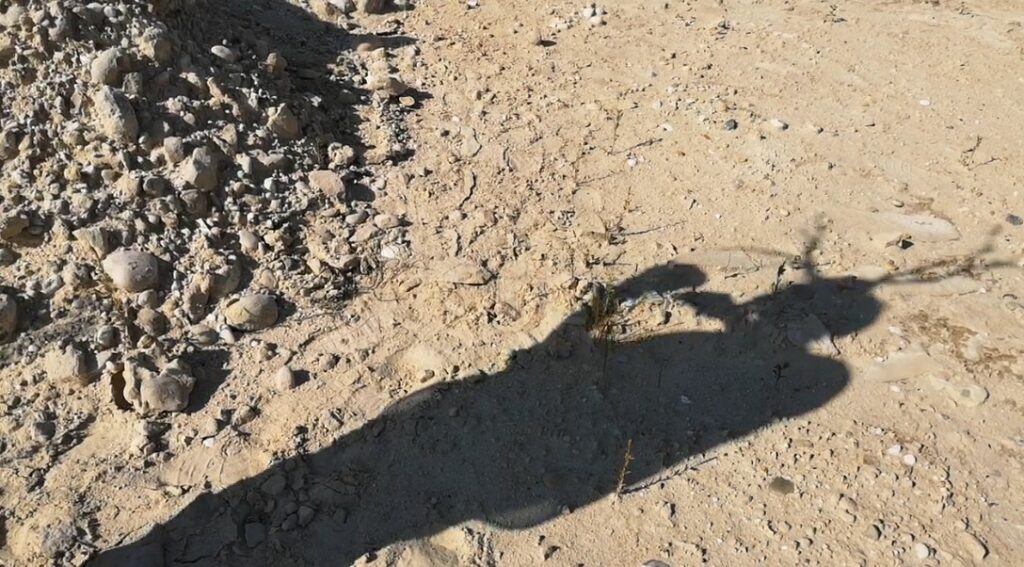
Shadows matter here: they fall across the sand like echoes of past presences. As we move through the light, our bodies become brief projections — alive within the sediment’s stillness.
This ritual is not a reconstruction of history, but an attempt to enter its rhythm, to step into the fluid memory of the landscape and briefly become part of its unfolding.
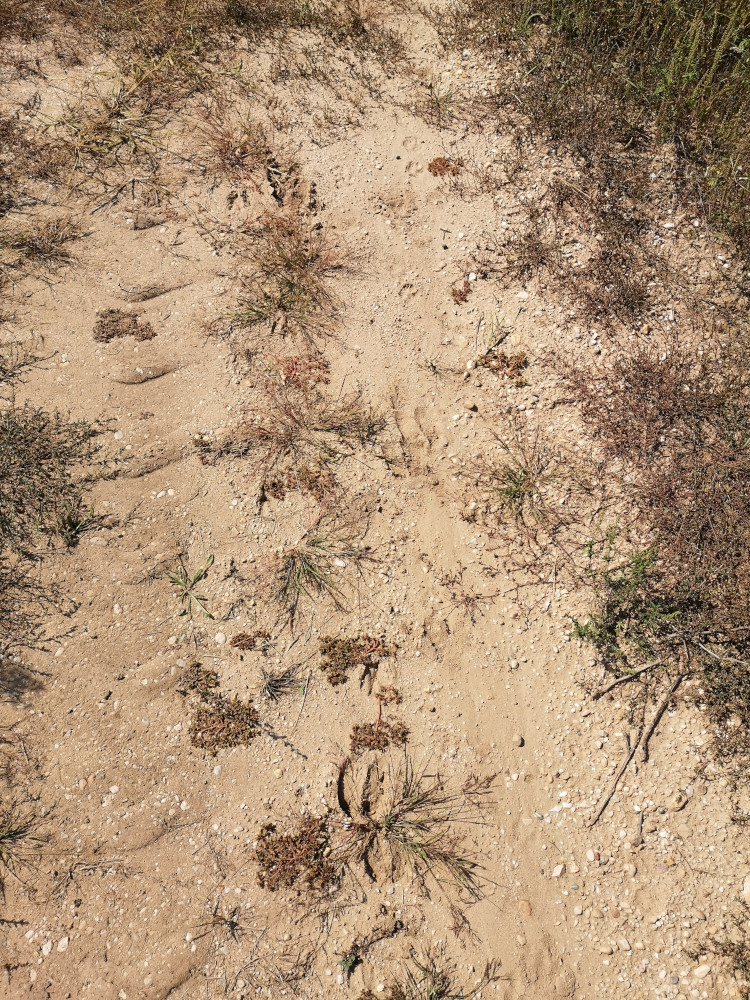
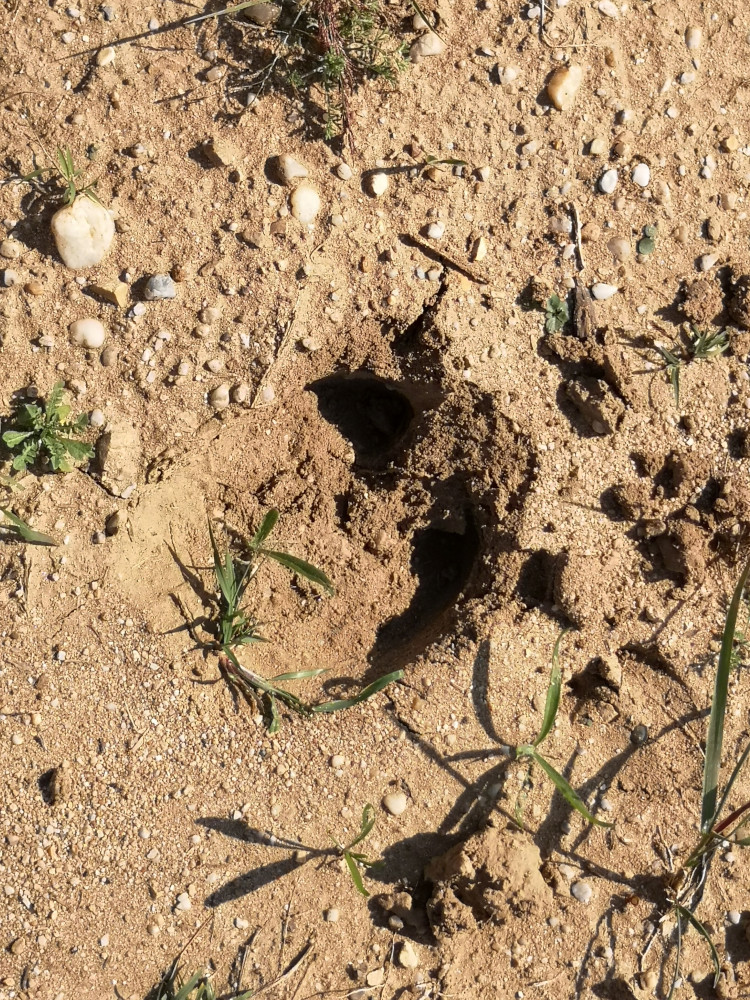
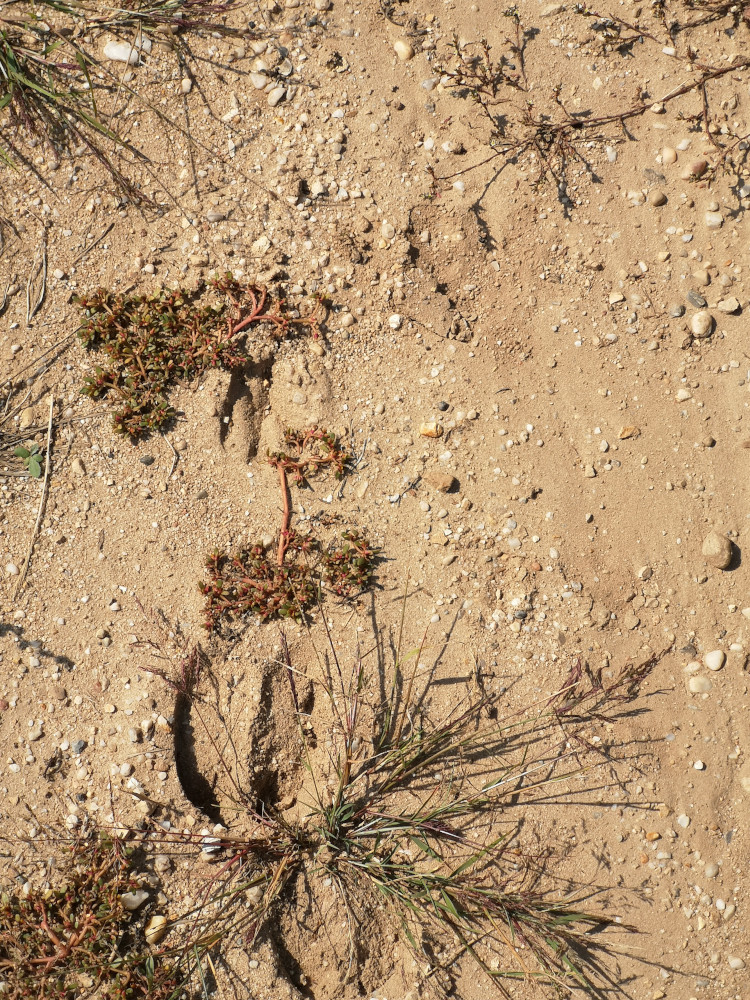
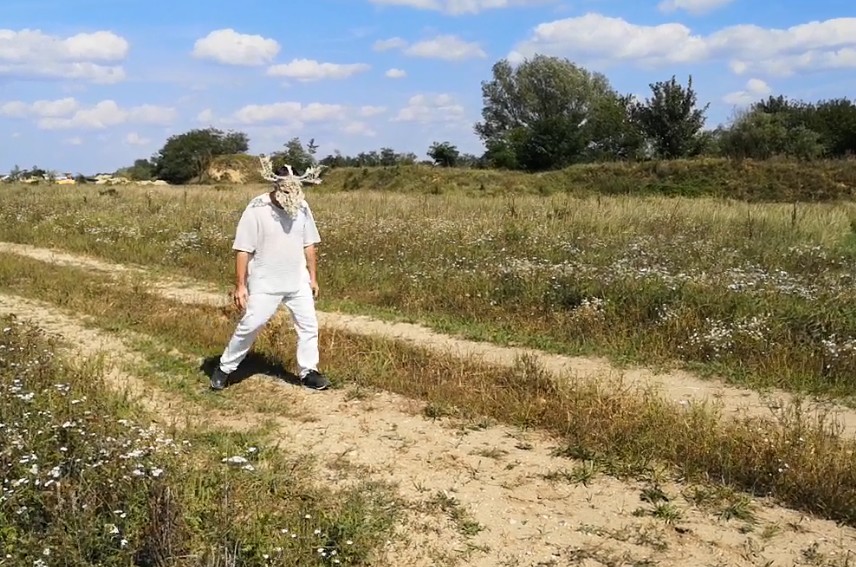
In the Footsteps of the Deer In the inactive zone of the quarry, we found a surprising number of deer tracks. One trail followed a path up a slope, ending on a circular platform — likely used by quarry vehicles — where the tracks vanished.
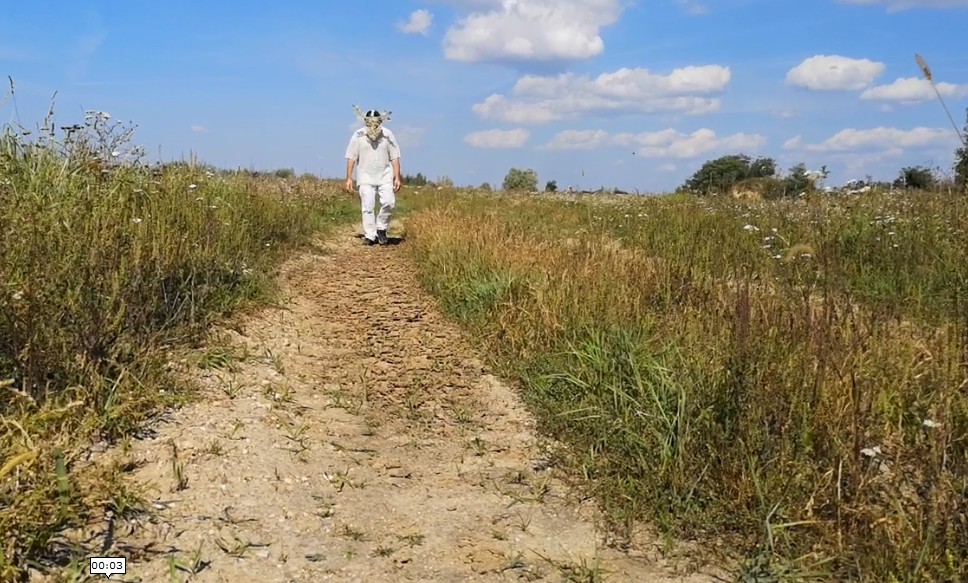
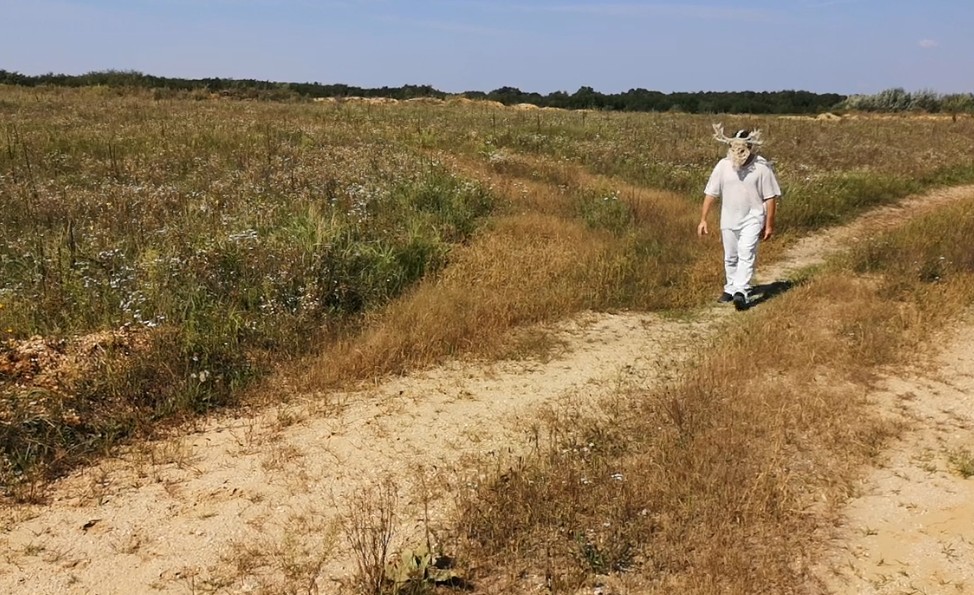
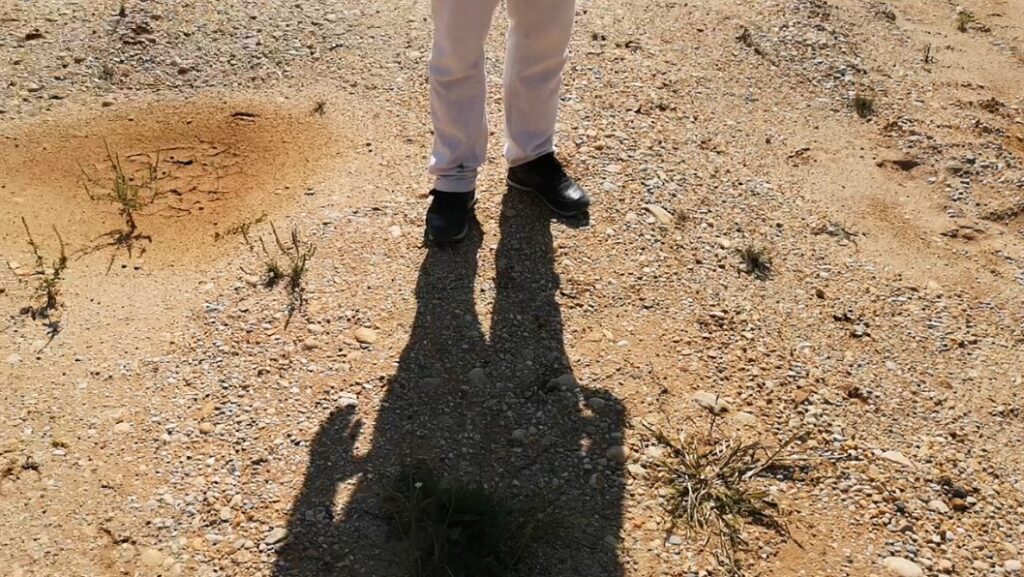
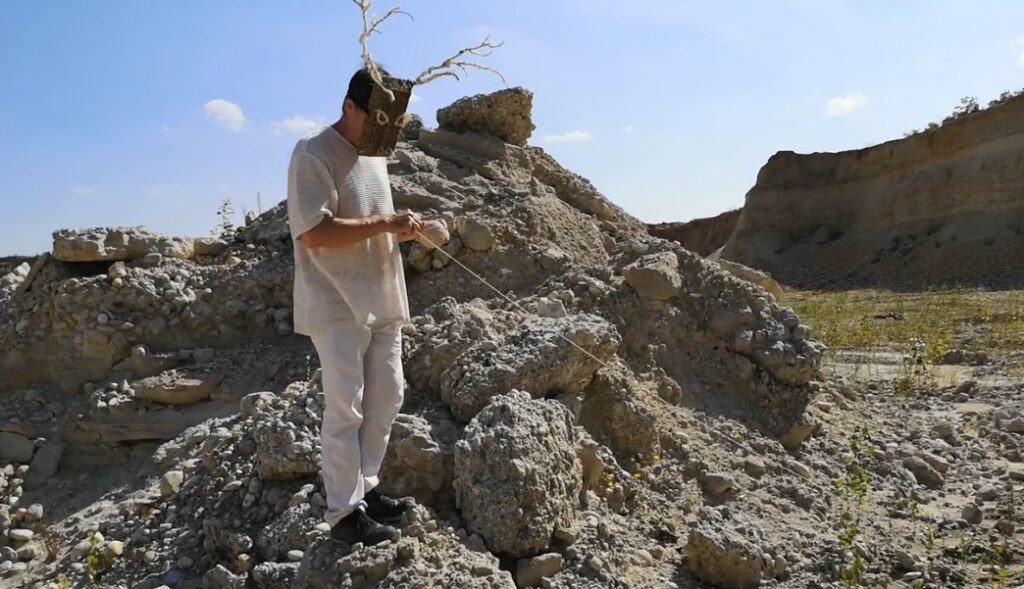
This moment inspired a video. A masked figure follows the trail. At its end, he notices another pair of legs beside him. He slowly looks up — and sees himself. A silent encounter: a meeting of self with self.
Selected frames from the video “In the Footsteps of the Deer” Director & Camera: Marina Razheva · Actor: Dmitry Razhev Editing & Color: Sasha Snova · Music: Vlad Razhev
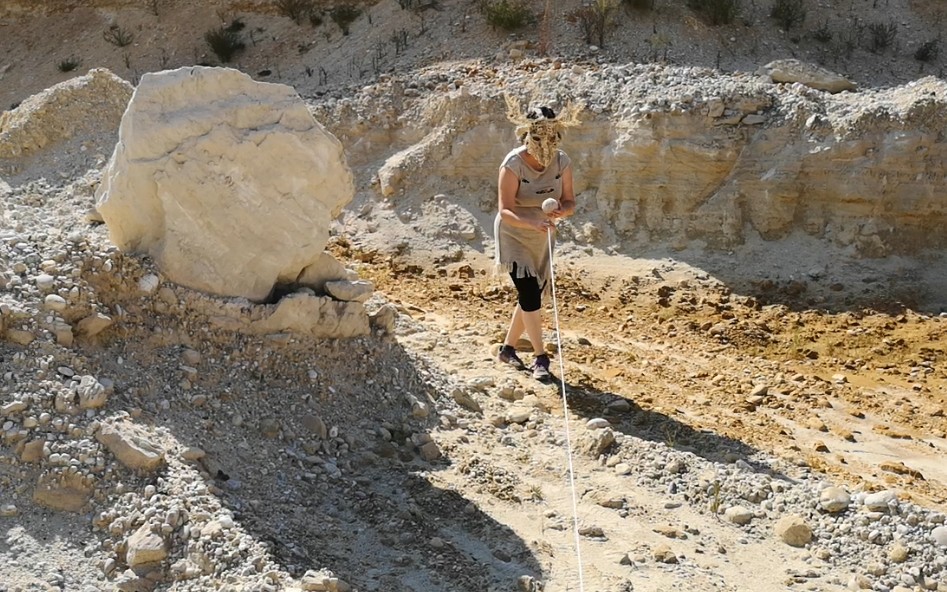
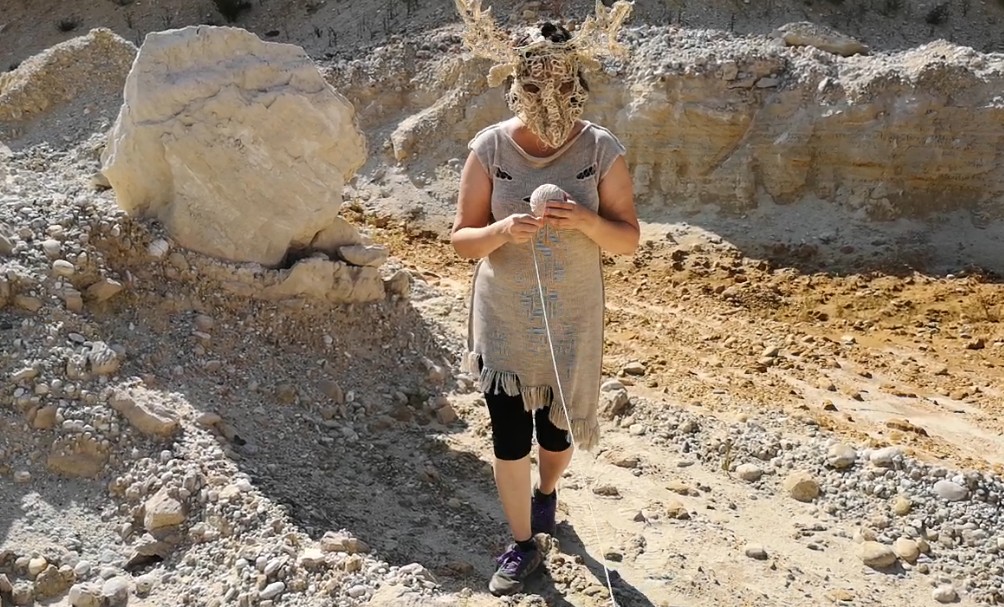
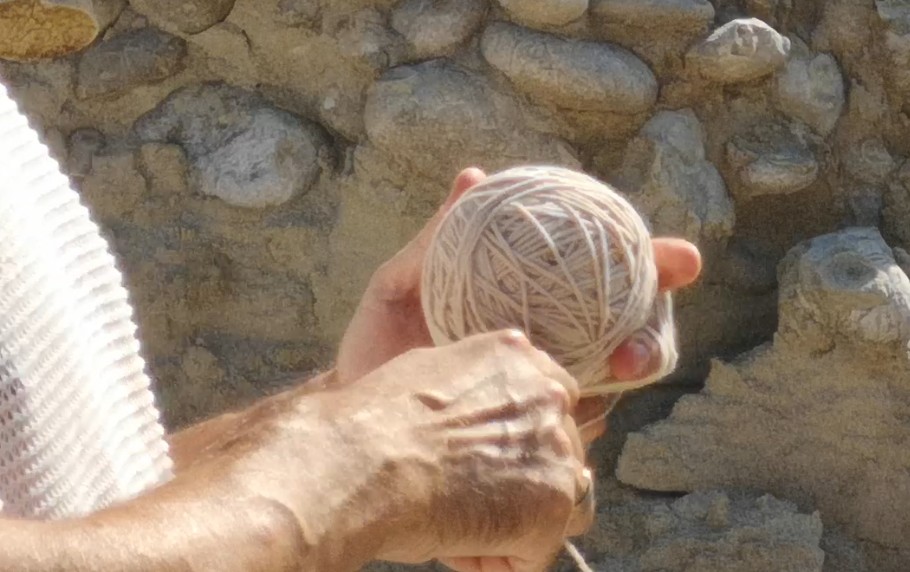
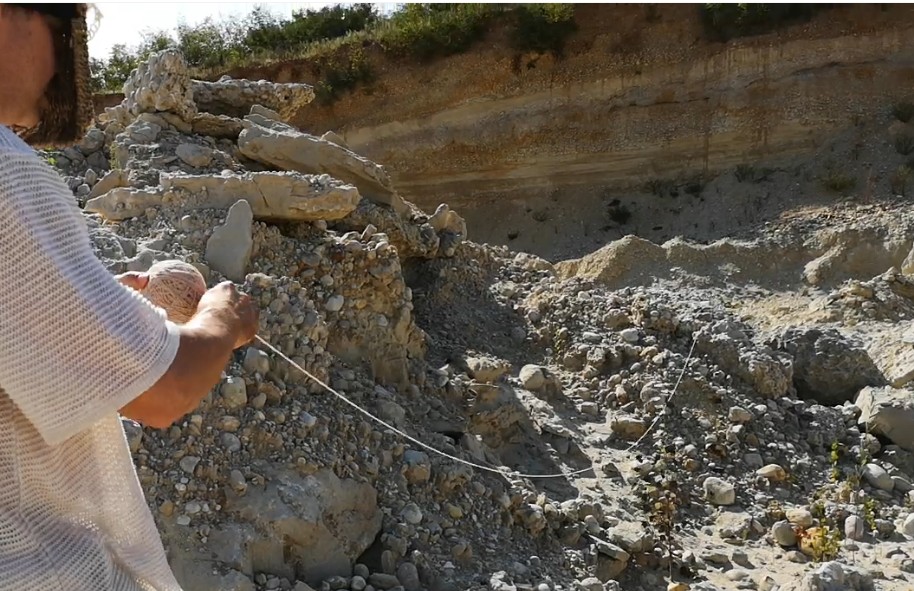
A Meeting Thread In another part of the quarry, pale sand mounds formed a soft labyrinth. There, we filmed a second video: two masked figures walk toward each other, each winding thread onto a spool. When they meet, their threads are already tied in a bow — a symbolic guiding thread that led them to each other.
Stills from the video “A Meeting Thread” Directors & Camera: Marina & Dmitry Razhev Editing & Color: Sasha Snova · Music: Vlad Razhev
This work is part of our ongoing practice of Revealed Realism (RR) — a method that merges artistic intuition with research, myth with landscape, and presence with attention. In this approach, quarries are not neutral scenery, but collaborators. The terrain is active, speaking, remembering.
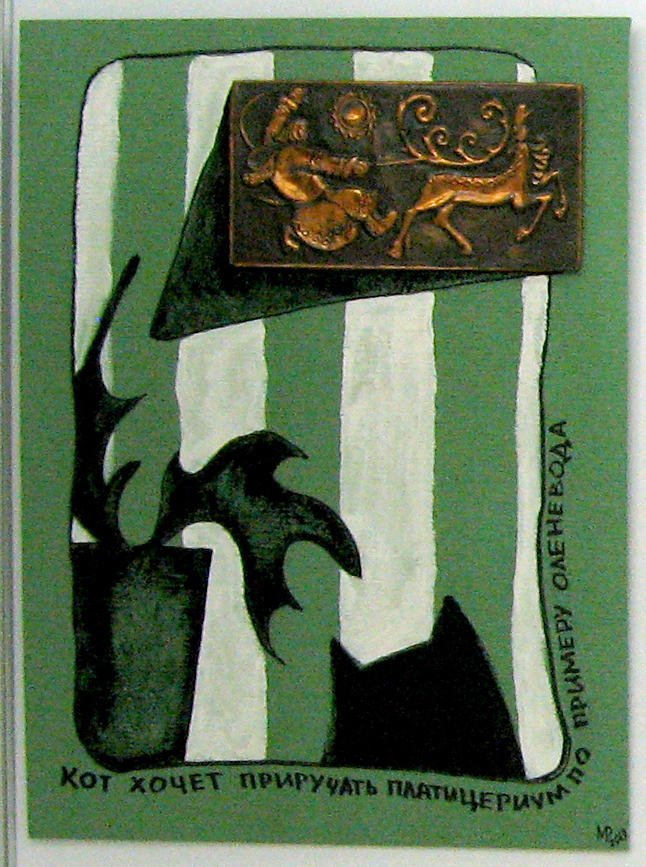
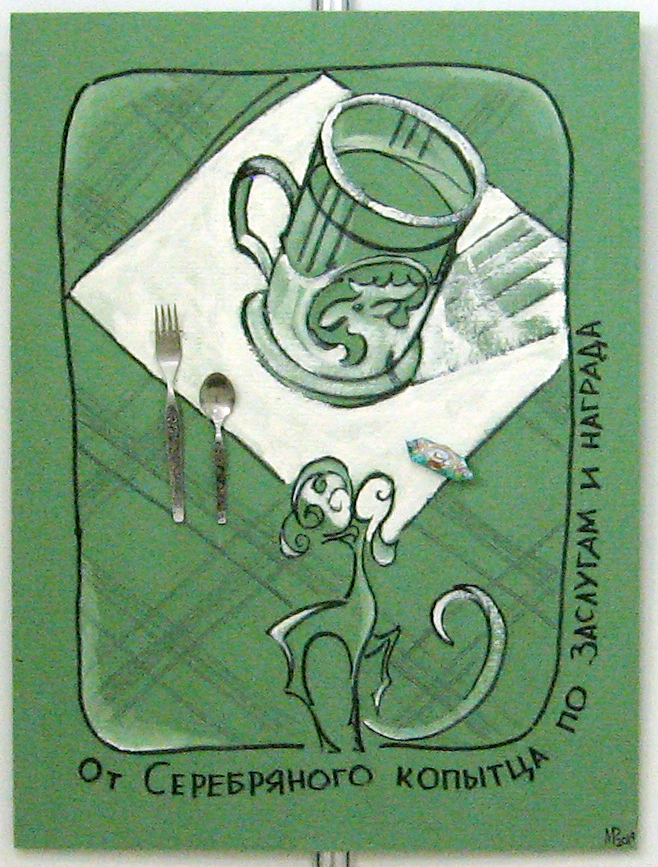
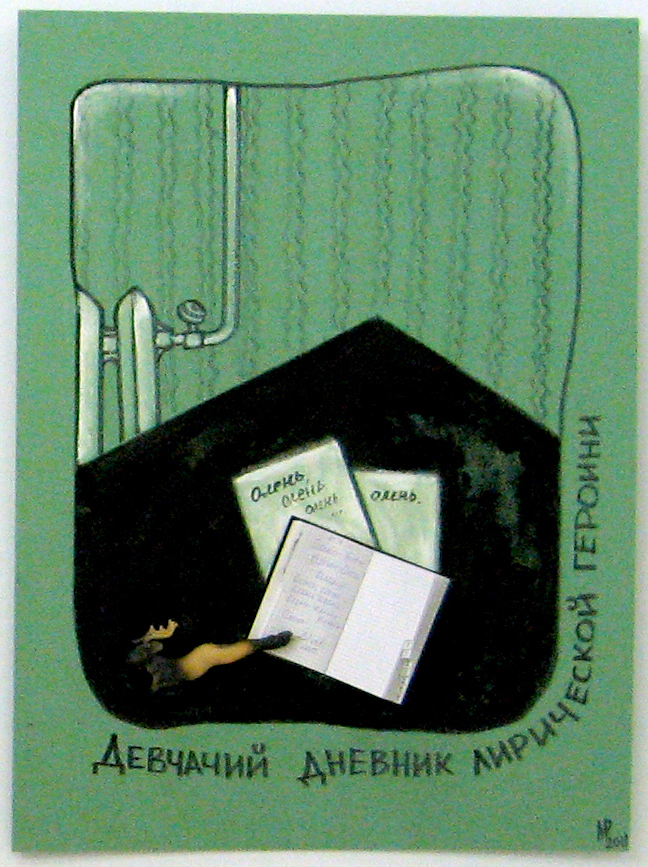
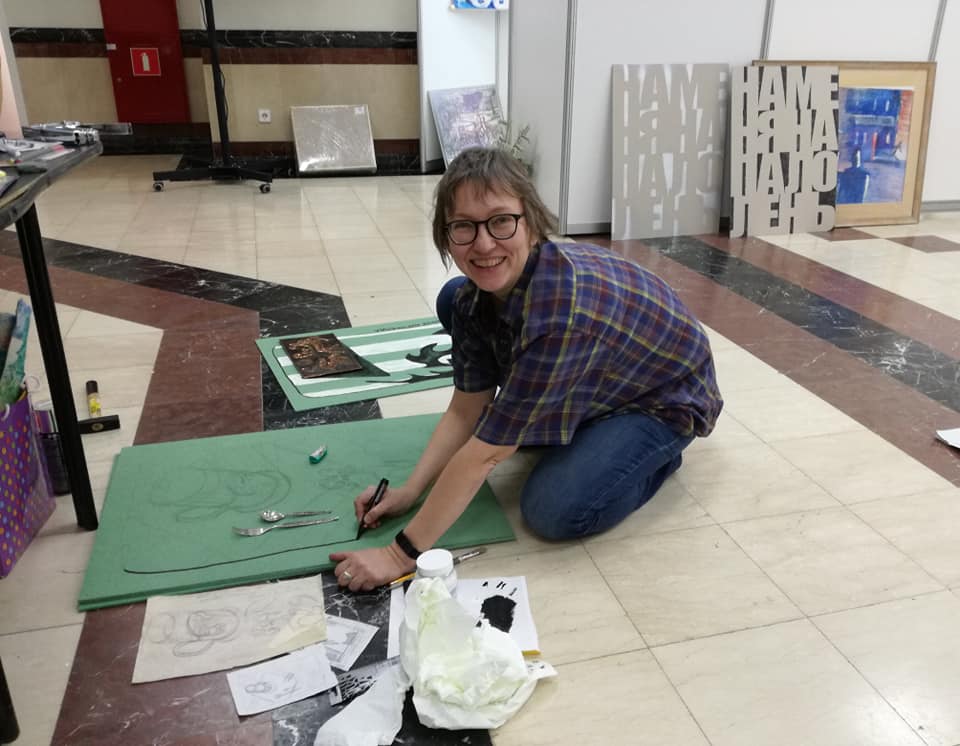
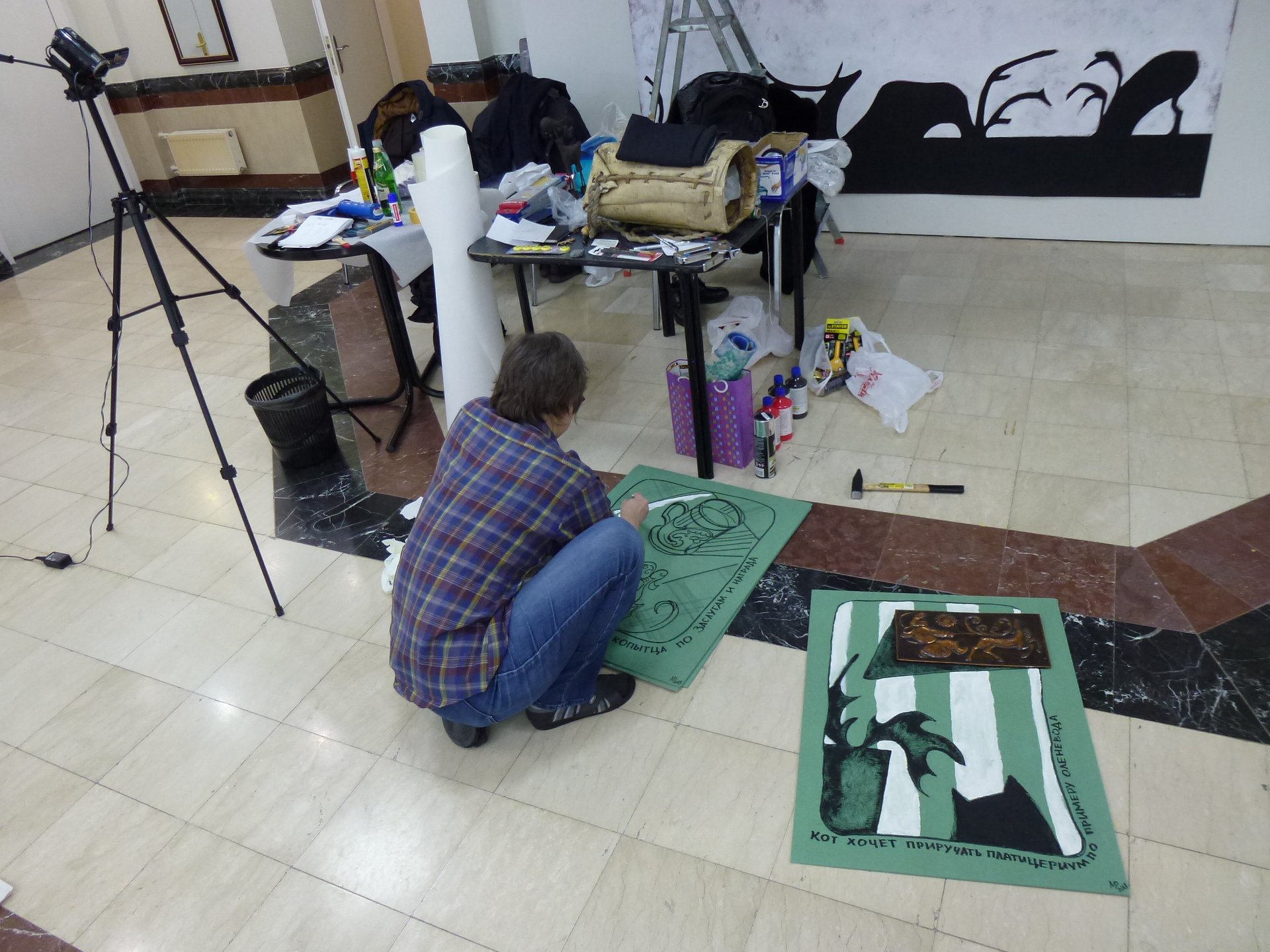
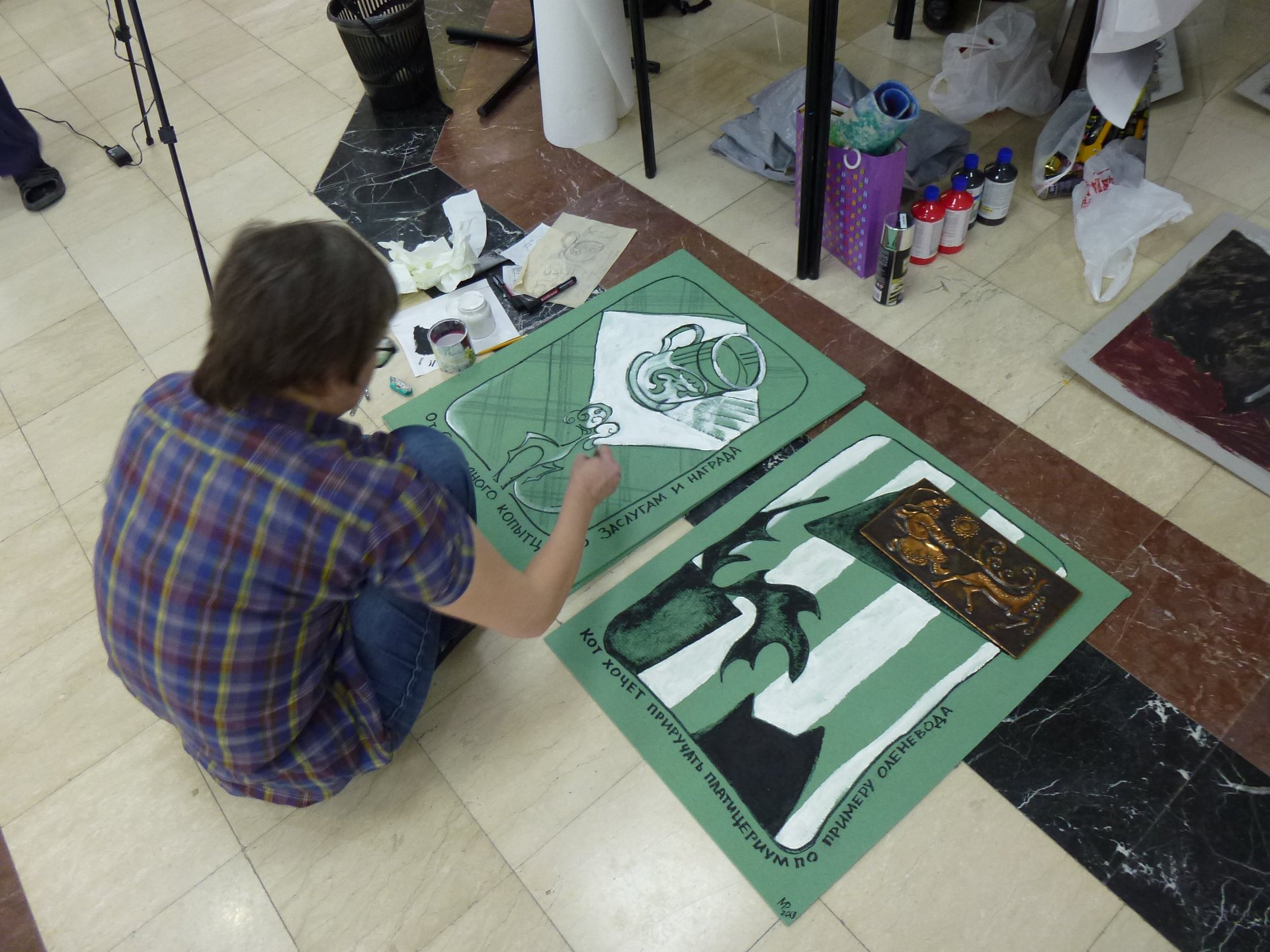
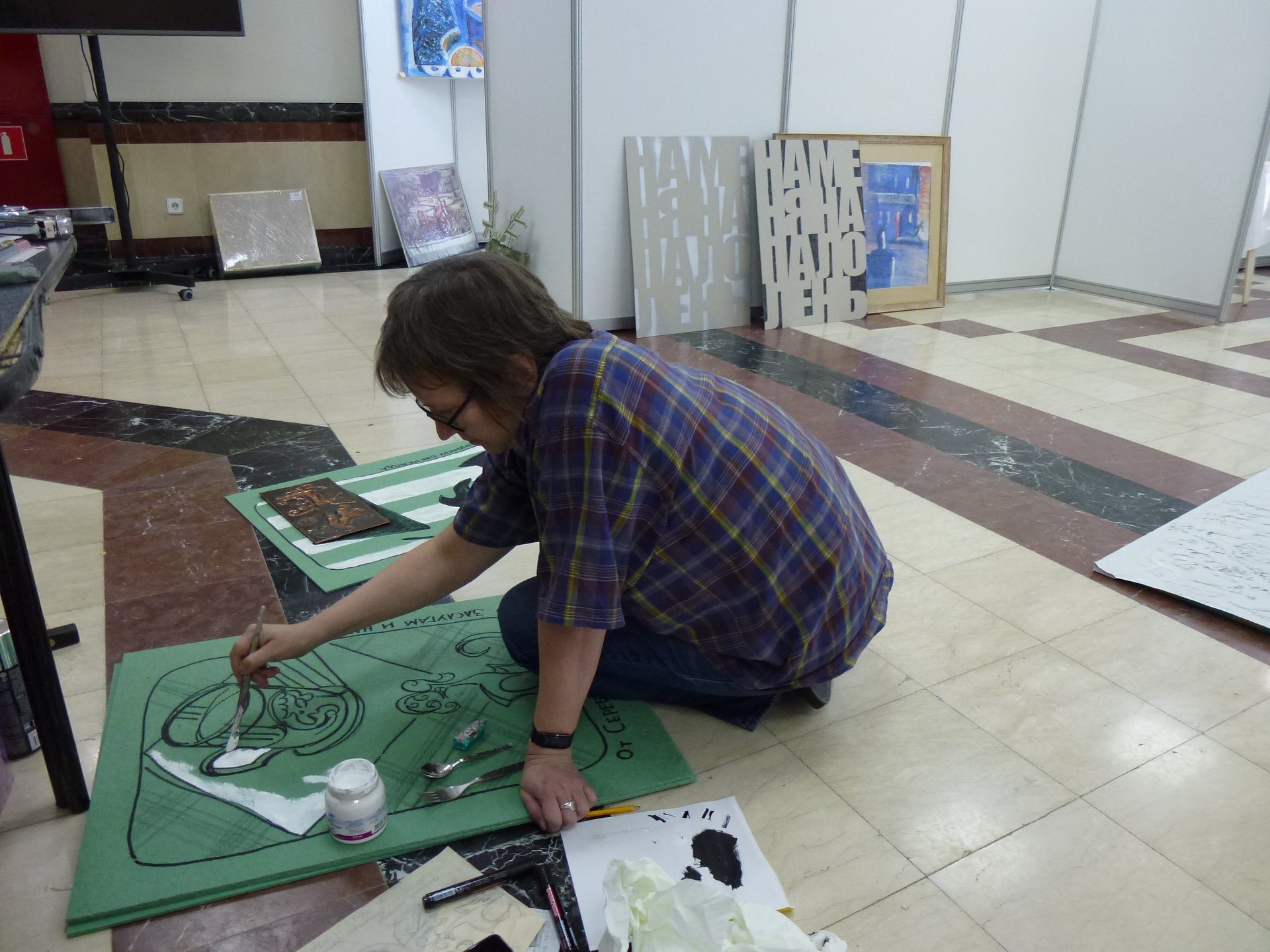
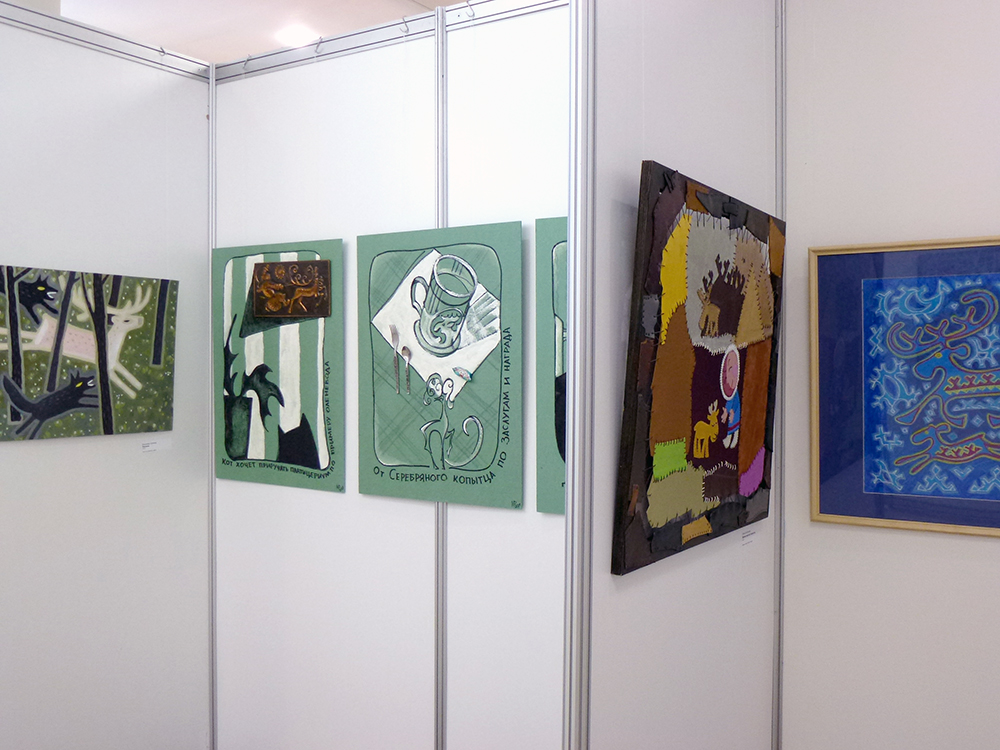
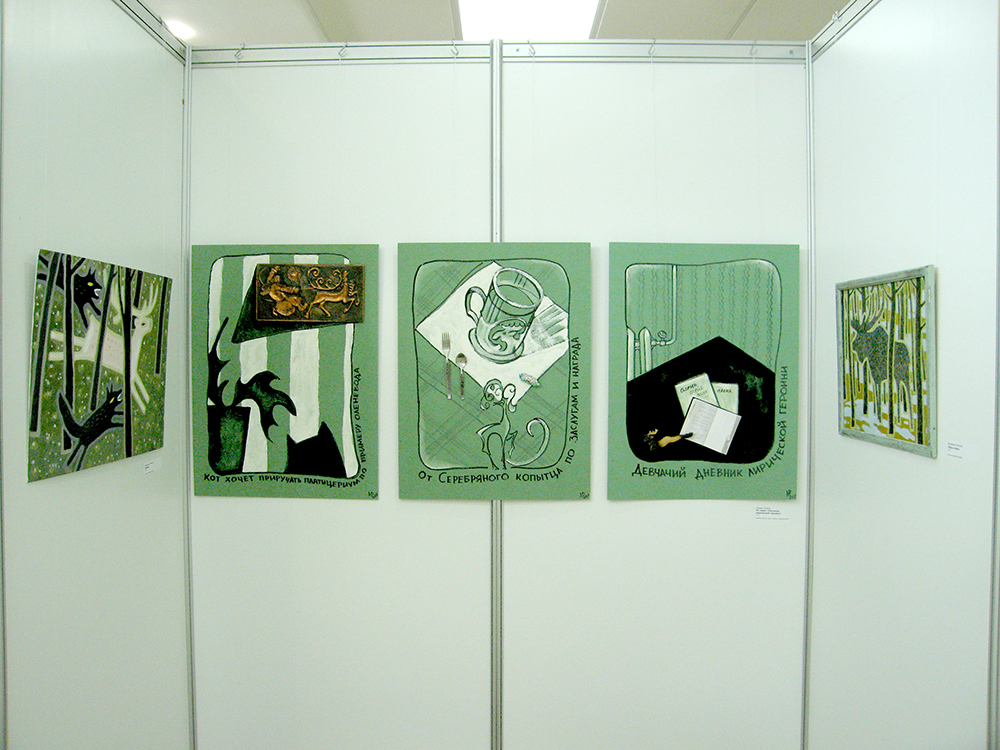
В «Дневниках» образ героини не присутствует, здесь только ее «отношение и размышление», в данном случае, на тему Страны оленьей. Мысли героини настраиваются на имеющийся бытовой объект с изображением оленя. Это исходная точка.
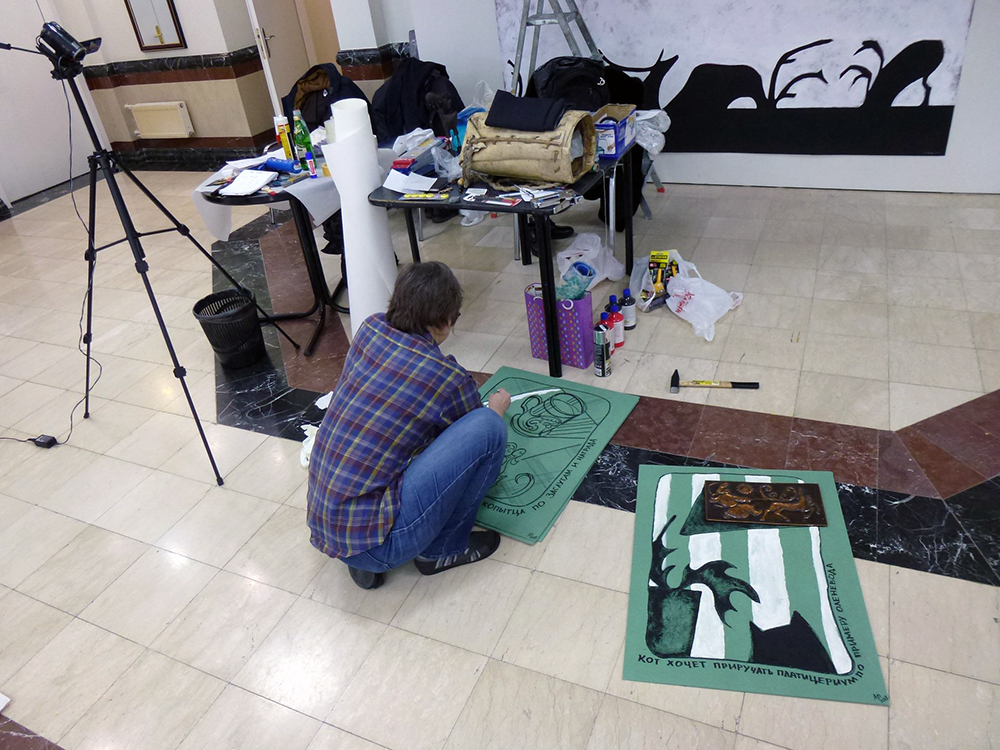
Она понимает, что ее кот, глядя на чеканку с оленеводом, уже собирается «приручать» комнатное растение «оленьи рога». В своем девчачьем дневнике она пишет шариковой ручкой в виде оленя стихи про оленя. Изображения на столовых приборах вводят ее в задумчивость о делах и воздаянии.
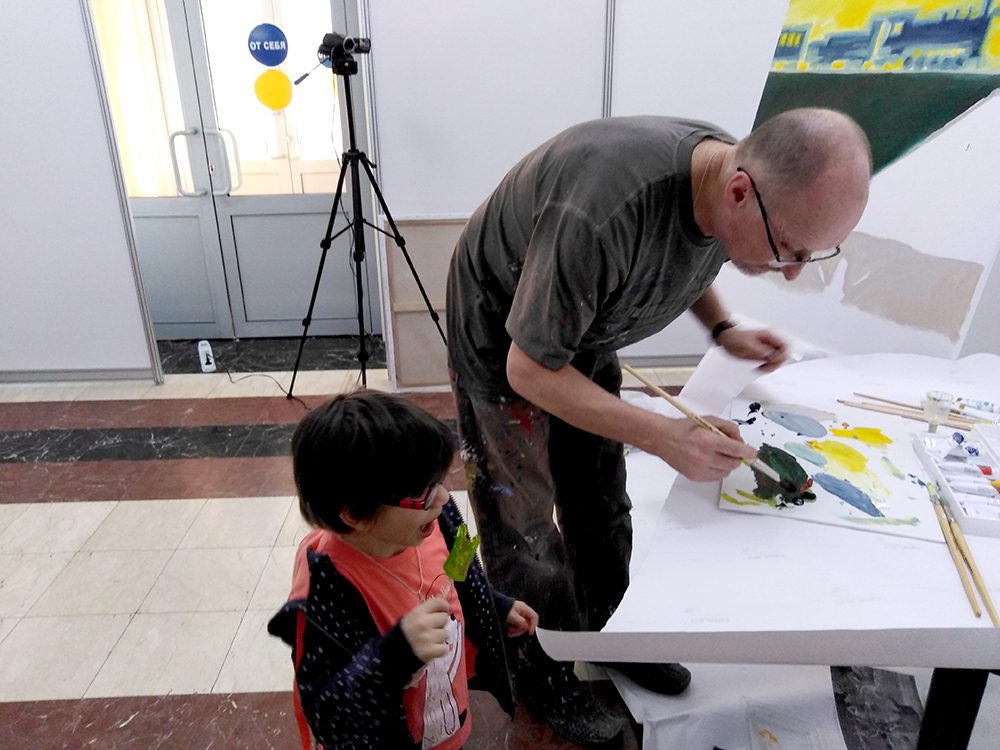
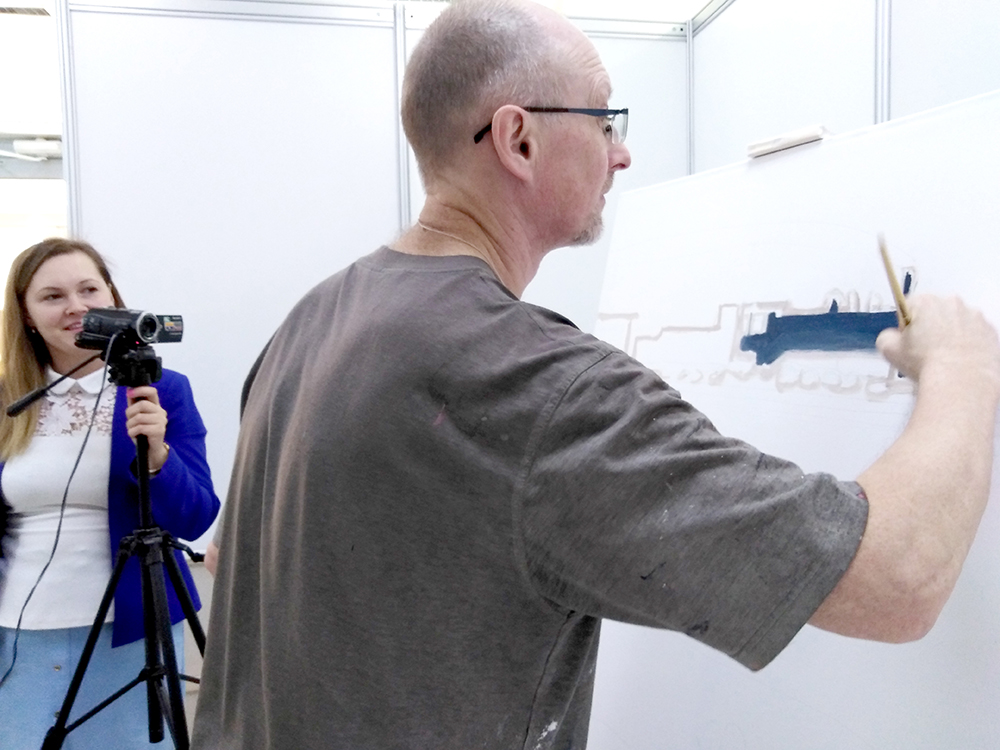
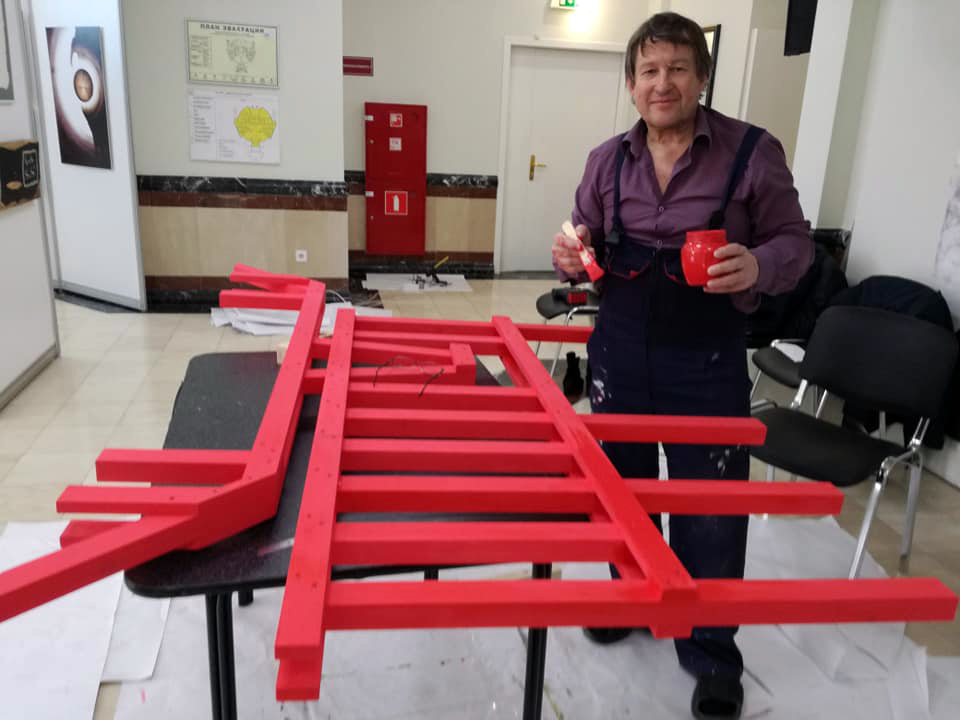
Процесс: Работы были сделаны специально на открытых мастерских в Салехарде для проекта “Страна оленья”, 2019.
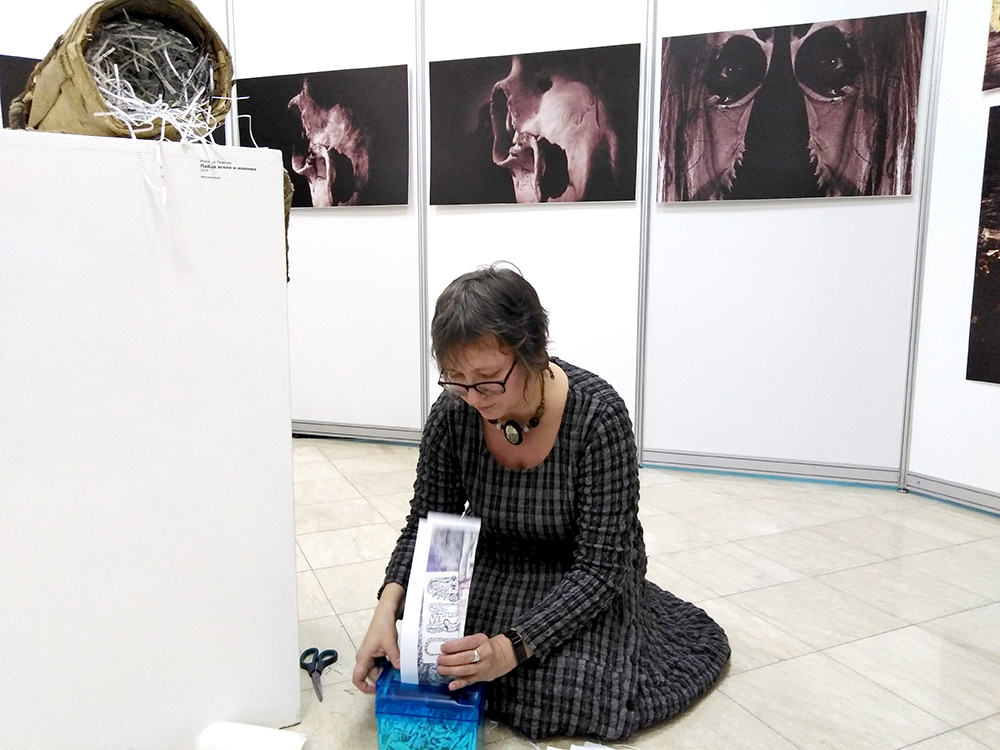
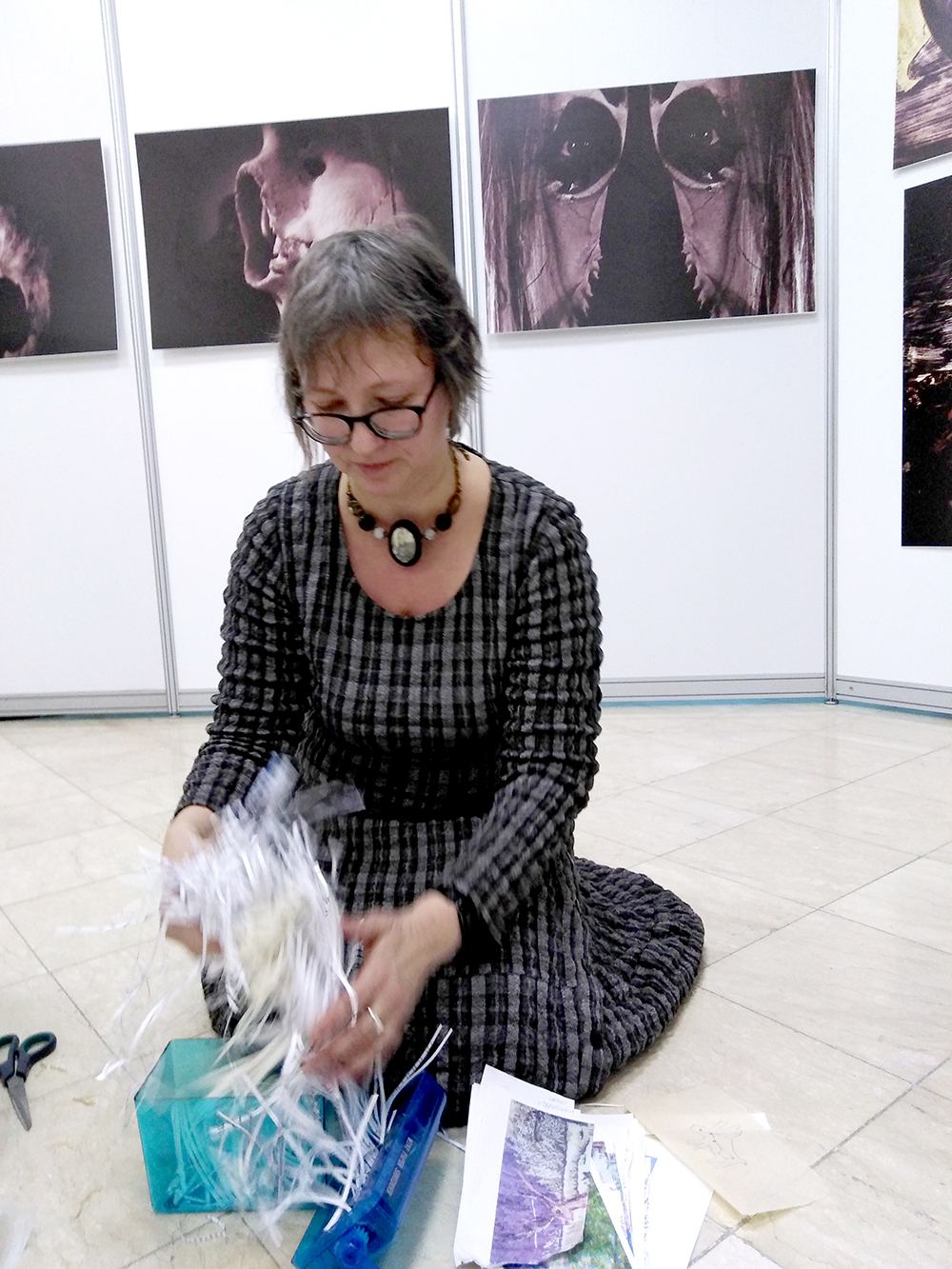
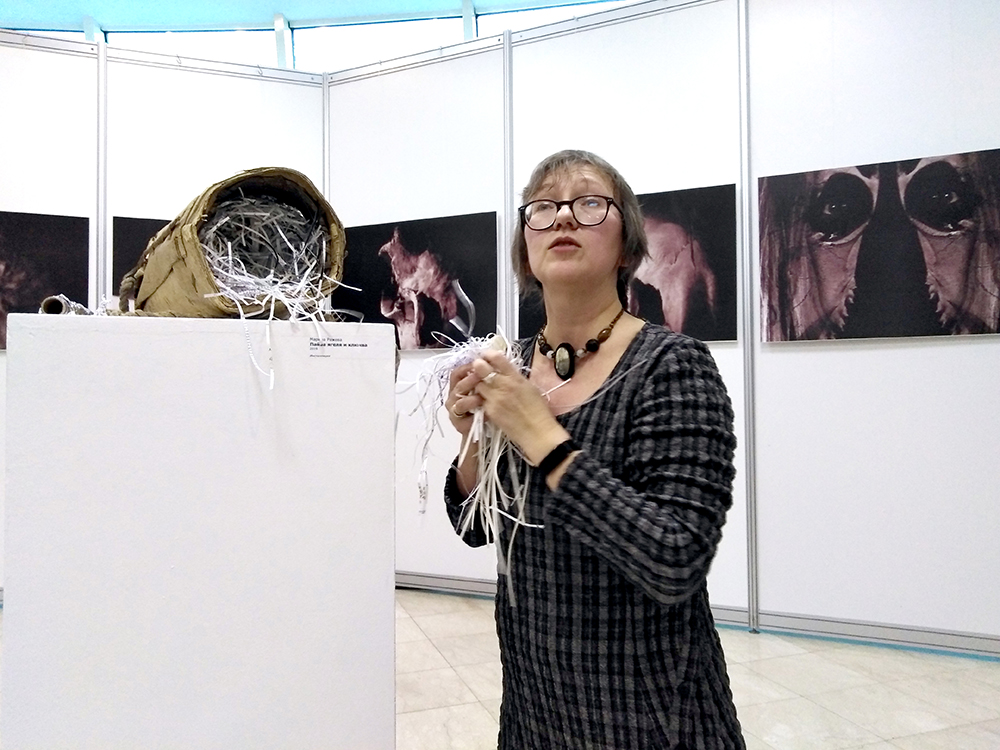
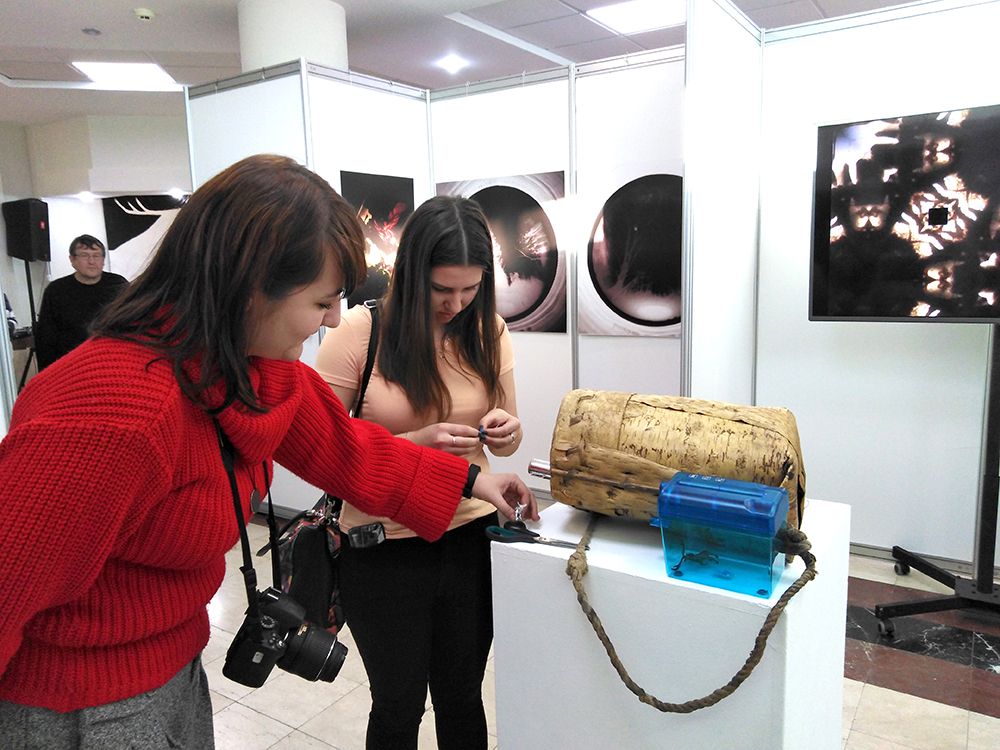
Реди-мэйд объект. Мини-перформанс, процесс создания объекта.
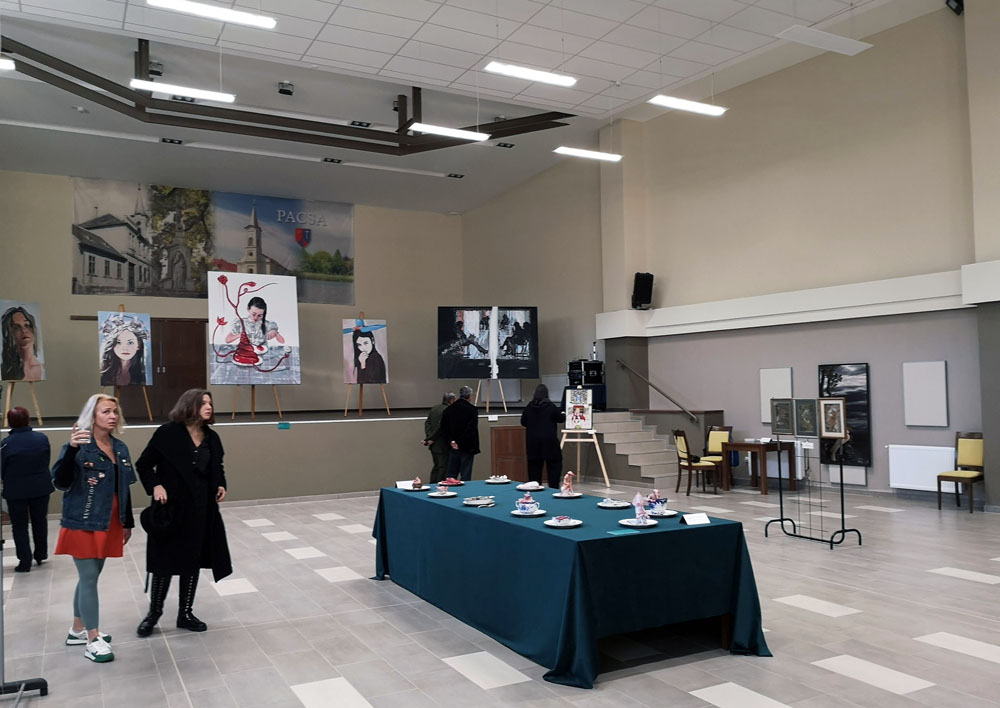
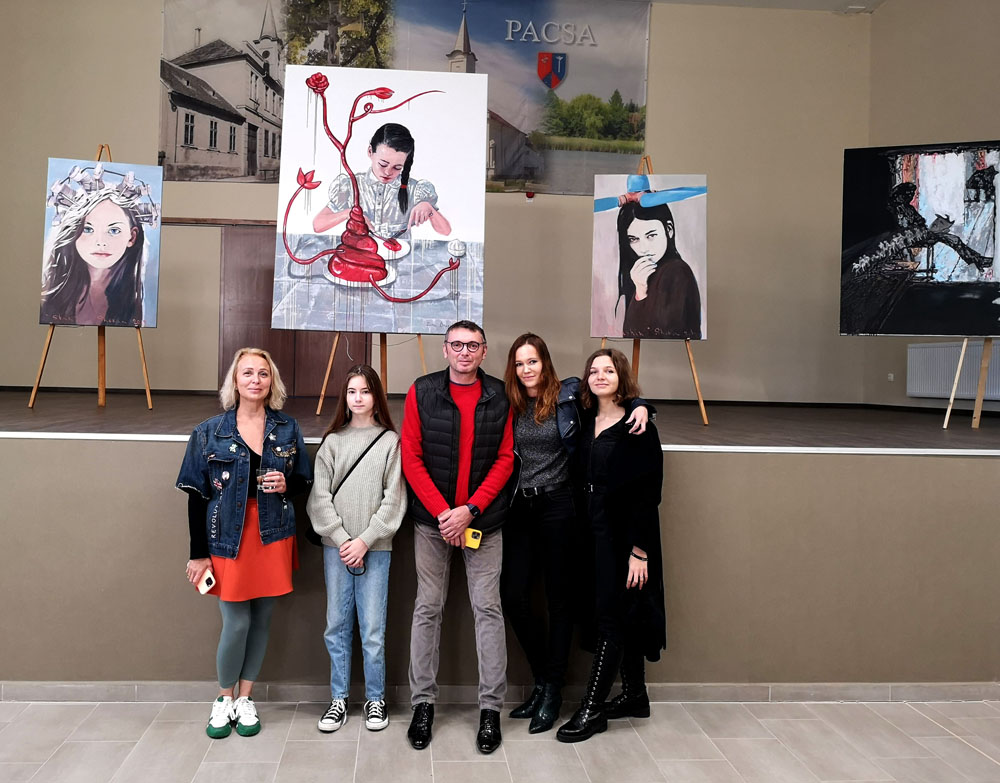
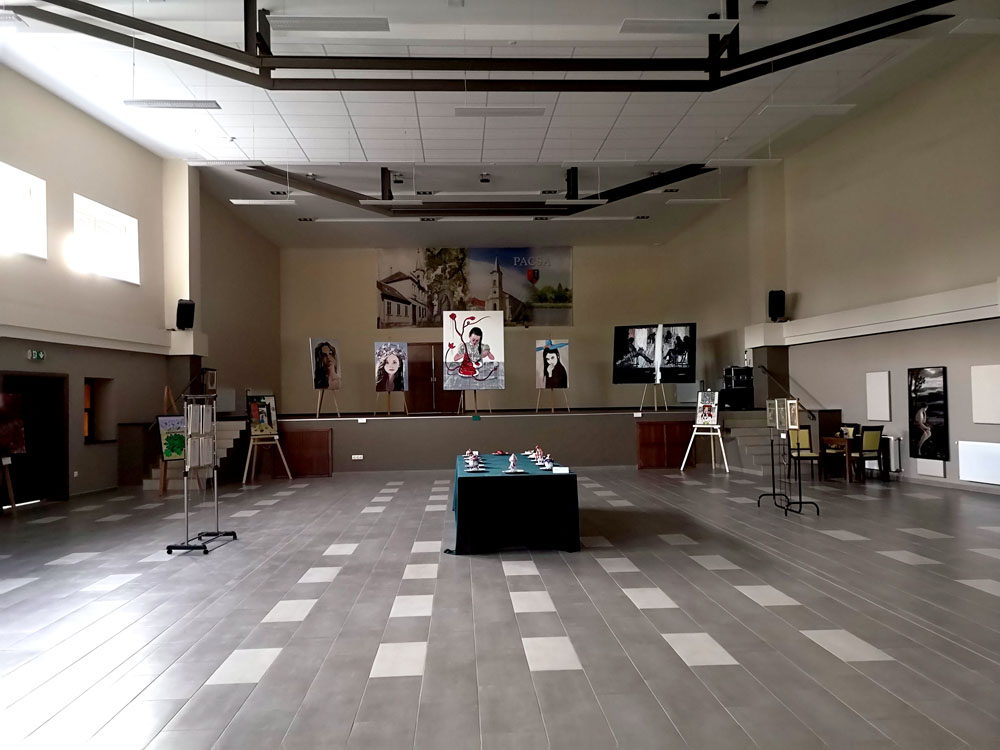
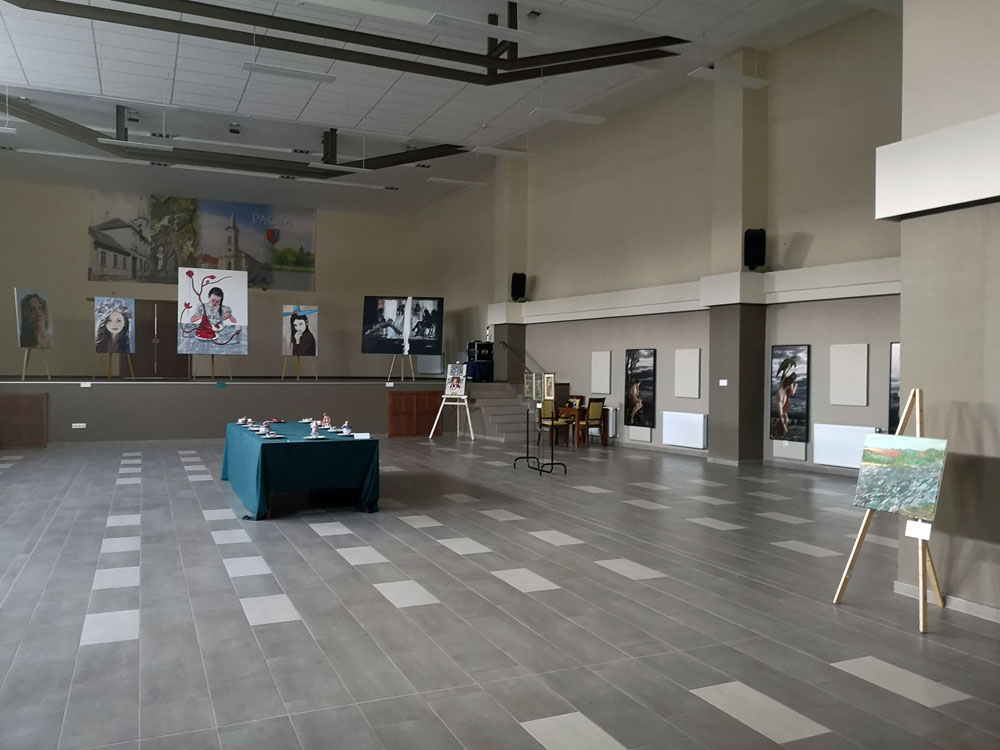
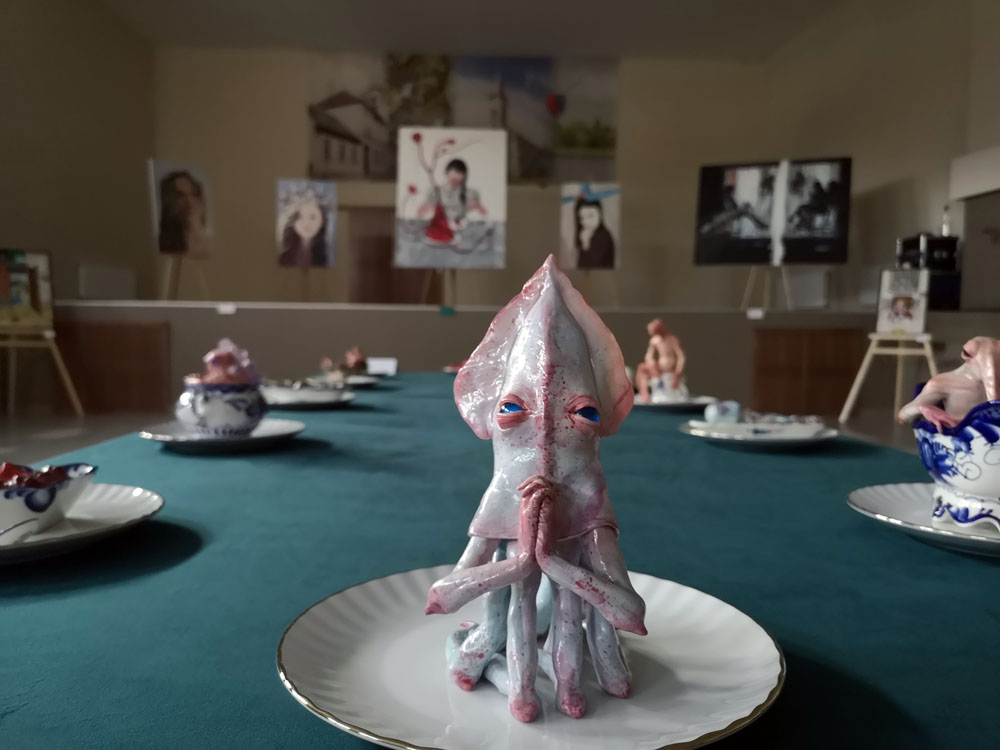
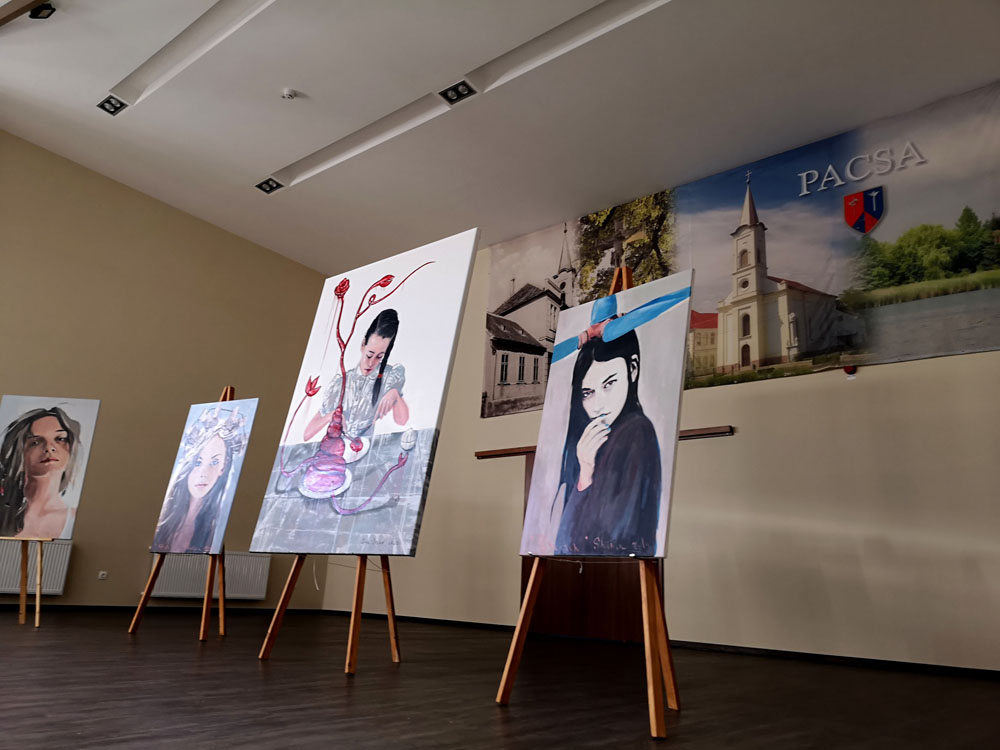
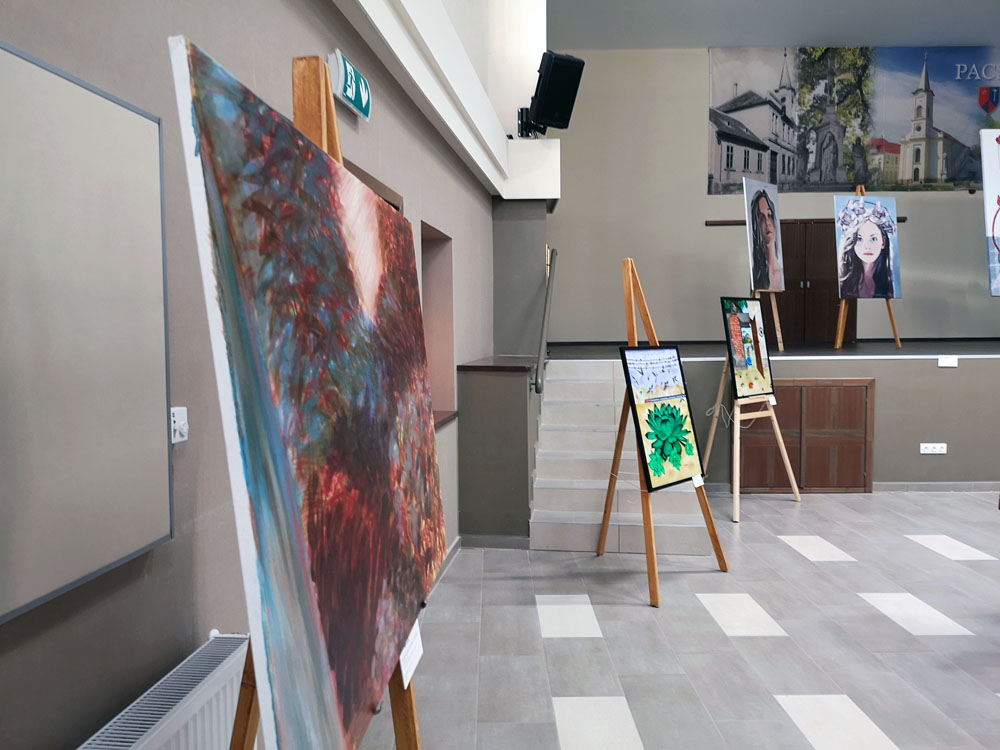
На открытии выставки «Страна оленья».
22 марта 2019
Салехард, Россия
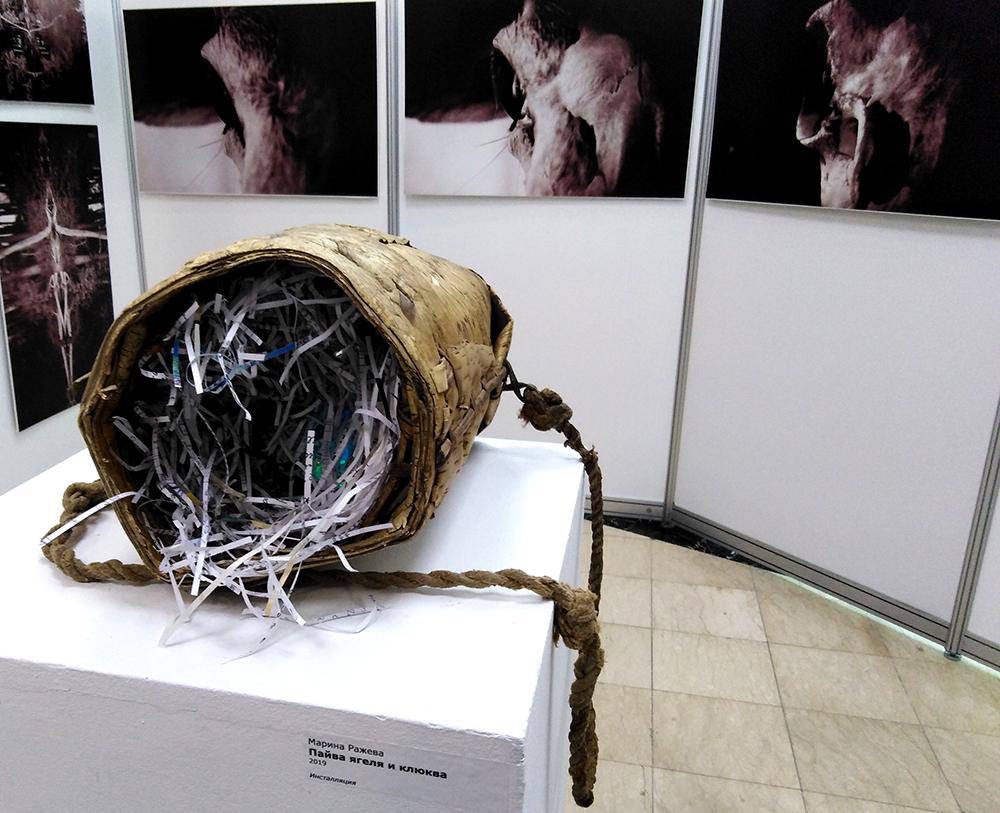
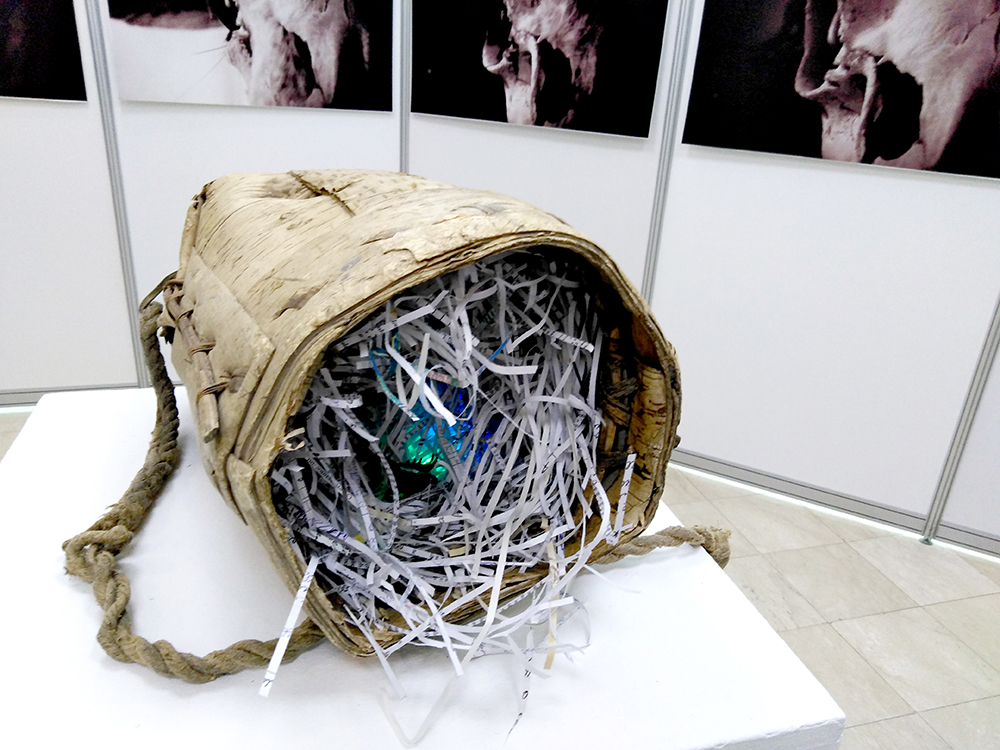
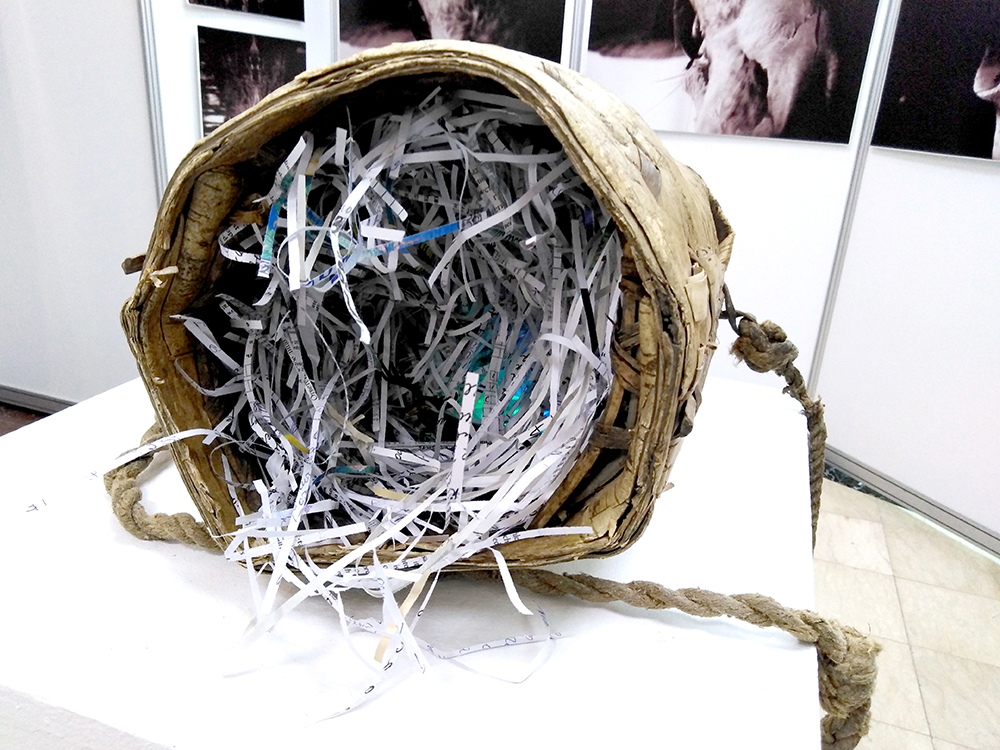
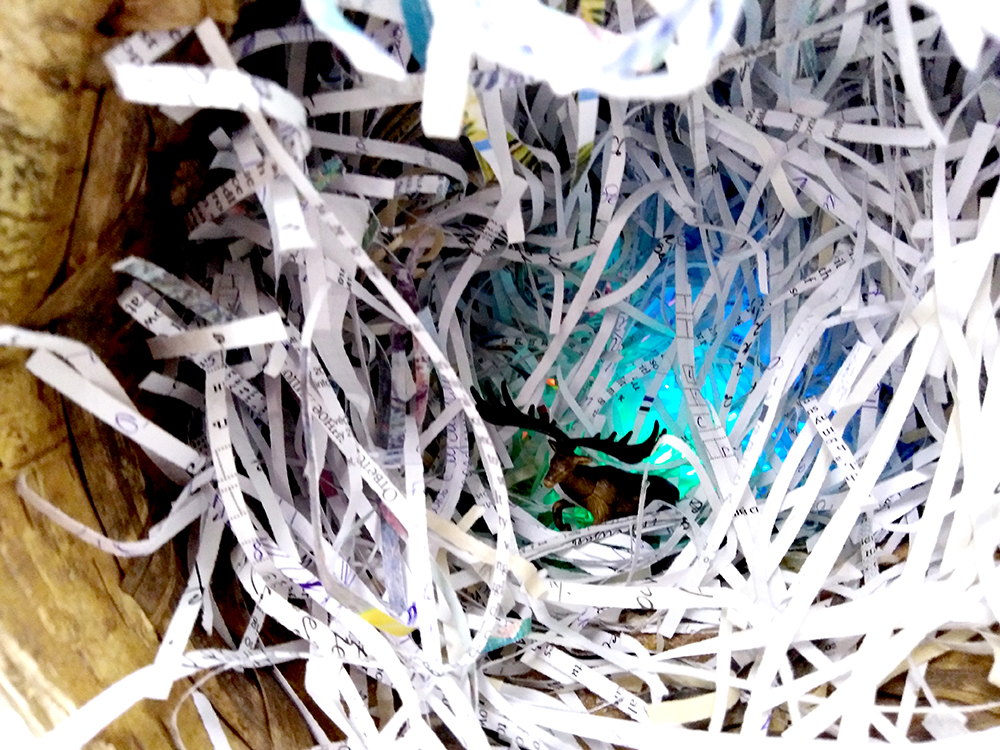
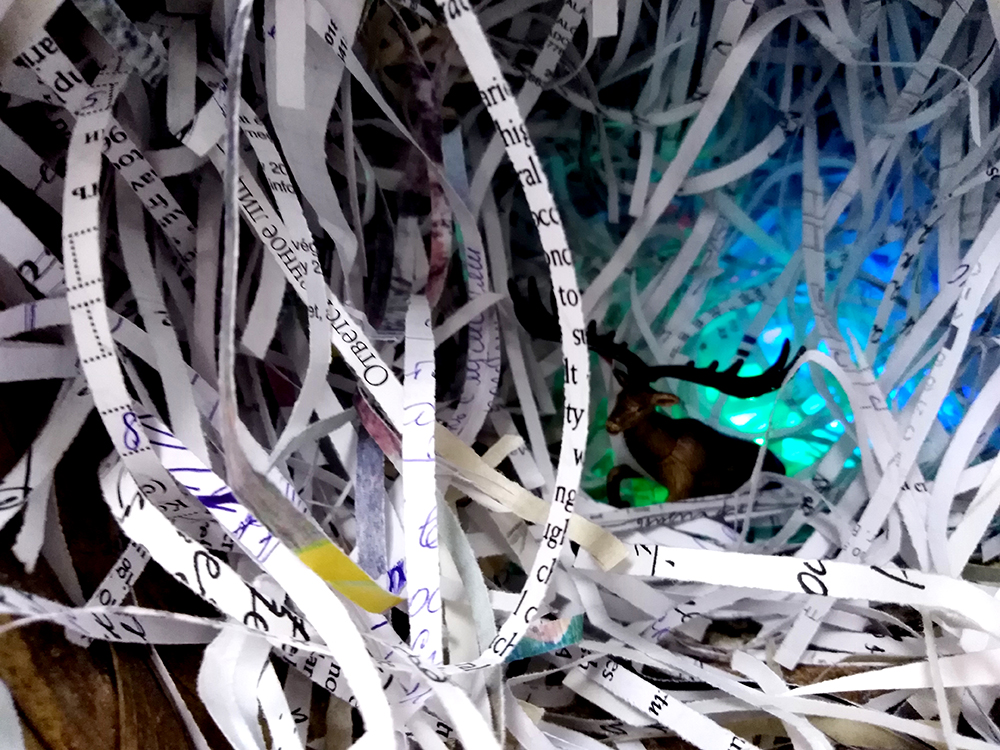
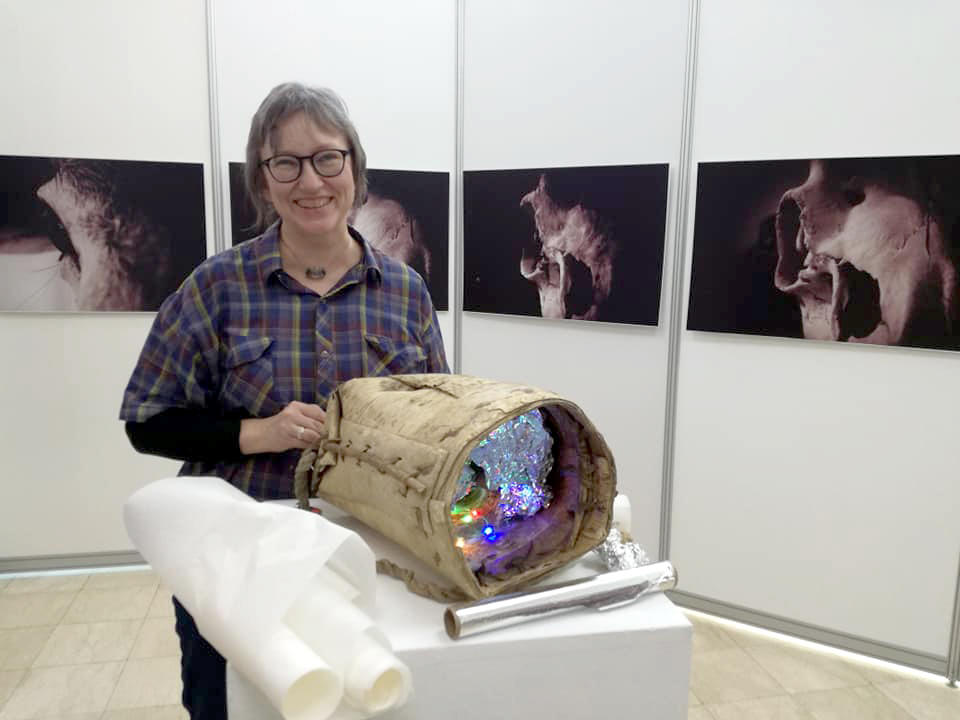
Марина Ражева: “В процессе общения с гостями я перемолола на ручном шредере рабочие материалы подготовки этой выставки. Планы, эскизы, переписка и прочие бумаги превратились в наполнение пайвы (уральской берестяной заплечной корзины), в «ягель и клюкву в свете северного сияния».
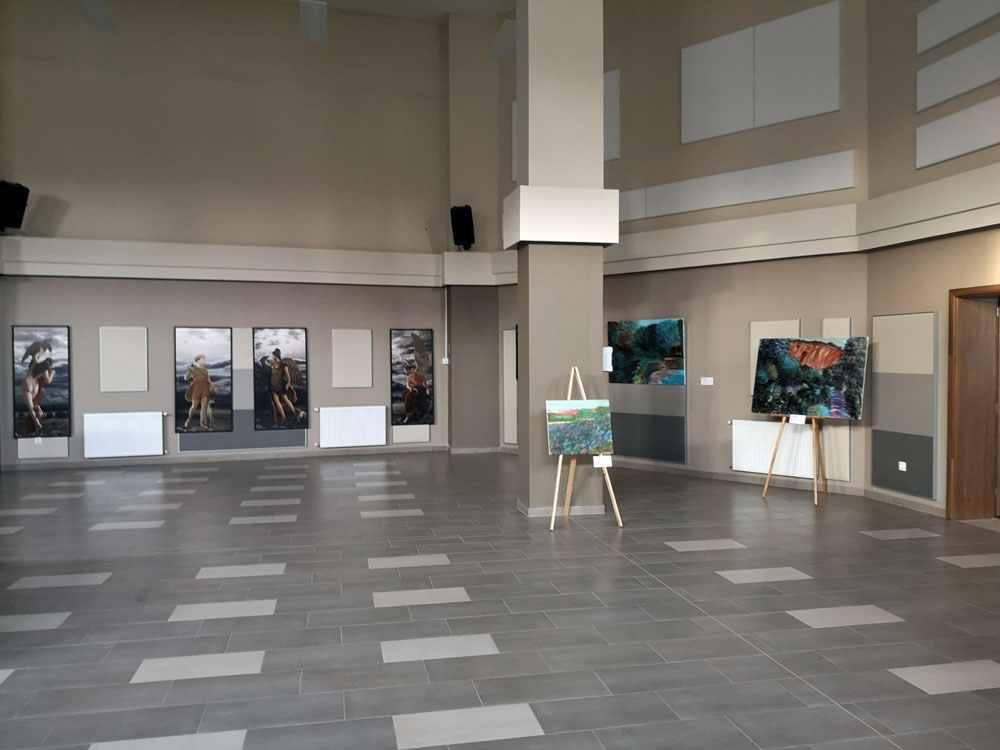
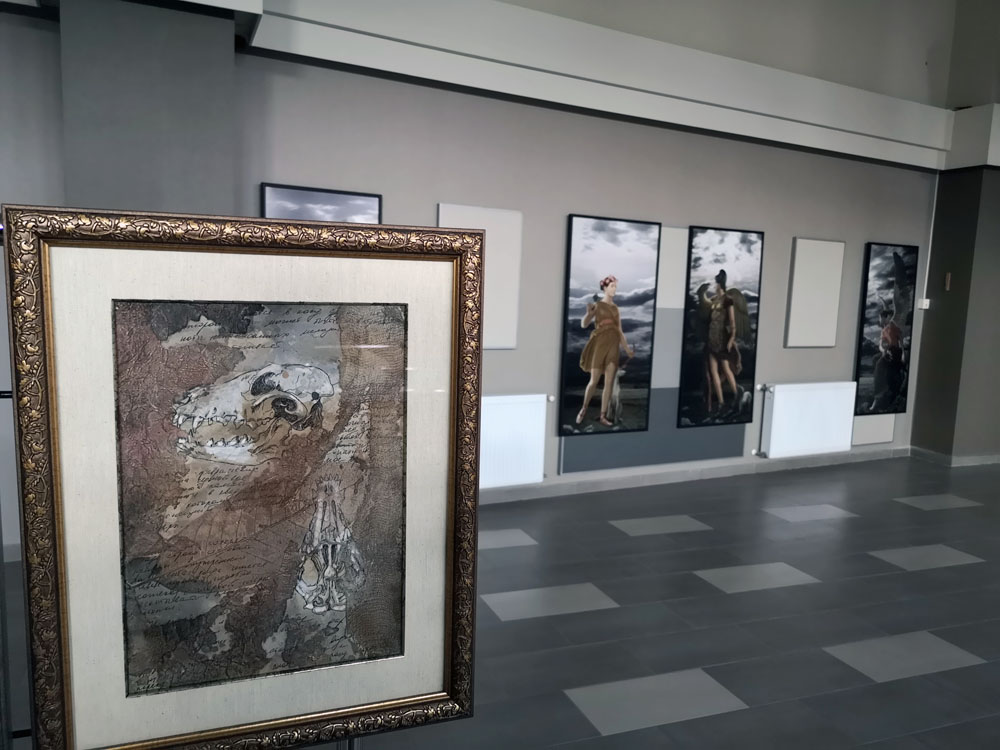
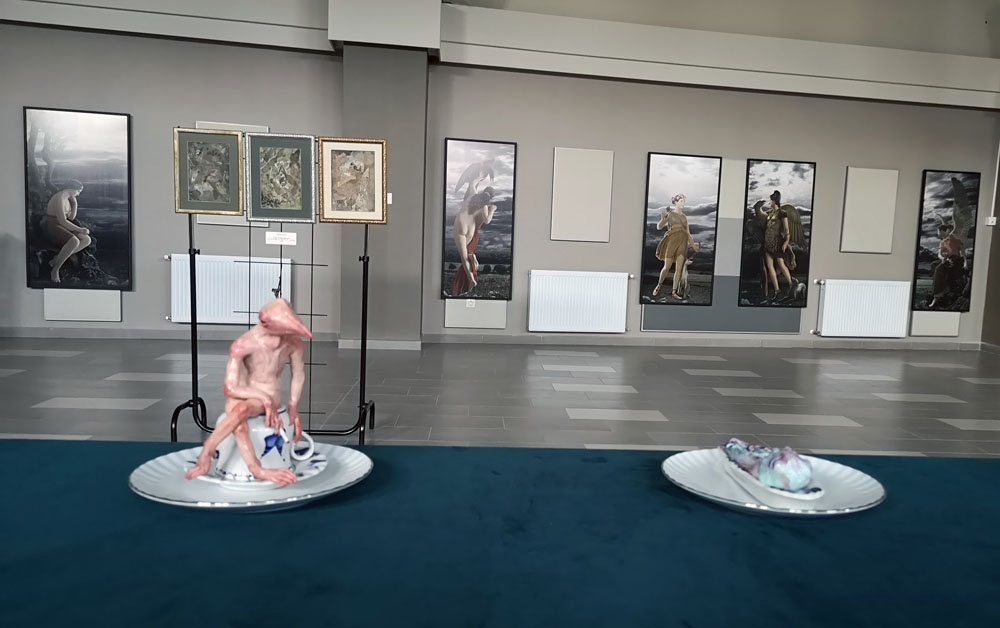
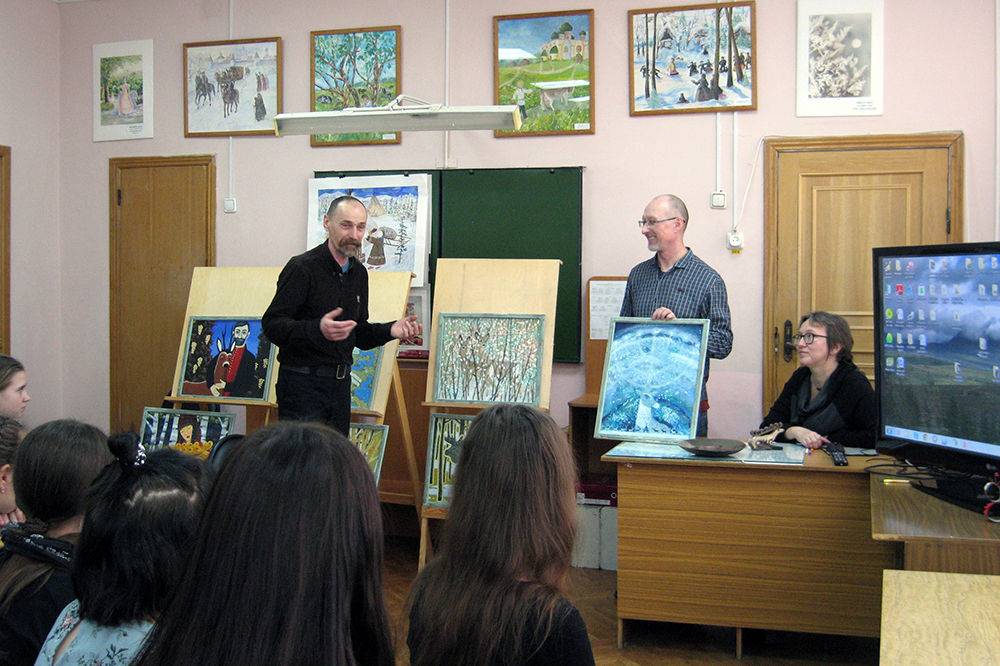
Экспонаты из фондов МВК: живопись Н. Мартынова, И. Истомина, графика Г. Райшева, Н. Талигиной и др., малая пластика Г. Хартаганова и др., а также предметы декоративно-прикладного искусства из коллекции Д. Фролова.
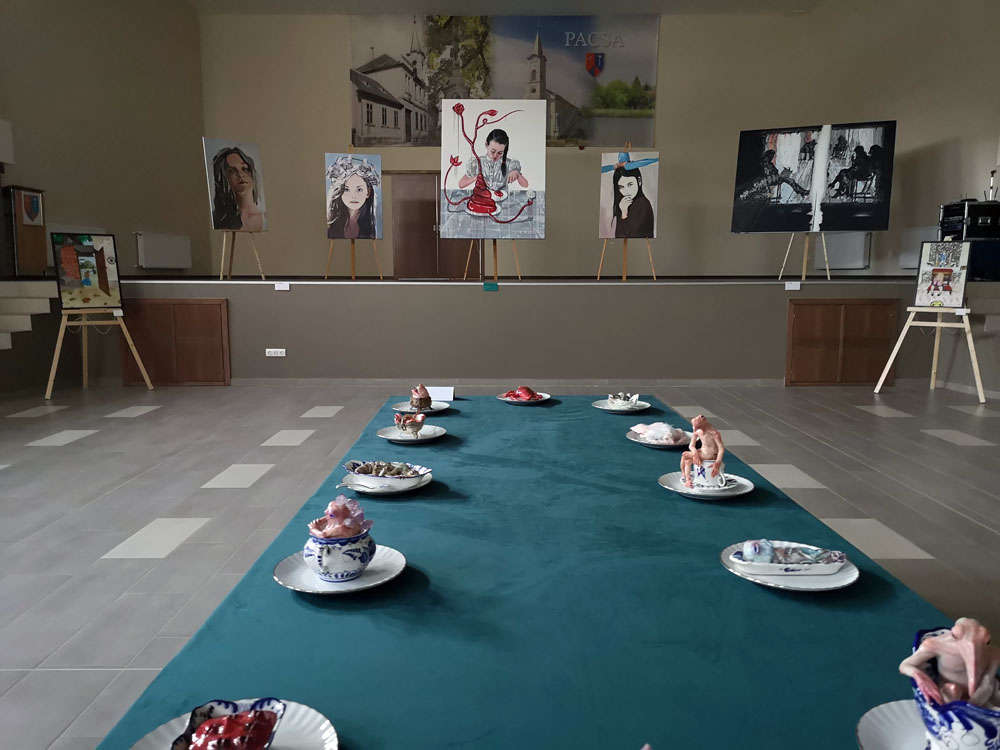
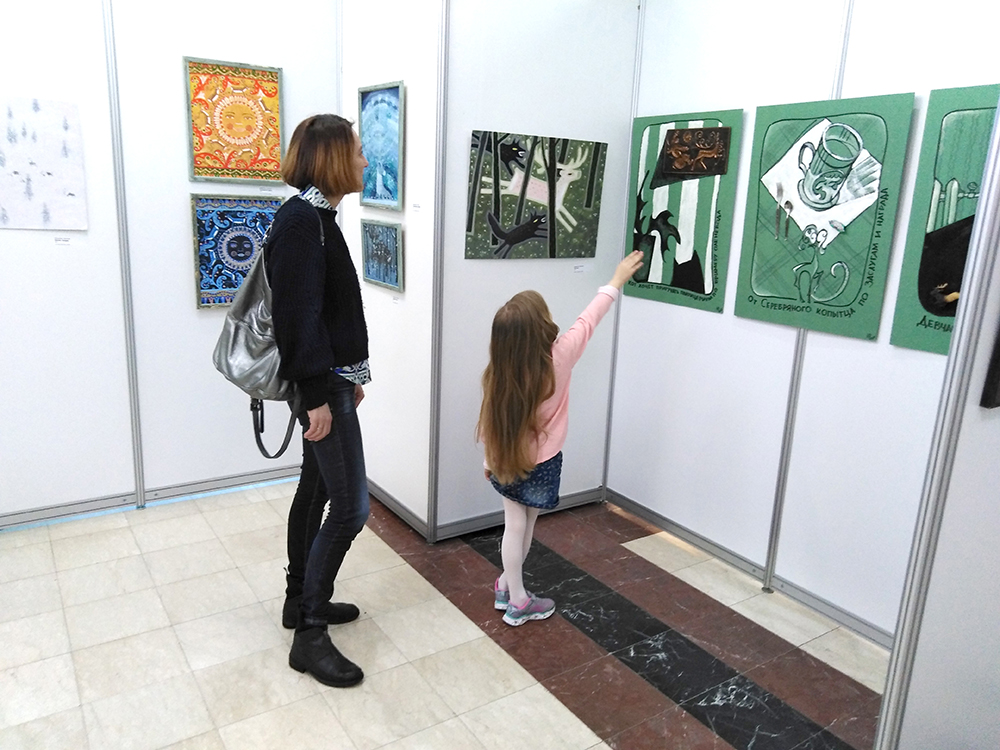
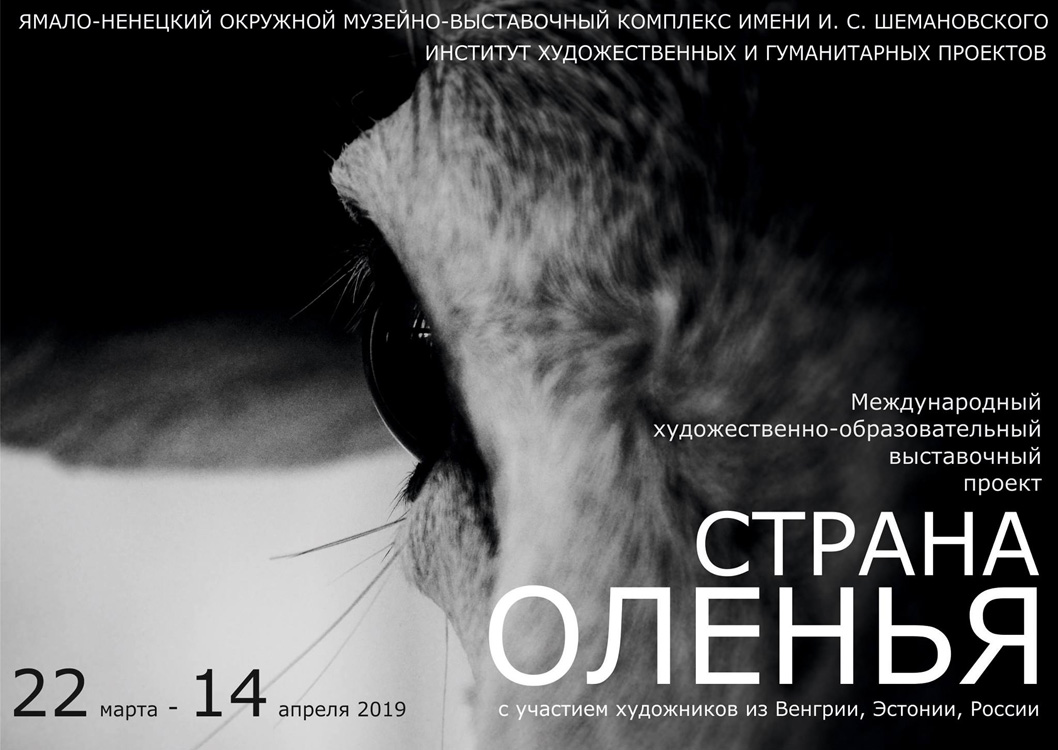
Из пресс-релиза:Страна оленья – незримая, неизмеримая, не определяемая во времени и пространстве. Мы видим ее отражения и слышим эхо во снах и в мечтах, в сокровенных воспоминаниях, в состояниях «между». Там – «быль живет и небыль», а проводником туда является олень. Авторы из России, Венгрии и Эстонии осмысливают присутствие образа оленя в их жизни, начиная с территориальной мифологемы, через детские сказки, окружающий быт, реальный контакт. На основании личной субъективной мифологии, «приручая» или «преследуя» своего оленя, дополняя путеводными приметами и предметами, авторы пытаются найти путь к заветной стране, неуловимой и призрачной как само счастье (видео). Зрителям предлагается поучаствовать в творческом процессе, “разбудить своего оленя” и создать образ своей Страны Оленьей.
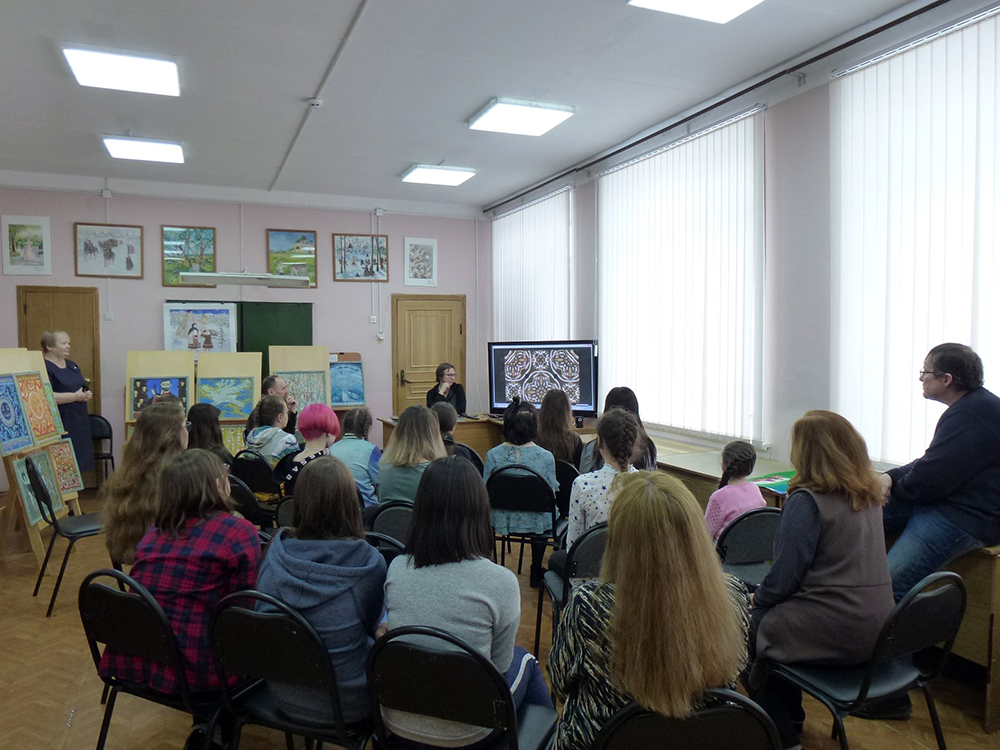
Образовательная часть проекта: лекции, творческие встречи, мастер-классы и «открытые мастерские».
В ходе проекта был поднят и накоплен большой объем материалов по образу и восприятию оленя. Как копилка для новых вопросов, мыслей, картинок, баек, стихов и рассуждений, для движения к пониманию Страны оленьей, для изучения архетипа Оленя в личной мифологии и мировой культуре была создана FB-группа. Было решено сделать проект регулярным.
Фото Сергея Баранова, Антона Таксиса, Веры Станишевской, Марины Ражевой.
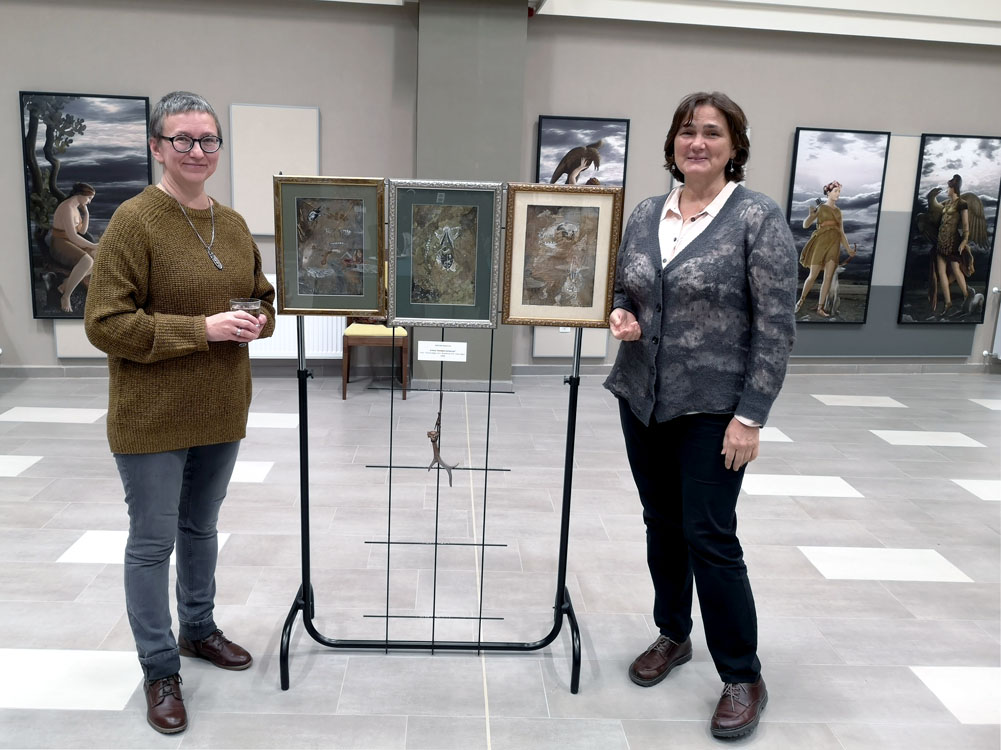
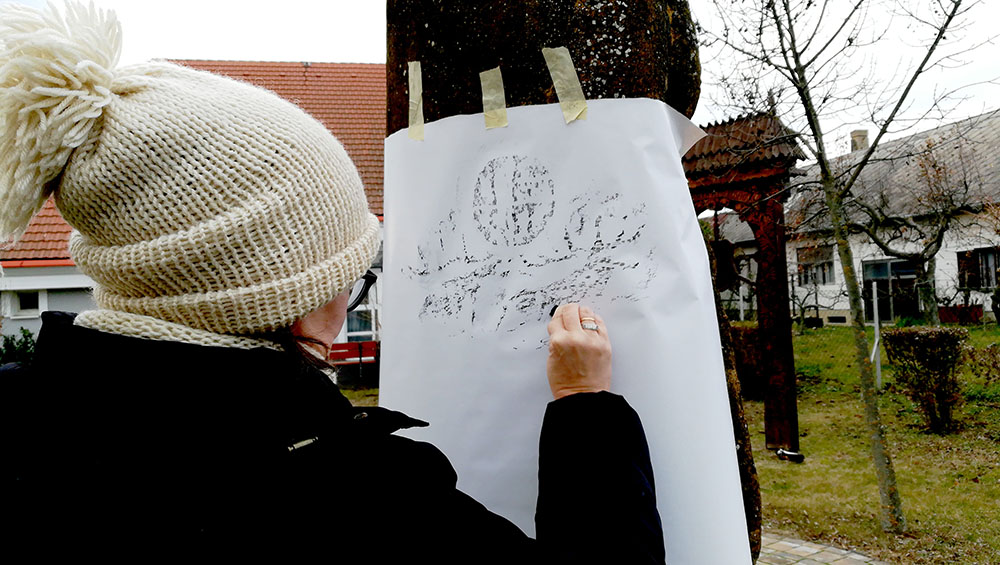
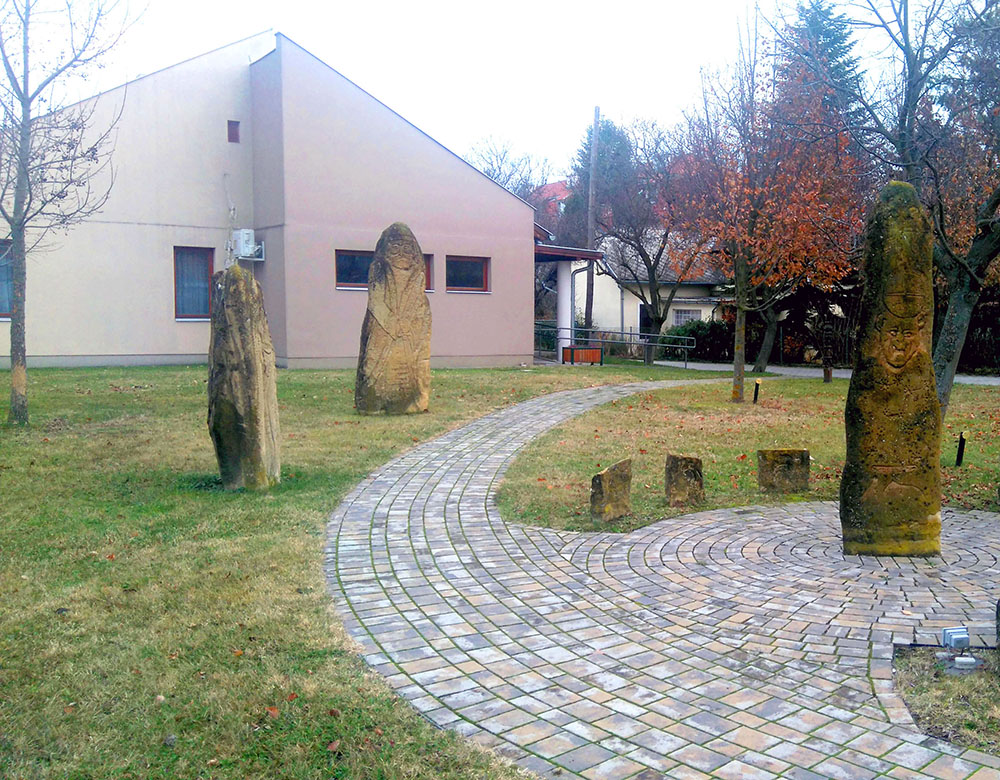
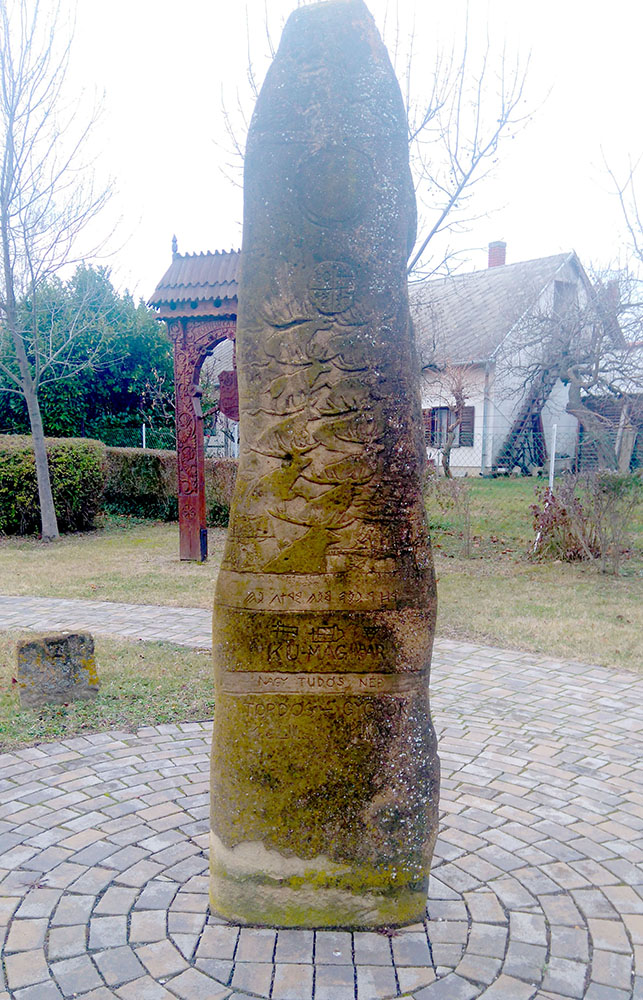
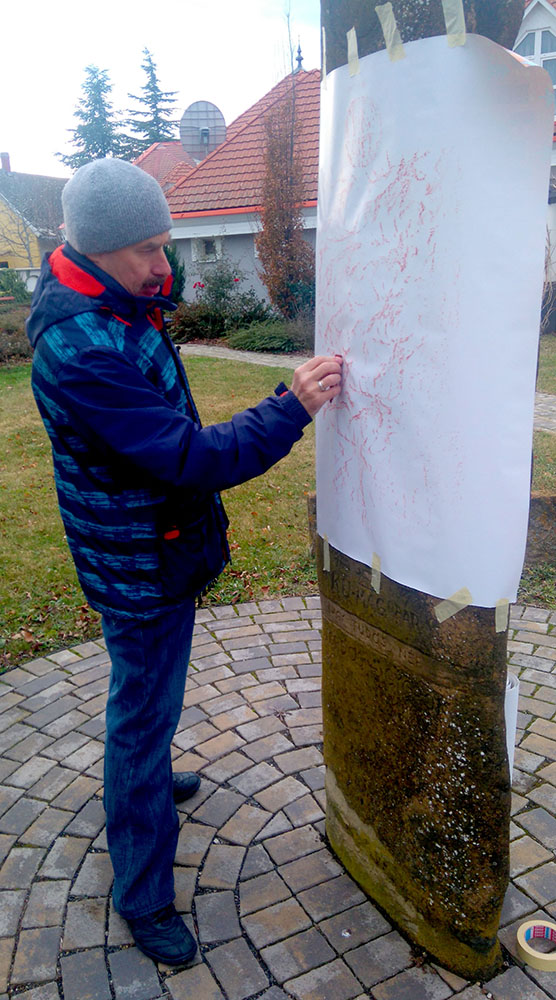
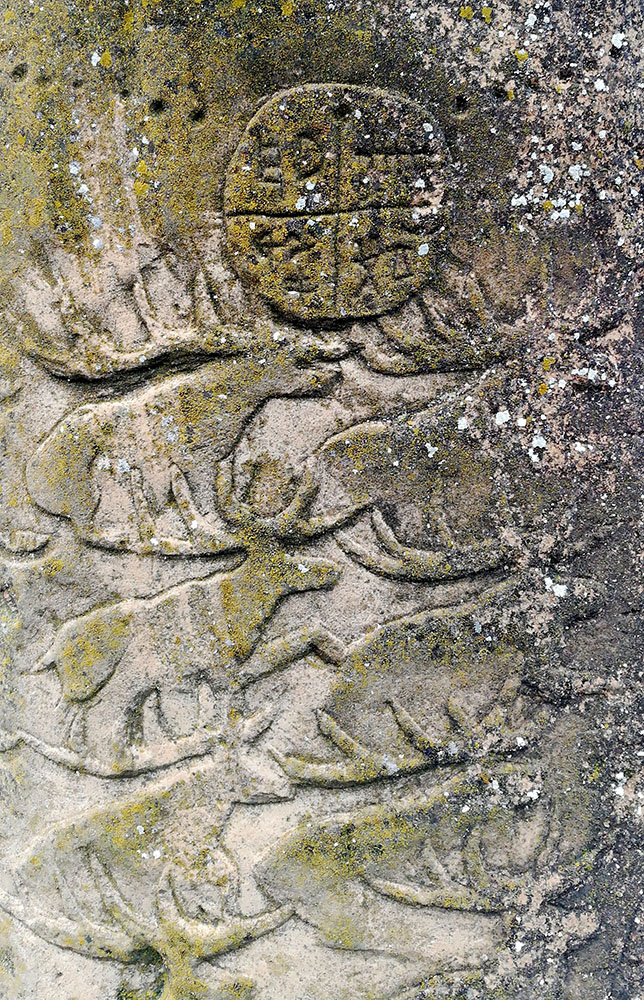
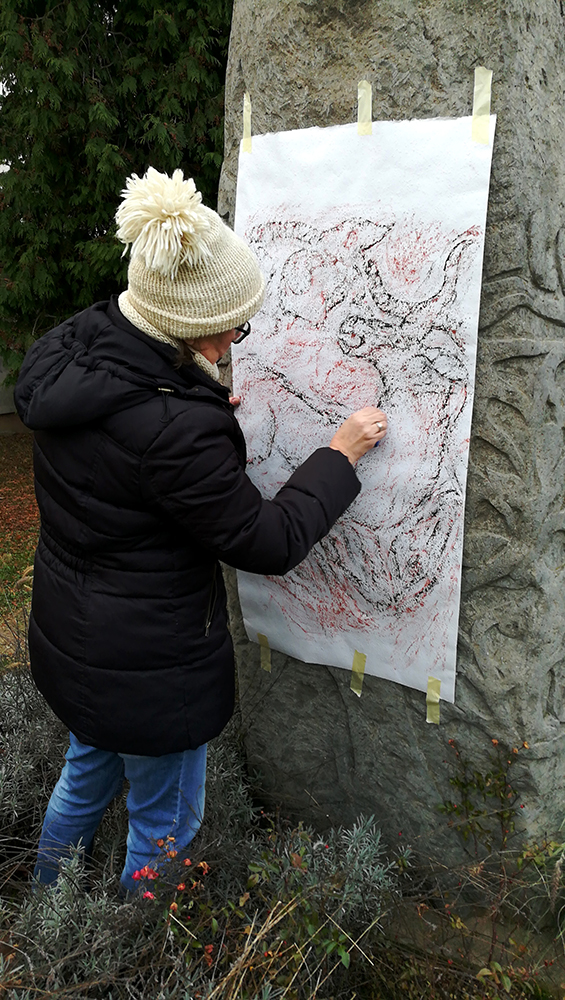
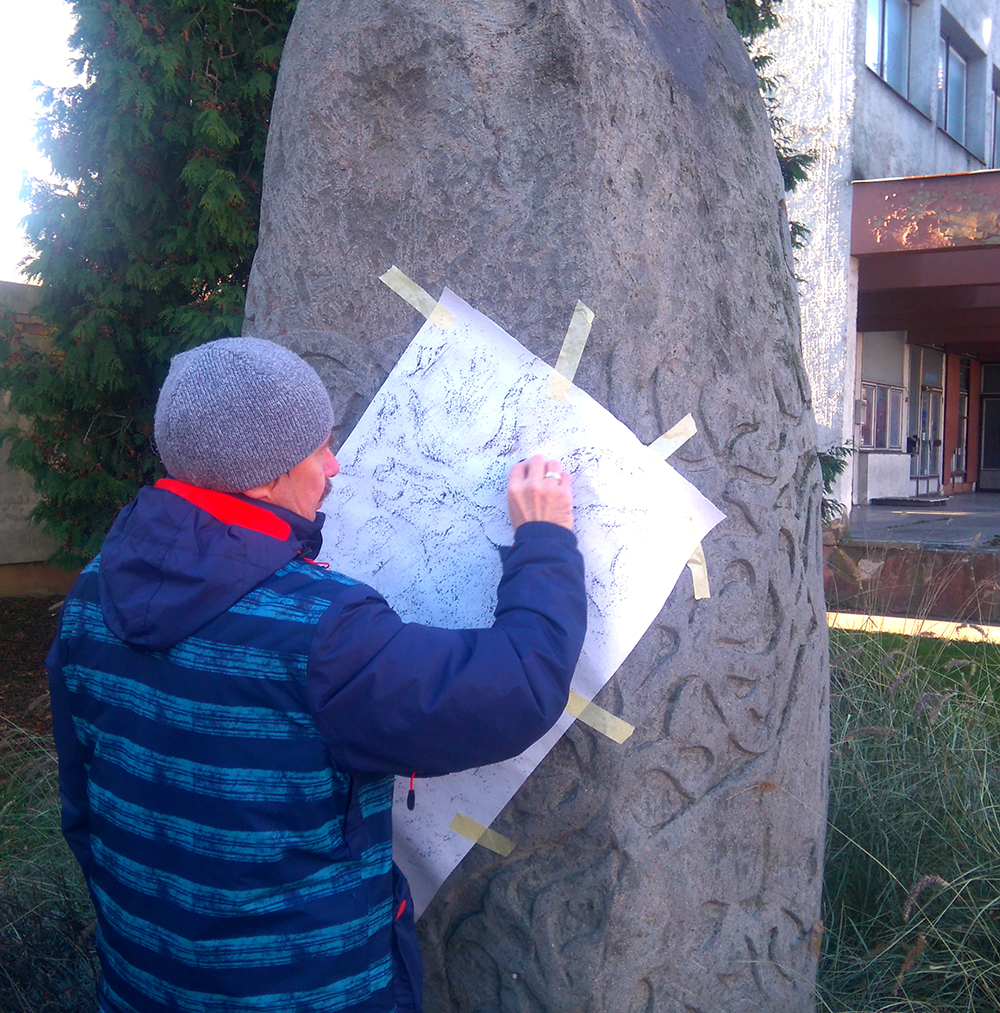
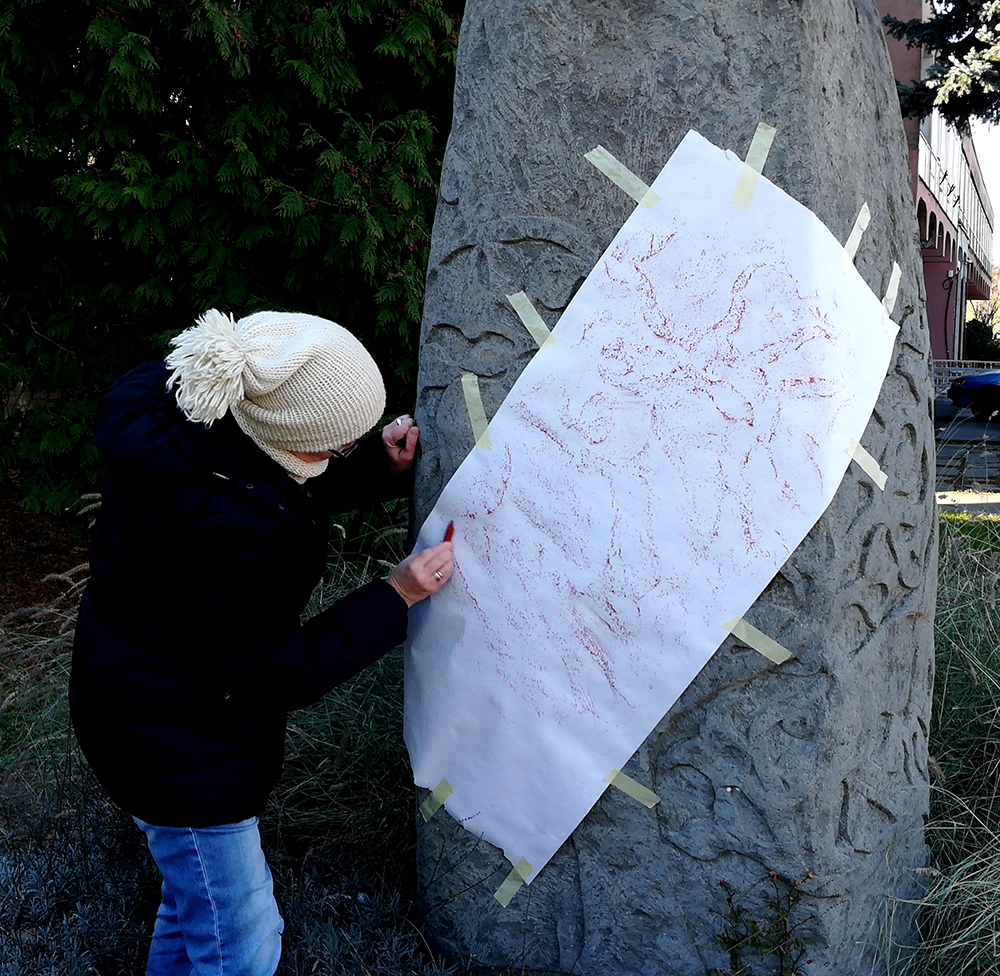
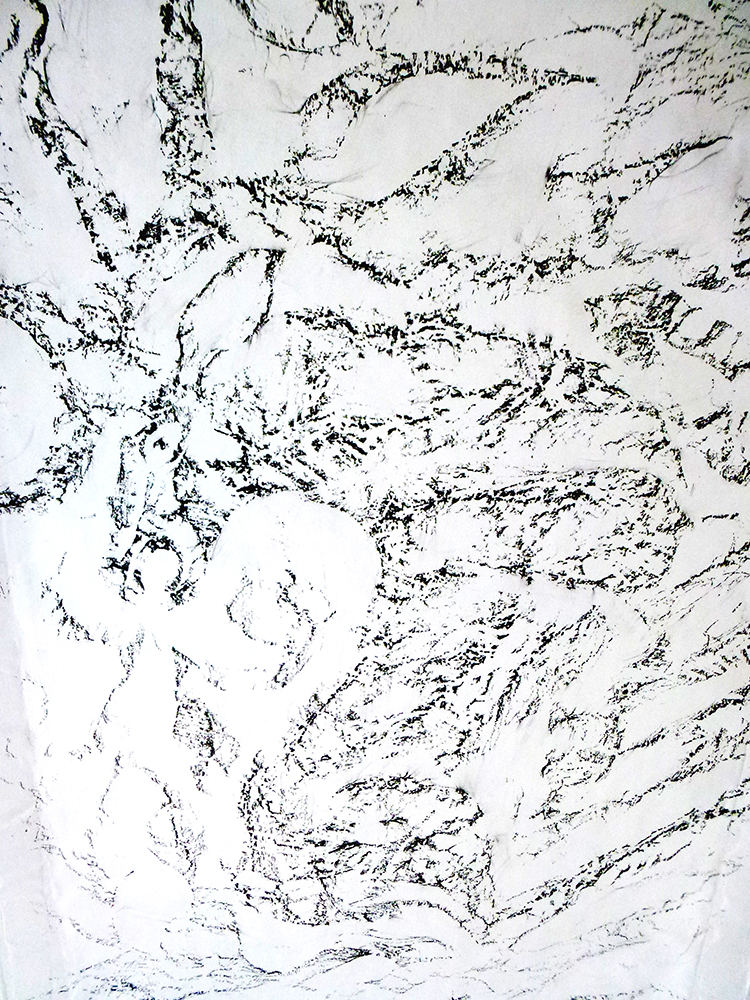
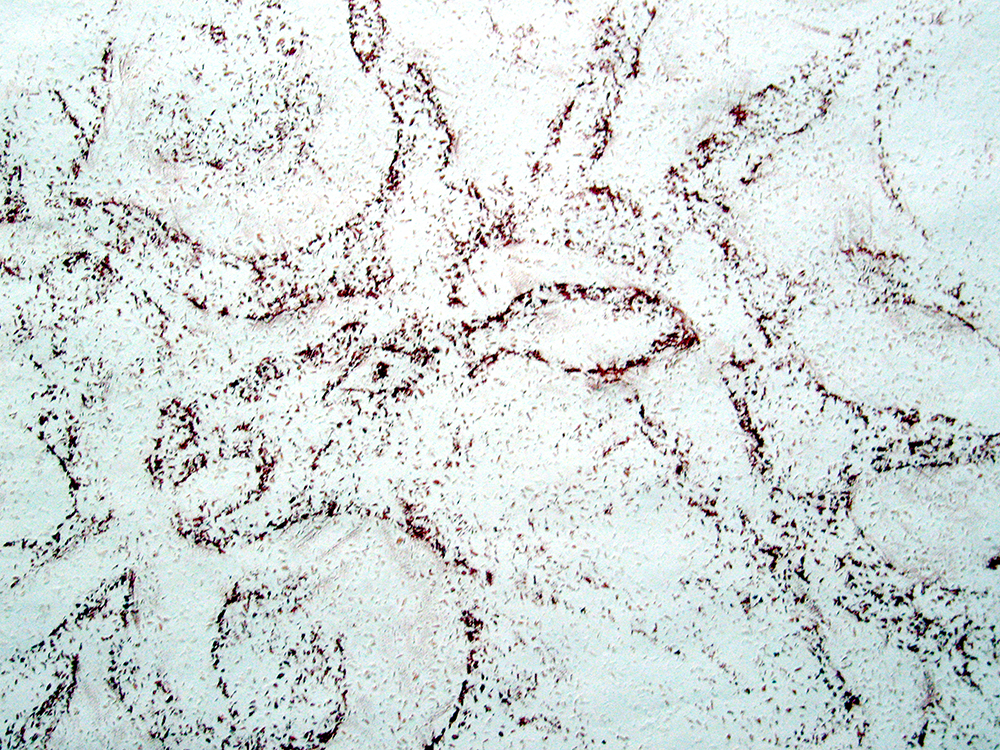
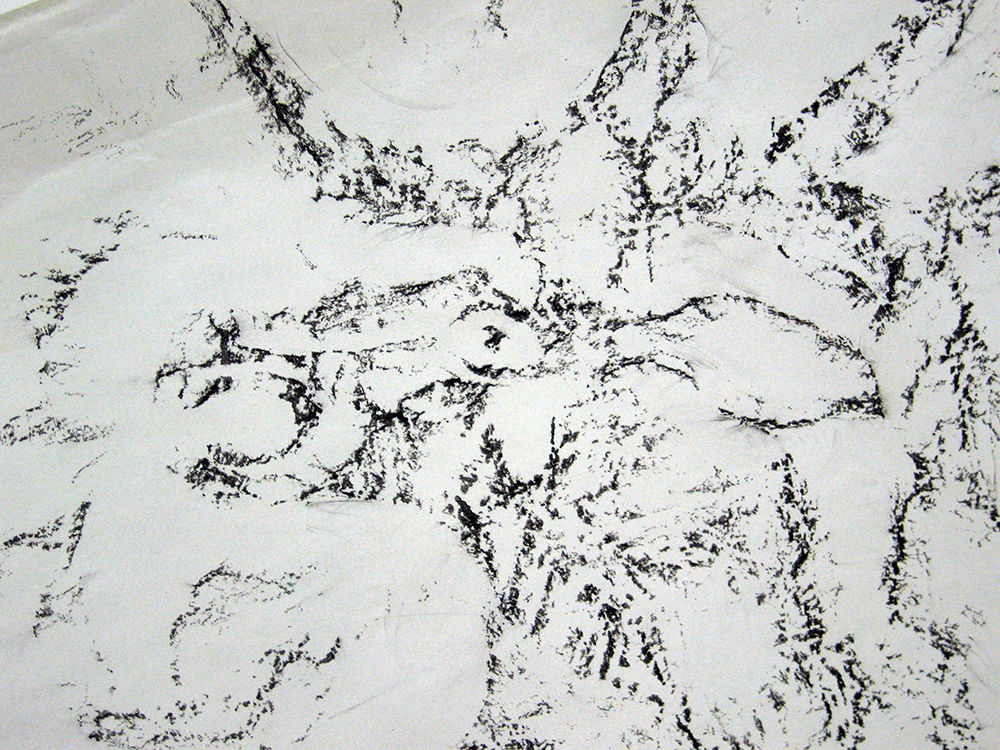
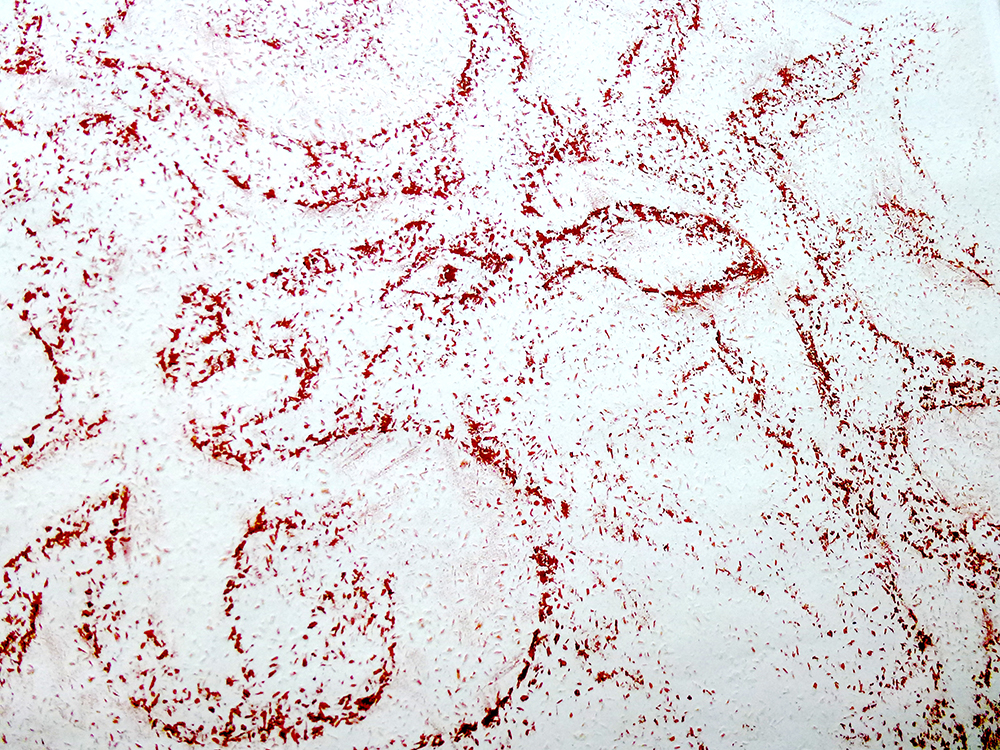
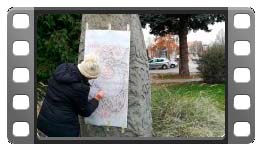
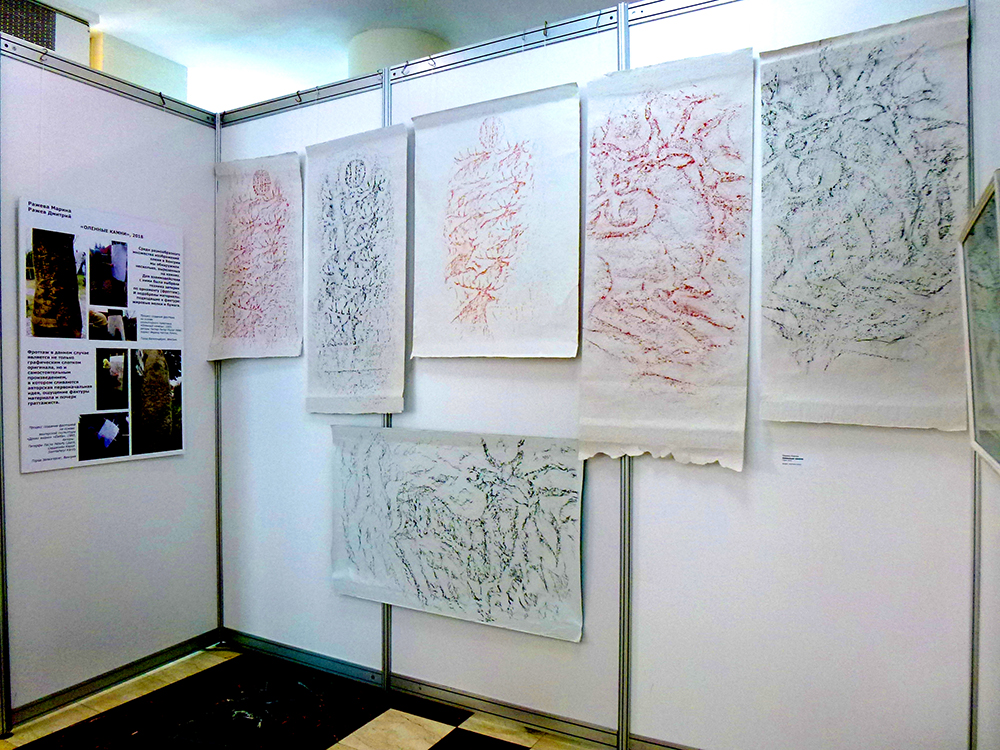
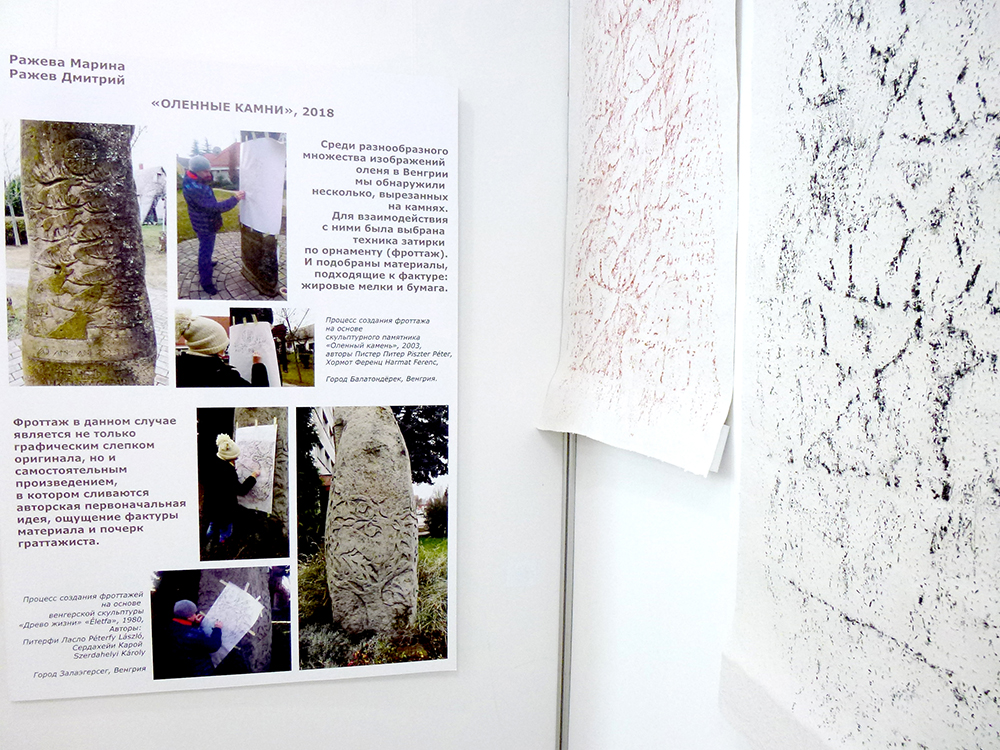
От автора: Среди разнообразного множества изображений оленя в Венгрии мы обнаружили несколько необычных. Они располагались на скульптурах-камнях. И возникло желание провзаимодействовать с этими оленями. Для этого была выбрана техника “затирки по орнаменту” (фроттаж).
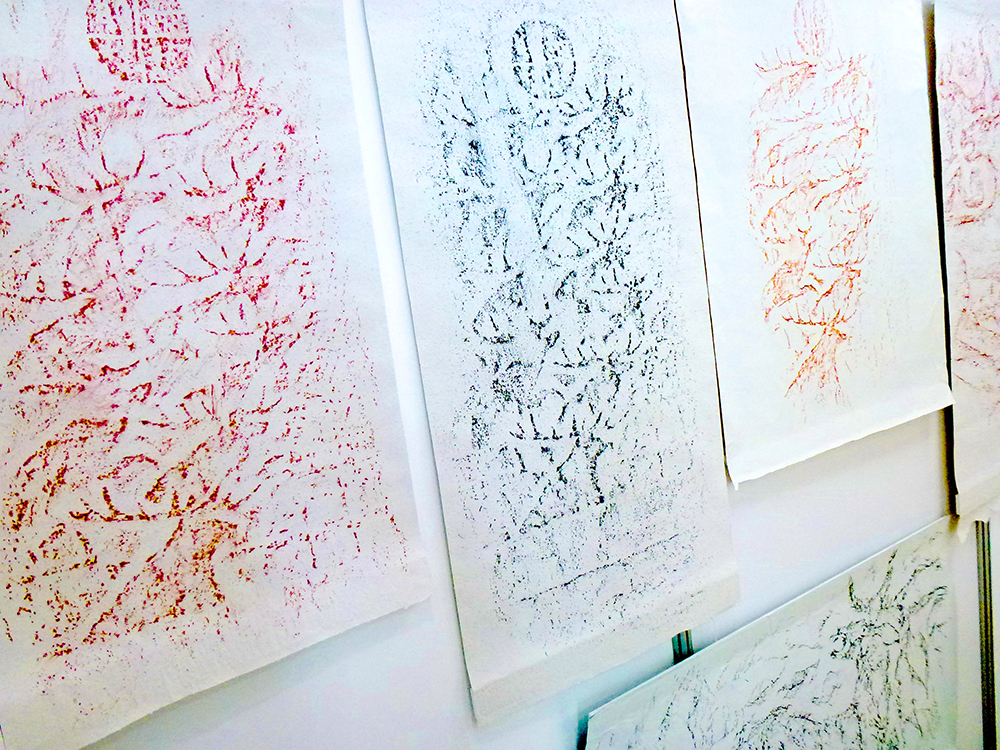
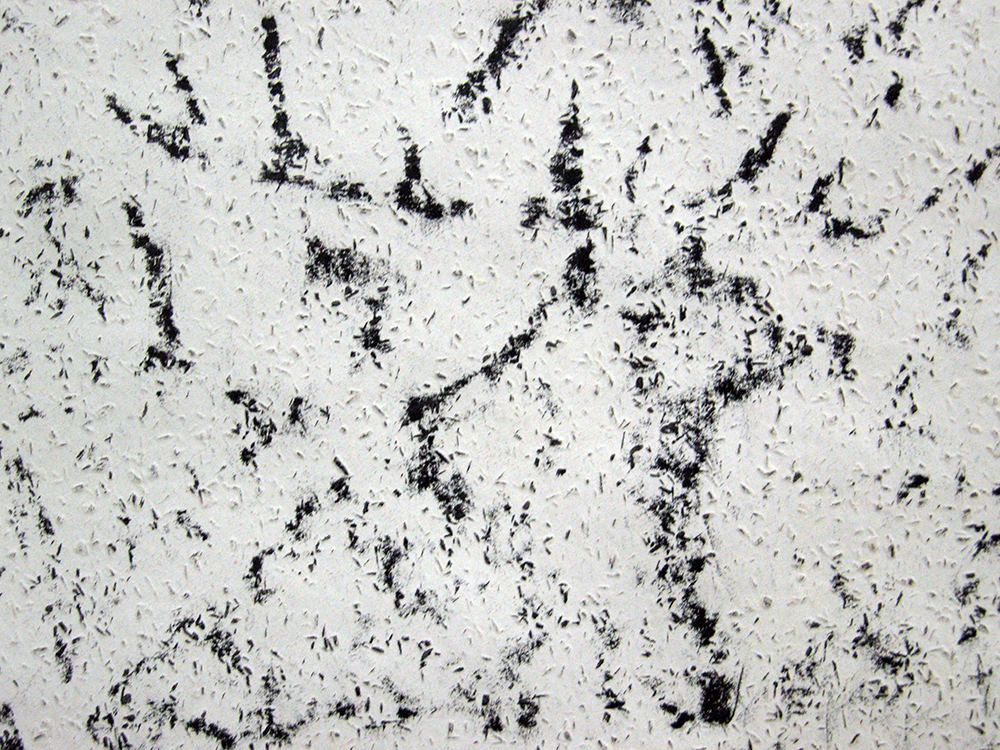
Фроттаж является не только графическим слепком оригинала, но и самостоятельным произведением, в котором сливаются авторская первоначальная идея, ощущение фактуры материала и почерк рисовальщика.
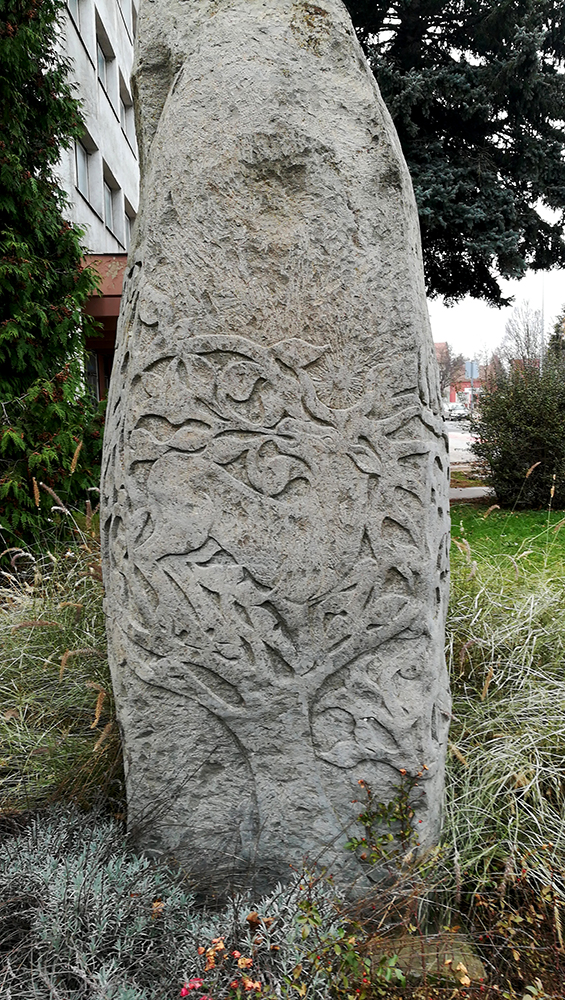
Фроттаж был сделан на основе двух венгерских скульптурных памятников:
– «Оленный камень», 2003, авторы Пистер Питер Piszter Péter , Хормот Ференц Harmat Ferenc , установлен в городе Балатондёрек:
nor
– «Древо жизни» «Életfa», 1980, авторы Питерфи Ласло Péterfy László, Сердахейи Карой Szerdahelyi Károly, установлен в городе Залаэгерсег:
Работы были сделаны специально для выставки “Страна Оленья” (МВК, Салехард), 2019
Особая благодарность Дмитрию Ражеву за помощь в разработке и воплощении серии.