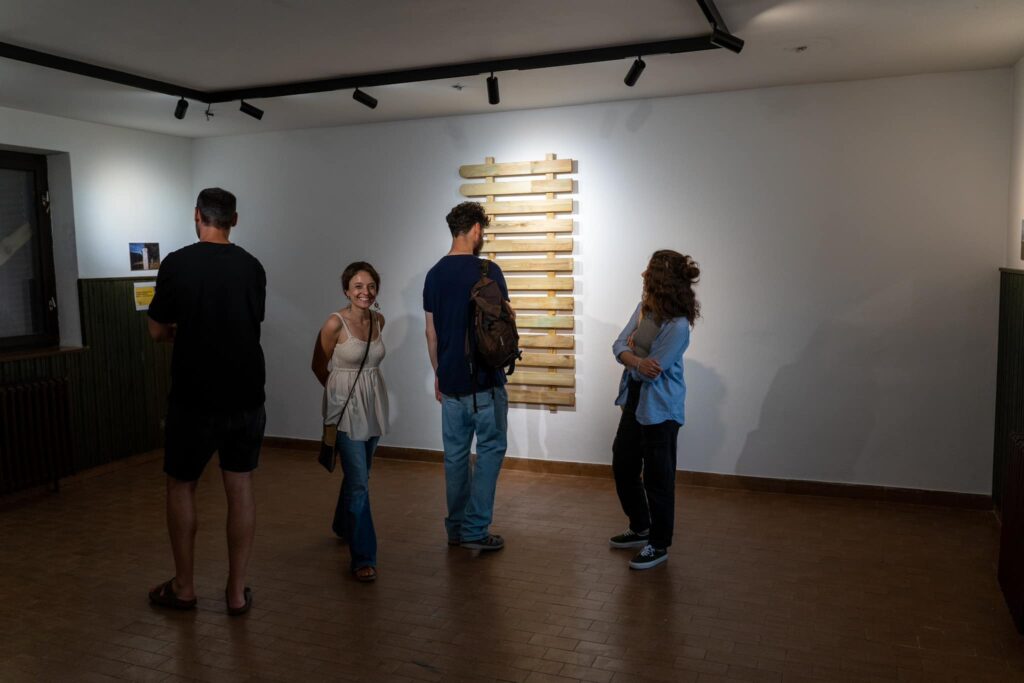
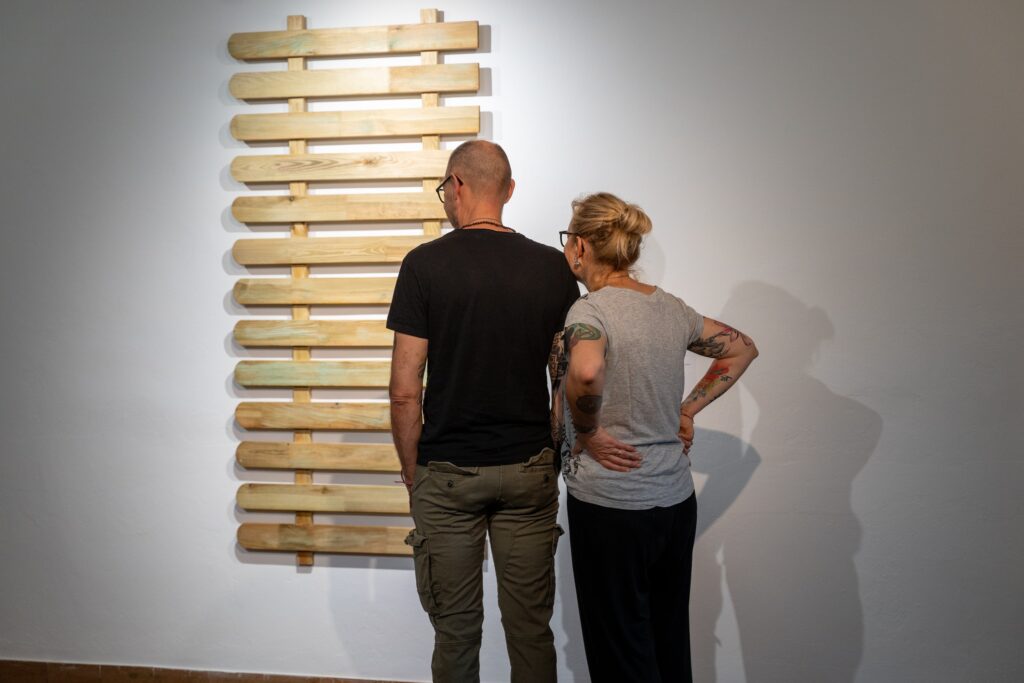
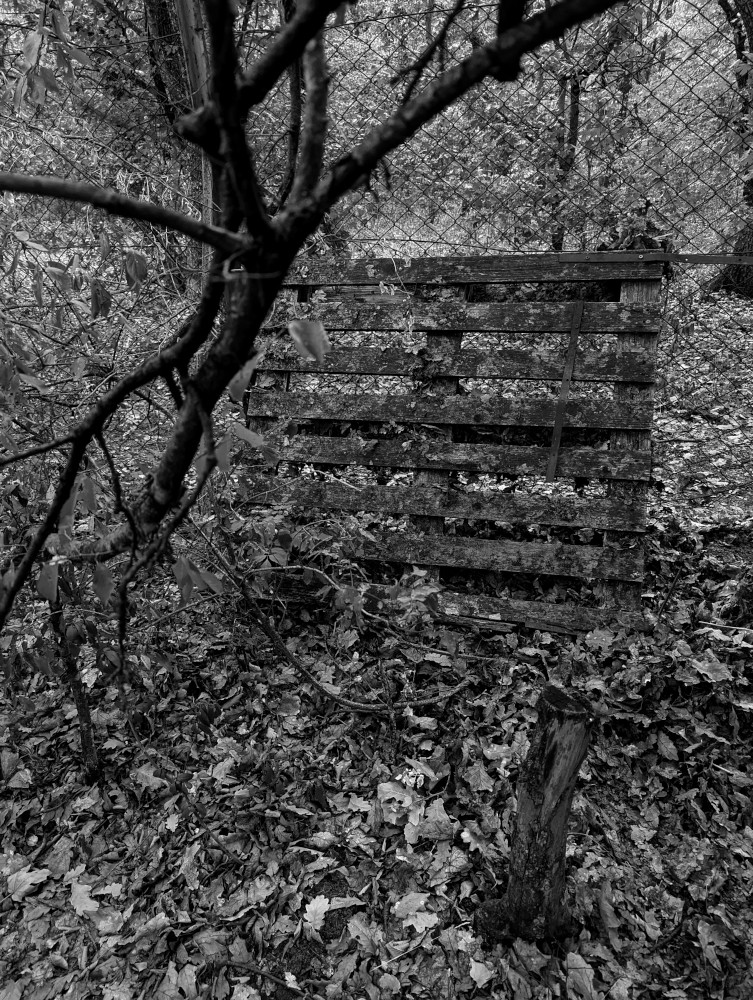
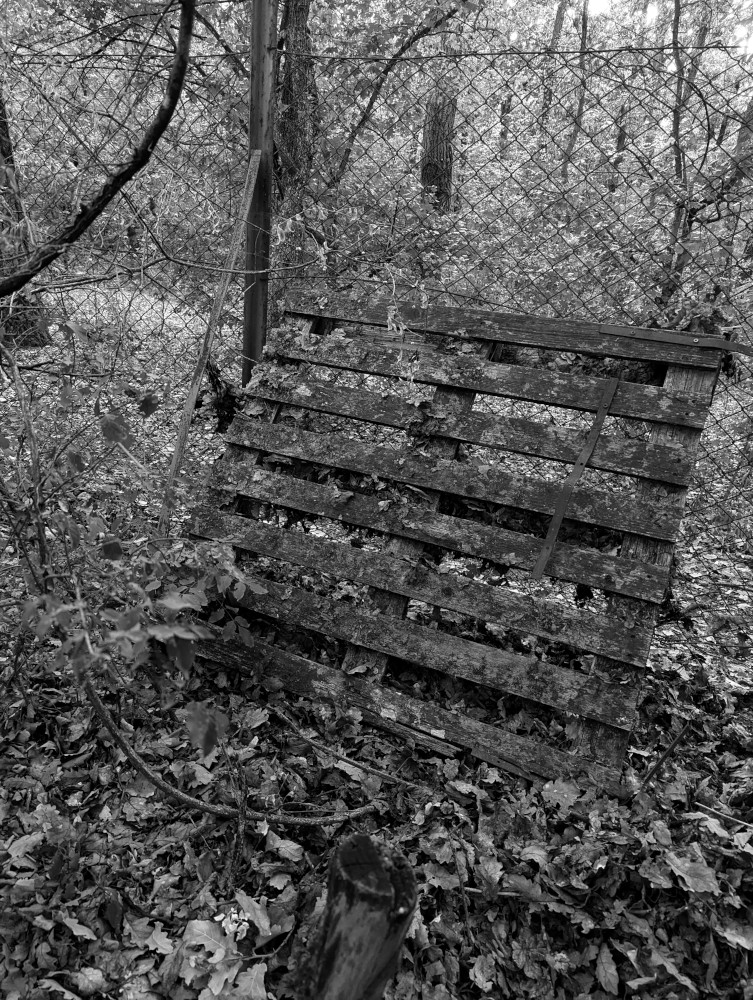
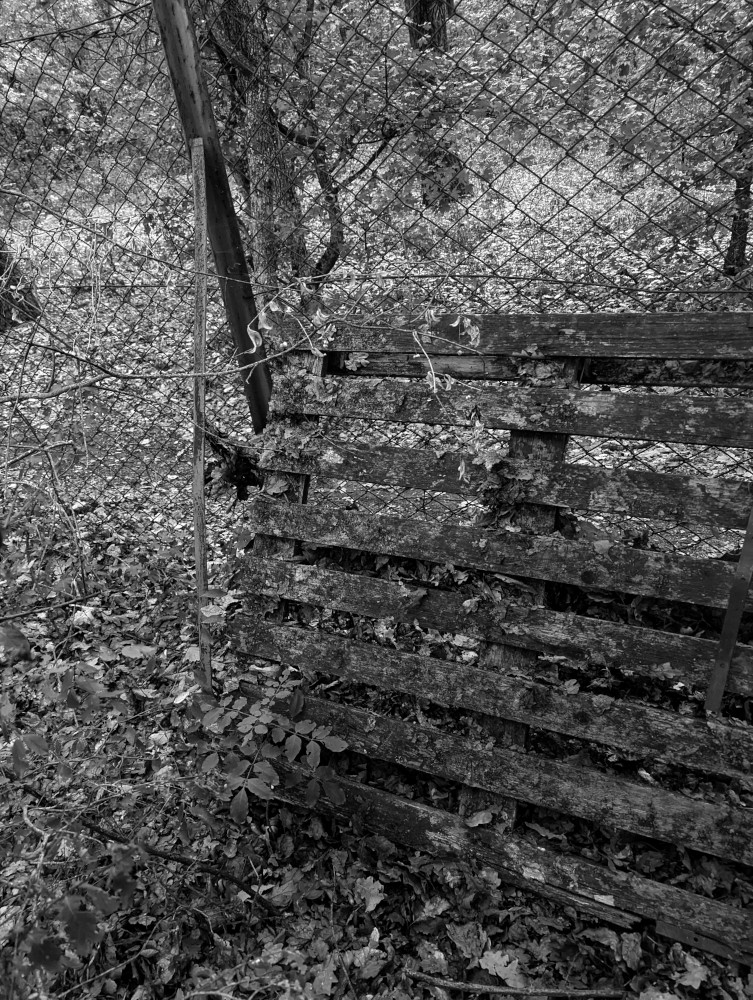
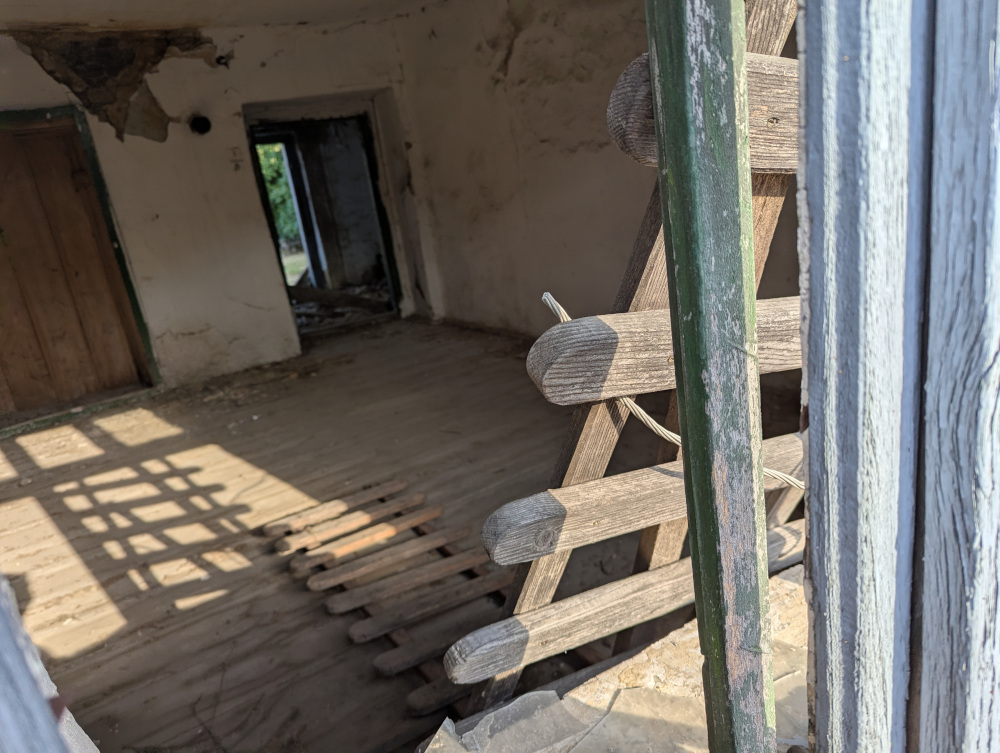
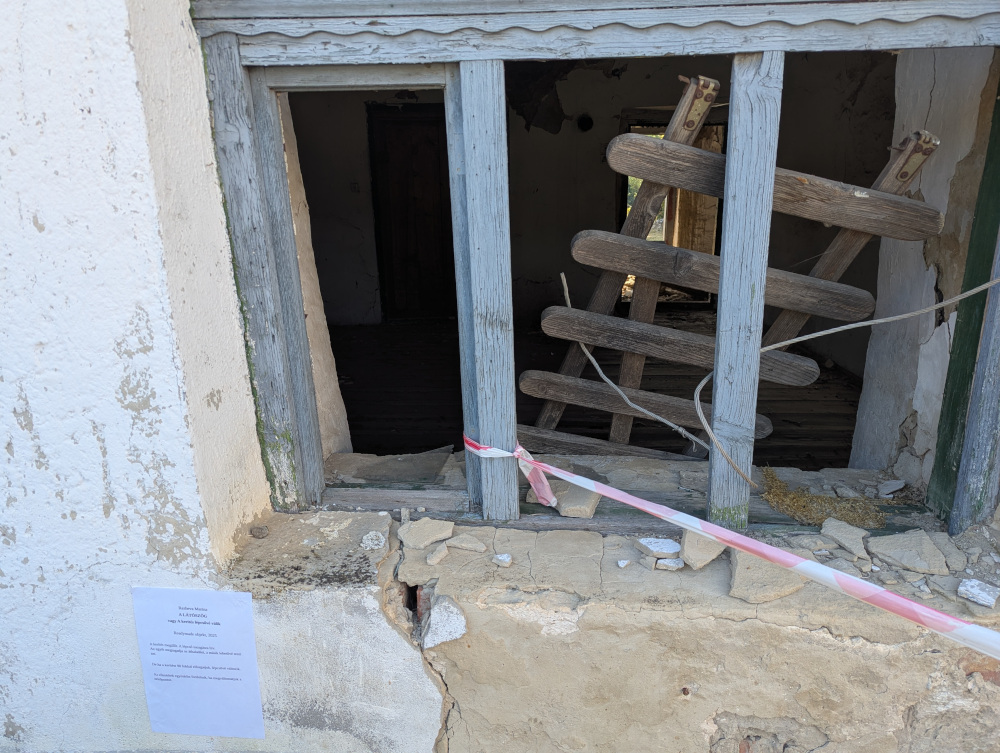
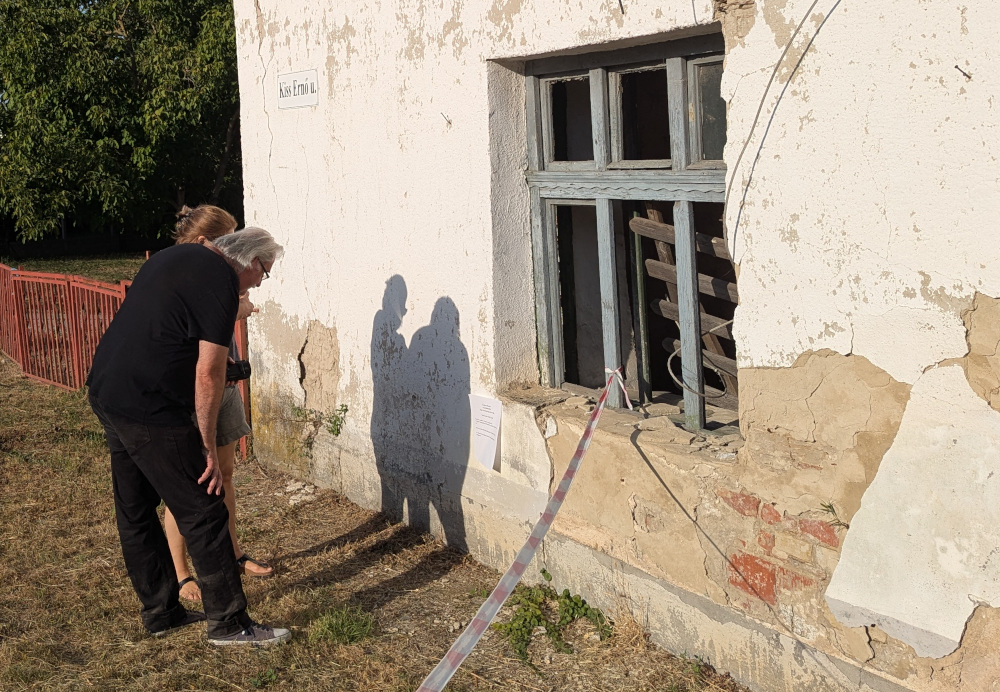
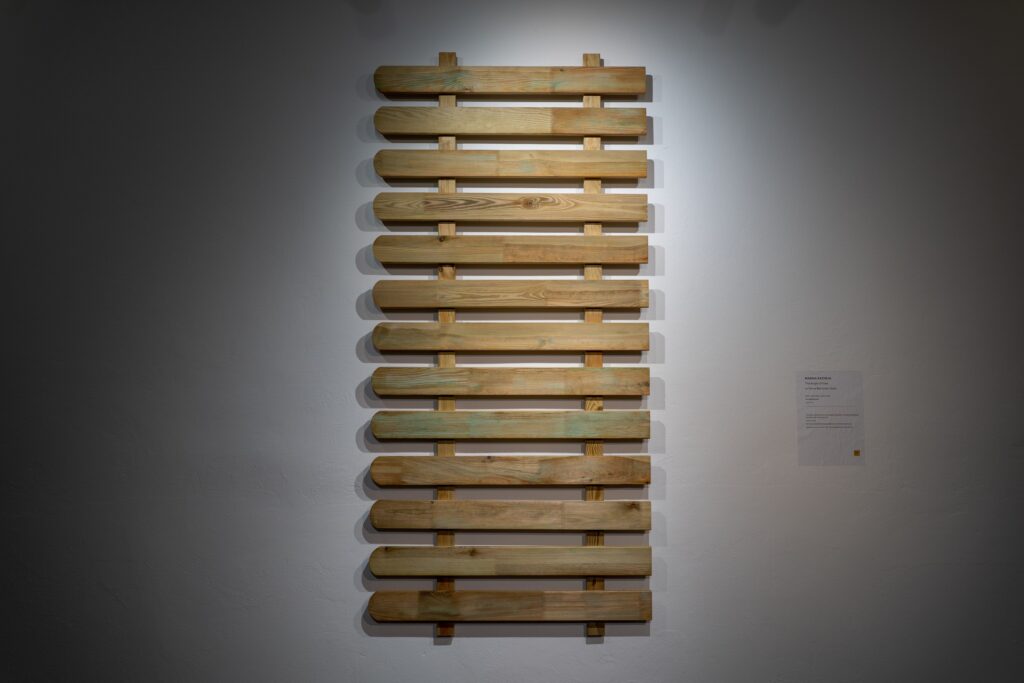
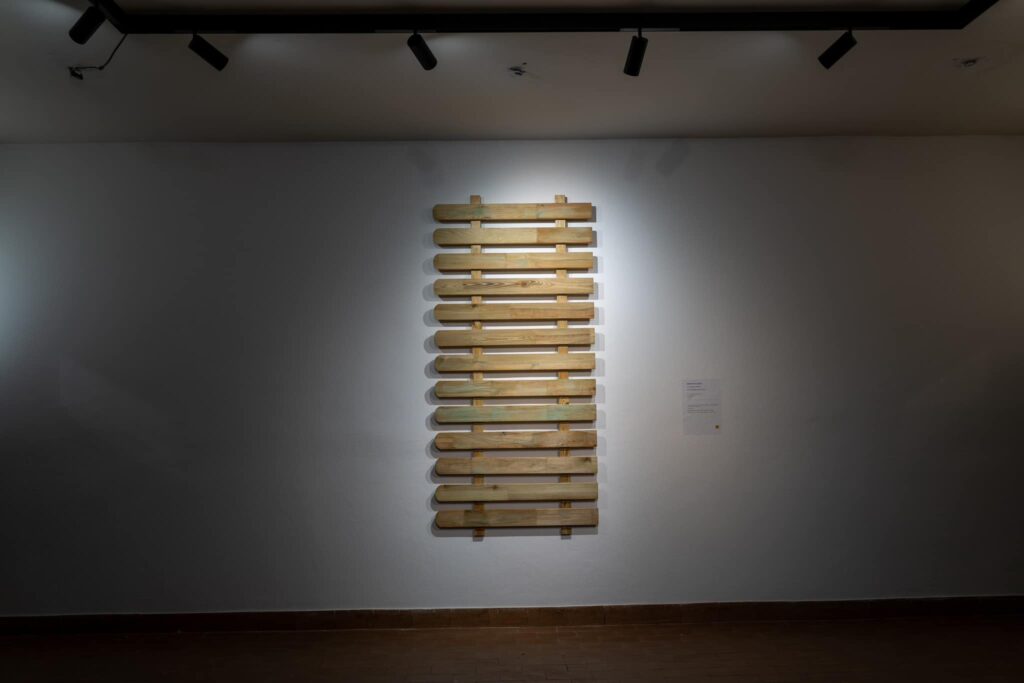
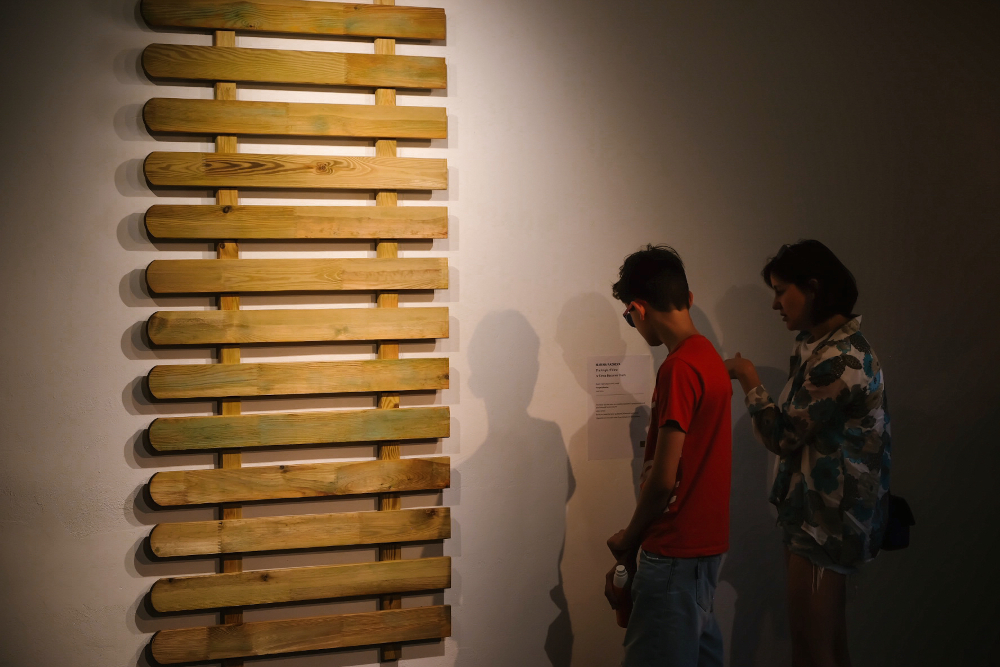
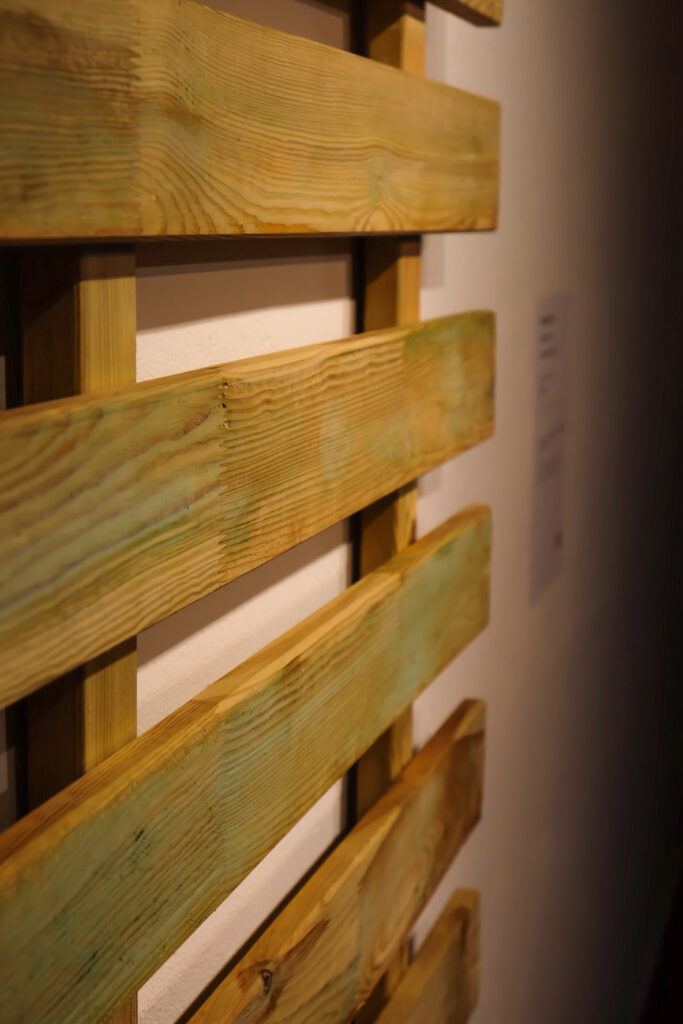
The object remains the same. The perception does not.
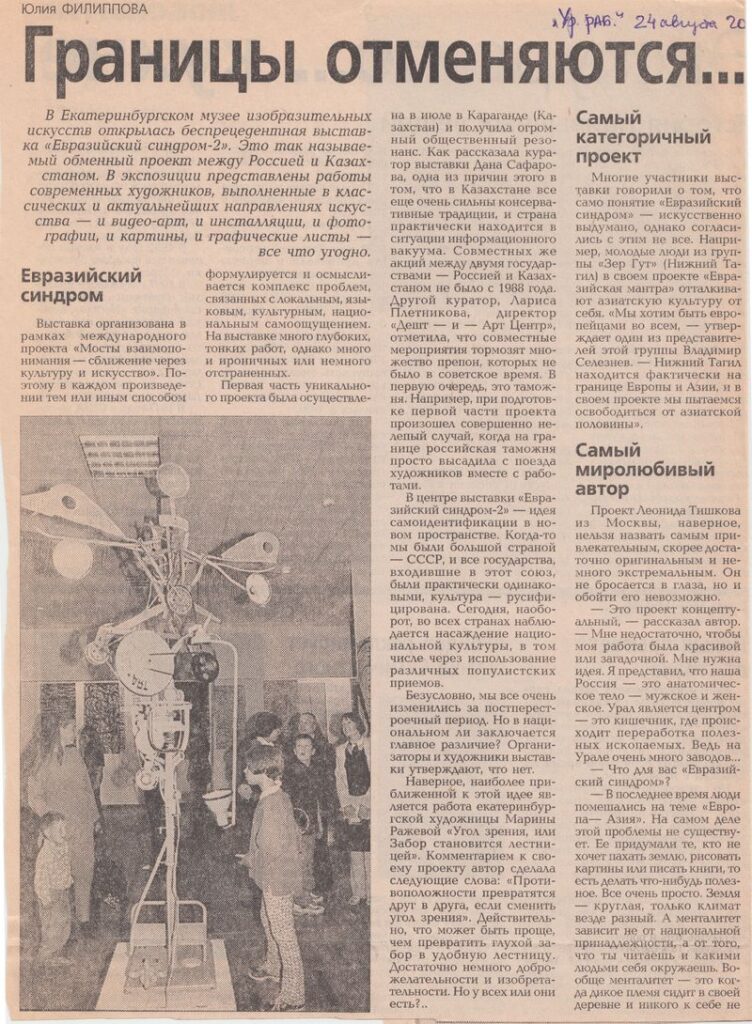
“… What could be simpler than turning a solid fence into a staircase? (…)All it takes is a little goodwill and inventiveness. But do we all have that?..” — Yulia Filippova, Ural Worker, 2002
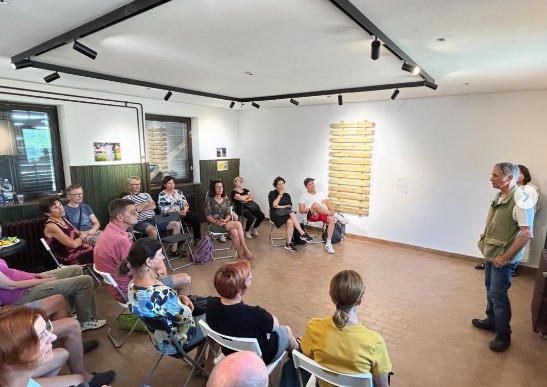
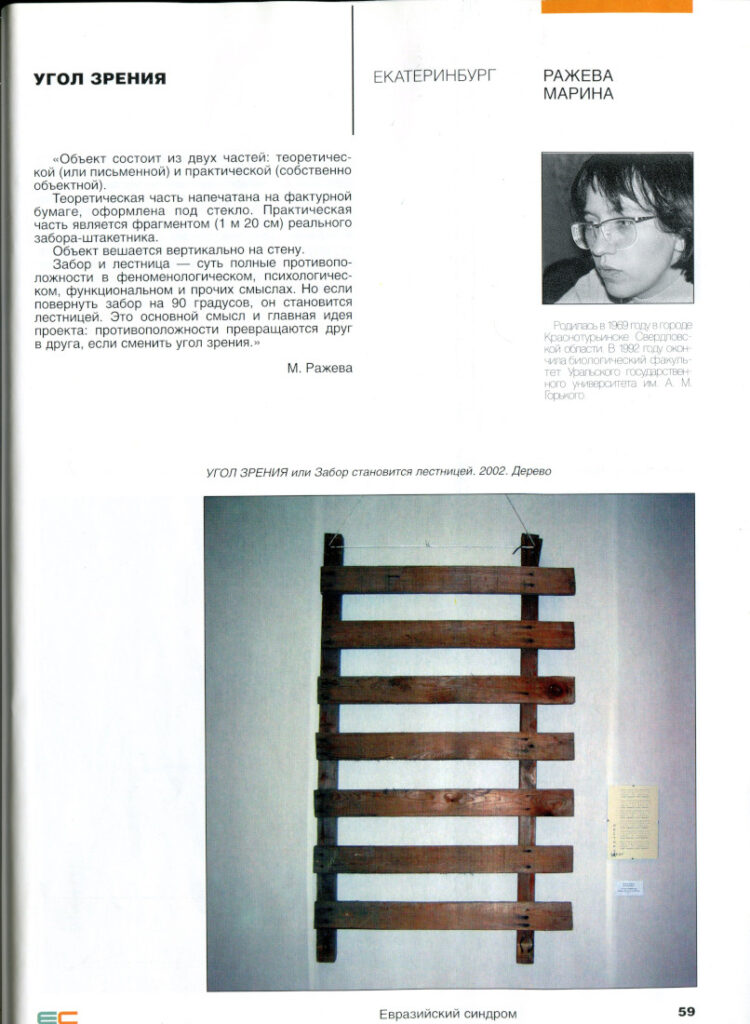
Exhibited: – Crossing Borders, 2024, Beka 9, Slovenia – Eurasian Syndrome, 2002, Museum of Fine Arts, Yekaterinburg
Crossing Borders, Slovenia, 2024
______________
– Catalogue, Eurasian Syndrome, 2002 – Ural Worker, August 24, 2002 – Festival booklet, Crossing Borders, 2024
Catalogue page from “Eurasian Syndrome” Museum of Fine Arts, Yekaterinburg, 2002Ural Worker Newspaper, August 24, 2002Festival booklet featuring The Angle of View, Crossing Borders, 2024, Beka 9, Slovenia
Betweenness is an approach to transitional states — moments when one condition is giving way to another, and perception becomes less certain.
It begins with experiences that are difficult to hold in a fixed form: waking and sleeping, presence and absence, silence and sound, memory and forgetting, what has already happened and what is about to happen.
These moments are often brief. Something changes, but the change itself is difficult to grasp. Betweenness works with this instability, allowing transition to be experienced through atmosphere, duration, space, and sensory attention.
Rather than illustrating a state of transition, the practice creates conditions in which it can be encountered.
The Approach
Threshold states — Working with moments between one condition and another, when familiar distinctions begin to shift.
Duration — Allowing time, repetition, waiting, and gradual change to become part of the work.
Sensory attention — Working through movement, atmosphere, sound, light, material, and bodily presence.
Memory and forgetting — Exploring what remains, disappears, or changes as an experience passes.
Minimal intervention — Using subtle gestures and spatial shifts to make a change in perception possible.
Betweenness is a practice of working with the moment when something is changing, but has not yet become something else.
Revealed Realism is a method of working with reality through close attention and minimal intervention.
It begins with an encounter with a place, an object, a landscape, or a structure. Something in the encounter may appear incomplete: a trace, a fragment, a damaged surface, or a space holding more than what is immediately visible.
Rather than transforming the site into something else, the practice shifts the frame through which it is perceived. A subtle gesture, a temporary intervention, a text, or a sound can make something in the place newly perceptible.
Developed collaboratively by artist Marina Razheva and researcher Dmitry Razhev through R².
The Approach
Attentive observation — Giving time to surfaces, traces, structures, atmosphere, and subtle changes.
Minimal intervention — Allowing a small gesture to alter how a space is experienced.
Working with traces — Treating fragments, remains, and absences as points of attention.
Embodied experience — Engaging with place through movement, presence, touch, sound, duration, and memory.
Revealed Realism is a practice of extending what can be perceived within an existing reality.
Design of Remembrance is a method of working with memory through collected traces, images, and objects.
It begins with the small things that remain from an experience: notes, tickets, wrappers, photographs, sketches, receipts, fragments, and other personal artifacts. Seemingly ordinary, these traces can carry the atmosphere and details of a journey or event long after it has passed.
The practice brings these fragments together through drawing, writing, collecting, arranging, and making. Their arrangement becomes a way of looking back at an experience while also discovering connections that were not visible at the time.
Design of Remembrance turns memories into tangible forms — travel books, postcards, collages, mnemonic objects, and other personal records.
The Approach
Collecting traces — Gathering small objects, images, notes, and fragments connected to an experience.
Mnemonic keys — Using words, images, objects, and personal signs that can reactivate a particular memory.
Drawing and writing — Recording details, impressions, and associations by hand.
Composition — Arranging visual and textual fragments to discover relationships and create a coherent form.
Making — Transforming collected material into books, postcards, collages, objects, and other tangible forms.
The method has also been explored through workshops, inviting participants to work with their own collected materials and create personal structures of memory.
Design of Remembrance is a way of giving memory a tangible form.
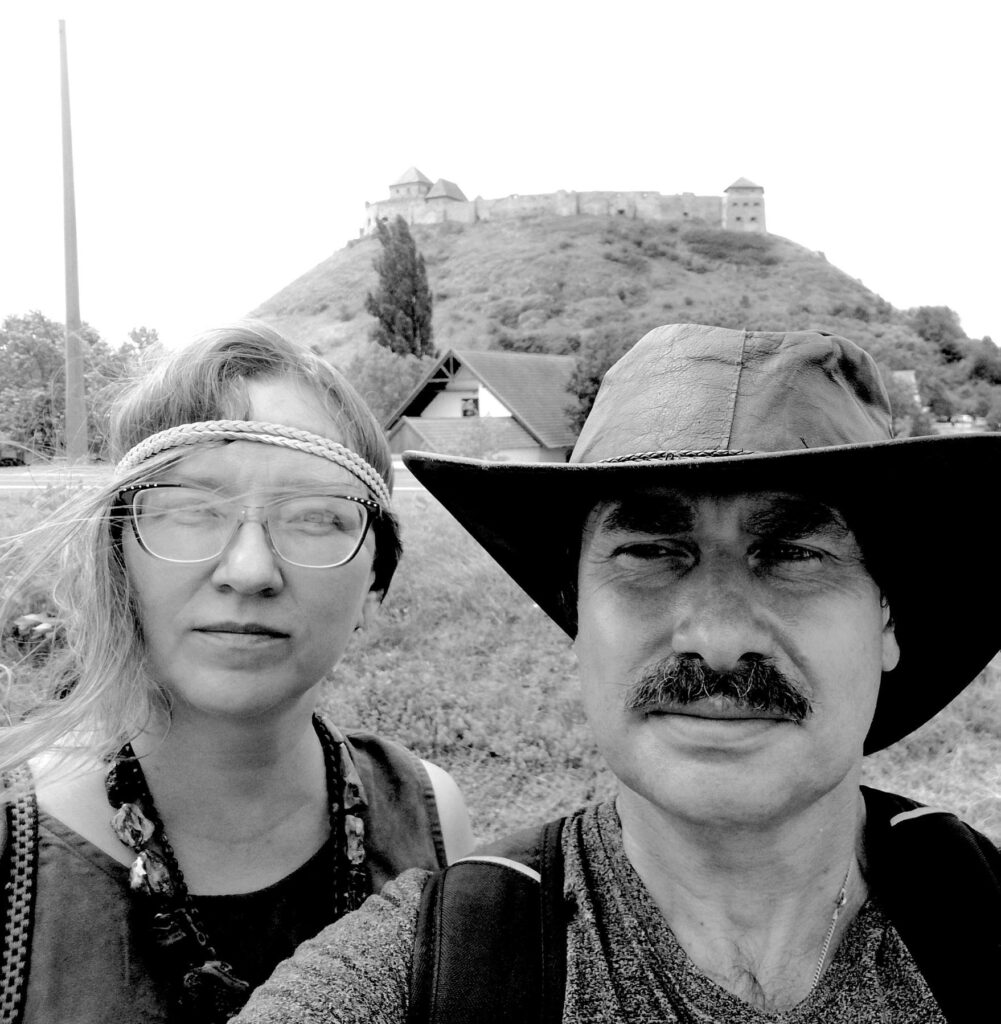
R² is a long-term collaboration between artist Marina Razheva and researcher Dmitry Razhev. They have worked together since 1989, exploring landscapes, cities, archives, and traces of human presence.
Their work moves between research and artistic practice. It begins with close attention to places and their details: fragments, absences, textures, changes, and signs that might otherwise remain unnoticed.
Natural and built environments often reveal moments of incompleteness. These become starting points for investigation, artistic action, or temporary installation.
Through this long-term practice, the collaboration has developed Revealed Realism (RR) — a method of working with reality through close attention and minimal intervention.
Born in 1968, Urals, USSR. Based at Lake Balaton, Hungary
Education
Urals State University, Russia Degree in Biology, 1992
Academic Qualification
Ph.D. in History, awarded in 2002
Professional Experience
Researcher, Institute of History and Archaeology, Ural Branch of the Russian Academy of Sciences 1995–2009
Researcher, Federal Research Center “Tyumen Scientific Center,” Siberian Branch of the Russian Academy of Sciences (Tyumen) 2009–2023
Research Experience
Participant and leader of more than 50 archaeological and anthropological expeditions, including:
1993–1997: Participated as an archaeo-anthropologist in a joint project of the Russian Academy of Sciences and the French National Centre for Scientific Research (CNRS), focusing on the excavation of Early Iron Age cemeteries and settlements in the forest-steppe zone of Western Siberia
2010: Participated in a joint project between the Russian Academy of Sciences and the Department of Natural History Sciences, Graduate School of Science, Hokkaido University, researching the history of human populations and fauna in the Urals.
Research Interests
Bioanthropology of ancient populations in the Urals and Western Siberia
Author of more than 80 scientific publications, including:
Daire, M.-Y., Koryakova, L. (Eds.). Habitats et nécropoles de l’âge du fer au carrefour de l’Eurasie: les fouilles de 1993 à 1997. Paris: De Boccard, 2002. 292 p.
Razhev, D.I. Bioanthropology of the Sargat Population (in Russian). Yekaterinburg: Urals Branch of the Russian Academy of Sciences, 2009.
Sharapova, S., Razhev, D. “Skull Deformation During the Iron Age in the Trans-Urals and Western Siberia.” In: C. Bonogofsky (Ed.), The Bioarchaeology of the Human Head: Decapitation, Decoration, and Deformation, Gainesville: University Press of Florida, 2011, pp. 202–227.
Sato, T., Masuda, R., Razhev, D., Amano, T. “Genetic Features of Ancient West Siberian People of the Middle Ages, Revealed by Mitochondrial DNA Haplogroup Analysis.” Journal of Human Genetics, 2011, Vol. 56, No. 8, pp. 602–608.
Fu, Q., Aximu-Petri, A., Prüfer, K., … Pääbo, S., … Razhev, D., et al. “Genome Sequence of a 45,000-Year-Old Modern Human from Western Siberia.” Nature, 2014, Vol. 514, No. 7253, pp. 445–449.
Judd, M.A., Walker, J., Ventresca Miller, A., Rajev, D., Epimakhov, A., Hanks, B. “Life in the Fast Lane: Settled Pastoralism in the Central Eurasian Steppes During the Middle Bronze Age.” American Journal of Human Biology, 2018, Vol. 30, No. 4, e23129.
Narasimhan, V.M., Rohland, N., … Razhev, D., et al. “The Formation of Human Populations in South and Central Asia.” Science, 2019, Vol. 365, No. 6457, aat7487.
Marina Razheva Conceptual, multifunctional and interdisciplinary artist Born in 1969, Urals, USSR. Based at Lake Balaton, Hungary
I work with time, memory, transformation, and myth. I explore the “in-between” state, using a wide range of materials, from ephemeral objects to found spaces. My artistic language includes performance, objects, photography, painting, and open-air installations. I believe each idea calls for its own form, so I employ diverse media and techniques, always seeking to reveal new layers of meaning.
Education:
2023-25 Experimental Textiles and Tufting Training (Hungary)
2001 Ural State Academy of Architecture and Arts. Faculty of Advanced Studies. Advertising Design
1992 Ural State University, Faculty of Biology (Russia)
1979-1983 Krasnoturinsk Art School (Russia)
Solo Projects: – 37 solo projects from 1998 to 2025, including:
Deer Country (2019–2025) — ongoing interdisciplinary project exploring myth, land, and memory
Eliminates (2021) — conceptual object series questioning presence and absence
Sieve of Silence (2024) — minimal textile, inspired by an old lake and Bashō’s haiku
Golden Eggs (2002–2024) — long-term open-air object project about transformation and myth
Pangormonium (2008) — sketch of a Never-Existent Instrument
Maps of Peeling Walls (2009) — poetic urban archaeology of decay and memory
Nails Are Like People (2010) — sculptural object series on vulnerability and conformity
Wedding of Tower and Metro (2006) — urban performance about the union of vertical and horizontal forces
Angle of View (2002) — visual manifesto: “The fence turns into a staircase if you change the angle”
Attempt at the State of ‘Between’ (1999–2001) — early philosophical and spatial experiments with thresholds and transition
Selected Group Exhibitions and Biennials: – Over 100 collective exhibitions since 1998 in Hungary, Italy, Israel, Greece, Australia, UK, and more, including:
2025 – Felismerés, Várnegyed Galéria, Budapest, Hungary
2025 – Frontpage:Next, Athens, Greece
2024 – Revolution and Metamorphoses, V Biennale of Illustration, Haifa, Israel
2024 – JELEN – JELENÉS – JELEN|ÉS, IV International Land Art Symposium, Rácalmás, Hungary
2024 – Crossing Borders, contemporary art festival, Beka9 Space, Slovenia
2023, 2057 – Jump to the Future, international project, Italy
2022 – Myth, IV International Biennale of Illustration, Haifa, Israel
2021 – THE GOOD, THE BAD & THE UGLY Meriden, Connecticut, USA
2012 – Ural Industrial Biennale of Contemporary Art, Russia
2007 – Moscow Biennale of Contemporary Art, MMOMA, Russia
2004 – New Mythology,International Exhibition of Contemporary Art, Karaganda, Kazakhstan
2004 – ArtKlyazma,International Outdoor Contemporary Art Festival, Russia
2000 – Oltrepassare la memoria, Cultural Association Lameladivetro, Genoa, Italy
1998 – Otto Arte International Festival of Arts, Ferentino-Fumone, Italy
Collections: State Russian Museum, St. Petersburg, Russia
Museum of Fine Arts, Yekaterinburg, Russia
Surber’s Museum für Musikautomaten und Phonographen, Keszthely, Hungary
Cultural NGO ANSPI NEOT, Ferentino, Italy
Underground Art Museum, Yekaterinburg, Russia
Residencies & Memberships: – PRO SYMPOSION (Hungary), member since 2024 – Residencies in Italy (ANSPI NEOT), Hungary (Rácalmás, Kötcse, Káptalanfüred)
Awards: – 2003 Matthias Alexander Castrén Prize (Finland) – 2019, 2020 – Top 100 photographers in Hungary by 35AWARDS
Teaching: – Sketching Courses and Workshop “Design of Remembrance”, Keszthely, Hungary (2017)
During travel, there are moments when ordinary description fails to explain the strange coherence or inner contradiction of a place. Unexpected details, paradoxes, and inconsistencies create a sense of perceptual dissonance, as if the visible reality is missing an important layer.
In response, historical sources, local myths, forgotten narratives, symbolic associations, and metacultural models are used not to fictionalize the place, but to approach a deeper alignment with its hidden logic and atmosphere.
The method does not seek factual reconstruction alone. Instead, it works through attentive observation, comparison, walking, intuition, and associative investigation in order to reveal latent connections embedded within the landscape.
Enigma Travel Detective treats travel as a form of field inquiry in which places gradually disclose concealed structures, unresolved narratives, and unstable meanings that cannot be grasped through direct observation alone.
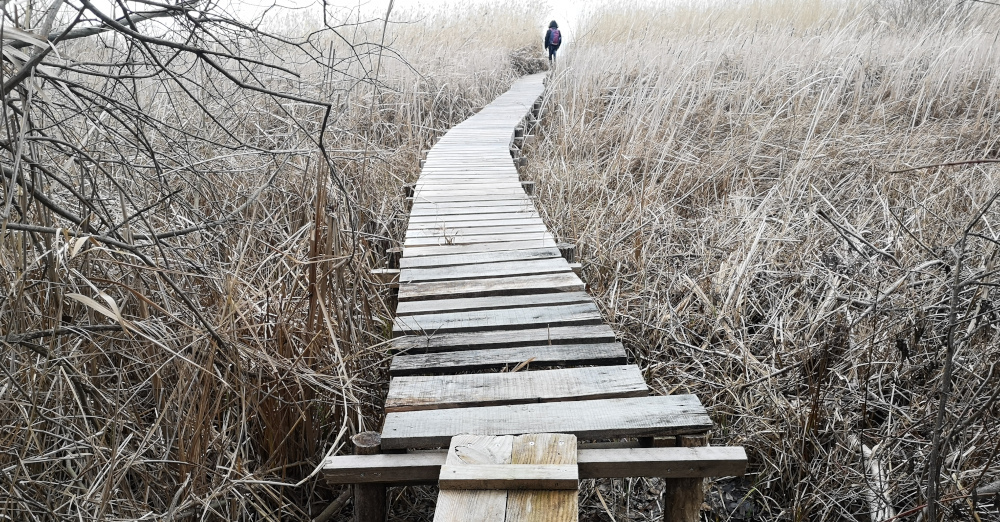
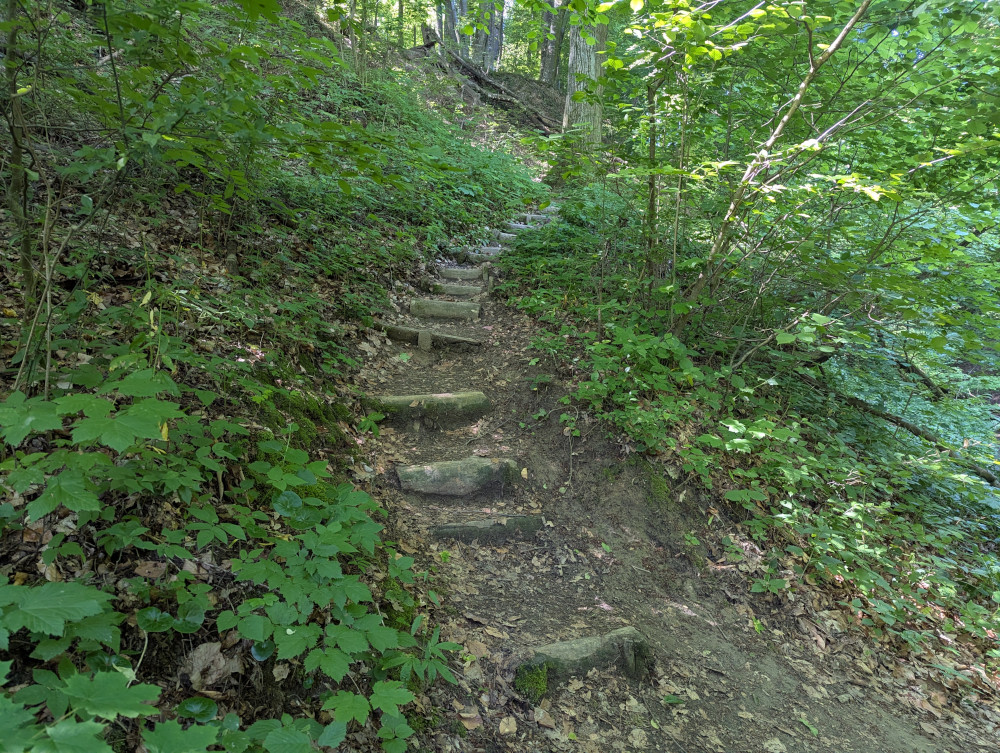
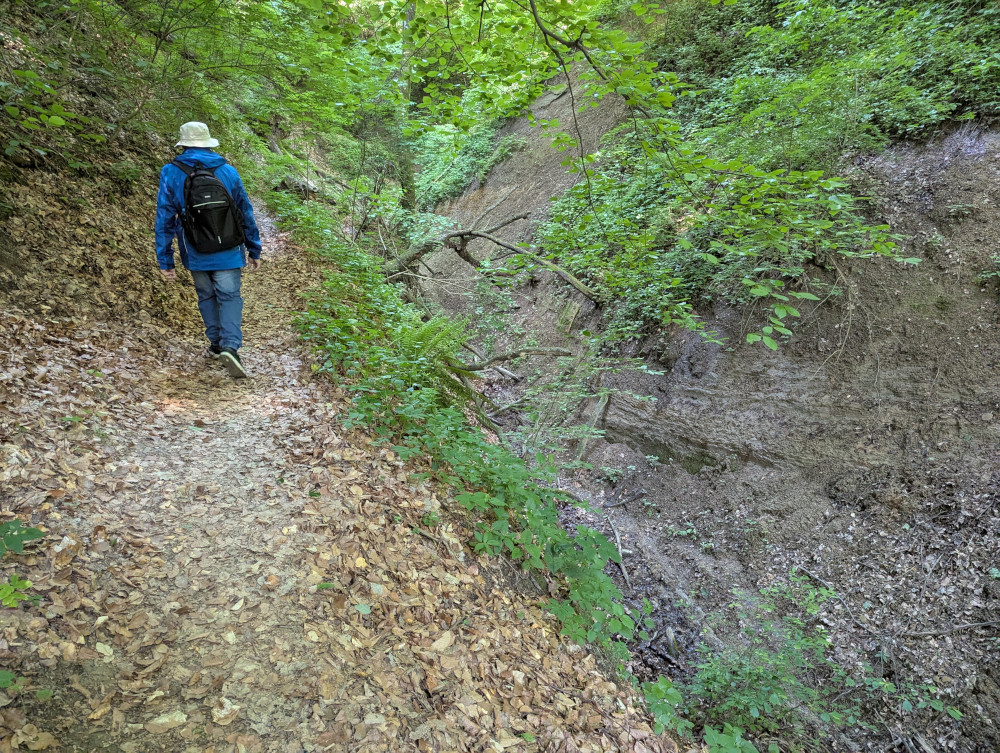
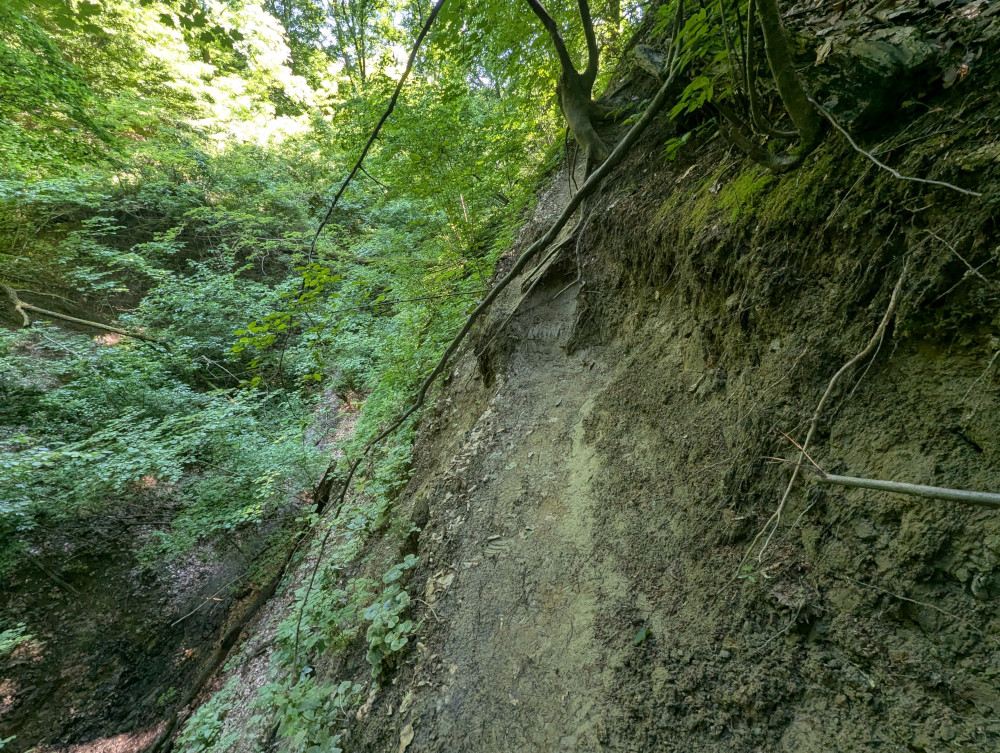
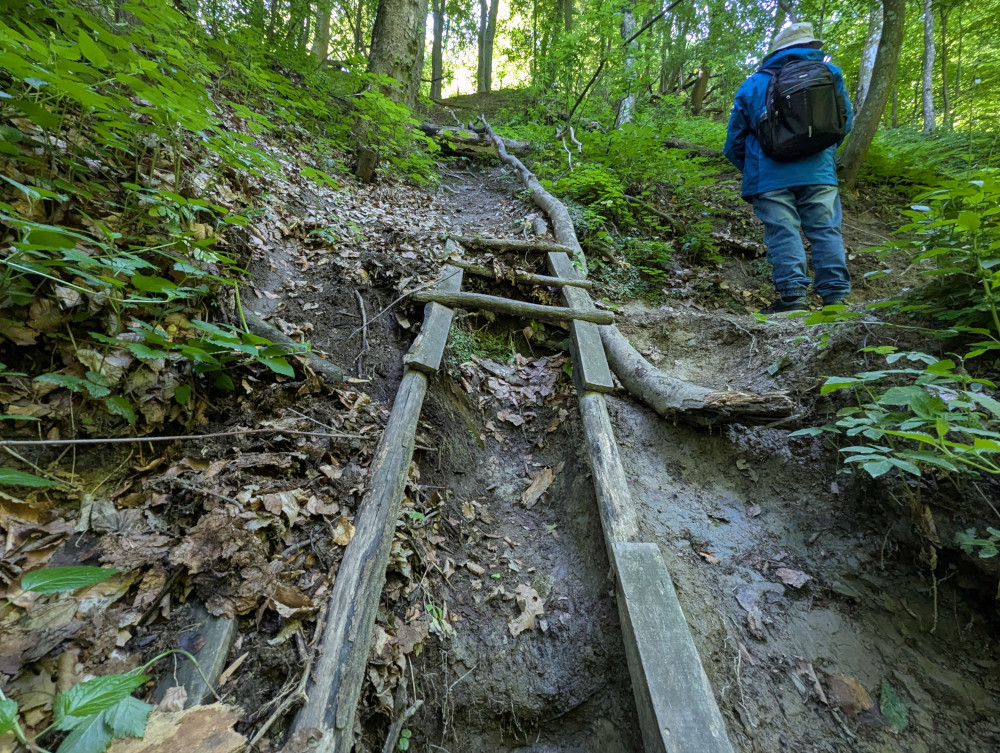
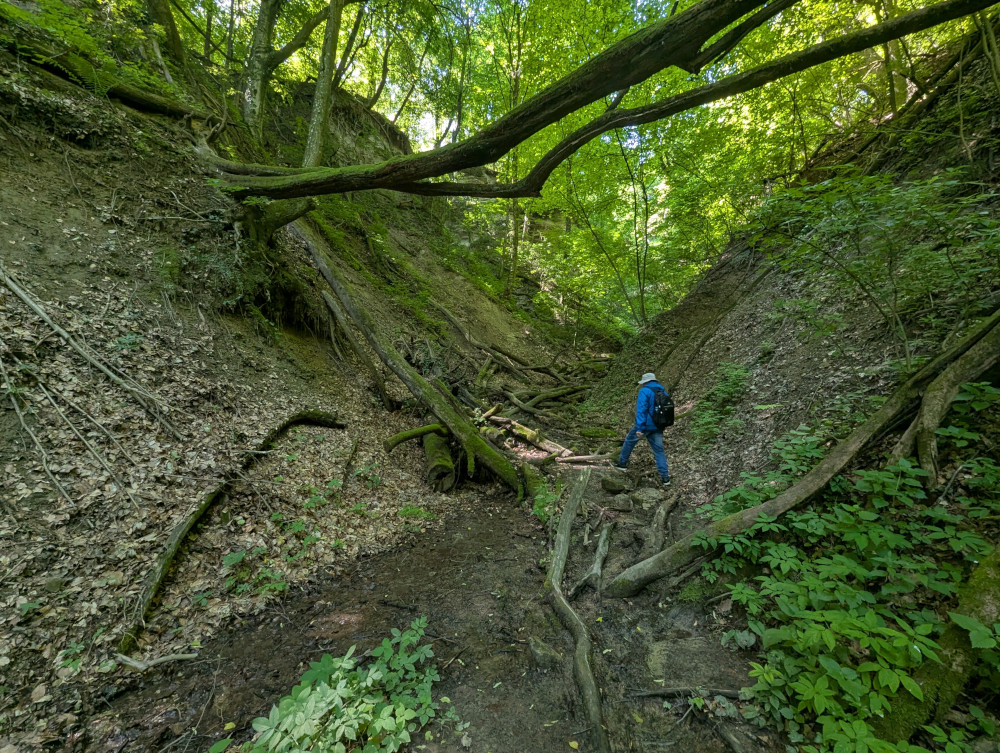
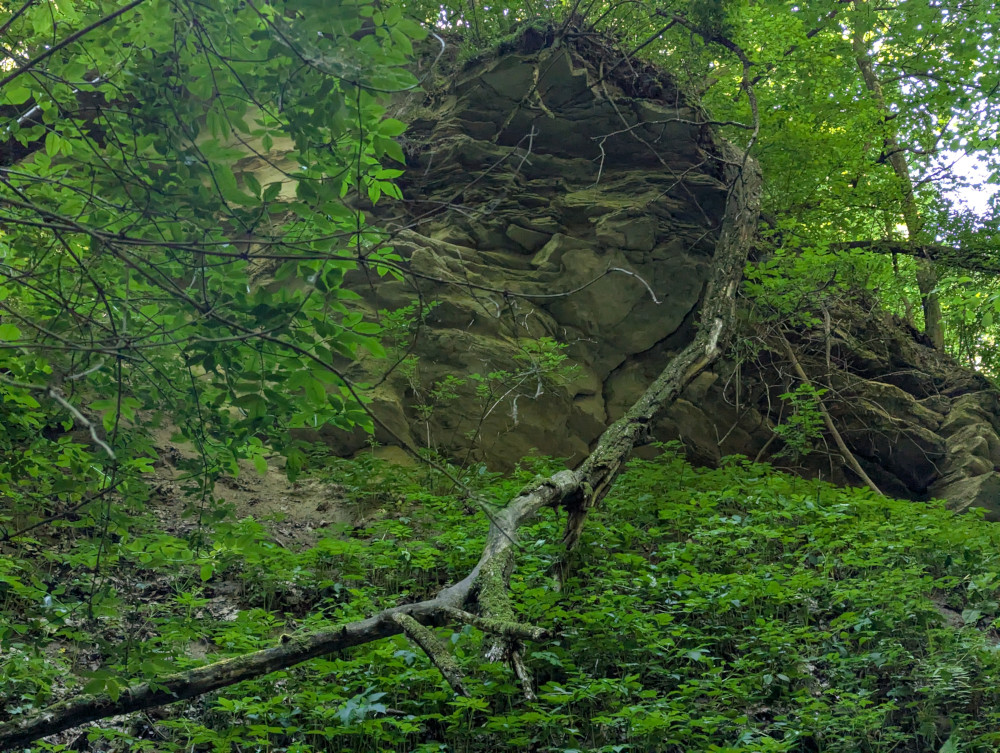
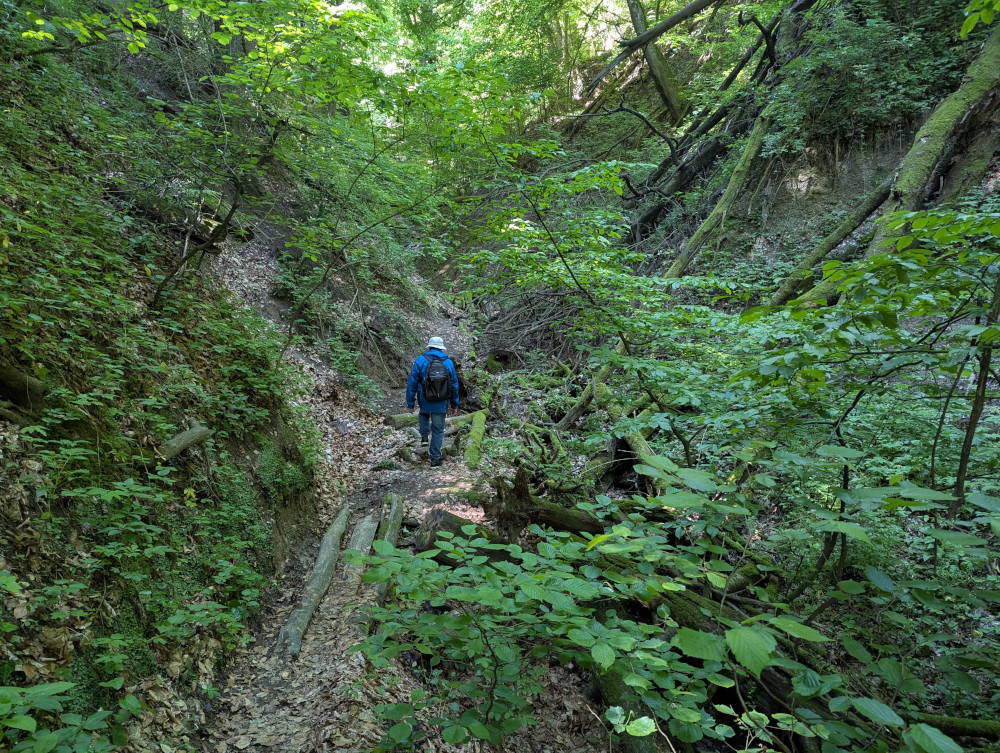
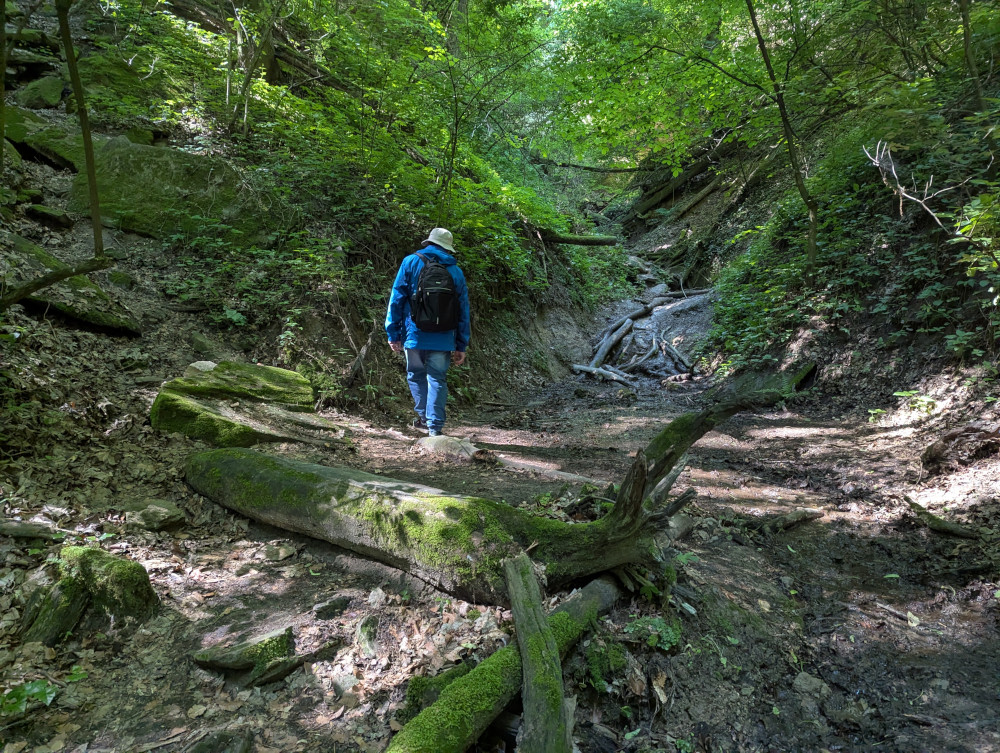
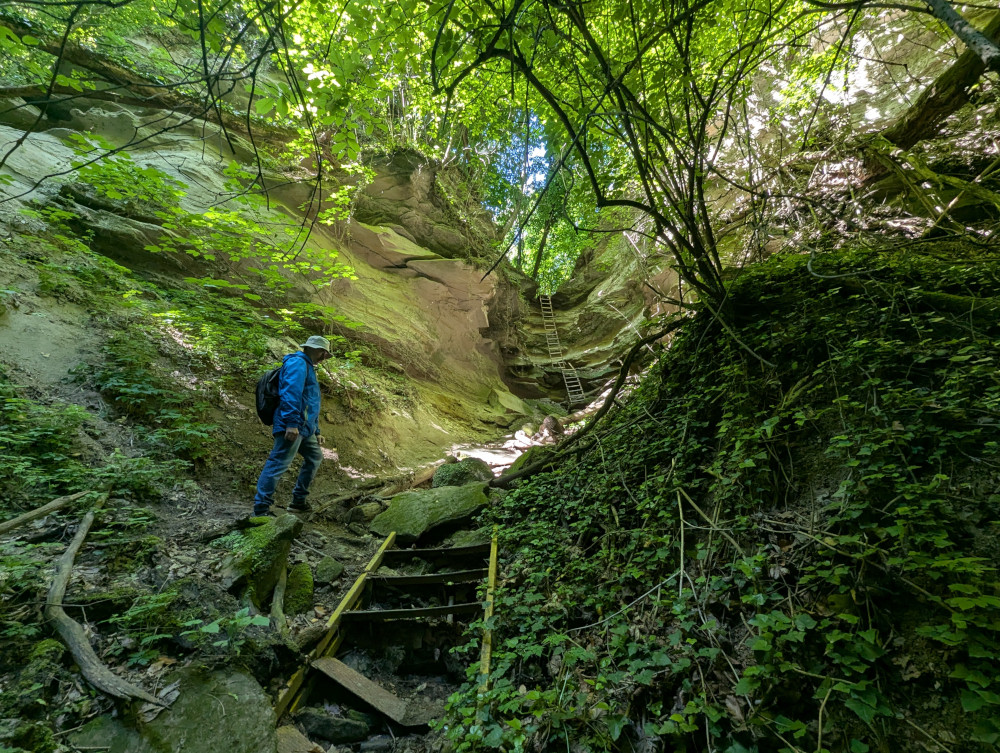
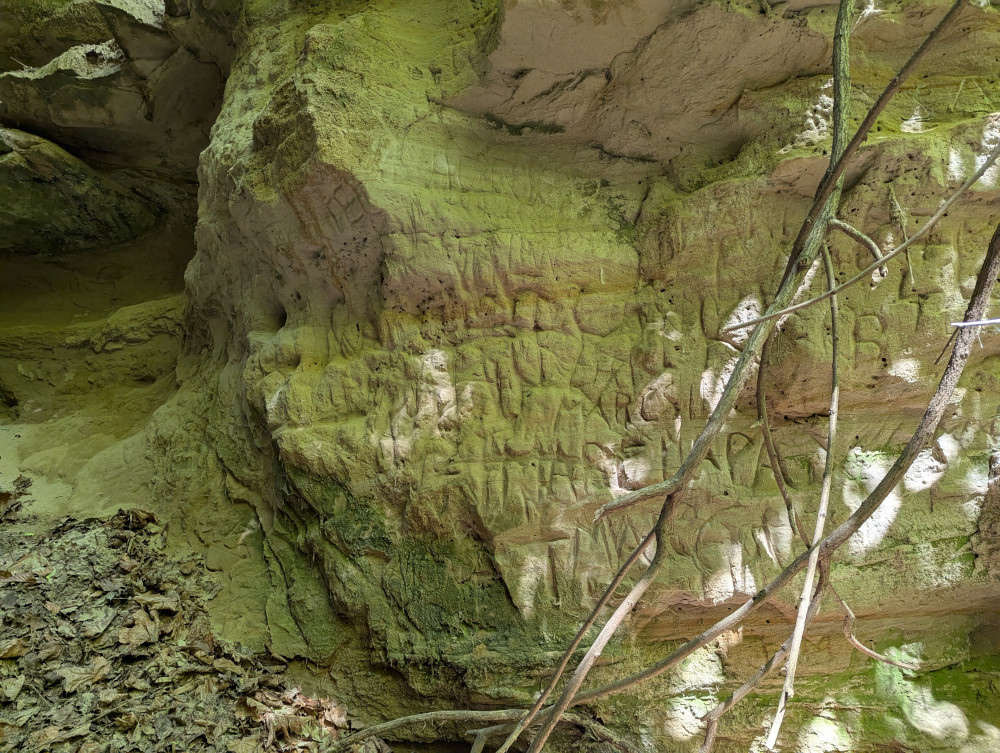
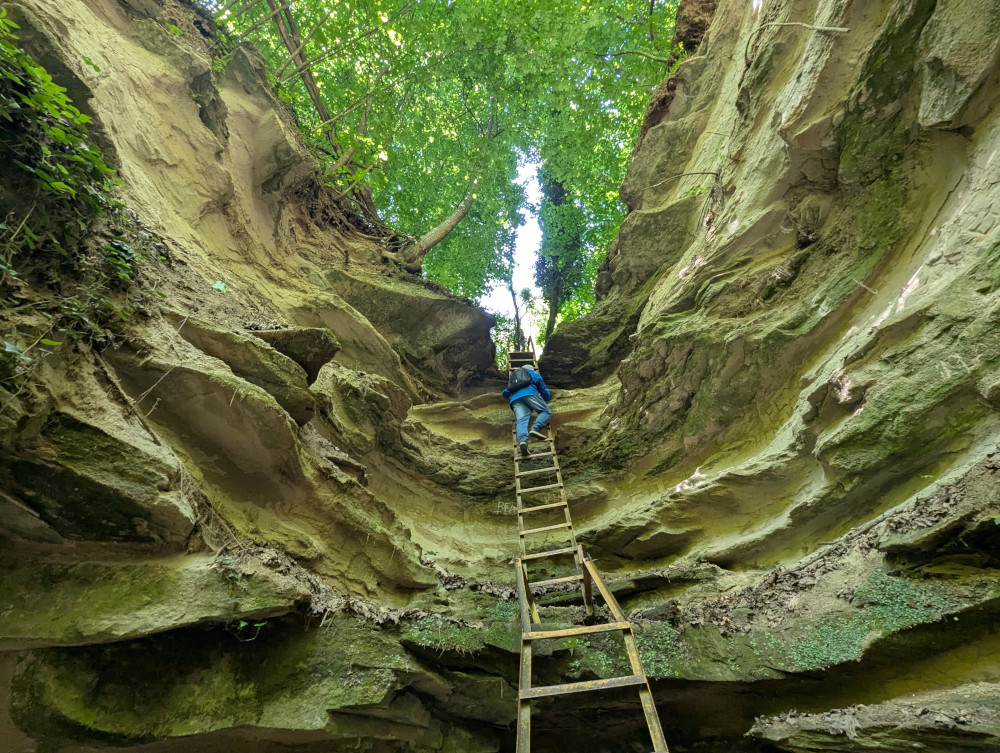
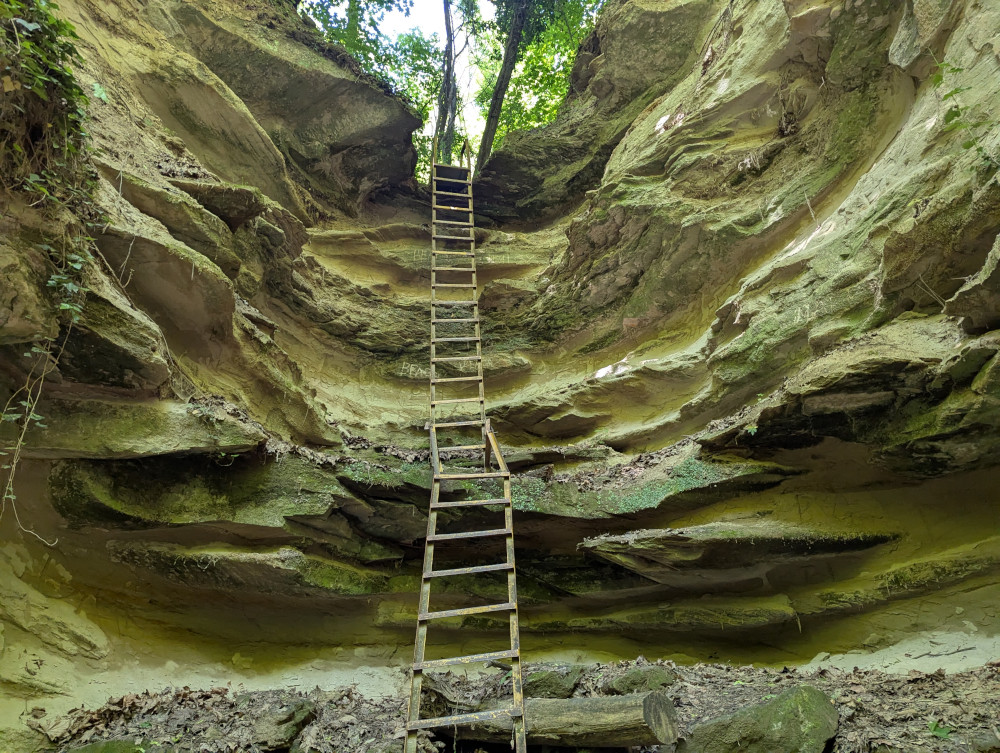
There is no gallery, no designated viewing point, and no fixed position from which to encounter the work. There is only a path through the gorge.
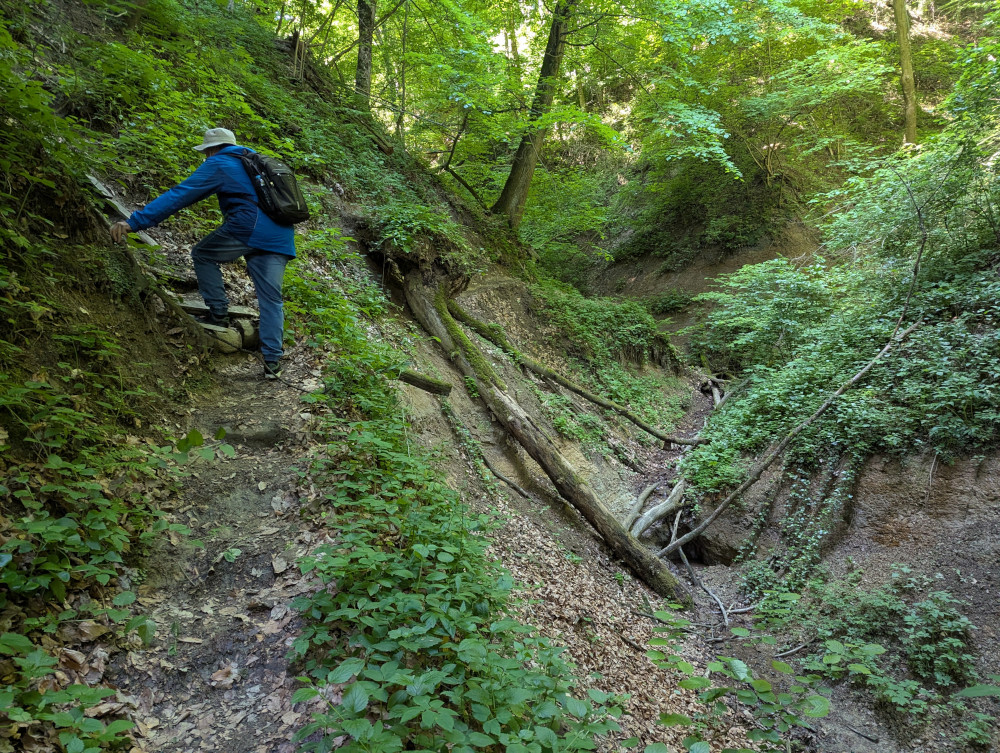
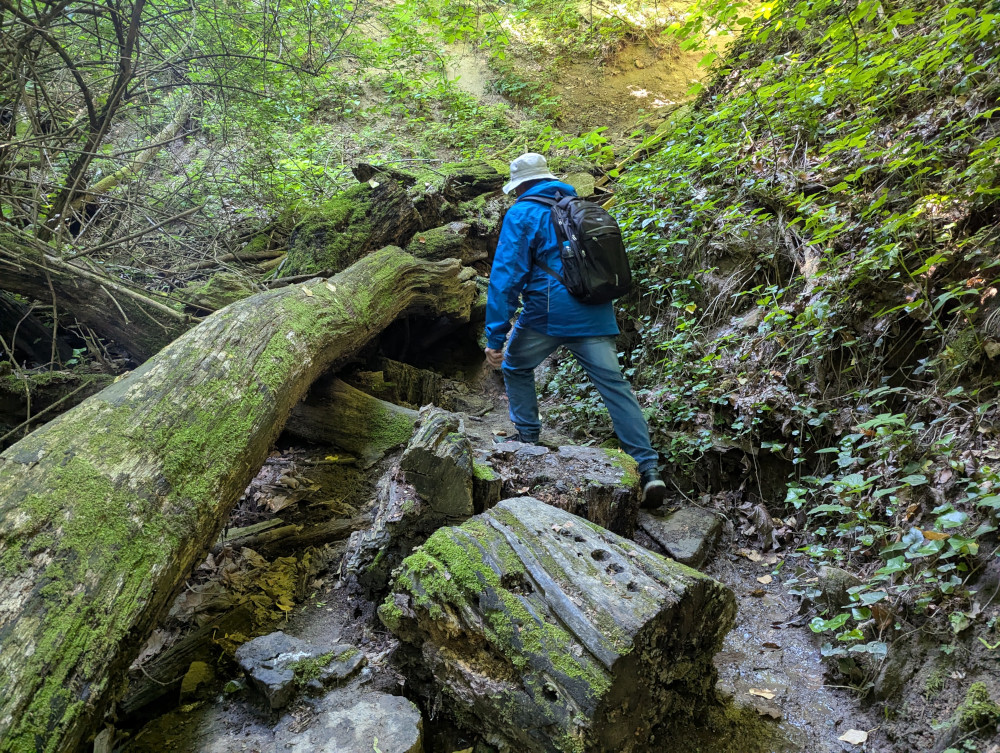
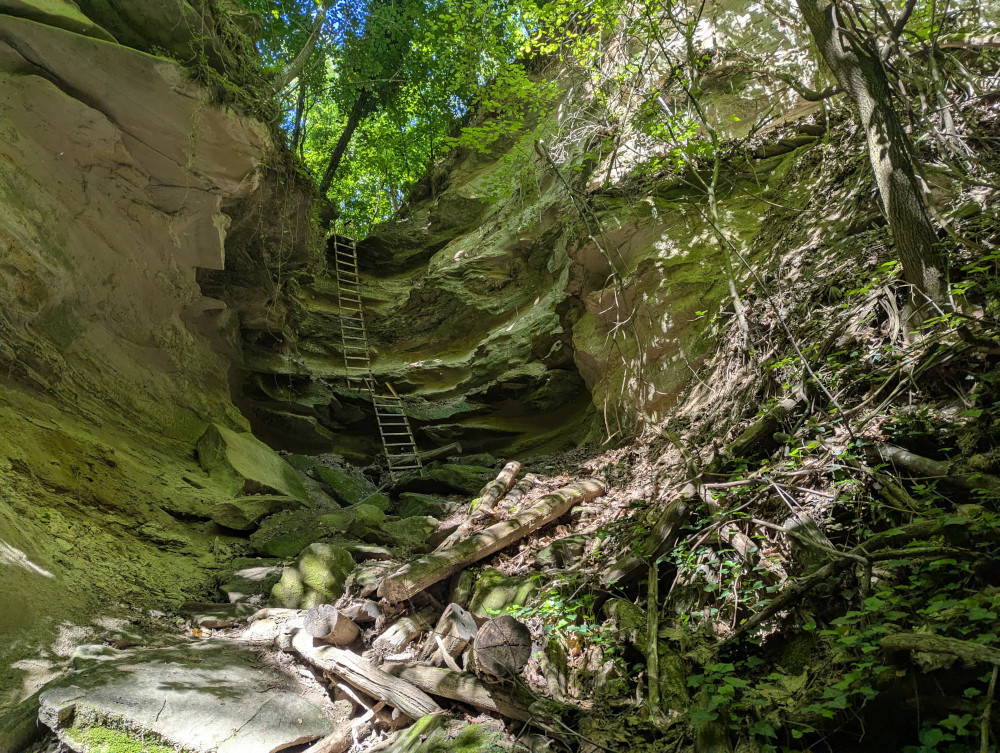
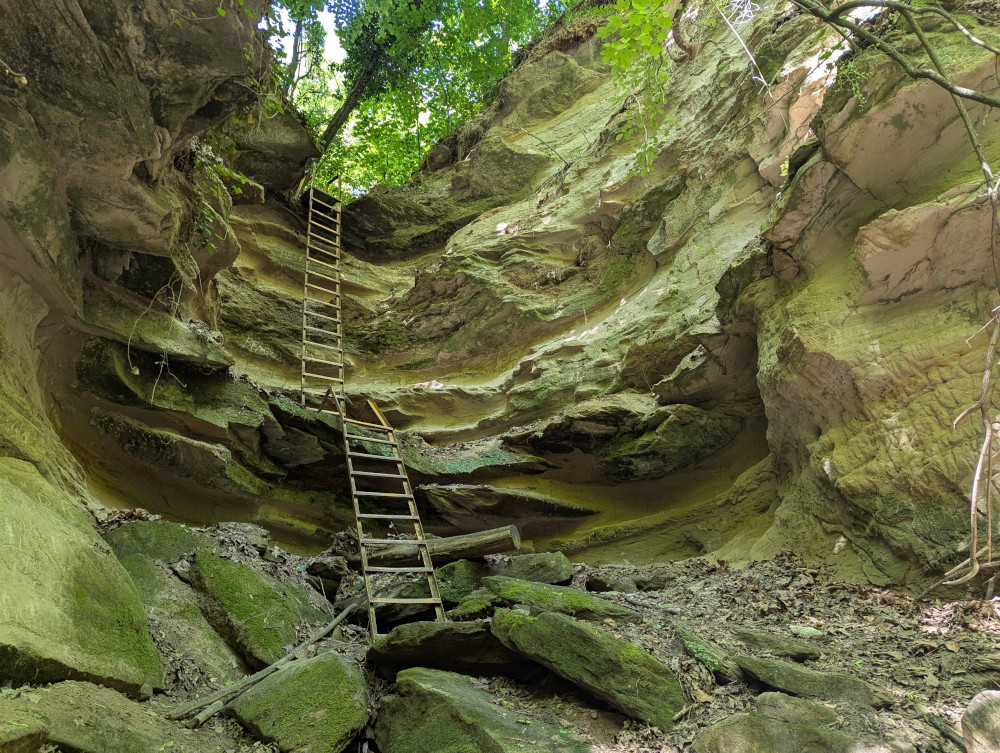
The route leads through fallen trees, exposed roots, water, stones, narrow passages, and unstable ground. Walking requires attention. The body adjusts to the terrain; the pace changes; familiar ways of moving become unreliable.
The landscape is not presented as a backdrop or an object of contemplation. It determines how the work can be experienced.
To understand, one must walk.
The work unfolds through movement rather than observation. What appears at first to be an ordinary landscape gradually becomes a sequence of situations in which the body is asked to notice, negotiate, pause, and continue.
There is no single image that contains the work.
Its form exists in the accumulated experience of the passage: the changing ground beneath the feet, the need to find a way around an obstacle, the sound of water, the pressure of branches, the shifting distance between bodies, and the awareness of not being entirely in control of the route.
The walk becomes a form of reading.
The terrain is the text. The body is the instrument. Attention is the method.
A Landscape That Acts
The gorge does not illustrate an idea imposed upon it.
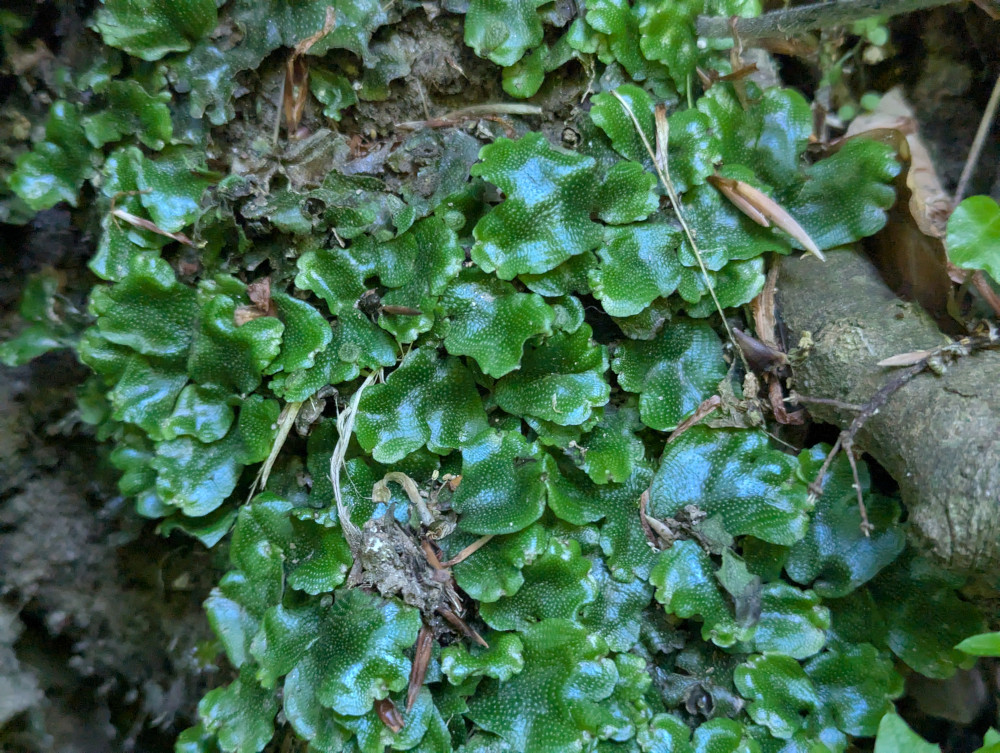
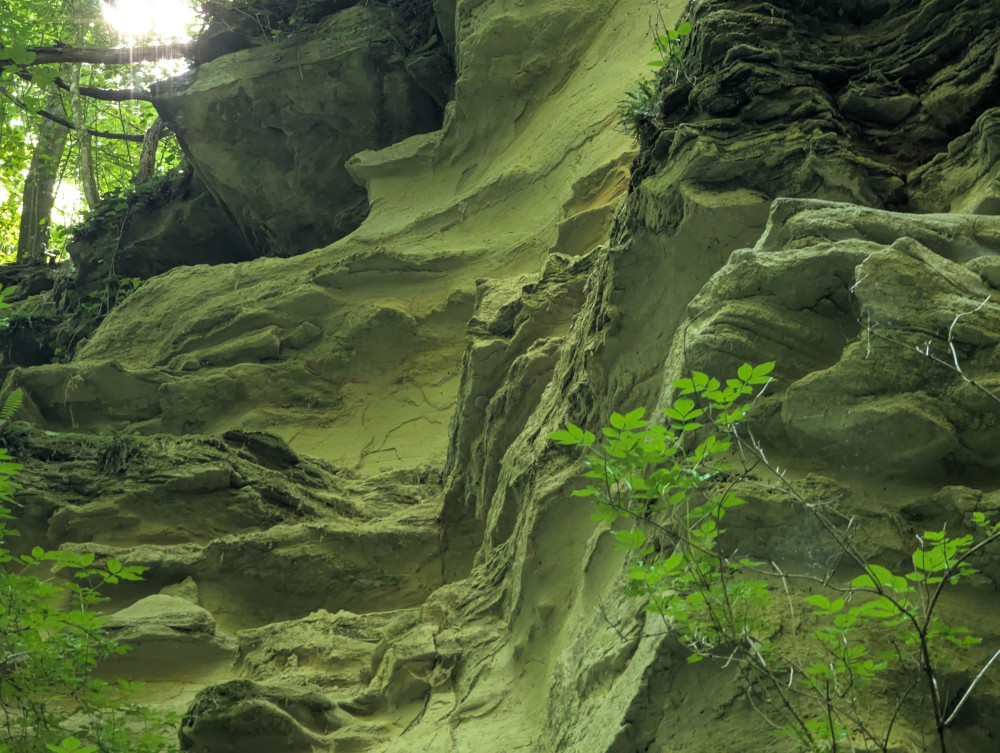
Its existing conditions — erosion, vegetation, water, fallen trees, rock formations, traces of passage — determine the structure of the encounter.
The work therefore follows the principles of Revealed Realism: rather than constructing a new environment, we attend to what the place already offers and allow its conditions to redirect the artistic action.
What is revealed is not a hidden object, but a different relationship with the landscape.
The Route
The work can be understood as a sequence of transitions:
Entering — leaving the familiar conditions of the everyday world.
Adjusting — allowing the body to respond to an unfamiliar terrain.
Crossing — moving through obstacles rather than viewing them from a distance.
Attending — noticing details that become visible only through slowed movement.
Continuing — accepting that the route has no predetermined visual conclusion.
The work ends when the walk ends.
But the landscape encountered along the way does not necessarily end there.