Object, performance 45 minutes December 22, 2006 Museum of Fine Arts, Yekaterinburg, Russia Group exhibition: Christmas Inside Me
On the winter solstice, the darkest day of the year, sixteen artists were invited to create New Year trees in real time during a live performance.
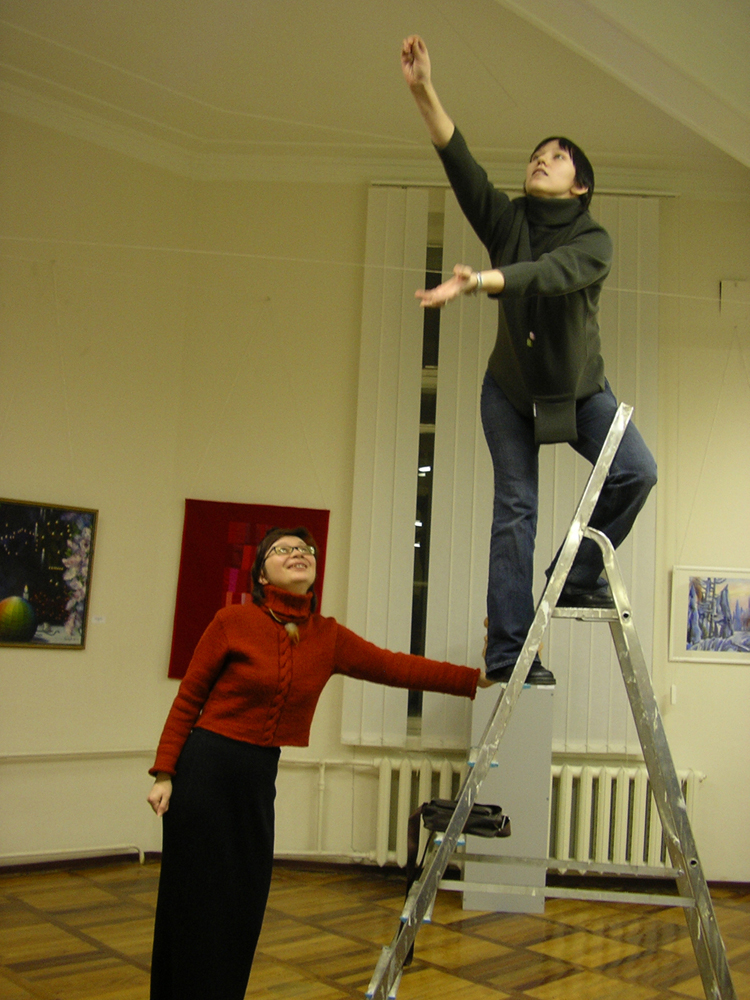
From the author: For 45 minutes, I decorated a fir tree that wasn’t there. From a stepladder, I carefully hung invisible ornaments on invisible branches. The audience watched, whispered, laughed, and filmed.
The work played with belief, absence, ritual, and suggestion. It was later described by the jury as a “conceptual miracle” and sold at a festive auction charity.
Press mention: “Some of the trees — like Marina Razheva’s weightless fir — were even sold. For almost an hour, the artist moved up and down a stepladder, hanging non-existent ornaments on a non-existent tree.” —IA Apelsin
Format: public performance, happening, video documentation (44 minutes)
Location: Russia, Yekaterinburg city center and metro stations
Partners: State Center for Contemporary Art (GCCSA), ParaRam gallery
About the Project
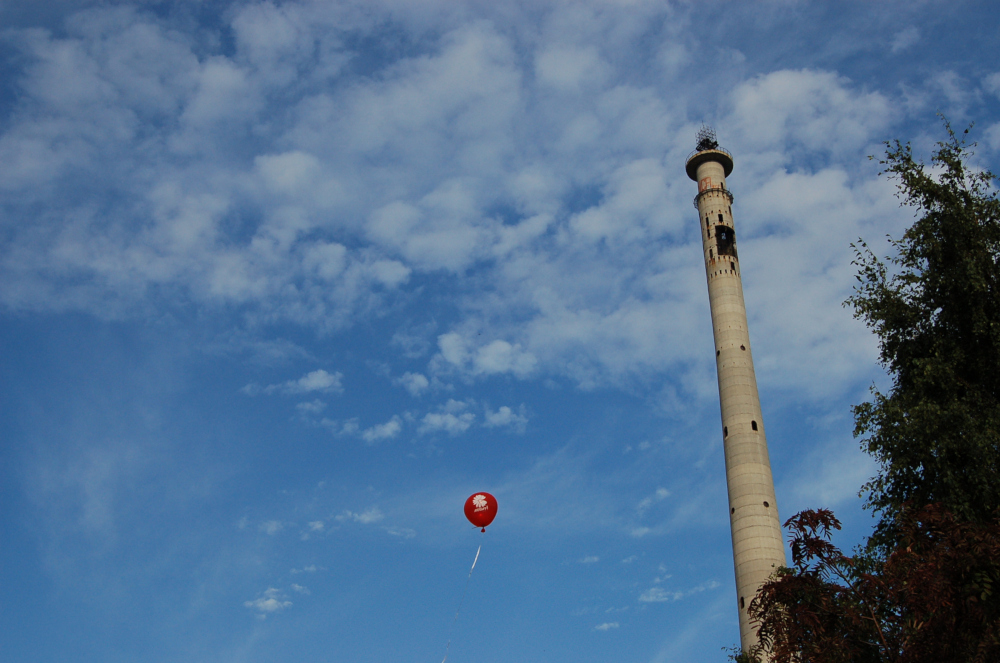
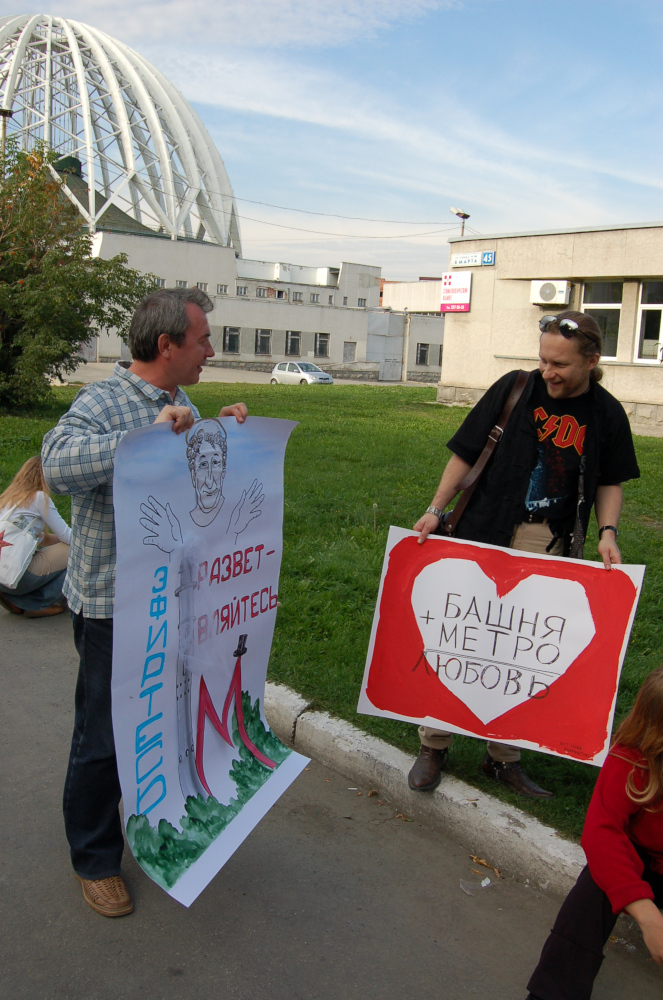
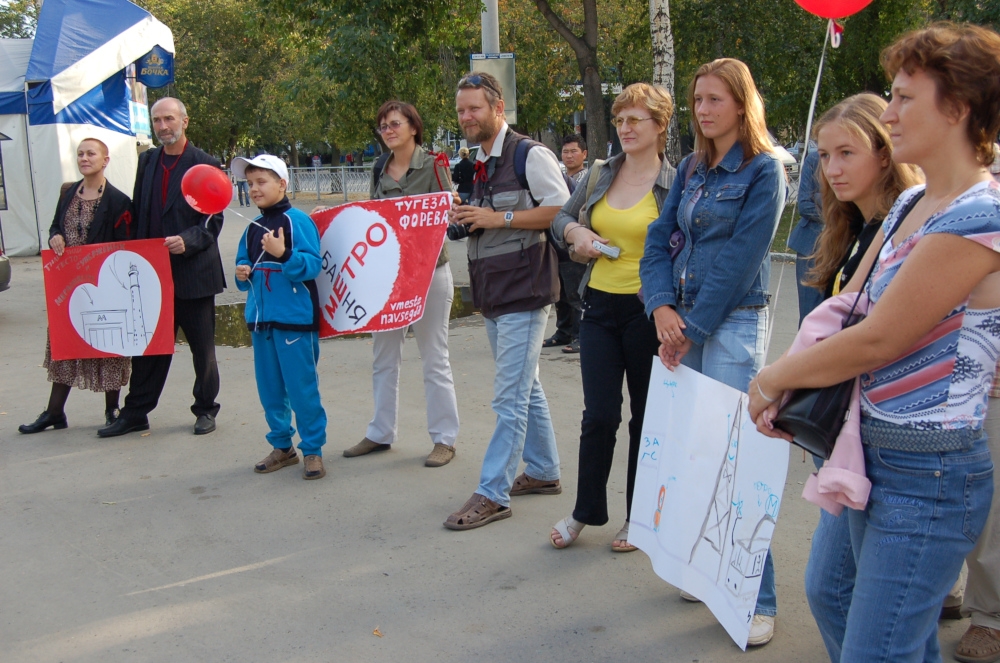
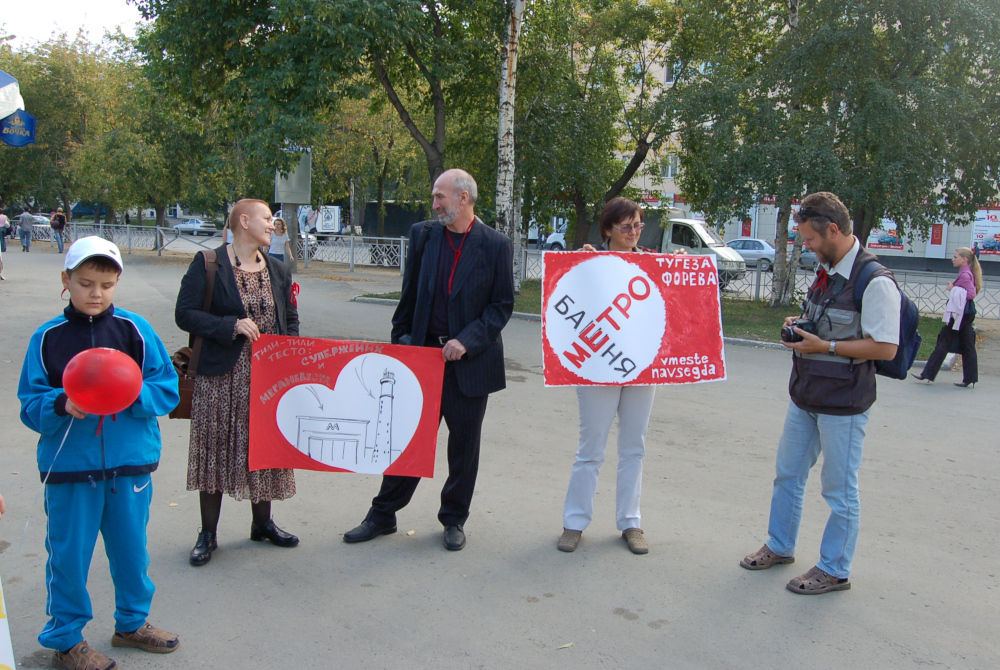
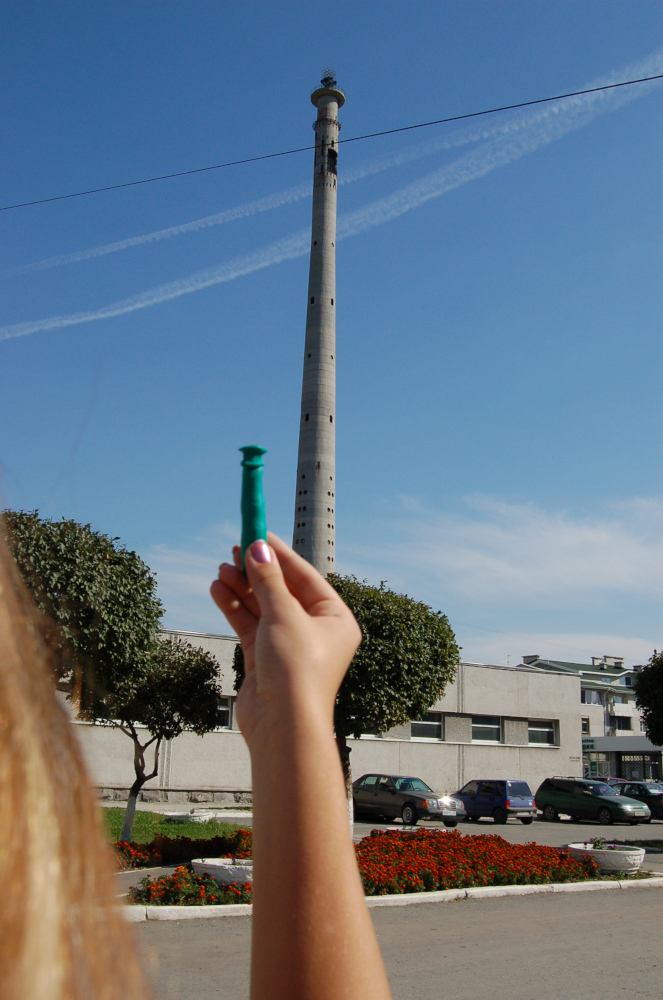
Wedding of the Tower and the Metro is a multi-day public performance reimagining key landmarks of Yekaterinburg through the lens of local Ural traditions. The project creates a new living mythology for the city by symbolically uniting two urban giants — the Tower (he), an unfinished TV tower and prominent telecommunications structure, and the Metro (she), the city’s underground transit system.
The project unfolds as a ritual action reflecting deep archetypes and urban legends, expressing both the hopes and fears of the city’s residents. Through ceremonial acts and symbolic gestures, the performance seeks to harmonize unseen forces within the city and prevent potential catastrophe.
Background: The Question of the Tower and the Metro
Concerns about a possible earthquake in the Ural region have been growing.
For over 250 years, towers and underground spaces have been seen as the city’s main mythical and generative symbols.
Today, the unfinished TV tower is the city’s apex tower symbol, while the metro is its main subterranean presence.
These two giants effectively “meet” near the Circus area in the city center.
The Myth
The Tower and the Metro represent vast, intangible City Giants—beings with immense, mysterious bodies resting beneath the urban layers. Though currently still, their forces pull toward each other. Should they awaken suddenly or clash, disaster such as an earthquake could follow.
The myth is not just a story but includes ritual actions designed to control these forces and protect the city.
The Ritual — The Wedding
The Giants’ longing for union has reached a peak — the time has come to hold their Wedding.
If this ritual is not performed, the Giants may pass each other by, and the symbolic “Child” — the city’s future potential — will never be born. Alternatively, a chaotic union could bring disaster.
Additional Context
This myth draws from ancient, pre-Ellin traditions and familiar motifs of Titans and Titanesses. The Tower and Metro stand as symbolic Titans within the city landscape.
The myth partly explains the origins and roles of these urban forms and partly prescribes complex ritual actions that help channel and contain hidden powers, ensuring the city’s well-being.
The Performance
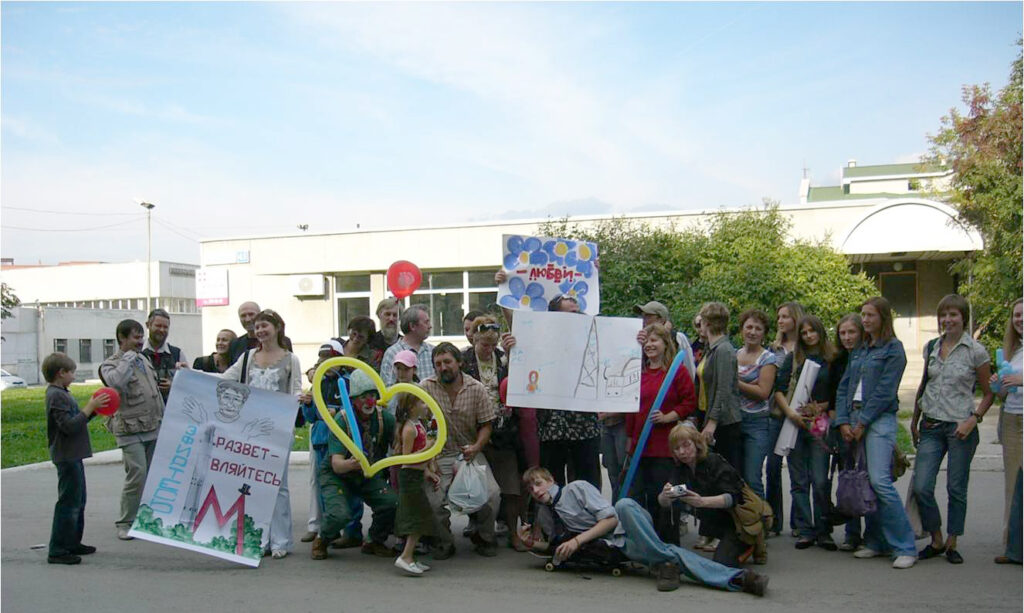
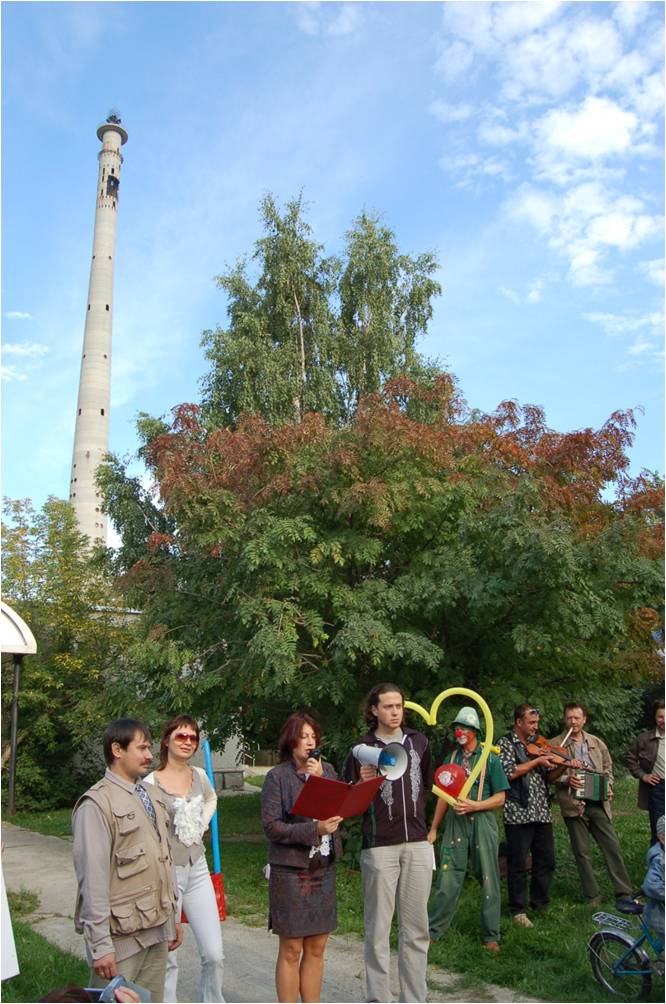
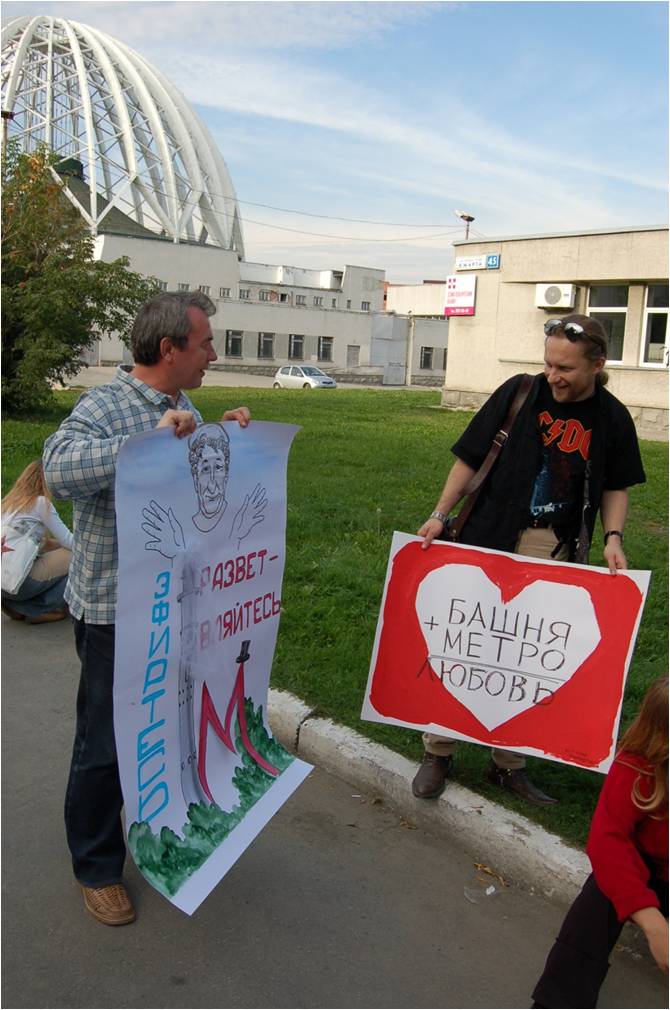
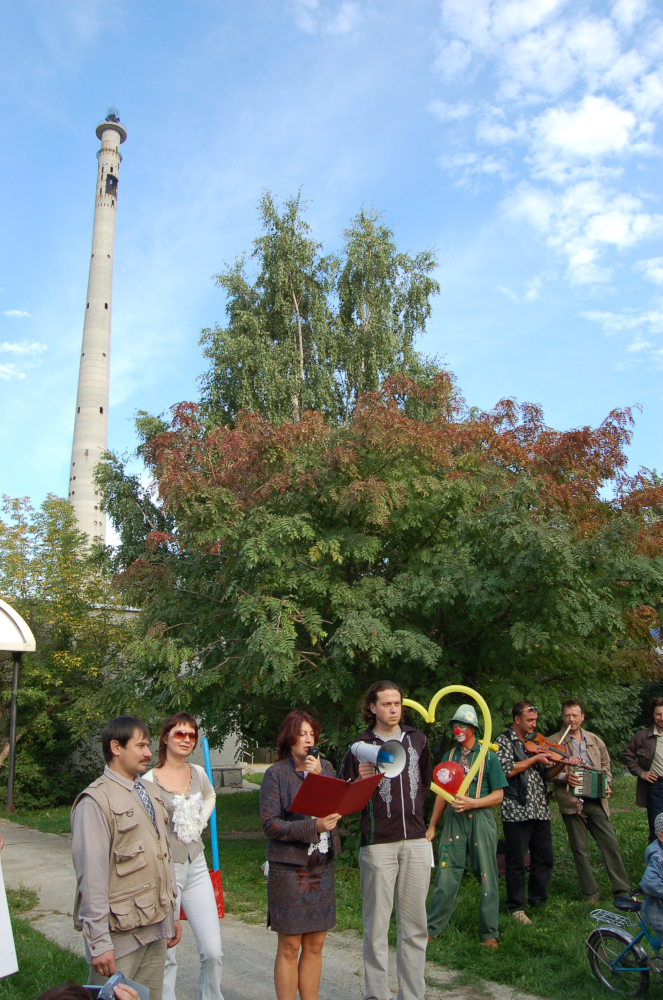
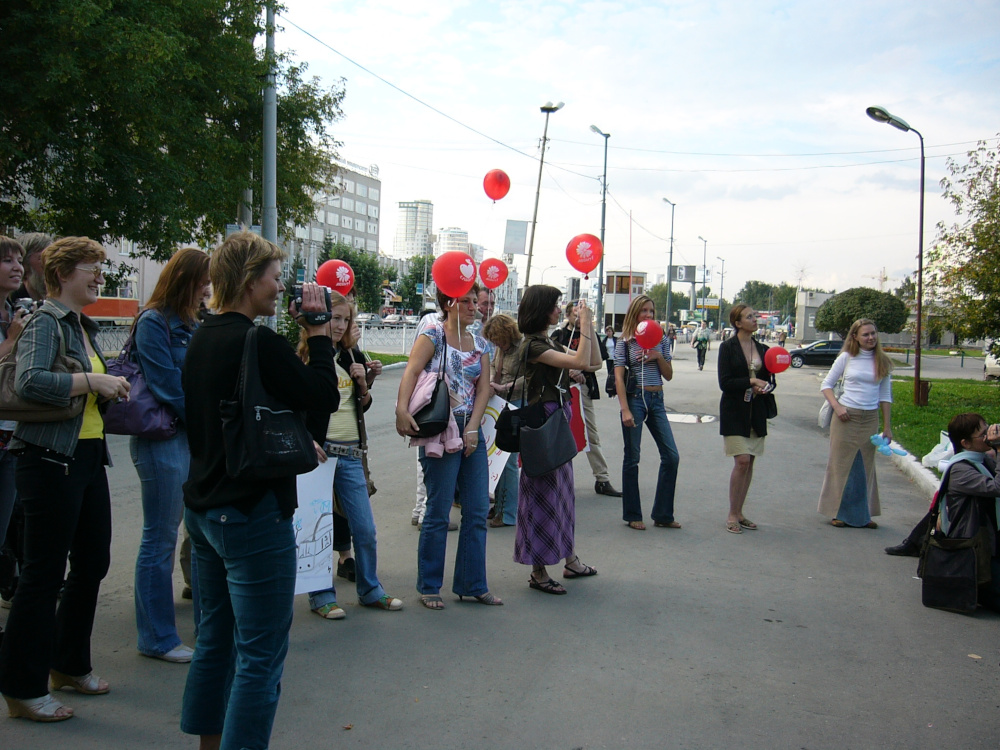
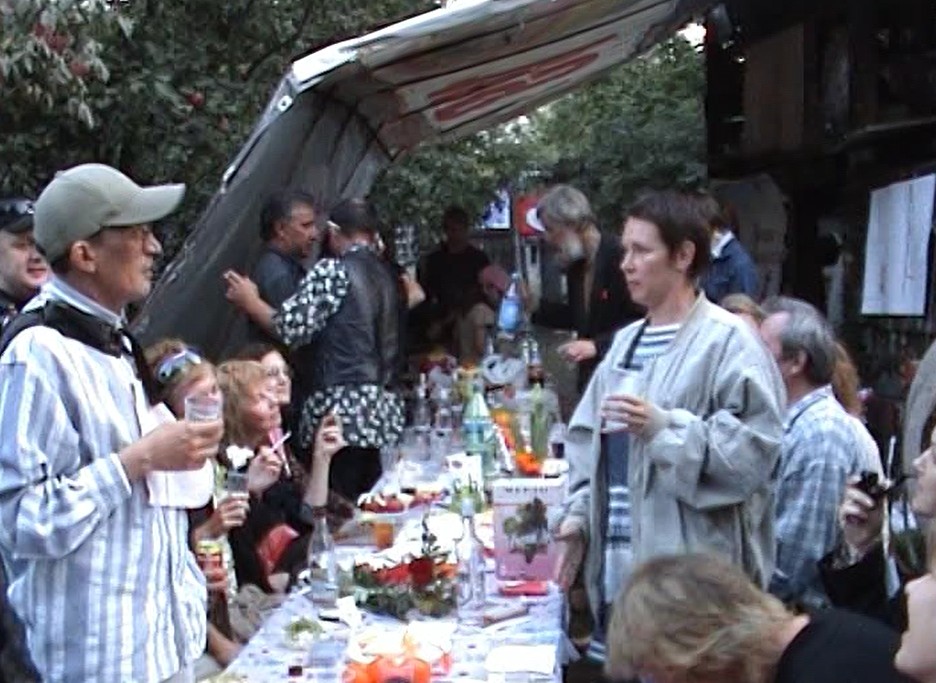
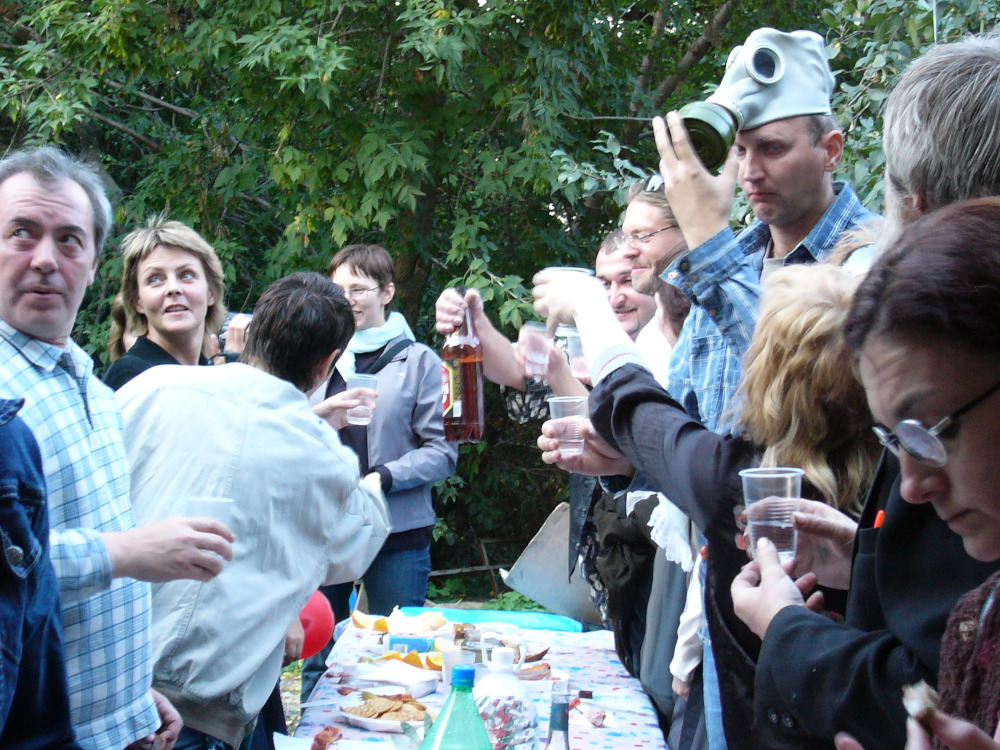
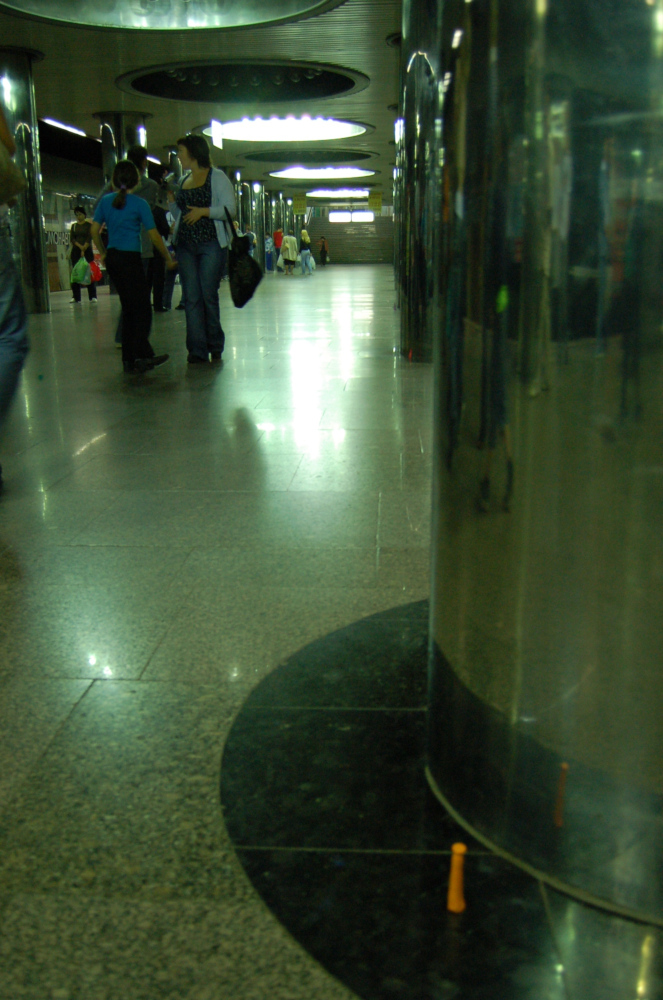
On August 25–26, 2006, Yekaterinburg witnessed a collective celebration of the Wedding of the Tower and the Metro.
This ritual involved local artists, residents, and guests, bringing the myth to life through a series of staged actions:
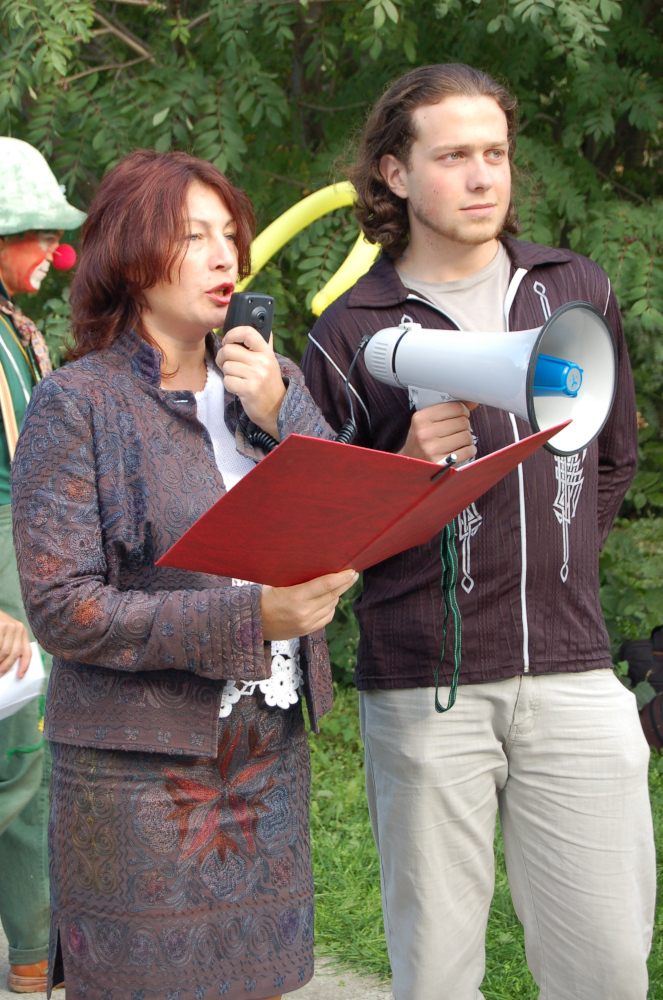
Public announcement of the upcoming Wedding (2006, August 18).
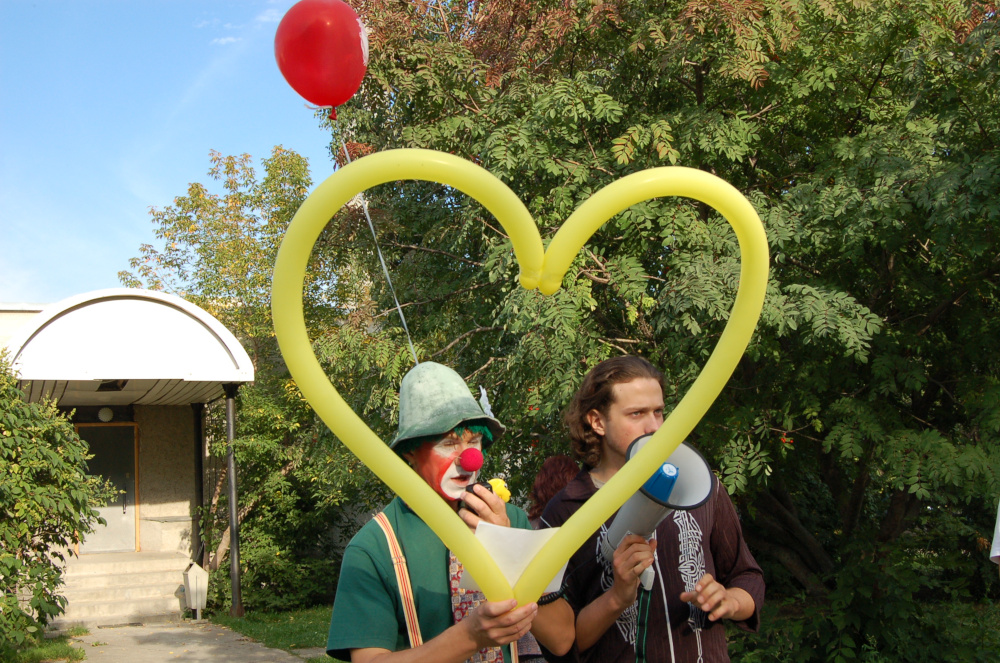
The solemn Wedding ceremony — a modern ritual binding the Giants (2006, August 25).
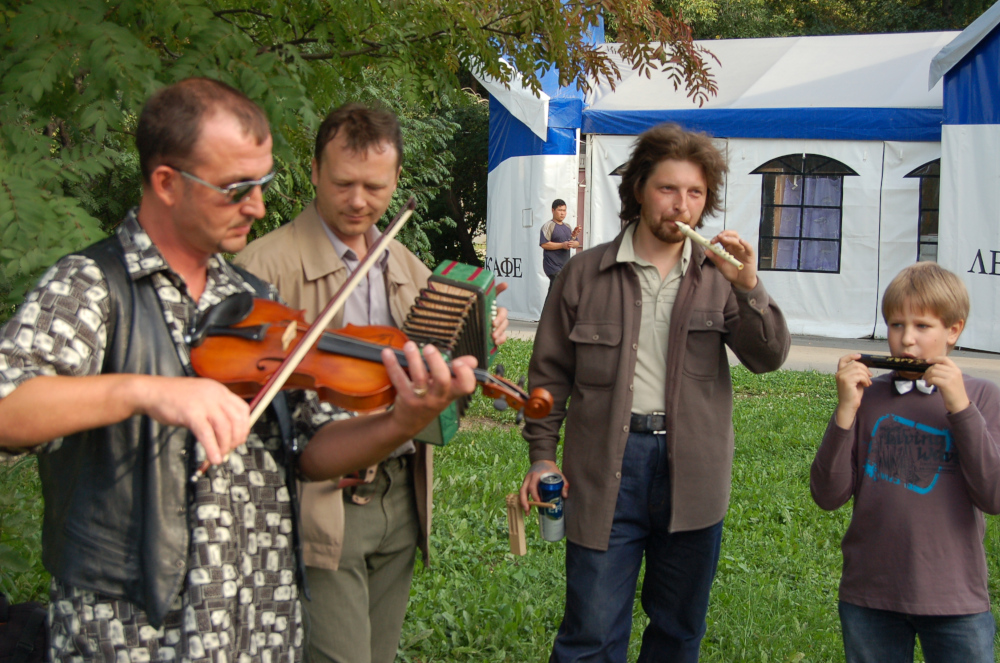
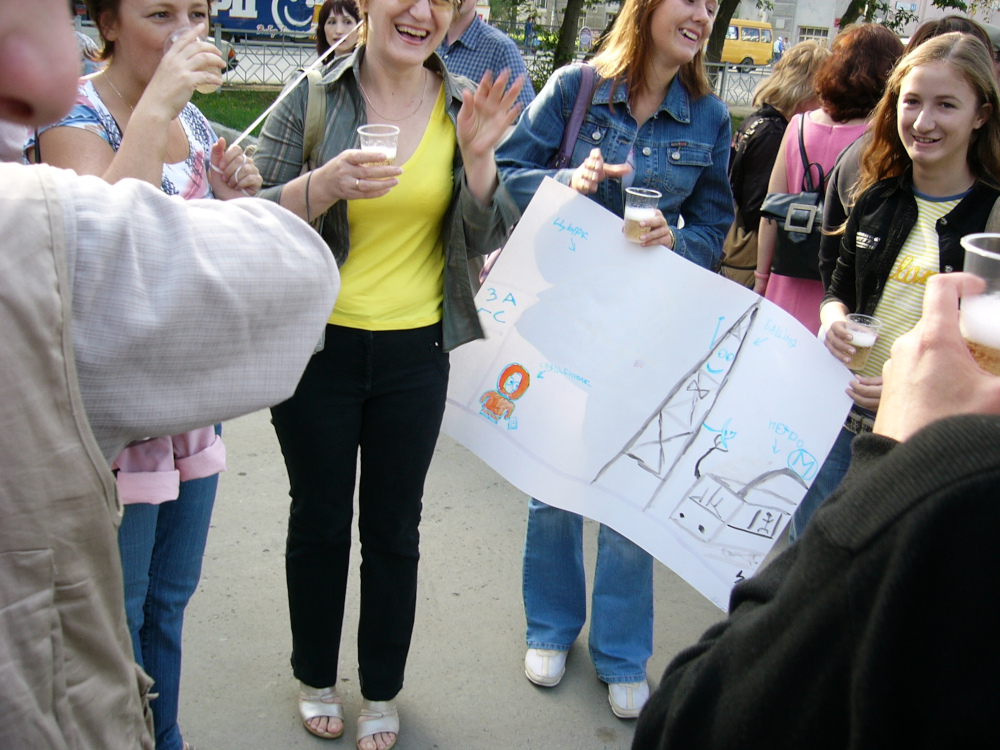
A communal feast — an ancient ritual that unites participants and seals the ceremony’s success (2006 August 25).
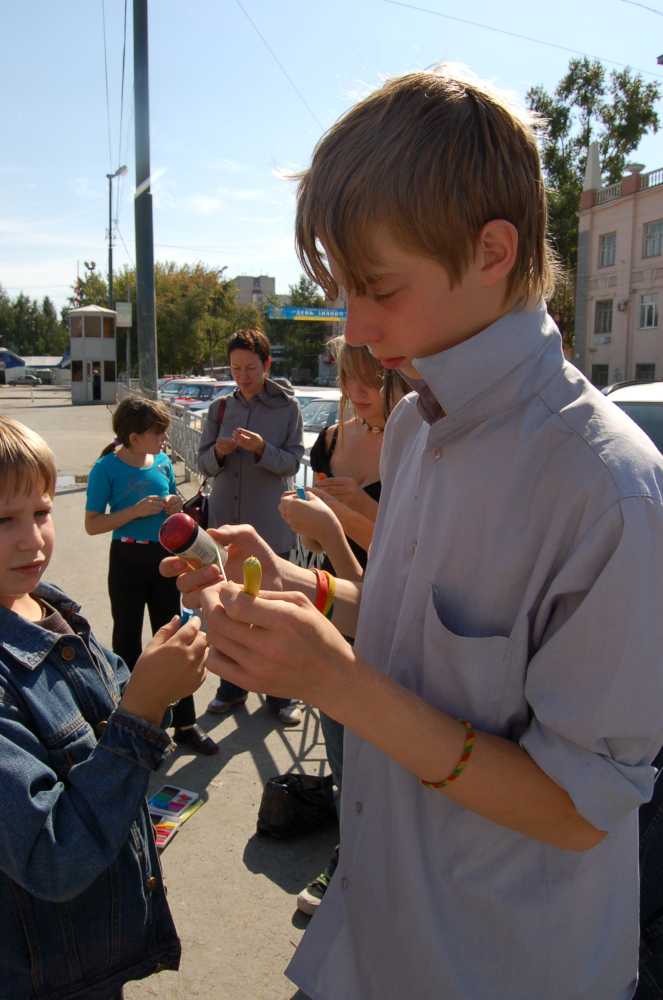
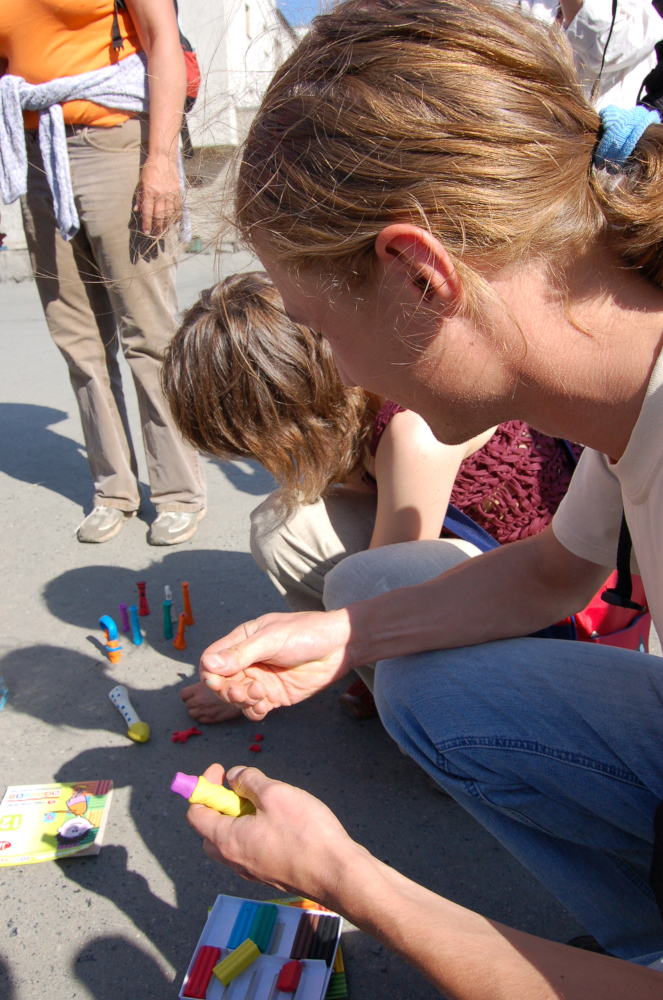
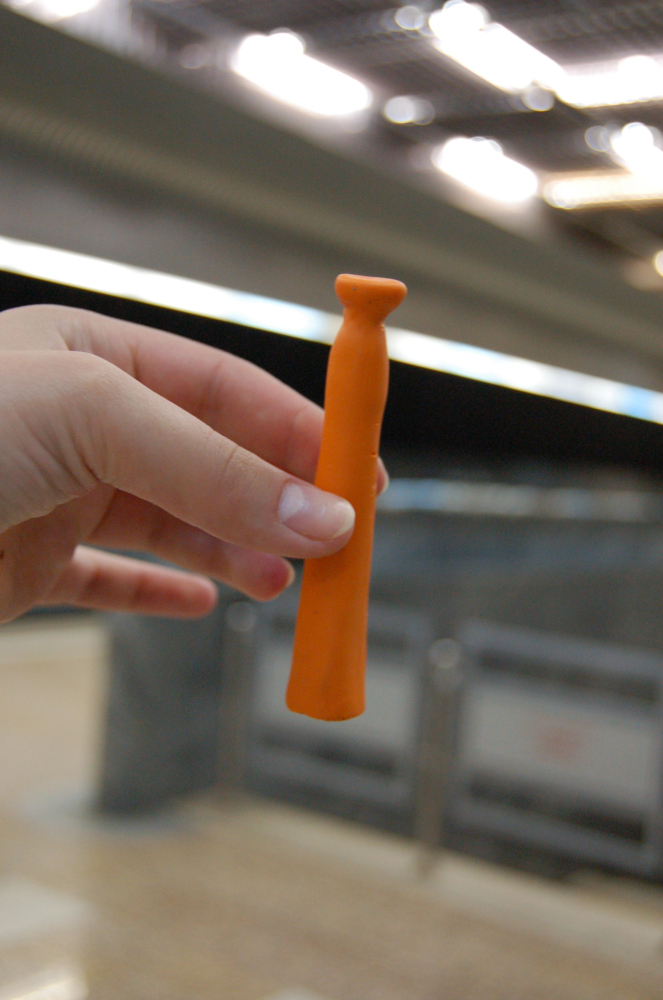
The Fertilization rite — participants crafted miniature Tower figures symbolizing the Tower’s “seed” (2006 August 26).
And discreetly placed them throughout metro stations and trains (2006 August 26).
Outcome
The action transcended artistic mystification, becoming a real and effective ritual. Just days after the event, news came that the long-frozen metro construction would resume.
Exhibitions and Screenings
September 2006 — International Festival Stop! Who’s Coming?, Moscow, special project of the Yekaterinburg branch of the State Center for Contemporary Art (GCCSA) StolpoTvorenie.
November 2006 — Video screening at the ParaRam art salon, Yekaterinburg.
2007 — As part of the StolpoTvorenie special project (Yekaterinburg GCCSA), nominated for the Innovation All-Russian competition award in the category Regional Contemporary Art Project.
2023 — Documentation of the project participated in the archival exhibition “Art without a ticket: the history of public art in Yekaterinburg” at the Ural Branch of the A.S. Pushkin State Museum of Fine Arts.
Format: public performance, happening, video documentation (6:41)
Location: Russia, Yekaterinburg
Partners: State Center for Contemporary Art (GCCSA), Yekaterinburg bread factory Vseslav
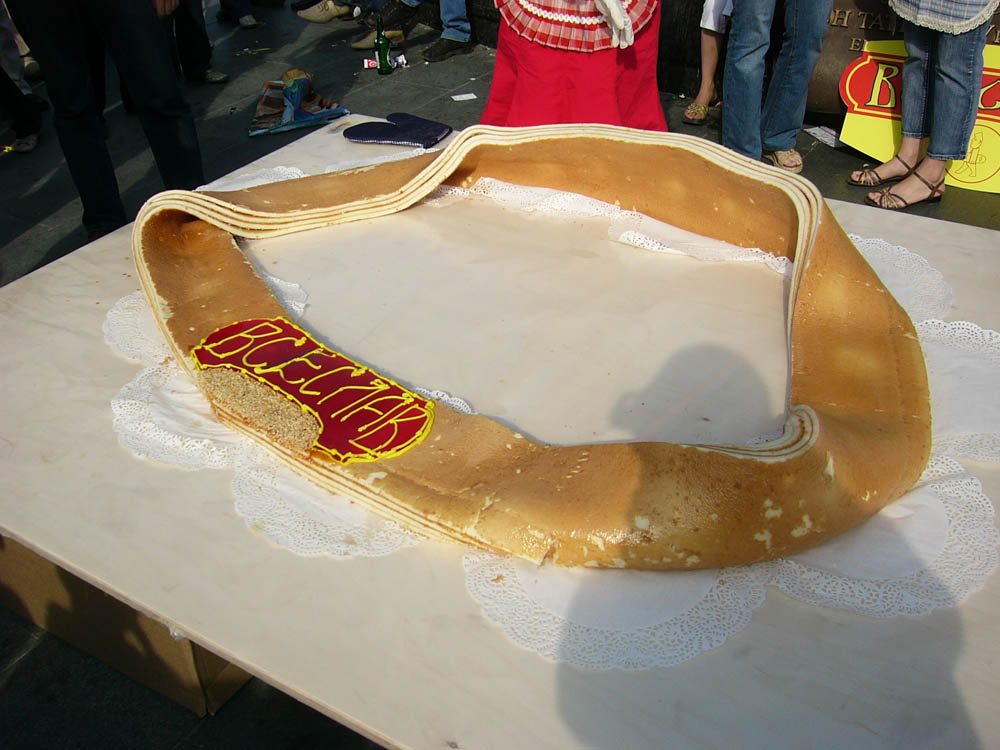
The art project “The Möbius Pretzel” is part of a multi-stage process of creating an urban mythology.
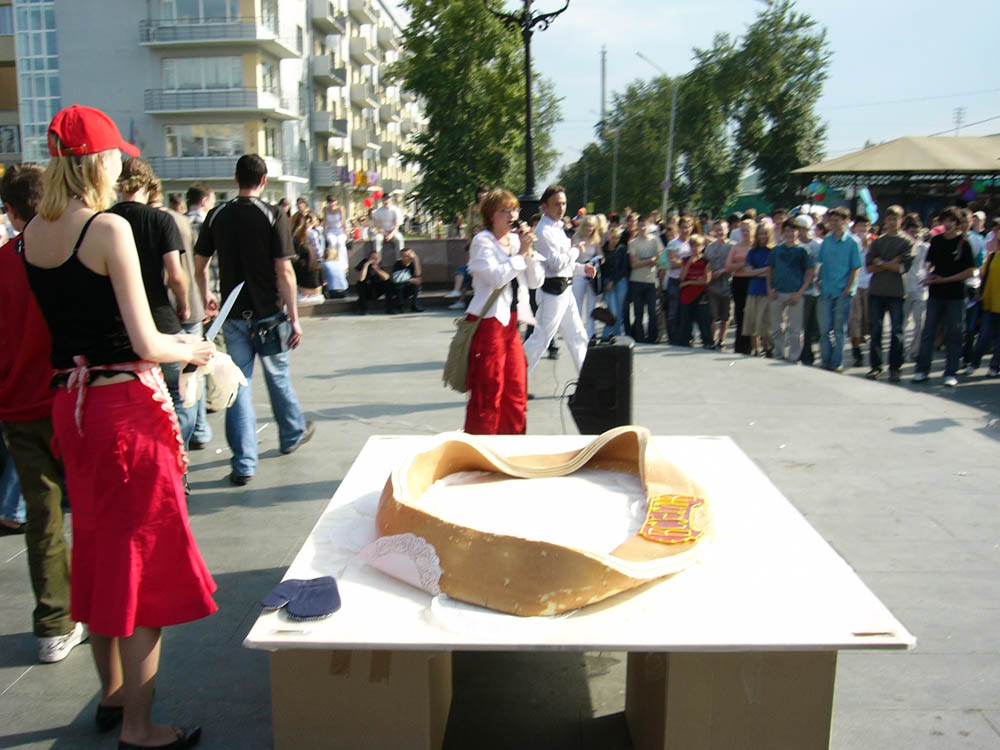
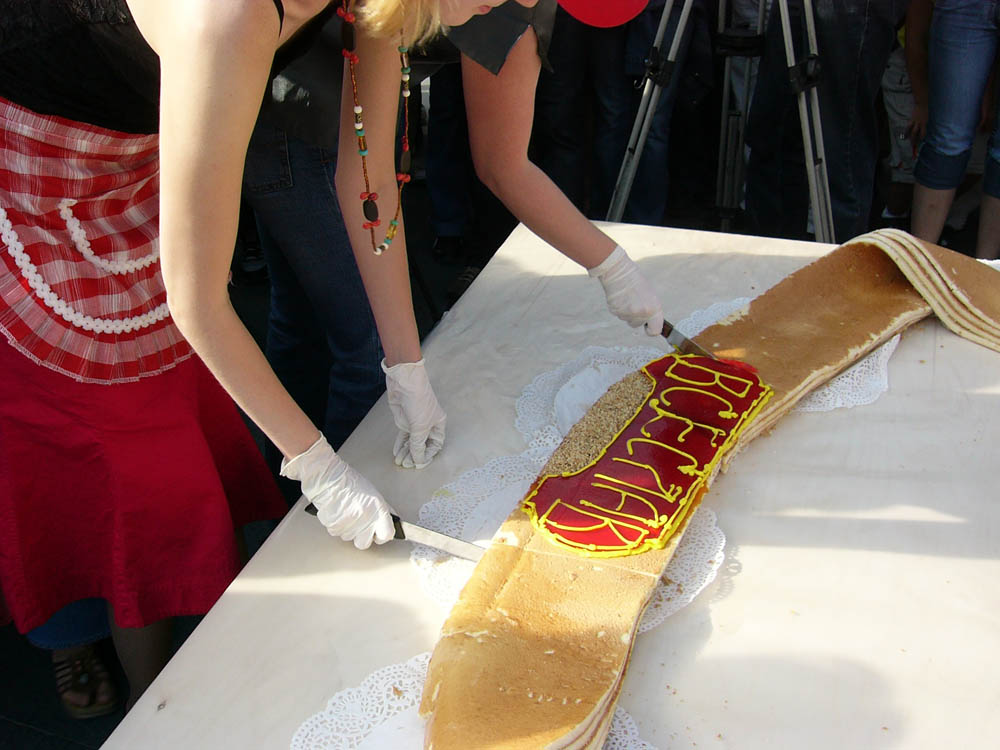
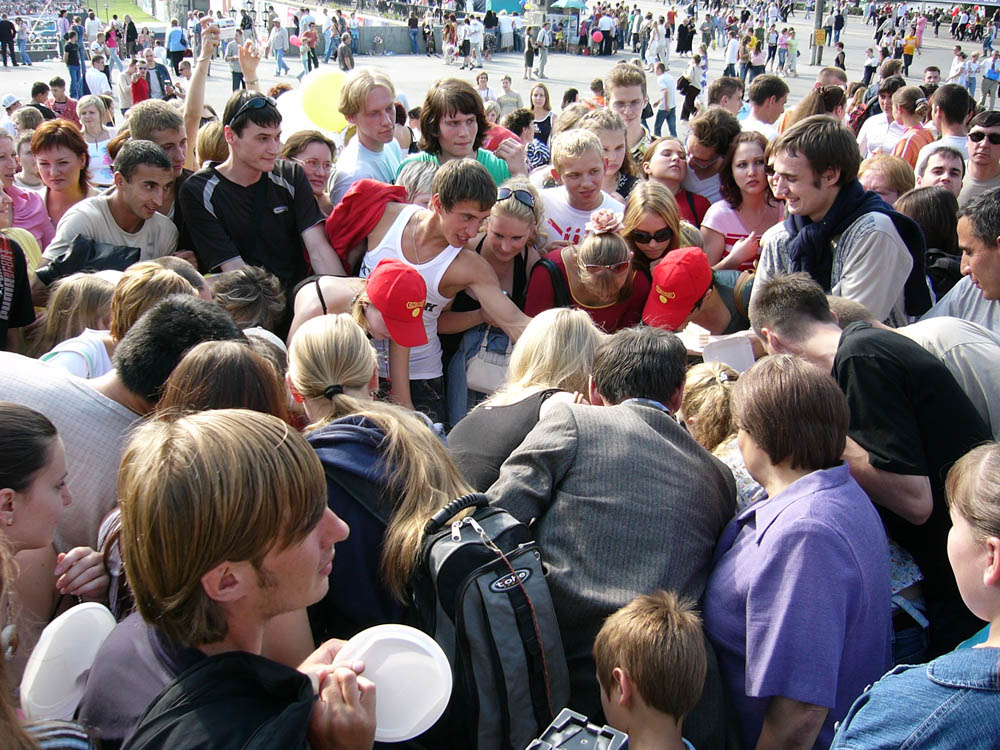
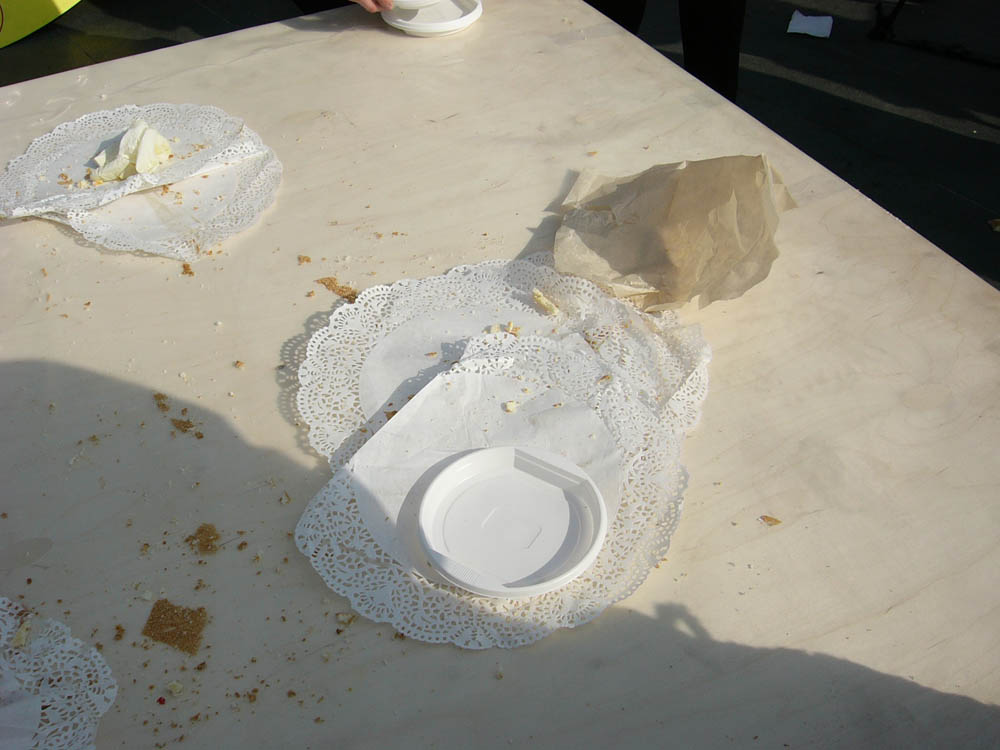
It transfers a conceptual idea into public space, transforming the artistic act into a communal ritual. The mythologeme appears as an edible Möbius strip, and its consumption becomes a form of communion — a symbolic sharing of the city’s “body.”
The format of the project embodies a symbiosis of artistic performance, PR action, urban myth, and public ritual.
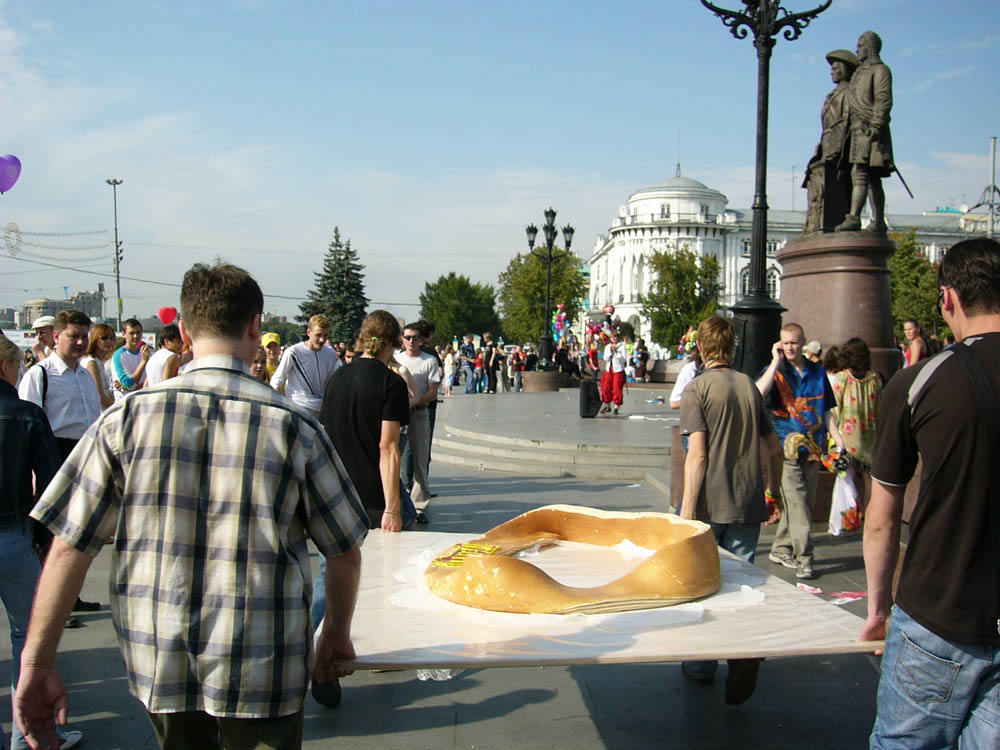
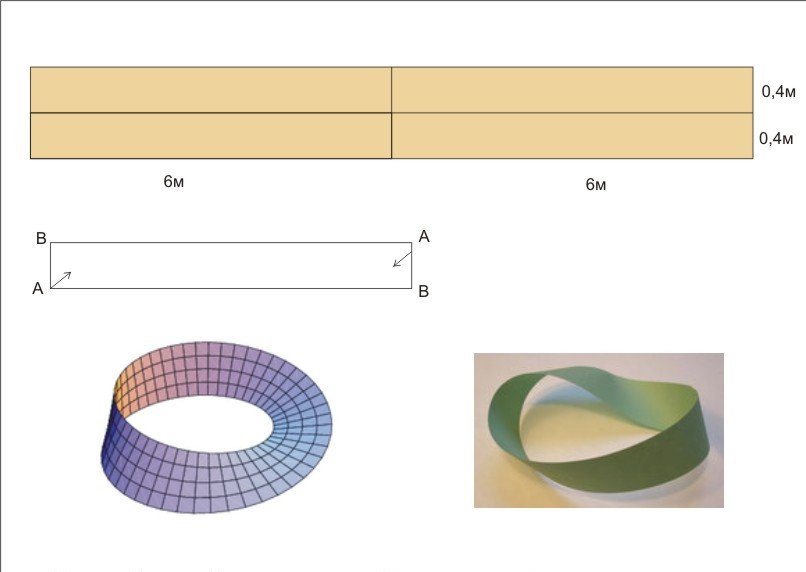
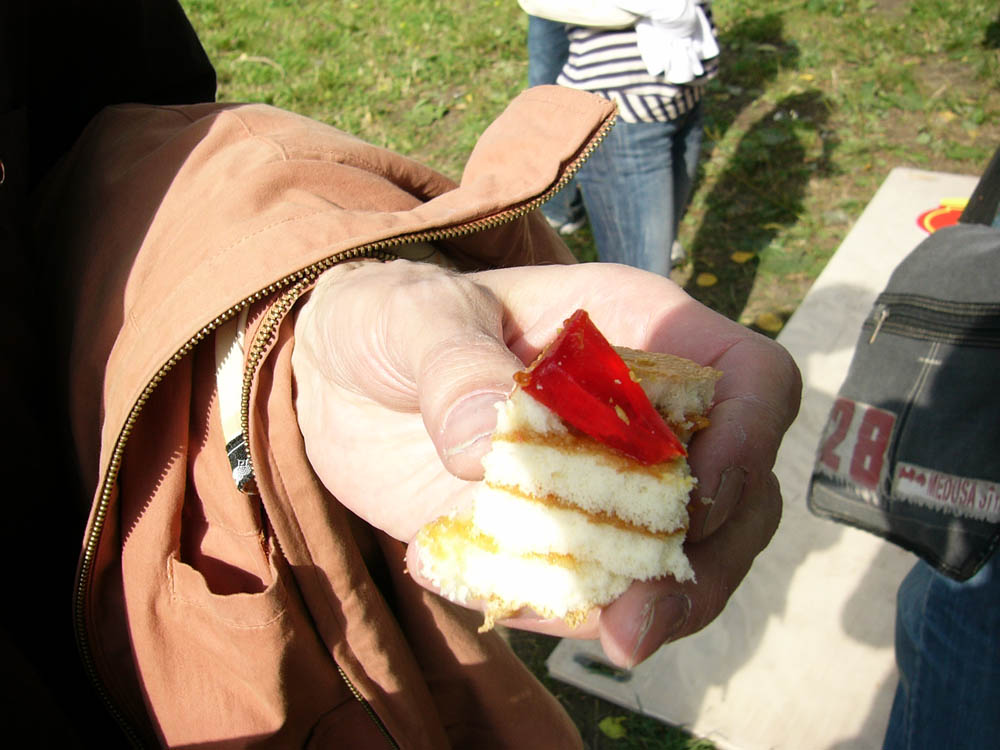
A record-breaking pretzel, made from a four-layer sponge ribbon (with a circumference of 4.5 meters, a height of 20 cm, and a weight of 52 kg), was generously baked by the Yekaterinburg bread factory Vseslav.
Biscuit mass: 26 kg Exact dimensions: 1.5 × 2 meters Total weight: 52 kg Length of the sponge ribbon: 4.5 meters
From the author:
A city is a multitude of layers — coexisting within a single whole, yet often not only disconnected, but unaware of each other’s existence.
A simplified model of the city might be imagined as a pretzel made from a multi-layered sponge ribbon, twisted into a Möbius strip — a kind of “pretzelization” of a mathematical ideal.
The Möbius strip possesses some curious properties: it has only one continuous surface, no “other” side, no inside or outside, and any object moving along it is gradually turned 180 degrees. In other words — it flips things upside down.
This leads one to think that perhaps our existence has no “reverse.” Everything — hellish abysses, heavenly gardens, mysterious depths of the spirit, and other dimensions — is already here, now, with us, on this side. That is to say: thisworldly.
To “absorb” the city, one must thoroughly chew the pretzel. This can be done extensively — gnawing on a single layer, or intensively — by biting through all the layers at once. Though in this case, of course, only within the limits of one fragment.
Performance, 2003 Embankment of the Iset River, Yekaterinburg, Russia As part of the ON/OFF contemporary art magazine launch
Performer: Vladimir Razhev
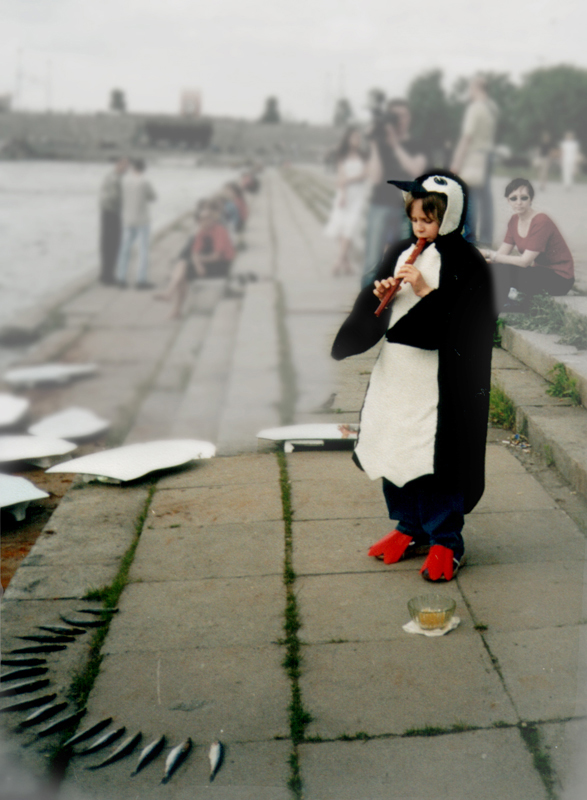
The Penguin plays the wooden flute on the river bank. The fish were arranged in a semicircle around him. In a transparent crystal vase at the feet of the flutist there are granules of fish oil.
This performance became part of the video “Penguins, You Say?” and was included in a larger project marking the 160th anniversary of Anatole France.
Artist’s Note:
This performance is a quiet ritual of care and absurdity. A lullaby—not for a child, but for the city’s river — burdened, ignored, polluted, yet still flowing. The Penguin, a creature from a distant world played by a child, becomes a gentle mediator: he sings not with words, but with breath through wood, a lullaby for something that cannot sleep.
Fish, once swimming in the depths, lie arranged on land : a gesture of remembrance and paradox. The fish oil glimmers like relics or offerings — both nourishing and useless at once.
This is a moment of stillness amid noise. A small act of poetic compassion to honor the river as a living being, reminding the city that even the absurd can be an act of tenderness and deeply necessary empathy.
It doesn’t solve problems, but it changes the tone. It is a lullaby for a world that can no longer respond — and still deserves to be sung to.
“Lullaby for the River” is a poetic performance about care, loss, and quiet attention to a vulnerable world.