Total Landscape Experience
11.05.2025
Kőszikla Szurdok, Hungary
Total Landscape Experience
This work begins where the exhibition space ends.
There is no gallery, no designated viewing point, and no fixed position from which to encounter the work. There is only a path through the gorge.
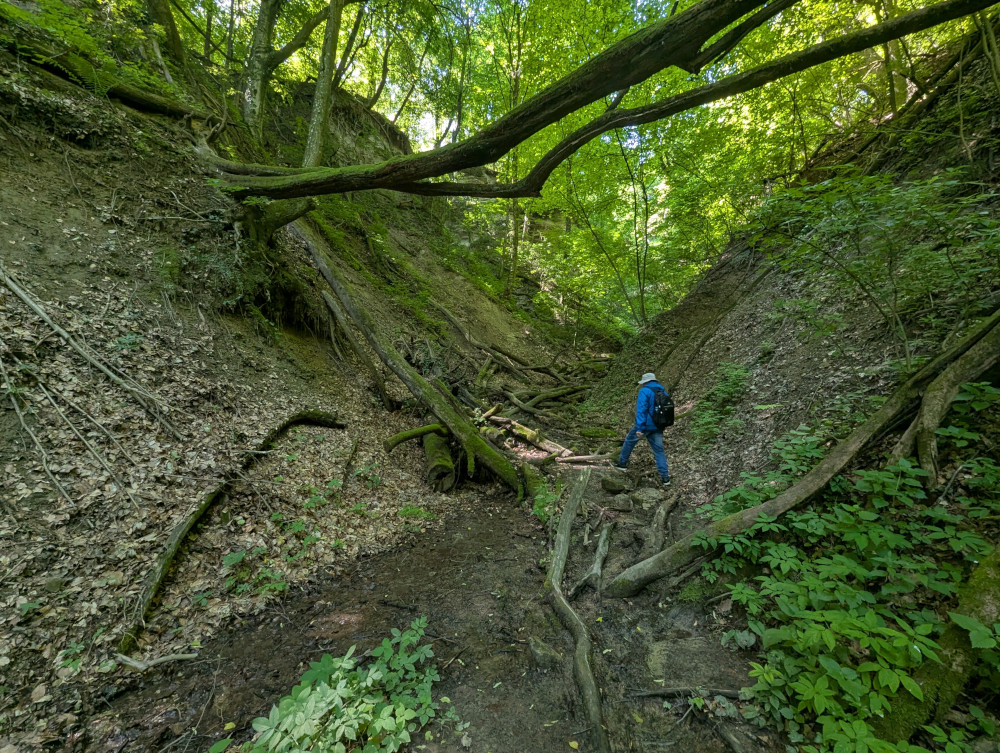
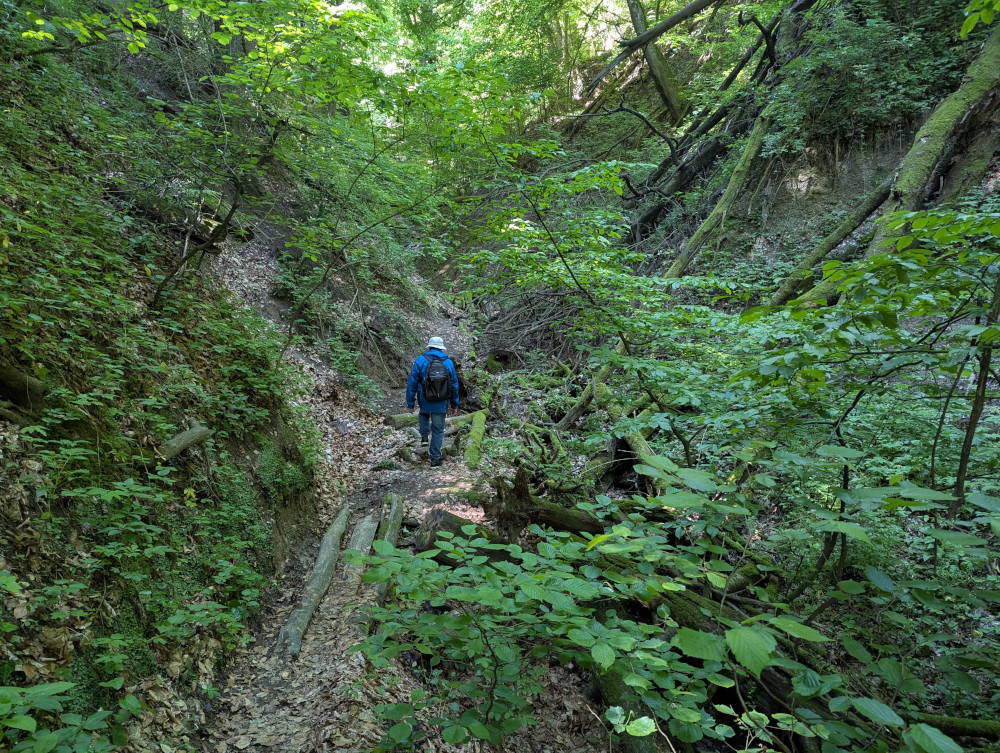
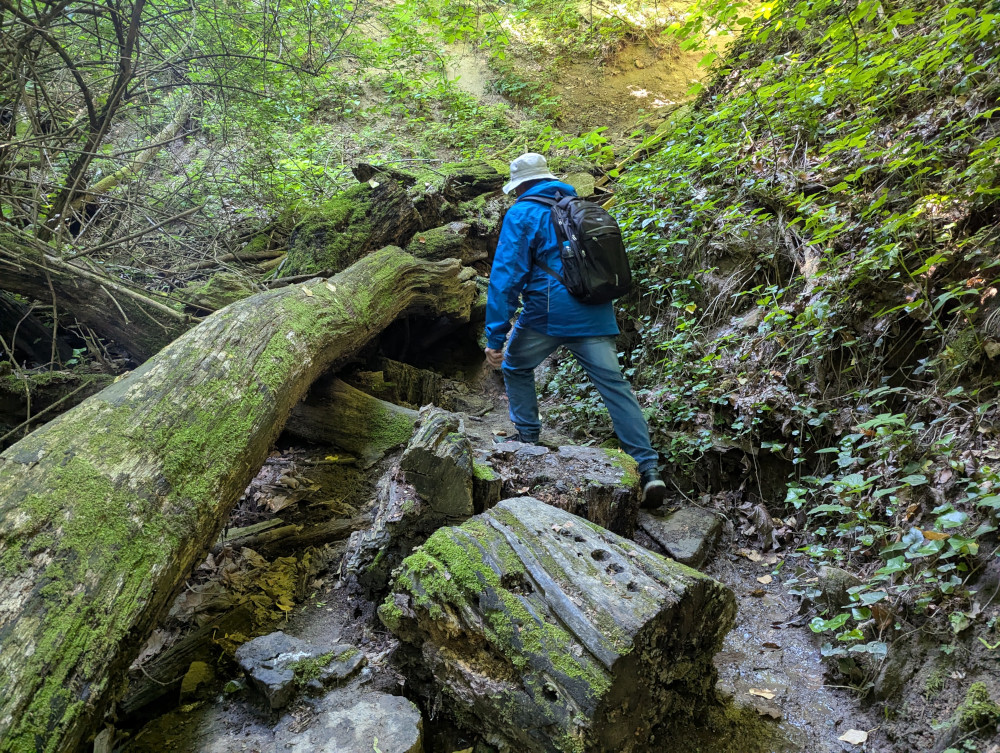
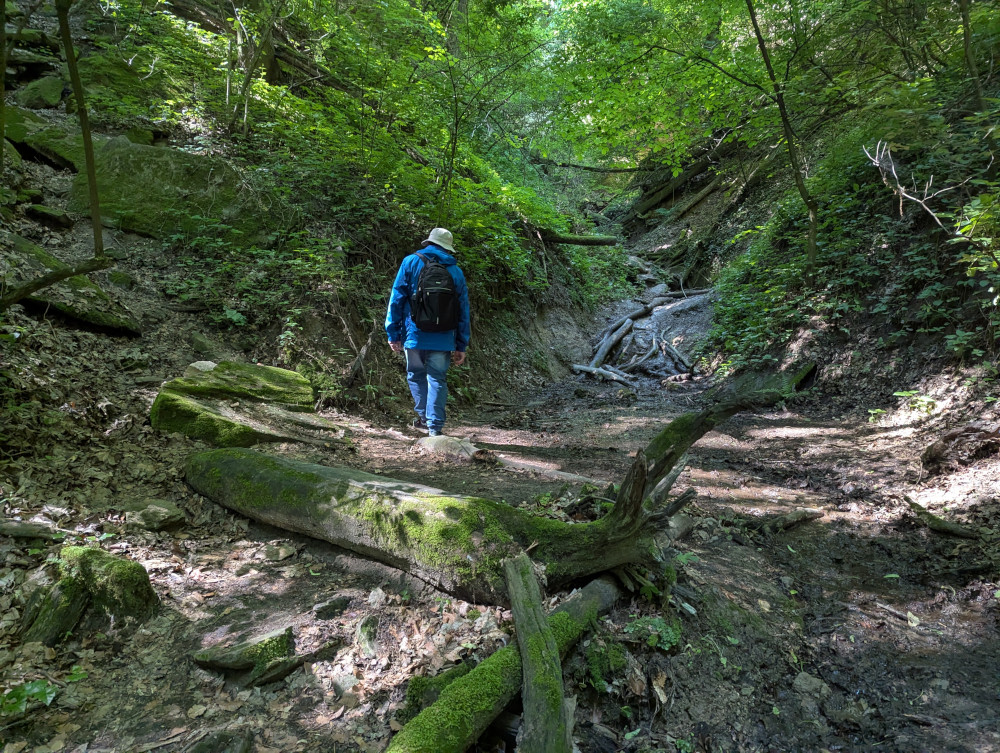
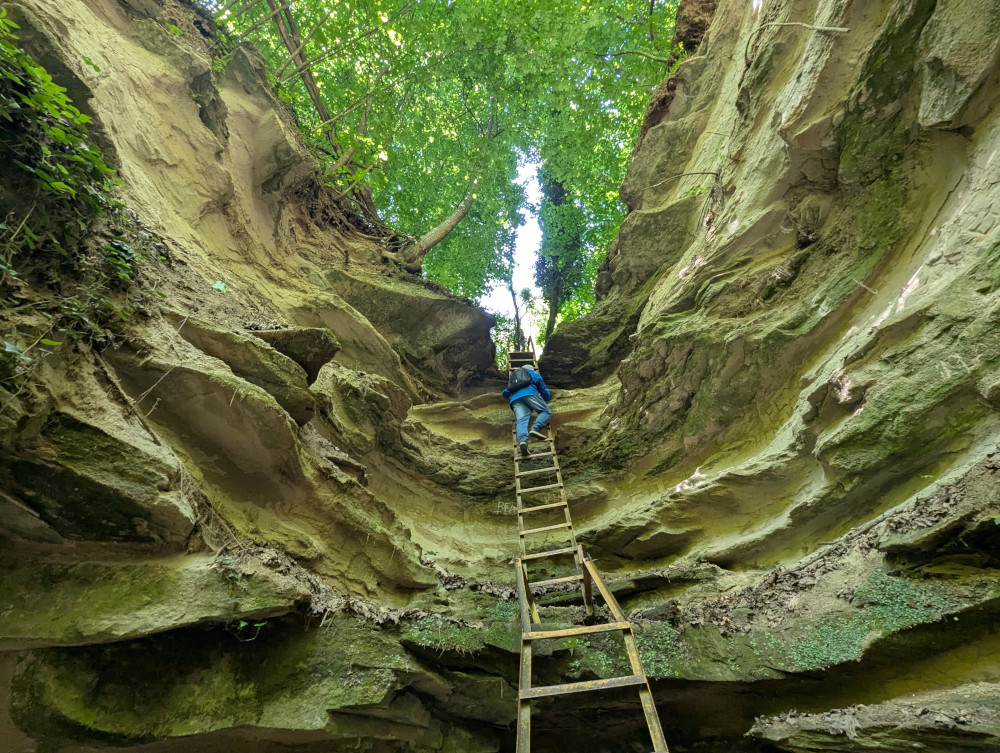
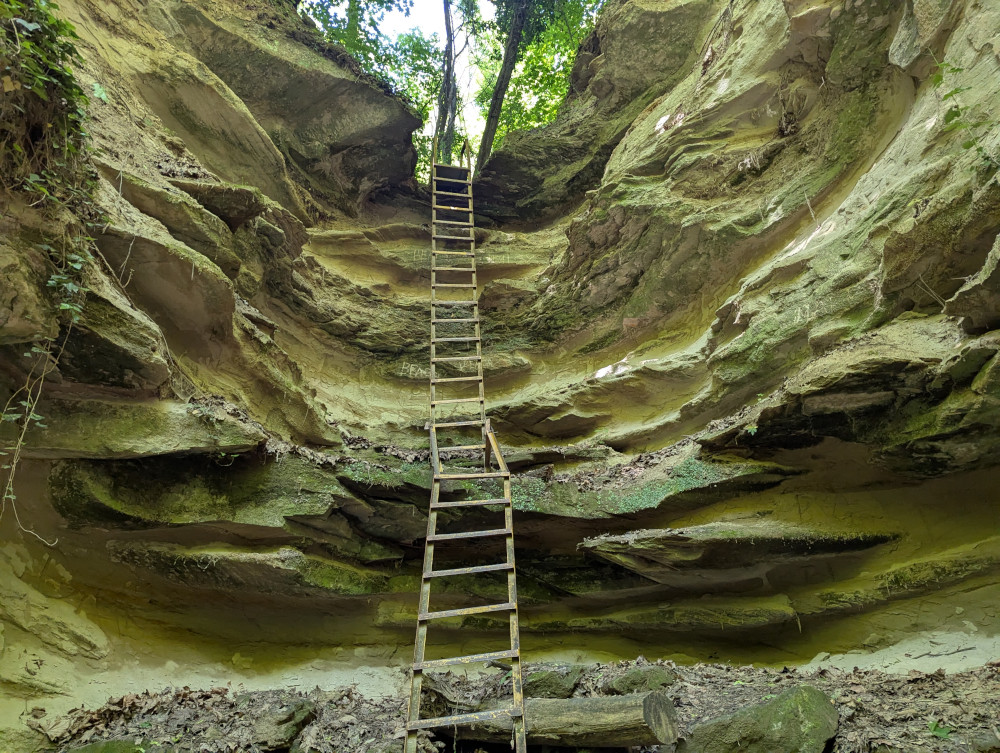
The route leads through fallen trees, exposed roots, water, stones, narrow passages, and unstable ground. Walking requires attention. The body adjusts to the terrain; the pace changes; familiar ways of moving become unreliable.
The landscape is not presented as a backdrop or an object of contemplation. It determines how the work can be experienced.
To understand, one must walk.
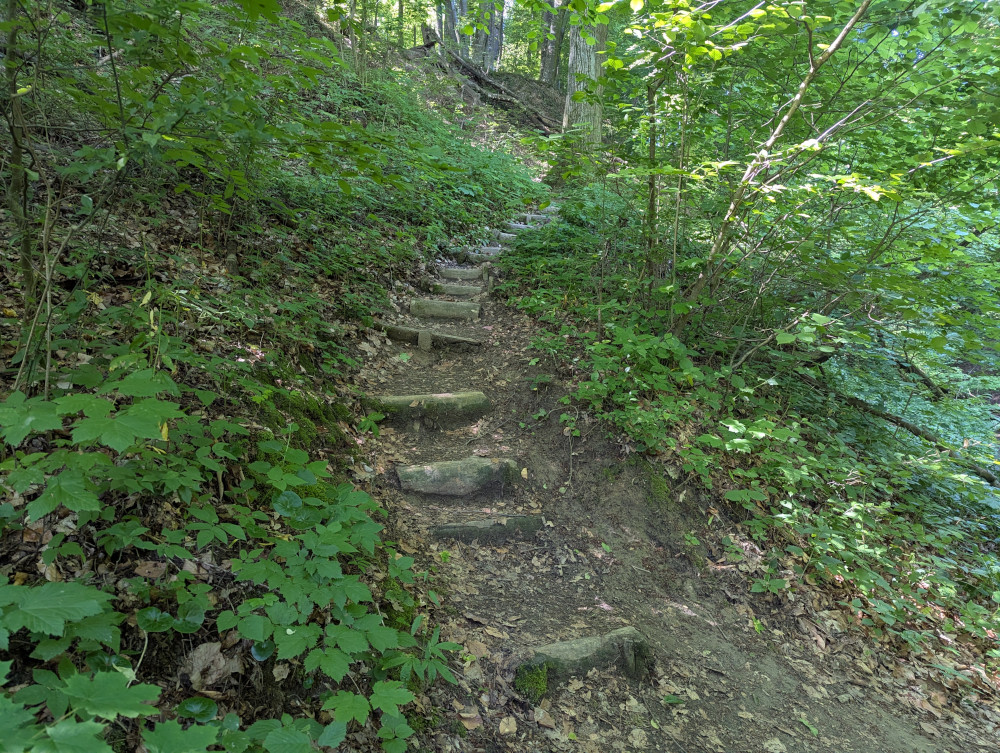
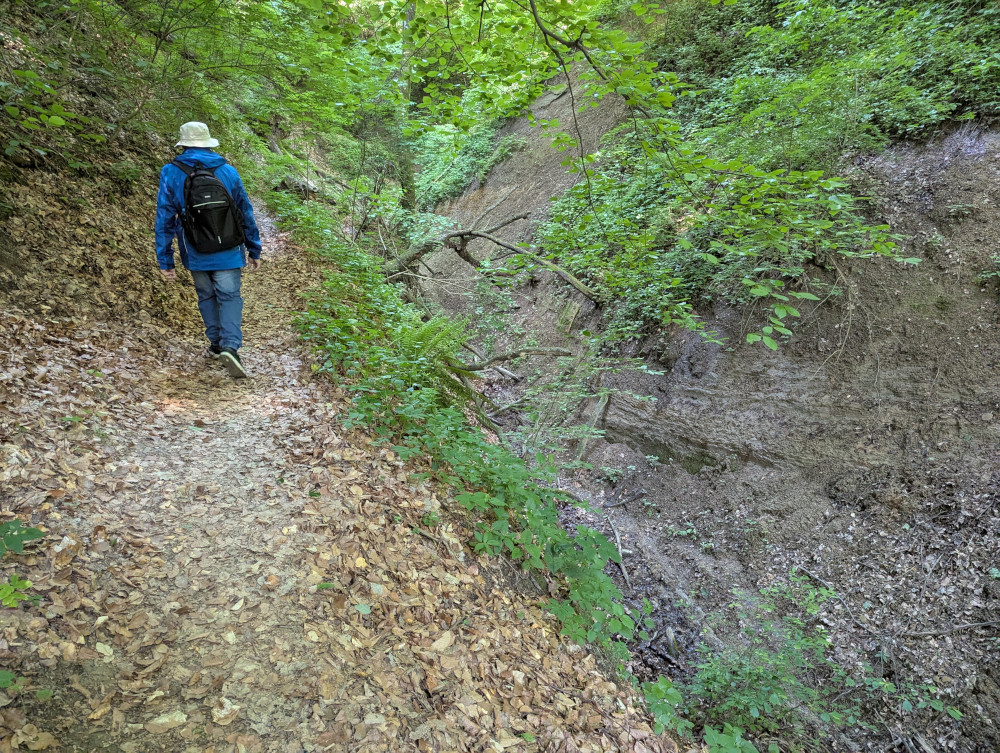
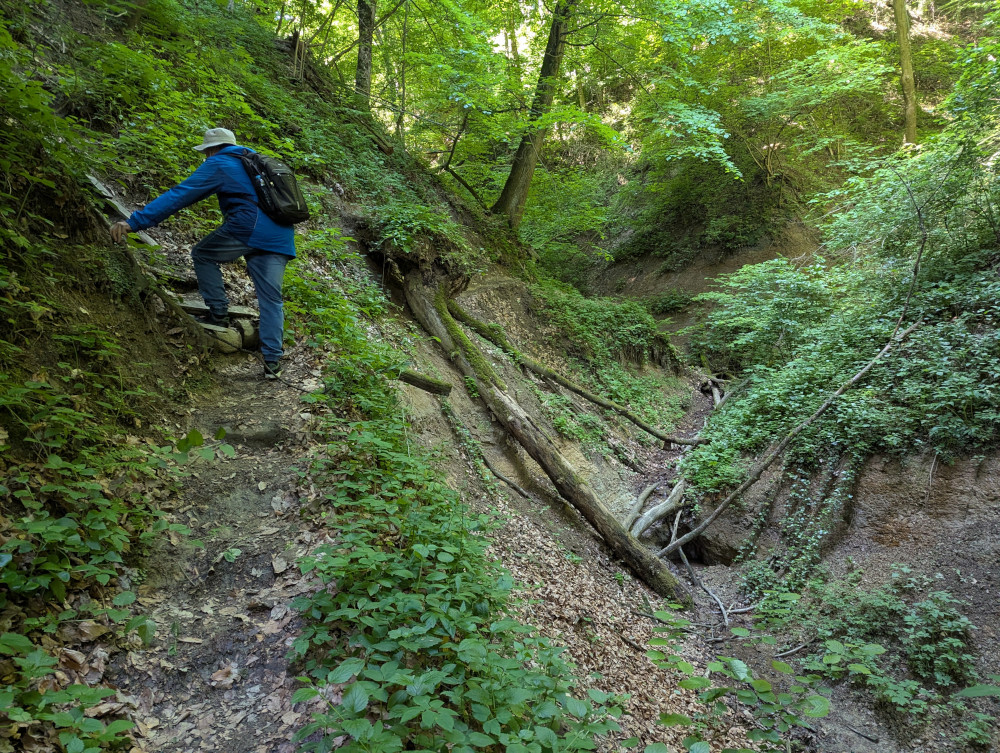
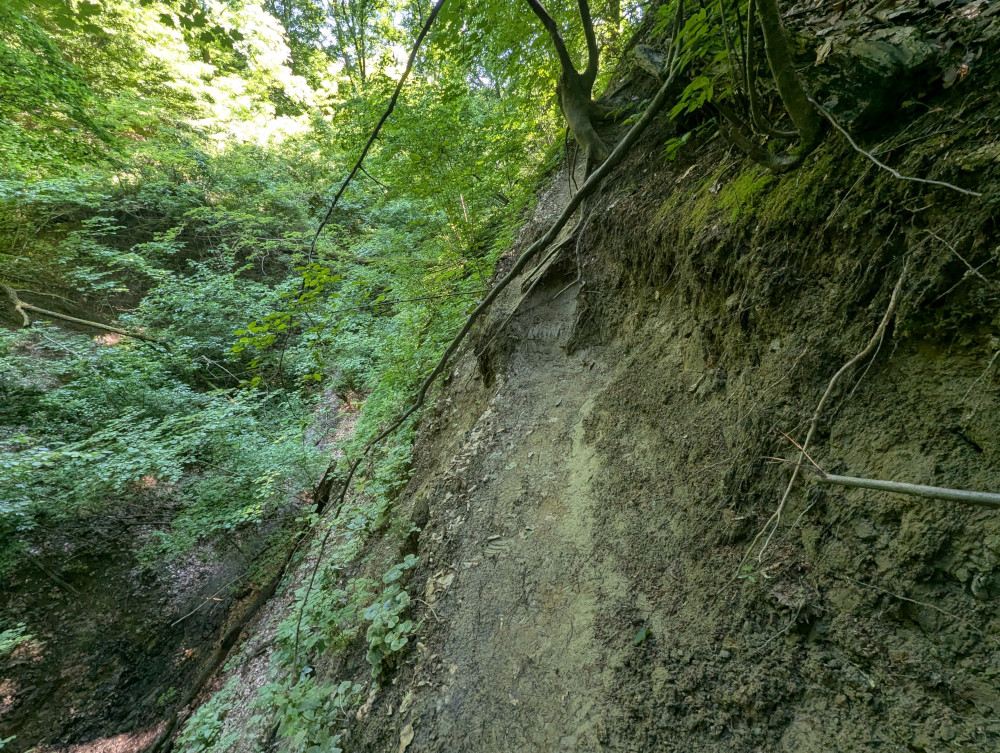
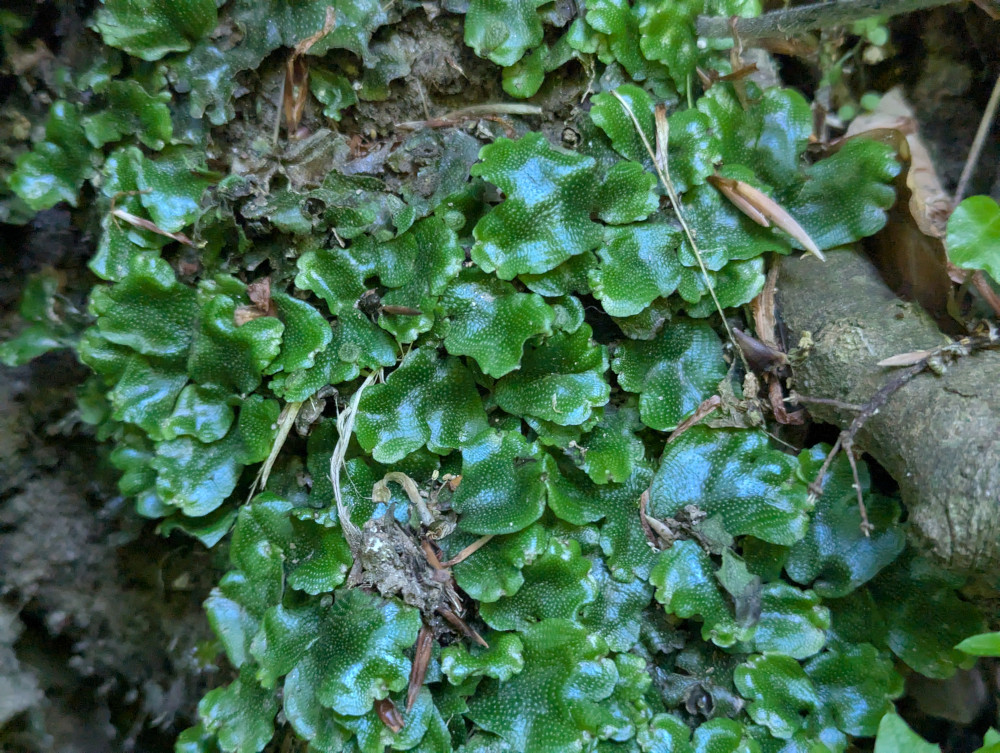
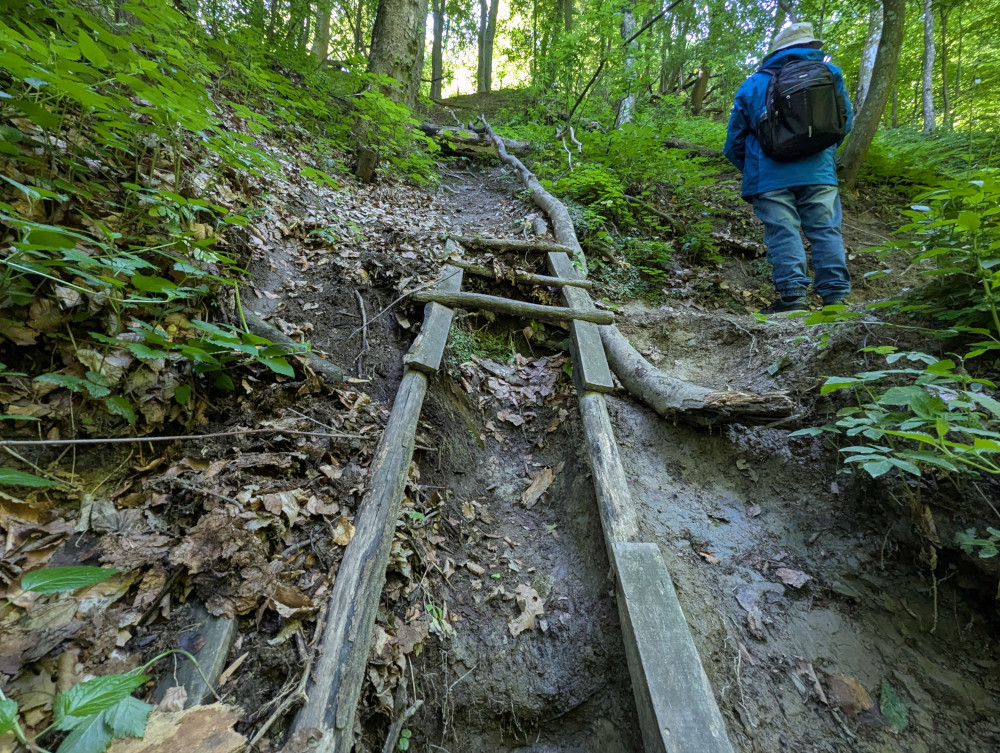
The work unfolds through movement rather than observation. What appears at first to be an ordinary landscape gradually becomes a sequence of situations in which the body is asked to notice, negotiate, pause, and continue.
There is no single image that contains the work.
Its form exists in the accumulated experience of the passage: the changing ground beneath the feet, the need to find a way around an obstacle, the sound of water, the pressure of branches, the shifting distance between bodies, and the awareness of not being entirely in control of the route.
The walk becomes a form of reading.
The terrain is the text.
The body is the instrument.
Attention is the method.
A Landscape That Acts
The gorge does not illustrate an idea imposed upon it.
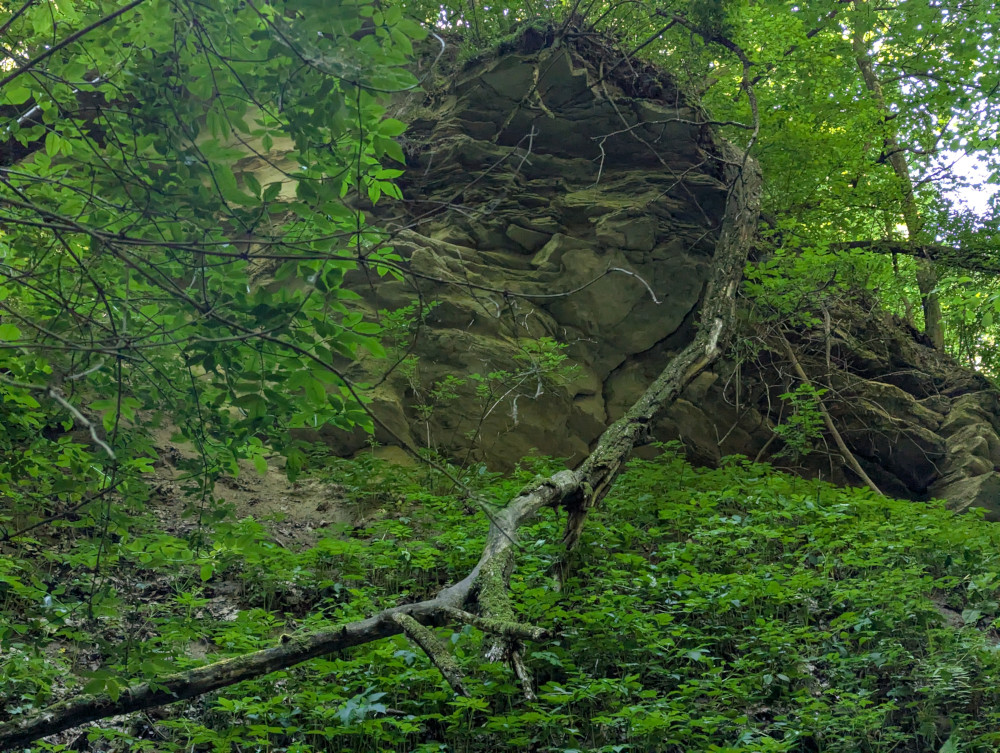
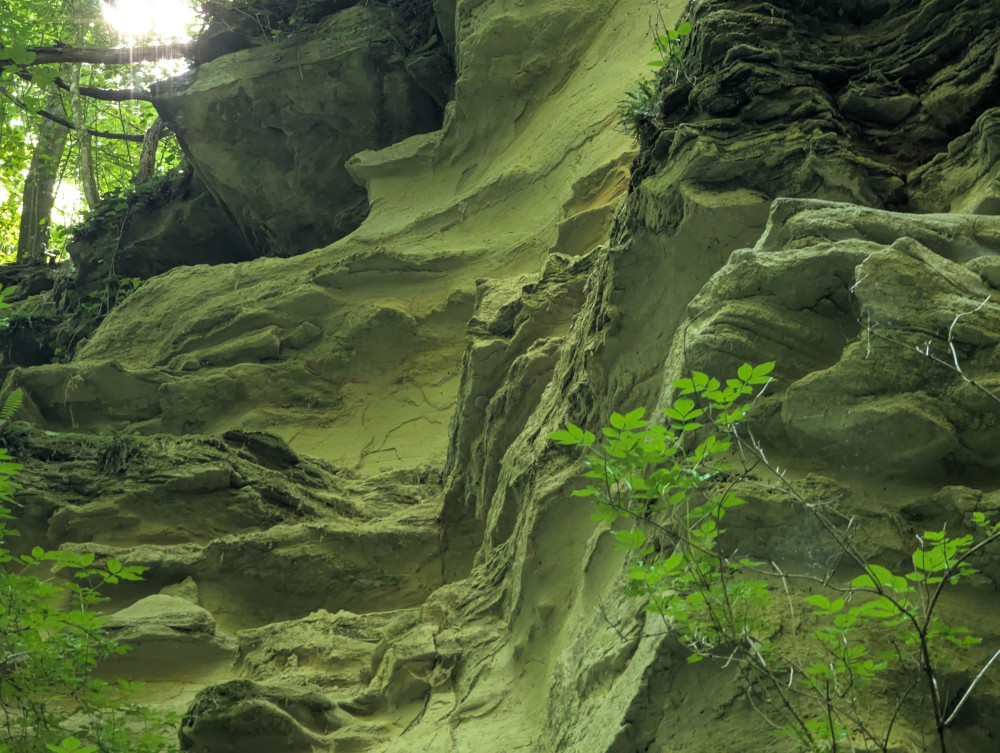
Its existing conditions — erosion, vegetation, water, fallen trees, rock formations, traces of passage — determine the structure of the encounter.
The work therefore follows the principles of Revealed Realism: rather than constructing a new environment, we attend to what the place already offers and allow its conditions to redirect the artistic action.
What is revealed is not a hidden object, but a different relationship with the landscape.
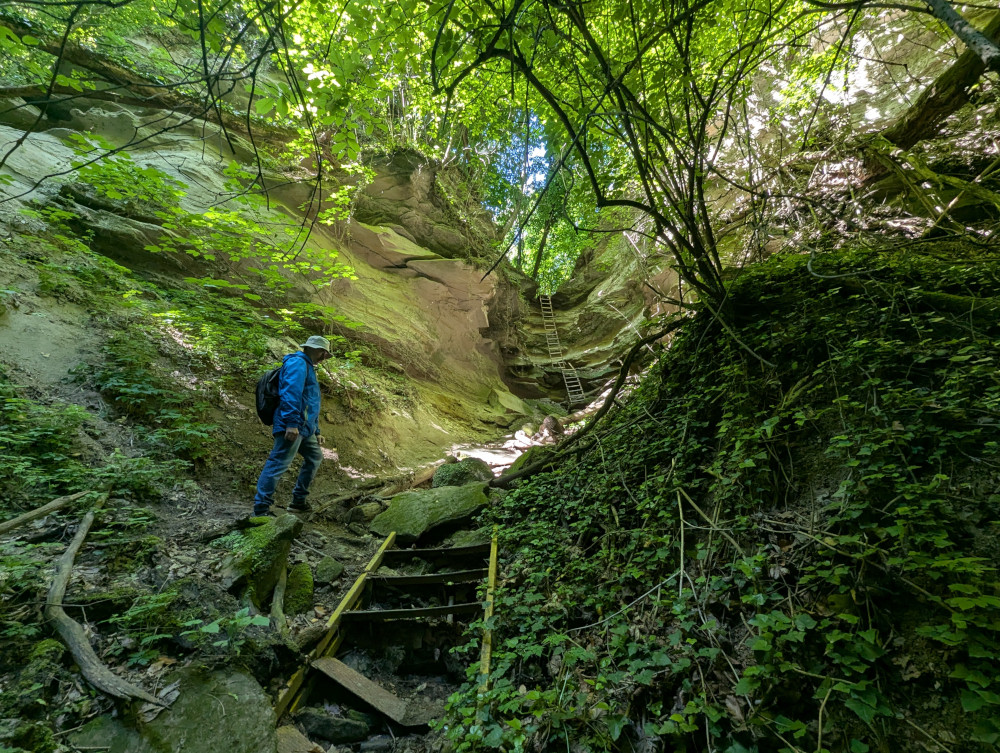
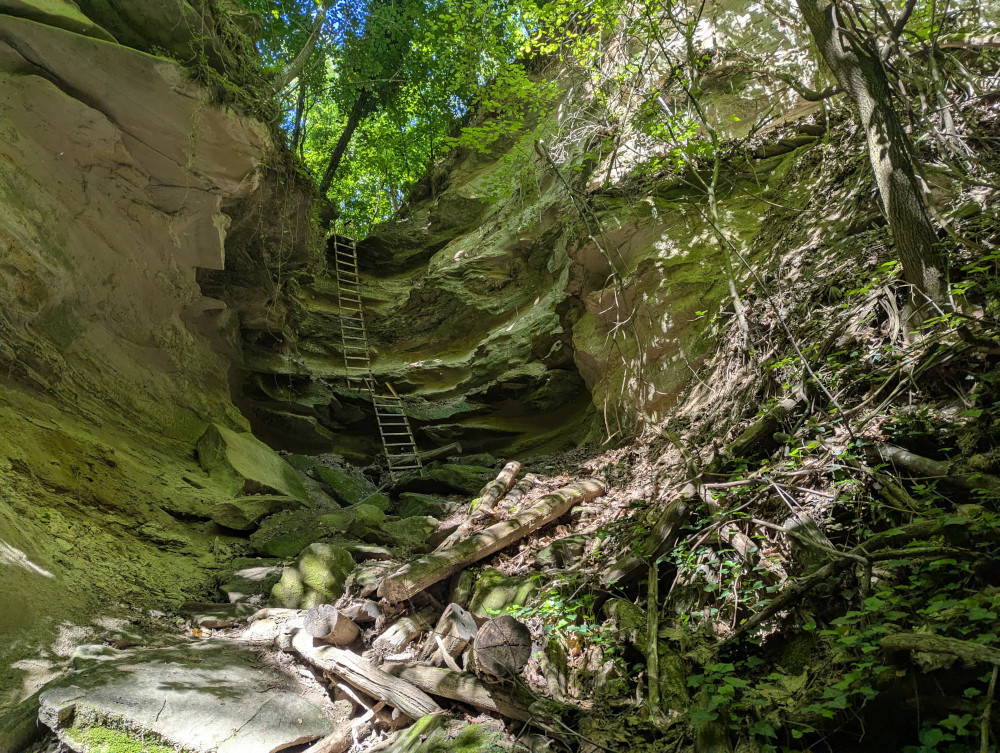
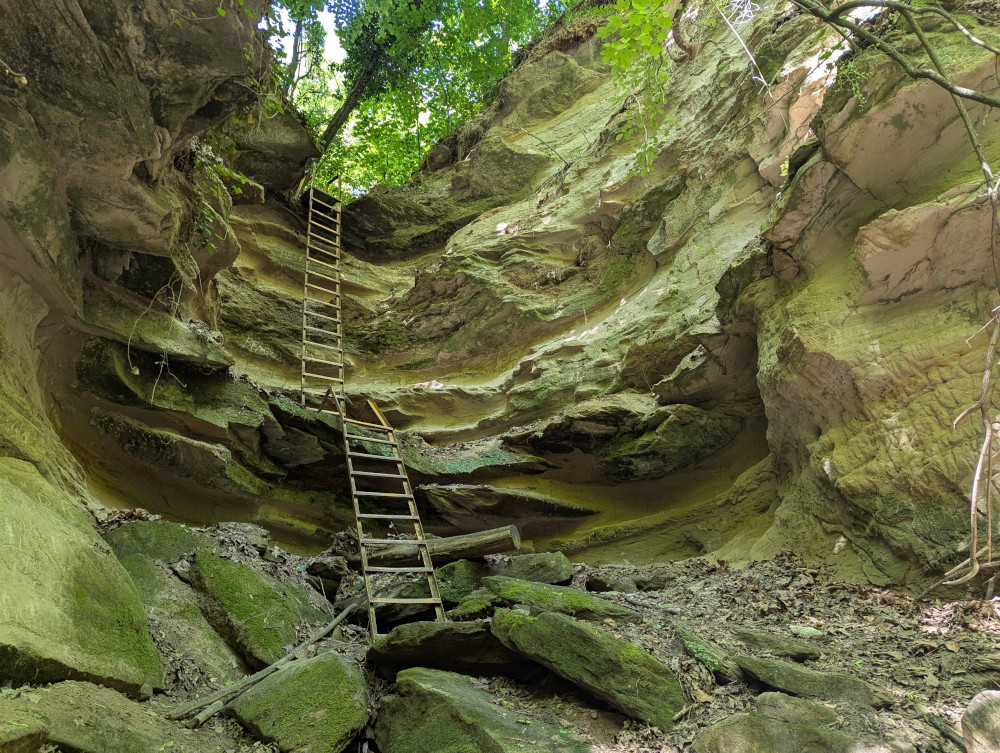
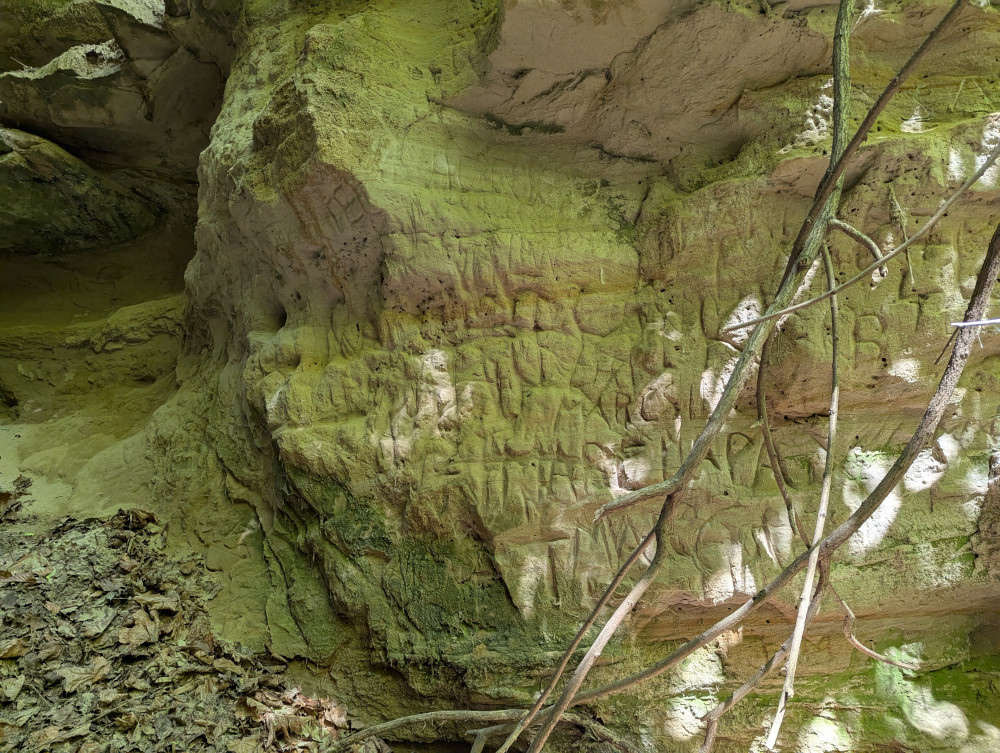
The Route
The work can be understood as a sequence of transitions:
Entering — leaving the familiar conditions of the everyday world.
Adjusting — allowing the body to respond to an unfamiliar terrain.
Crossing — moving through obstacles rather than viewing them from a distance.
Attending — noticing details that become visible only through slowed movement.
Continuing — accepting that the route has no predetermined visual conclusion.
The work ends when the walk ends.
But the landscape encountered along the way does not necessarily end there.
To understand — one must walk.