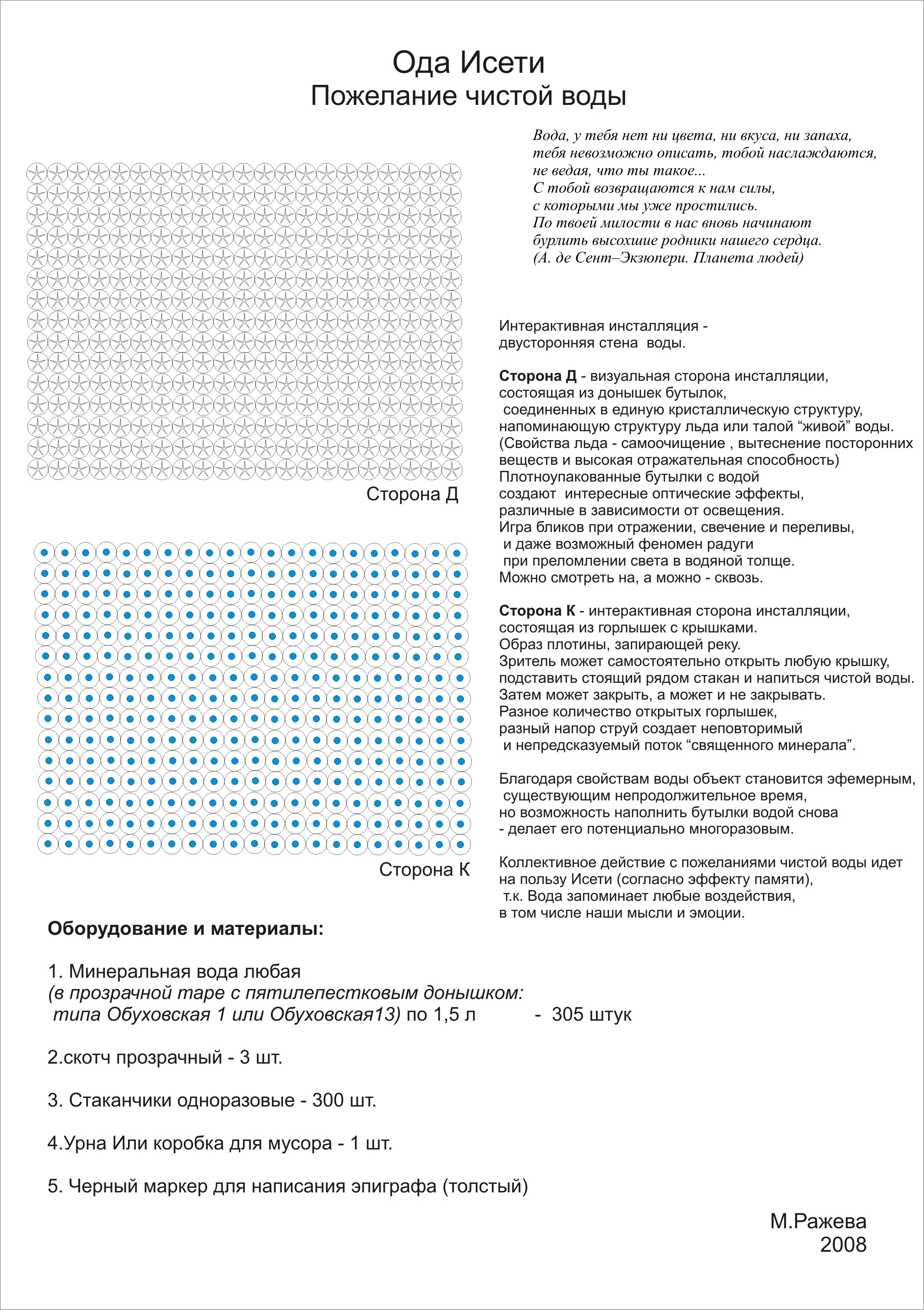
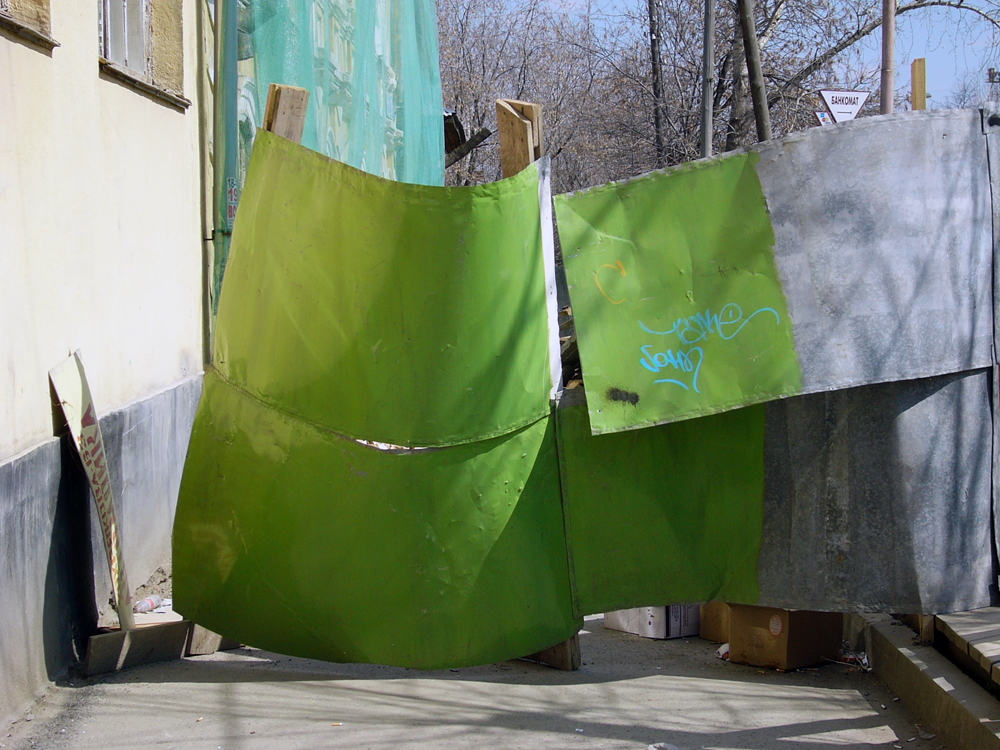
Объект планировался для коллективного проекта “Натюрморт, приятный на вкус” к Дню города (ЦК Урал, Екатеринбург, Россия. 2008).
Проект не был реализован.
Объект планировался для коллективного проекта “Натюрморт, приятный на вкус” к Дню города (ЦК Урал, Екатеринбург, Россия. 2008).
Проект не был реализован.
June 8, 2008
Yekaterinburg, Russia
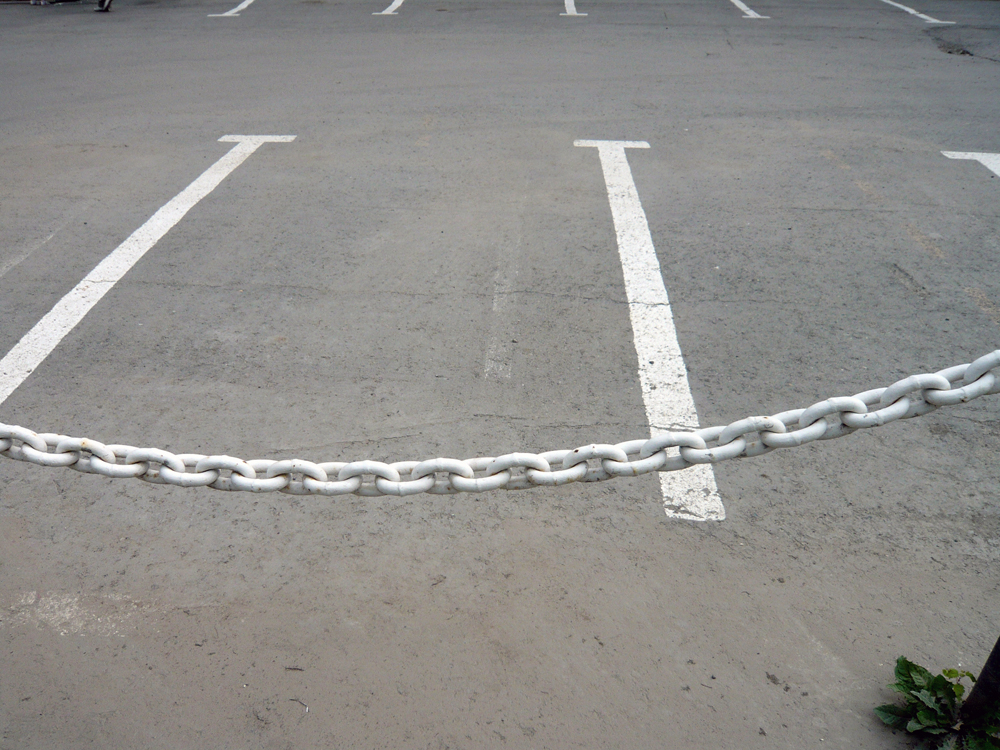
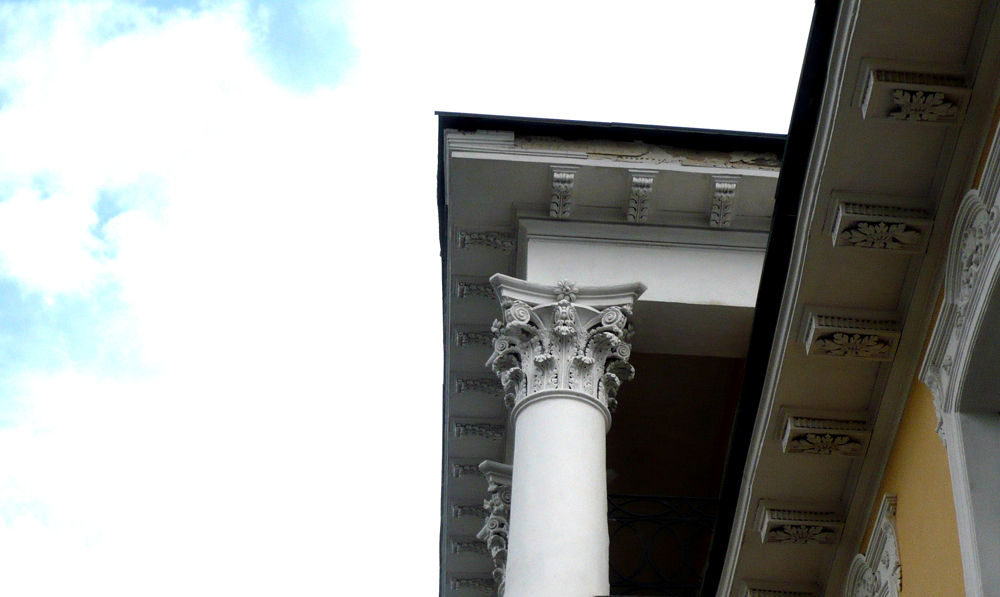
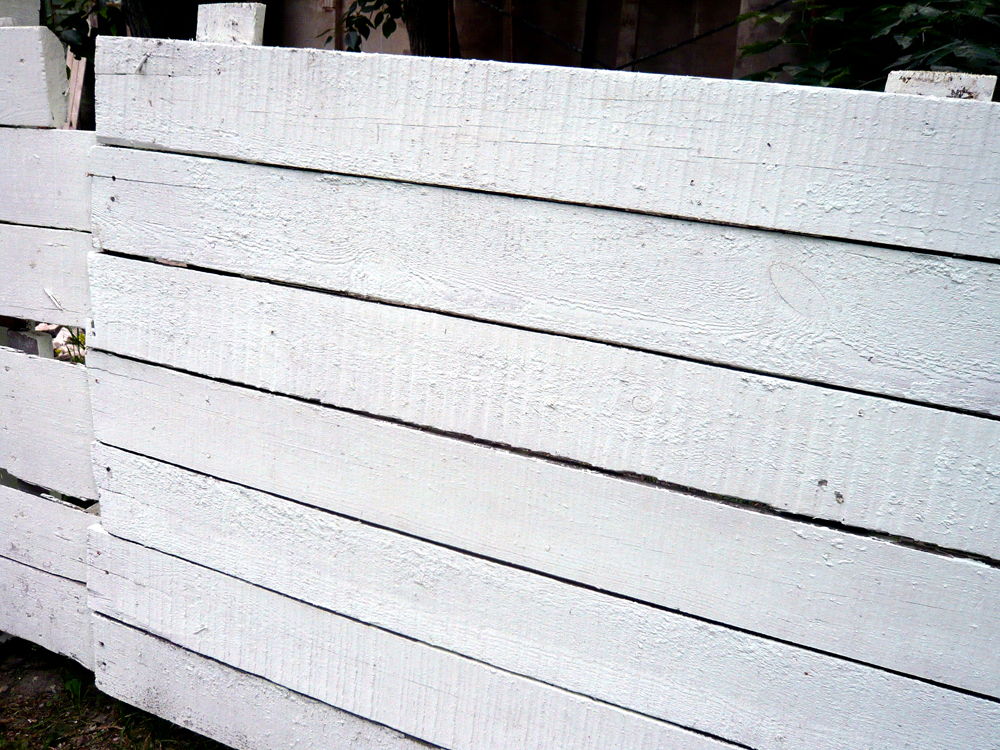
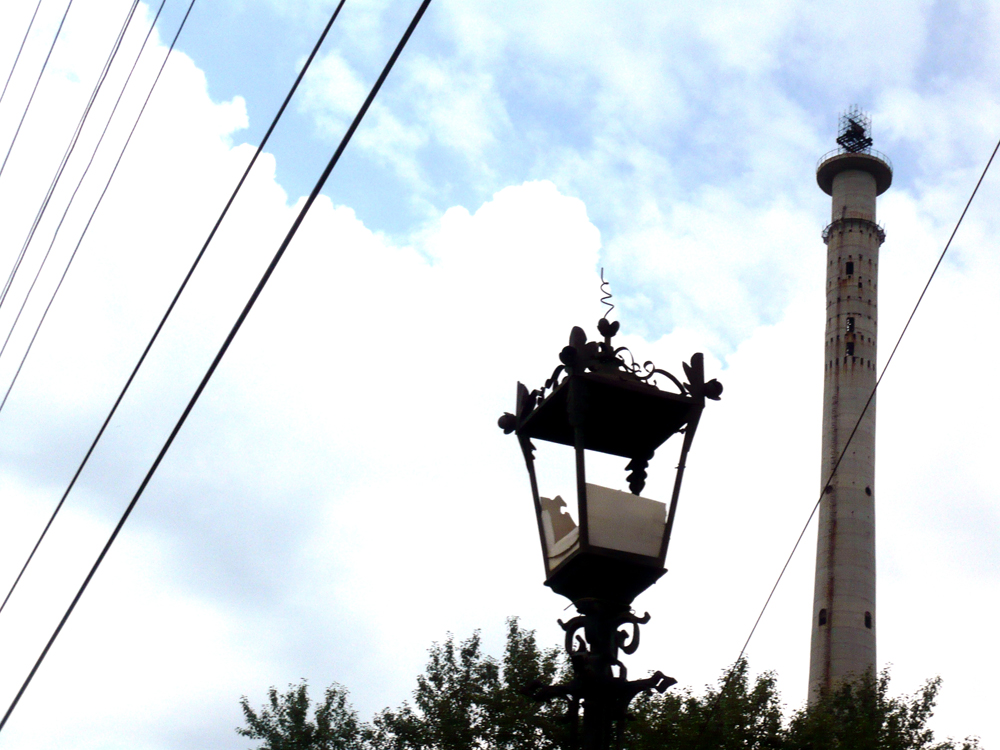
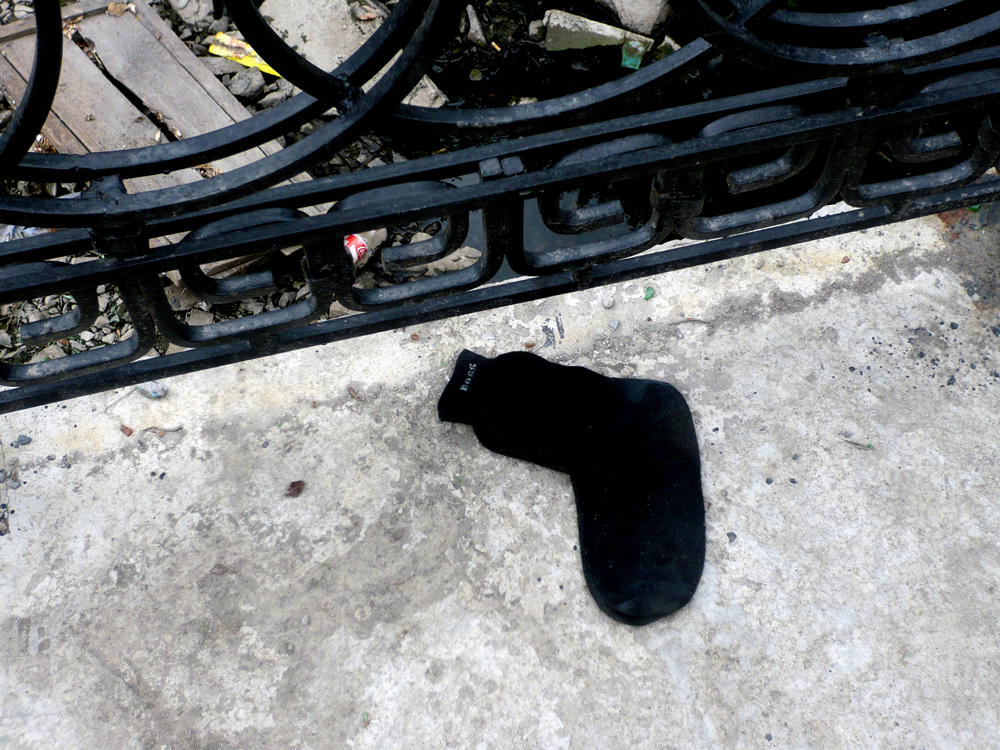
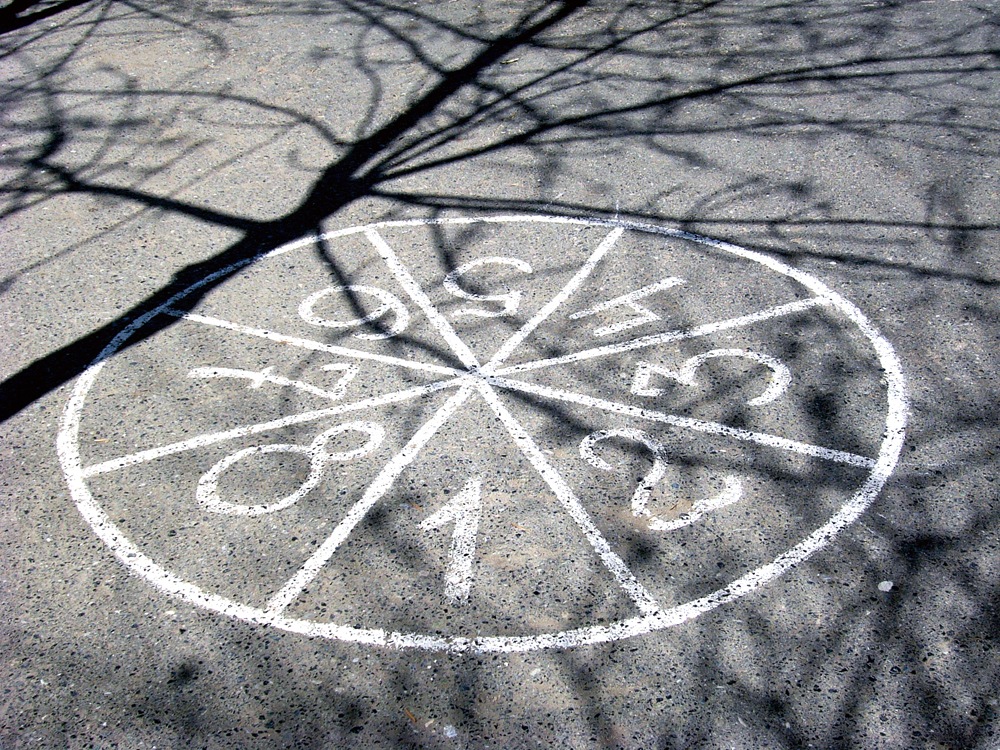
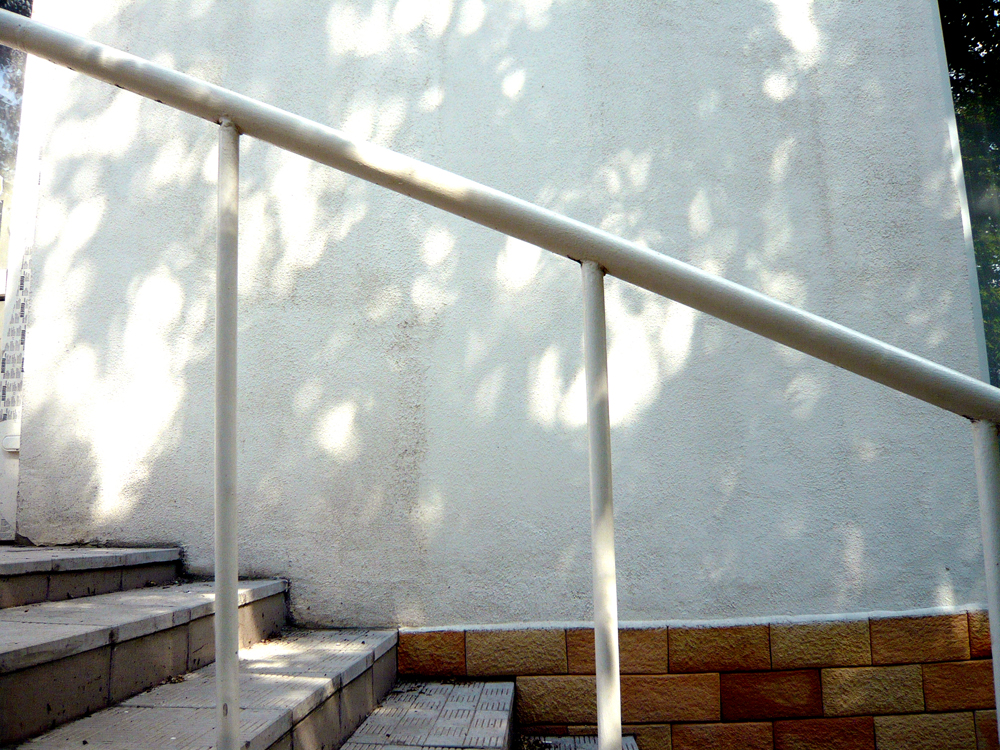
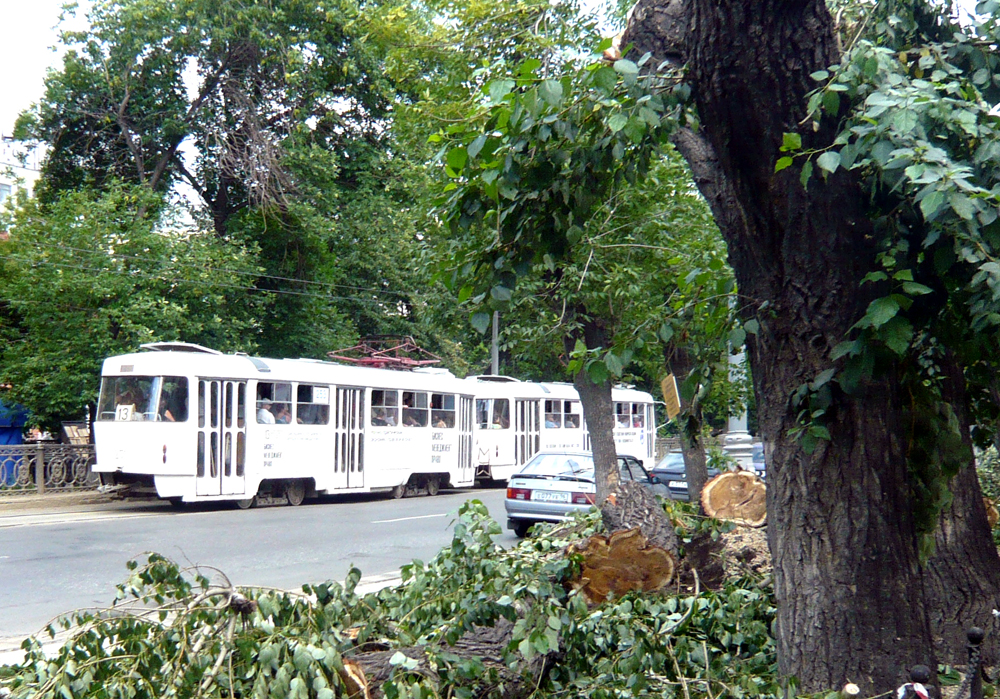
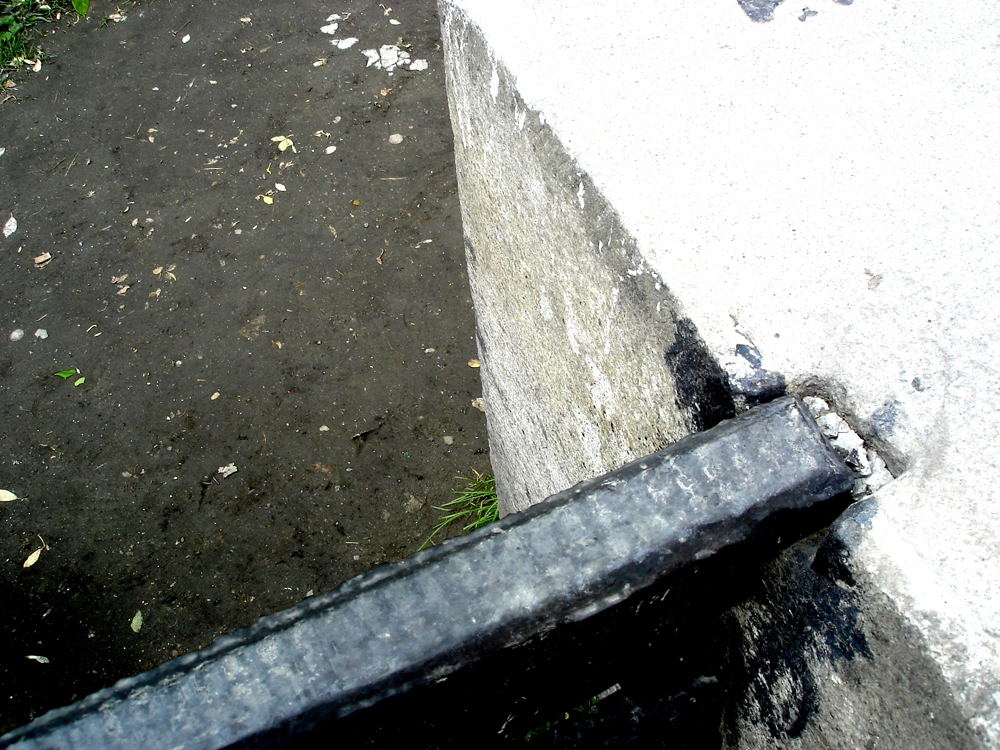
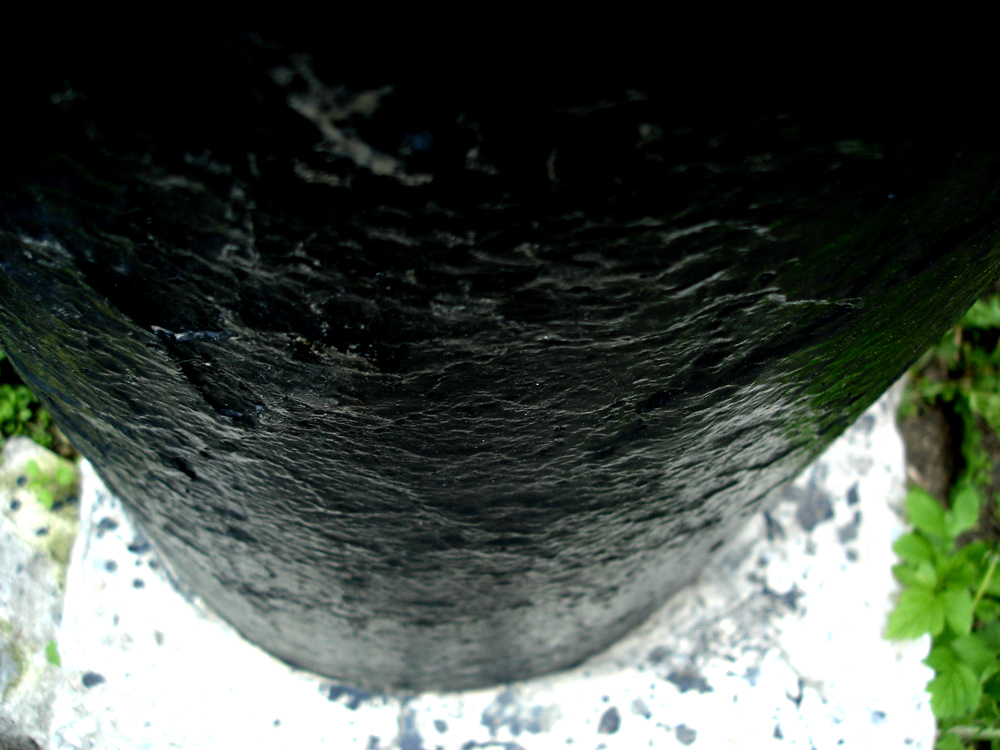
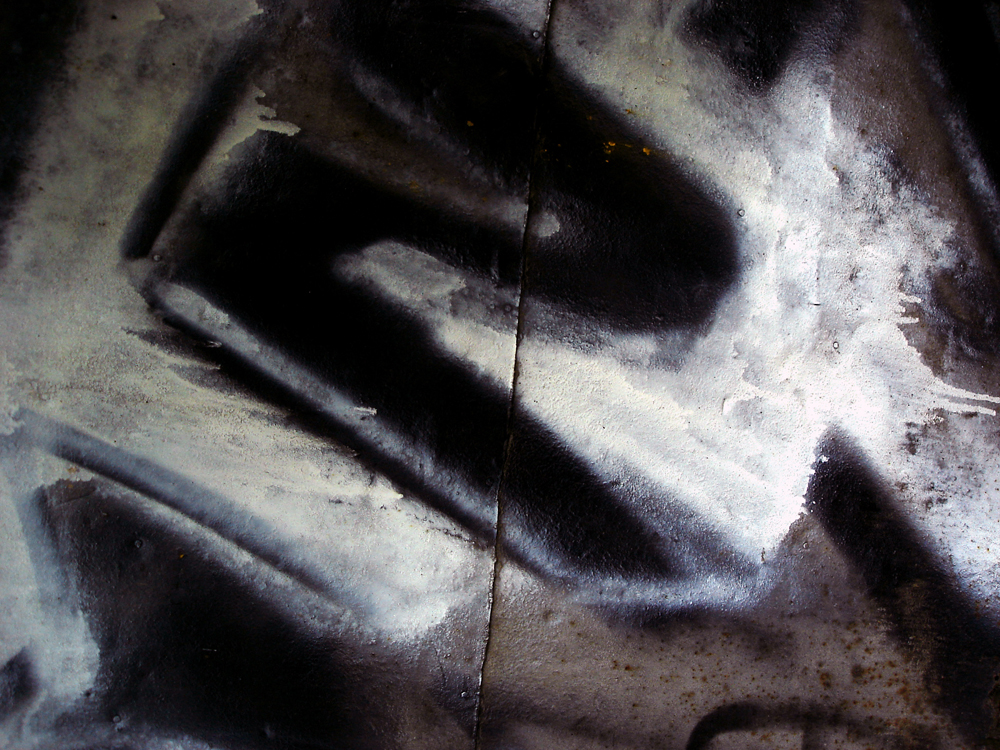
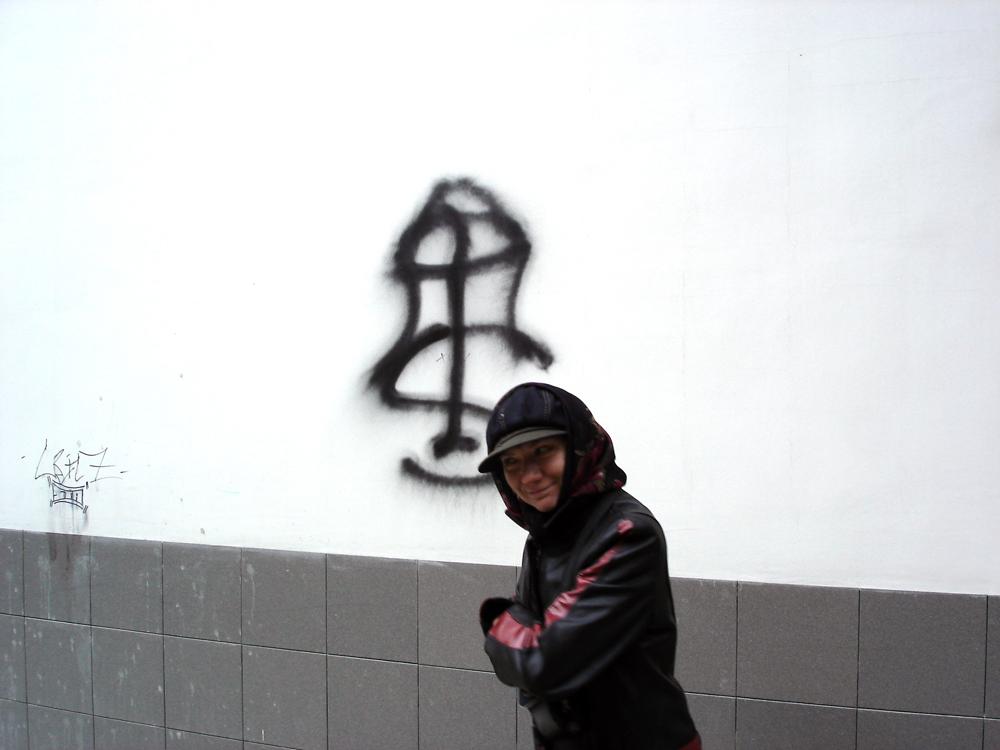
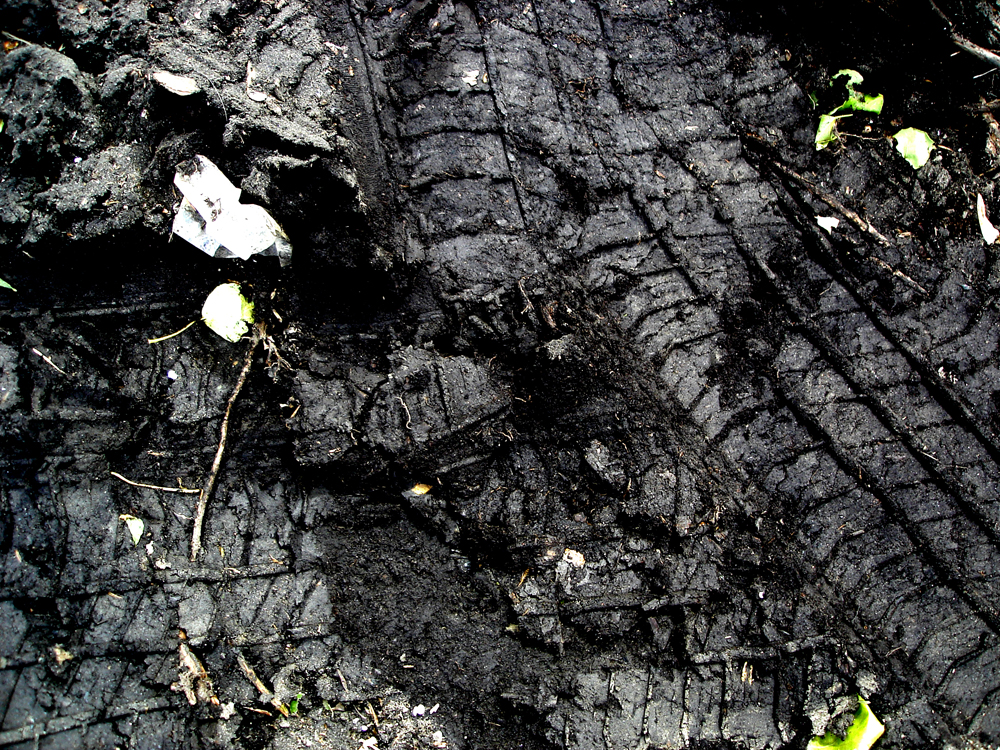
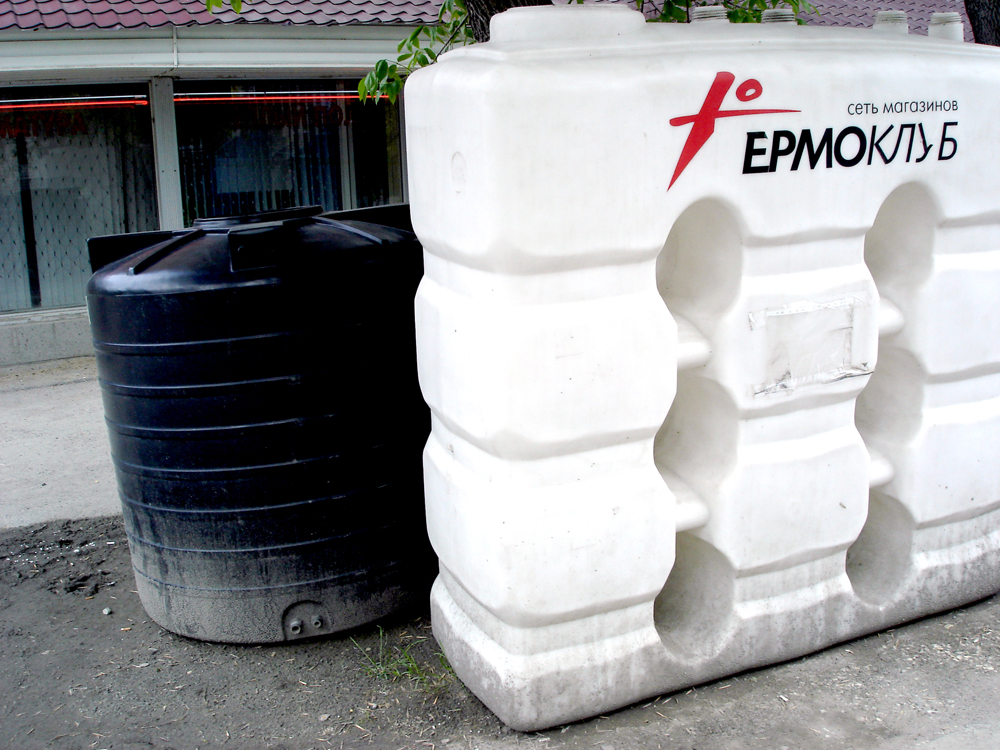
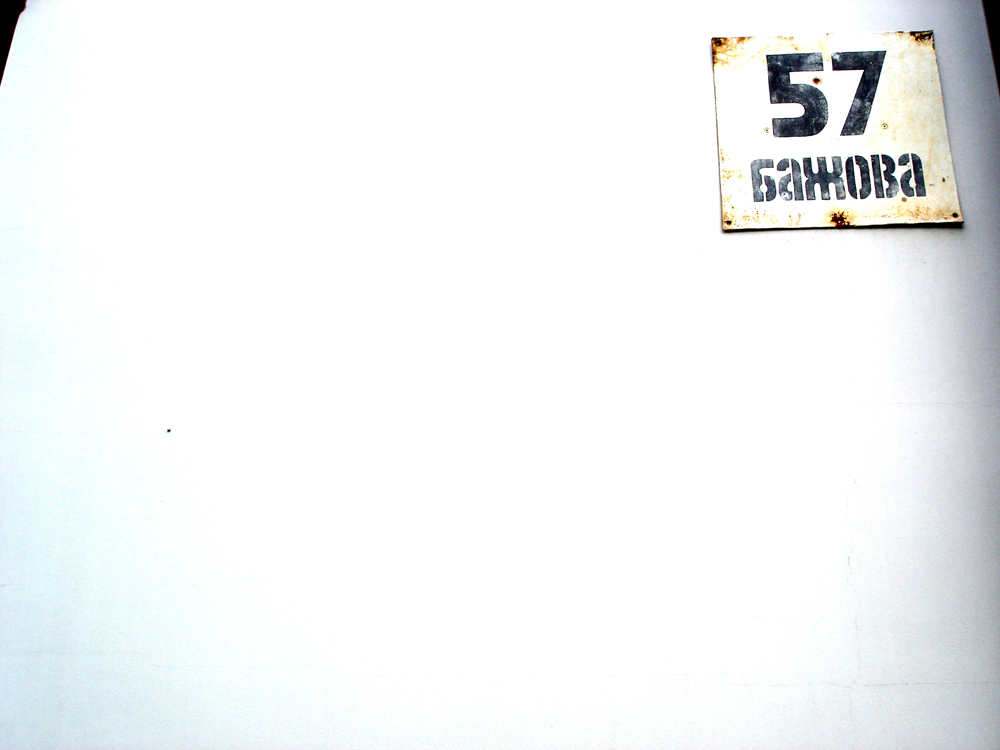
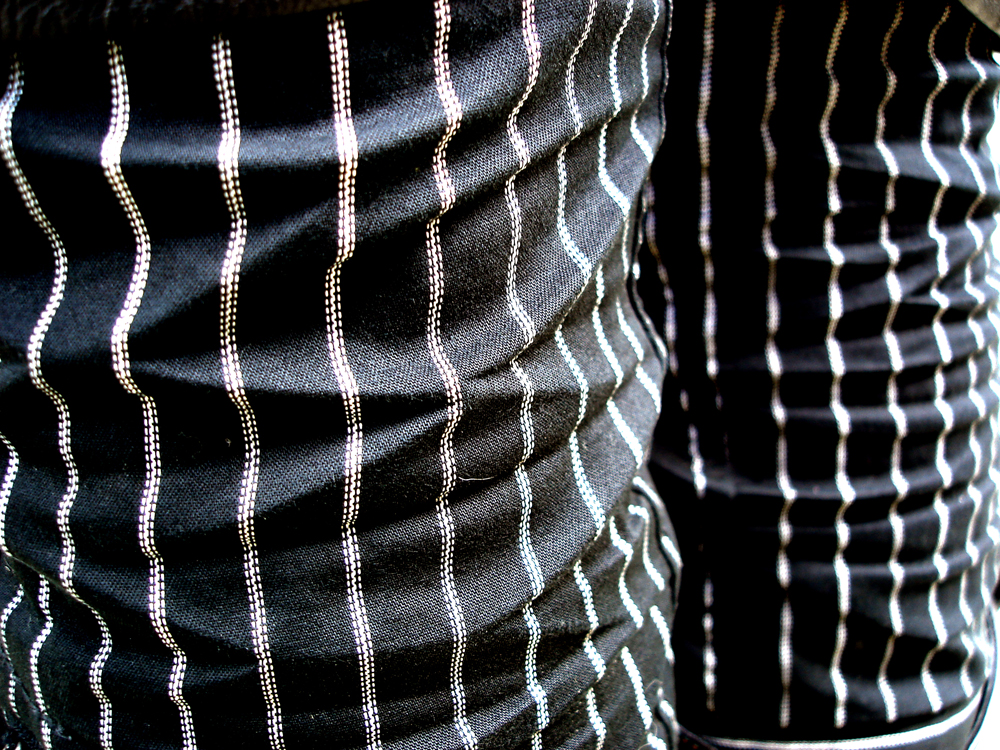
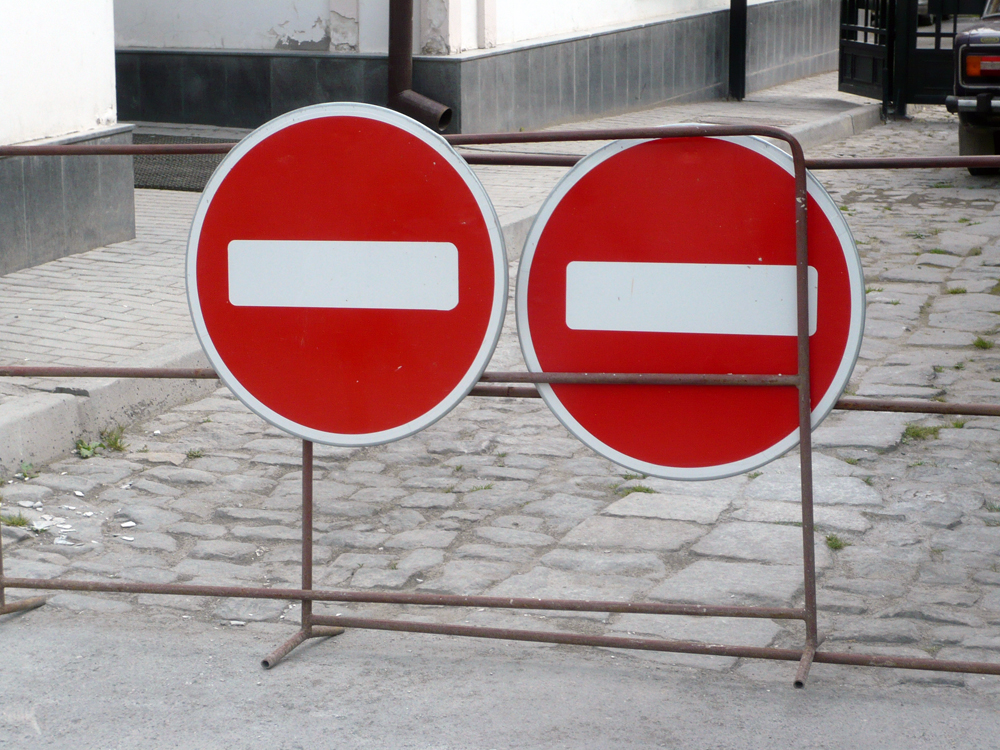
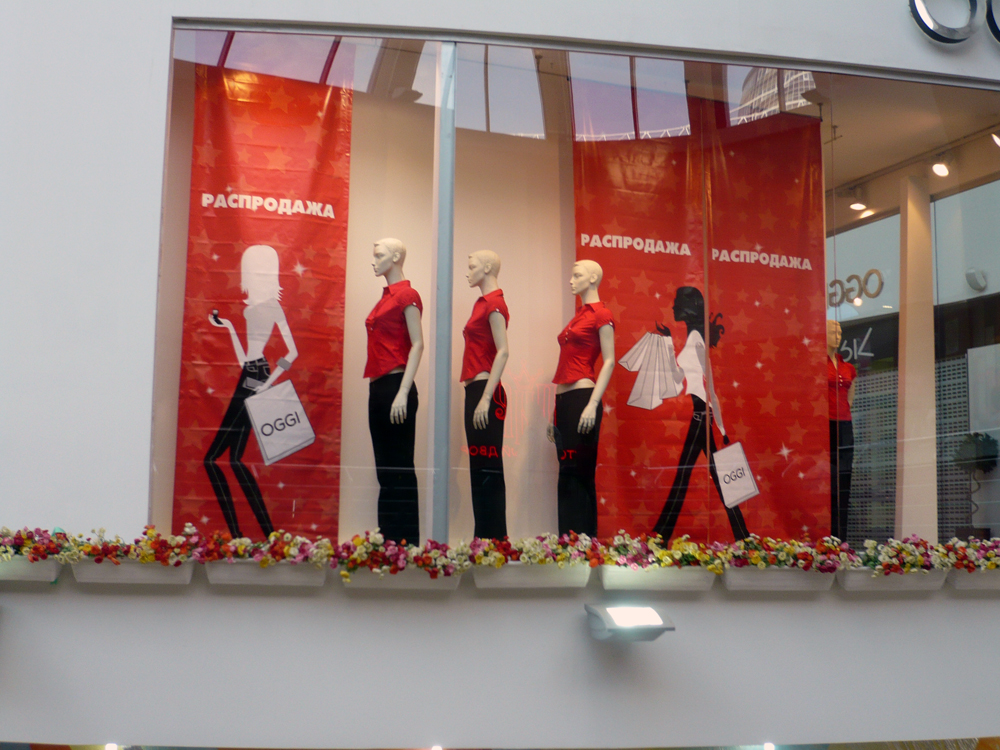
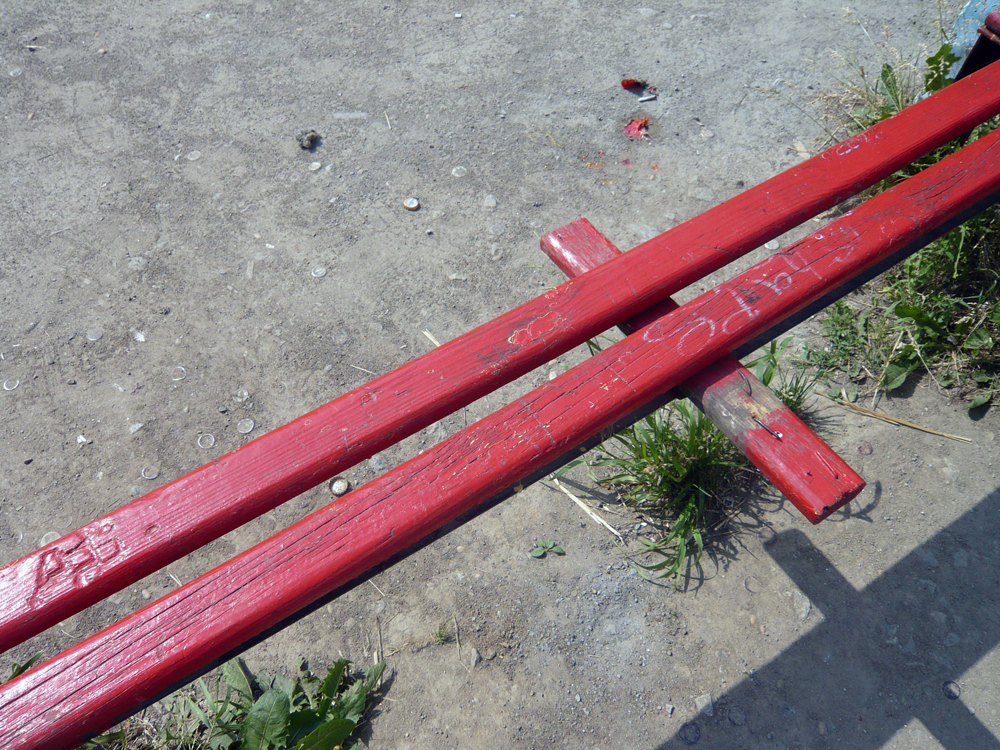
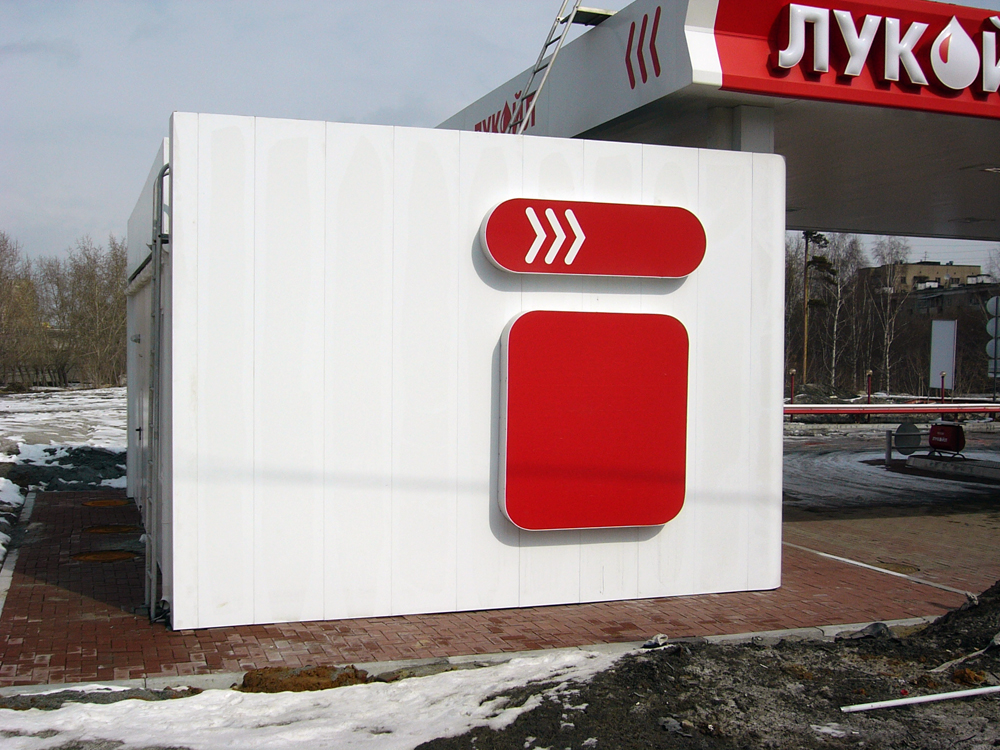
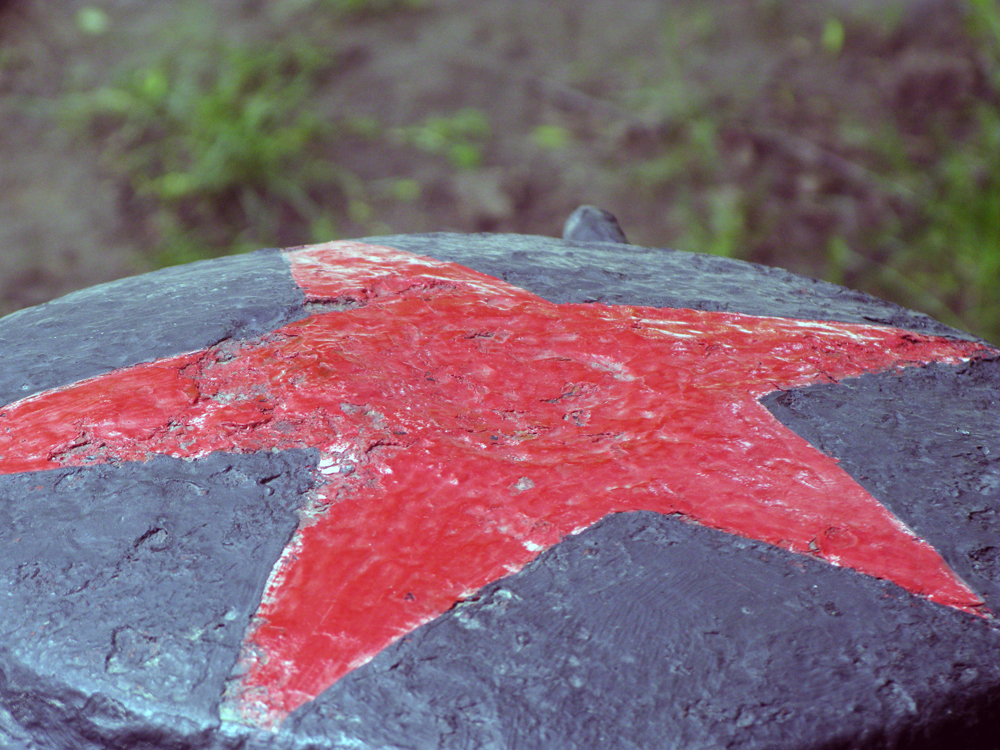
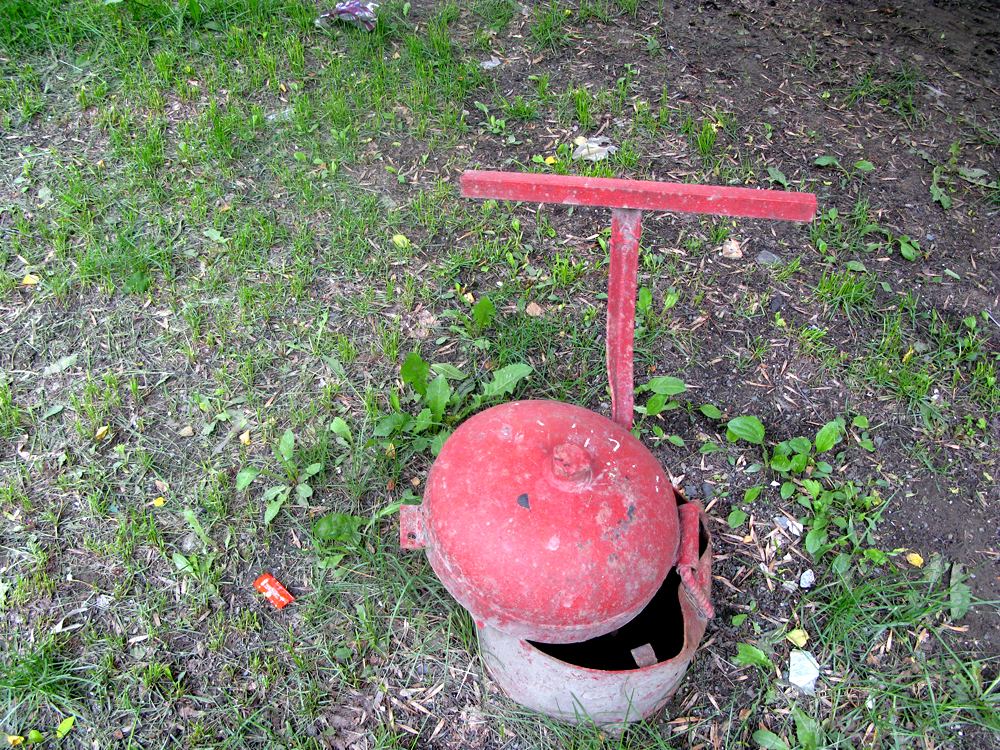
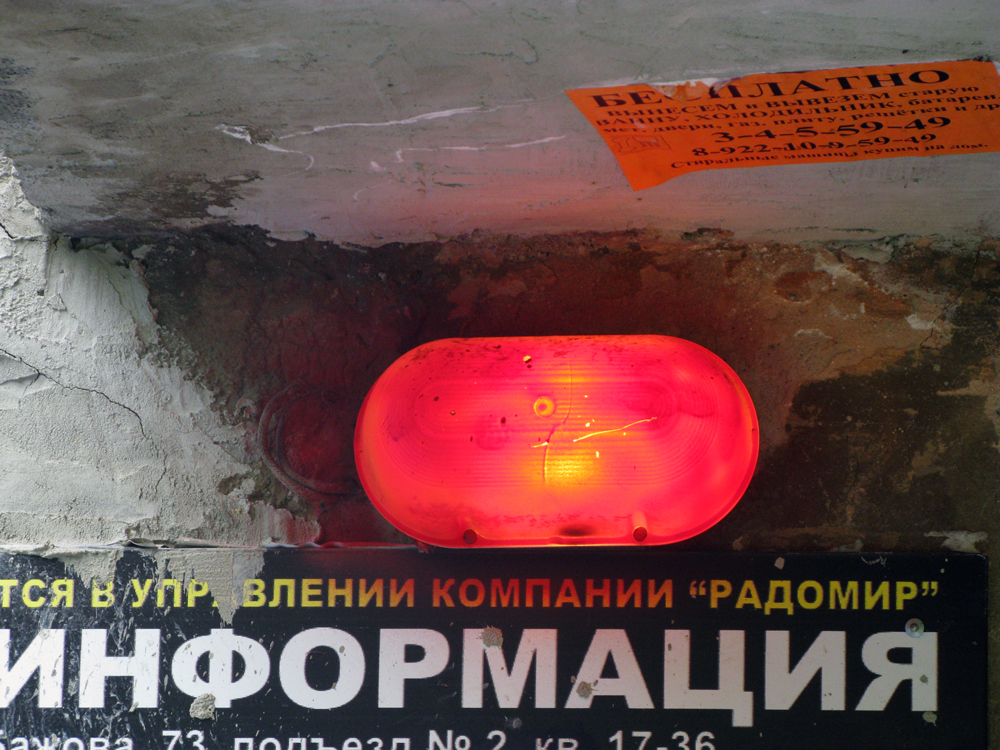
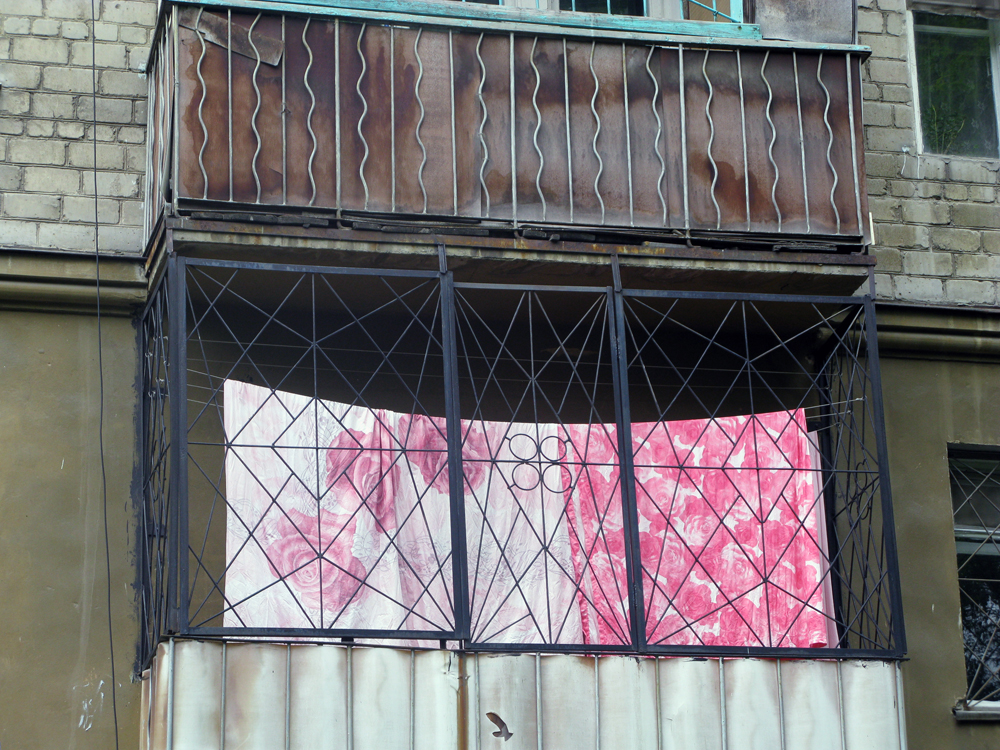
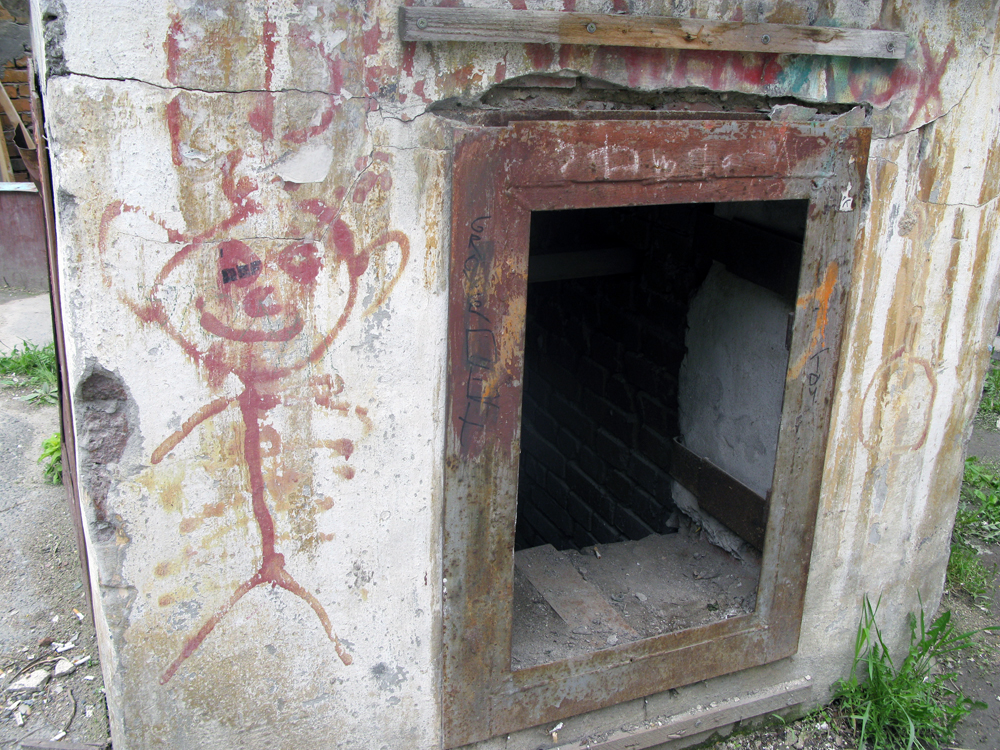
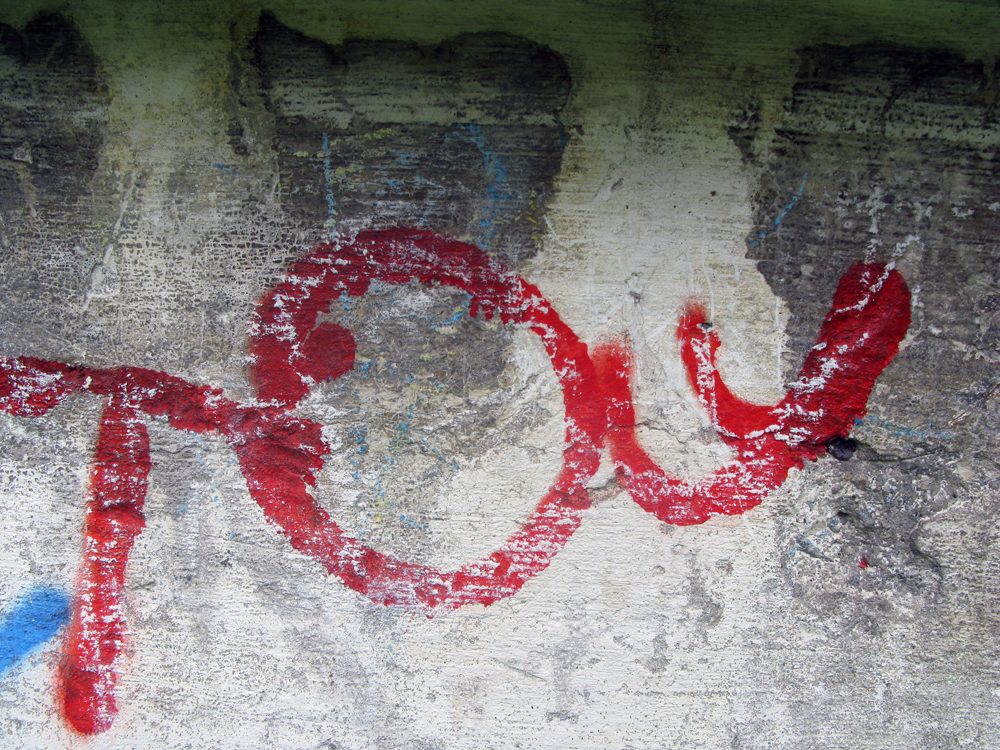
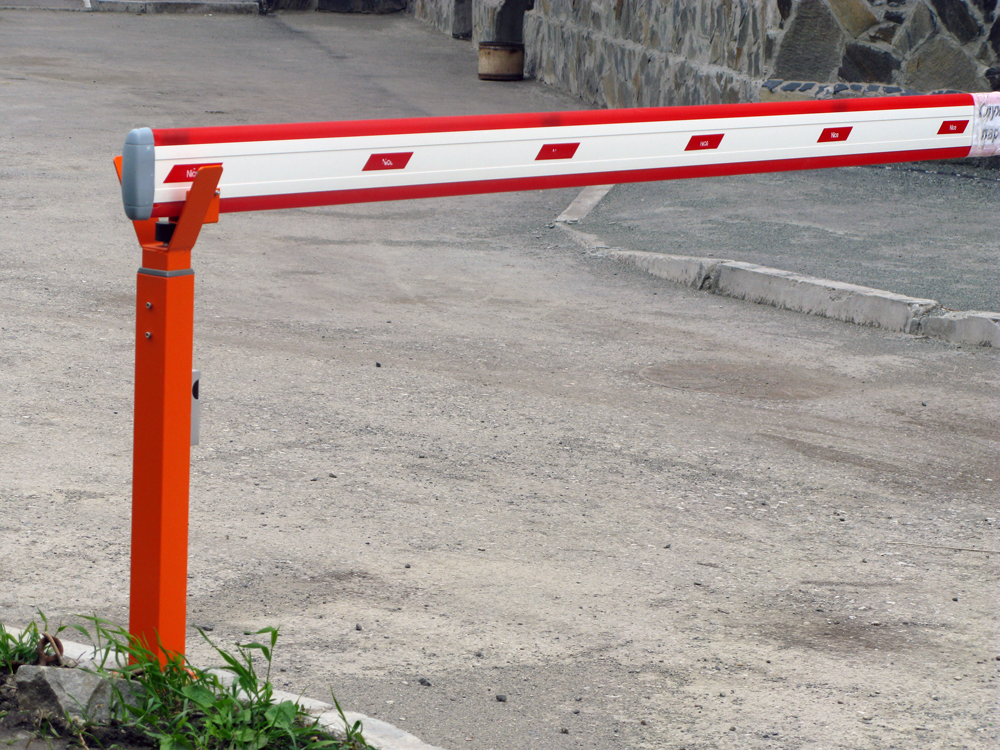
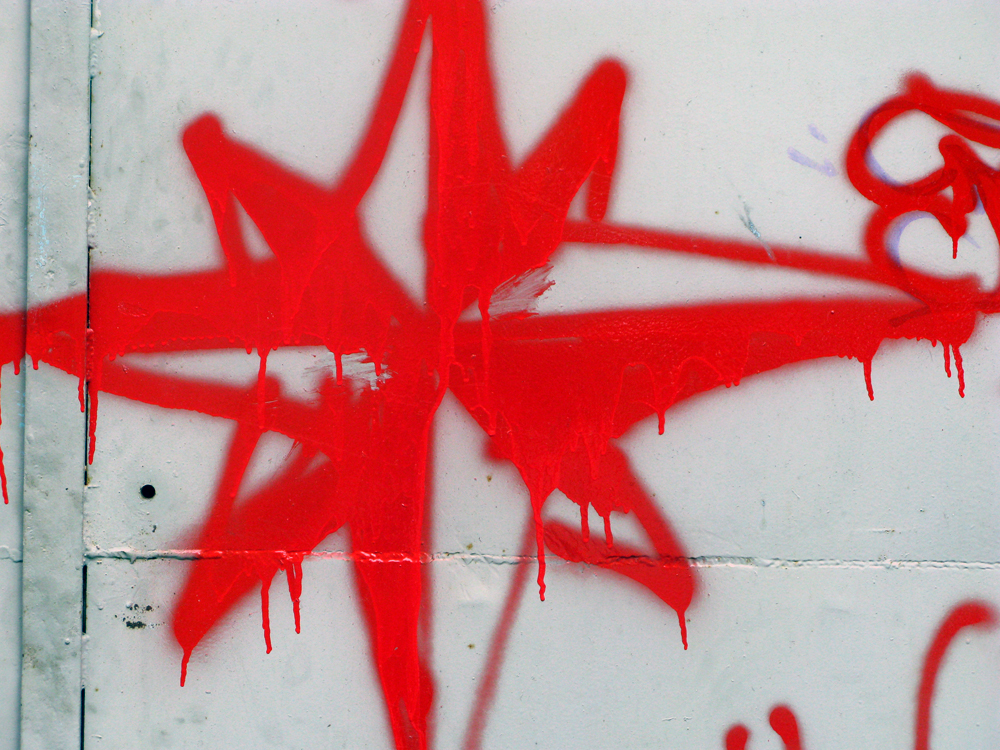
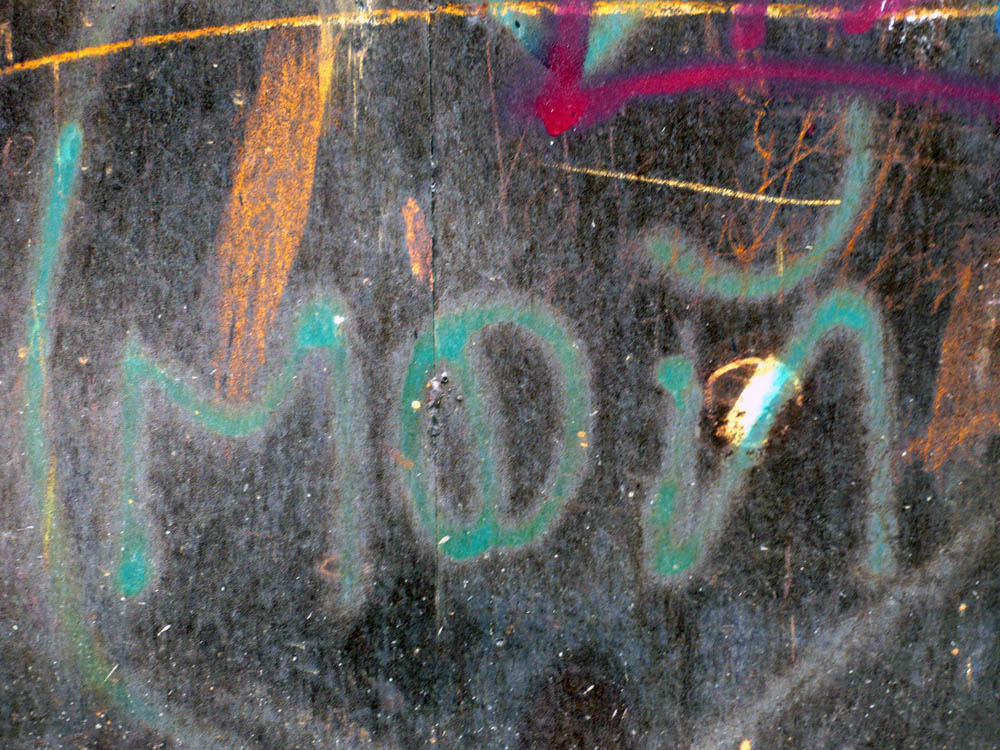
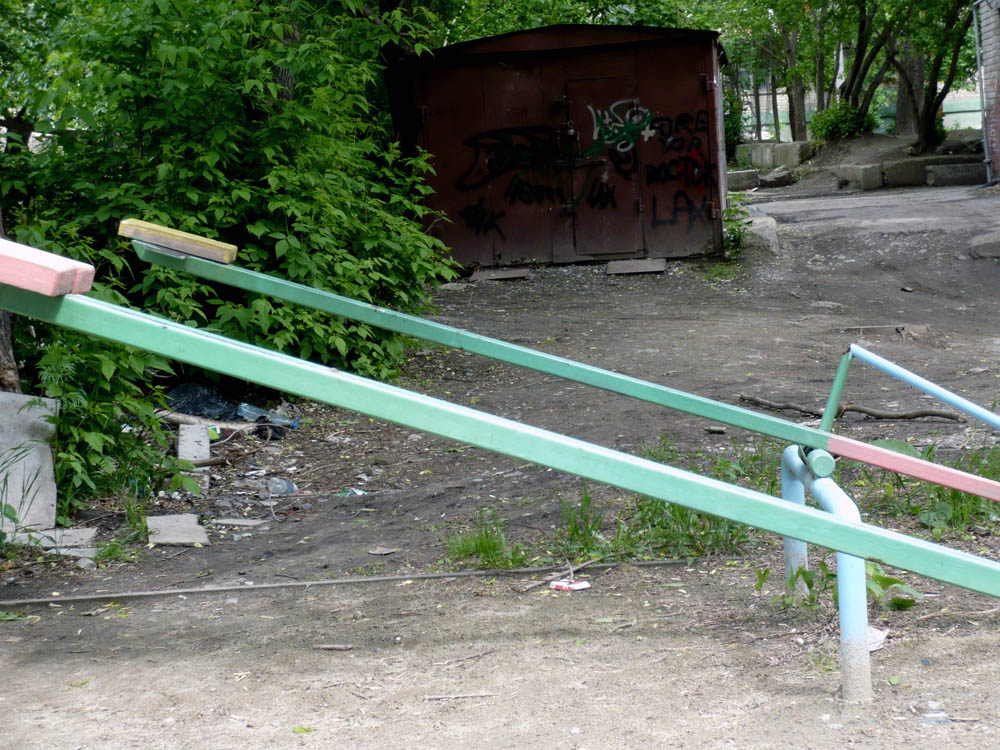
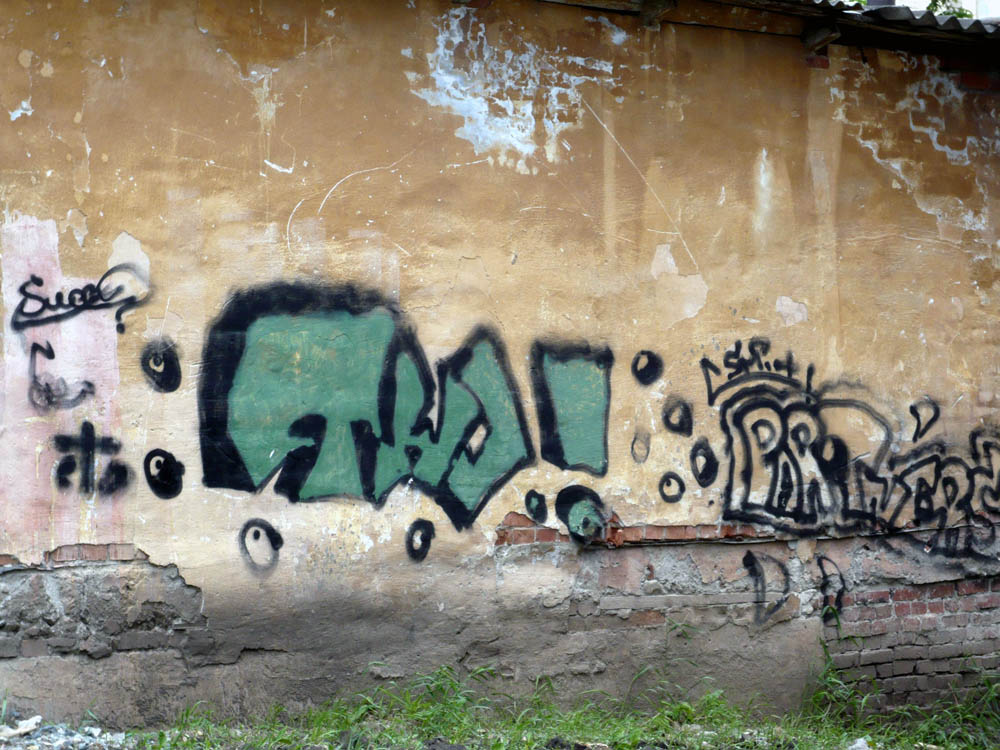
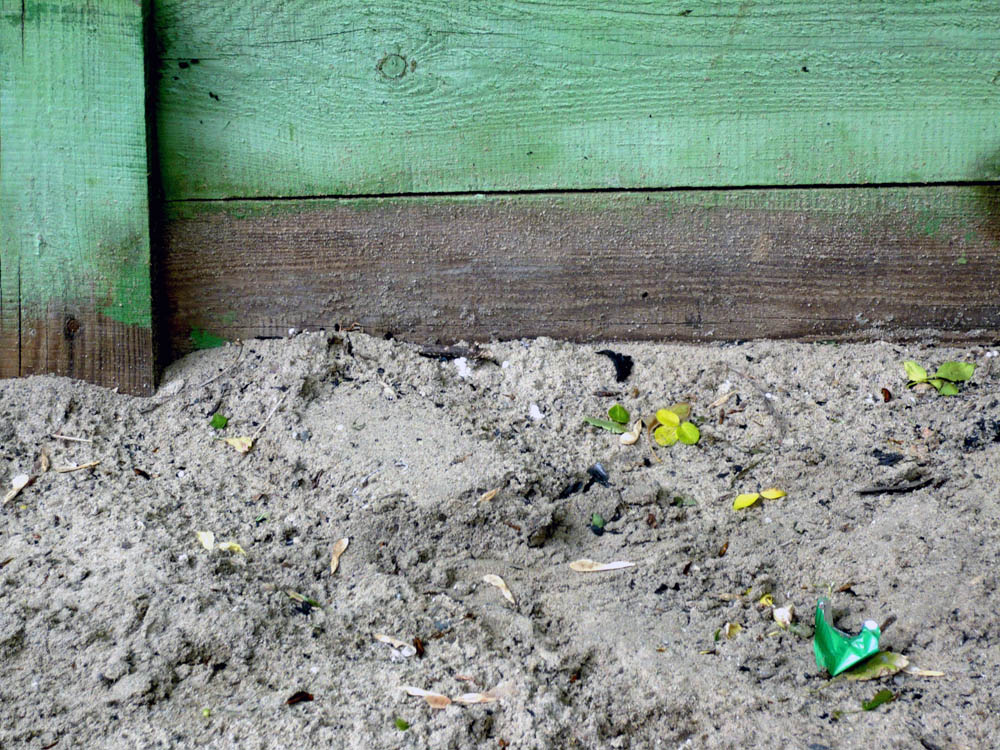
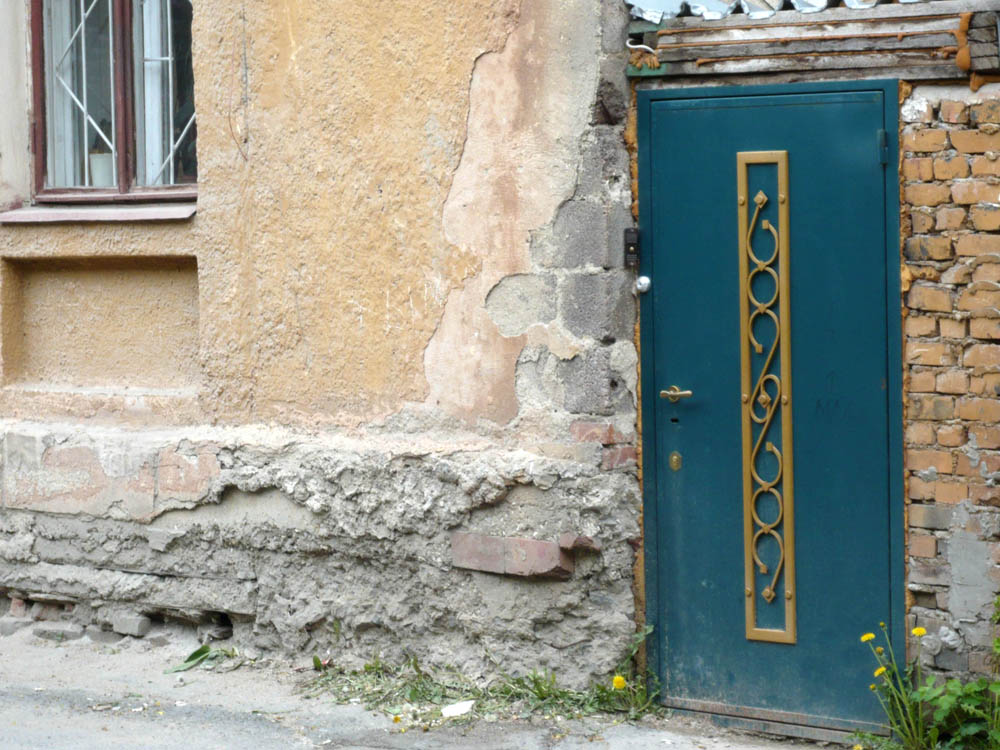
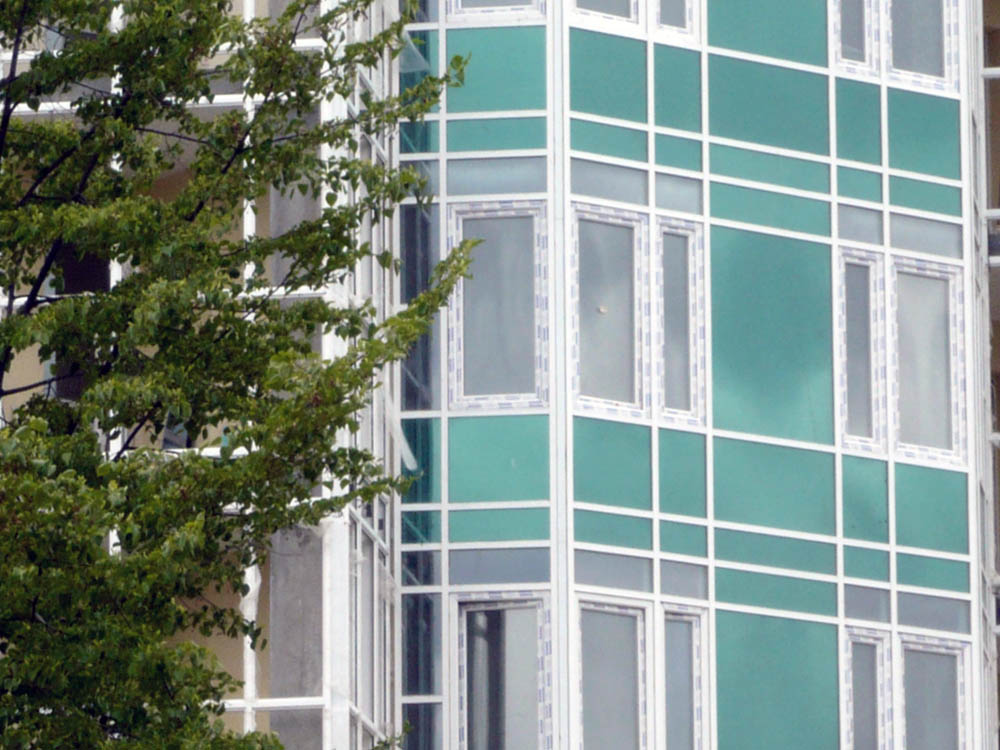
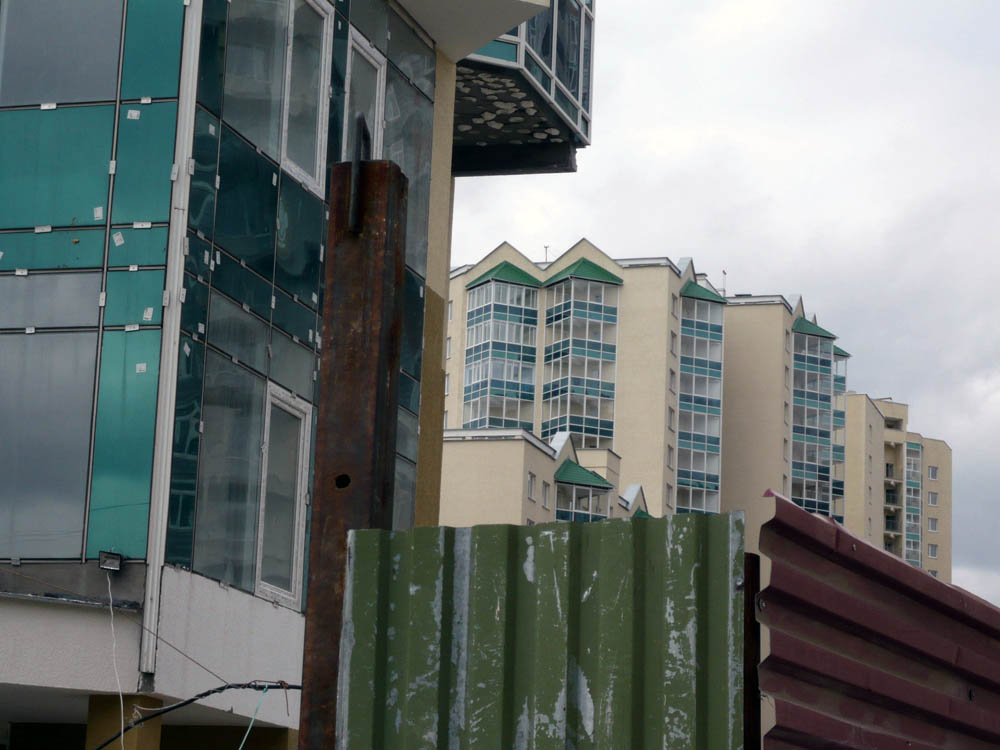
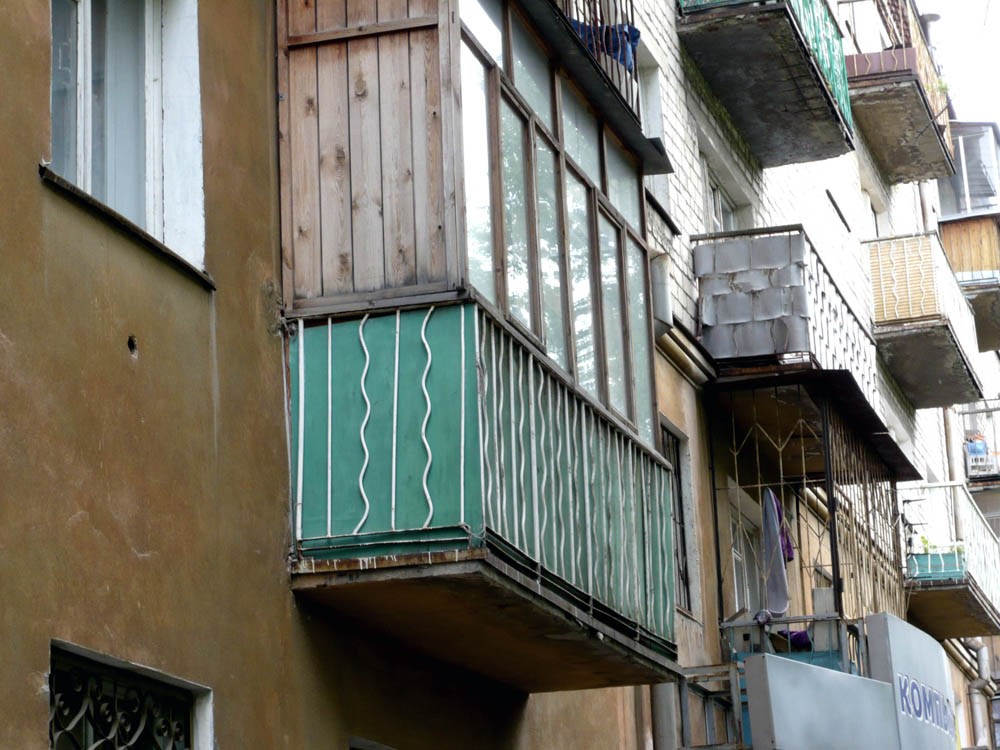
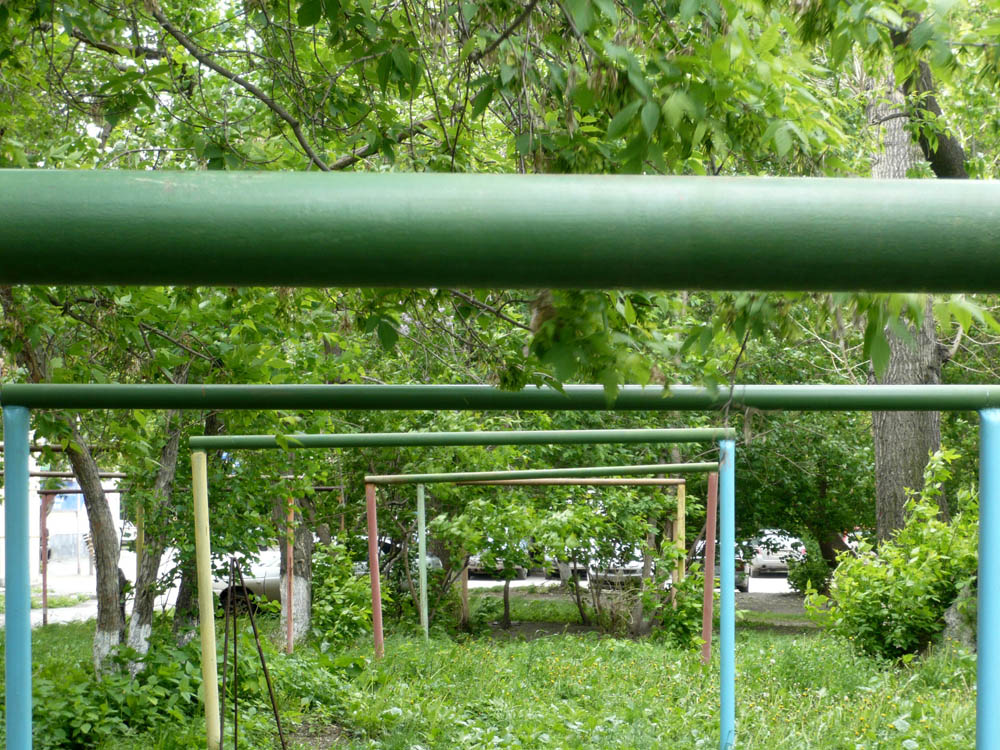
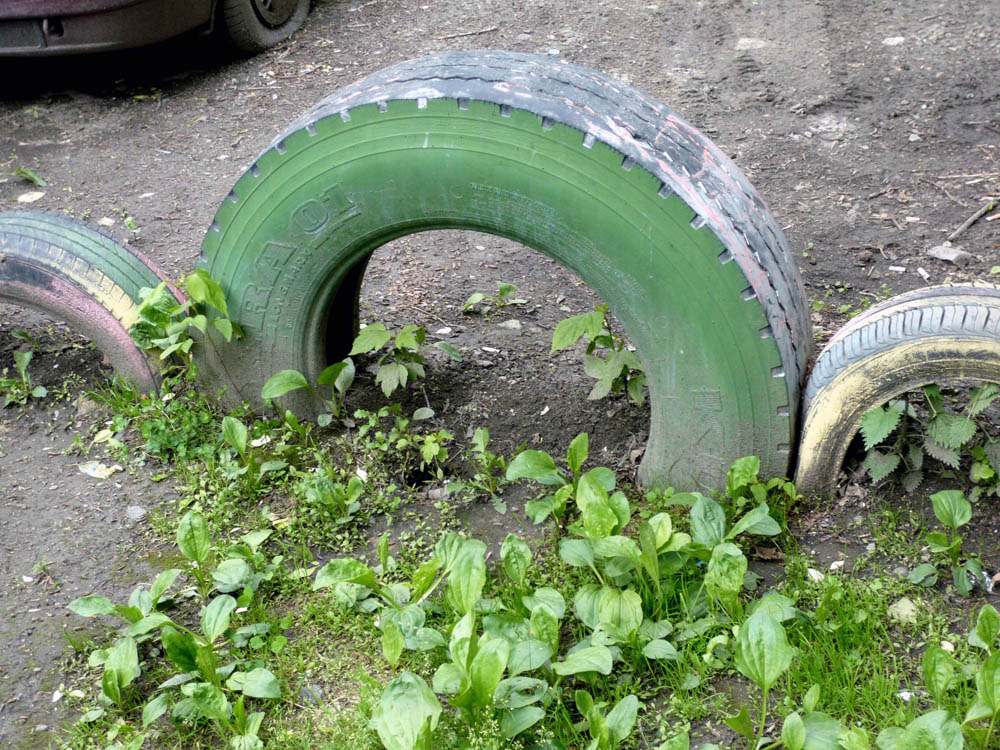
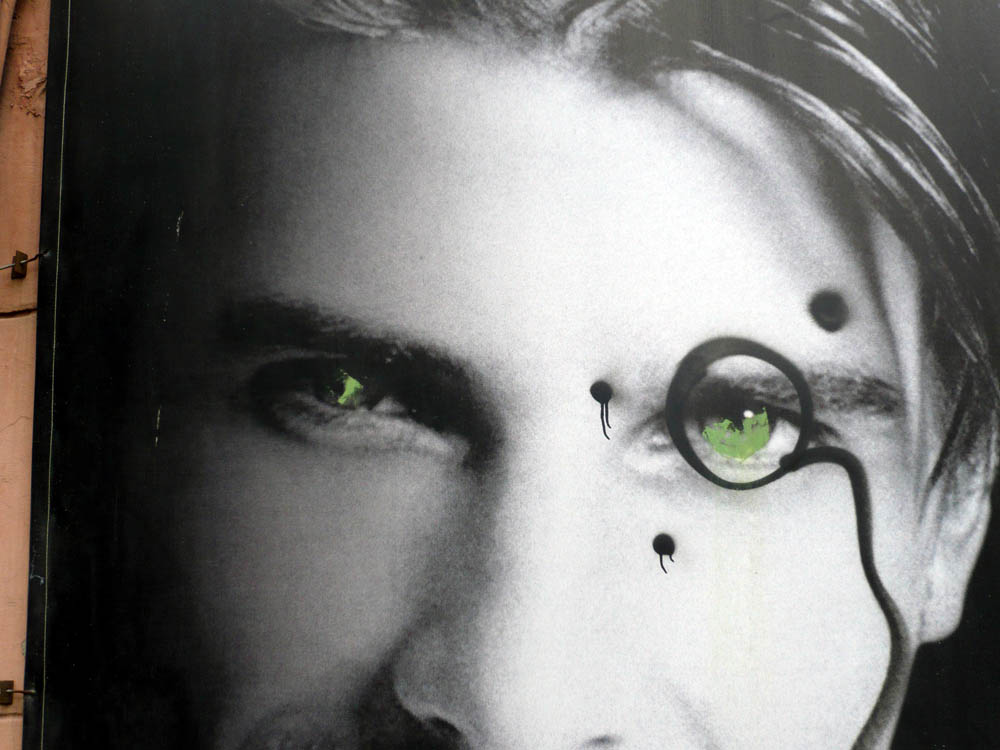
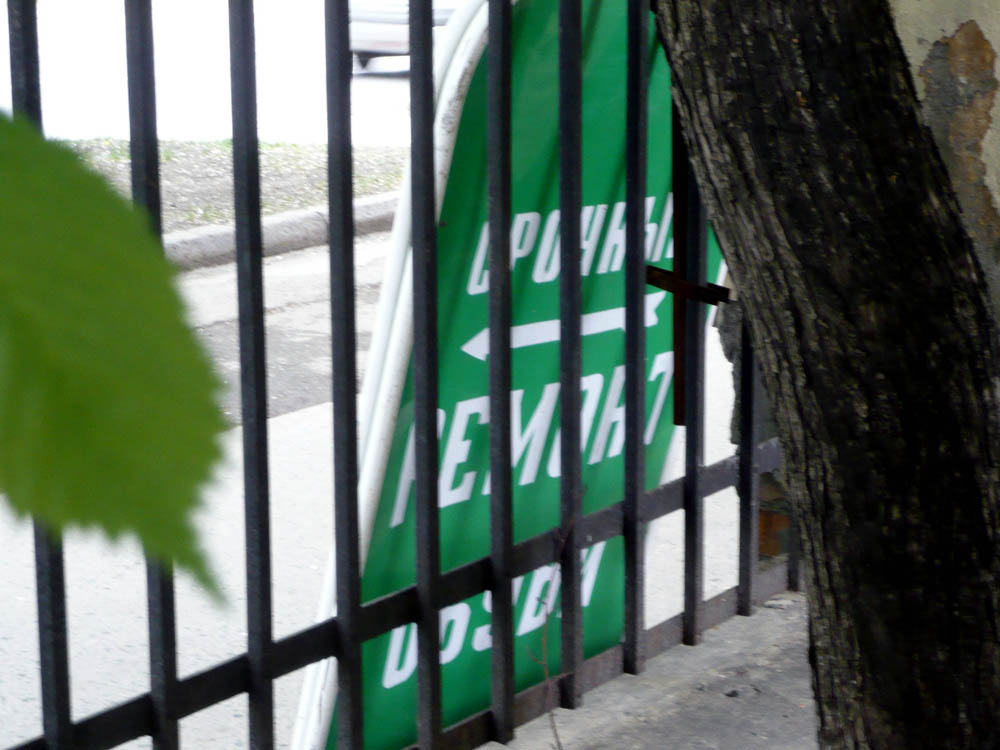
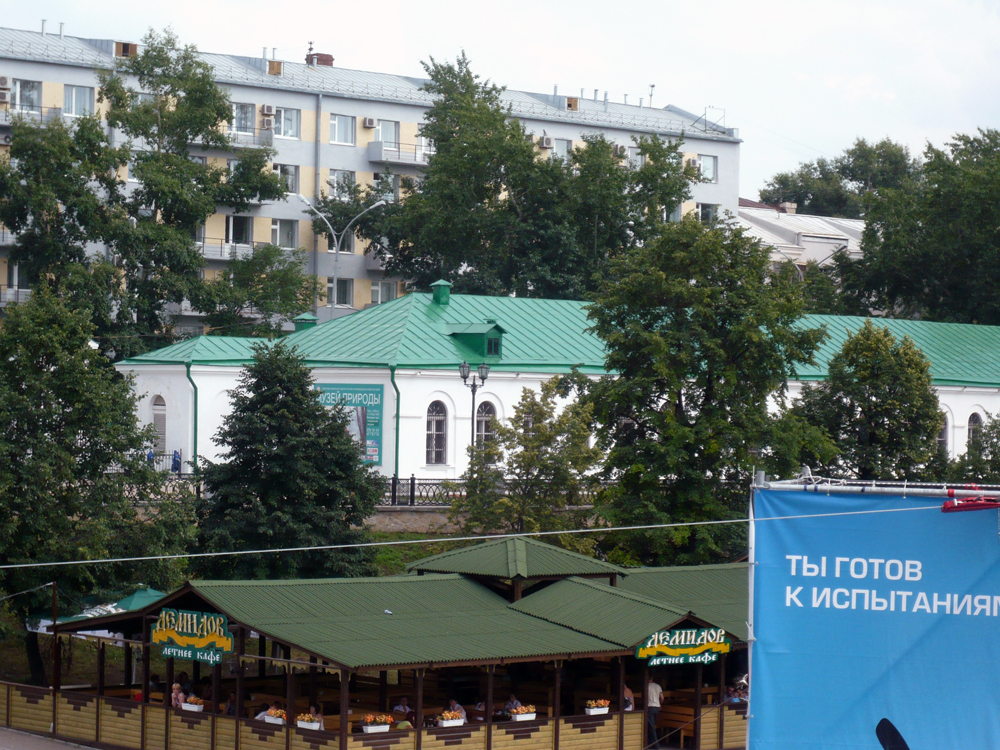
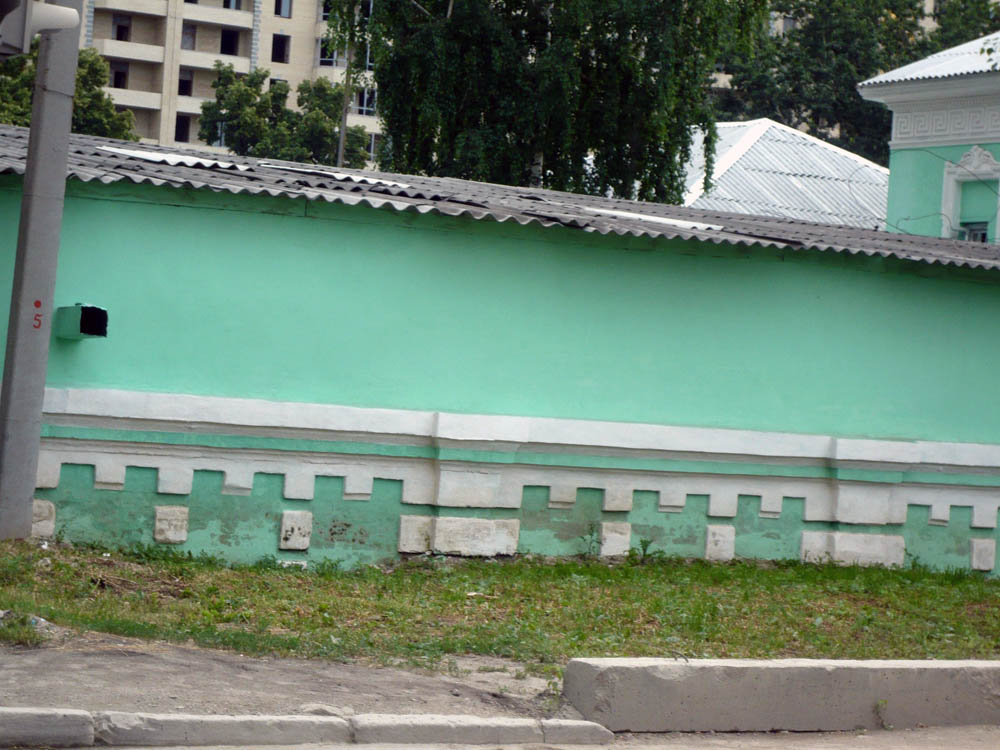
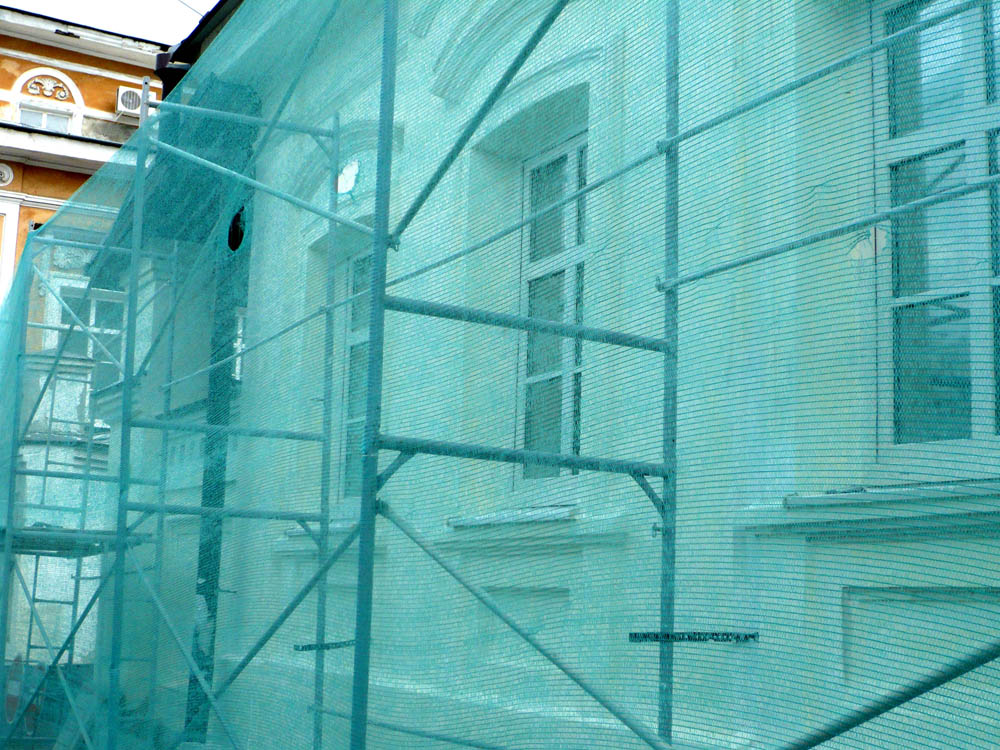
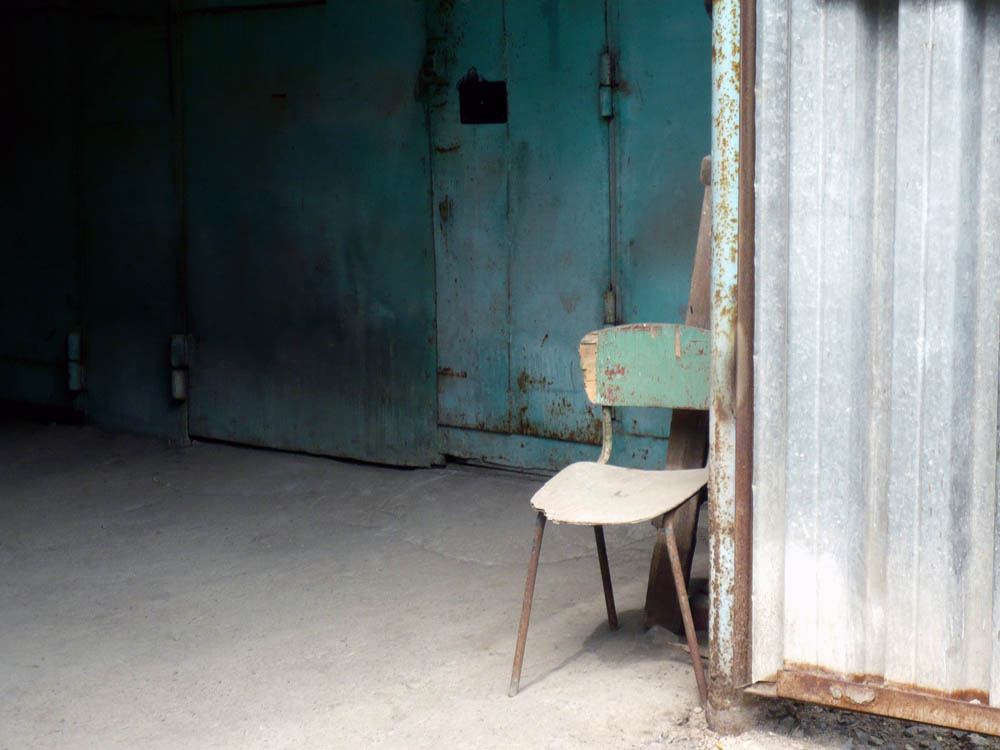
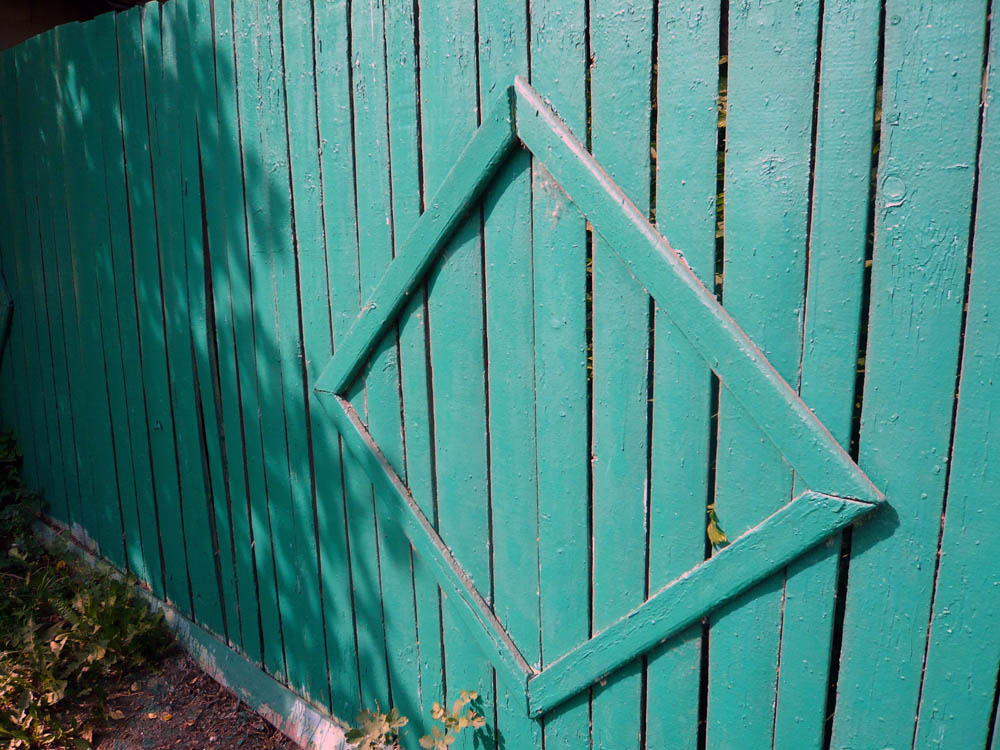
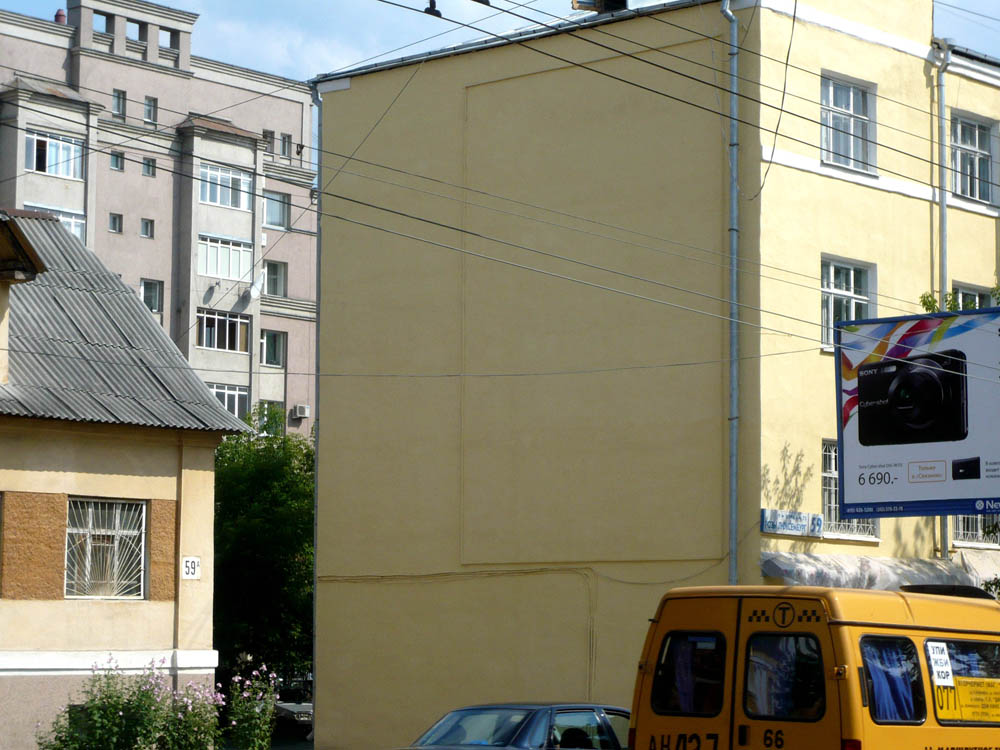
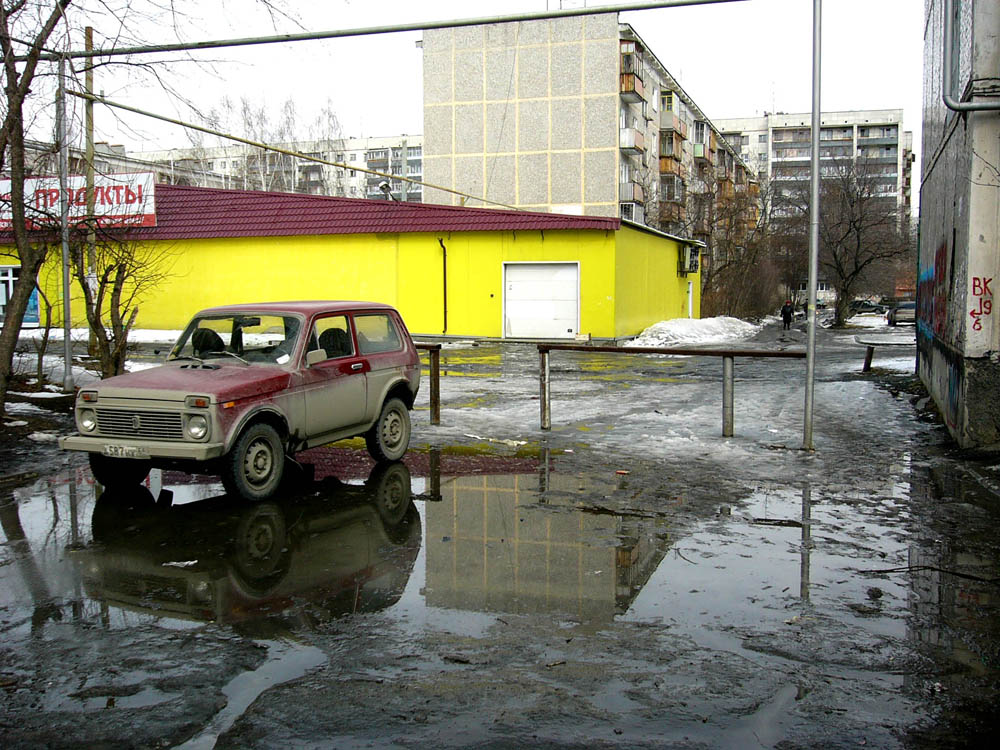
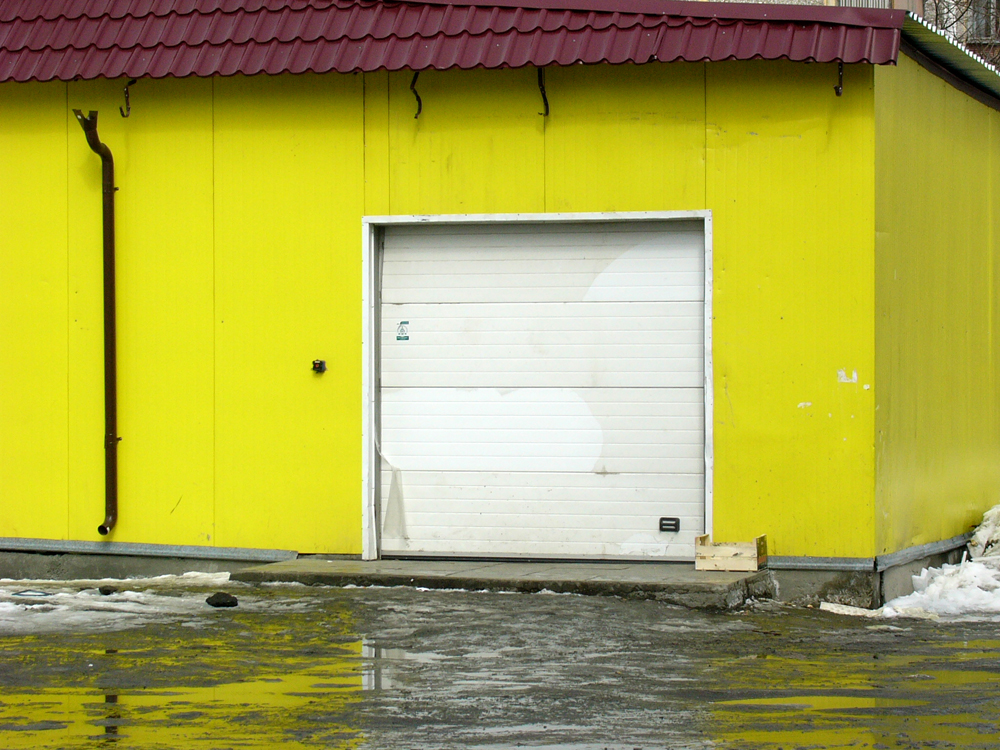
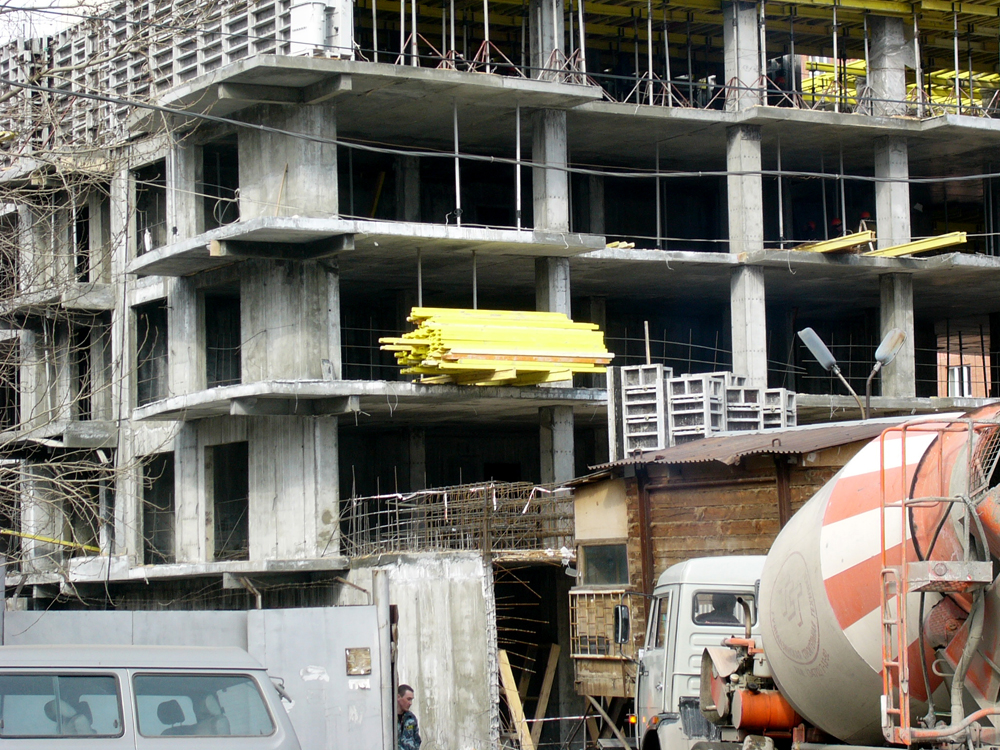
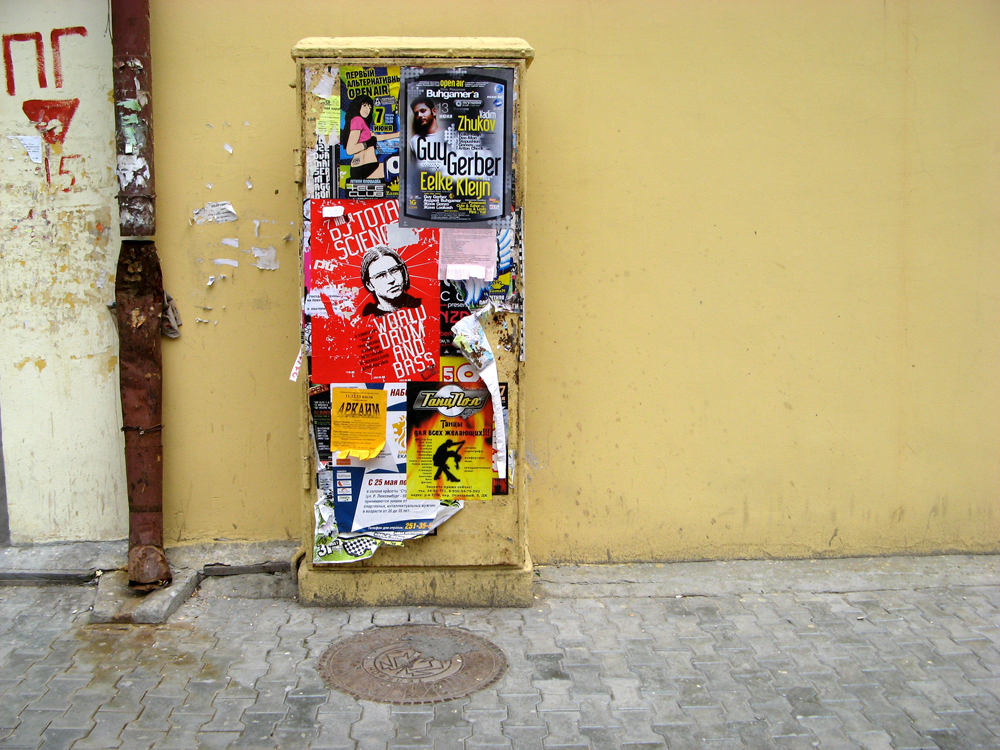
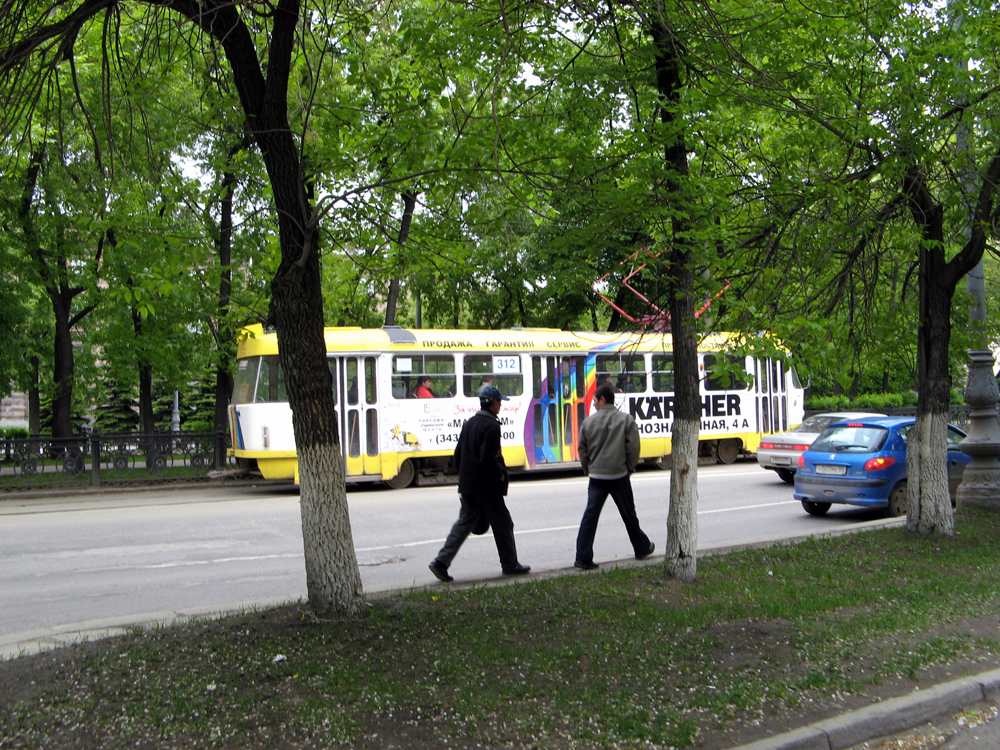
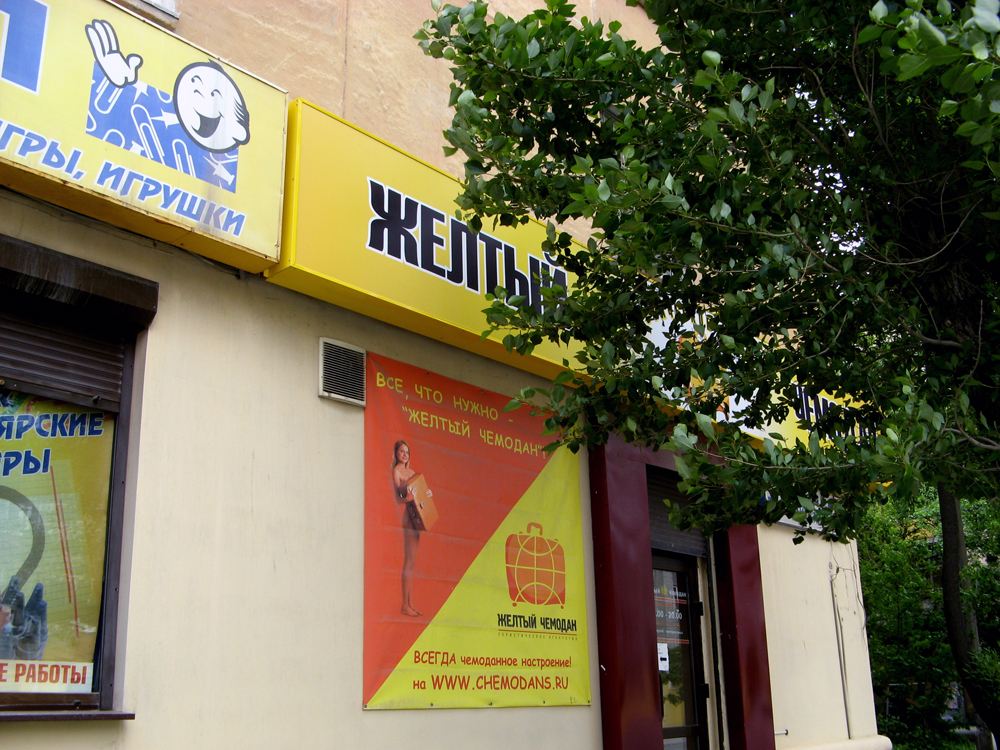
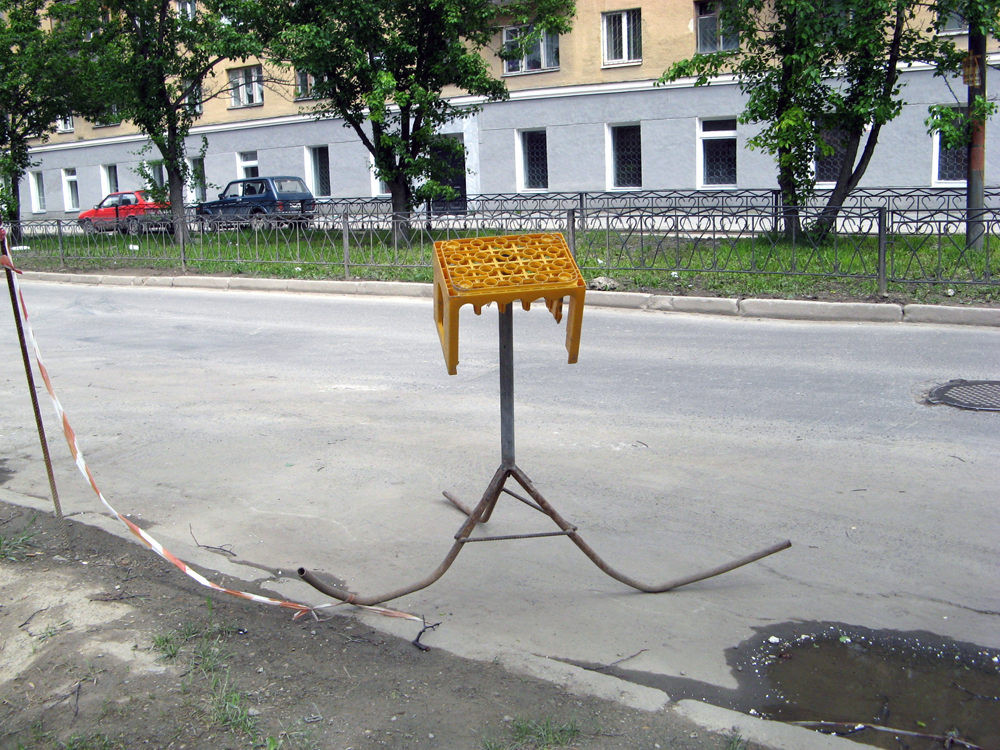
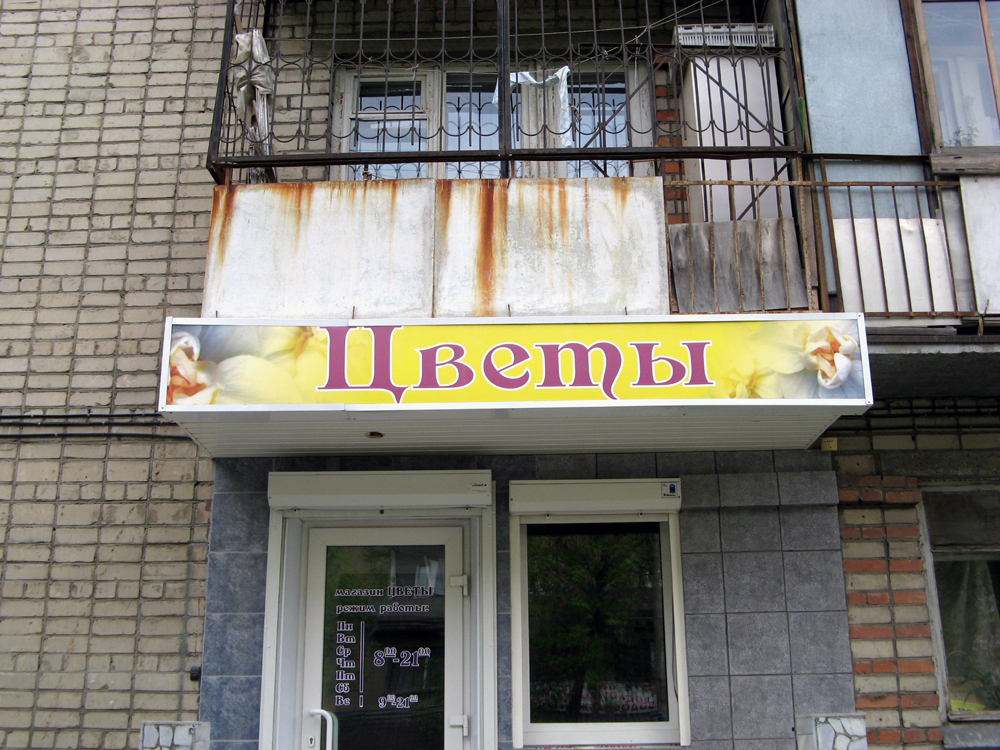
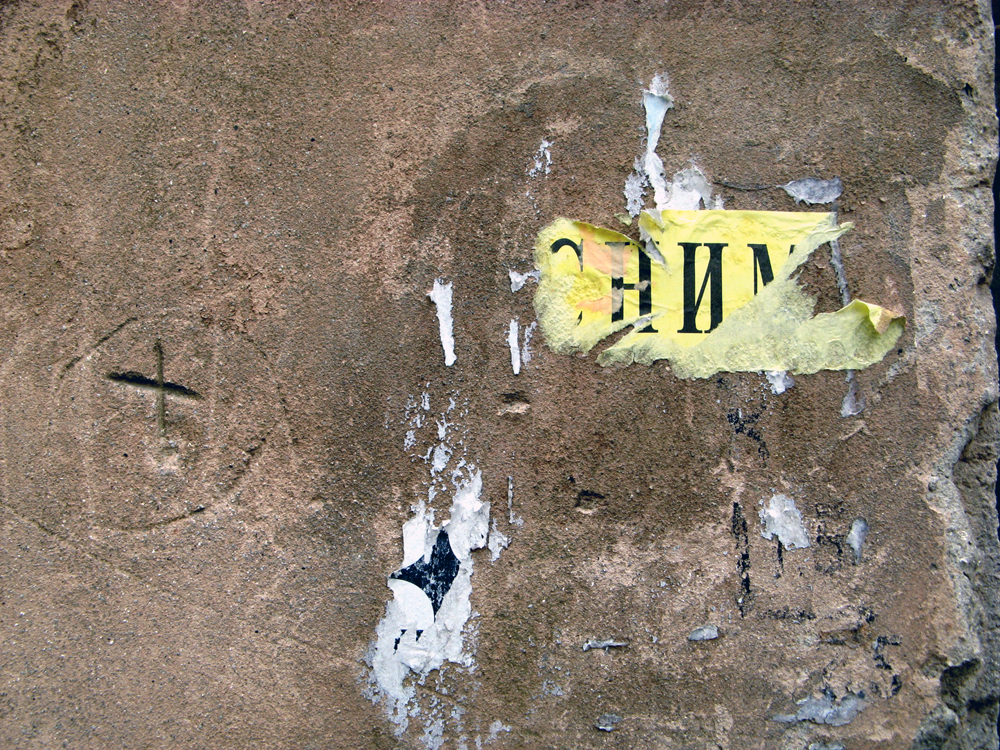
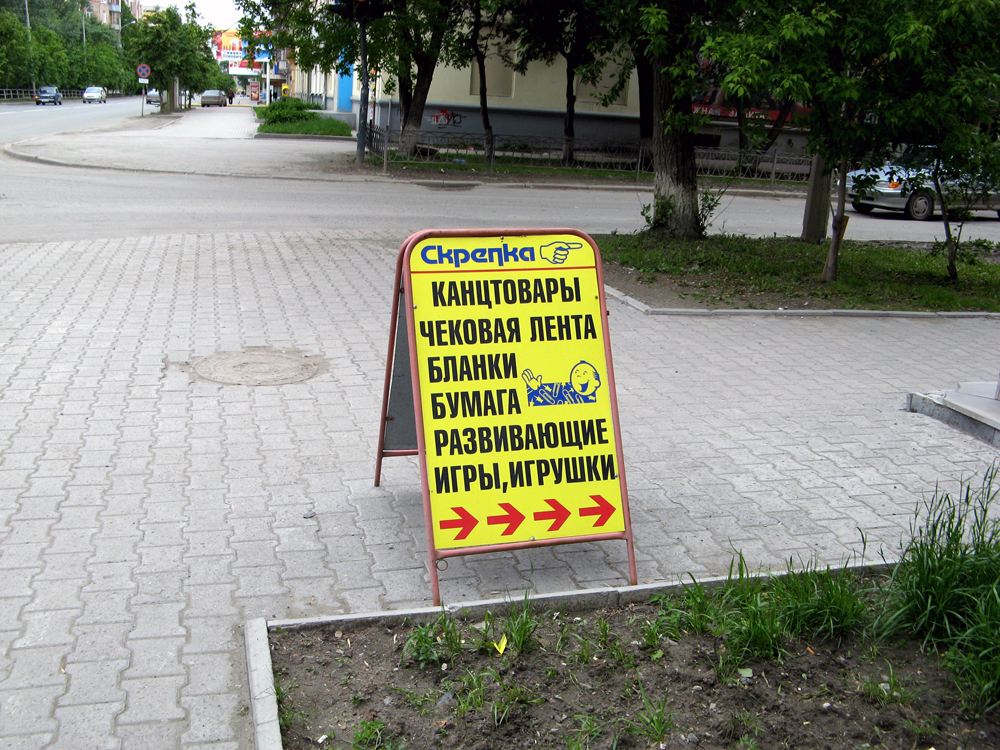
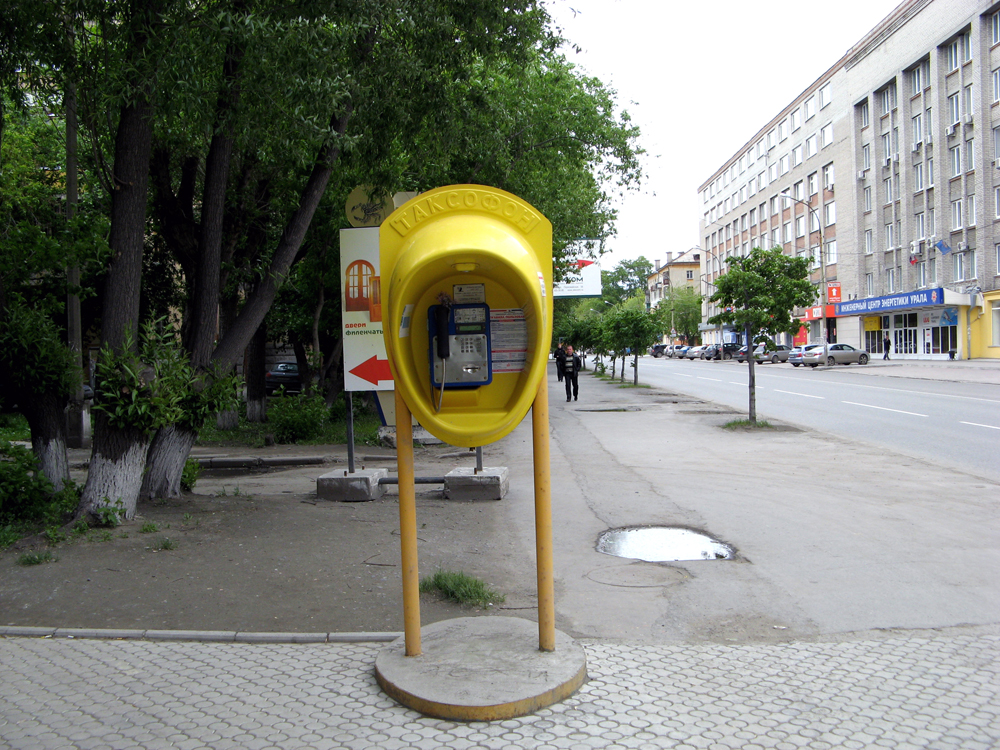
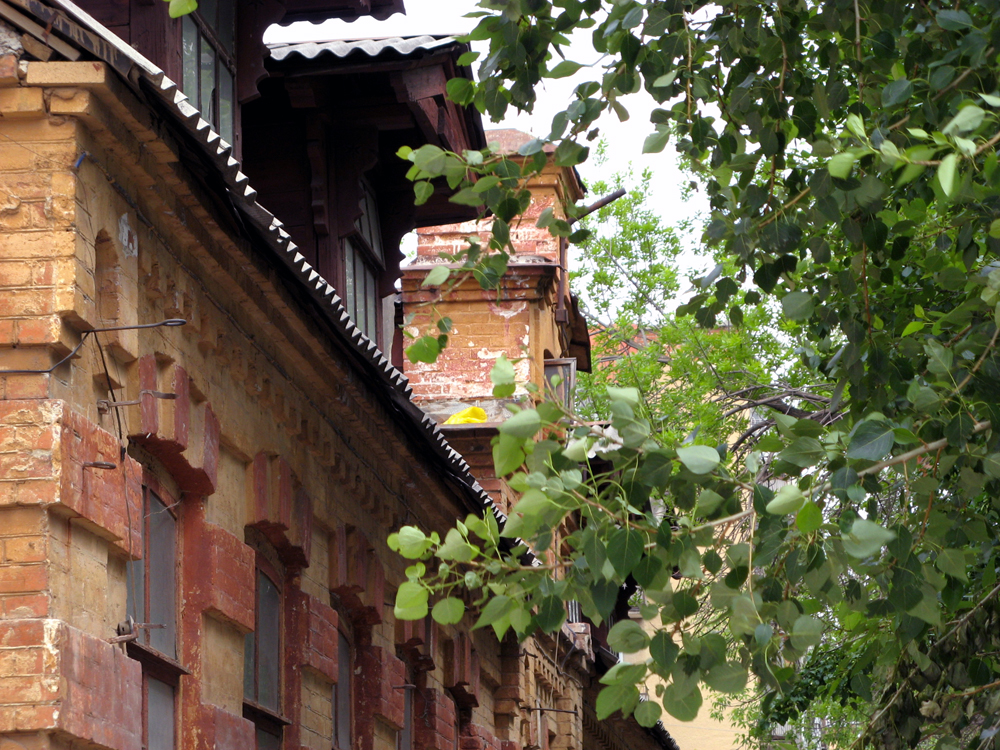
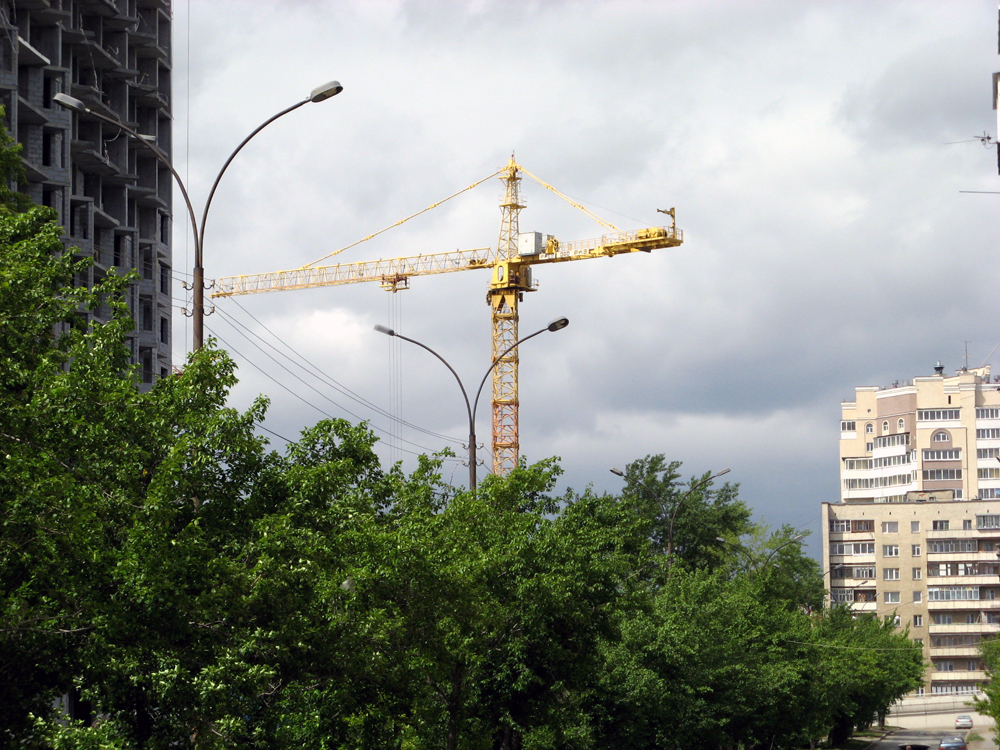
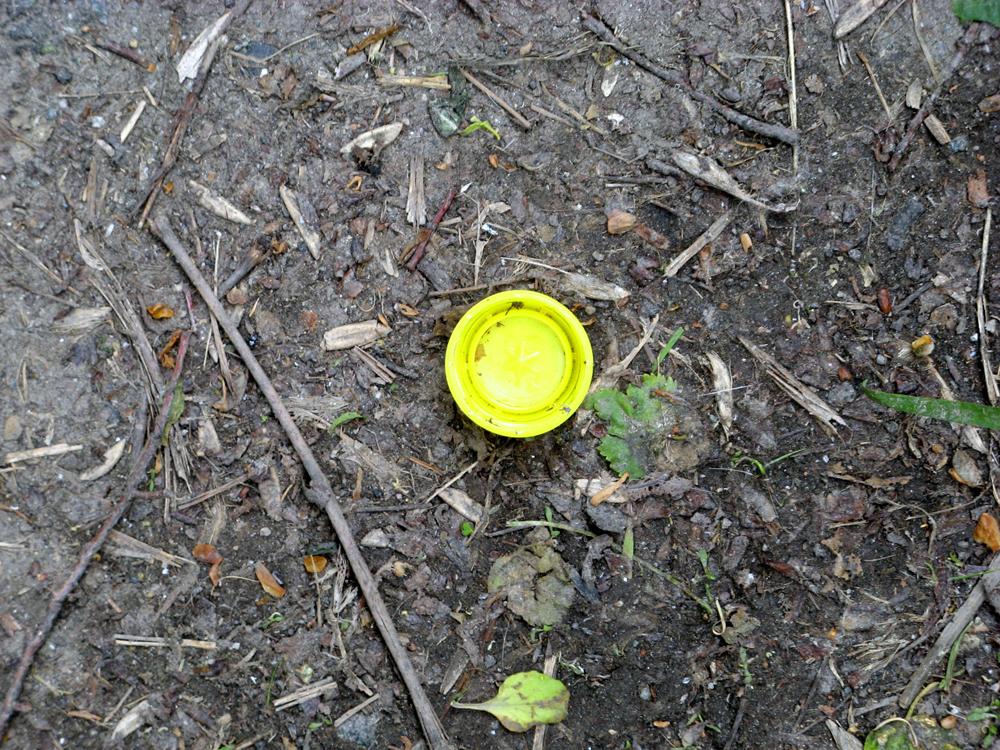
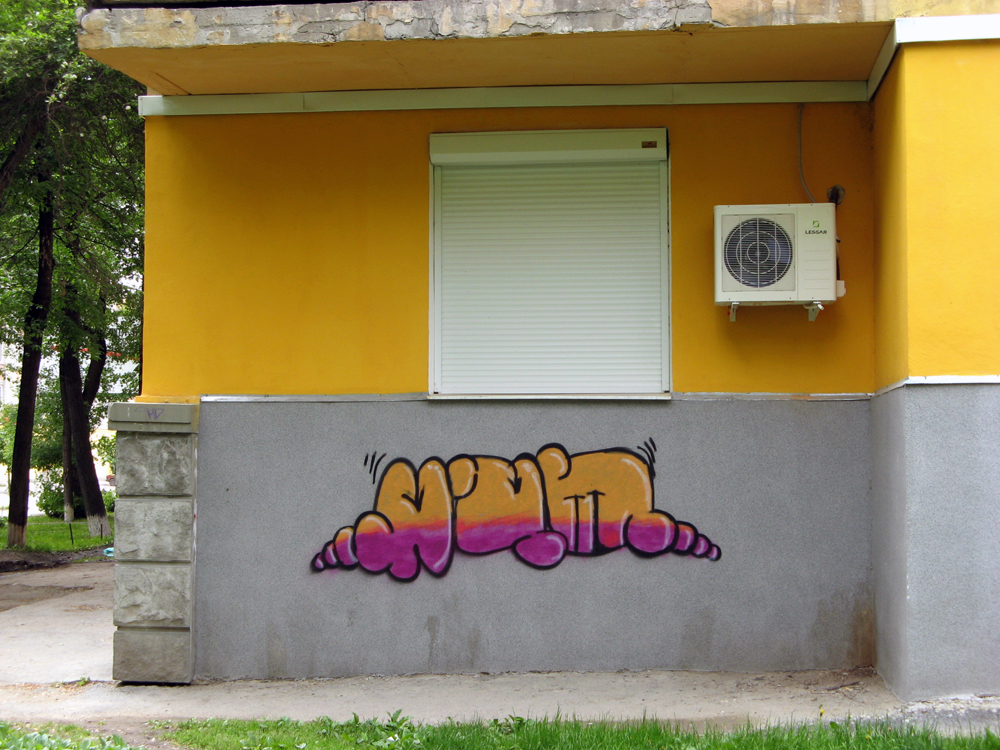
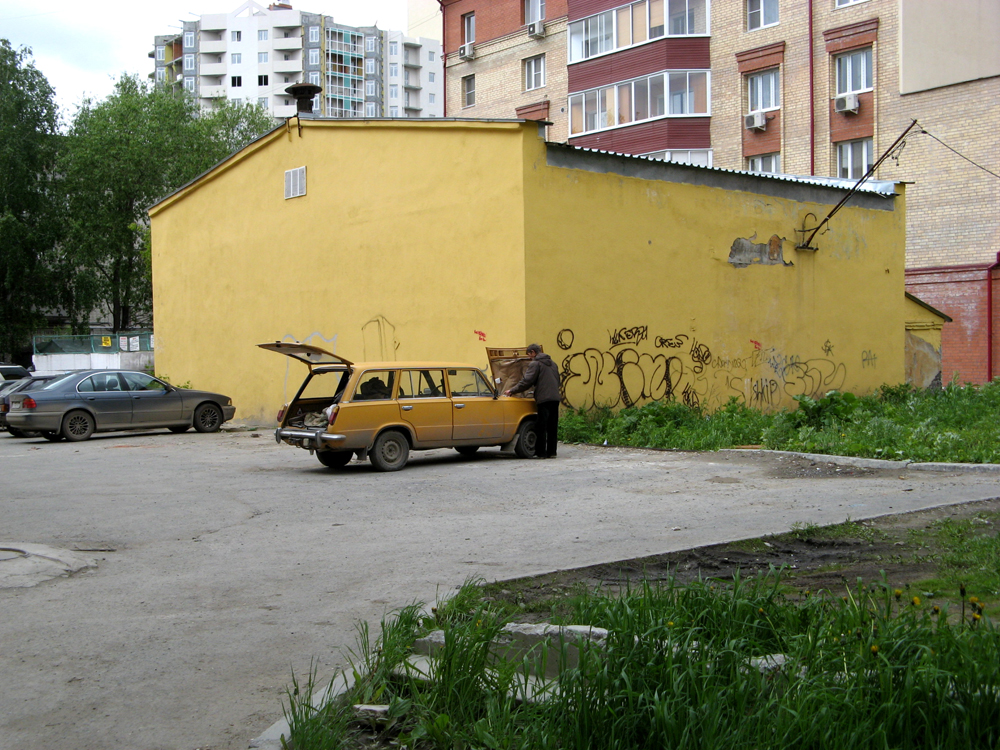
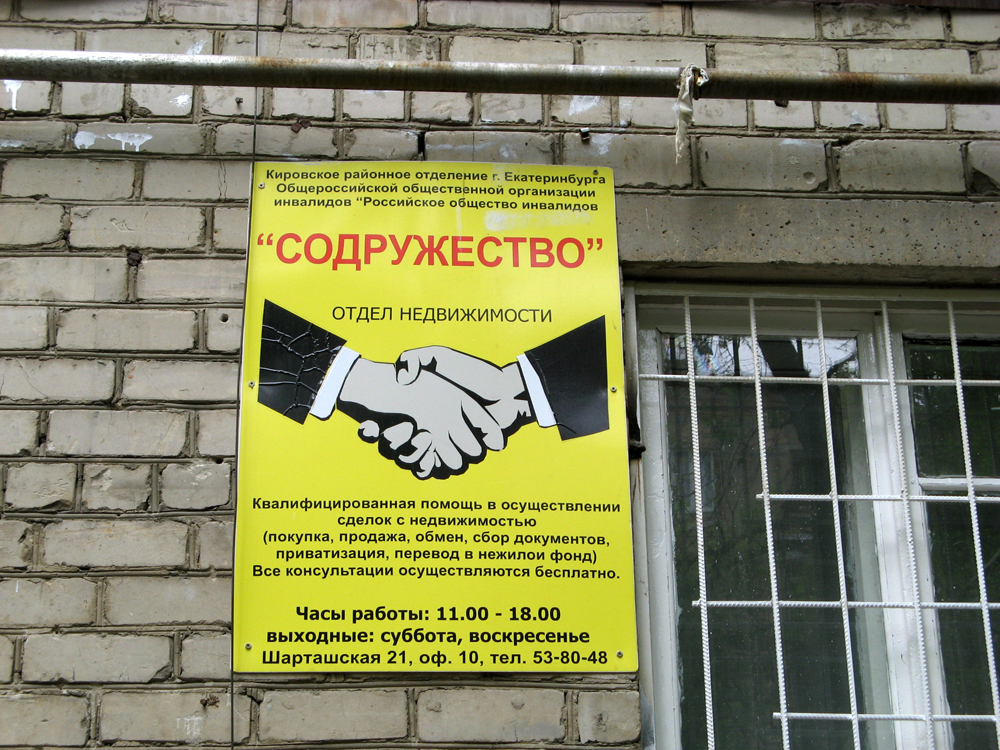
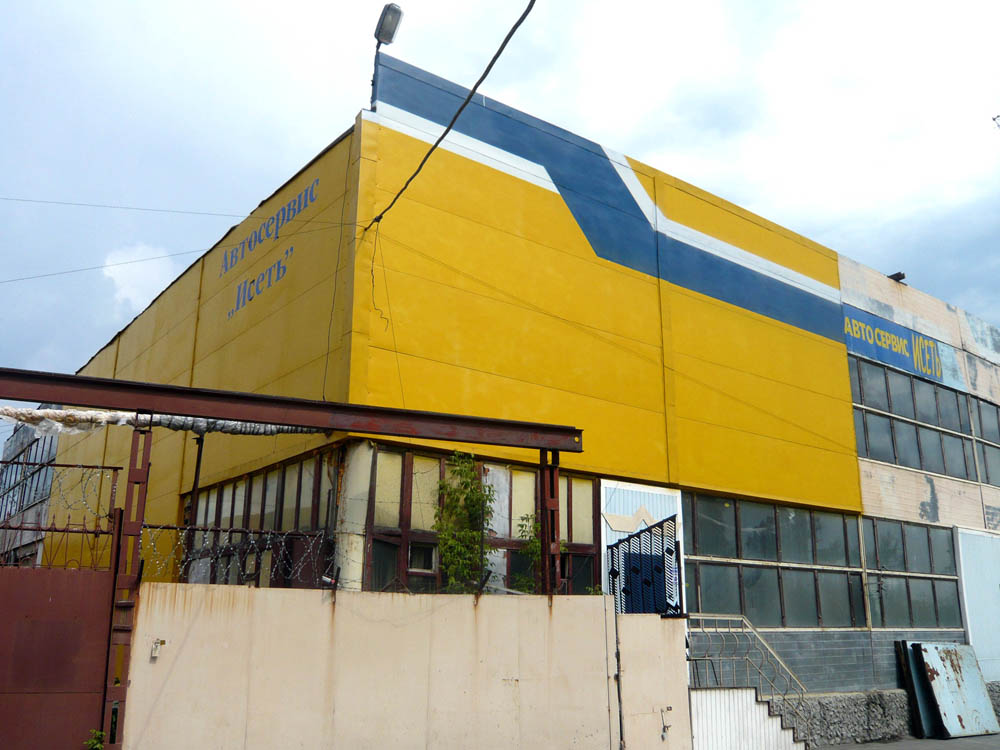
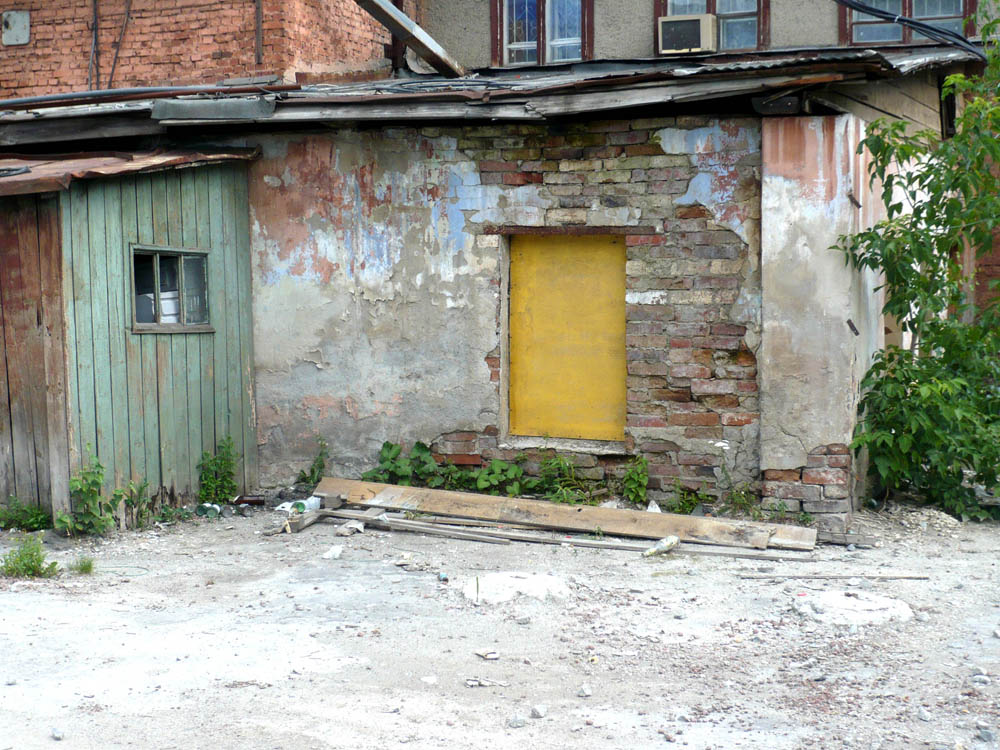
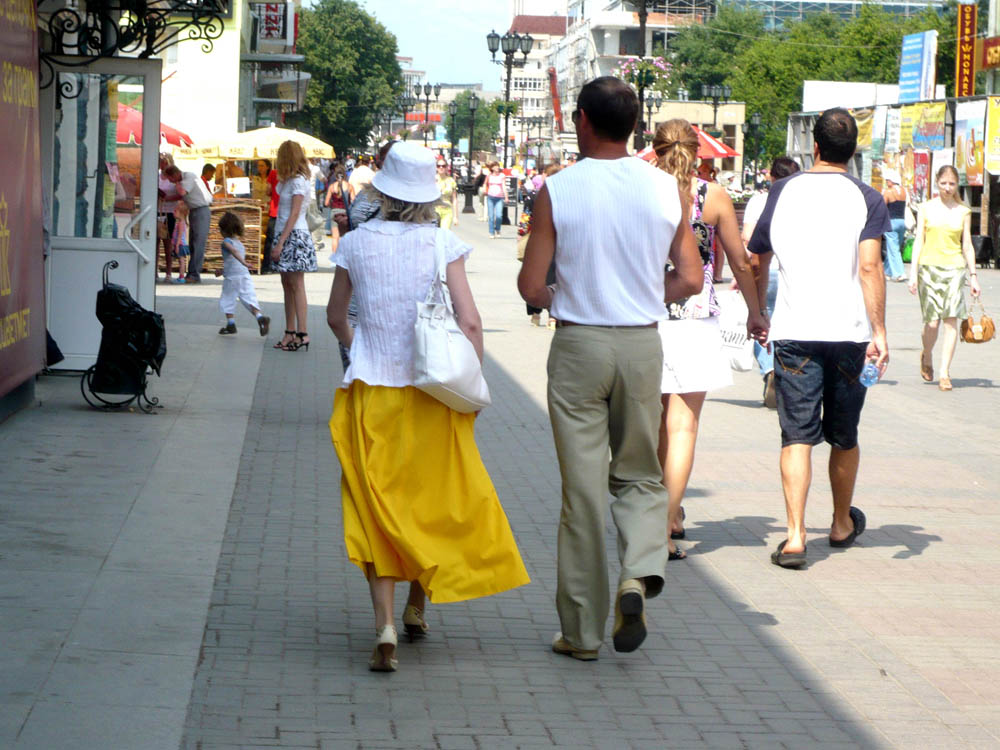
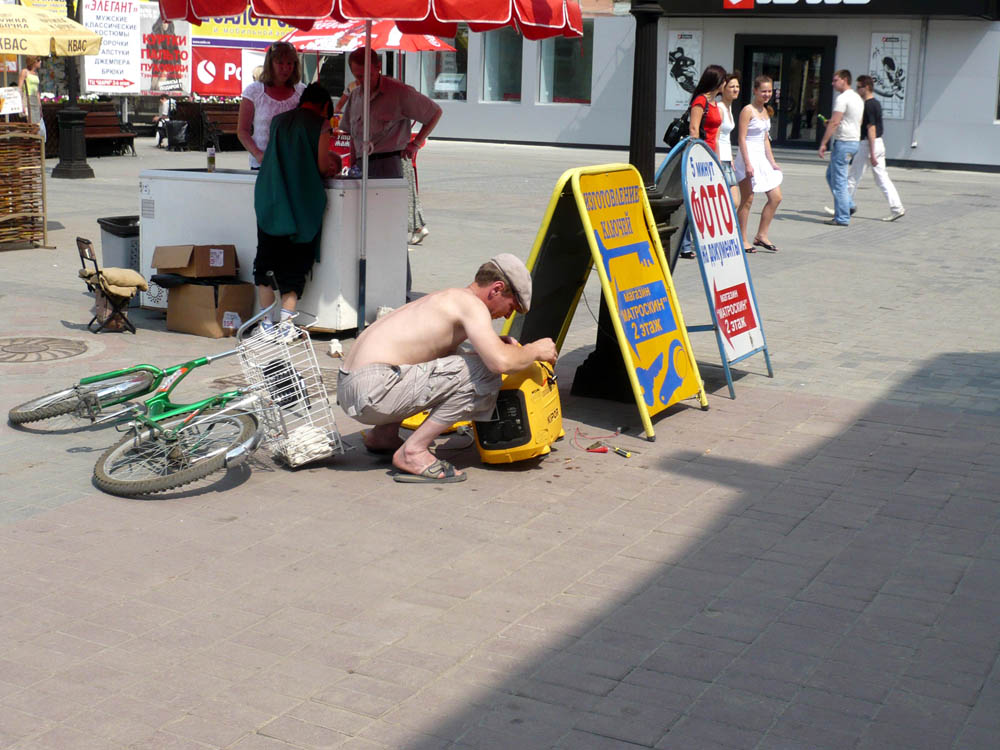
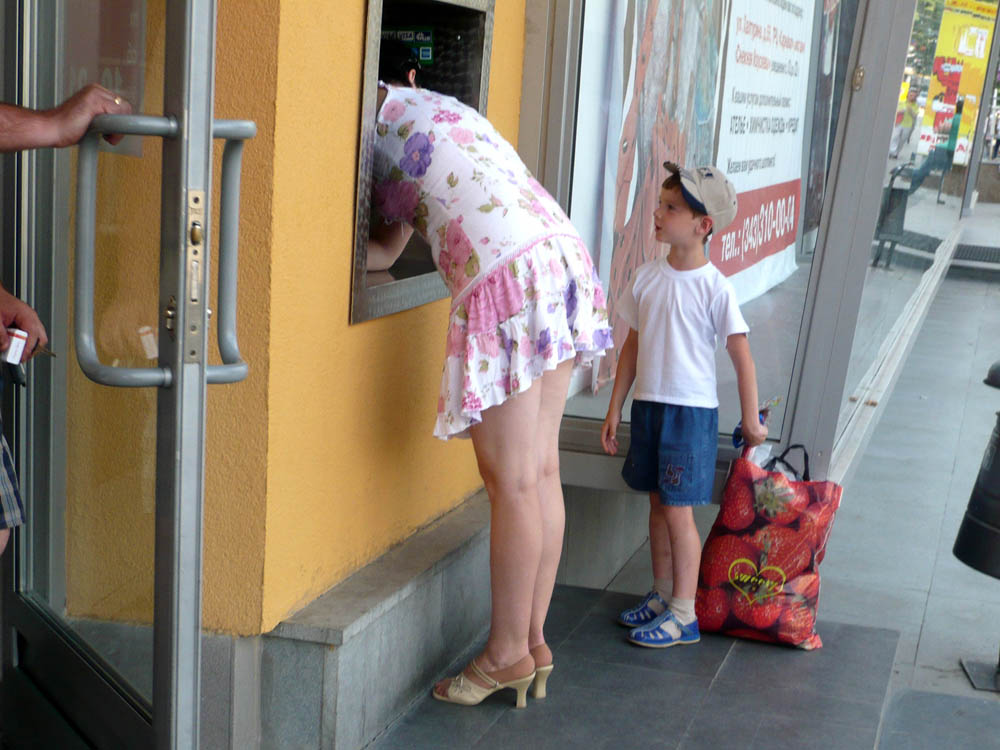
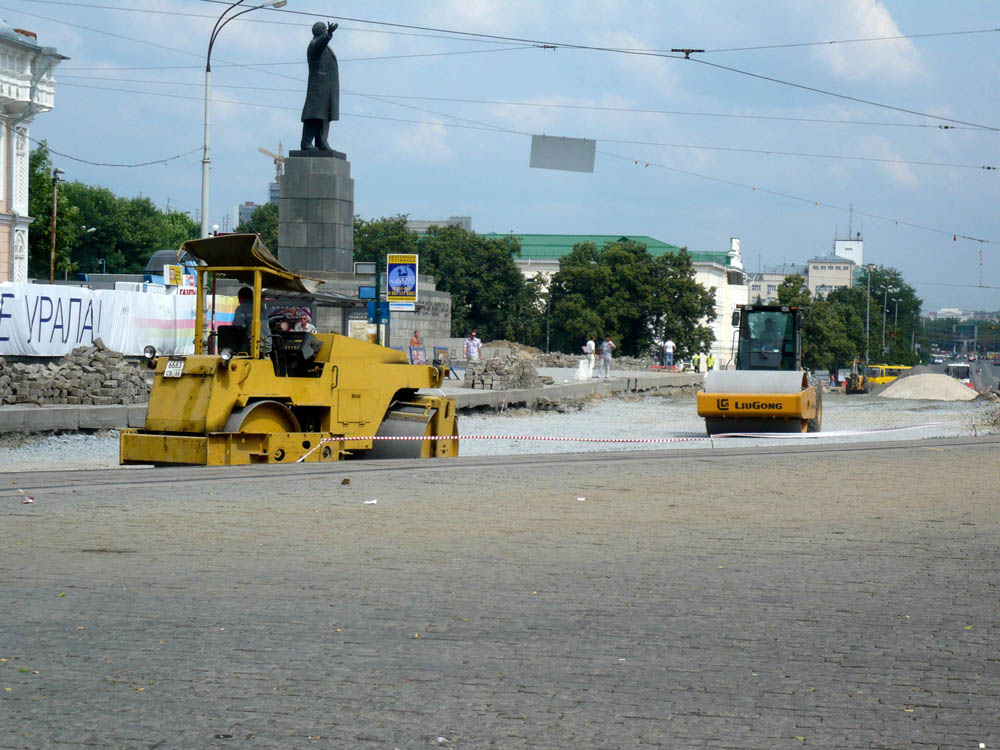
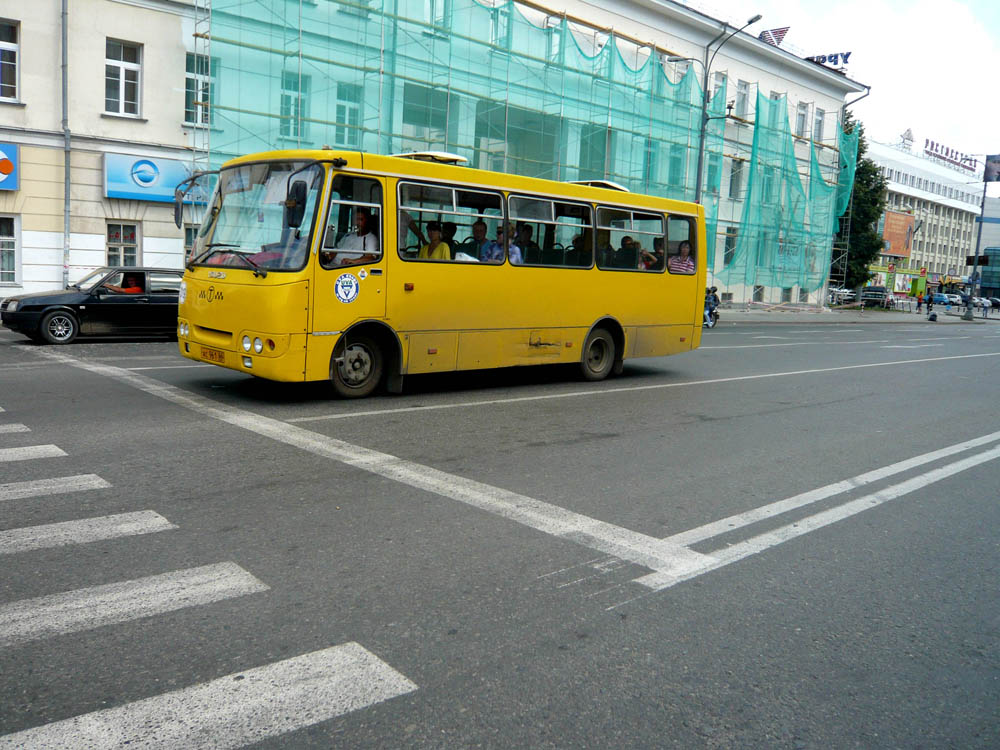
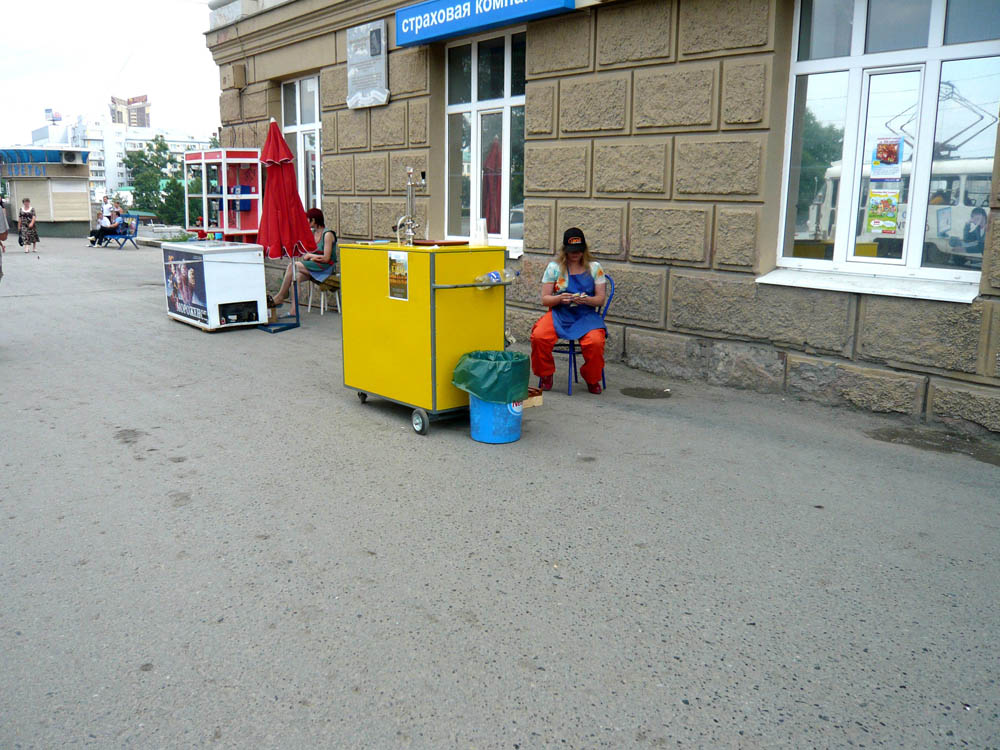
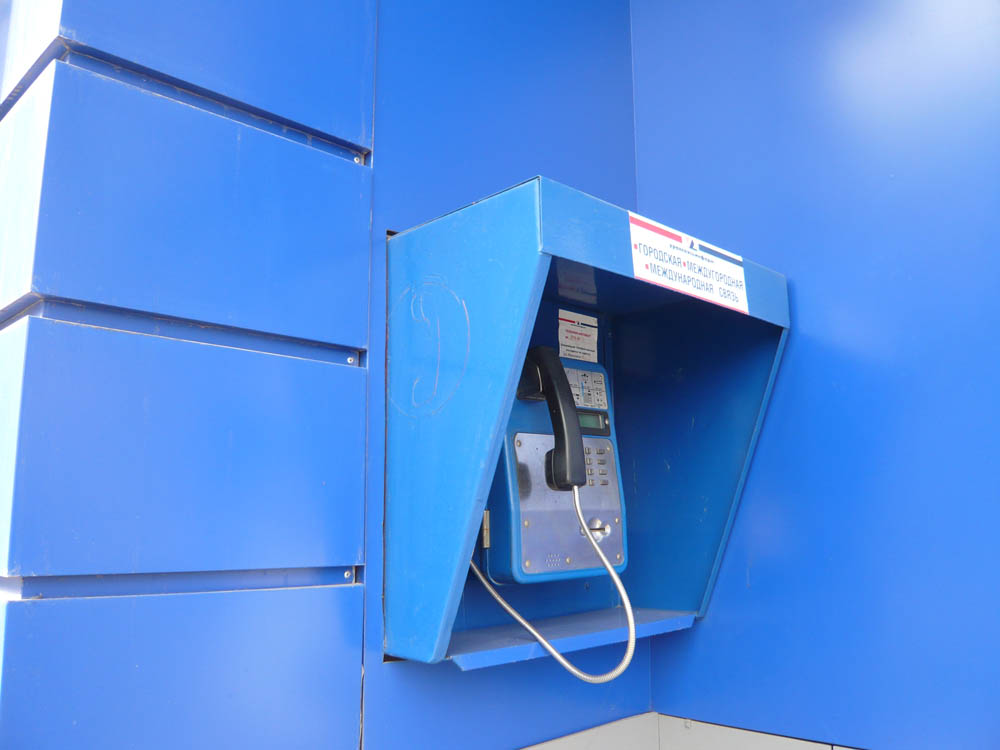
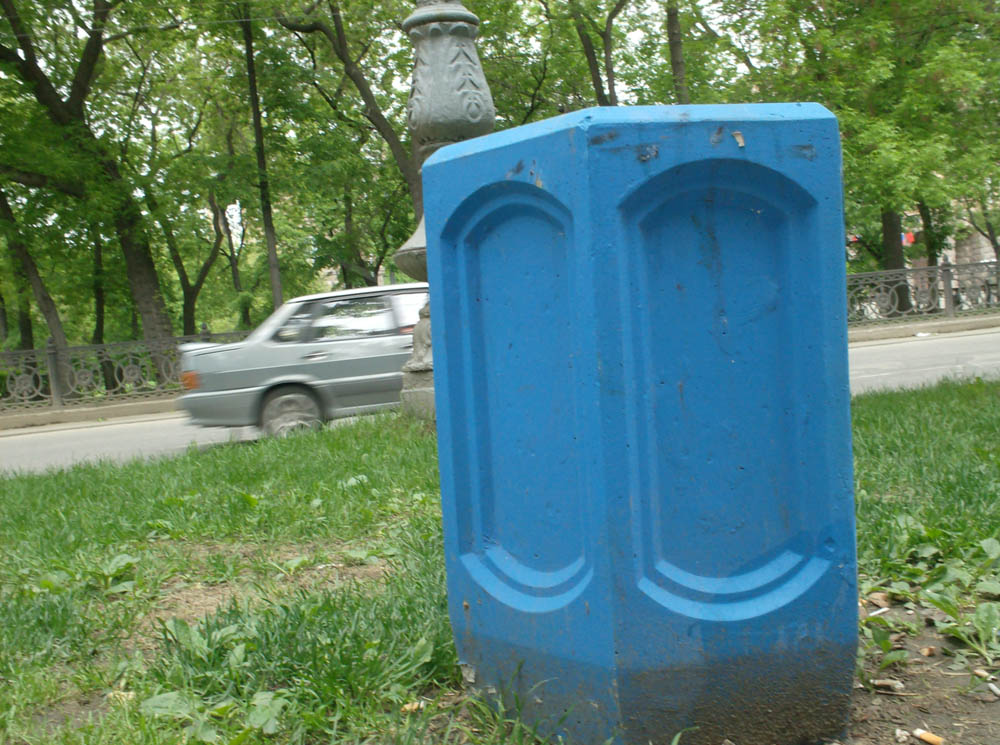
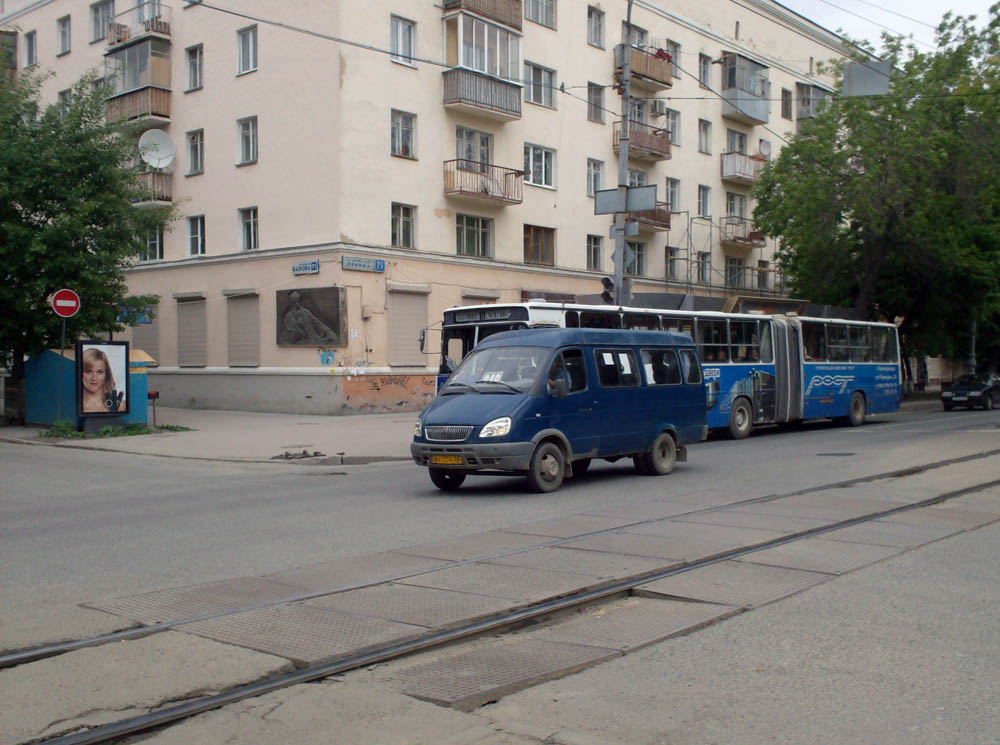
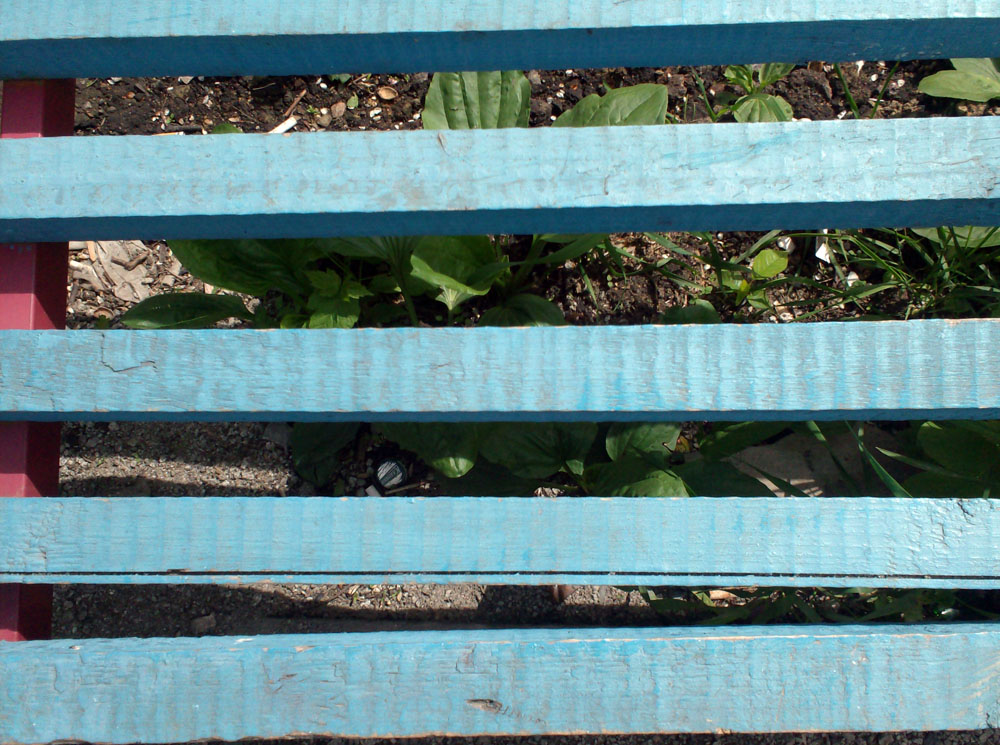
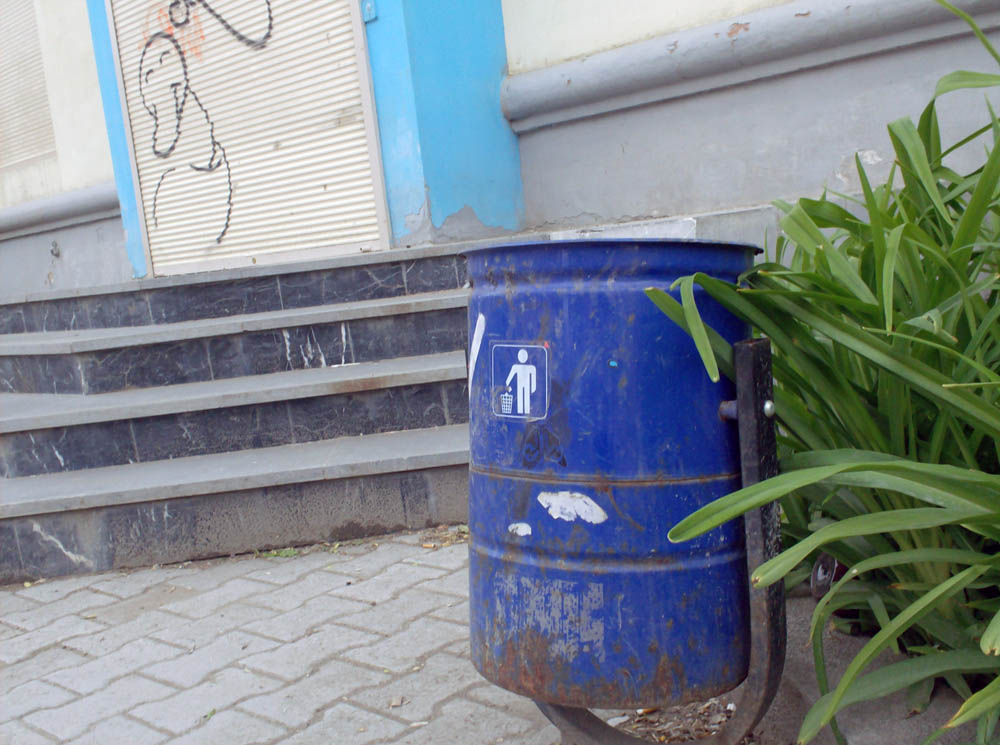
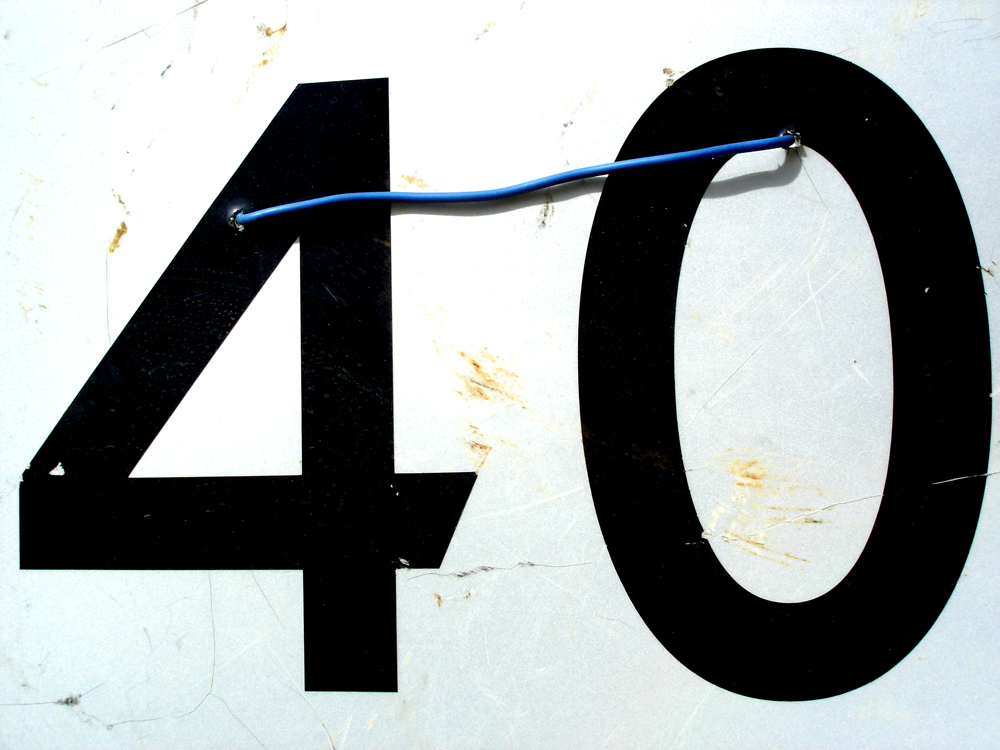
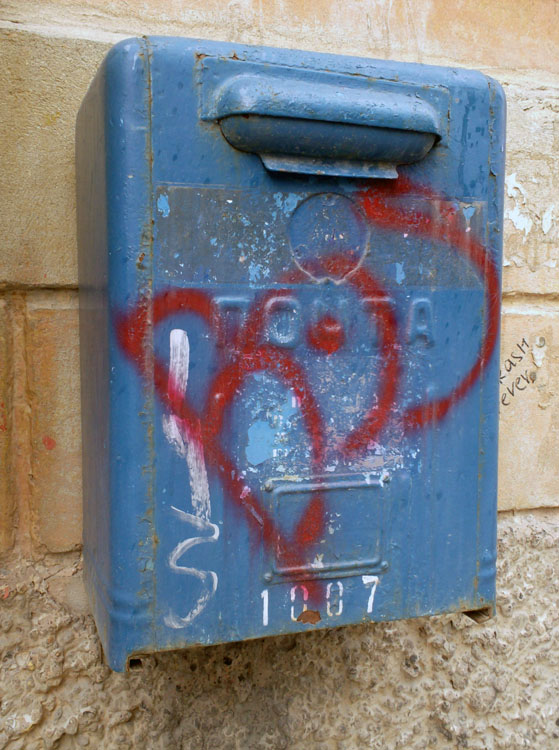
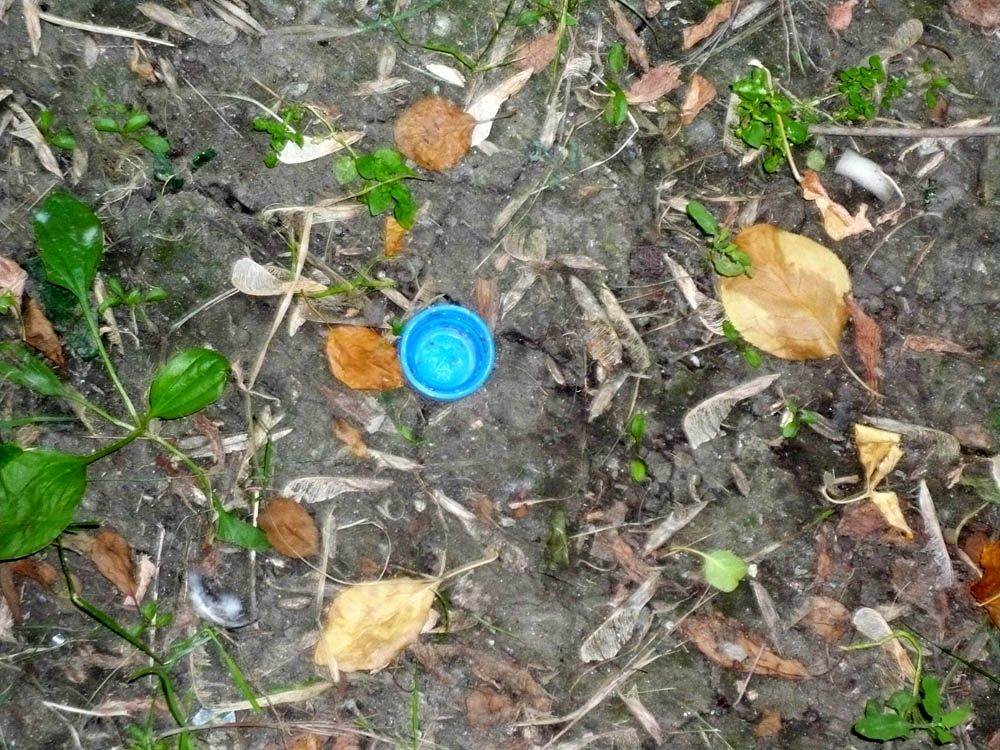
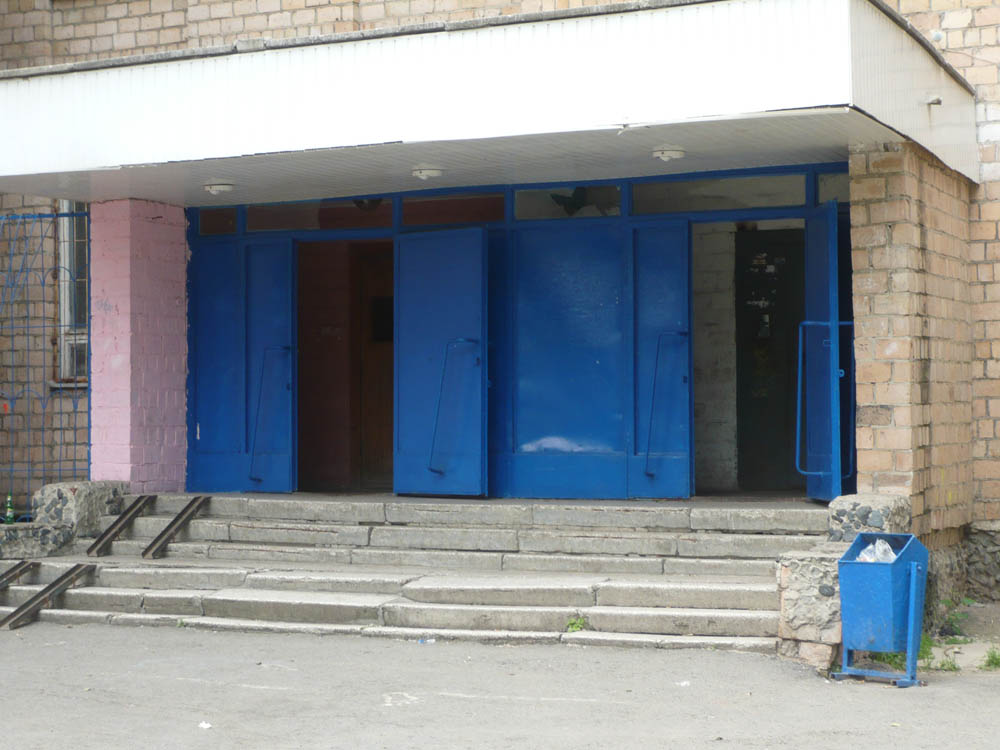
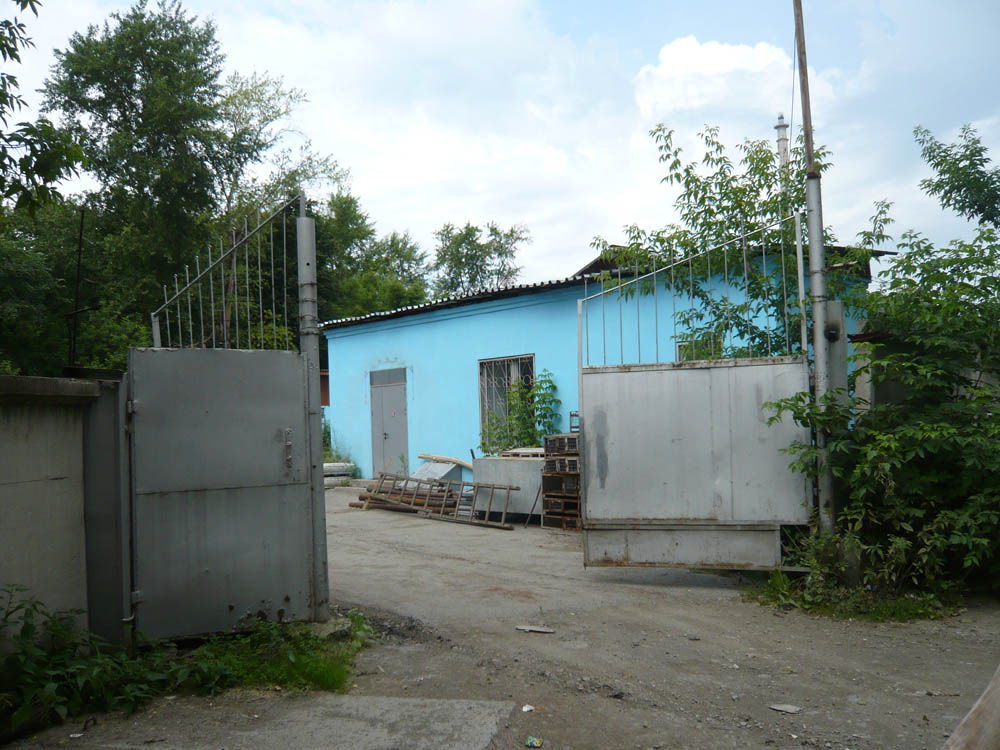
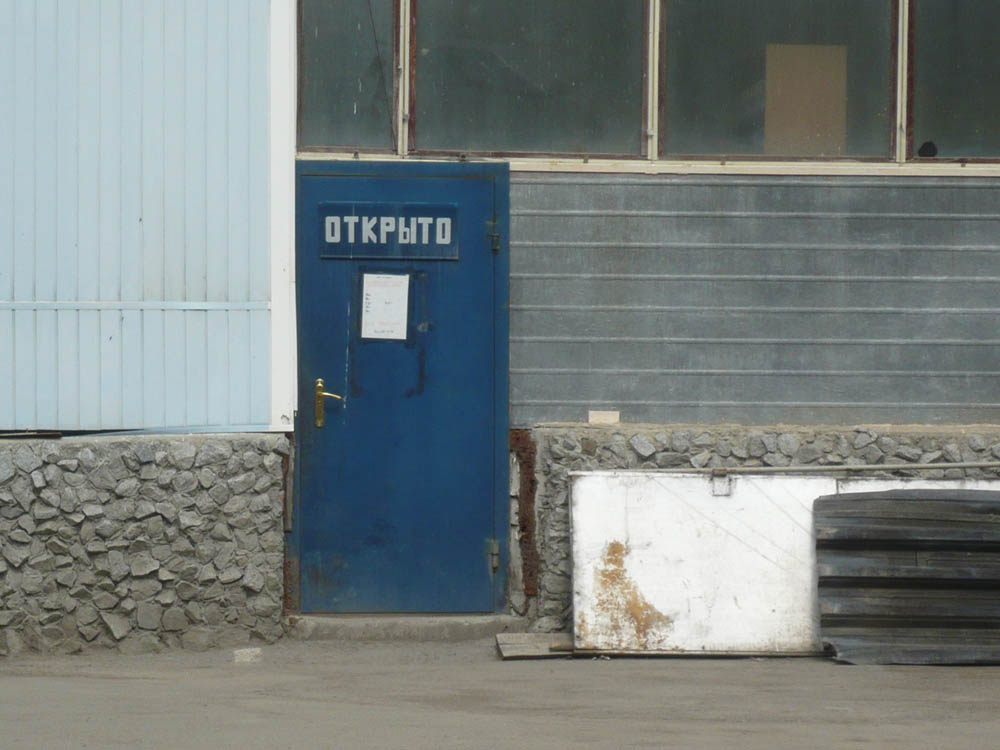
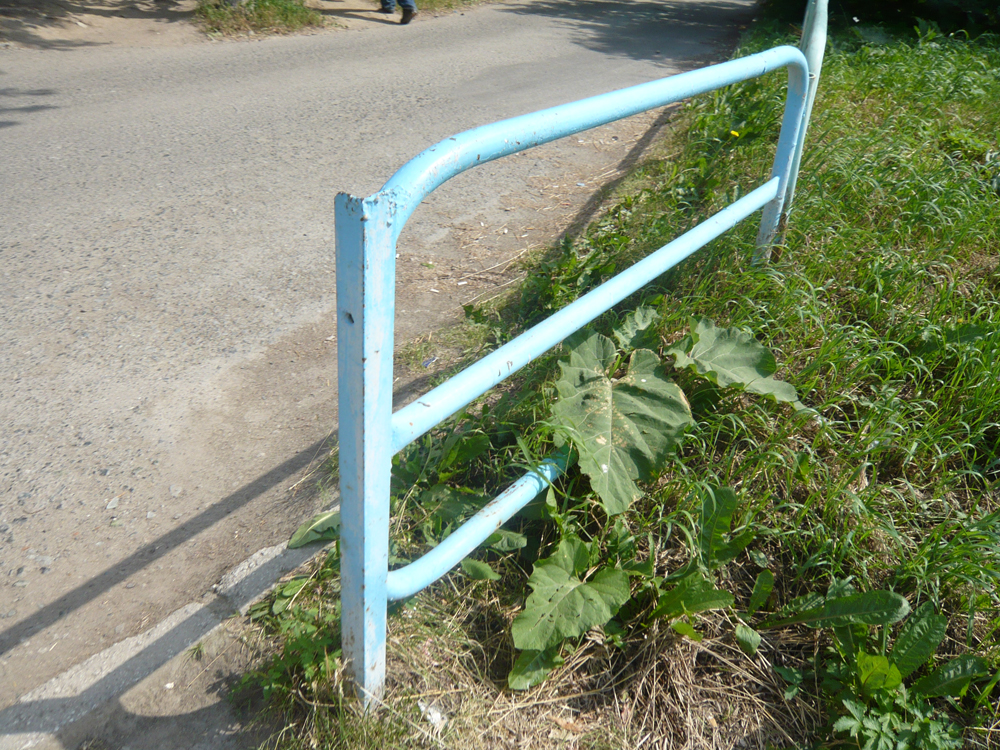
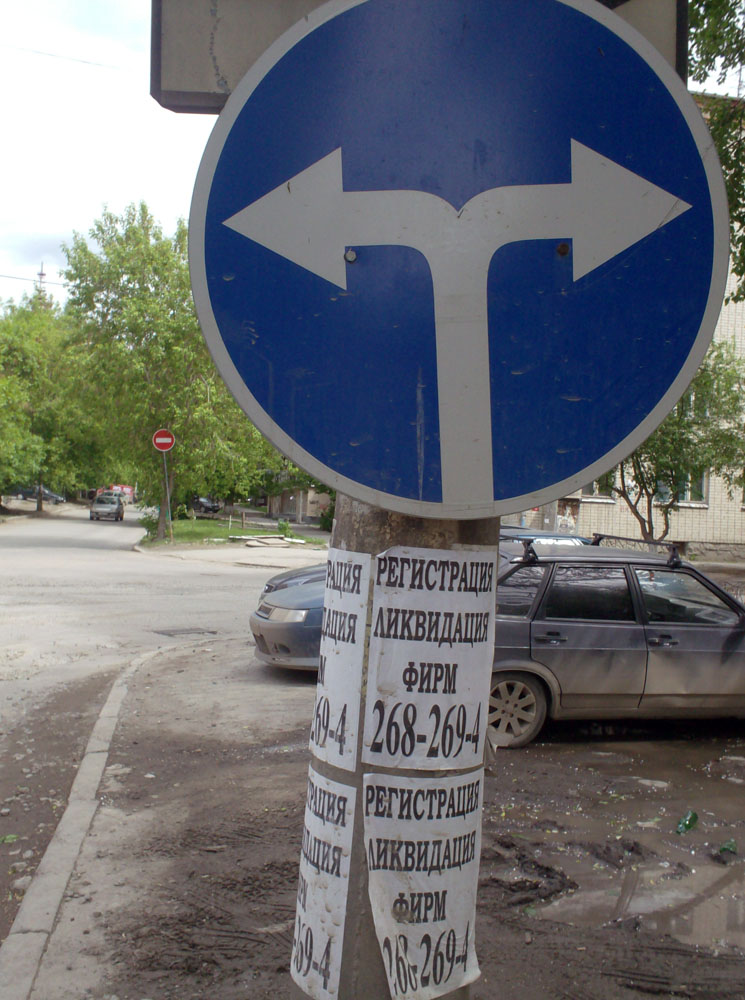
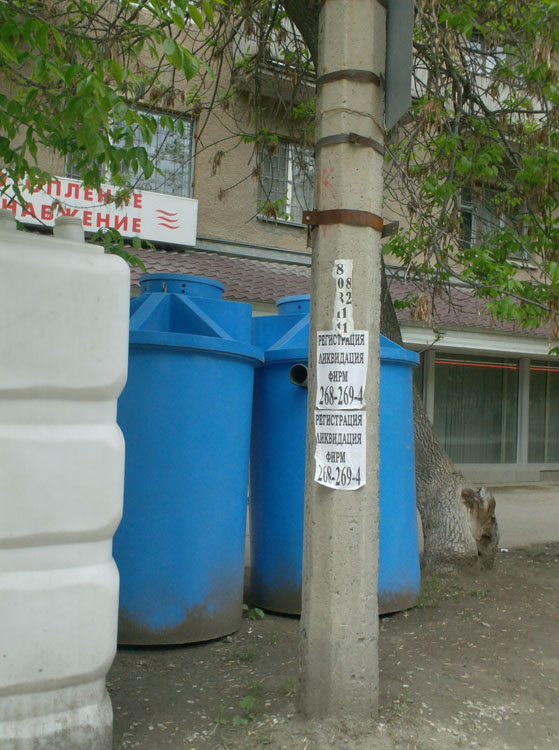
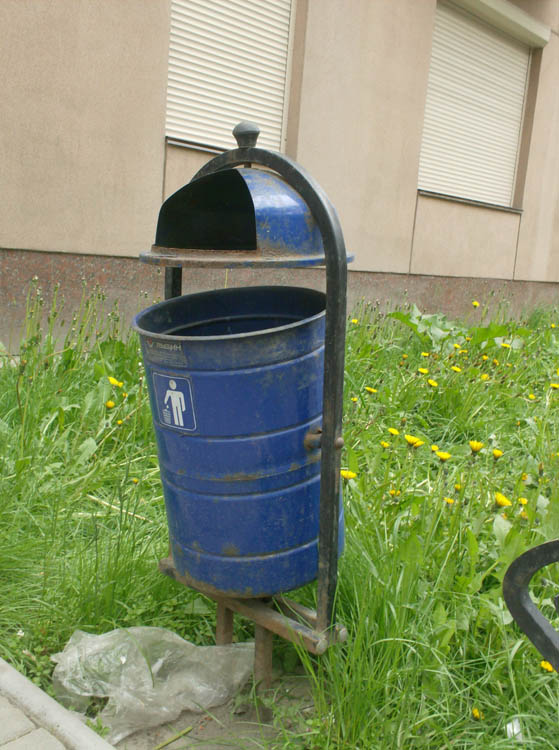
Each participant of the photo marathon chose a color and set out to hunt it on the streets of the city.
A one-day photo marathon across Yekaterinburg invited participants to follow a shared route while each pursued a personal color through the city’s streets. Walking together yet apart, they searched for shades of their chosen hue until the city itself turned into a living palette.
Hunters: Elena Gladysheva, Viktor Oborotistov, Vladimir Romanov, Dmitry Razhev, Marina Razheva.
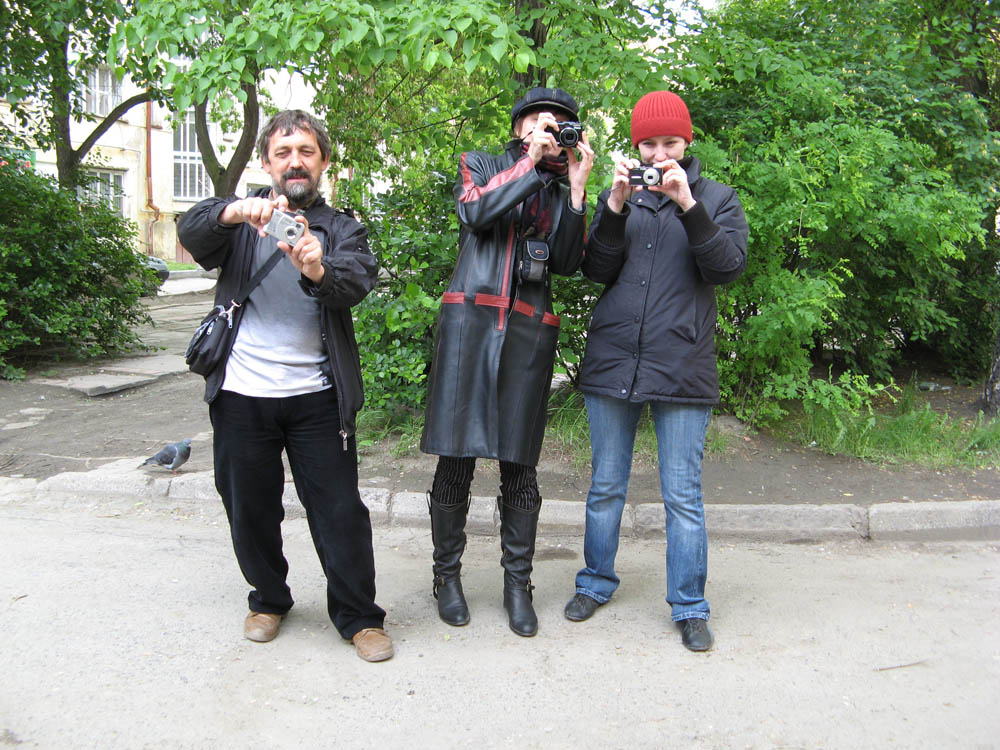
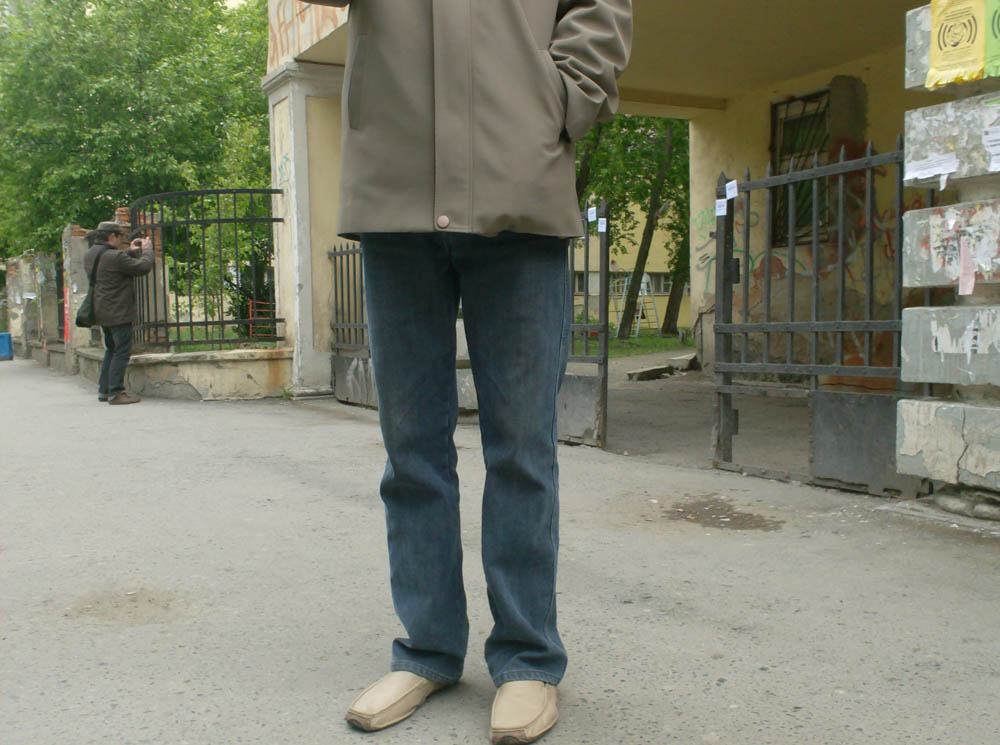
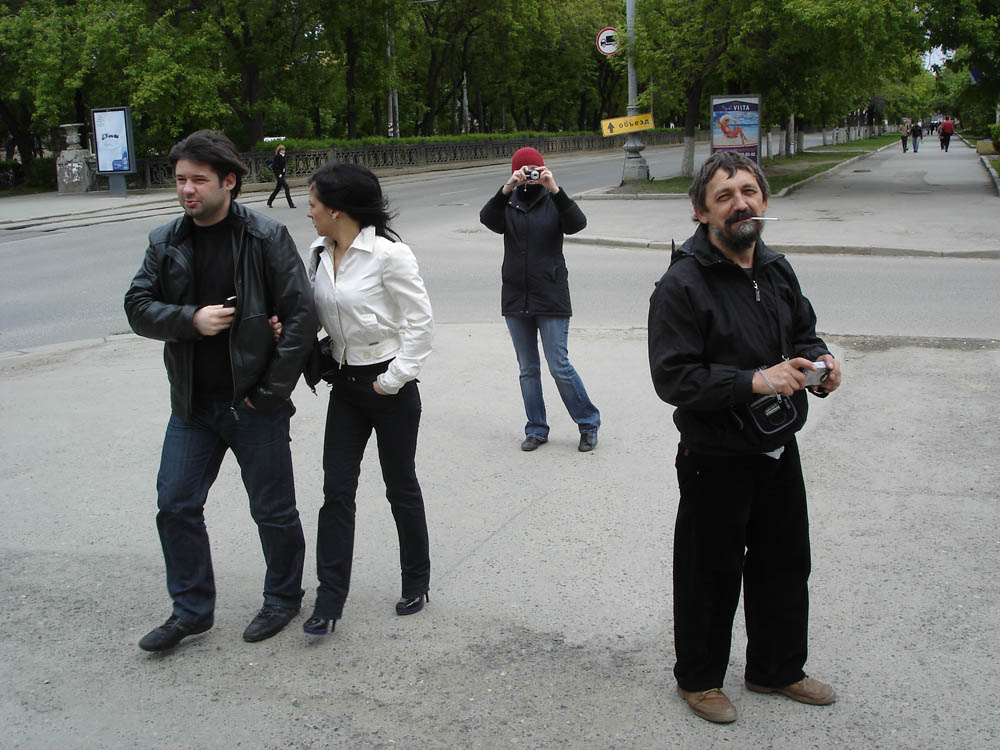
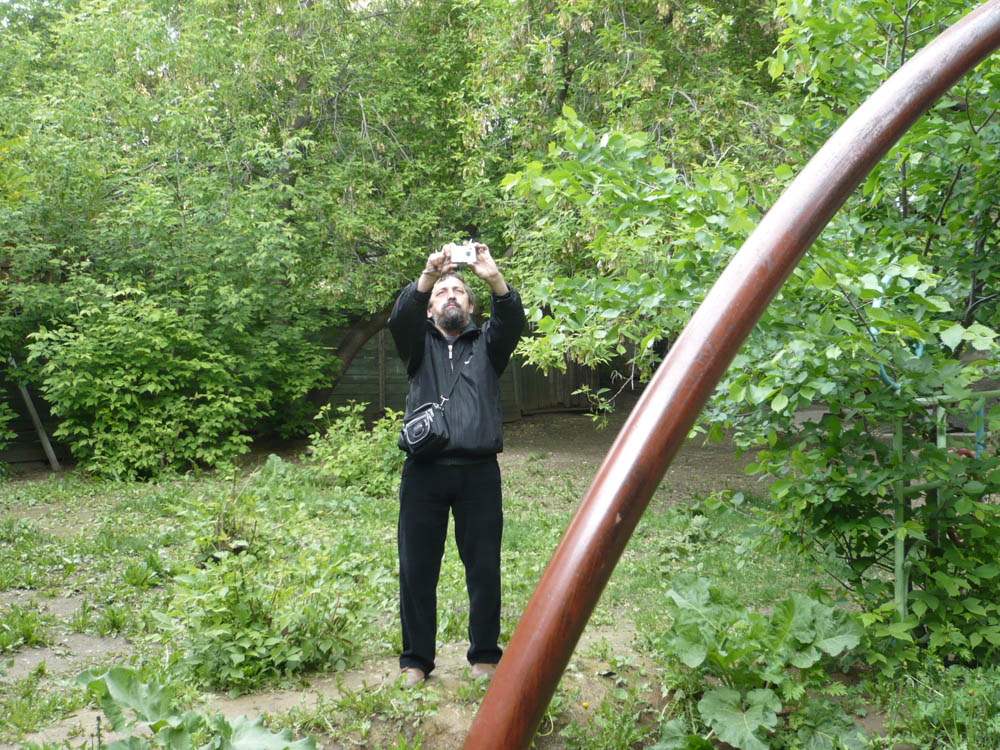
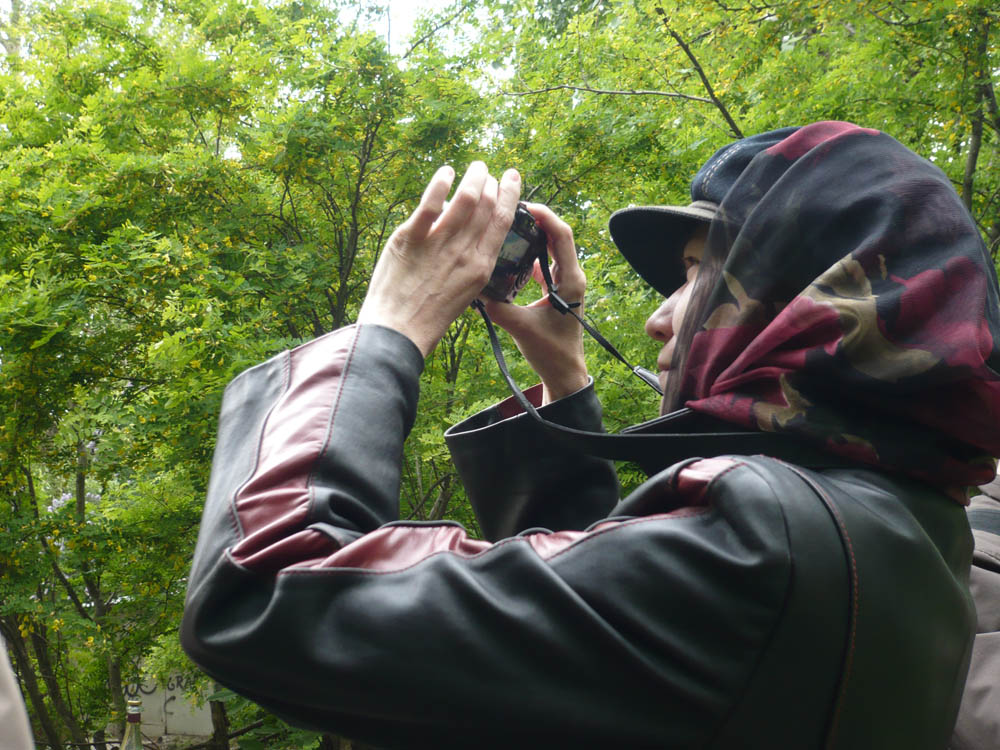
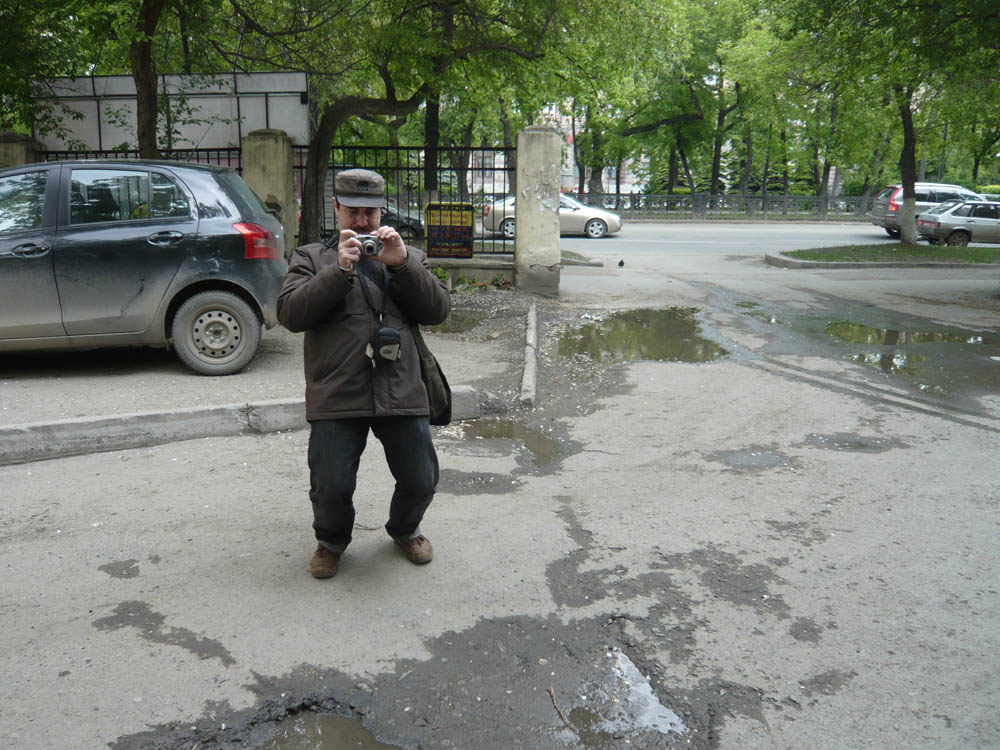
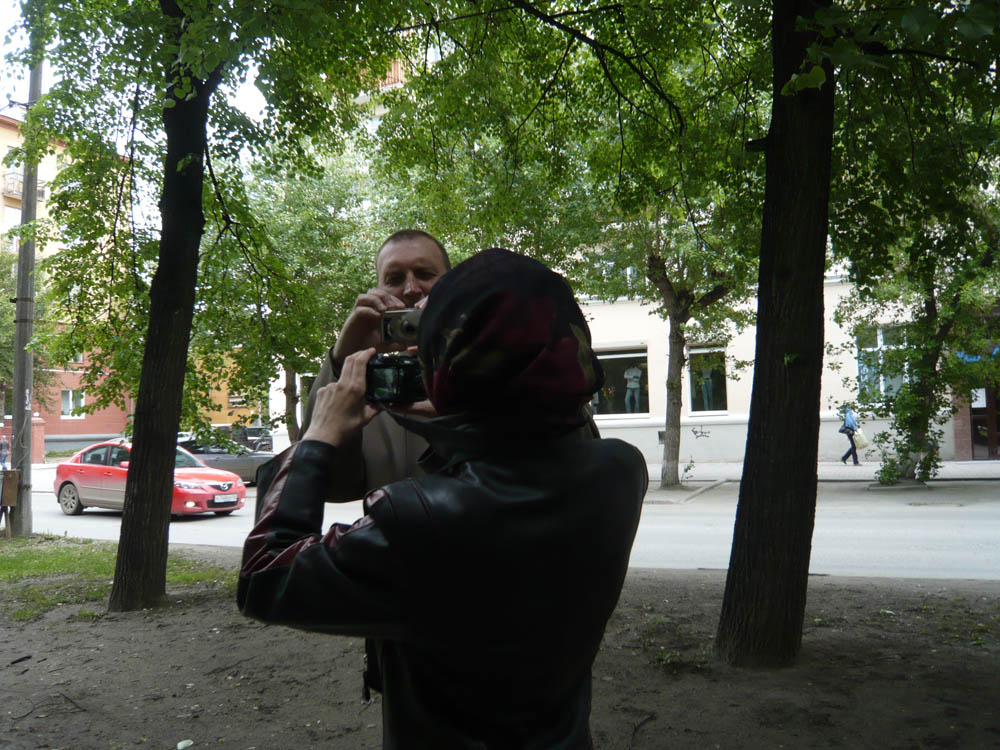
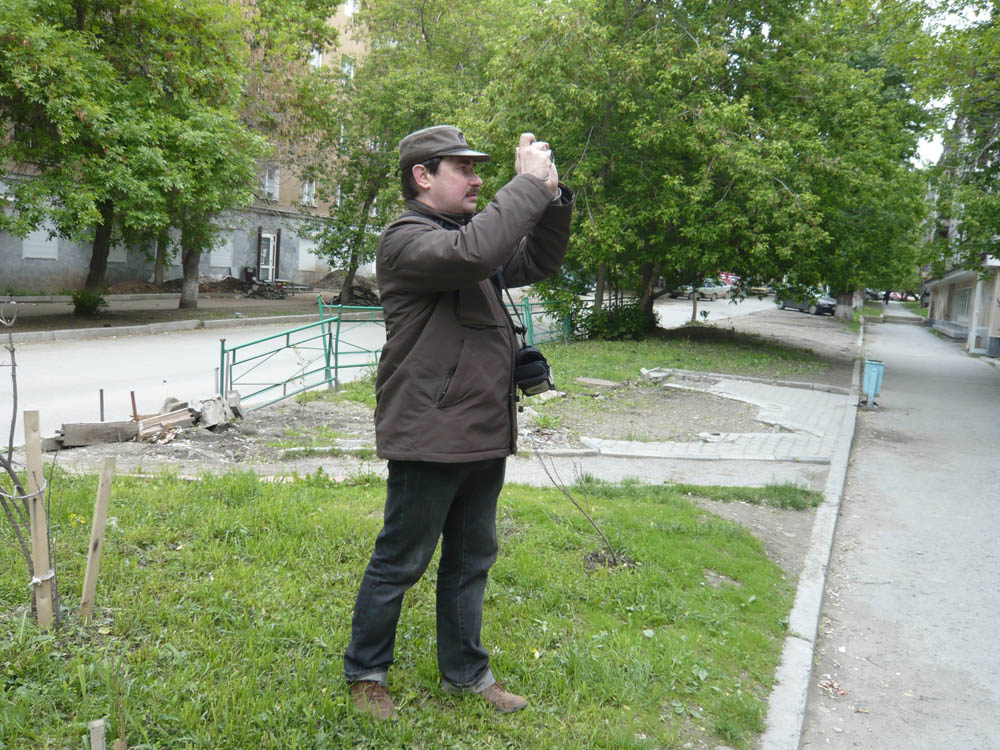
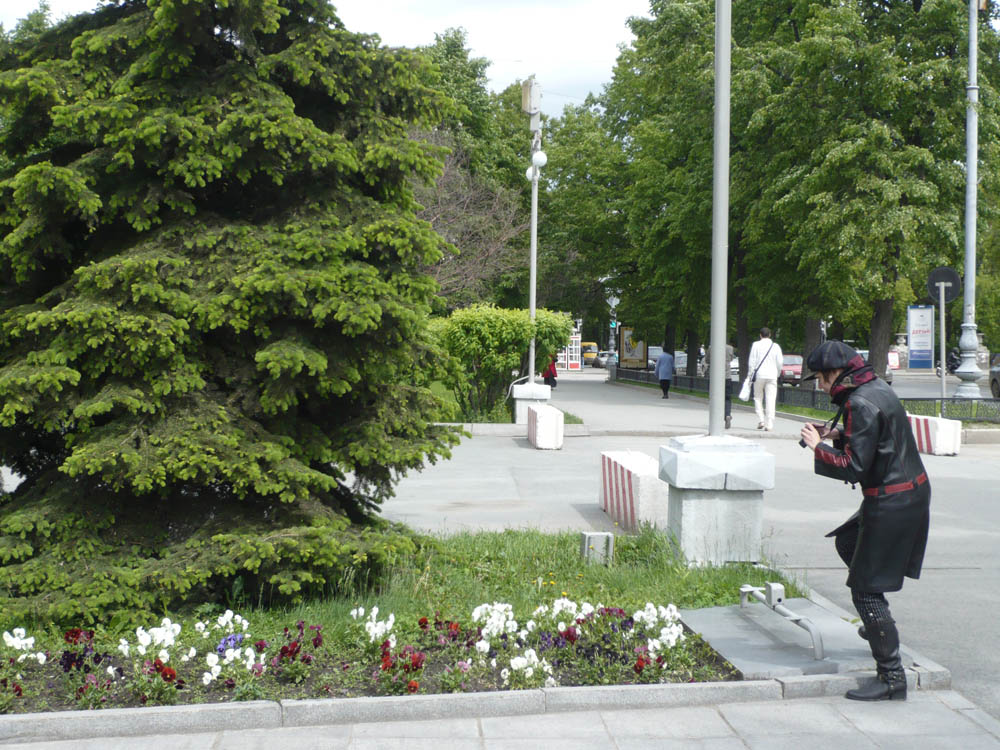
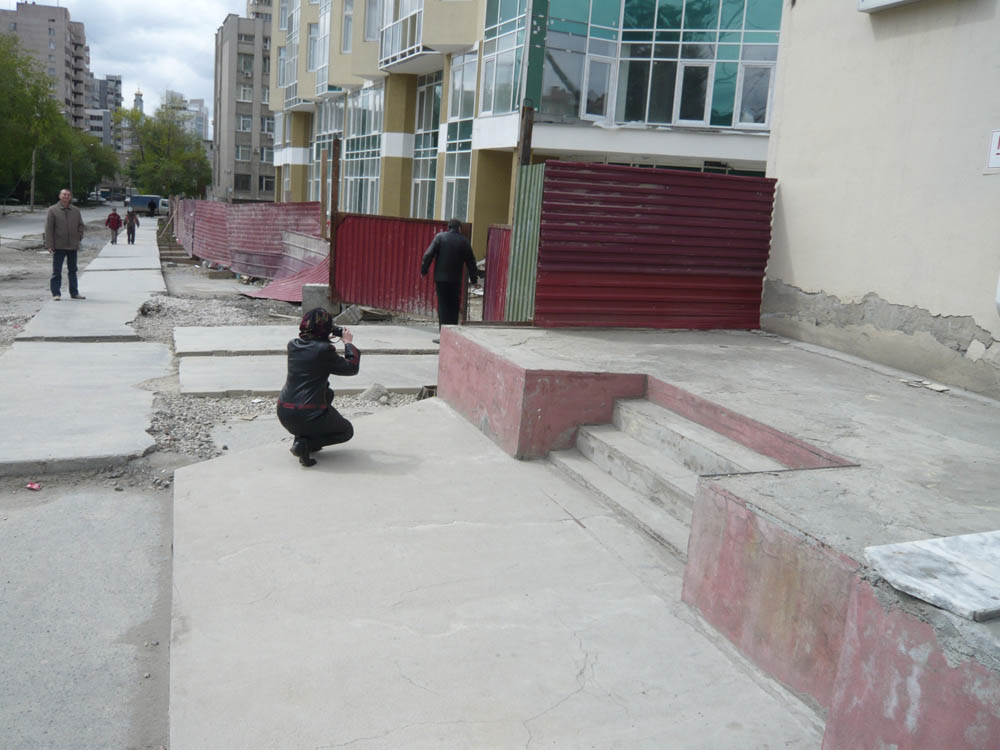
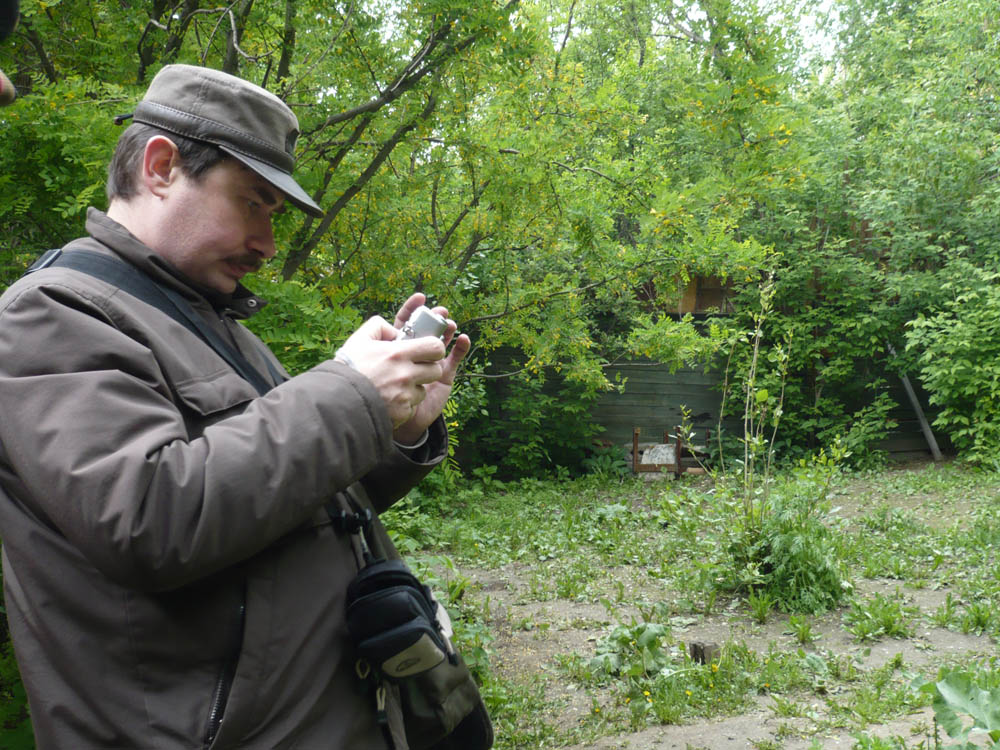
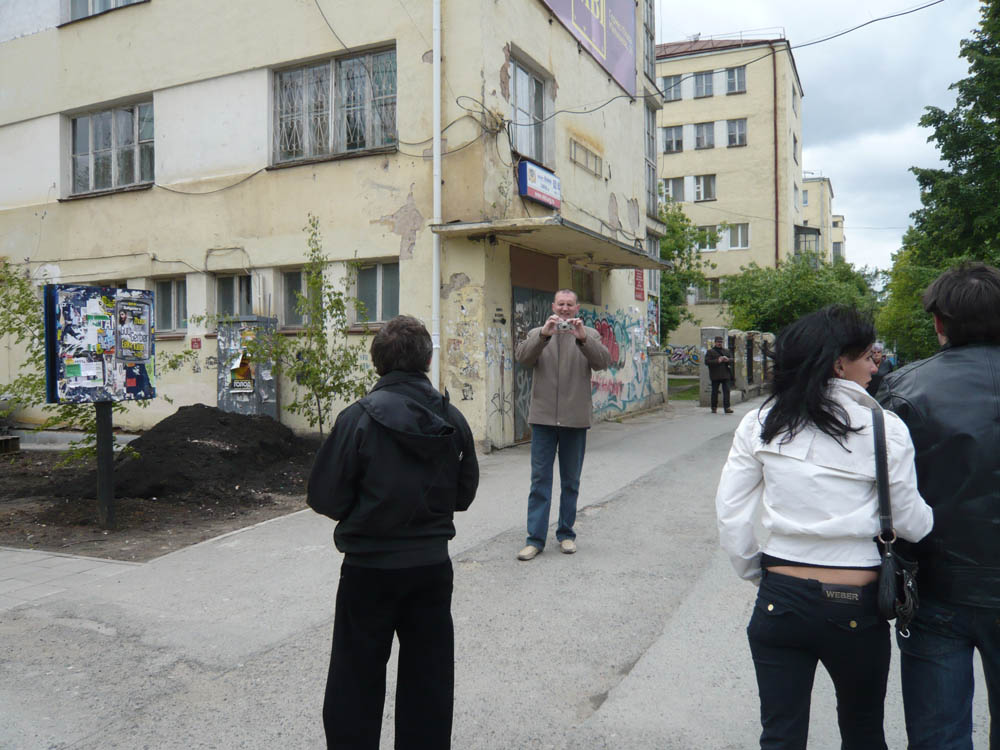
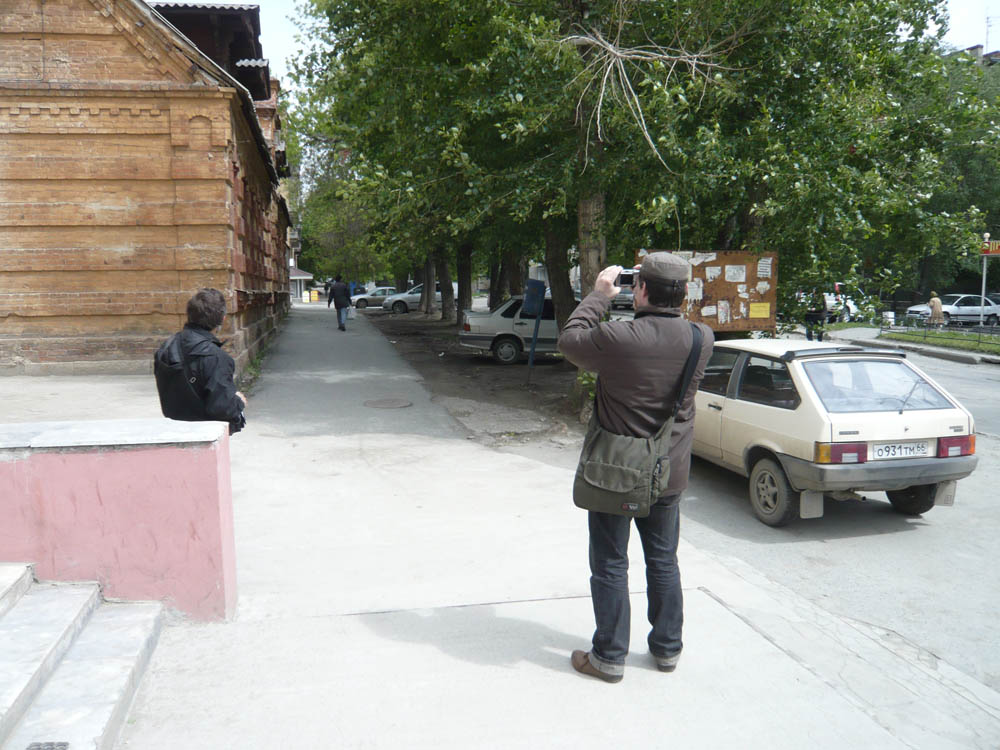
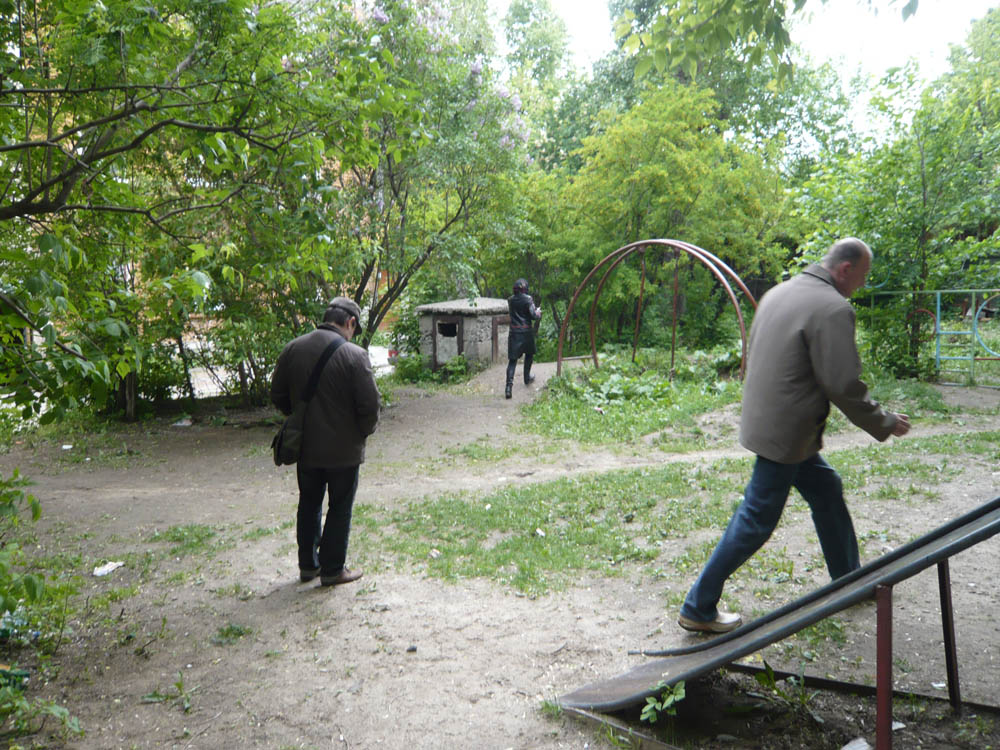
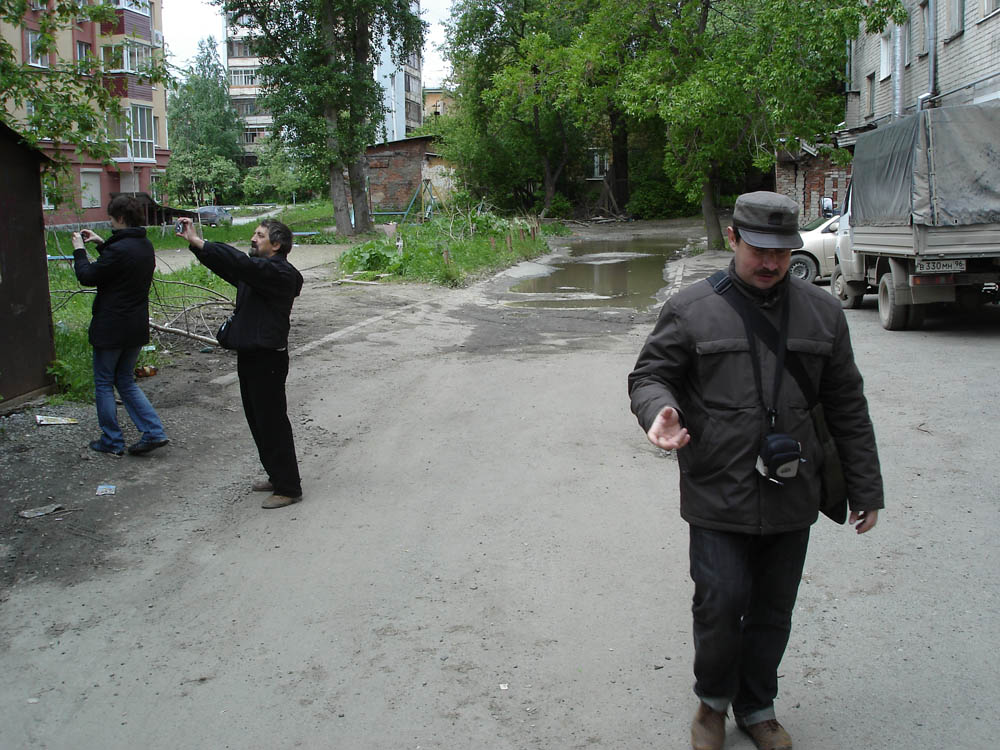
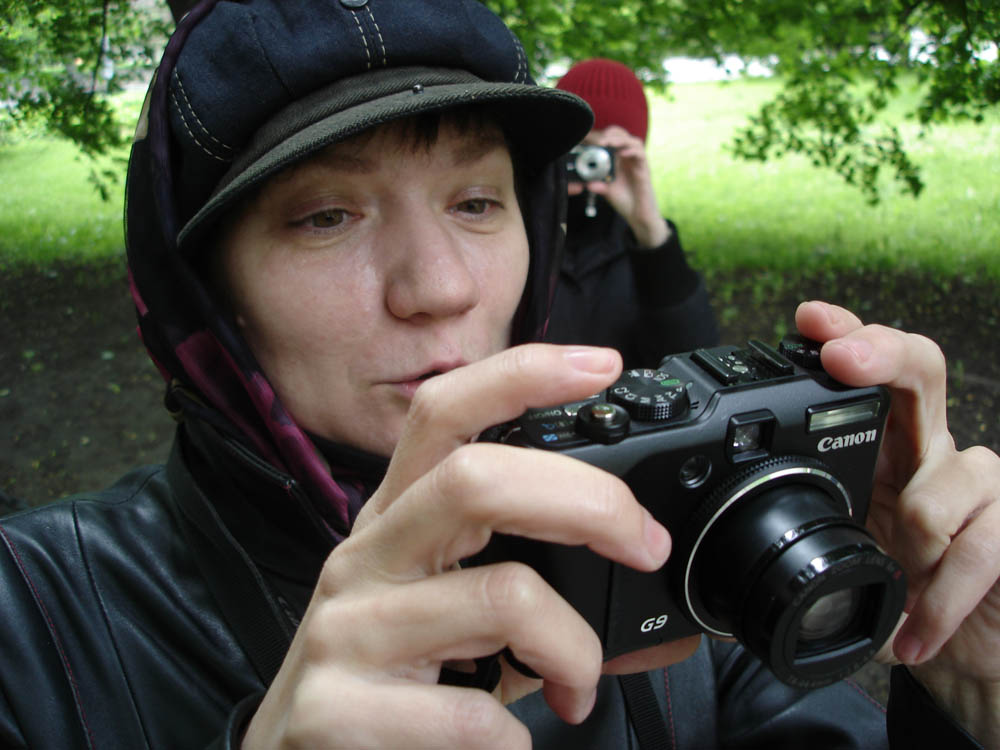
Captured trophies:
Black / White
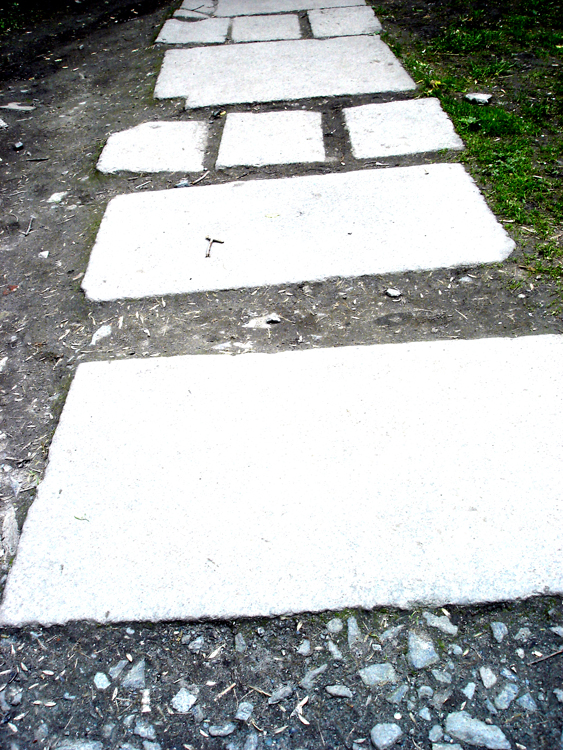
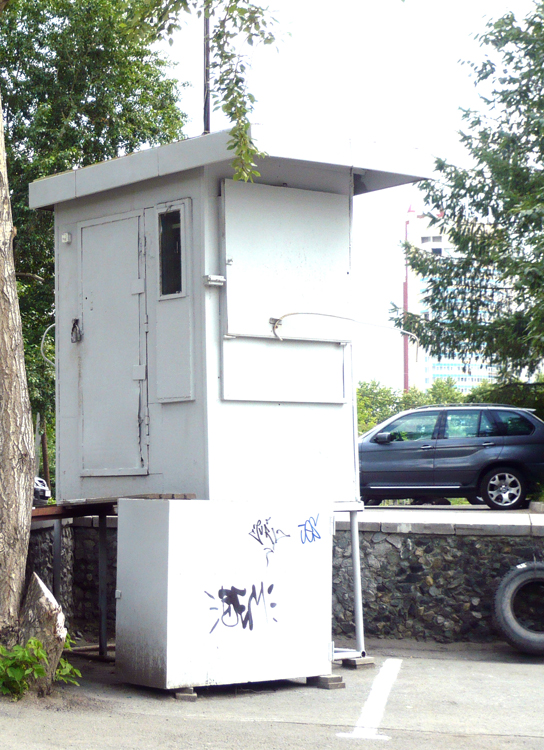

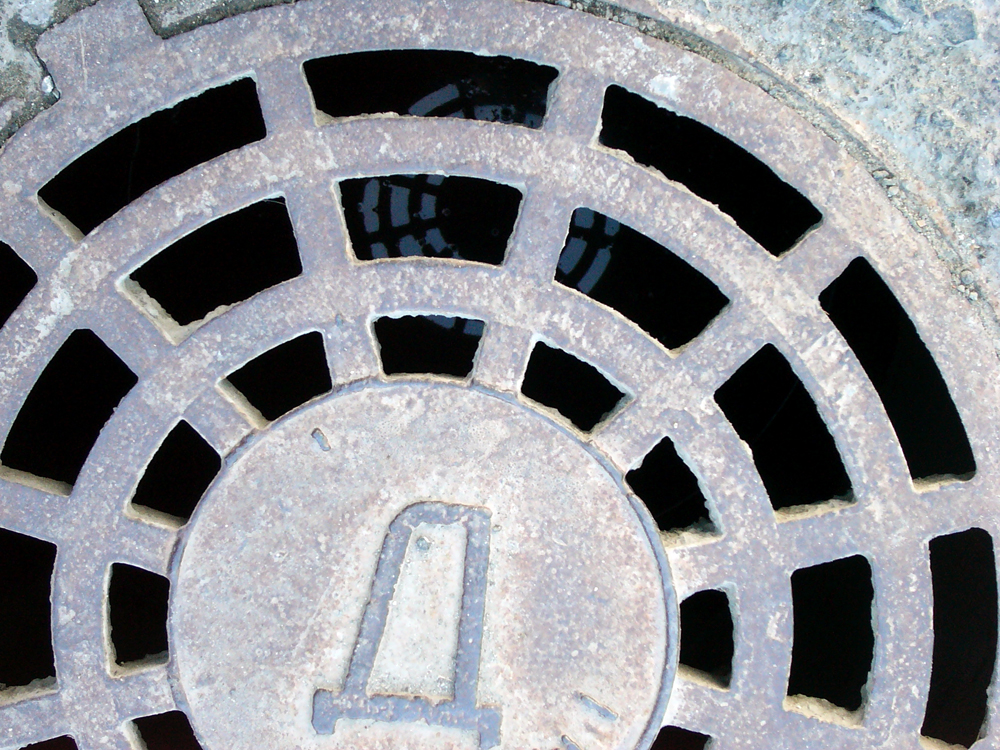
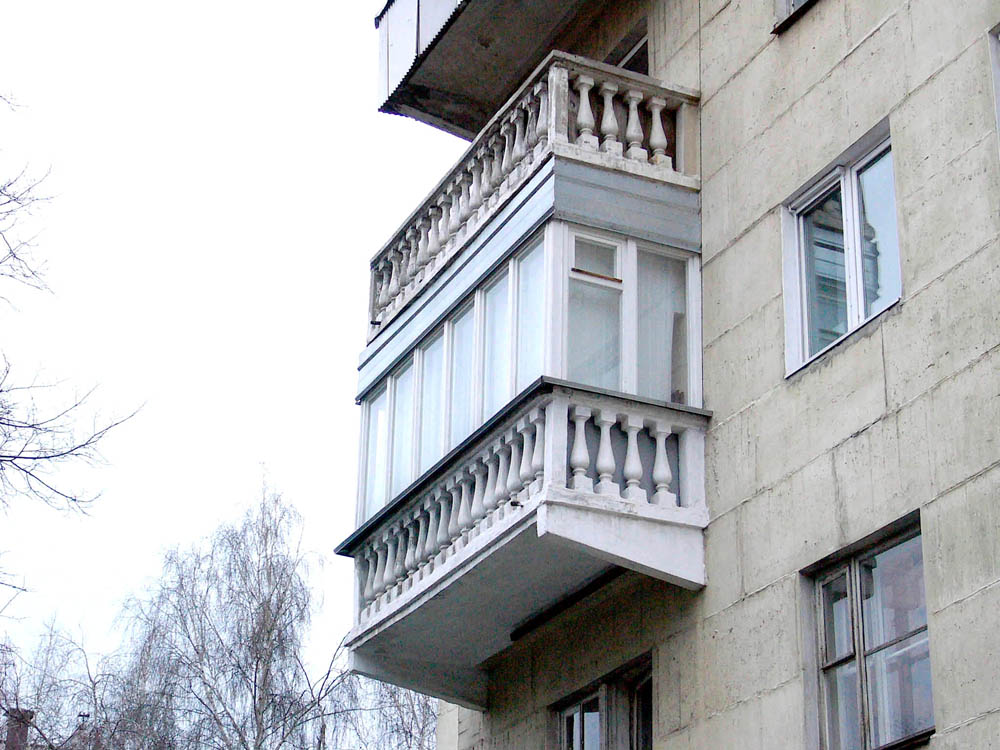

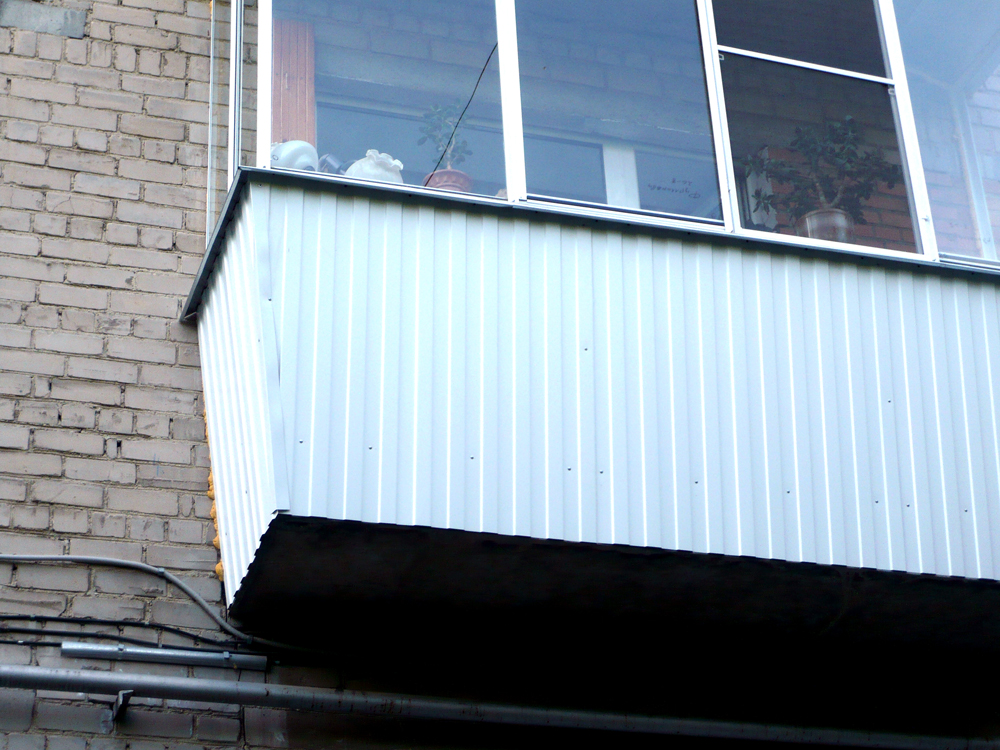
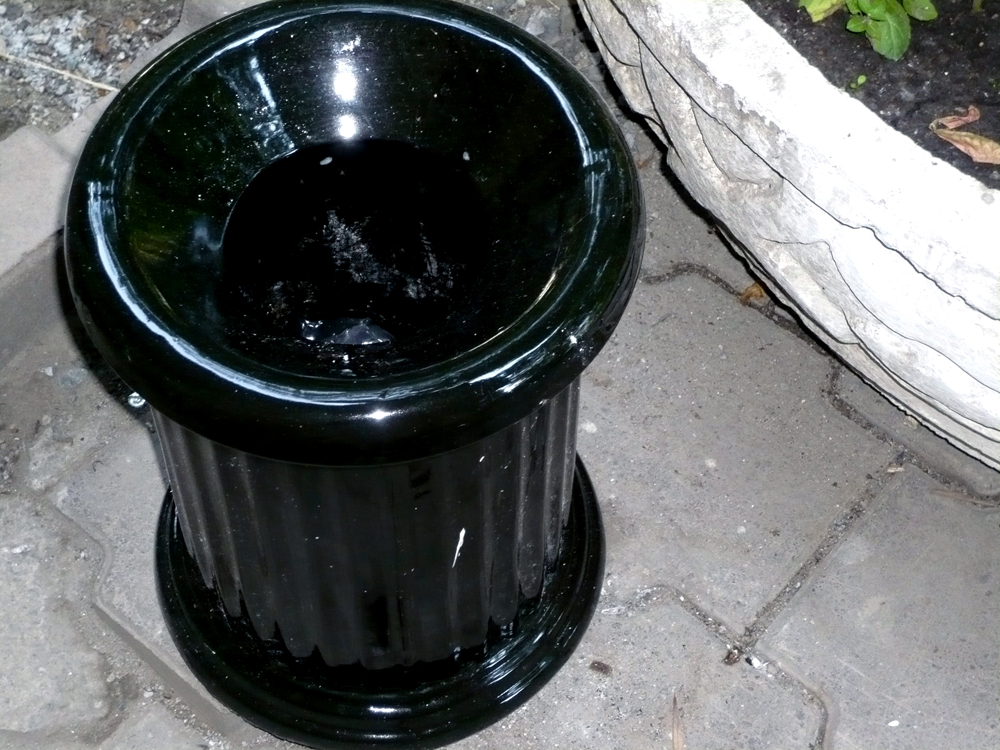
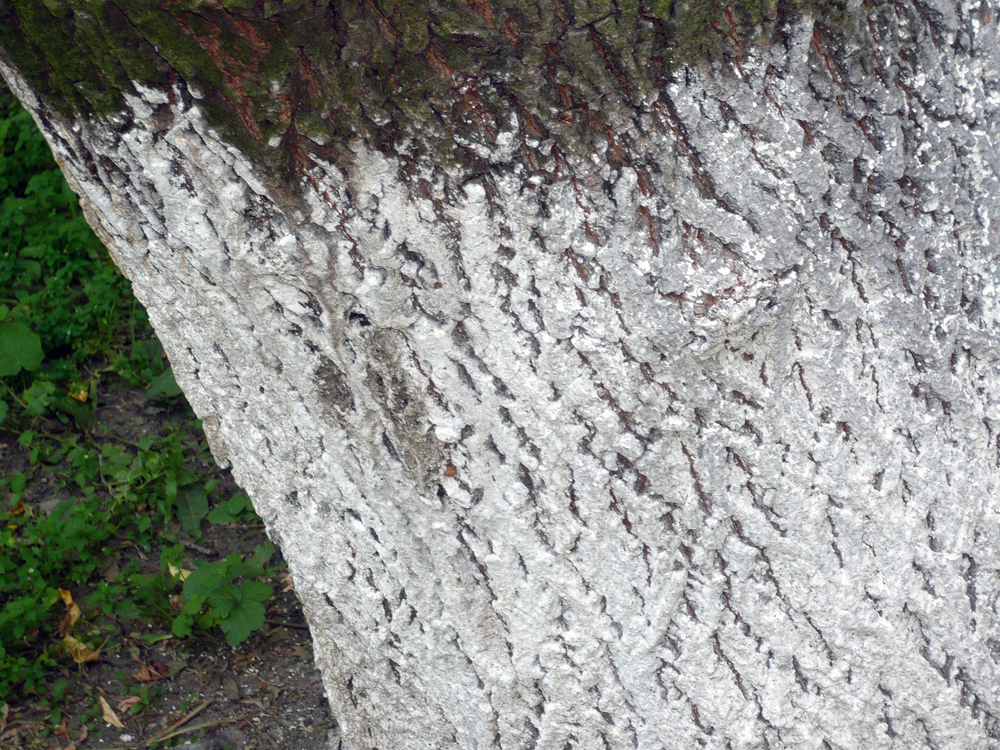










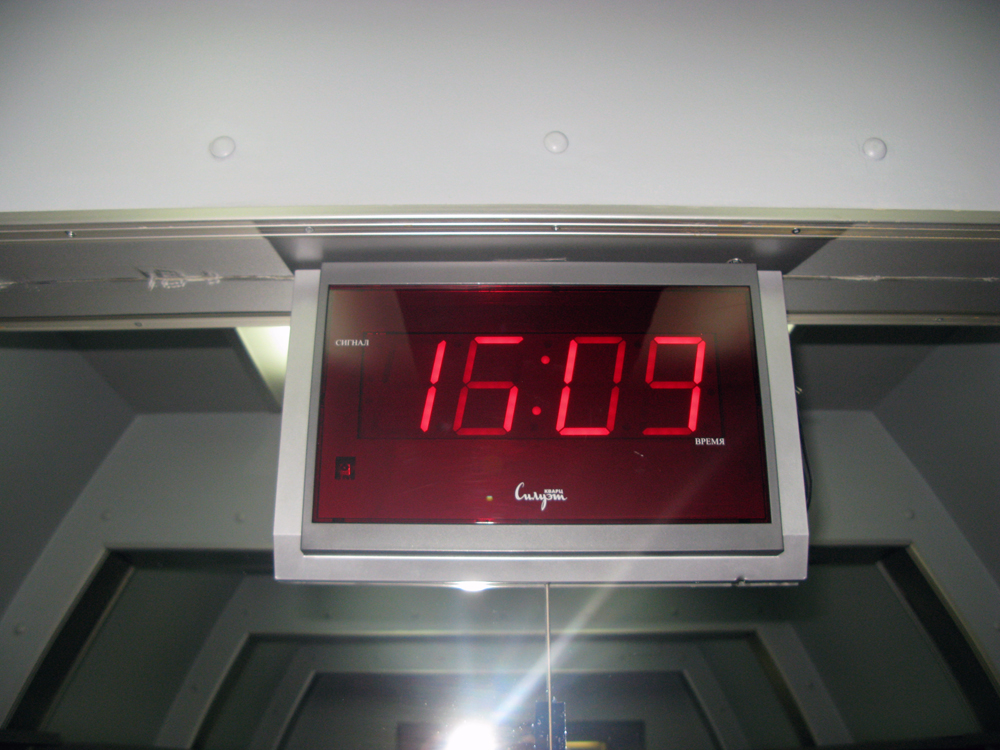
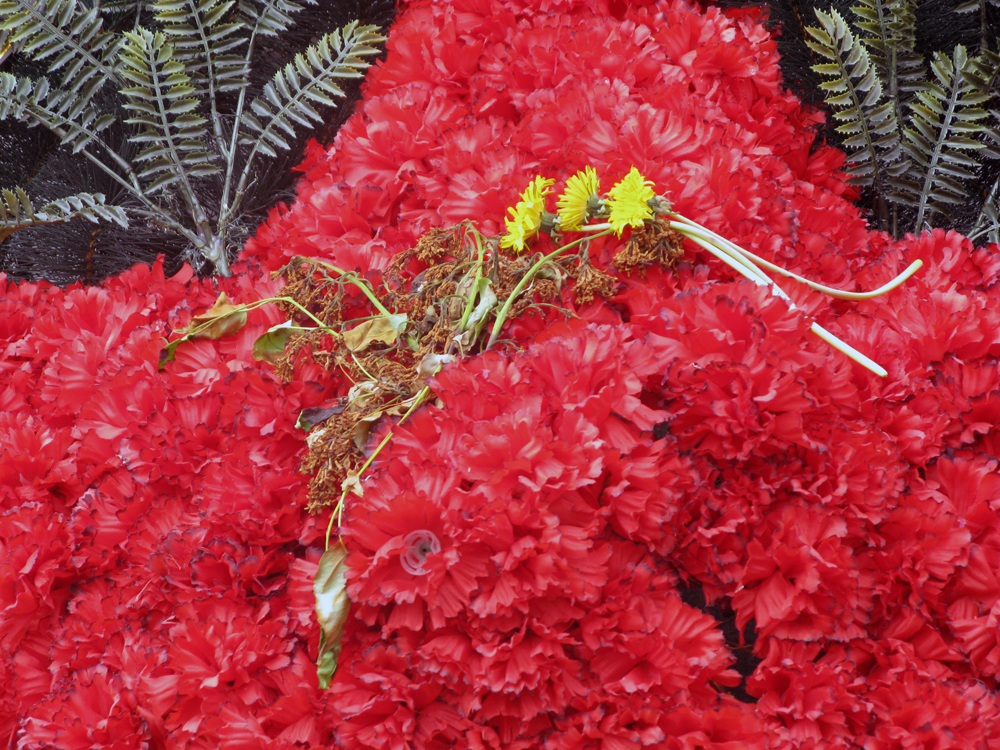
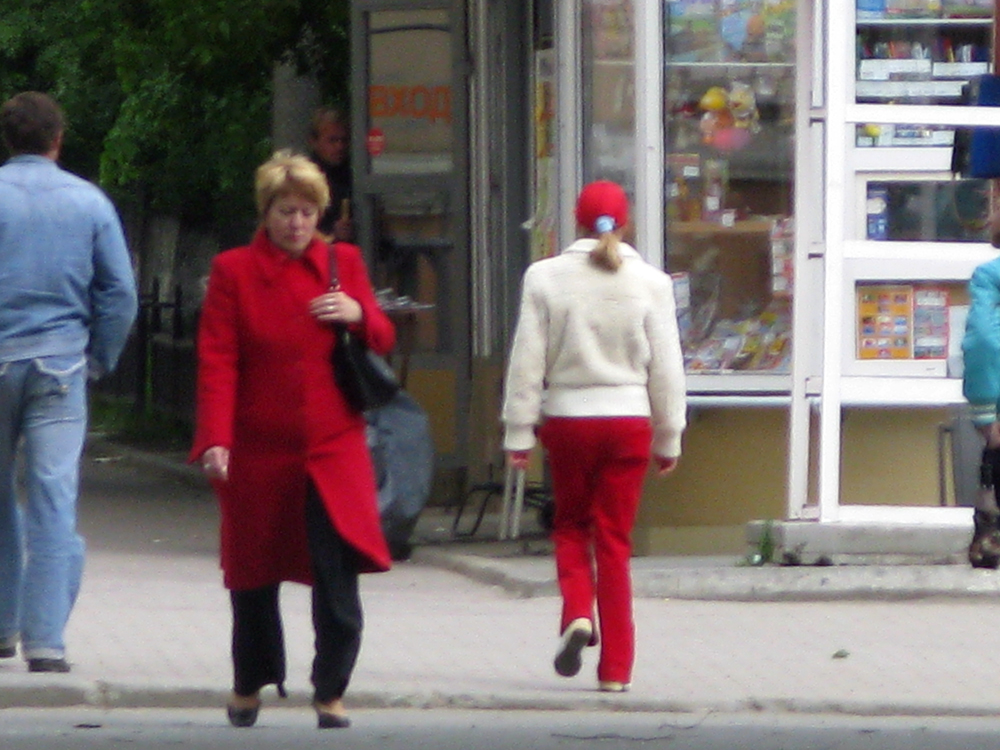
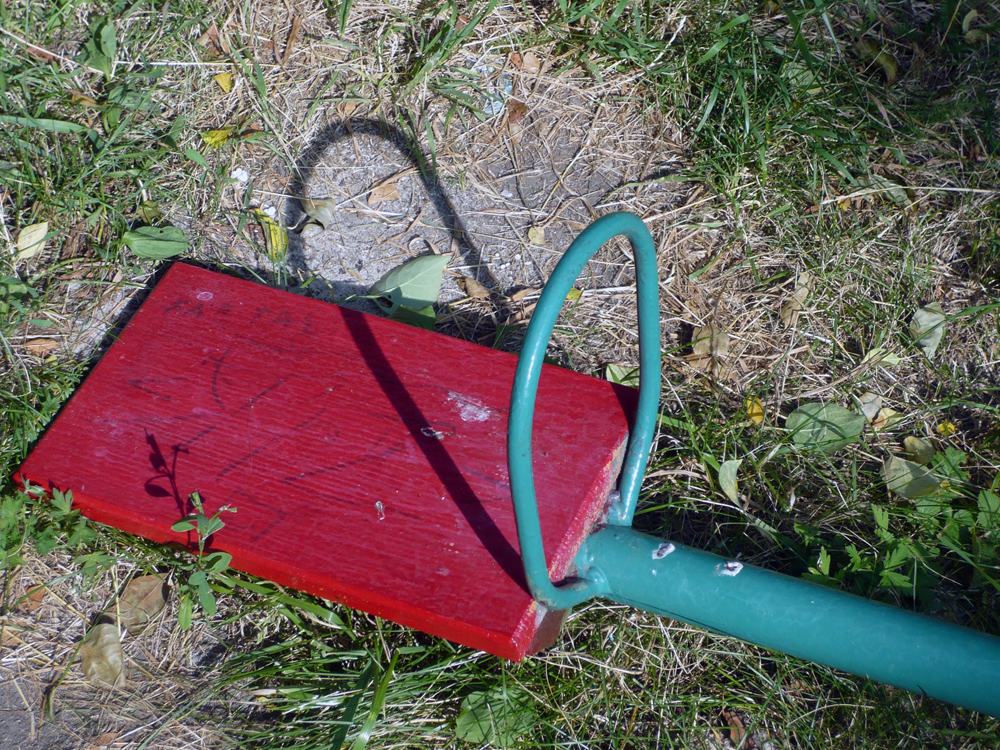
Red

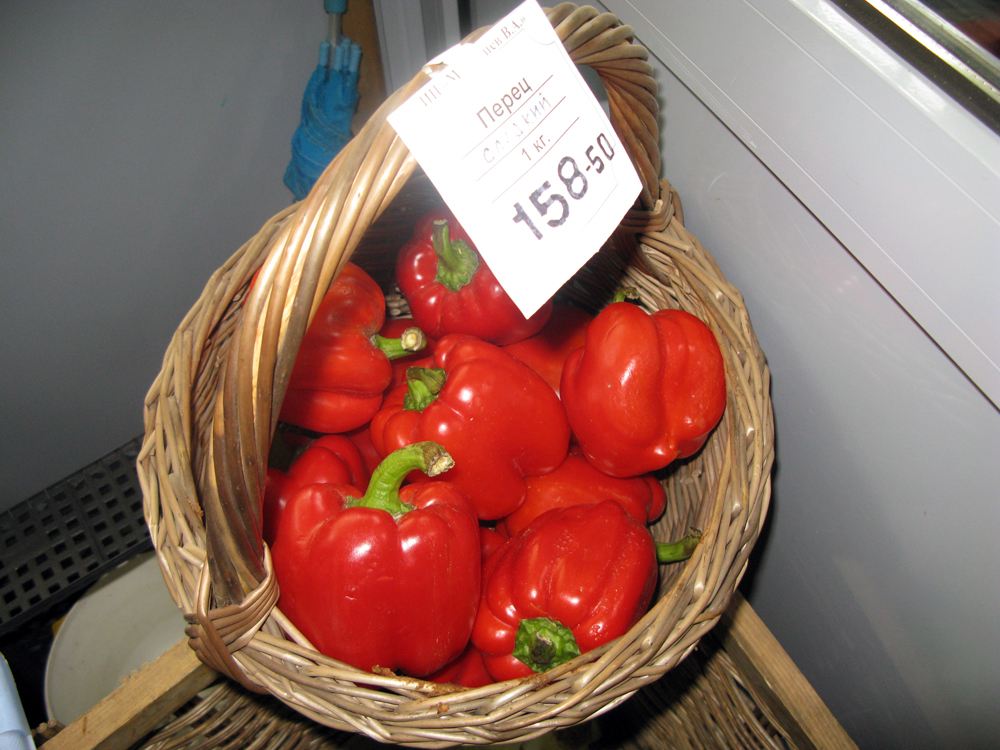
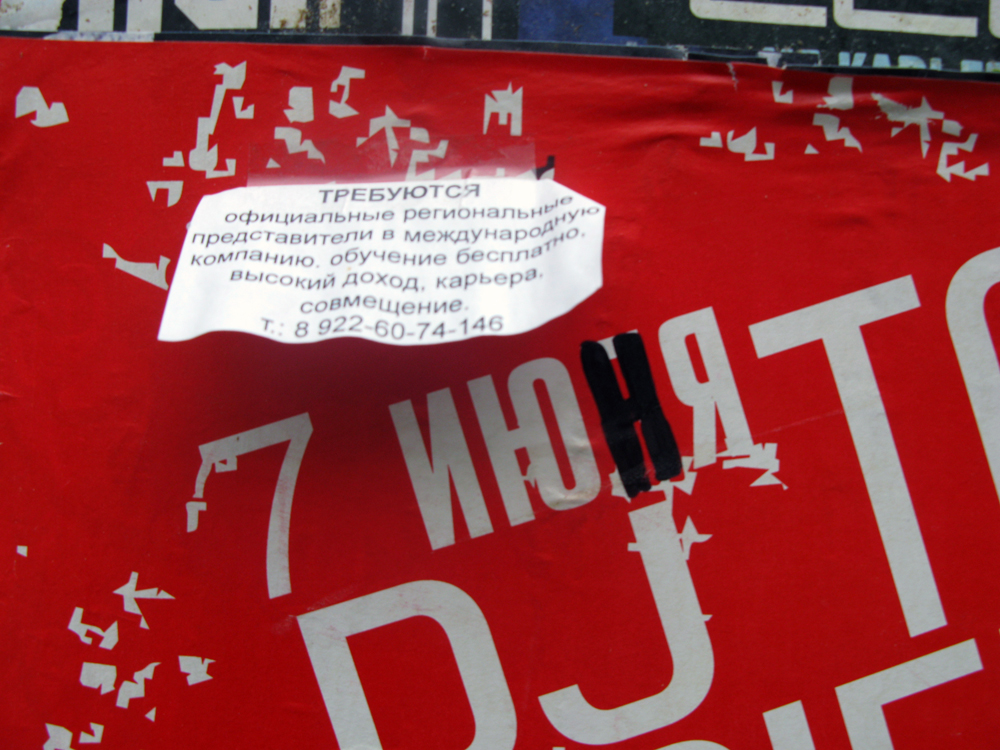
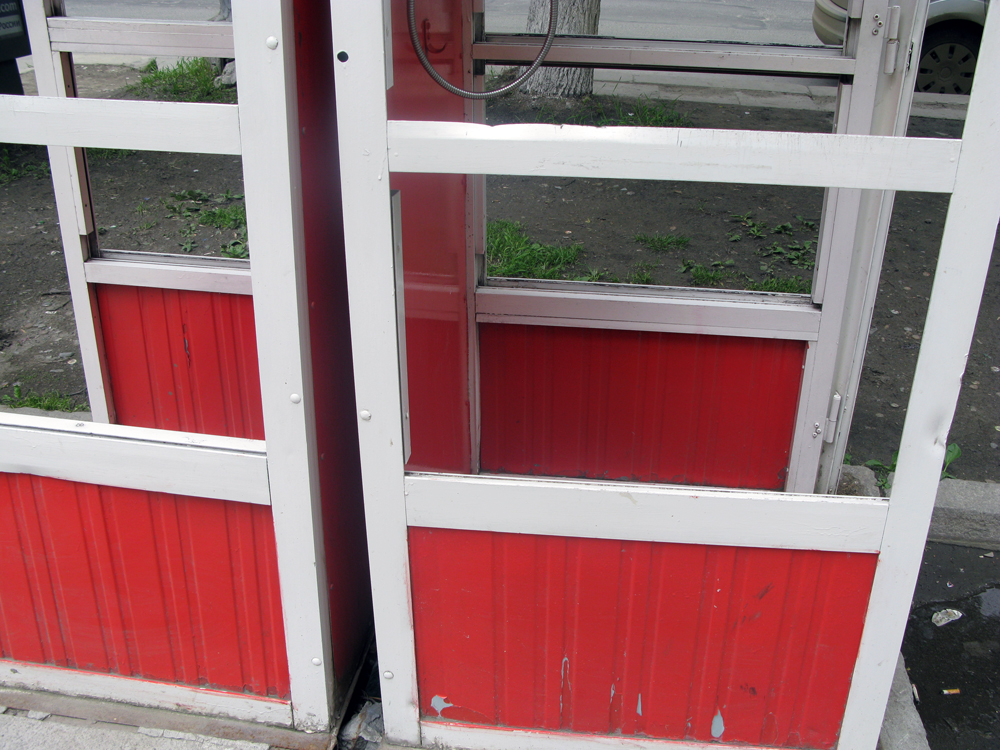
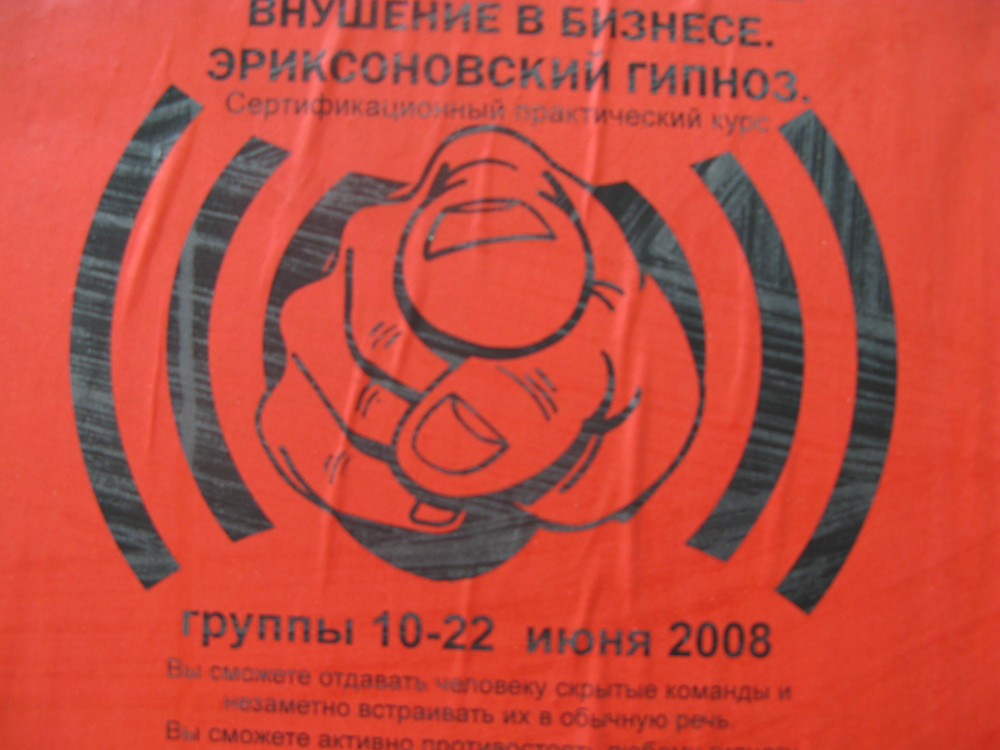
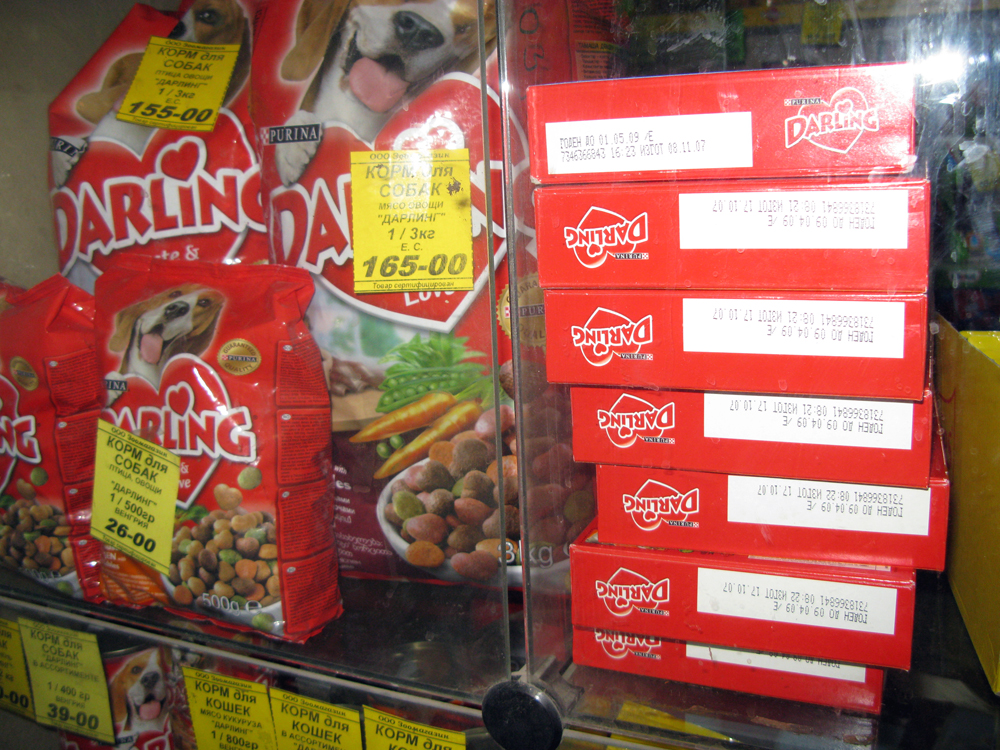
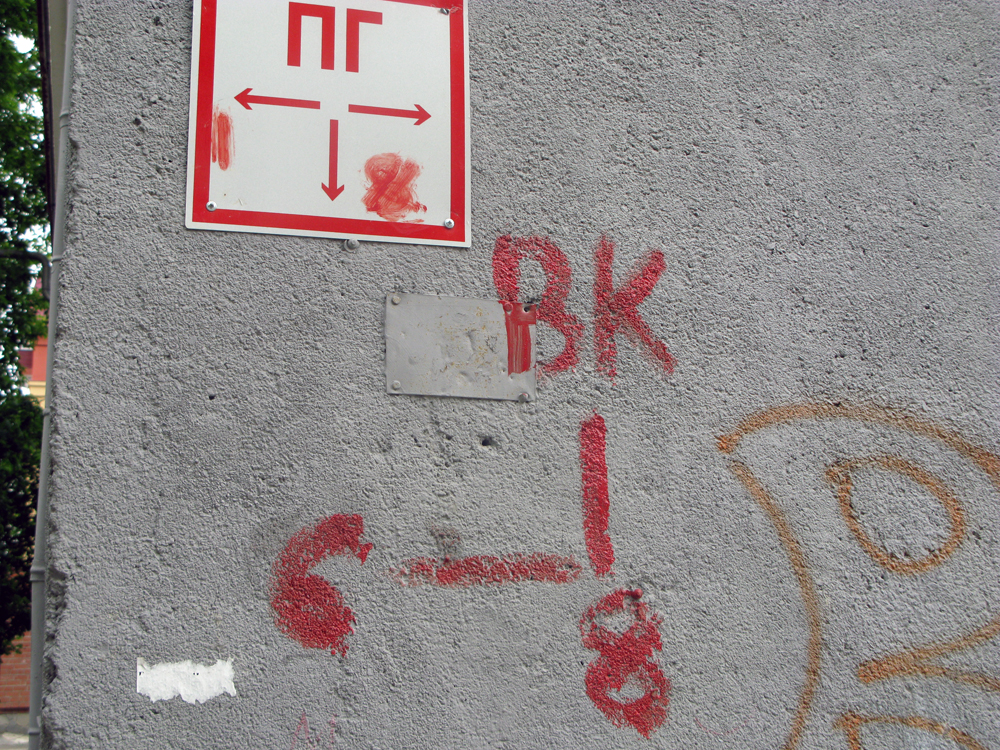
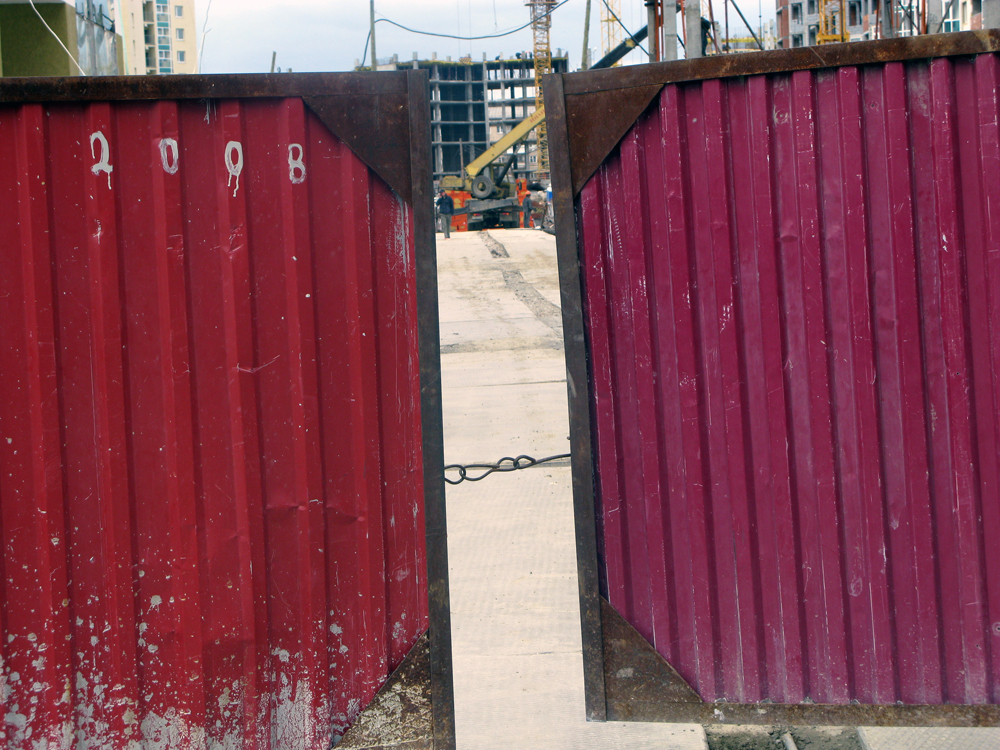
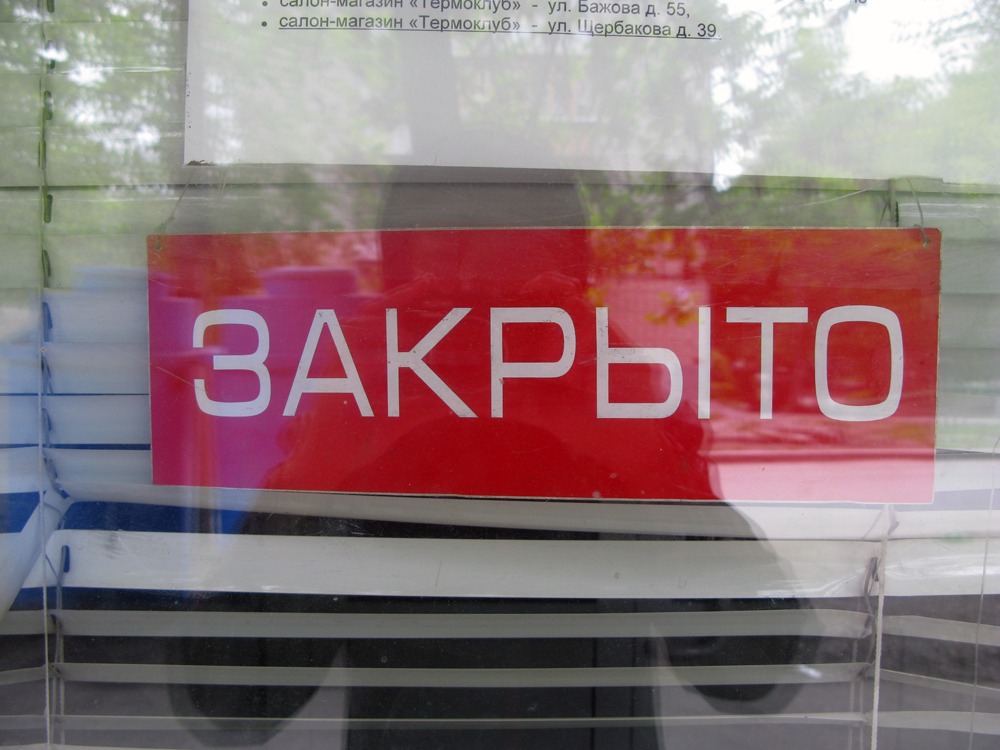

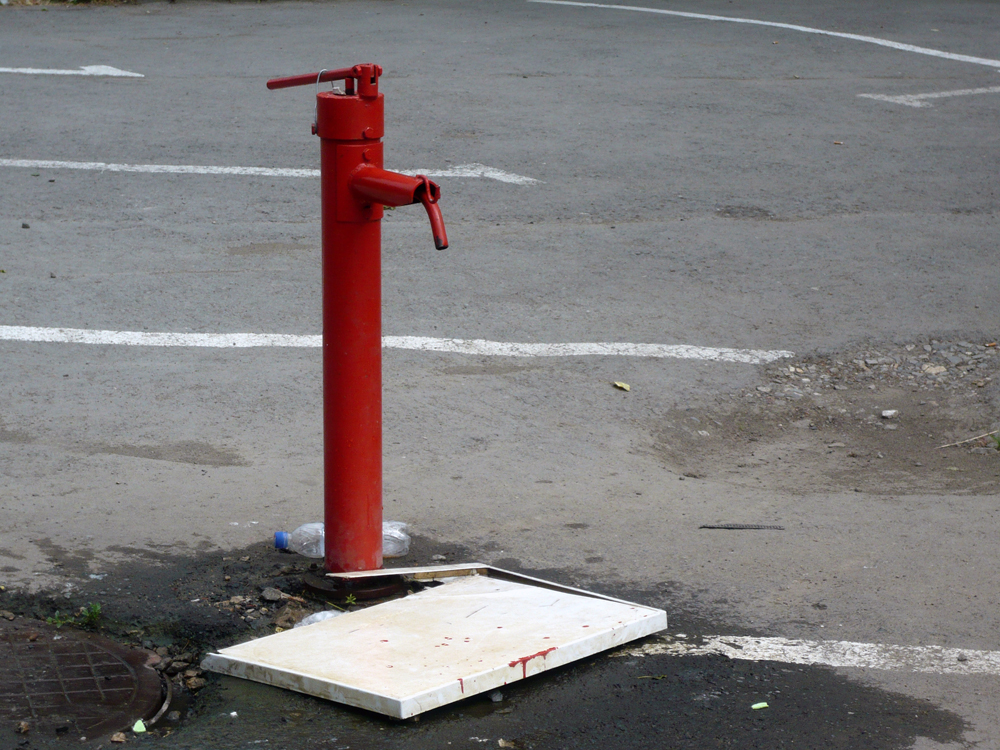
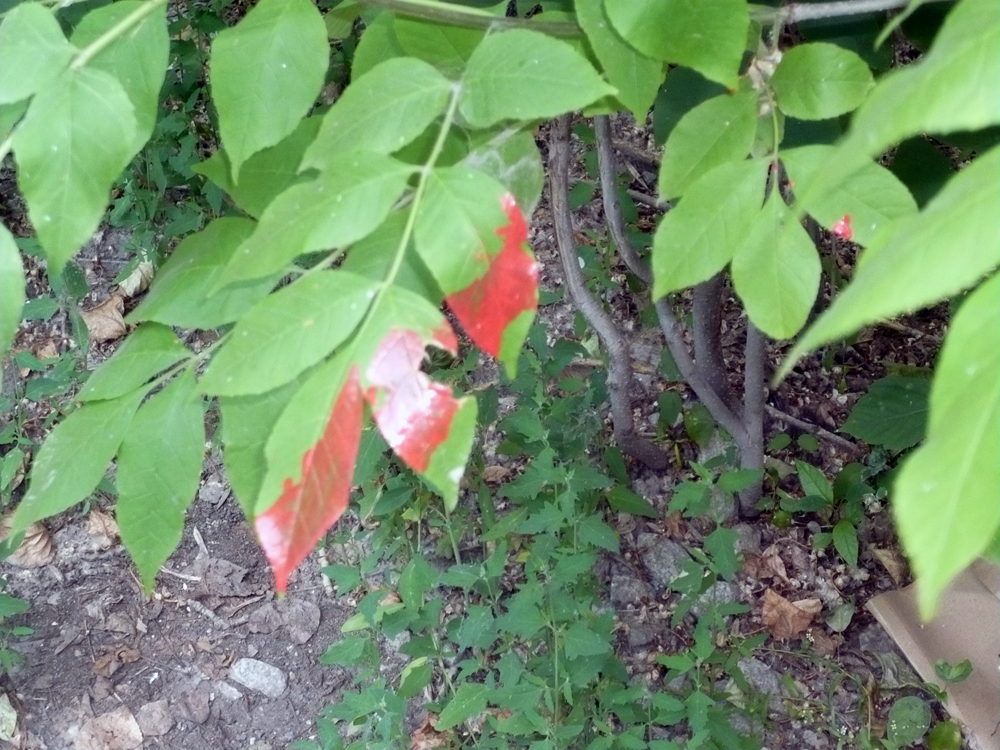
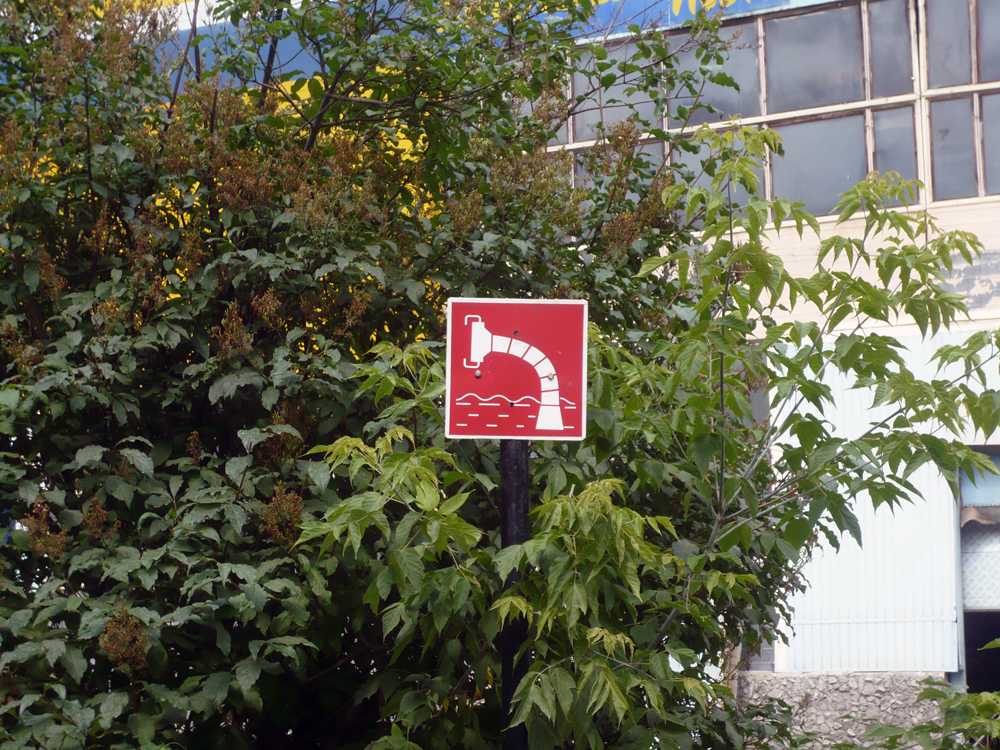
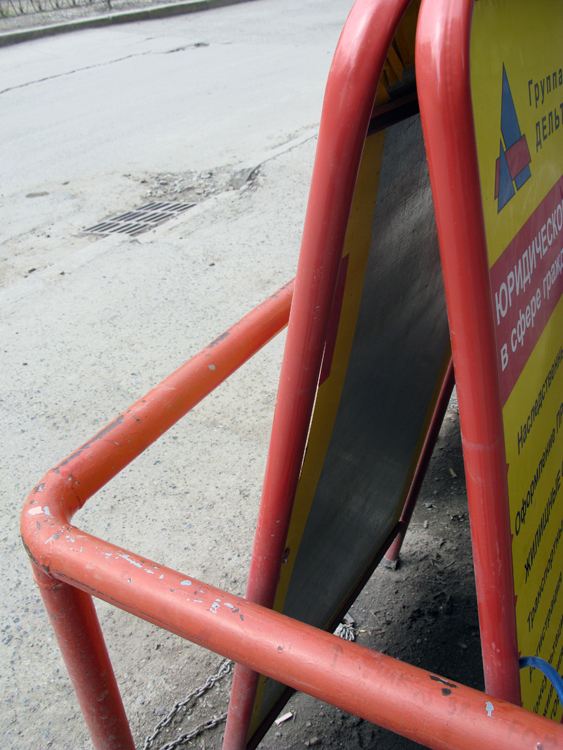
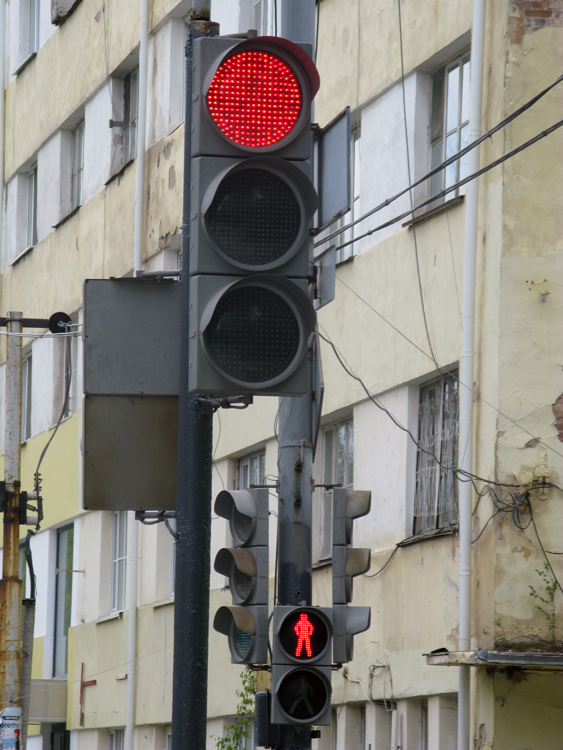
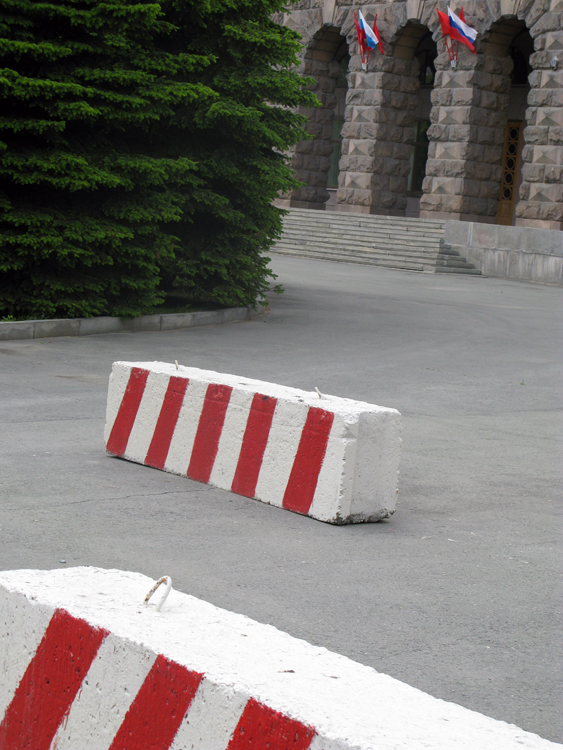
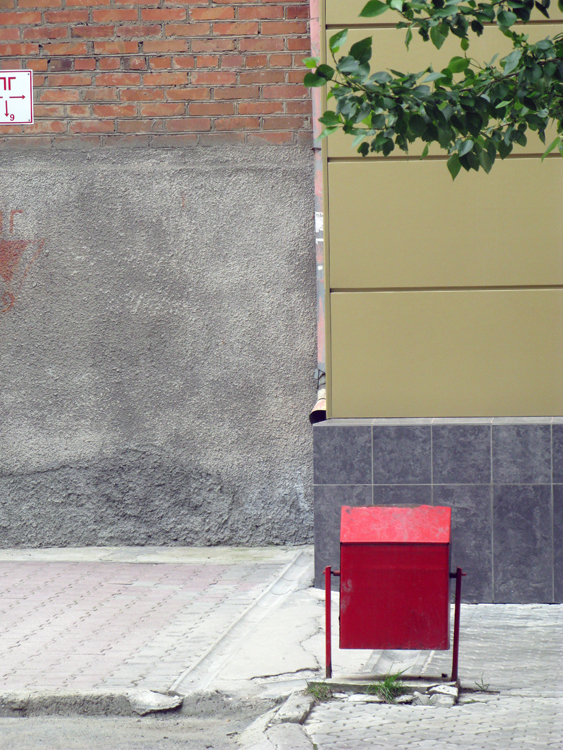
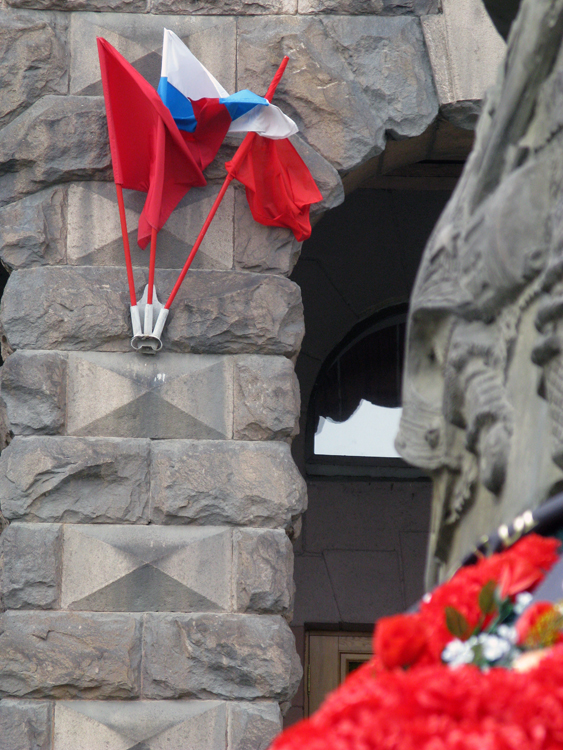
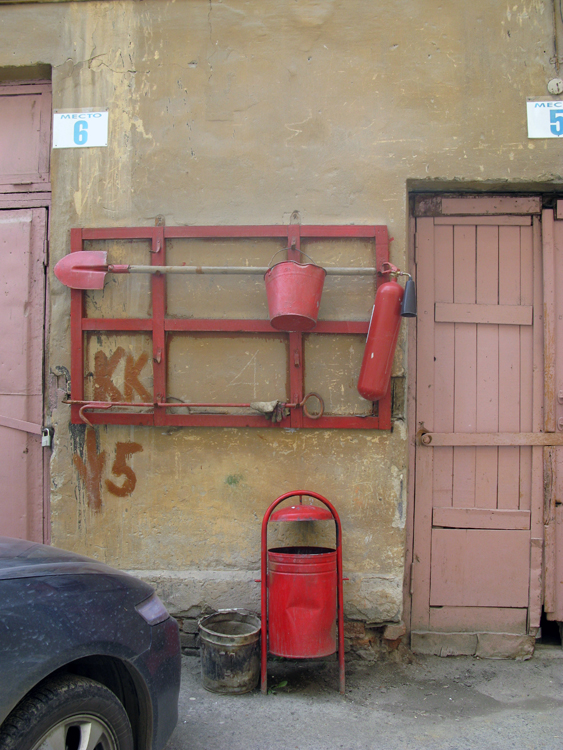
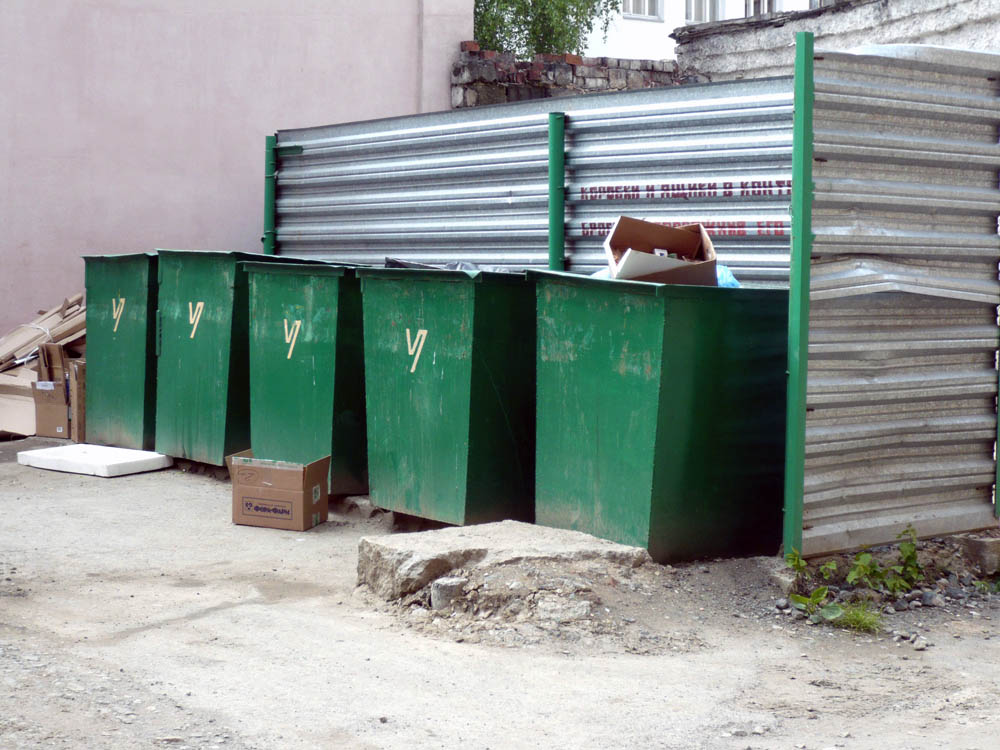
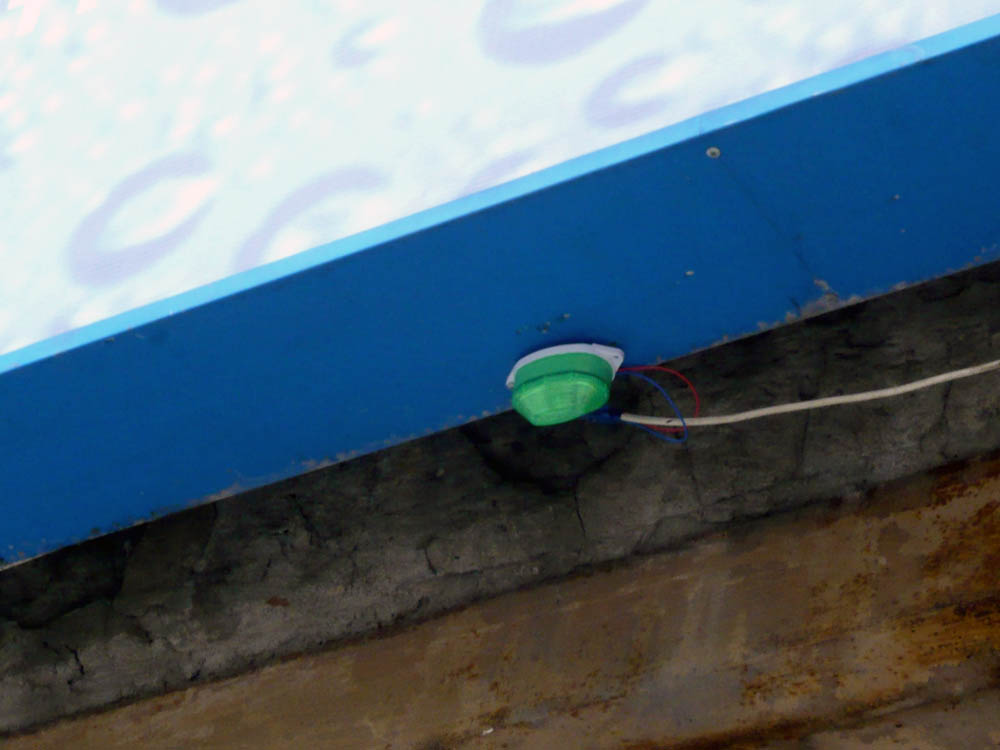
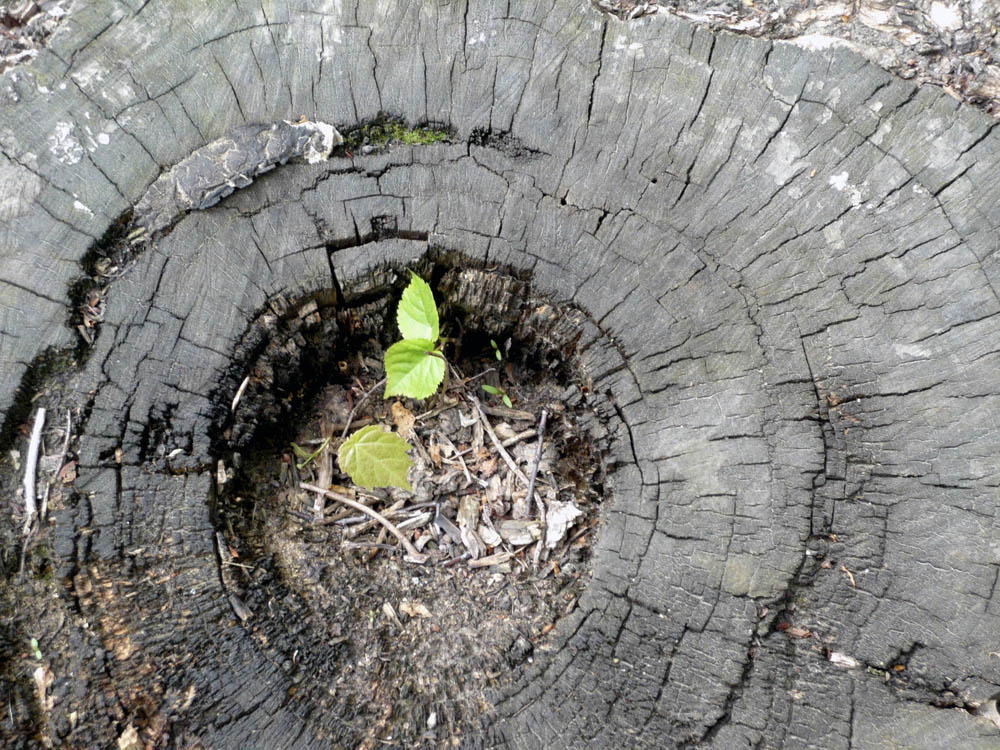
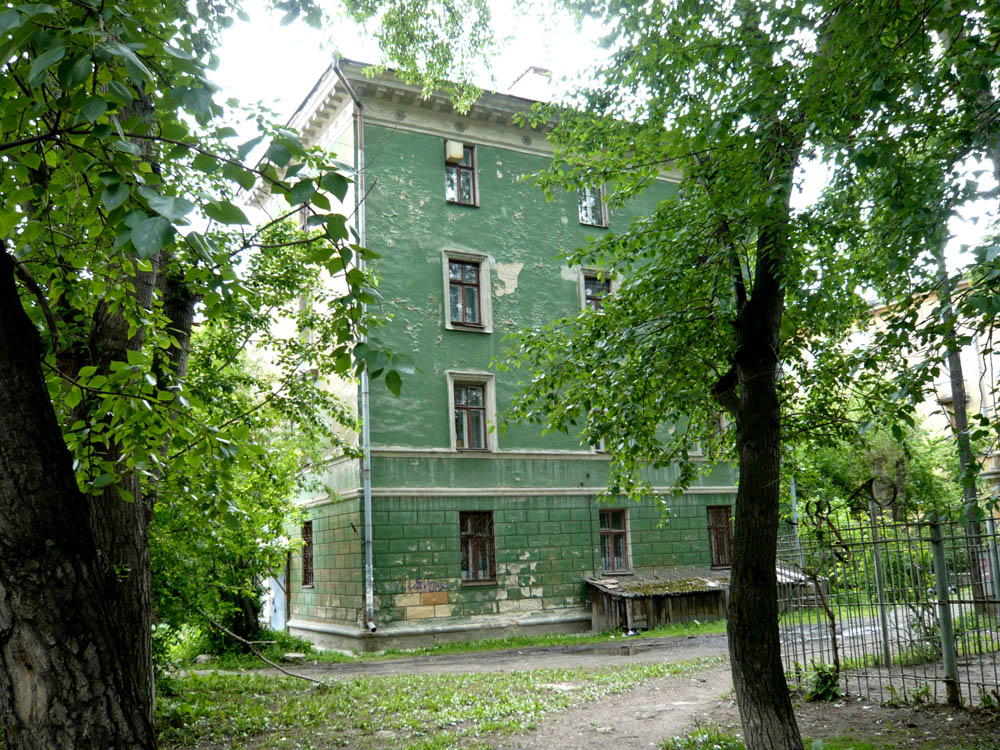
Green
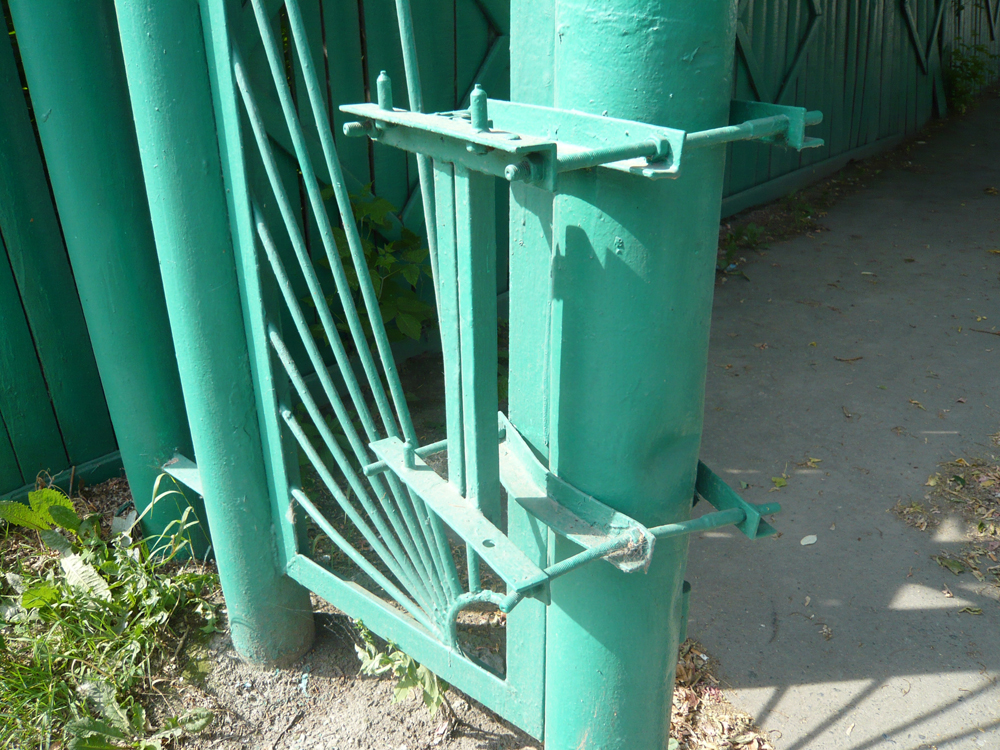
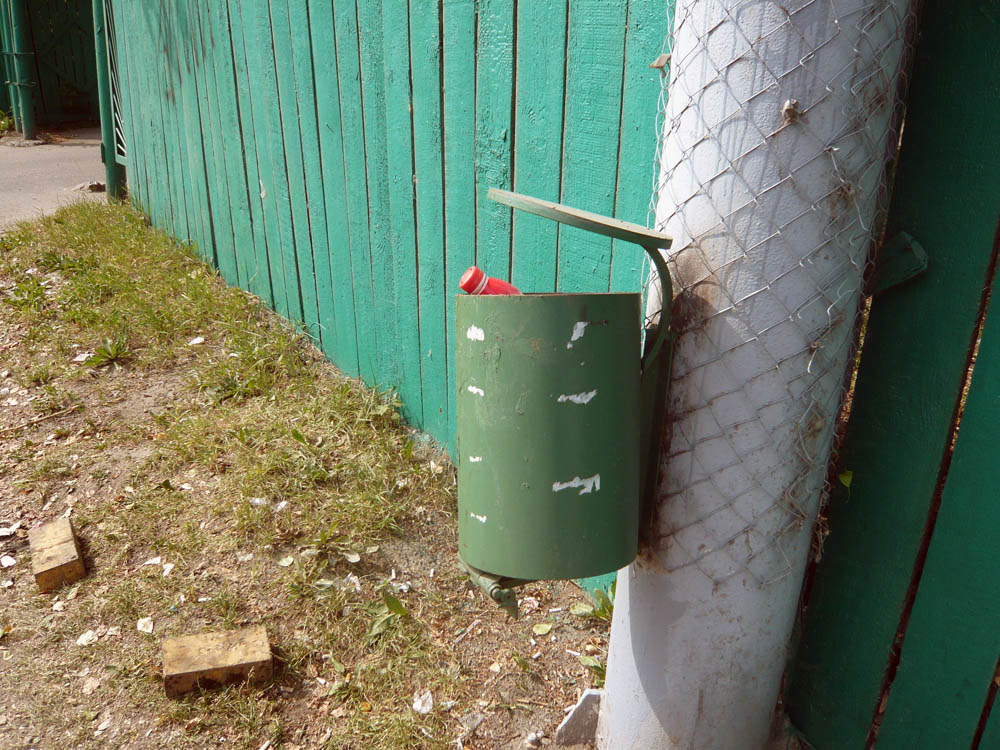
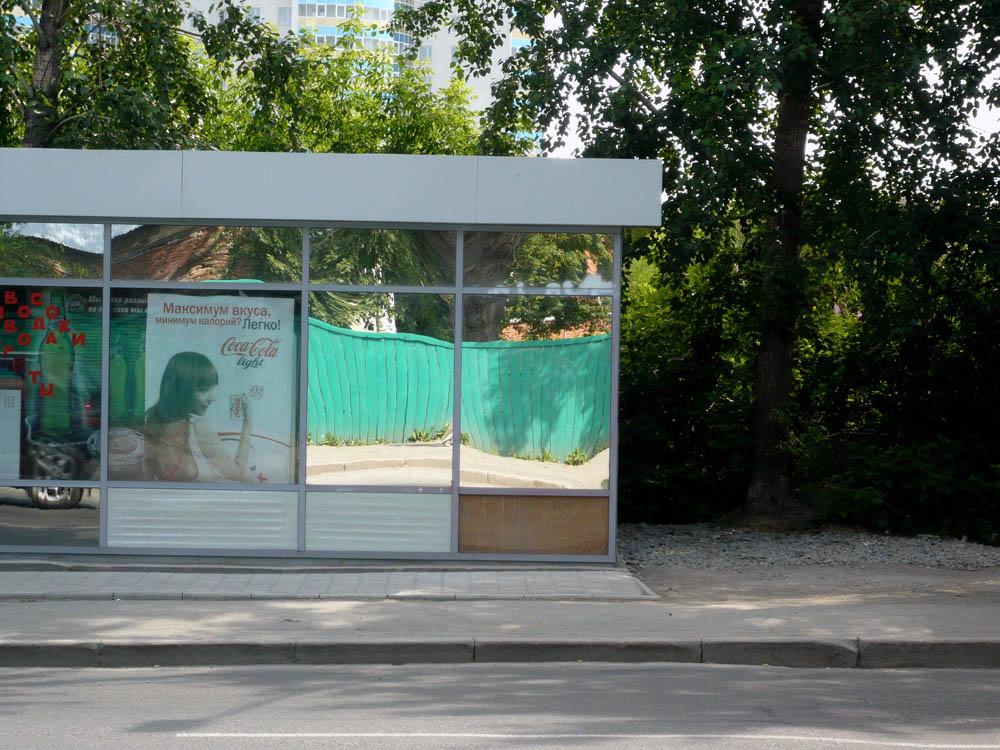










Yellow



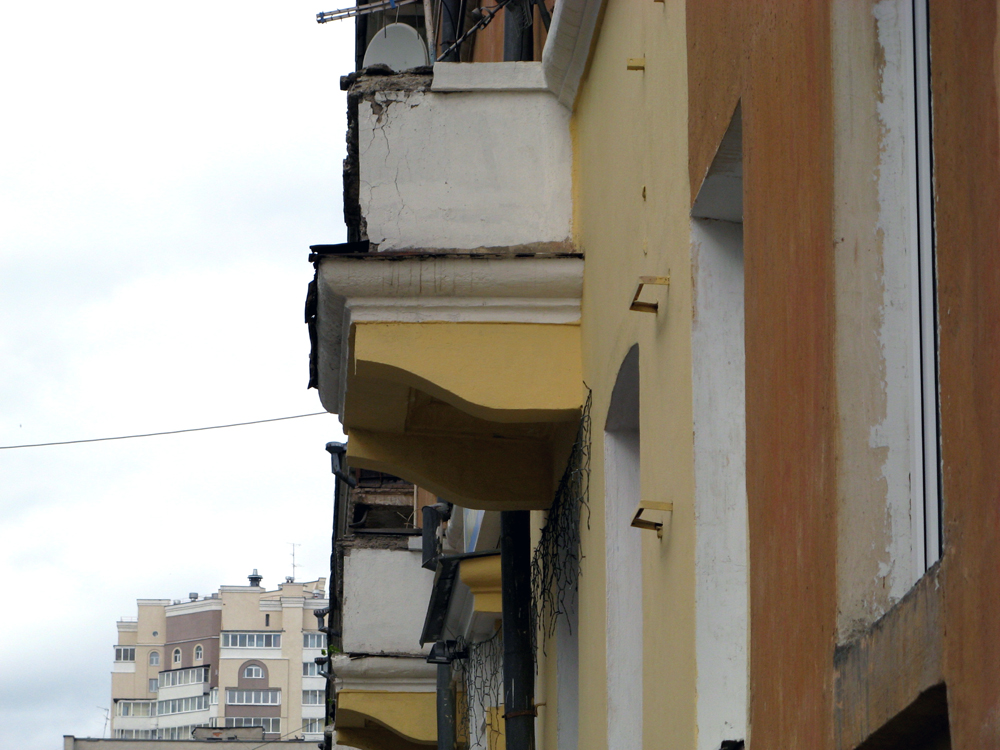
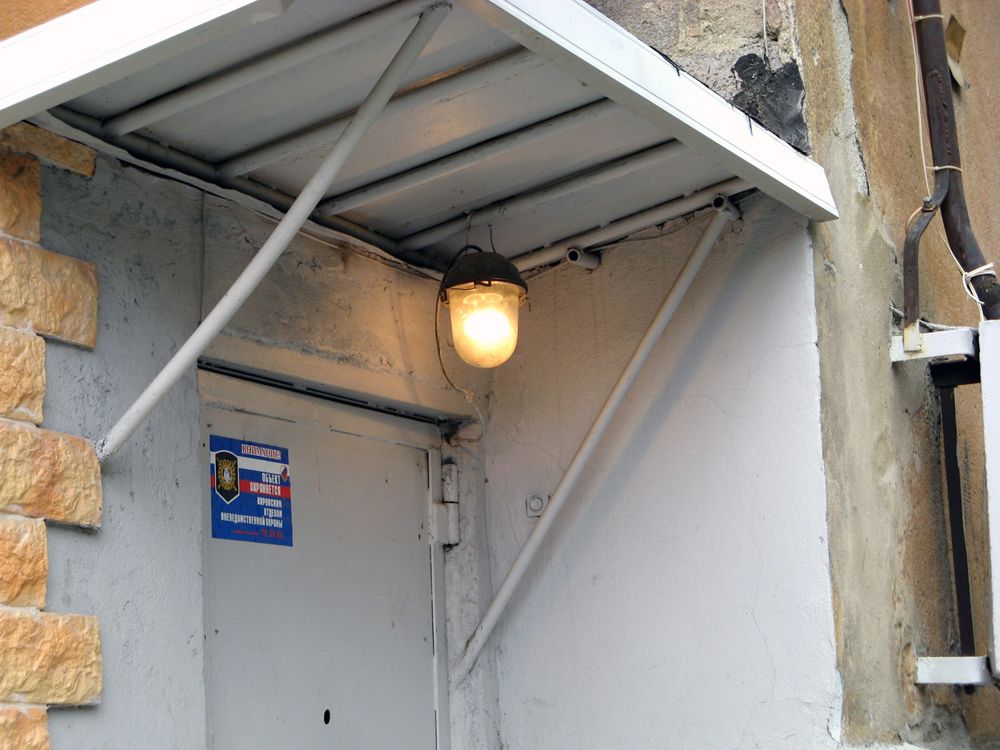
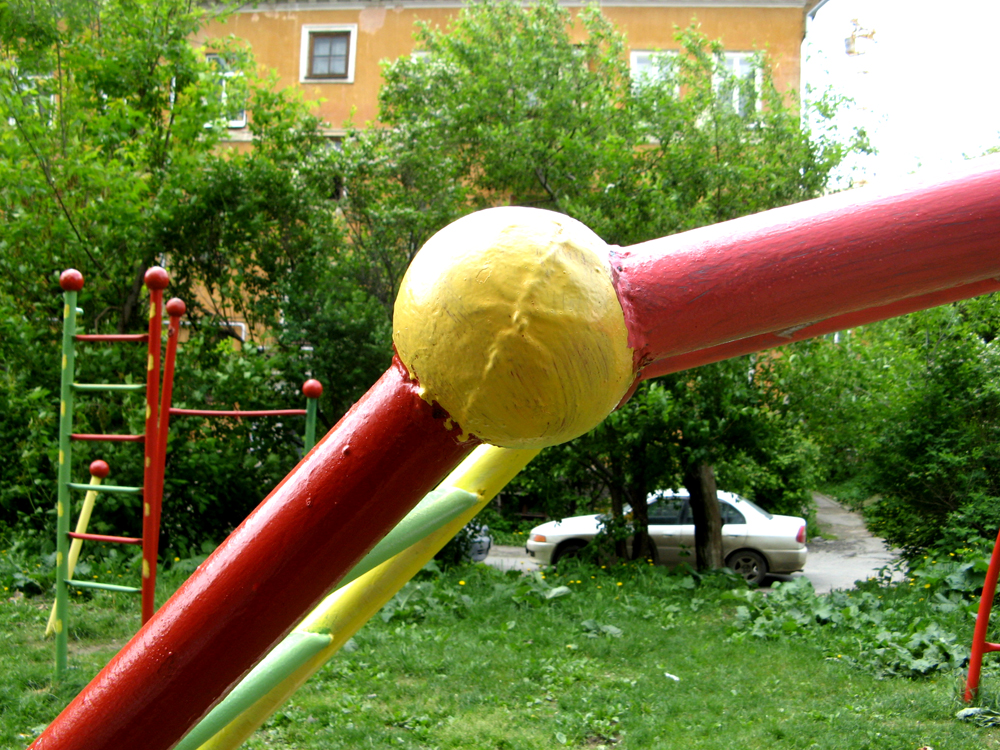
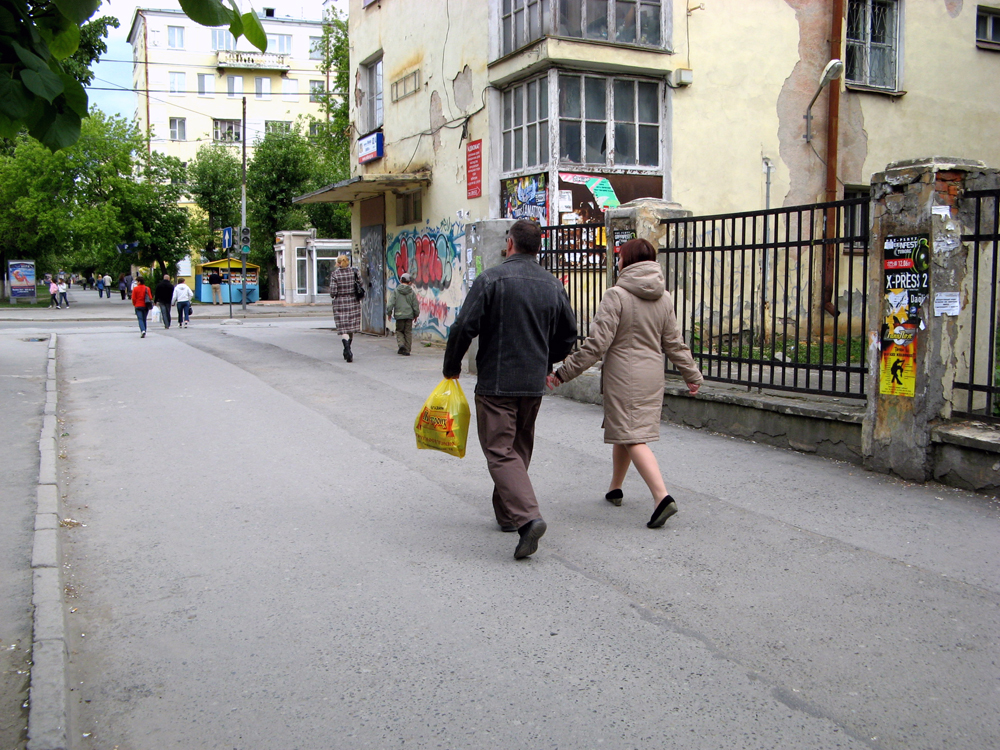

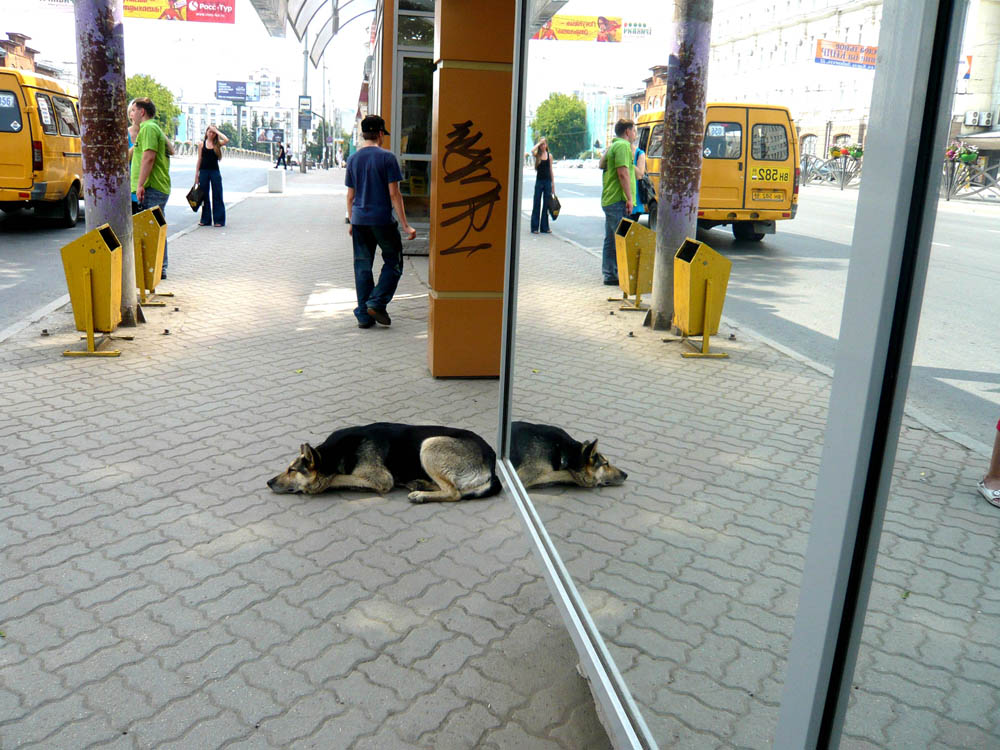
Blue






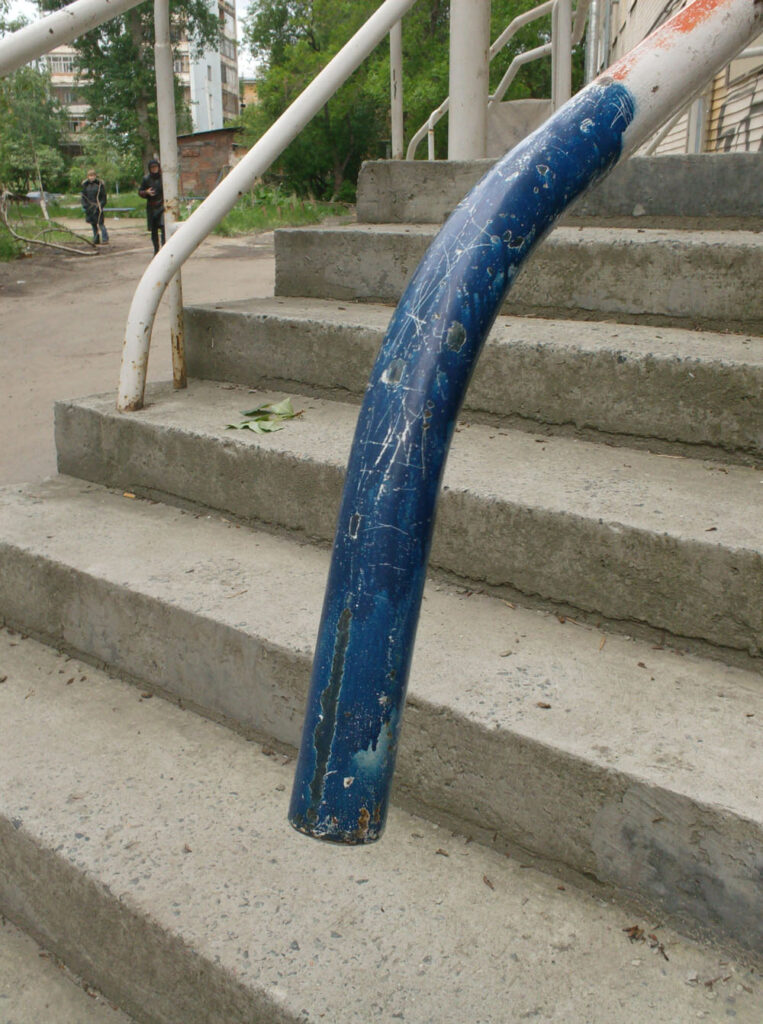
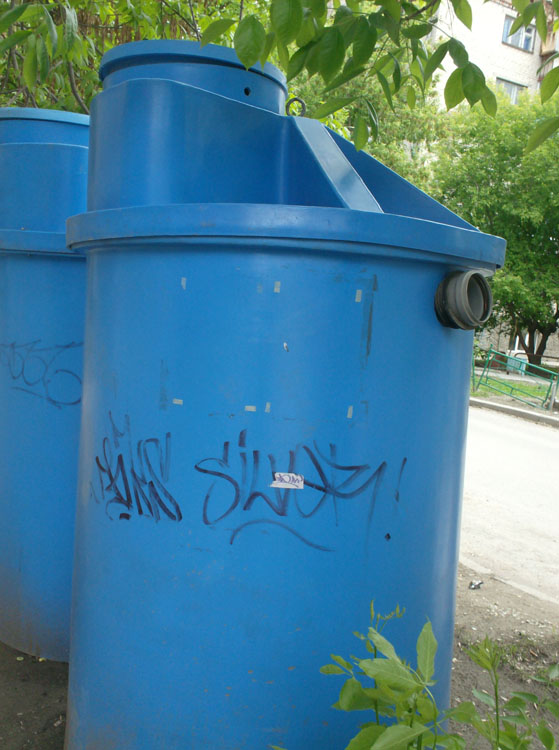

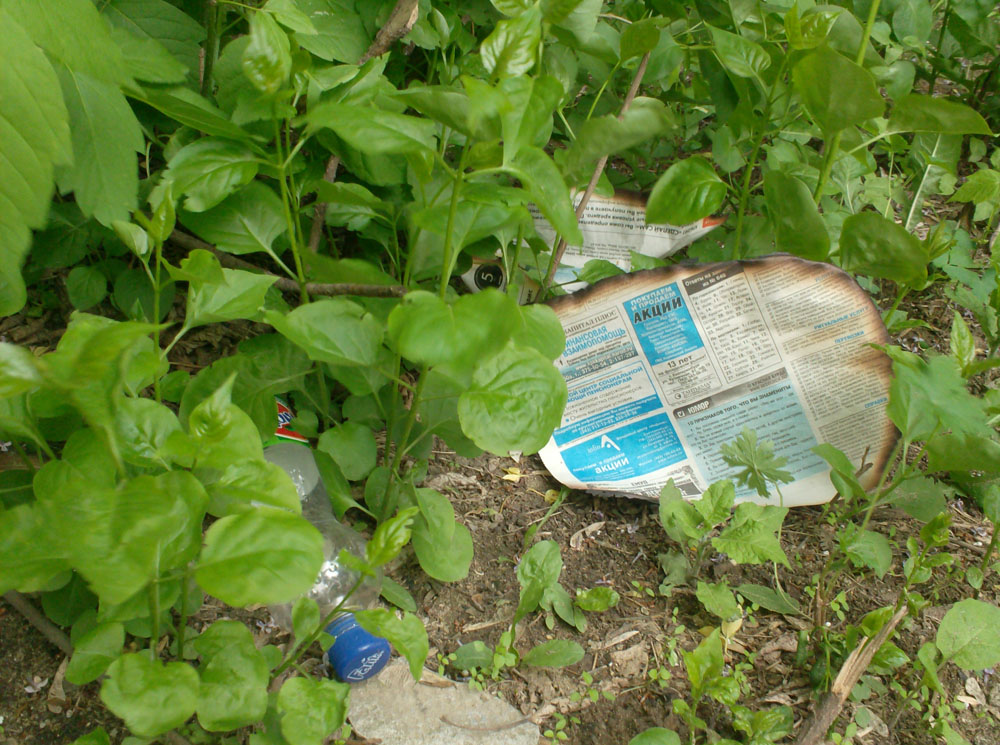

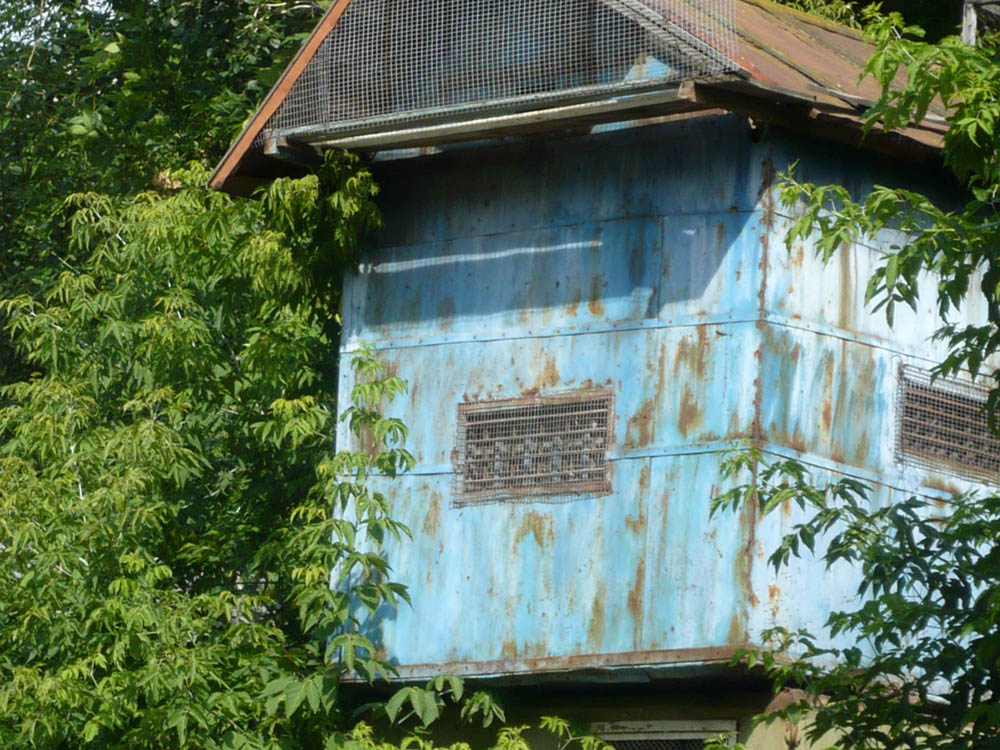
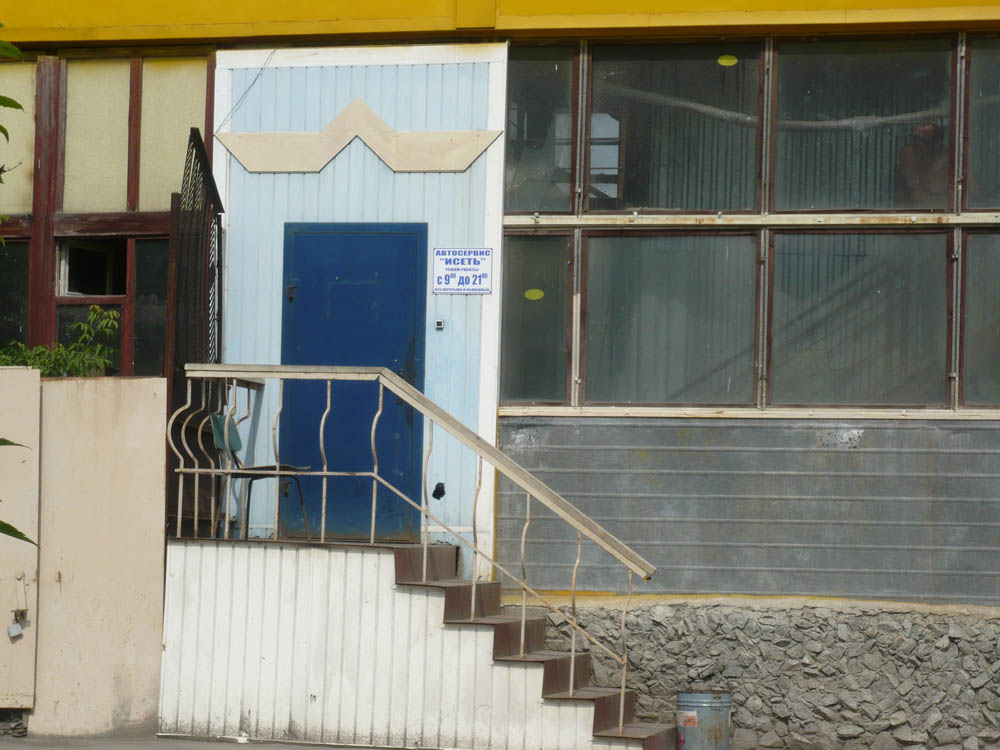
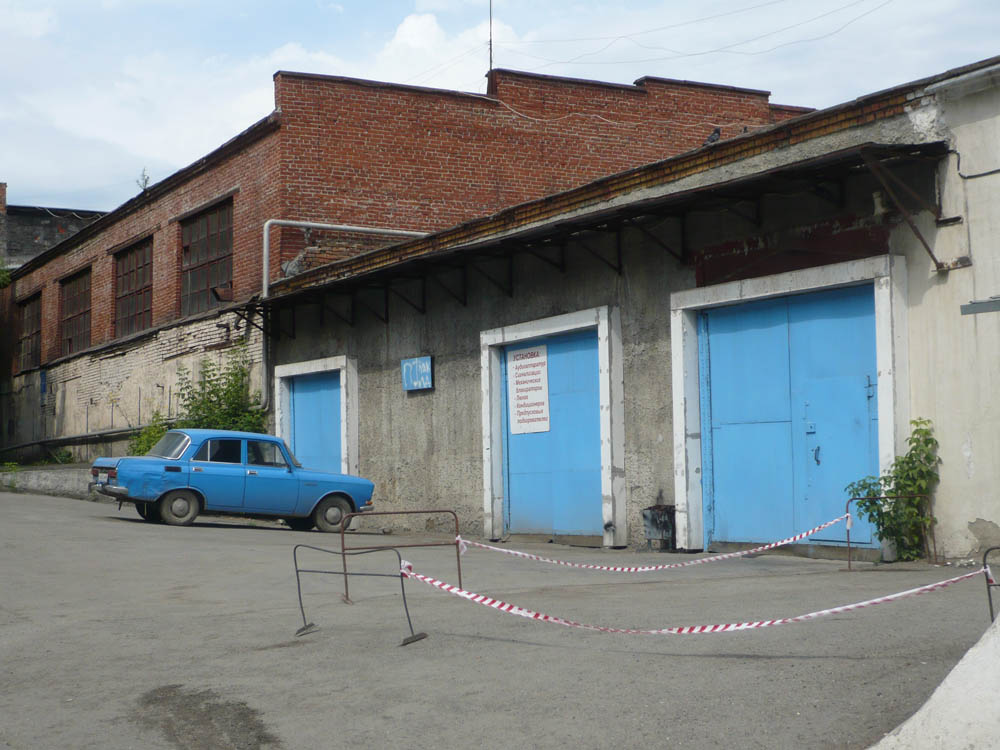

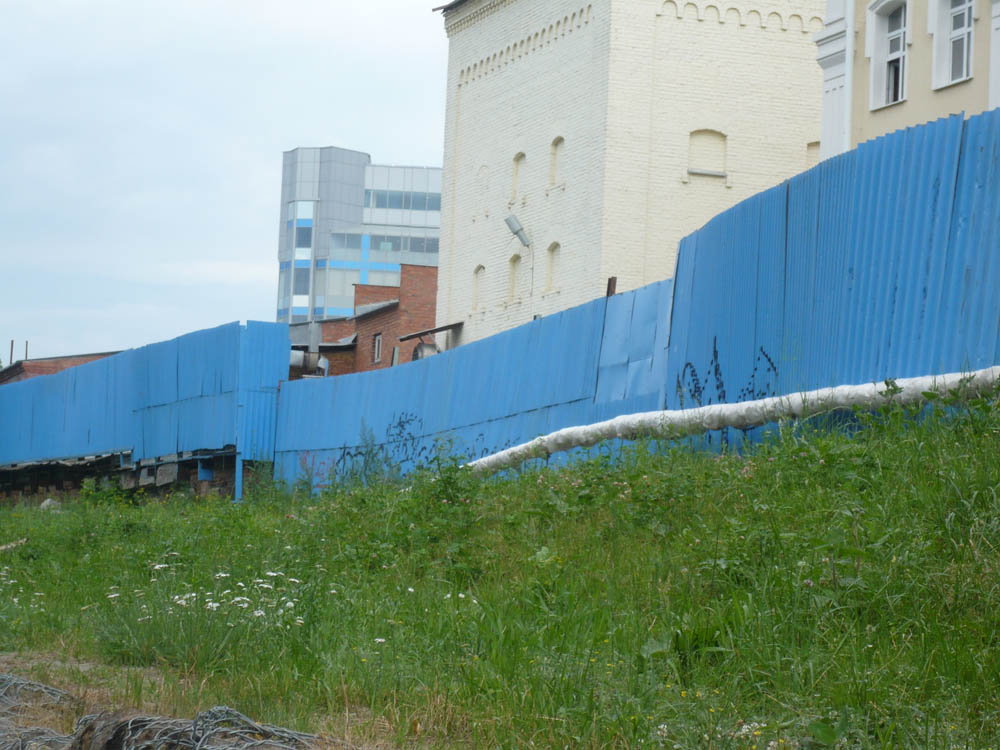
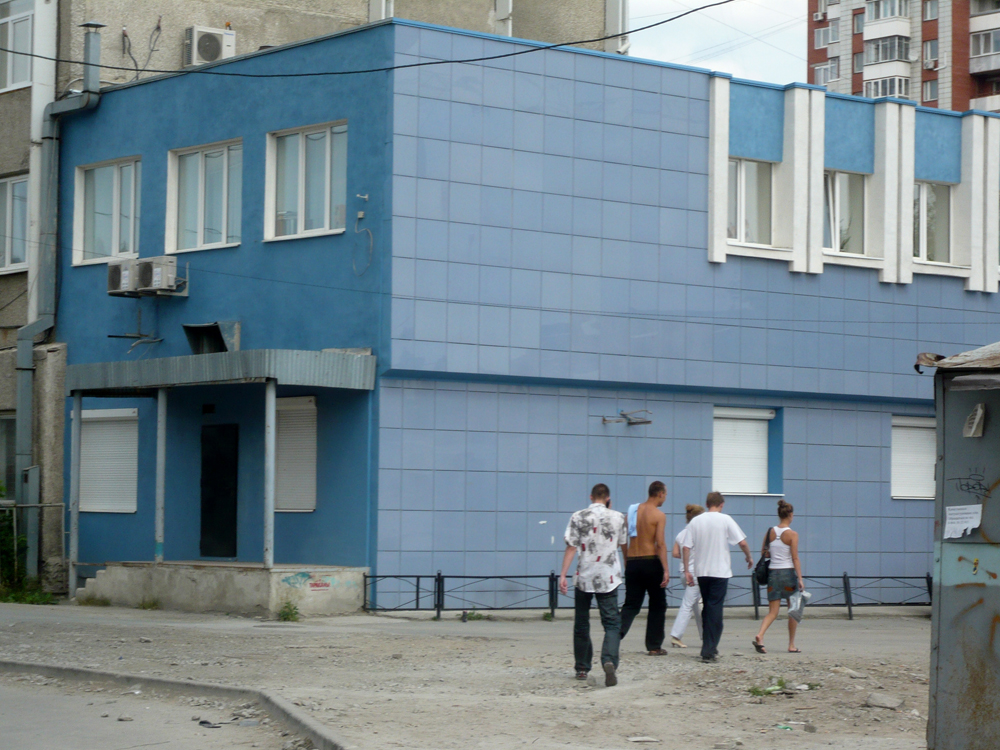




PanGorMonium is a virtual and contemplative instrument for listening to the city.
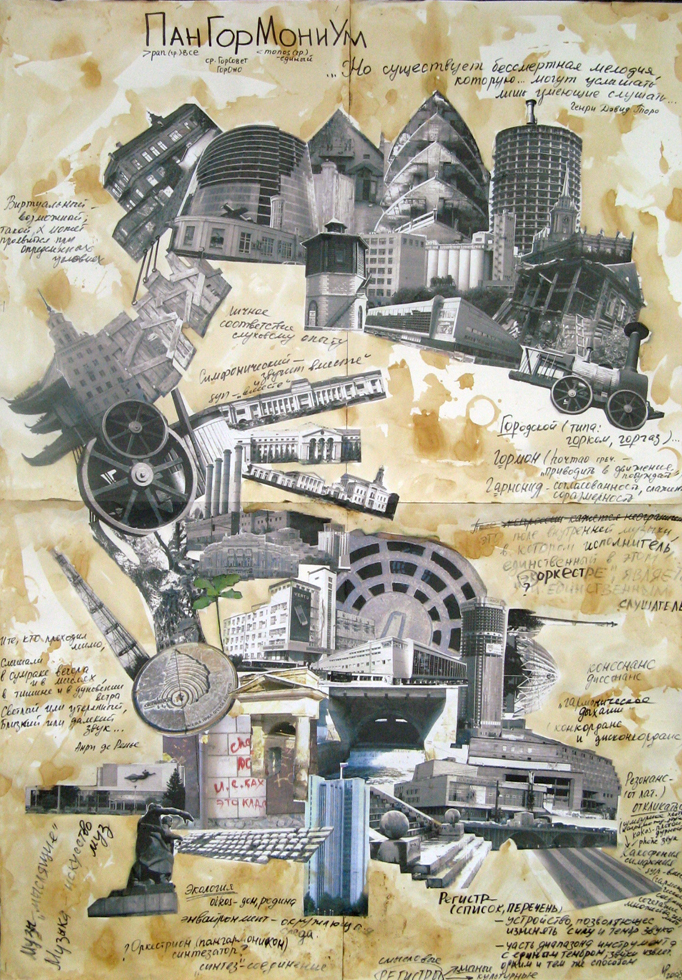
Study for the Unprecedented Instrument PanGorMonium
Yekaterinburg, 2008
Photography, toned paper, collage. 1682 × 1188 cm
Presented as part of the international collective project Enstruments, September 12, 2008. Gallery ParaRam, Yekaterinburg, Russia. Within the Finnish–Russian festival Together: Ecology of Space
“Conceived in 2008 in Yekaterinburg, PanGorMonium marks the beginning of my long-term research into cities as resonant, living organisms, systems composed not only of architecture and infrastructure, but also of memory, absence, inner sound, and attention”.
The name PanGorMonium draws on multiple linguistic and conceptual layers.
It echoes Pan-harmonion (Greek, “harmonizing with all”), a symbol of Pythagorean aesthetics and the idea of the music of the spheres — a universal harmony that exists continuously but often remains unnoticed because it never ceases to sound.
The name PanGorMonium is a deliberately constructed term that resists literal translation. Its internal structure reflects the assembled, layered nature of the city itself and combines several semantic strata:
Together, these elements form an artist-made concept that holds both collective resonance and individual perception.
PanGorMonium is not a physical instrument and does not produce sound in a conventional sense. It operates as a virtual, speculative, and contemplative instrument, activated through perception, memory, and inner listening.
The work proposes the city as a symphonic body, a resonant field where architectural landmarks, industrial remnants, cultural symbols, everyday details, and vanished structures become instruments that tune attention.
The instrument is composed of multiple urban layers, ranging from collective to deeply personal: architectural landmarks and cultural sites, industrial and infrastructural forms, unfinished buildings and temporary structures, wall graffiti, courtyards, passageways, demolished but remembered houses, old trees and young saplings.
These elements are not fixed. Each participant mentally assembles their own version of the instrument, based on lived experience, memory, and emotional resonance.
In PanGorMonium, the viewer becomes both performer and listener.
There is no external audience. The act of listening unfolds internally, within a personal acoustic field. At times, this inner listening may enter into resonance — consonant or dissonant — with the listening of others, forming a fragile and temporary eco-orchestra.
The work continuously shifts between registers: personal and collective, cultural and industrial, material presence and absence.
PanGorMonium functions as a foundational work within the broader artistic framework Anatomy of Cities.
Within this long-term project, cities are approached as living organisms with their own rhythms, memories, and internal acoustics. Listening becomes a method of research, and artistic practice becomes a form of attunement.
PanGorMonium introduced a mode of working that continues across later projects: the creation of virtual and contemplative instruments that invite attentive presence rather than spectacle.