Series: The Quarry as Witness
Pusztamiské Gravel Quarry, Hungary
2020
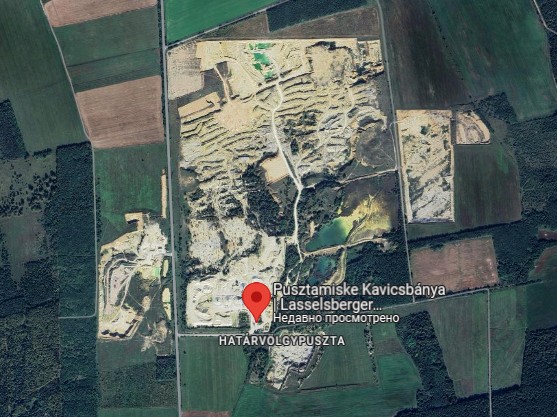
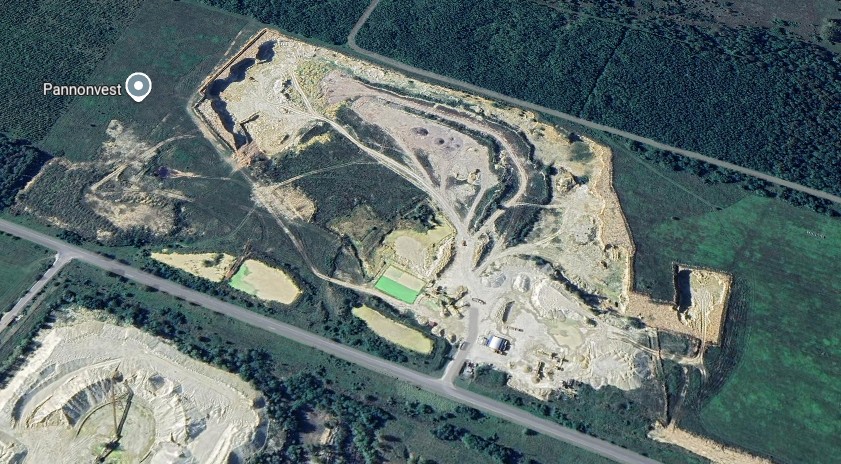
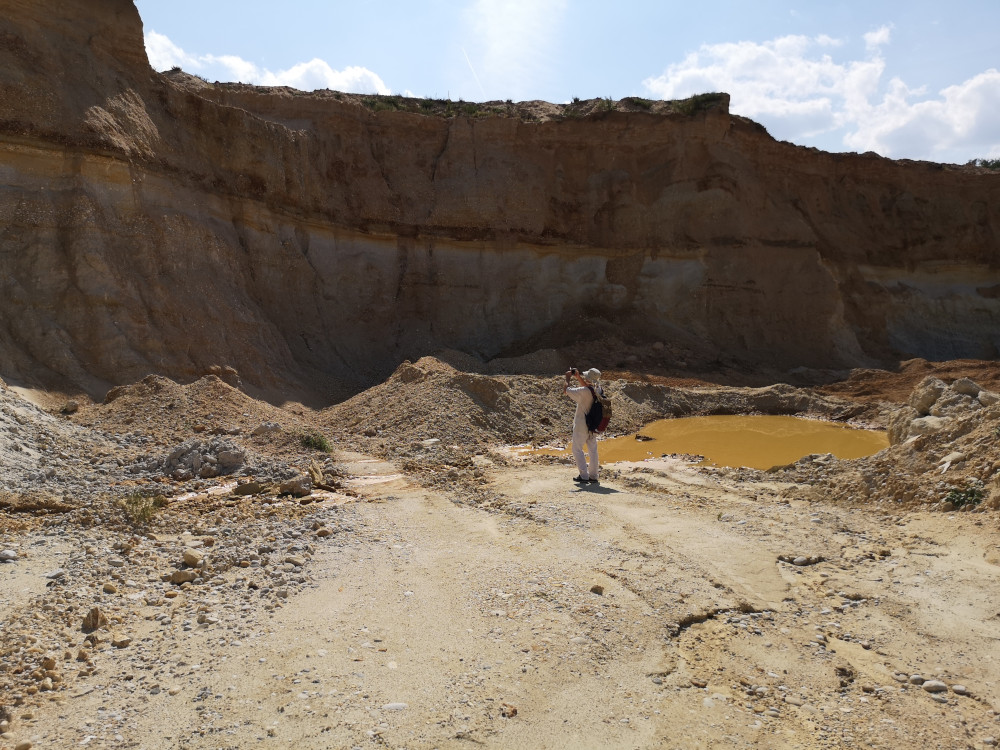
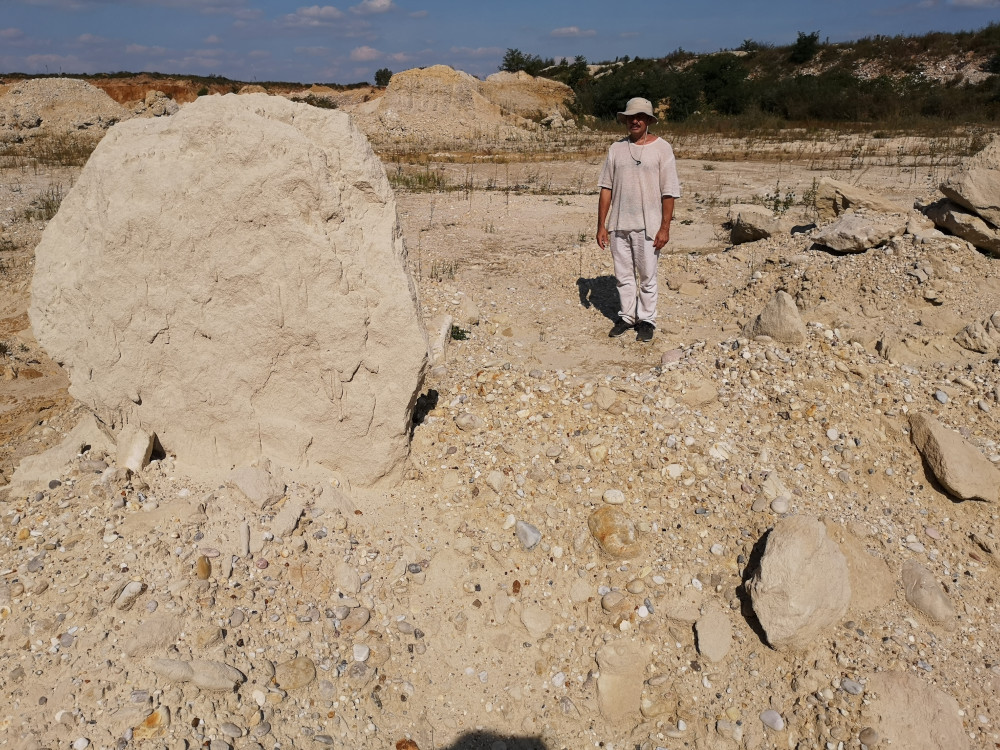
Pusztamiské Gravel Quarry is an active extraction site south of the village of Pusztamiske, Hungary. Parts of the quarry are still in operation, while others have already been abandoned.
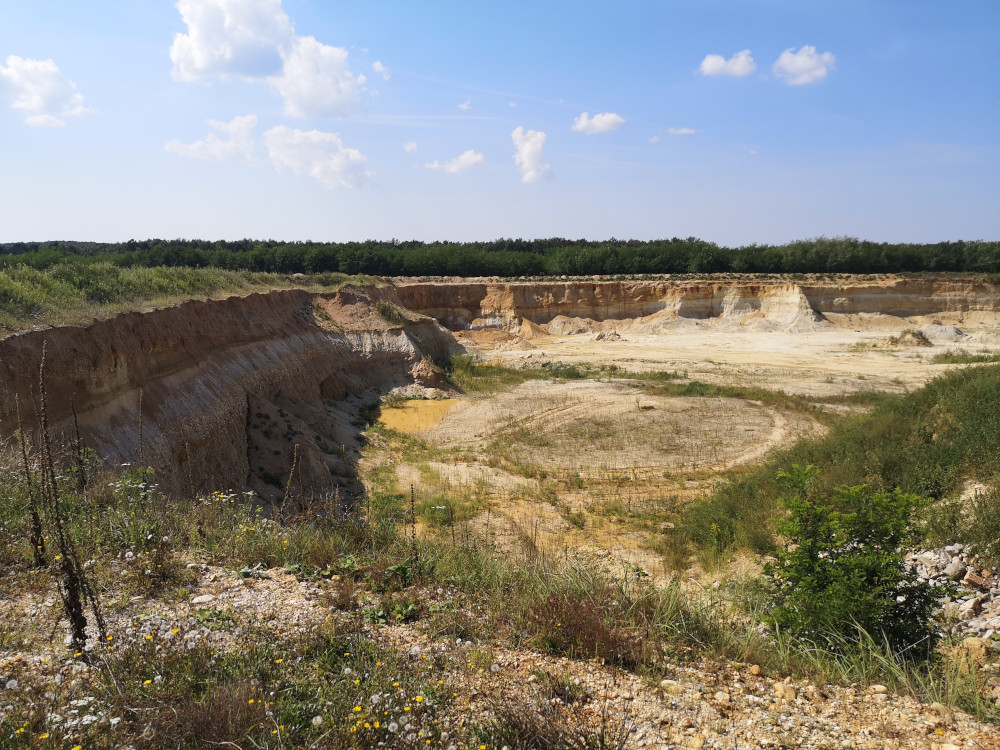
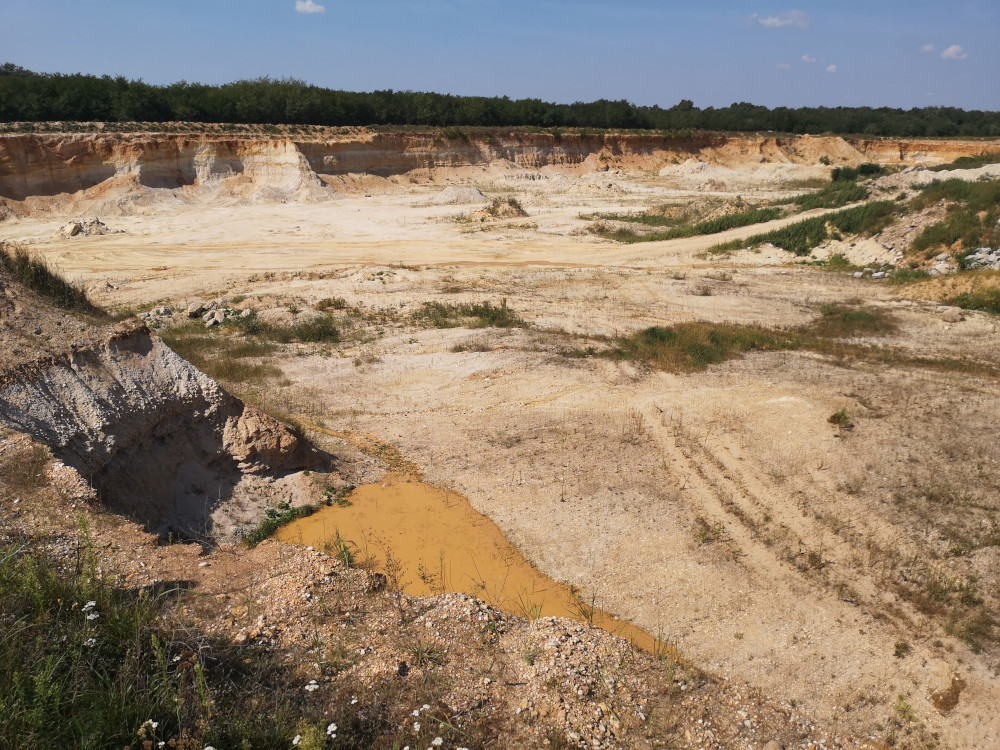
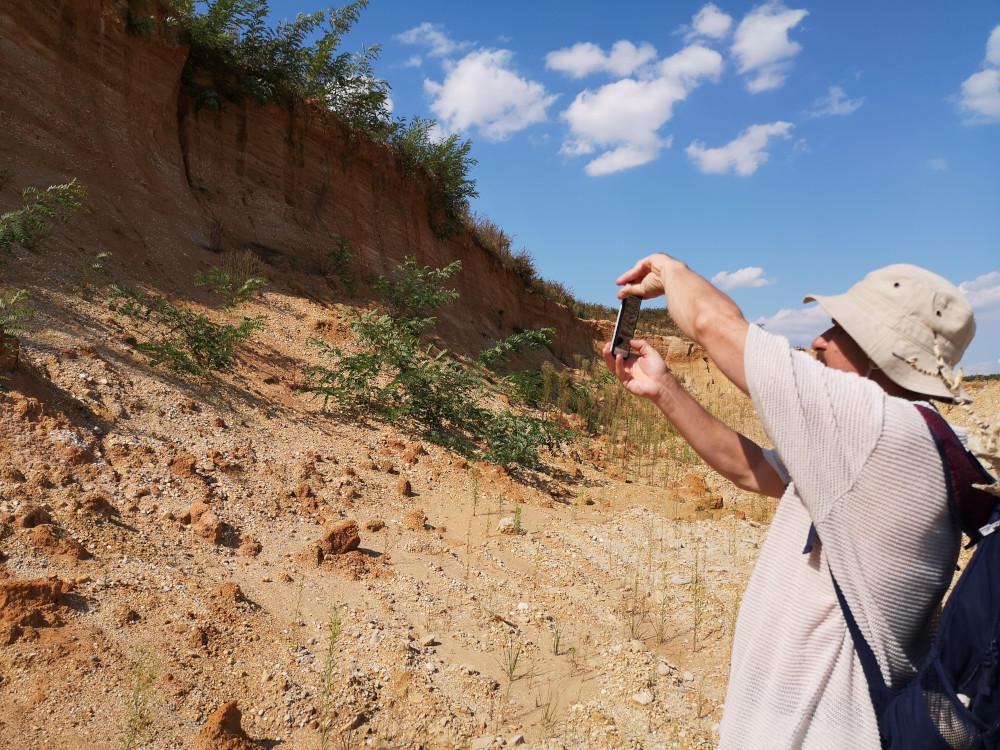
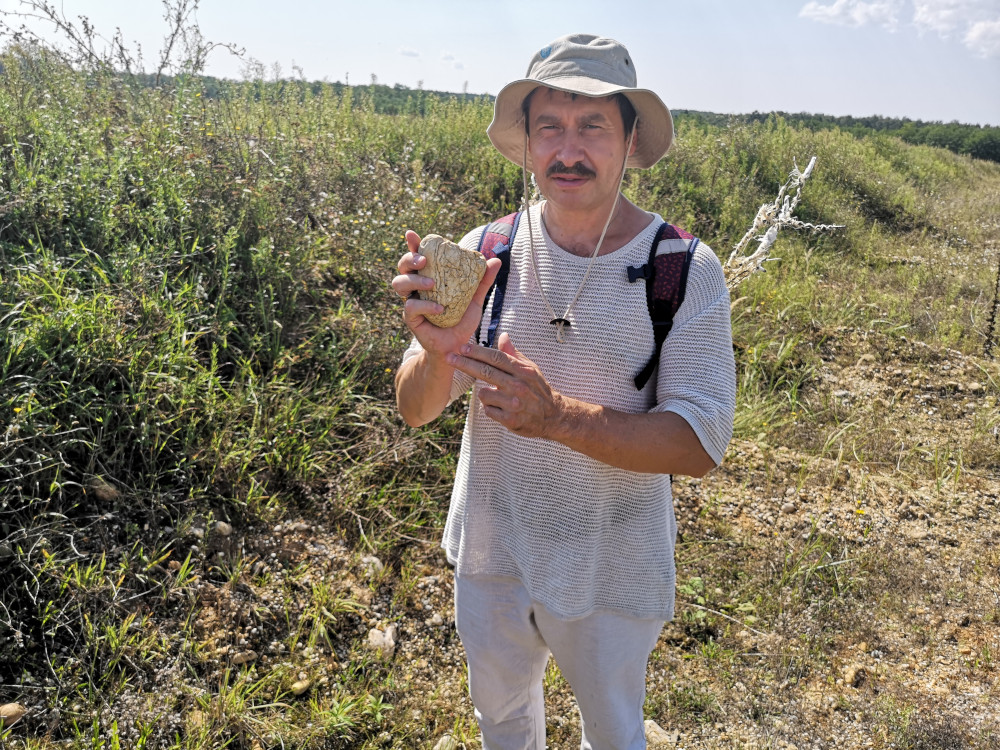
Its exposed walls reveal contrasting layers of white, ochre, orange, and pale sand. Beneath them lie traces of the Pannonian Sea: fossilised shells, sea urchins, corals, and other marine organisms preserved in the gravel and sand.
For R², these walls became a way of encountering geological time not as an abstract scale, but as something visible in colour, texture, movement, and material.
Walls the Color of Time
The exposed quarry walls became the starting point for a series of visual observations.
Their colours and structures record different layers of geological and human history. Ochre, limestone, sand, clay, and darker mineral traces form a landscape in which colour is not simply visual, but material evidence.
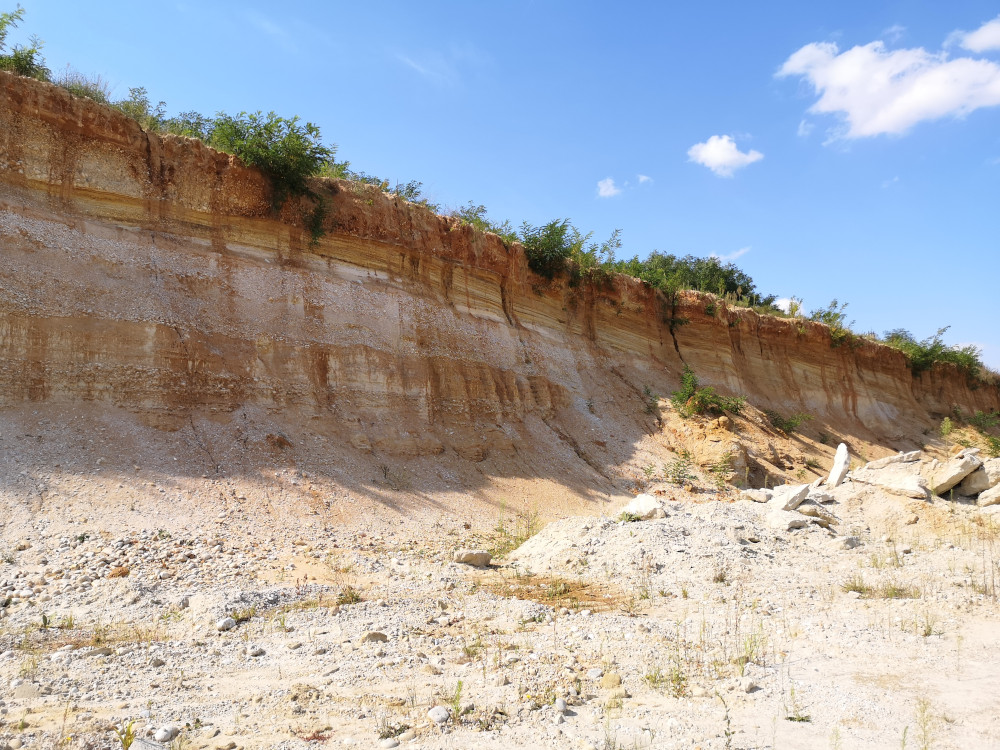

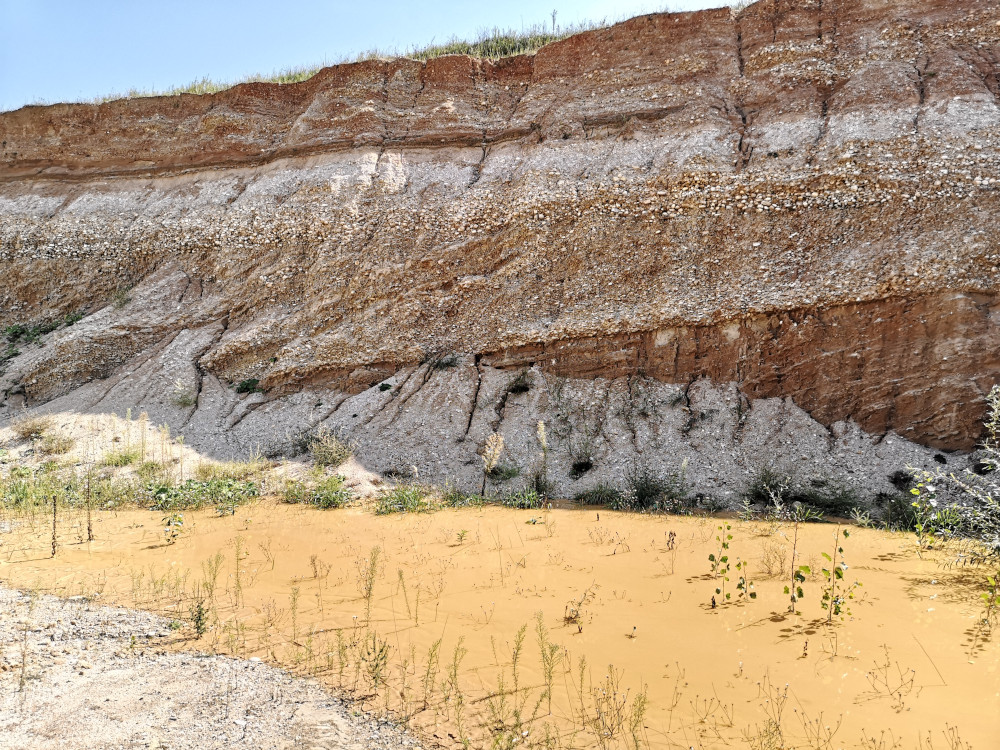
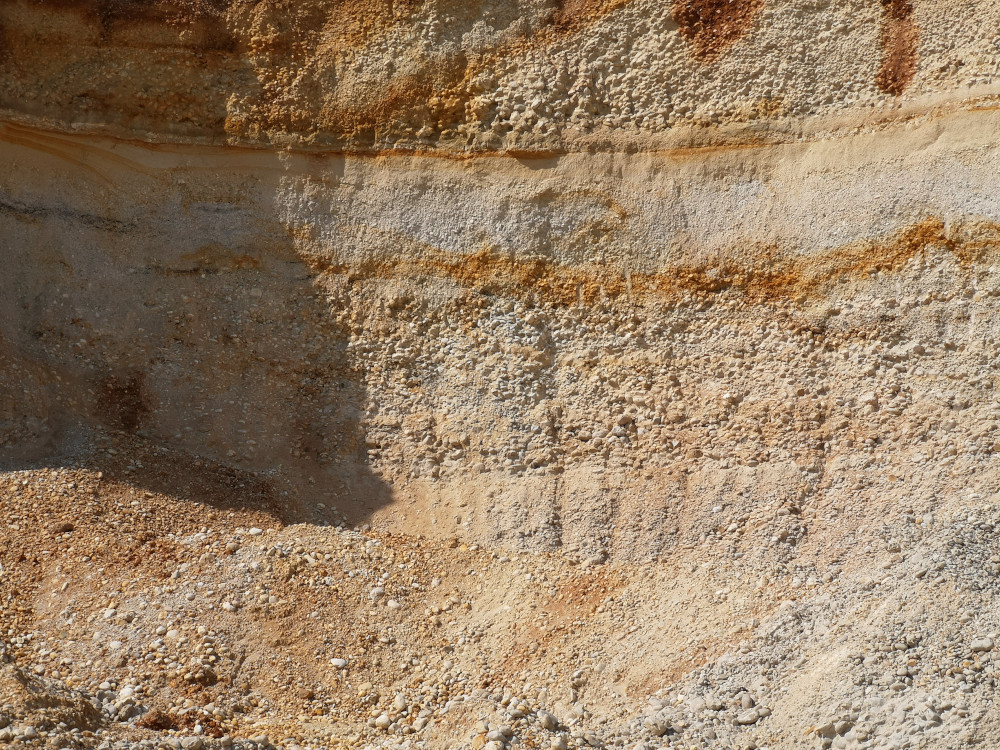
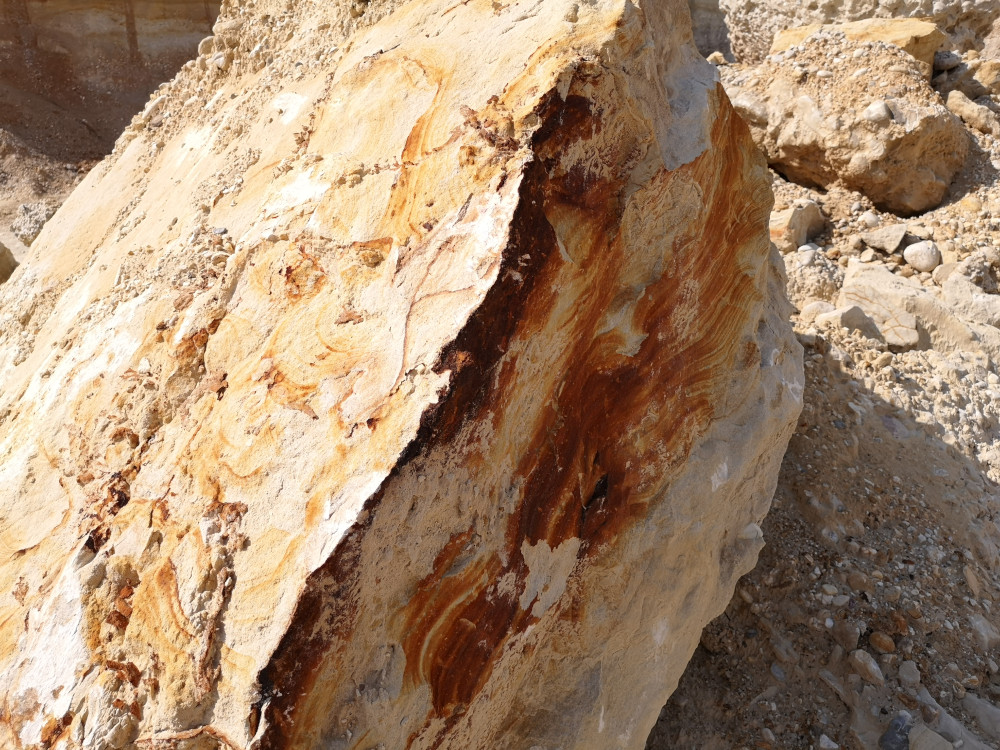

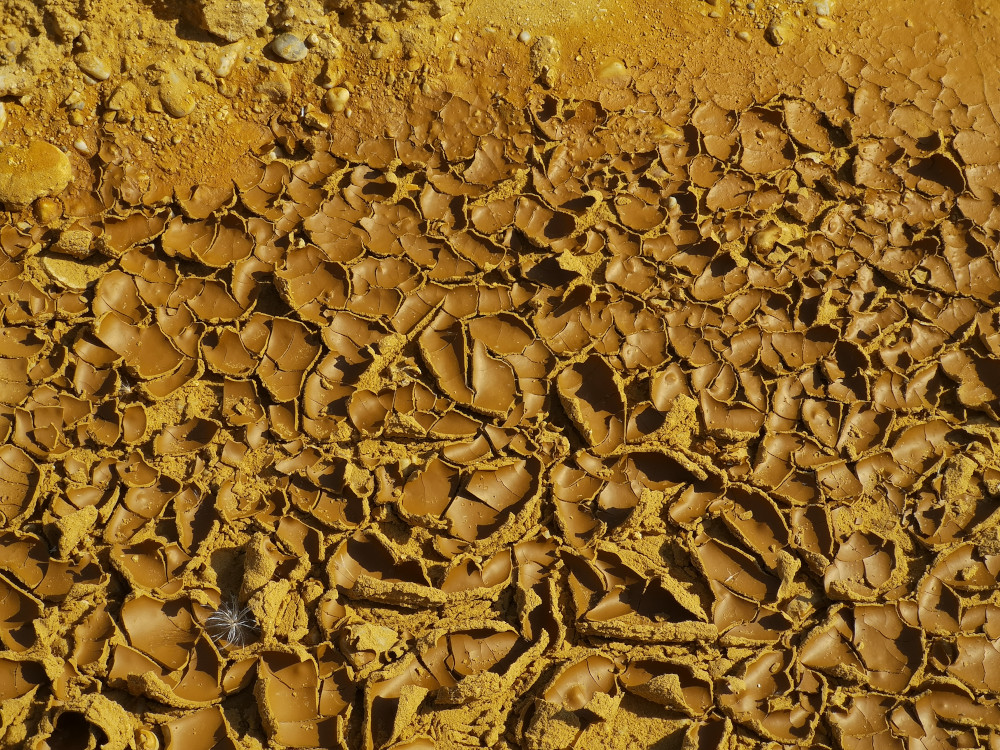
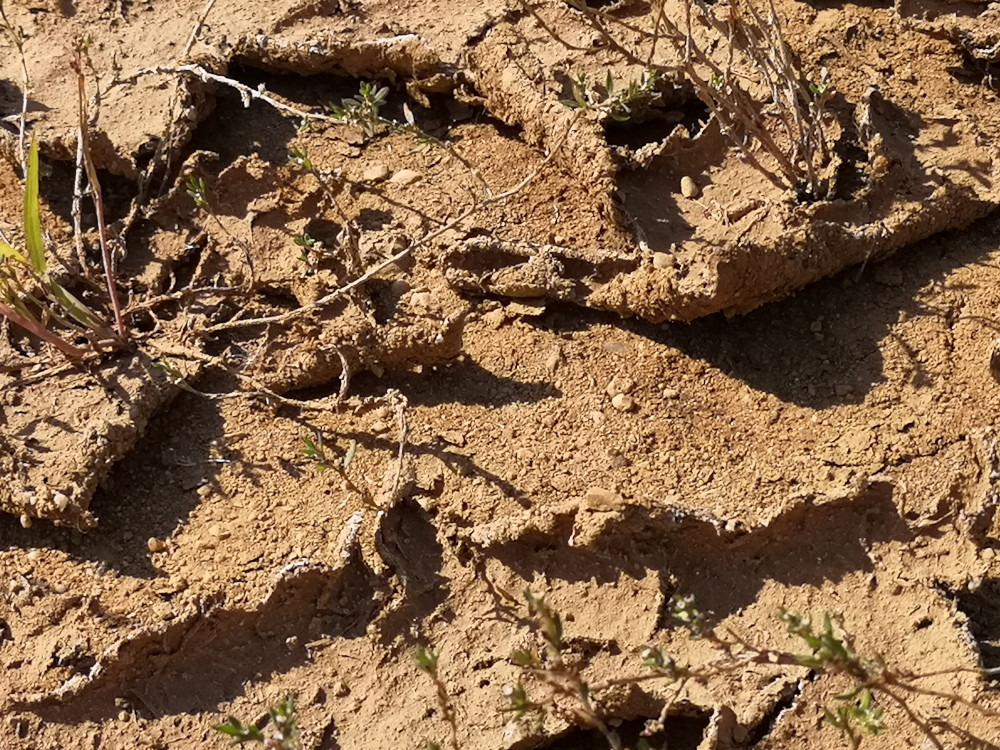
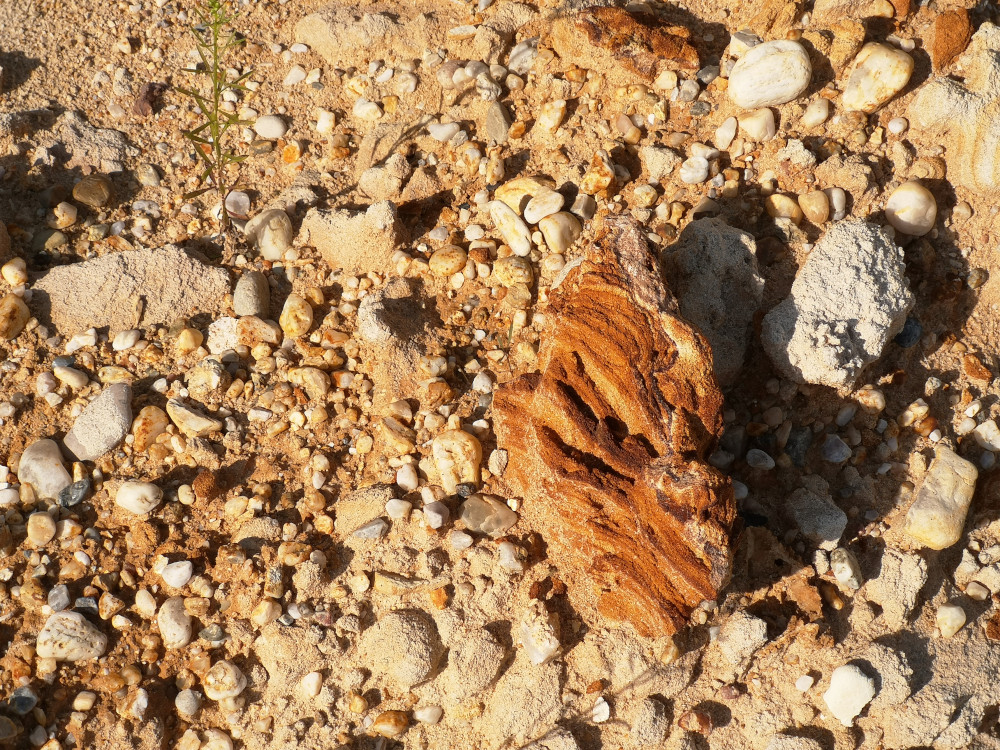
We observed the walls as changing surfaces rather than fixed images. Light moved across them, shadows altered their appearance, and the presence of bodies introduced another temporary layer.


Ritual with Shadows
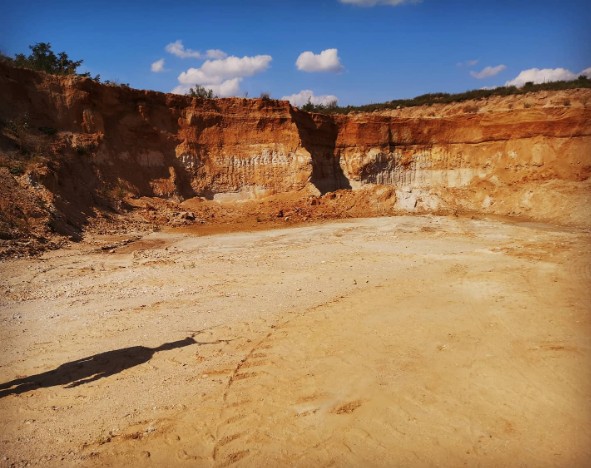
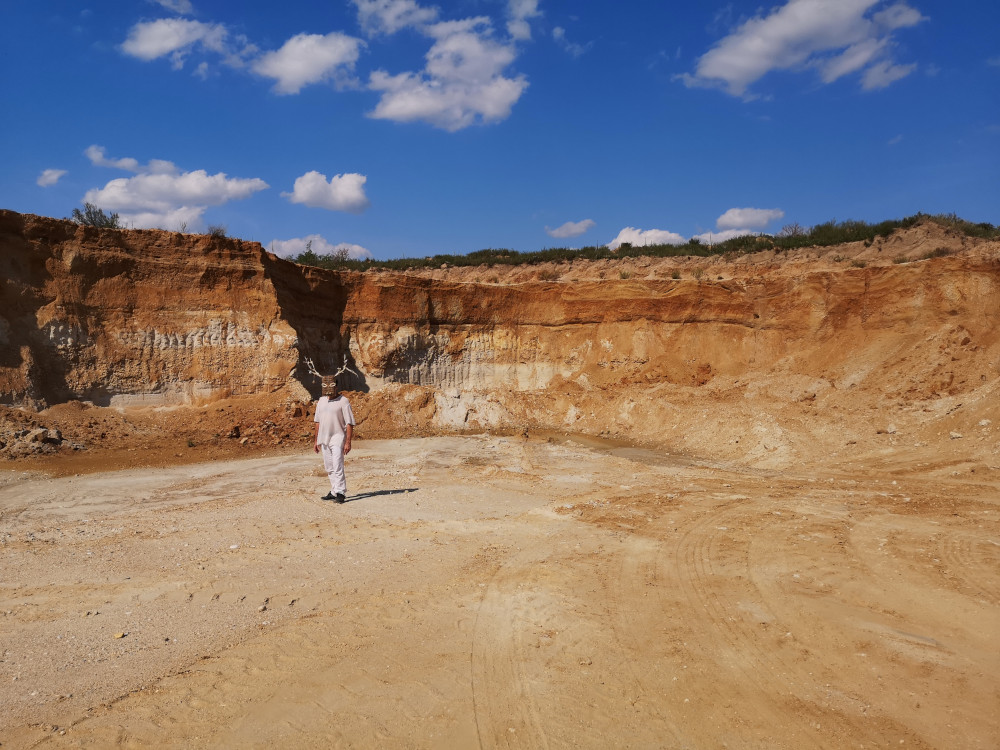
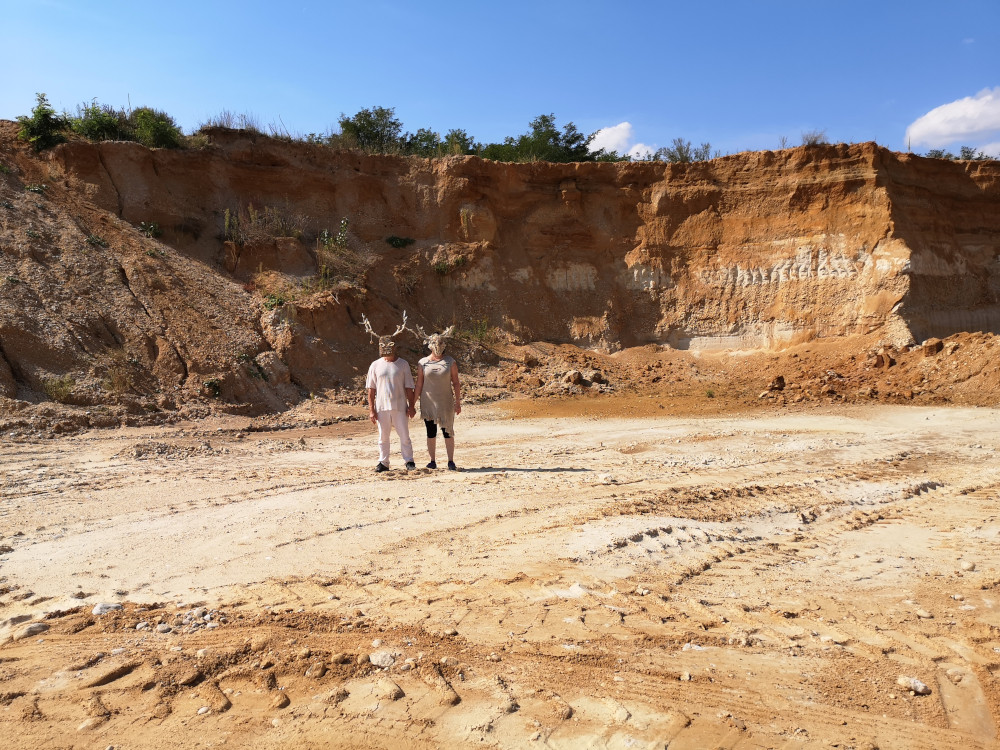
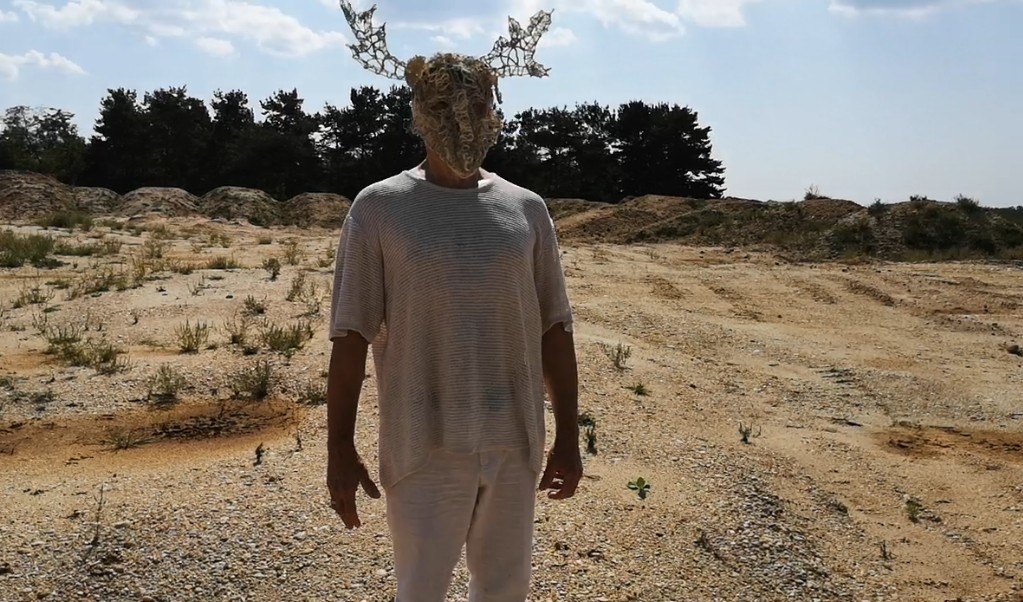
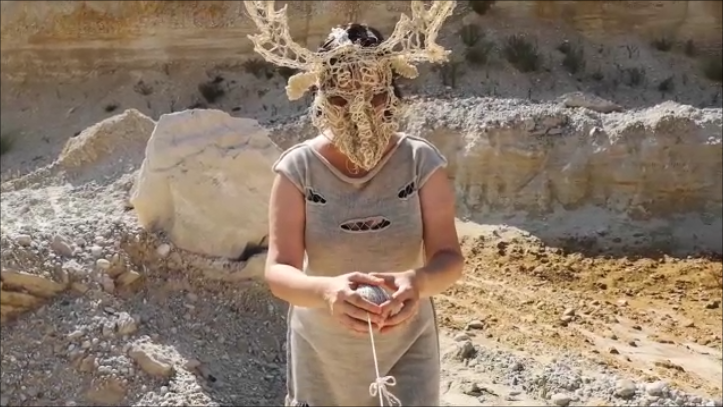
Among the tall orange and ochre walls, R² staged a performance with deer masks.
The figures moved slowly through the quarry, following the contours of the terrain and the changing light. The masks connected the action to the deer that inhabit the surrounding landscape, while the exposed strata placed the bodies within a much deeper temporal field.
The performance was not intended to reconstruct a historical scene or illustrate a myth. It was a way of being physically present in a landscape where geological time, industrial extraction, animal movement, and human perception meet.
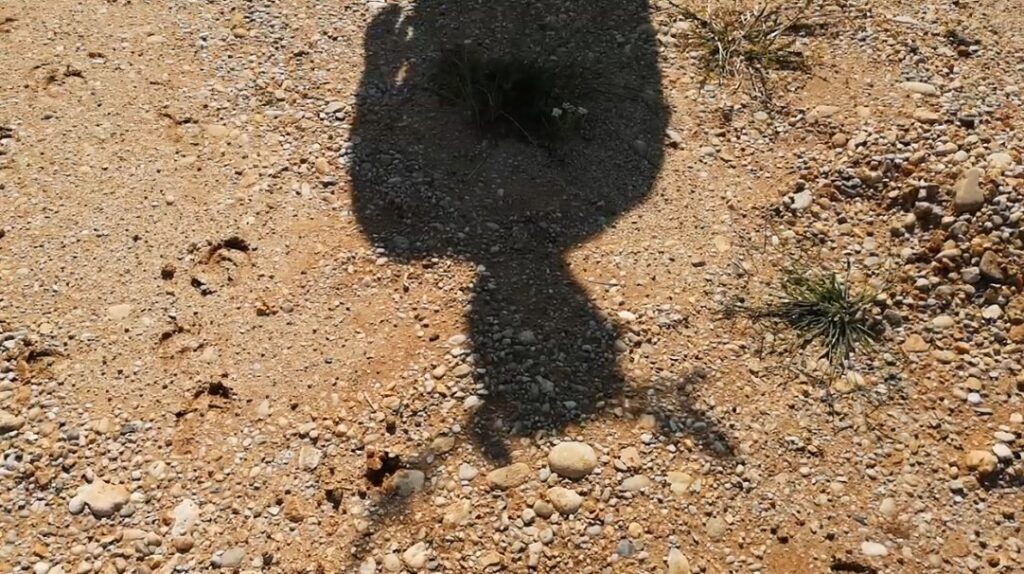
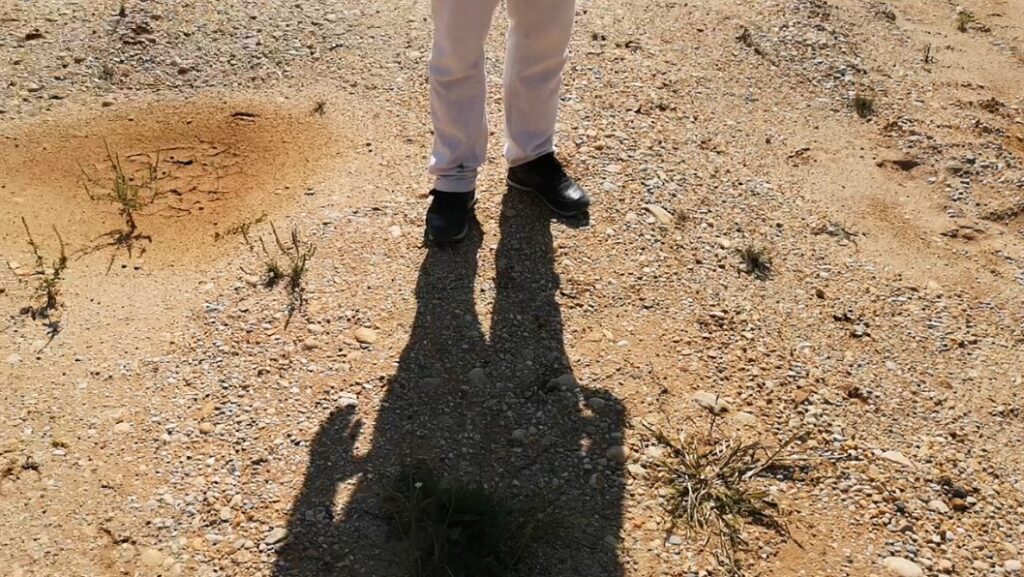
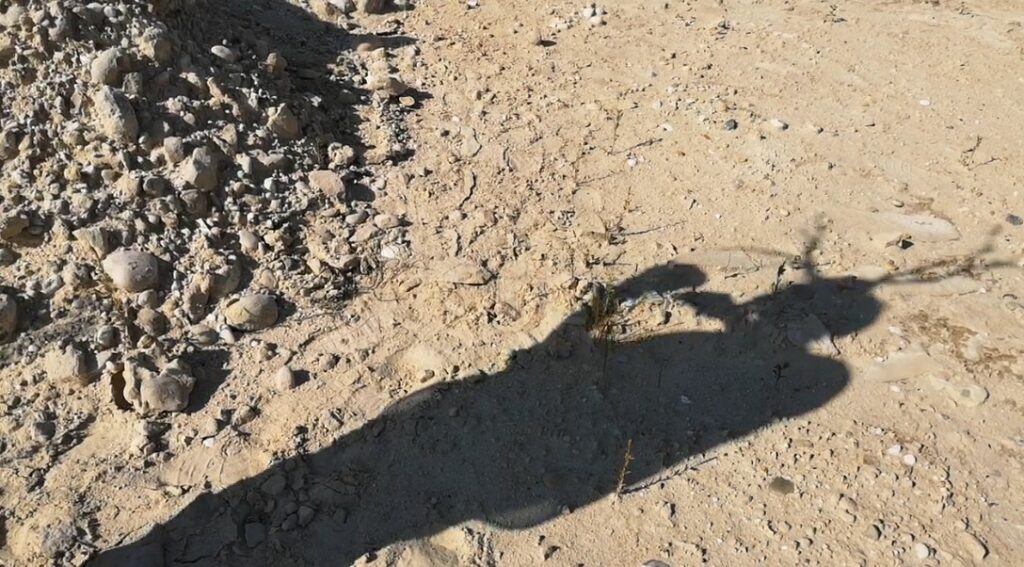
The shadows cast by the bodies became part of the work — temporary forms appearing on the sediment and disappearing as the light changed.
In the Deer’s Footsteps
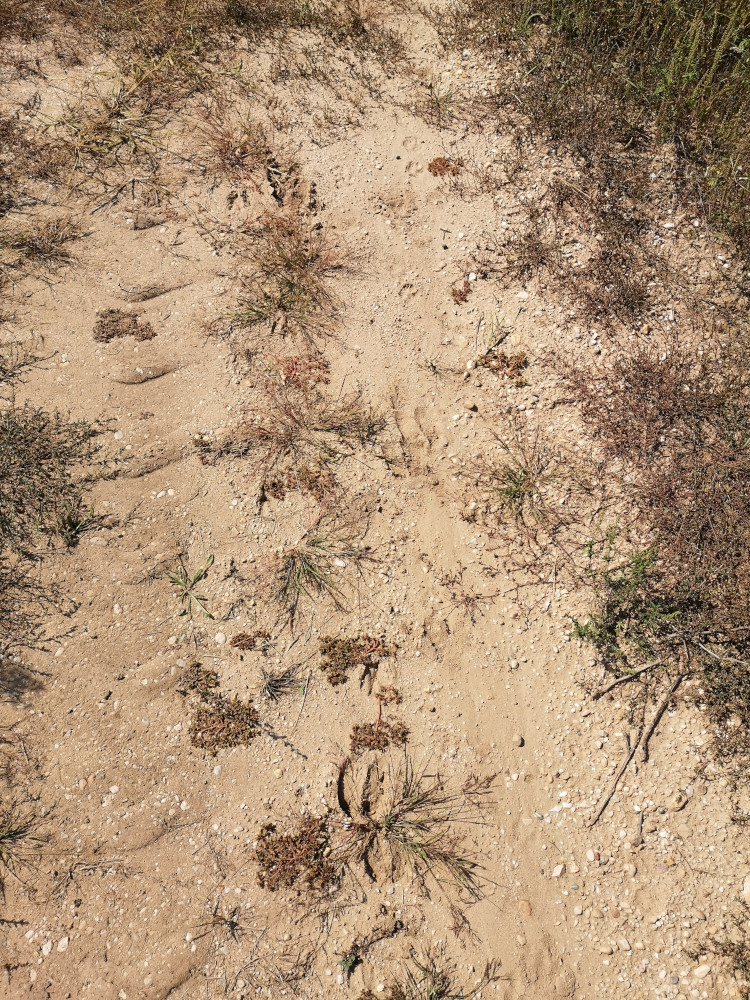
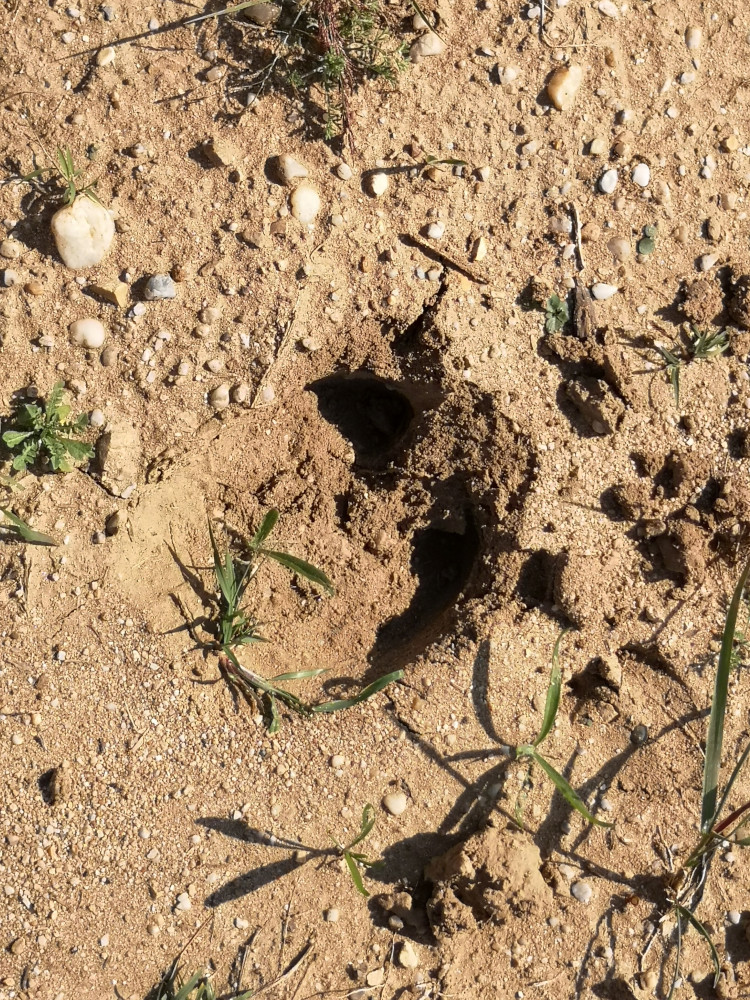
In an inactive section of the quarry, we discovered a trail of deer tracks crossing the exposed terrain.
The tracks followed a path up the slope and suddenly disappeared.
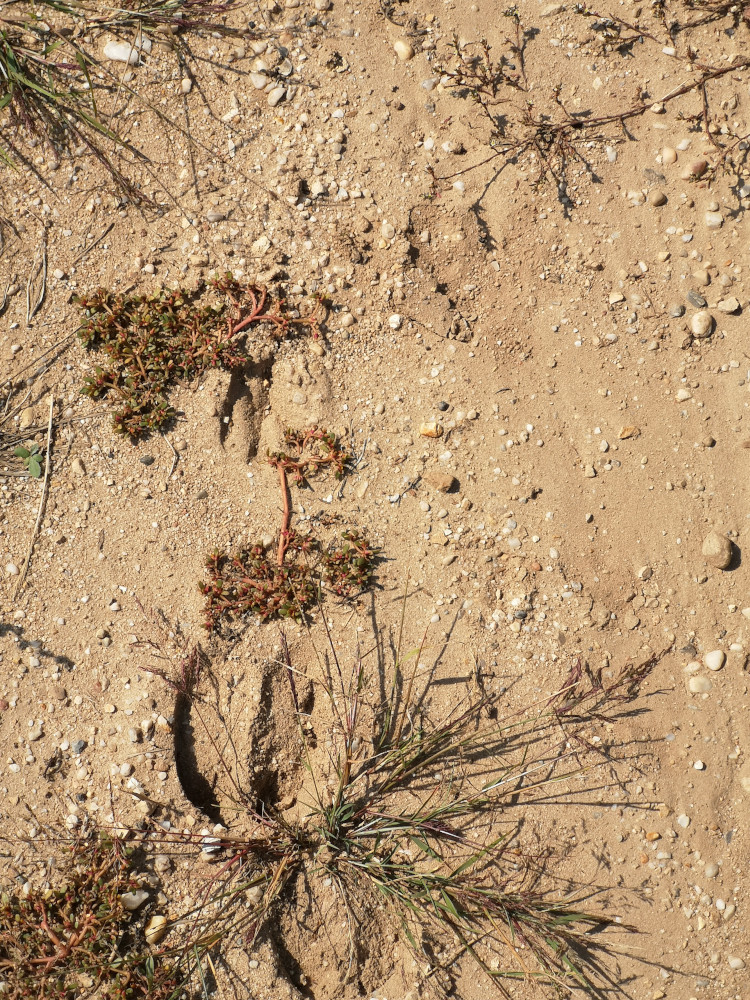
This encounter became the starting point for the video In the Deer’s Footsteps.
The work follows a trace that leads beyond what can be seen, turning the landscape into a space of uncertainty, encounter, and return.
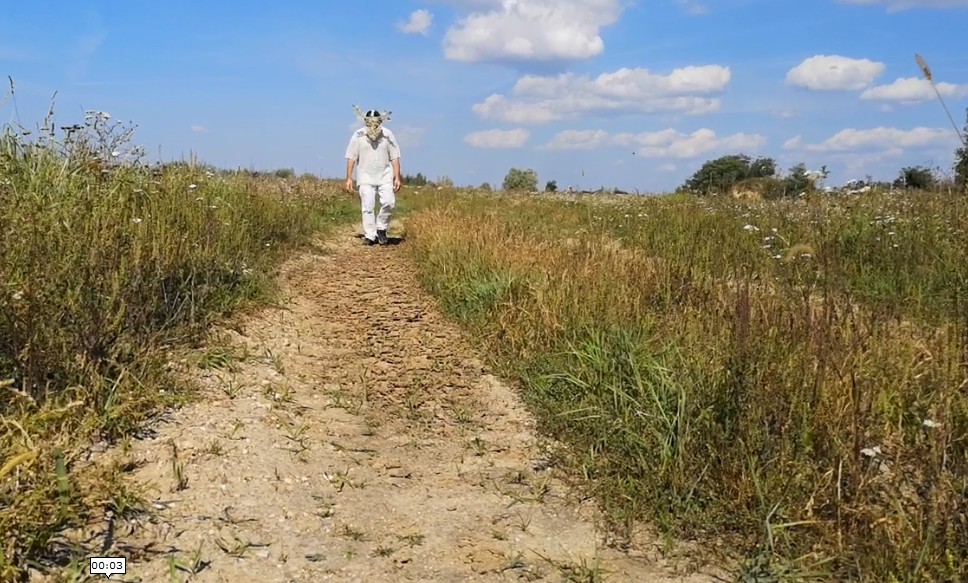
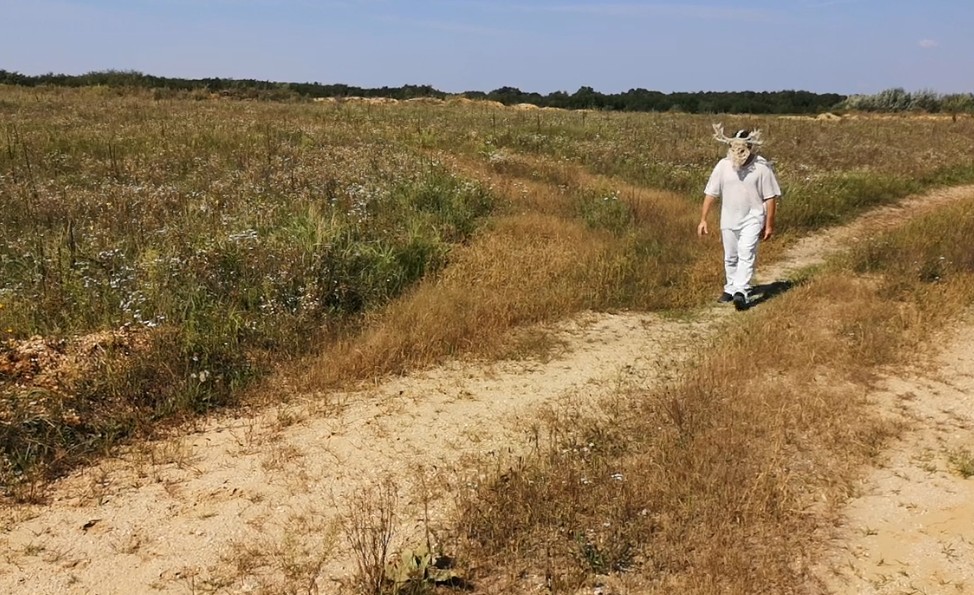
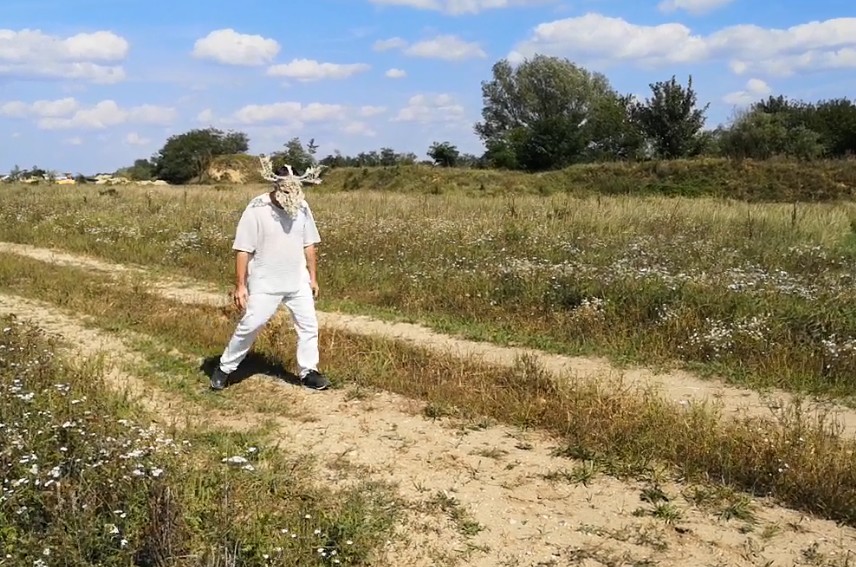
In the Deer’s Footsteps
Video
Director & Camera: Marina Razheva
Actor: Dmitry Razhev
Editing & Color: Sasha Snova
Music: Vladimir Razhev
The Thread
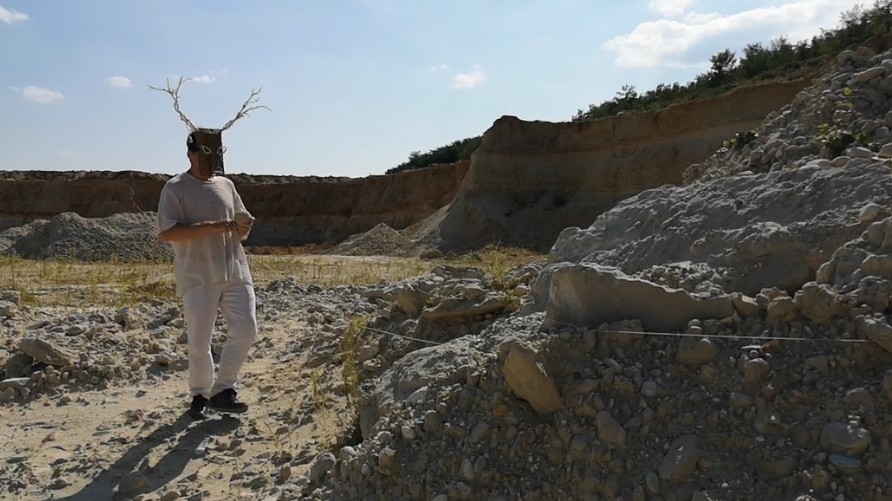
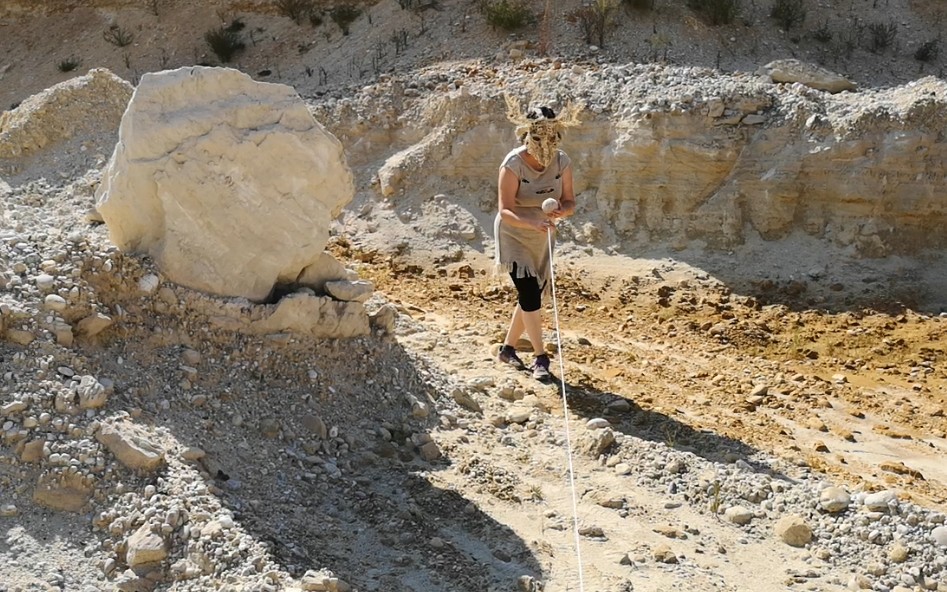
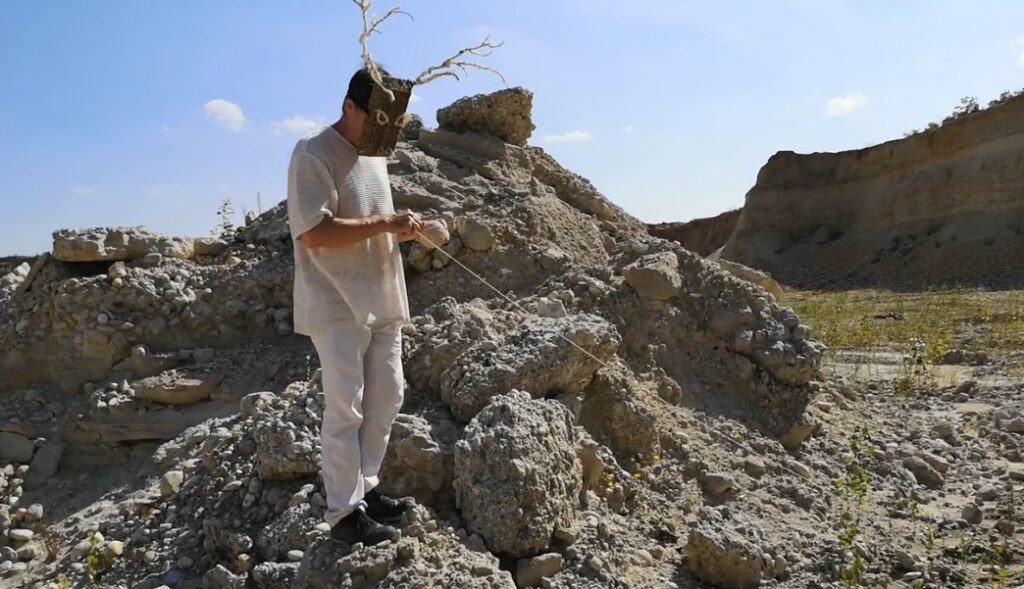
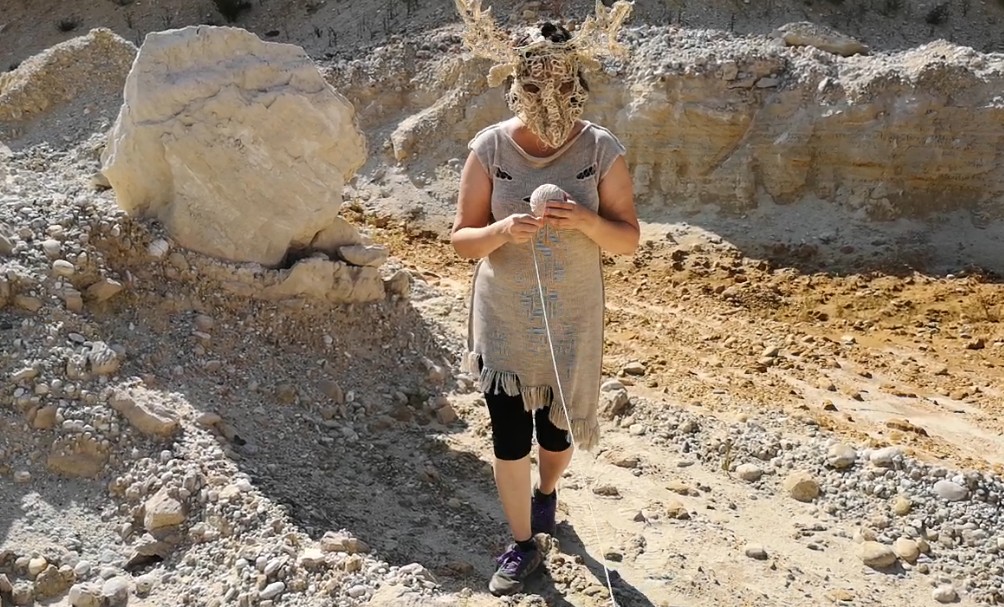
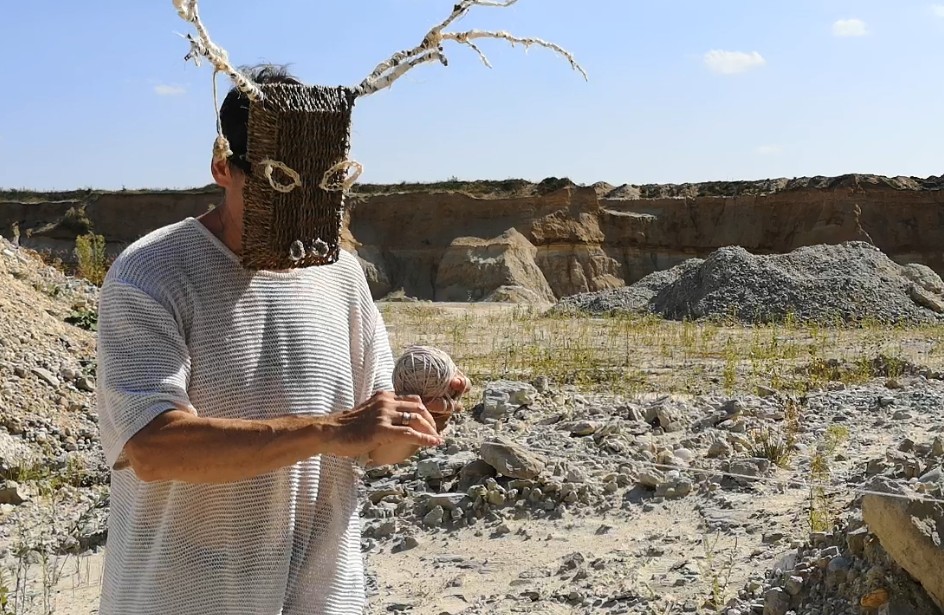
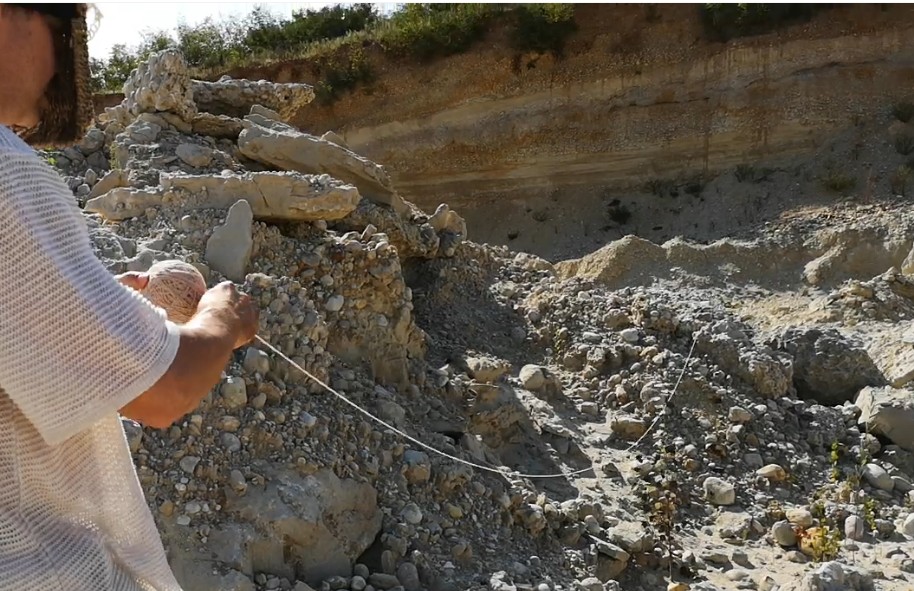
Another part of the quarry formed a landscape of pale sand mounds resembling a soft labyrinth.
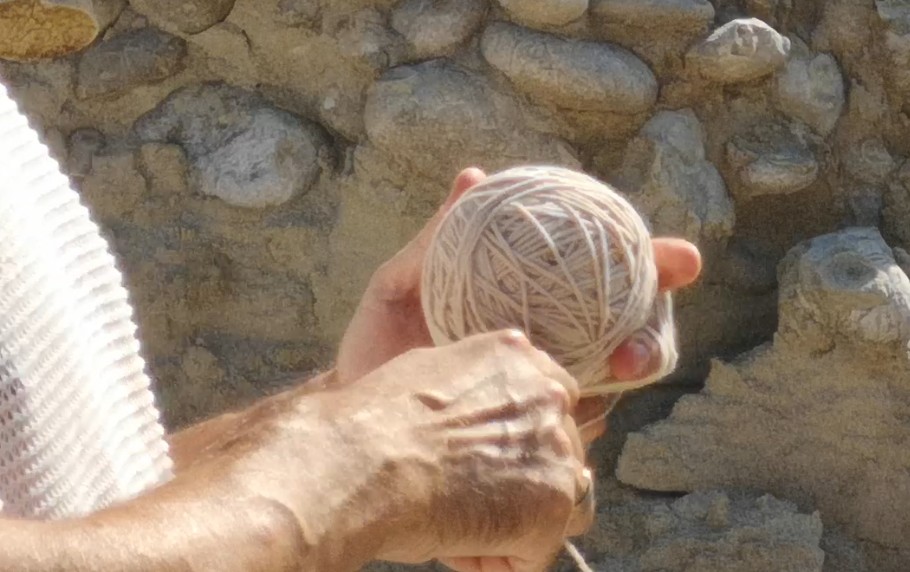
Here, the thread became a line of movement through the terrain — a fragile connection between two presences approaching each other from opposite directions.
Rather than illustrating a predetermined story, the action allowed the physical structure of the quarry to become part of the work. The landscape itself determined the path, the distance, and the eventual encounter.
The Thread
Video
Directors & Camera: Marina & Dmitry Razhev
Editing & Color: Sasha Snova
Music: Vladimir Razhev
Revealed Realism
Pusztamiské became an example of how Revealed Realism works through attention rather than predetermined form.
The quarry offered the walls, the colours, the tracks, the shadows, the labyrinth-like terrain. Each became a starting point for a different action.
The works did not seek to add meaning to the landscape, but to enter into what was already present and allow its conditions to redirect the artistic process.
The quarry was not a backdrop. It was the condition of the work.
Digital traces:
Instagram · Pusztamiské Quarry
Instagram · Walls the Color of Time
Instagram · Ritual with Shadows
Instagram · In the Deer’s Footsteps
Instagram · The Thread